Knowing When Flavor Lifts And When It Takes Over
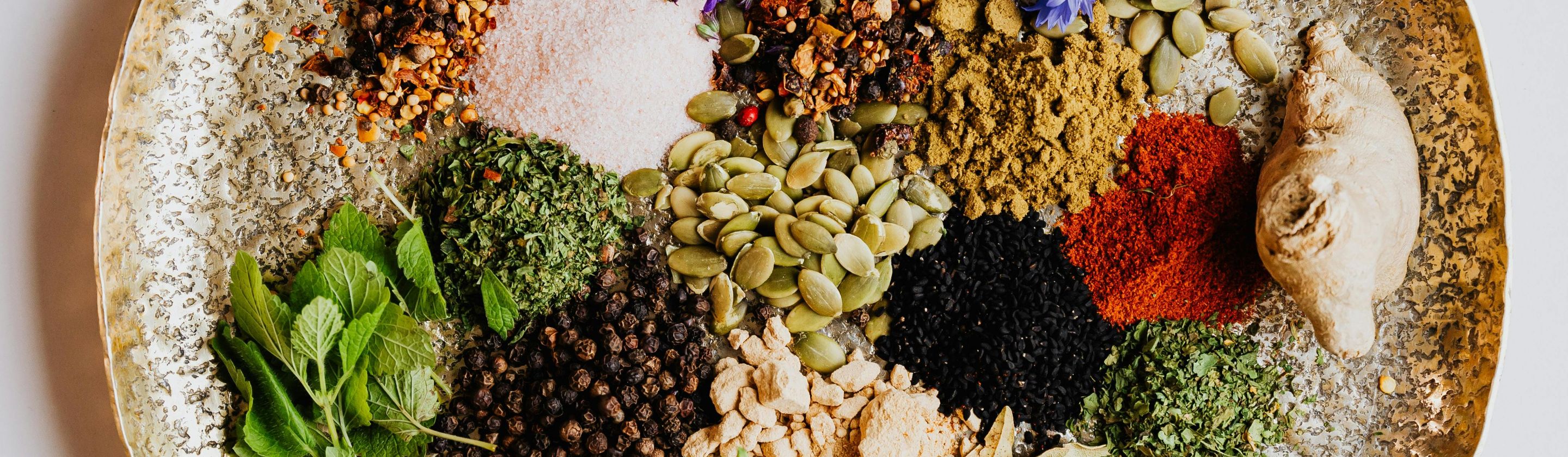
Spices are powerful because they interact with heat, fat, and time in ways that dramatically reshape savory food. Some seasonings integrate smoothly, enhancing depth and balance even when added casually, while others intensify so quickly that a small misstep overwhelms everything else on the plate. Developing instinct around these differences is one of the clearest markers between anxious cooking and confident cooking. These two lists separate reliable enhancers from high-risk spices, so flavor works for you rather than against you.
 Mehmet Turgut Kirkgoz on Pexels
1. Garlic Powder
Garlic powder provides savory depth without the sharpness or moisture of fresh garlic, making it especially useful in dry rubs, roasted dishes, and sauces that need even flavor distribution. Because it dissolves gradually, it reinforces umami instead of announcing itself aggressively.
2. Smoked Paprika
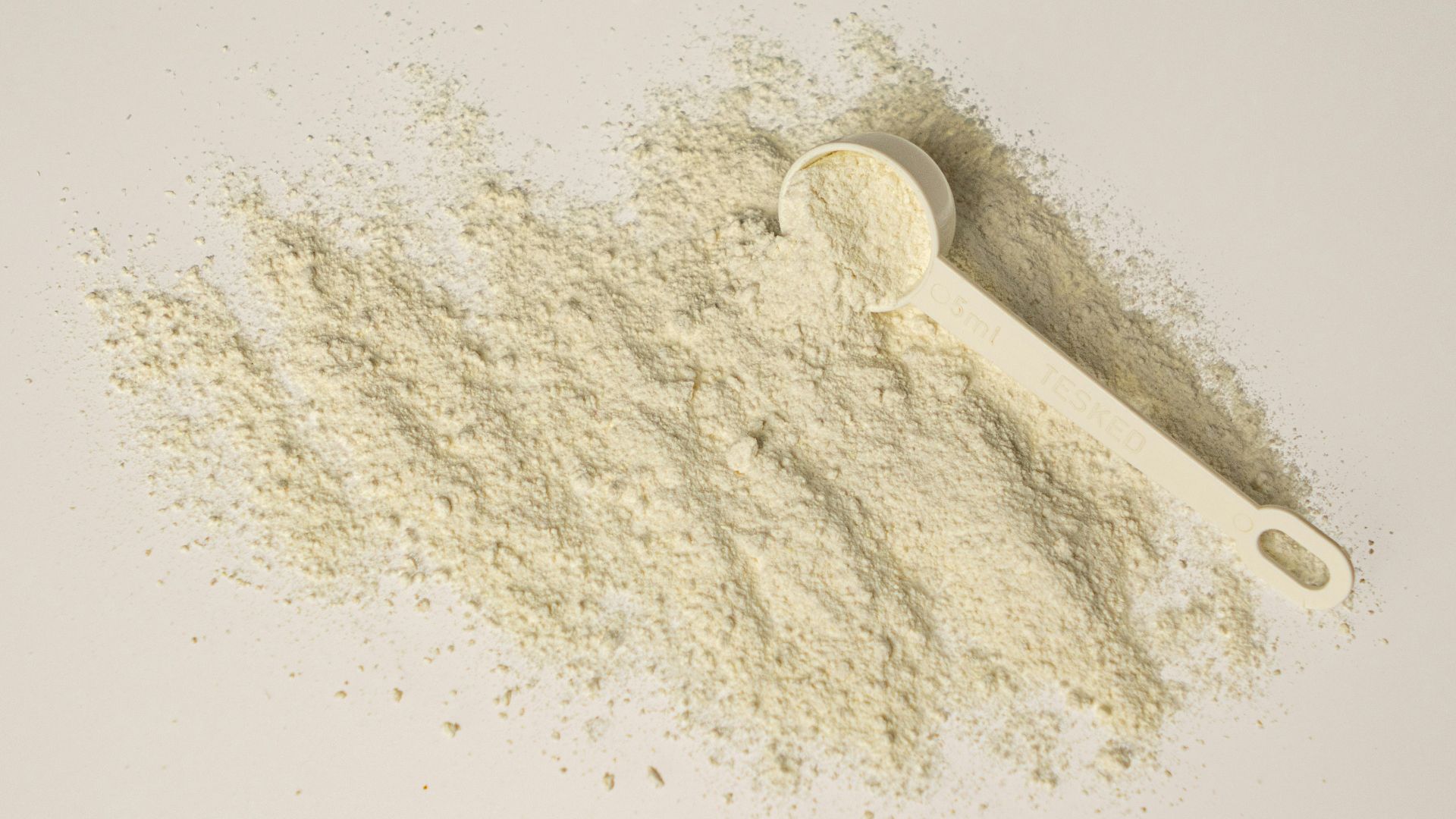
Smoked paprika adds complexity by introducing warmth and subtle smokiness rather than heat. It enhances vegetables, meats, and legumes while allowing their natural flavors to remain intact. The spice deepens as it cooks, especially in slow applications.
3. Ground Cumin
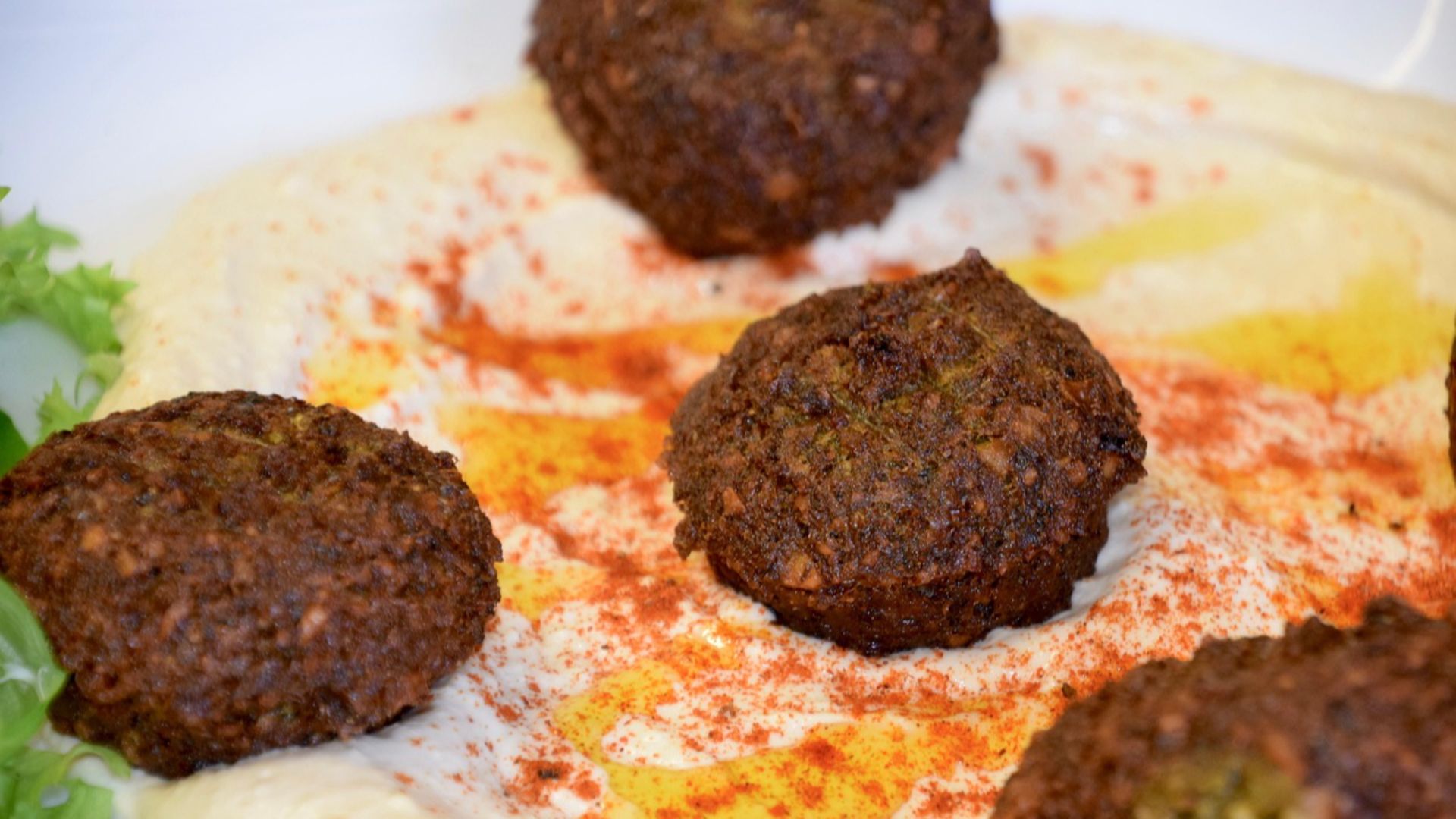
Ground cumin anchors savory dishes with earthy warmth that feels grounding rather than heavy. It works particularly well alongside onions, garlic, and fats, which help distribute its aroma evenly. Toasting gently intensifies its complexity without bitterness. The result feels cohesive instead of spiced, giving dishes a sense of intention rather than excess.
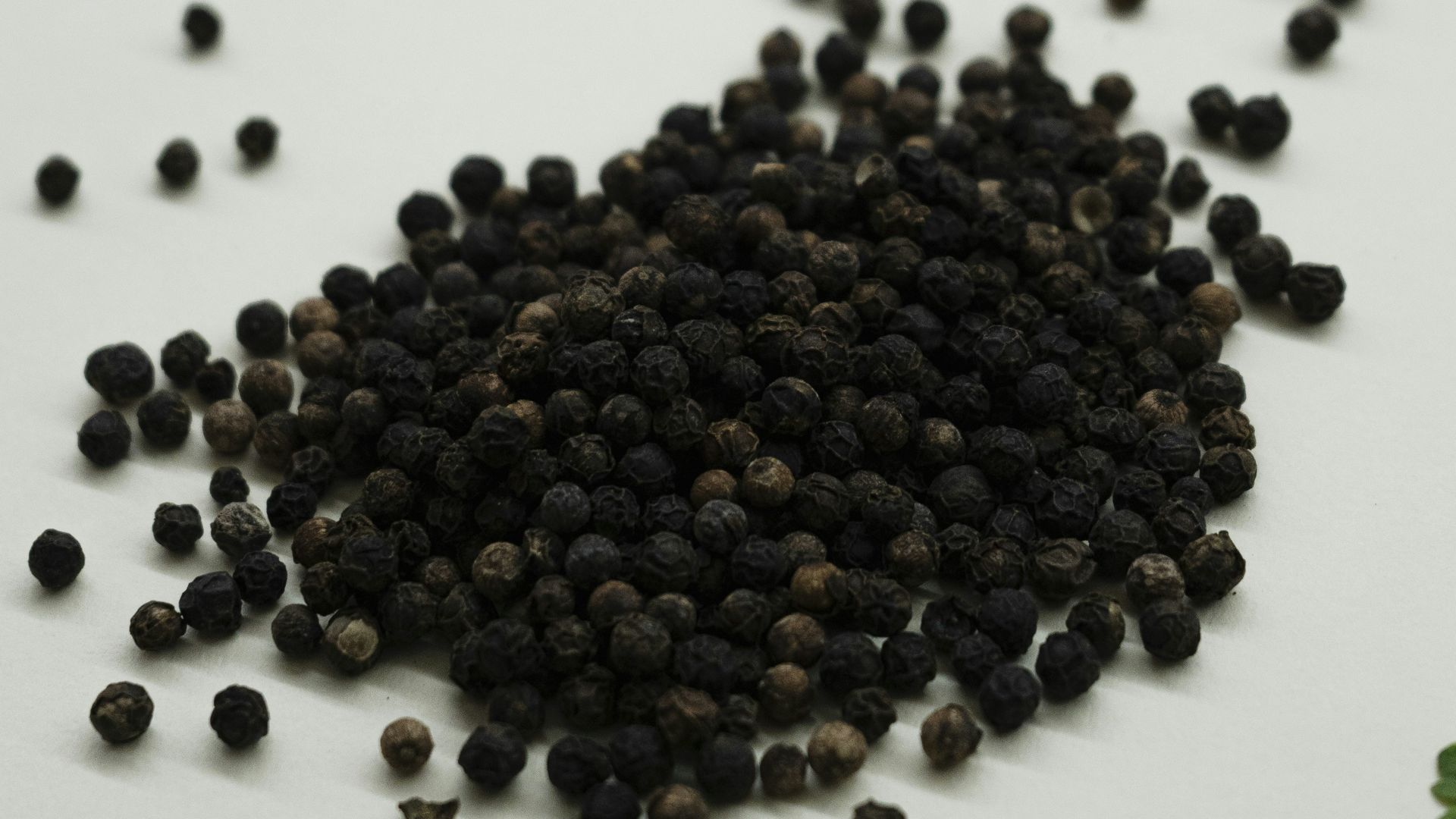
4. Black Pepper
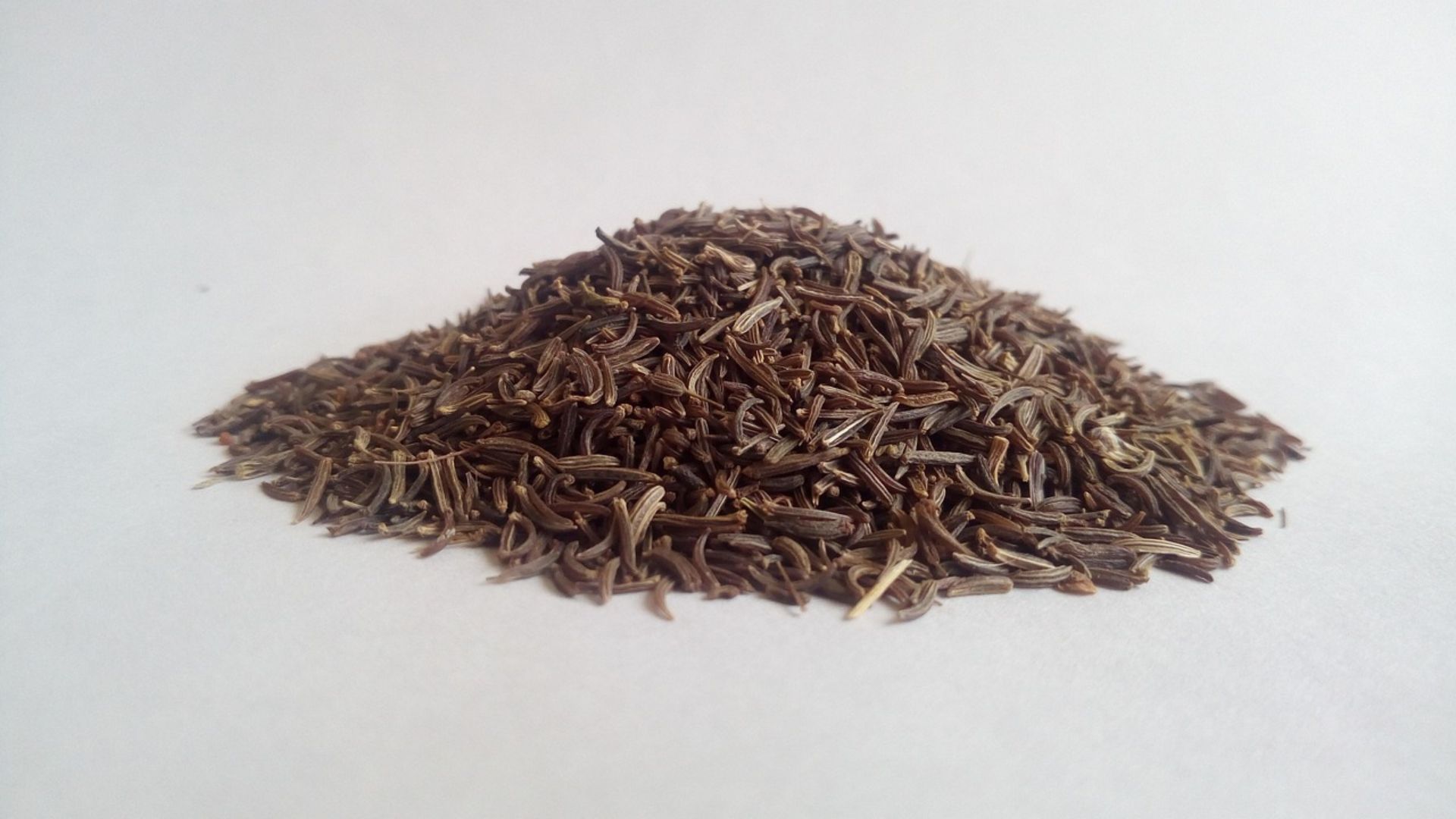
Freshly ground black pepper sharpens savory food by increasing aromatic contrast rather than overwhelming heat. It enhances the perception of salt and fat while remaining adaptable across cuisines. Grind size controls intensity naturally. Pepper strengthens dishes without stealing focus, which is why it’s often added at multiple stages of cooking.
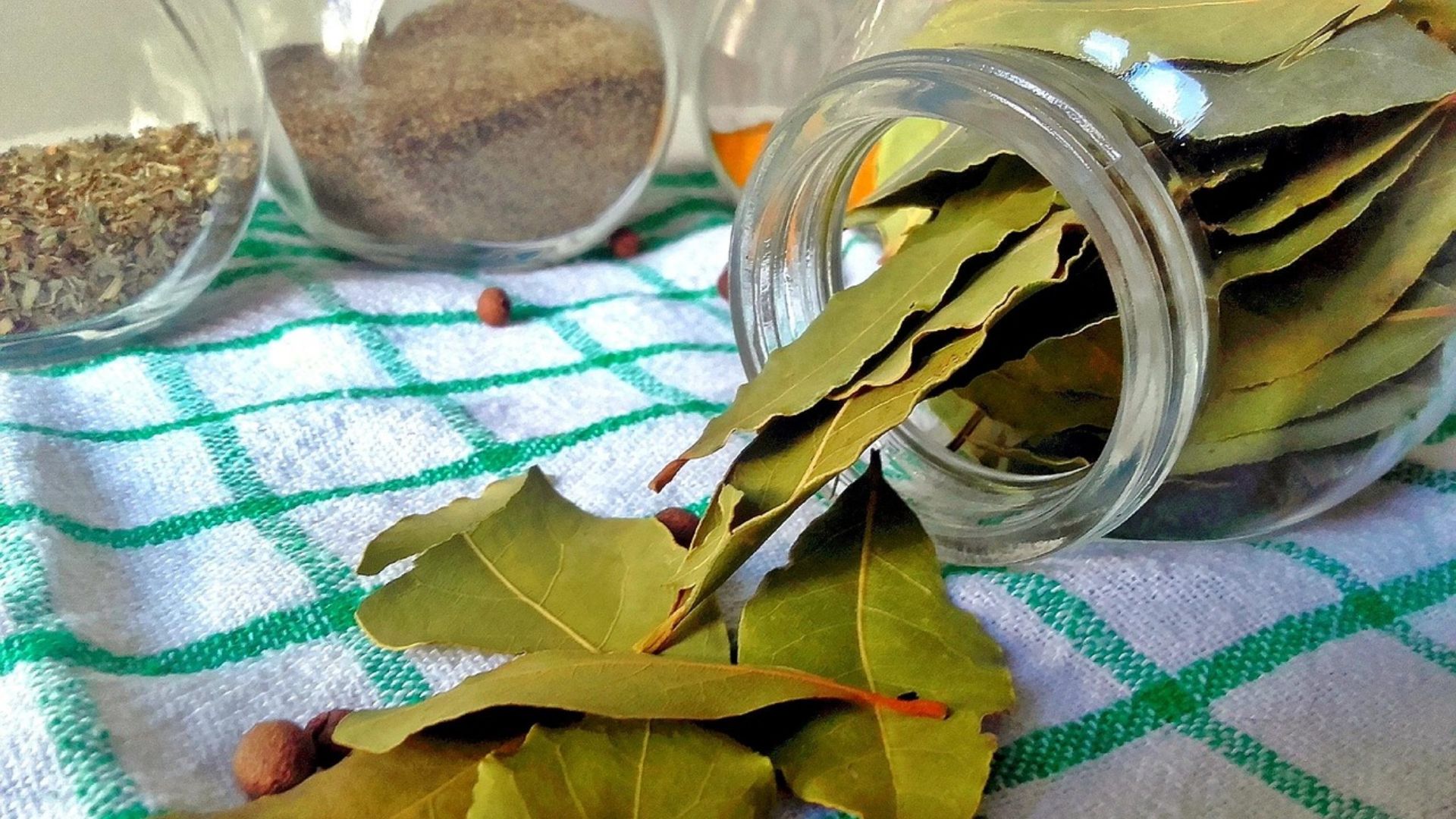
5. Bay Leaf
Bay leaf infuses background flavor slowly, contributing depth without overt spice notes. It performs best in long-simmered dishes where subtlety matters.
The leaf never dominates the dish. Instead, it quietly rounds edges and fills gaps, creating a fuller flavor profile that’s difficult to identify but easy to miss when absent.
6. Thyme
Thyme offers herbaceous complexity that withstands heat without becoming bitter or muddy. It pairs equally well with proteins and vegetables. The flavor builds gradually over time. This patience makes it dependable in savory cooking, especially in dishes that rely on balance rather than boldness.

7. Ground Coriander
Ground coriander brings citrusy warmth without acidity, brightening savory dishes gently. It pairs well with cumin and garlic to create layered depth. The flavor remains smooth even when used generously. That balance prevents accidental overpowering and keeps dishes tasting cohesive.
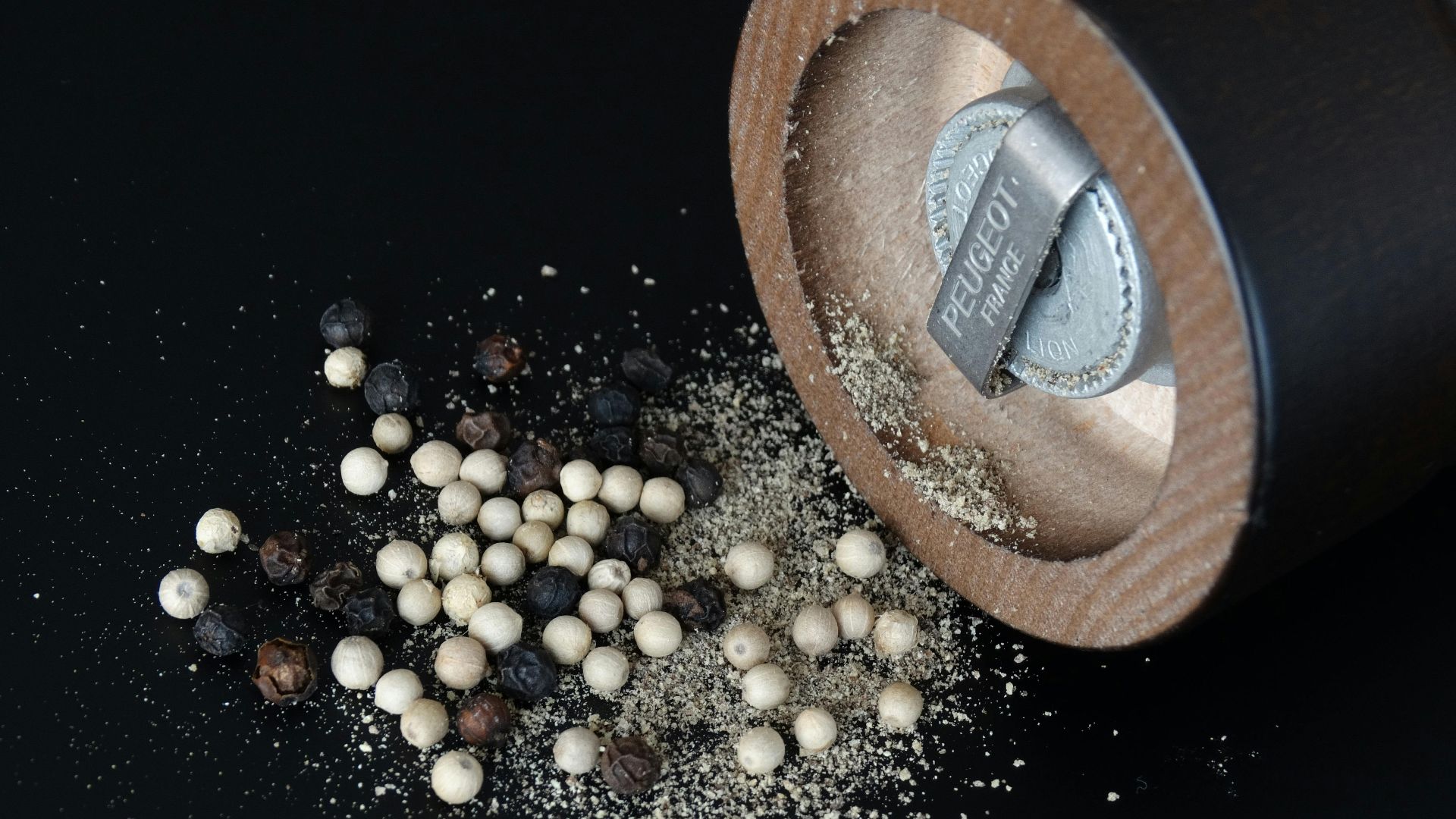
8. White Pepper
White pepper delivers heat without the sharp bite or visual presence of black pepper. It blends invisibly into creamy or light-colored dishes. The spice feels integrated rather than pronounced. Subtlety becomes its strength, particularly in refined or minimalist cooking.
9. Mustard Powder
Mustard powder contributes tang and depth that activate gradually with heat and moisture. Rather than tasting overtly mustard-forward, it supports sauces and meats quietly. Its delayed sharpness prevents heavy-handed mistakes. The effect is controlled and balanced, making it ideal for layered savory recipes.

10. Allspice
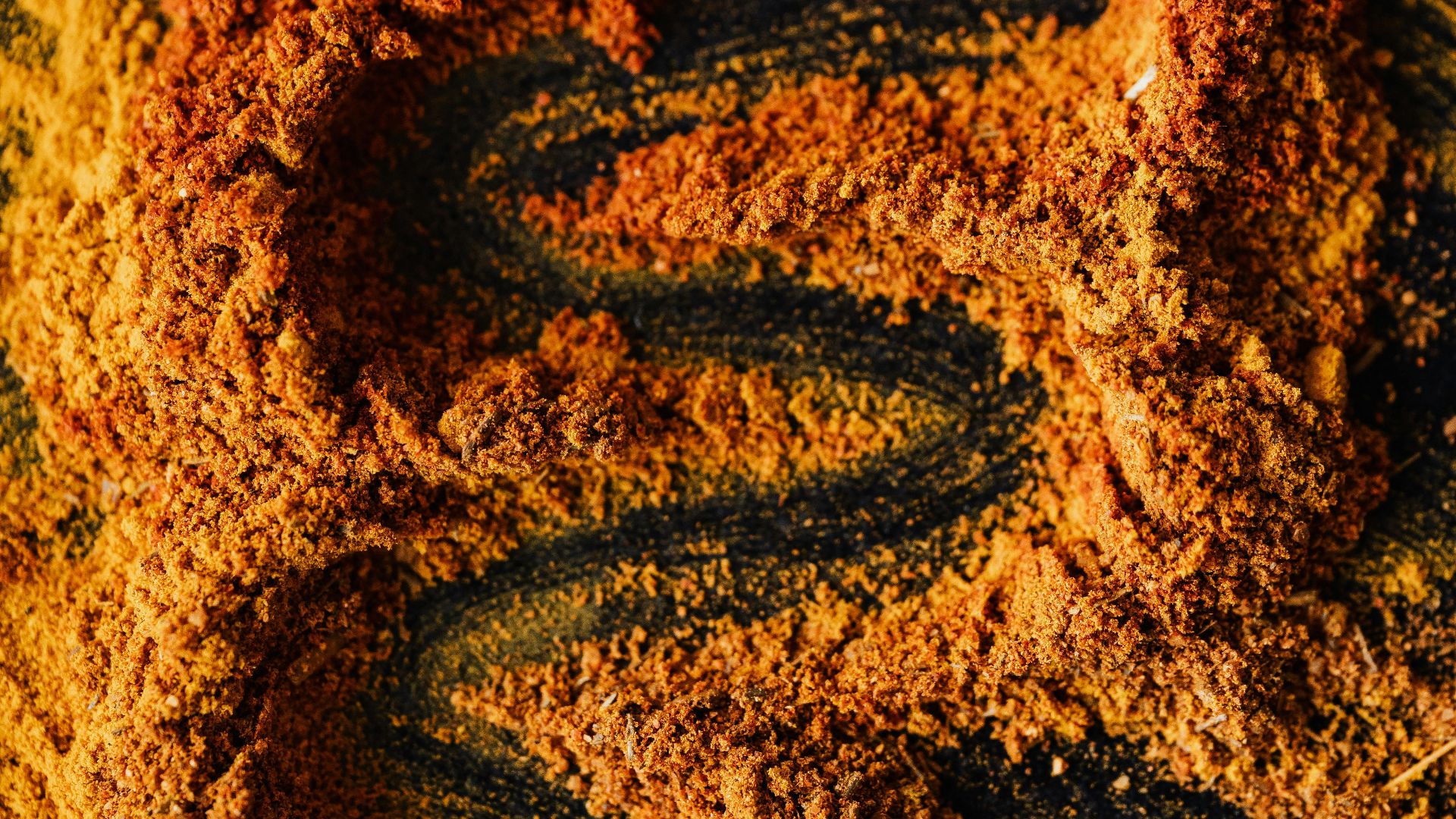
Allspice adds rounded warmth that bridges savory and aromatic flavors without leaning sweet.
Despite its name, it’s a single spice with complex depth. In stews and meat dishes, it enriches rather than distracts. Used sparingly, it feels cohesive and comforting while still noticeable.
 Karolina Grabowska www.kaboompics.com on Pexels
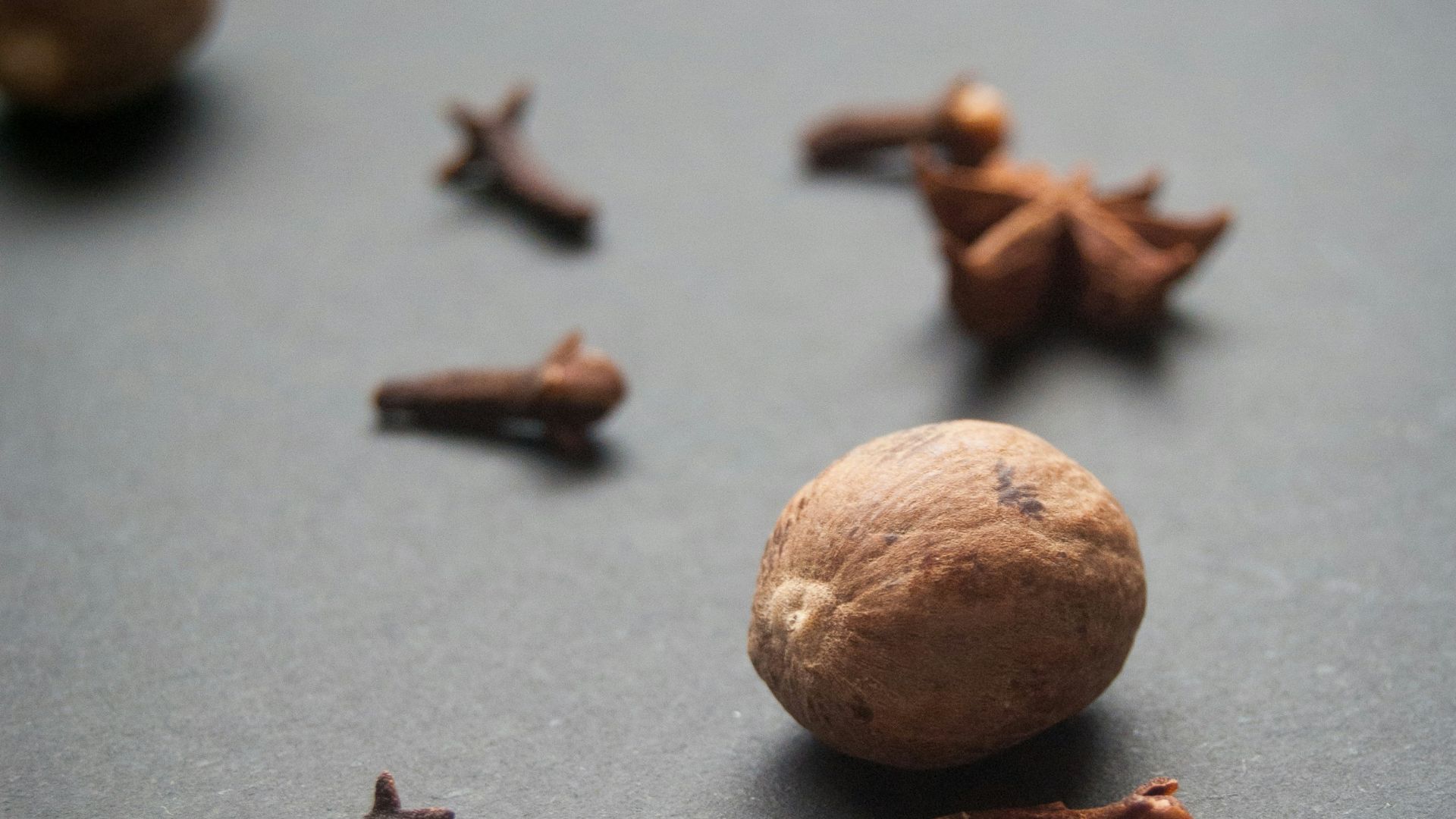
1. Nutmeg
Nutmeg intensifies rapidly once it passes a narrow threshold, especially in savory dishes. Excess amounts introduce bitterness and sweetness that clash with balance. Heat amplifies its potency dramatically. Even experienced cooks can overshoot without realizing it, making precision essential to avoid dominance.
2. Cloves
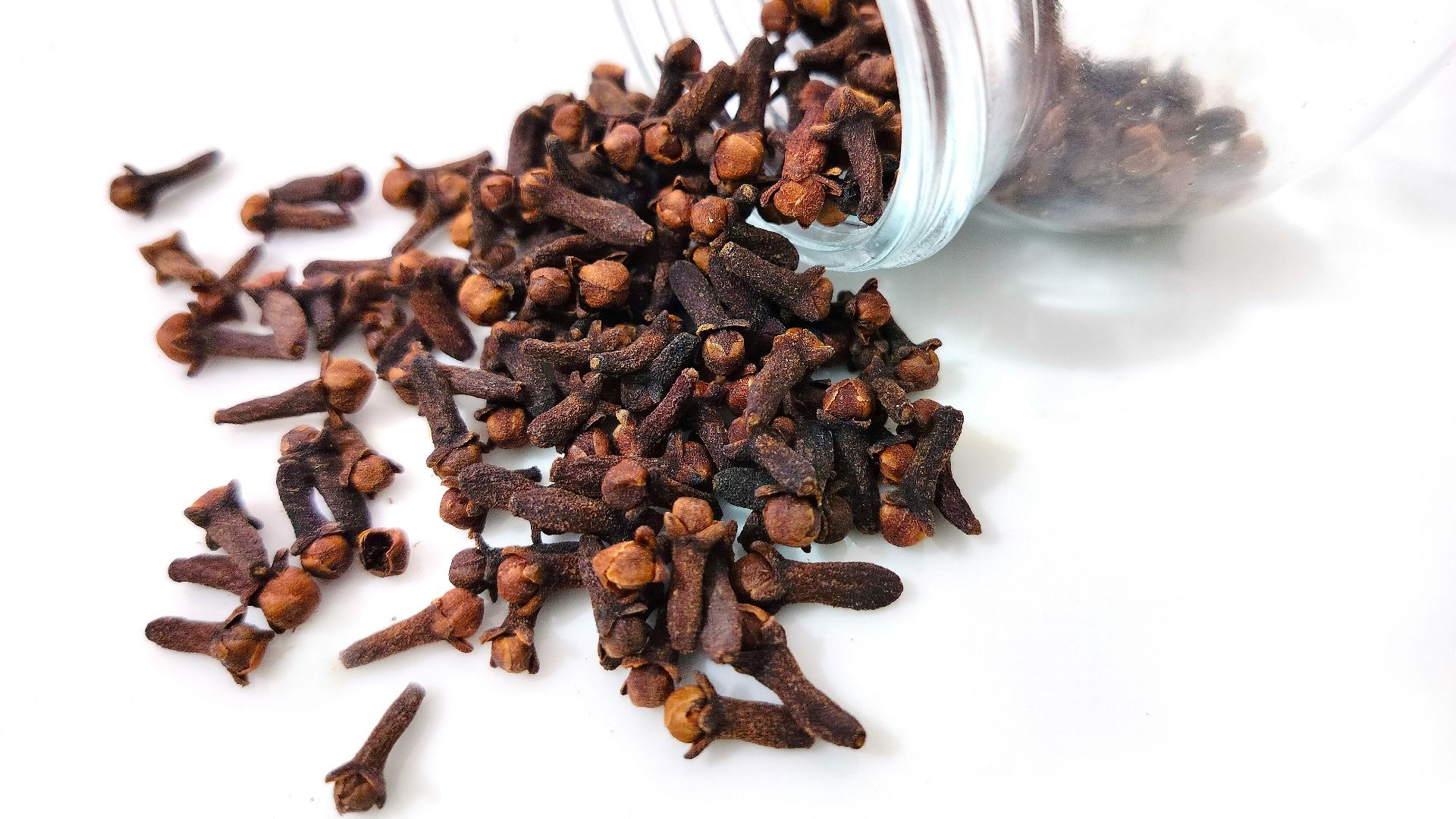
Cloves possess an extremely concentrated aroma that lingers aggressively. Even minor overuse can make food taste medicinal. Savory applications require careful measurement. The spice doesn’t fade easily during cooking. Once it overwhelms a dish, there’s no practical way to recover balance.
3. Star Anise
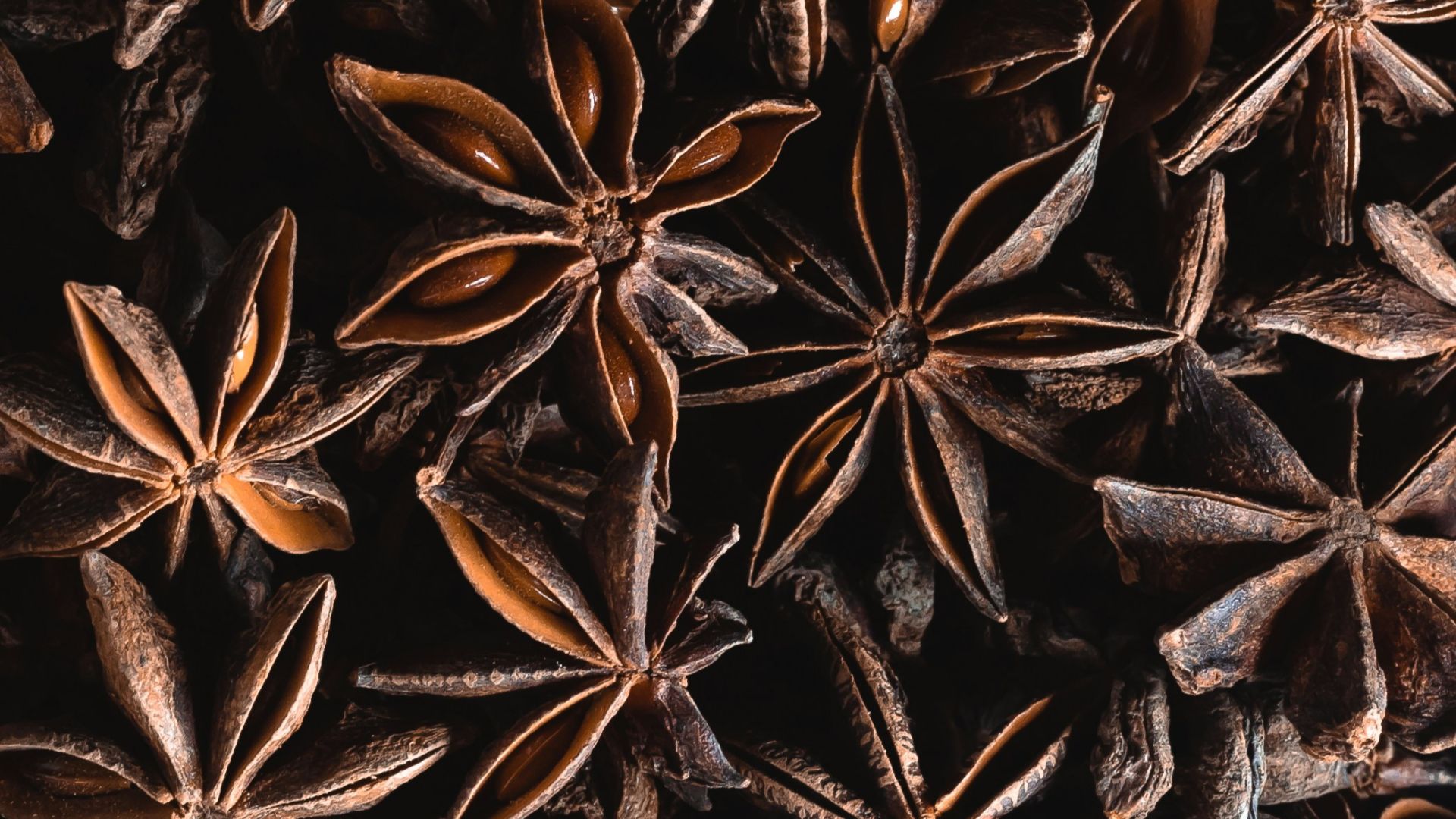
Star anise releases strong licorice notes that spread quickly through liquids. Its flavor dominates rather than blends when overused. Subtlety is difficult to maintain without experience. The spice continues to intensify over time, and one pod can reshape an entire dish unintentionally.
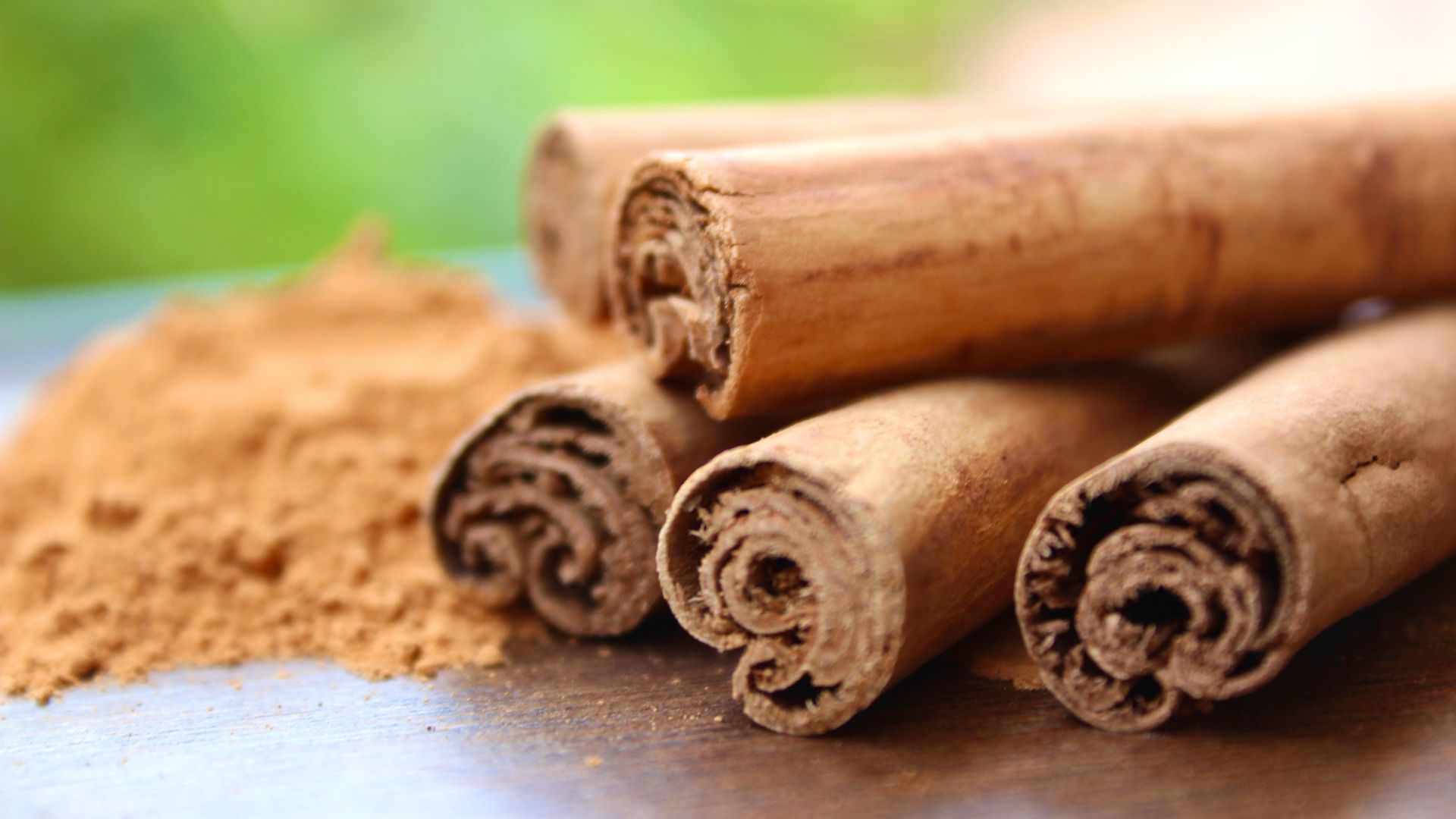
4. Cinnamon
Cinnamon often reads sweet even in savory contexts, especially when overapplied. Excess amounts shift dishes away from balance. It competes rather than supports,s and heat amplifies its sweetness. Without restraint, it easily hijacks the intended flavor profile.
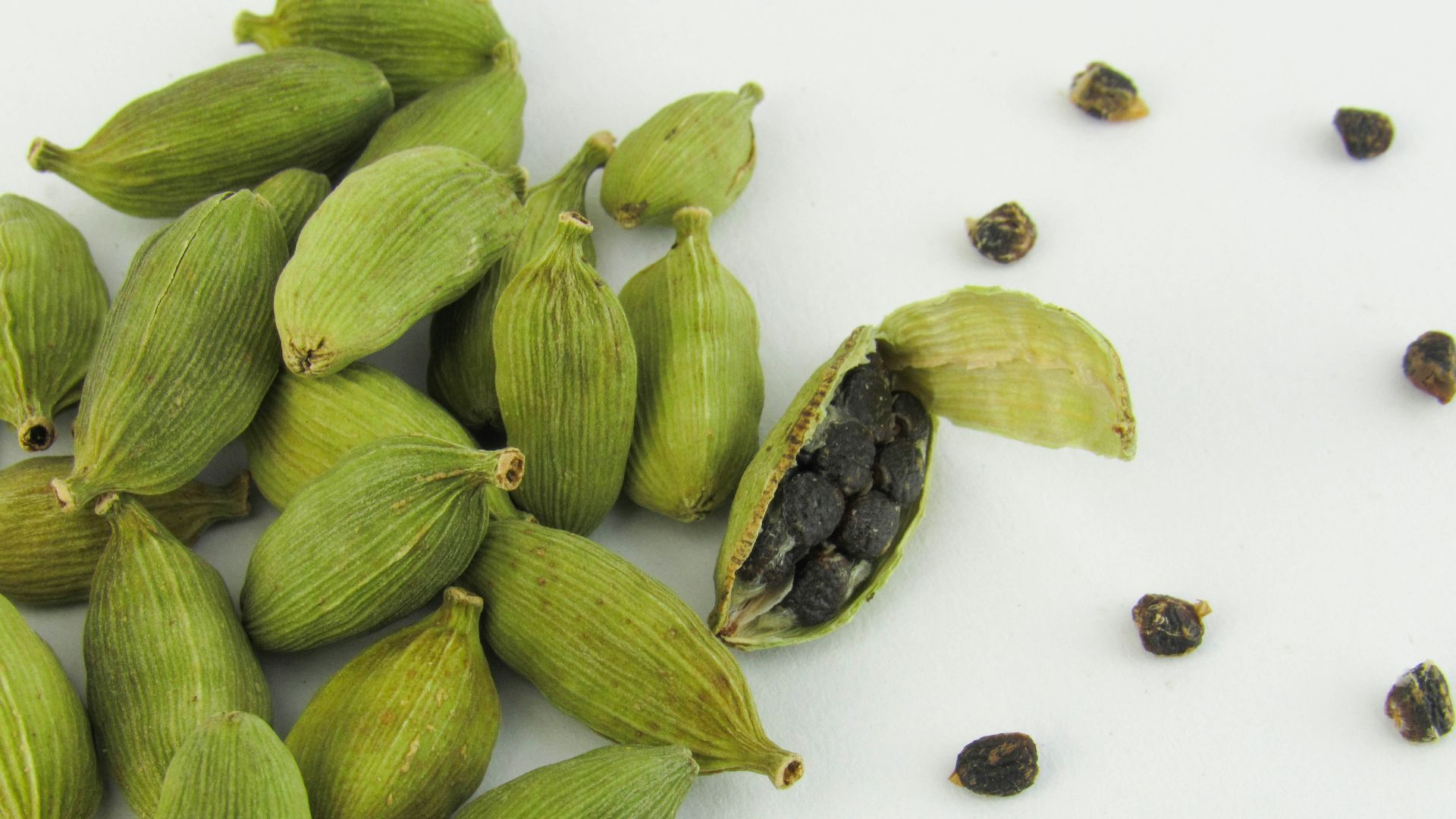
5. Cardamom
Cardamom’s perfume is complex but volatile, making it easy to overpower savory food. Overuse creates a floral intensity that distracts rather than complements.
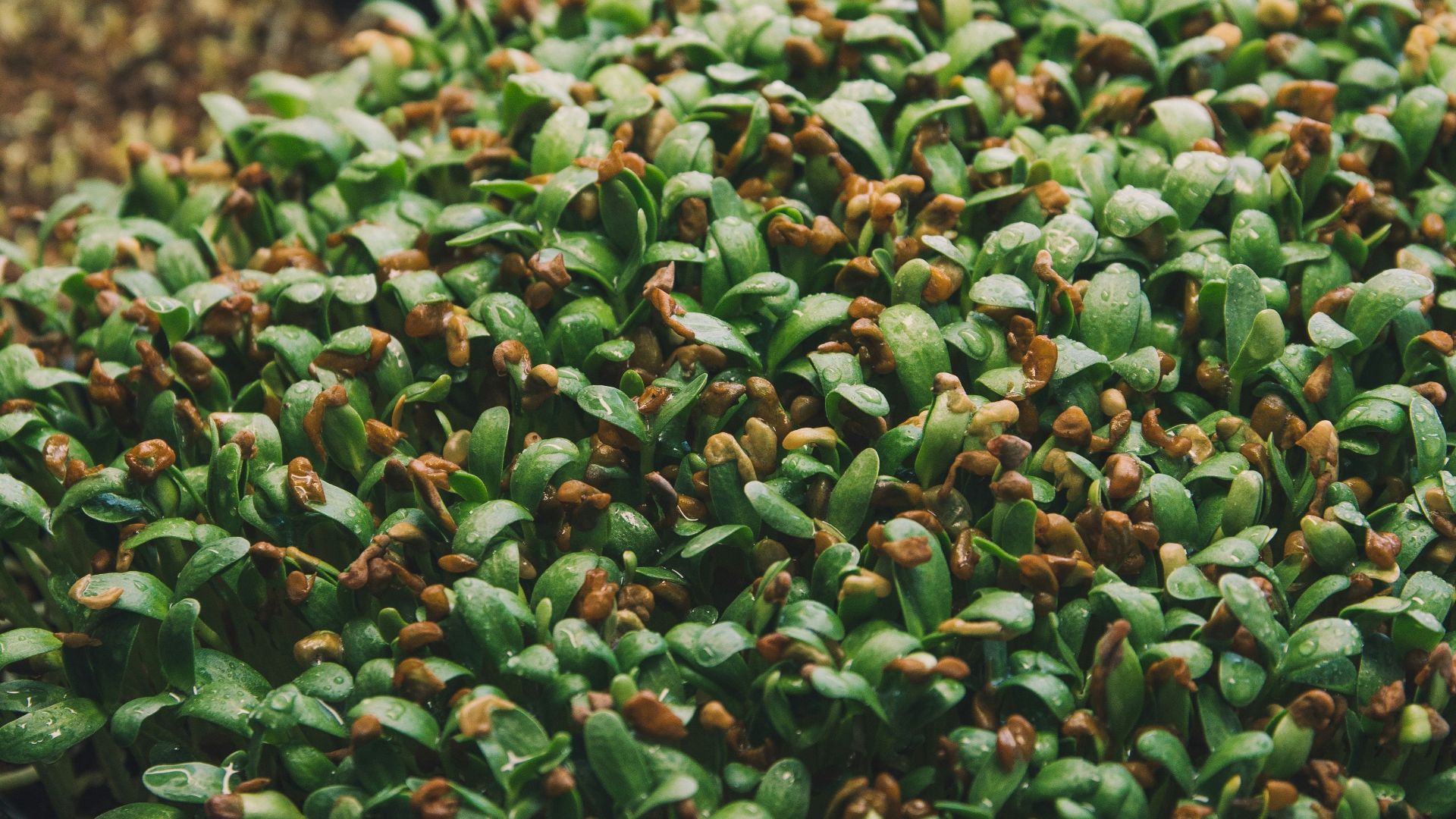
6. Fenugreek
Fenugreek carries a bitter, maple-like flavor that intensifies quickly. Too much introduces misplaced sweetness. Its character dominates unexpectedly.
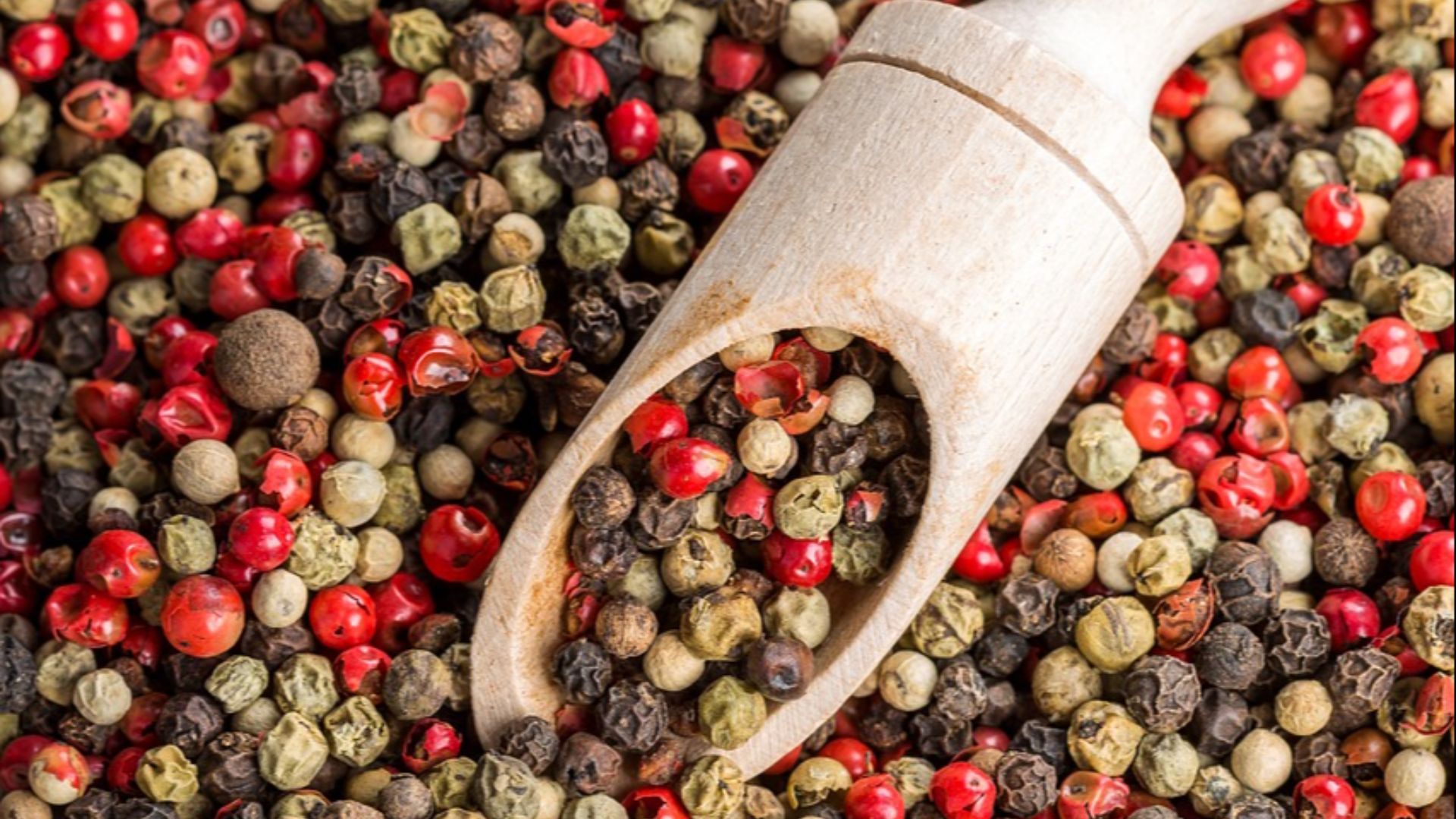
7. Sichuan Peppercorn
Sichuan peppercorn numbs the palate rapidly when overused, and excess can dull other flavors entirely. The sensation becomes overwhelming. Rather than enhancing heat, it masks complexity. Balance determines whether it excites or exhausts the palate.
8. Ground Ginger
Ground ginger intensifies sharply under heat, developing sweetness and bite simultaneously. Excess amounts overshadow savory elements. Unlike fresh ginger, it offers little forgiveness. The spice concentrates as the moisture reduces, so measuring carefully preserves harmony.
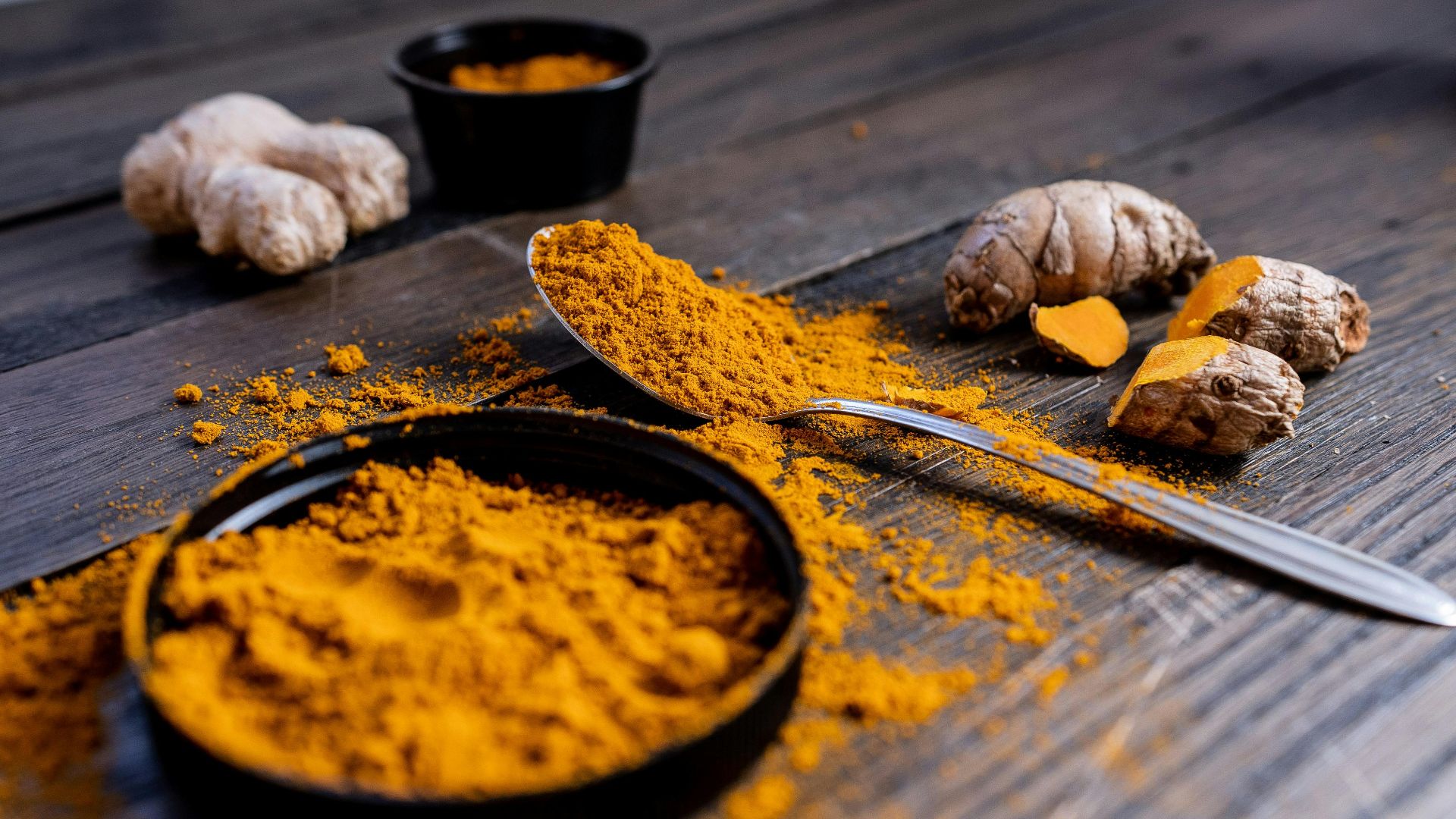
9. Turmeric
Turmeric’s bitterness grows with quantity, flattening complexity. While visually vibrant, its flavor can dominate quickly. The spice lingers in the background unpleasantly. Controlled amounts allow it to support rather than suffocate.
 Md Shakil Photography on Unsplash
10. Sage
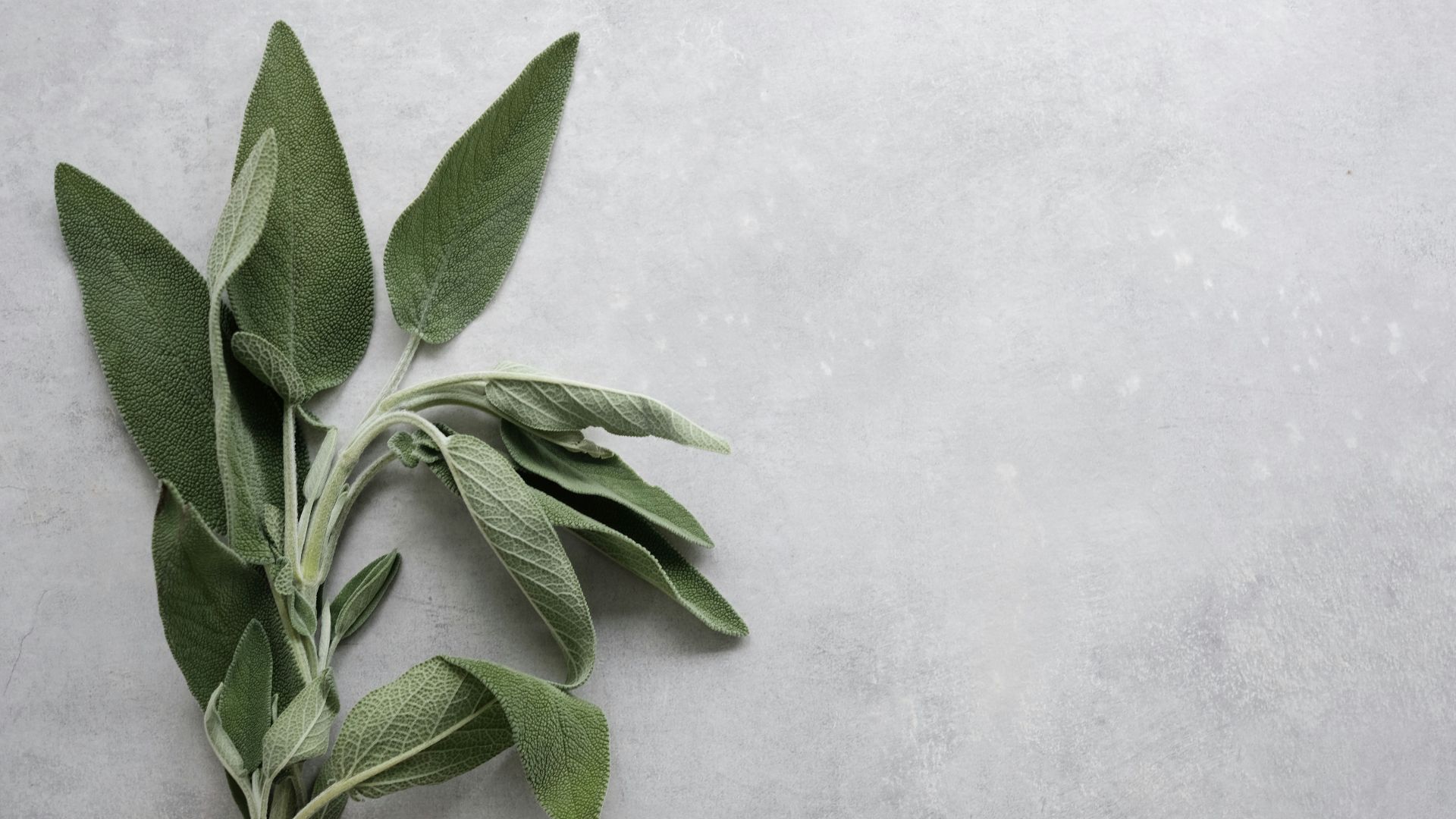
Sage delivers a pungent, earthy profile that becomes medicinal when pushed too far. Its oils intensify during cooking, amplifying mistakes. Moderation determines success as overuse creates a dusty aftertaste. A restrained hand keeps it grounded and savory.