When The Fridge, And Inspiration, Are Running Thin
There's a specific kind of panic that sets in around 6 p.m. when you realize you haven't planned dinner and the produce drawer contains one wilted celery stalk and something that might have once been a bell pepper. The freezer offers little hope, and the thought of ordering takeout again makes your bank account weep. This is precisely when a well-stocked pantry becomes your saving grace, the difference between scrambling through drive-throughs and pulling together something that actually feels like a meal. The items sitting on those shelves, the ones you bought weeks ago and forgot about, have been waiting for exactly this moment.

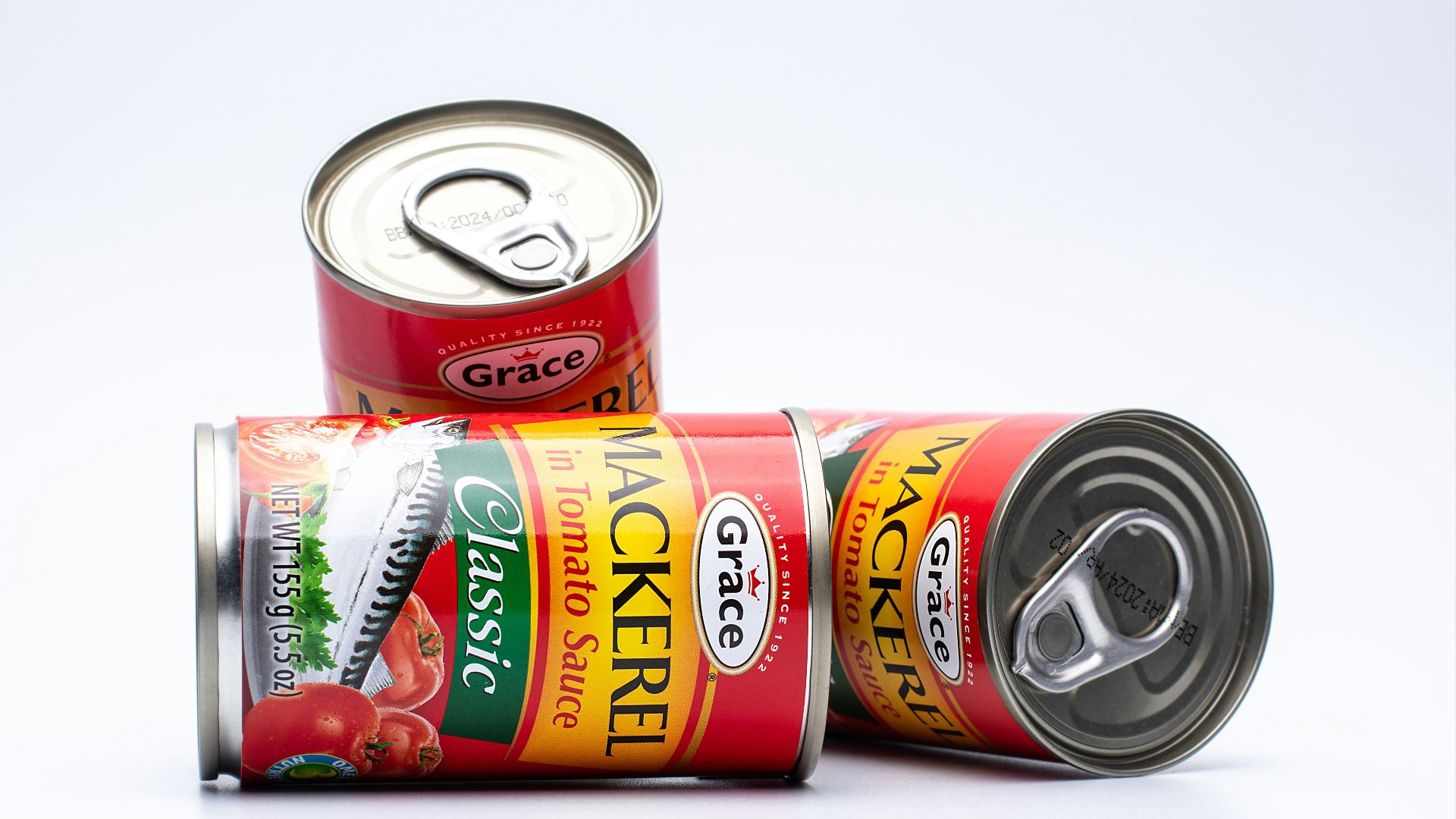
1. Canned Tomatoes
Whole, diced, crushed, or pureed, canned tomatoes transform into pasta sauce, soup base, or shakshuka in under 30 minutes. Unlike their fresh counterparts that go soft and sad within days, canned tomatoes were picked at peak ripeness and processed immediately, which means they often contain more lycopene than the out-of-season fresh tomatoes sitting under supermarket lights. You can simmer them with garlic and olive oil for a simple marinara, or throw them into a pot with beans and chicken broth.
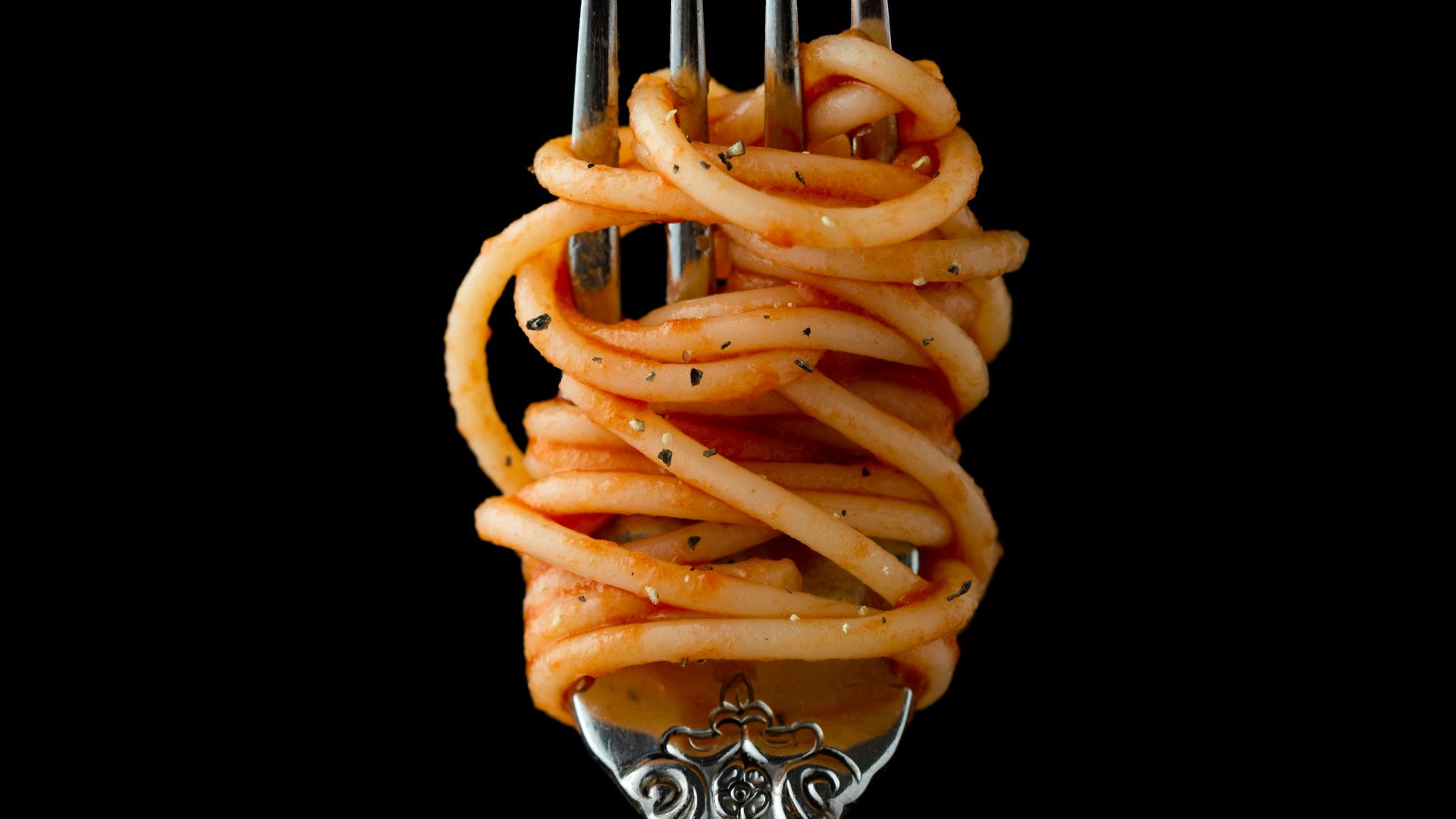
2. Pasta
Spaghetti, penne, or rigatoni can become dinner in no time flat. Pasta doesn't demand much beyond salt, fat, and something acidic or savory to make it interesting, which is why it's rescued countless weeknight meals for hundreds of years.
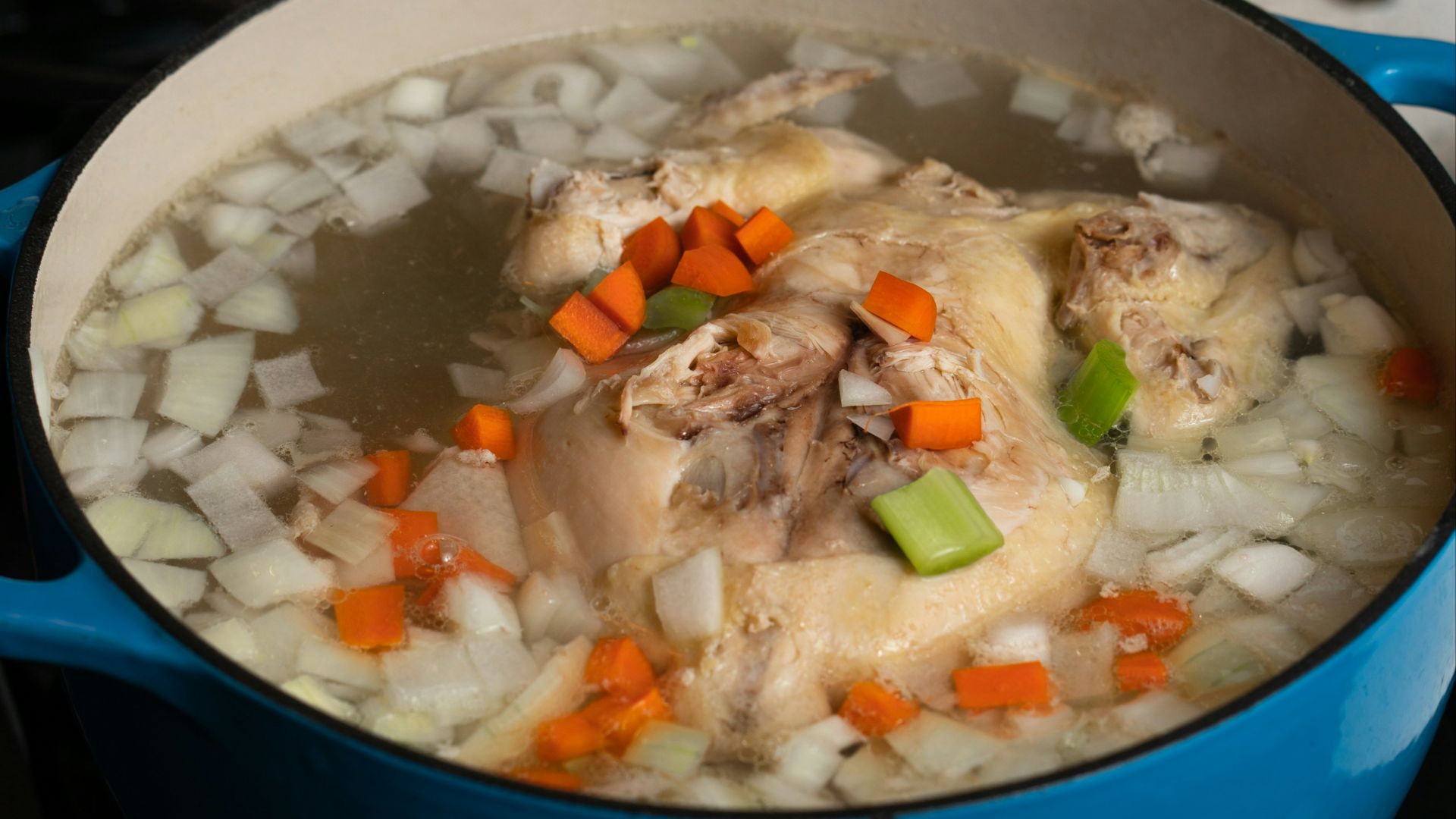
3. Chicken Or Vegetable Stock
The carton of stock tucked into the corner of the cabinet turns plain rice into something tangy and flavorful, and rescues vegetables that are one day away from the compost bin. Stock adds depth to grains, beans, and soups without requiring the time or effort of making it from scratch.
4. Olive Oil
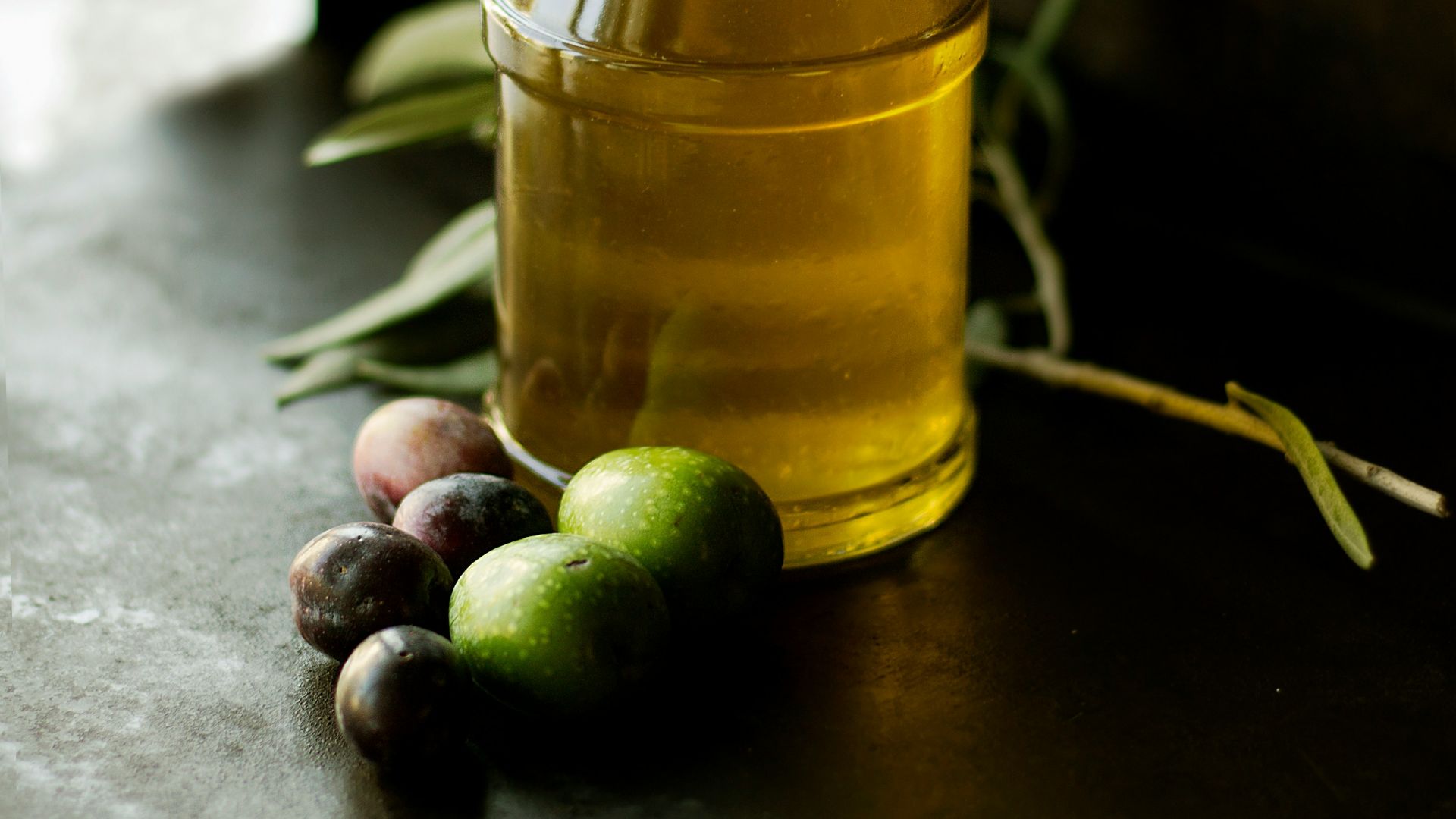
Olive oil makes everything better, from roasted vegetables to scrambled eggs to bread that's gone slightly stale. The bottle doesn't need to be expensive. What matters is having enough on hand to cook with.
5. Canned Beans
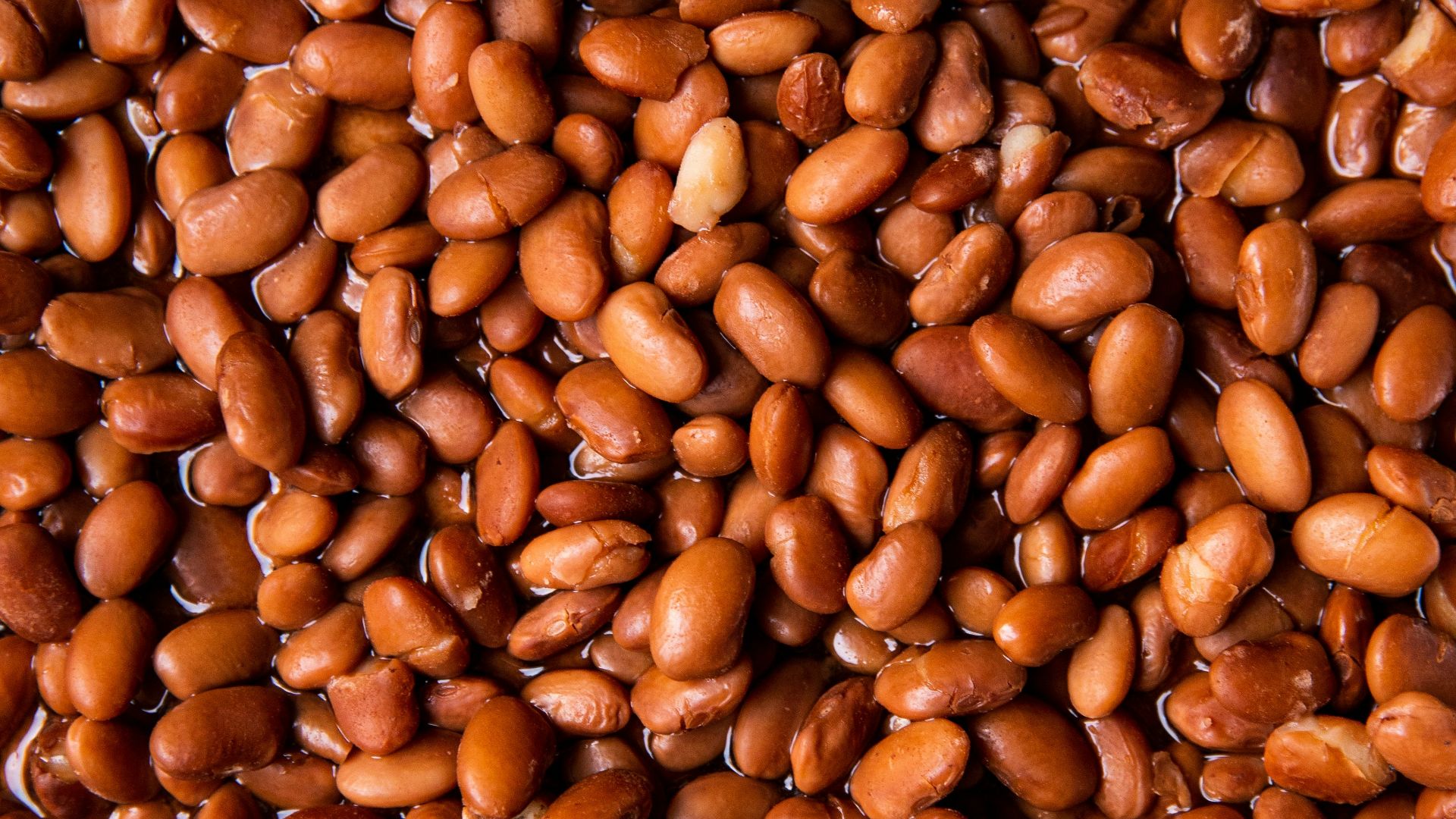
Black beans, chickpeas, white beans, or pintos drain and rinse into instant protein that pairs with nearly anything in your kitchen. Beans have fed civilizations for thousands of years - they're cheap, filling, and versatile enough to work in soups, salads, grain bowls, or mashed into dips.
6. Rice
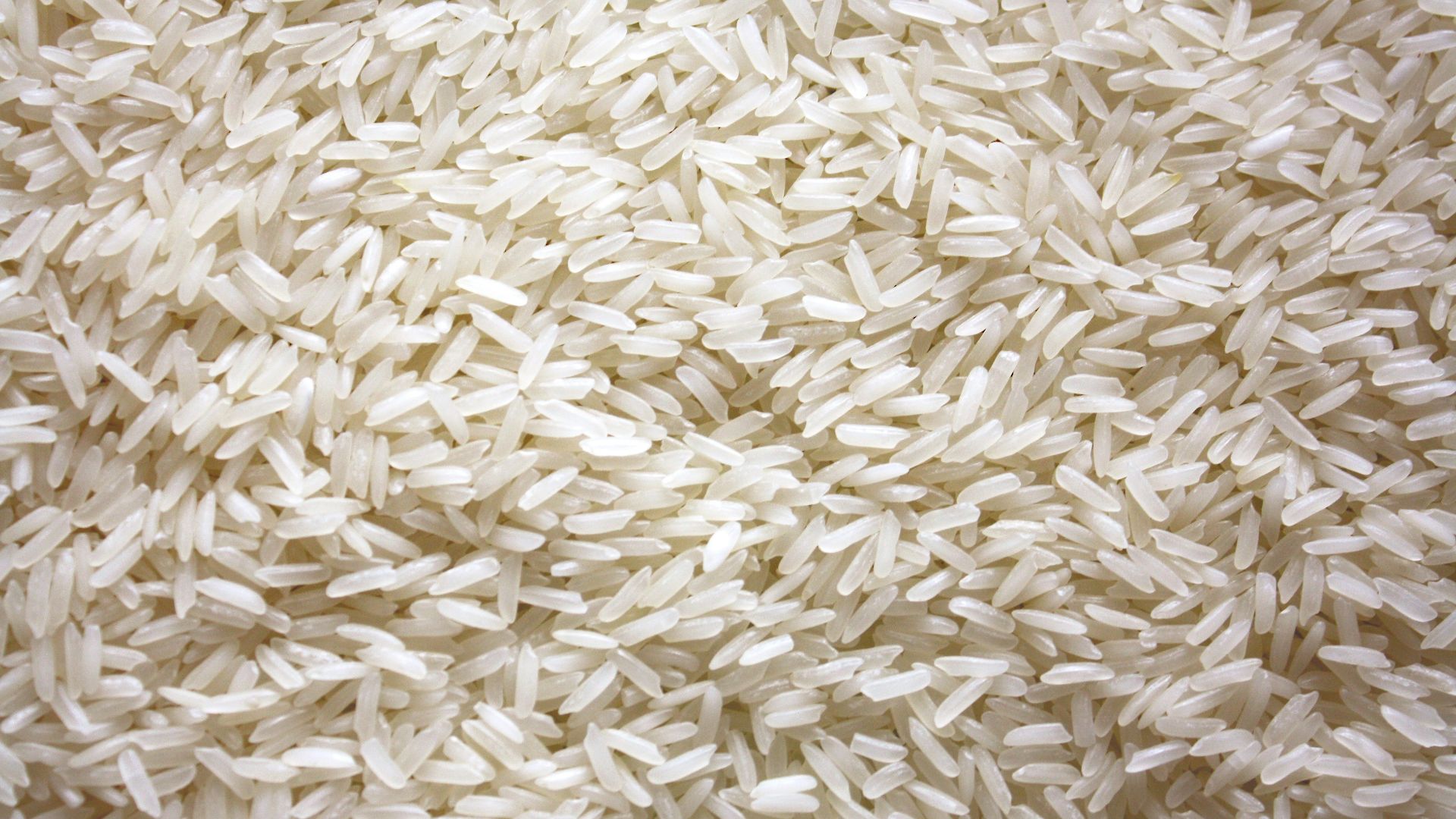
White, brown, jasmine, or basmati rice becomes a canvas for whatever else you can scrounge up, soaking up sauces and stretching small amounts of protein into full meals. Rice cooks with nothing more than water and heat, and unlike pasta, it reheats beautifully the next day.
7. Soy Sauce
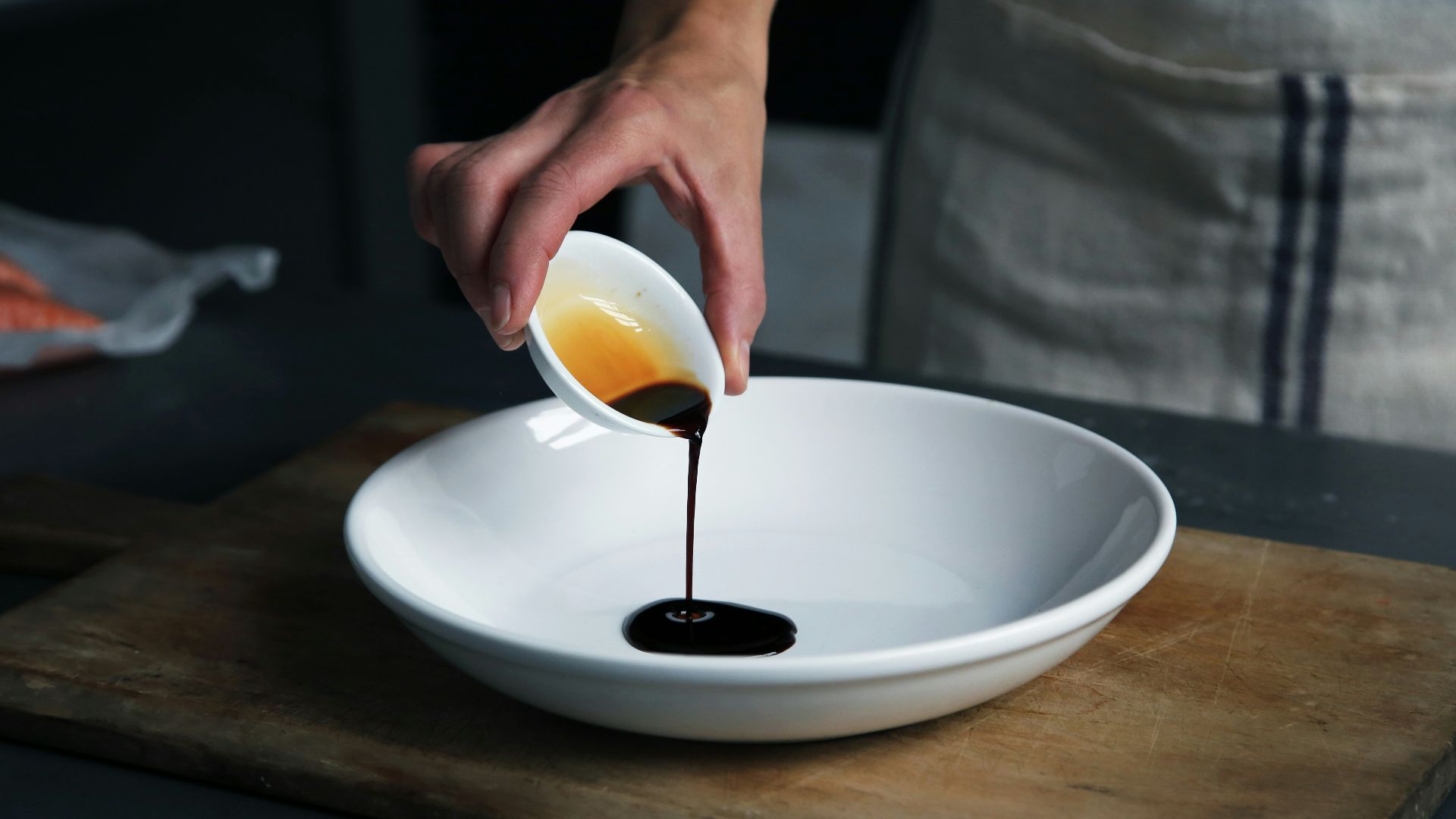
That bottle of soy sauce lurking in the pantry door adds umami to stir-fries, marinades, and even non-Asian dishes that need a boost of savory depth. The fermented soybeans and wheat create complex flavors that make simple ingredients taste more developed than they actually are.
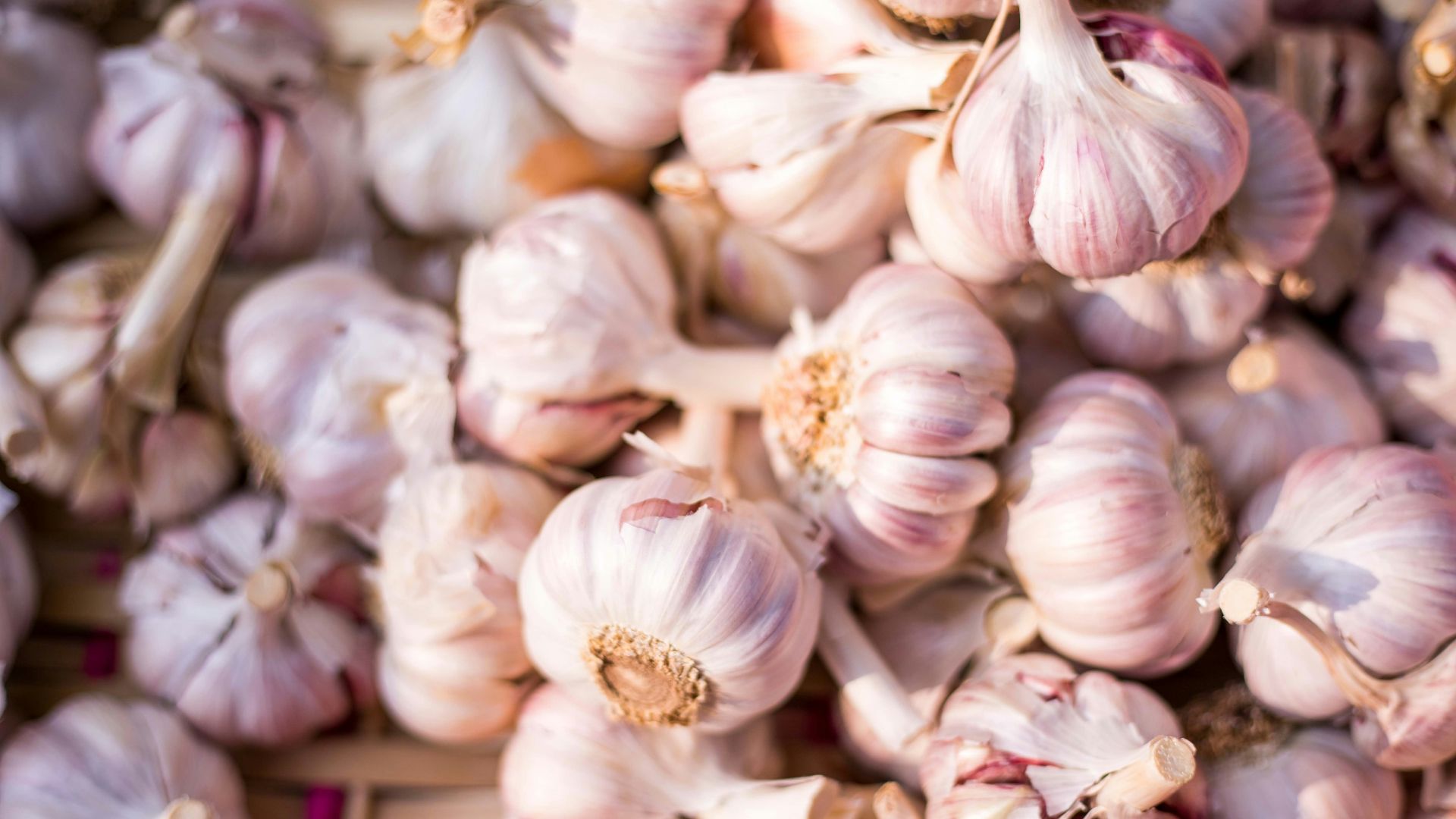
8. Garlic
Fresh garlic transforms any meal you add it to. Minced and sautéed in oil, it becomes the foundation for pasta, stir-fries, and soups, while roasted whole, it turns sweet and spreadable.
9. Onions
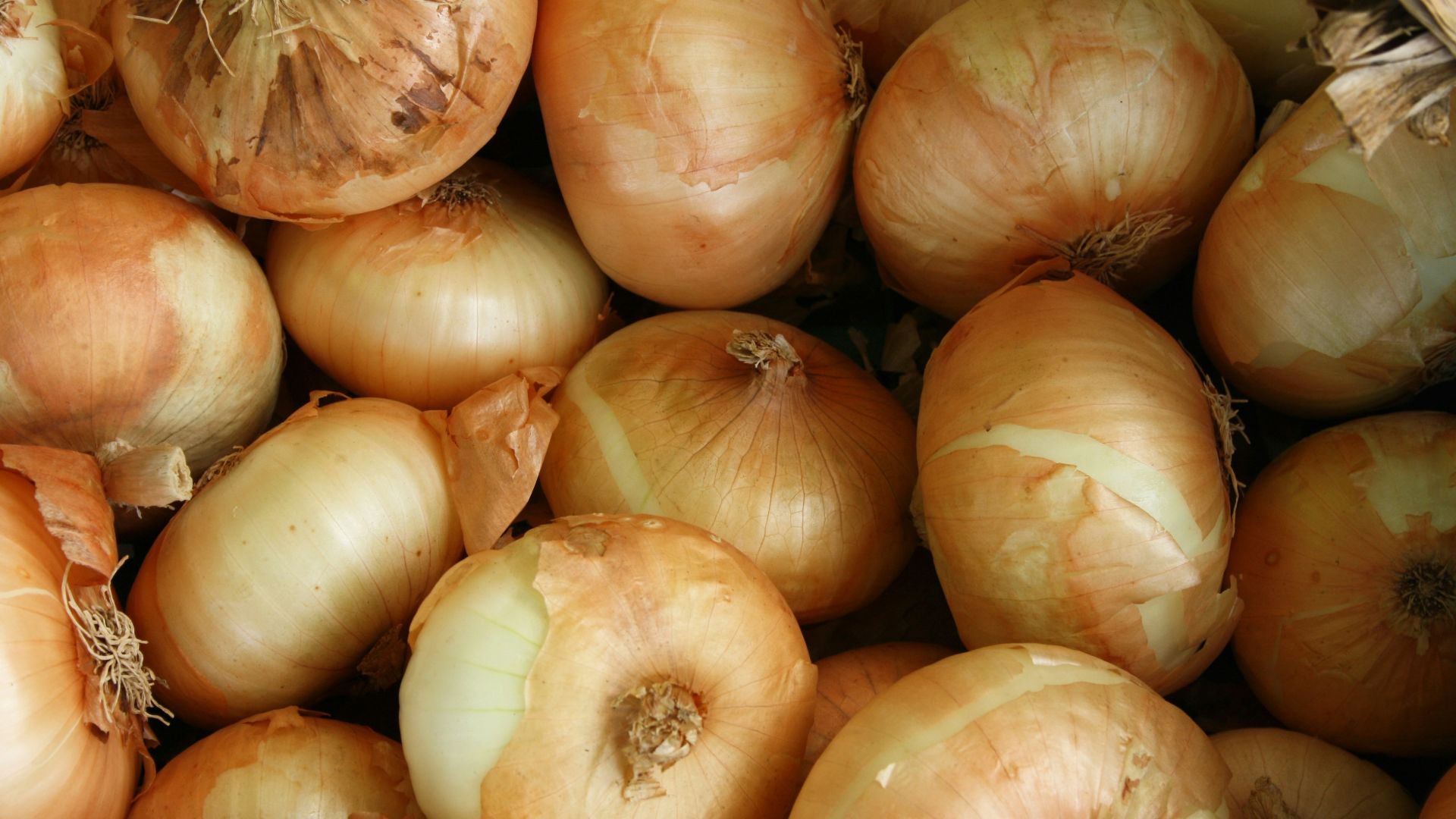
Yellow, white, or red onions add sweetness and depth to everything from scrambled eggs to slow-cooked stews. They caramelize into jammy sweetness, soften into soup bases, or stay sharp and crunchy in salads, depending on how you treat them. Onions have been cultivated for over 5,000 years because they're nearly indestructible, improve most dishes, and cost almost nothing.
10. Dried Herbs And Spices
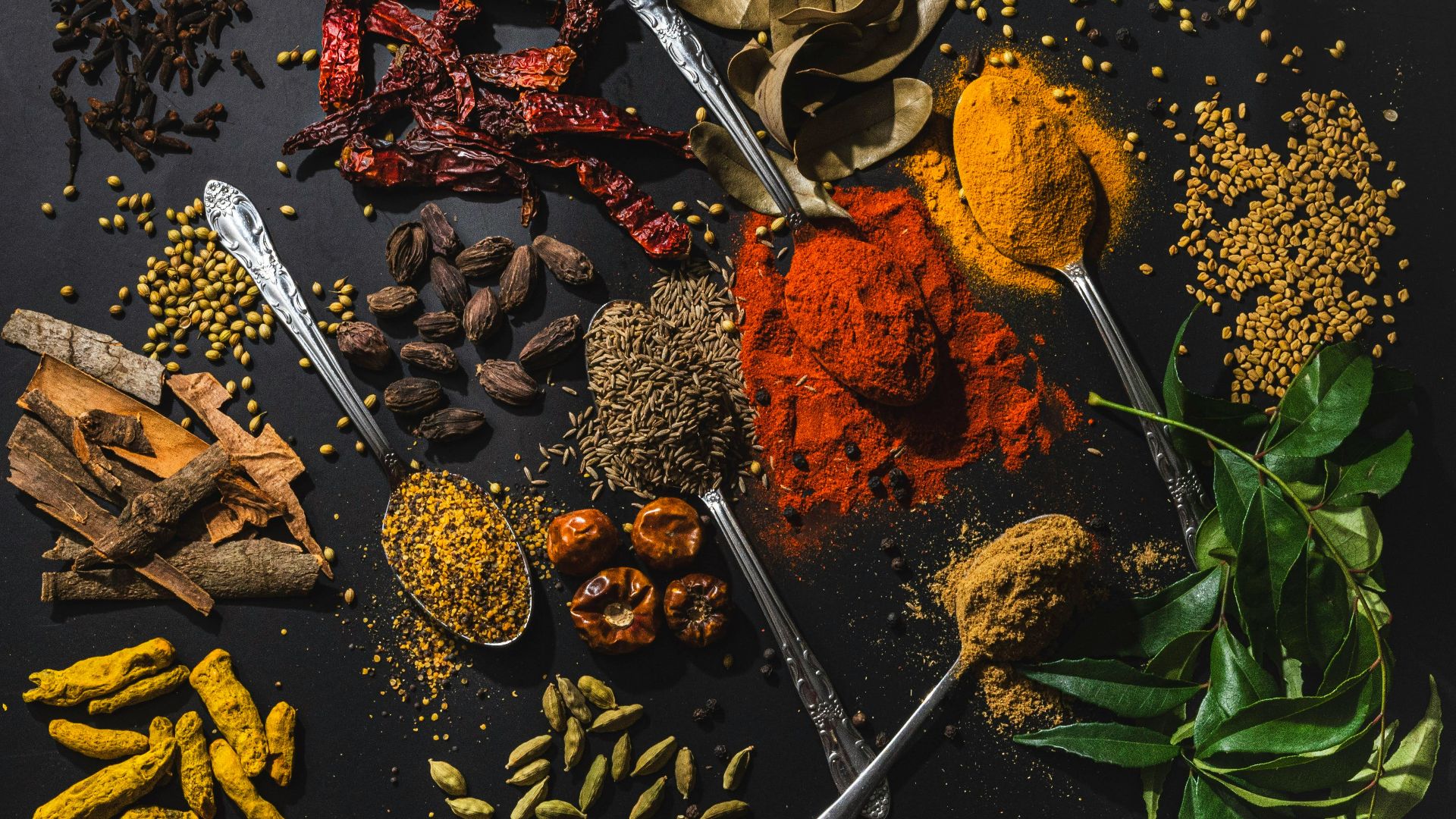
Oregano, cumin, paprika, and red pepper flakes turn plain chicken breasts or canned beans into something that tastes like you followed a recipe instead of just throwing things together. The difference between food that tastes flat and food that tastes finished often comes down to whether you remembered to add more than salt or pepper.
11. Vinegar
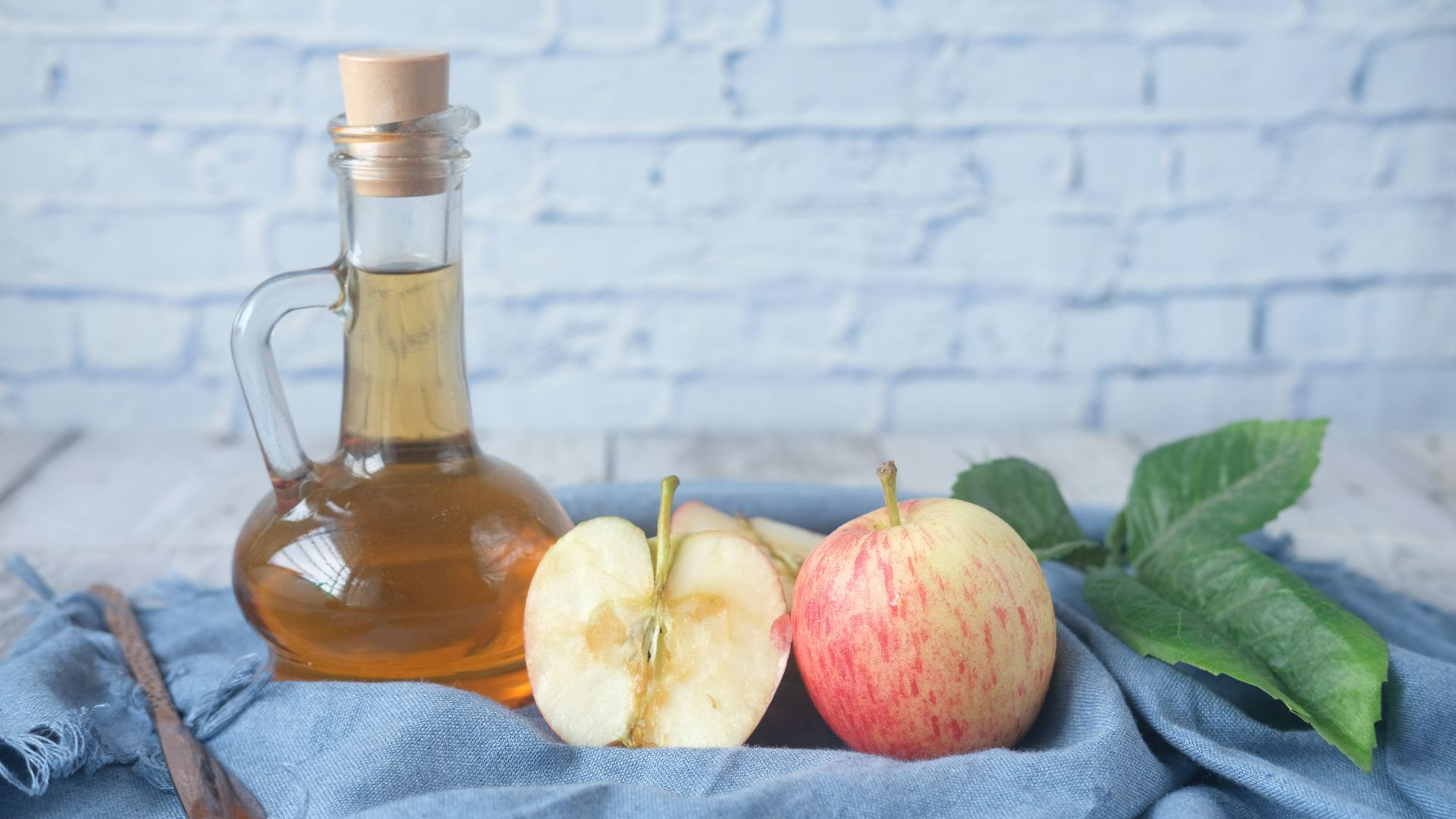
Red wine vinegar, apple cider vinegar, or plain white vinegar brightens heavy dishes and balances fat with acidity. Vinegar has been used as a preservative and flavor enhancer since ancient civilizations fermented wine and fruit juices, and it's still doing the same work in modern kitchens.
12. Flour
All-purpose flour thickens sauces, turns into pancakes on weekend mornings, and can be mixed with butter and cheese into a quick roux for macaroni when you're desperate. Even people who don't bake regularly find uses for it when they need to coat chicken before pan-frying or stretch ground beef further with a simple gravy.
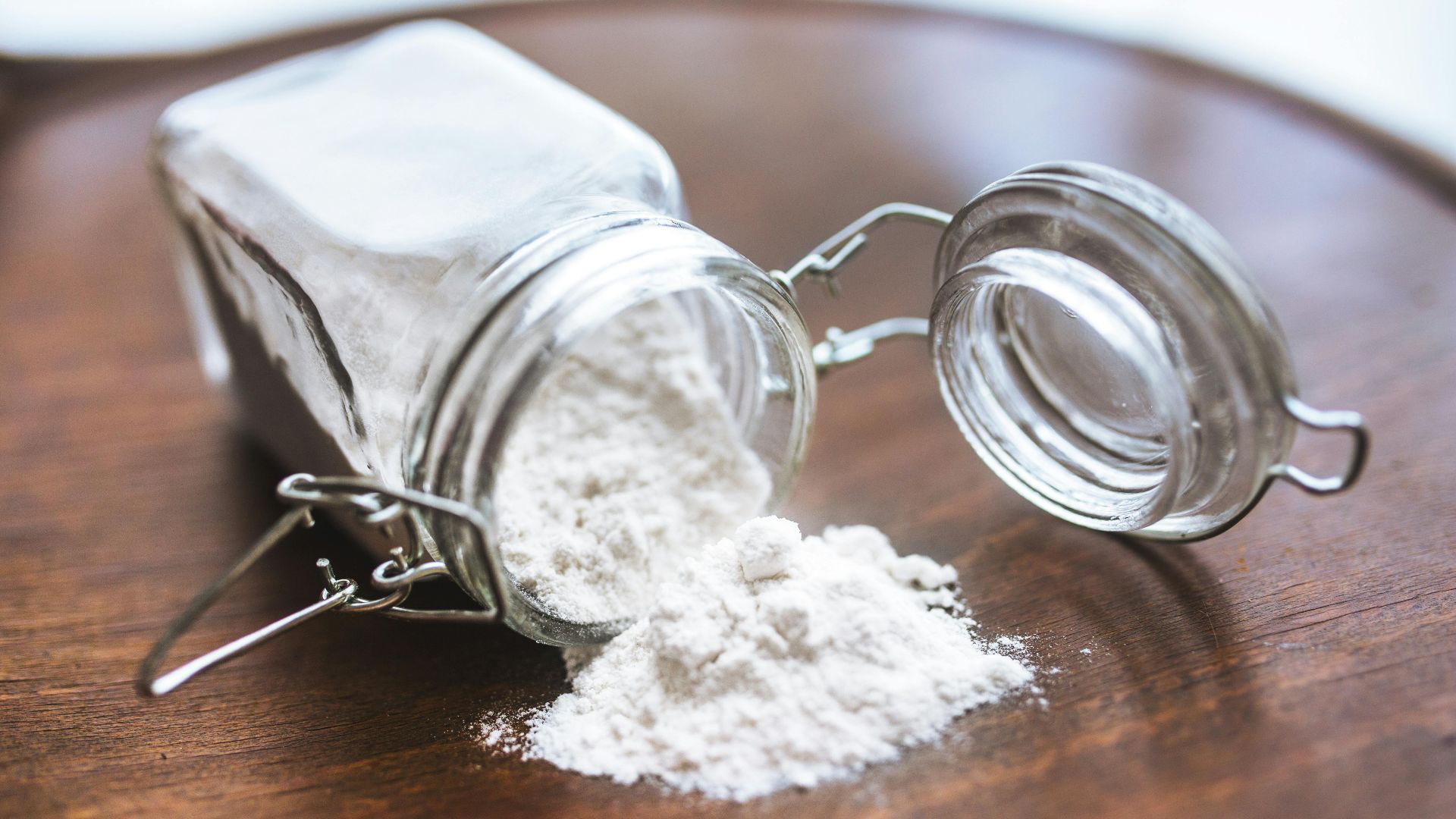 Karolina Grabowska www.kaboompics.com on Pexels
13. Sugar
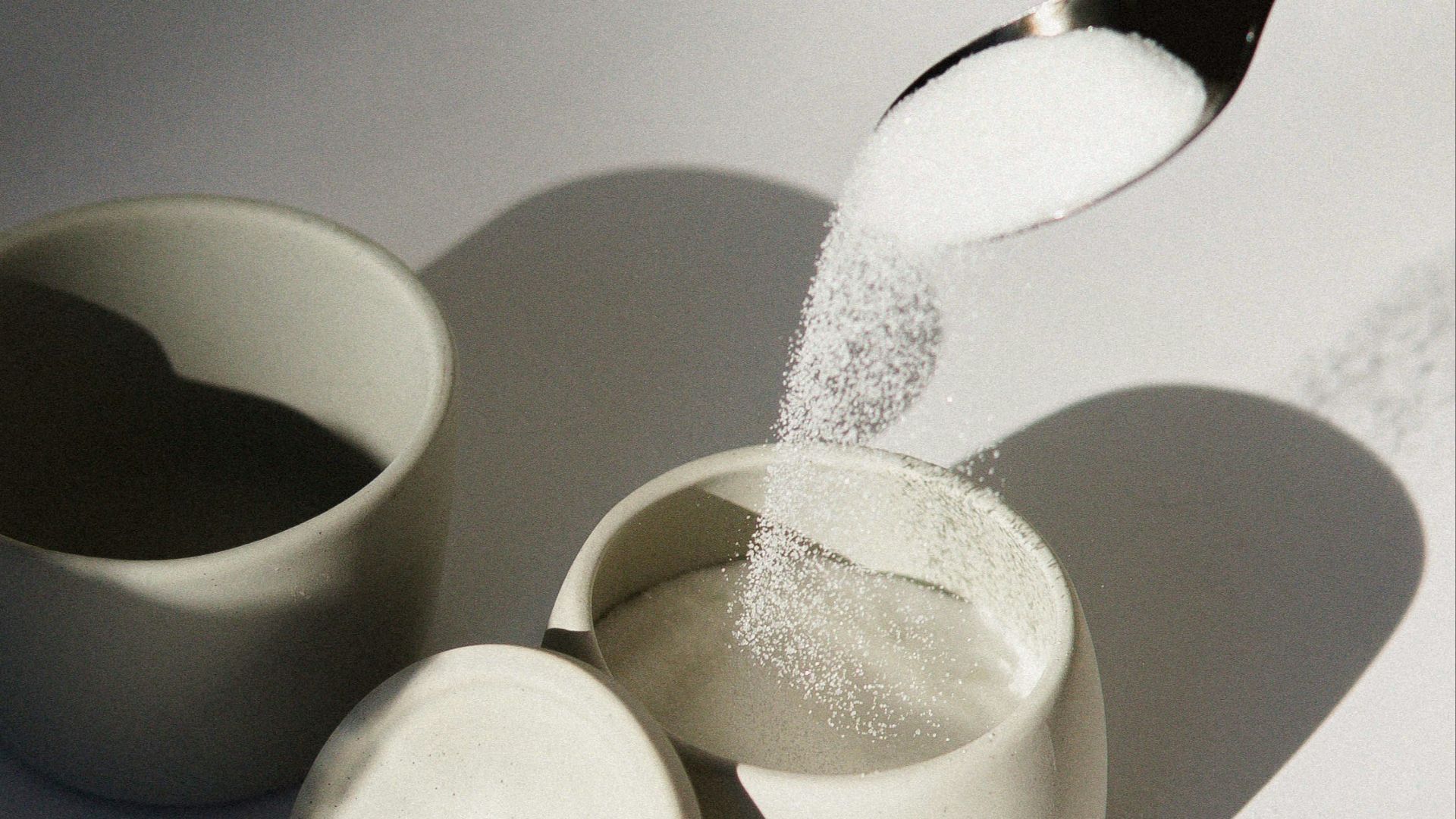
Granulated sugar balances acidity in tomato sauce, caramelizes on roasted vegetables, and saves overly sour or bitter dishes from the trash bin. Sugar appears in far more savory cooking than people realize, because a small amount helps round out flavors without making food taste sweet.
14. Peanut Butter
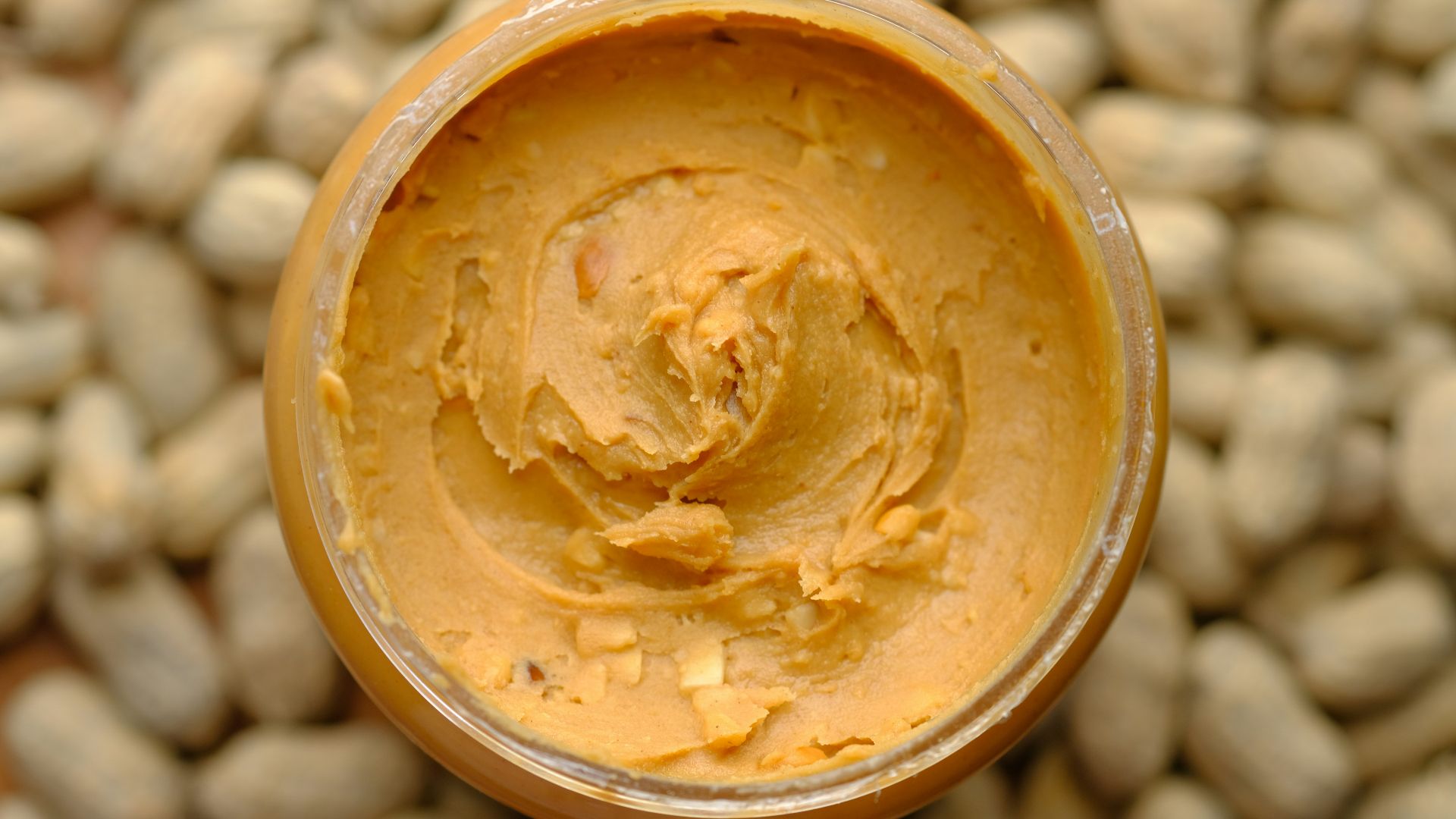
Natural or processed, peanut butter becomes satay sauce, adds richness to noodle dishes, or just gets eaten straight from the jar when dinner plans completely fall apart. The protein and fat content means a couple of spoonfuls actually fill you up, unlike snacking on crackers or chips.
15. Bread Or Tortillas
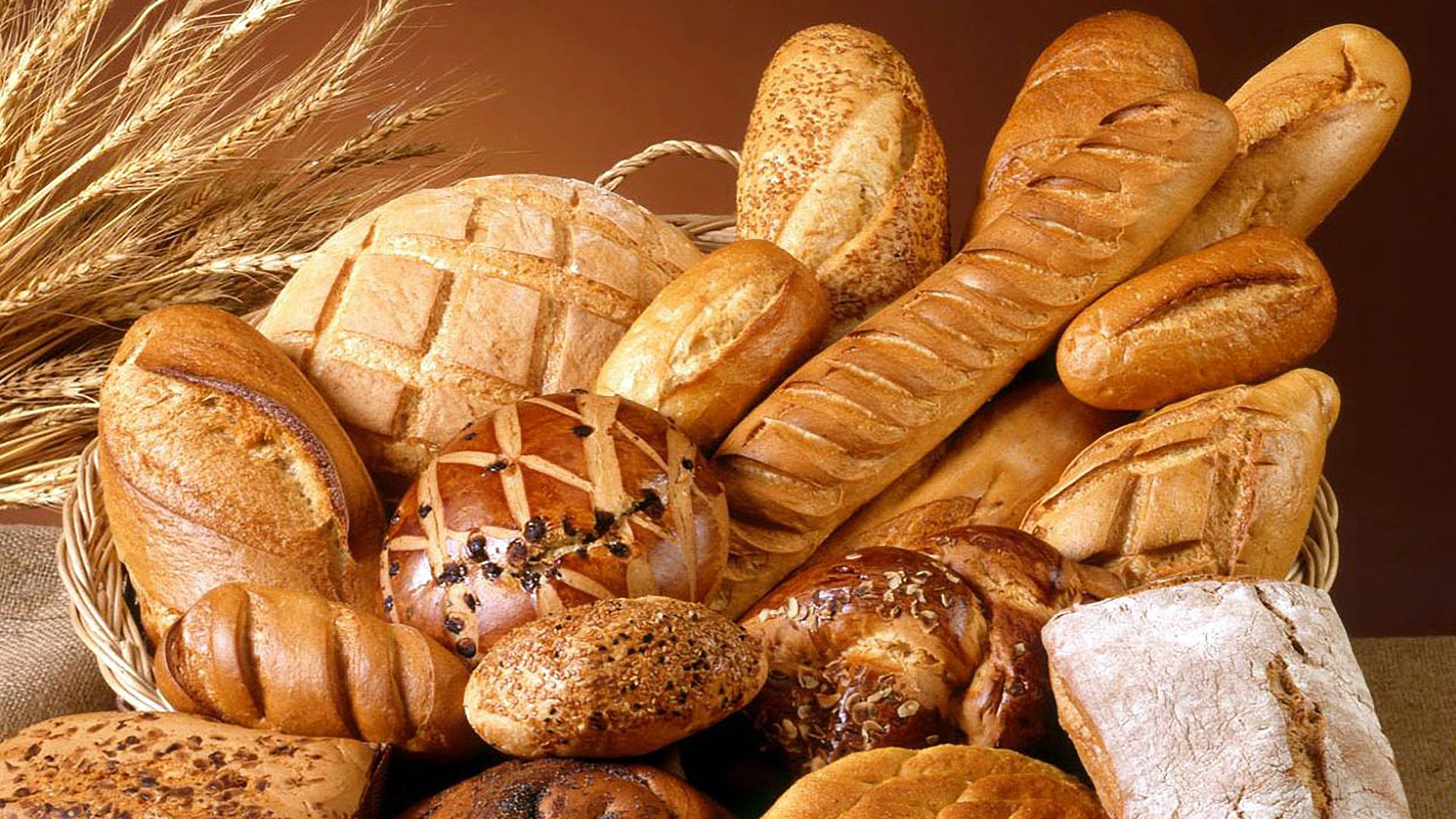
Sandwich bread, pita, or flour tortillas turn leftovers into handheld meals and make use of ingredients that don't quite constitute a full dinner on their own. Bread freezes well and thaws quickly, and toasting it even revives slightly stale loaves.
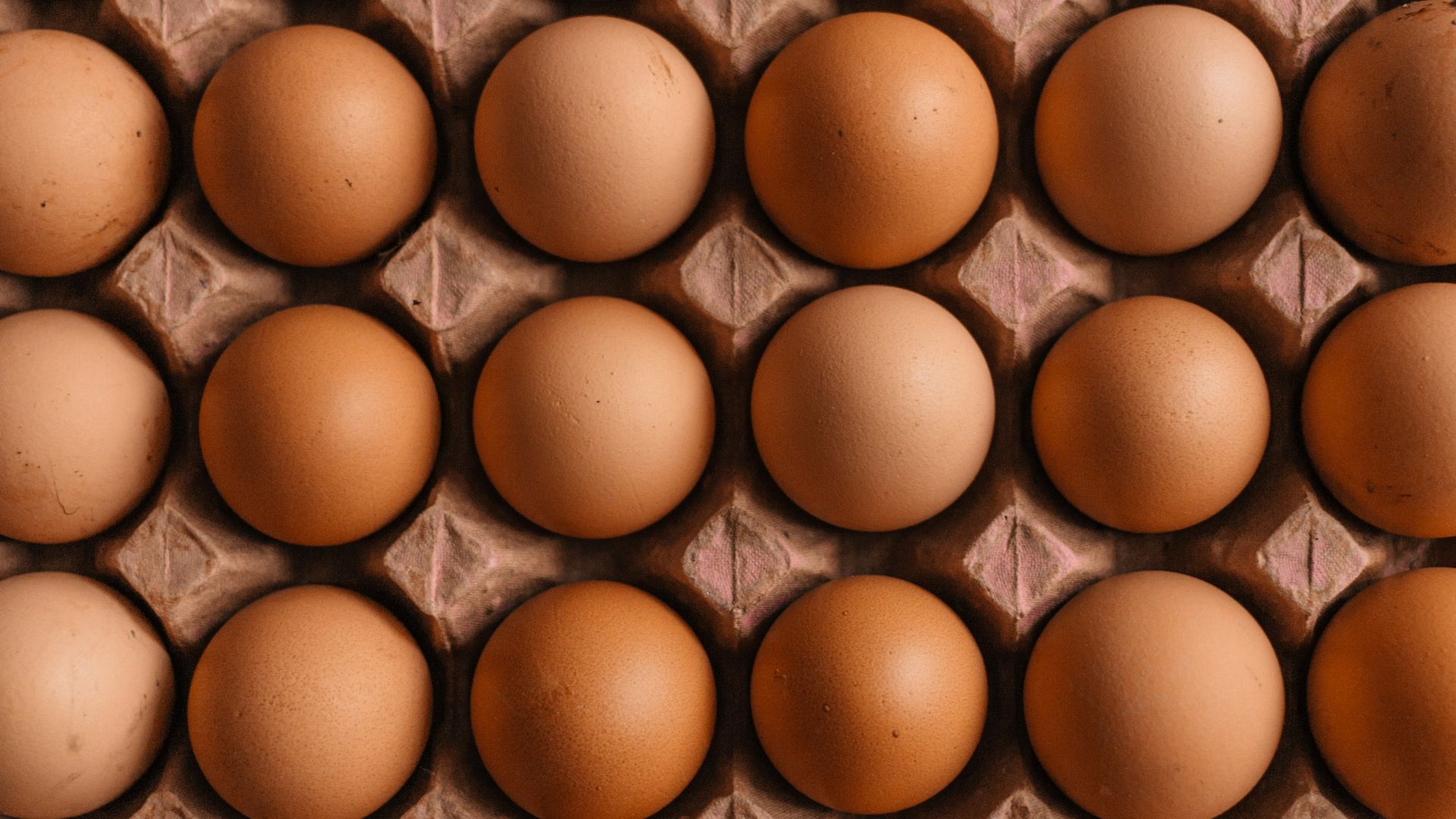
16. Eggs
Eggs scramble into breakfast for dinner, poach on top of leftover grains, or fry into a protein topping for whatever vegetables need using up. They're one of the most affordable complete proteins available and last for weeks in the refrigerator.
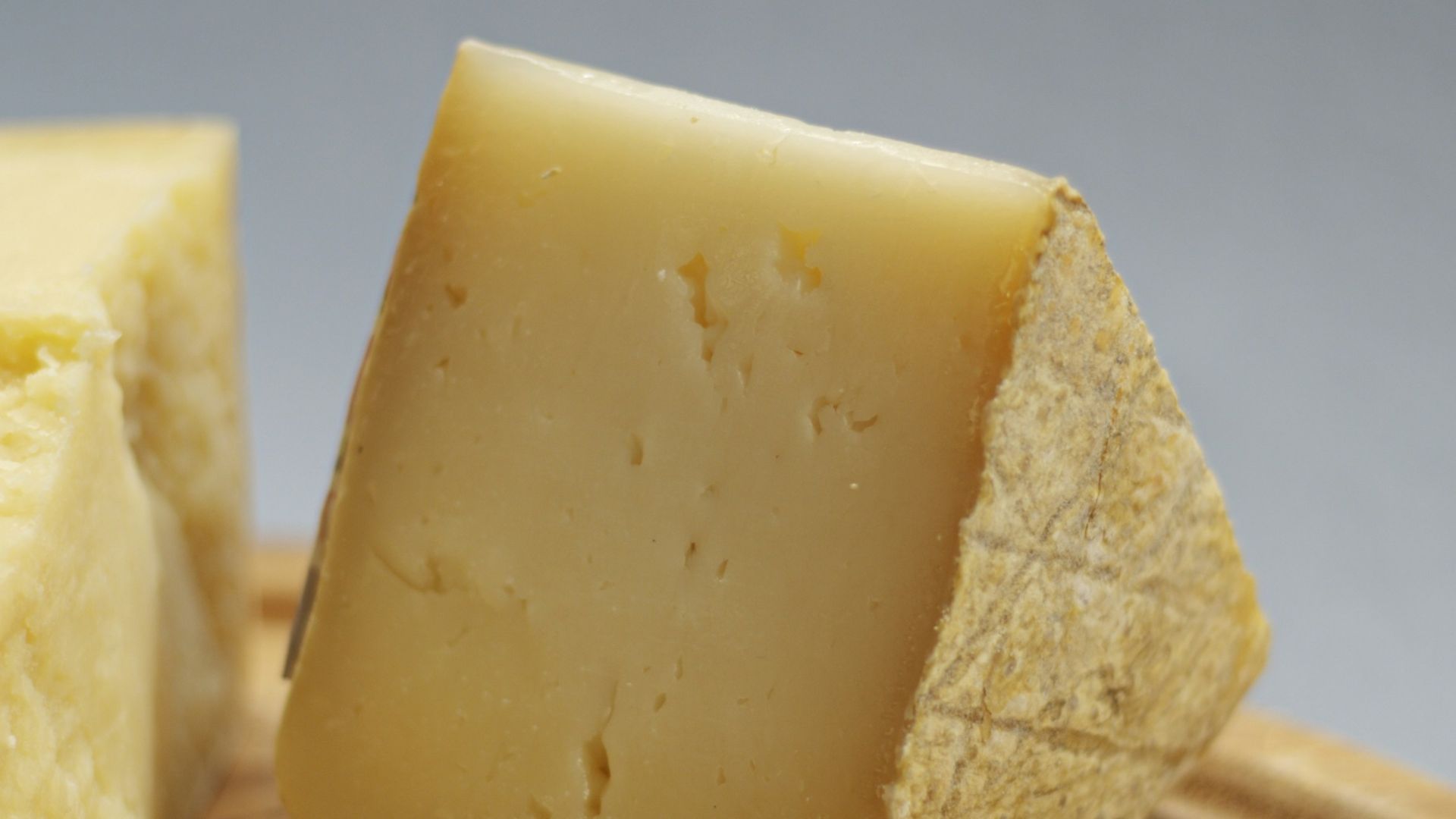
17. Parmesan Cheese
Real Parmigiano-Reggiano or even the pre-grated supermarket version adds salty, nutty flavor to pasta, salads, and roasted vegetables. The cheese is kept in the refrigerator for months because of its low moisture content and aging process.
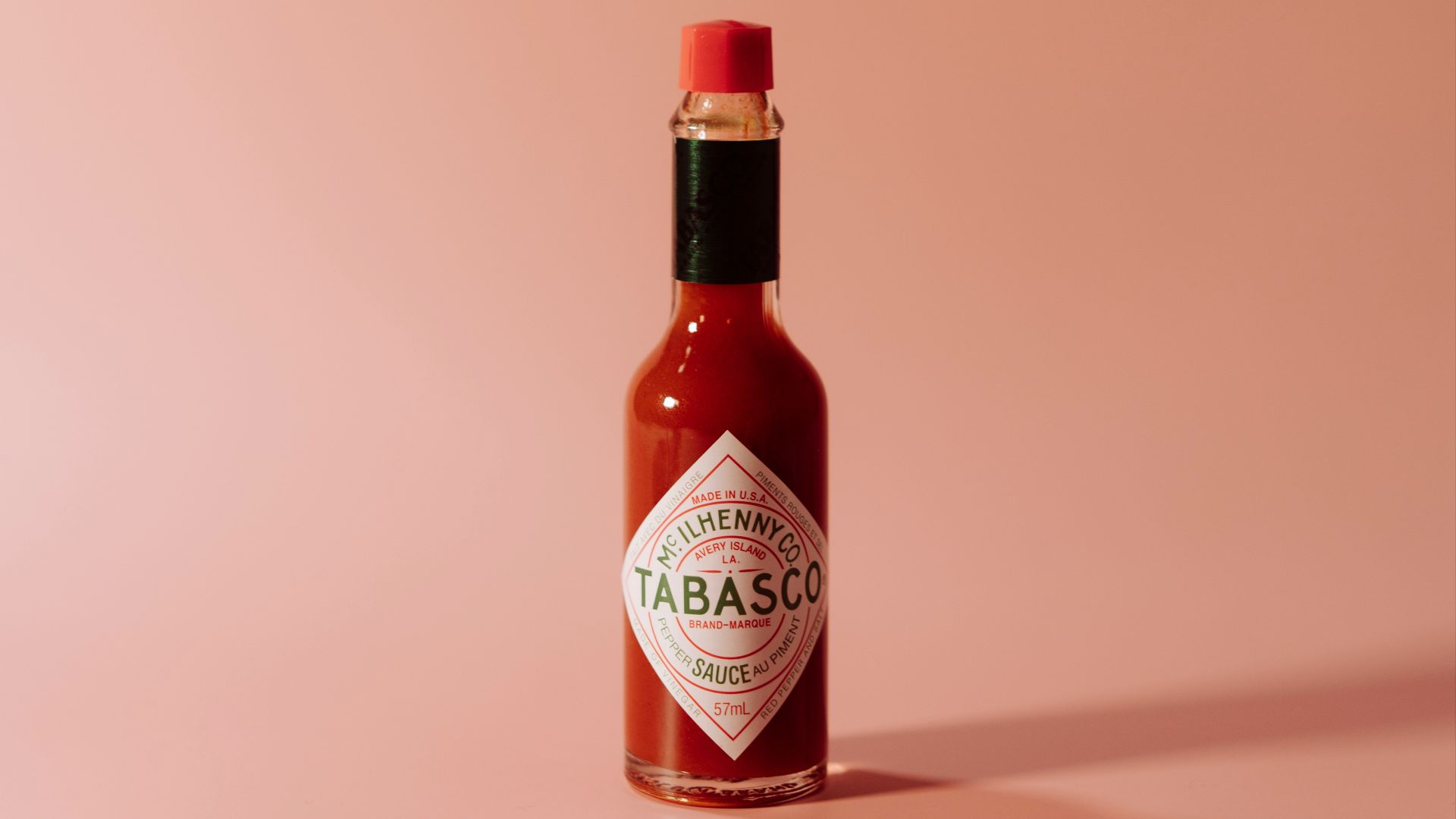
18. Hot Sauce
Sriracha, Tabasco, or whatever bottle speaks to you adds heat and acidity to eggs, soups, and sandwiches that taste too mild or boring. Hot sauce contains mostly peppers and vinegar, so it's shelf-stable and lasts essentially forever once opened.
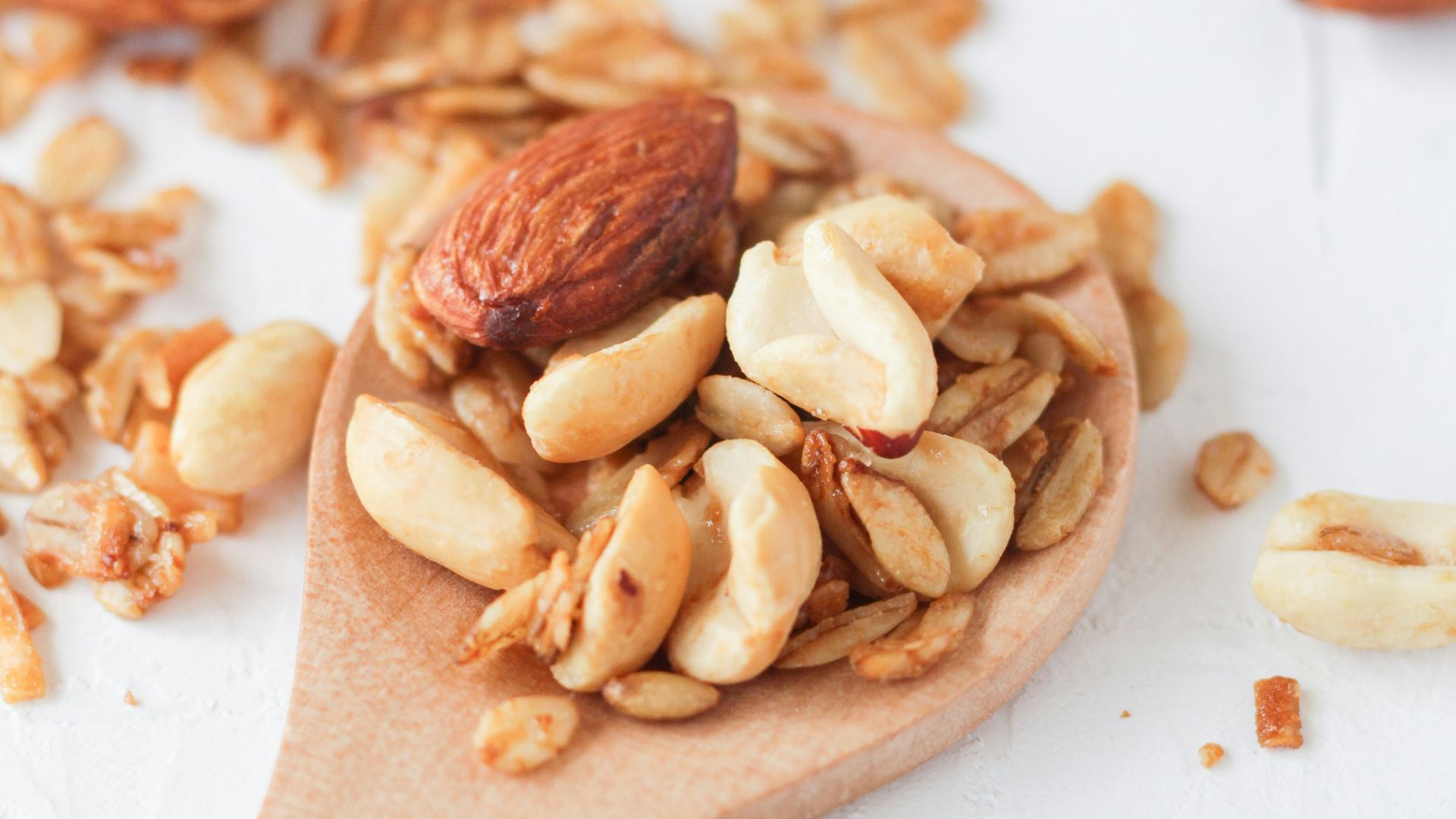
19. Nuts Or Seeds
Almonds, cashews, sunflower seeds, or pepitas add crunch and healthy fats to salads, grain bowls, or are just eaten by the handful when you need something to tide you over. Nuts go rancid eventually, so storing them in the freezer extends their life and keeps their oils from going stale.
20. Honey Or Maple Syrup
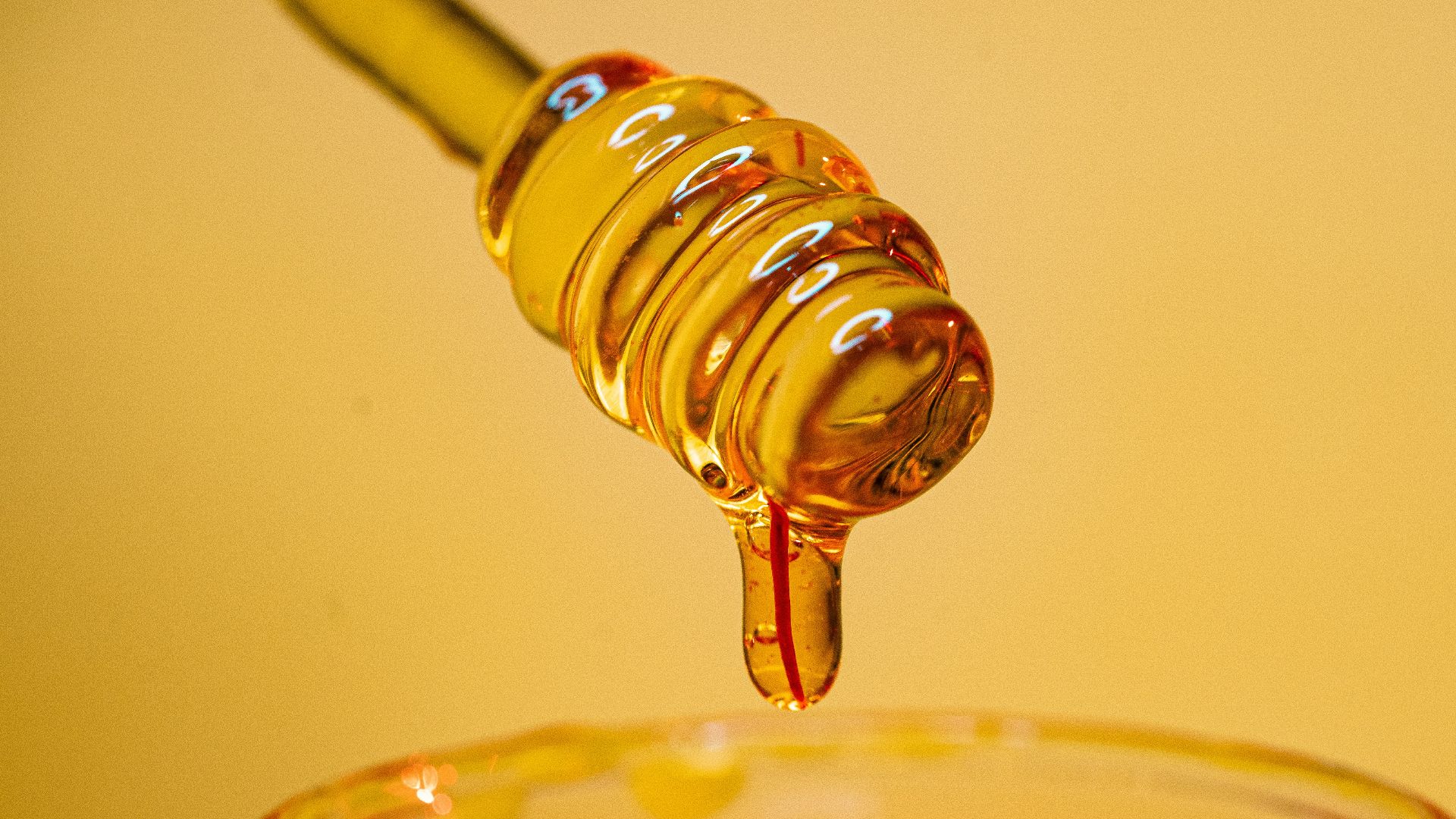
Natural sweeteners balance spicy dishes, glaze roasted vegetables, or rescue tea that tastes too bitter. Honey never spoils due to its low moisture content and high sugar concentration, making it one of the best staples of your kitchen.
KEEP ON READING
The Most Popular Chocolate Bars in the USA

The Most Popular Candies in the USA

20 Annoying Foods That Get Stuck In Your Teeth