They’re Small, But They Have Good Payoff
It’s difficult to get the “right” cooking advice, isn’t it? With all the information readily available at our fingertips, we still can’t seem to get a straightforward answer. Most people aren’t trying to eat like birds; they just want dinner that tastes good and leaves them feeling decent afterward. Instead of trying to change your whole routine, you’re better off implementing smaller changes that won’t make your meal plans feel like a punishment. Here are 20 small swaps you can make today.

1. Greek Yogurt For Sour Cream
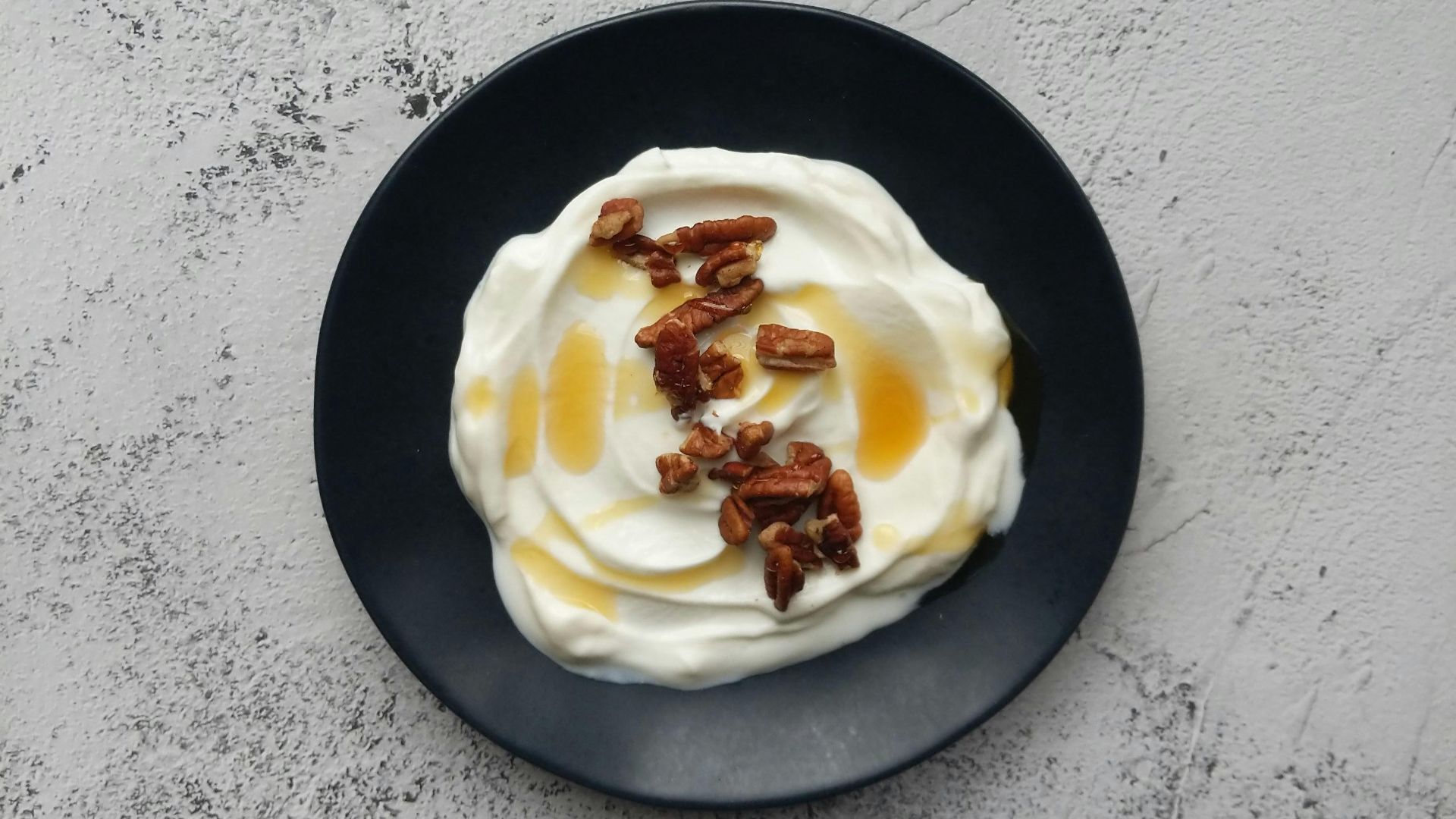
Greek yogurt gives you the tang and creaminess people look for in sour cream, but this swap offers you more protein and often less saturated fat. It works best in dips, tacos, and baked potatoes, and takes on whatever flavors and spices you add to the dish.
2. Olive Oil For Butter
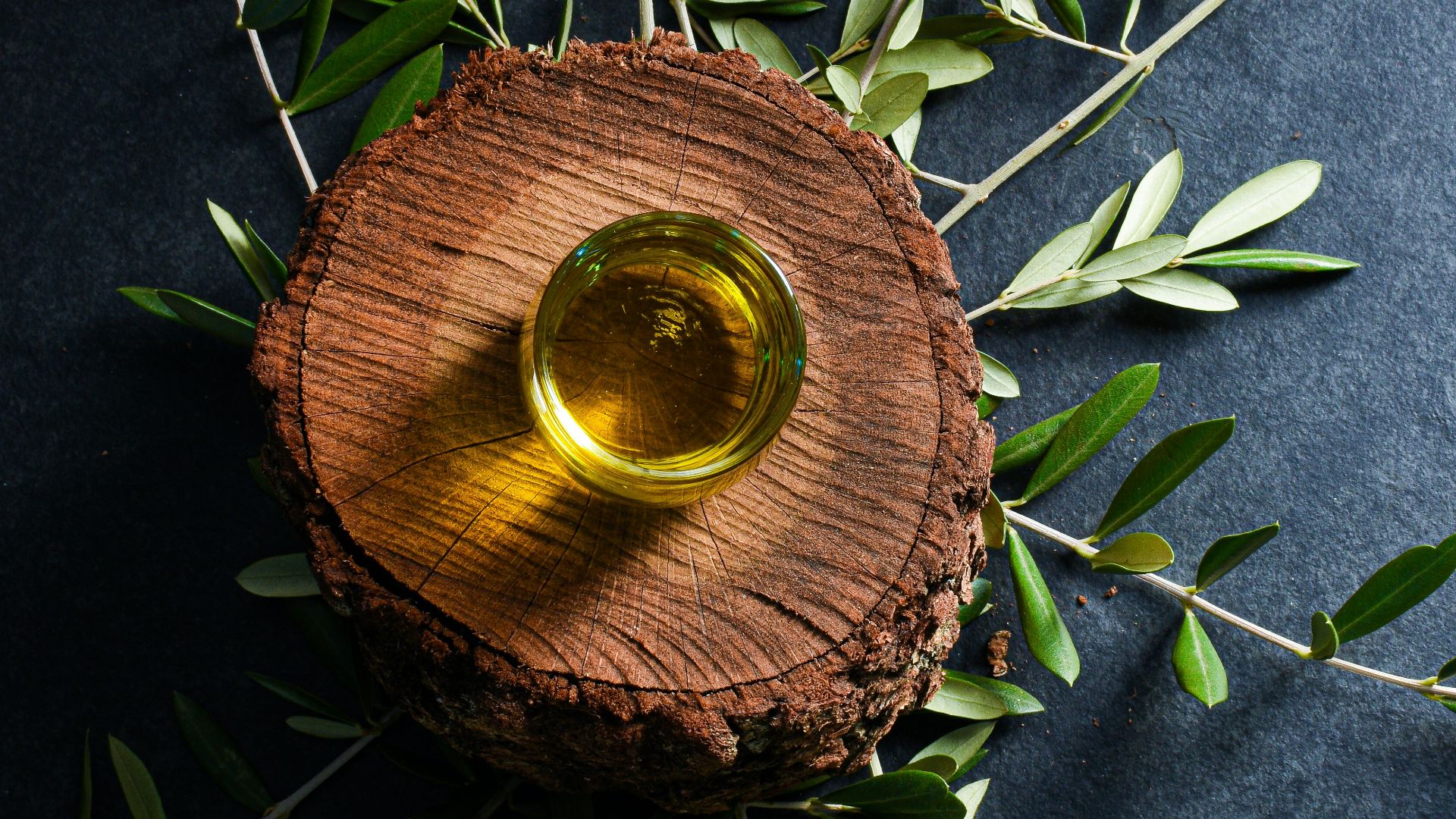
Olive oil brings a rich flavor and is high in unsaturated fats, which are good for the heart as well as the body. It can be used to sautee, roast, or as an ingredient in salad dressing. Don’t get us wrong, you can still use butter - but it’ll feel and taste better if it’s added as a small topping.
3. Avocado Oil For High Heat
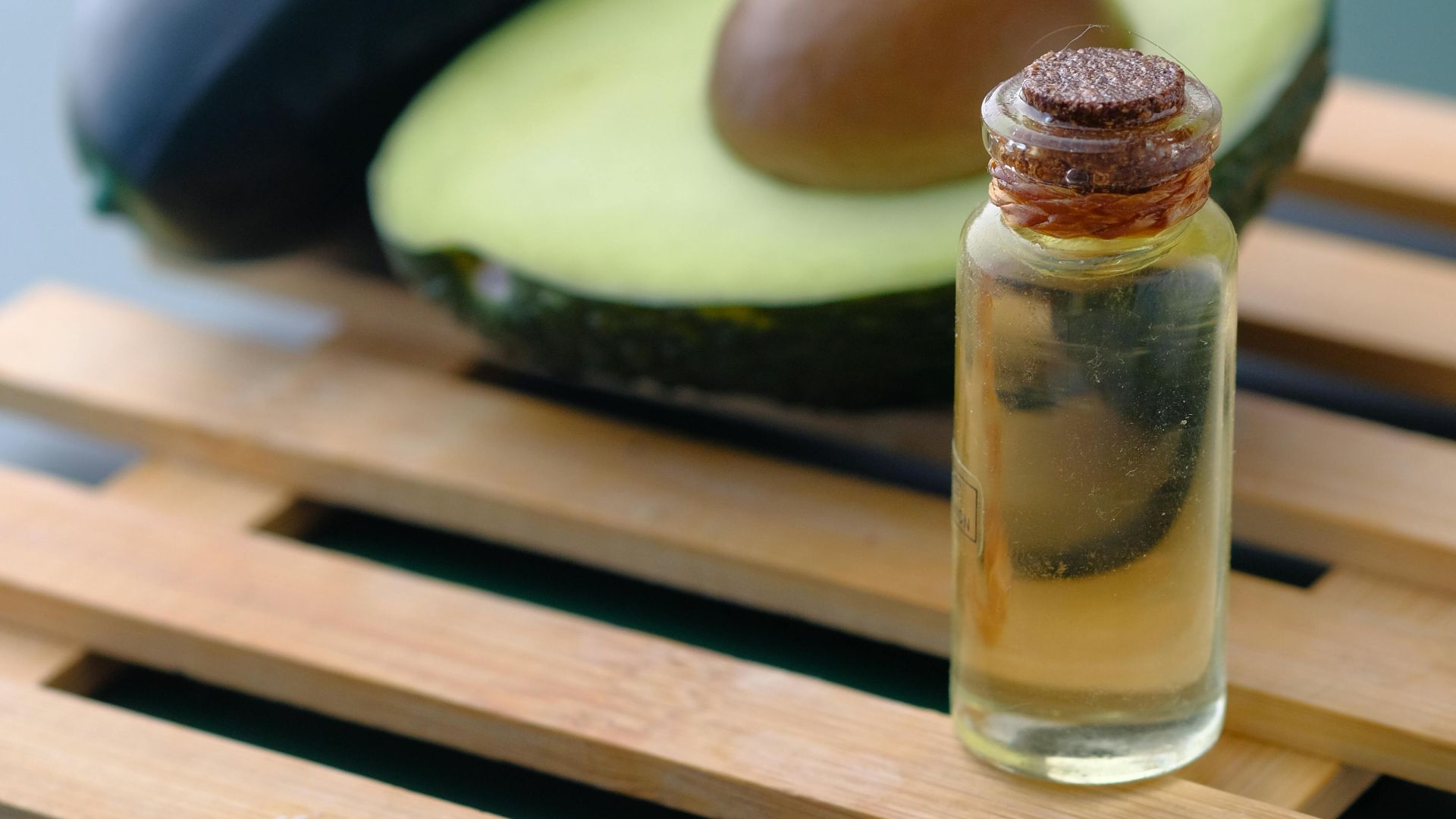
Avocado oil holds up well in high-heat cooking, so it is a practical pick for searing and stir-frying. It also has a mild flavor in comparison to other oils, so you won’t be ruining a dish with any overwhelming flavor.
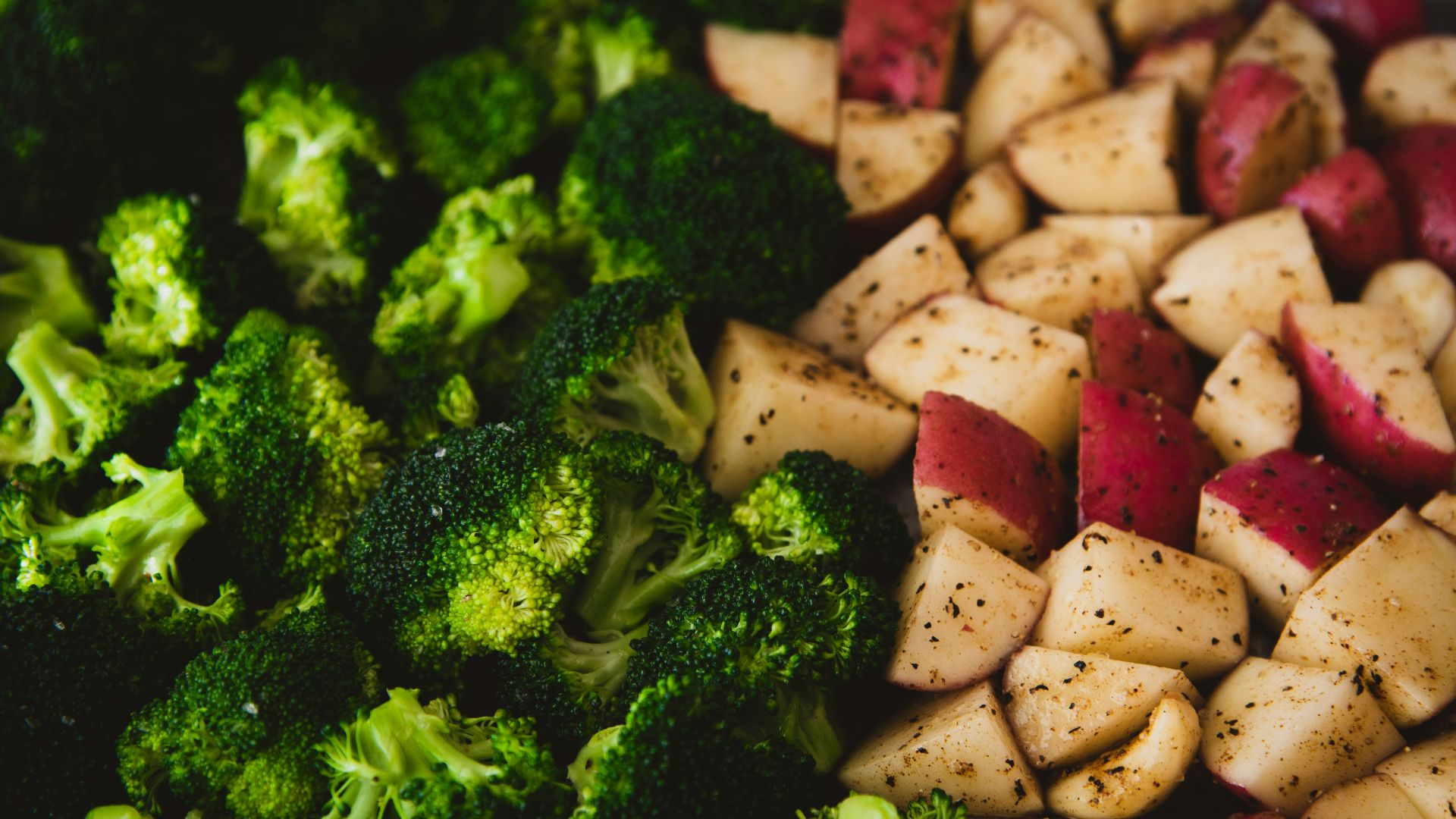
4. Roasting Instead Of Frying
Roasting gives you browning and crisp edges with far less oil than deep frying, and it will also help to keep all the nutritional goodness that you’re looking for in a vegetable. The best part is that it’s also much neater than trying to fry something, and usually only requires one pan in the oven.
5. Air Frying For Crunch
If the oven isn’t doing enough for you in terms of crunch, an air fryer can be a real saving grace. You can get crispy chicken cutlets or fries with less oil, which usually means fewer calories. It also has a less messy cleanup than a deep fryer ever will.

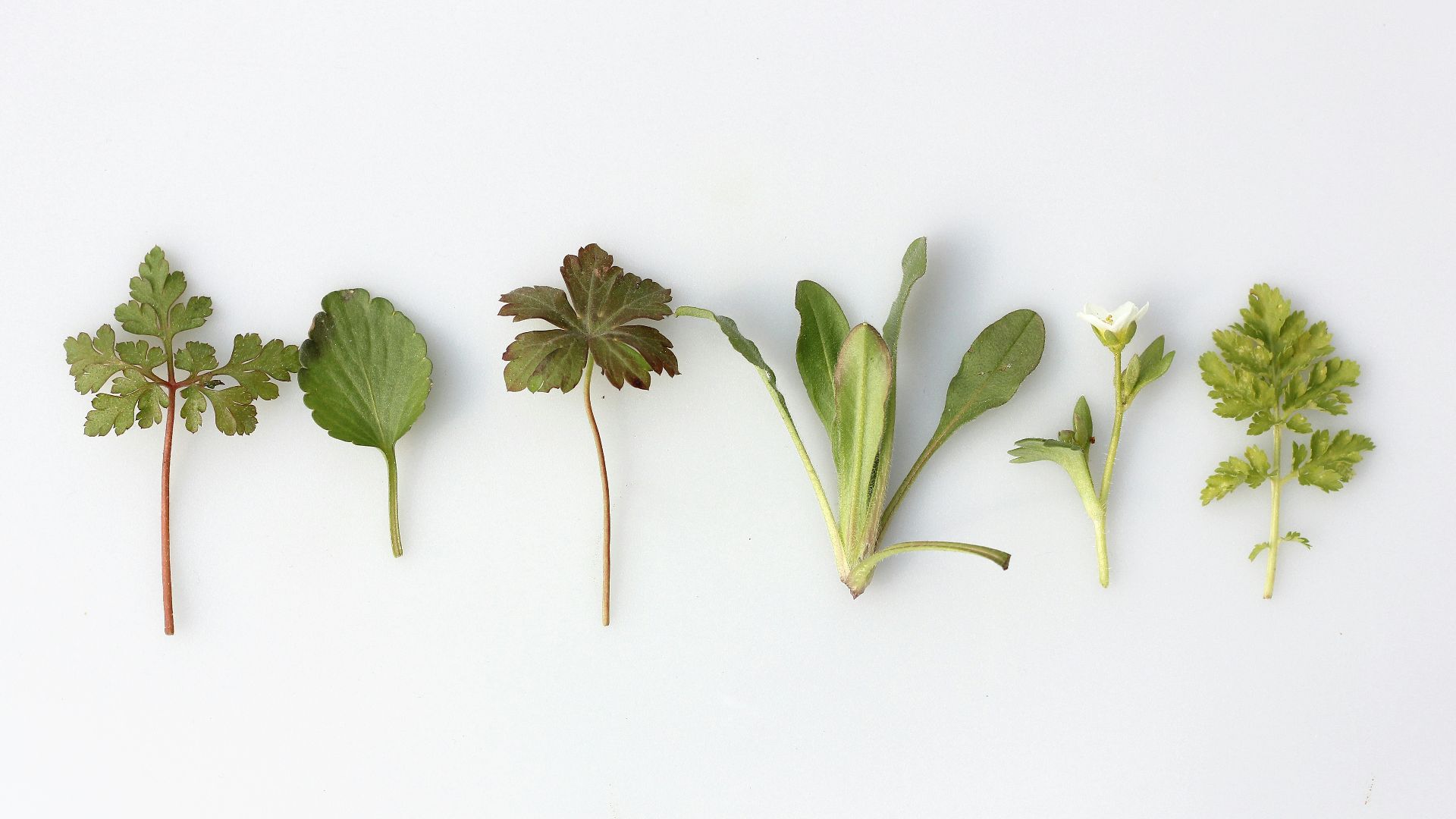
6. Herbs Instead Of Salt
Fresh herbs can add aromatics and layers to your dish in a way salt alone cannot, and they’re better for your blood pressure. Sure, a pinch of salt here and there will still complete a meal, but it doesn’t have to be the only flavor.
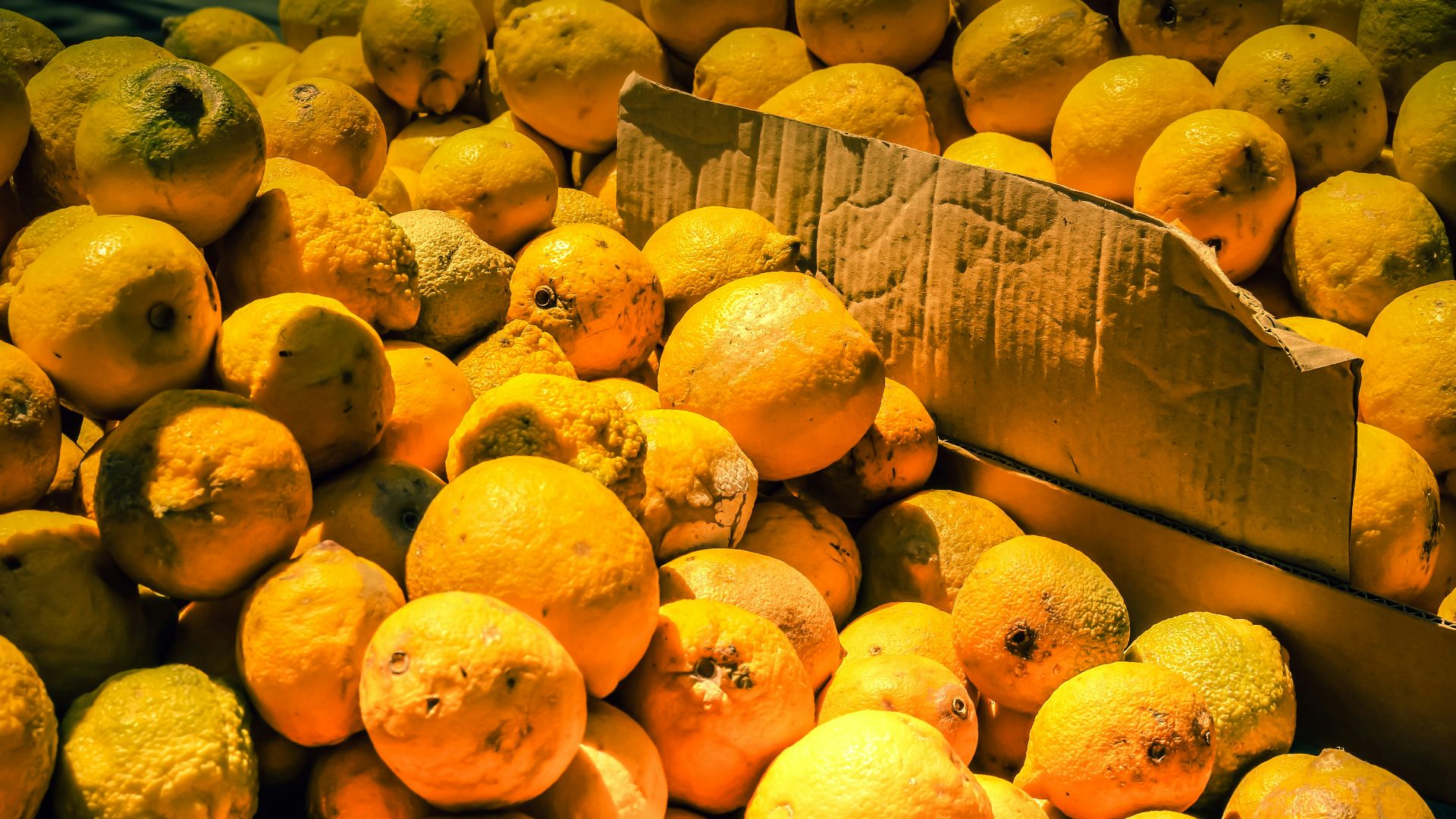
7. Citrus For Brightness
Lemon and lime give food a little extra zing without requiring any extra salt, sugar, or heavy sauces. The next time you cook, try adding a squeeze of juice to your meal. You may be surprised by just how good it tastes.
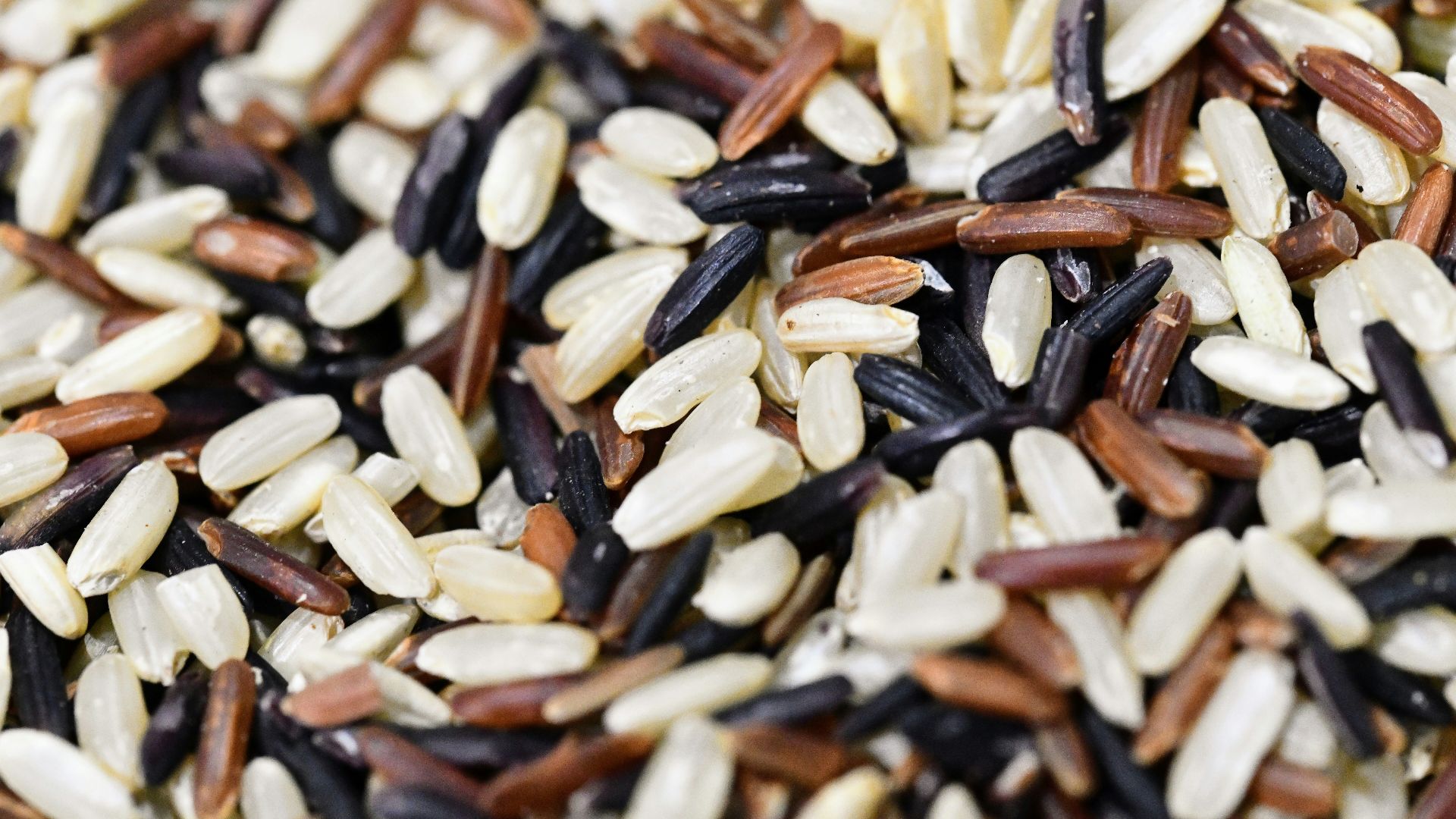
8. Whole Grains For White Rice
Brown rice, farro, and barley are chock full of fiber, and they’ll fill you up just as fast as regular white rice. Whole grains are also repeatedly linked to better cardiometabolic markers, and you won’t find yourself crashing as quickly a few hours after eating. If the texture change feels too big, mixing half white rice with half brown rice is an easy bridge.
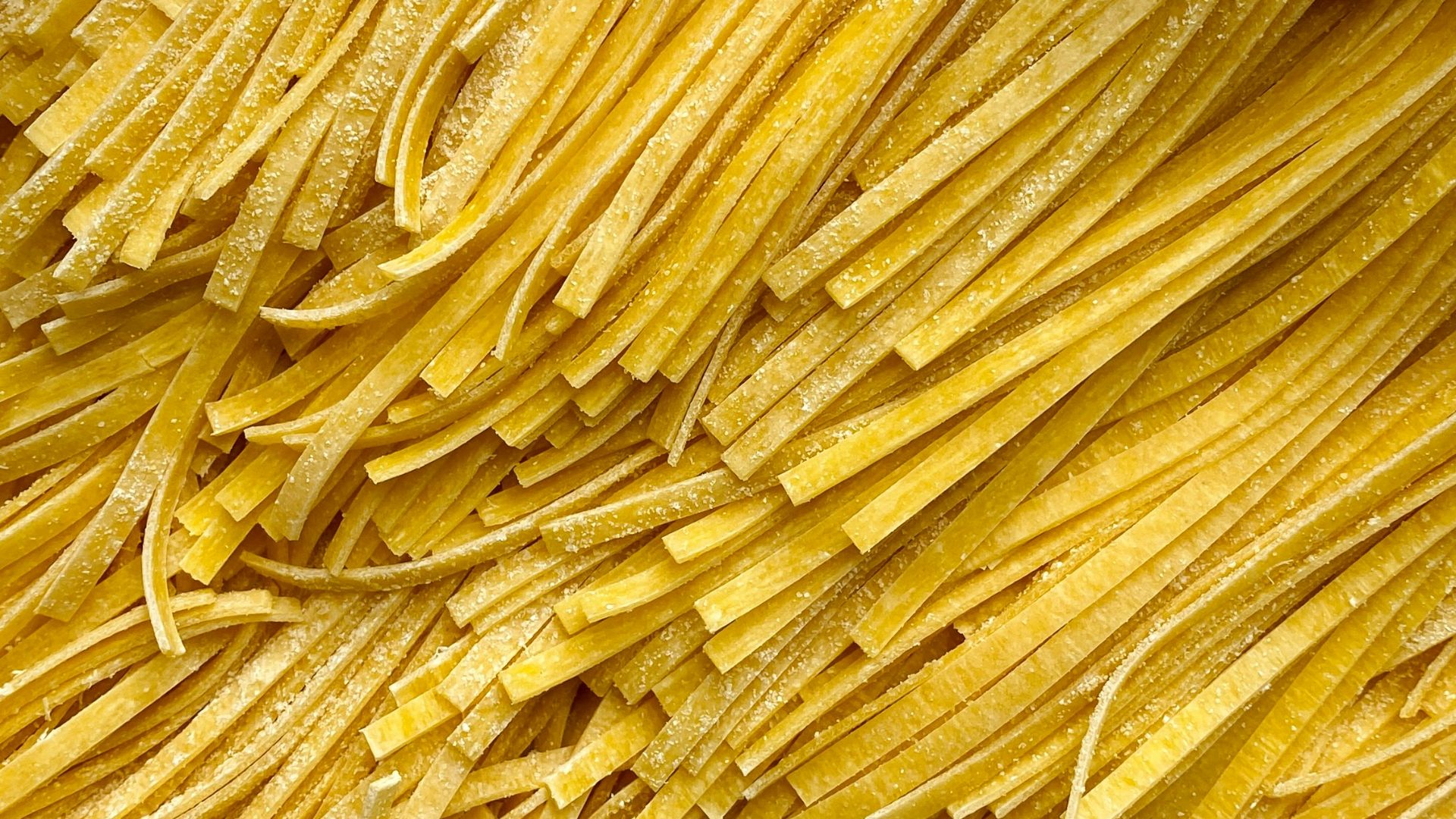
9. Whole Wheat Pasta Swap
Like whole wheat rice, Whole wheat pasta has more fiber than refined pasta, and still tastes good to boot. It has a slightly nutty flavor that works especially well with tomato sauces. If that flavor doesn’t work for you, it’s easy enough to fix with some garlic and herbs.
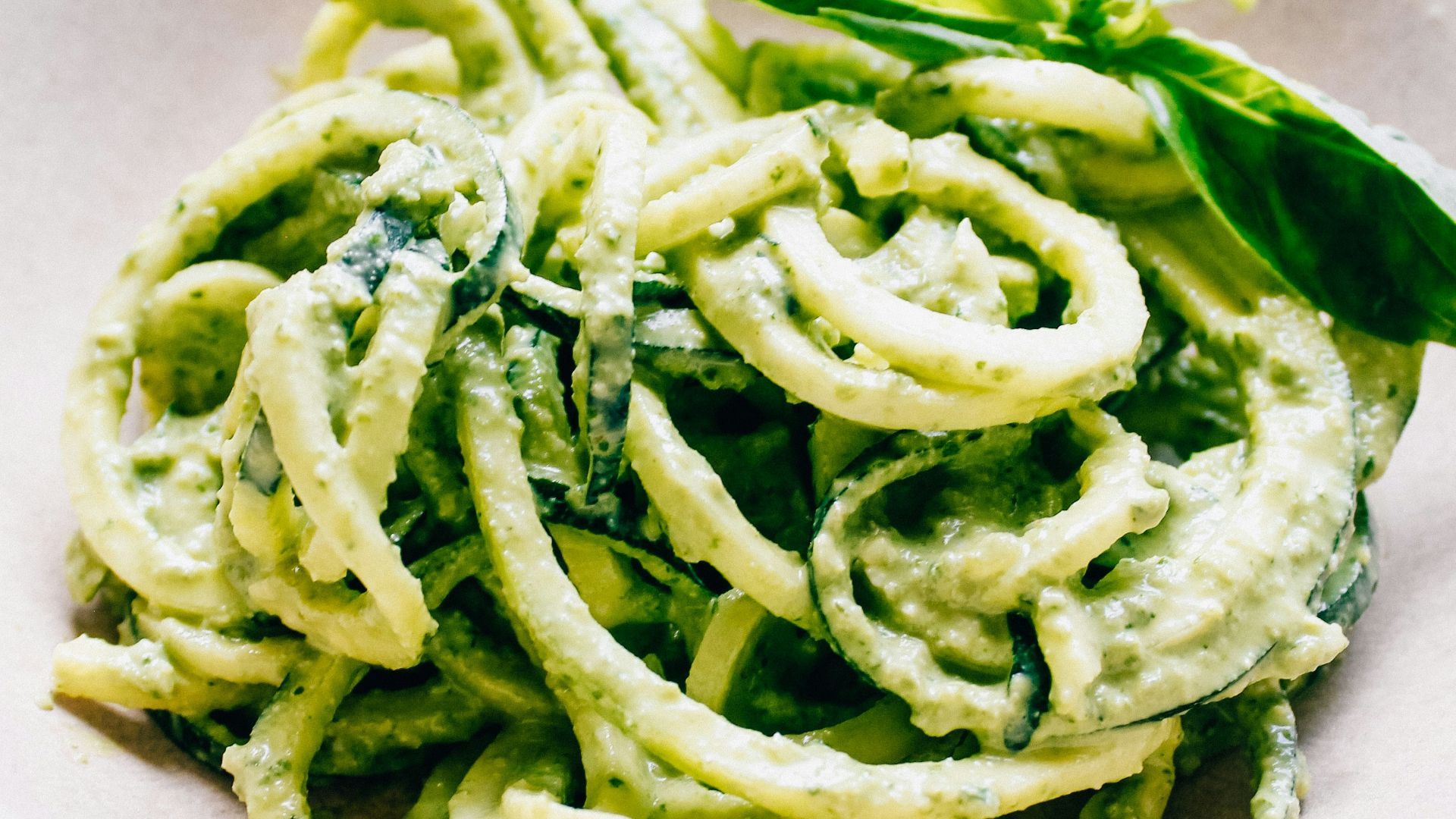
10. Zucchini Noodles
Zucchini noodles aren’t for everyone, but they’re still definitely worth a try. They simply require a little extra care and attention when cooking so that they don’t turn watery. Again, if the flavor is putting you off, there’s nothing some strong aromatics won’t fix.
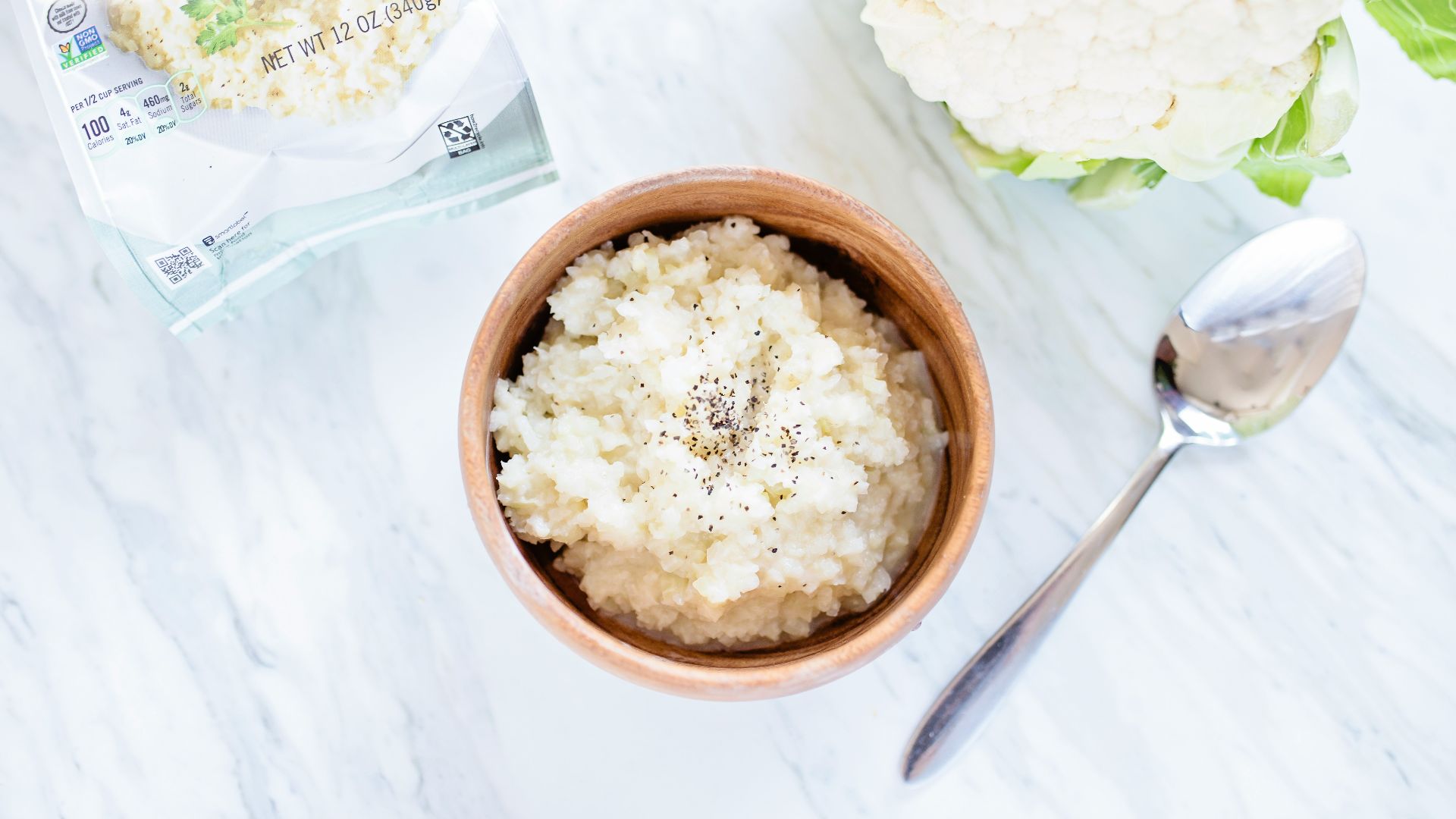
11. Cauliflower Rice
Cauliflower rice adds a lot of bulk with fewer calories, and it works just as well in any regular rice dish. If you’re worried about the texture or flavor, you can add things like soy, sriracha, or other sauces to your dish. You’ll barely even notice the swap - we promise.
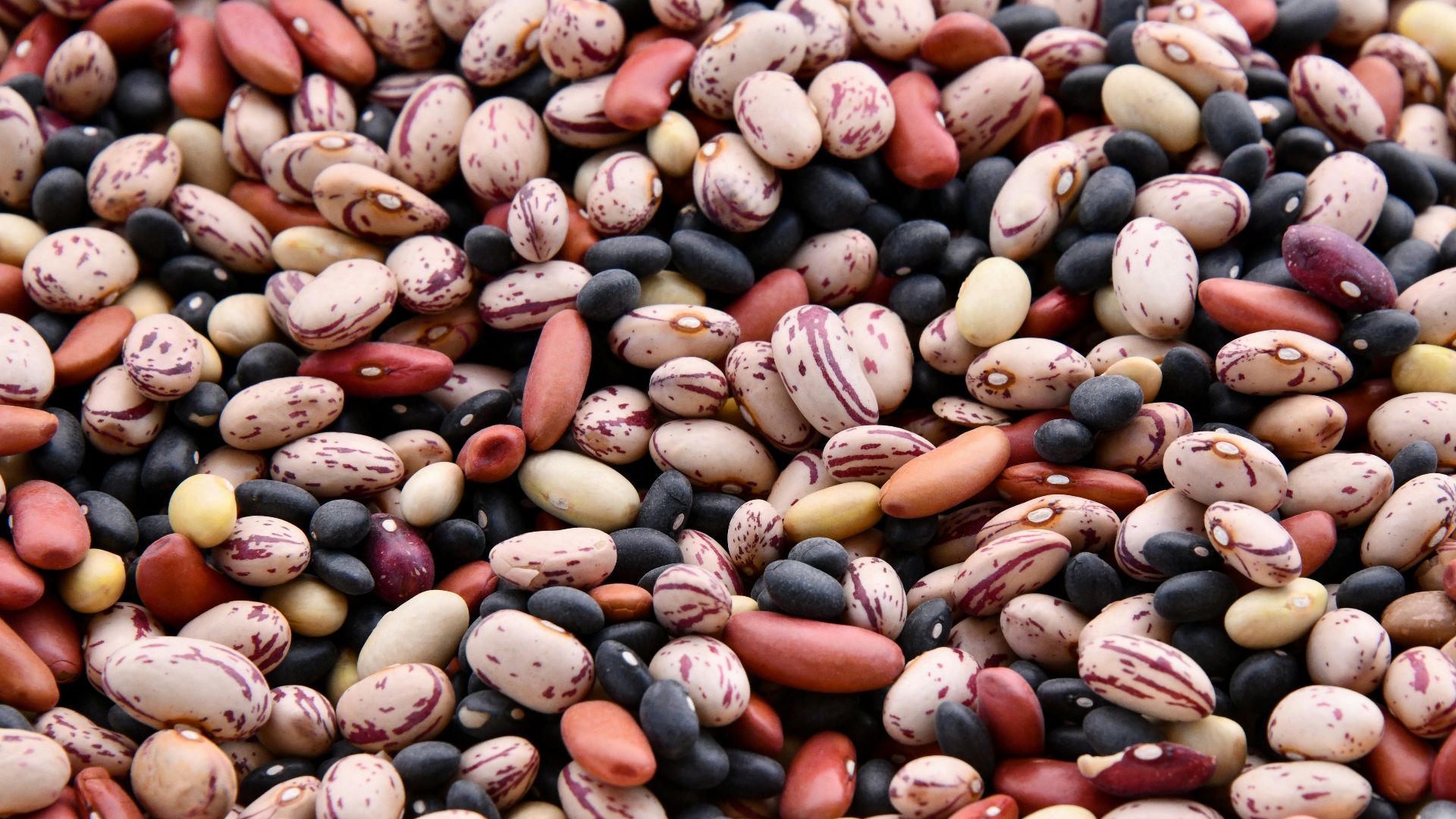
12. Beans For Some Meat
Beans can replace part of the meat in chili, tacos, or pasta sauce without your meal feeling empty or unsatisfying. Plus, you get more fiber and plant protein, and you usually save money, too. Mashing a portion of the beans can help to thicken the pot, which can also help with any texture components.
13. Lean Ground Meat
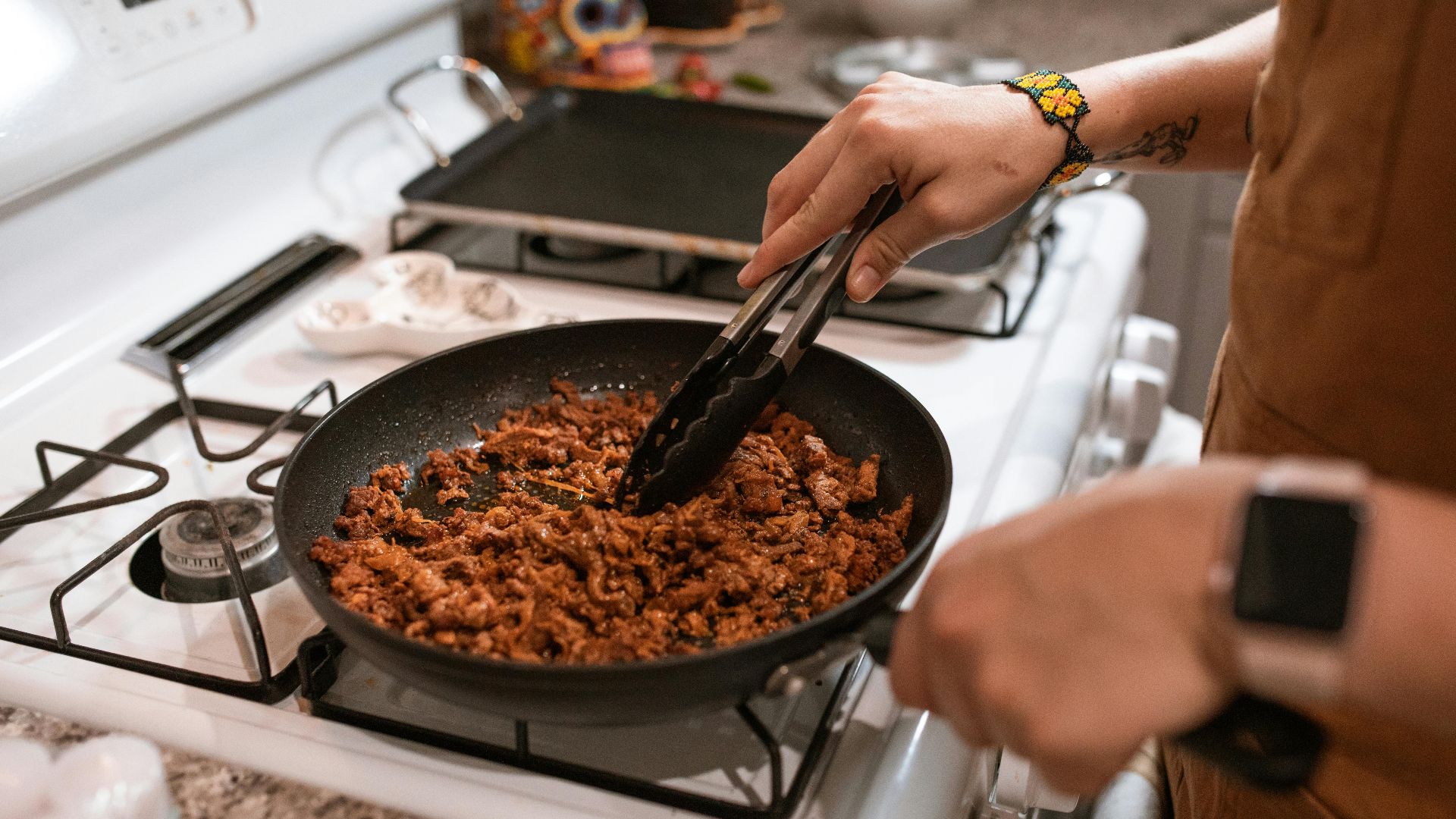
Switching from higher-fat ground beef to leaner beef, turkey, or chicken cuts down on saturated fat while still tasting delicious. Here, your seasoning skills matter more with lean meat, so do not be shy with onion, garlic, and spices.
14. Fish Twice A Week
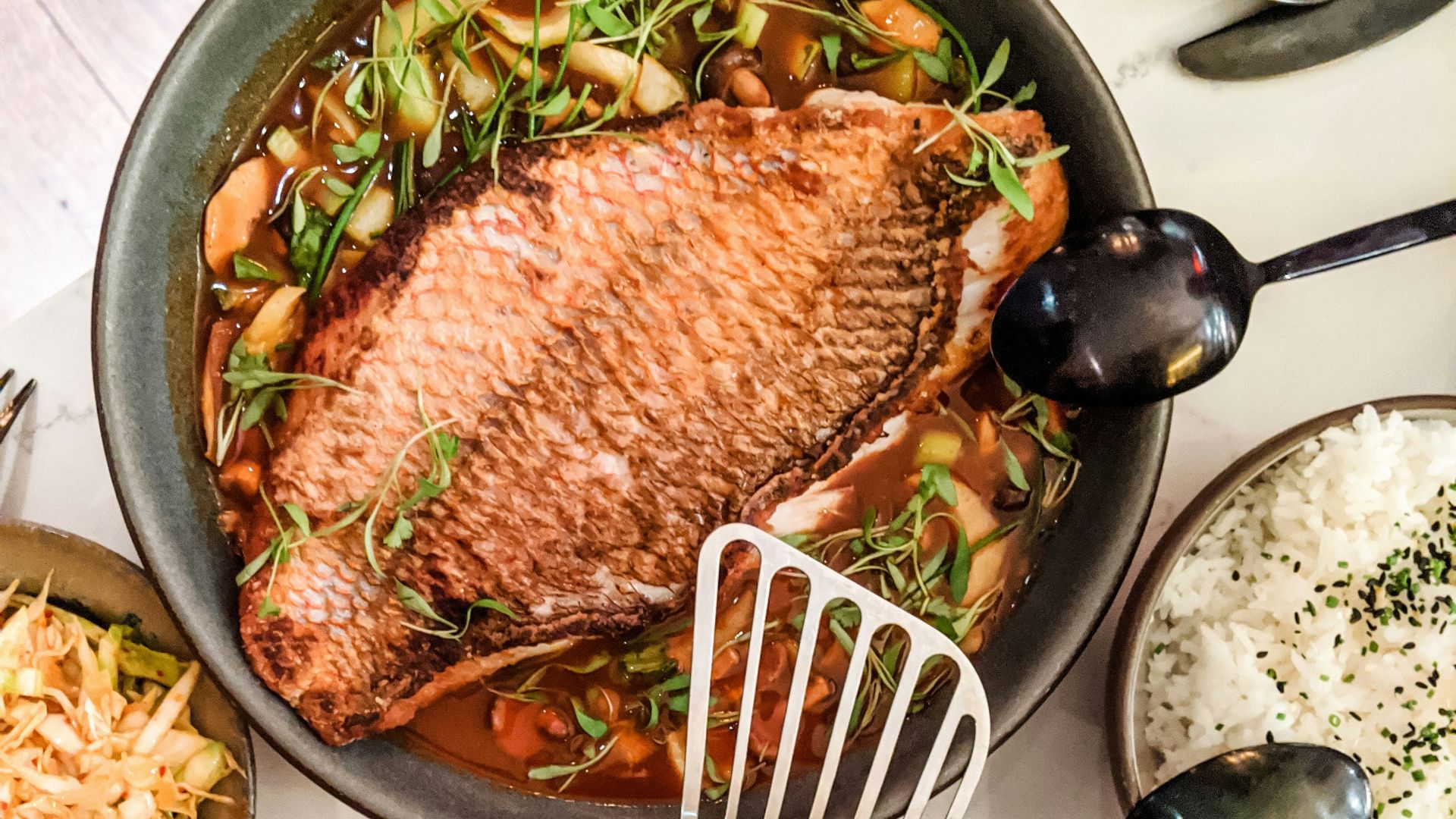
If we’ve learned anything from health influencers, we know that implementing fish into the meal rotation is a worthwhile swap. Fatty fish, like salmon, are packed with omega-3 fatty acids, which are linked to heart health. It doesn’t need to be an elaborate dinner either, as you can make a one-pan meal in under 30 mins.
15. Low-Sodium Broth
Broth can carry a shocking amount of sodium, and soups are one of the easiest places to accidentally overdo it on the salt factor. A low-sodium broth gives you more control over your seasonings and tastes just as good. Even adding a splash of soy sauce at the end can add savoriness without dumping salt in from the start.
 Jonathan Pielmayer on Unsplash
16. Tomato Paste For Depth
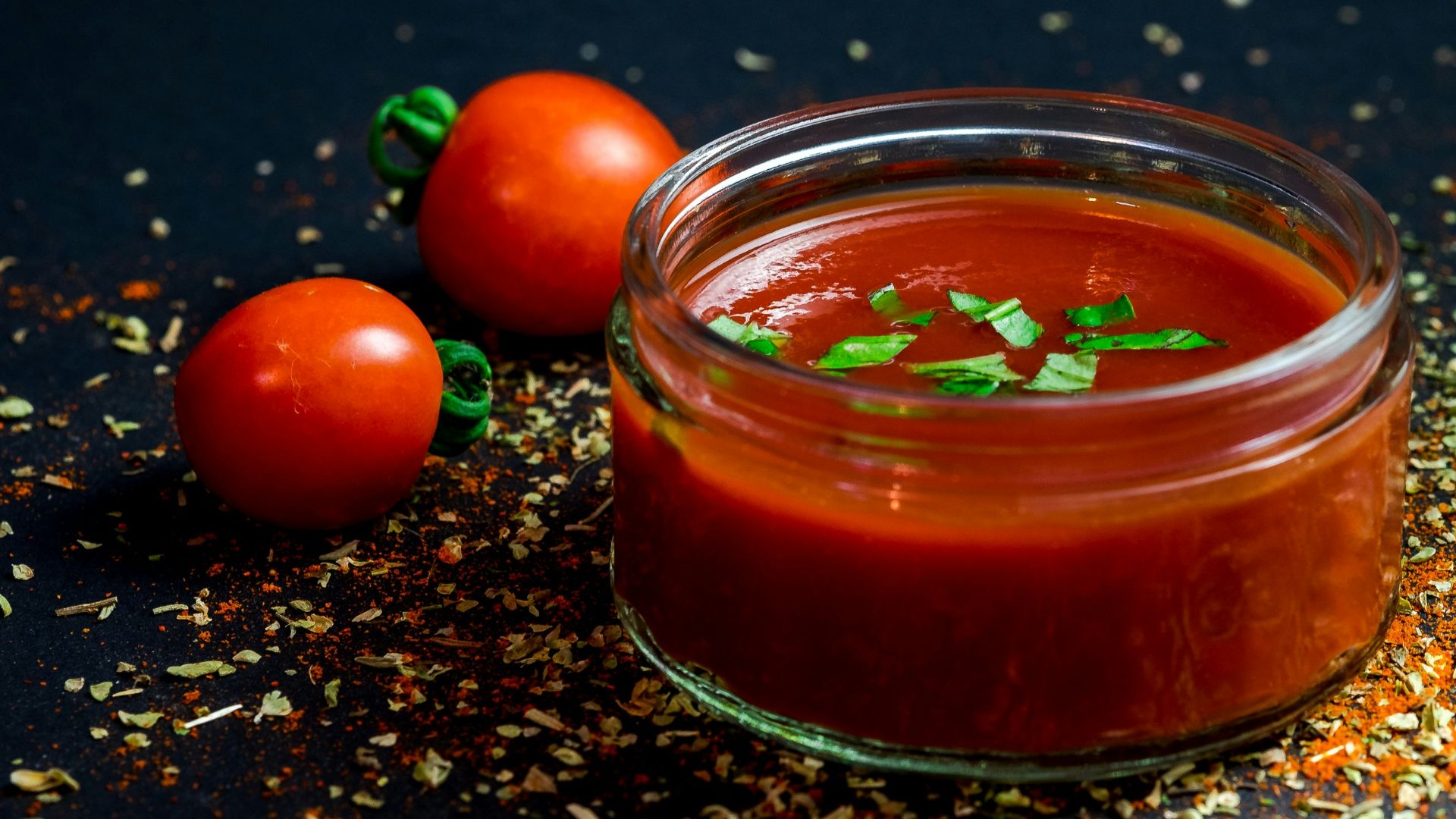
Plain tomato paste can add more to a meal than you’d expect, and help you not waste money on store-bought sauces. Cooking it briefly in oil before adding liquids deepens the flavor and gives sauces a more developed taste. If you’re looking for a particular flavor, you can always, you guessed it, add seasoning!
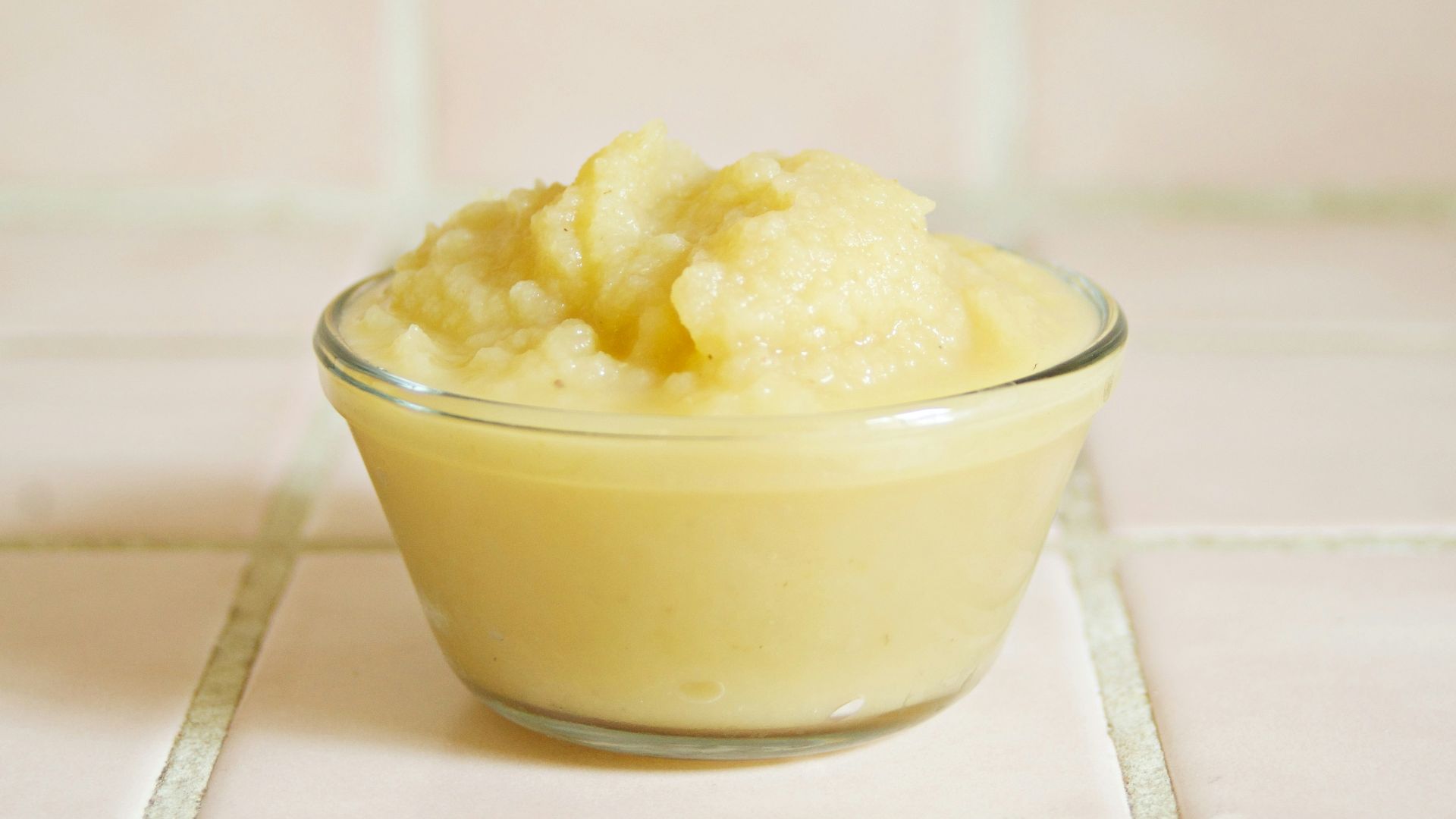
17. Unsweetened Applesauce For Oil
In baking, unsweetened applesauce can replace some types of oil, specifically in muffins and certain types of breads. The texture remains moist, allowing you to cut back on calories and saturated fat. This swap may take some trial and error, but it could be a good option for those who really enjoy making baked goods.
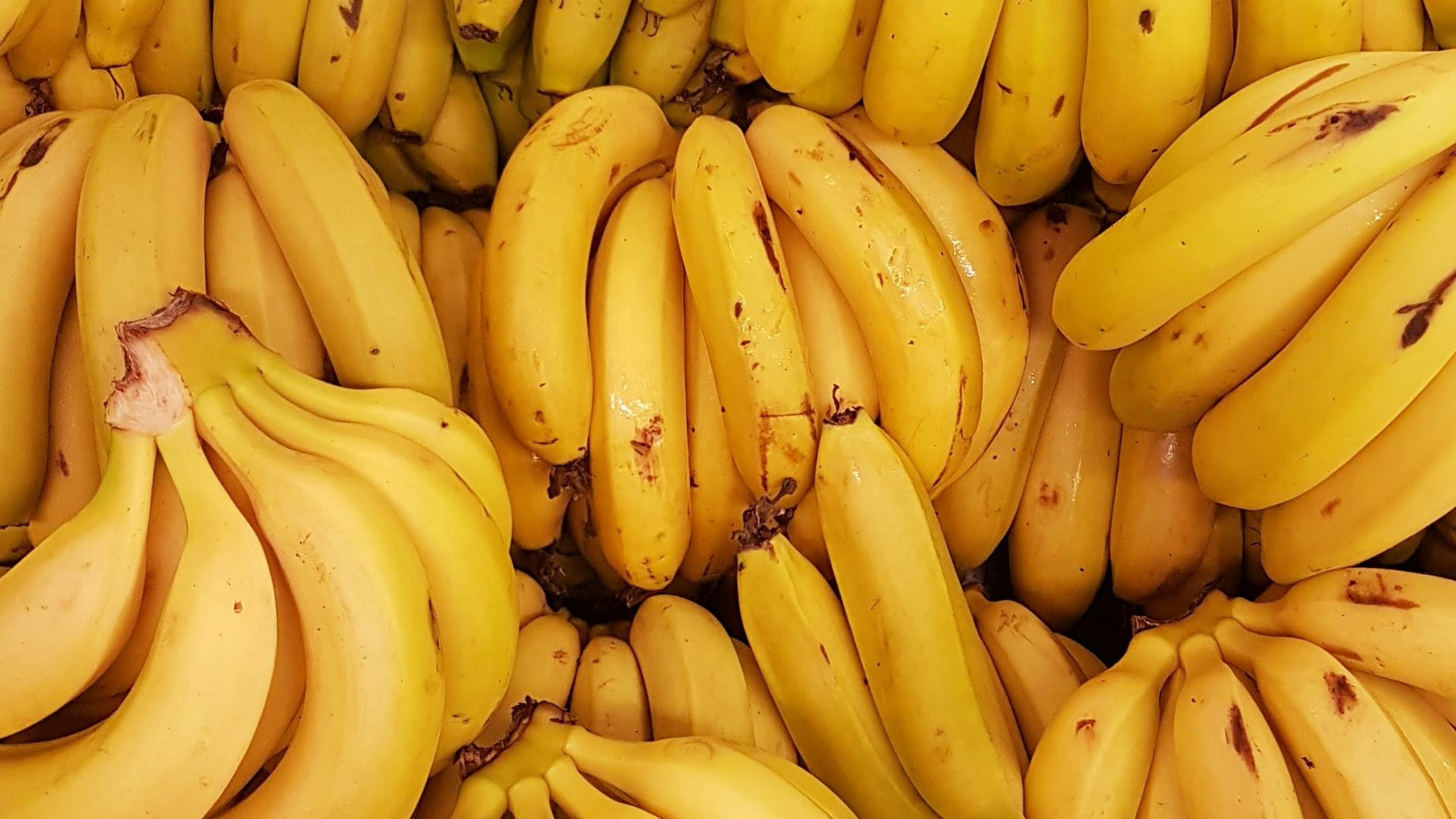
18. Mashed Banana For Sweetness
Mashed banana can add sweetness and structure to things like pancakes and baked goods, allowing you to add less sugar. It’s best to use a very ripe banana, as the sugars tend to be more pronounced than in one that’s still quite yellow.
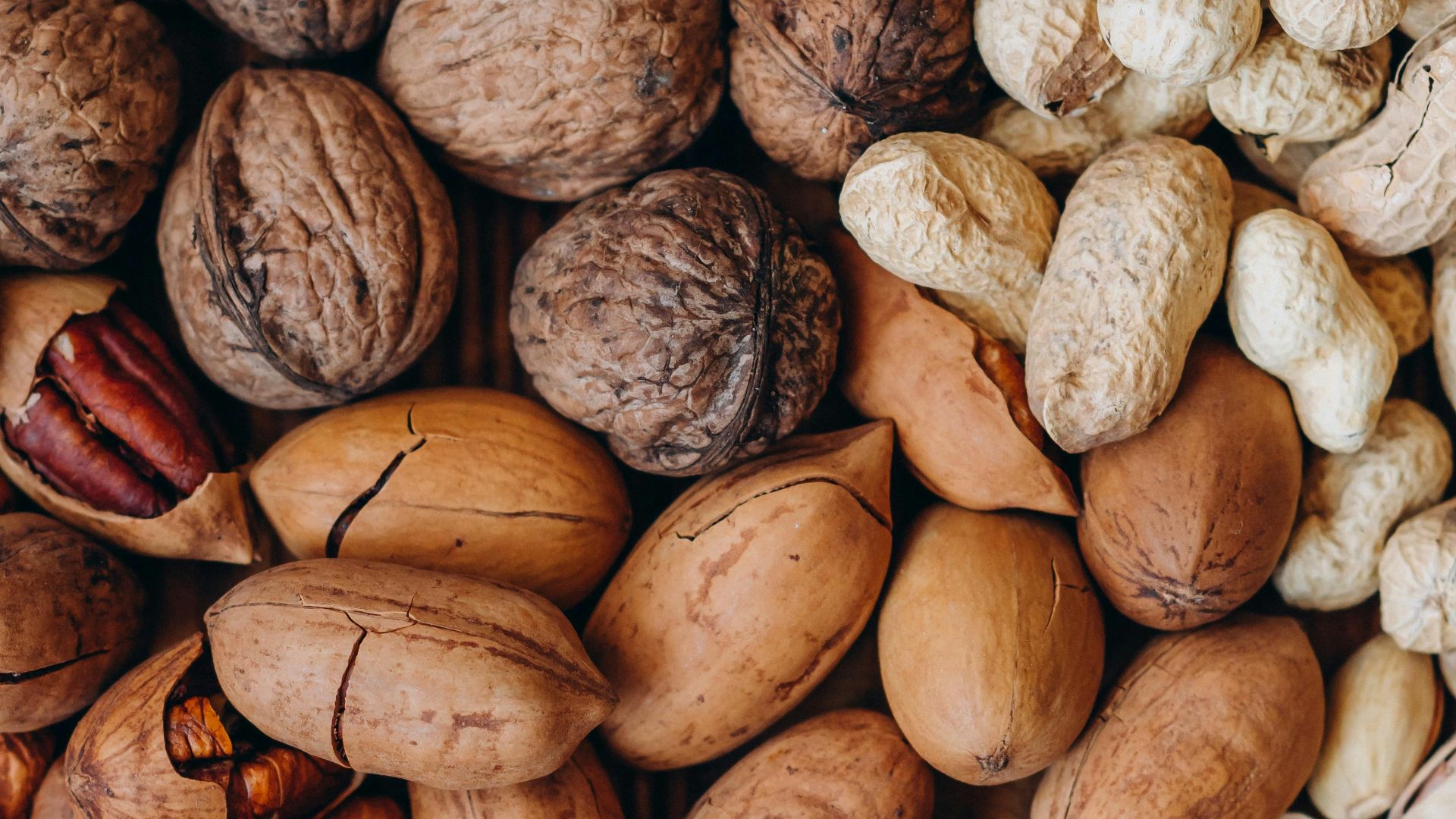
19. Nuts For Croutons
Toasted nuts can replace croutons on salads, which still provides you with the crunch without any of the extra saturated fat. A few nuts are also high in protein, which can help make a meal feel more filling in the long run. Alternatively, you could make your own croutons instead of buying store-bought ones.
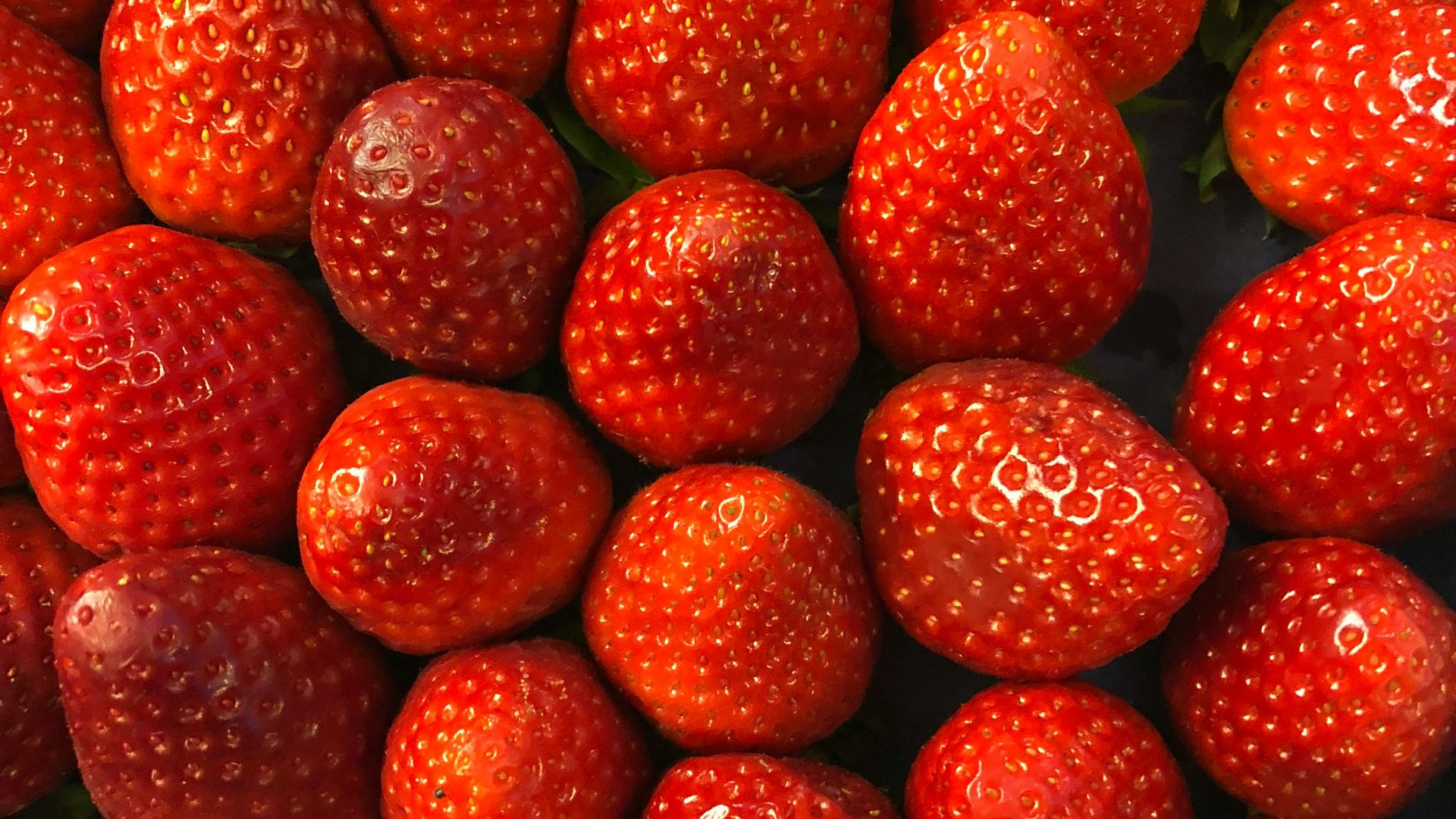
20. Fruit For Dessert
We know, we know, sometimes you do want chocolate or ice cream, but we promise that fruit can taste just as good. Adding some berries to yogurt, or even on top of plain ice cream, will provide you with the sweetness you’re looking for.
KEEP ON READING

The Best Gifts to Give To Any Baking Lover



10 Iconic Australian Foods You Need to Try