10 Things Home Cooks Obsess Over That Don’t Matter & 10 Things They Ignore That Do
The Real Wins Are Quiet
Home cooking has a funny way of turning into a mix of confidence and second-guessing. You can make something genuinely delicious, then spiral because the sauce isn’t glossy enough or the parsley isn’t chopped like a restaurant would do it. Meanwhile, the stuff that actually decides whether dinner tastes great, or just fine, often happens earlier and more quietly: heat control, seasoning, timing, and a few unglamorous habits that don’t show up in photos. A lot of cooking stress comes from obsessing over the wrong details, especially the ones that look impressive but don’t move the needle much. Here are 10 things home cooks fixate on that rarely matter, and 10 things that get ignored even though they absolutely do.
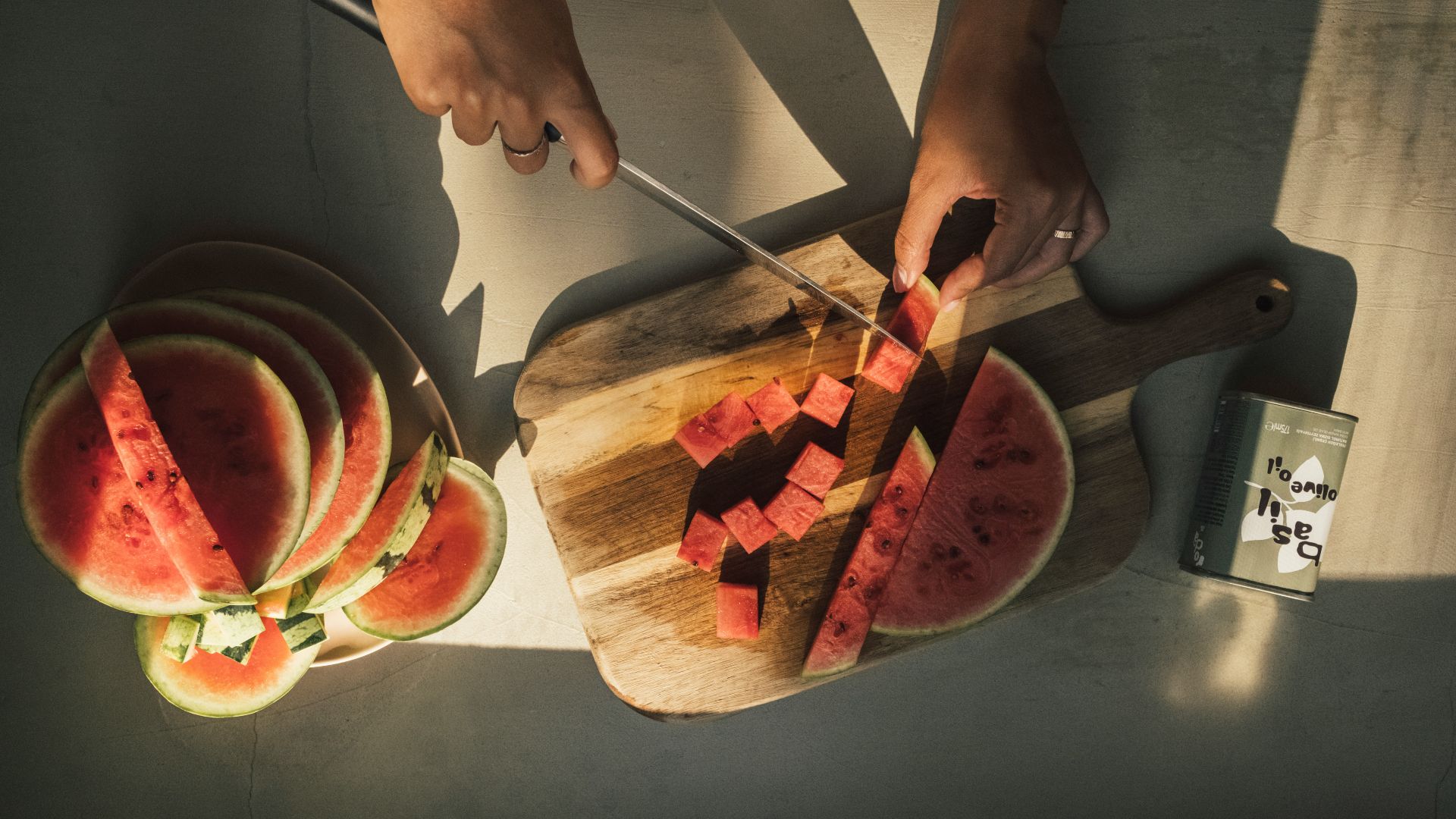
1. Perfect Knife Cuts
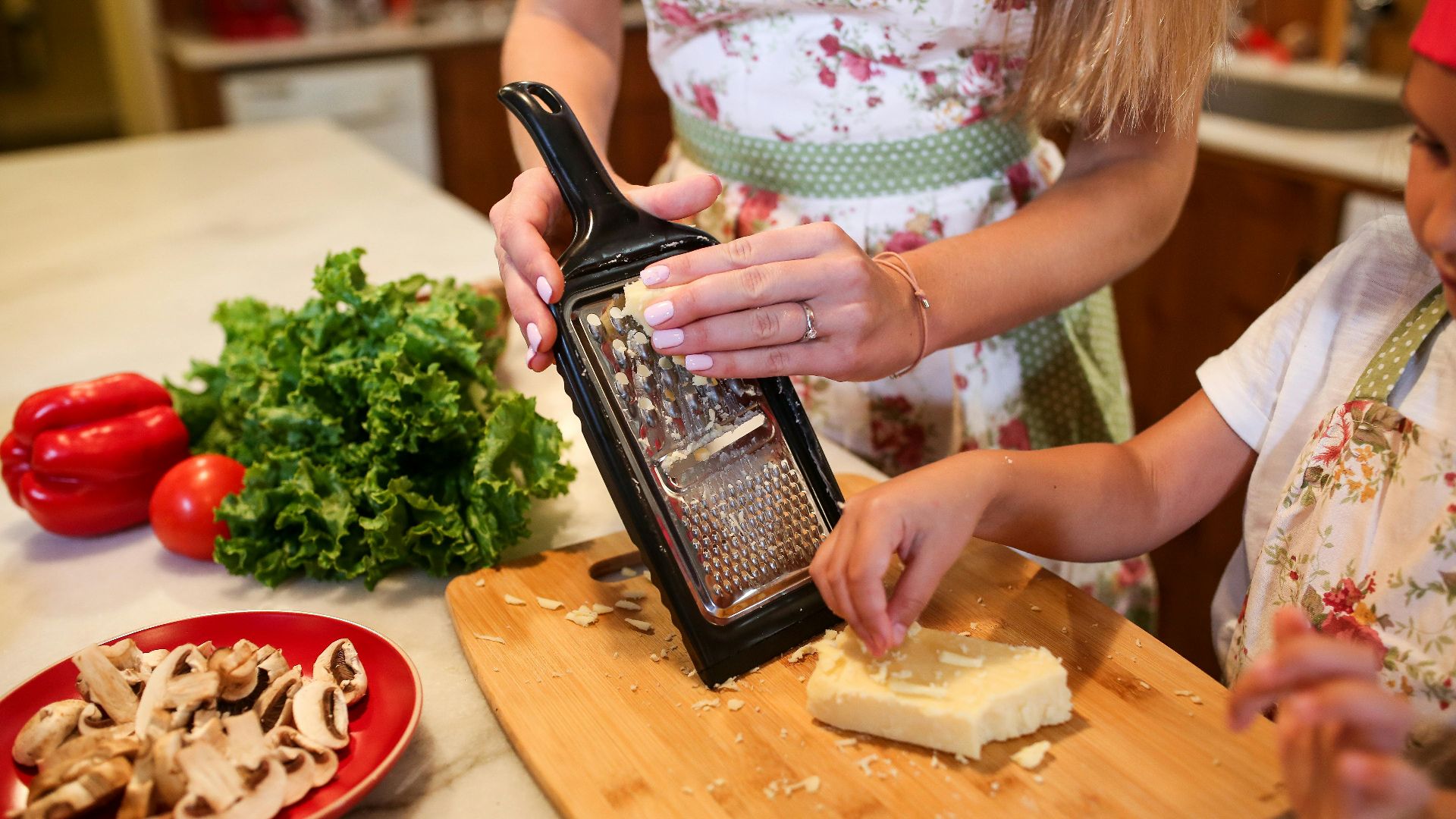
Uniform dice looks satisfying, but most weeknight food doesn’t care if the onion is a little uneven. As long as pieces are roughly similar so they cook at the same pace, the flavor will still land. The rest is mostly a flex for your own brain.
2. Fancy Salt For Everything
Nice salt is great at the table, and it can add a good finishing crunch, but it won’t rescue a dish that’s under-seasoned or poorly cooked. A pot of beans needs enough salt, not special salt. Most of the time, consistency beats prestige.

3. The Right Pan Brand
A good pan is helpful, sure, but brand obsession often becomes a shortcut for skill. The same chicken can turn out dry in a $200 skillet and juicy in a cheap one if the heat is right. Knowing what your pan does matters more than the logo on the handle.
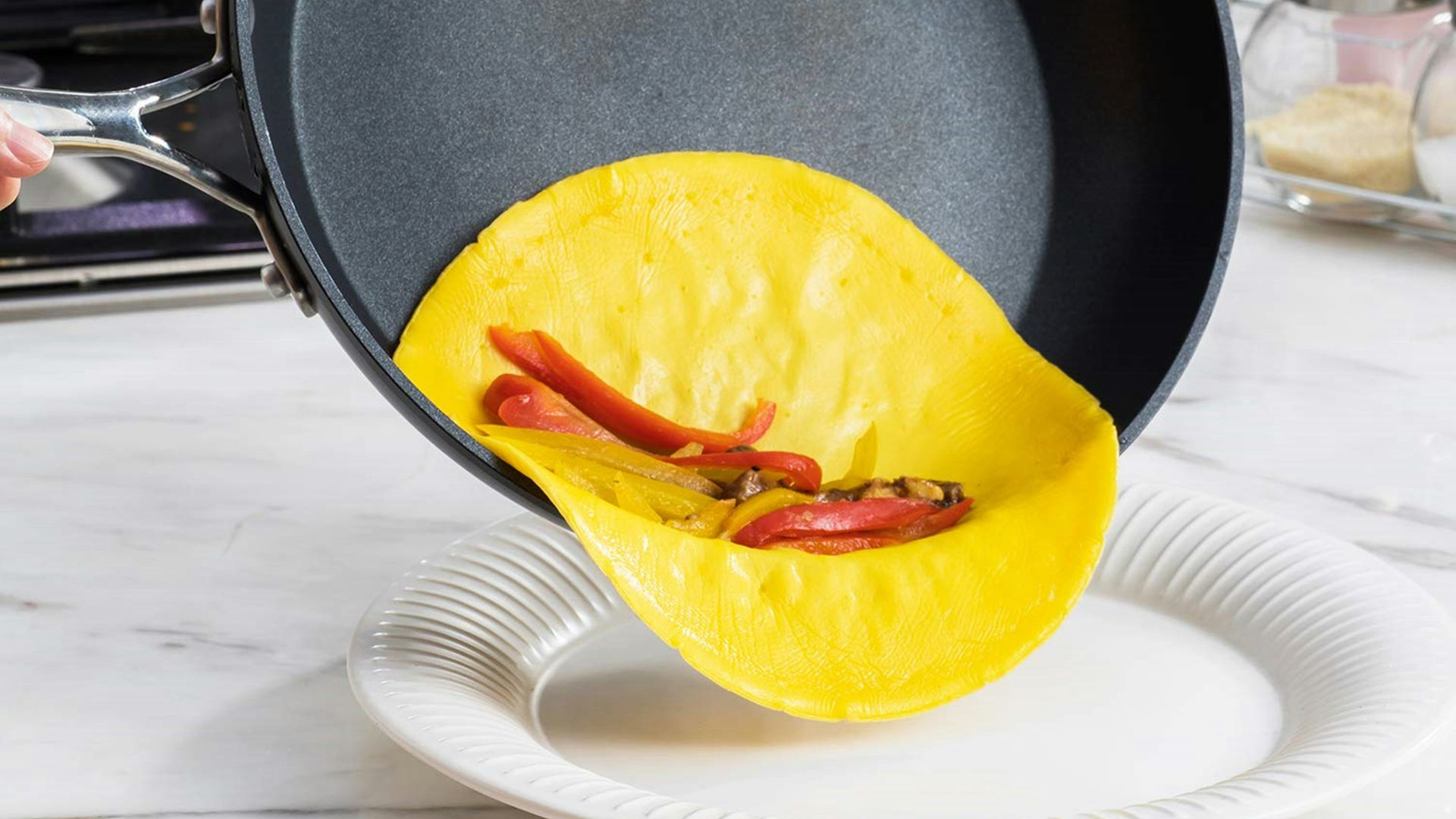
4. Micro Herbs On Weeknight Food
A sprinkle of delicate herbs looks pretty, but it rarely changes the meal in a meaningful way unless the dish is built around it. Most Tuesday dinners benefit more from something blunt and useful, like acid, salt, or browning. Garnish is optional; flavor is not.
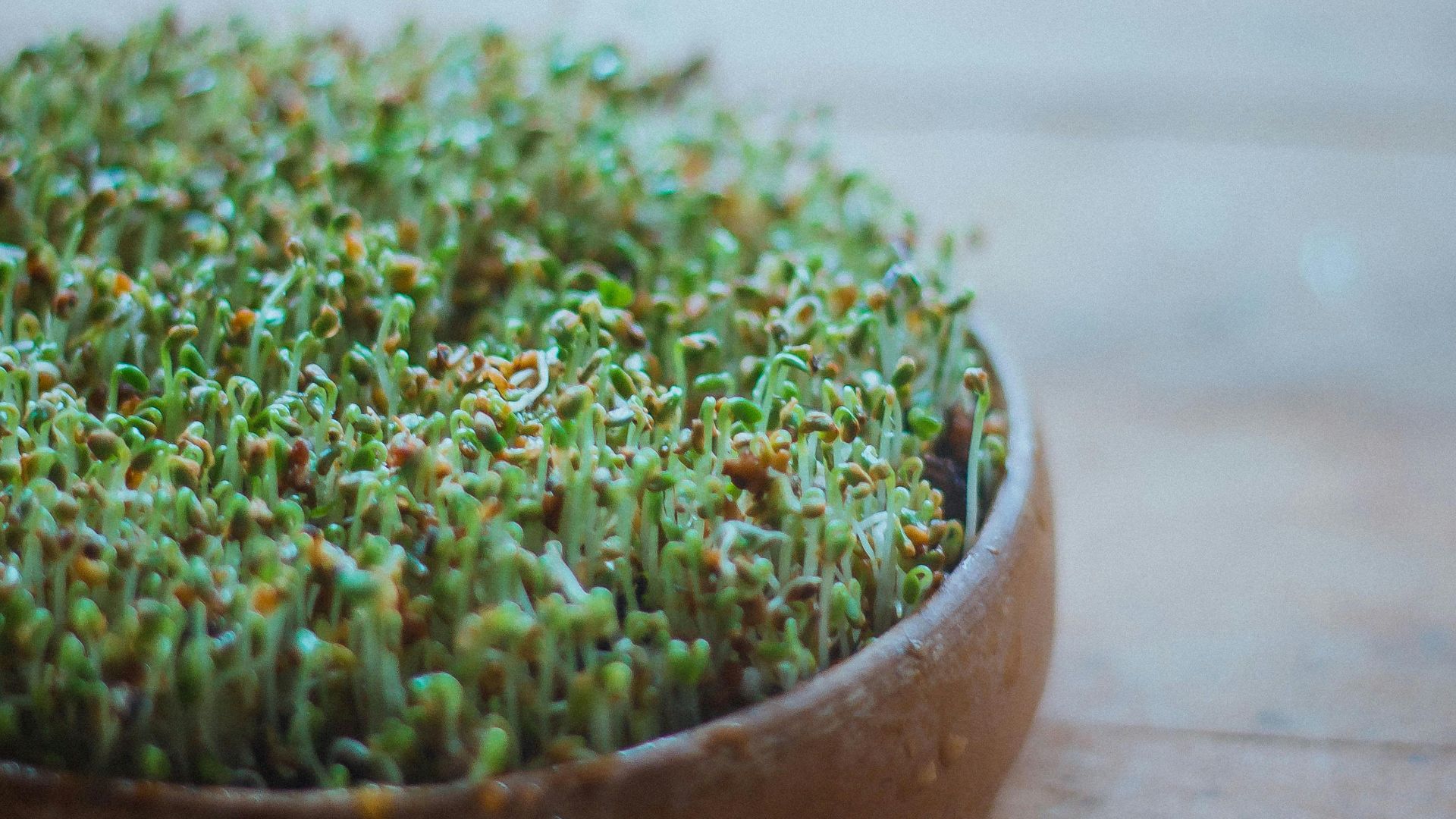
5. Exact Measurements For Savory Cooking
Baking is one thing, but dinner doesn’t collapse because you used a heaping teaspoon instead of a level one. A lot of savory cooking is adjustment: taste, tweak, and keep moving. Getting comfortable with that is more valuable than treating every meal like a chemistry lab.
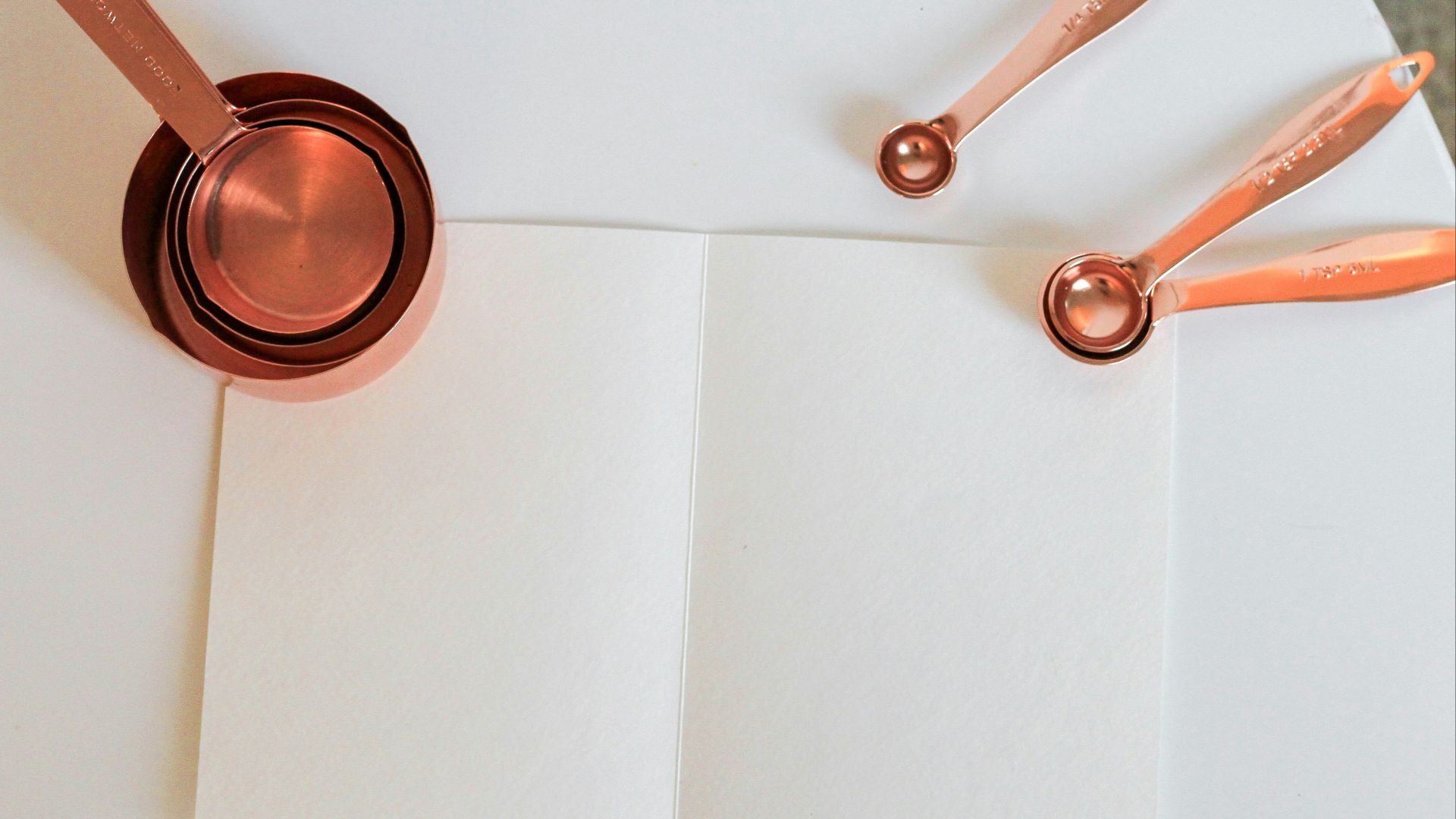
6. The Prettiest Plating
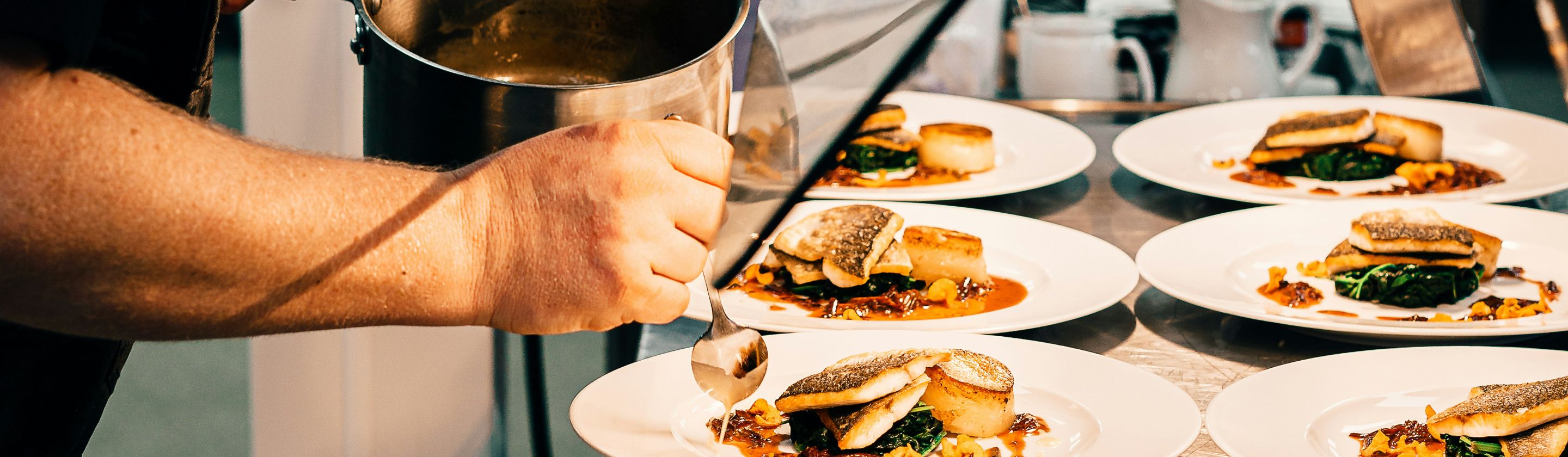
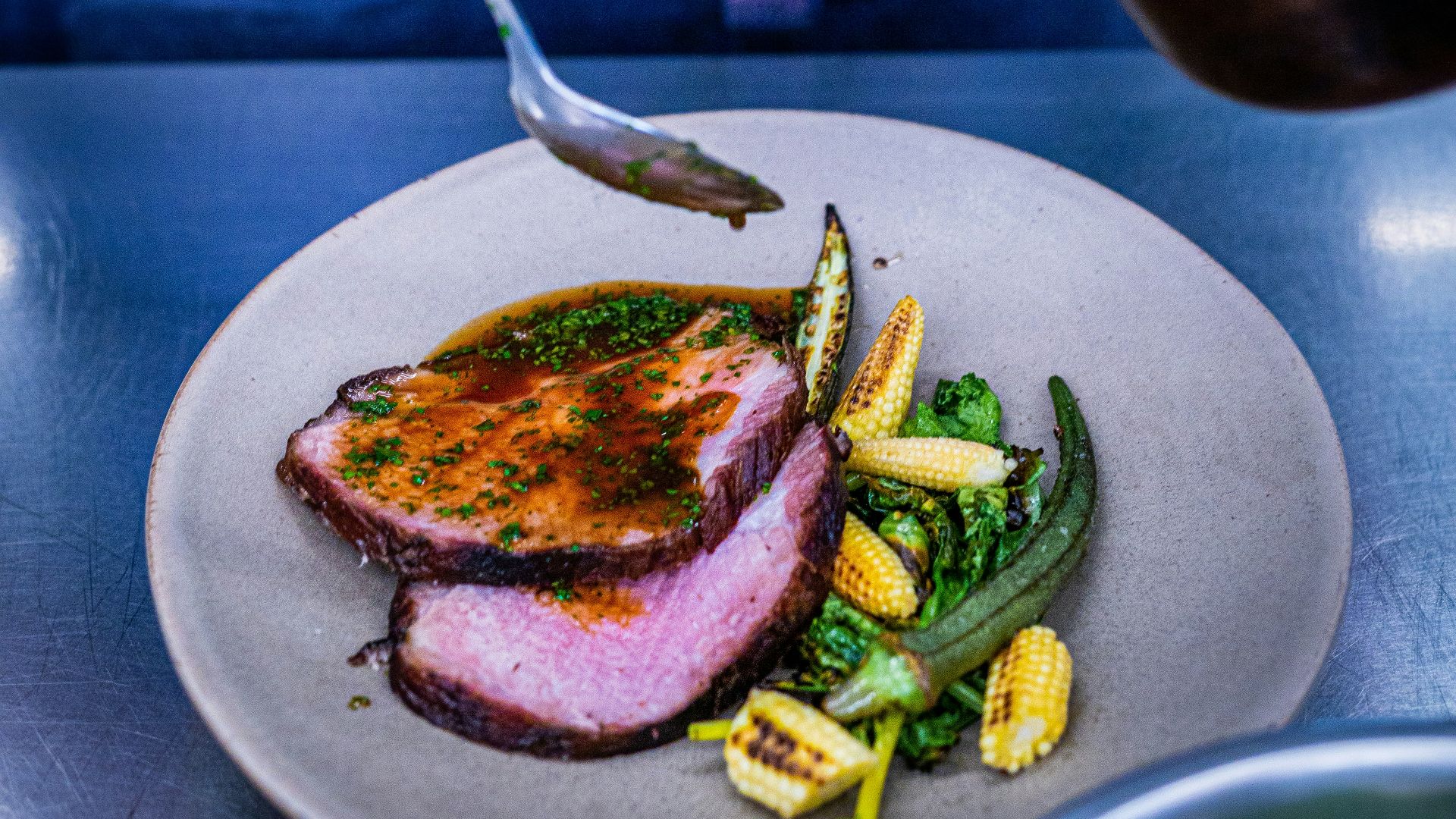
Plating can be fun, but it’s a low-return investment when the food is going into bowls and getting eaten in five minutes. A clean rim and a decent portion do the job. Most people remember how it tasted, not whether the sauce was dotted or drizzled.
7. Expensive Pepper Mills
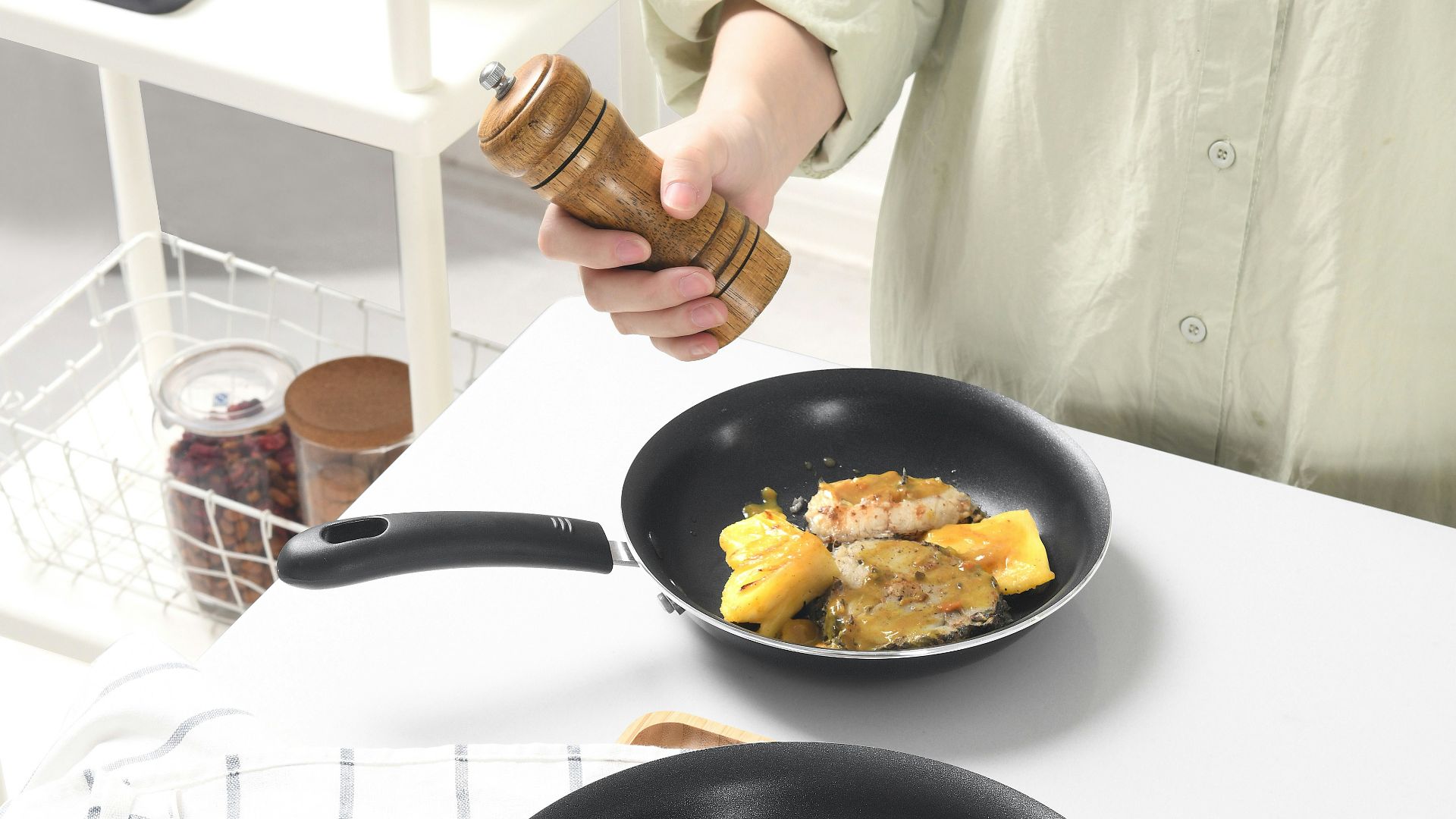
Fresh pepper is great, but the difference between a $15 grinder and a $70 one is rarely the difference between good and great. The bigger win is using pepper at the right moment and in the right amount. A dish can be perfectly seasoned and still boring if it lacks heat, acid, or browning.
8. The Perfect Sear Every Time
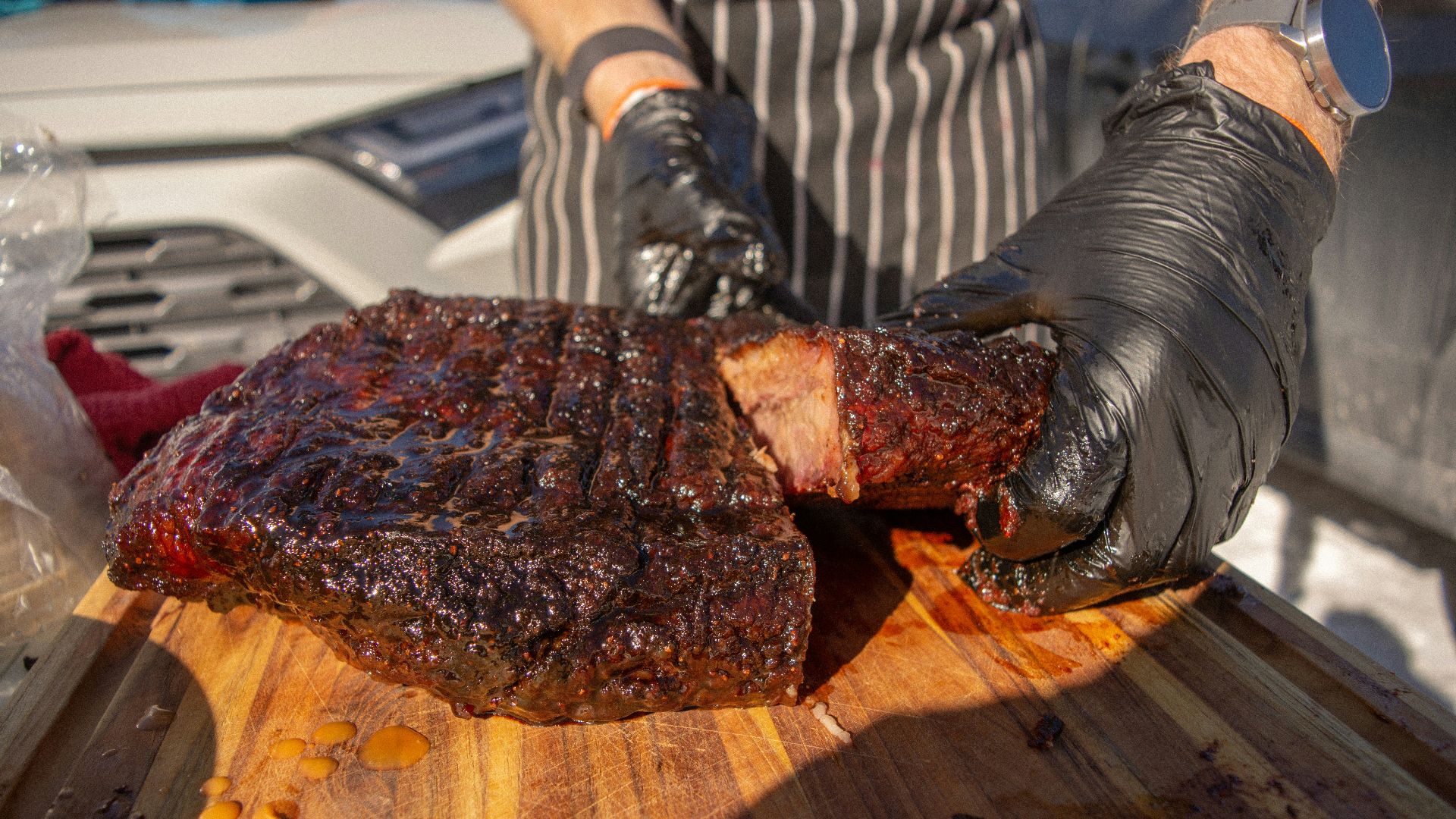
A deep sear is amazing, but not every protein needs to look like it came off a steakhouse grill. Plenty of great meals rely on gentler cooking, braising, steaming, or a quick sauté. Chasing a perfect crust can also lead to overcooking, which is a worse problem.
9. Having Every Single Tool
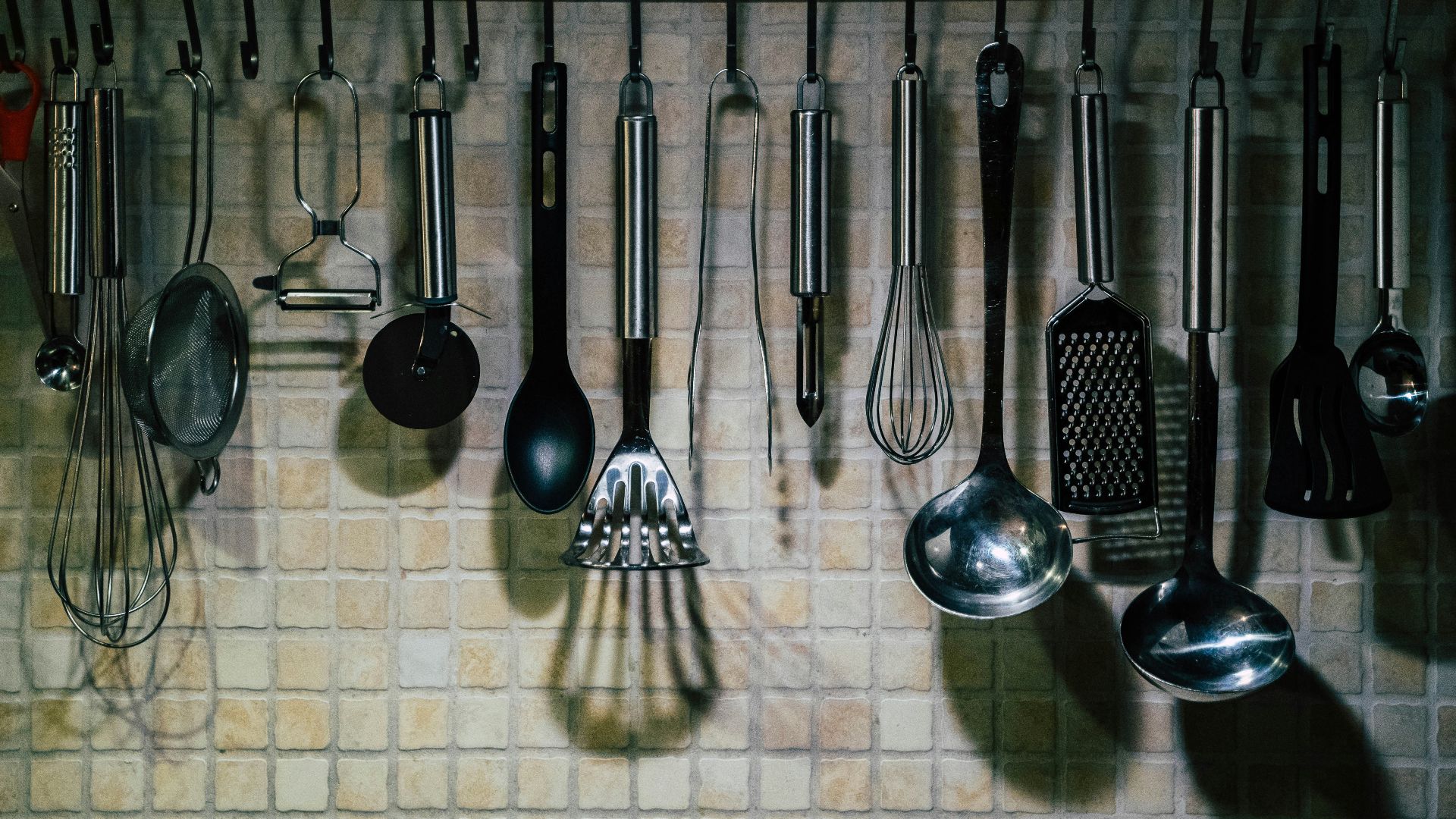
People convince themselves they need a gadget for every task, and then the drawer fills up with plastic regret. A sharp knife, a sturdy cutting board, a sheet pan, and a decent pot will cover most of life. More tools don’t automatically create better food; practice does.
10. Overthinking The Order Of Ingredients
Some recipes are precise for a reason, but a lot of home cooking has wiggle room. The sauce won’t implode because you added garlic thirty seconds earlier than the internet told you to. What matters more is whether anything is burning, bland, or undercooked.
One quick mindset shift helps: stop polishing the stuff that shows and start tightening the stuff that actually changes the bite. Here are ten things worth paying attention to.
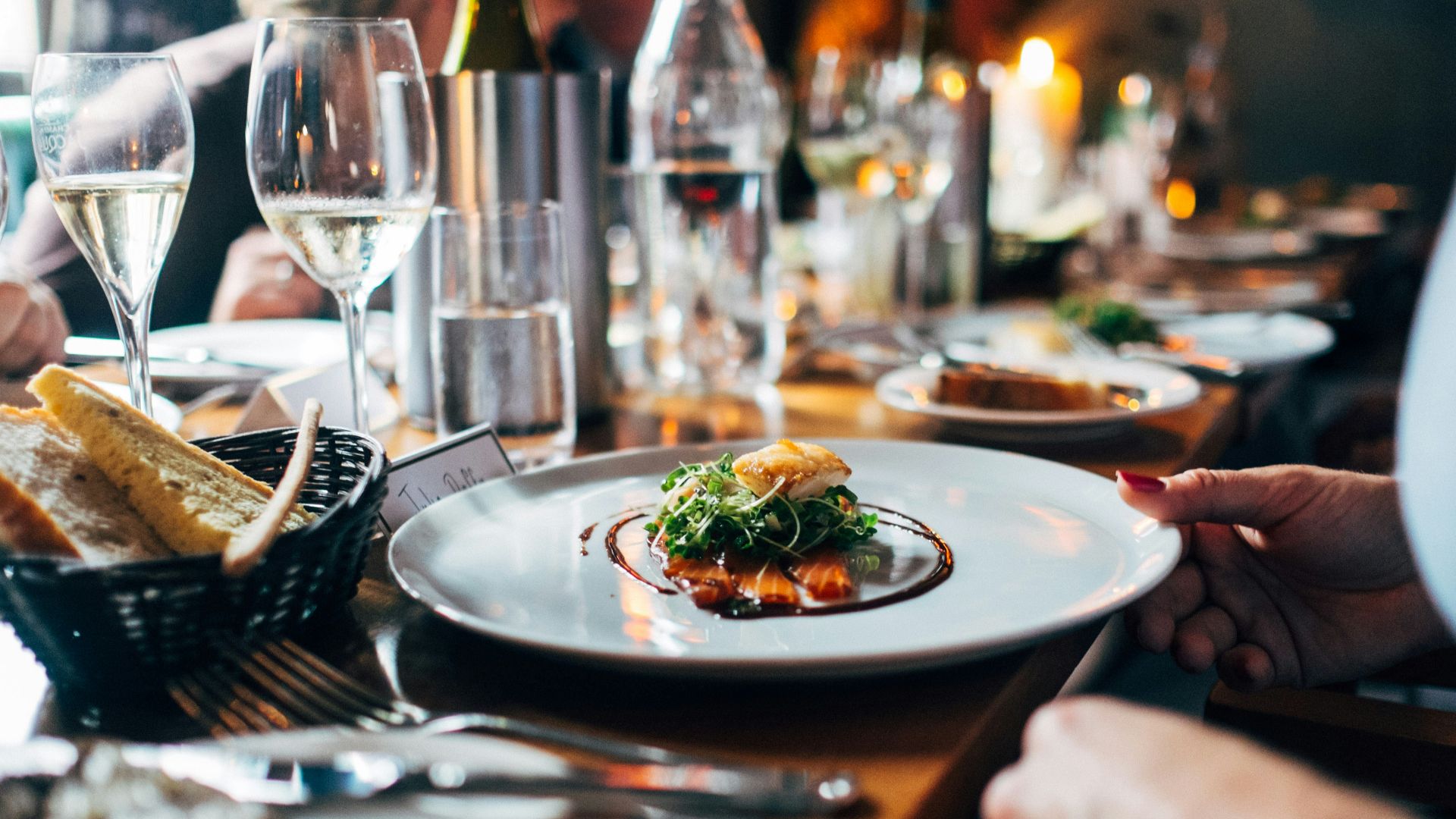
1. Salting Early Enough
Salt needs time to move through food, especially meat, potatoes, and big pots of soup or stew. When seasoning only happens at the end, flavors sit on top instead of settling in. Even ten minutes earlier can make the whole dish taste more put together.
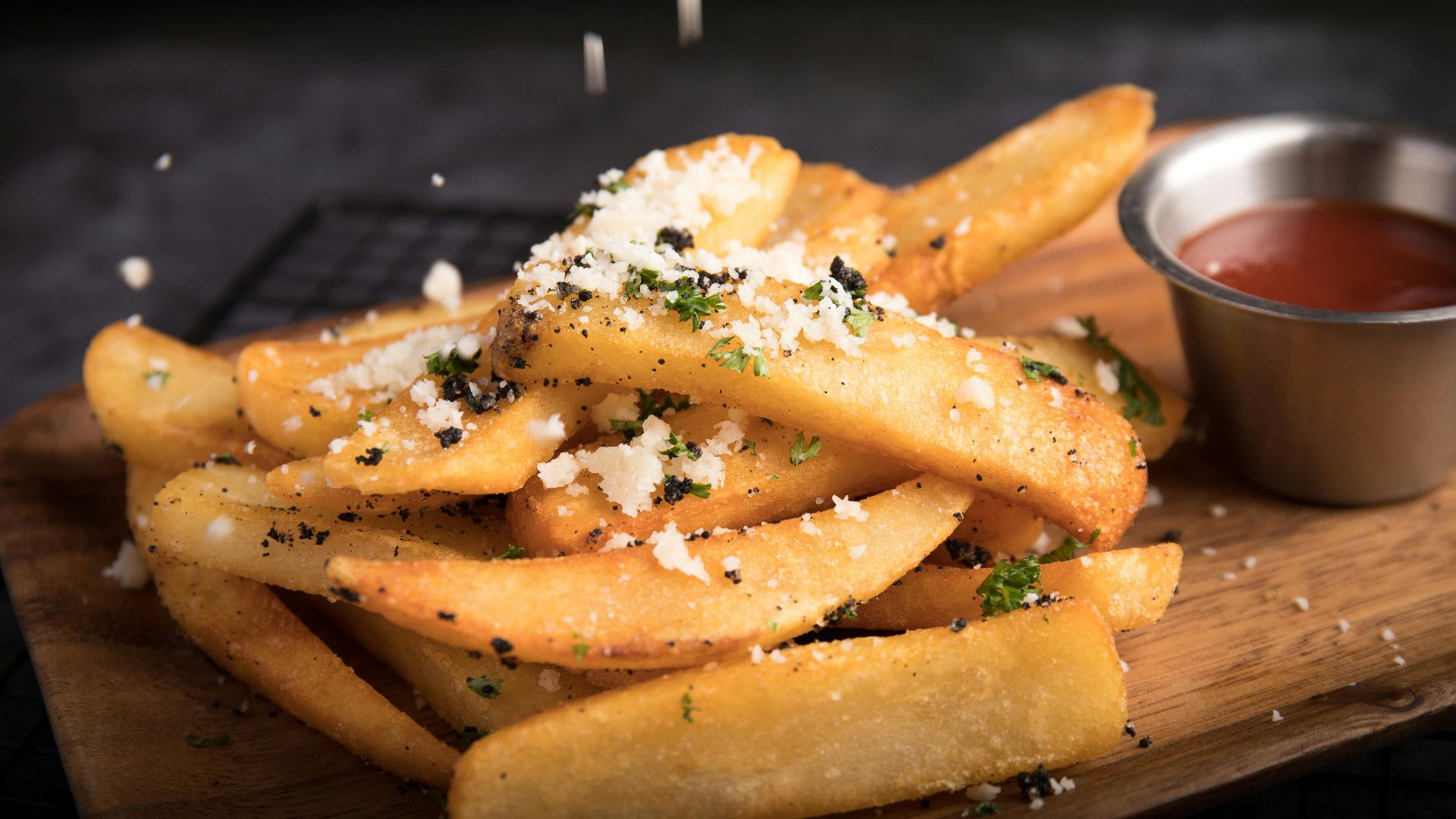
2. Tasting As You Go
A shocking number of meals go sideways because nobody tastes until the plates are already out. Little fixes are easy mid-cook—more salt, a splash of acid, a pinch of sugar, a bit more heat. Waiting until the end forces big, awkward corrections, or no correction at all.
 Battlecreek Coffee Roasters on Unsplash
3. Heat Control
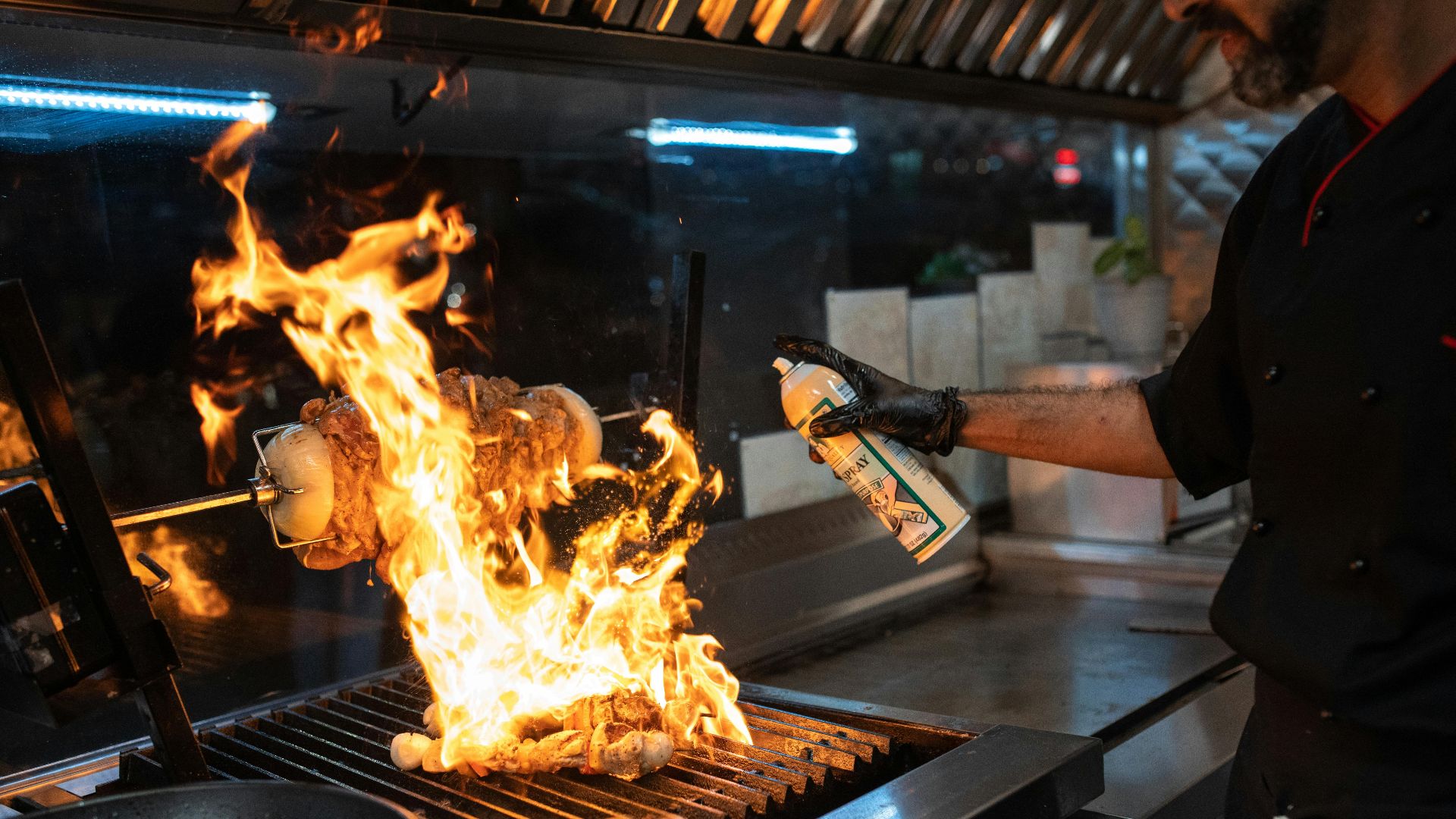
Most home cooking problems are actually heat problems: pans too cold, oil smoking, onions burning, sauces boiling when they should simmer. Learning what medium actually looks like on your stove changes everything. Good heat makes food taste cleaner, deeper, and more intentional.
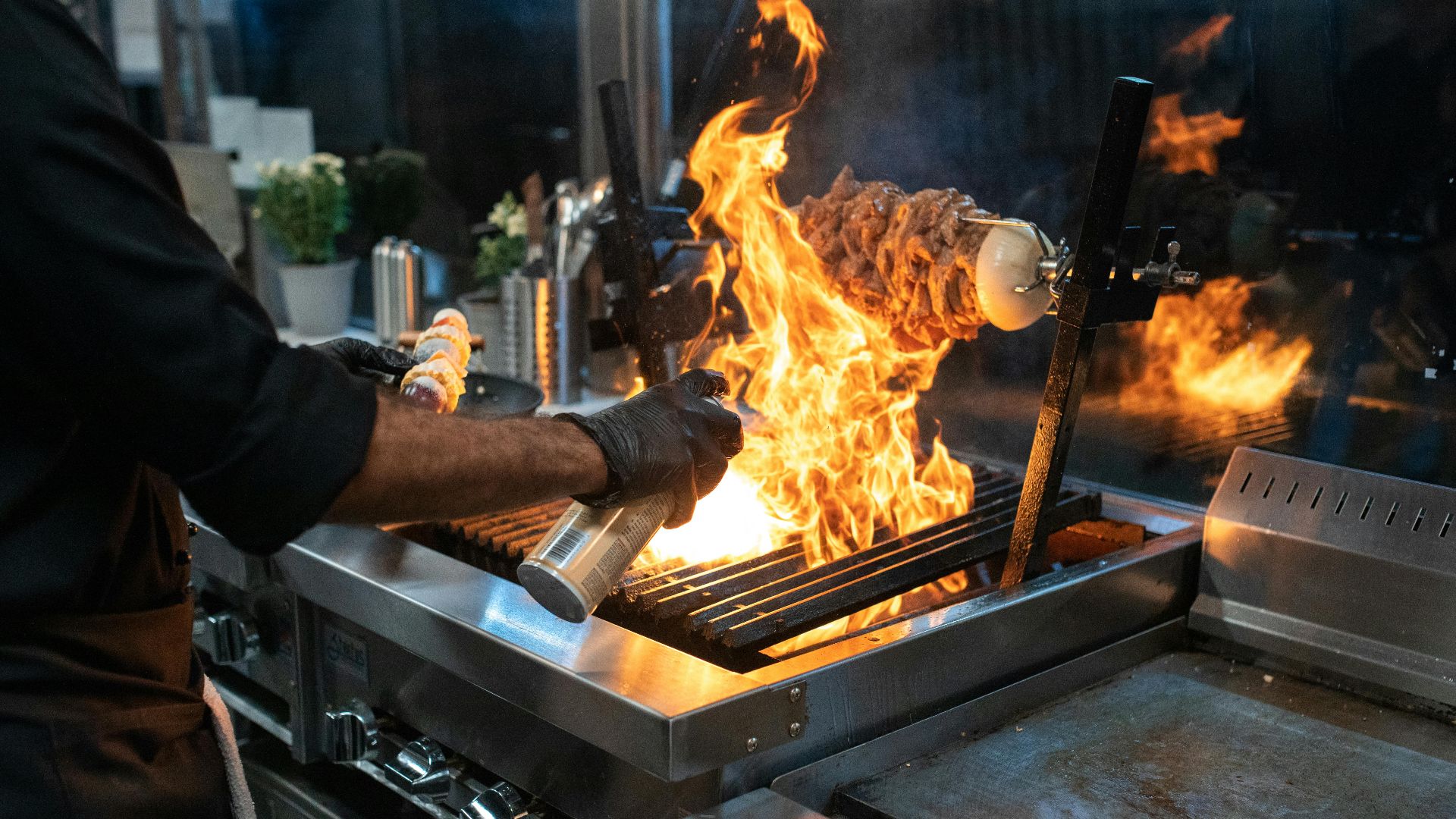
4. Browning And Not Crowding The Pan
Crowding the pan steams food instead of browning it, which quietly steals flavor. Giving ingredients room creates that savory depth people describe as restaurant-level, even when the recipe is simple. If something is pale and watery, it usually needed space and patience.
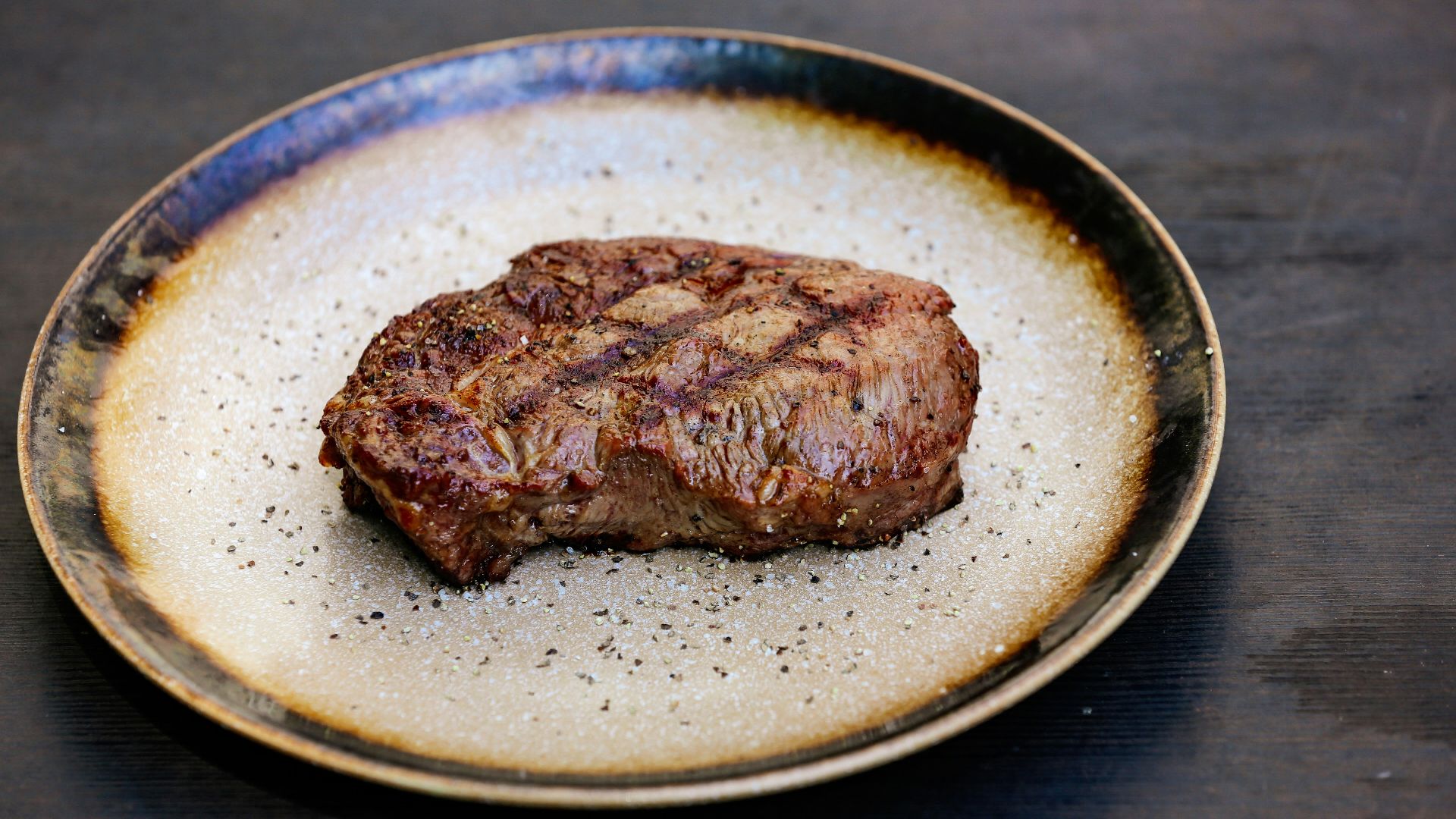
5. Acid At The End
So many dishes taste flat when what they really need is a small hit of lemon, vinegar, pickled something, or even a bright tomato element. Acid doesn’t make food sour when it’s used well; it makes flavors wake up. This is especially true for rich, creamy, or slow-cooked meals.
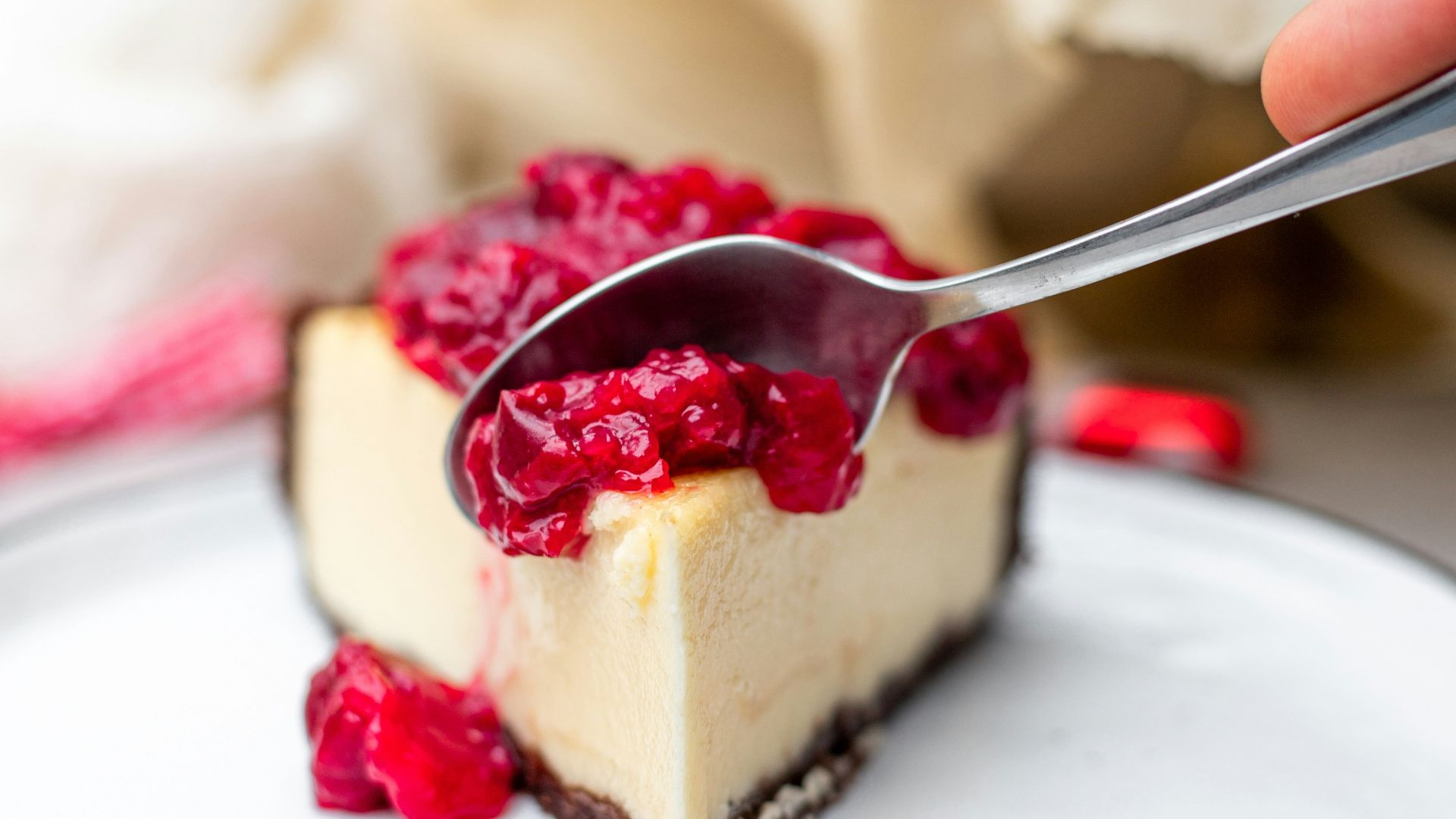
6. The Right Amount Of Salt In Pasta Water
Pasta water that tastes like nothing makes pasta taste like nothing, no matter how good the sauce is. Salting the water properly seasons the noodles from the inside and gives the whole dish a stronger baseline. It’s one of the easiest upgrades that costs almost nothing.
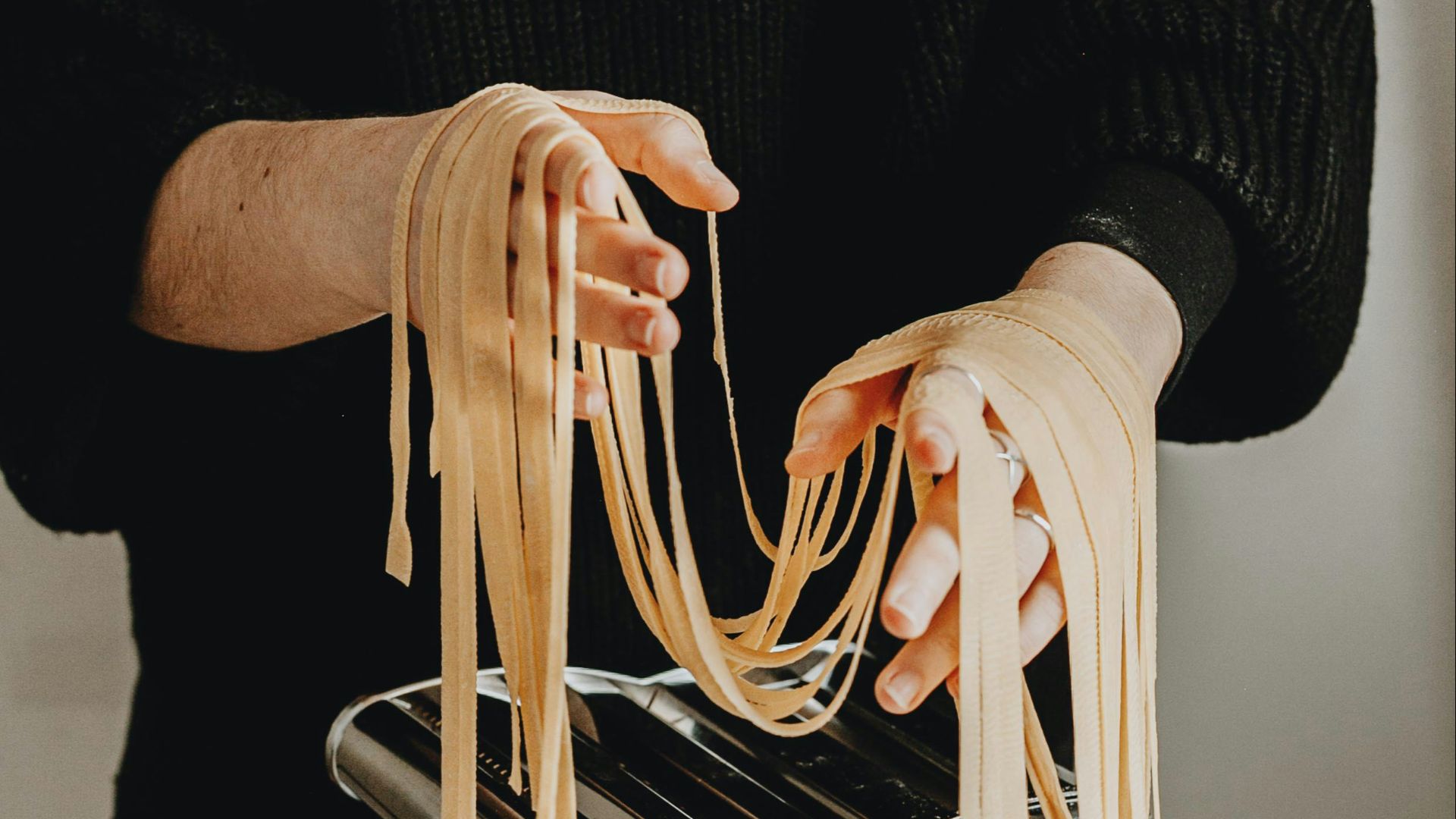
7. Letting Meat Rest
Cutting into meat immediately dumps the juices onto the board and leaves the inside drier than it needed to be. A short rest lets the temperature even out and the moisture settle back in. It’s not fussy, it’s just giving the food a chance to finish its job.
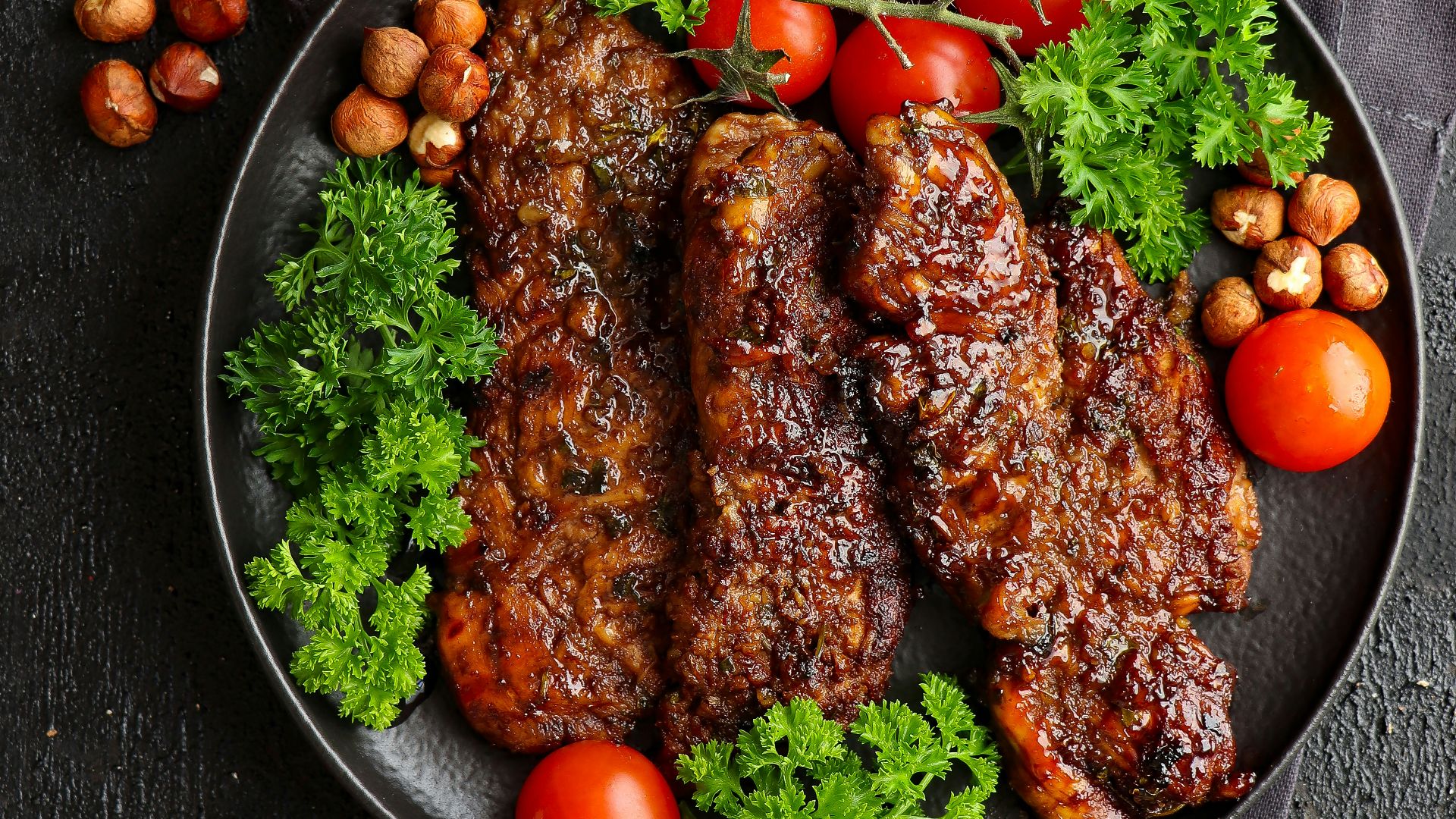
8. Using A Thermometer
A thermometer takes the guesswork out of the two easiest ways to ruin dinner: undercooking and overcooking. It’s especially helpful for chicken, pork, and big roasts where the outside lies to you. Once you get used to it, you stop playing the stressful game of hope.
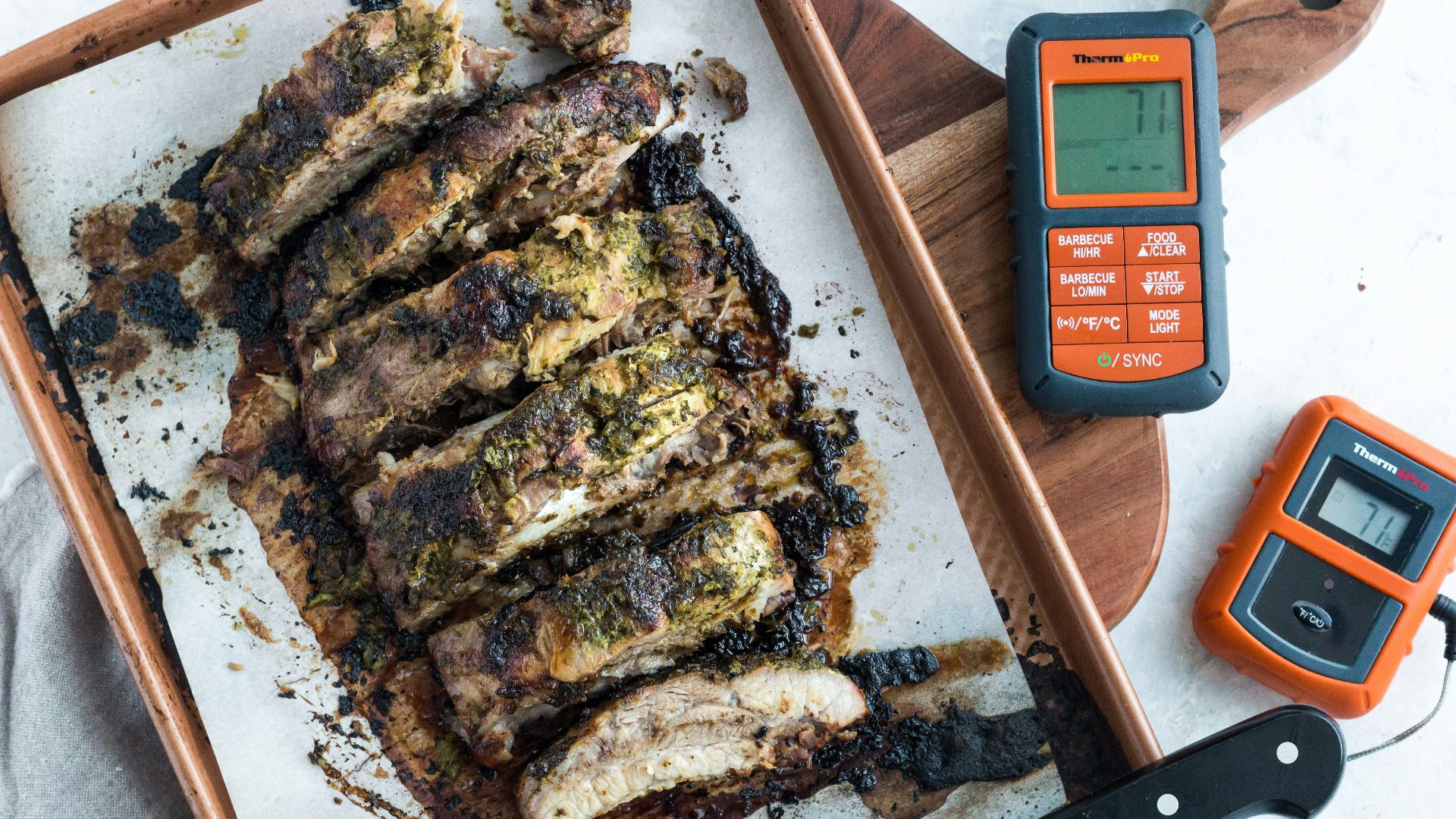
9. Managing Prep Timing
Not everything has to be chopped and measured before cooking, but some meals fall apart because prep lags behind the heat. Garlic burns while you’re still slicing peppers, or the sauce reduces too far while you’re hunting for a spoon. Even basic staging—ingredients nearby, tools ready—makes cooking calmer and cleaner.
10. Cleaning As You Go
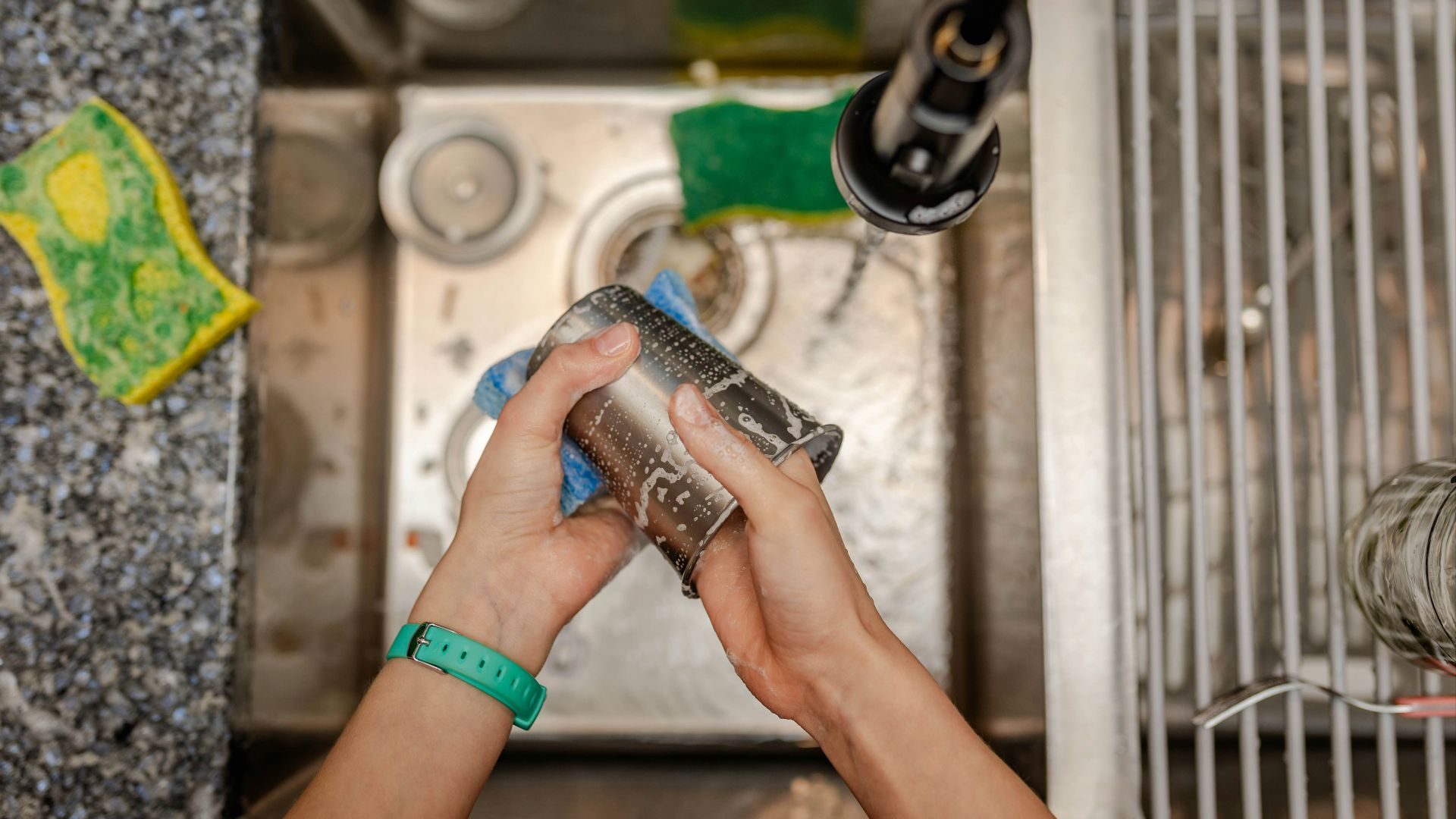
A messy workspace makes people rush, forget steps, and lose track of seasoning, which shows up in the food. Clearing a cutting board, wiping spills, and keeping one sink corner usable sounds boring, but it keeps your head clear. A calmer cook usually makes better dinner, and that’s not a coincidence.
KEEP ON READING
Happy Hour: The 20 Best Foods For Social Snacking