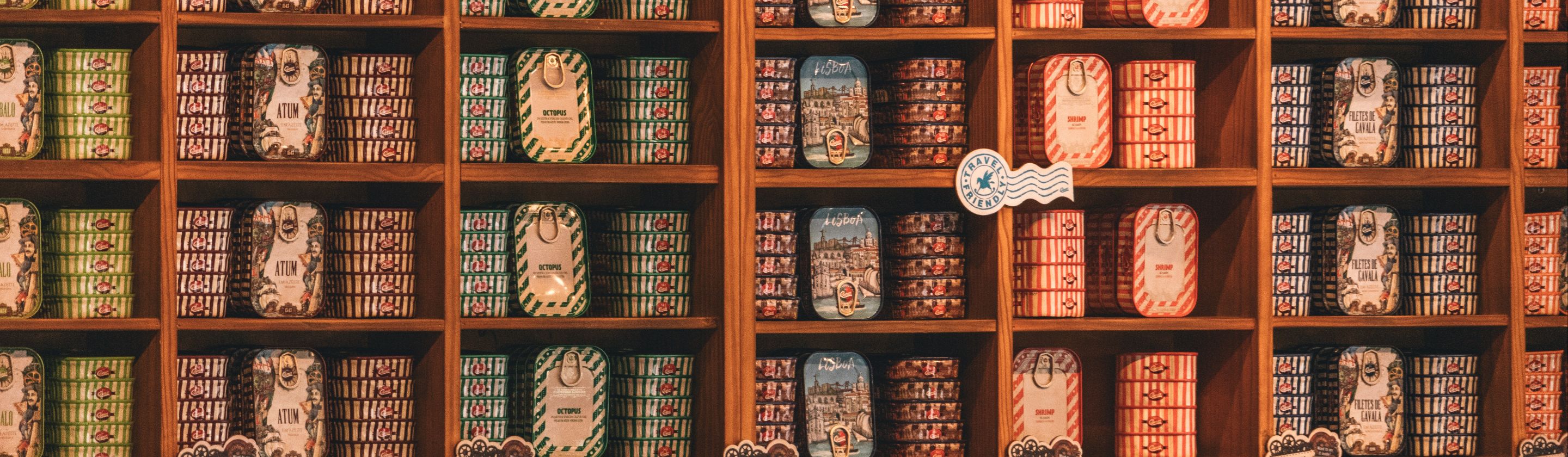
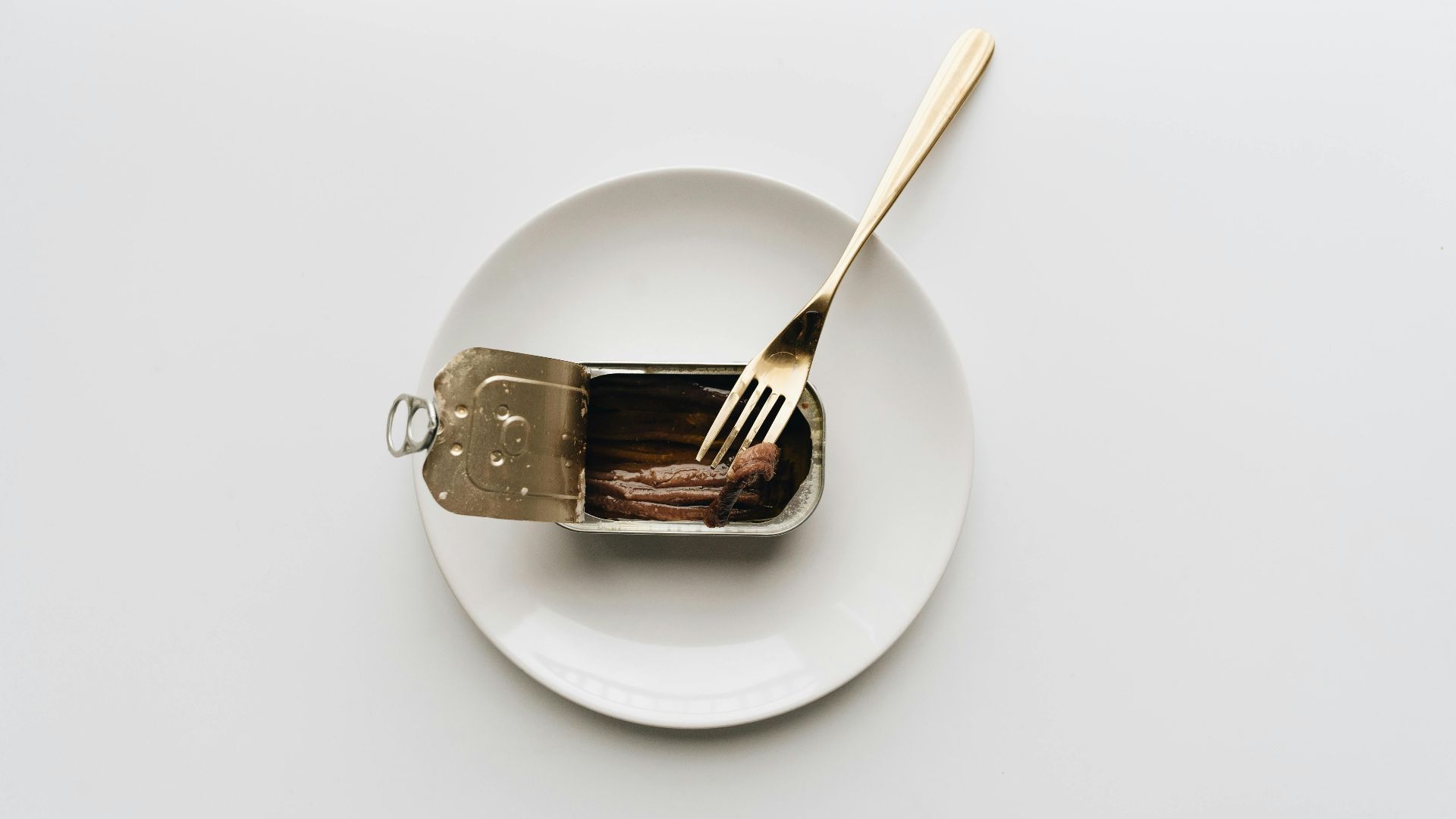
Walk into a specialty grocery store or scroll through a certain corner of Instagram and you'll find something unexpected sharing shelf space with natural wine and sourdough starters: elaborately labeled tins of fish. Sardines from Portugal, mussels in escabeche, mackerel in olive oil, octopus packed with such care that the can itself functions as décor. These aren't the dusty emergency-pantry items your grandmother kept behind the soup. They're expensive, they're beautiful, and people are genuinely excited about them.
The tinned fish renaissance didn't come from nowhere. It sits at the intersection of several cultural currents that have been building for years, a renewed interest in preservation techniques, an appetite for affordable luxury, a growing suspicion that the most sophisticated food is often the simplest. What looks like a trend is actually something older reasserting itself, the recognition that a well-made tin of fish is one of the most elegant objects in a kitchen.
The Iberian Influence That Never Actually Left
Portugal and Spain never stopped treating tinned fish as a legitimate luxury product. In Lisbon, conservas shops have operated for over a century, selling tins of tuna, sardines, and percebes with the same seriousness that a wine shop in Burgundy applies to its bottles. The Portuguese producer José Gourmet, founded in 2010, built an entire aesthetic identity around illustrated vintage-style labels and single-origin sourcing long before the trend reached American shores. These weren't novelty items. They were pantry staples treated with the reverence usually reserved for cured meats or aged cheese.
What changed is that travelers started paying attention. The boom in culinary tourism throughout the 2010s sent a generation of food-literate Americans and Brits through Lisbon, San Sebastián, and Barcelona, where they encountered tinned fish served proudly on restaurant menus, eaten with good bread and cold white wine. The experience short-circuited the cultural association between canned food and compromise. If a Michelin-starred chef in Porto was opening a tin of barnacles at the table, the stigma had always been a parochialism problem, not a quality problem.
That realization traveled home with people, and specialty importers responded. Companies like Fishwife, founded in 2020, built their entire brand around bringing Iberian-style quality to American consumers, with transparent sourcing, striking design, and a direct appeal to customers who cared as much about aesthetics as flavor. Fishwife reported selling out of its initial inventory within days of launching, a signal that demand had been sitting there, waiting for someone to meet it properly.
Sustainability Made Tinned Fish the Ethical Choice
The ecological math on tinned fish happens to be very good. Small pelagic fish, the sardines, anchovies, mackerel, and herring that dominate the category, sit low on the food chain, reproduce quickly, and require dramatically less feed and water to produce than land-based proteins. A 2021 analysis published in the journal Science found that small forage fish ranked among the most environmentally efficient animal proteins available, with carbon footprints a fraction of beef or even farmed salmon.
Canning extends that advantage further. A tin of sardines requires no refrigeration in transit or storage, which reduces the energy cost of distribution significantly compared to fresh or frozen seafood. For consumers who had already started interrogating the supply chains behind their food choices, tinned fish arrived as a rare case where the convenient option was also the defensible one. You don't have to perform any trade-offs between ethics and ease.
Fisheries certification bodies like the Marine Stewardship Council have made it easier for consumers to identify responsibly sourced products, and premium tinned fish brands have leaned into that transparency as a selling point. Knowing where your sardines were caught and by whom turns a $9 tin into a different kind of purchase, one with a story attached, which is exactly the register that food-literate consumers have been trained to value.
The Pantry as a Place Worth Caring About
There's a broader shift happening in how people think about stocking their kitchens, and tinned fish fits neatly into it. The pandemic years pushed millions of people toward cooking at home more seriously, and with that came renewed interest in building a pantry that could produce a good meal on short notice. Anchovies that melt into pasta sauce, smoked mussels that elevate a simple grain bowl, sardines eaten straight from the tin with mustard and crackers: these are fast, satisfying meals that reward having quality ingredients on hand.
Food writers have been vocal about this shift. Recent cookbooks and food‑media trends centered on viral tinned fish recipes, have helped reframe preserved fish as a mark of good taste rather than resignation. The tin became a shorthand for a certain kind of cook, someone who understood that convenience and quality were never actually opposites.
What tinned fish really represents is a correction. Decades of fresh-is-best food culture created a hierarchy that was always more snobbery than sense. Preservation is a craft. A great tin of fish is the product of careful sourcing, skilled processing, and time. Recognizing that isn't a trend. It's just catching up to what people in Lisbon already knew.
KEEP ON READING

20 Reasons You Should Stop Eating Out