Up Your Lasagna and Turkey Gravy Game
Béchamel, velouté, espagnole, tomato, and hollandaise are the five mother sauces and the backbone of classical cooking. Throughout culinary history, they have offered home cooks and professional chefs the versatility to create everyday and gourmet dishes. By mastering these sauces, you can adapt them into seemingly endless variations. Here are the 20 best uses of the five mother sauces.
1. Classic Mac and Cheese
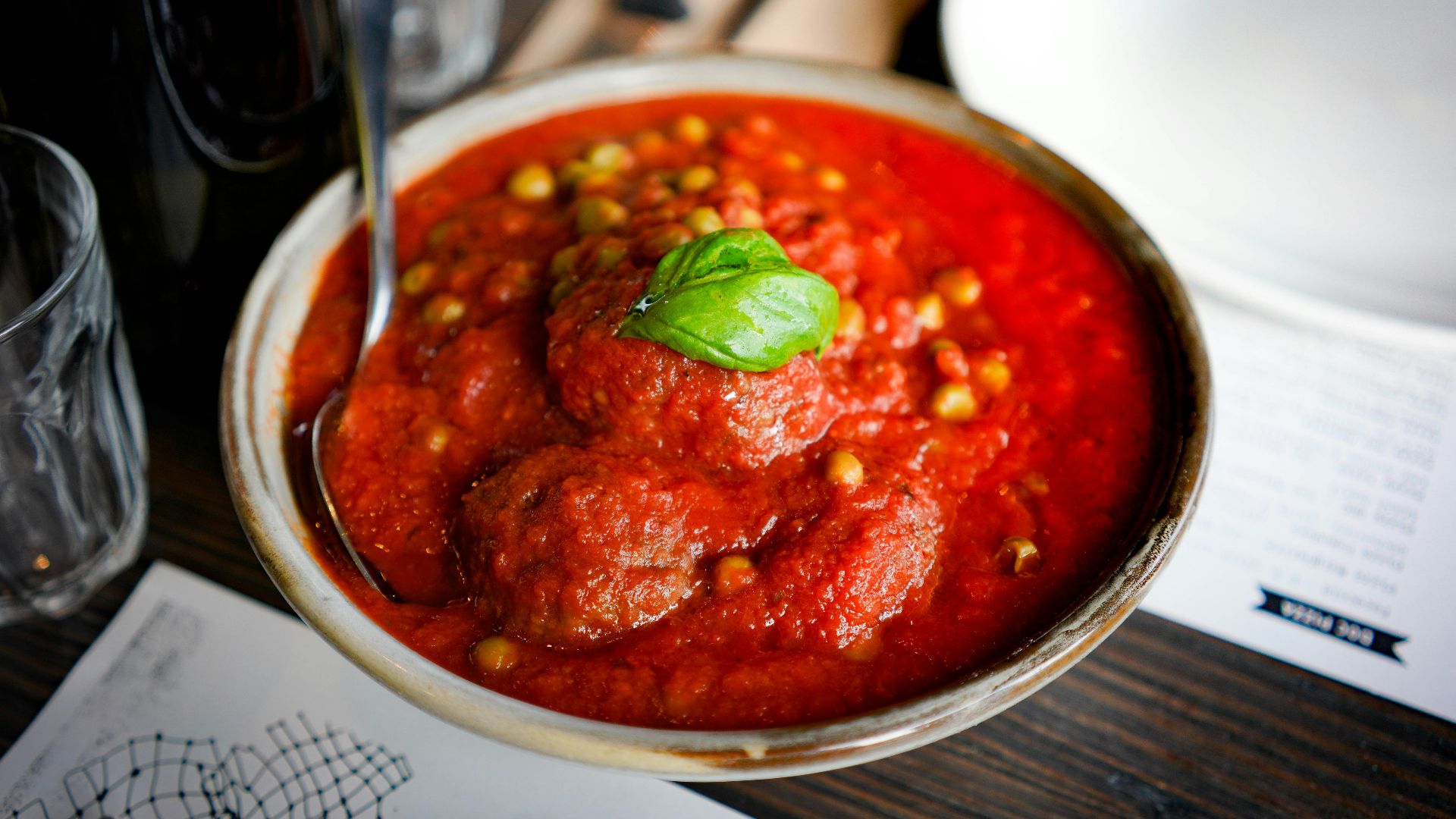
Béchamel is the creamy, silky foundation that makes classic mac and cheese so beloved. By whisking in some cheddar and Gruyère, or a blend of the two, you create a velvety sauce that coats the pasta. Its mild flavor is the perfect balance for sharp cheese, creating a smooth consistency.
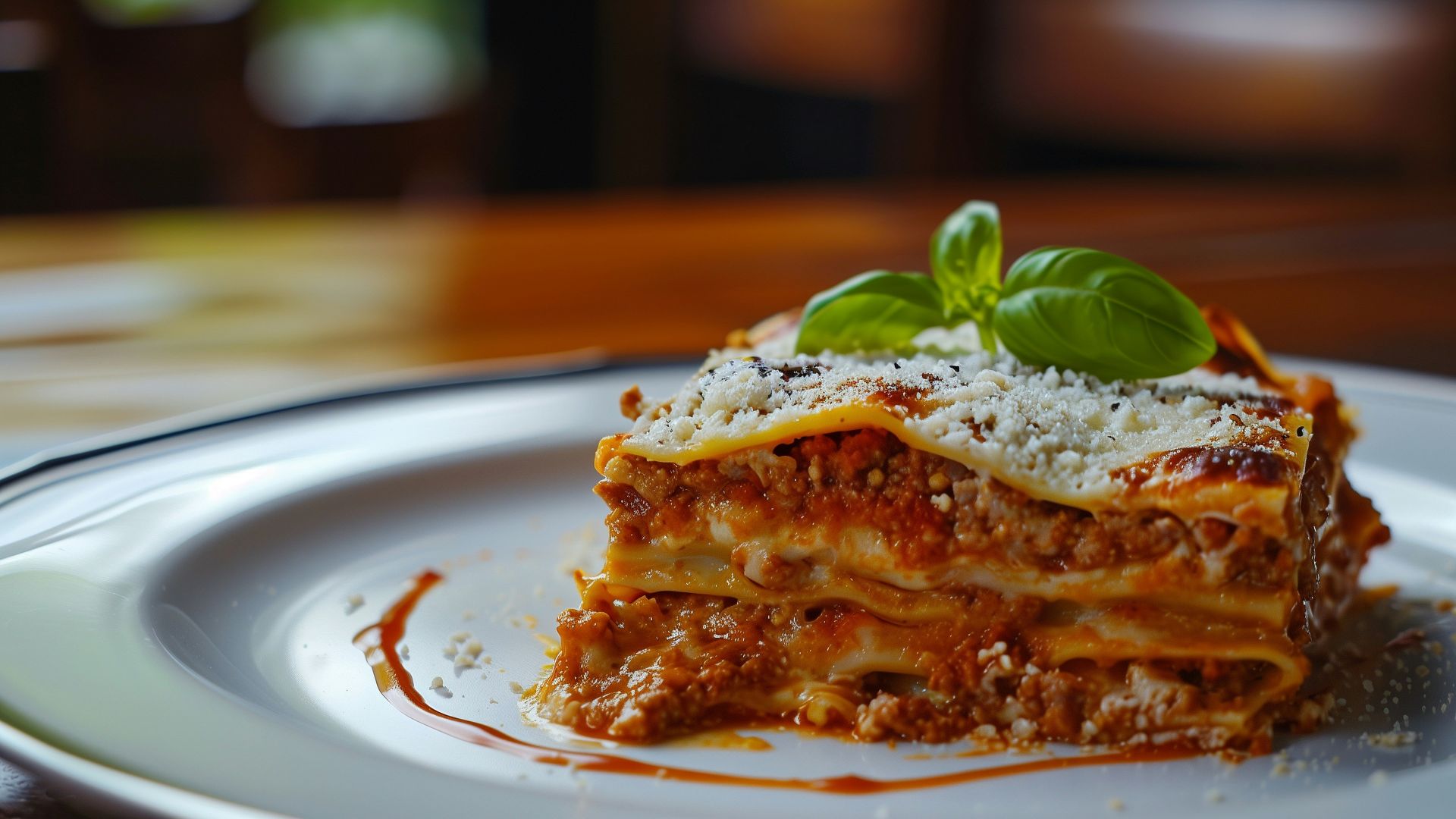
2. Lasagna Bolognese
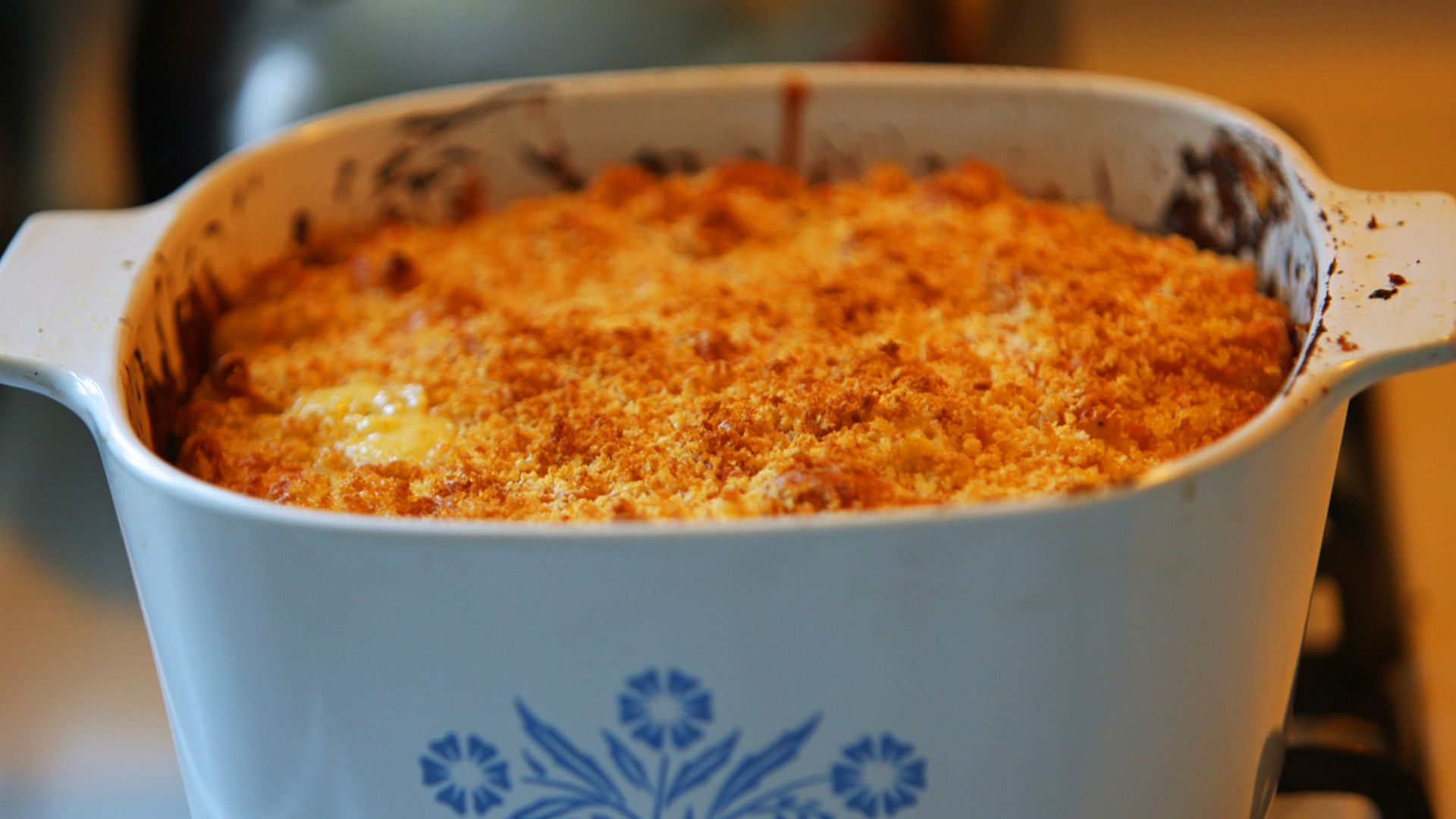
In this traditional Italian recipe, béchamel replaces the ricotta to create a more luxurious texture. Layered between pasta sheets, it adds more creaminess without making it feel heavier. The best part is that as it bakes, the sauce marries with the cheese and meat, creating an amazing depth of flavor.
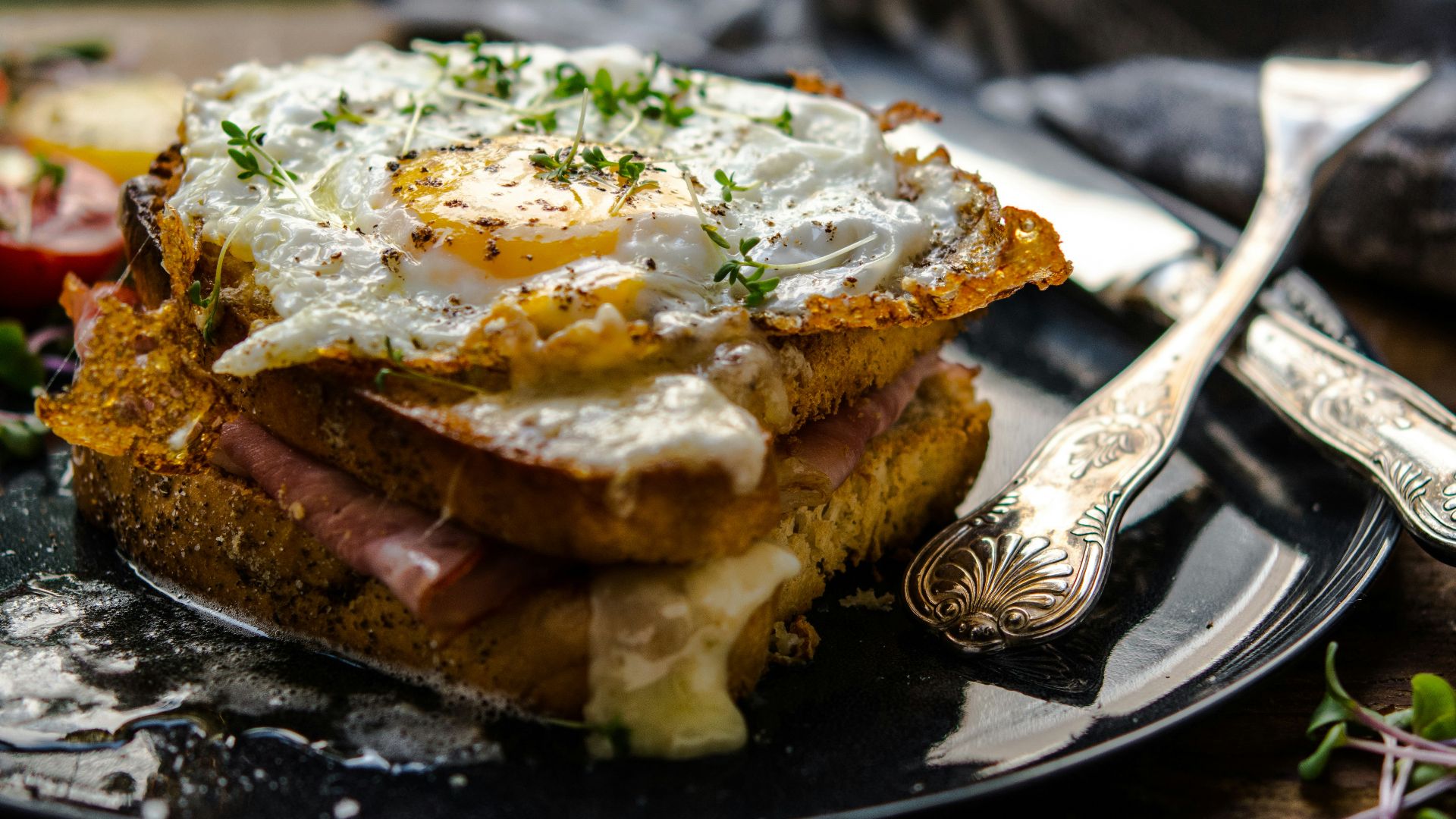
3. Croque Monsieur
This French sandwich is one of the simplest and best sandwiches in the world. It relies on béchamel spread inside and melted over the top to make it more decadent. The sauce on top turns lightly brown and even creamier when broiled.
 Jonathan Pielmayer on Unsplash
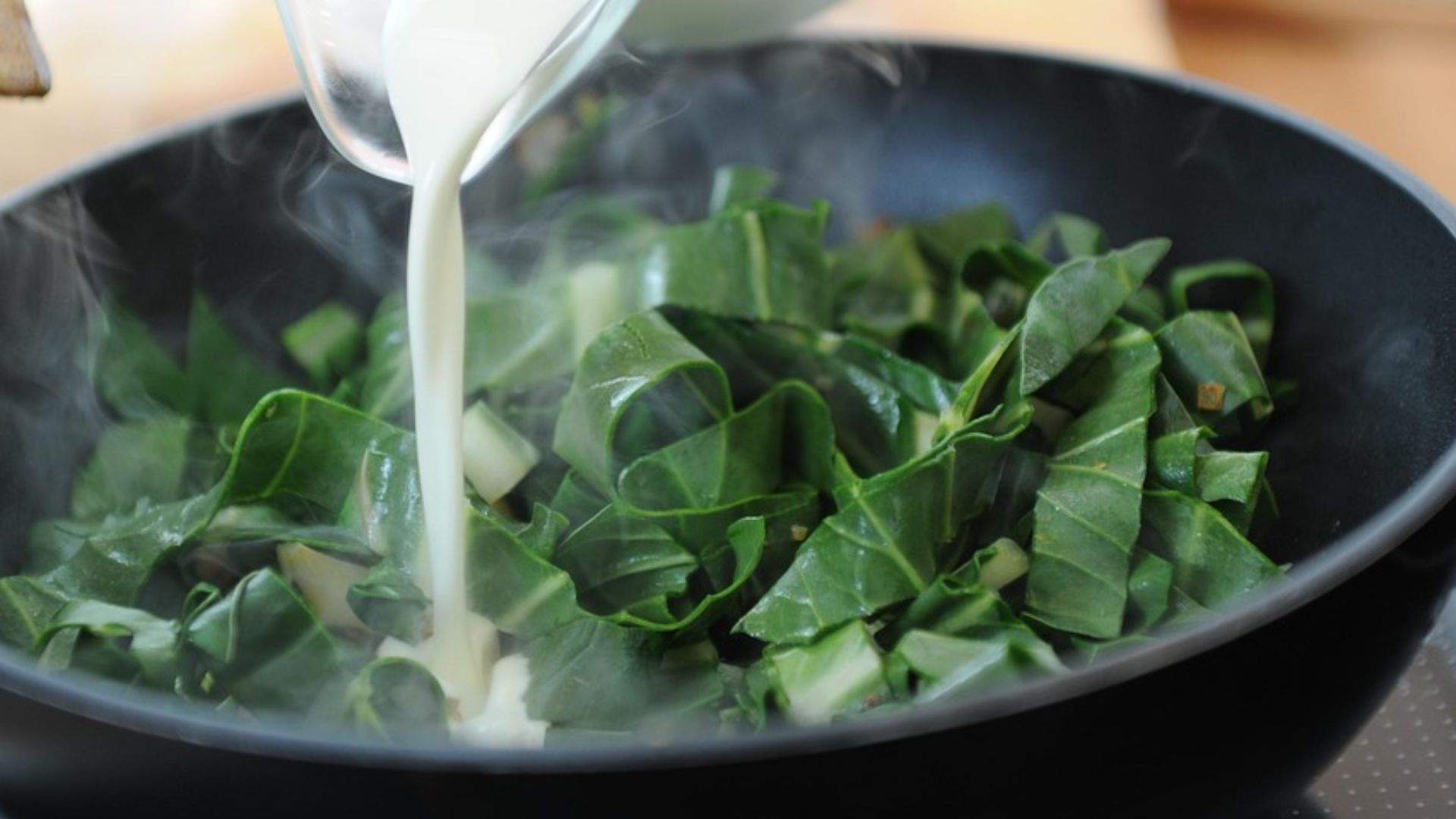
4. Creamed Spinach
Use béchamel to turn frozen spinach into something more upscale and gourmet. The sauce smothers every spinach leaf, adding a much-needed richness. Use some nutmeg, garlic, and Parmesan to enhance the flavor even more.
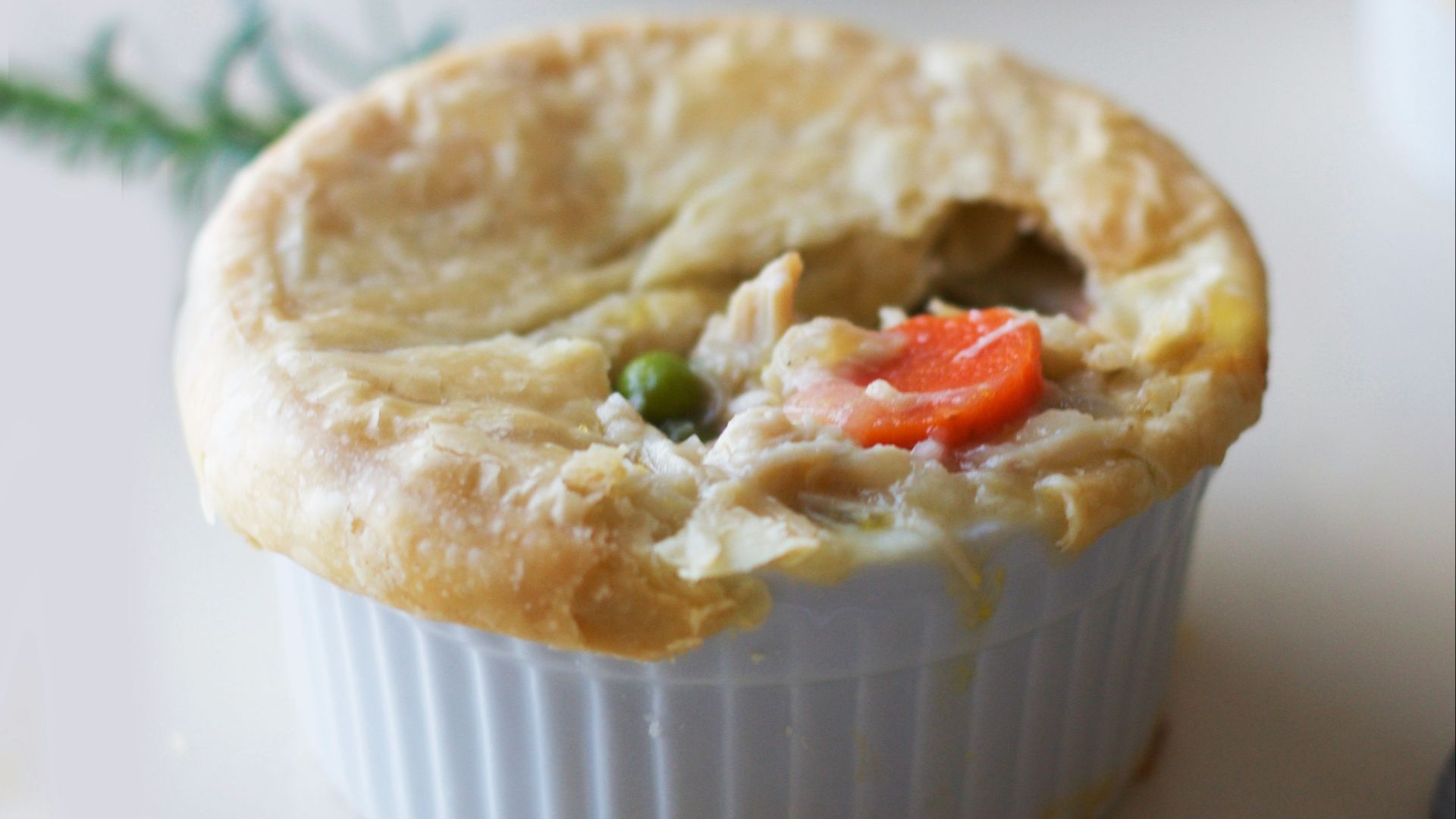
5. Chicken Pot Pie
Velouté is the ideal binding agent for chicken pot pie. Made with a light roux and chicken stock, the result is a silky sauce that makes the tender vegetables and chicken more savory.
 Jessica Kantak Bailey on Unsplash
6. Mushroom Sauce for Chicken
A splash of velouté to sautéed mushrooms and herbs delivers a delicate sauce that is perfect to pour over chicken. The velouté base keeps the sauce light while adding richness.
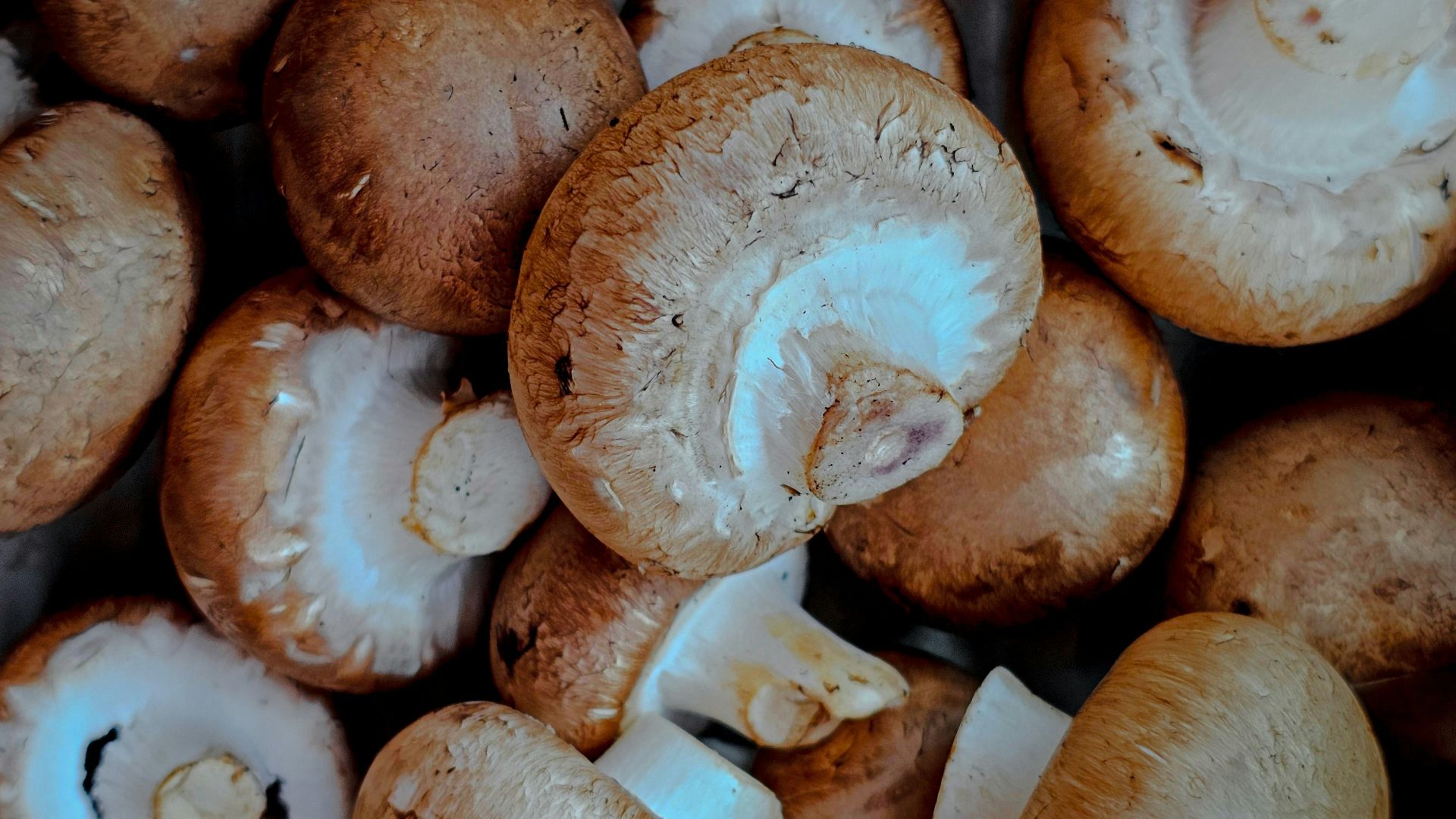
7. Seafood Chowder
Use velouté to add structure to a broth-forward chowder. Combine with seafood stock, aromatics, and fresh shellfish to make a hearty pot of seafood chowder that is perfect for a cold yet cozy winter day.
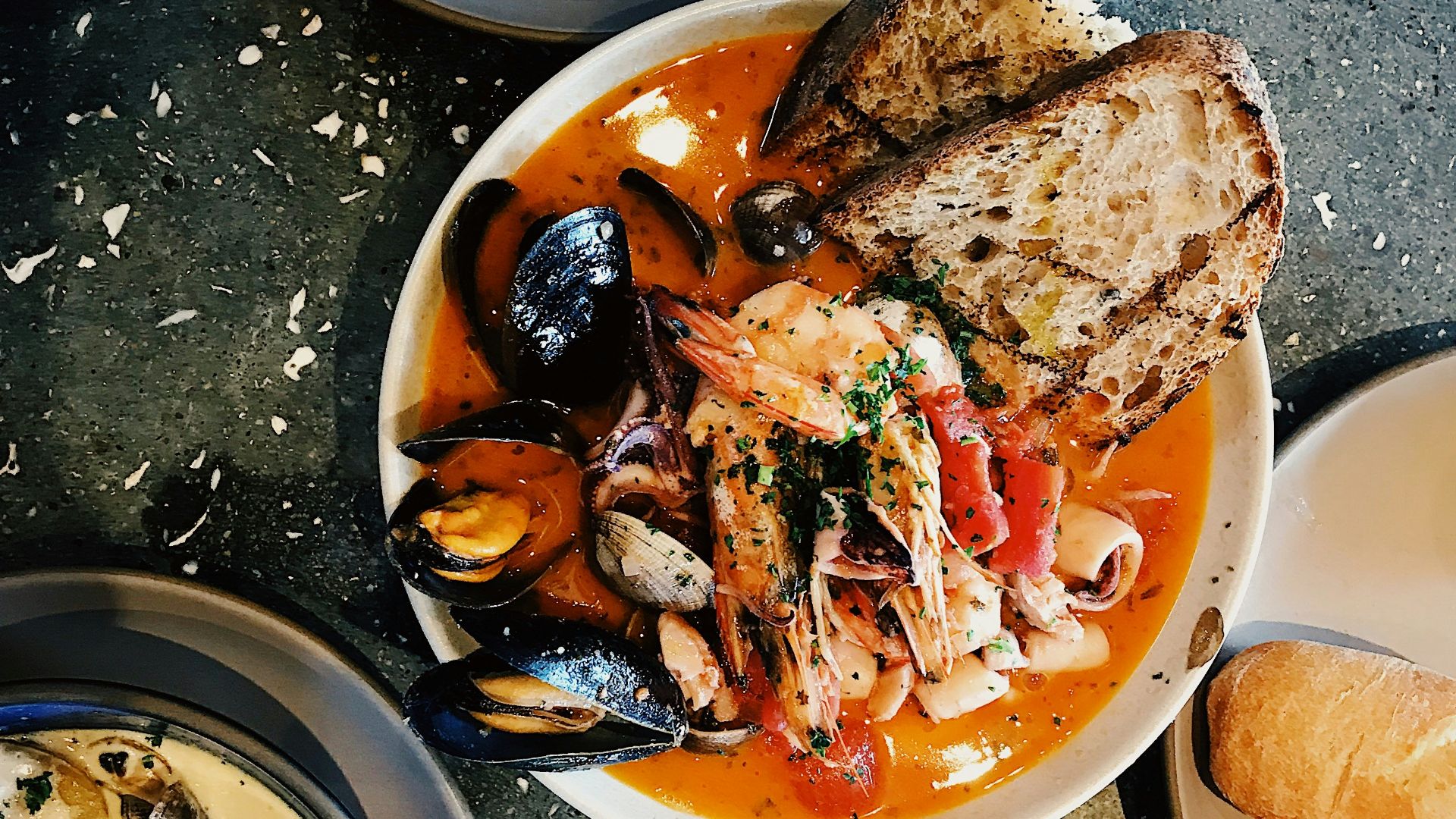
8. Turkey Gravy
A velouté made from turkey stock can make a gravy that's packed with flavor and without a single lump. It marries drippings with seasonings in a way that can rival any beef gravy.

9. Beef Bourguignon
Espagnole is adept at adding depth of flavor to beef bourguignon, a classic French beef stew. It creates a more complex flavor that amplifies the dish's richness. Simmer with beef, mushrooms, and fresh herbs to make a stew that tastes extraordinary.
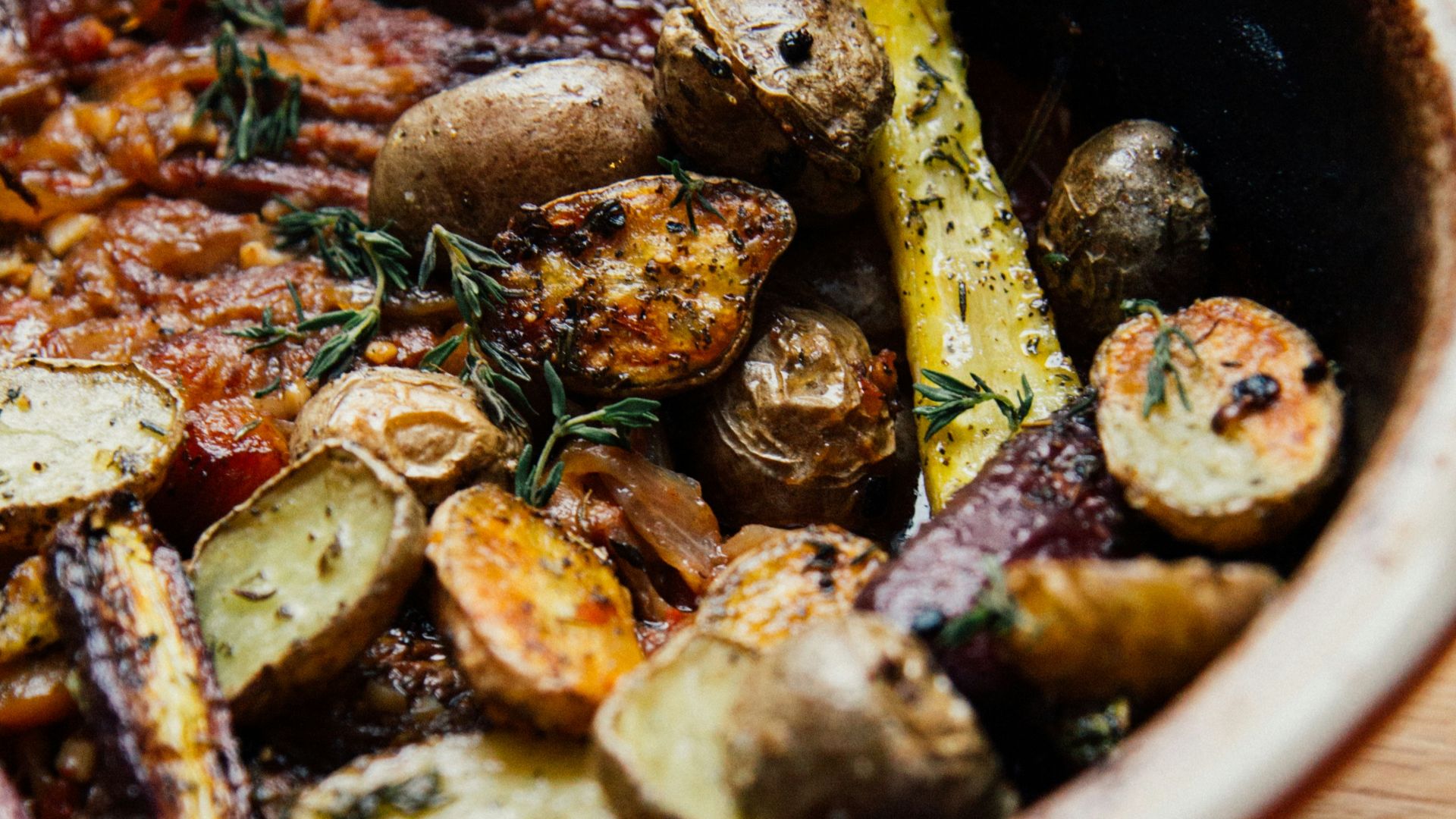
10. Demi-Glace
Reduce Espagnole with brown stock to produce a demi-glace, which can be used in lots of gourmet meals. Demi-glace is glossy and intense in flavor and can be used in countless sauces, such as a red wine reduction.
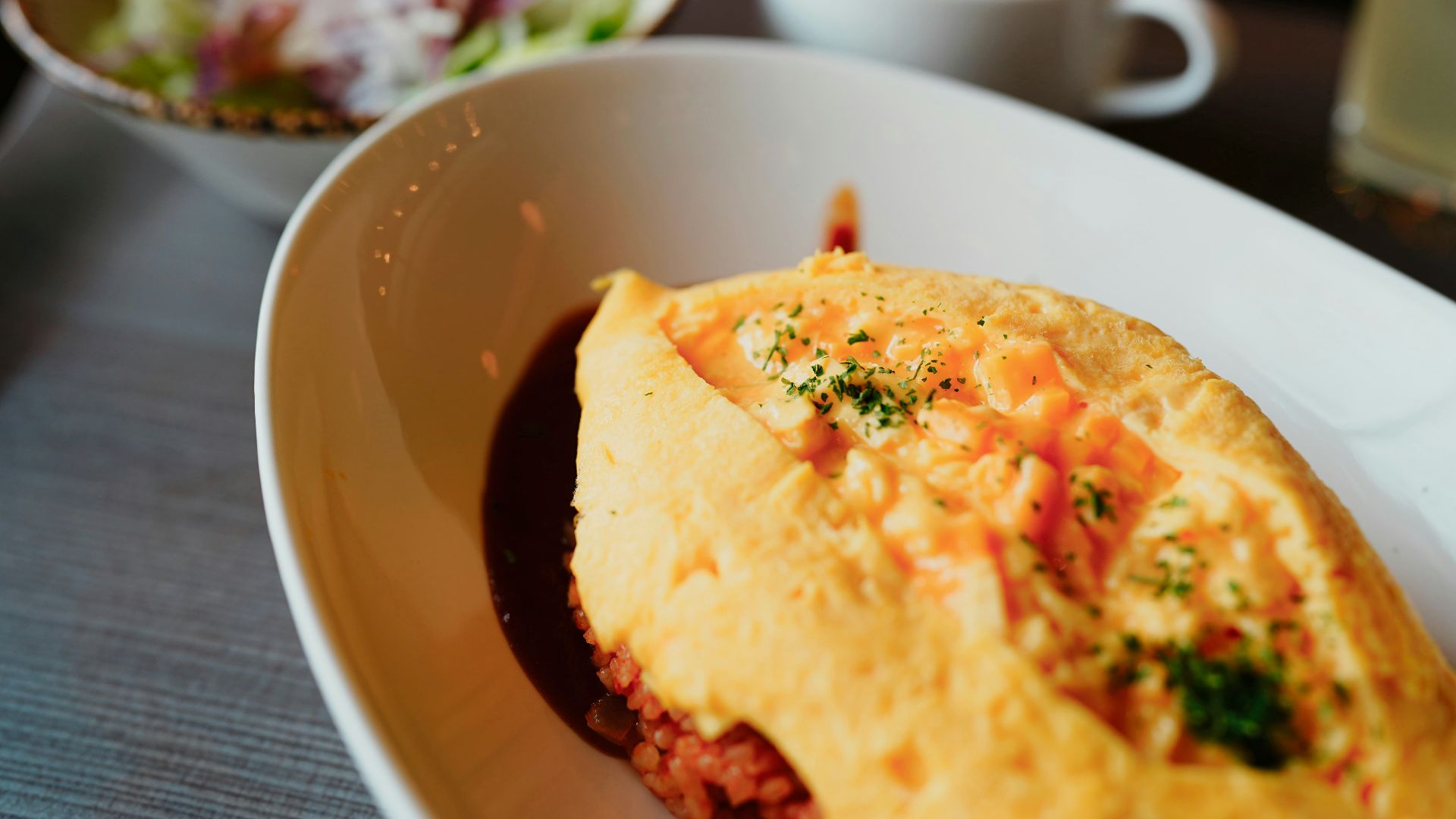
11. Steak Sauce
Espagnole is the foundation of many upscale brown sauces that are used with steak. You should enrich the espagnole with wine, herbs, and mushrooms, as these flavors complement every cut of beef.
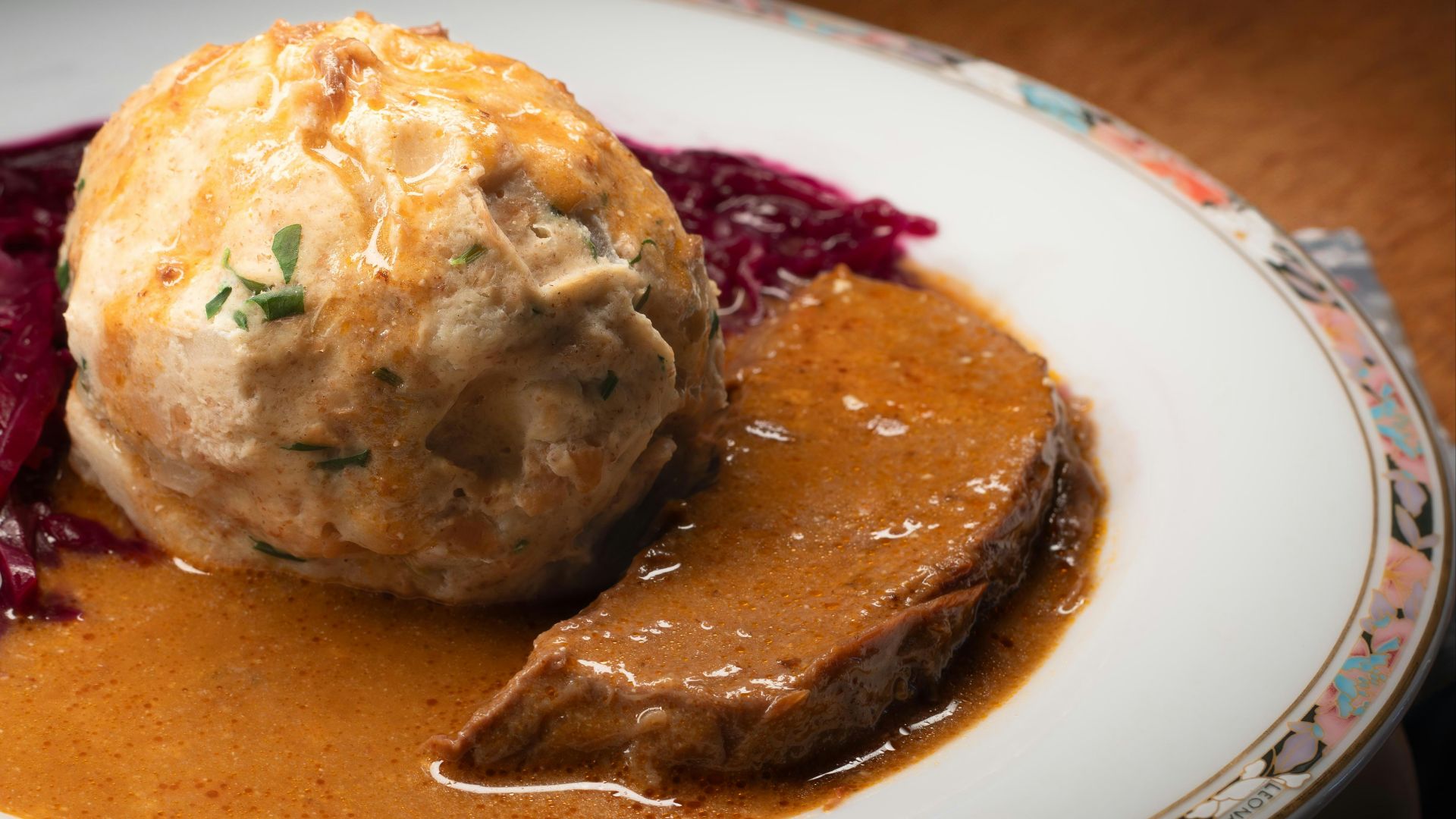
12. Meatloaf Glaze
Using Espagnole in a meatloaf glaze amps the savory notes beyond what ketchup-based glazes are capable of. Reduce an espagnole with aromatics and a hint of acidity and let it caramelize in the oven.
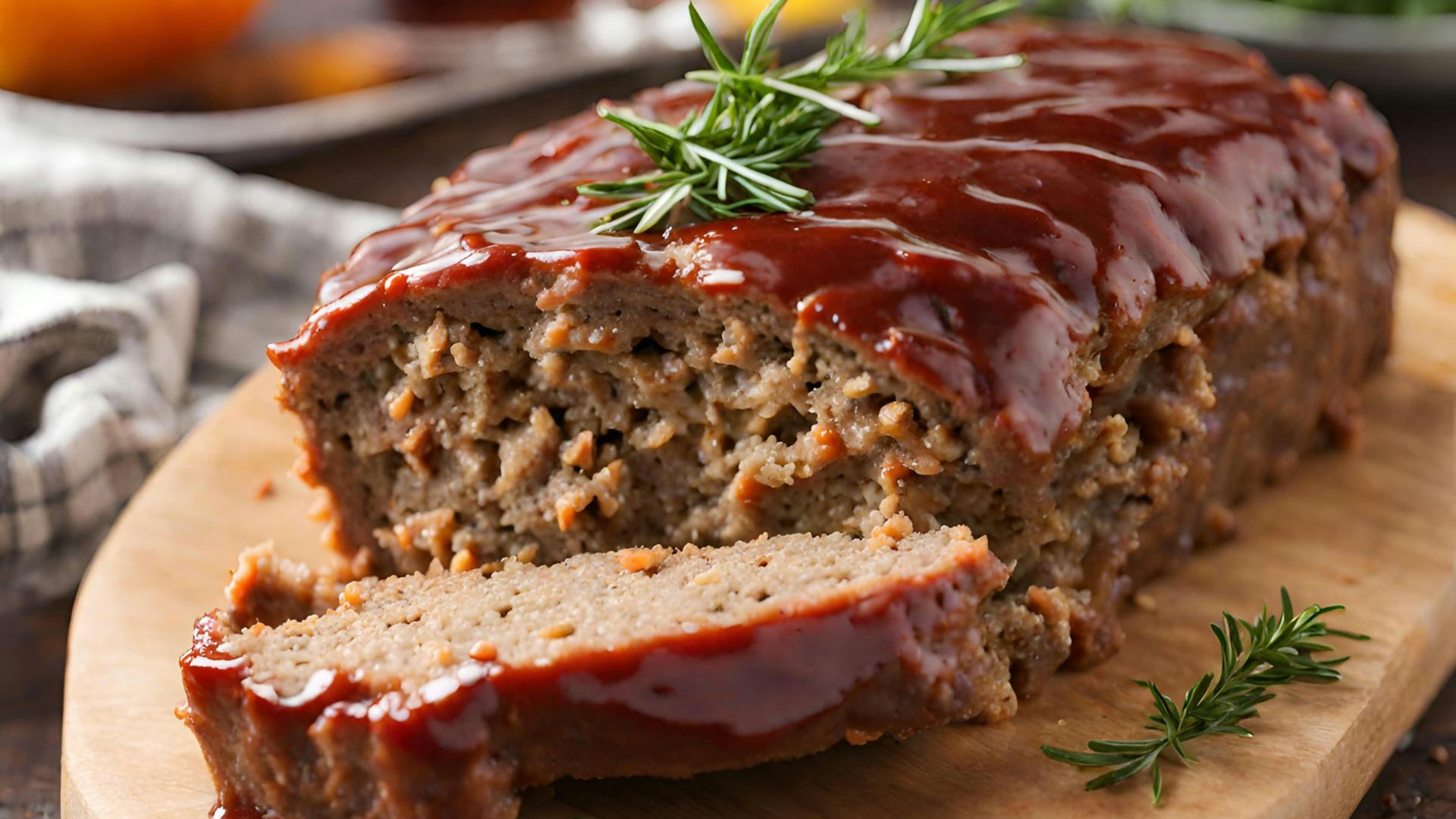
13. Spaghetti
Tomato sauce is the foundation of any traditional spaghetti dish. Slowly simmer tomatoes, fresh herbs, garlic, and olive oil to develop a smooth, aromatic, and well-balanced sauce. There are equal hints of acidity and sweetness, making it the perfect match for pasta.
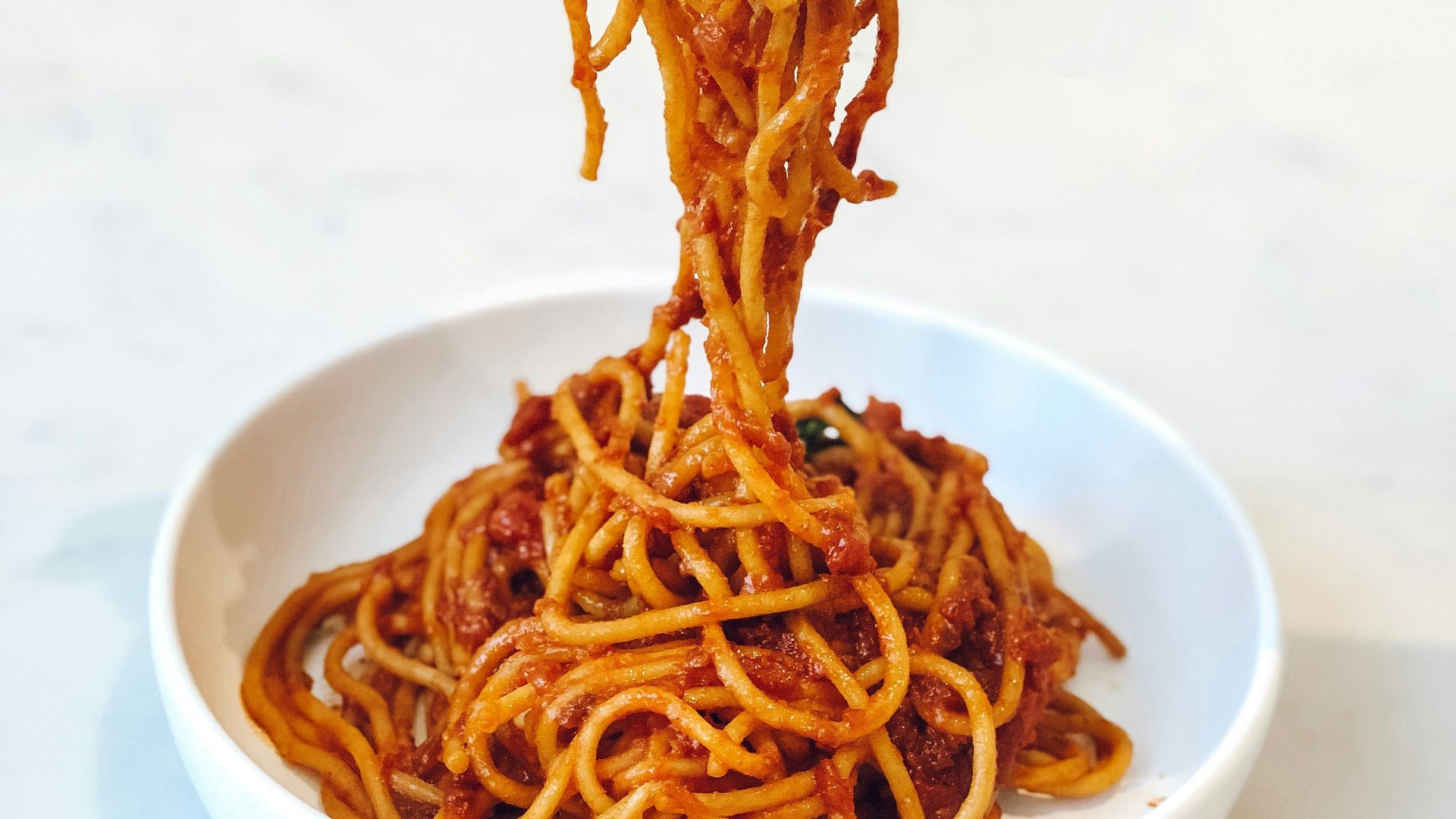
14. Pizza Sauce
By thickening tomato sauce, you can transform it into a delicious base for pizza. It provides the bright acidity that cuts through the richness of cheese. Ingredients like oregano, basil, and garlic help it form a complex flavor.

15. Shakshuka
Tomato sauce is the simmering liquid that poaches eggs in this North African dish that is also incredibly popular in places like Israel. Its thickness acts as a bed for the eggs to cook to perfection, and its acidity mellows the richness of the eggs. Don't forget to serve with grilled or warm bread.
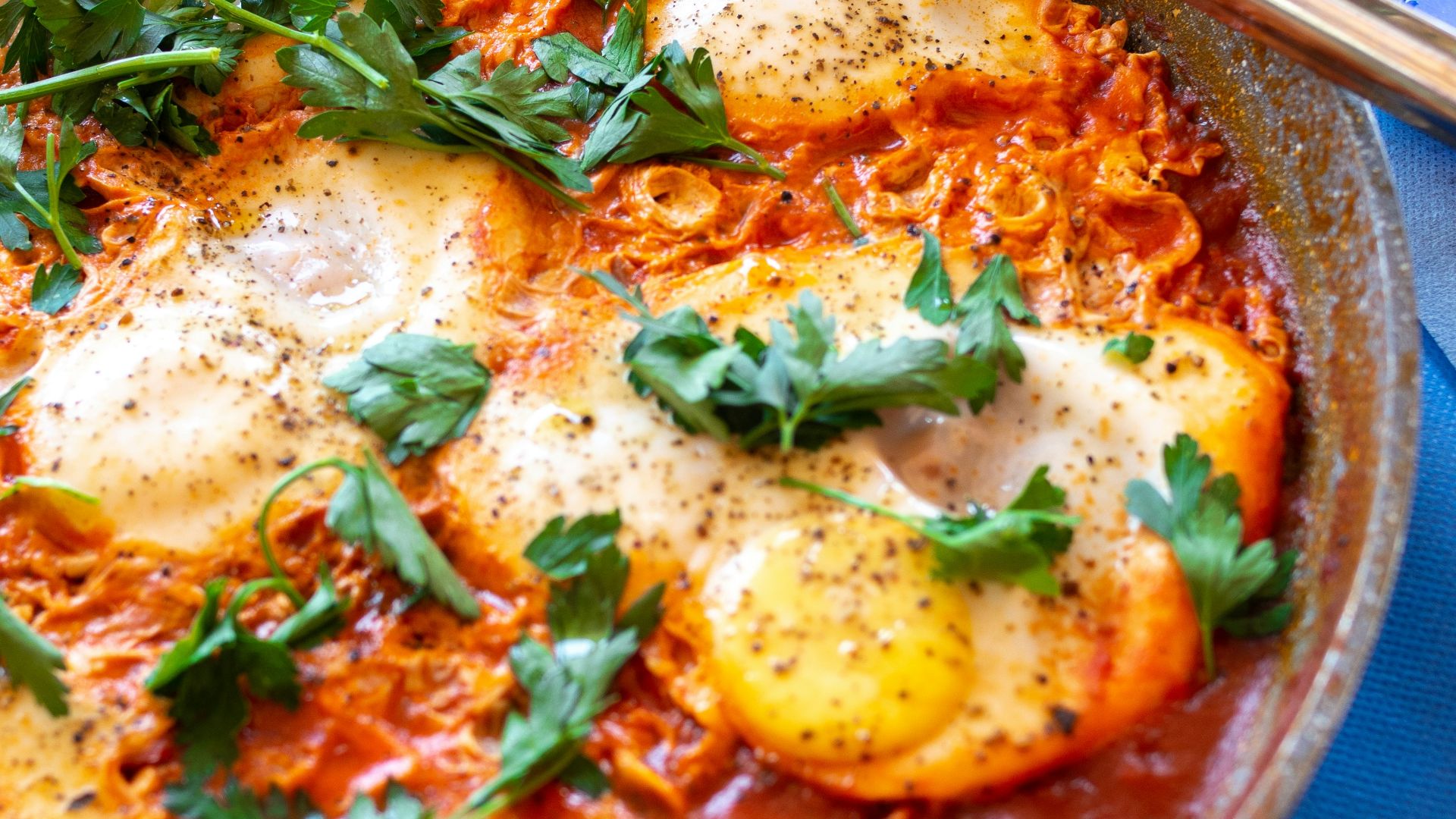
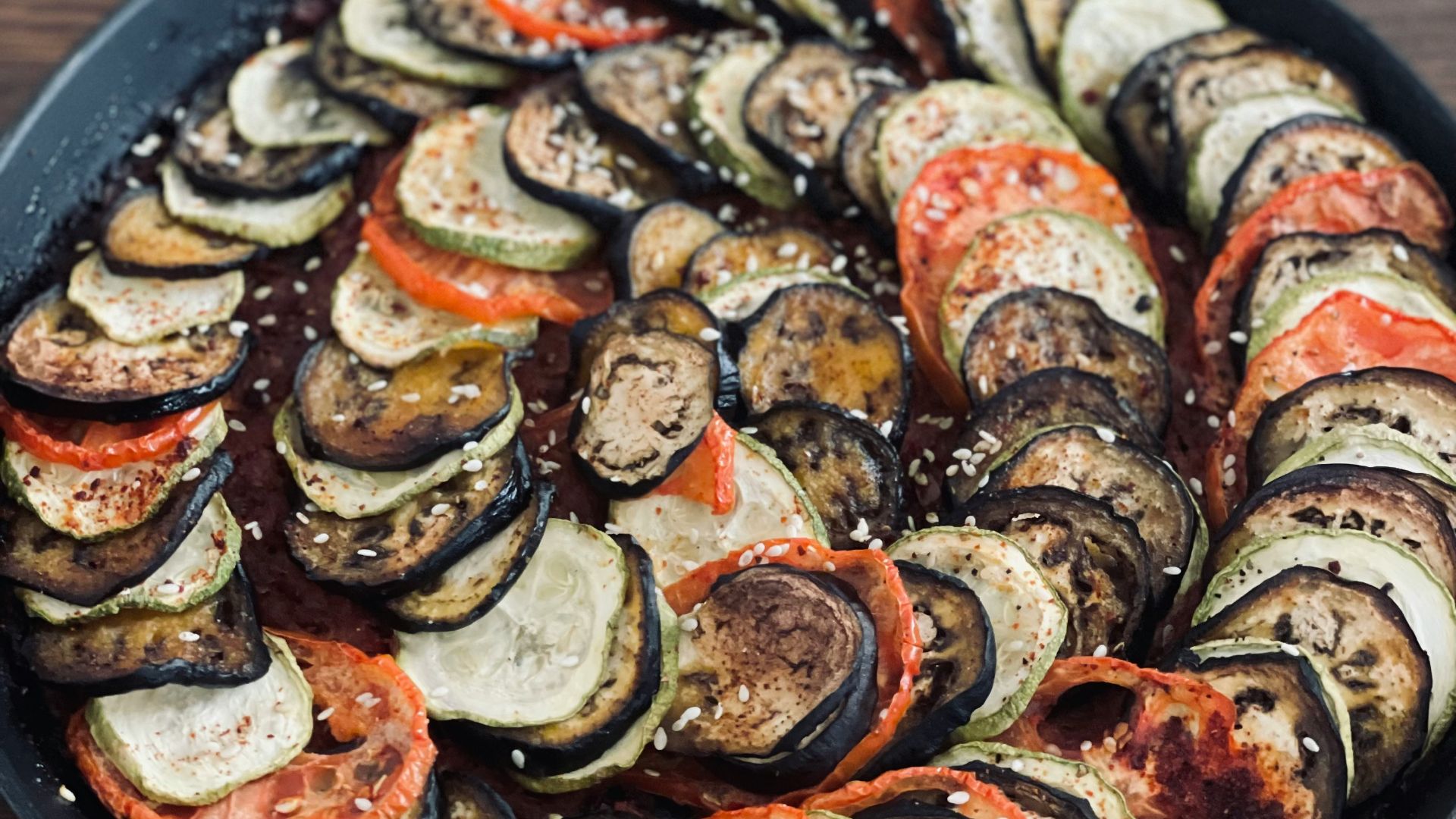
16. Ratatouille
Tomato sauce is the cohesive element that brings ratatouille together. It binds the vegetables to create a harmonious flavor, and its acidity elevates the natural flavors of the eggplant, zucchini, peppers, and herbs.
17. Eggs Benedict
Eggs Benedict is one of the most gourmet breakfast dishes, and it has hollandaise to thank for its richness and creaminess. The lemony hollandaise is the ideal match for poached eggs, Canadian bacon, and an English muffin. Simply spoon warm hollandaise over the poached eggs, and be careful when licking the sauce off your knife.

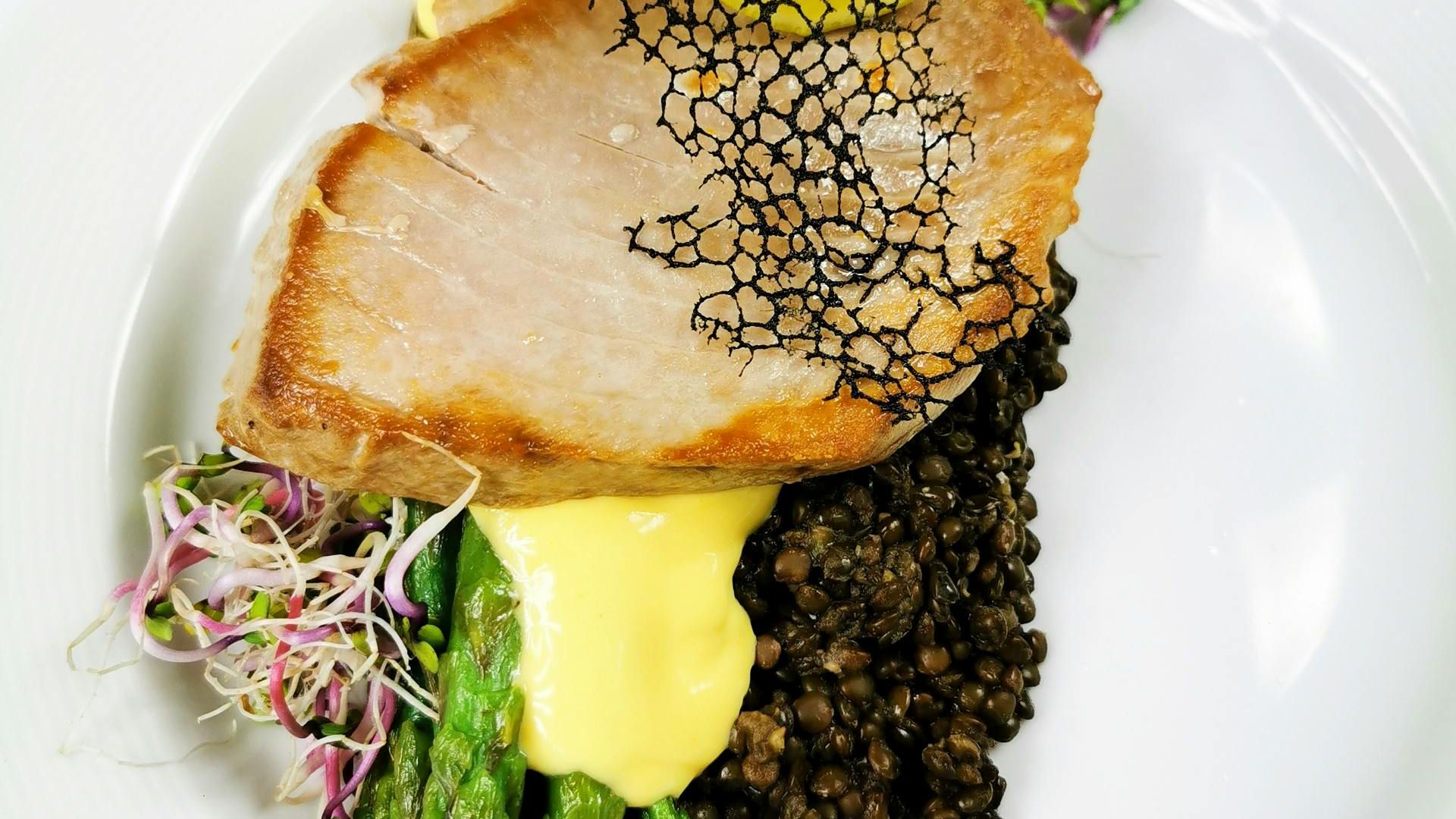
18. Asparagus with Hollandaise
Blanch or grill asparagus and then pour some hollandaise sauce over top of it to make it more refined and change its flavor profile. The creamy texture adds an element of elegance without overpowering the asparagus or making it limp.
19. Salmon with Hollandaise
Hollandaise complements salmon's fattiness via its acidity, which is never overpowering. A dollop of hollandaise over grilled or pan-fried salmon makes an ordinary meal feel more restaurant-quality. Mix a little dill or tarragon into your hollandaise to enhance the sauce and the salmon.

20. Breakfast Potatoes
Drizzling hollandaise over crispy, pan-fried potatoes turns a simple breakfast side into a delicious brunch essential. The sauce's texture coats the potatoes, making the pillowy insides even more flavorful. Add a bit of spice with the right seasoning and herbs to make breakfast potatoes all the more indulgent.

KEEP ON READING


The Most Popular Chocolate Bars in the USA

The Most Popular Candies in the USA


20 Annoying Foods That Get Stuck In Your Teeth