One Cola for You?
Long before the drinks you know today (think Ribena and Coca-Cola) became popular everyday beverages, they actually once served a much more important purpose than just quenching thirst. In fact, some were once sold as medicine, listed as remedies by pharmacies for everything from digestive trouble to exhaustion. As you'll see, some even had bold health claims, despite a lack of clinical evidence. Would you take a sip of these 20 drinks?
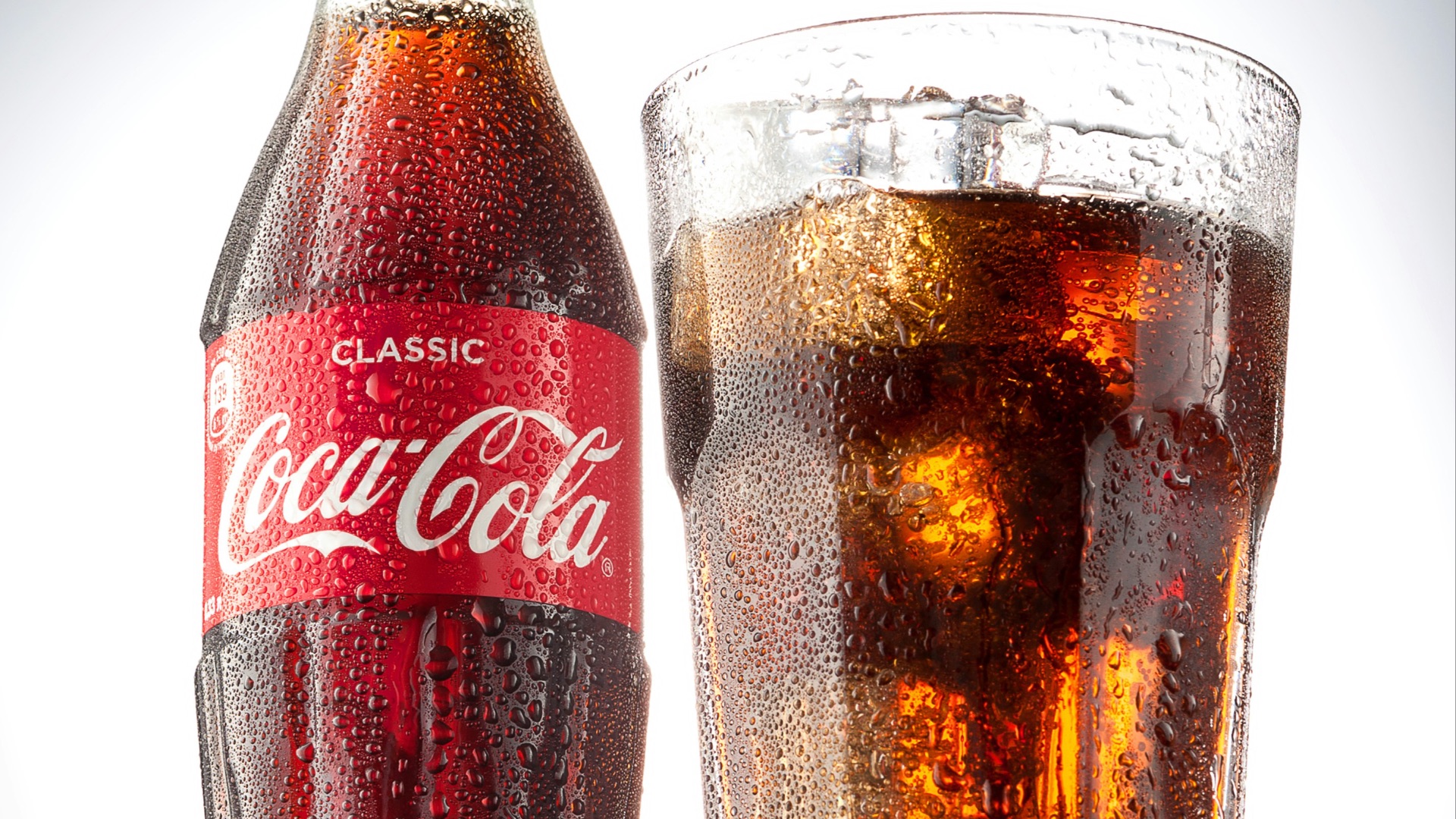
1. Angostura Bitters
These aromatic bitters once did much more than flavoring your favorite cocktail. In fact, it was developed by physician Johann Siegert as a medicinal tincture intended to relieve stomach problems. It's now, of course, grown out of that purpose, and you get to enjoy it in your nightcap.
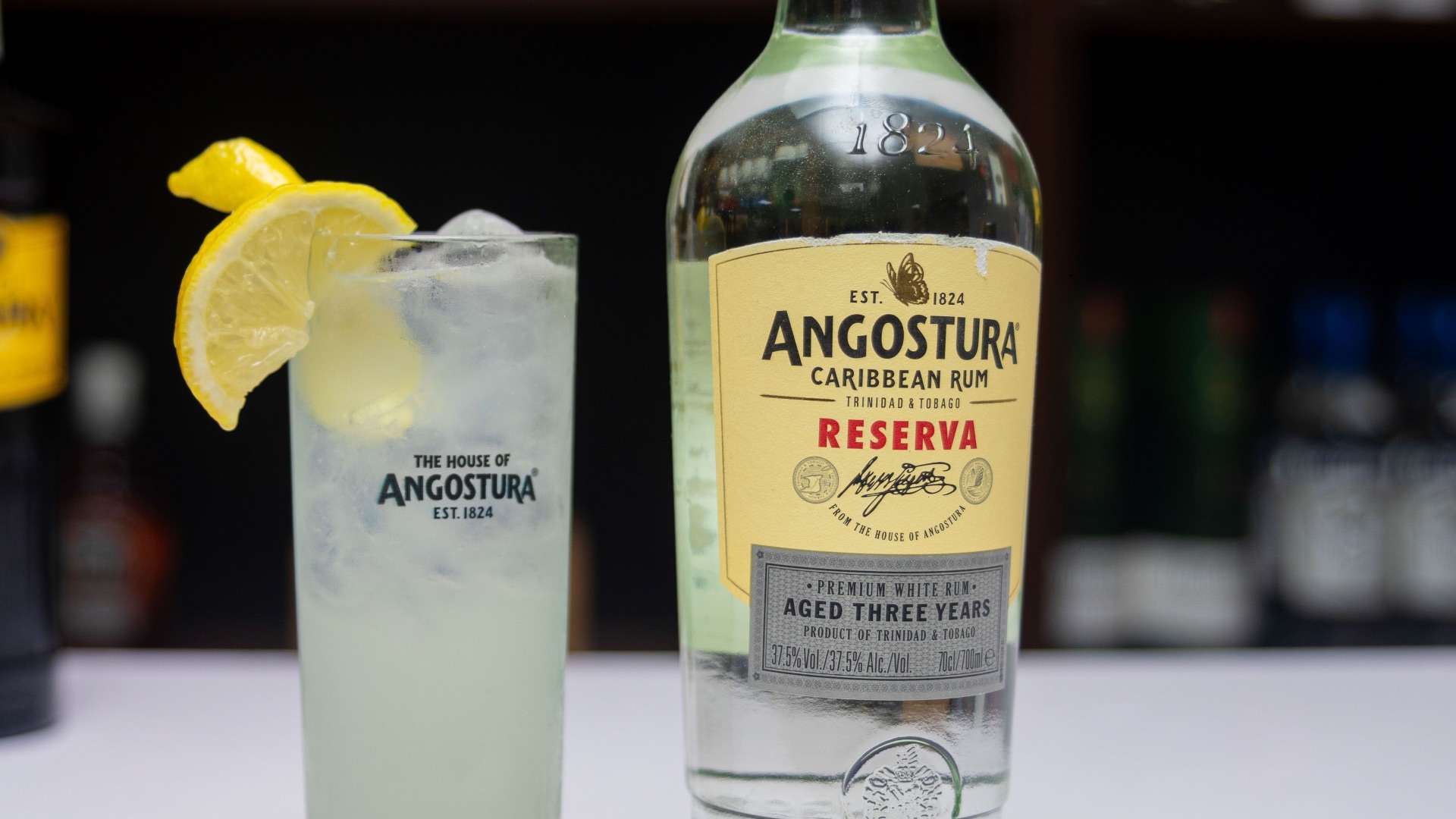
2. Fernet-Branca
Another after-dinner drink, the story behind Fernet-Branca started in1845, when Bernardino Branca produced an herbal preparation from roots, herbs, and spices. It was then said to be a cure-all for illnesses such as cholera and malaria. Though now better known as a liqueur, its pharmaceutical beginnings remain central to its history.
3. Ovaltine
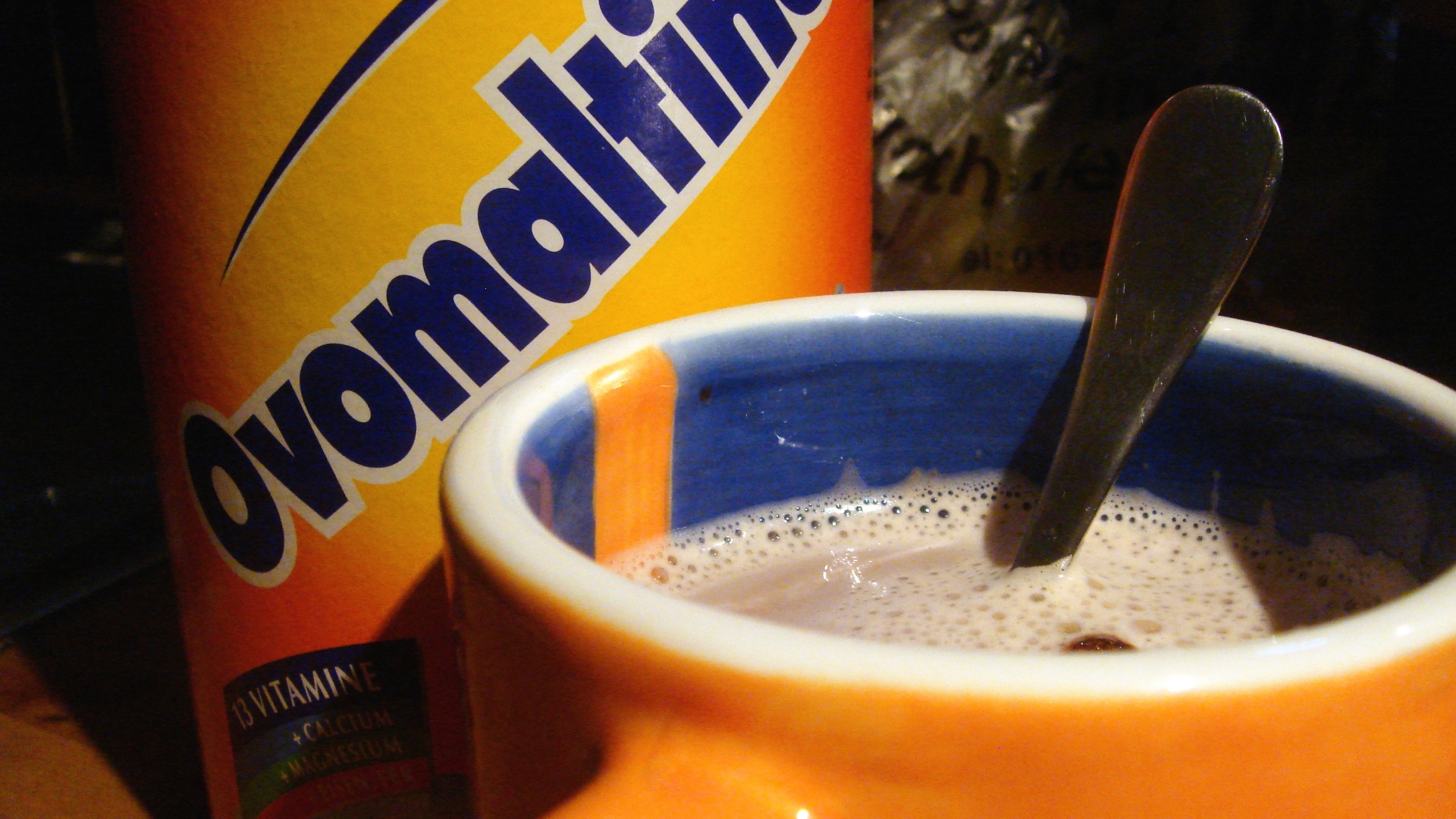
A comforting malted drink, you probably never knew that Ovaltine was actually initially sold through pharmacies, where it was claimed to be a strengthening tonic for people experiencing exhaustion, anemia, or poor health. By the 1920s, though, the medicinal disguise had been shed.
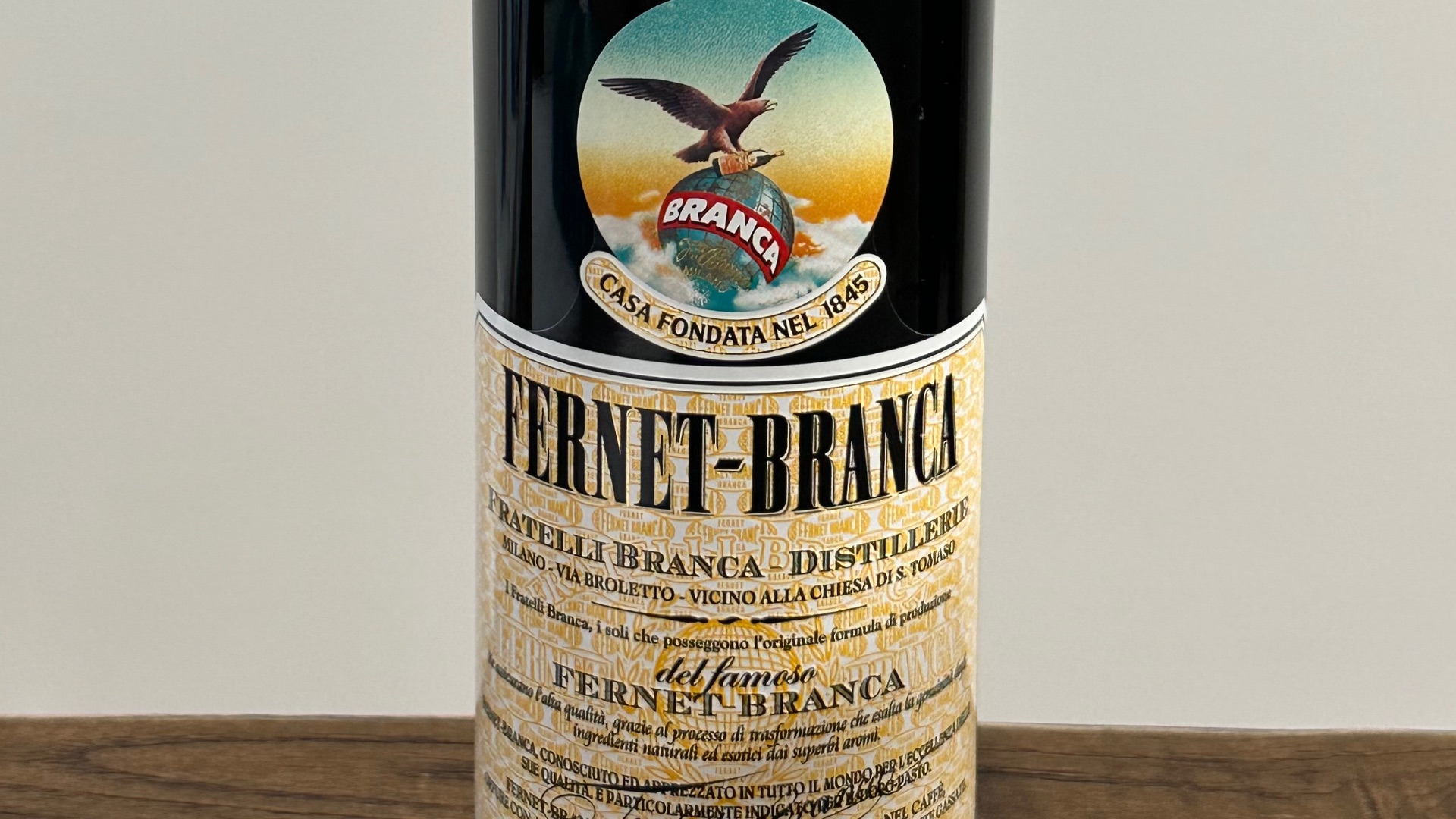
4. Coca-Cola
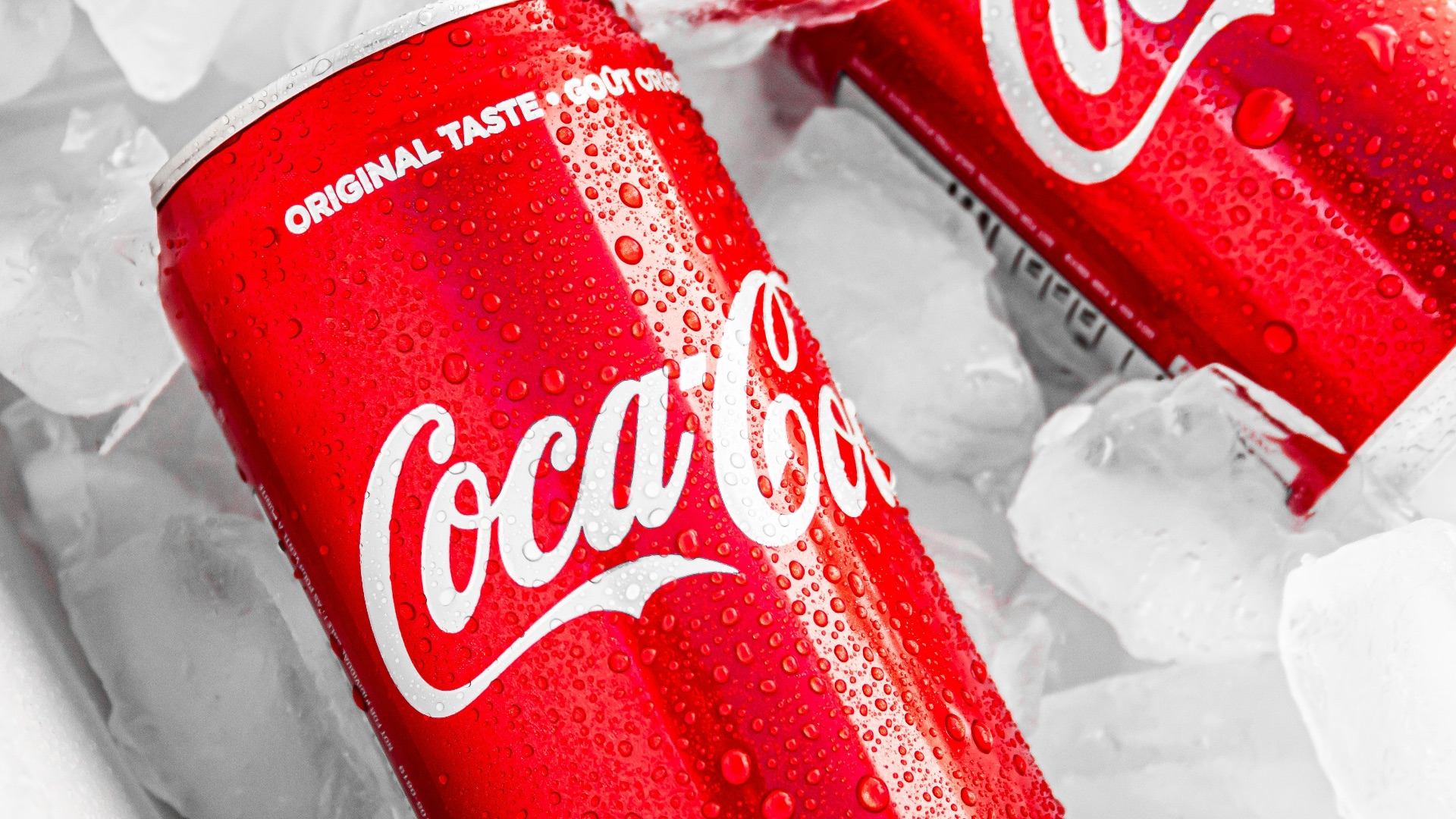
When Coca-Cola hit the shelves in the late 1880s, it was advertised as more than just a refreshing drink. Early promotion actually presented it as a brain tonic and nerve stimulant, naming it a cure for headaches and other complaints. That might sound strange, but this beloved soda was first sold in a pharmacy—and only for five cents.
5. Pepsi-Cola
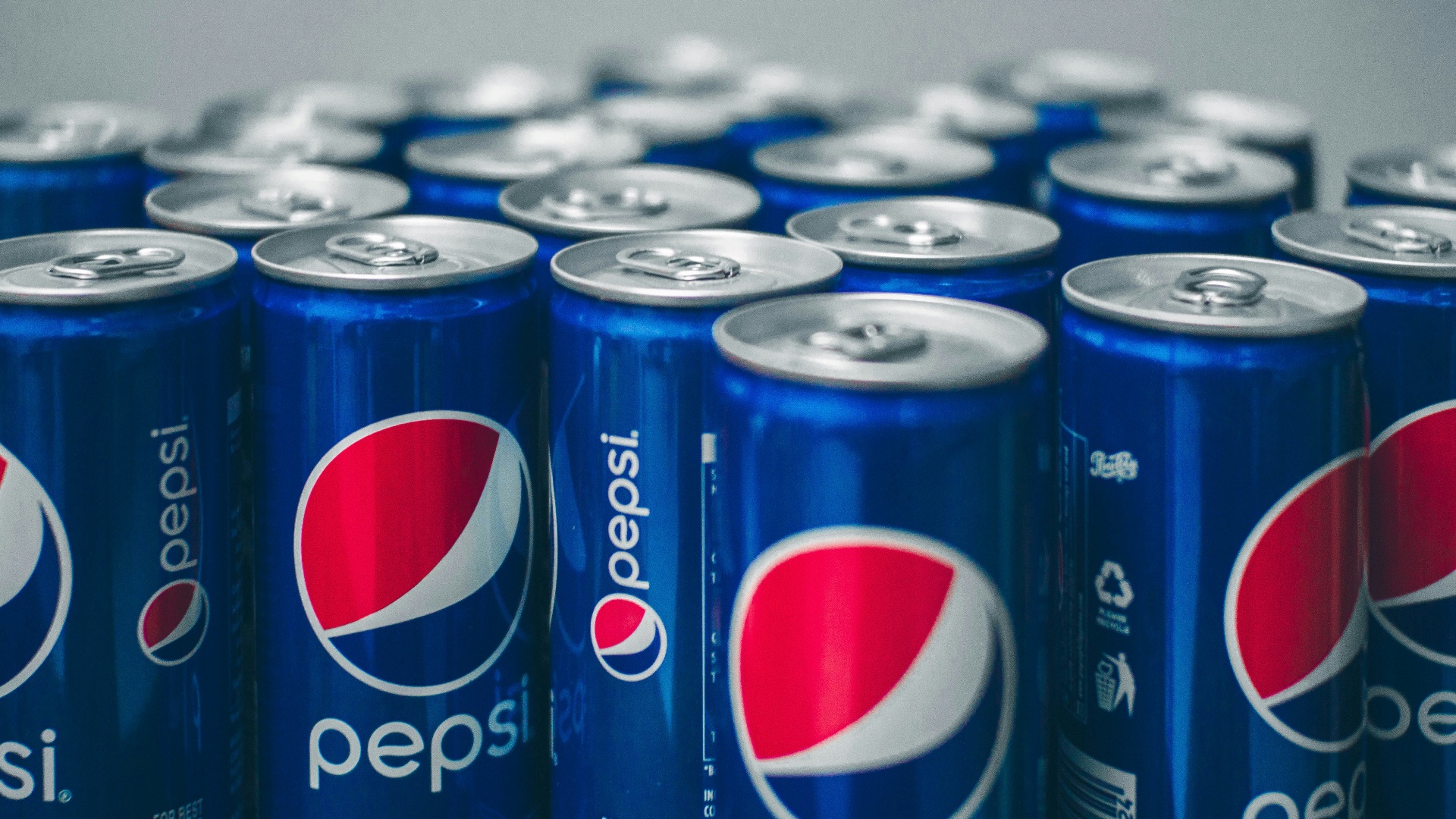
Before there was Pepsi-Cola, there was a concoction called Brad's Drink, sold by pharmacist Caleb Bradham. Promoted as a digestif, it had a similar story to Coca-Cola, in that it was deemed part refreshment and part remedy, capable of settling stomach discomfort. It wasn't until 1898 that it was renamed Pepsi-Cola in 1898.
6. 7-Up
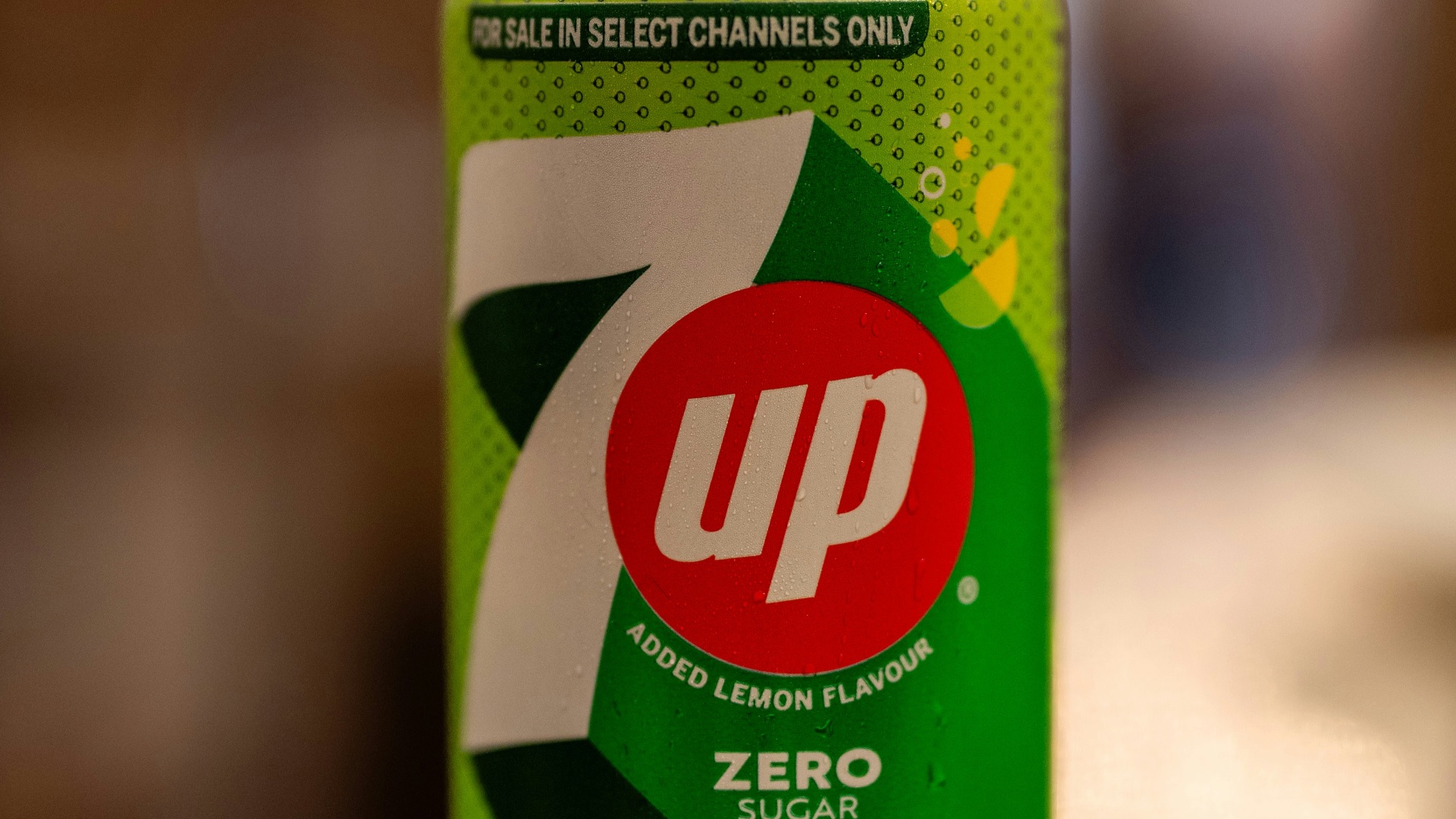
Yep, there's another familiar soda that was once sold as medicine. At the time 7-Up entered the picture, it was during a period when lithium-containing drinks were linked to health benefits. And, advertised as a lithiated lemon drink, 7-Up was said to have mood-stabilizing effects.
7. Tonic Water
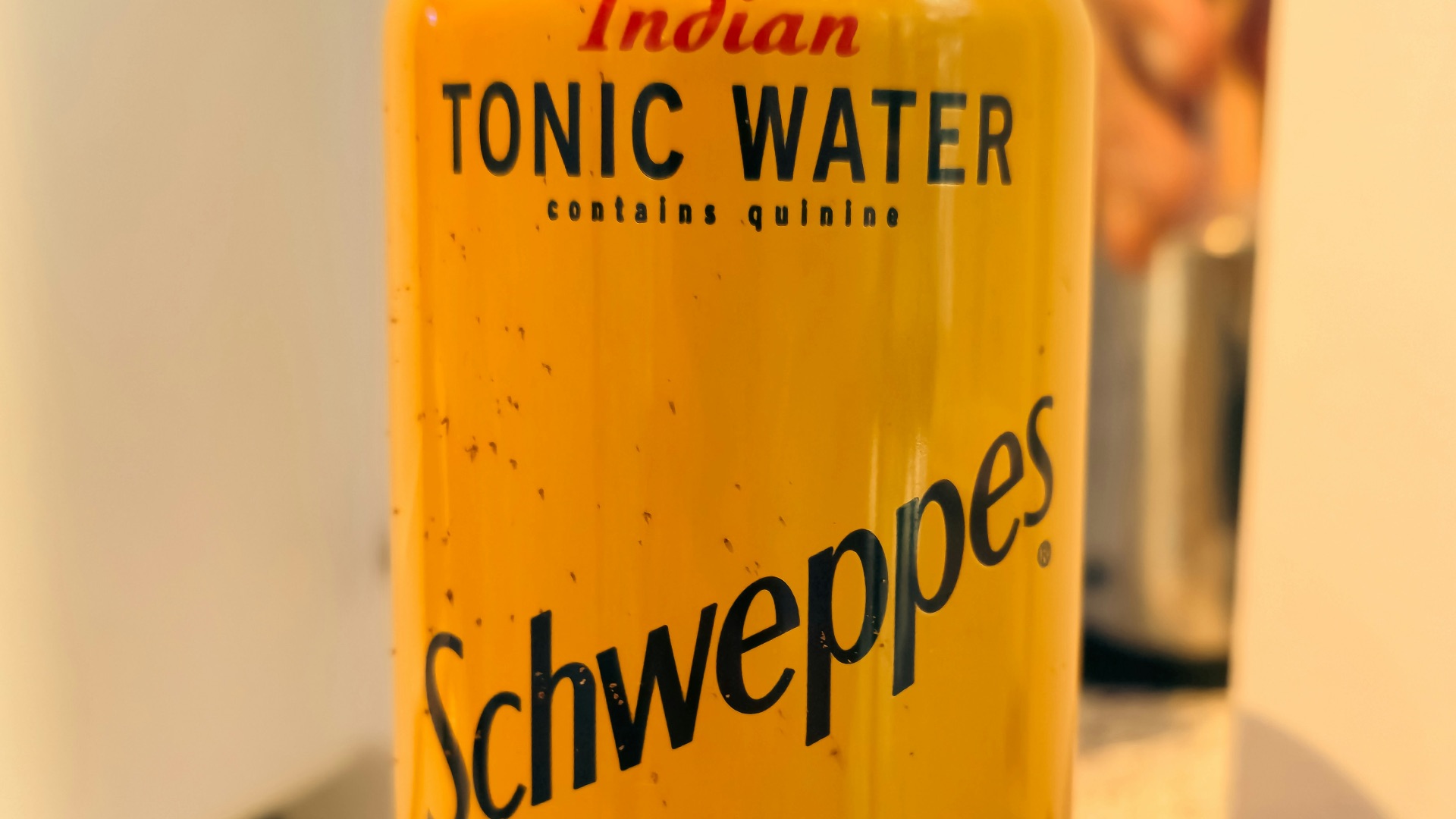
For those familiar with tonic water, you'd know it's a fizzy beverage made with quinine, then sweetened to make it easy to drink. Quinine, however, is a bitter herb that was once used to combat malaria. Of course, commercial tonic water grew out of that image, and the modern versions you consume today contain far less quinine than back then.
8. Lucozade
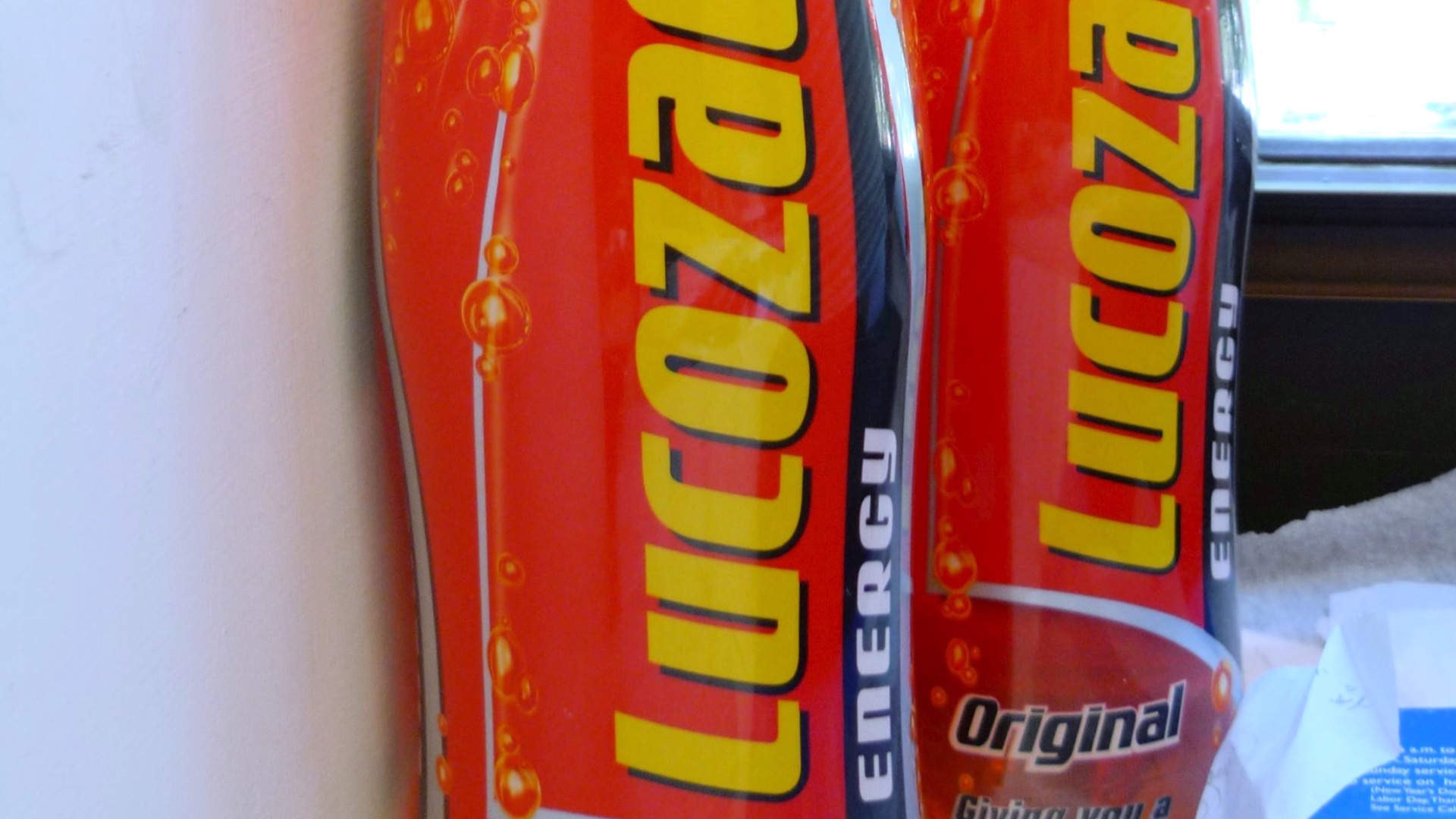
Before Lucozade became associated with fitness and sports, it was originally Glucozade, a glucose-rich beverage sold in the 1920s as a booster for those recovering from illness. It's not hard to see how its modern-day label still retains some of the health branding it once had, but most consumers simply know it as an energy drink today.
9. Vimto
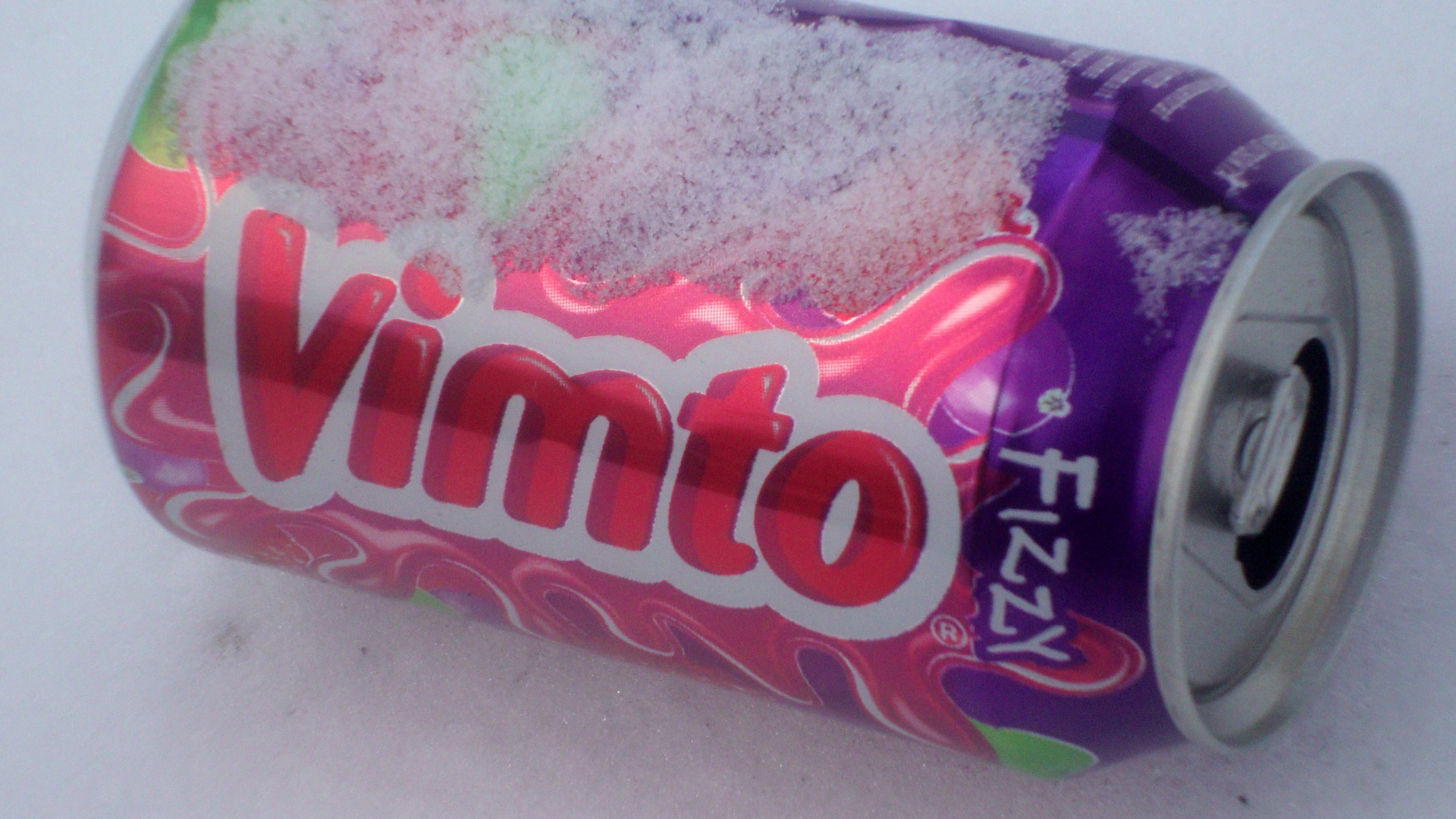
You might know Vimto as a colorful soft drink now, but did you know its blend of fruit, herbs, and spices was originally designed to be a healthy pick-me-up? John Noel Nichols created it in Manchester in 1908 (its original name was Vimtonic), when it was a beverage intended to provide "vim" and vigor.
10. Ribena
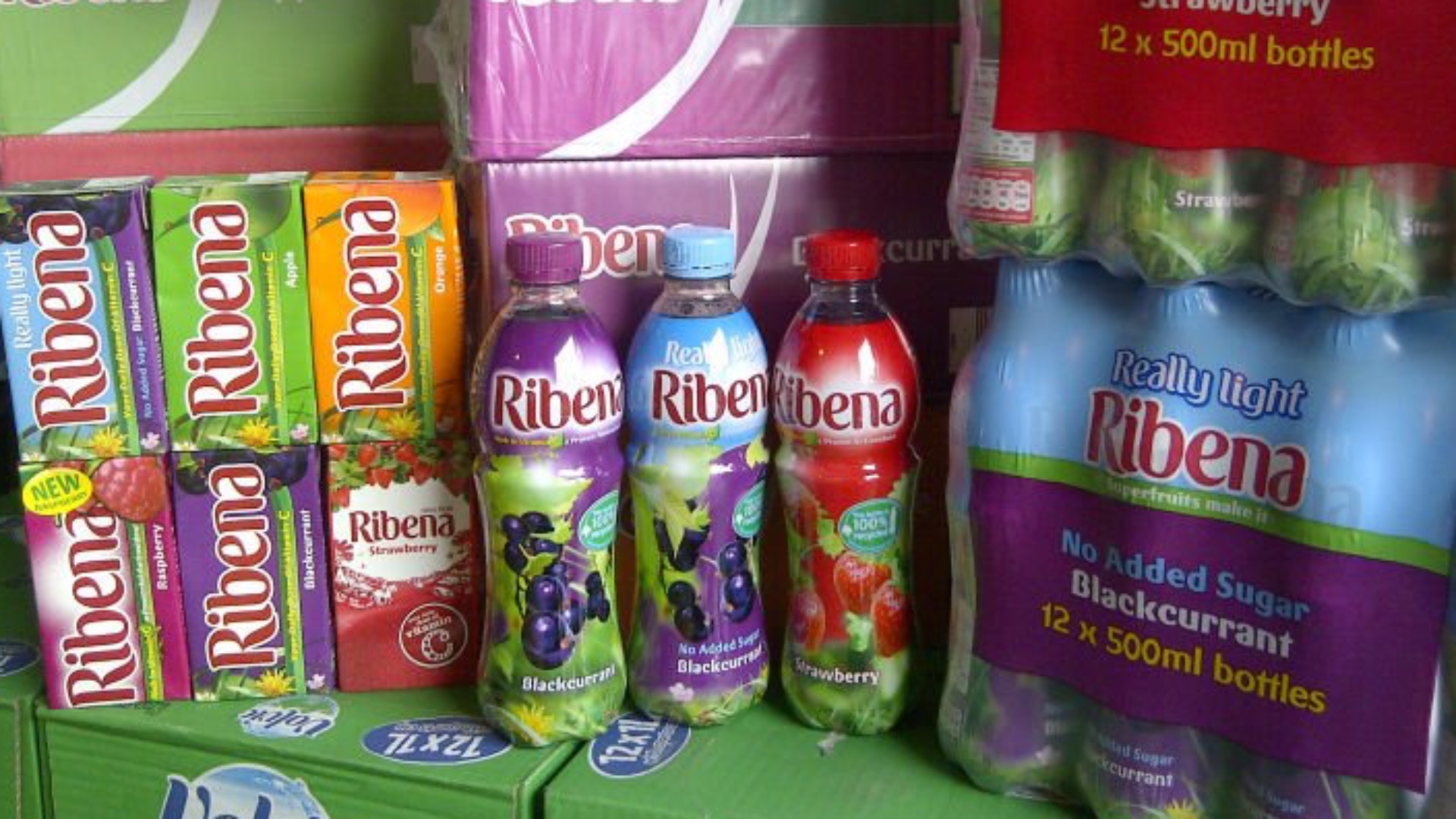
Did you know that this blackcurrant drink used to be a health syrup sold to hospitals and maternity homes in the 1930s? It was particularly known as a vitamin supplement during the war, though its medical and nutritional role would later dissolve. Nowadays, you likely know Ribena as just an ordinary fruit drink.
11. Hires Root Beer
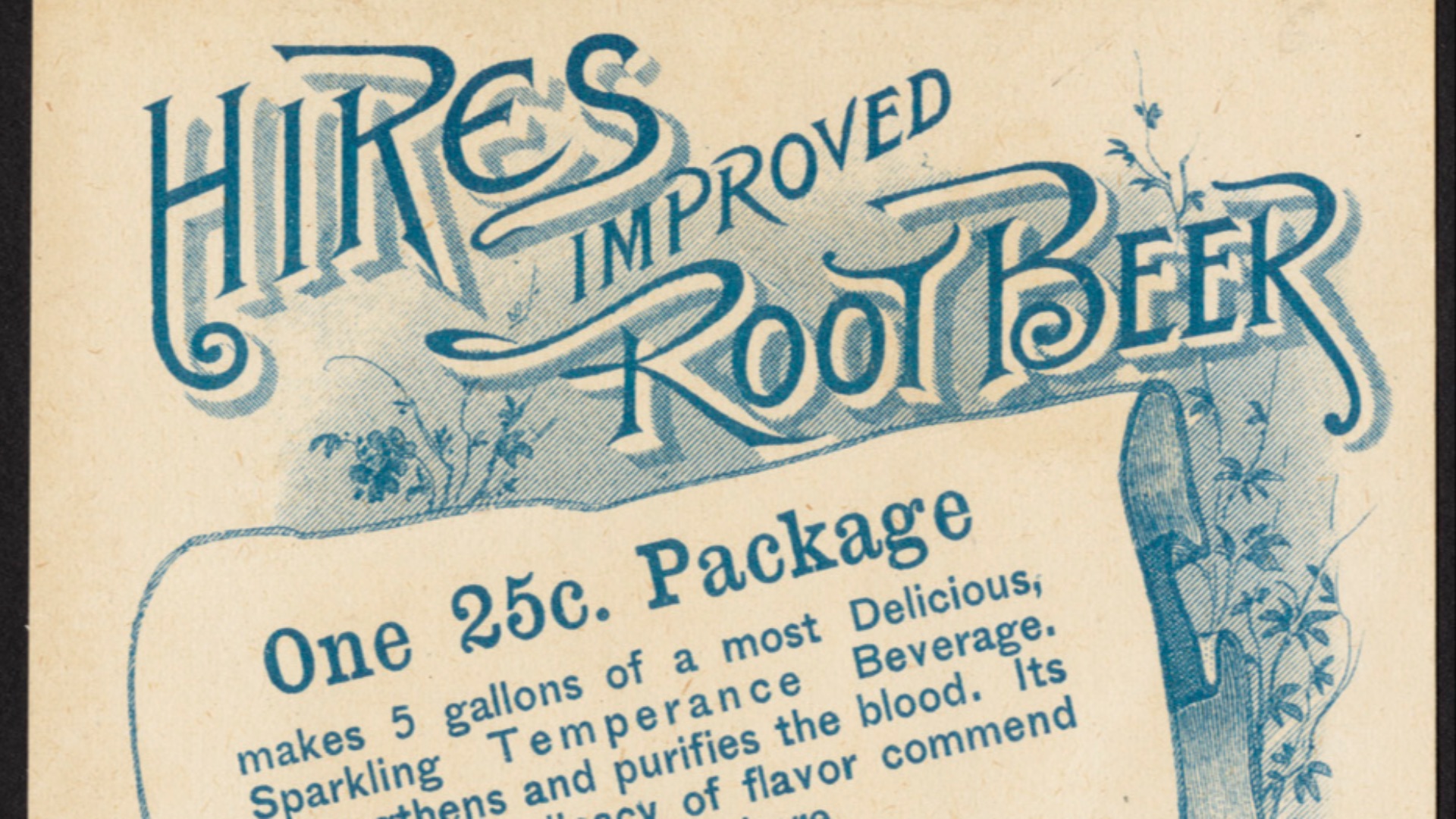
When pharmacist Charles Hires produced his brand of Root Beer, it was initially marketed as somewhat of a magical blend: the beverage could not only purify the blood, but also provide broad health benefits, a sort of all-in-one. You can see, obviously, how that turned out.
 Boston Public Library on Wikimedia
12. Moxie
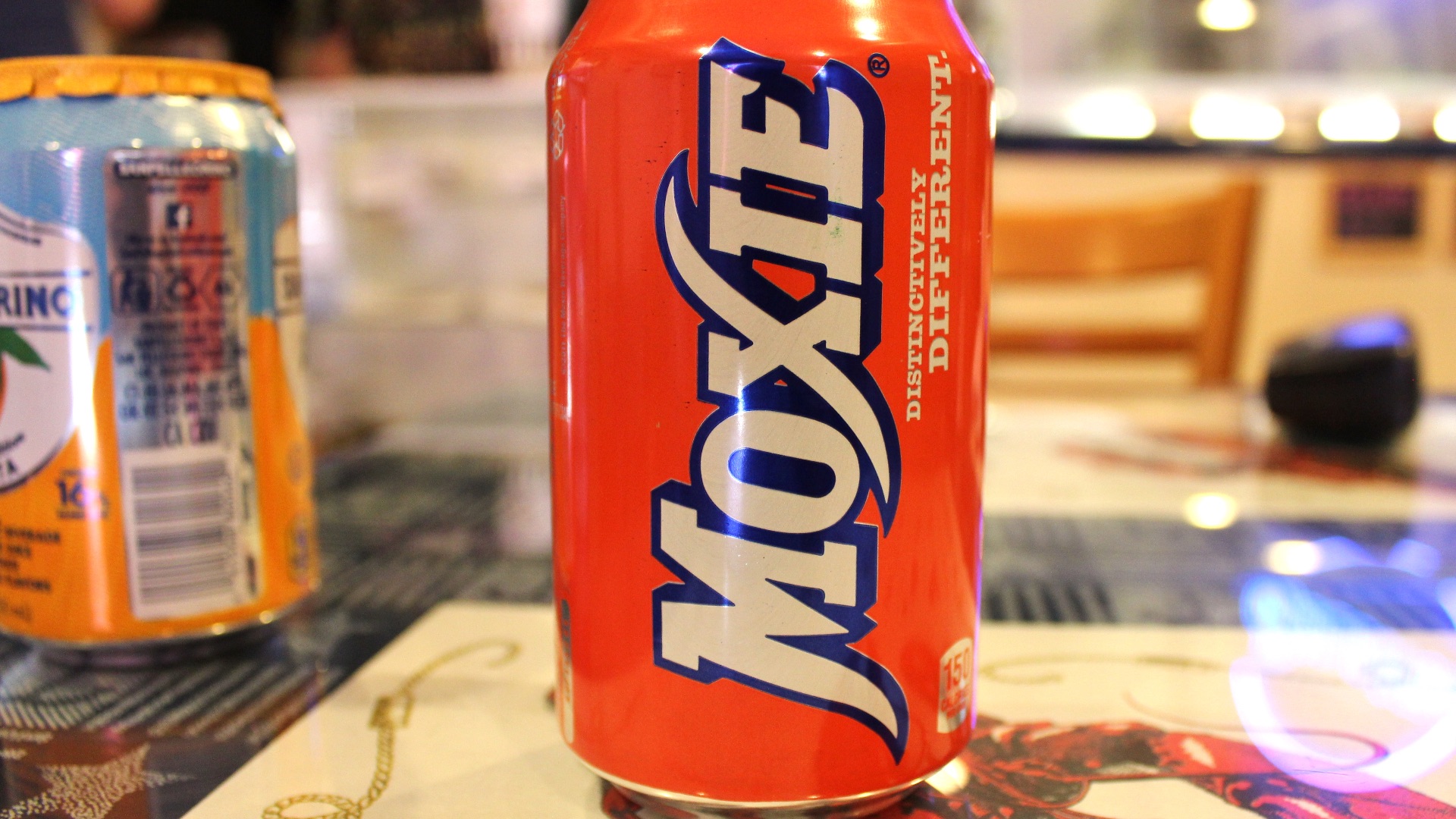
Another supposed all-around remedy that floated around in the 1880s was Moxie Nerve Food. Though merely a carbonated beverage on the surface, it boasted extravagant claims, apparently able to soothe everything from nervous problems to sleeplessness. Those sweeping promises were eventually tamed by the 1906 Pure Food and Drug Act, though, and it became just another soda.
 Scottb211 from Gaylord, Michigan, U.S.A. on Wikimedia
13. Vin Mariani
Not tonic water, but tonic wine, Vin Mariani was another famous drink from the 19th century. Its blend of red wine and coca leaves was said to treat fatigue, fever, and even malaria—in other words, fairly bold claims! As medical knowledge and regulations changed, however, it (thankfully) is no longer regarded as the antidote it once was.

14. Pemberton's French Wine Coca
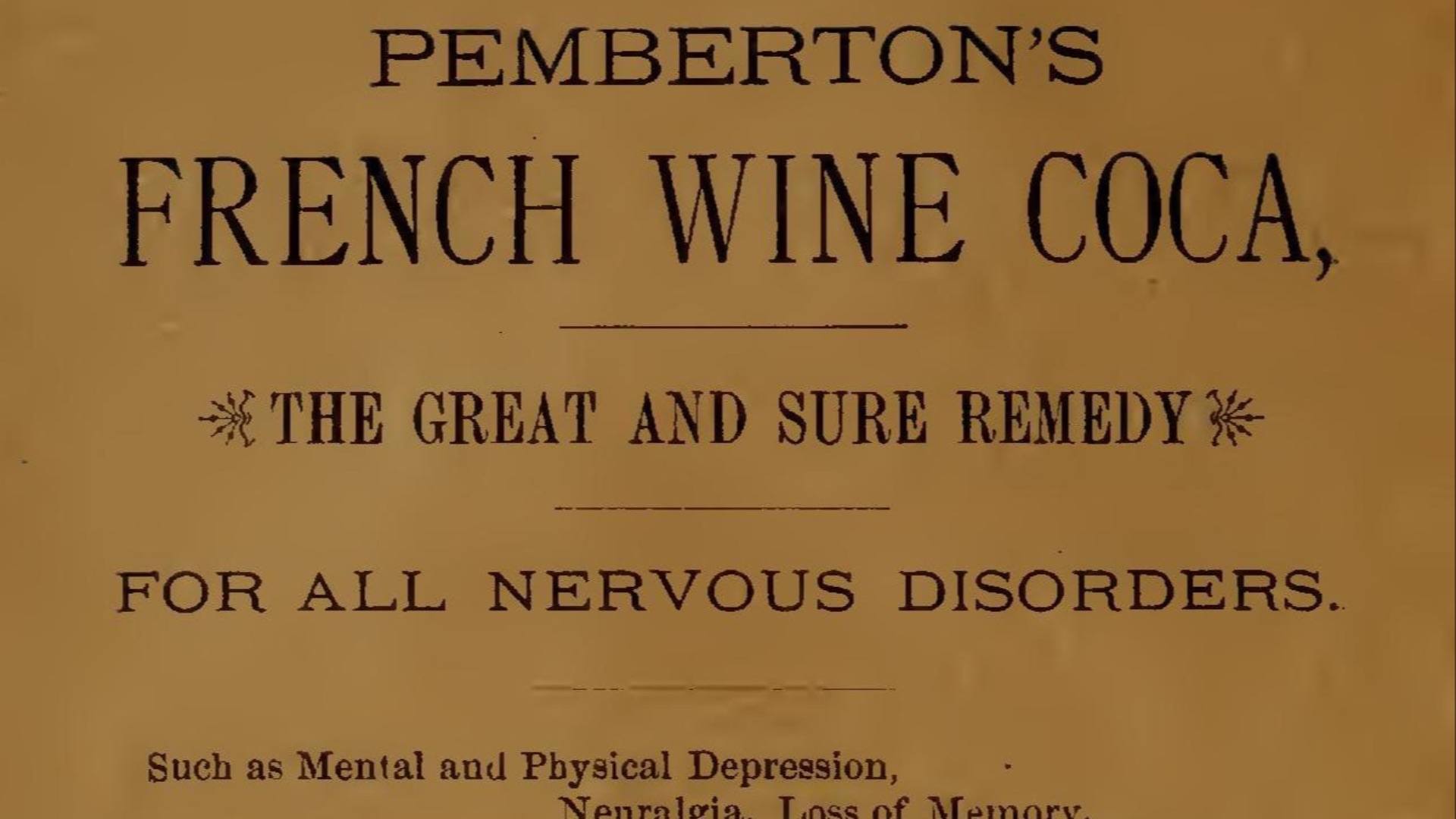
Before there was Coca-Cola, John Pemberton had invented another drink: French Wine Coca. Inspired by popular coca wines such as Vin Mariani, the alcoholic tonic, true to its name, combined wine with coca and other ingredients, and was marketed to ease nervous disorders. It was only after restrictions were made that pushed him toward making the non-boozy formula.
 [Slider, Thomas P.] on Wikimedia
15. Lydia E. Pinkham's Vegetable Compound
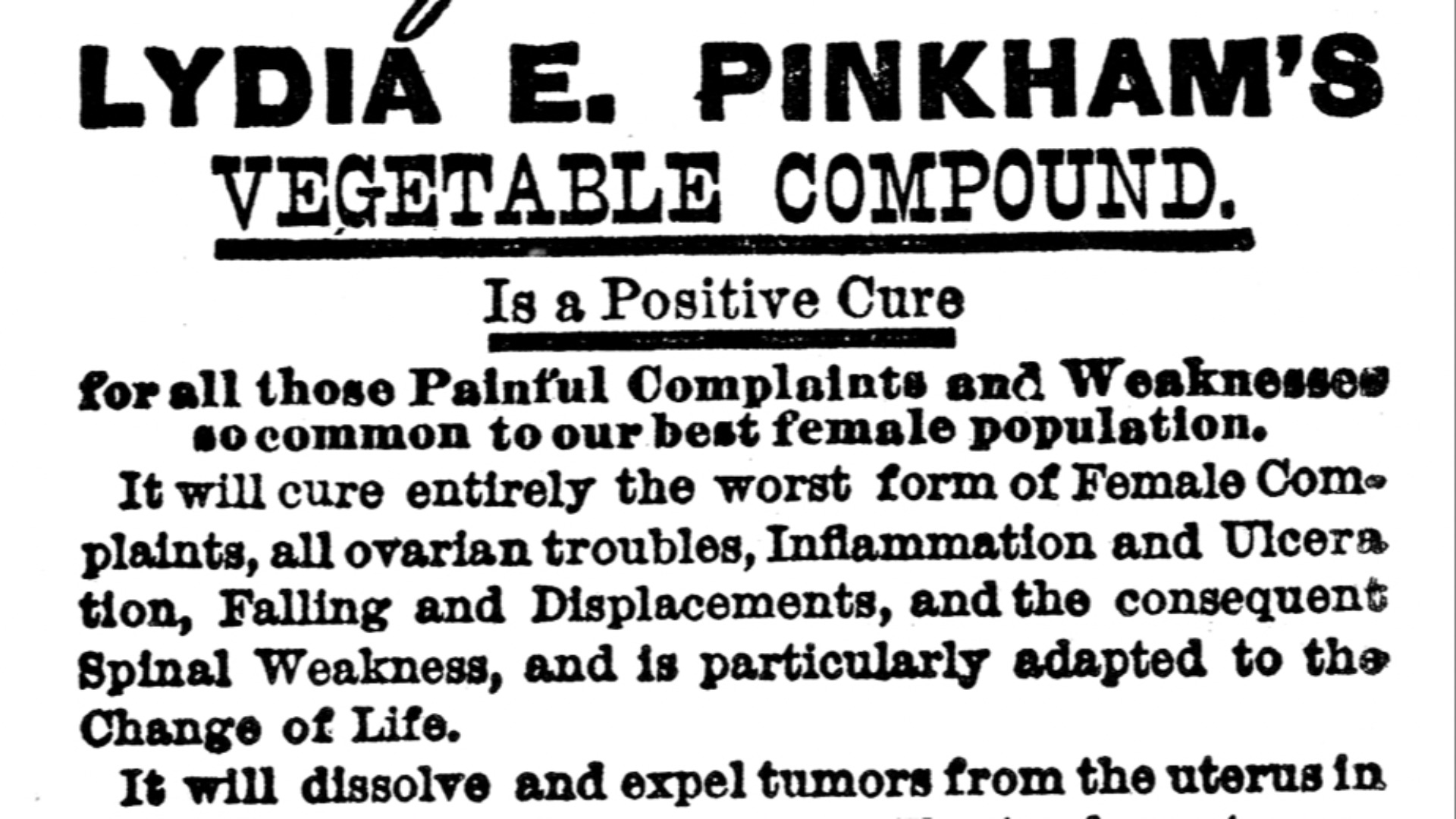
Another alcoholic medicinal drink was Lydia E. Pinkham's Vegetable Compound, only this one was marketed towards female-related ailments. It also contained a substantial amount of booze, which labeling laws and tighter controls would later strip the health promises the beverage claimed.
 Lydia R. Pinkham (Advertisement) on Wikimedia
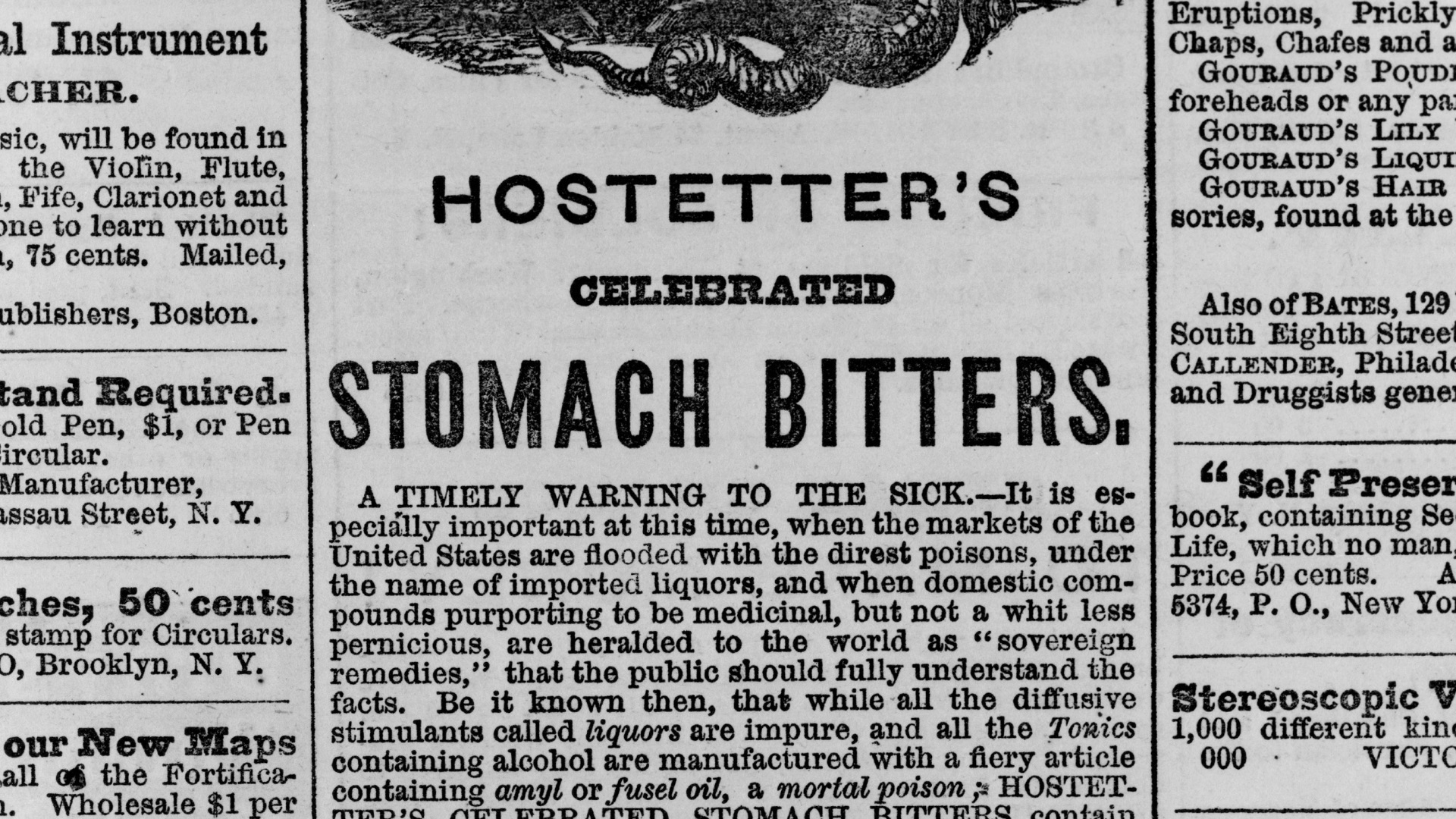
16. Hostetter's Stomach Bitters
Though this bitter liqueur contained around 25% alcohol, it was still classified as a medicine in the 1850s and could help with issues such as indigestion, nausea, and fever. Of course, alcohol is still alcohol, and like many of the other boozy tonics on the list, you can probably see how (and why) its run fell short.
 Miscellaneous Items in High Demand, PPOC, Library of Congress on Wikimedia
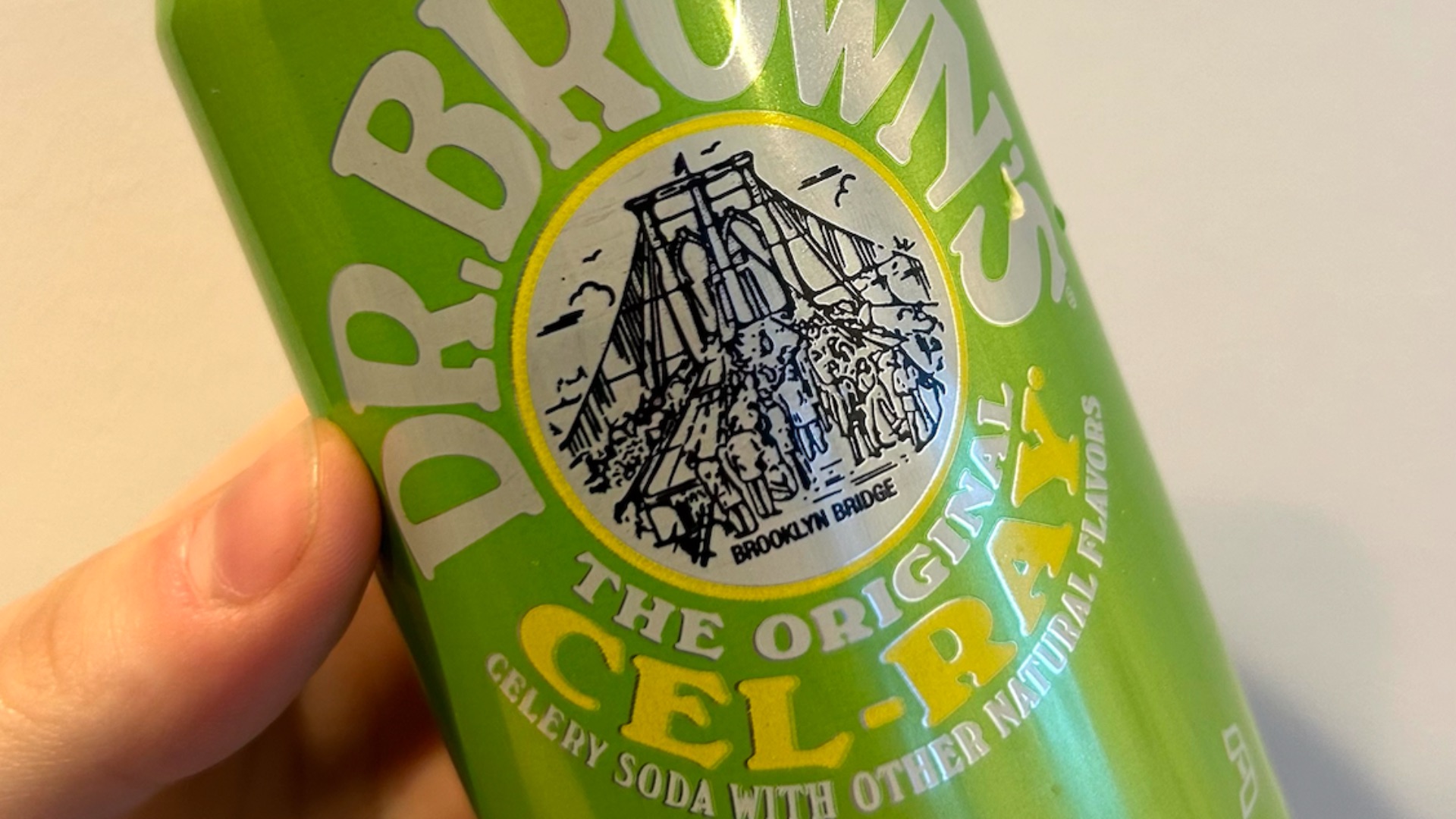
17. Dr. Brown's Cel-Ray
You're likely familiar with Cel-Ray soda, but did you know a version of it was once sold under Dr. Brown's Celery Tonic? Back in the 19th century, celery was a celebrated health food (not unlike the current era), and that meant the drink was said to be beneficial for the nerves, appetite, and digestion. Over time, those claims vanished, and we're left with the Cel-Ray soda that's still sold today.
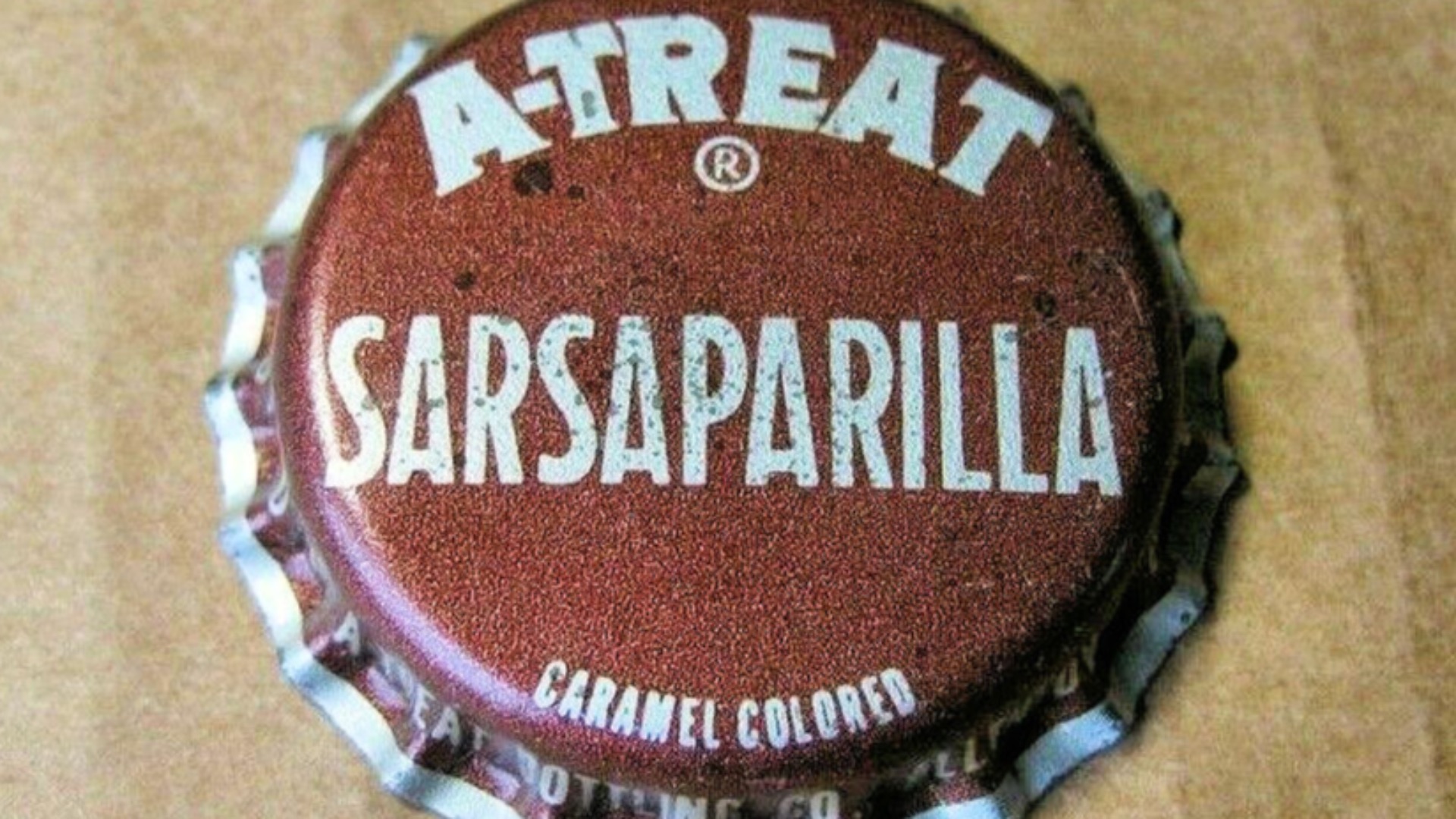
18. Sarsaparilla
Some might call Sarsaparilla old-fashioned, but it actually had a much more interesting past. In fact, during the 19th century, drinks made with sarsaparilla root were advertised as a remedy for skin conditions and even deemed to be a "blood purification." Its reputation now lives on in root-beer-related carbonated drinks.
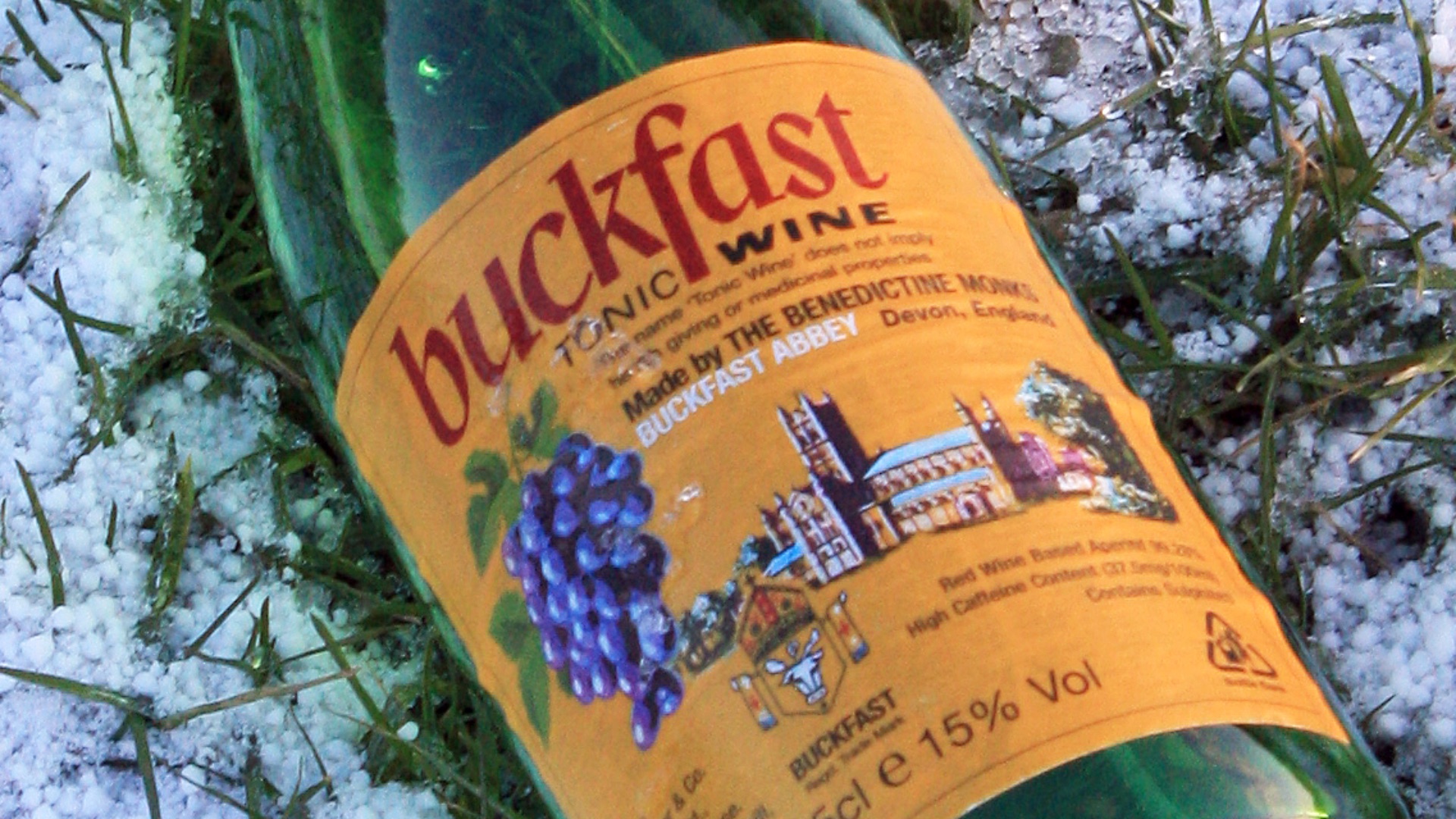
19. Buckfast Tonic Wine
Adding to the list of 19th-century drinks, Buckfast Tonic Wine was produced by Benedictine monks at Buckfast Abbey, where the early recipe was far more medicinal than the caffeinated wine it would later become better known as. When it was still being sold as medicine, it even had a famous slogan: "Three small glasses a day, for good health and lively blood."
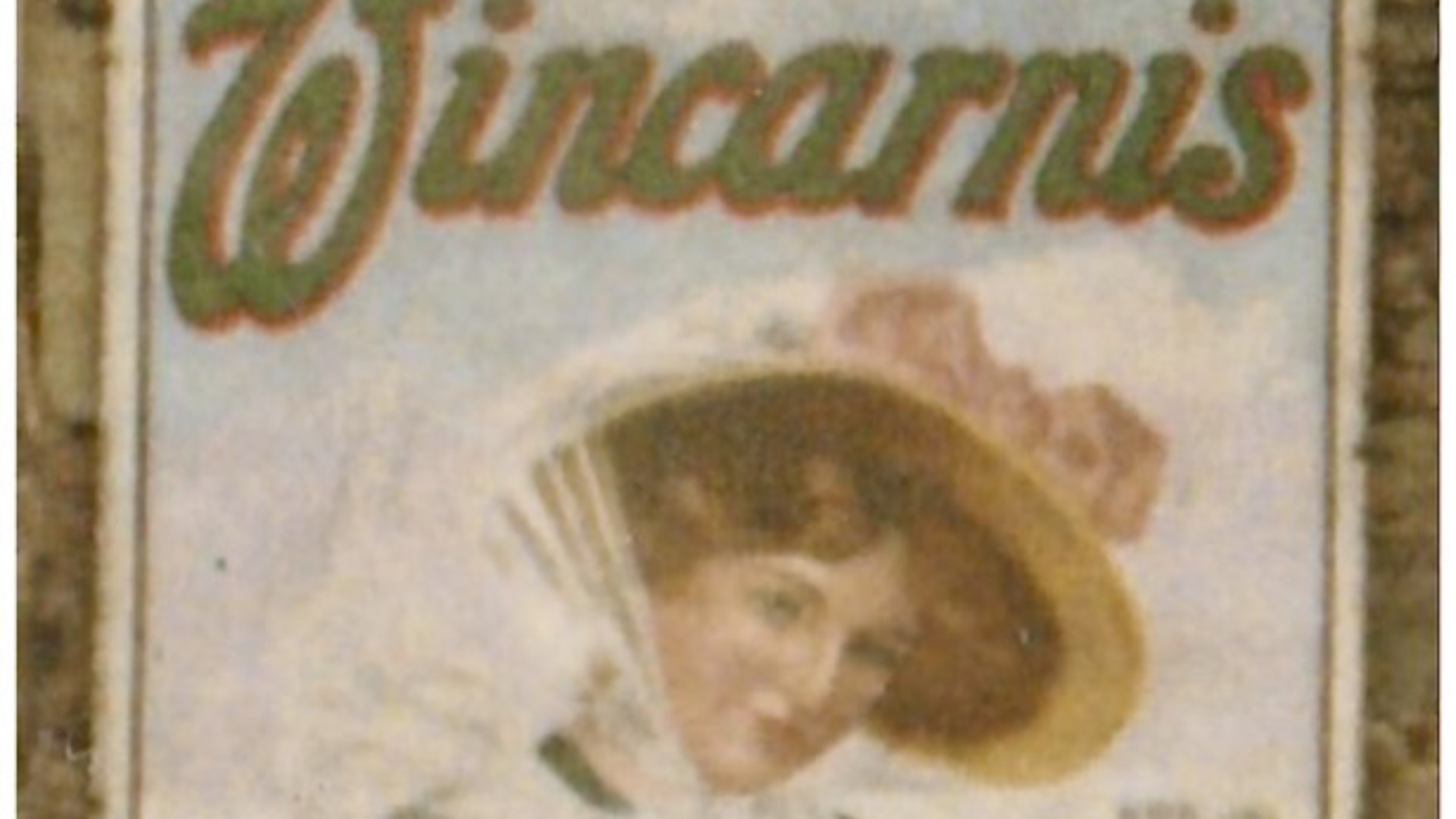
20. Wincarnis
Originally made with port, malt, and meat extract, this British tonic wine was advertised as a powerful restorative and, like many on this list, was listed as an alcoholic tonic people could use for self-treatment. Obviously, it was later debated whether these tonic wines offered any meaningful medical benefits at all (the answer: probably not).
KEEP ON READING

The 5 Most Consumed Foods in the Entire World