From Apothecary To Pantry
Almost everything sitting in a spice rack or produce drawer used to sit in an apothecary instead, back when there wasn't much of a line between the two. Doctors, healers, and just about every grandmother going back a few centuries reached for the same handful of foods long before pharmacies existed. Some of those old uses turned out to have real chemistry behind them, and some were closer to hope than science. Either way, the food didn't change, just the shelf it sits on. Here's 20 everyday foods that used to double as medicine, and what people actually used them for.

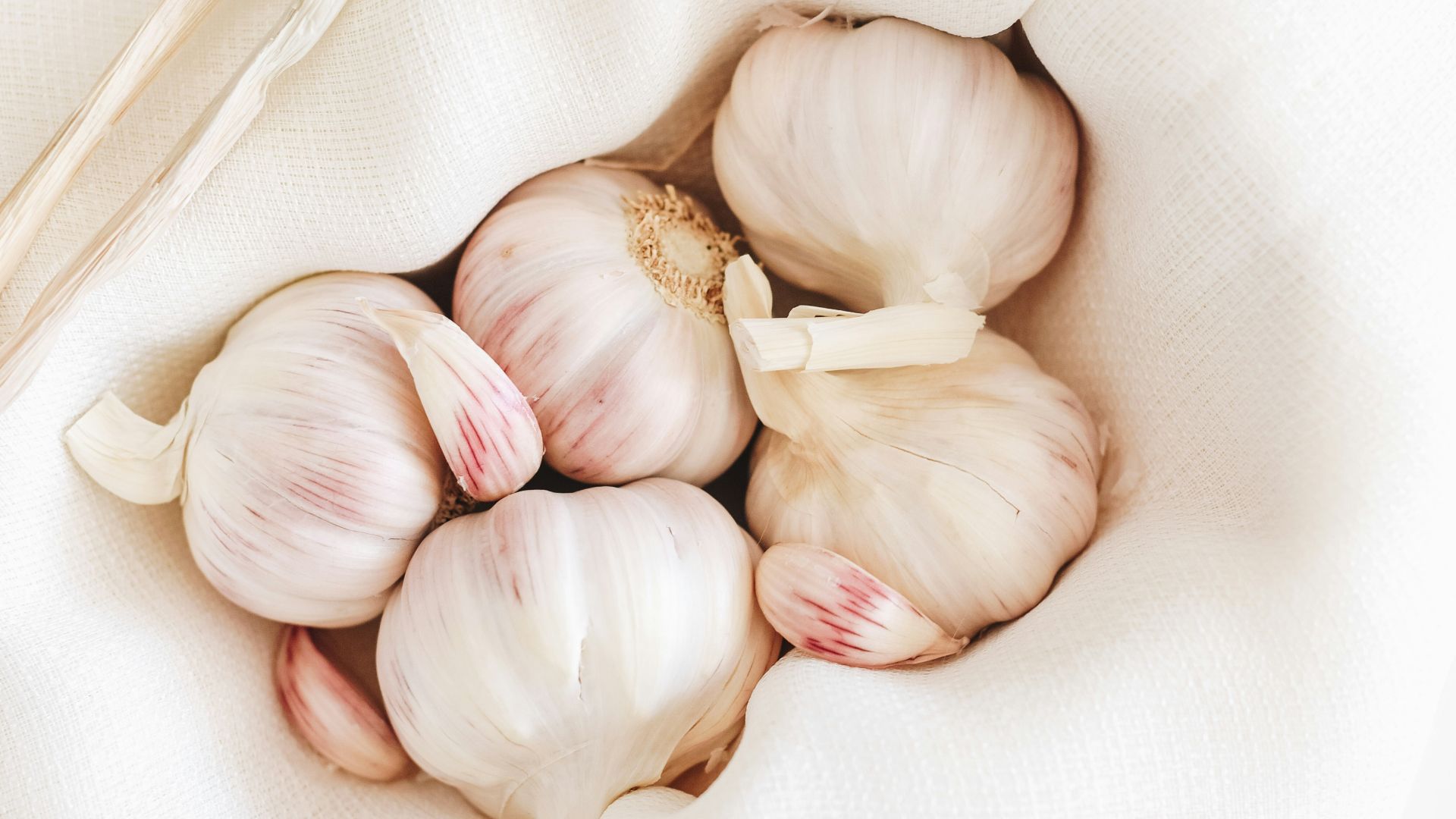
1. Garlic
Ancient Egyptian papyri list garlic as a remedy for infections and parasites, and it was fed to the laborers building the pyramids to keep them strong. During both World Wars, doctors on the front lines used crushed garlic on wounds because it has real antimicrobial properties. It's mostly a flavor base now, but the old use wasn't entirely wrong.
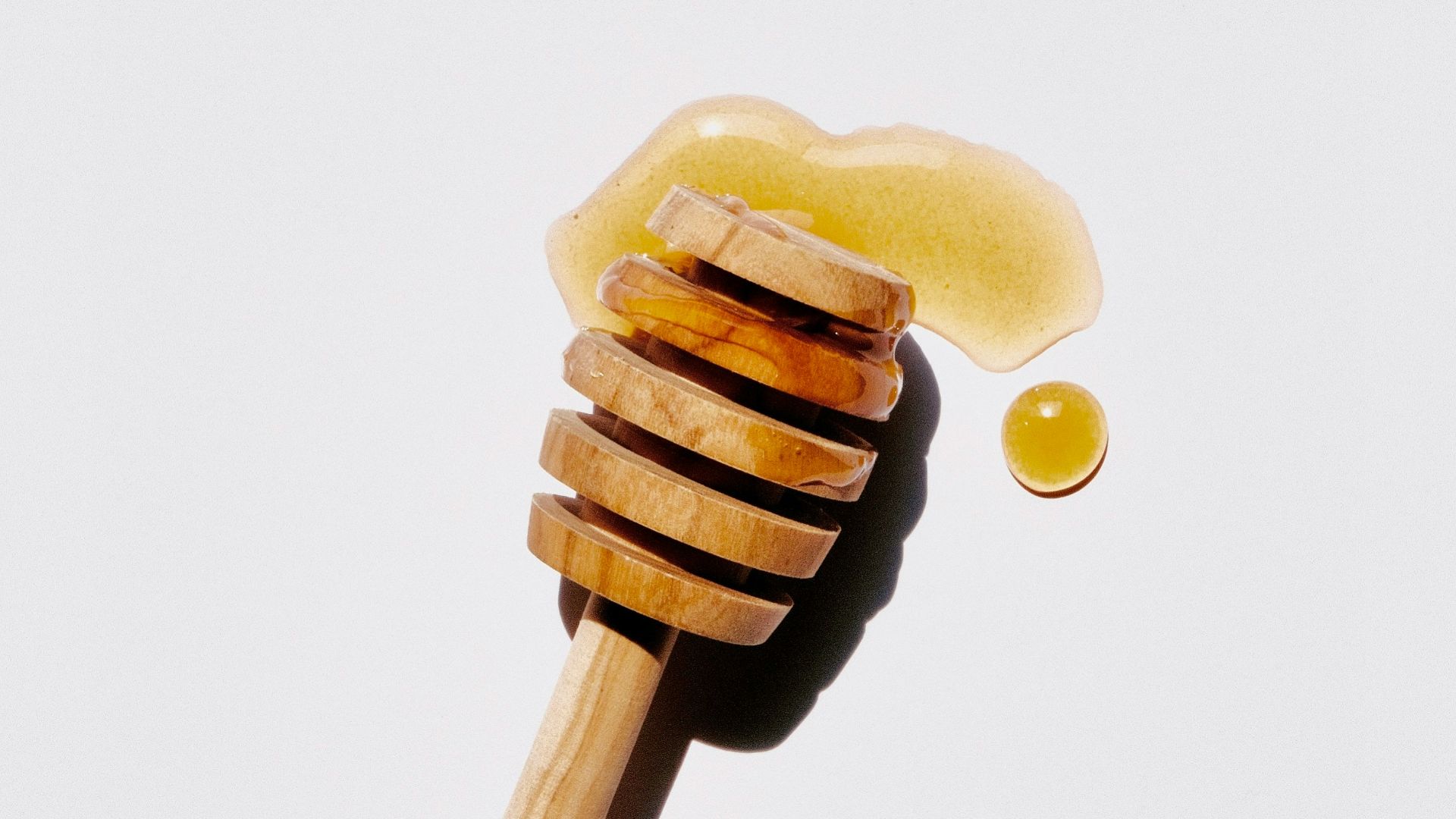
2. Honey
Honey never spoils, and ancient healers noticed that early, using it to dress wounds because it kept bacteria from growing. Egyptian medical texts describe honey mixed with other ingredients for everything from sore throats to burns. Modern hospitals still use medical-grade honey on certain wounds, so this one never fully left medicine.
3. Ginger
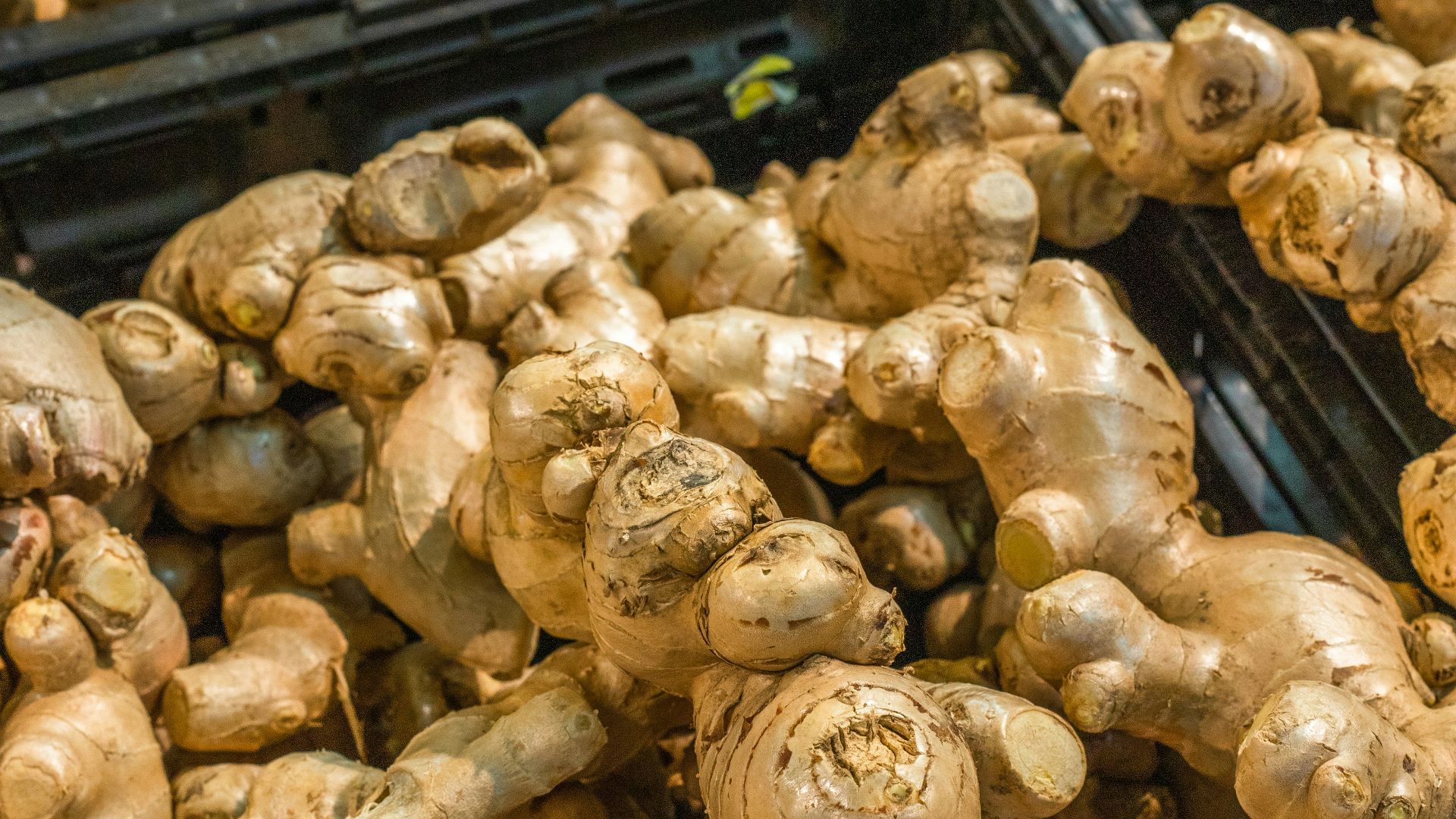
Ginger shows up in Chinese medical texts going back over two thousand years, mostly as a remedy for nausea and digestive trouble. Sailors chewed on it to fight seasickness long before anyone understood why it worked. It's still one of the few folk remedies doctors will casually recommend today.
4. Cinnamon
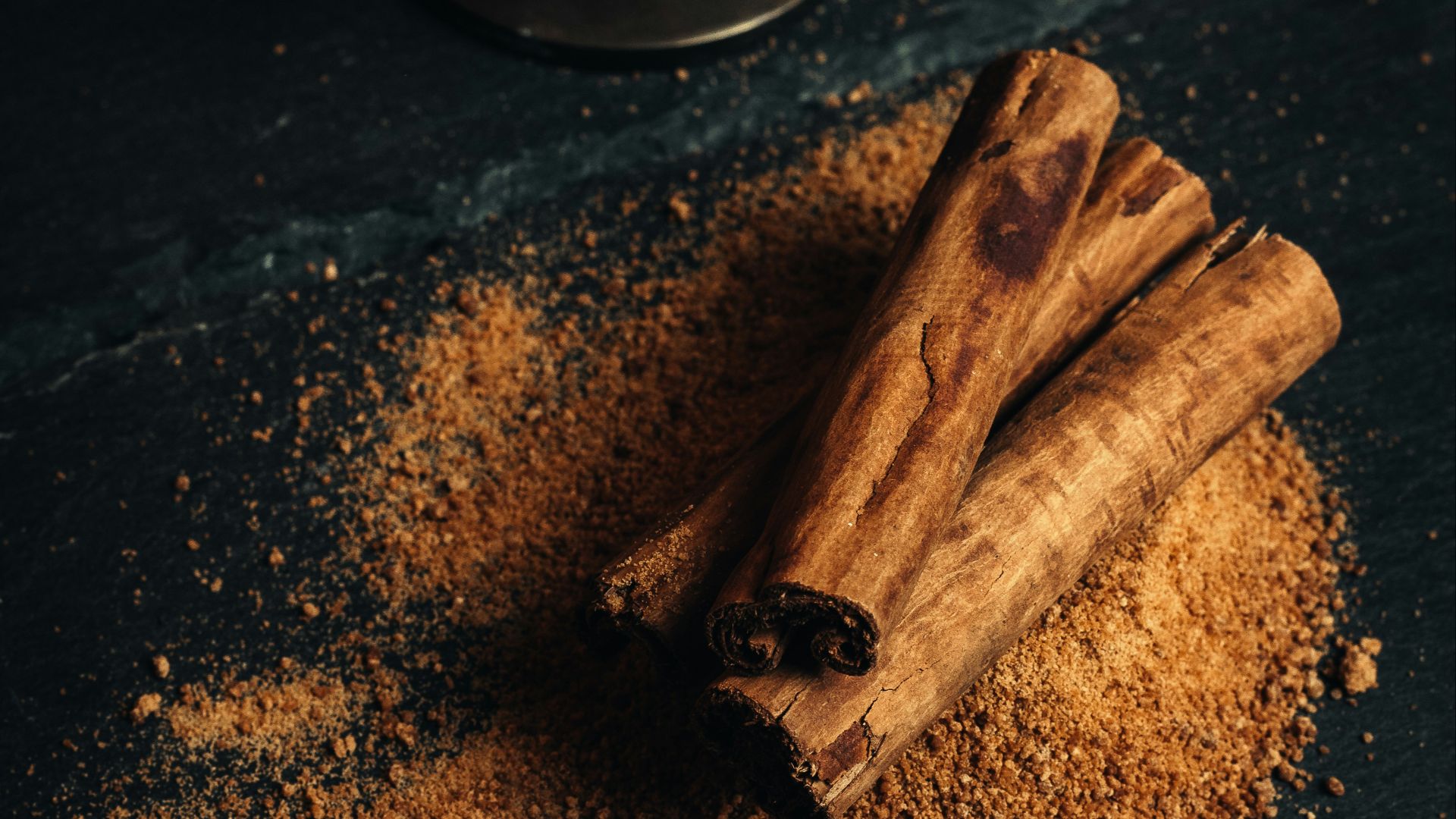
Cinnamon was once worth more than its weight in gold, partly because ancient Egyptian and Chinese healers believed it fought infection and settled the stomach. It was also used as an embalming ingredient, which says something about how seriously people took its preserving power. Today it's mostly a coffee topper, a long way from its old reputation.
5. Oatmeal
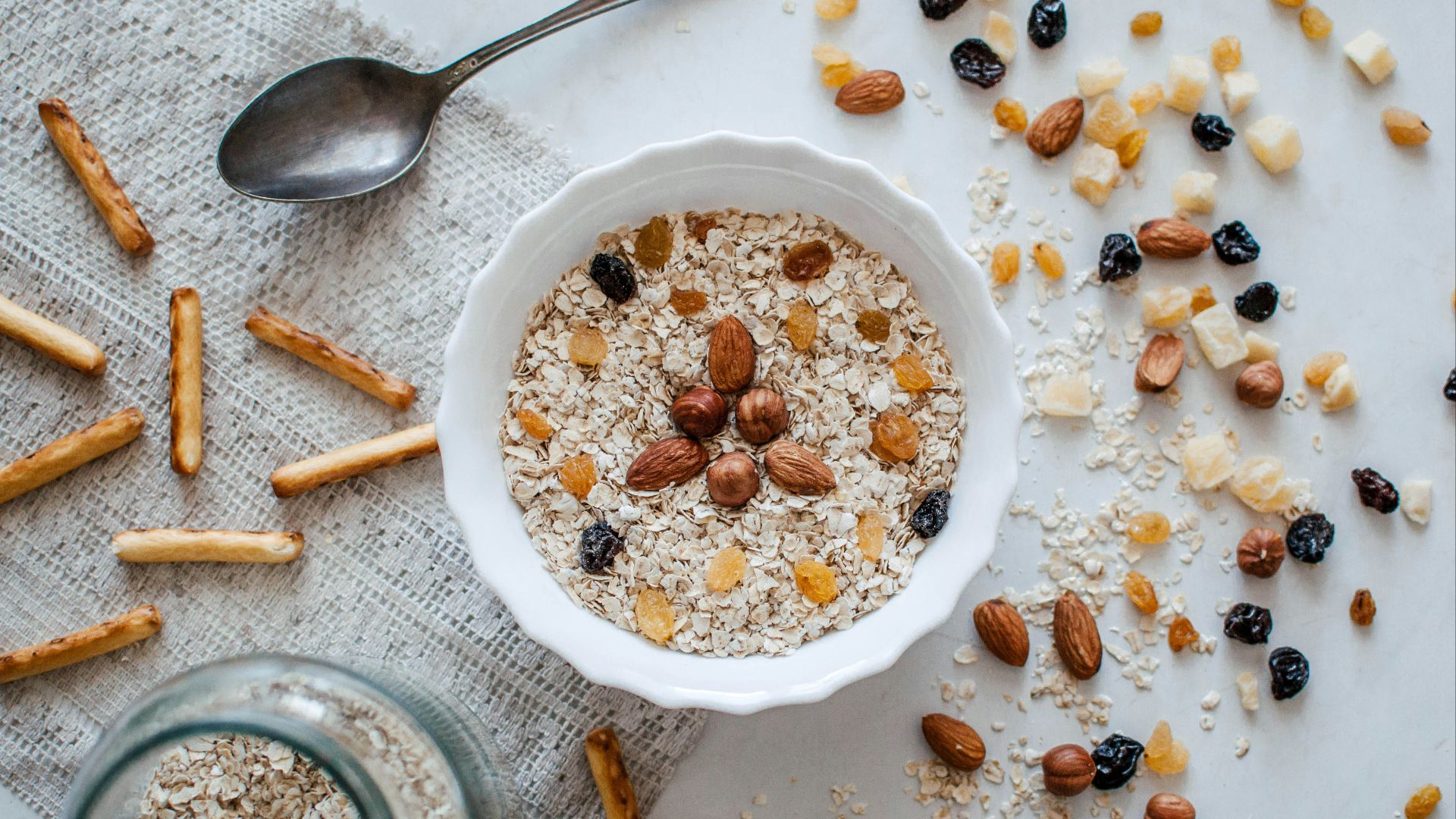
Oats have been ground into a paste and used to soothe rashes, sunburn, and itching for centuries, long before dermatology existed as a field. Roman soldiers also ate oats to fuel long marches, though that's more nutrition than medicine. Colloidal oatmeal is still an FDA-recognized skin treatment, a rare case of an old remedy sticking around officially.
6. Chicken Soup
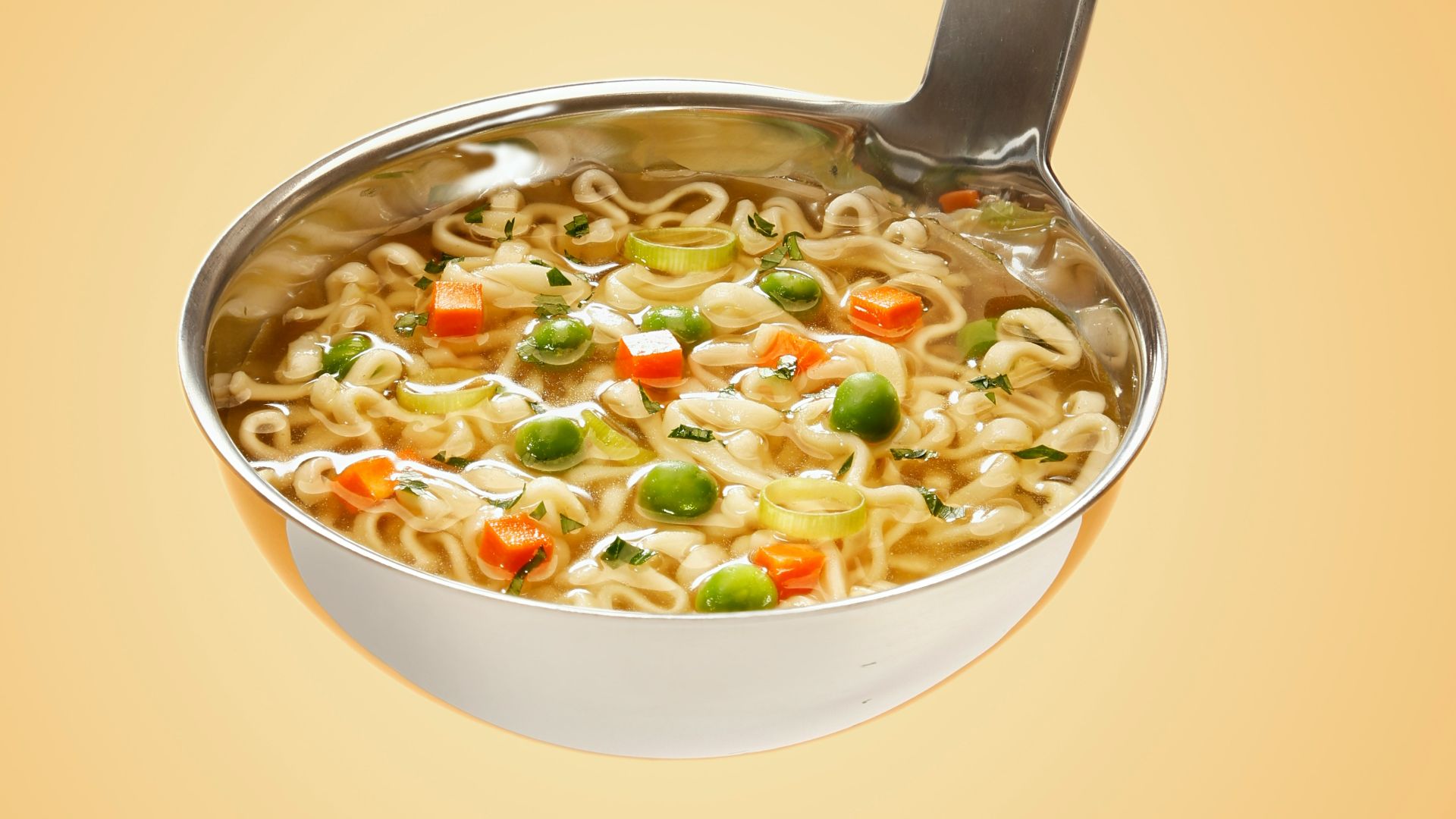
Chicken soup as a cold remedy goes back at least to medieval Jewish physicians, who prescribed it for respiratory illness centuries before germ theory existed. The nickname "Jewish penicillin" came later, but the instinct was old. Modern research has found mild anti-inflammatory effects, so grandma wasn't just being nice.
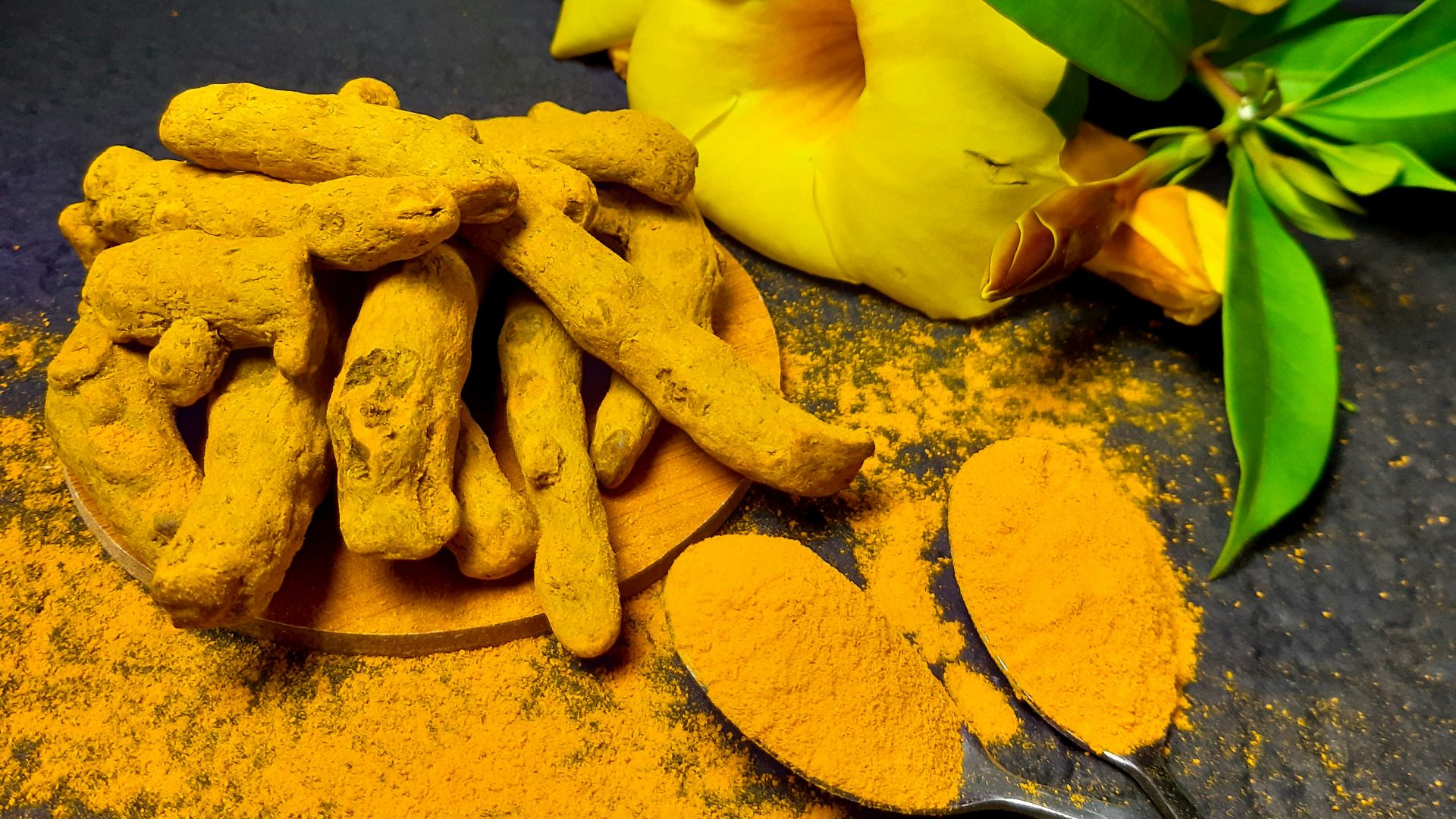
7. Turmeric
Turmeric has been central to Ayurvedic medicine in India for thousands of years, used for everything from wounds to joint pain. Curcumin, the compound responsible for its color, does have measurable anti-inflammatory properties, part of why the plant earned that reputation in the first place. It's a staple spice now, but it started as a fixture in the medicine cabinet.
8. Peppermint
Ancient Egyptians and Greeks used peppermint to calm upset stomachs, and dried peppermint leaves have turned up in Egyptian tombs. Its cooling, numbing sensation made it an obvious choice for settling digestion long before anyone knew about menthol as a compound. It's still a common recommendation for irritable bowel symptoms today.
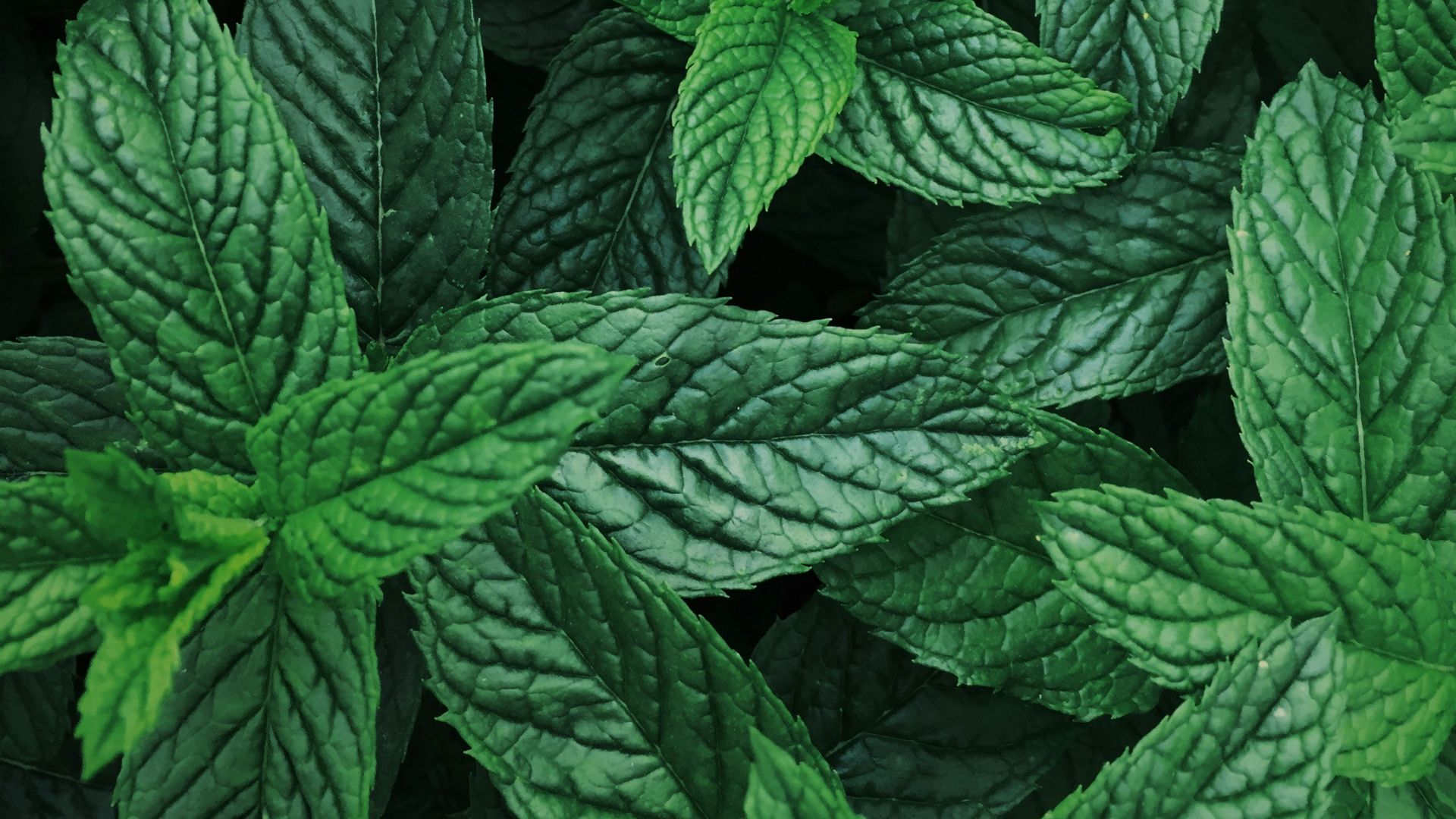 Anna Hliamshyna 💙💛 on Unsplash
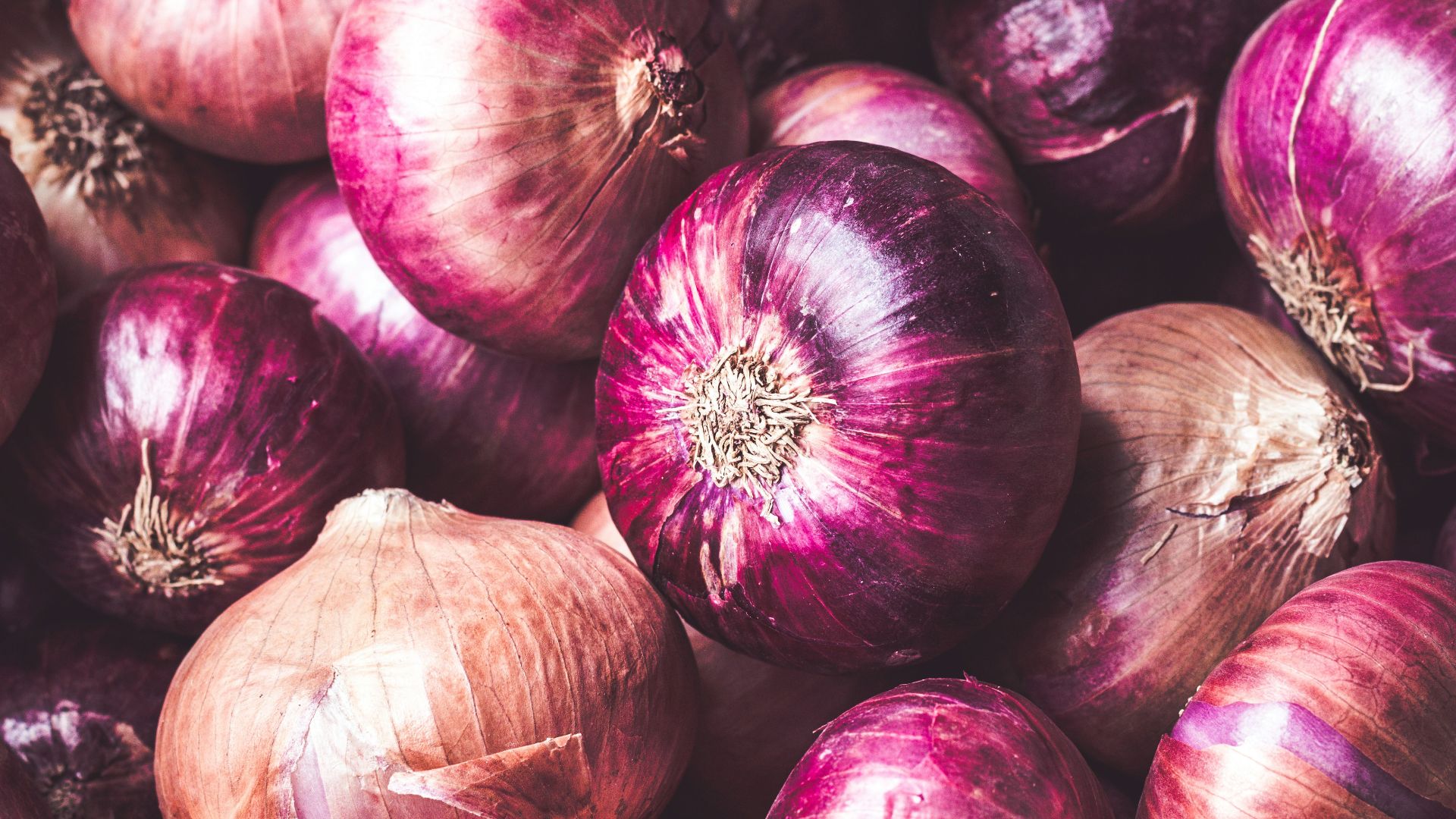
9. Onions
Onions were used across ancient cultures for wound care and warding off illness, sometimes hung in the house during outbreaks of disease. Some medieval remedies called for placing a cut onion by a sickbed, on the belief it would absorb bad air. It sounds like superstition, but onions do have mild antibacterial compounds that made the instinct partly reasonable.
10. Cranberries
Native American tribes used cranberries for wound treatment and, more famously, for urinary tract infections, long before European settlers arrived. That specific use turned out to have real science behind it, since compounds in cranberries make it harder for certain bacteria to stick to the bladder wall. It's one of the rare folk remedies still recommended by doctors today.
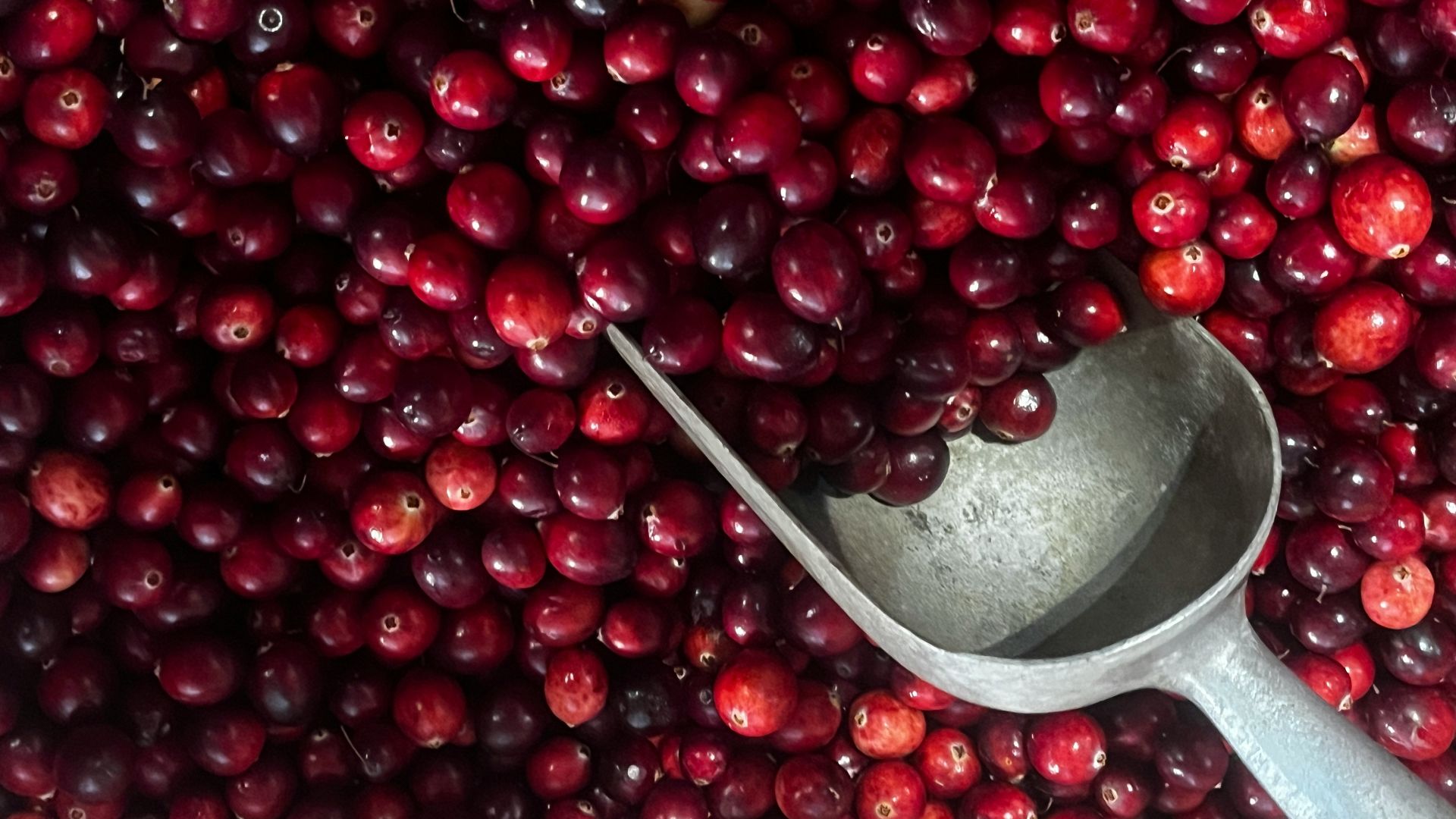 Jeannette de Beauvoir on Unsplash
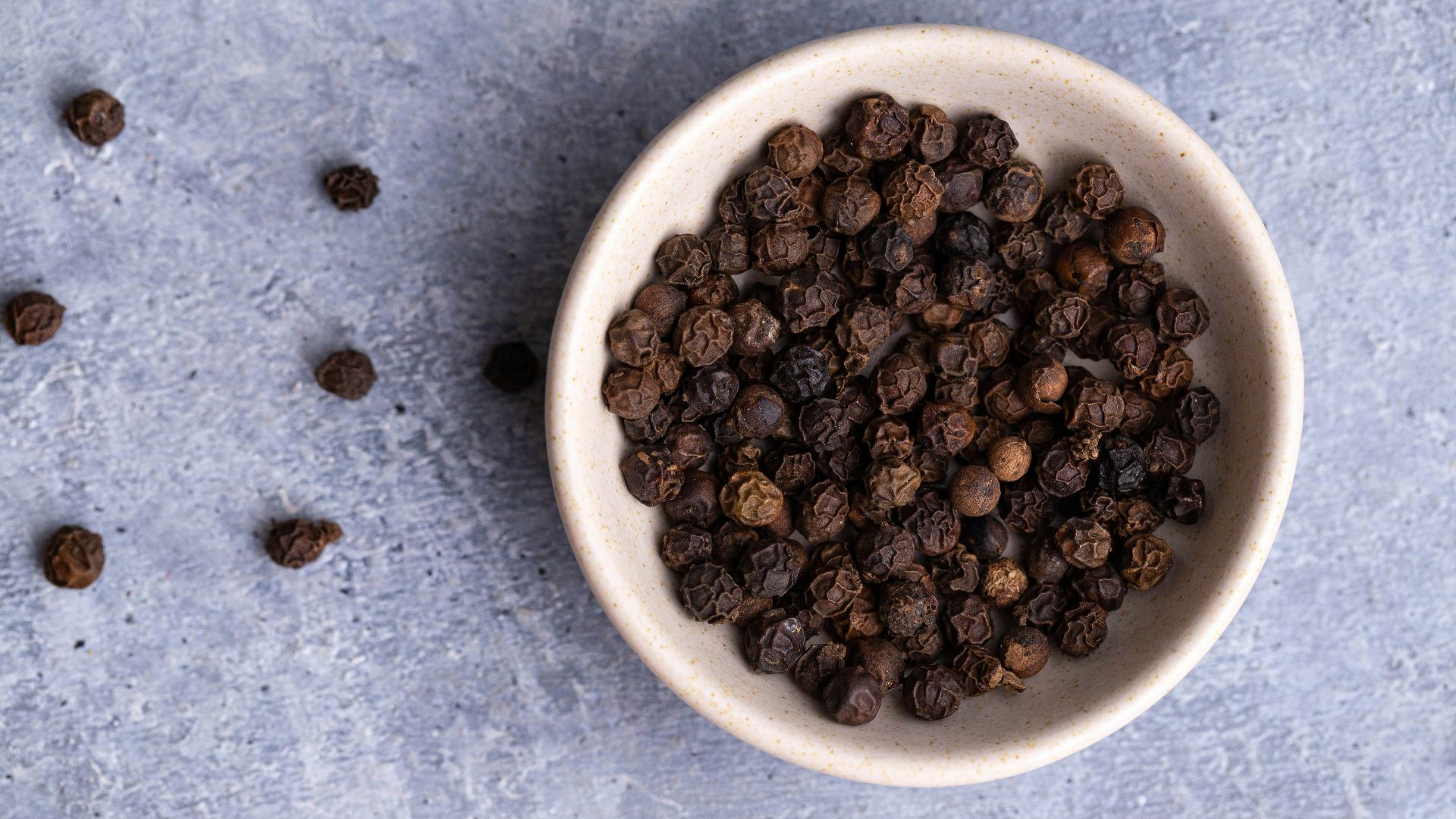
11. Black Pepper
Ancient Ayurvedic and Greek medicine used black pepper as a digestive stimulant and a way to help other remedies absorb better in the body. Its preserving power also made it valuable for keeping meat edible longer before refrigeration existed. Modern research has confirmed it can boost the absorption of certain compounds, including turmeric's curcumin.
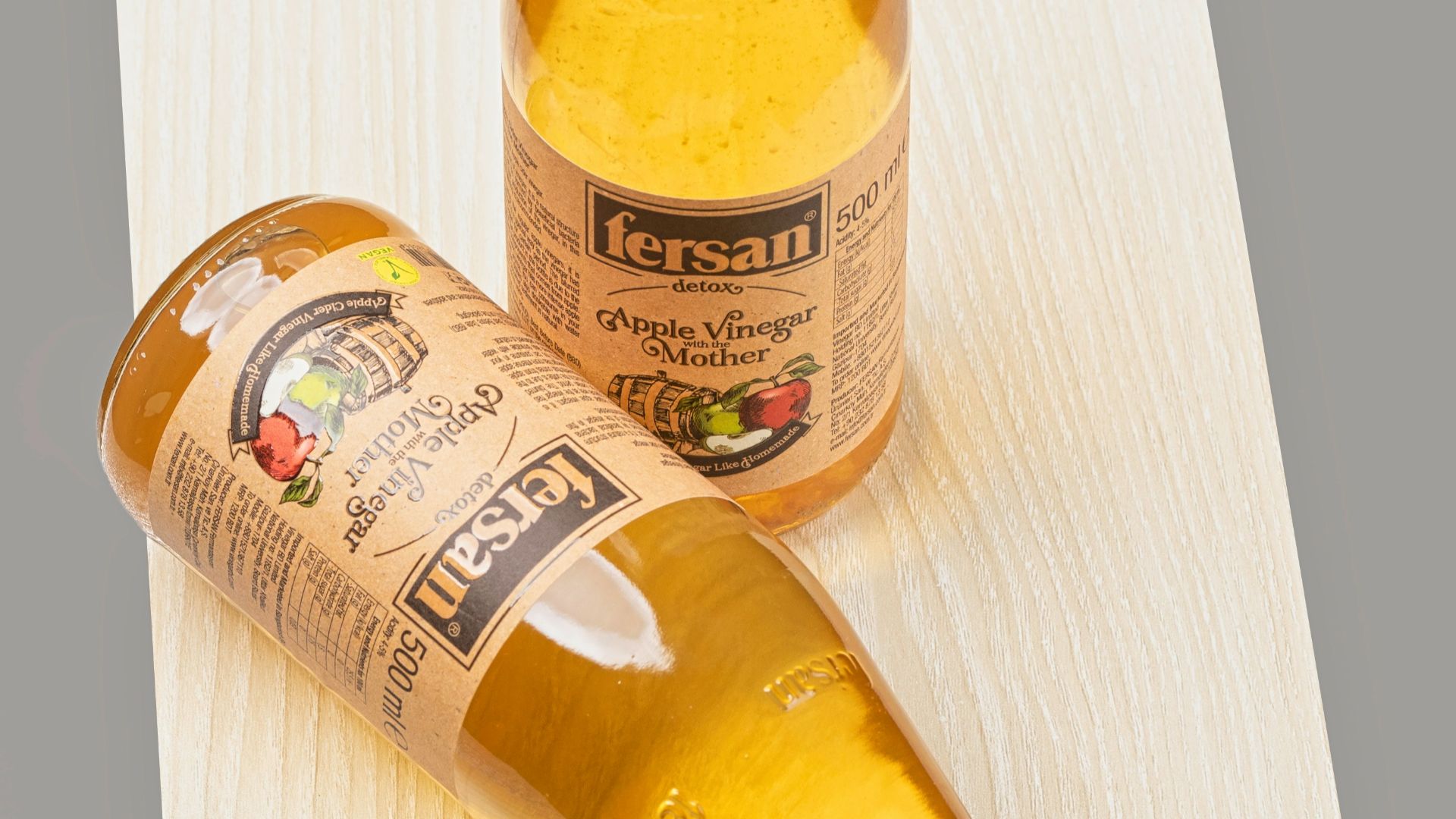
12. Vinegar
Hippocrates prescribed vinegar for wounds and infections around 400 BCE, and it stayed a go-to antiseptic for centuries afterward. Its acidity genuinely does kill some bacteria, which is why it worked as a rough field remedy before modern antiseptics existed. Now it mostly shows up in salad dressing, though the occasional home remedy for sore throats hasn't disappeared.
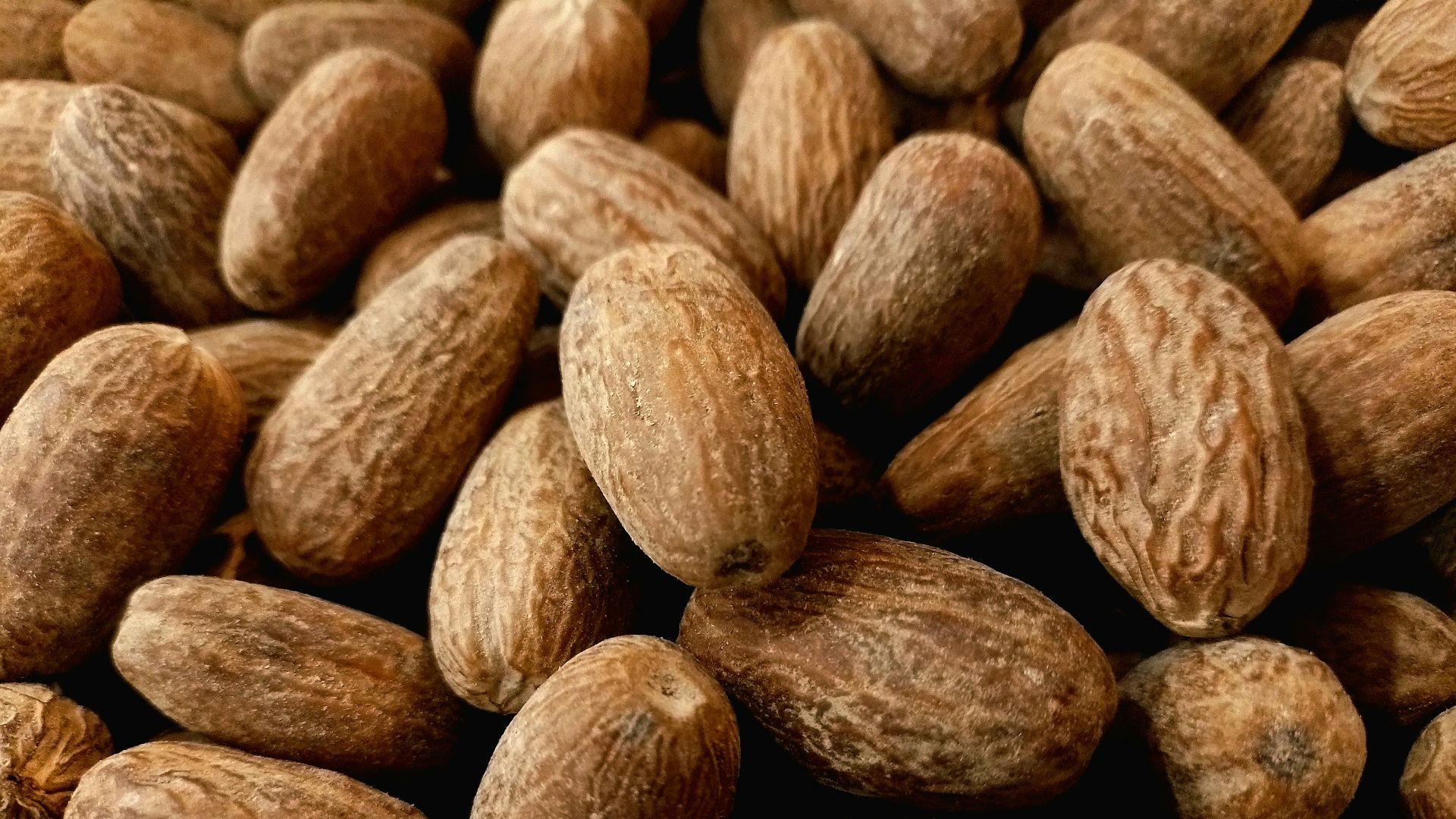
13. Nutmeg
In small doses, nutmeg was historically used as a digestive aid and sleep remedy, and it was carried during plague outbreaks as a supposed protective charm. In larger doses it's actually mildly psychoactive, which explains some of its odder historical reputation. These days it's confined to holiday baking, for good reason.
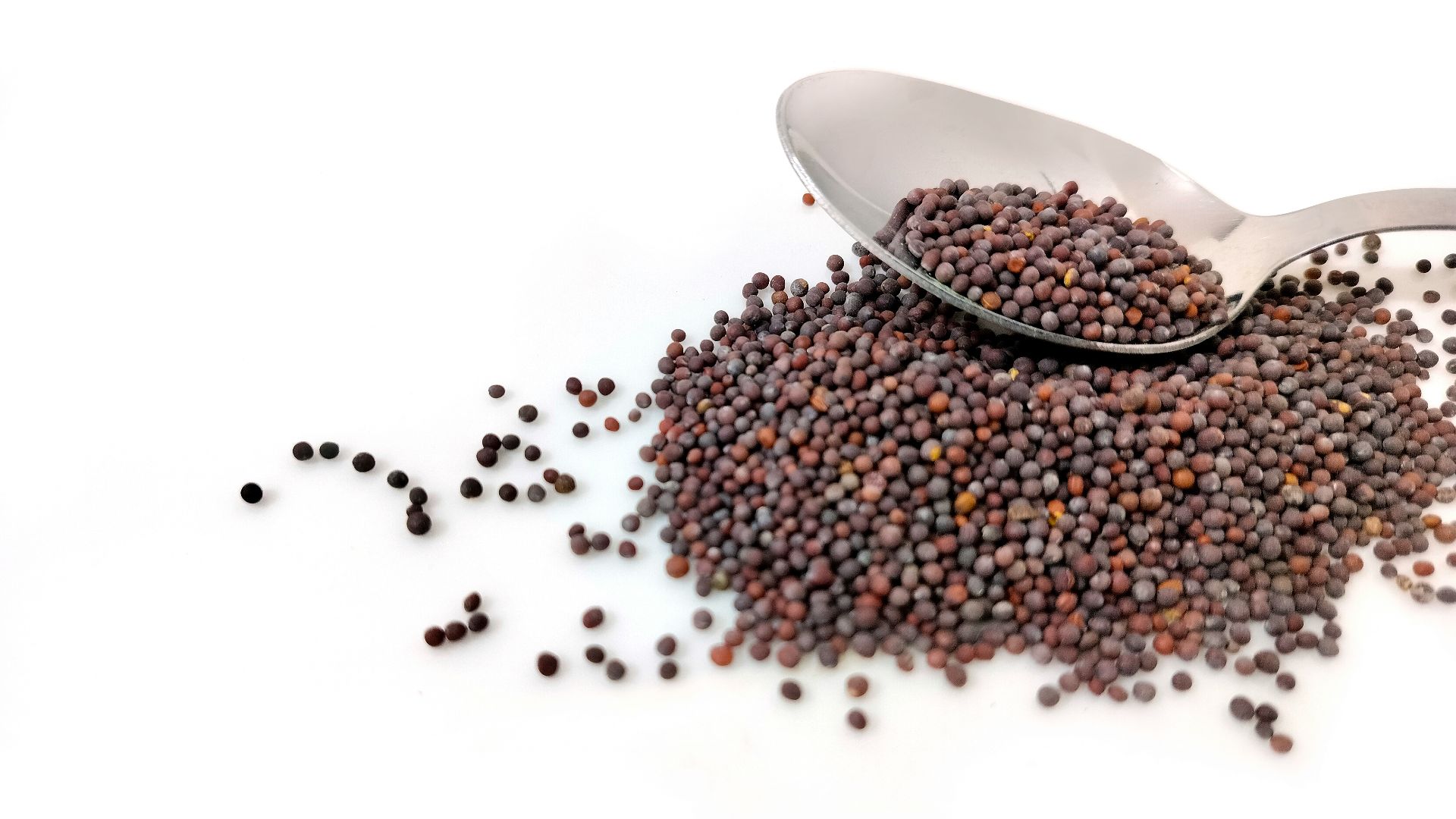
14. Mustard
Mustard plasters, a paste of mustard seed spread on the chest, were a common home remedy for congestion well into the twentieth century. The compound that makes mustard sharp also creates a warming sensation on skin that people mistook for healing power. It's mostly a condiment now, but the plaster tradition lasted a surprisingly long time.
15. Lemons and Limes
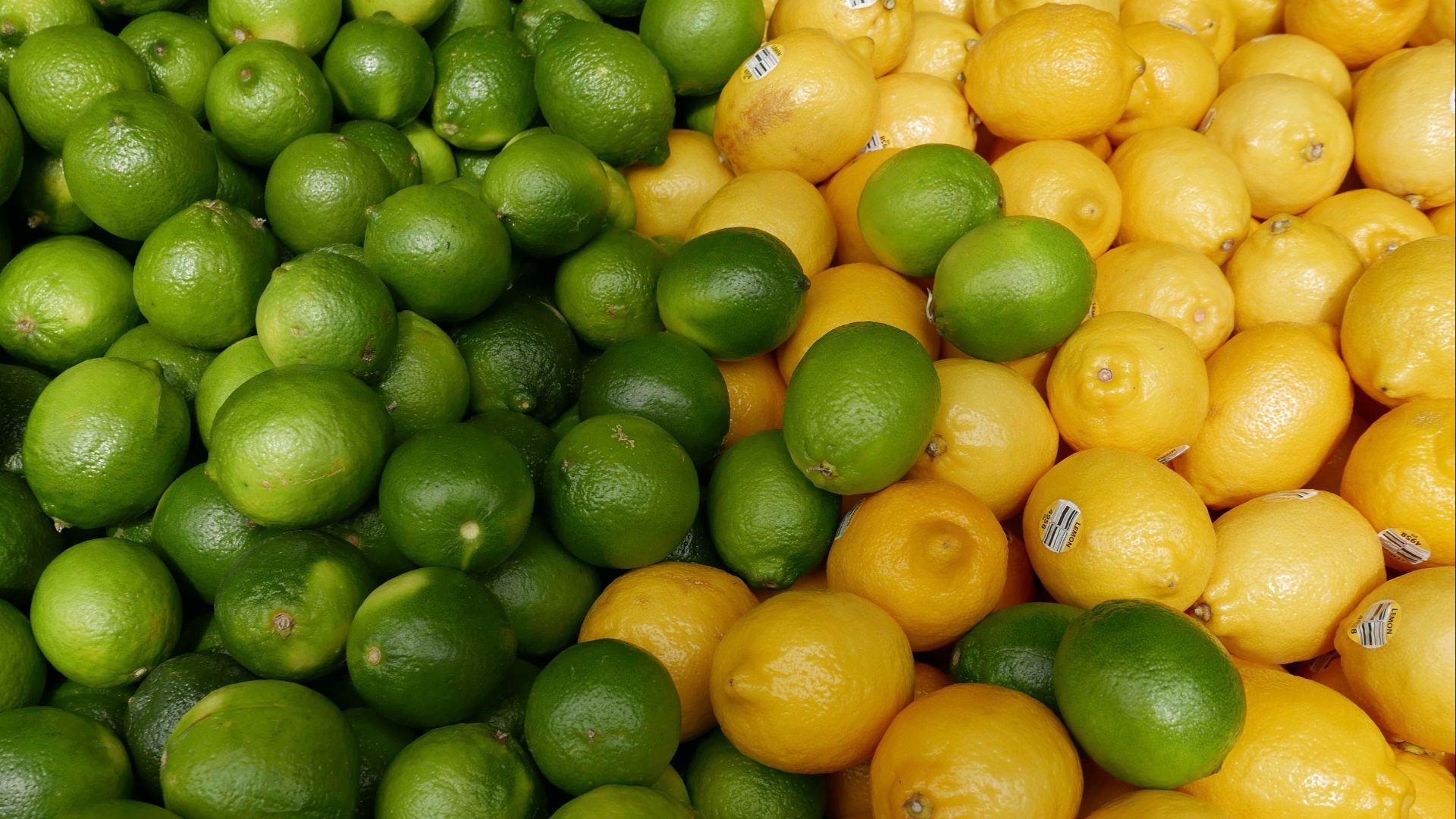
British sailors were given citrus rations after physicians in the 1700s realized it prevented scurvy, a disease that had killed more sailors than combat for centuries. That's actually where the nickname "limey" comes from. It's one of the clearest cases of an everyday food solving a genuine medical crisis, backed by real evidence.
16. Parsley
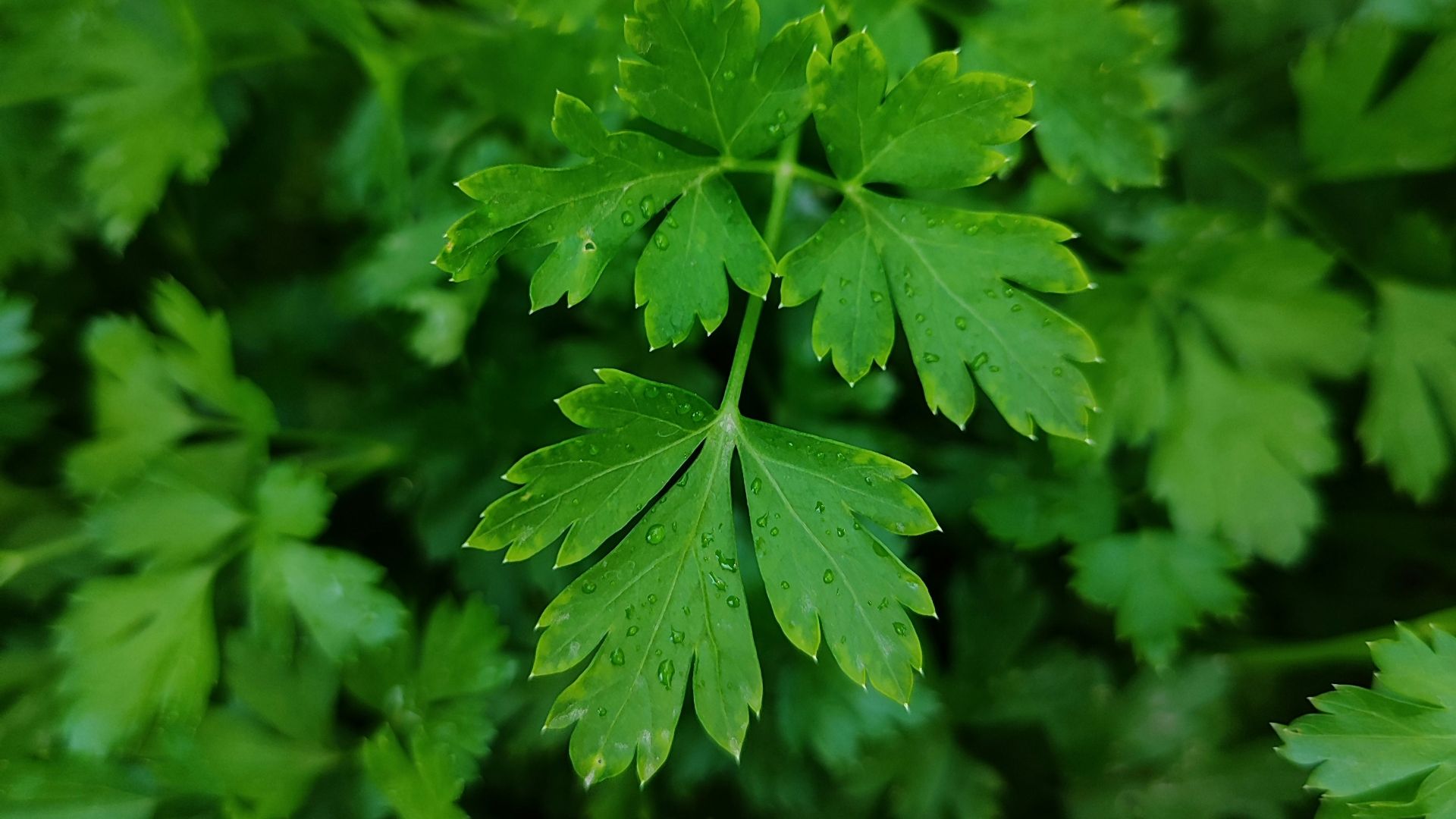
Ancient Greek and Roman physicians used parsley as a diuretic and digestive aid, and it also had a reputation for freshening breath after strong food or medicine. It's mostly a garnish today, pushed to the side of the plate more often than eaten. That's a steep fall for something once taken seriously as medicine.
17. Cloves
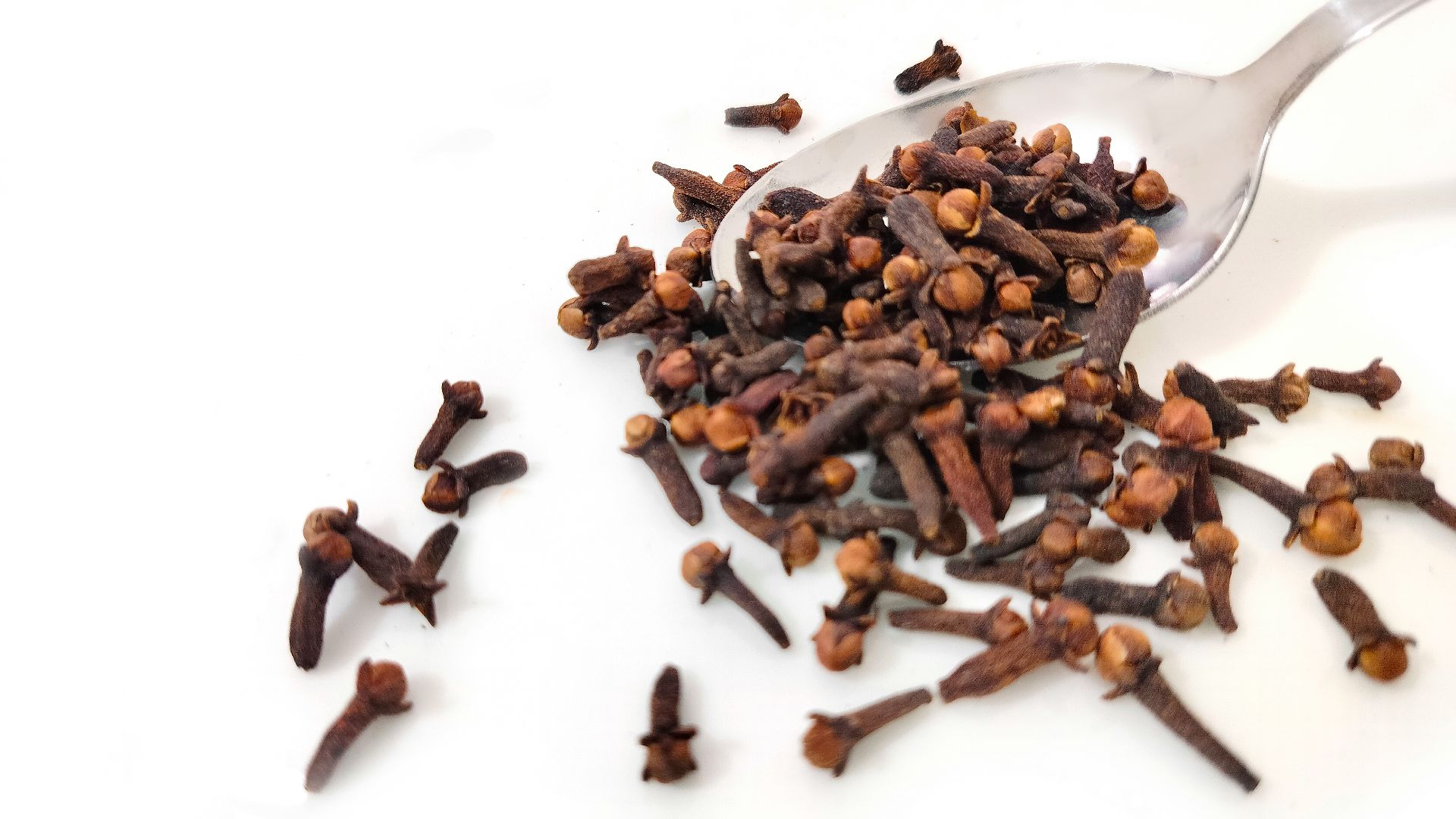
Clove oil has been used as a toothache remedy for centuries across multiple cultures, and it's not just folklore. Eugenol, the active compound in cloves, is a genuine local anesthetic, and dentists used it well into the modern era before synthetic alternatives took over. A whiff of clove oil in an old dentist's office was once completely normal.
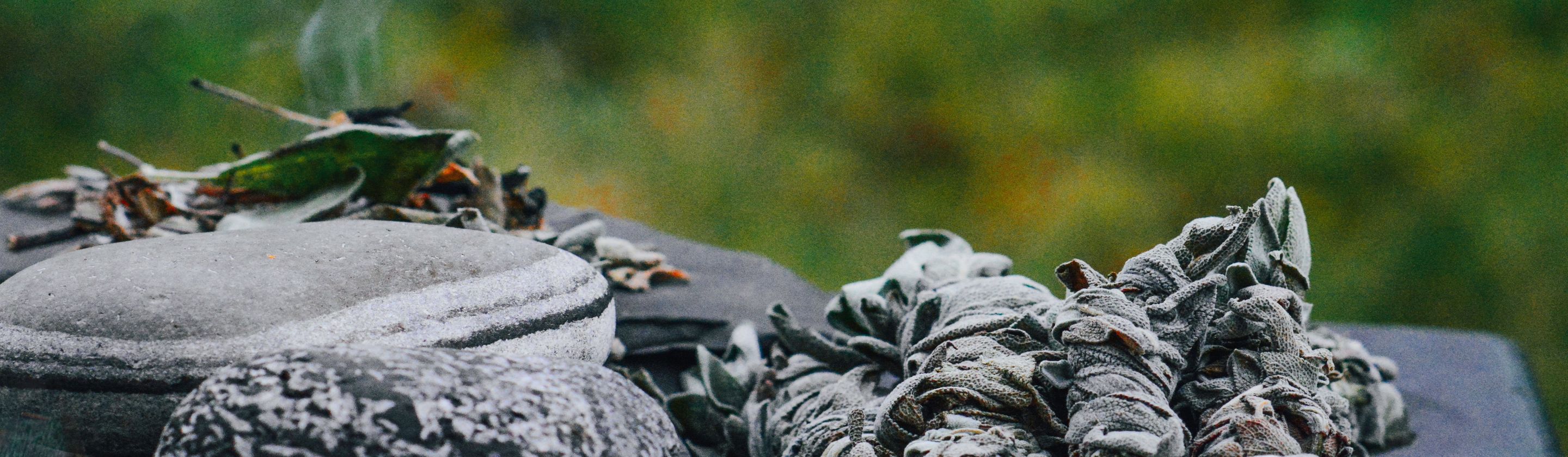
18. Sage
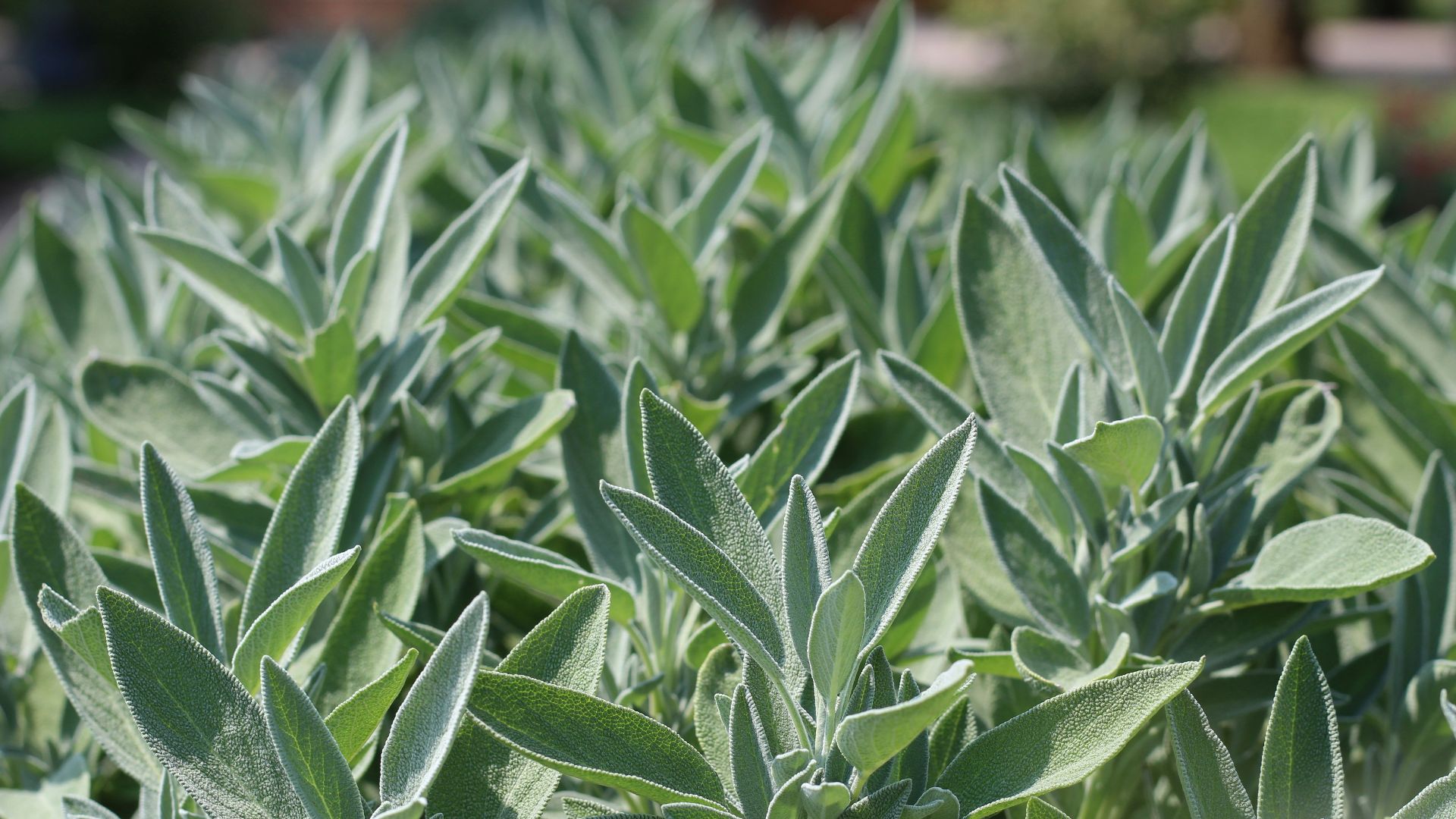
The name sage comes from the Latin word for "to heal," and ancient physicians used it for everything from sore throats to memory problems. Medieval Europeans took it seriously enough to grow specifically for medicinal use rather than cooking. Some modern research has actually looked at sage for cognitive support, oddly validating one of its oldest uses.
19. Chamomile
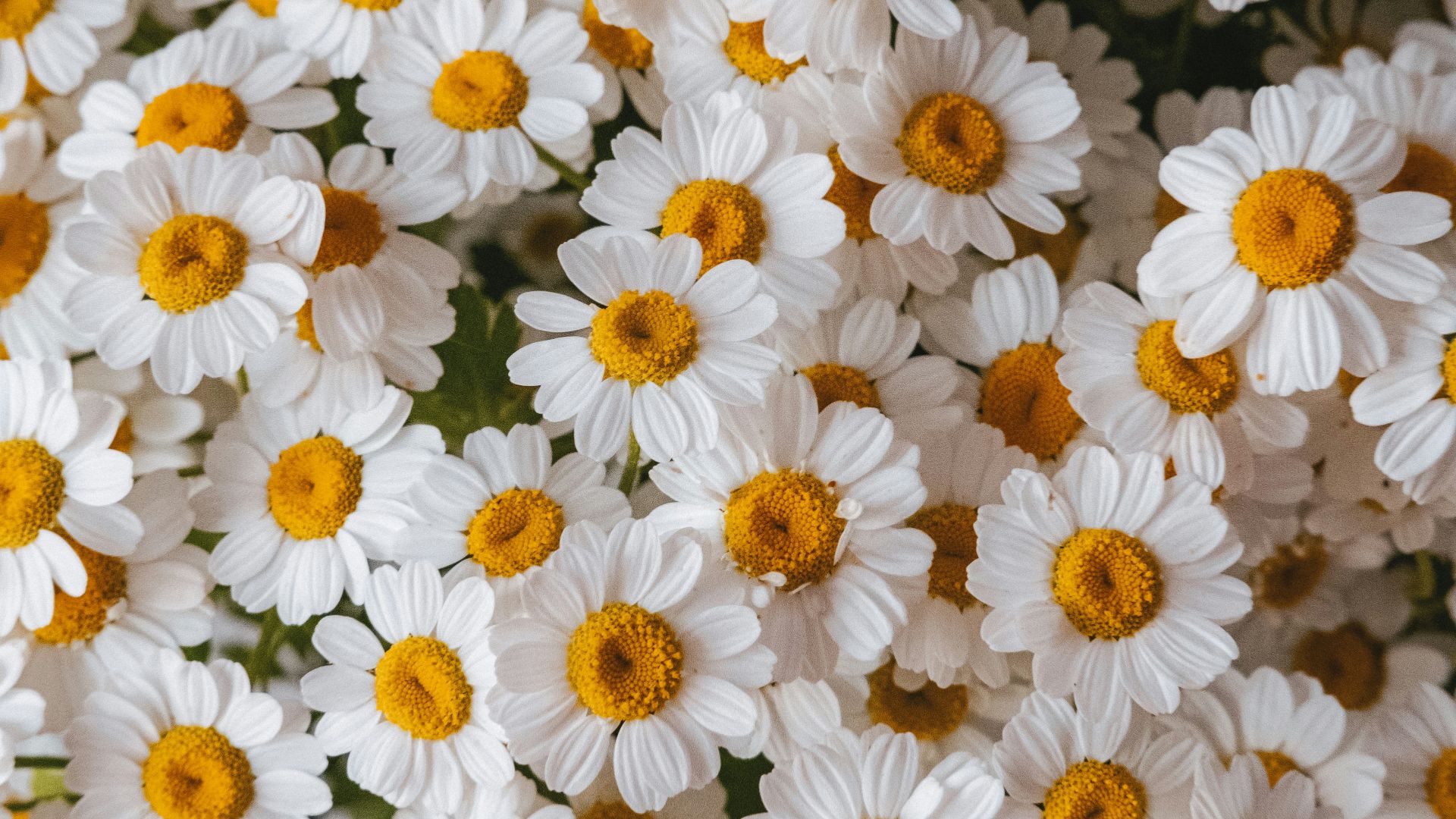
Chamomile tea has been used as a calming, digestive remedy since ancient Egypt, where it was also associated with the sun god Ra. Its mild sedative effect is real, tied to a compound that interacts with some of the same brain receptors as anti-anxiety medications. It's still one of the most common home remedies for sleep trouble today.
20. Pomegranate
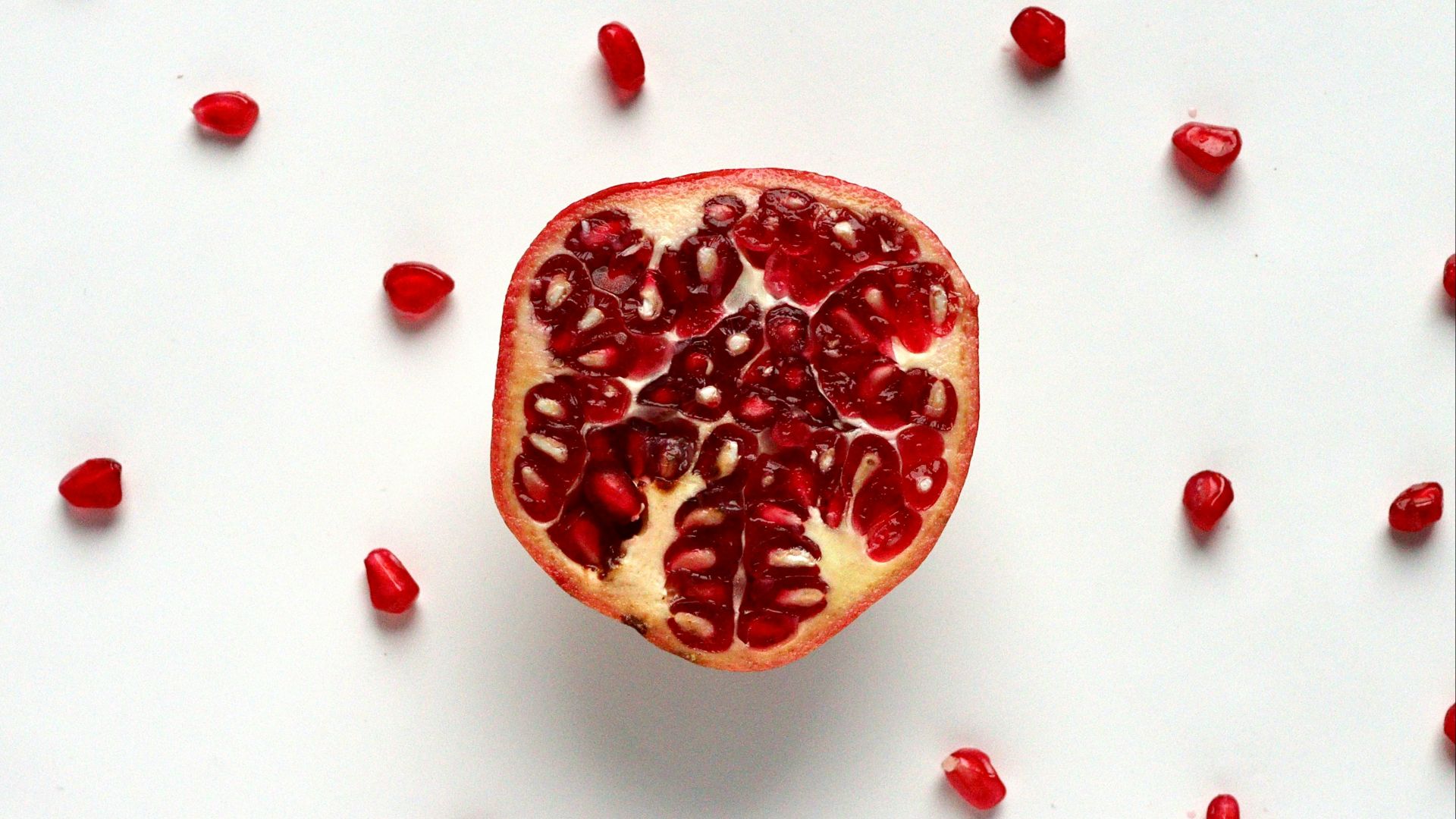
Ancient physicians in Persia, Egypt, and India used pomegranate rind and seeds to treat intestinal parasites, and the compounds involved genuinely do have anti-parasitic properties. It also shows up in some of the oldest known medical texts as a remedy for digestive complaints more broadly. Now it's mostly juice and salad topping, a long way from treating tapeworms.
KEEP ON READING