Wedding Snacks With a Plan
Food shows up in fertility customs on nearly every continent. Most of those customs attach to weddings, since a new couple was expected to start a family soon afterward. Foods with many seeds or plenty of eggs were picked often because they looked like the result people were hoping for. A few of the rituals below come from scripture or myth rather than daily practice, and we'll say so when they do. Here are 20 foods used in fertility rituals around the world.
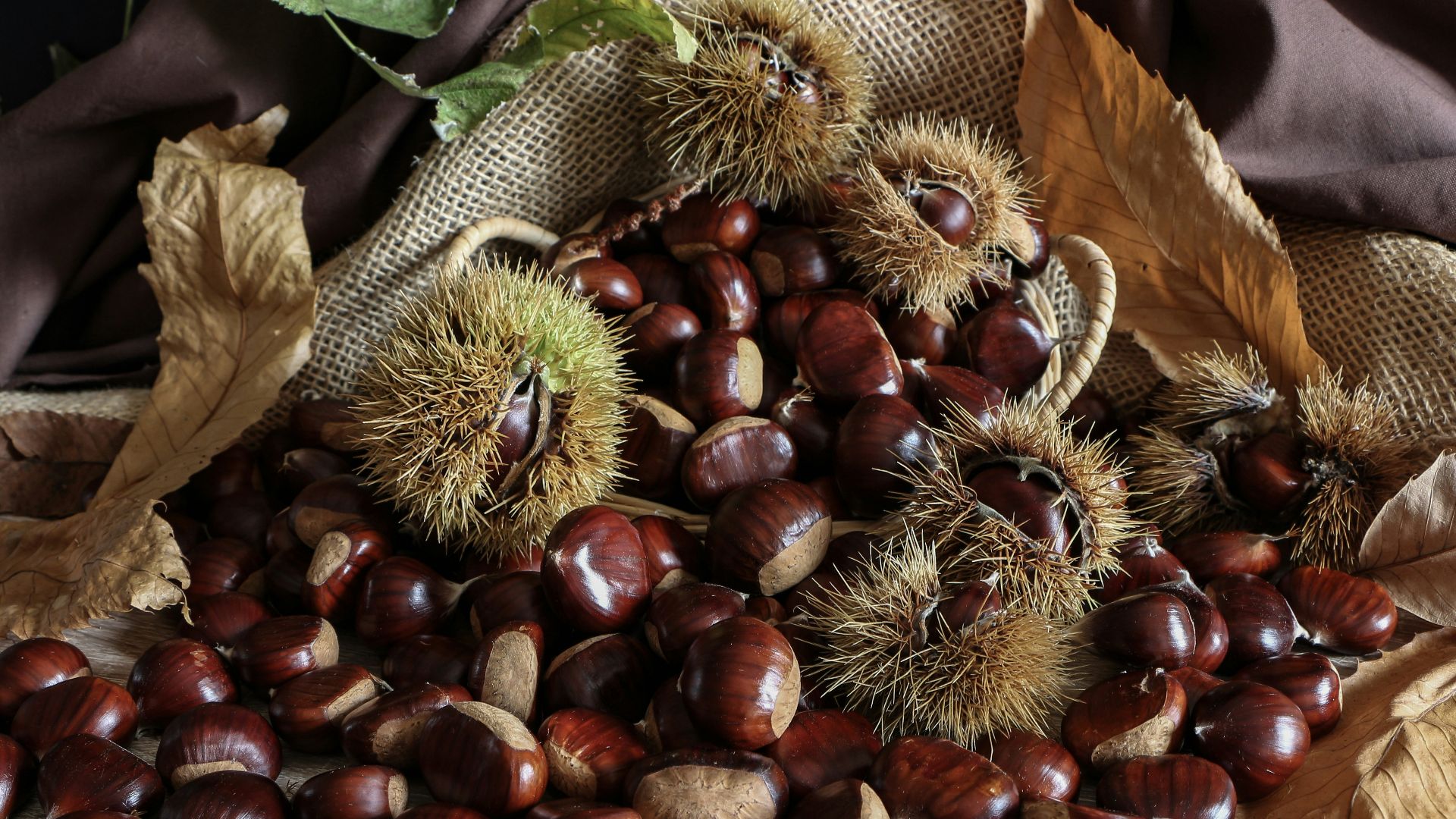
1. Jujubes and Chestnuts on a Korean Bride's Skirt
After a Korean wedding, family members toss jujubes and chestnuts toward the bride during the pyebaek ceremony, and she holds out her skirt to catch them. Pyebaek is a small family ritual held after the main ceremony, and the throwing is one of its livelier moments. The fruit and nuts represent the children the couple hopes to have.
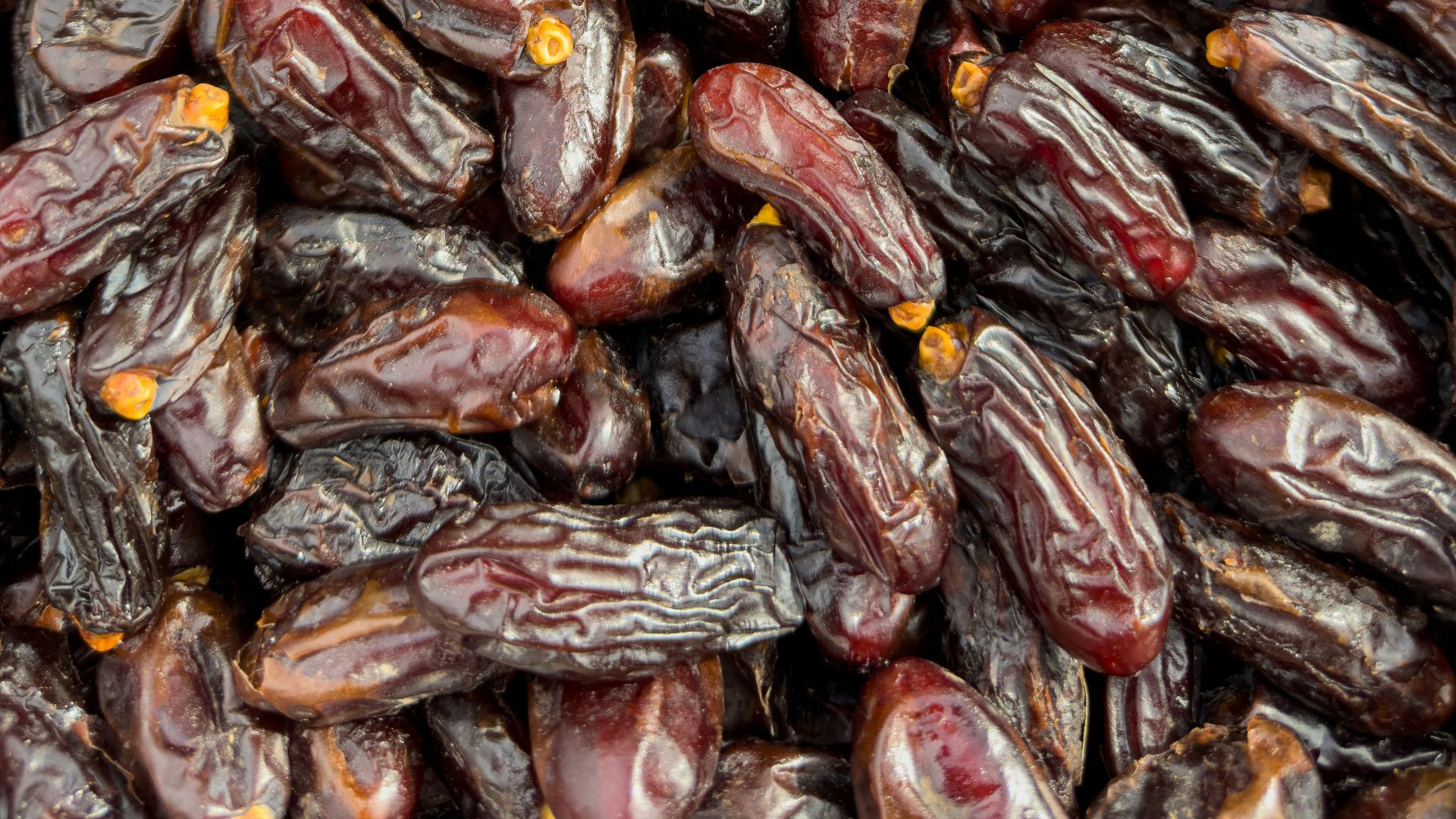
2. Dates, Peanuts, and Lotus Seeds on the Wedding Bed
Chinese couples traditionally find red dates, peanuts, longans, and lotus seeds scattered across the wedding bed. The pile is tied to a blessing, zao sheng gui zi, which wishes the couple an early birth of noble children. Dried fruit and seeds fill out the rest of the bed, and the lotus seeds carry a hope for sons arriving soon.
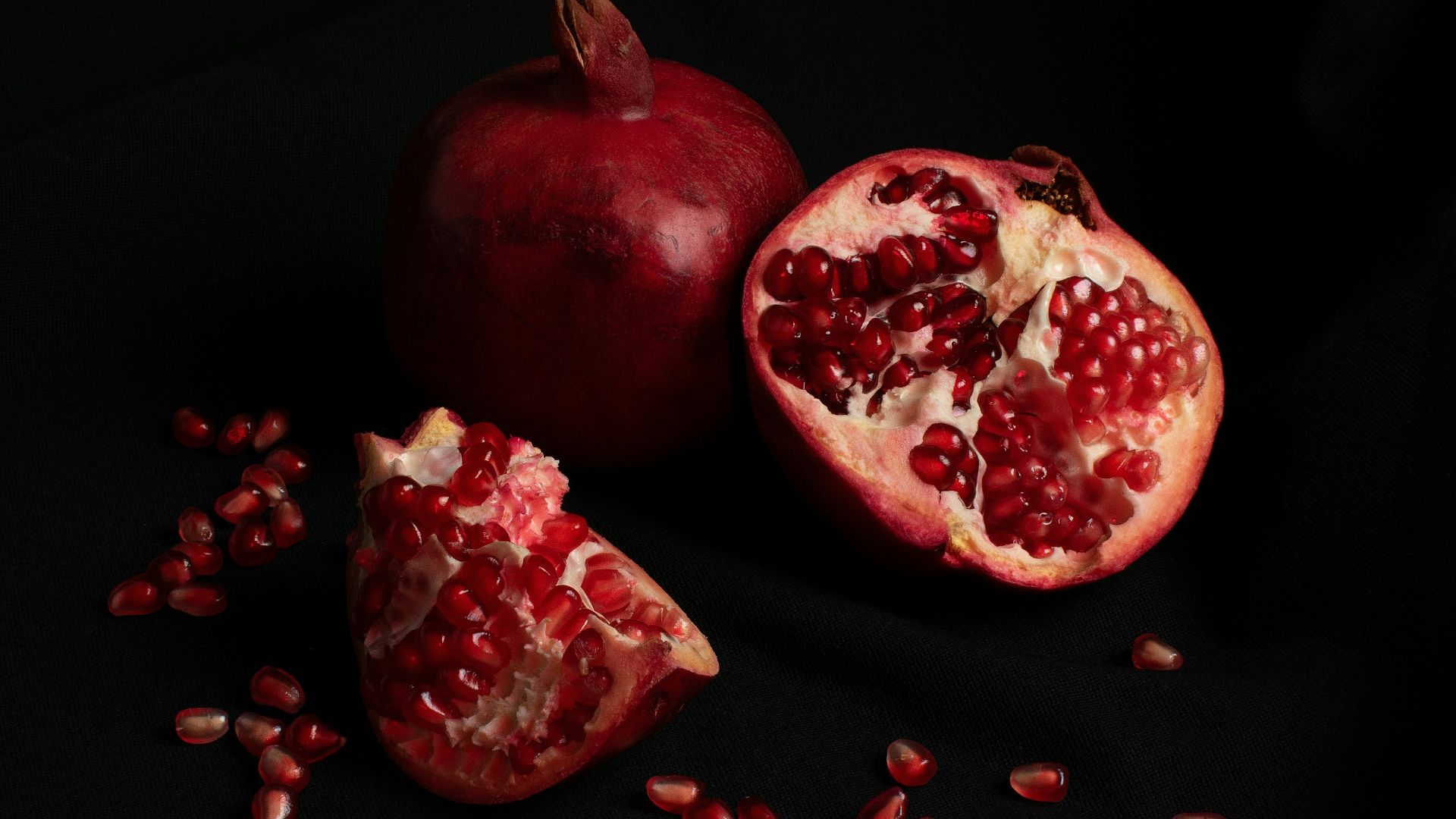
3. A Pomegranate Thrown to the Ground in Turkey
In Turkey, a bride throws a pomegranate down hard enough to burst it. The number of seeds that scatter is read as a forecast of how many children she'll have. Chinese art follows the same logic, with pictures of split-open pomegranates that wish a family as many children as there are seeds.
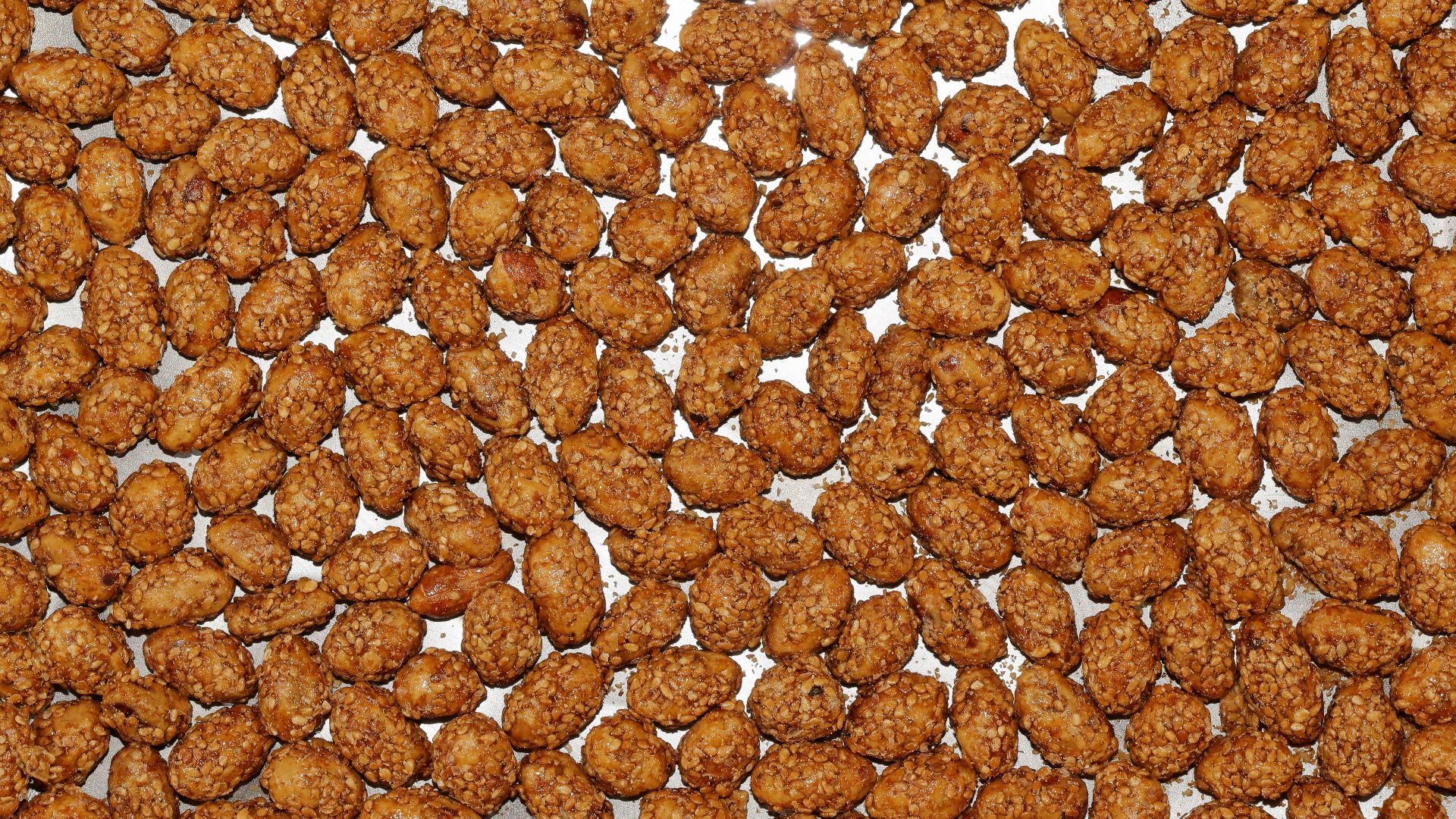
4. Sugared Almonds Handed Out in Italy
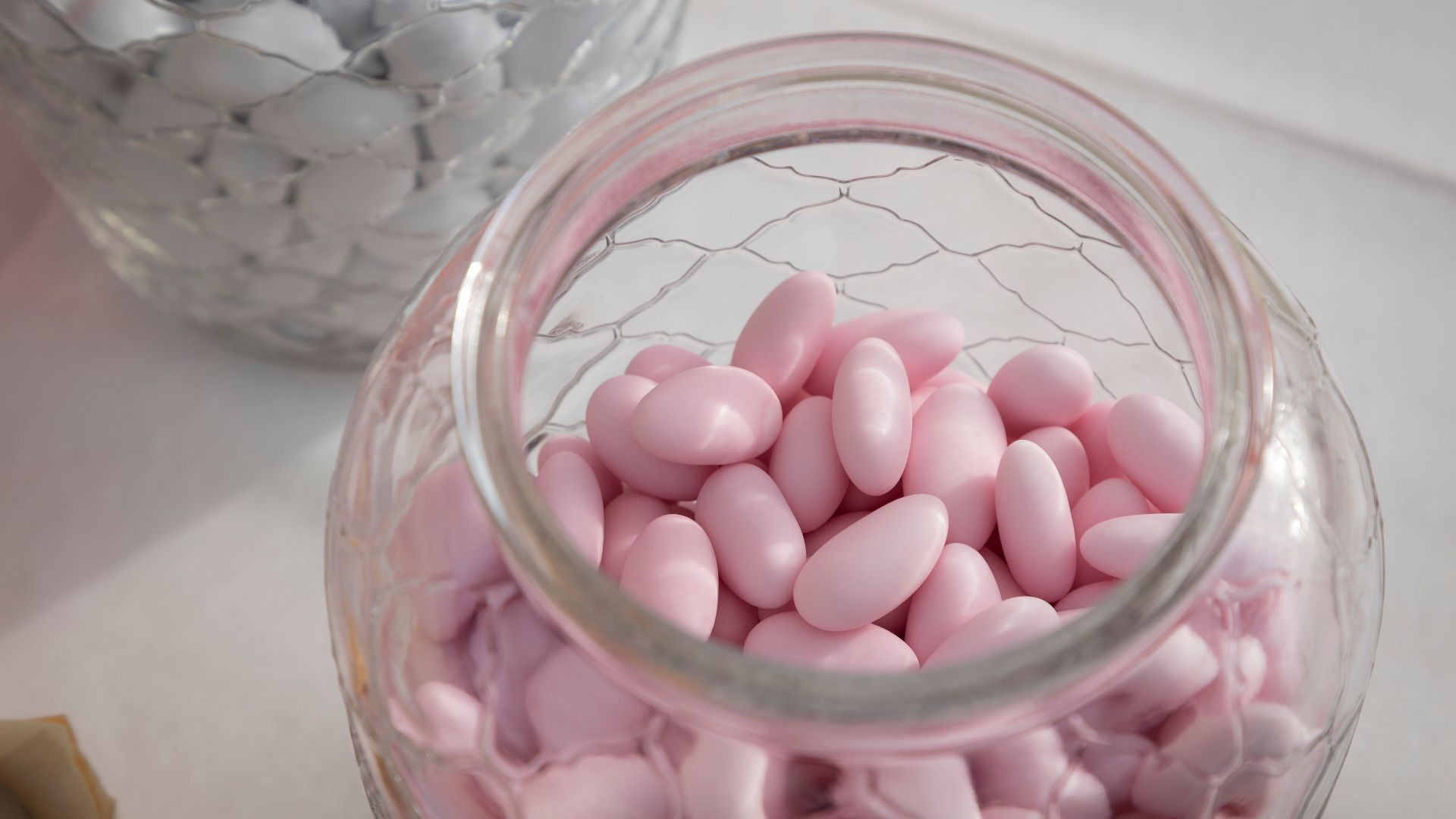
Italian wedding guests receive sugared almonds, always in odd-numbered bundles. A bundle of five carries five wishes, and fertility is one of them. A bundle of three stands for the groom, the bride, and the children to come. The confetti made in Sulmona goes back to at least the 1400s, and the almonds are sometimes called Italian confetti.
5. Koufeta at Greek Weddings
Greek koufeta are sugar-coated almonds, and their oval shape is taken as a sign of having children. Guests carry a small bundle home as a favor, so the wish for the couple travels along with every visitor.
6. Grain Biscuits Broken Over a Medieval Bride's Head
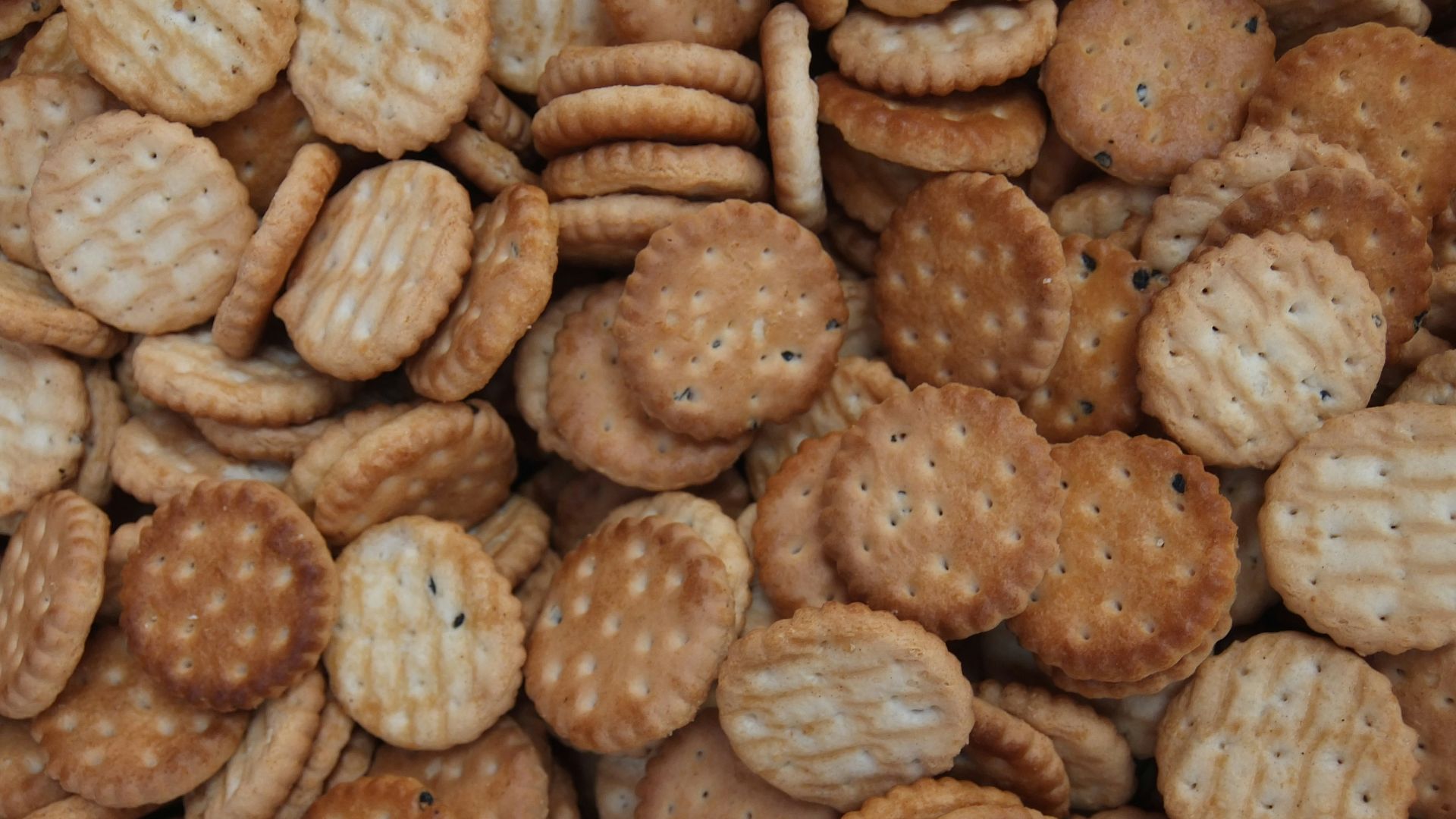
Guests at medieval English weddings broke thin grain biscuits over the bride's head, and the crumbs were supposed to bring her plenty. Over time the biscuits grew into cakes that people threw at the threshold instead, according to Britannica's account of wedding customs.
 Azharul Islam Mollah on Unsplash
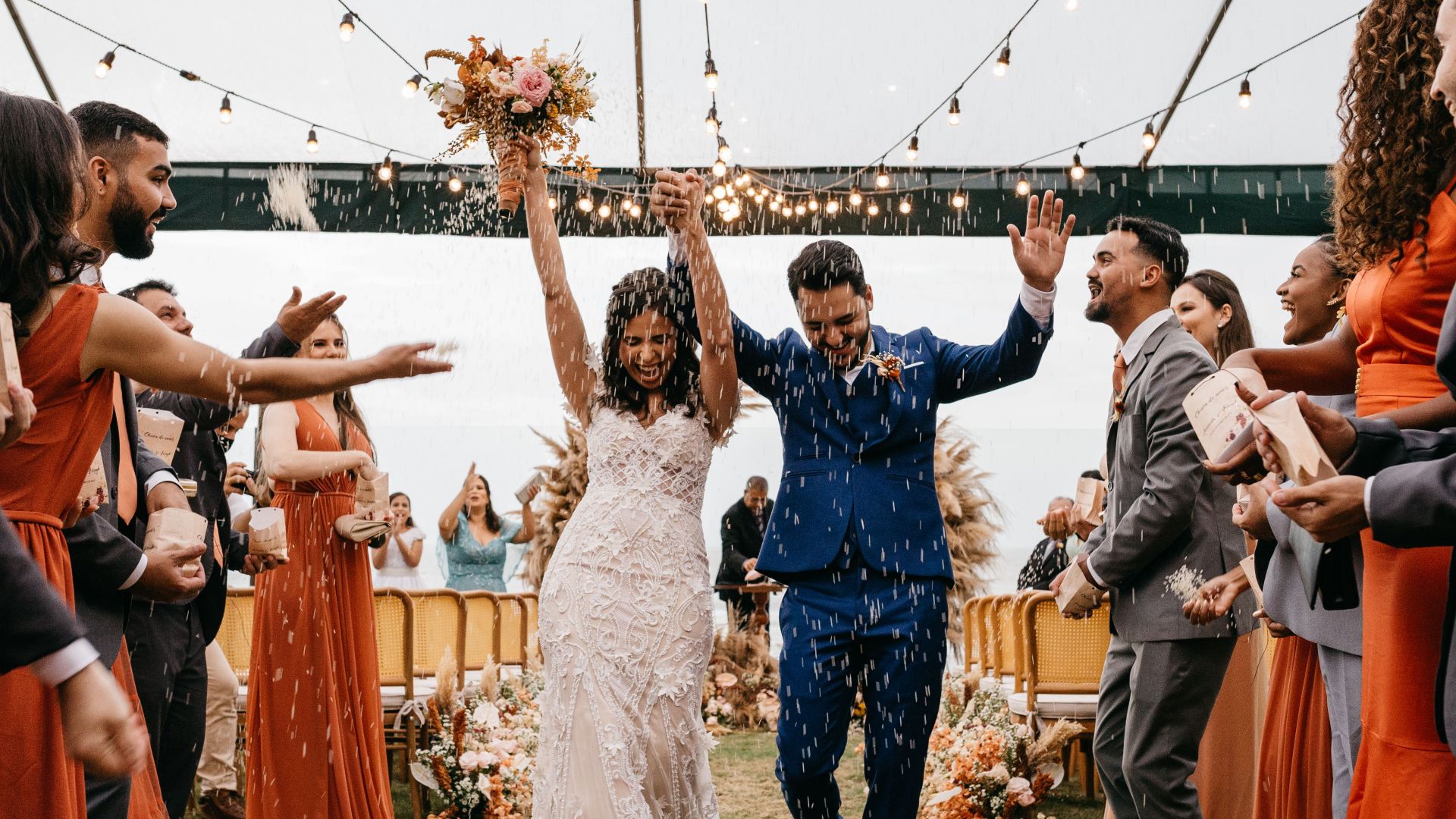
7. Rice Thrown at Newlyweds
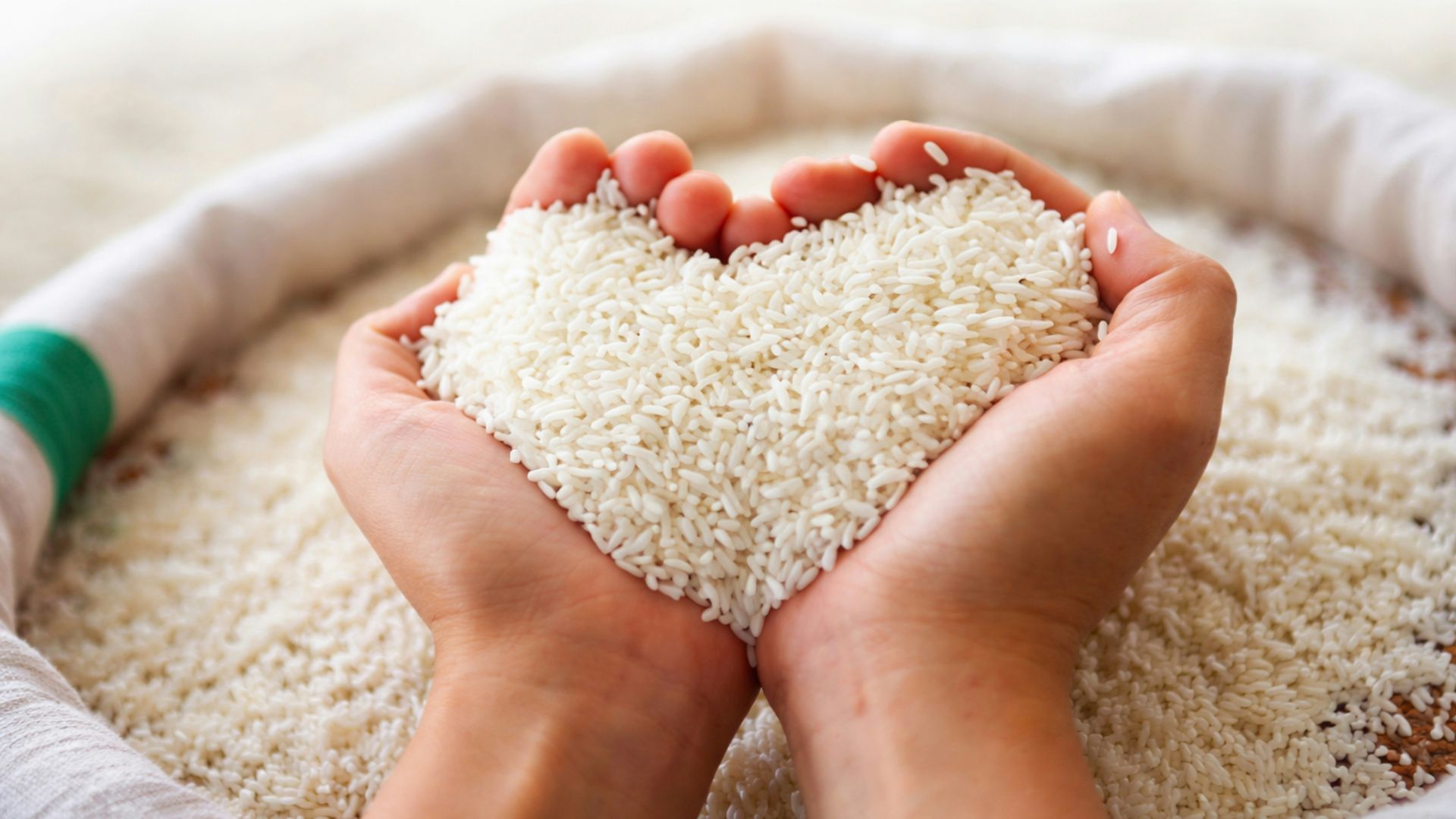
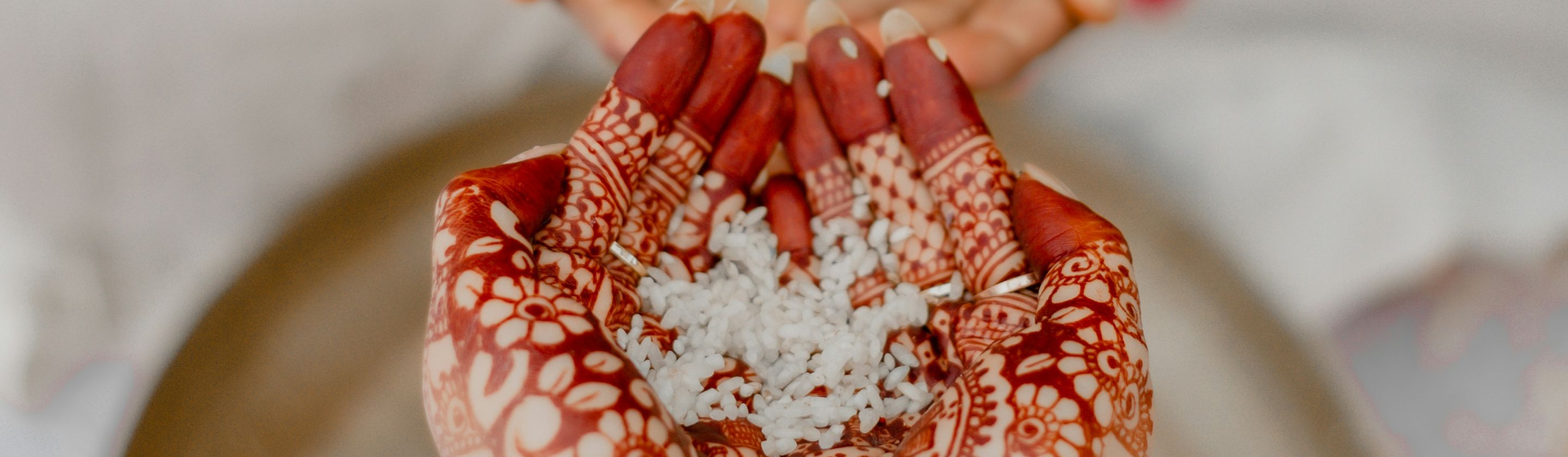
Britannica ties the Western habit of showering a couple with rice to the hope that they'll be fruitful. Rice is cheap and holds countless grains, so one handful carried a big message. The custom looks quite different in Hindu weddings, where rice mostly means sustenance.
8. Nuts Tossed in a Roman Wedding Procession
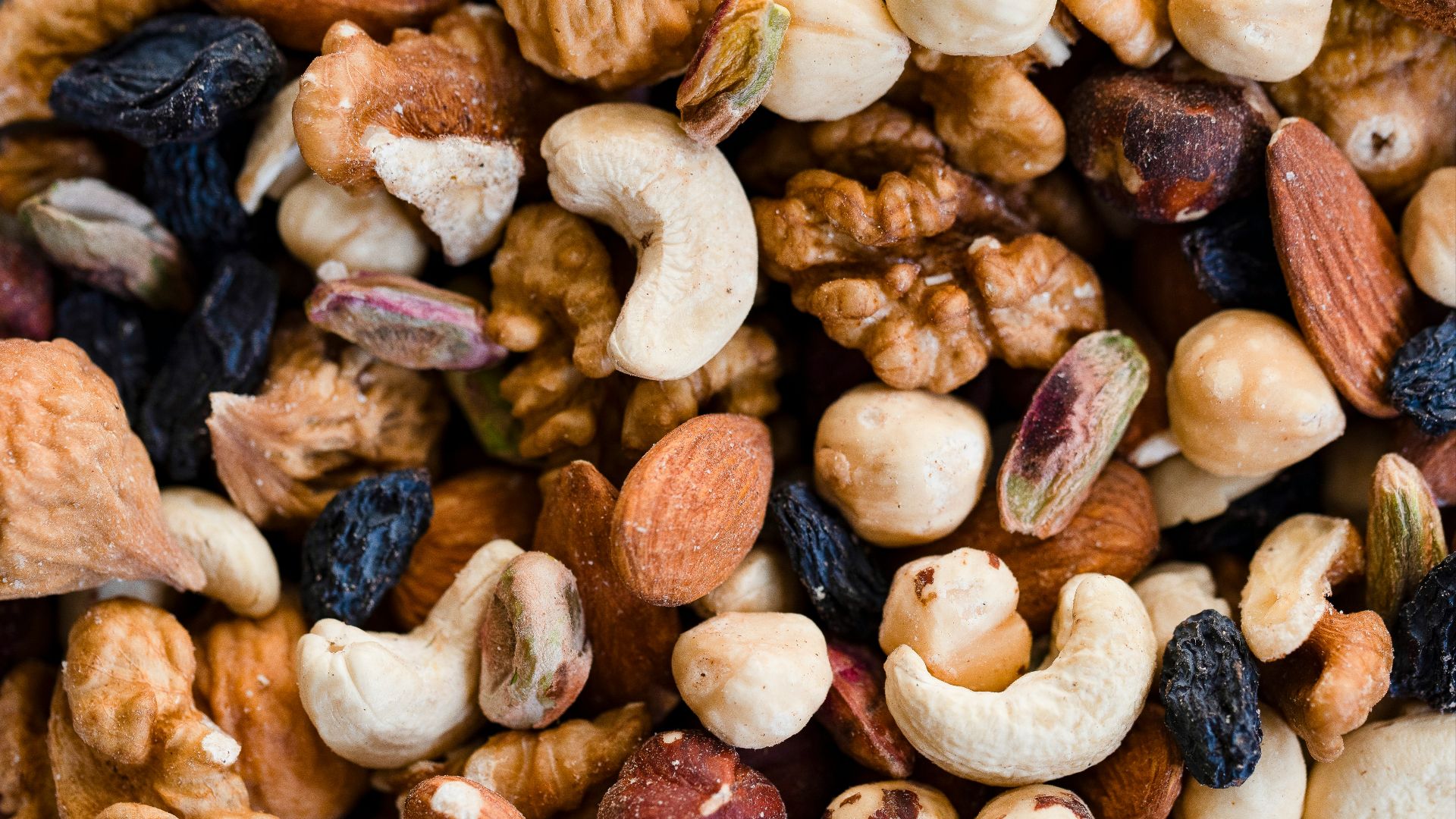
When a Roman bride was led to her new husband's home, nuts were scattered for the crowd, and the poets Catullus and Virgil both mention the custom. Pliny noted that a nut's double shell protects the kernel inside, an image that suits a fetus. A scholarly article on the custom calls fertility the most plausible original purpose.
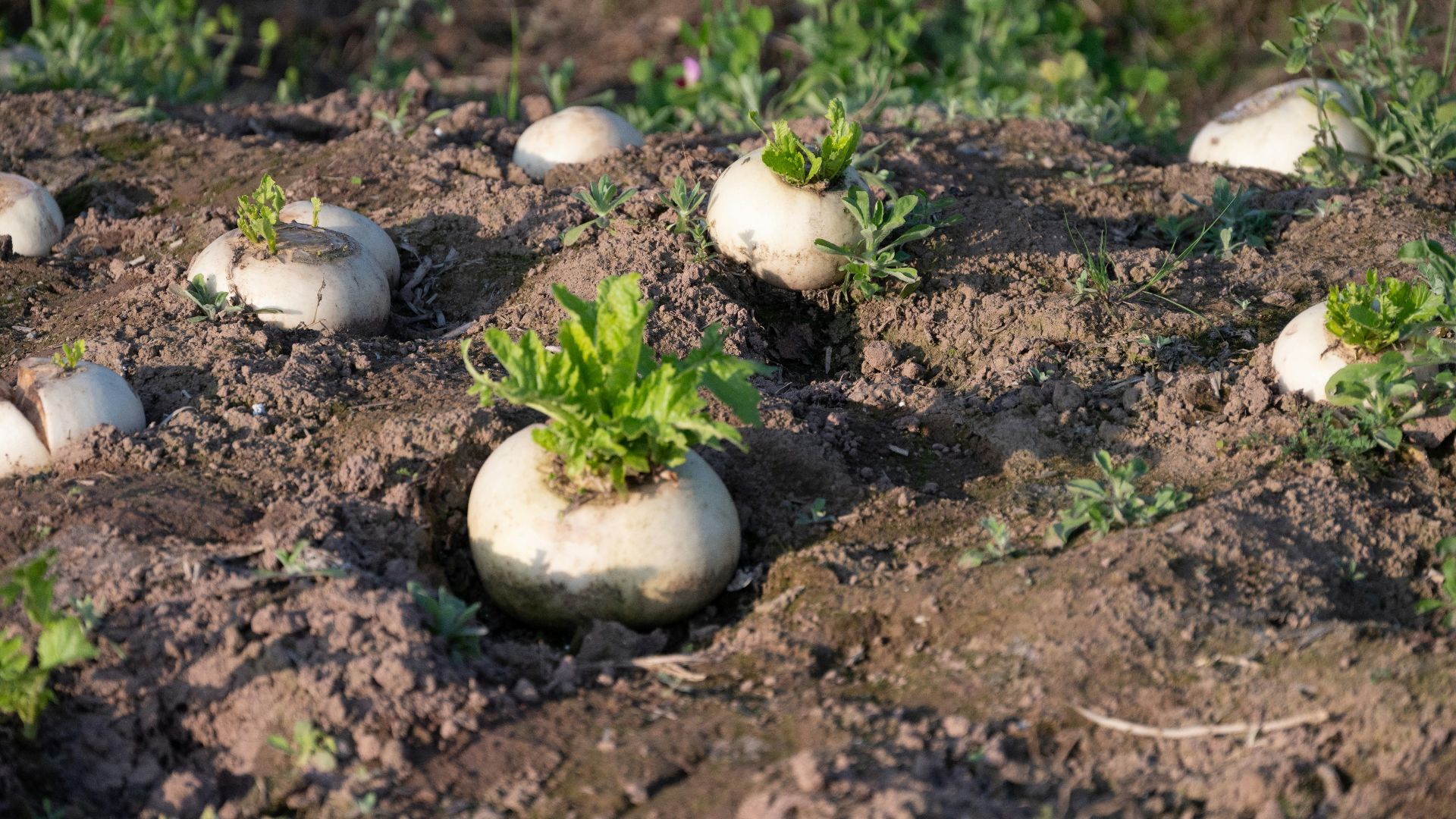
9. Daikon Radishes at Japan's Kanamara Matsuri
Each year on the first Sunday of April, the Kanayama Shrine hosts a festival where daikon radishes are carved into phallic shapes and candy takes the same form. Daikon is a long white radish, which makes the carving easy. The shrine's prayers broadened over time into a fertility rite.
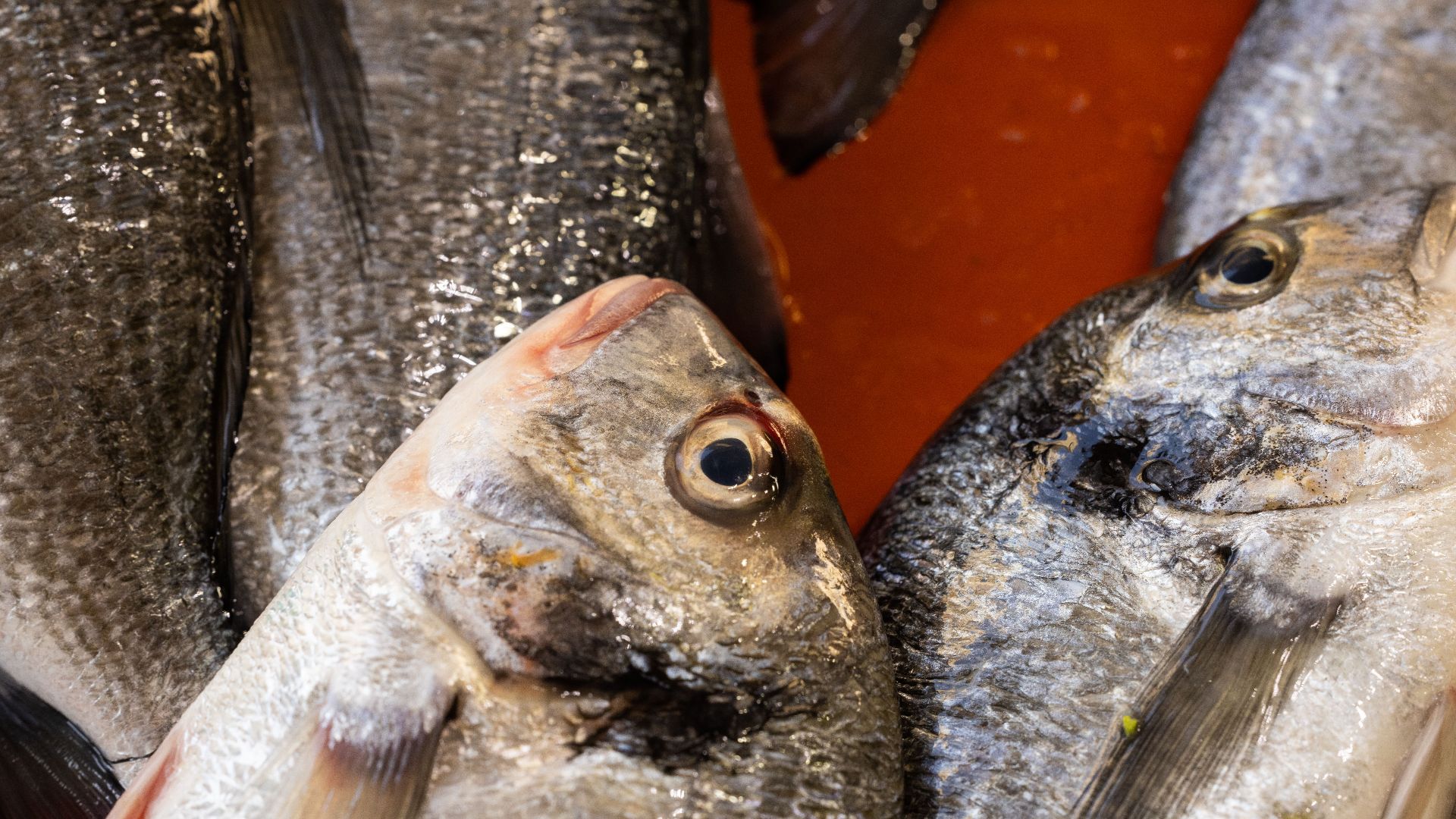
10. Fish at a Jewish Rosh Hashanah Table
Fish gets served on Rosh Hashanah, the Jewish new year, because Jewish tradition links it to the blessing to be fruitful and multiply, along with prosperity in the year ahead. Many families put the head on the table, since the Hebrew word for head, rosh, begins the holiday's name.
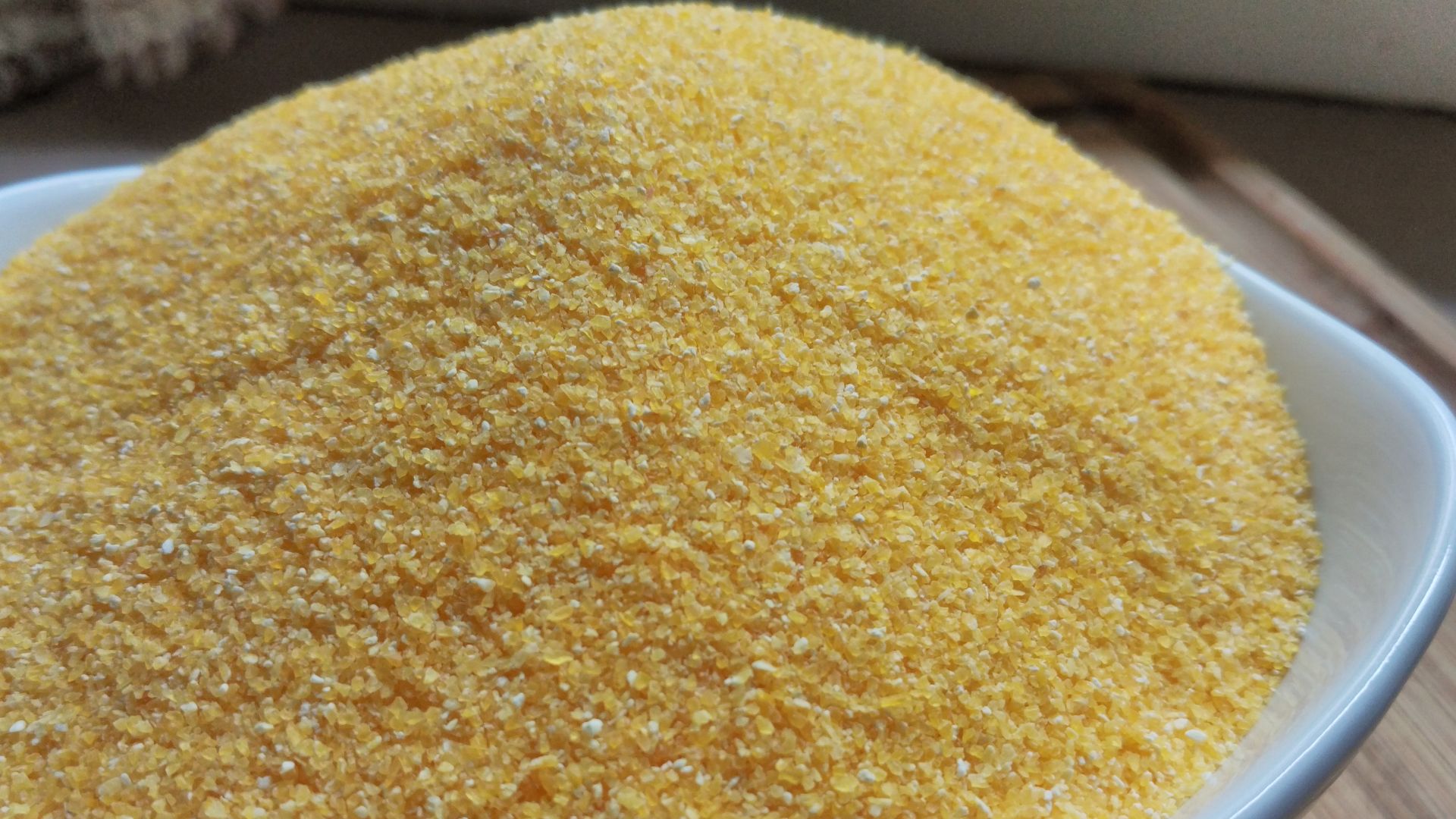
11. Cornmeal in a Navajo Wedding Basket
A Navajo wedding ceremony includes a basket holding cornmeal in three colors, which the couple eats from. Corn pollen is treated as a fertility symbol in Navajo practice, according to the Minneapolis Institute of Art.
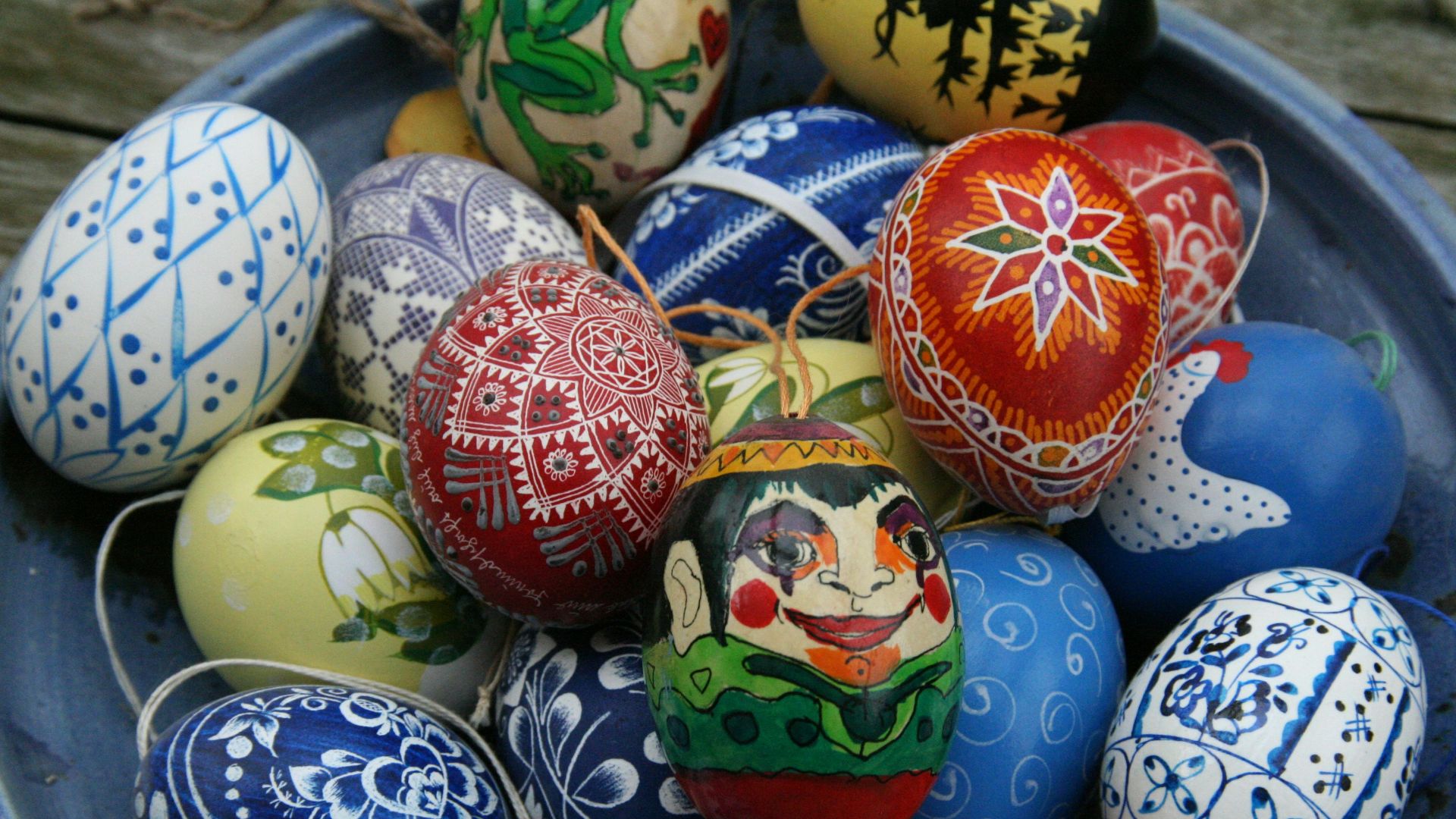
12. Painted Eggs on a Persian Wedding Spread
The sofreh aghd, a spread laid out for the marriage ceremony, includes decorated eggs that signal fertility. Gold-dipped almonds, walnuts, and hazelnuts sit beside them on the table. The eggs are painted by hand, which turns an everyday ingredient into a keepsake.
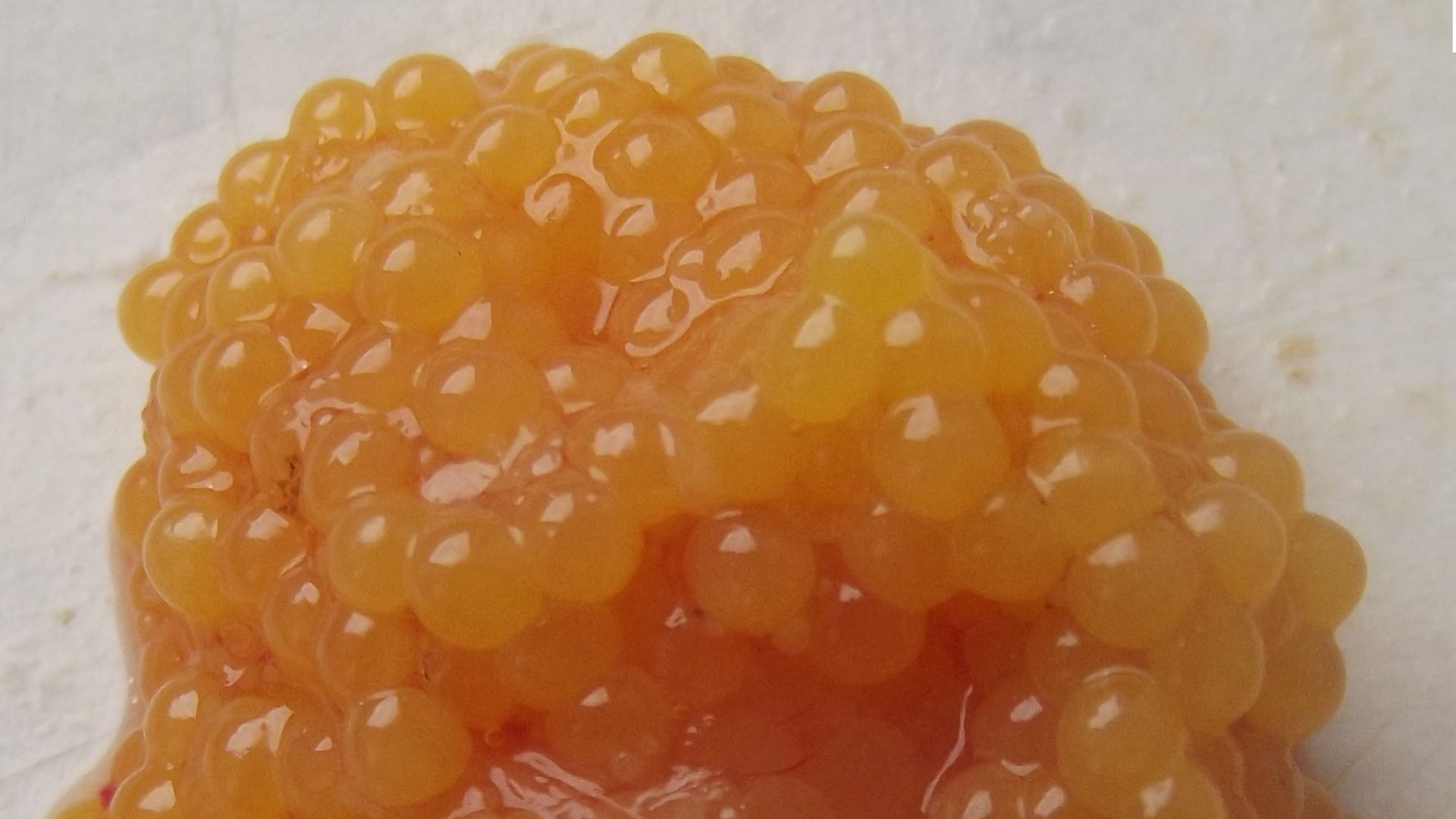
13. Herring Roe for the Japanese New Year
Kazunoko is herring roe, and it appears among the dishes of the Japanese New Year, where each tiny egg adds up to a wish for many children. The Japanese word for herring, nishin, also sounds like the words for two parents, and Japanese New Year dishes often rely on puns like that one.
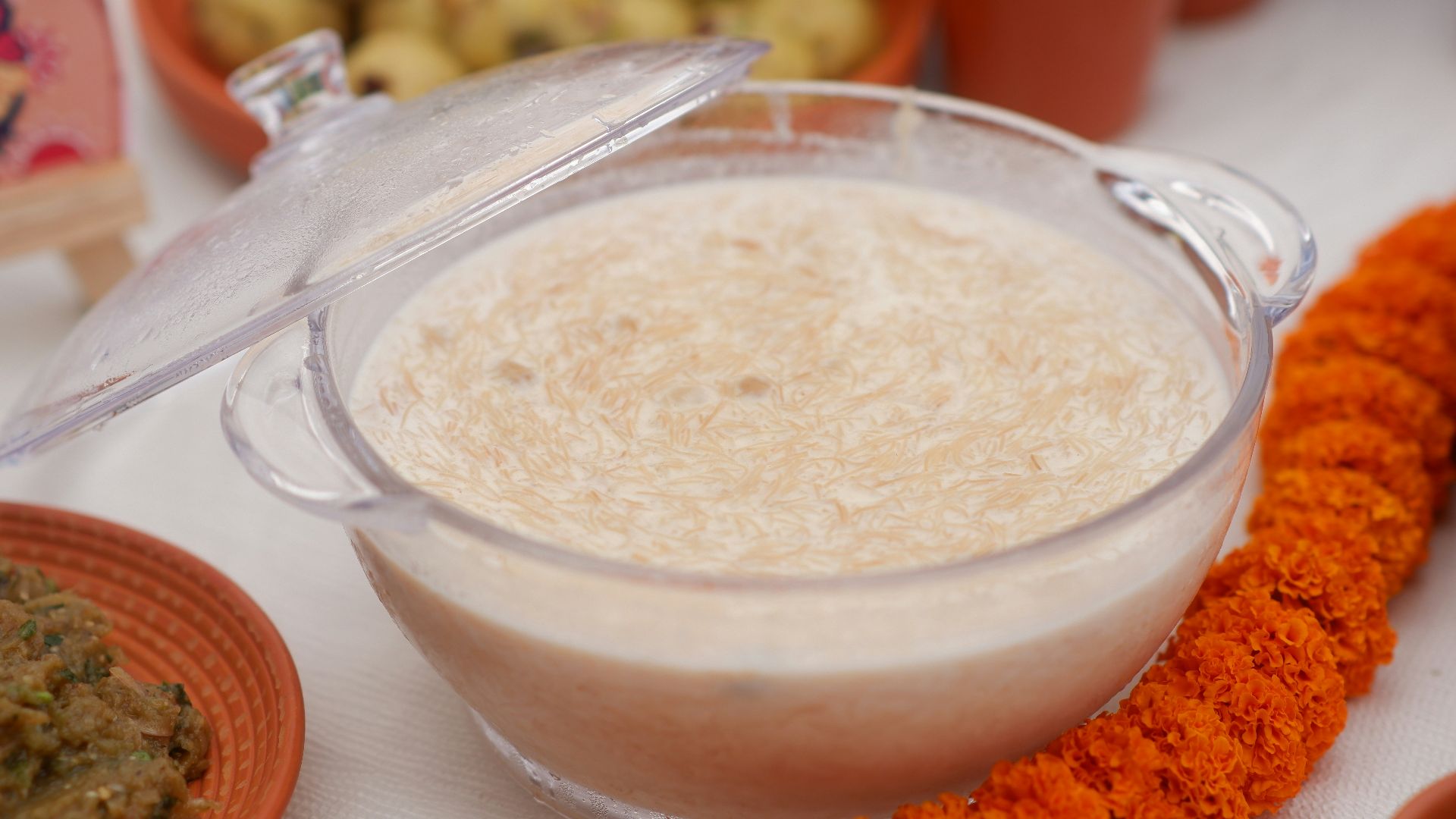
14. The Rice Pudding in the Ramayana
In the epic, King Dasharatha had no sons, so a sacrifice called Putrakameshti was performed to obtain them, and a divine rice pudding called payasa appeared. He divided it among his three queens in unequal portions, and four sons were born, Rama among them. It's a story rather than a documented practice, but it's one of the oldest food-and-fertility tales around.
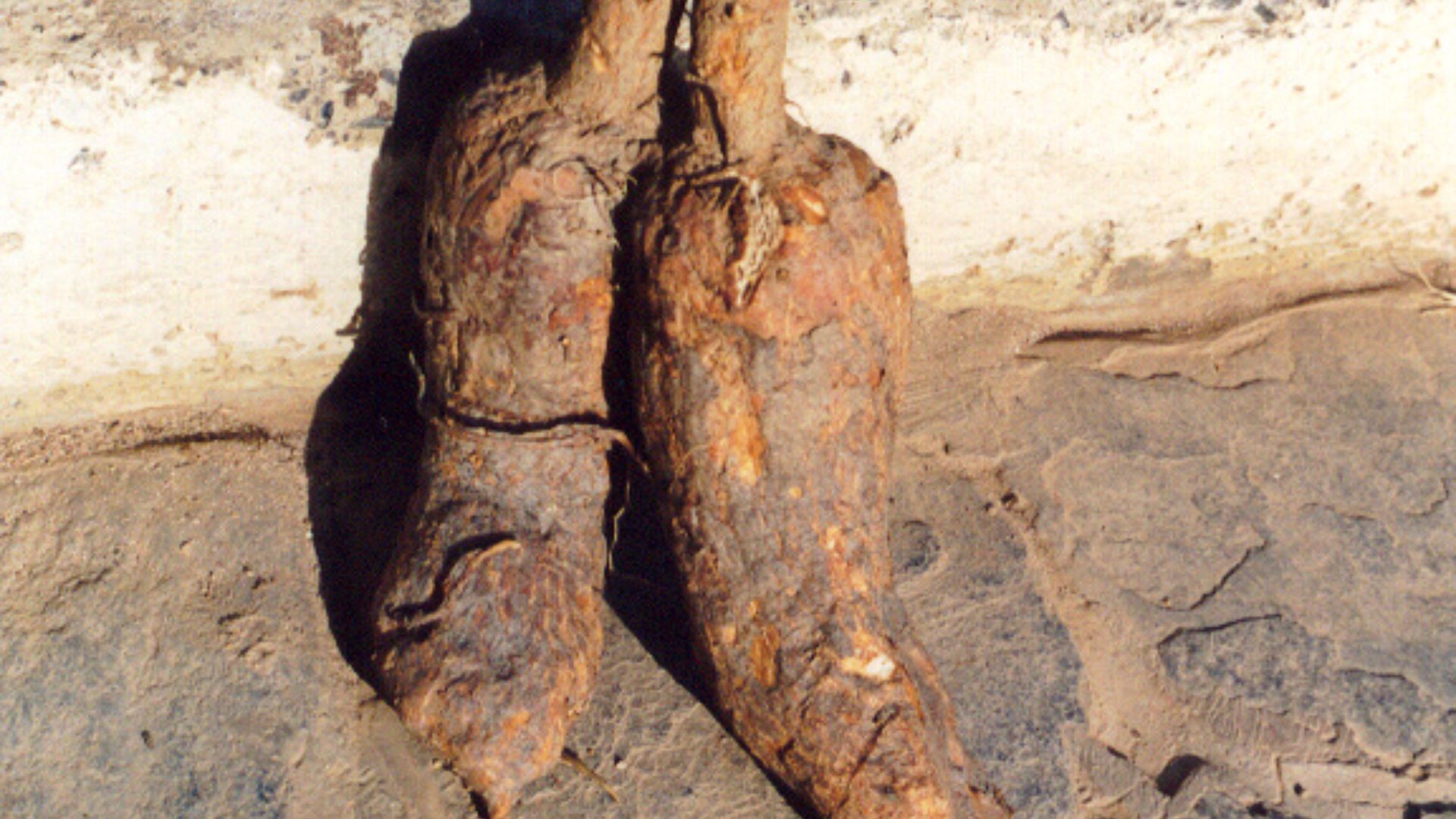
15. Mandrake Roots in the Book of Genesis
Genesis says Rachel was barren until she got mandrakes from Reuben, her sister Leah's son. She then conceived and bore a son. The root's human-like shape probably encouraged the link, and the first-century physician Dioscorides described the plant as a maker of love potions and a sleep aid.
 Spacedive at English Wikipedia on Wikimedia
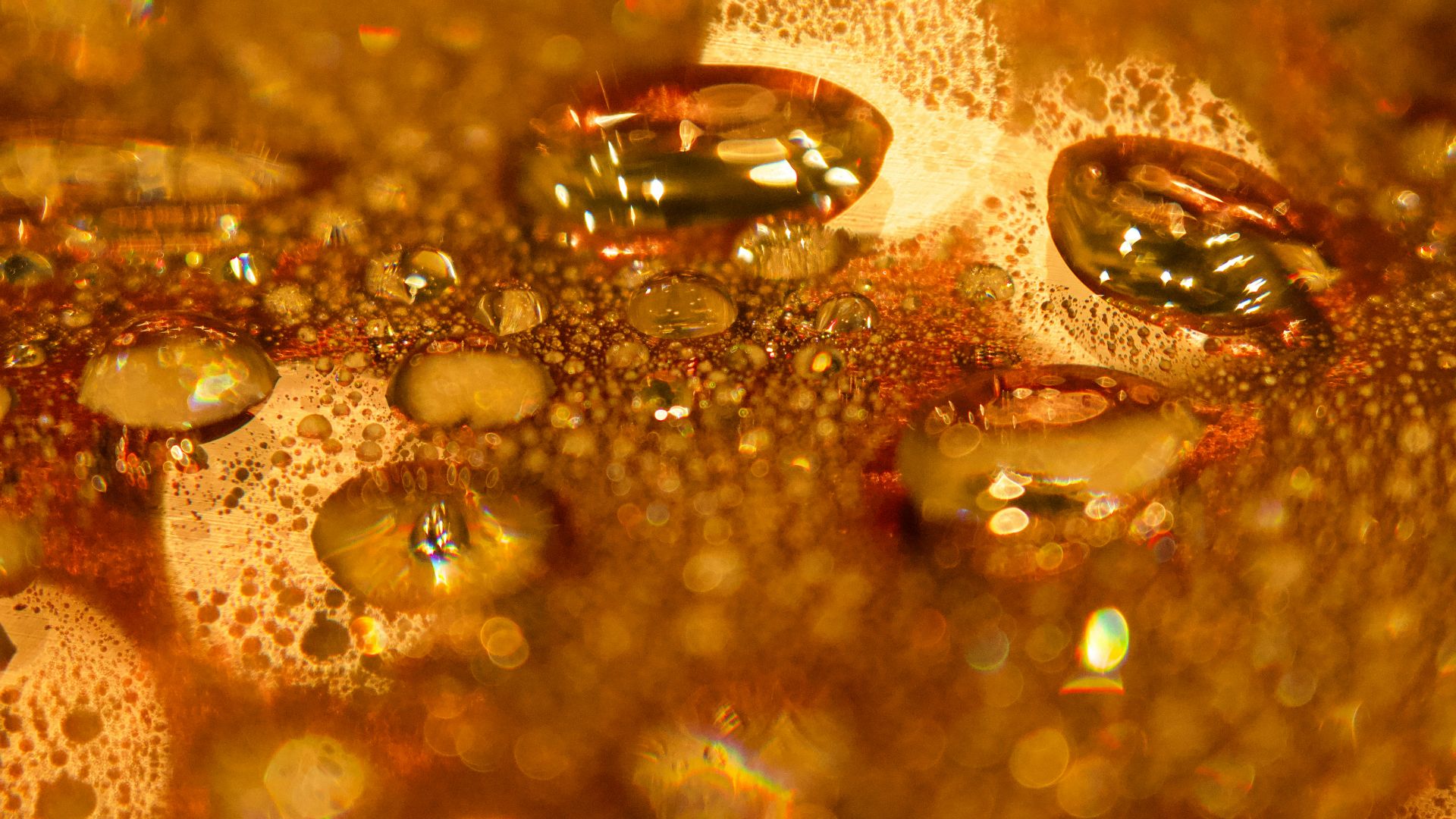
16. Mead Drunk for a Month After a Norse Wedding
Norse newlyweds are traditionally pictured drinking mead for a full month after the wedding, a custom that may have given us the word honeymoon. The drink was said to bless the couple and increase fertility. That link is a traditional belief rather than a documented fact, and one proposed reading ties the month to the hope that a kidnapped bride would become pregnant sooner.
17. Figs Sacred to Ceres
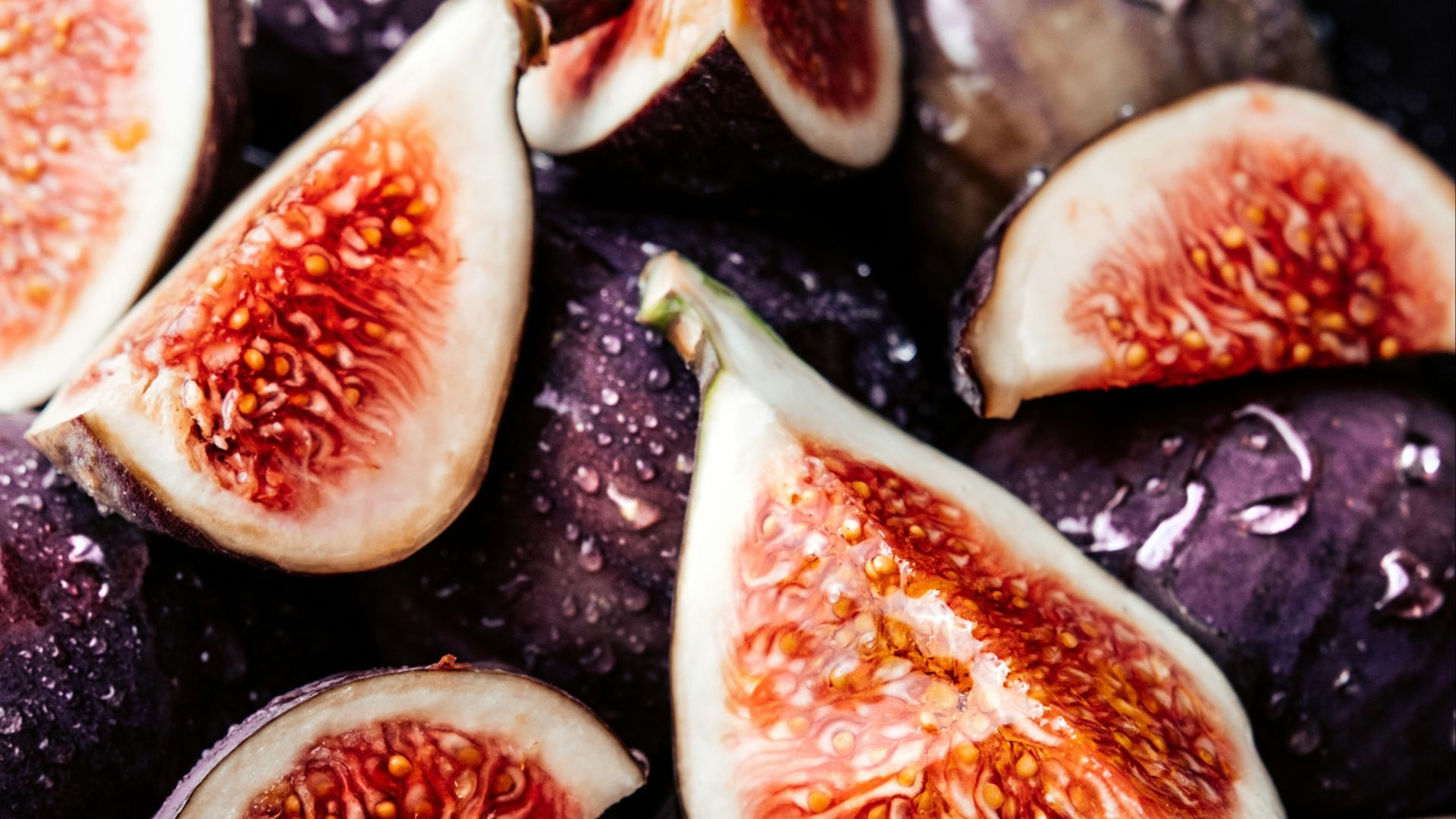
Romans connected the fig to Ceres and Bacchus and saw it as a symbol of female fertility. Ceres was the Roman goddess of grain and growth, so the link fits her territory. Part of the reason was probably the fruit's soft, seed-packed interior.
18. A Mango Sapling in a Parsi Wedding
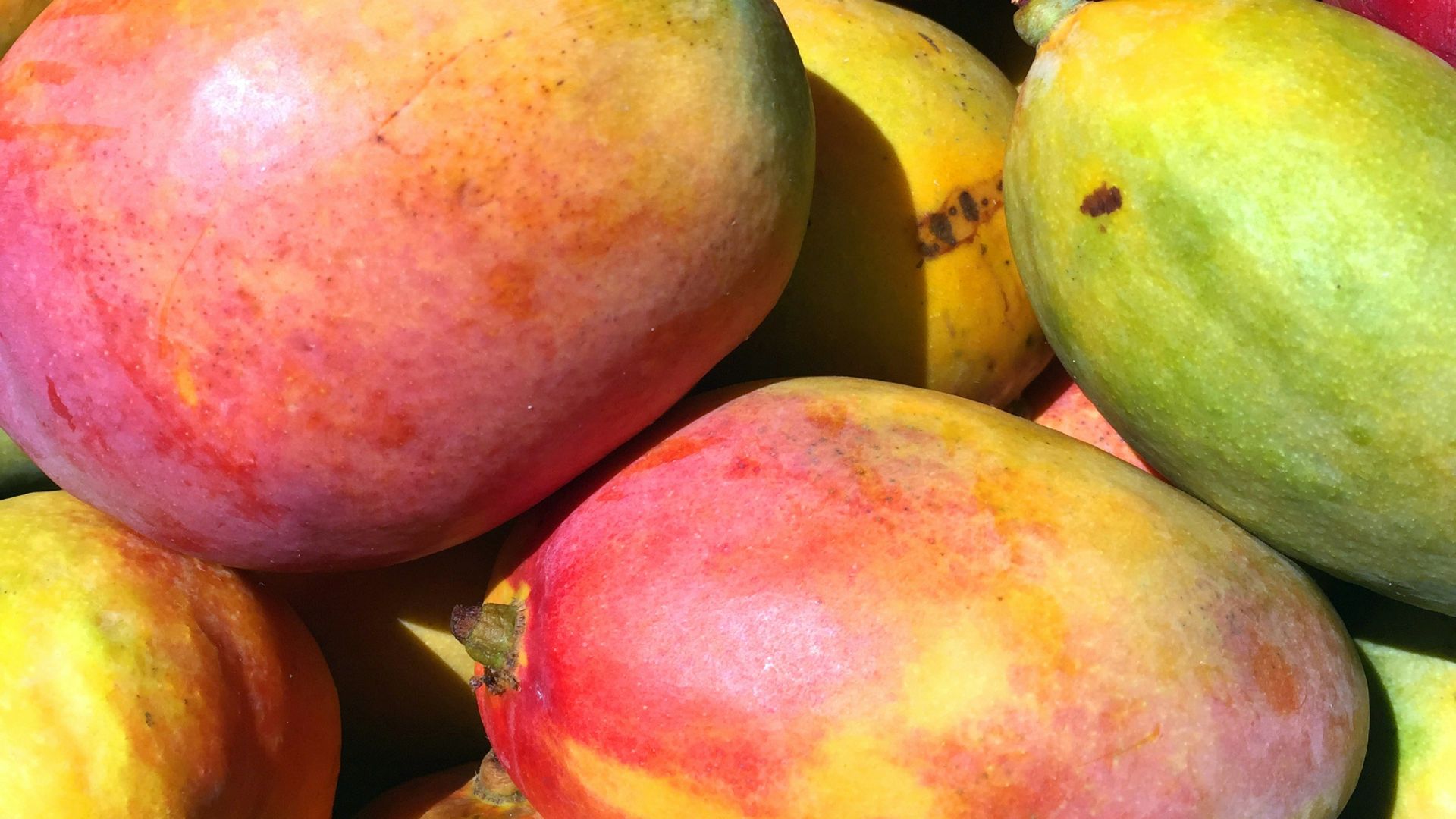
Before a Parsi wedding, a mango sapling is planted, and the planting is described as a symbol of fertility. The priest's blessing later wishes the couple children along with plenty of means to provide for them. Rice thrown over the pair during the prayers is a separate good-luck gesture.
 JACQUELINE BRANDWAYN on Unsplash
19. Five-Lobed Kola Nuts Among the Igbo
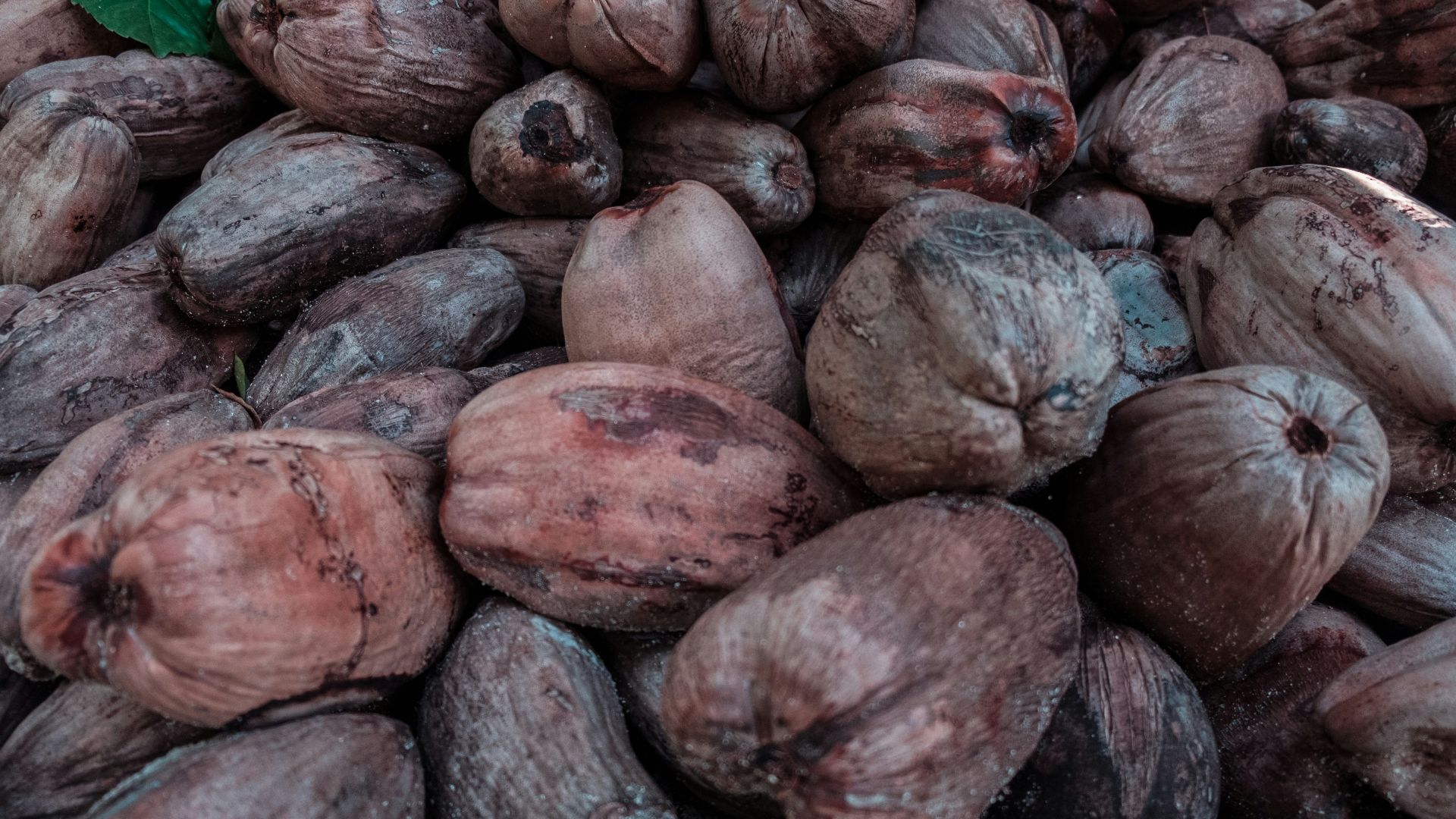
Igbo hosts present kola nuts to guests as a greeting, and at weddings they mark hospitality, friendship, and respect. Most have four lobes, which are linked with peace. One account says a five-lobed nut symbolizes increased procreation, protection, and good luck.
20. Birria Served to Mexican Newlyweds
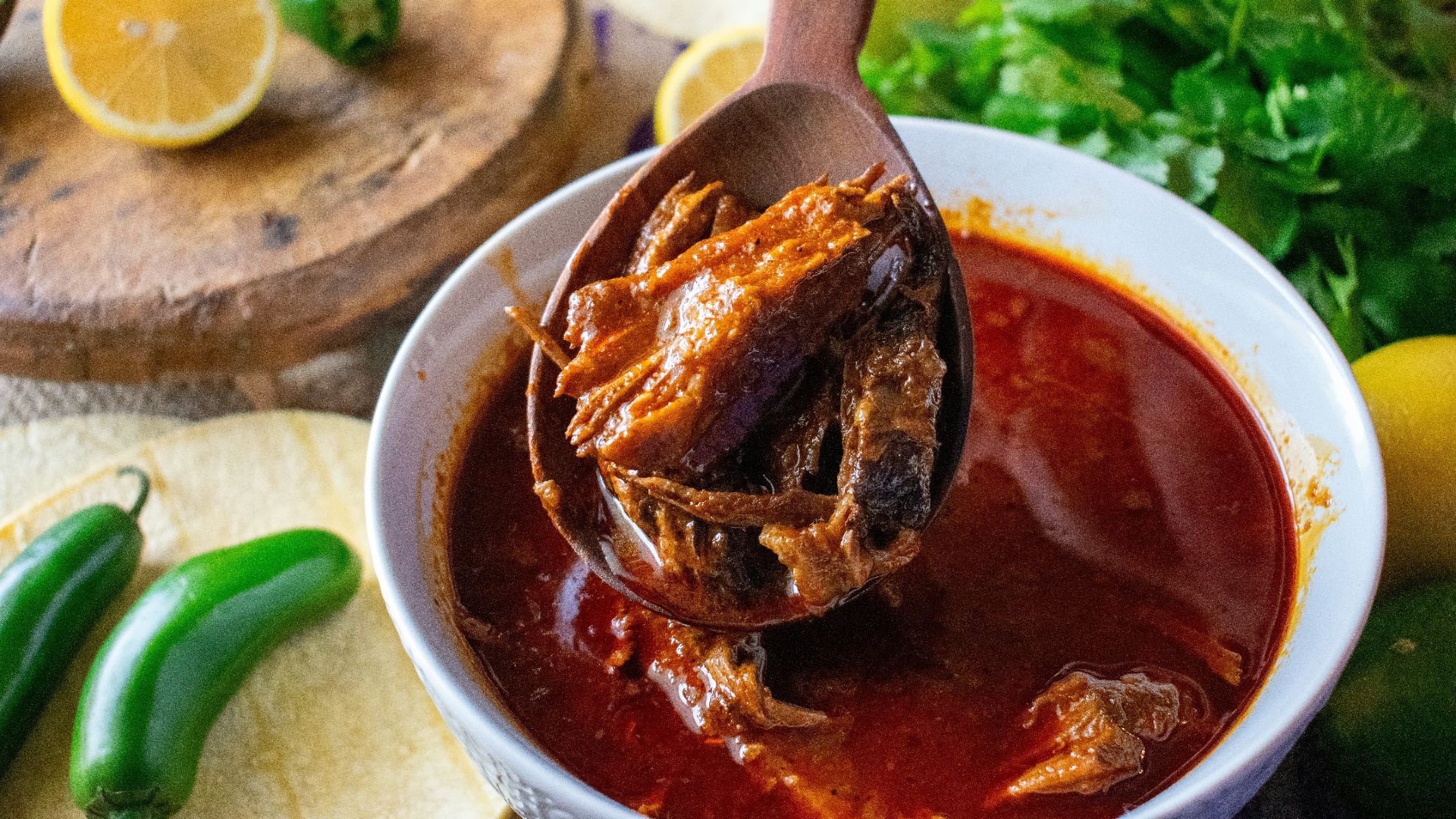
At some Mexican weddings, the bride and groom are served birria, a stew of goat or beef cooked until it falls apart. It's believed to have aphrodisiac qualities and is meant to help the couple start a large family.
KEEP ON READING
20 Foods Used in Fertility Rituals Around the World
20 Foods That Taste Better the Next Day