Keeping Your Child Safe
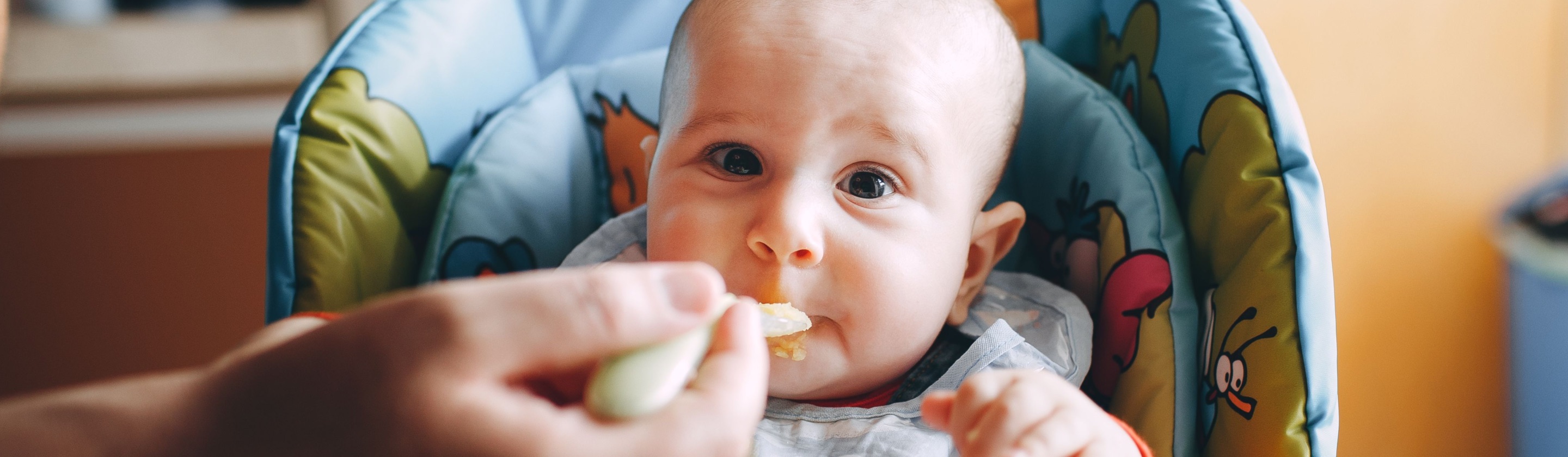
Whether if you're pregnant or caring for your first child, one thing's for sure: you can't just eat what you want anymore or feed your infant just anything. In fact, keeping your baby safe around food starts far before birth and continues long after you've fed their first spoonful of solid food. As you'll see, from seafood to honey and certain fruits, like grapes, even snacks that seem nutritious can pose dangerous risks. Here are 20 foods that might hurt your baby.
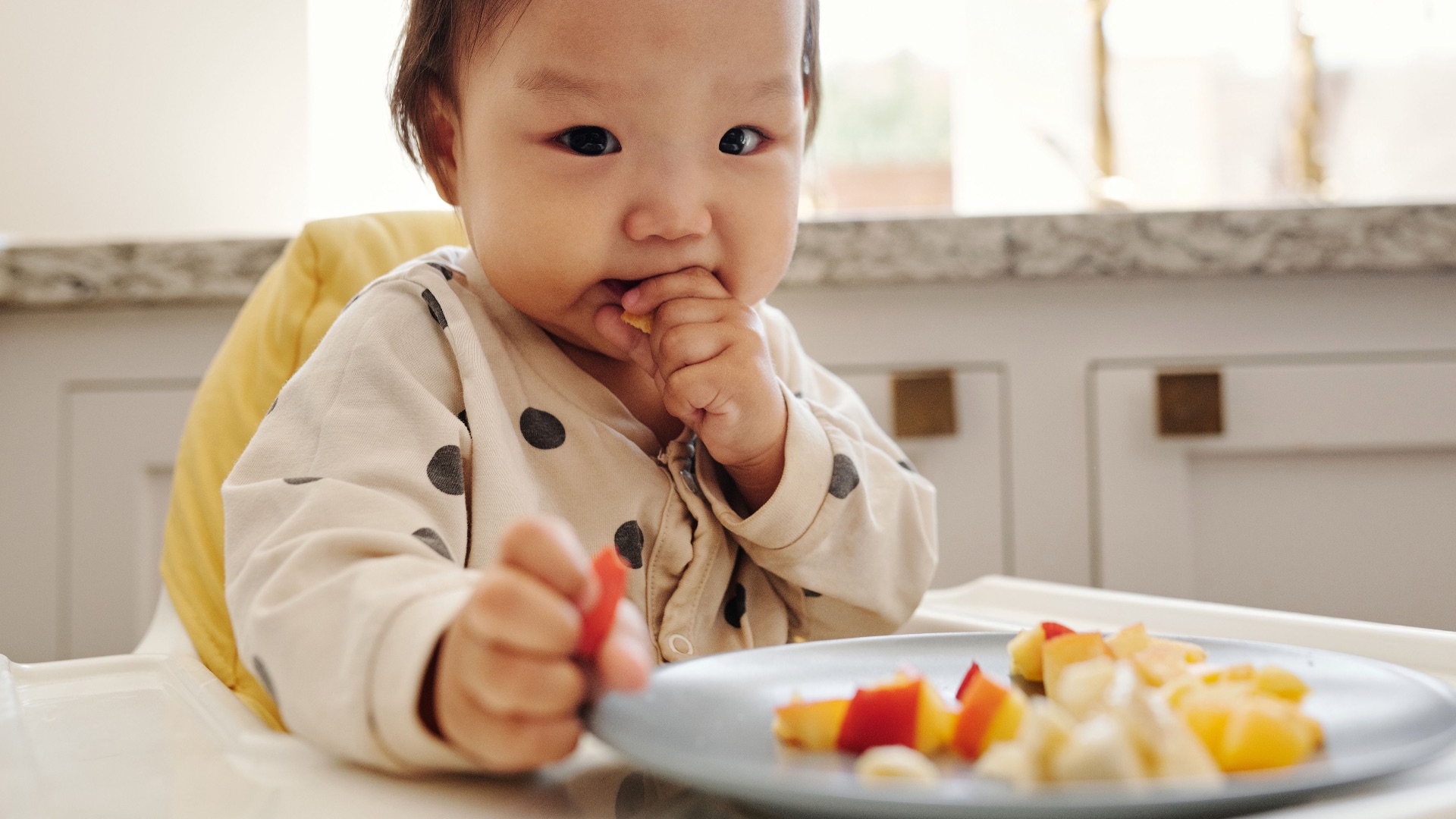
1. High-Mercury Fish
Fish can be an excellent source of nutrients during pregnancy. However, you should bear in mind that some species can contain higher traces of mercury than others. Regularly eating fish such as king mackerel, bigeye tuna, and certain tilefish may negatively affect a developing baby's nervous system.
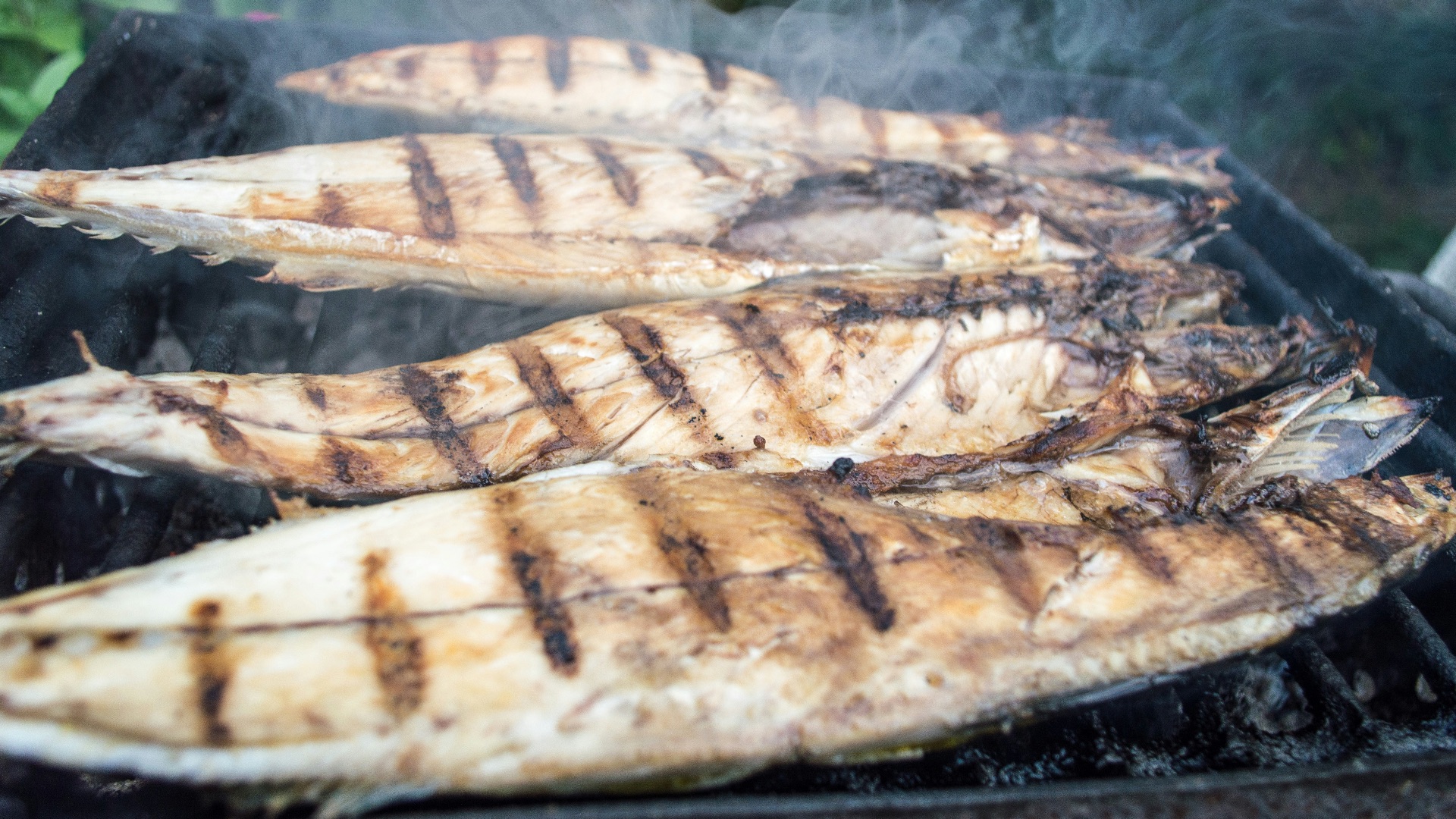
2. Raw or Undercooked Meat
Of course, you should never consume raw or undercooked meat, especially pork or poultry, regardless of whether you're pregnant or not, but the risks are even more concerning when you're carrying. Certain infections from food-borne illnesses can create extra complications for a developing baby, so always remember to thoroughly cook your meat.
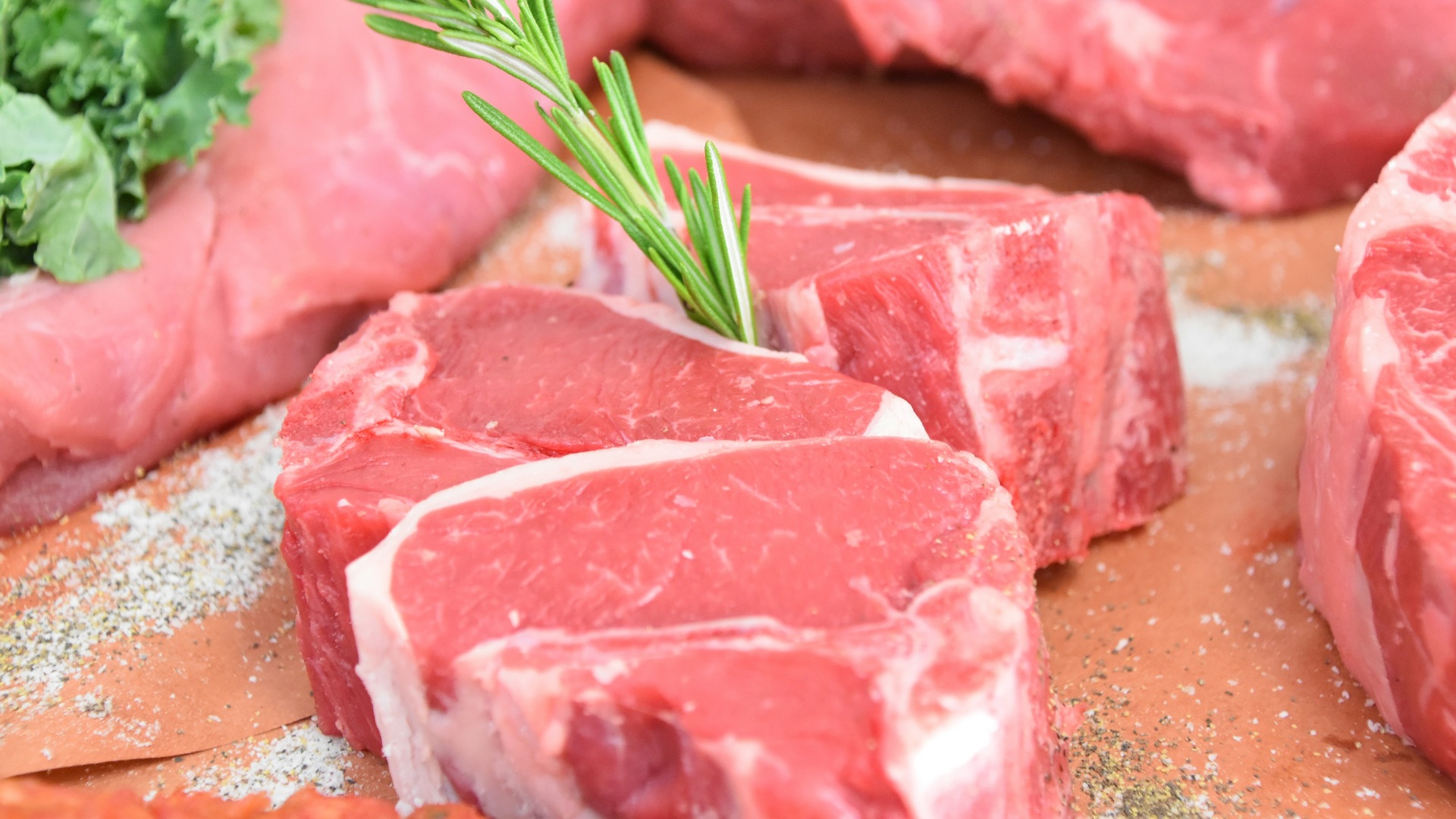
3. Unpasteurized Milk and Cheese
Again, you should steer clear of raw milk and products regardless of whether you're pregnant or not, given that it can contain harmful bacteria, including Listeria. To err on the side of caution, make sure to read labels clearly before digging into unfamiliar dairy to reduce unnecessary risk.
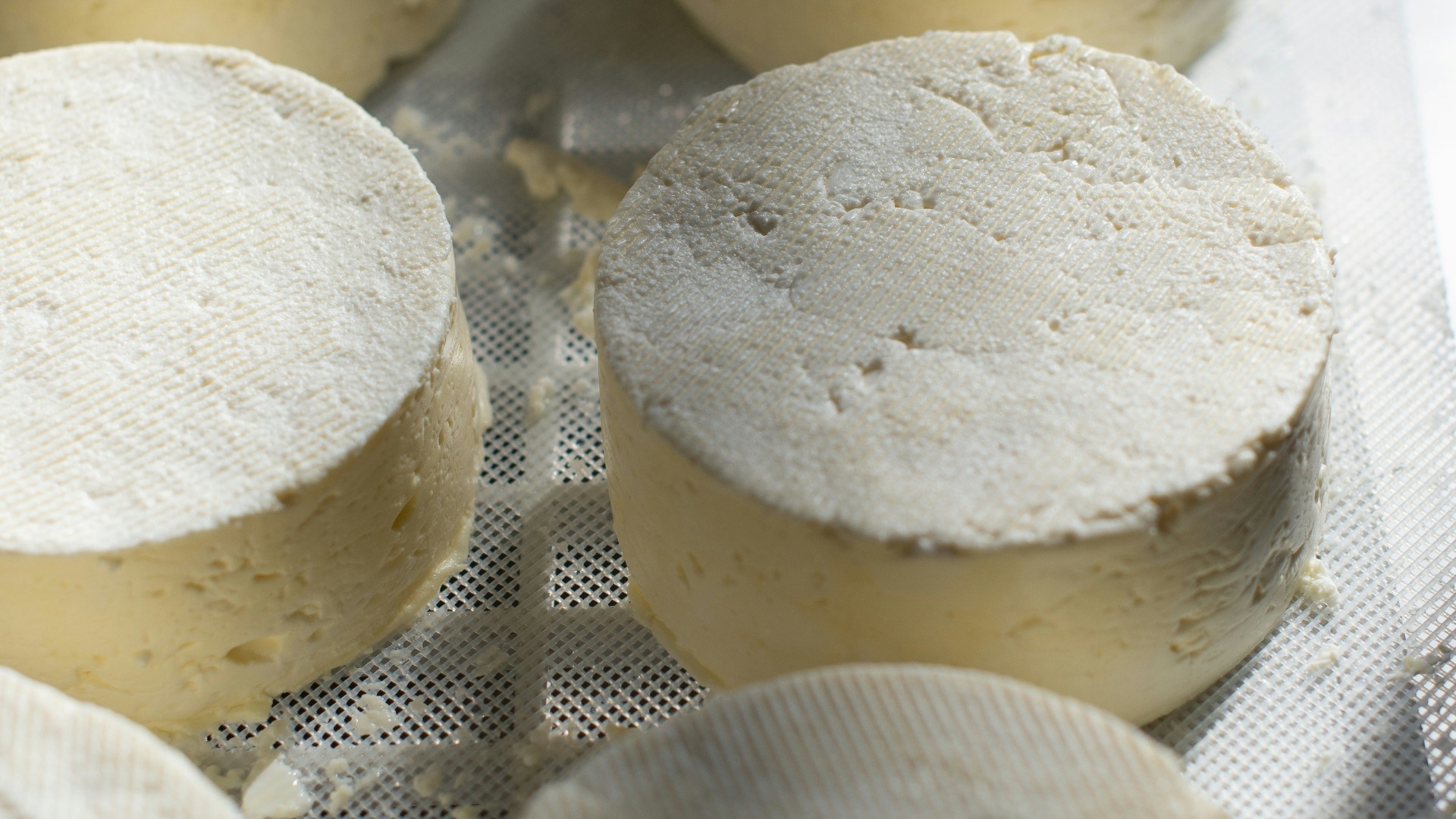
4. Alcohol
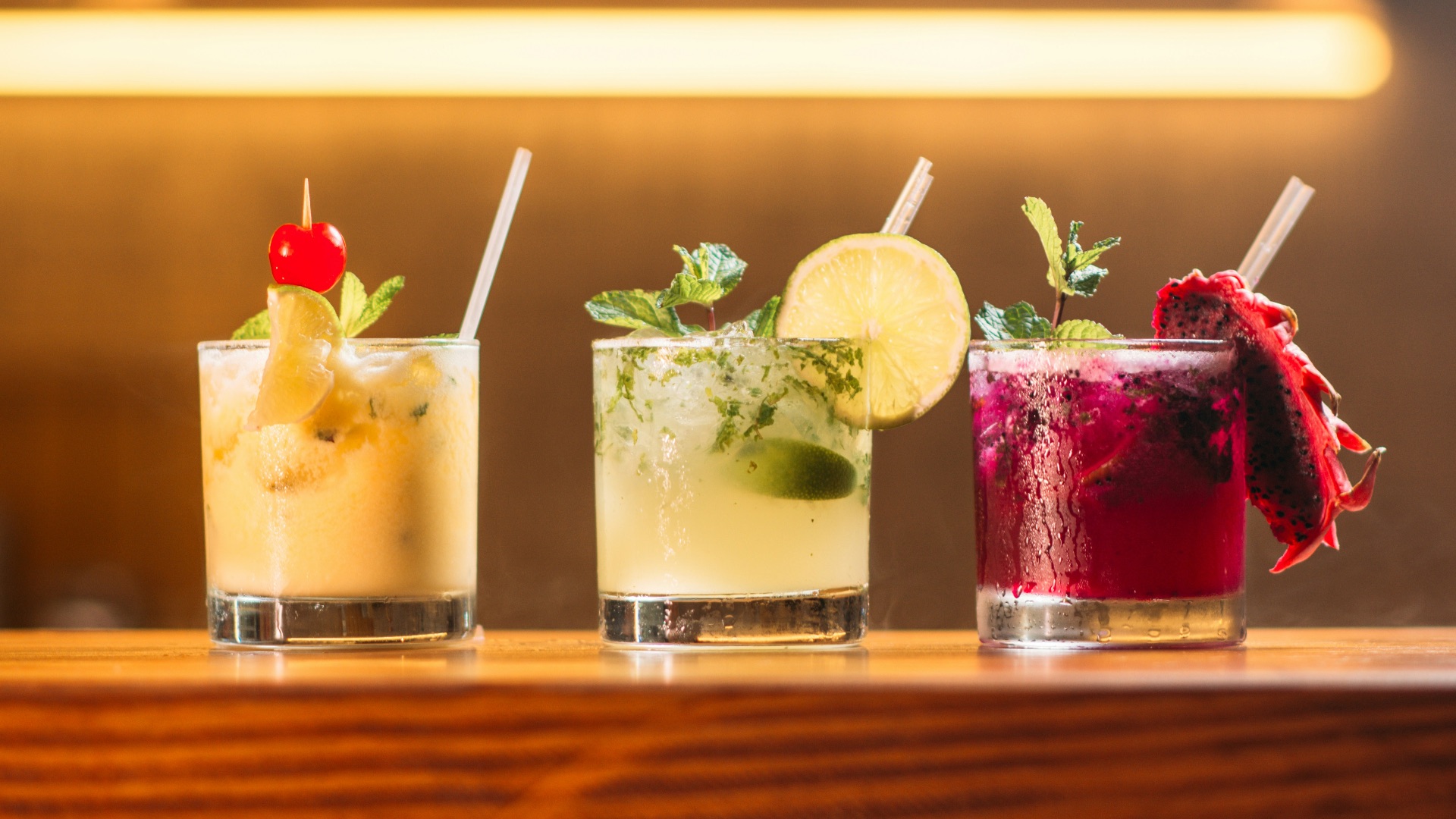
Even one seemingly harmless drink can pass from your bloodstream to your developing baby and interfere with their normal development, which is why you're always told to cut out alcohol for the entirety of your term. If you find it hard to resist temptation, go for mocktails that mimic the taste but don't actually contain the harmful stuff.
5. Too Much Caffeine
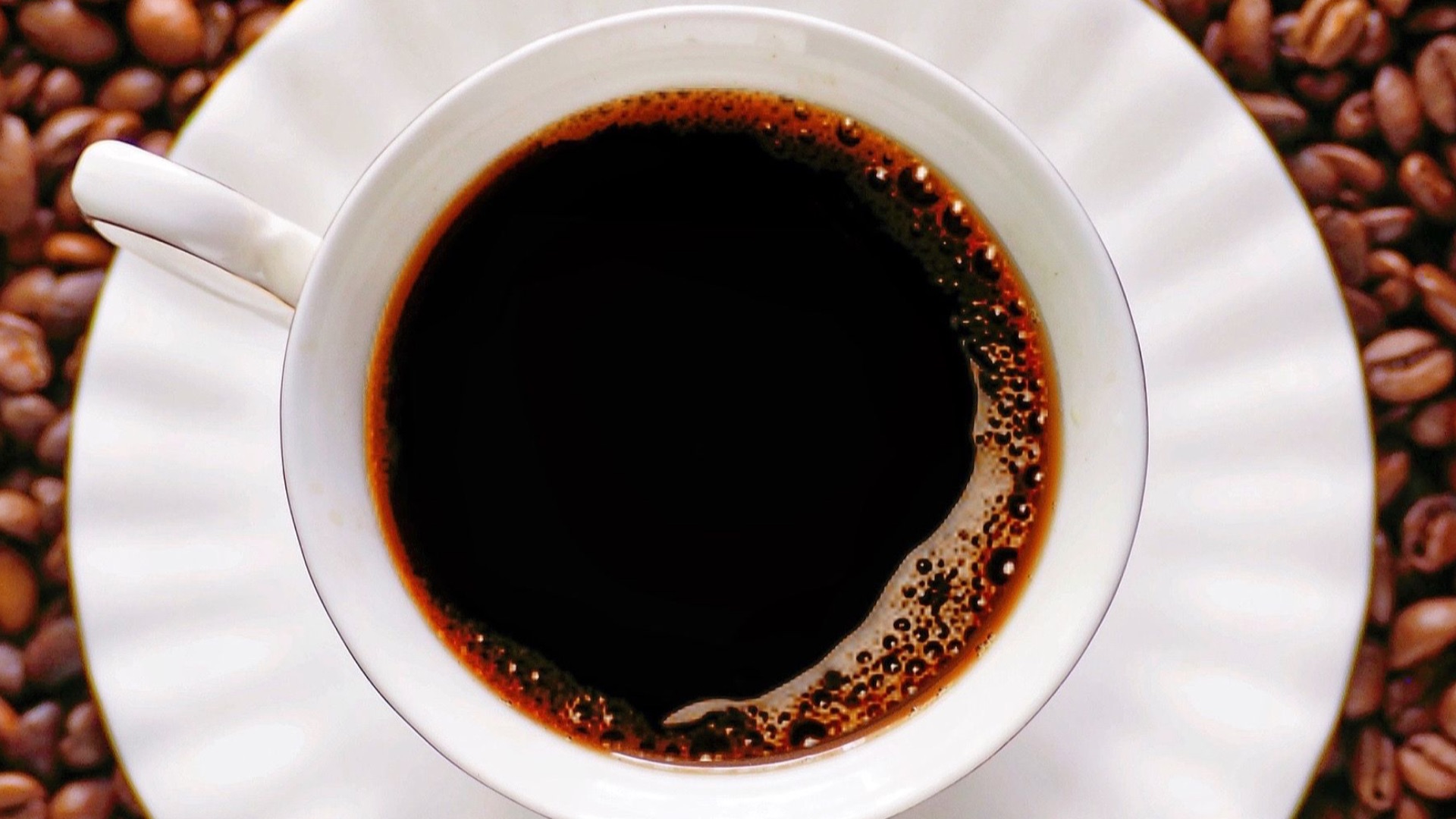
Not only should you avoid alcohol while pregnant, but you should also limit your caffeine intake. Remember: caffeine can also come from tea, soda, chocolate, and energy drinks, so even a few squares of dark cocoa or a can of pop can cause potential risks.
6. Honey
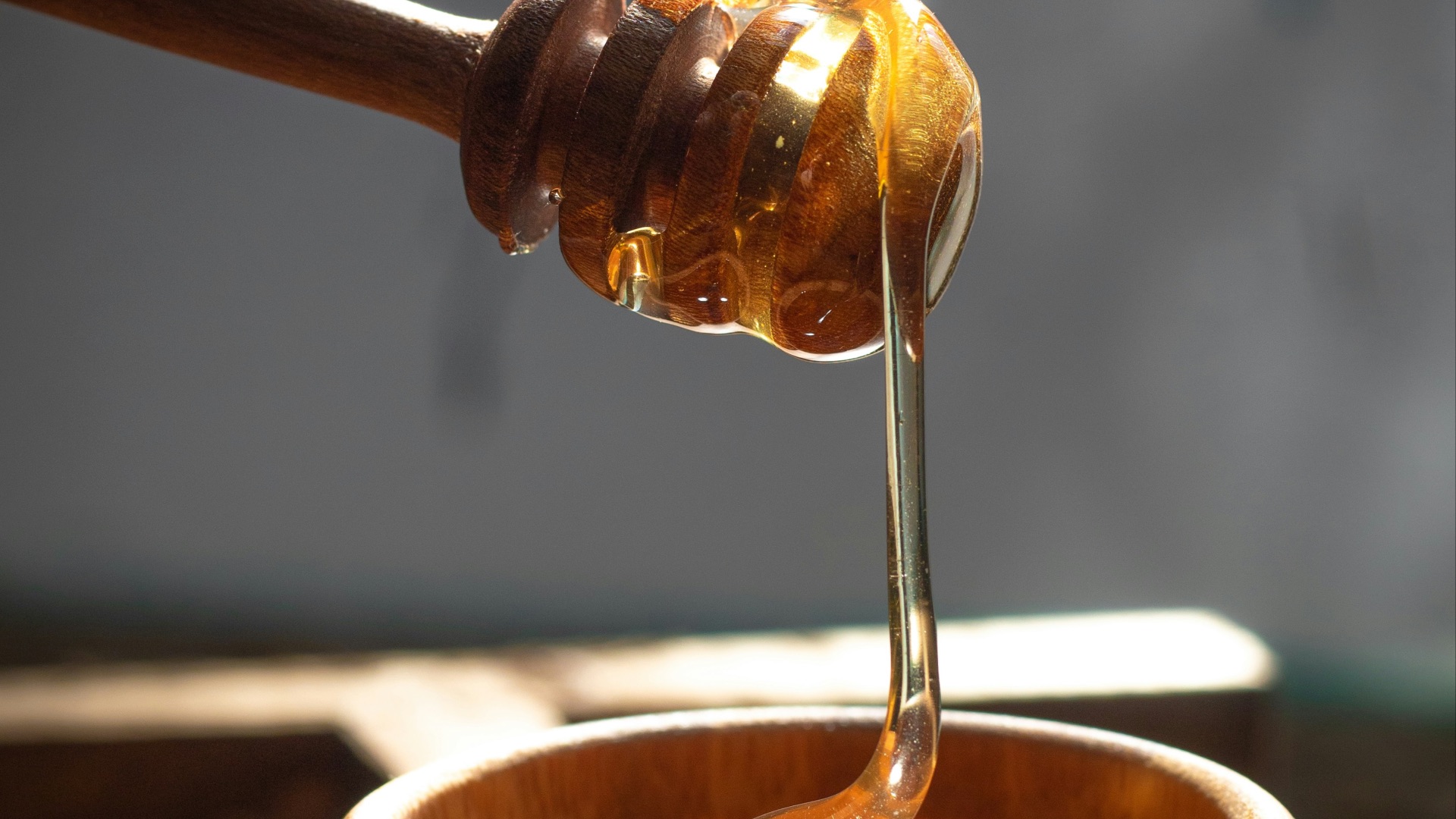
It might sound surprising, but post-pregnancy, honey isn't the best thing to feed your little one. This is because honey can contain spores that cause infant botulism, a rare but potentially severe illness. Even honey added to foods, drinks, or formula can pose risks, so you're best waiting until after your child turns older.
7. Whole Grapes
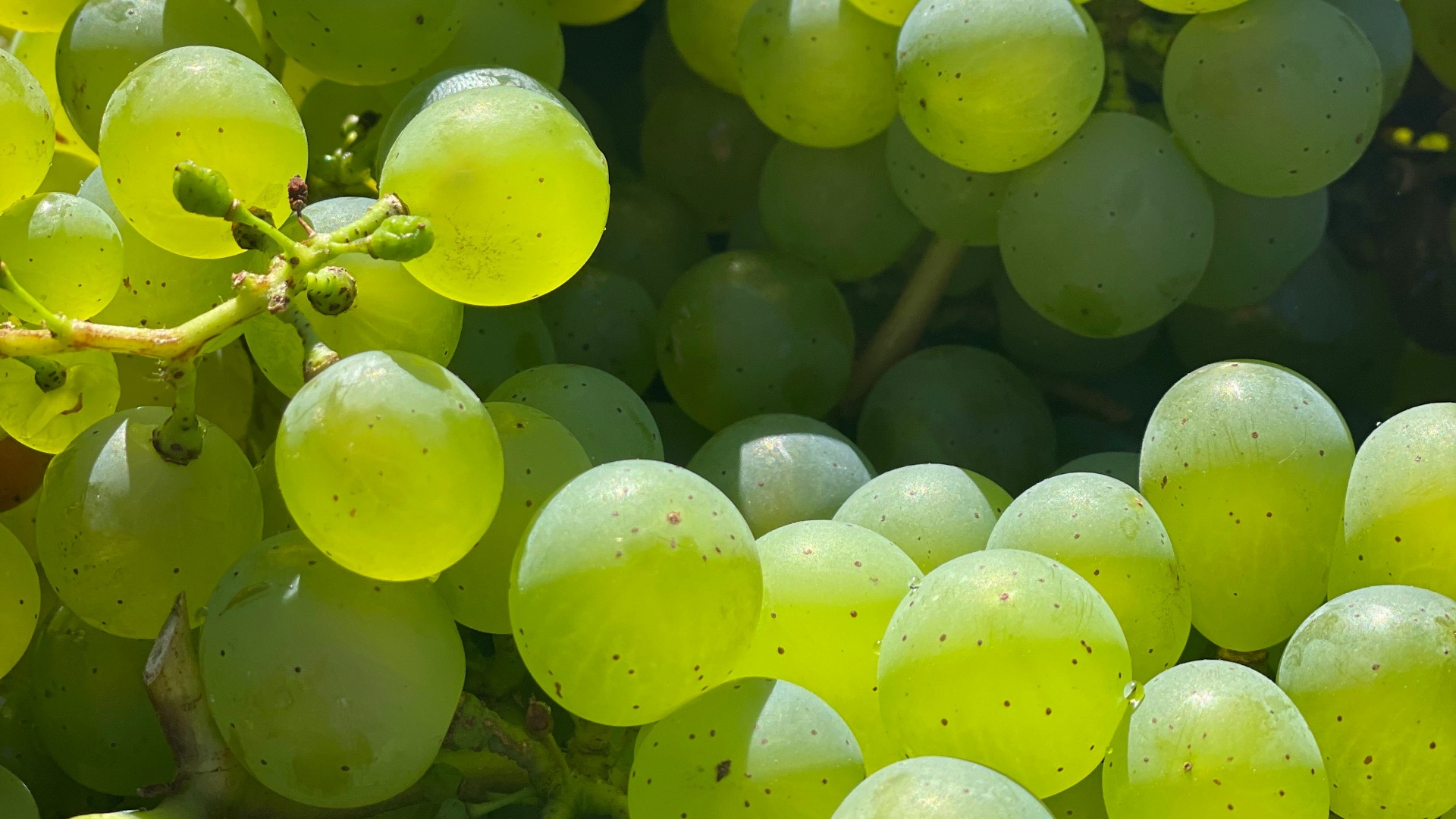
You can probably already see why grapes can be harmful: they're just about the right shape and size to lodge in an infant's airway. Of course, that doesn't mean you can't feed your child grapes at all—you'll just need to cut them into smaller pieces. The same caution applies to similarly shaped foods such as whole cherry tomatoes.
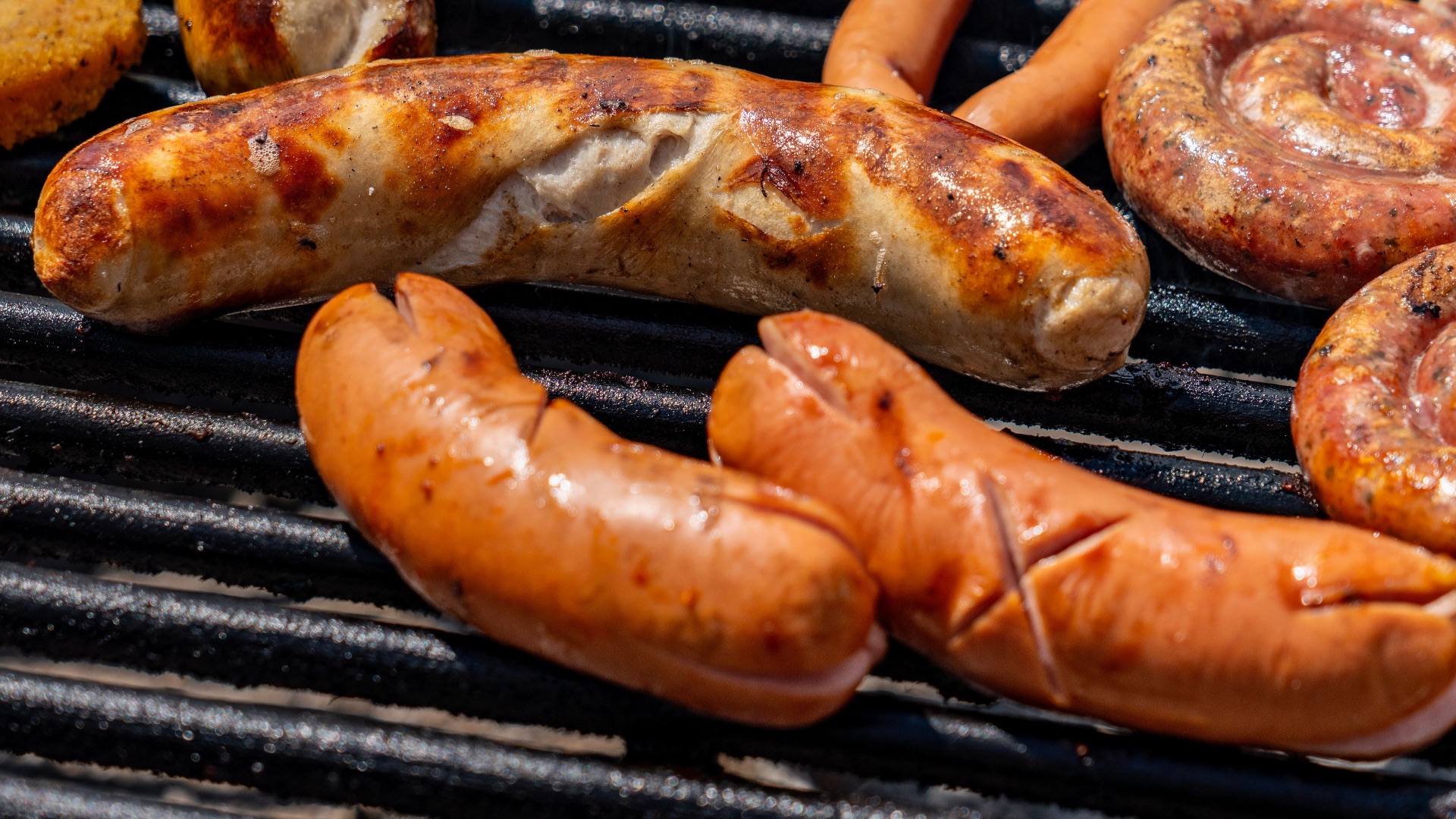
8. Hot Dogs and Sausages
Slicing a hot dog into little round coins may look baby-friendly, but those pieces, like grapes, can still block the airway. As a workaround, cut cylindrical foods such as hot dogs and sausages lengthwise. Temperature matters, too: superheated sausages can hide pockets of steam that can burn a child's mouth.
 Susanne Jutzeler, suju-foto on Pexels
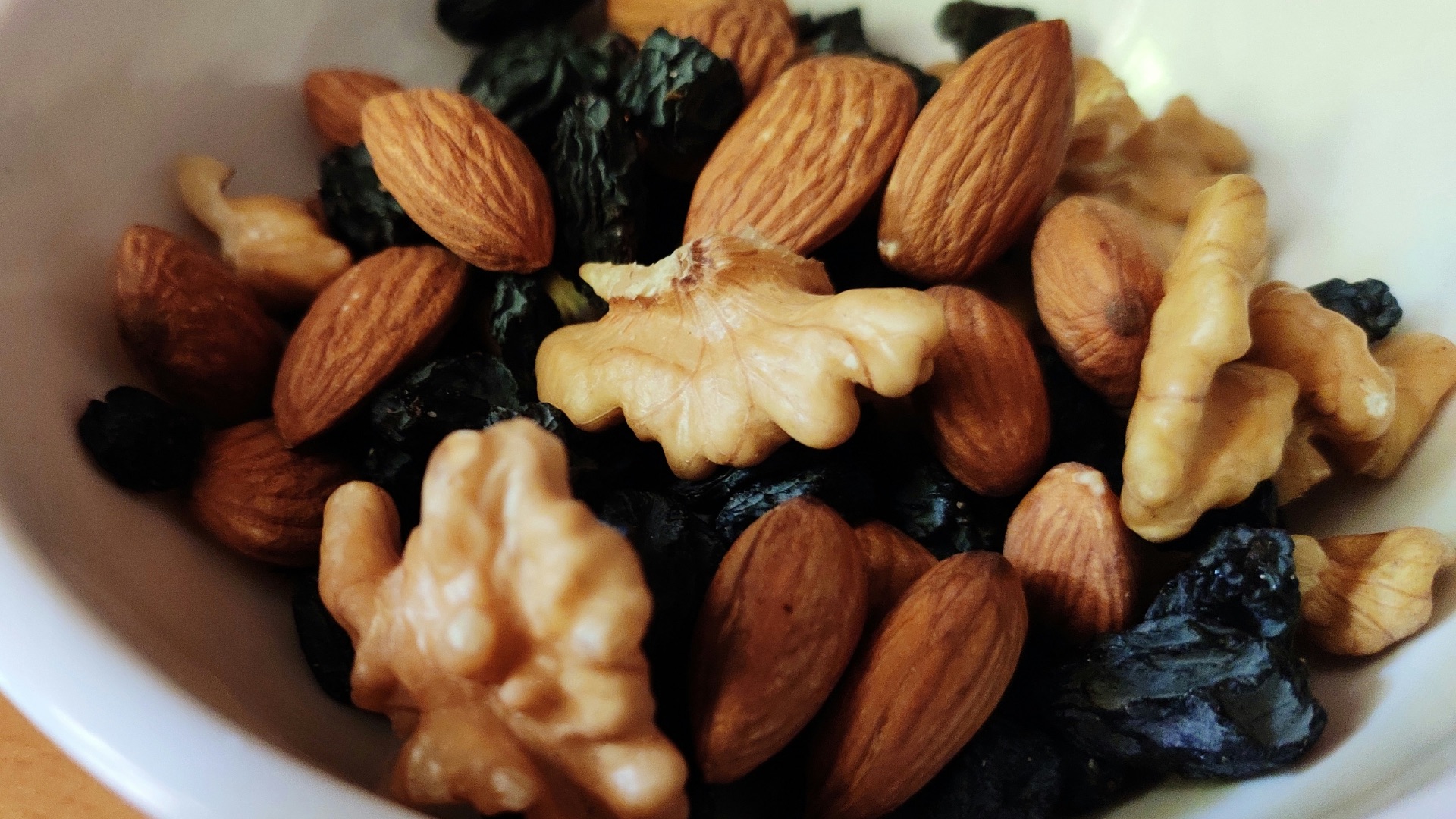
9. Whole Nuts
Besides being far too hard for babies to chew reliably, nuts can also get lodged in the airway. Certain varieties, especially peanuts, may also trigger severe, sudden allergic reactions, which could become life-threatening for unprepared parents.
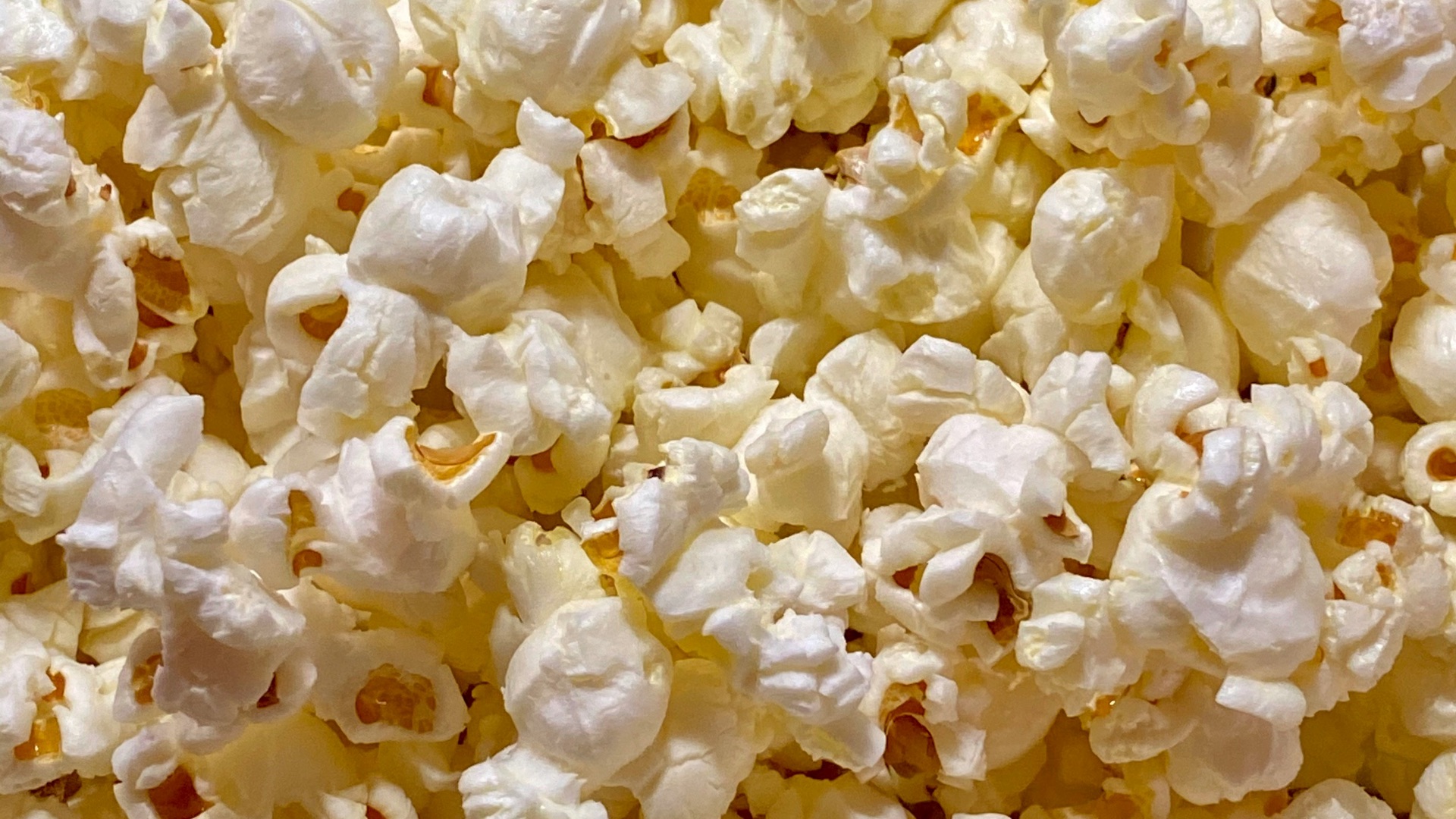
10. Popcorn
Popcorn may seem light and easy to eat, but its irregular pieces and firm kernels make it a significant choking hazard for young children. Before your child has a reliable enough set of teeth they can use to break the snack down, you're best avoiding this popular movie staple until they're older.
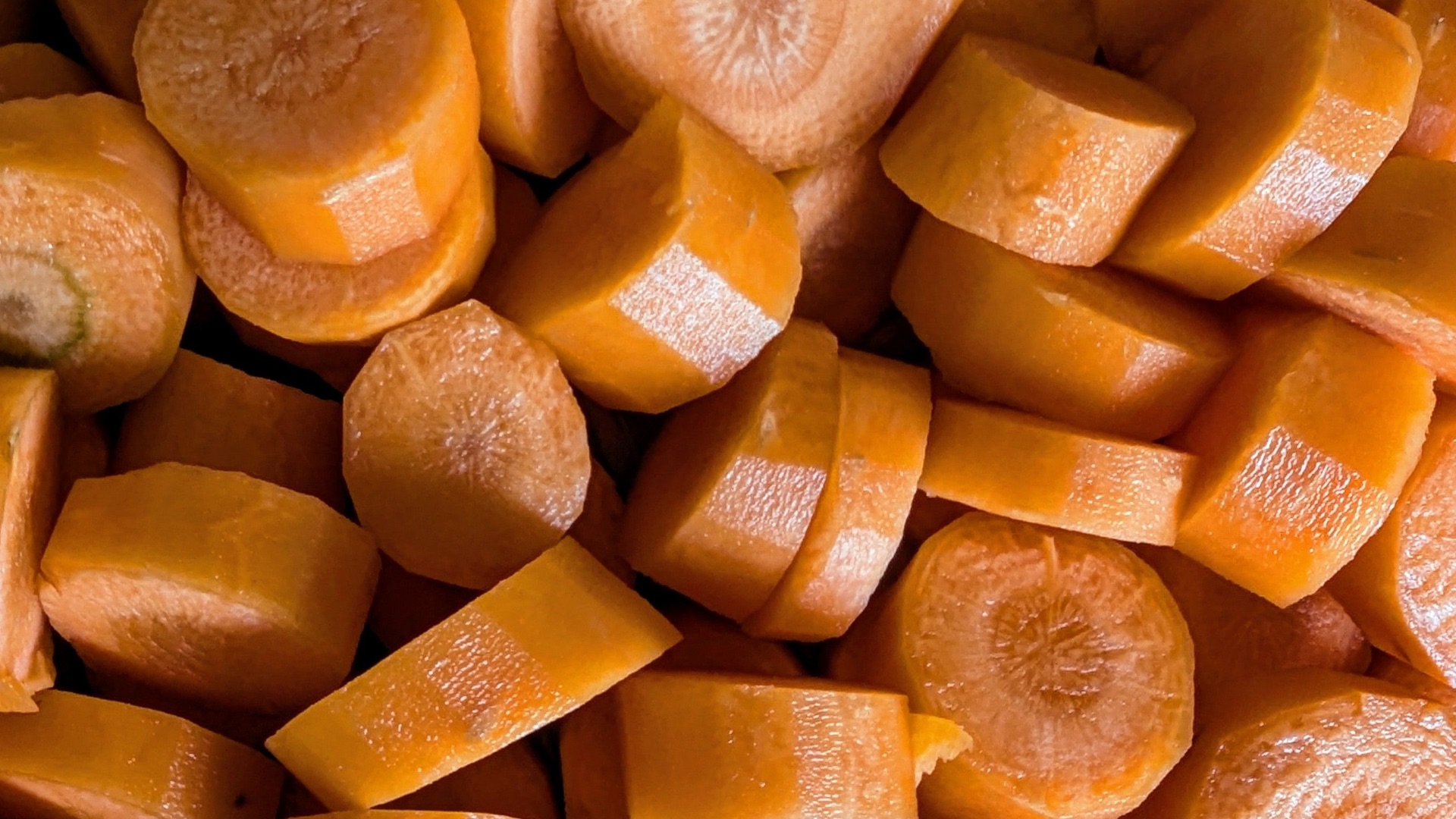
11. Raw Carrot and Apple Chunks
Fresh fruits and vegetables are important foods for babies, but always, always remember to soften up hard foods. Like coin sausages (and perhaps even worse), raw carrot pieces and firm apple chunks are incredibly easy to choke on, especially when your little one can't chew properly yet.
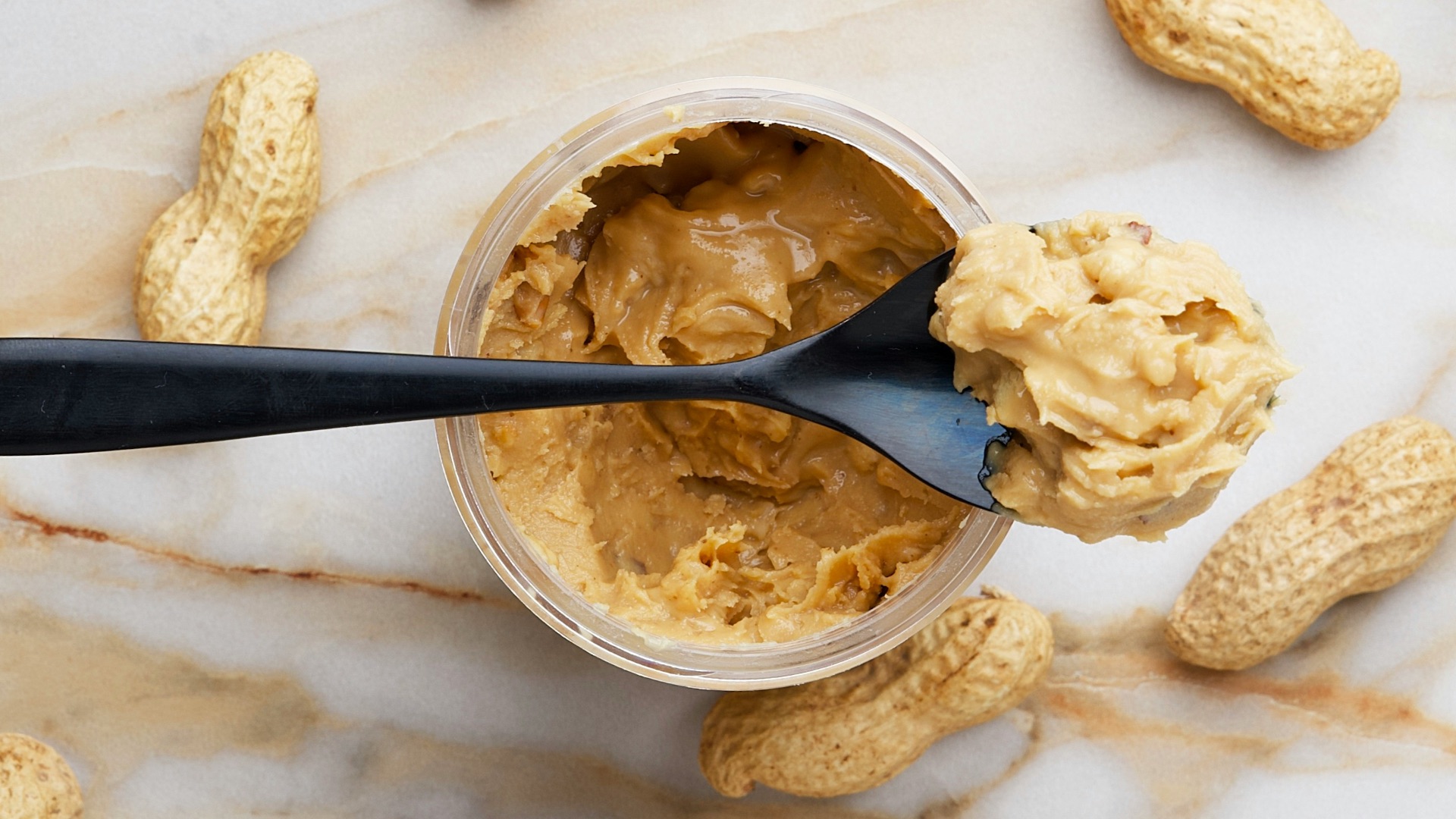
12. Peanut Butter
As mentioned, peanut butter can be dangerous because it's a common allergen, but the texture of thick nut butter poses an additional risk. Viscous and sticky, your toddler may have trouble melting and breaking down a spoonful before swallowing, making it a harmful snack even if no chewing is required.
 Corleto Peanut butter on Unsplash
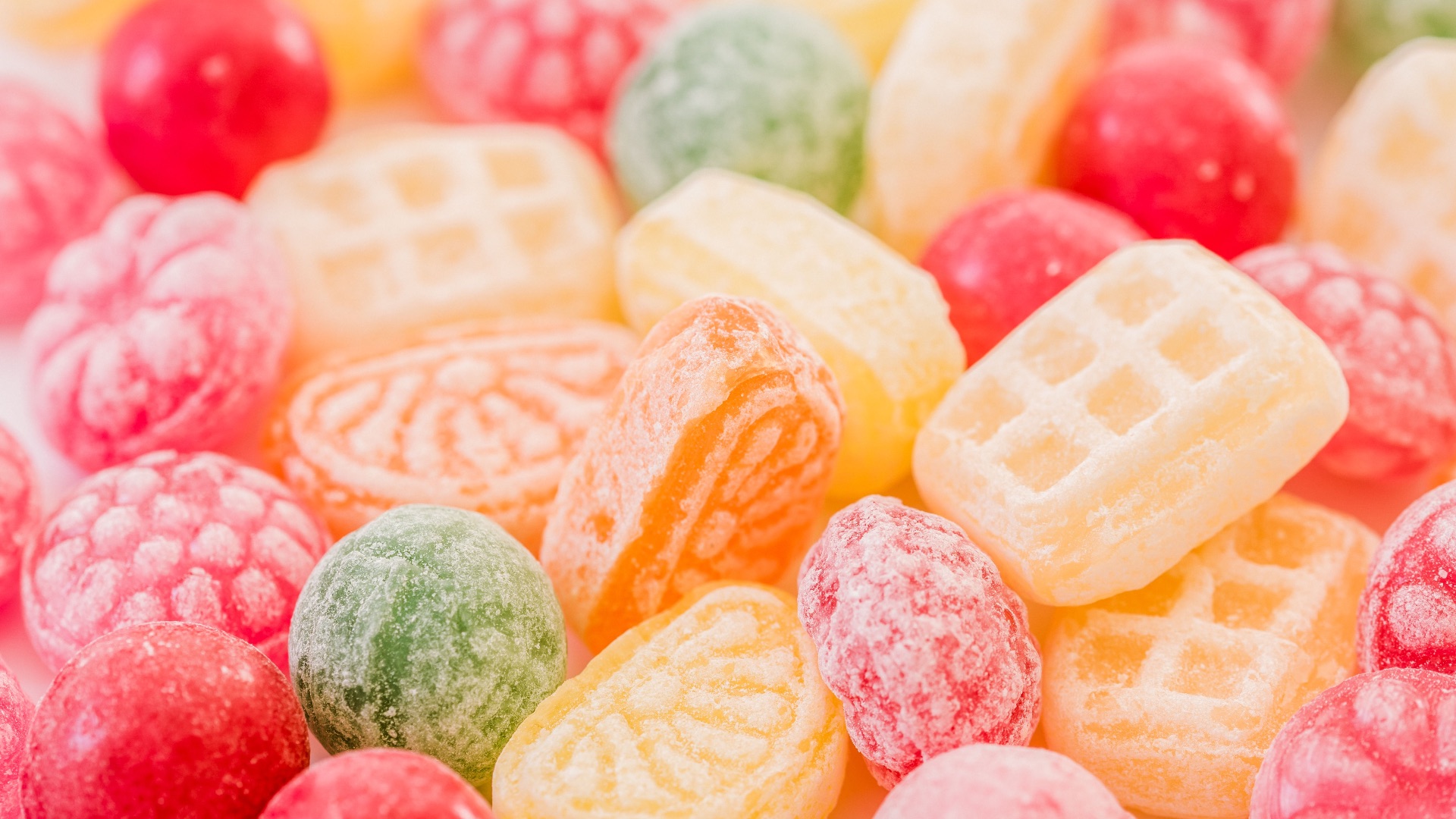
13. Hard and Sticky Candy
Despite being small and sweet, hard candies and gummies are no-nos for babies—their size, firmness, or sticky consistency can be difficult to manage, creating an obvious choking risk. Plus, you probably shouldn't introduce your little one to foods with added sugars so early on, anyway.
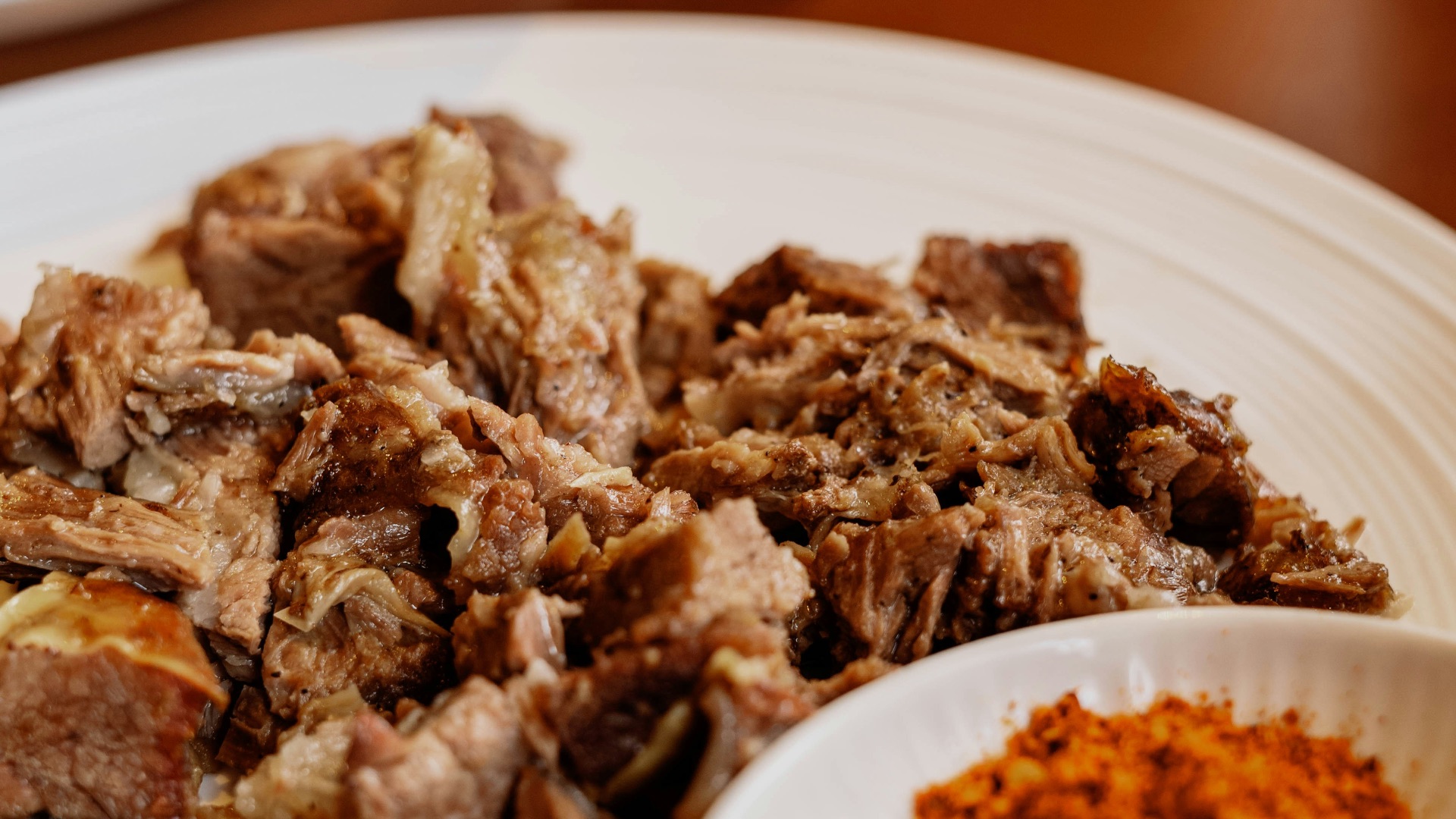
14. Large Chunks of Meat or Cheese
While your baby may technically be able to eat meat or cheese, you should always ensure that these chunks are small and soft enough for them to work through without choking. To avoid problems entirely, serve these foods finely shredded or mashed.
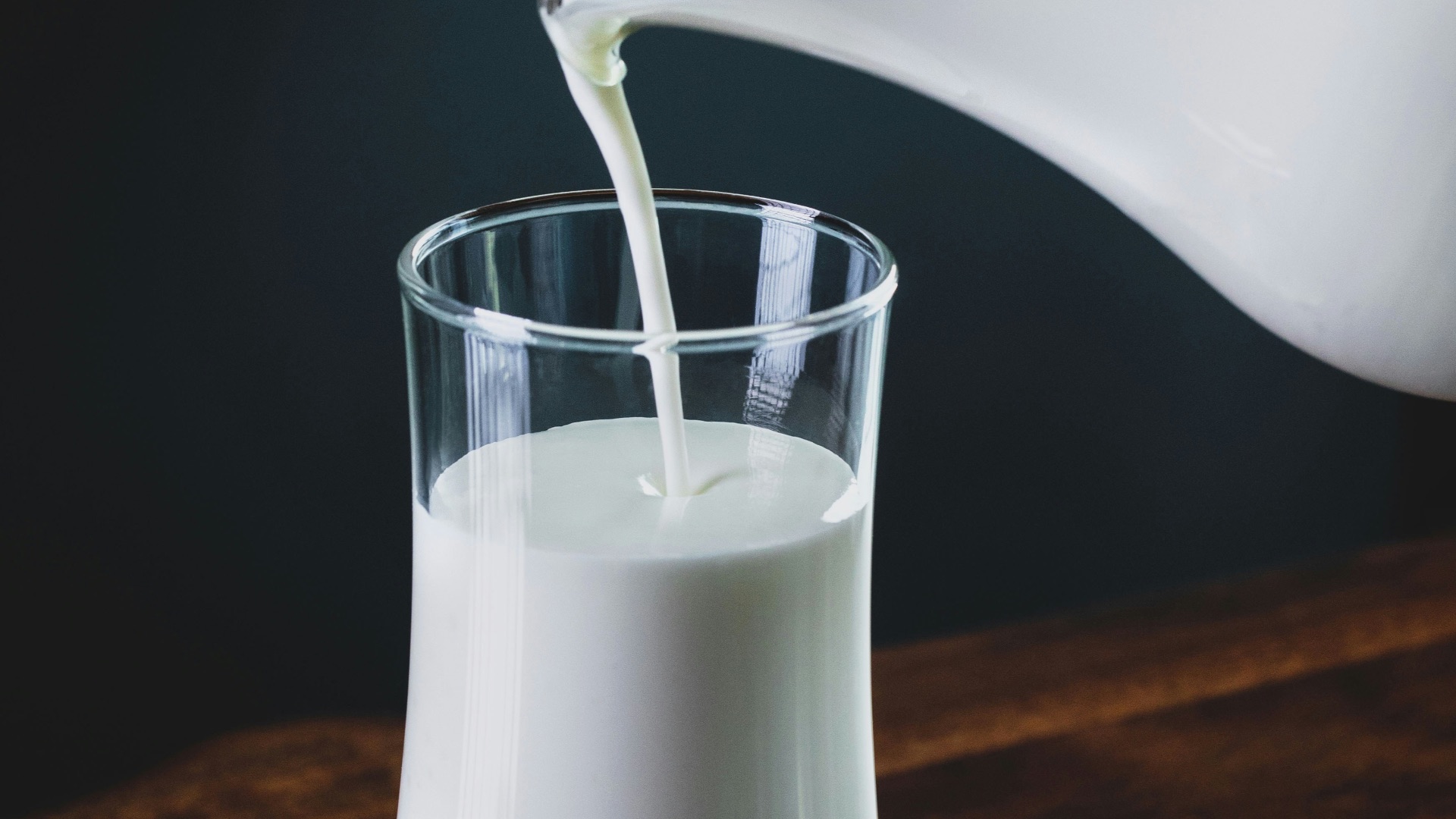
15. Cow's Milk
Not all milk is the same, which means you should never replace breast milk or infant formula with cow's milk as the main drink before 12 months. After all, babies have specific nutritional requirements during their first year, and it's not until after the first birthday that recommendations change.
16. Eggs
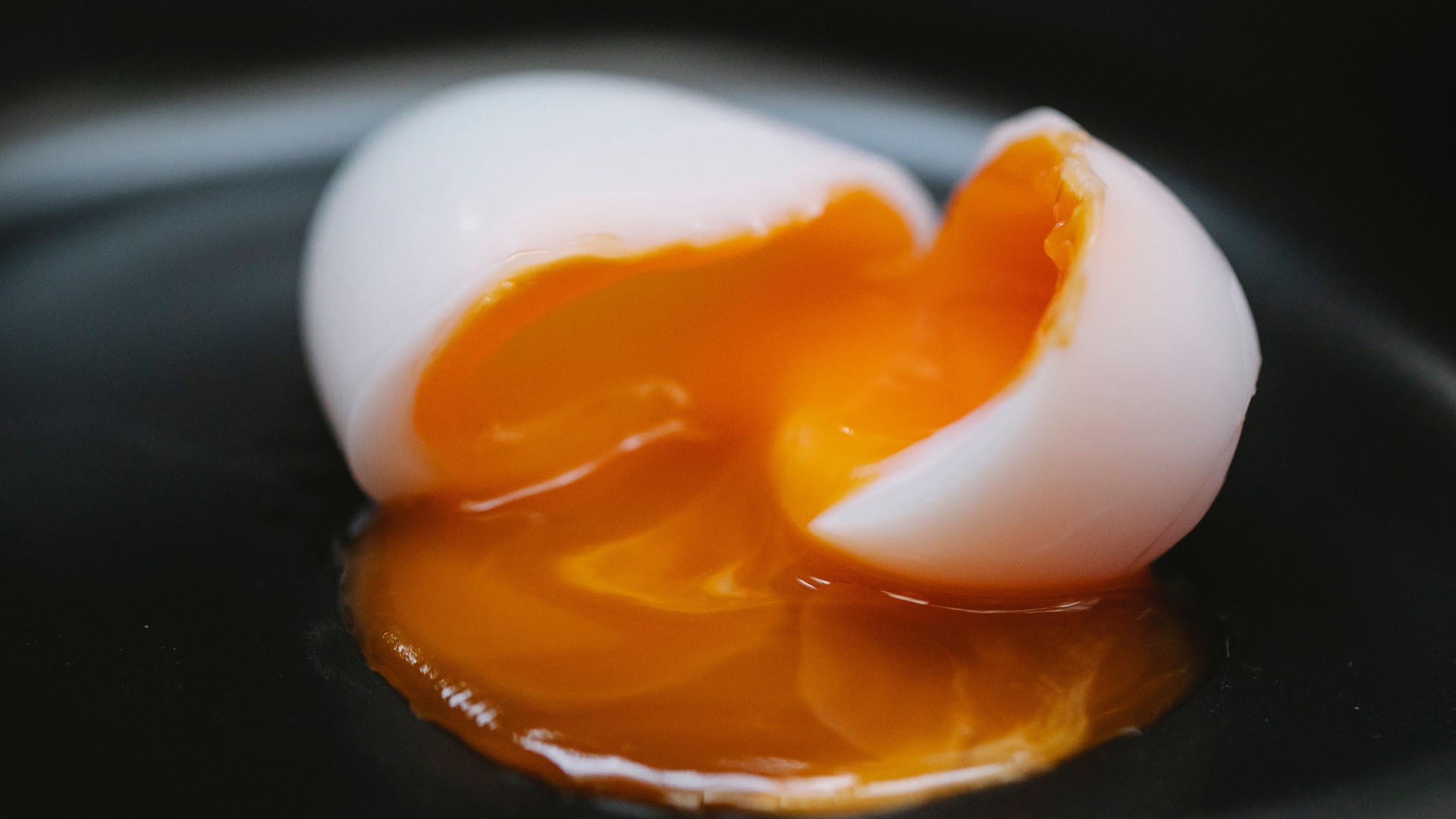
Eggs are one of the major food allergens, but more than that, it's also incredibly easy to undercook them. You might enjoy a runny yolk, but while your infant is still developing, get used to cooking your eggs all the way through. On your baby's first taste, start with a small amount and pay attention to any subsequent reactions.
17. Rice Cereal
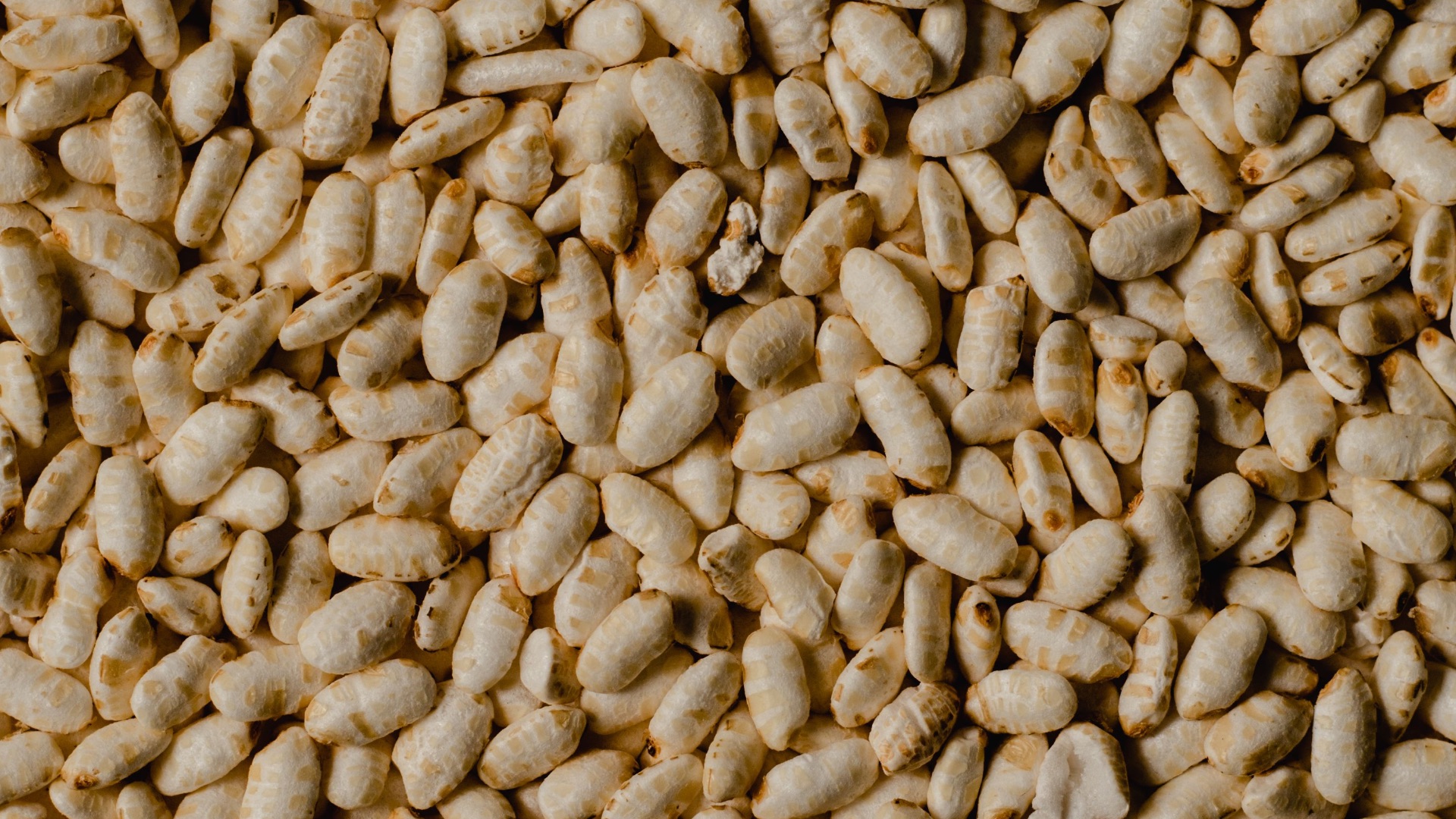
Rice cereal might seem like a useful first food, but here's something you may not know: rice tends to absorb more inorganic arsenic from the environment than any other crops. Instead of only feeding your infant these grains, vary your options with oats and multigrain cereals—you'll be glad you made the swap.
18. Salty Foods
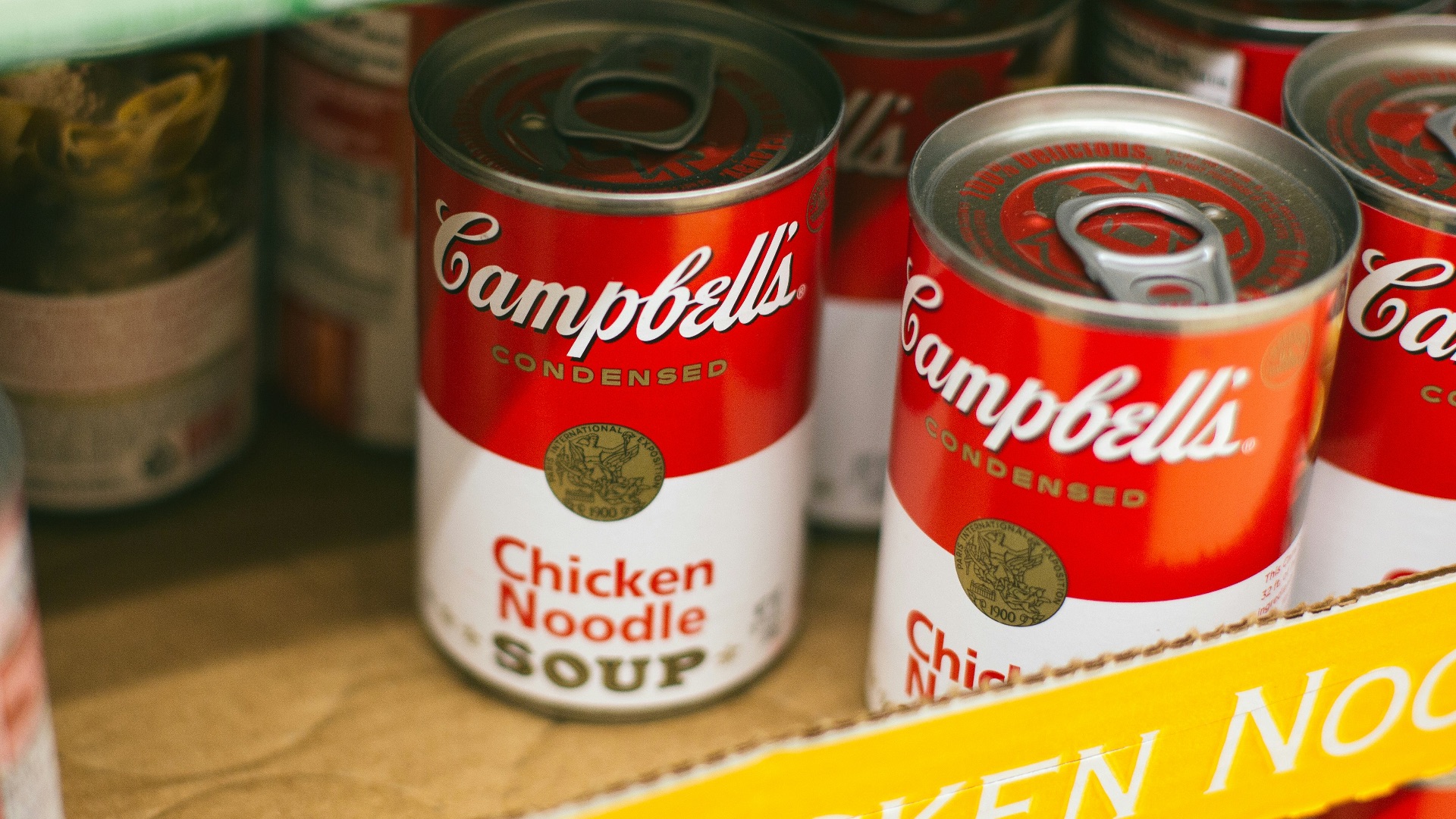
Like sugar, salt is another thing your baby can do without. It doesn't help, either, that certain items like processed meats and canned foods can contain much more sodium than is appropriate for an infant's diet. So while they're still developing, stick to lower-sodium alternatives and avoid unnecessary added salt in your home cooking.
19. Sesame
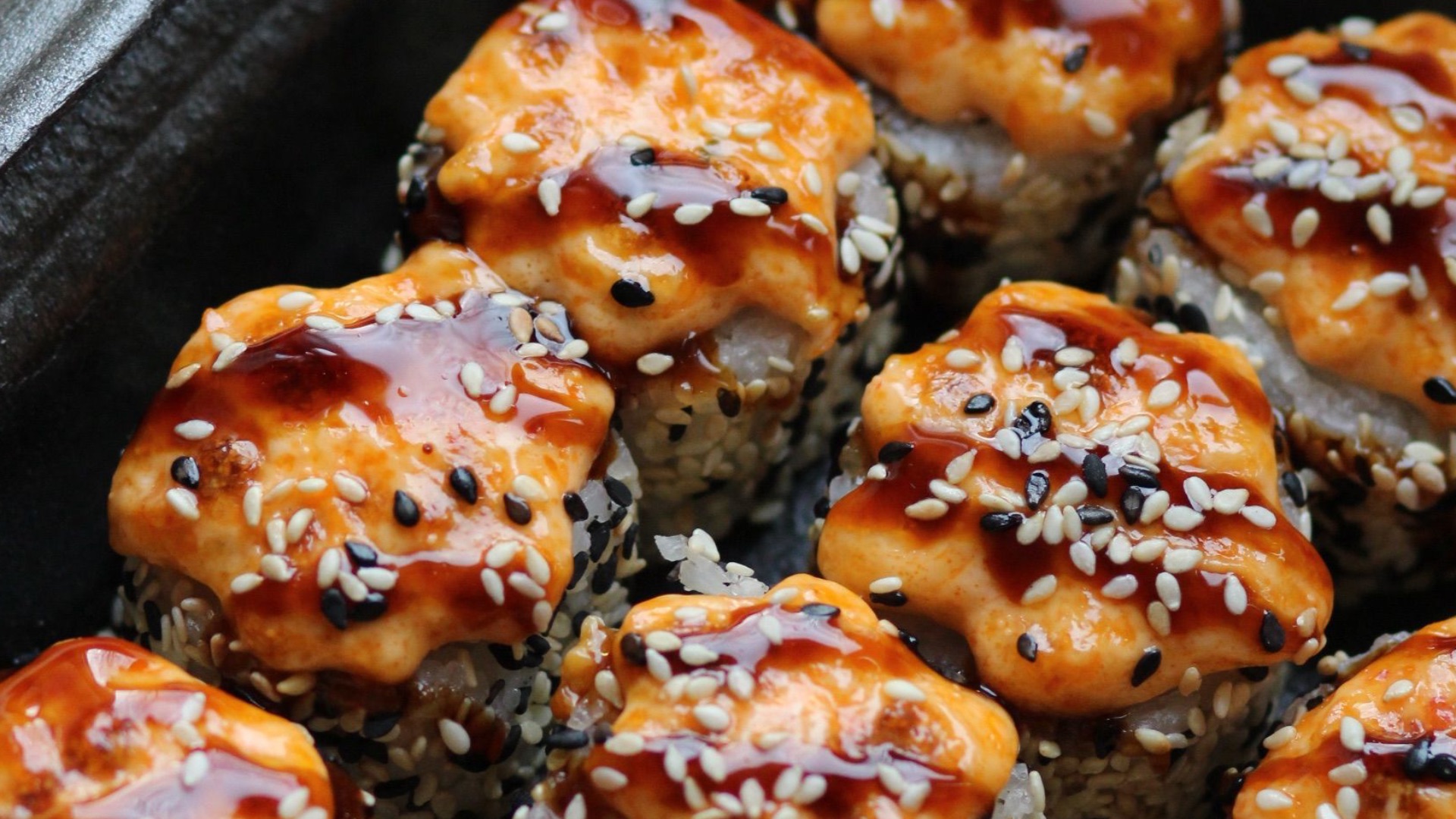
Sesame can hide in more foods than parents might expect, and it's recognized in the United States as one of the nine major food allergens. Beyond that, snacks that include lots of sesame or clusters of them can be a choking hazard, so make sure to watch out for that as well.
20. Shellfish
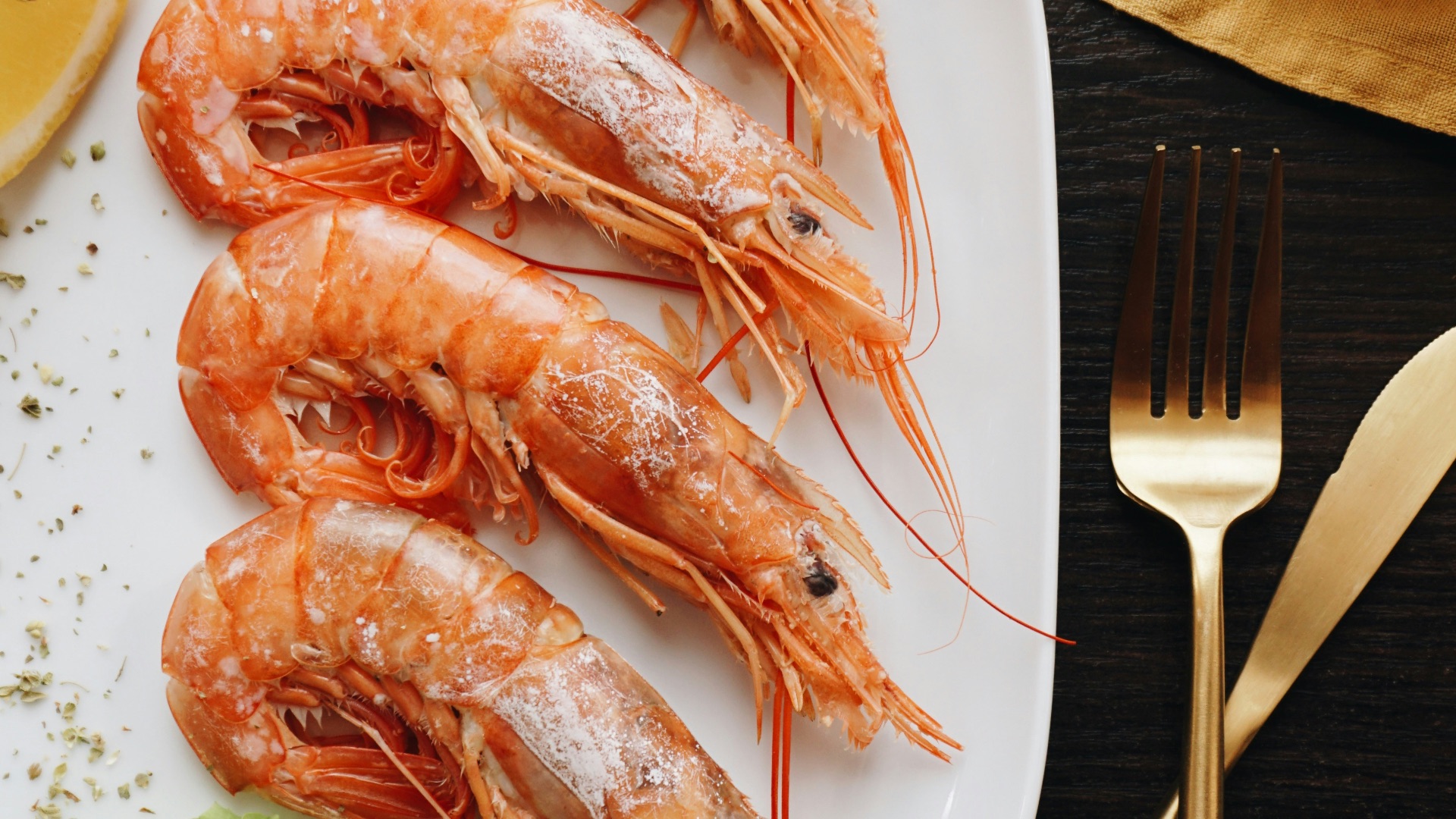
While fish can contain high levels of mercury, crustacean shellfish such as shrimp and crab may be harmful for young children for another reason: they're among the major food allergens. If you're introducing them to your baby for the first time, make sure to be prepared for any sudden reactions.