Charms You Could Eat
For centuries, people have hung food above doorways or passed it over their bodies to keep bad luck away. Most households already had the ingredients, making food a natural choice for everyday protection. Some customs are still practiced, including the lemon-and-chili charms hanging outside shops in India and the roasted soybeans Japanese families throw during Setsubun each February. Others survive mainly in old folklore collections. Here are 20 foods people have trusted to ward off curses and misfortune.
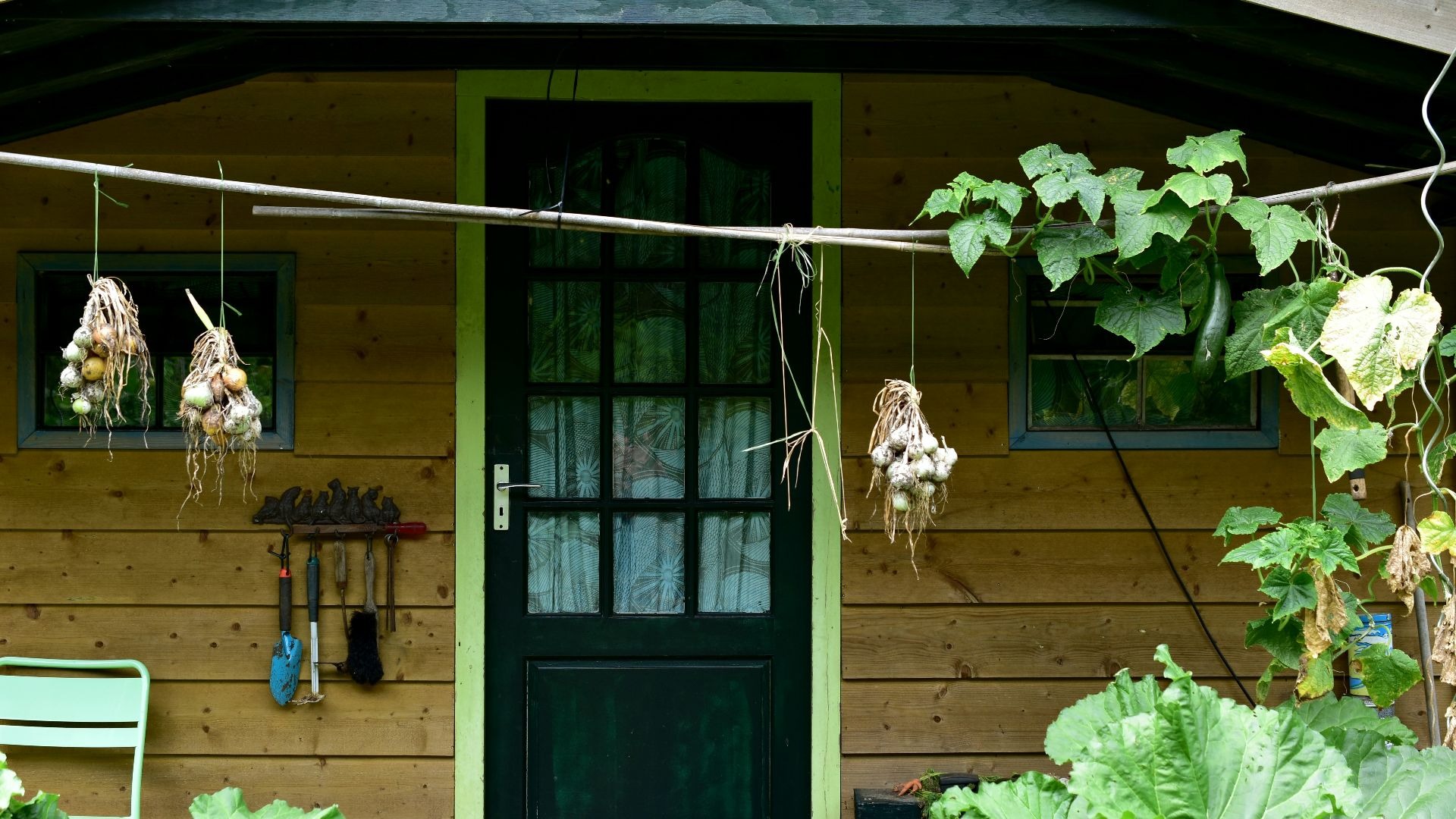
1. Garlic on Doors and Windows
Saint Andrew's Eve falls on the night of November 29 to 30, and Romanians mark it by hanging garlic on their windows and doors to repel evil spirits and ghosts. Some people even put it inside animal stables to cover the livestock too.
2. Raw Eggs Rolled Over the Body
A limpia is a Mexican cleansing ritual in which an older relative or healer rolls a raw egg over a person's body from head to toes, tracing crosses and reciting prayers. The egg is then cracked into a glass of water because it is believed to have absorbed negative energy, and traditionally the glass sits under the bed overnight.

3. Salt Thrown Over the Left Shoulder
Spilling salt counted as a bad omen across much of Europe, probably because salt was expensive and kept food from spoiling. The remedy was to toss a pinch over your left shoulder, where the devil was said to stand, so the grains landed in his eyes.

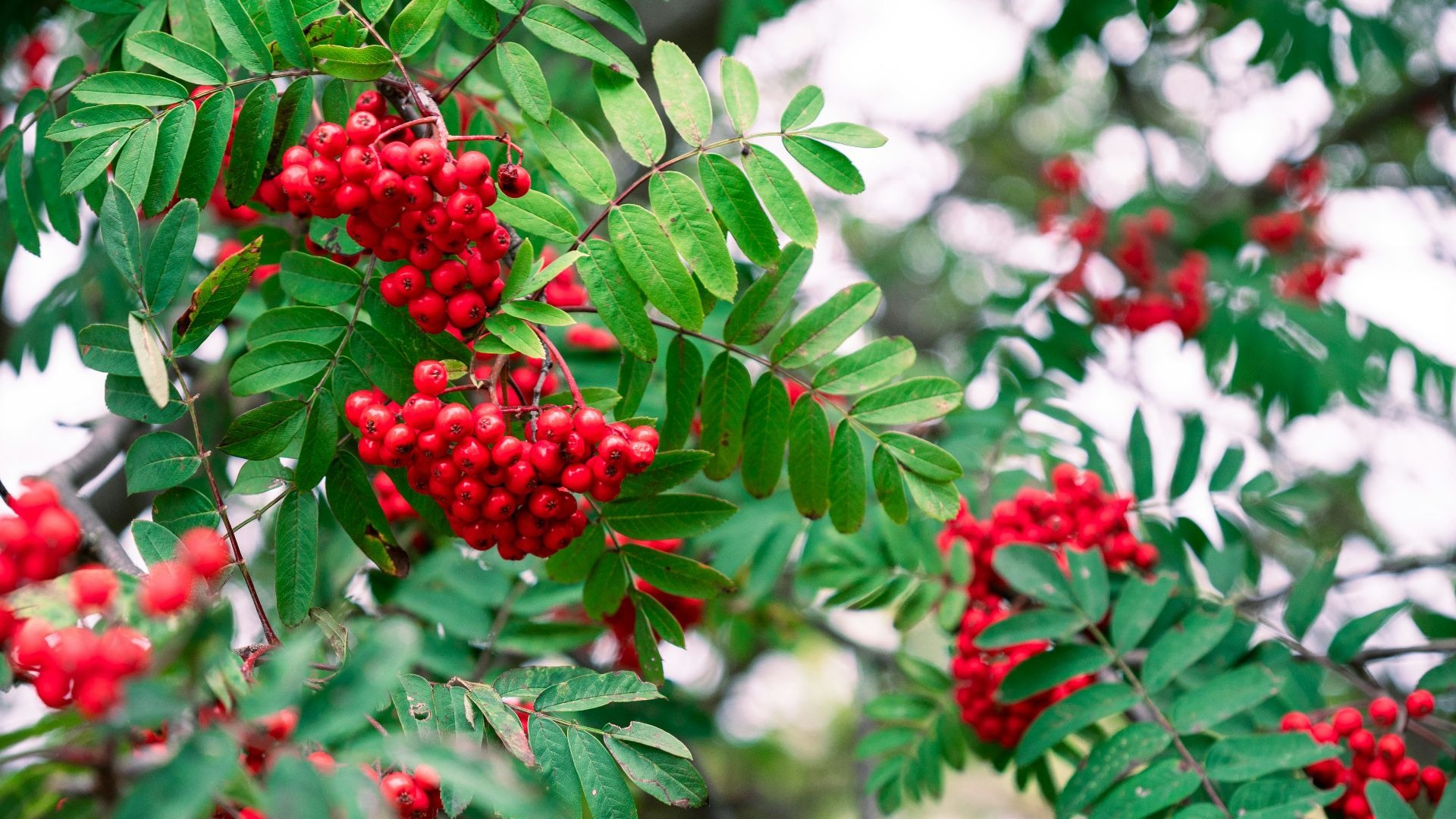
4. Rowan on Highland Houses
People in the Scottish Highlands and Islands decorated their houses with rowan on New Year's Day to protect the home and its cattle from evil. The same day's precautions could include marking the animals with tar and sprinkling wine on the door posts.
5. Hot Cross Buns Hung From the Rafters
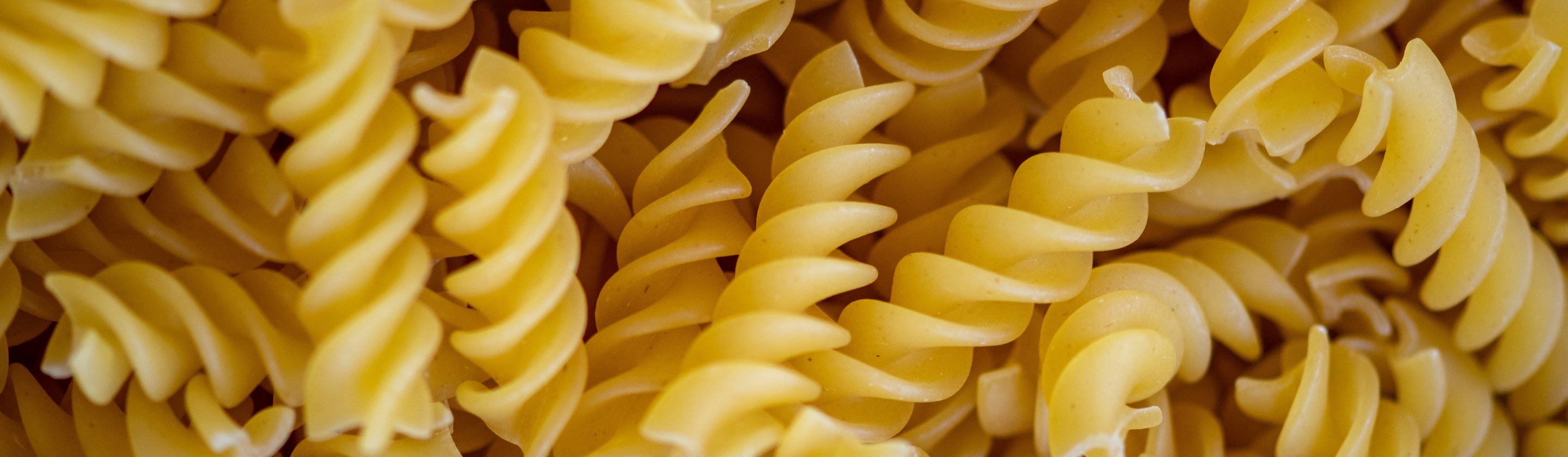
A hot cross bun hung from the kitchen rafters on Good Friday was expected to stay fresh and mold-free for a full year, until a new one replaced it the next Good Friday. It was credited with guarding the kitchen against fire and evil spirits, and with helping every loaf baked that year turn out well. Sailors who carried one to sea hoped it would spare their ship from wreck.

Seriously Low Carb on Unsplash
6. Roasted Soybeans Thrown at Demons
At Setsubun in early February, Japanese families throw roasted soybeans out the door while shouting for the demons to leave and good fortune to come in. In schools, the principal or a teacher may dress as the demon and get pelted by the children. Afterward people eat roasted beans to match their age, and some count one extra for protection through the coming year.

Daniela Paola Alchapar on Unsplash
7. Porridge Left Out for the Nisse
The nisse was a small household spirit that watched over the farm, and Scandinavian families used to set out a bowl of porridge with a generous pat of butter for it on Christmas Eve as payment and thanks for a year of care. In one folktale, a nisse that found no butter on its porridge killed the family's livestock, then felt remorse when it found the butter hidden underneath.

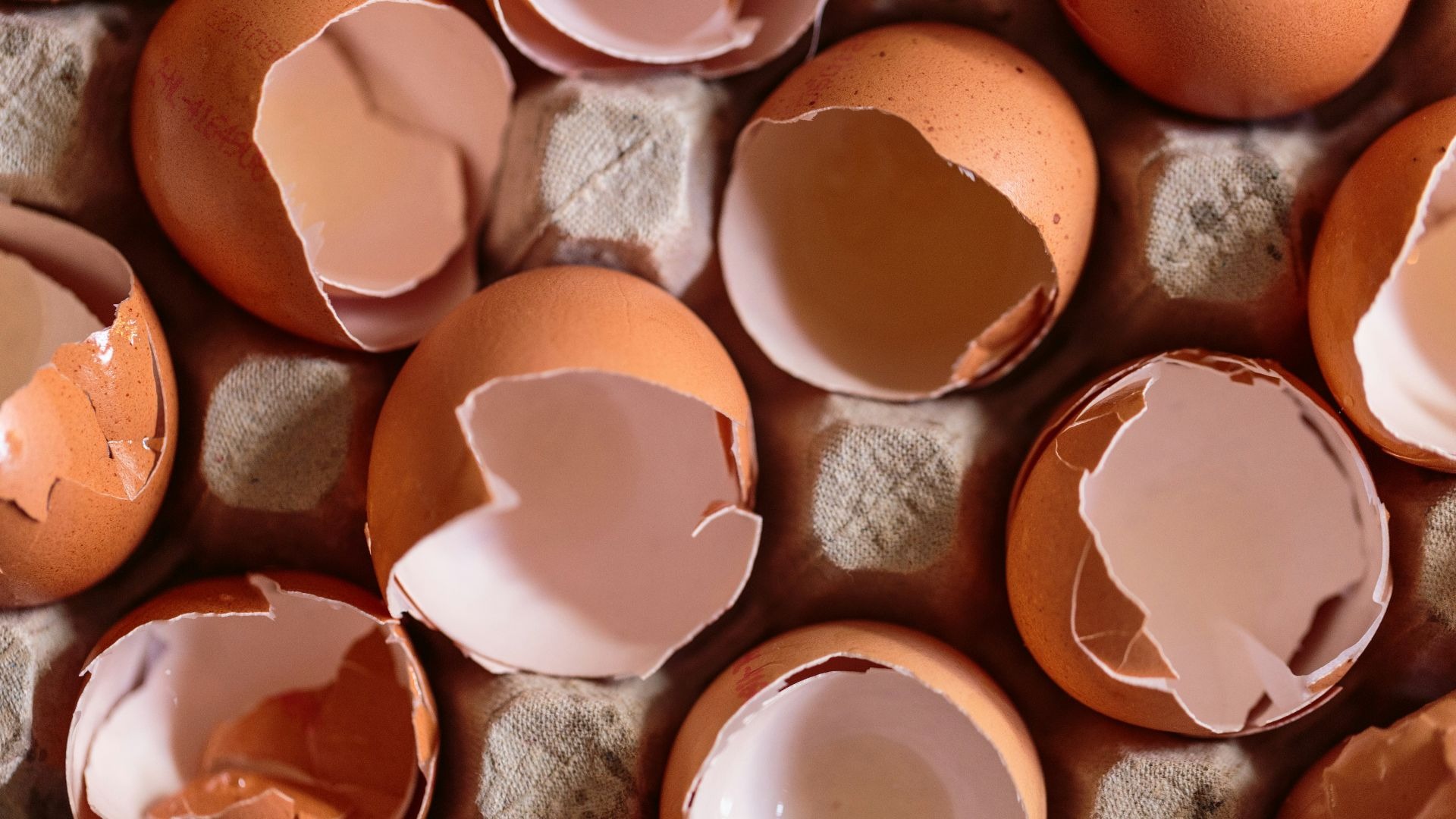
8. Eggshells Broken After Eating
Physician Thomas Browne dismissed the habit of breaking an eggshell after the egg was eaten as a superstitious leftover in his 1600s book Pseudodoxia Epidemica. The folk explanation was that witches couldn't sail off in a shell that had been broken.
9. Olive Oil Dropped in Water
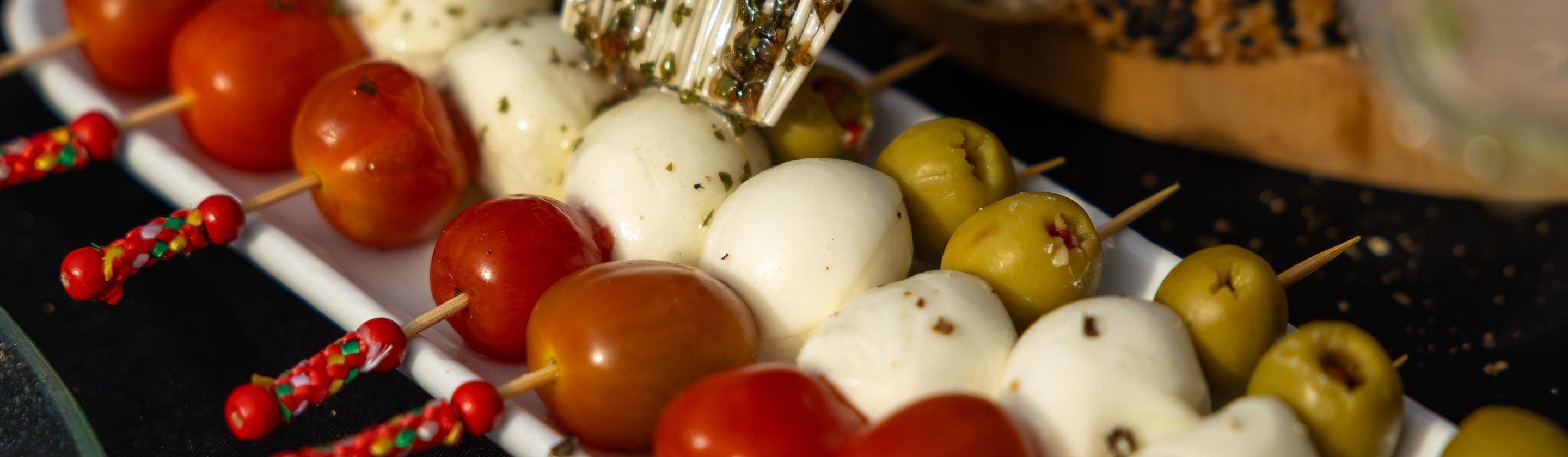
Healers in small Italian and Greek towns drop olive oil into a bowl of water to find out whether someone has been hit by the evil eye. One version treats a single drop that sinks, or two drops that merge, as proof the eye was cast, and a chant with more oil is used to cure it.

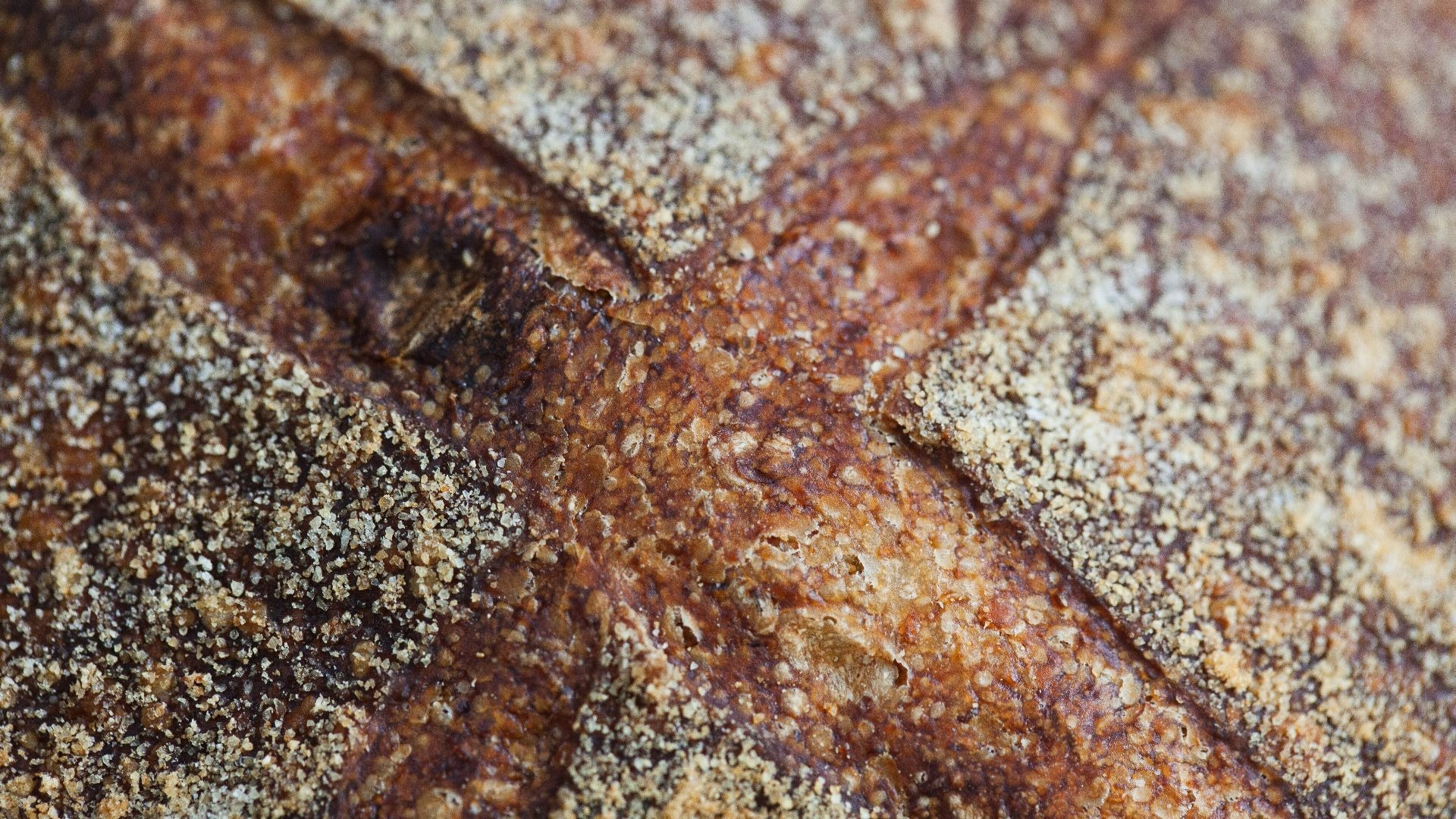
10. A Cross Marked on the Loaf
In Yorkshire, people traced a cross on a loaf with a finger to cancel out any witches, and servants worried that an unmarked loaf might stick or bake badly. Elsewhere in northern England, households made the mark to stop the Devil from sitting on dough rising by the fire. A scrap of bread tucked into a child's bib guarded it from evil on trips outdoors at night.
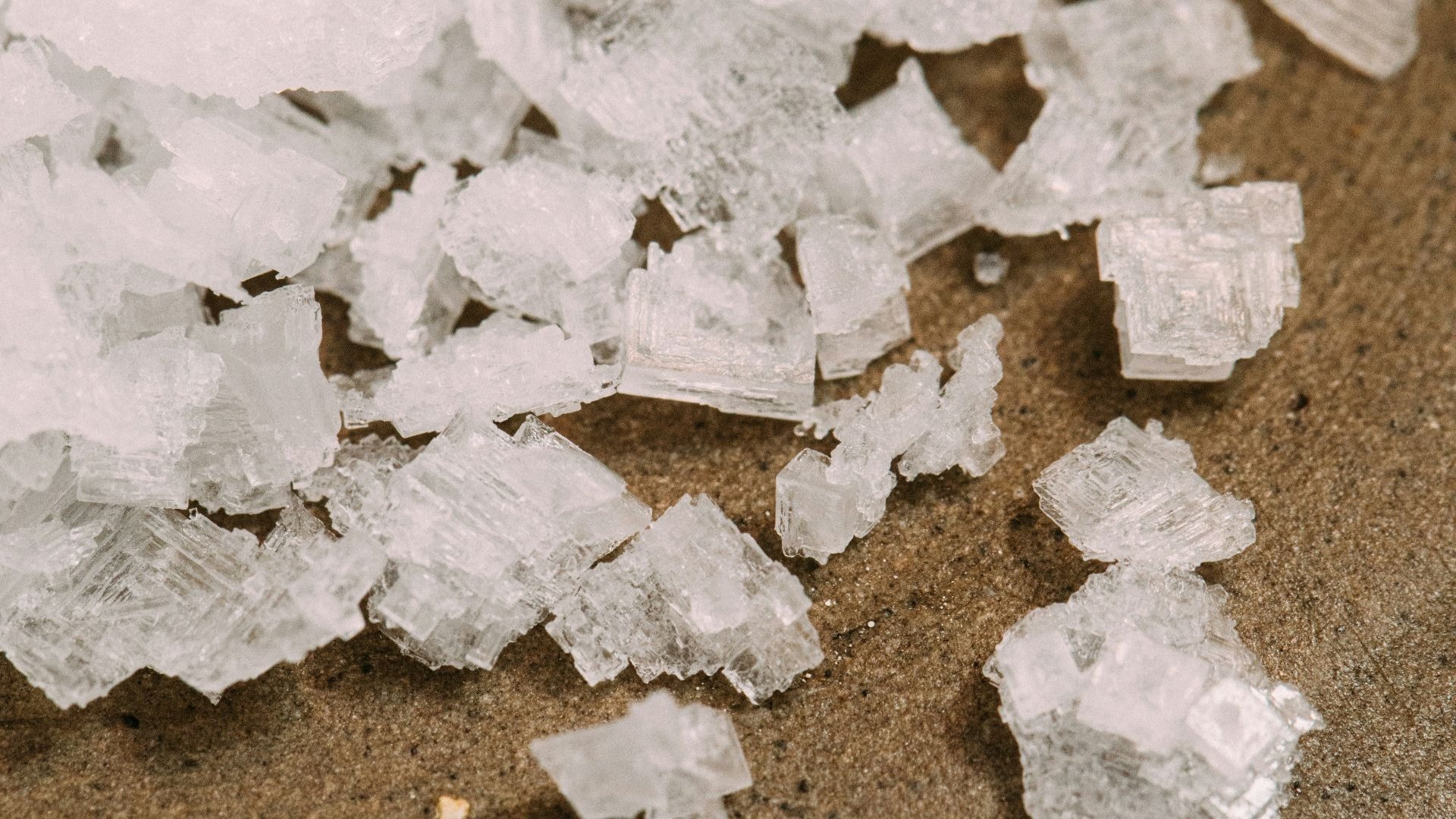
11. Salt Piled Outside Japanese Shops
Well-known restaurants and shops in Japan set out conical piles of salt known as morijio to purify the premises and ward off evil. Some also see the pile as an offering to the gods. The habit comes from Shinto, and sumo wrestlers throw handfuls of salt into the ring before a bout for the same reason.
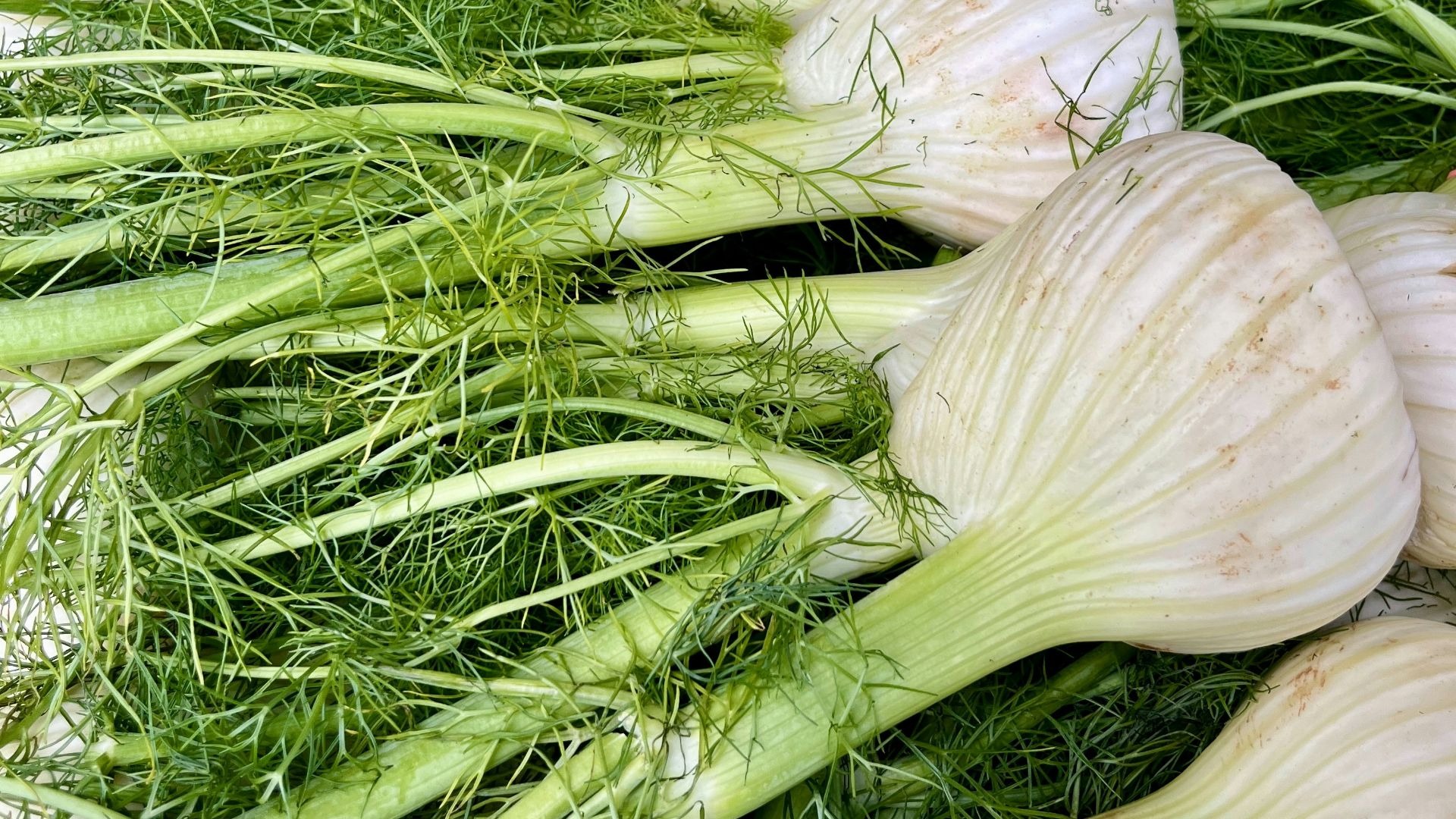
12. Fennel Hung in Doorways
To stop the spirits supposed to return to earth on Midsummer Eve, people hung fennel in their doorways. Fennel seeds went into keyholes in some households so ghosts couldn't slip through.
13. Lemon and Chilies on a String
Nimbu mirchi is a string of one lemon and seven chilies that hangs at the entrance of many Indian shops. The usual explanation involves Alakshmi, a goddess of poverty and misfortune who prefers sour and spicy flavors and will settle for them instead of moving in. It hangs just outside the doorway, near enough to get her attention without drawing her in.

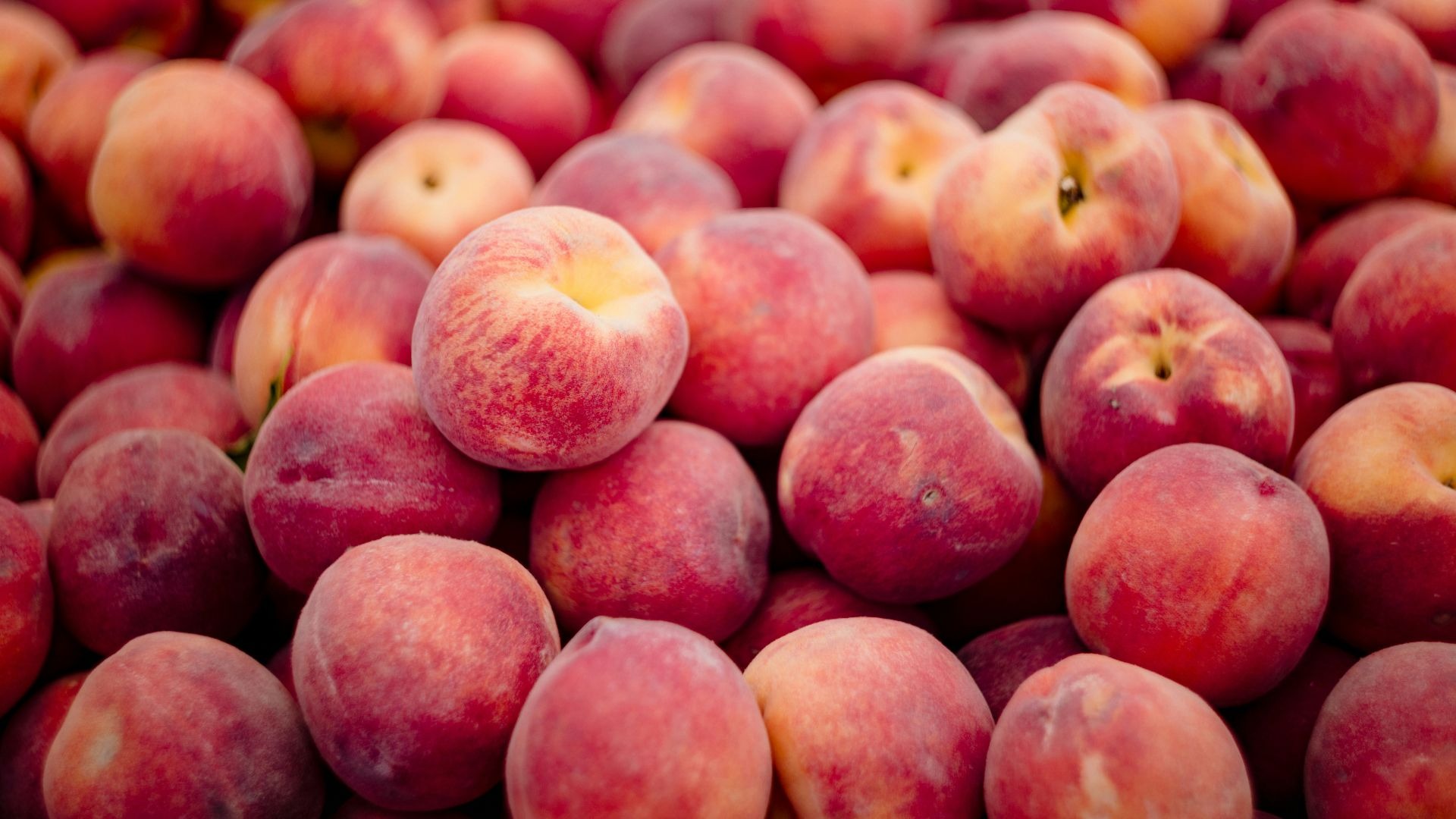
14. Peaches Against Oni
China and Japan share an old belief that peaches and peach trees drive off the demons called oni. Oni were linked to ancestors who hadn't been properly honored, and their resentment showed up as illness. The peach tree was described as standing on the border between the living and the dead, and in Taoist thought the fruit works as a charm against oni.
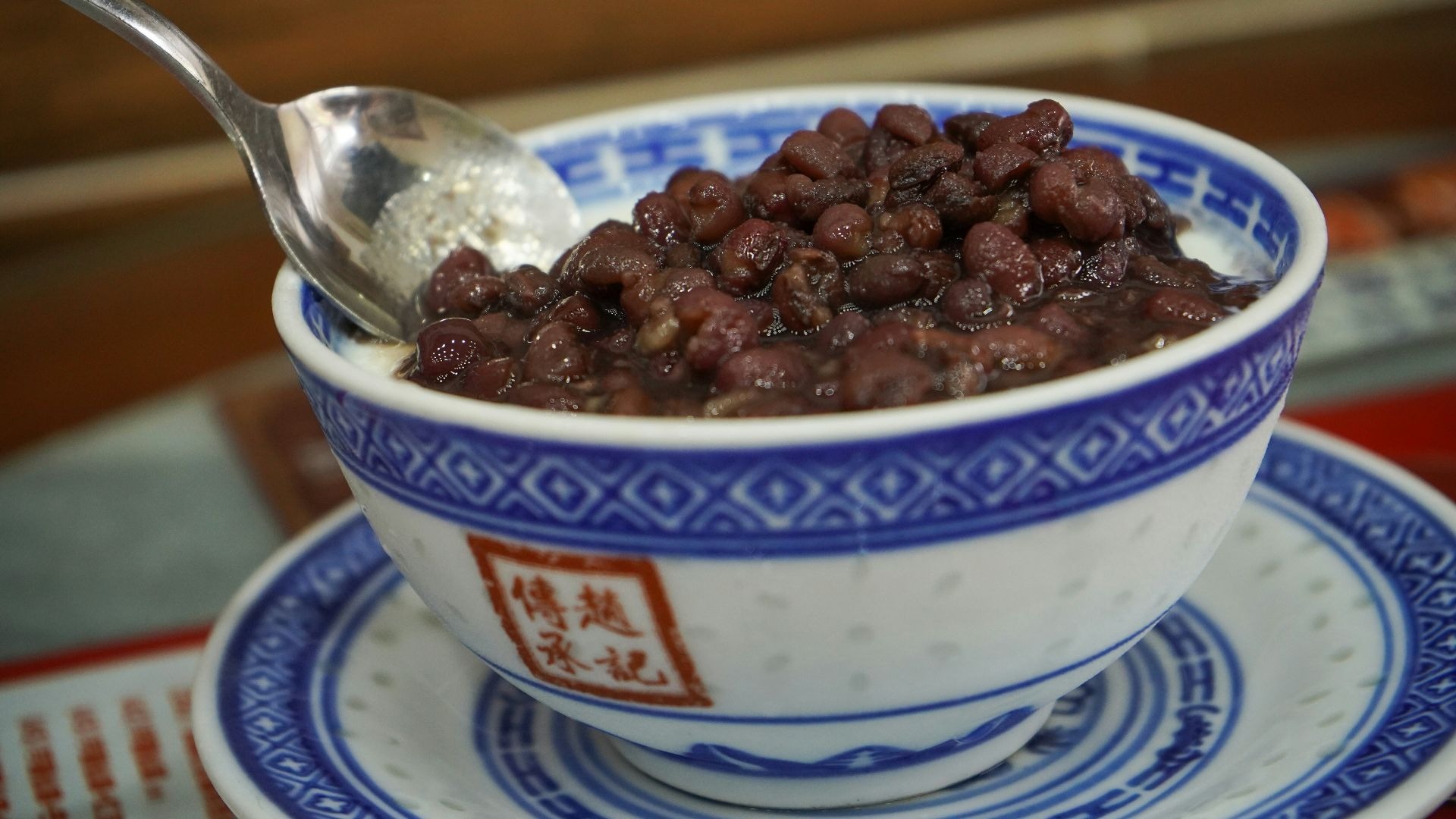
15. Red Bean Porridge Around the House
On the winter solstice, Koreans cook a porridge of red beans and spread some of it around the house, including near the front door and on the walls. People have long held that the red color of the beans chases harmful spirits out, and the porridge is offered to ancestors at their shrines. Eating a bowl each year is meant to support a long, healthy life.
16. Coconuts Cracked Before a New Start
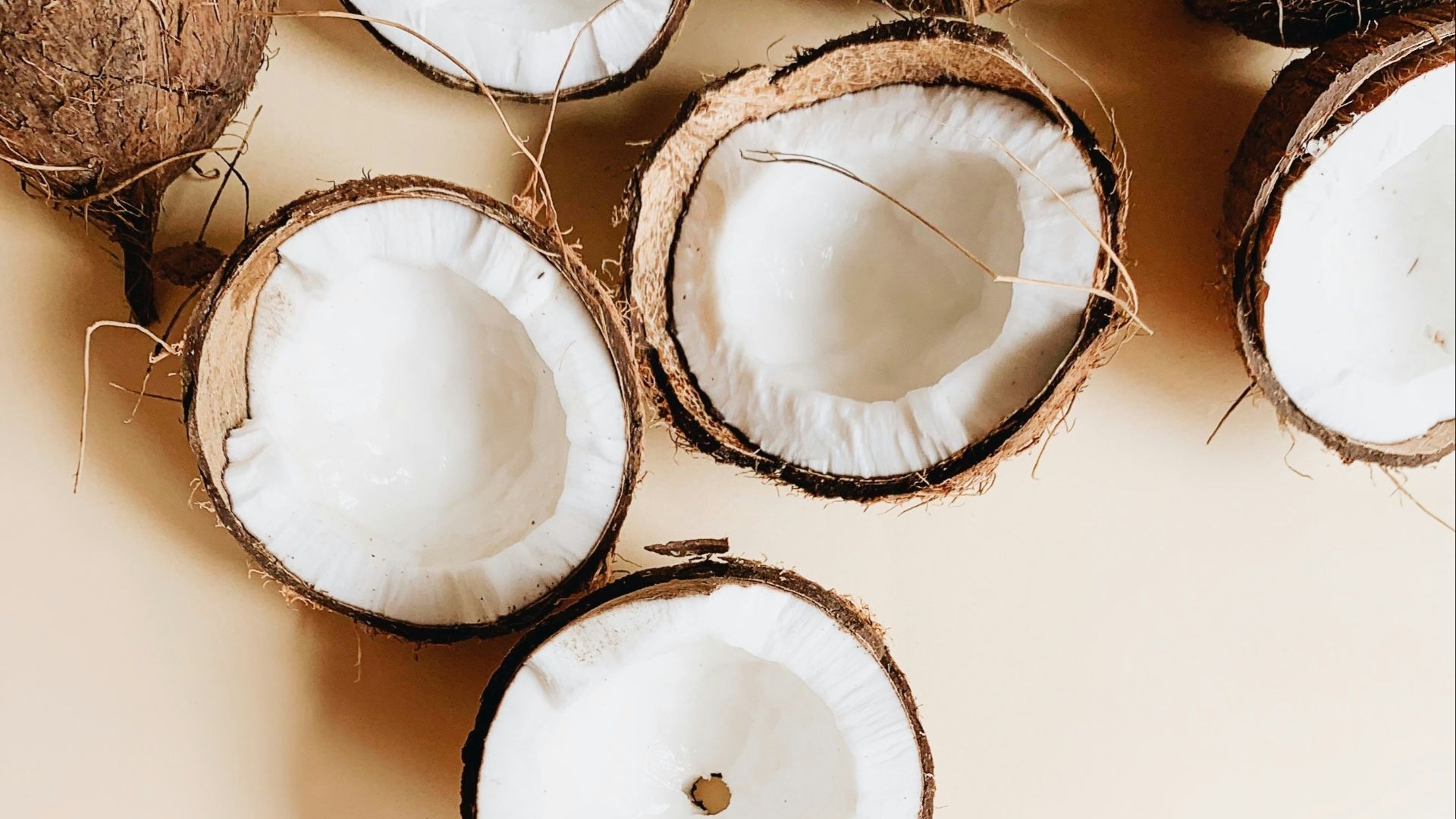
Hindu worshippers crack a coconut at a temple before opening a business or setting out on a journey. The nut is offered to the gods, most often Ganesha, who is associated with removing obstacles. Breaking it clears the way ahead of time, and the pieces are usually shared afterward as prasad, a blessed offering.
17. Bay Laurel Worn in Thunderstorms
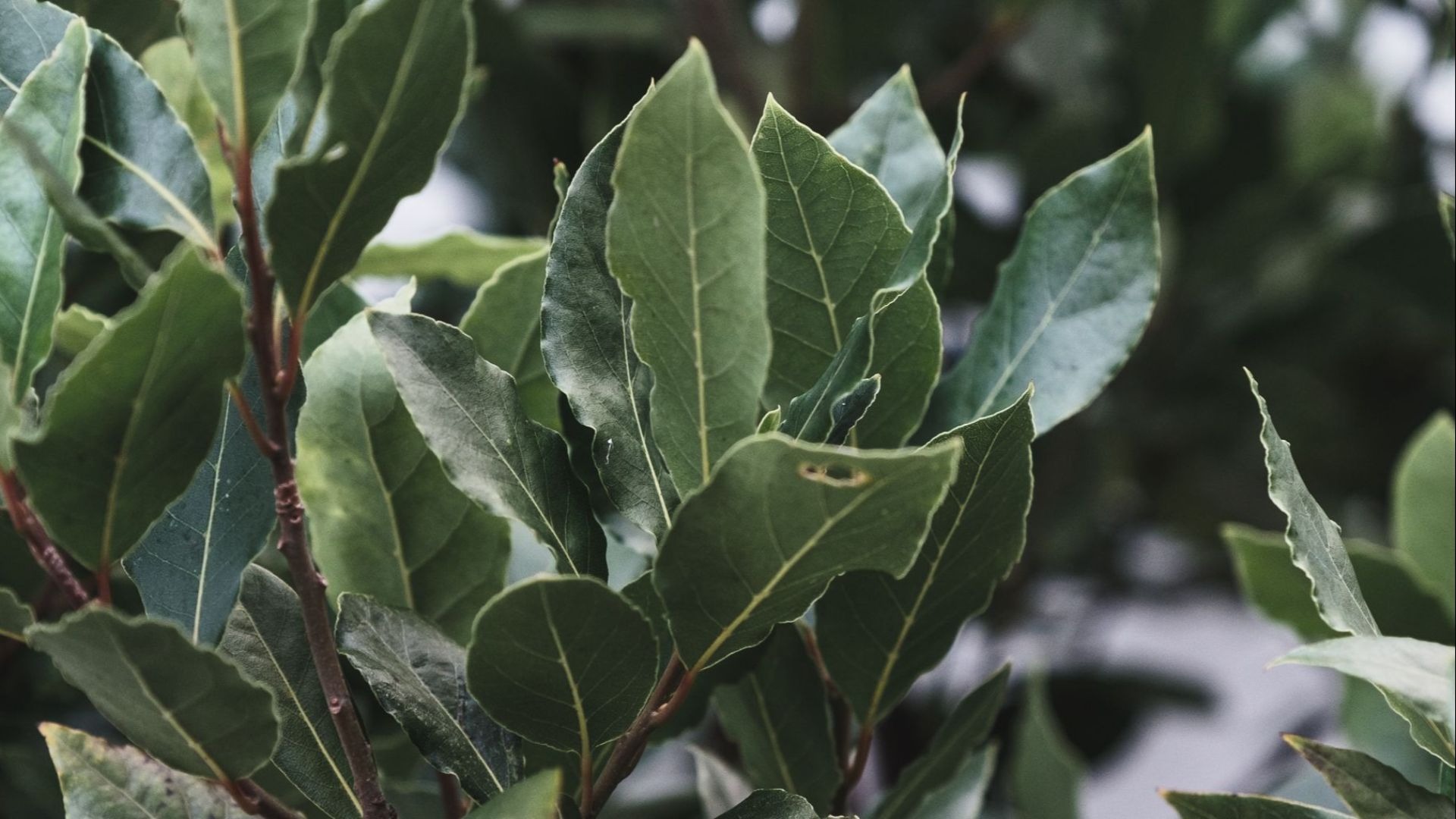
The historian Suetonius reports that Emperor Tiberius, who dreaded thunder, put on a laurel wreath whenever the sky turned stormy, since Romans considered laurel safe from lightning. Suetonius adds that Tiberius wasn't otherwise devout and leaned toward astrology.
18. Turnips Carved Into Lanterns
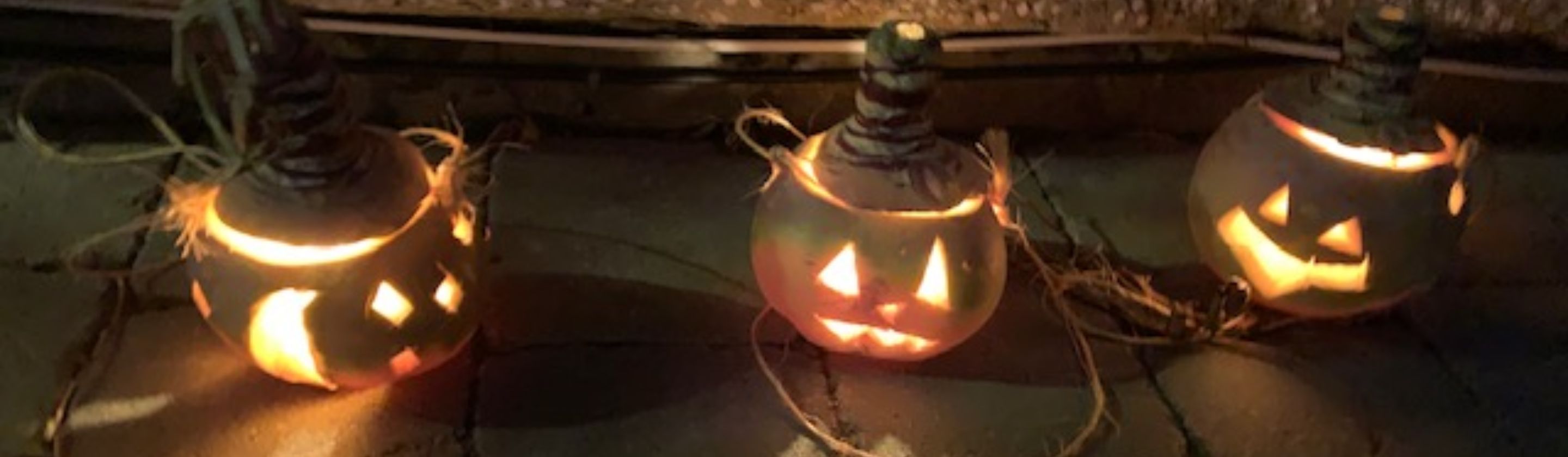
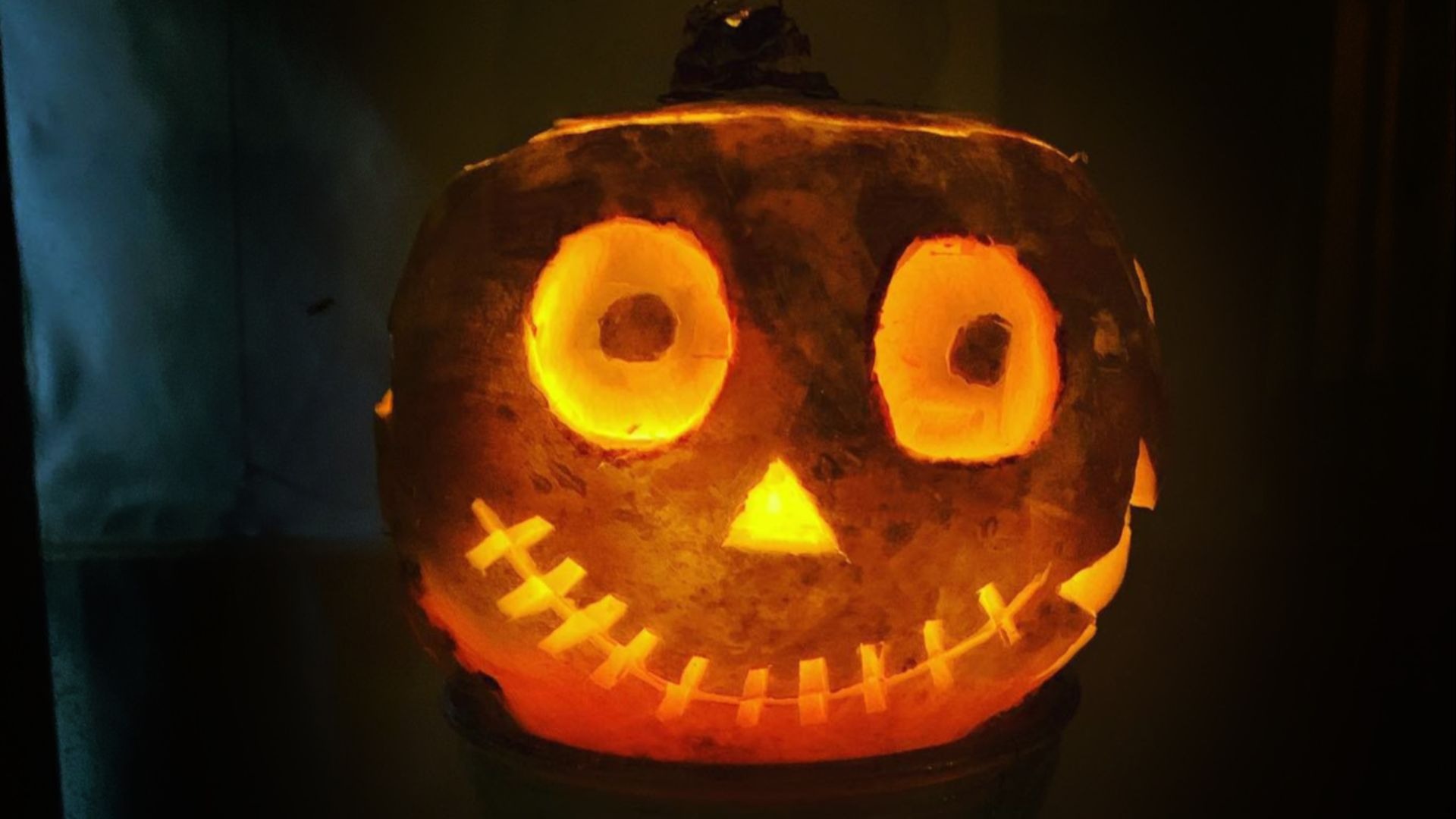
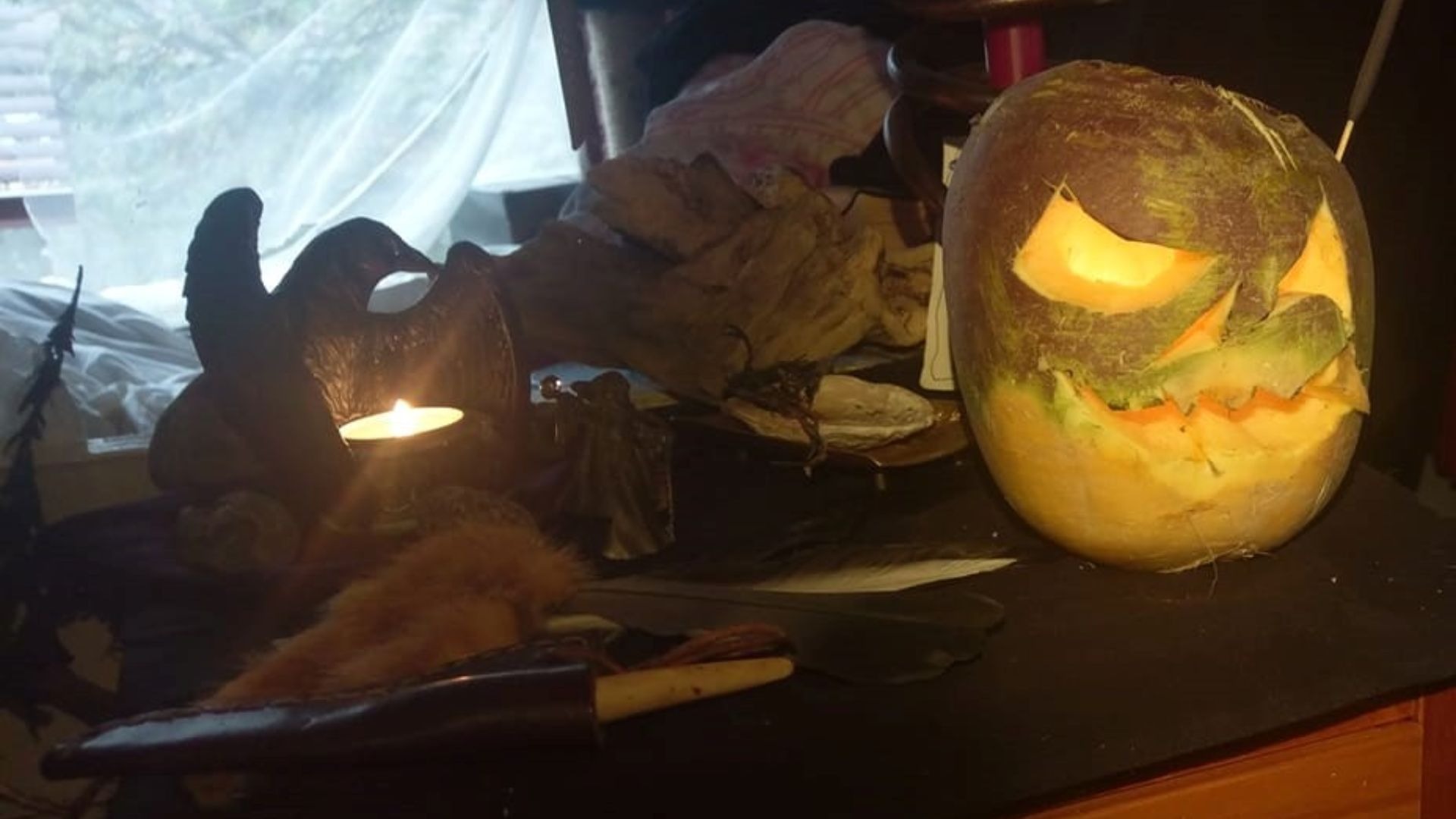
Samhain was a Celtic festival that began on the night of October 31, and people in Ireland and Britain carved frightening faces into turnips to scare off restless spirits of the dead. The National Museum of Ireland displays a plaster cast of a ghost turnip from the early 1900s. Irish immigrants later switched to pumpkins in North America because they were much easier to carve.
19. Rosemary Under the Pillow
During the Middle Ages, people put sprigs of rosemary under their pillows and mattresses to shield their sleep from nightmares and evil spirits. The plant stays green through winter in mild climates and gives off a strong scent when crushed, and either trait could have helped its reputation.

20. Mustard Oil Cotton Burned After a Cleansing
One account in USC's folklore archive describes a cure for the evil eye named nazar utarna, in which a practitioner waves cotton dipped in mustard oil around a person's body from feet to head 12 times. Once the motions are done, the cotton gets burned while the practitioner stays silent, and a longer burn means more bad spirits were around the person.

KEEP ON READING
20 Foods Used in Fertility Rituals Around the World
20 Foods That Taste Better the Next Day