20 Foods That Became Famous for Strange Historical Reasons
The Odd Backstories Behind Familiar Bites
Some foods become famous because they taste amazing, while others get there through accidents, marketing stunts, royal habits, wartime shortages, or one very persistent rumor. Food history is full of dishes that didn’t rise to fame in a predictable way. Sometimes the story behind the snack is just as interesting as the thing on the plate, especially when you realize how many famous foods owe their success to strange timing, weird publicity, or people making the best of a very specific problem.
1. Corn Flakes
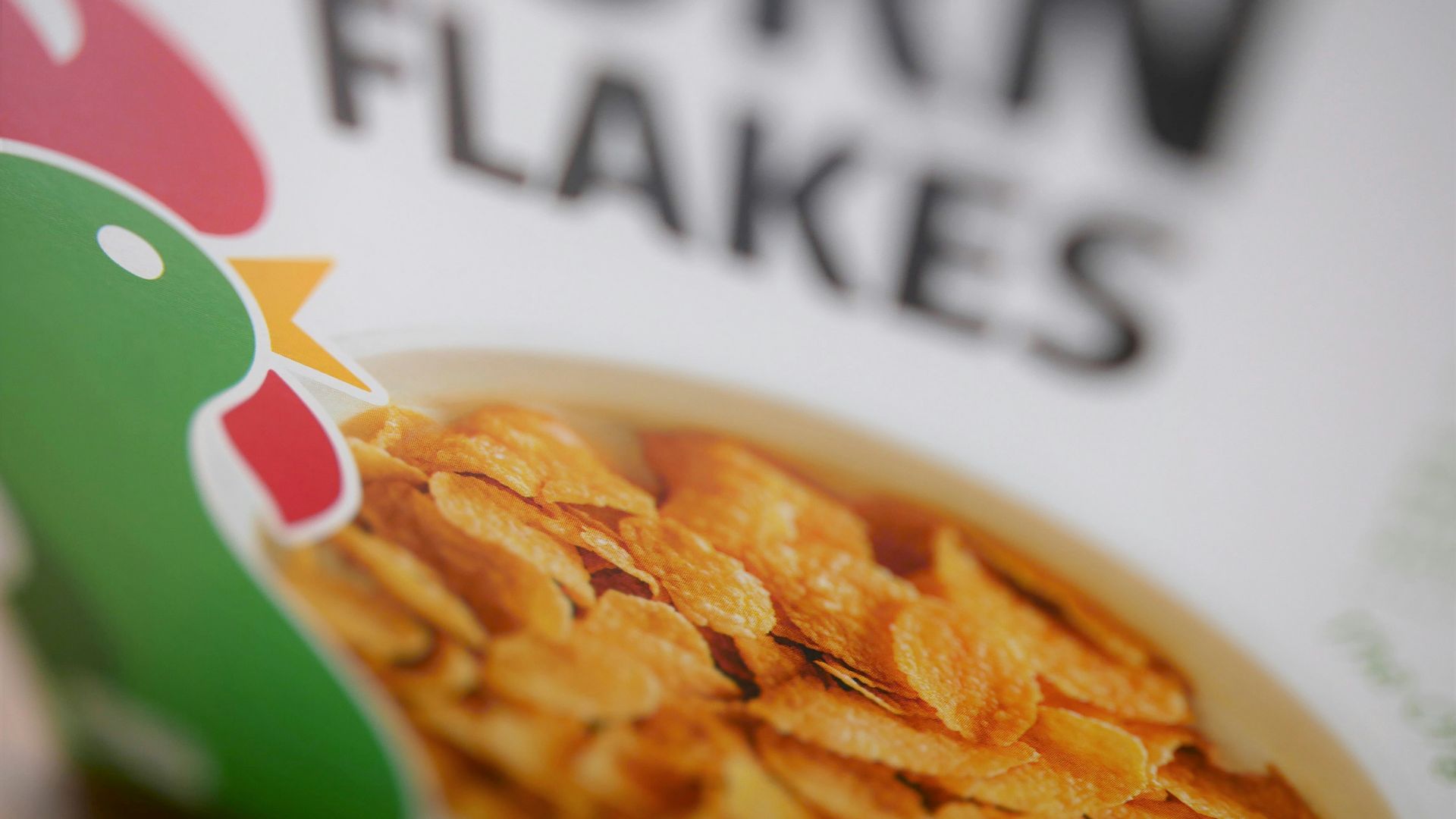
Corn flakes became famous partly because they came out of a health movement that had very strong opinions about plain food. Dr. John Harvey Kellogg and his brother, Will, helped popularize the cereal while working around ideas about digestion, discipline, and simple eating. The result was a breakfast food that started with wellness reform and ended up as a supermarket staple.
2. Graham Crackers
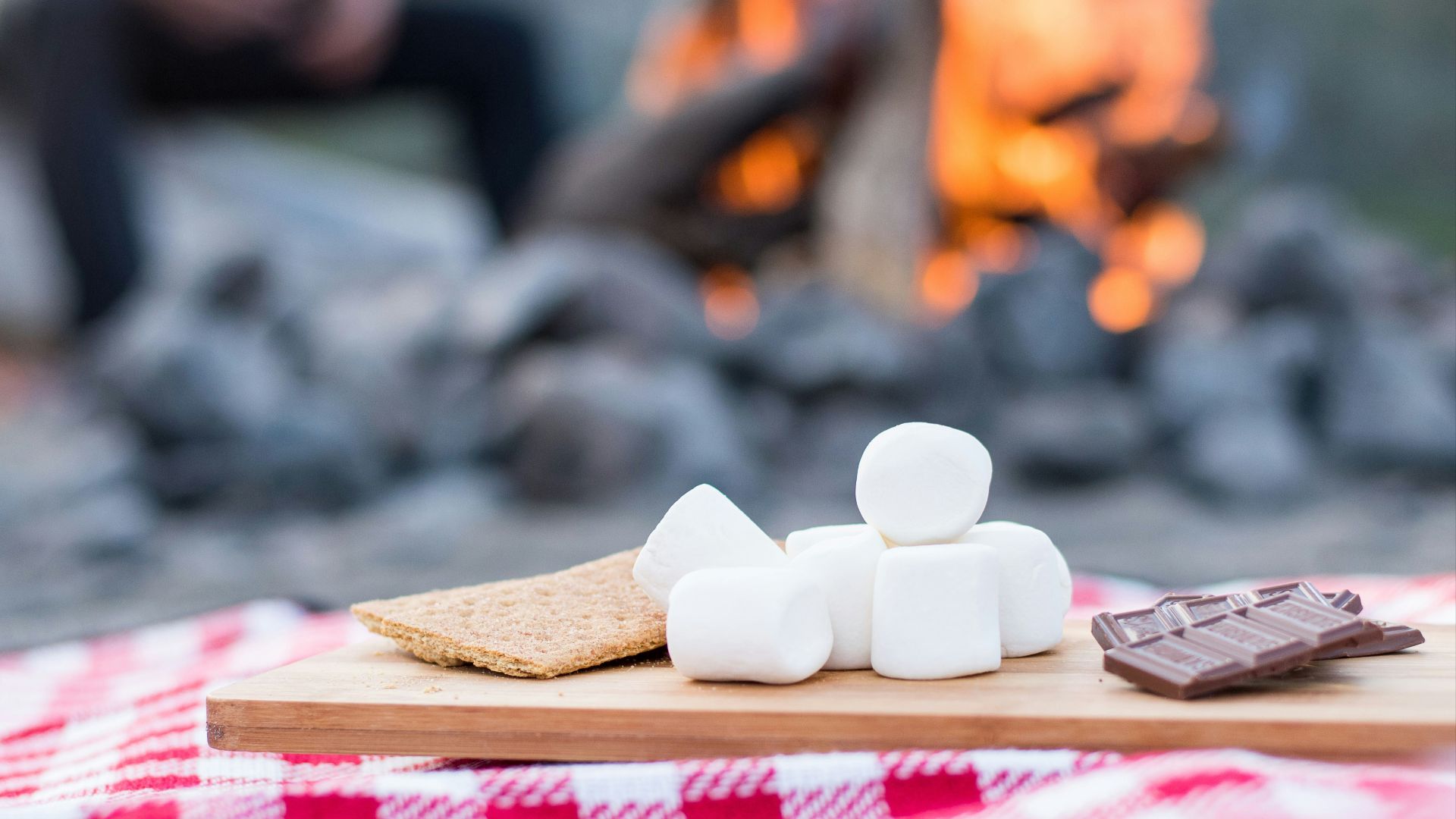
Graham crackers weren’t originally created as a sweet snack for campfire desserts. They were tied to Sylvester Graham, a 19th-century reformer who promoted plain eating as part of a very strict lifestyle philosophy. It’s funny now because most people meet graham crackers in s’mores, which is probably not the restrained ending Graham had in mind.
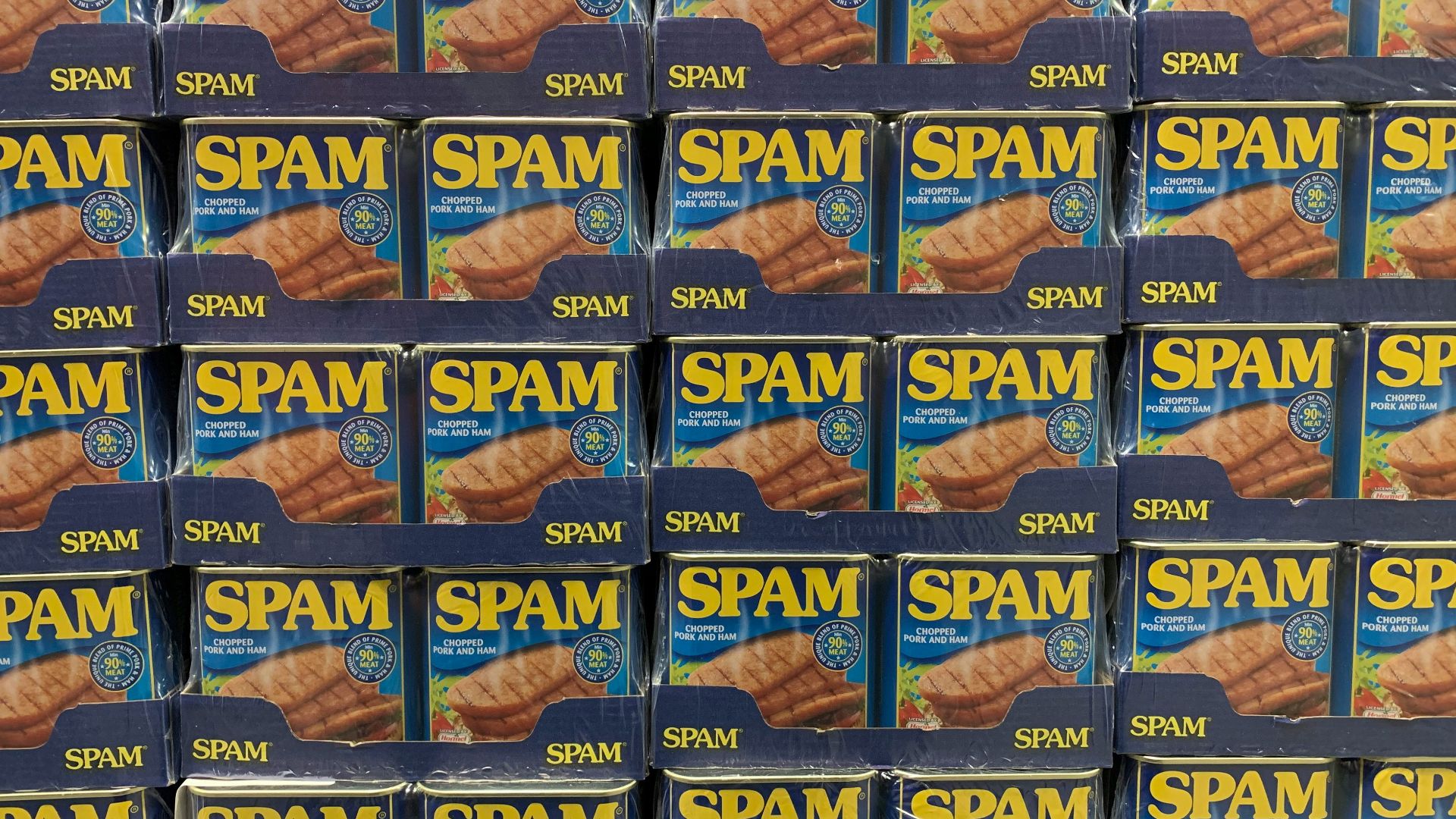
3. Spam
Spam became famous because it was practical, durable, and extremely useful during World War II. It could be shipped easily, lasted a long time, and fed soldiers and civilians when fresh meat wasn’t always available. After the war, it stayed popular in many places, especially where military presence and food shortages impacted local cooking.
4. Lobster
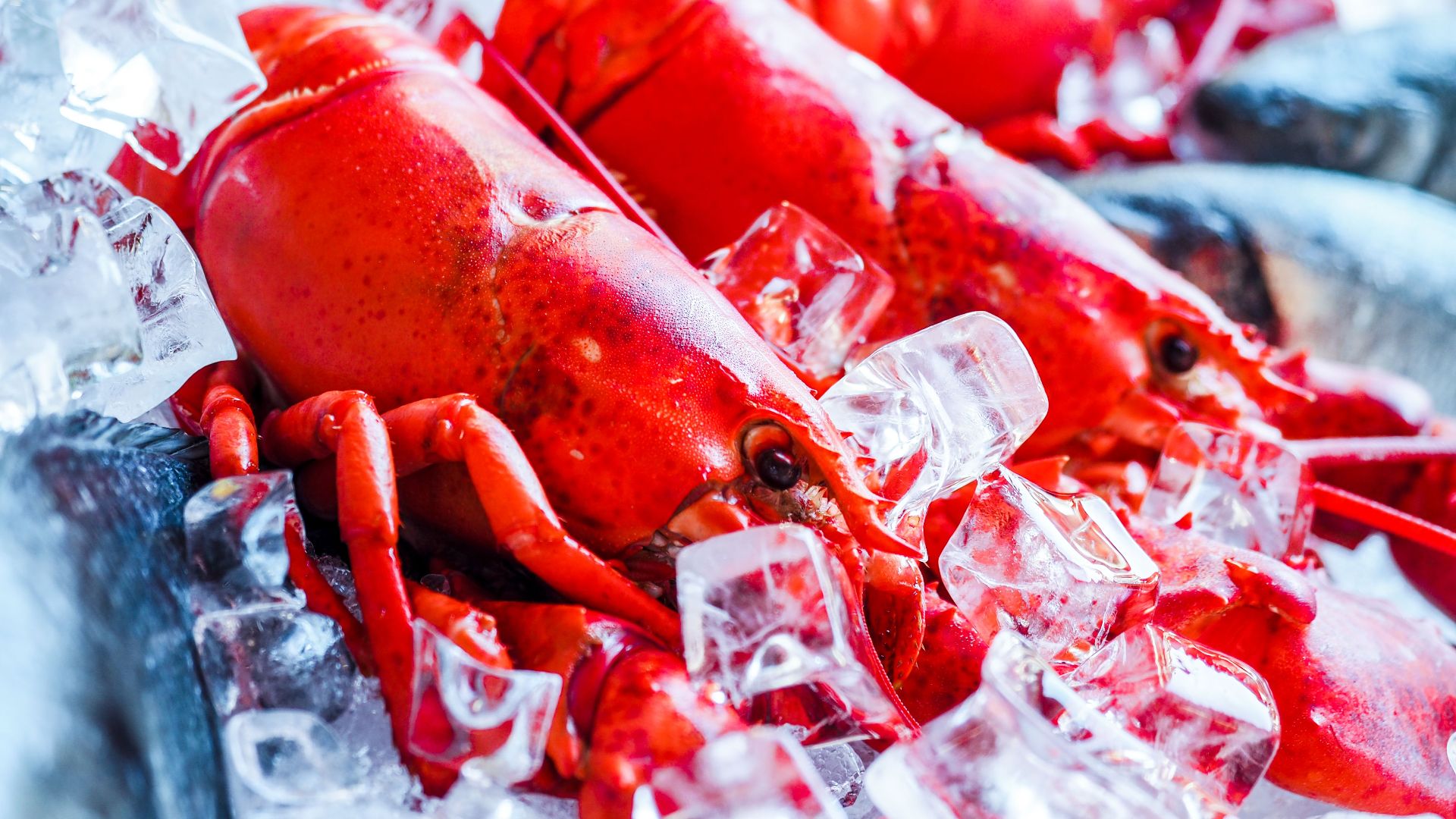
Lobster is a luxury food now, but it wasn’t always treated that way. In colonial New England, lobster was so abundant that it was often associated with servants, prisoners, and cheap meals. Strict conservation laws made it rarer, which turned it into a more expensive and coveted product. Its rise to fancy restaurant status is one of food history’s better image makeovers, especially considering it once had a serious reputation problem.
5. Potatoes
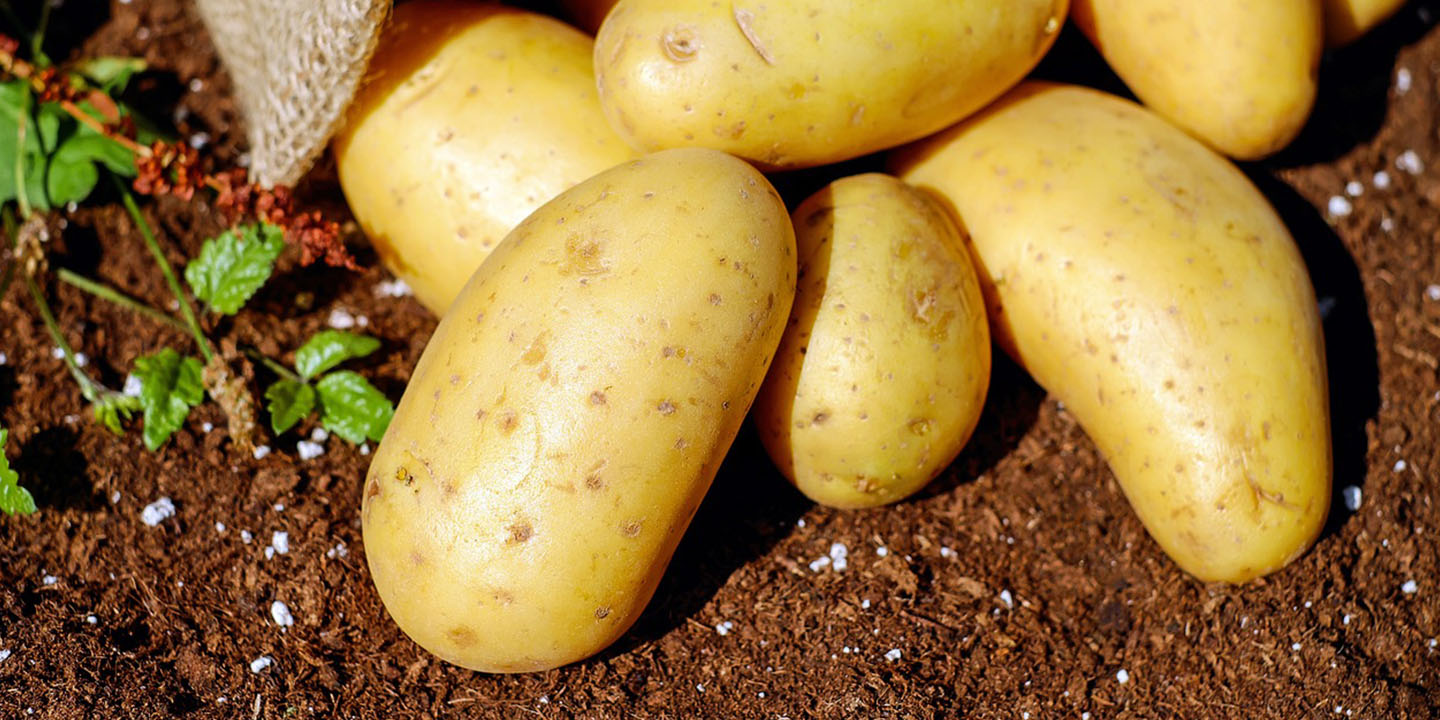
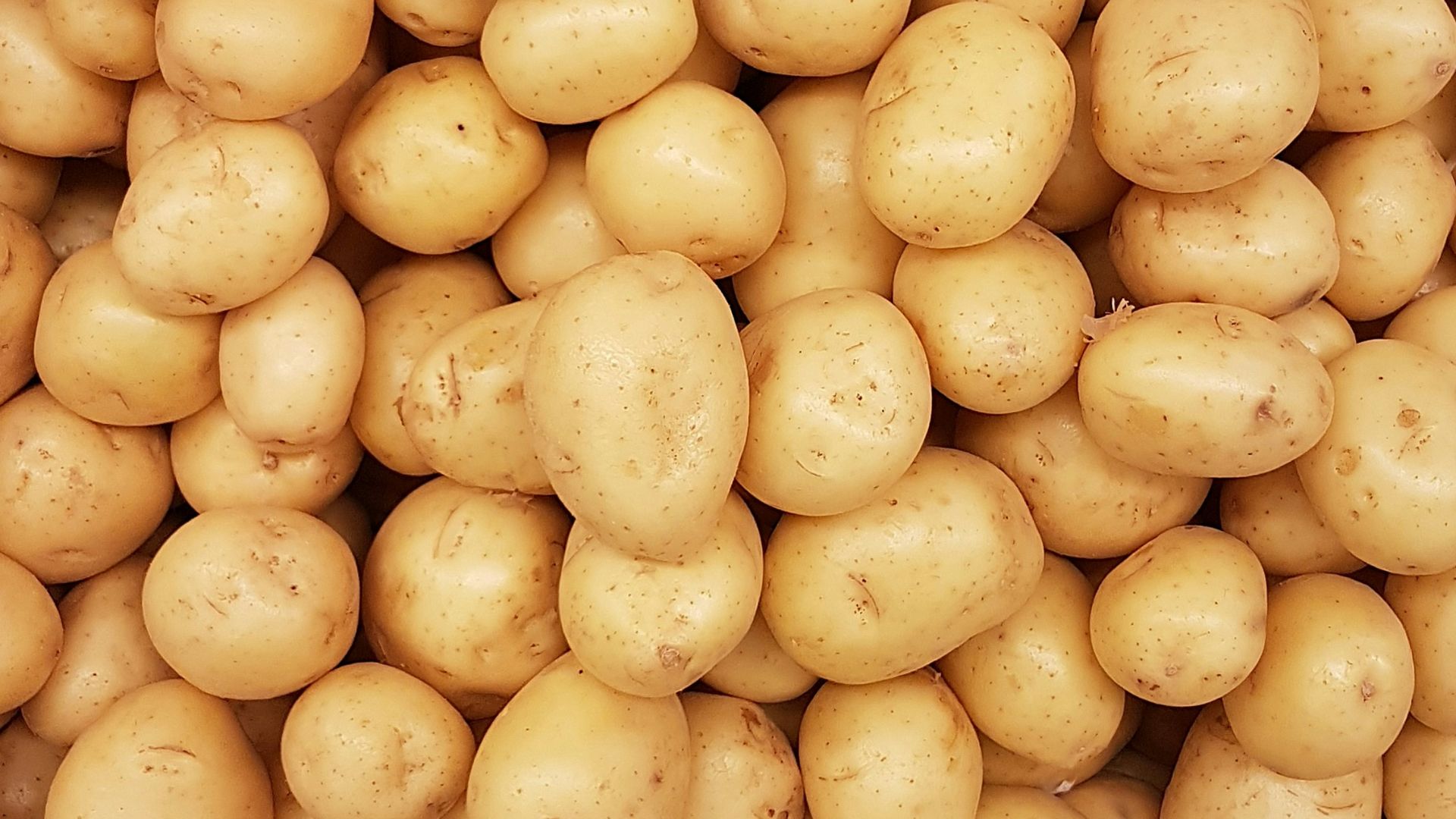
Potatoes had to fight suspicion before becoming one of the world’s most important foods. In parts of Europe, people were wary of them because they grew underground and belonged to the same botanical family as some poisonous plants. Everything changed after French pharmacist Antoine-Augustin Parmentier used reverse psychology to make potatoes seem desirable. In 18th-century France, he had guards “protect” his potato fields during the day, then left them unguarded at night so curious locals would steal and try the crop.
6. Tomatoes
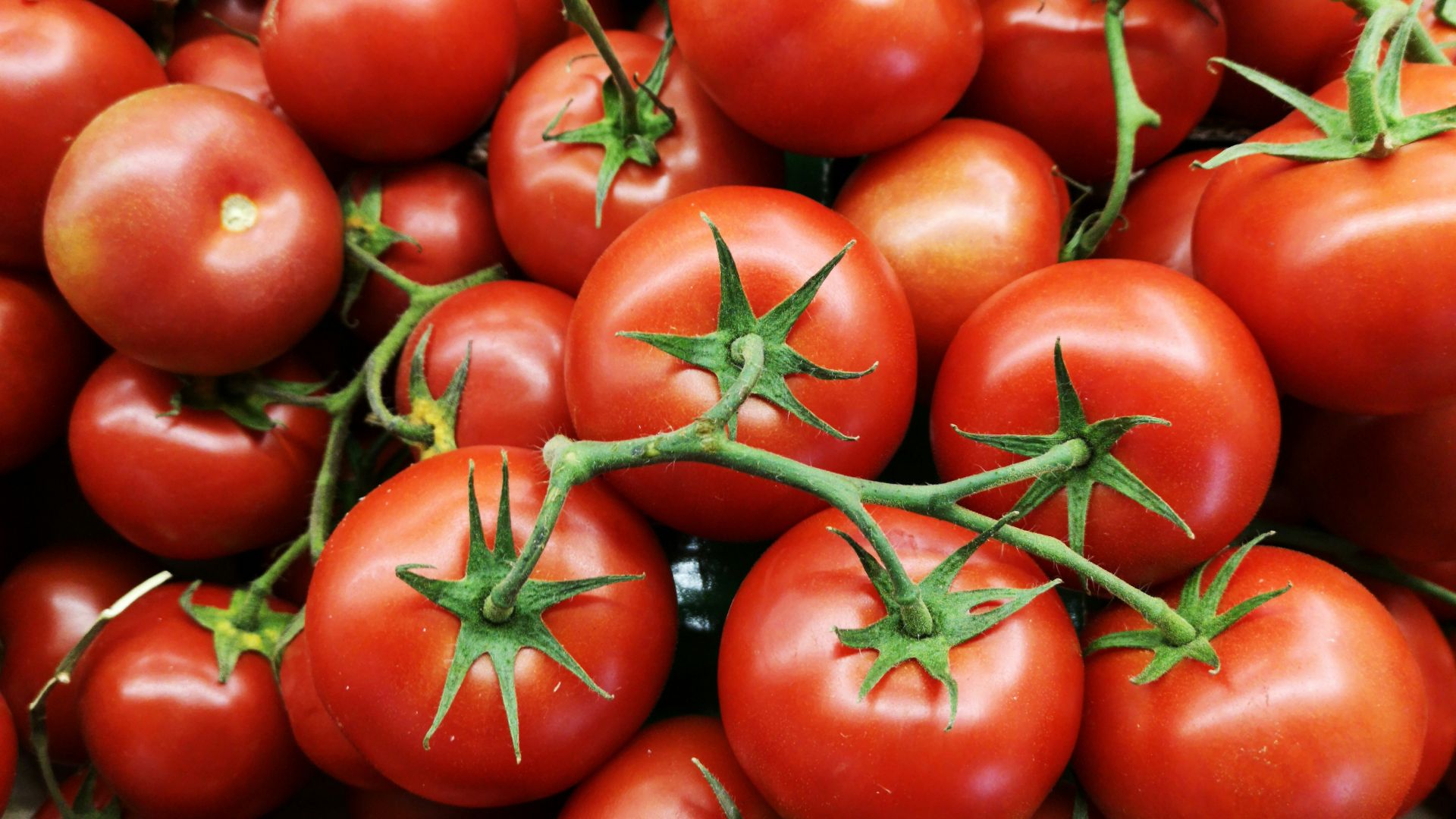
Tomatoes were once feared by some Europeans, partly because wealthy diners using pewter plates could get sick when acidic tomato juice reacted with the metal. The tomato unfairly took the blame, which gave it a dangerous reputation for a while. Eventually, people figured out that the fruit wasn’t the villain, and tomato sauce has been making up for lost time ever since.
7. Carrots
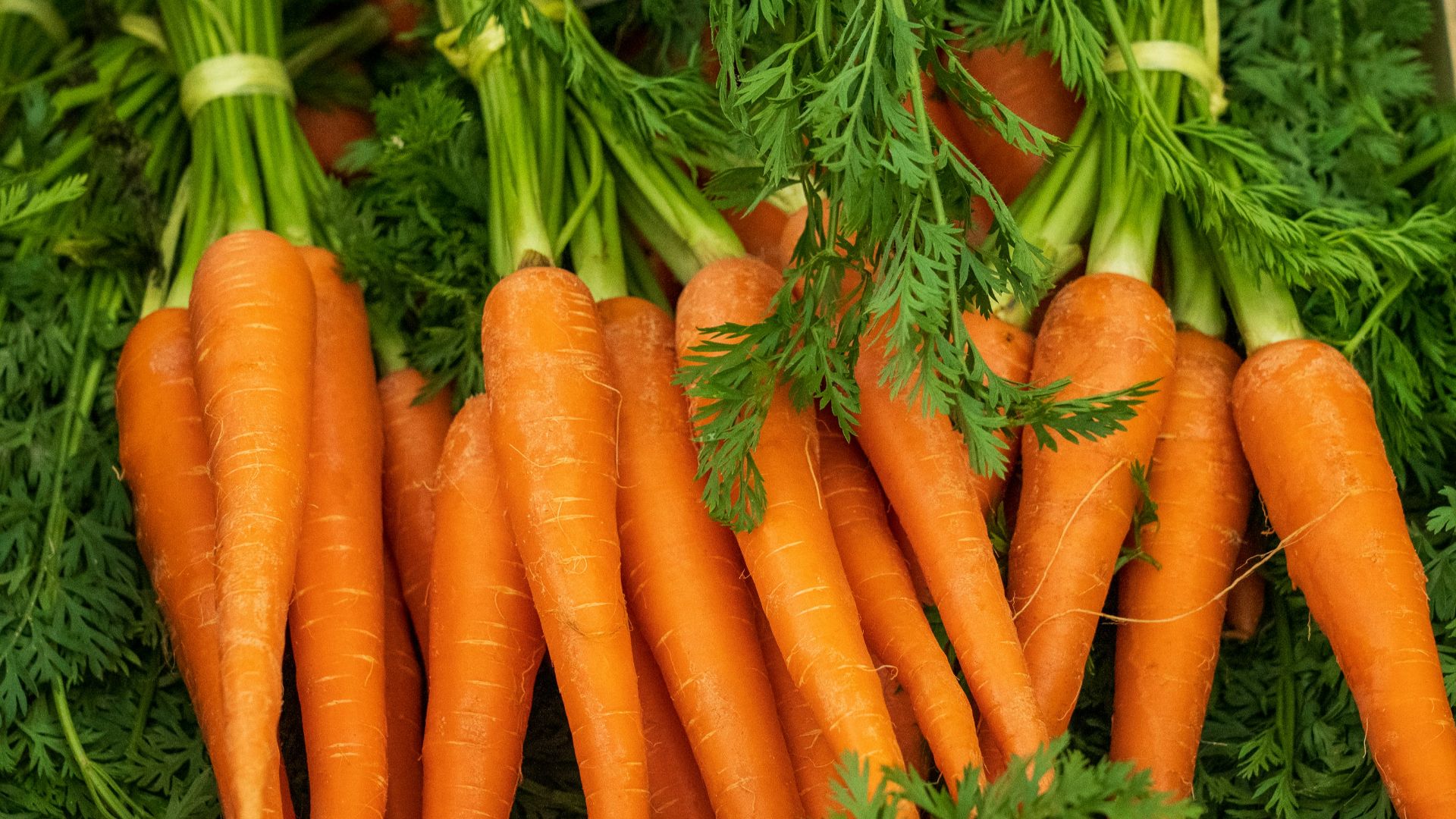
Carrots became linked with eyesight in a way that got a major boost from wartime messaging. During World War II, British propaganda promoted carrots as helping pilots see better in the dark, partly to draw attention away from radar technology. Carrots are nutritious, but the idea that they were practically night-vision goggles was doing a lot of work.
8. Bananas
Bananas became famous in the U.S. through global trade, aggressive marketing, and a whole lot of complicated history. Companies promoted them as cheap, healthy, and convenient, while their rise was tied to serious political and labor conflicts in Central America. The fact that the term for a country that's politically unstable with an economy dependent on the export of a single crop is "banana republic" says a lot.
9. Champagne
Champagne became famous not just because it sparkled, but because it was the coronation wine of French kings. In the 19th century, laws made it difficult for women to own businesses, but widows were exempt. Trailblazers like Madame Clicquot (Veuve Clicquot) and Louise Pommery took control of their family estates and innovated the production process, aggressively marketing their sparkling wines to the wealthy elites across Europe.
 Alexander Naglestad on Unsplash
10. Sandwiches
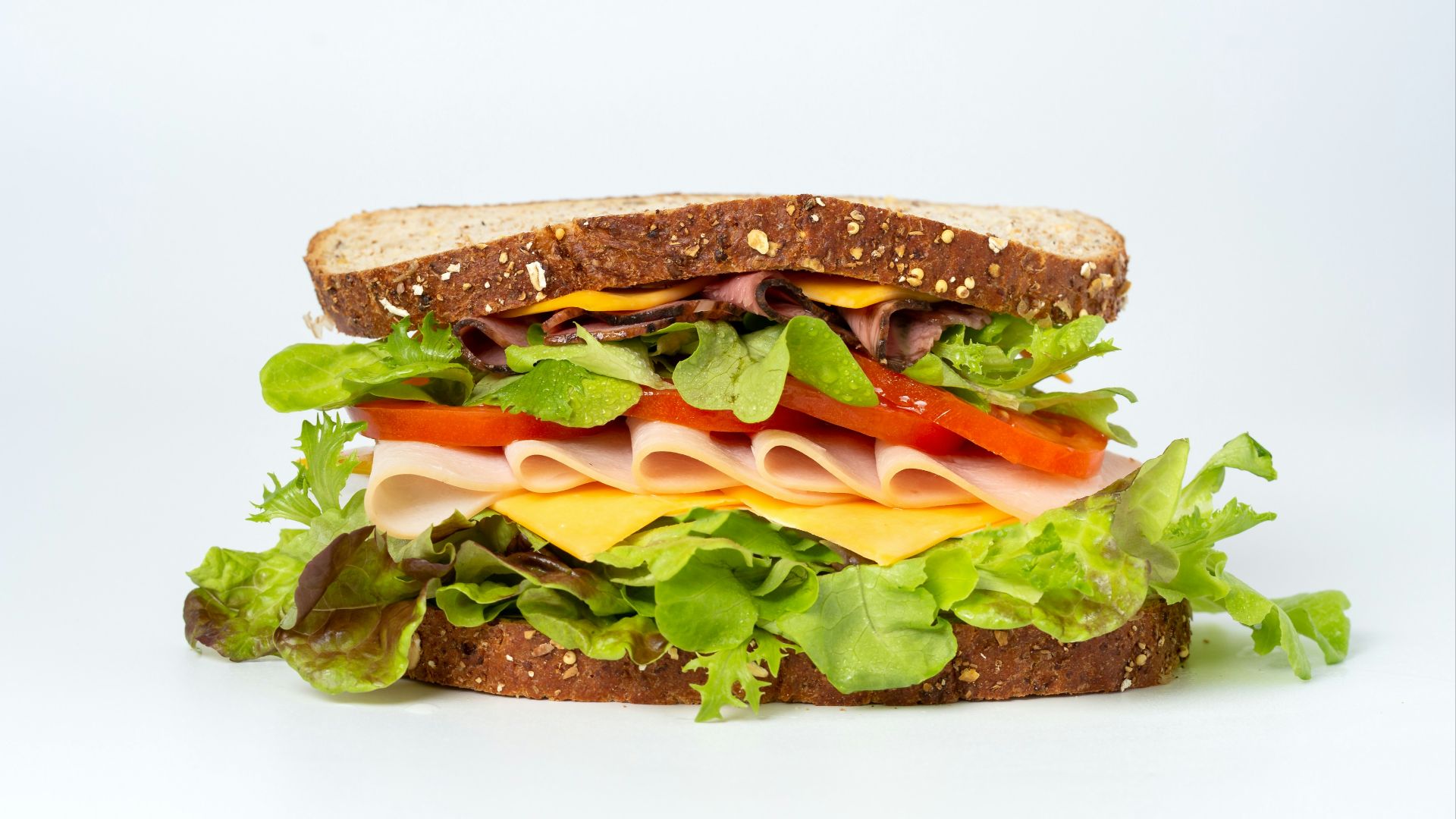
Sandwiches are famously linked to John Montagu, the 4th Earl of Sandwich, who supposedly wanted food he could eat without leaving the gaming table. Whether the story has been polished over time or not, it helped attach his name to one of the most practical meals ever invented. It’s a rare case where laziness, convenience, and aristocratic snacking all worked together to create something wonderful.
11. Margarine
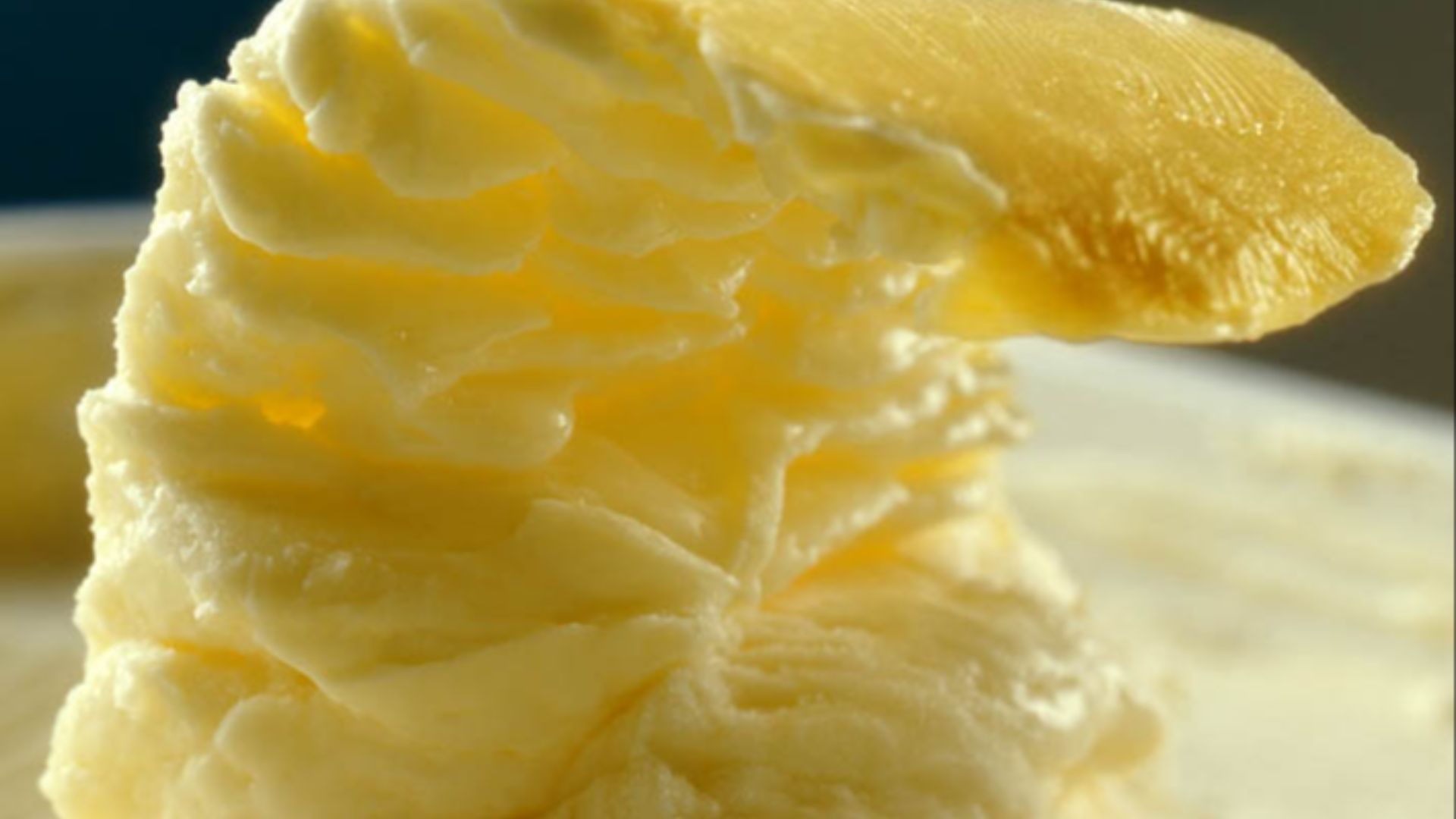
Margarine became famous because Napoleon III wanted a cheaper butter substitute for soldiers and working people in 19th-century France. A chemist named Hippolyte Mège-Mouriès developed an early version made from animal fats, giving butter its first serious budget rival. It later became tangled in dairy-industry backlash, coloring laws, and debates over whether it was a clever invention or a suspicious imitation.
12. Popsicles
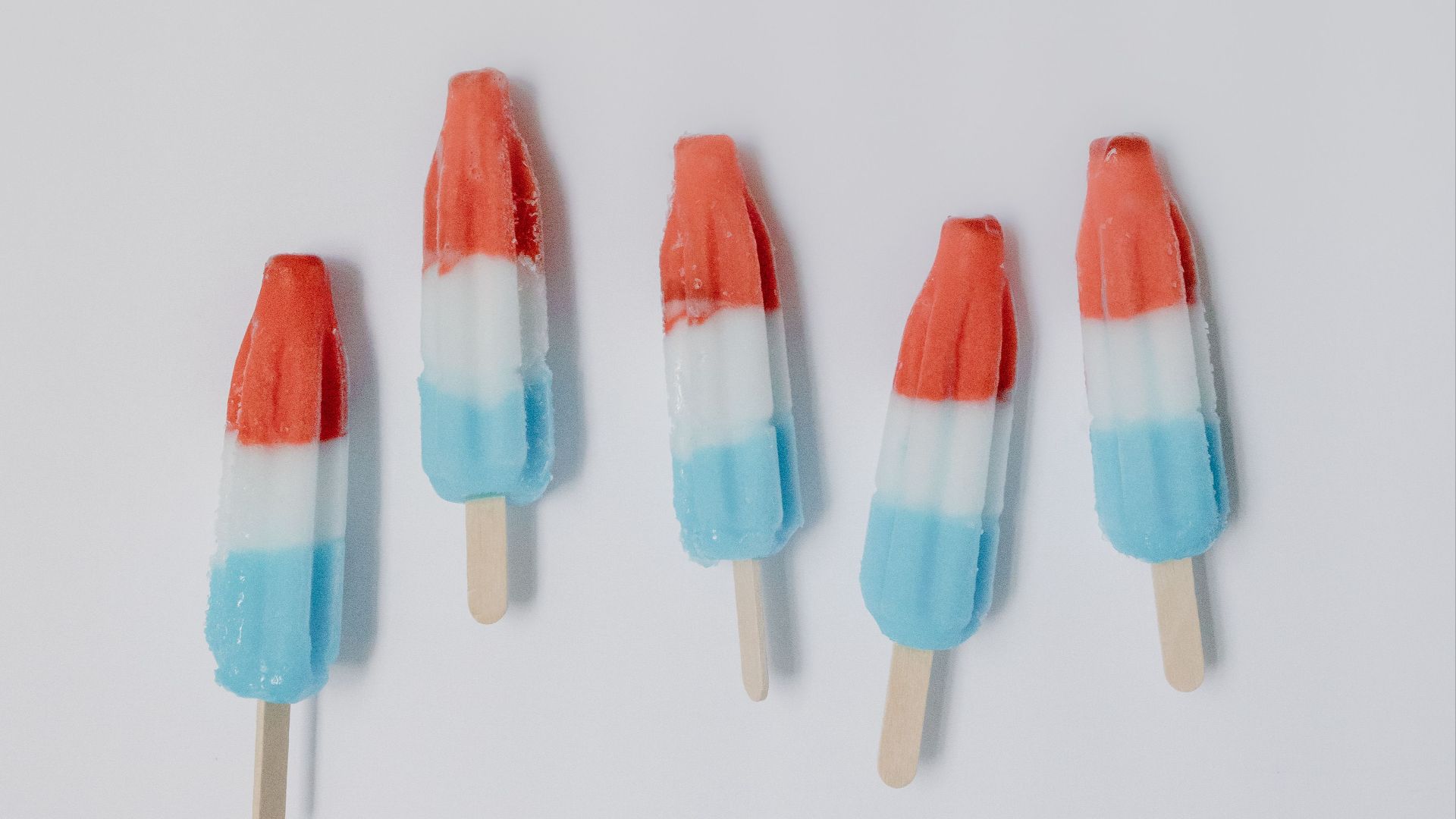
Popsicles became famous because of a childhood accident. Frank Epperson reportedly left a sweet drink mixture outside with a stirring stick in it, and cold weather turned it into a frozen treat. Years later, the idea became a commercial success.
13. Potato Chips
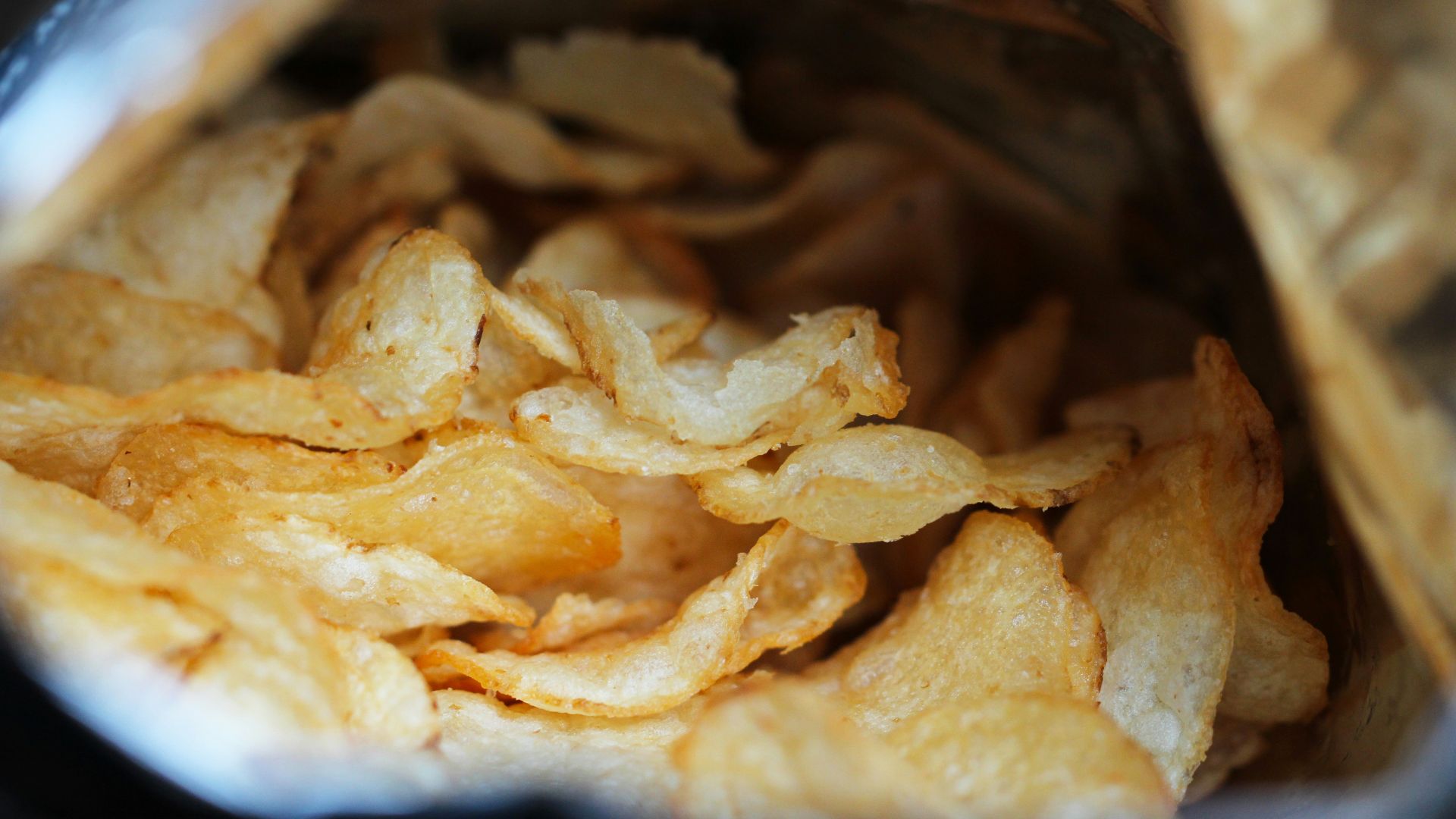
Potato chips are often tied to a story about a picky customer and an annoyed cook in Saratoga Springs, New York. After a guest kept complaining that the fries were too thick, the cook sliced potatoes impossibly thin and fried them crisp to prove a point, only for the customer to love them. For nearly 75 years, they remained a restaurant-only delicacy until businesswoman Laura Scudder revolutionized the industry in 1926 by inventing wax-paper bags to keep them fresh and packaged for grocery store shelves.
 Esperanza Doronila on Unsplash
14. Nachos
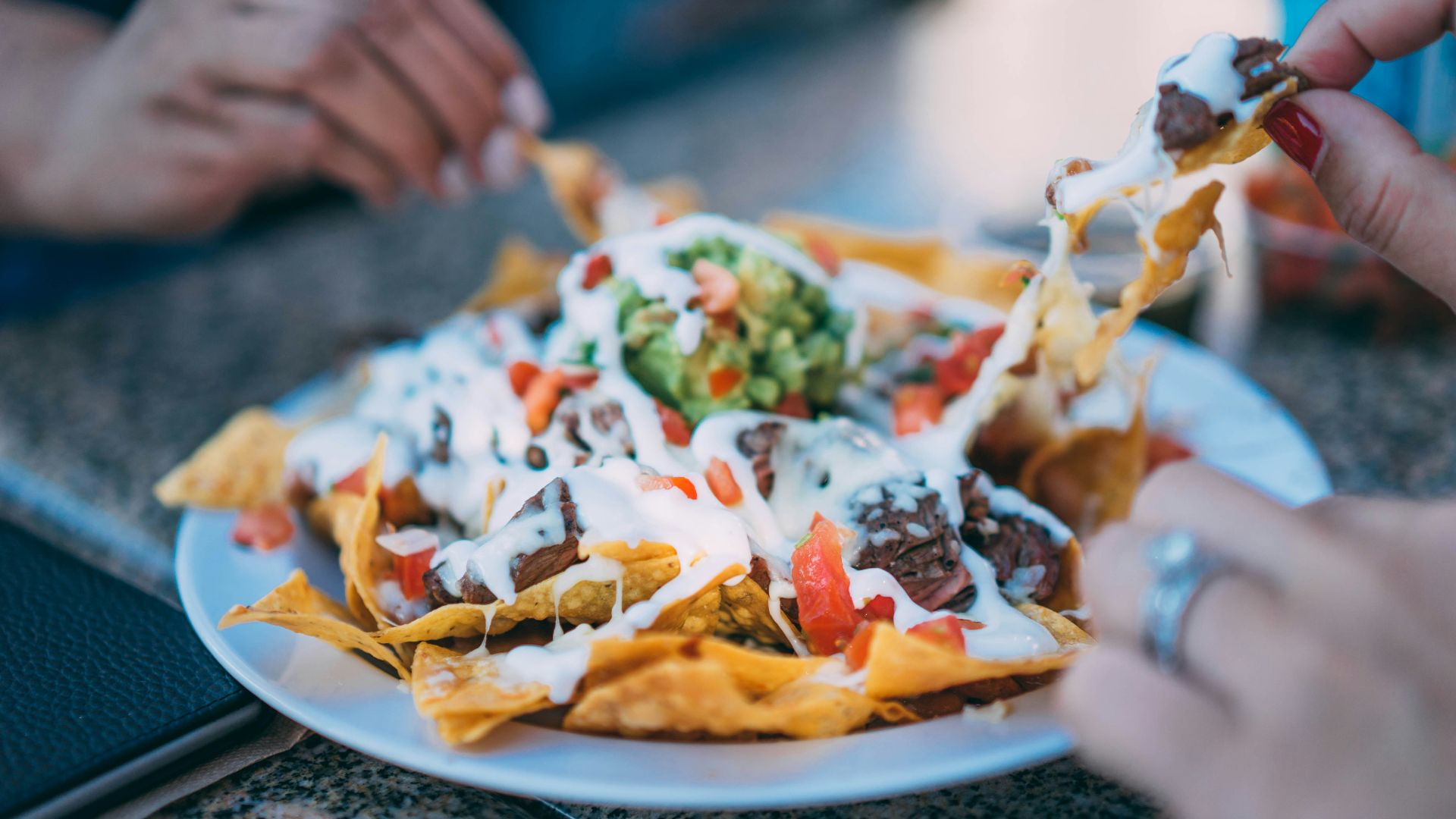
Nachos became famous because a restaurant host in Mexico had to improvise for hungry American customers. Ignacio “Nacho” Anaya reportedly made the dish with tortillas, cheese, and jalapeños when a group arrived after the kitchen was short on options. It was a quick fix that turned into a permanent menu item. They then exploded into American pop culture via Texas baseball stadiums and Monday Night Football broadcasts after a host was served them and couldn't stop raving about them on air.
15. Coca-Cola
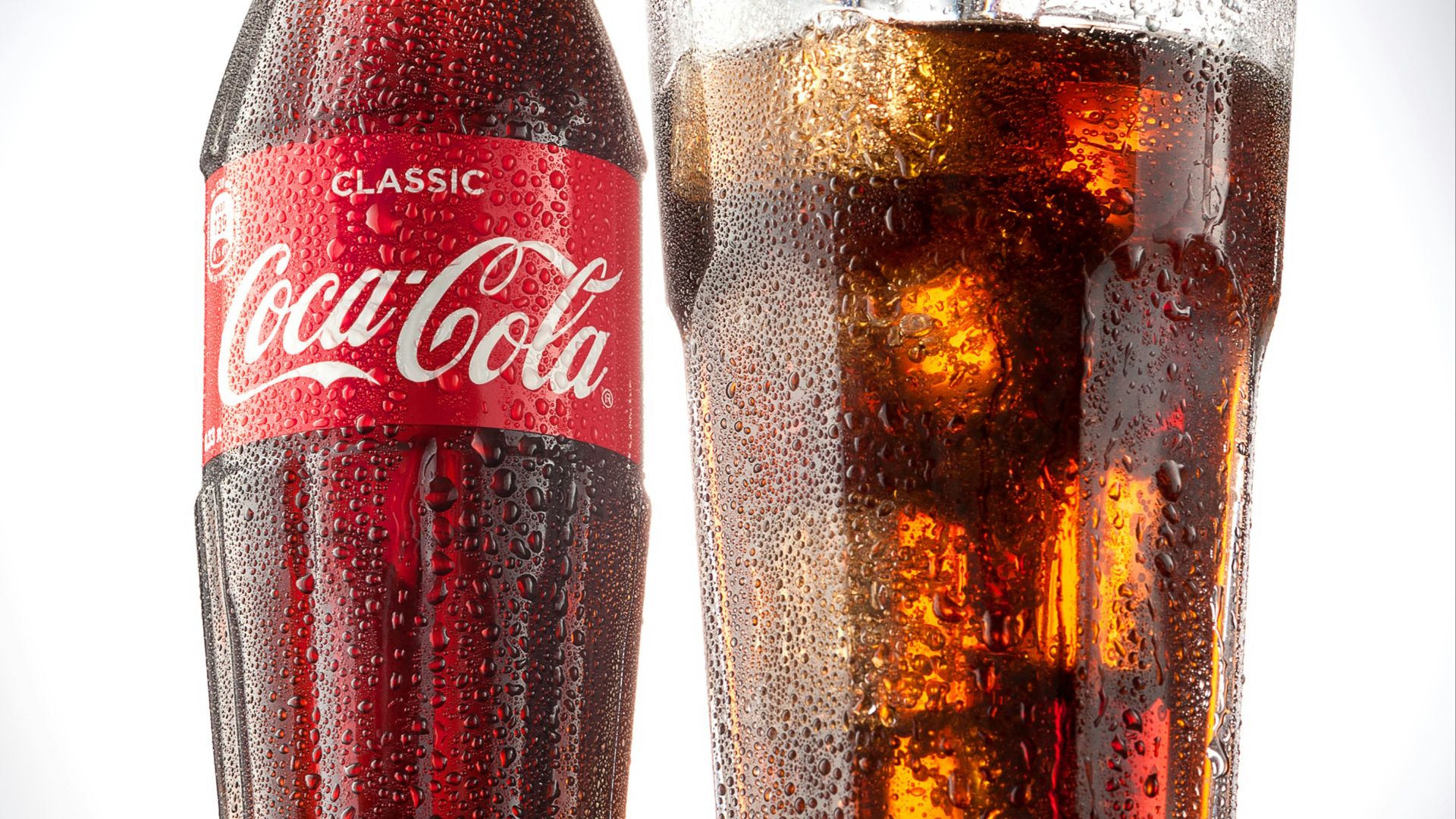
Coca-Cola’s fame began in the world of pharmacy counters and patent medicines. It was first sold as a tonic, with early marketing leaning into ideas about refreshment, energy, and wellness. Over time, the medical claims faded, but the drink’s image only grew bigger, which is a pretty impressive rebrand for something that started behind a pharmacy counter.
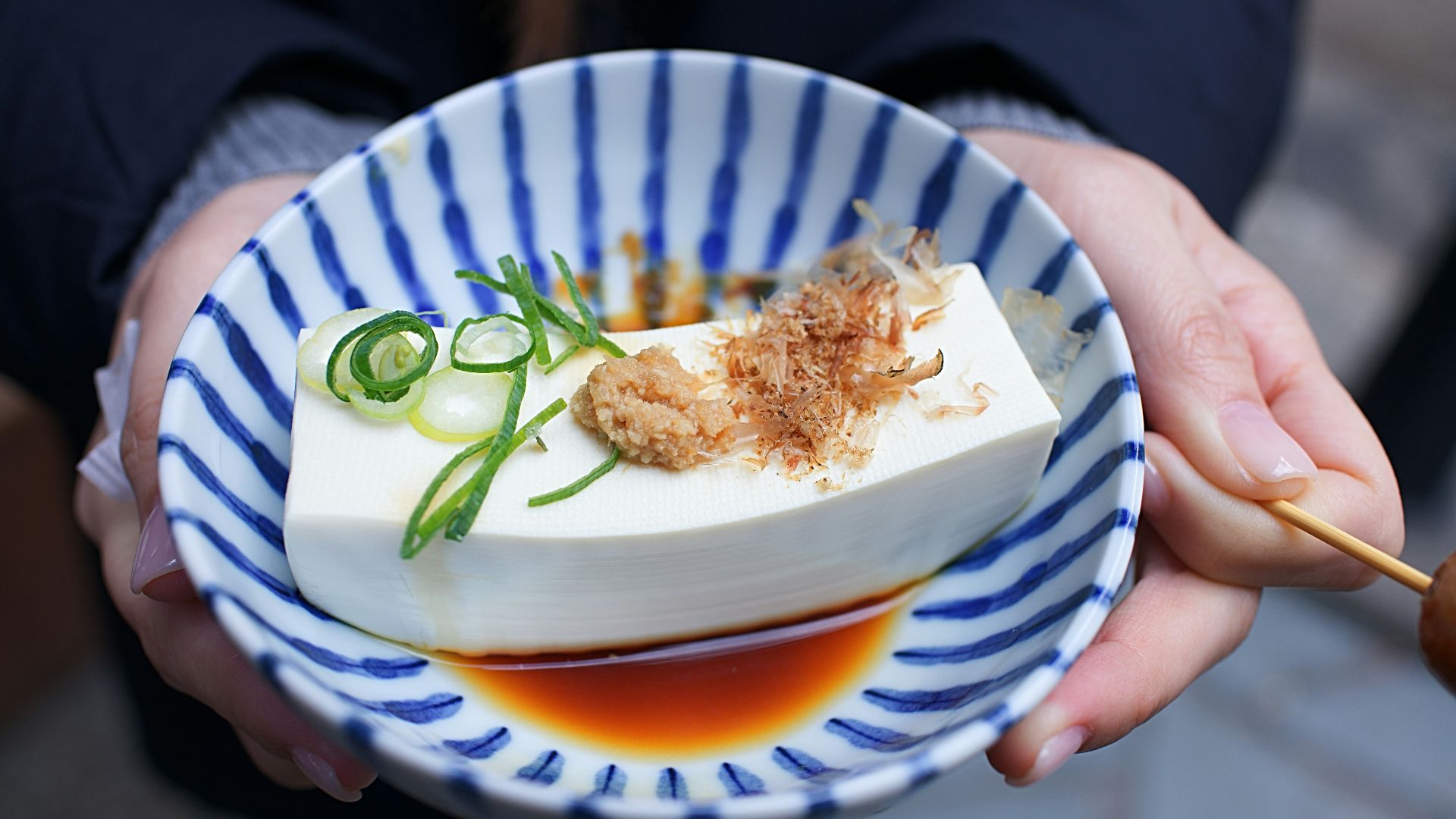
16. Tofu
Tofu became famous across East Asia partly because it was affordable, adaptable, and useful in Buddhist vegetarian cooking. Its ability to take on other flavors made it valuable in cuisines where meat wasn’t always available or permitted. It then exploded in the West during the 1960s and 70s through the vegetarian movement, and international food companies began mass-producing shelf-stable versions that were available at supermarkets everywhere.
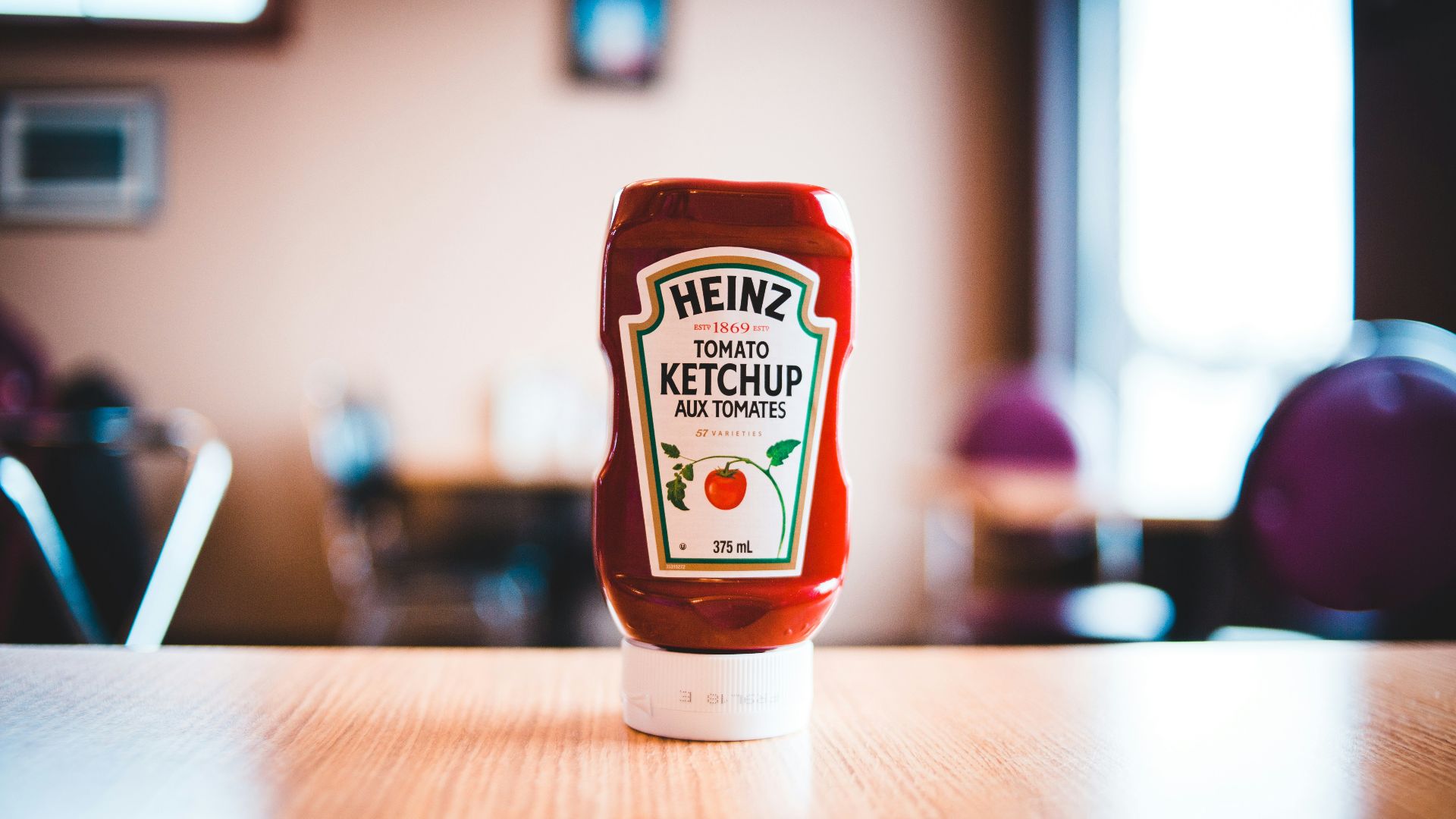
17. Ketchup
Ketchup didn’t begin as the tomato-heavy condiment Americans know today. Its ancestors were fermented sauces from Asia with ancient origins, and early Western versions included ingredients like mushrooms, walnuts, or anchovies. A Philadelphia scientist published the first tomato ketchup recipe in 1812, but it truly boomed when entrepreneurs like H.J. Heinz used clear bottles and vinegar to make it shelf-stable.
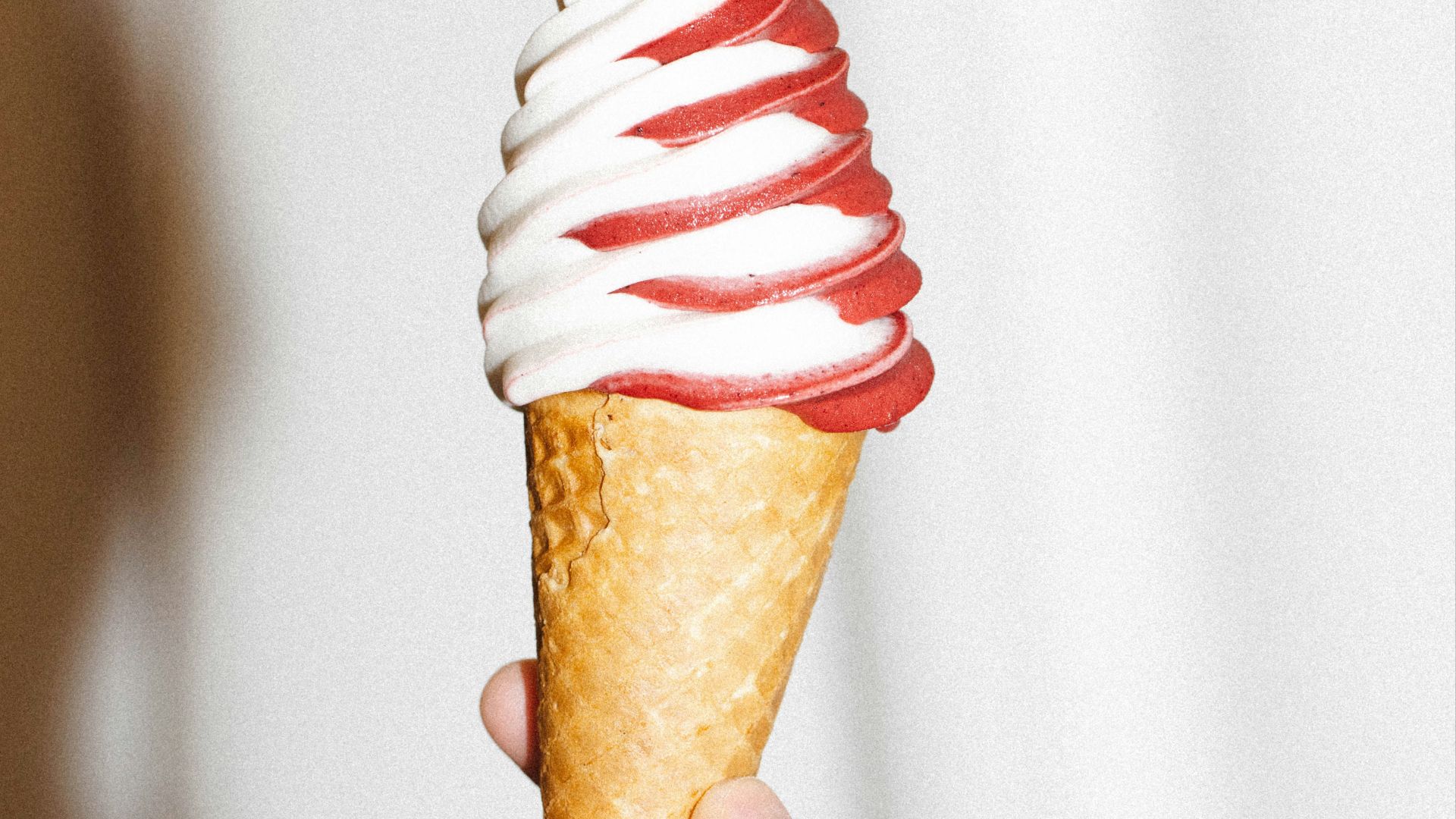
18. Ice Cream Cones
Ice cream cones became especially famous after early 20th-century fairs and expositions helped popularize them. Vendors at the 1904 St. Louis World’s Fair helped spread the idea when edible containers proved handy for serving ice cream to crowds. Whether the exact origin is debated or not, the cone succeeded because people love dessert more when it also solves a dishwashing problem.
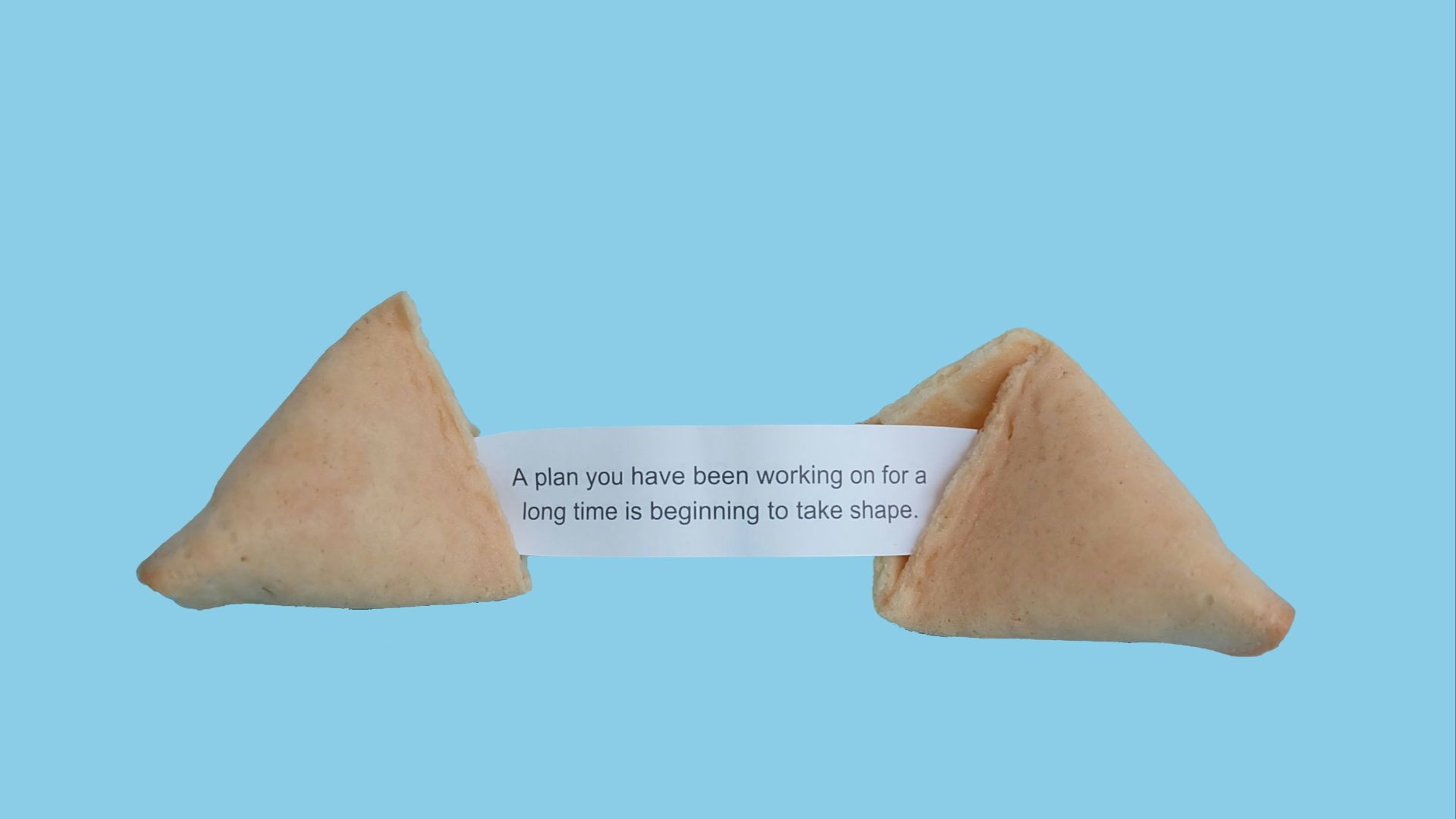
19. Fortune Cookies
Fortune cookies are strongly associated with Chinese restaurants in the U.S., but their roots are actually Japanese. During WWII, however, Japanese-American internment forced many Japanese bakeries to close, and Chinese-American entrepreneurs took over production. It's an oddly dramatic story for a little paper-thin cookie.
20. TV Dinners
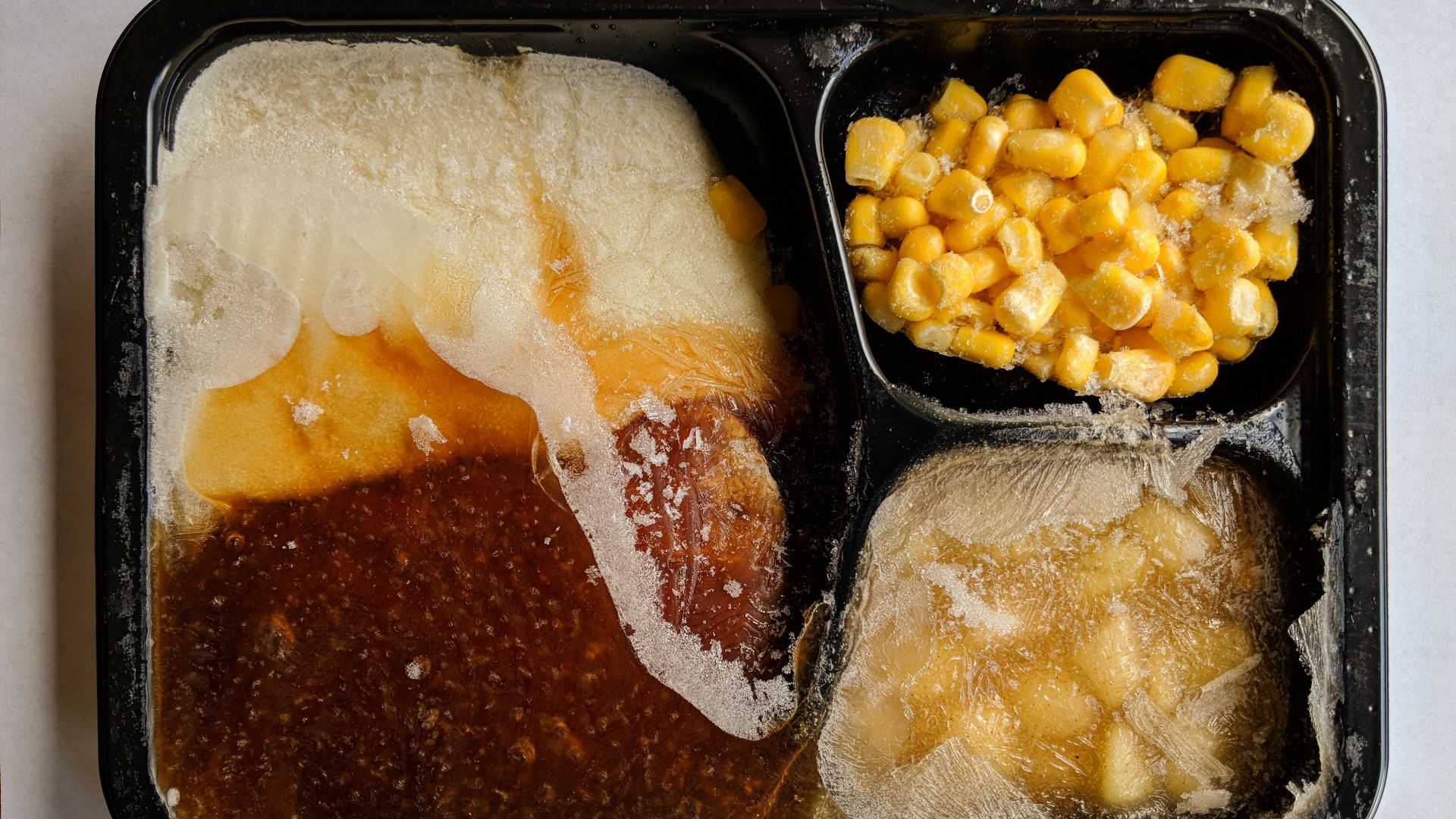
TV dinners became famous because they matched a very specific moment in American life. Frozen food technology, postwar convenience culture, and the rise of television all helped make pre-portioned trays feel modern and exciting. They weren’t just meals; they were the normalization of eating dinner in front of screens.
KEEP ON READING
The 5 Most Consumed Foods in the Entire World