Happy Accidents That Stuck Around
Some foods become famous because chefs plan them carefully, while others show up because someone misread a recipe, solved a problem quickly, or turned a small mistake into something people wanted again. These 20 accidental favorites remind us that popular food history isn’t always tidy, and sometimes the best-known bites come from improvisation, shortages, timing, or a kitchen mishap that worked out better than expected.
 Jarritos Mexican Soda on Unsplash
1. Potato Chips
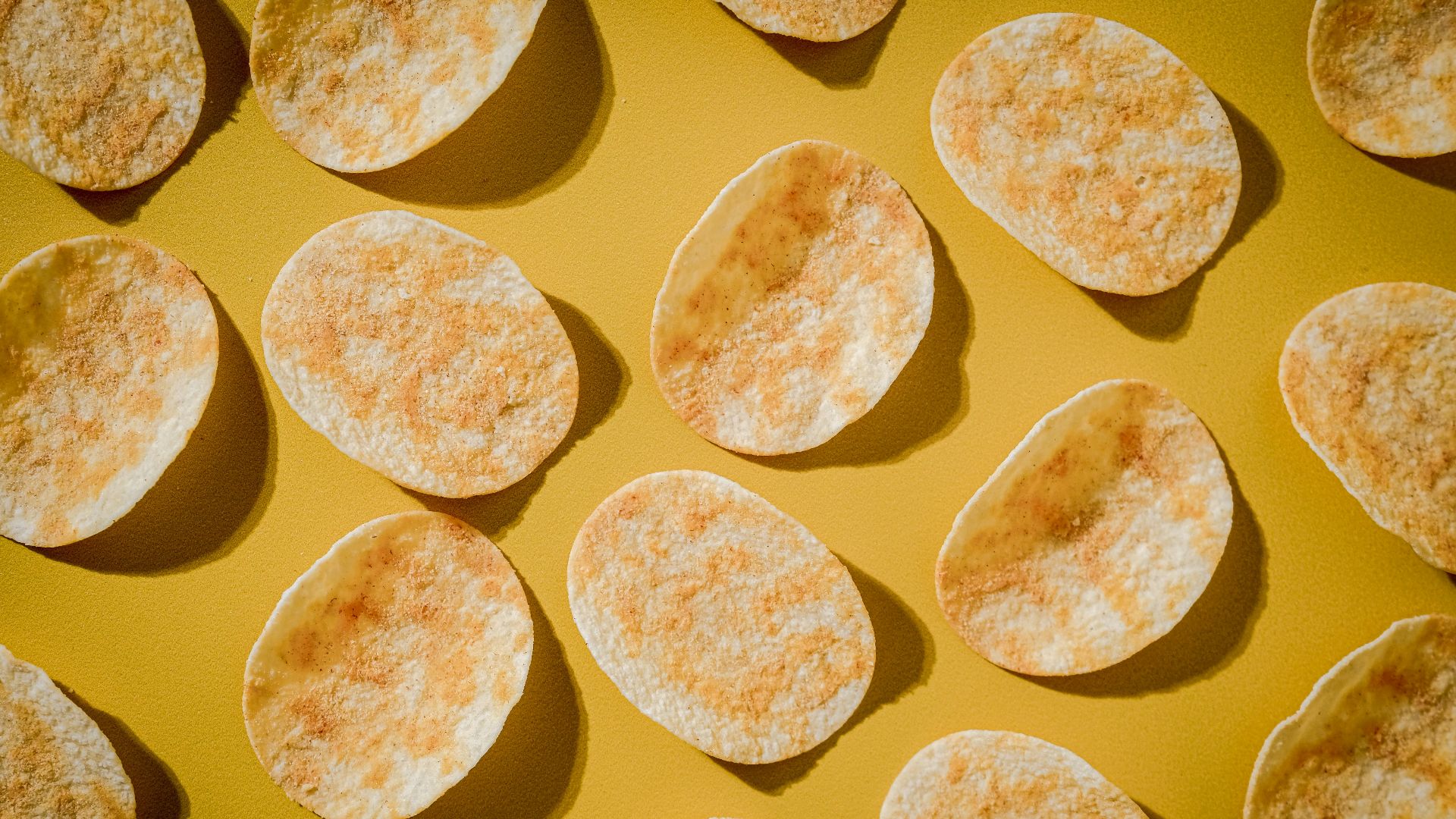
Potato chips are often linked to Saratoga Springs, New York, where thinly sliced fried potatoes became a restaurant favorite in the 1800s. The familiar story says a cook made them extra thin and crisp after a customer complained about thick potatoes, though food historians debate the exact details.
2. Corn Flakes
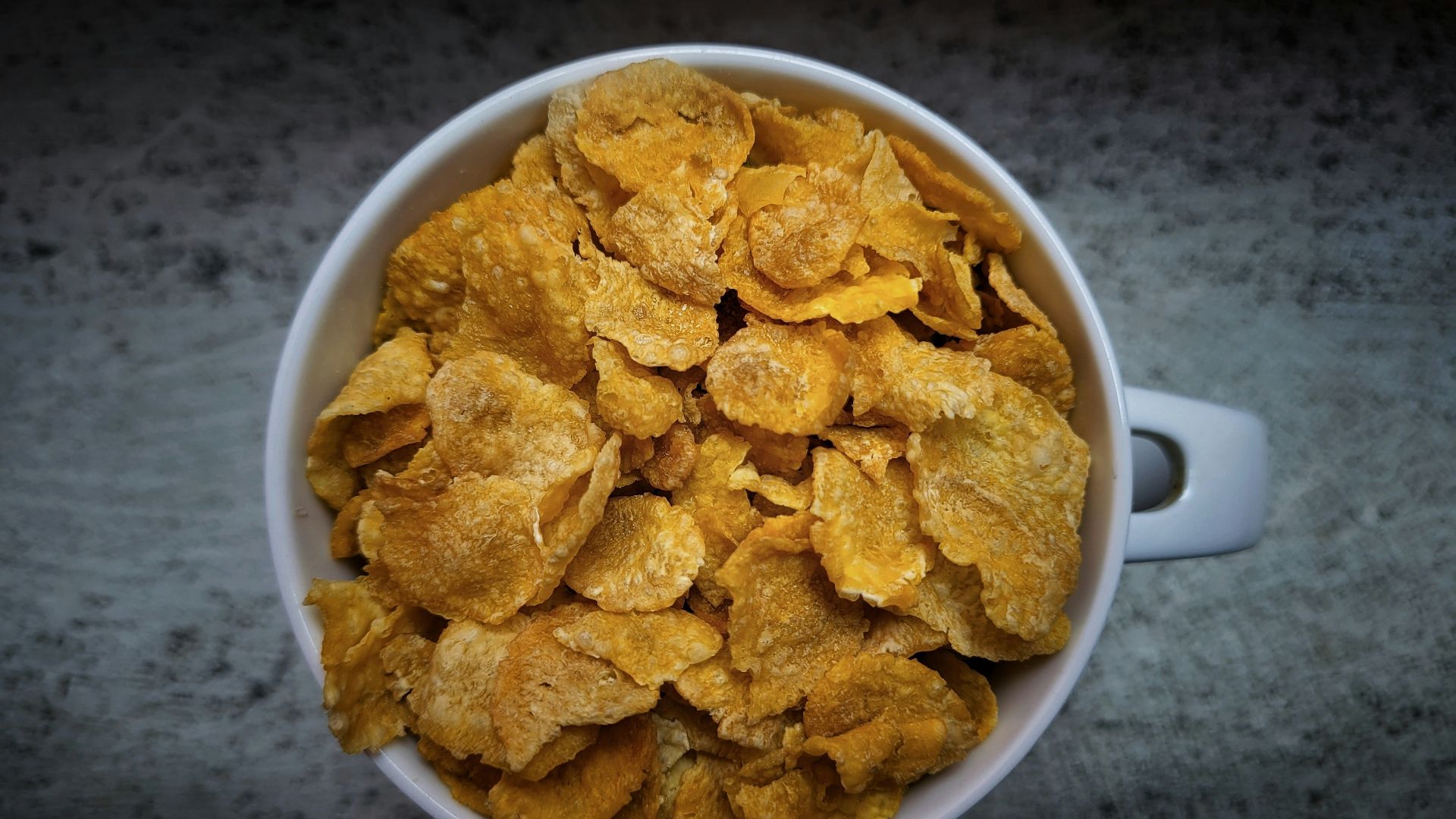
Corn flakes began as part of a plain, health-focused diet at the Battle Creek Sanitarium, where the Kellogg brothers experimented with grains. A batch of wheat was reportedly left too long, rolled anyway, and produced flakes that inspired further testing with corn.
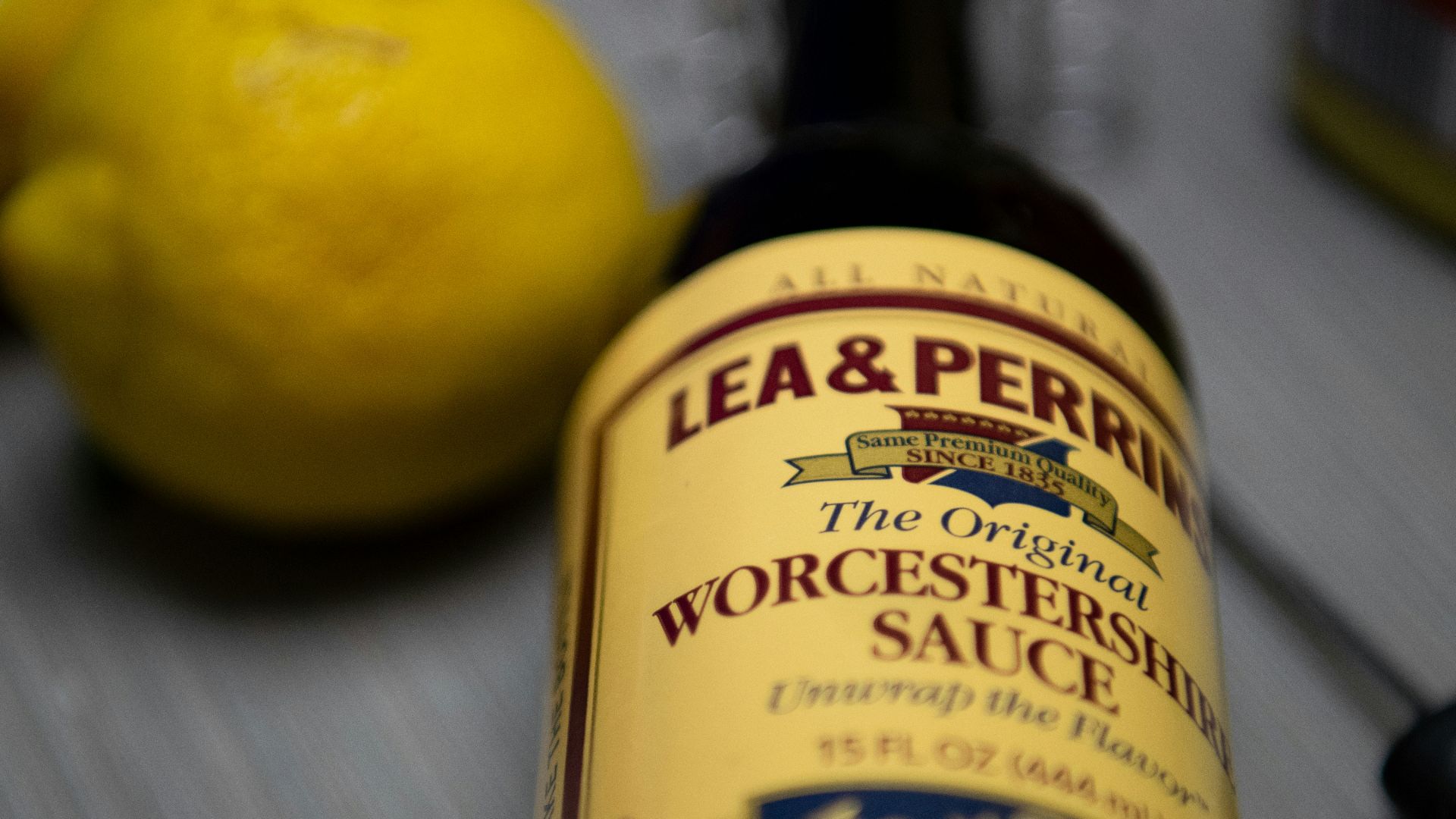
3. Worcestershire Sauce
Worcestershire sauce started as an unsuccessful experiment by chemists John Wheeley Lea and William Perrins in England. The first mixture was considered too strong, so it was stored away and forgotten for a while. When it was later tasted after aging, the flavor had mellowed into something complex, which helped it become a pantry classic.
4. Popsicles
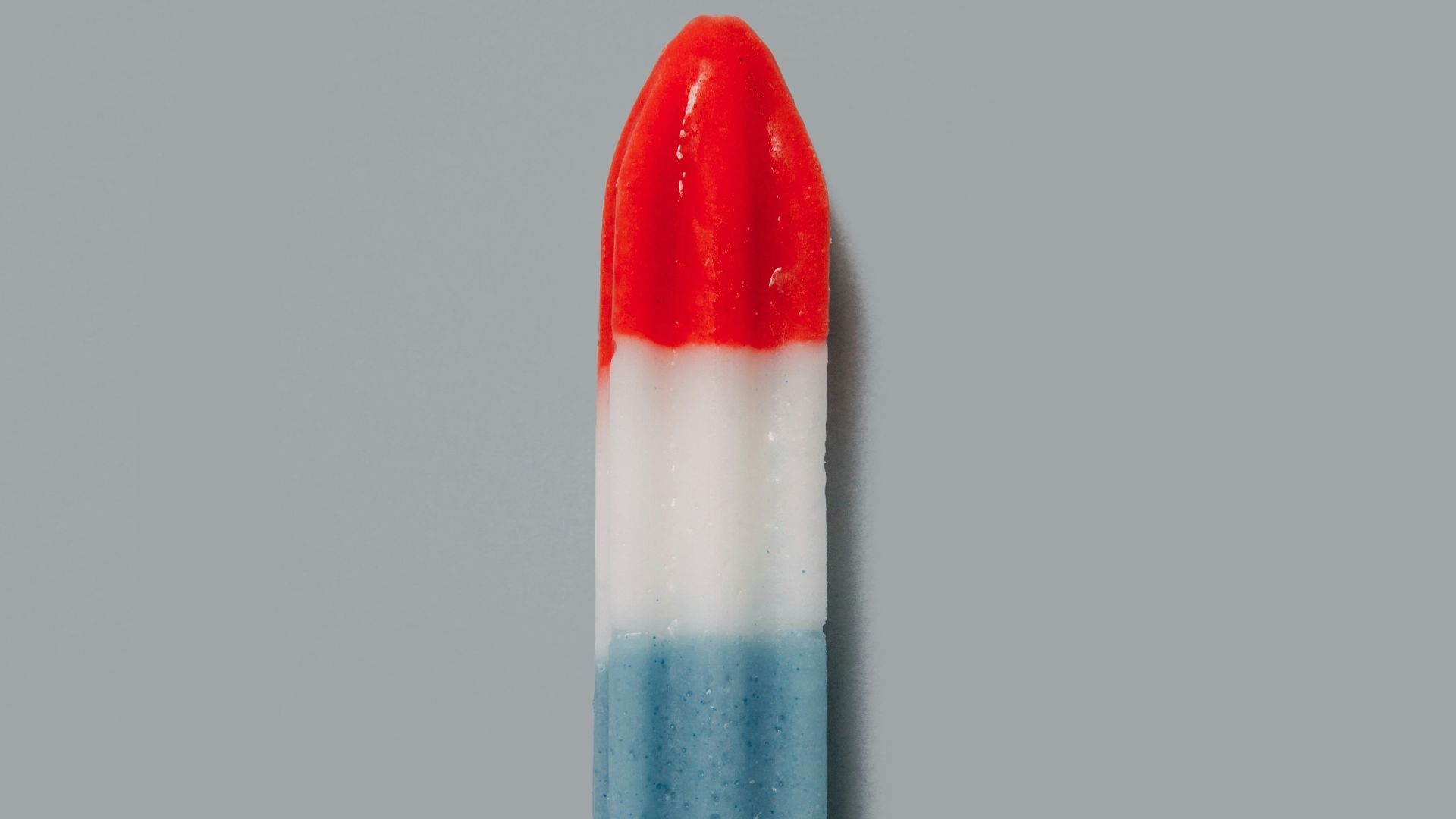
Popsicles trace back to Frank Epperson, who, as a child, reportedly left a sweet drink mixture outside overnight with a stirring stick still in it. The liquid froze, and the stick made it easy to hold. Years later, he turned that childhood accident into a frozen treat that became popular with kids and adults.
5. Nachos
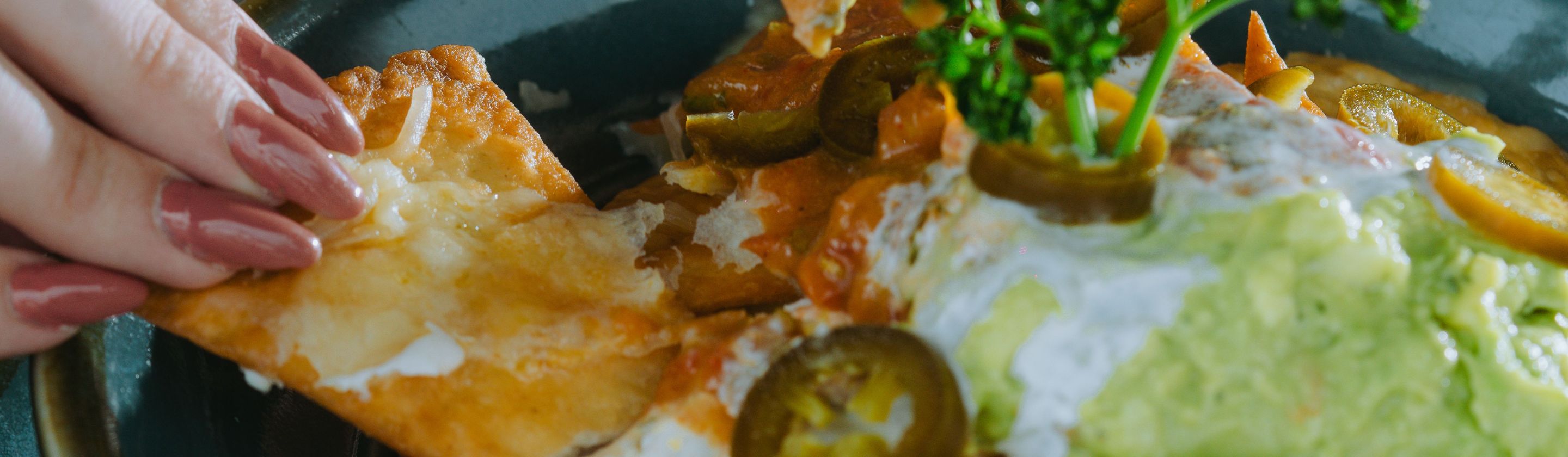
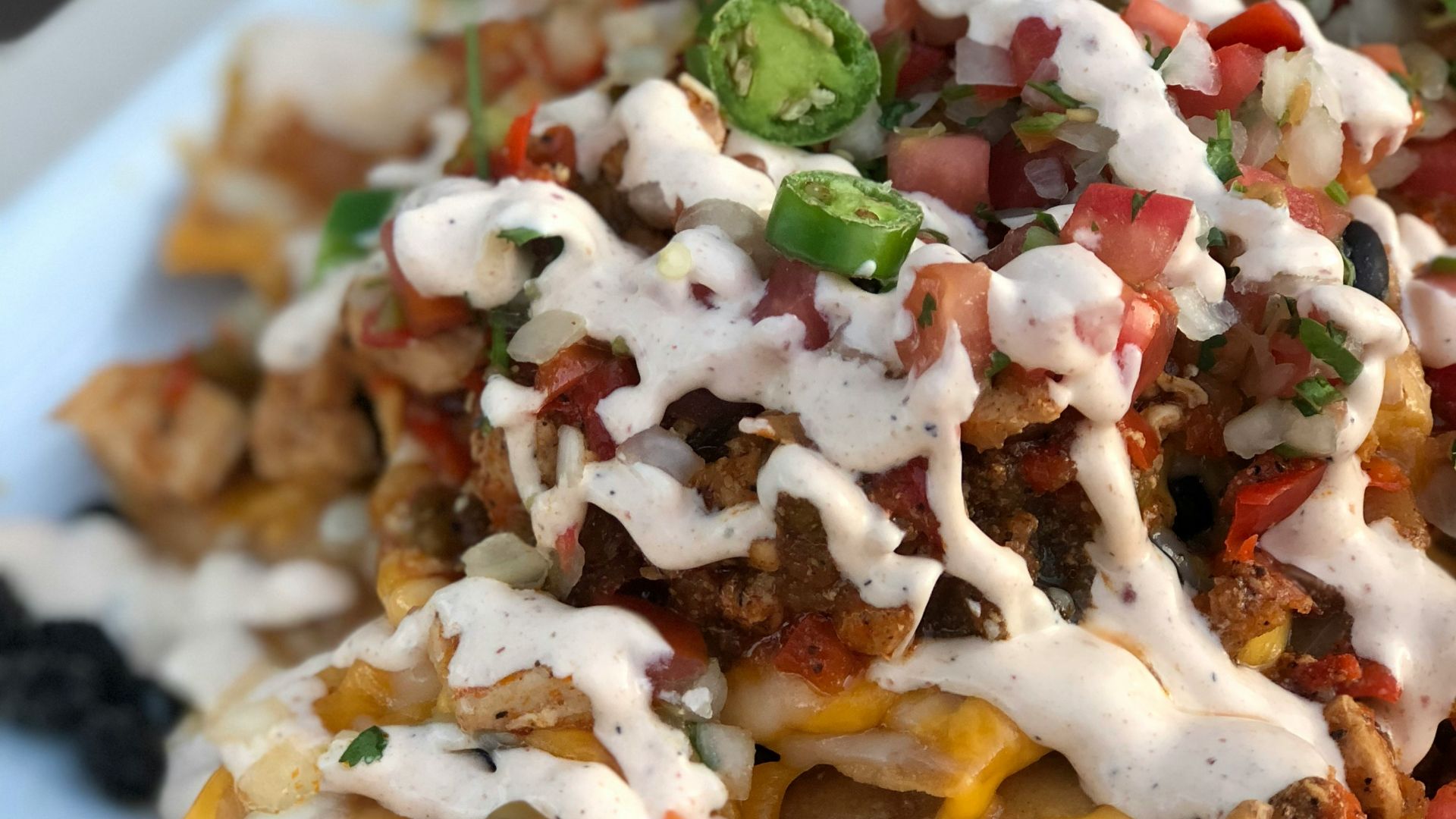
Nachos came together quickly when Ignacio “Nacho” Anaya had to feed unexpected guests at a restaurant near the Texas-Mexico border. With limited ingredients available, he topped fried tortilla chips with cheese and jalapeños. The simple plate was easy to share, which helped it spread from a quick fix into a sports-bar and party favorite.
6. Chocolate Chip Cookies
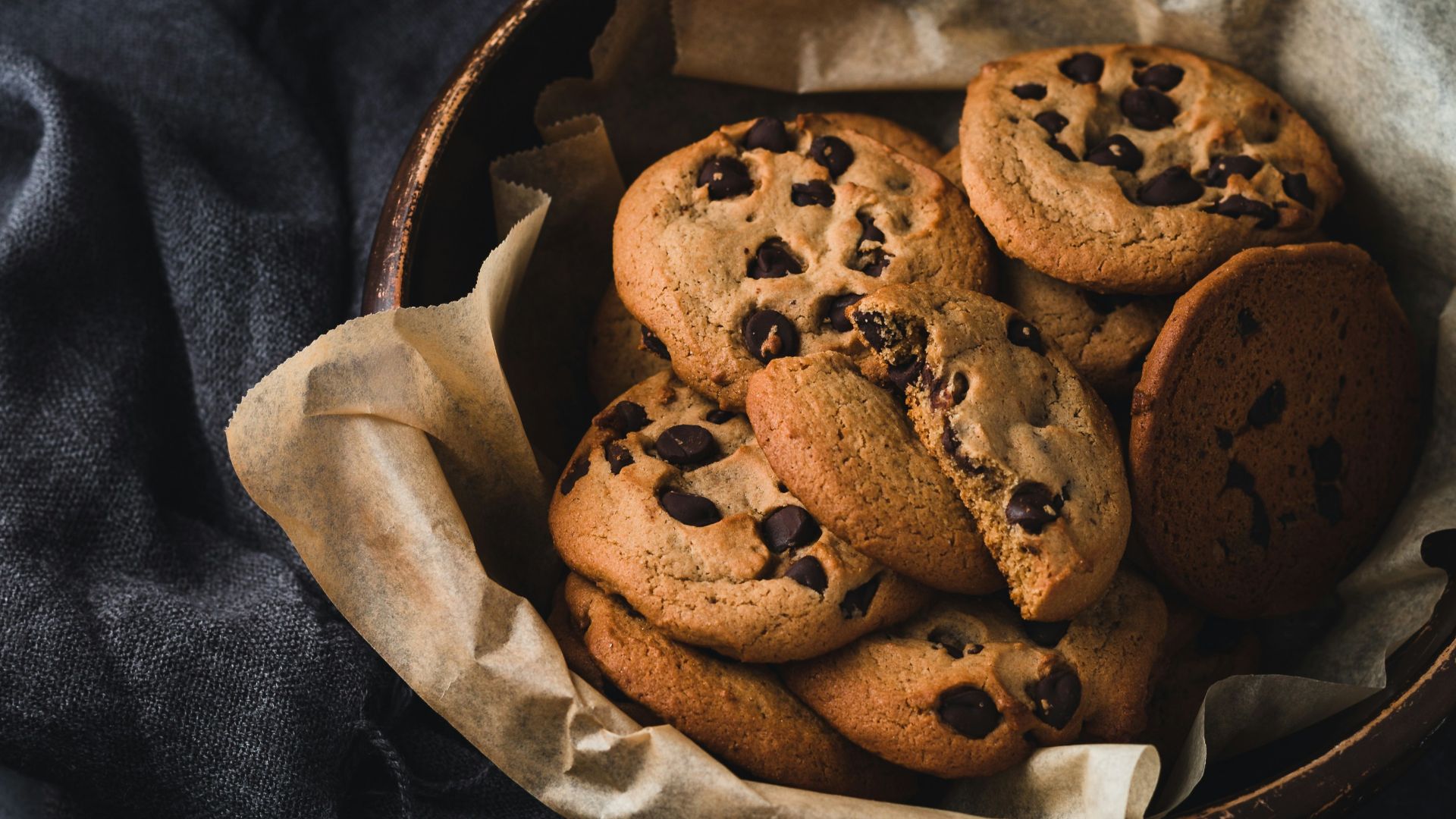
Chocolate chip cookies were created when Ruth Wakefield added chopped chocolate to cookie dough at the Toll House Inn. A common myth says she expected the chocolate to melt fully into the dough, though the better-supported version is that she was intentionally experimenting.
7. Champagne
Champagne’s bubbles were once considered a problem because secondary fermentation could cause bottles to burst. Winemakers in the Champagne region gradually learned how to manage the pressure and turn the sparkle into a selling point.

8. Ice Cream Cones
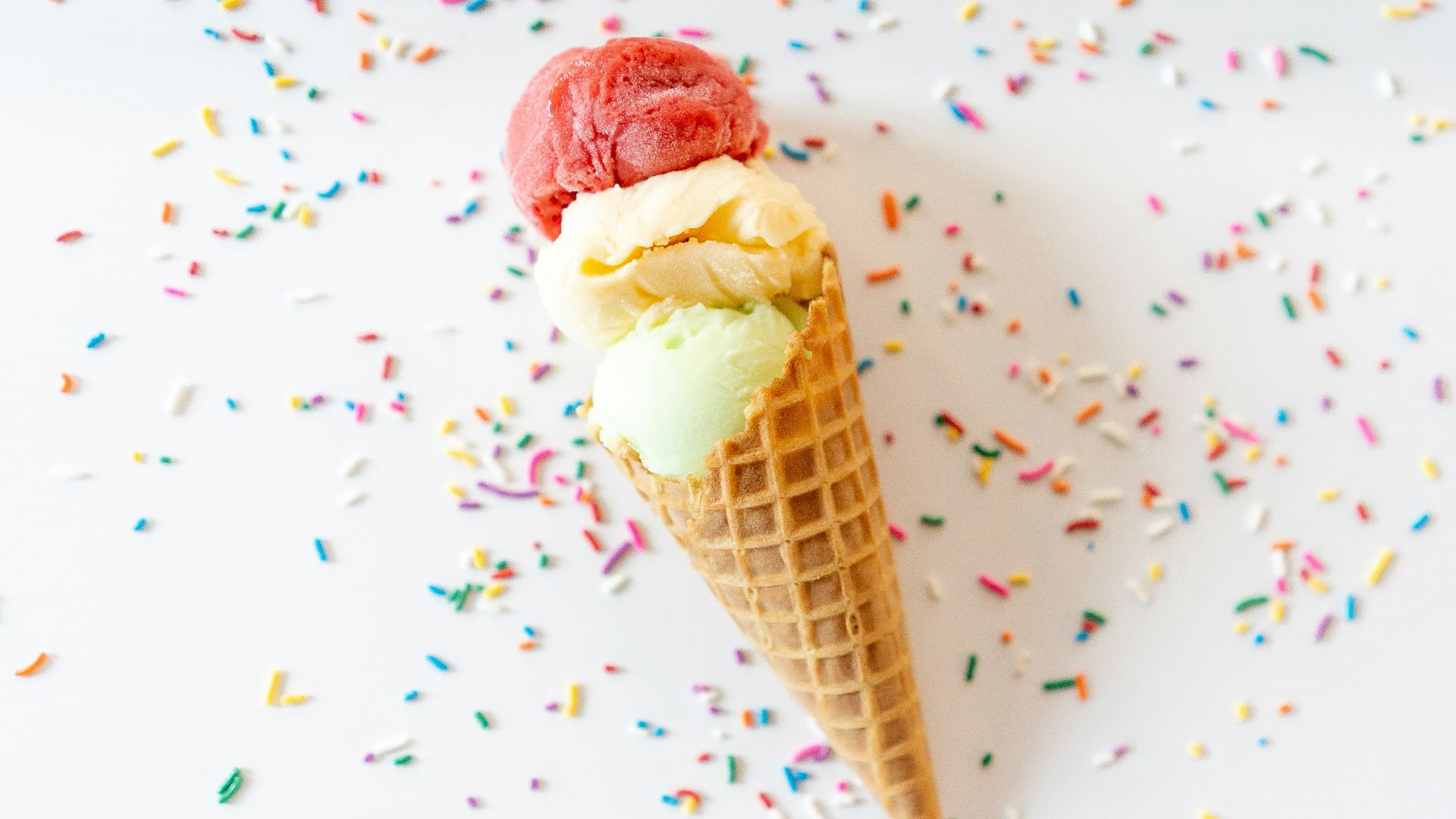
Ice cream cones became widely associated with the 1904 St. Louis World’s Fair, where vendors needed a practical way to serve ice cream. One popular account says a waffle seller helped an ice cream vendor who ran out of dishes by rolling waffles into holders.
9. Tarte Tatin
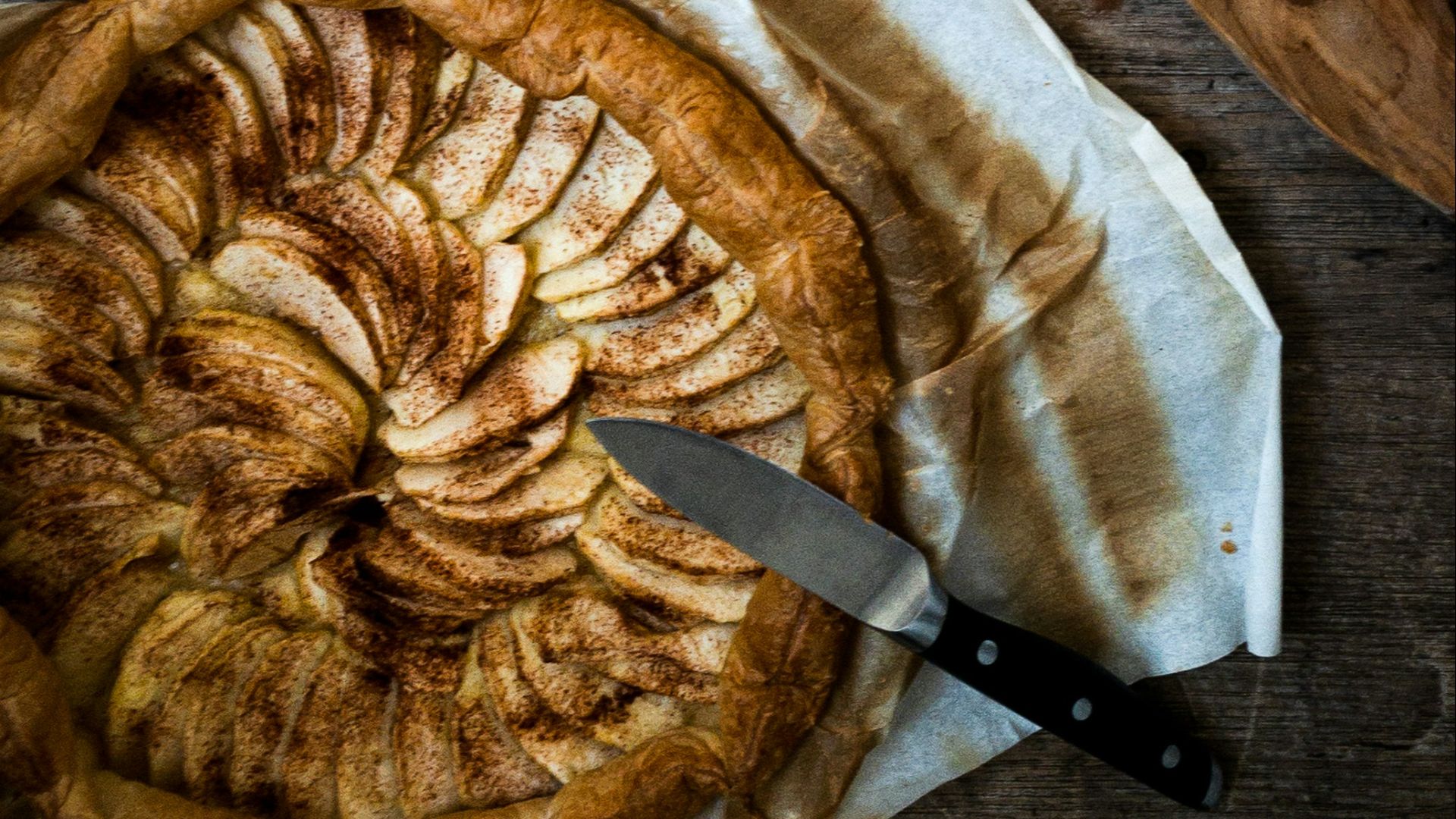
Tarte Tatin is linked to the Tatin sisters, who ran a hotel in France and supposedly overcooked apples while making a tart. Instead of throwing them out, they covered the fruit with pastry and baked it upside down.
10. Sandwiches
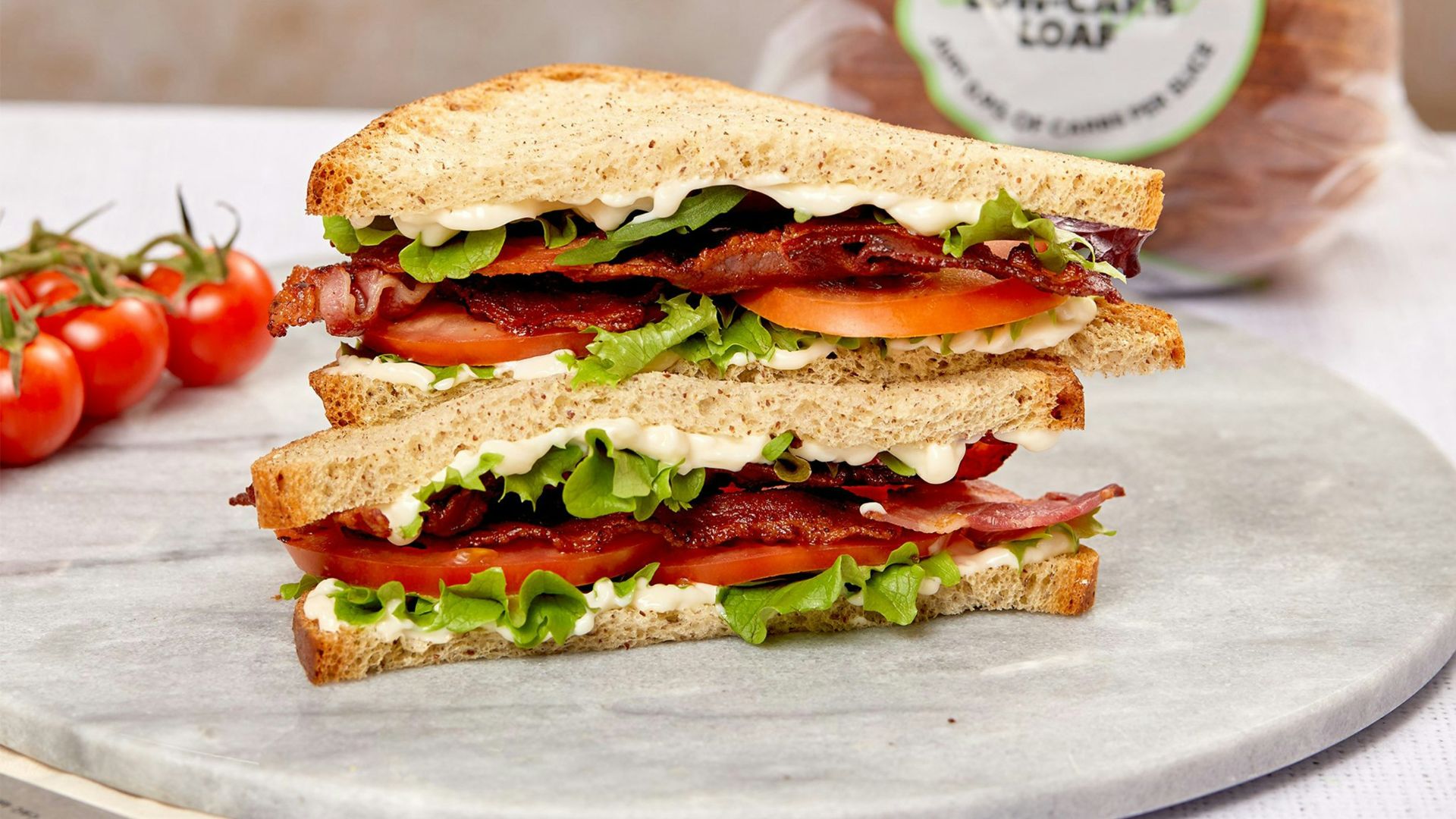
The sandwich is famously associated with John Montagu, the Fourth Earl of Sandwich, who wanted meat served between bread so he could eat without interrupting his activities. Similar bread-and-filling meals existed long before him, but his name helped popularize the format in English-speaking culture.
 Seriously Low Carb on Unsplash
11. Cheese Puffs
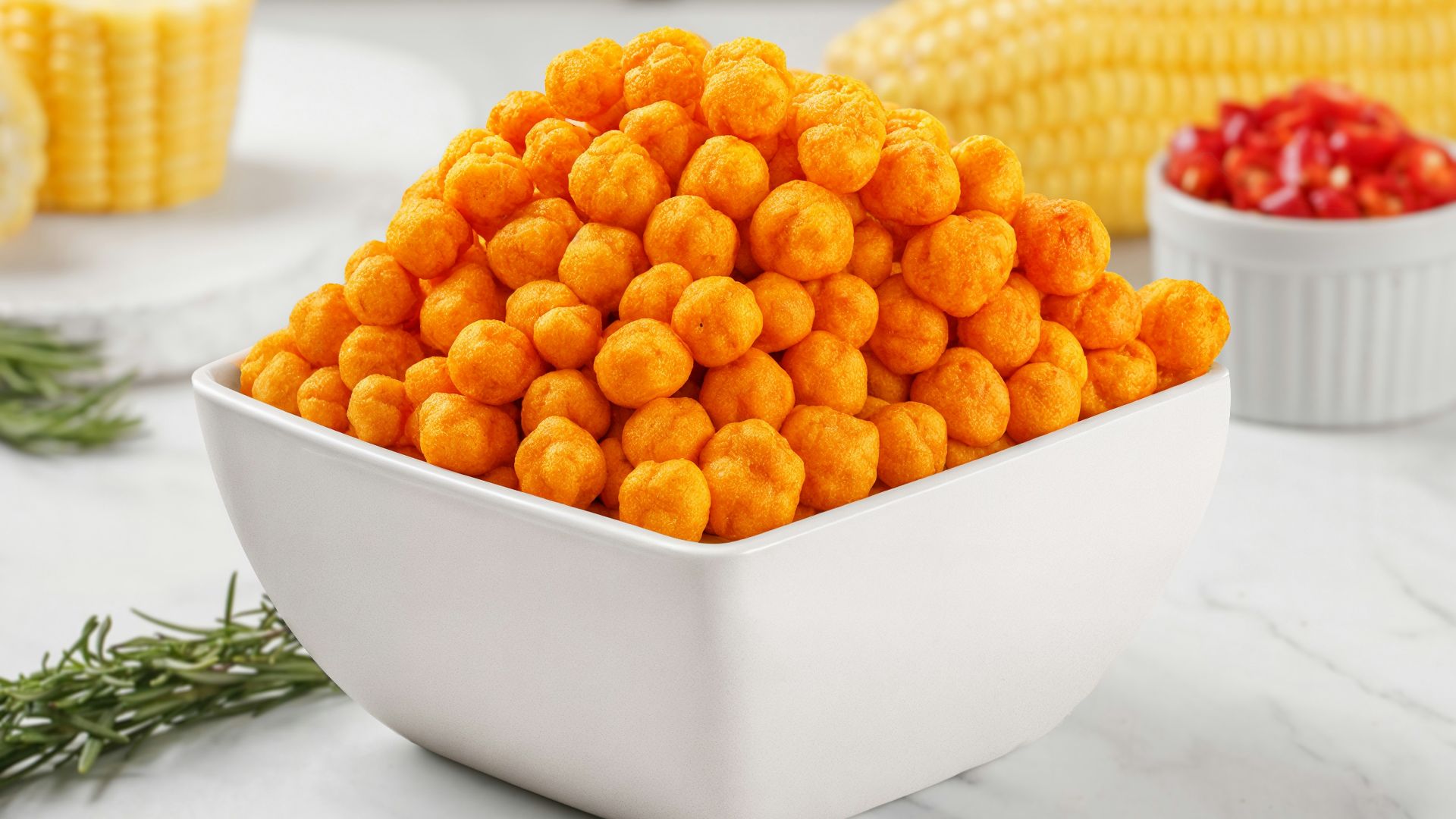
Cheese puffs developed from an industrial food-processing surprise rather than a home kitchen mistake. In the 1930s, workers using cornmeal to clean machinery noticed that puffed corn pieces came out in an appealing shape.
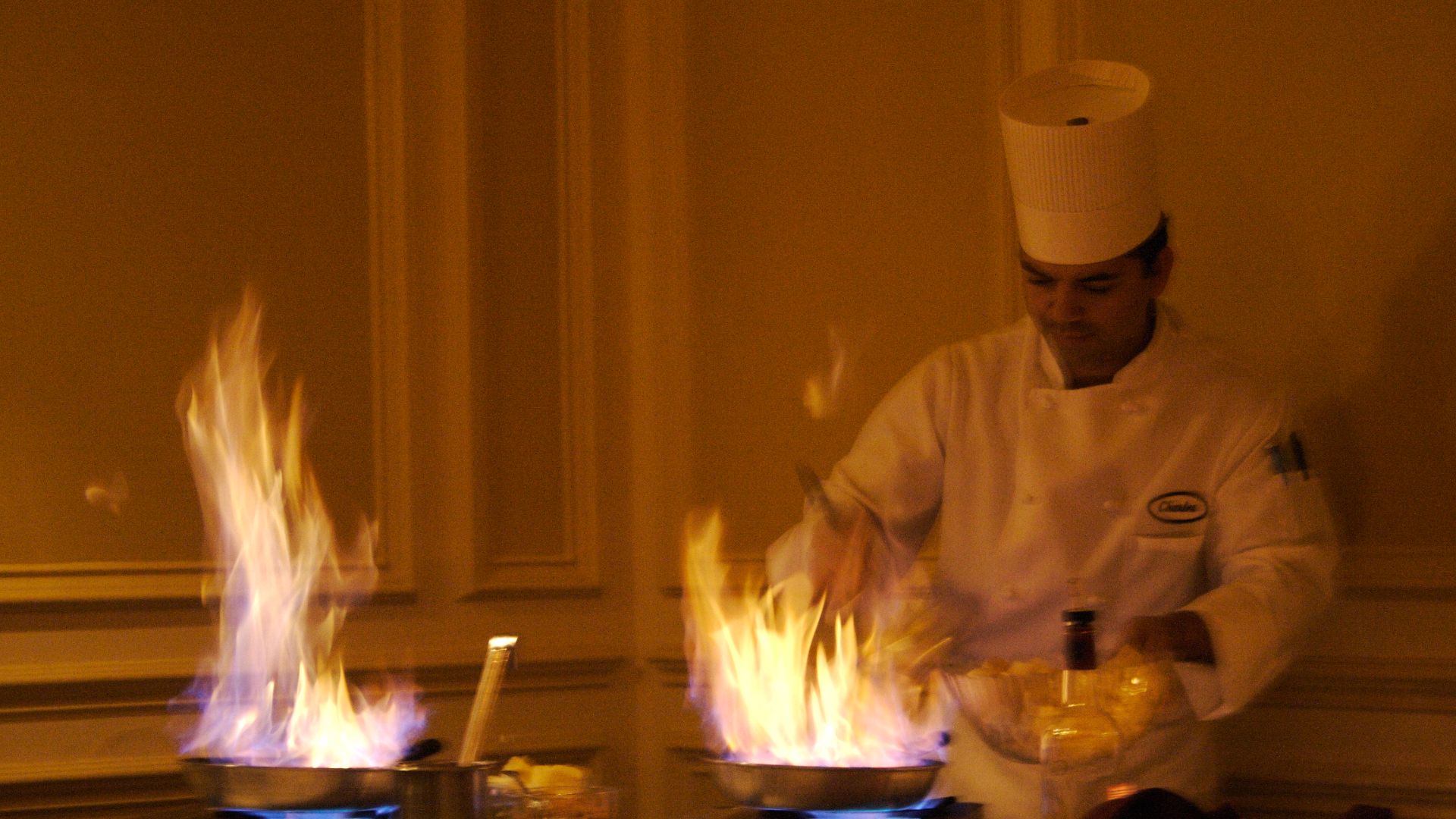
12. Crêpes Suzette
Crêpes Suzette is often tied to a tableside accident involving a sauce that caught fire while being prepared for a royal guest. The story’s exact details vary, and some versions are probably embellished, but flambéed crêpes became strongly linked with elegance and theater.
 Ewen Roberts from San Diego, CA, United States on Wikimedia
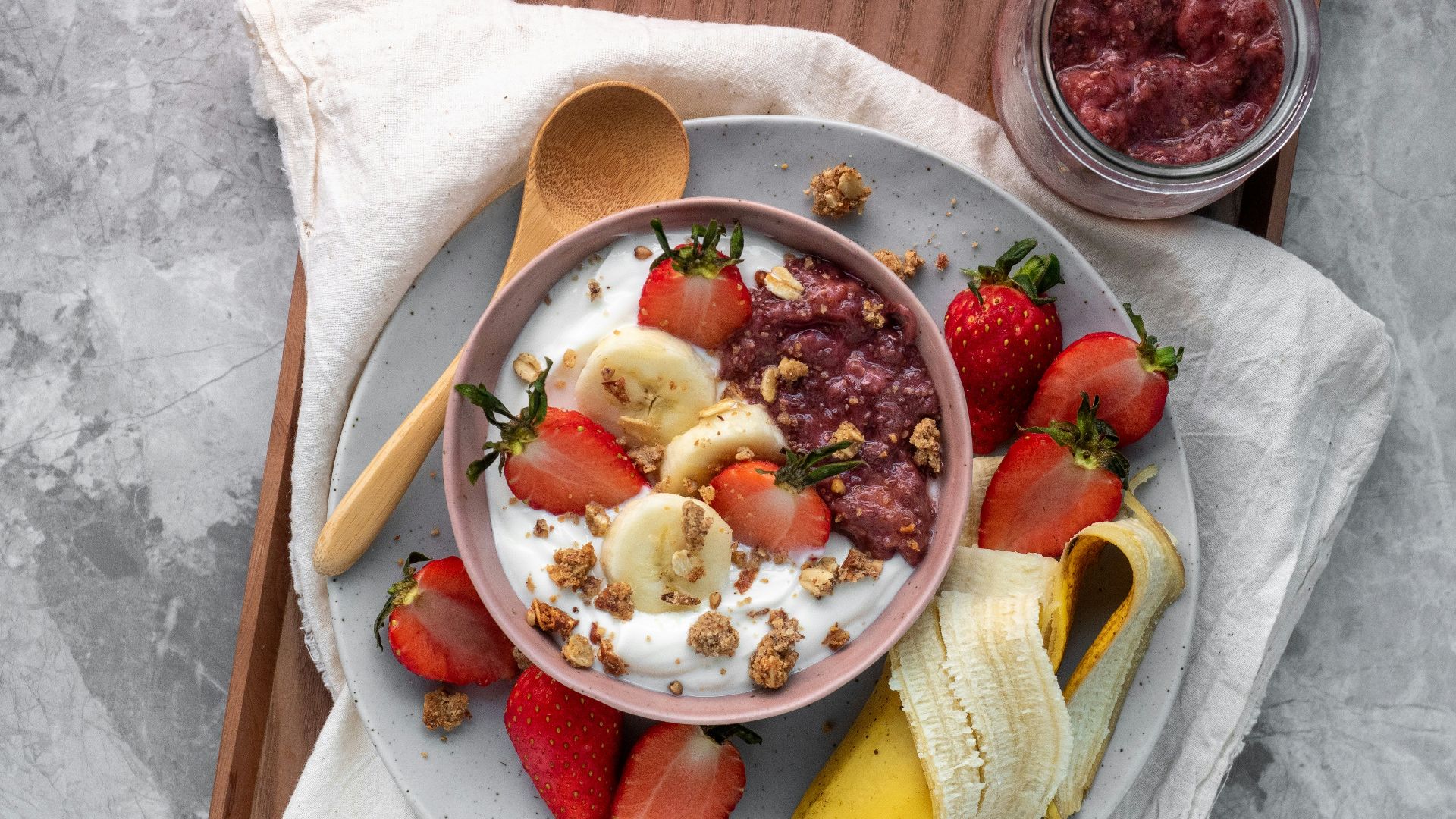
13. Yogurt
Yogurt likely became popular after milk was stored in warm conditions that encouraged natural fermentation. Instead of simply spoiling, the milk thickened and developed a tangy flavor because beneficial bacteria transformed it.
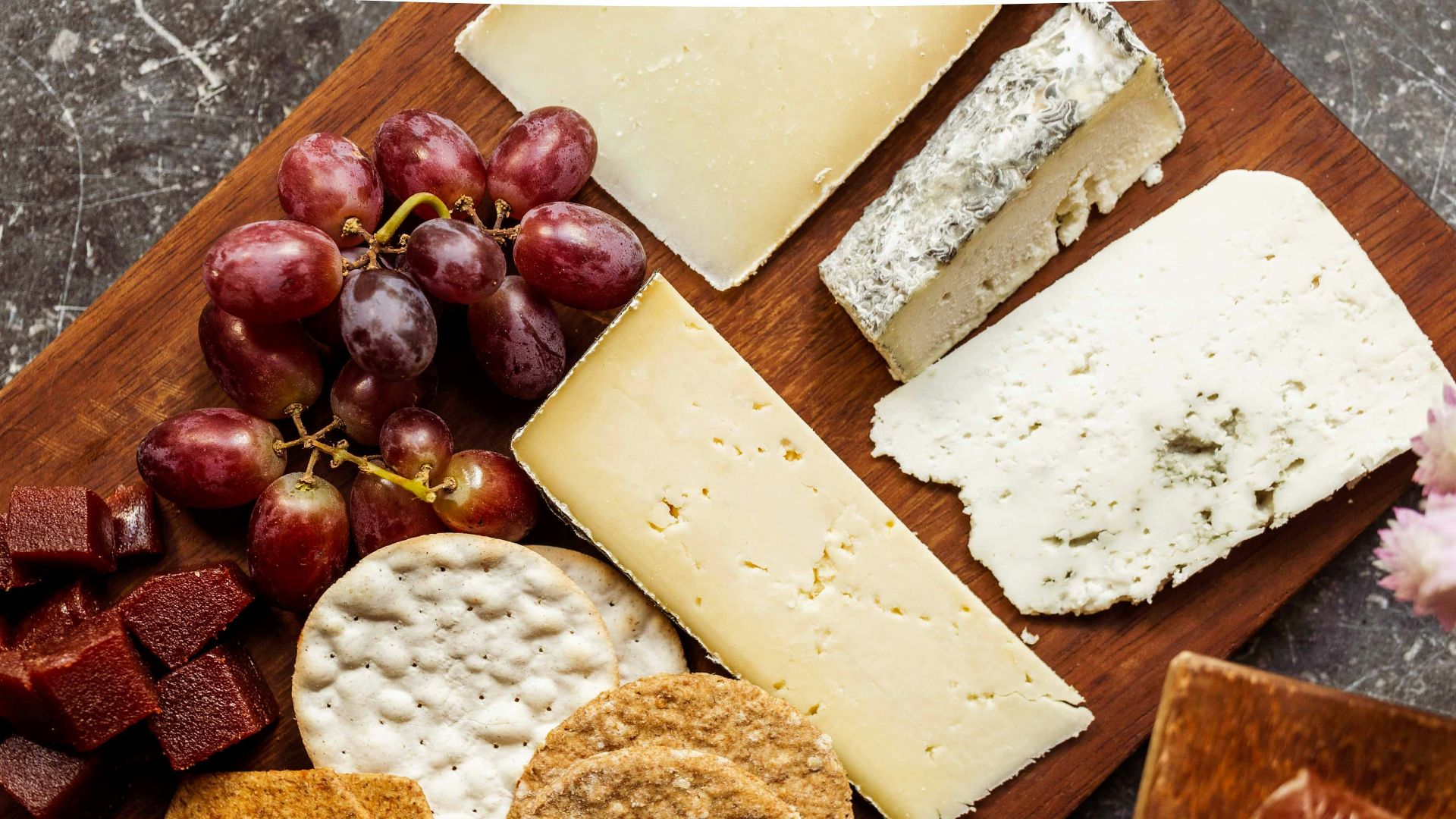
14. Cheese
Cheese probably began when milk was accidentally curdled by natural enzymes, heat, or storage in animal stomach containers. Early people discovered that curds could be separated from whey, salted, and preserved.
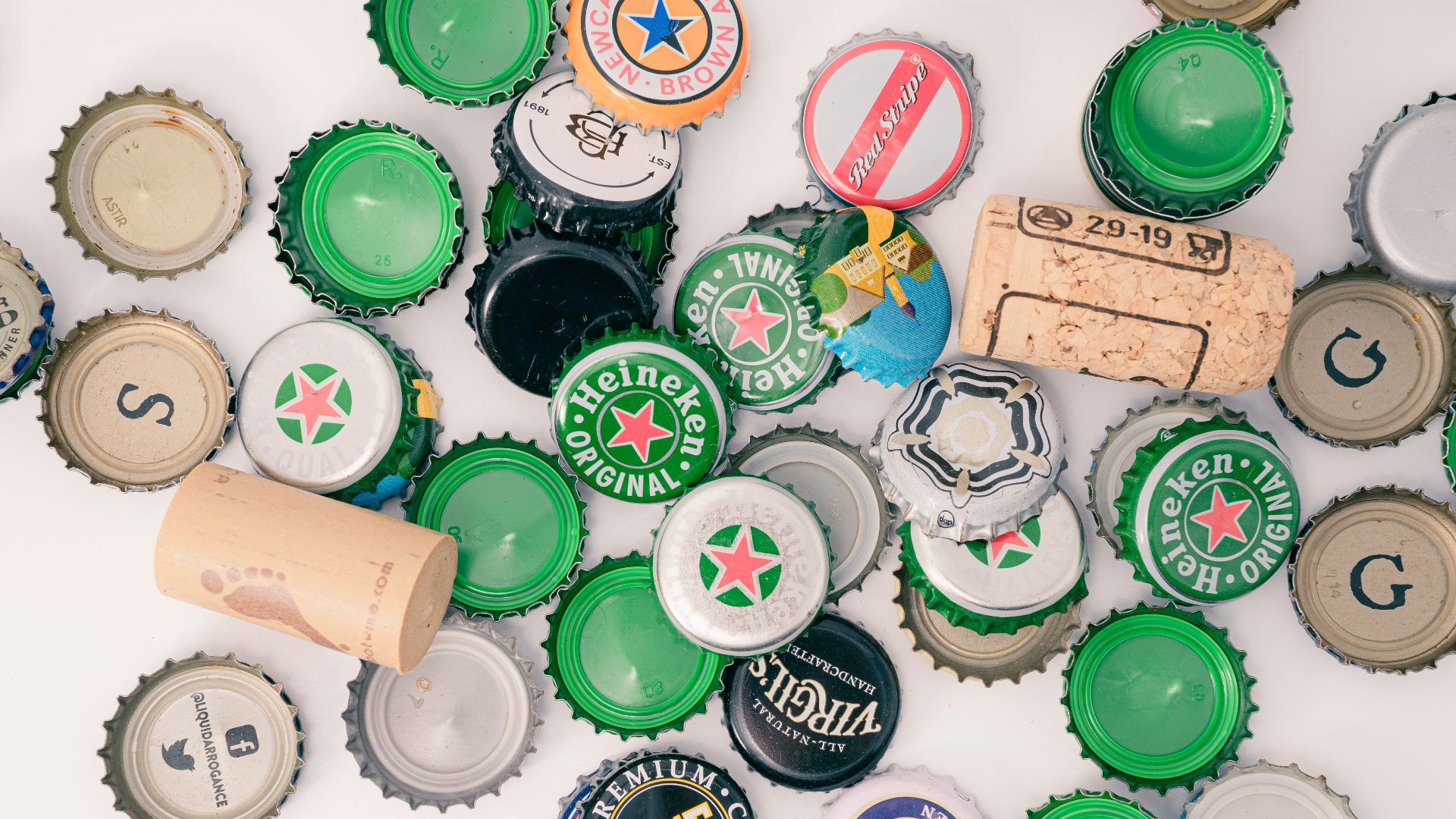
15. Beer
Beer’s origins likely go back to grain that was soaked, fermented naturally, and discovered to have a pleasant effect and flavor. Ancient brewers didn’t understand yeast the way modern science does, but they learned to repeat the process once they saw the results.
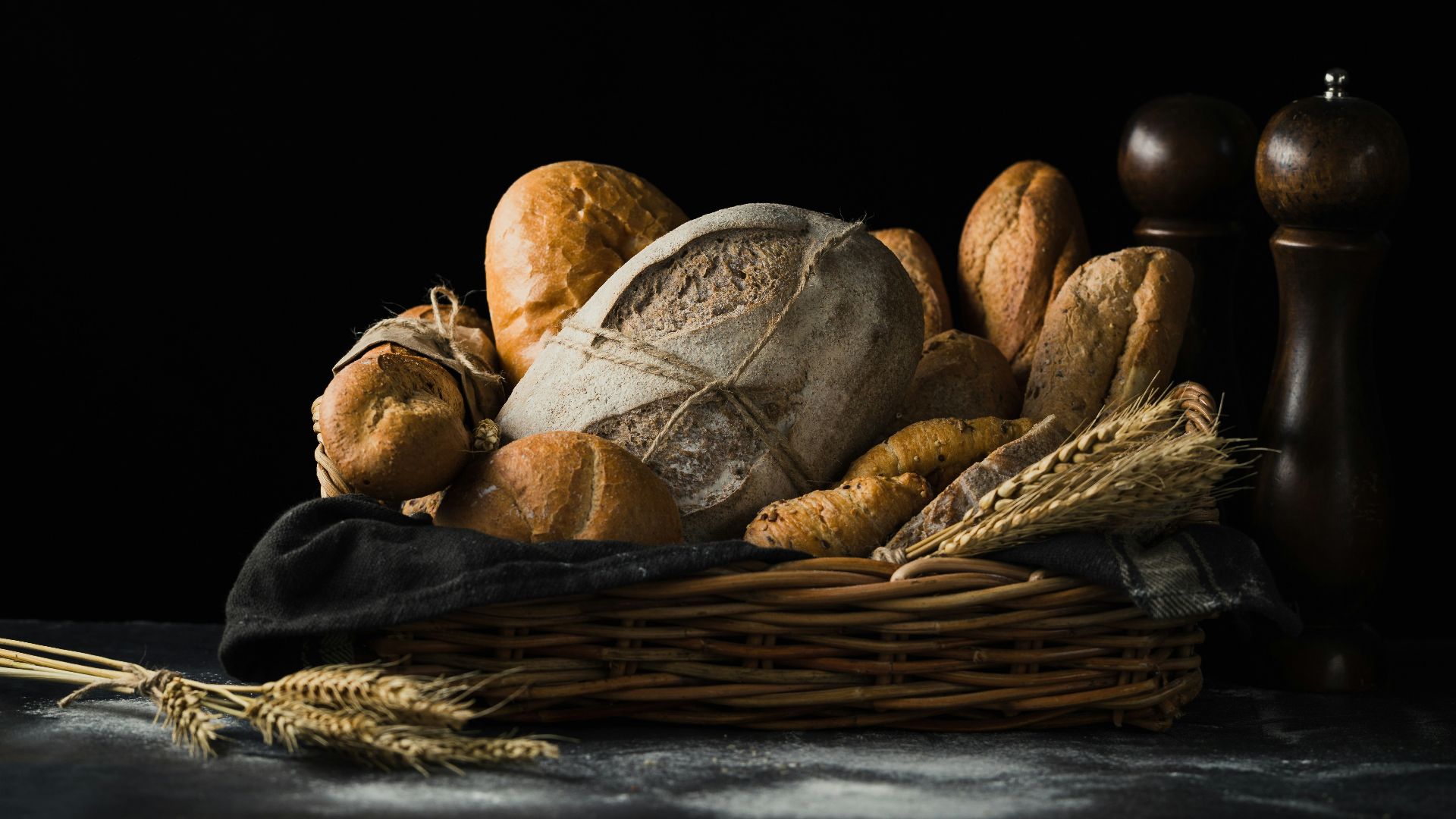
16. Sourdough Bread
Sourdough relies on wild yeasts and bacteria that naturally settle into flour-and-water mixtures. Before commercial yeast, bakers noticed that fermented dough rose better and tasted more interesting than flat mixtures.
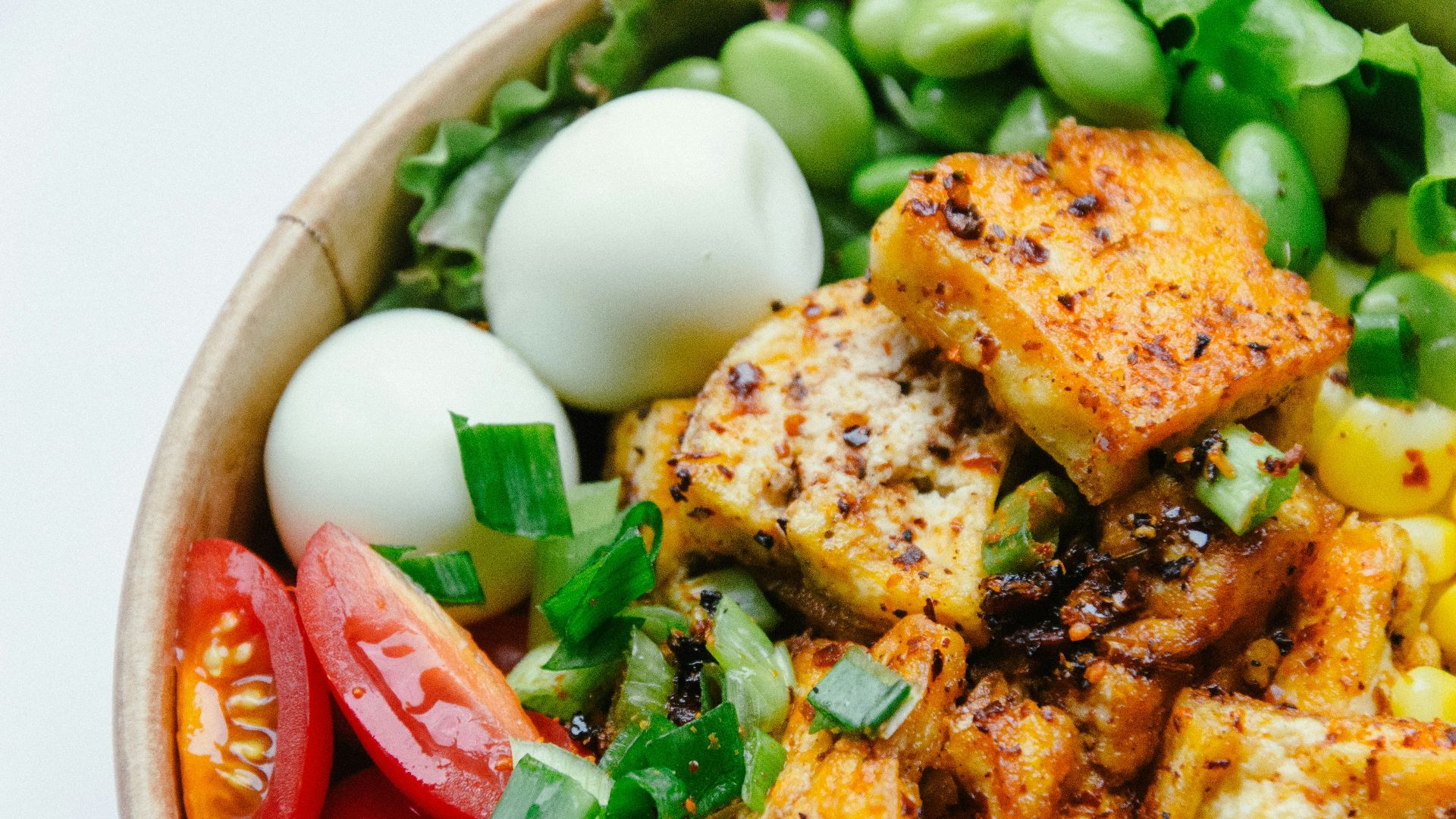
17. Tofu
Tofu’s early history is debated, but one common explanation says soy milk curdled accidentally when it came into contact with a natural coagulant. Once people realized the soft curds could be pressed and eaten, tofu became a practical protein source.
18. Brandy
Brandy grew from the practice of distilling wine, partly to make it easier to transport and preserve. Merchants could concentrate the liquid and later add water back, but people discovered that the distilled version had its own appealing flavor.

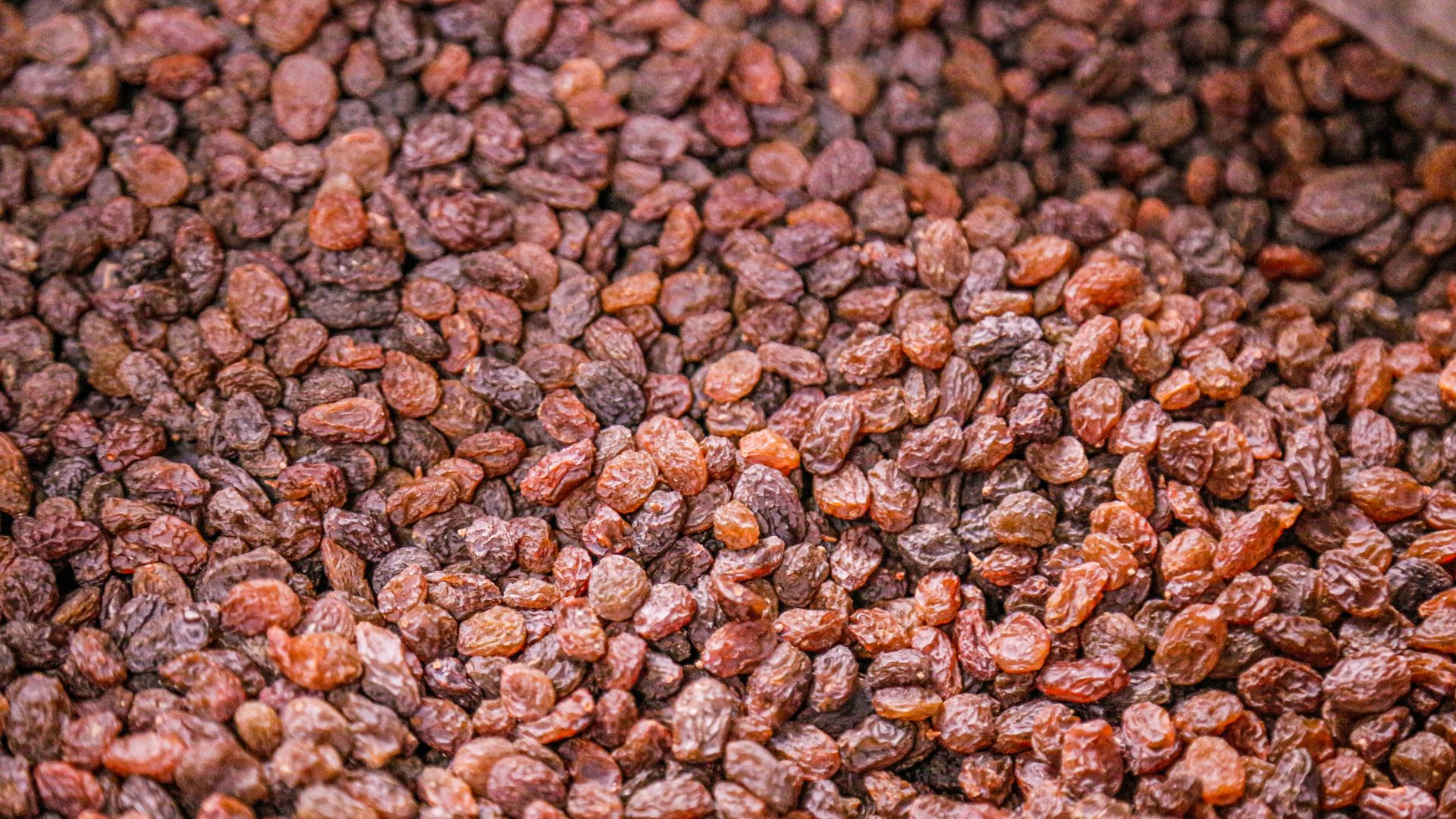
19. Raisins
Raisins were likely discovered when grapes dried naturally on the vine or in the sun instead of being eaten fresh. The shriveled fruit was sweeter, easier to store, and more durable during travel.
20. Pretzels
Pretzels have a hazy origin story, but they’re often linked to European monks or bakers shaping leftover dough into a distinctive form. Whether the shape was symbolic or practical, the baked result was easy to carry and store.

KEEP ON READING
The Most Popular Chocolate Bars in the USA
The Most Popular Candies in the USA
20 Annoying Foods That Get Stuck In Your Teeth