The Building Blocks Behind Beloved Food Traditions
Every cuisine has ingredients that do more than fill a pantry, because they shape flavor, routine, technique, and even the way meals are shared. Some are humble staples, while others bring unmistakable aroma or depth, and together they help make a dish feel tied to a specific place before you’ve even taken the first bite. Here are 20 ingredients that define entire cuisines.
1. Rice In Japanese Cuisine
Rice is central to Japanese cooking, where it appears as the foundation of everyday meals, sushi, rice bowls, and seasonal dishes. Its mild flavor lets fish, pickles, vegetables, and broths stand out without competing with them.
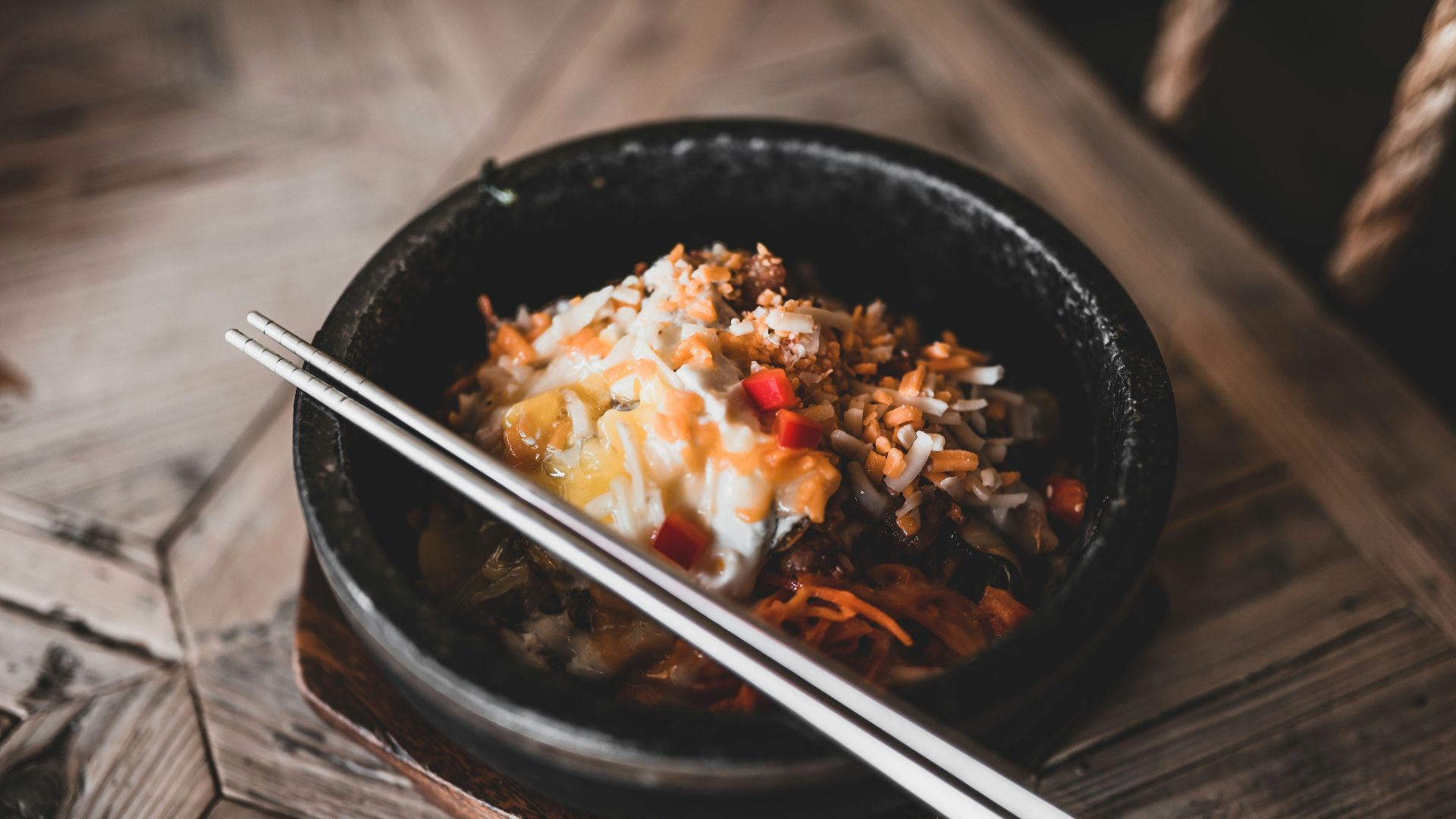
2. Olive Oil In Greek Cuisine
Olive oil defines Greek cooking because it’s used generously in salads, stews, vegetable dishes, grilled foods, and breads. It brings richness without heaviness, which helps simple ingredients like tomatoes, beans, greens, and feta feel complete.
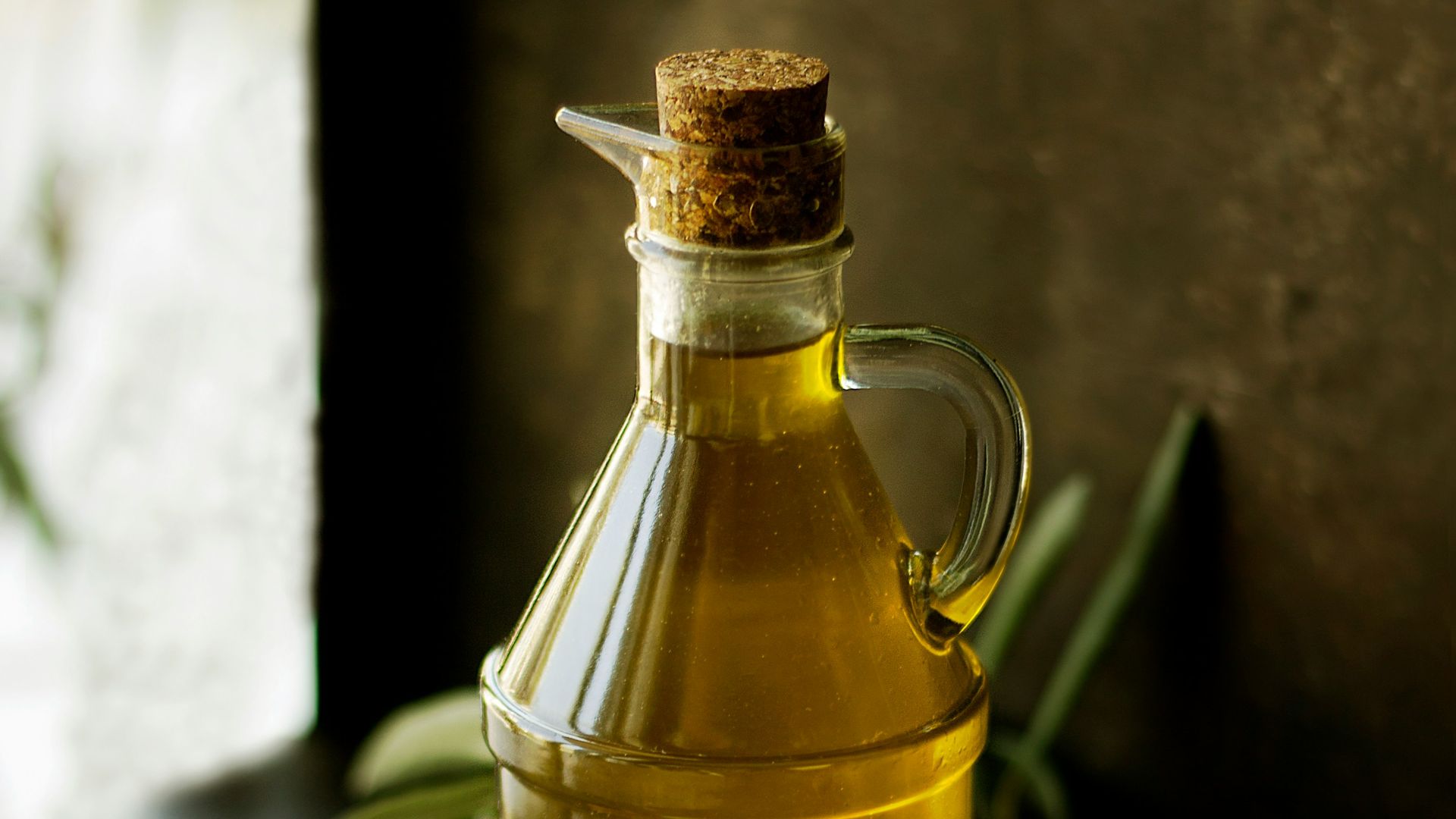
3. Corn In Mexican Cuisine
Corn sits at the heart of Mexican cuisine, especially through tortillas, tamales, pozole, atole, and masa-based snacks. Nixtamalization, the traditional process of treating corn with an alkaline solution, improves its texture, flavor, and nutritional value.
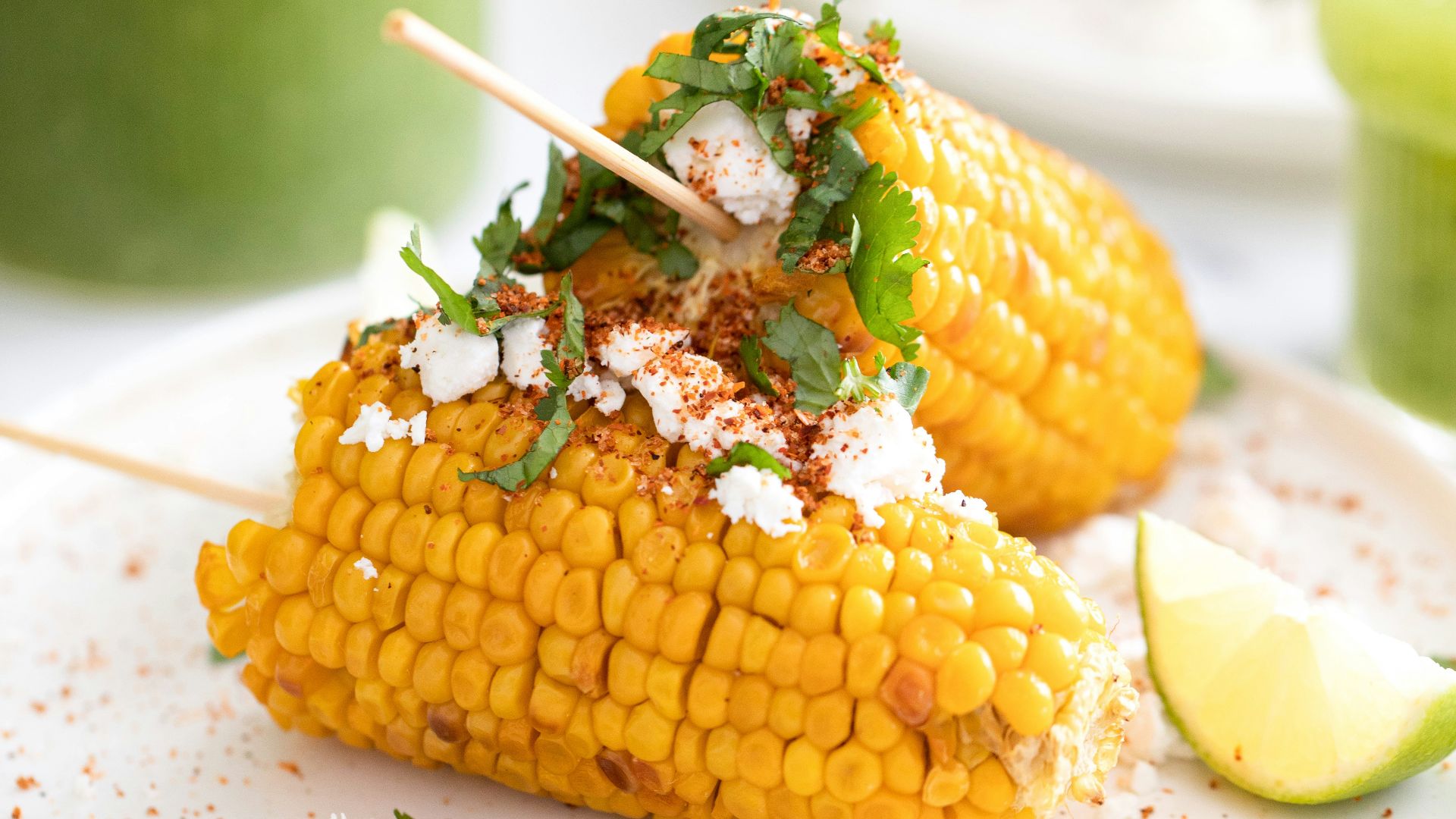 Bakd&Raw by Karolin Baitinger on Unsplash
4. Garlic In Italian Cuisine
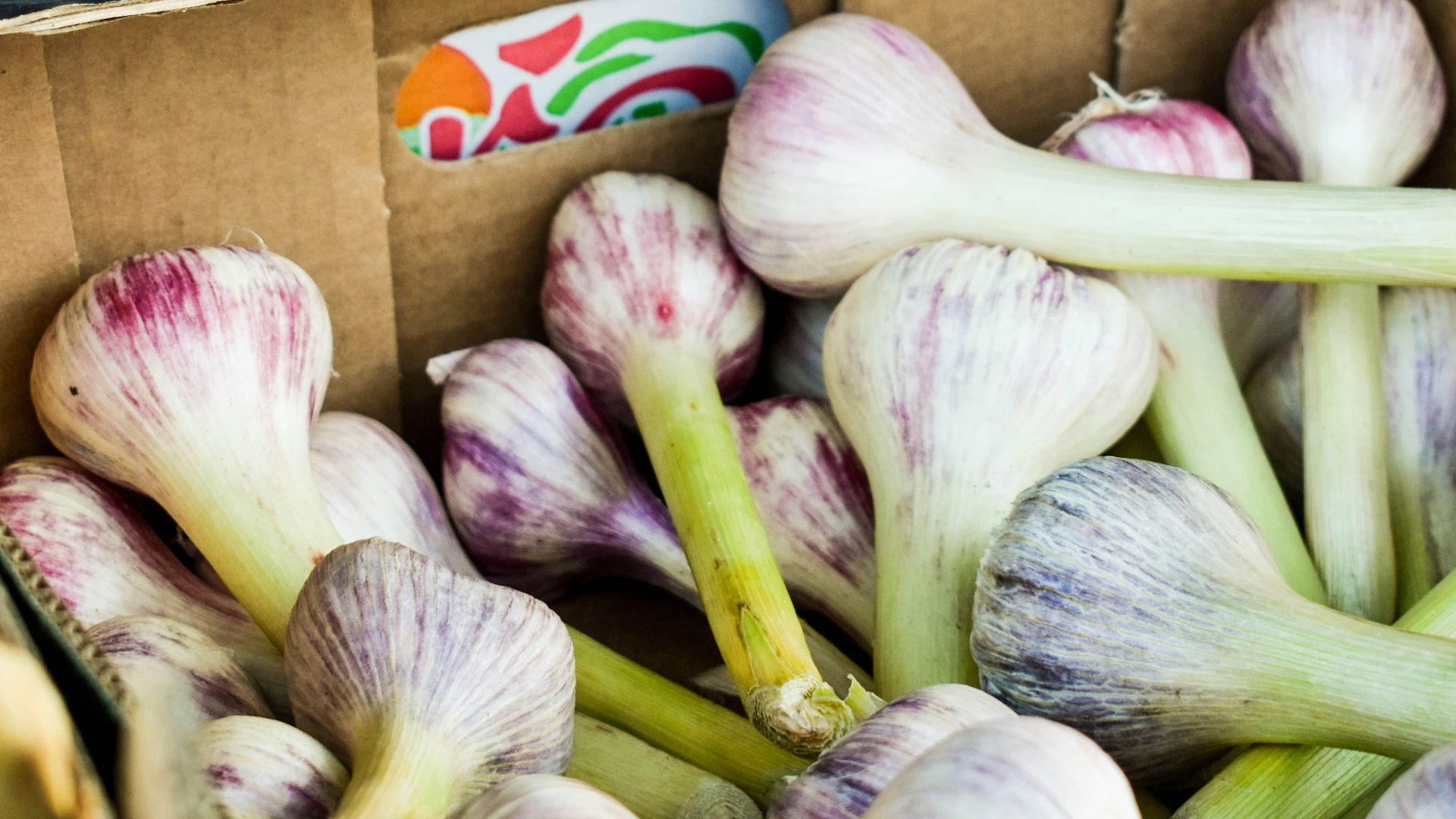
Garlic plays a strong role in Italian cooking, although it’s often used with more restraint than people assume. It flavors sauces, sautés, seafood dishes, roasted vegetables, and infused oils, giving dishes warmth without needing complicated seasoning.
5. Soy Sauce In Chinese Cuisine
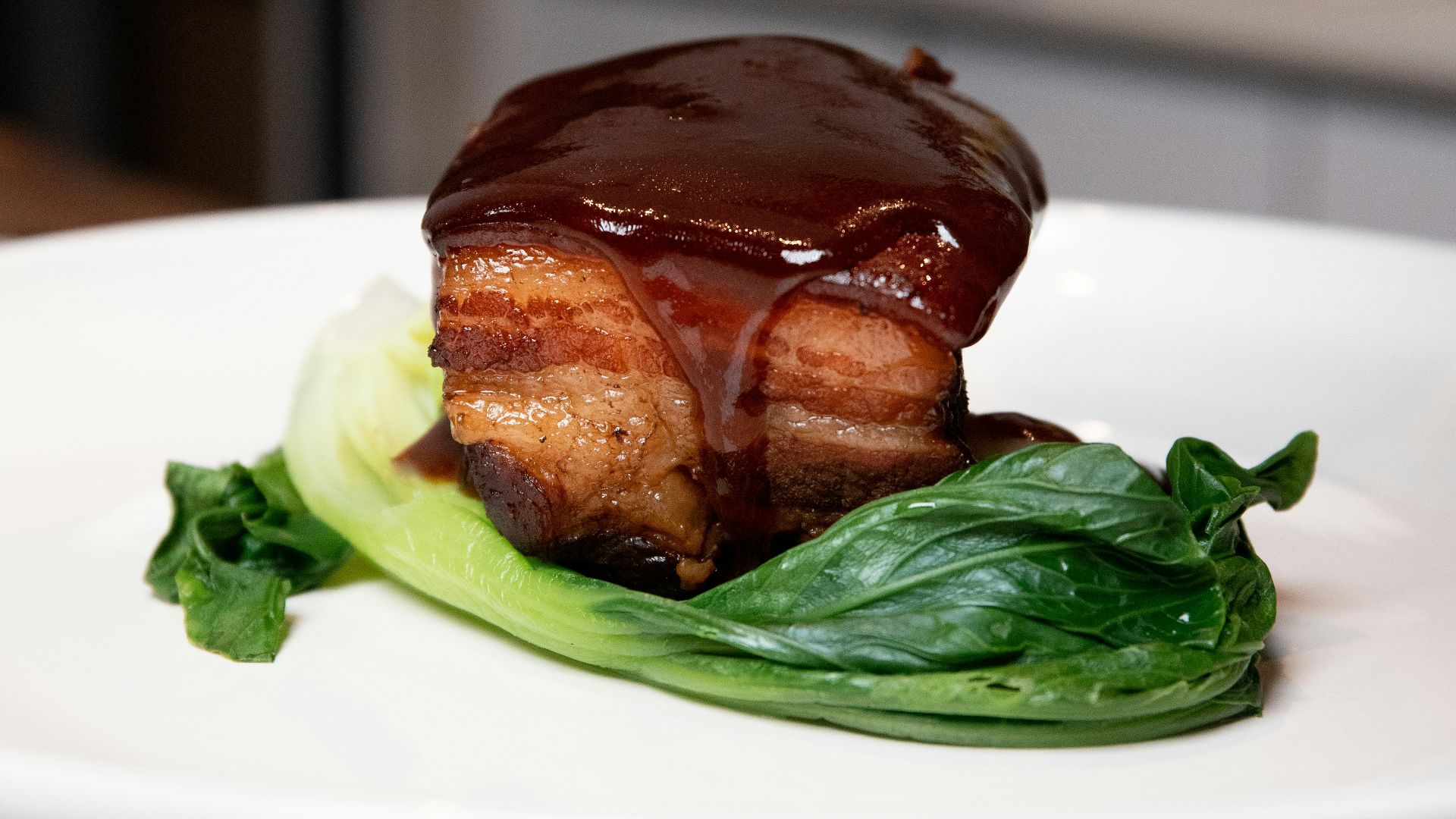
Soy sauce is one of the defining ingredients in Chinese cooking, where it adds saltiness, color, and savory depth. Light soy sauce, dark soy sauce, and regional styles each serve different purposes, from seasoning stir-fries to deepening braised dishes.
6. Butter In French Cuisine
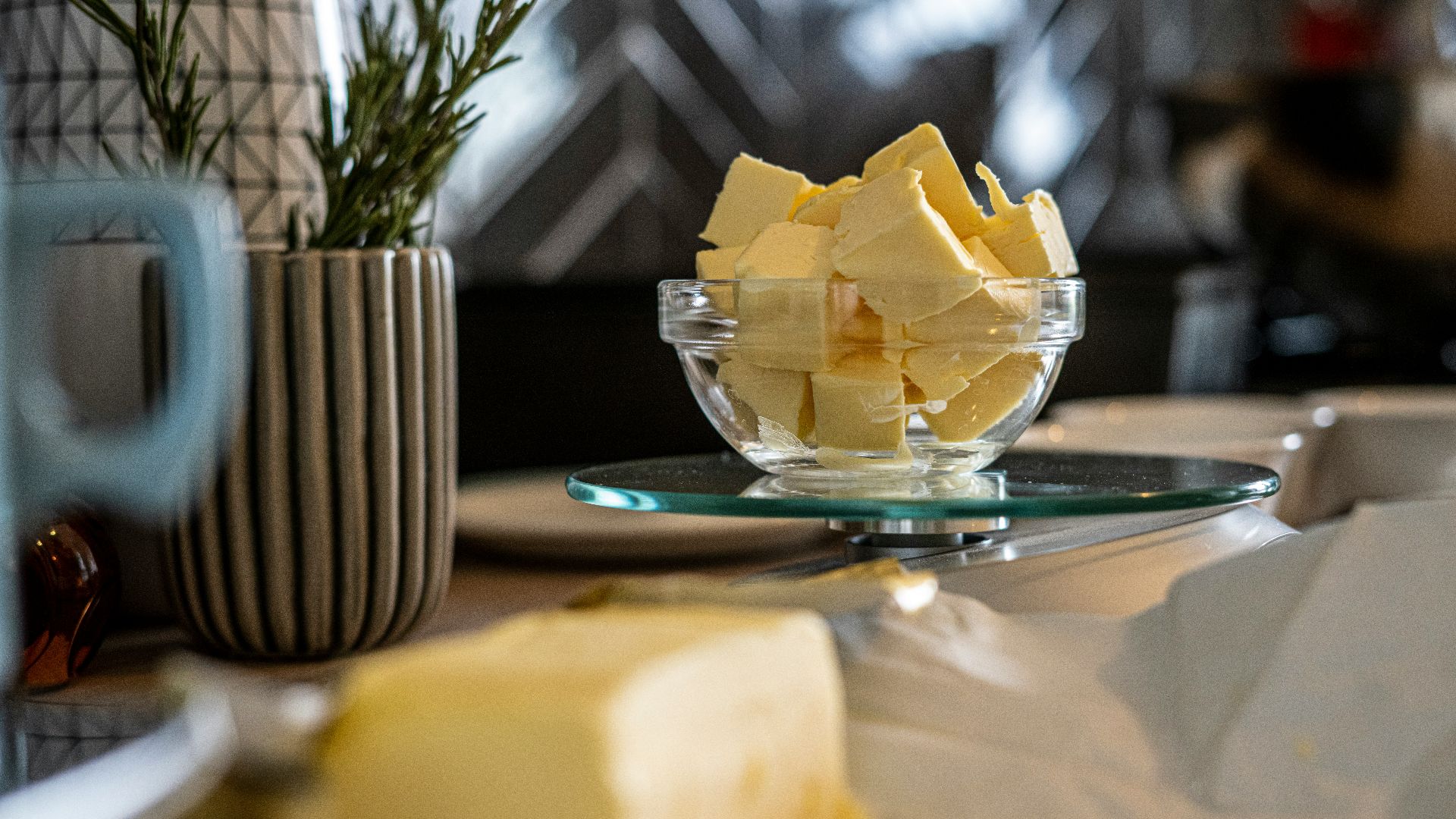
Butter is essential in French cooking, where it appears in sauces, pastries, omelets, vegetables, and pan-finished meats. It adds flavor and texture, but it also supports techniques like laminating dough, mounting sauces, and gently cooking delicate foods.
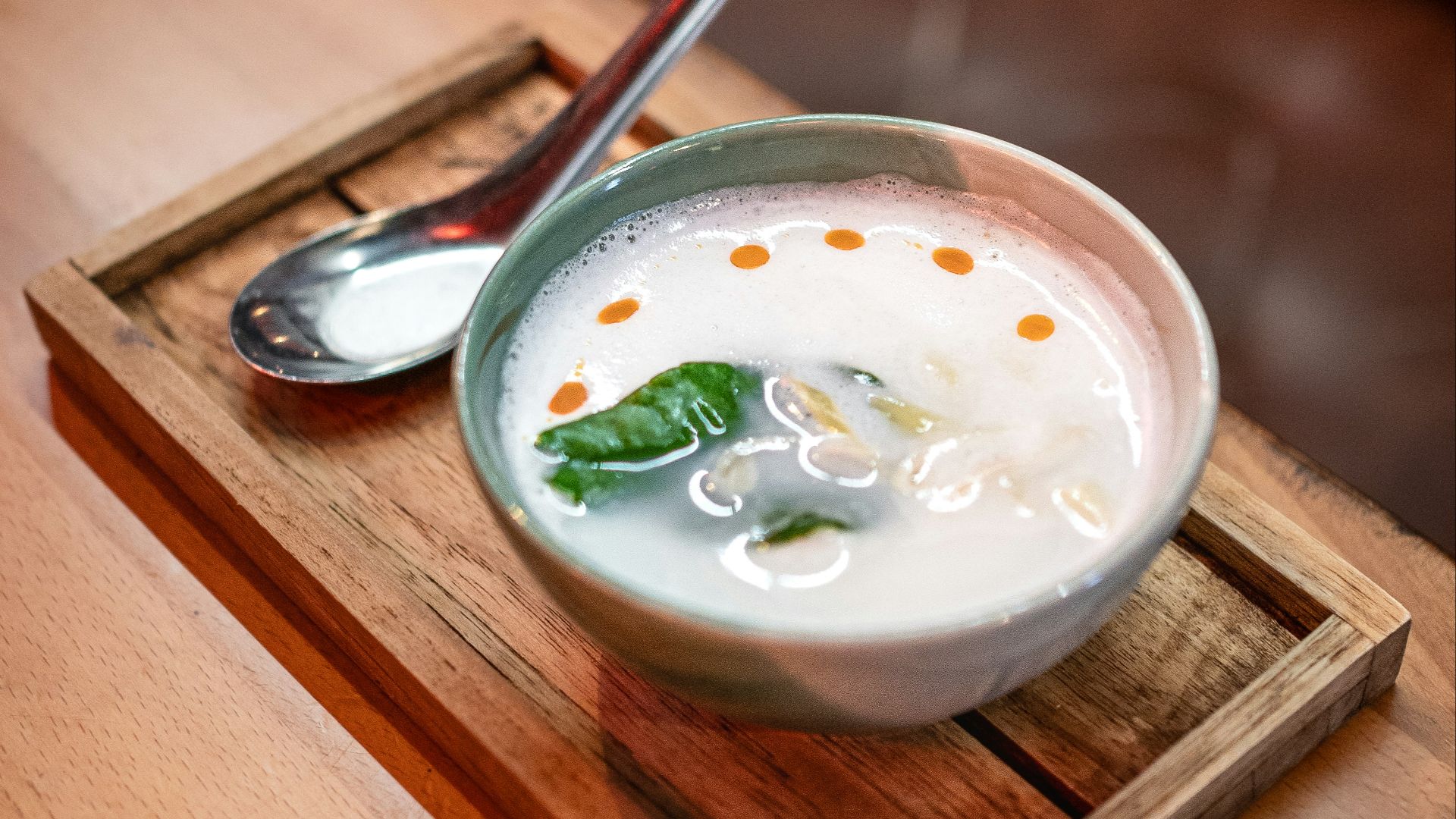
7. Coconut Milk In Thai Cuisine
Coconut milk gives many Thai dishes their creamy texture and balanced flavor, especially in curries, soups, desserts, and simmered sauces. It softens Chile heat while carrying the fragrance of herbs, spices, and aromatics. When combined with ingredients like lemongrass, galangal, fish sauce, and lime, it creates the layered taste that makes Thai food so distinctive.
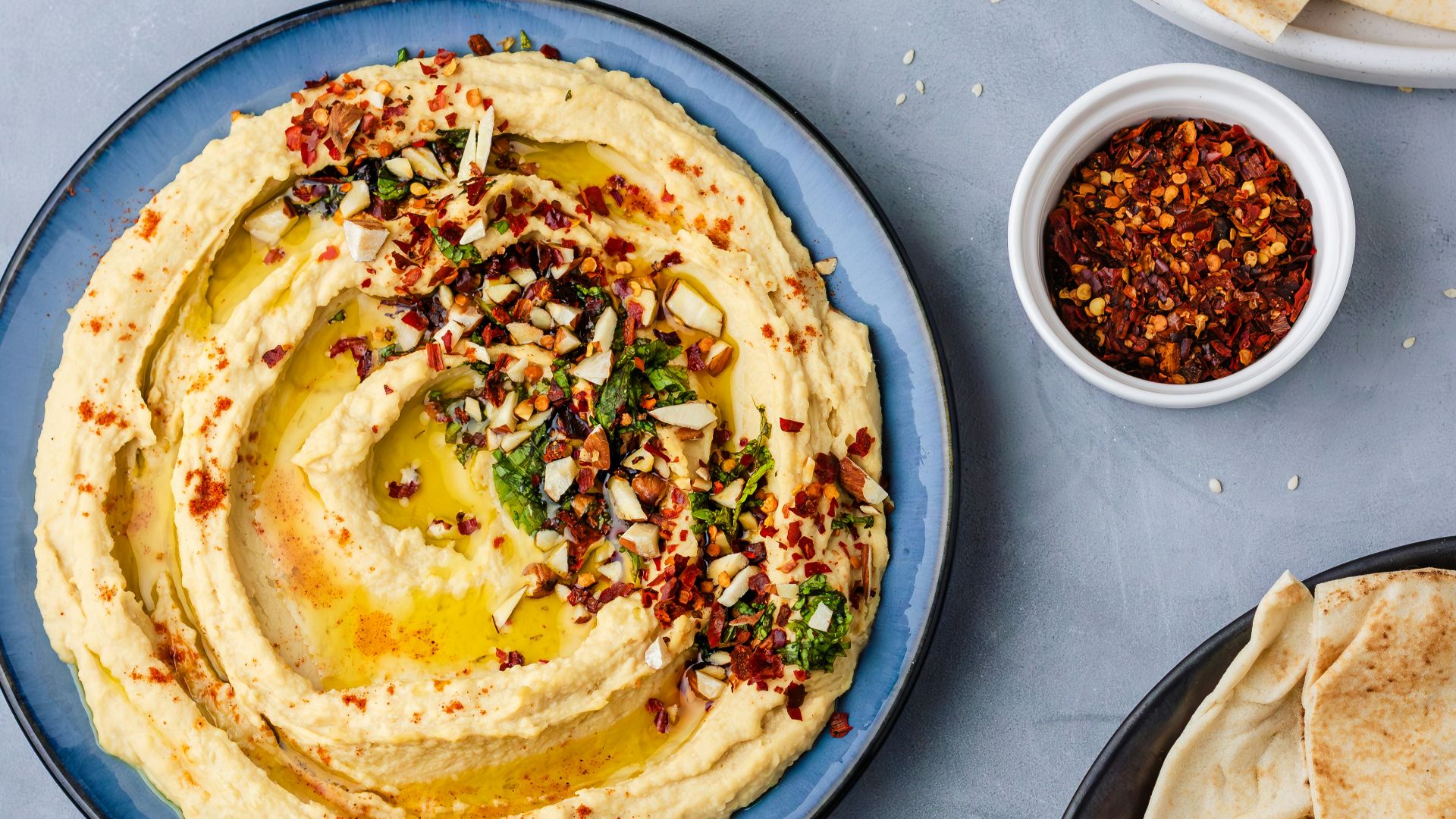
8. Chickpeas In Middle Eastern Cuisine
Chickpeas are deeply important across Middle Eastern cooking, where they appear in hummus, falafel, stews, salads, and rice dishes. They’re filling, versatile, and mild enough to absorb spices, tahini, lemon, garlic, and herbs.
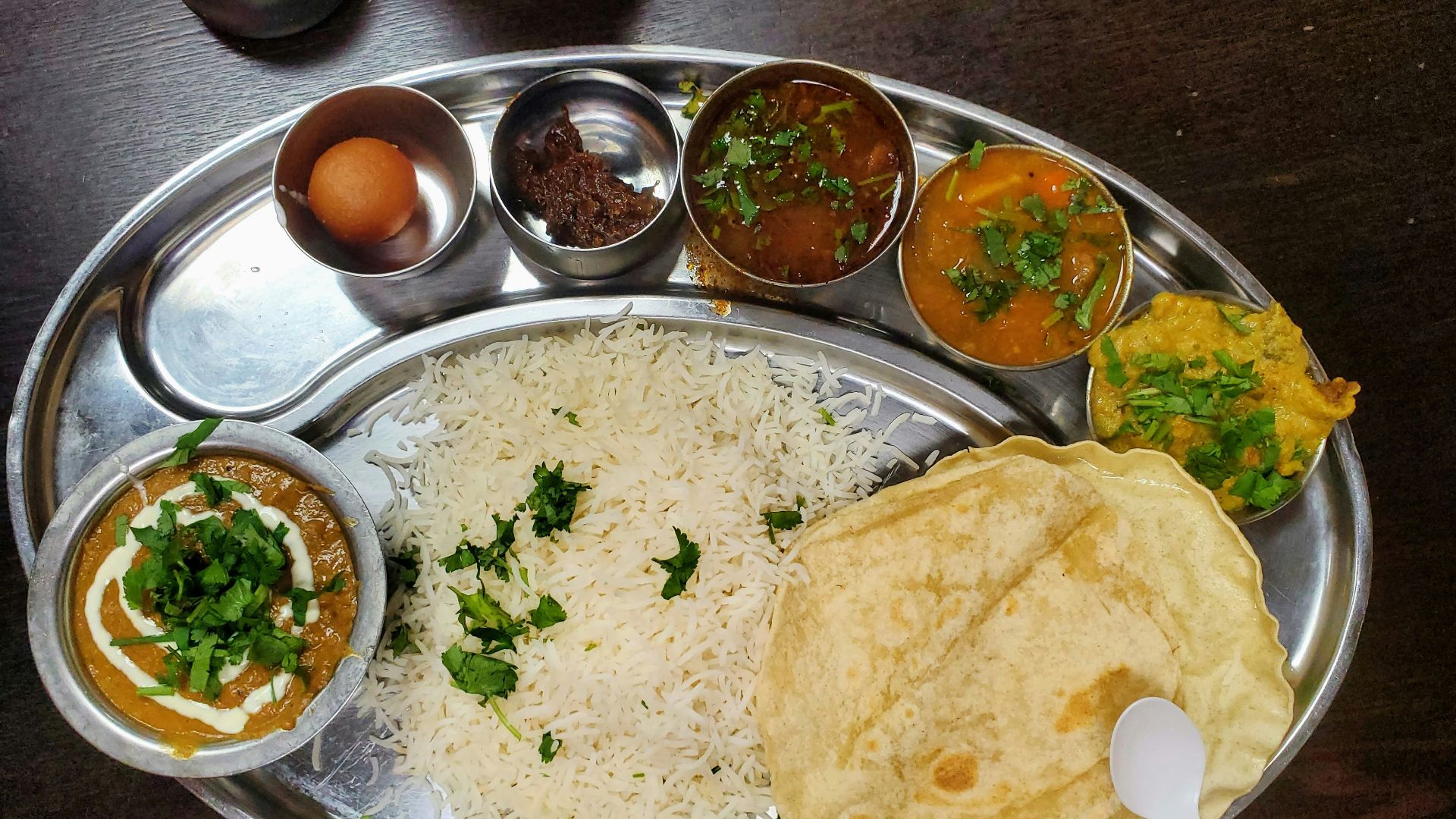
9. Ghee In Indian Cuisine
Ghee is a clarified butter used across many Indian cooking traditions, where it adds a nutty flavor and performs well at higher cooking temperatures. It’s used for tempering spices, enriching dals, finishing breads, and preparing sweets.
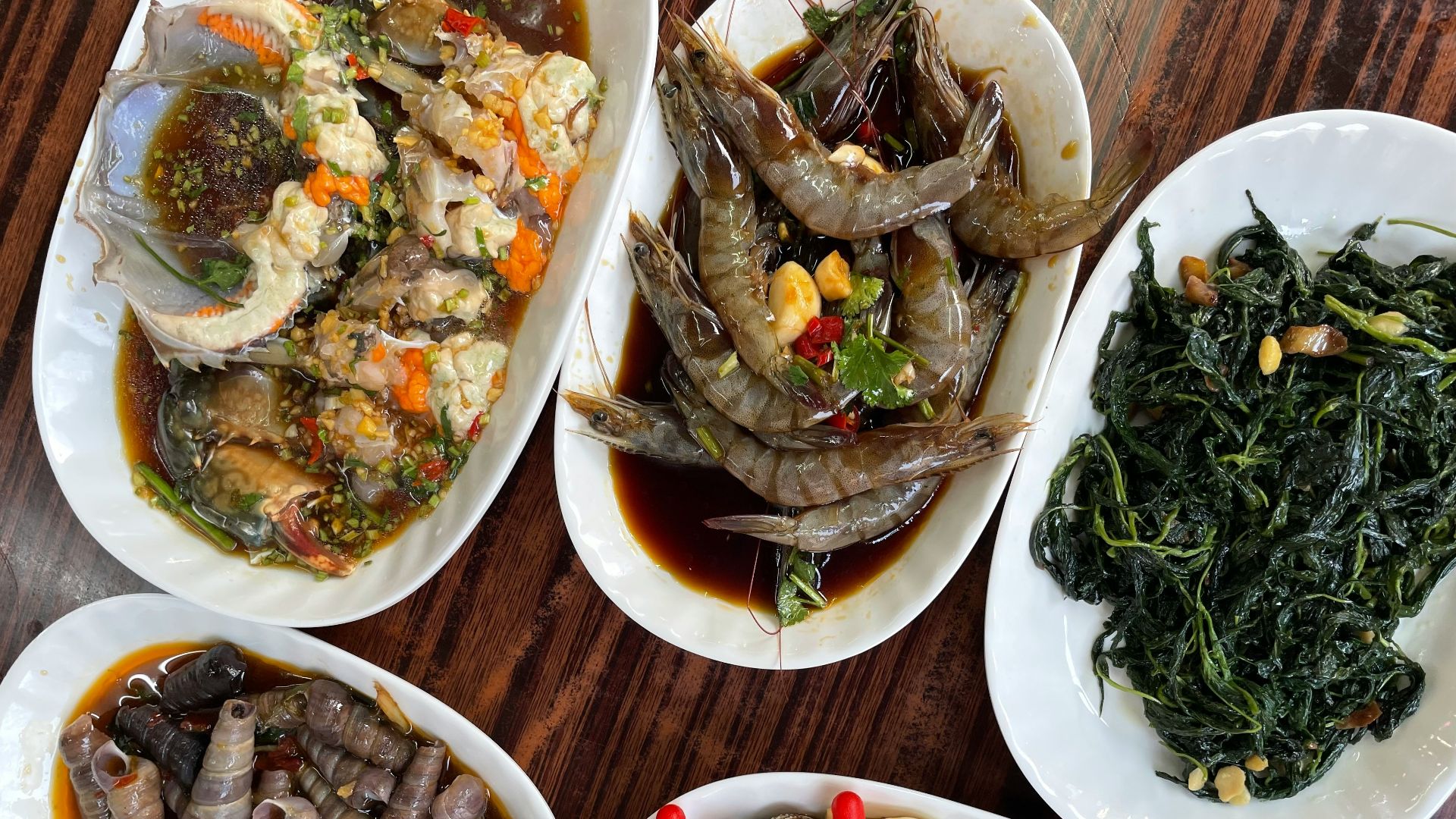
10. Fish Sauce In Vietnamese Cuisine
Fish sauce is a key ingredient in Vietnamese food, where it brings salt, savoriness, and depth to dipping sauces, marinades, soups, and stir-fries. It’s especially important in nước chấm, the balanced sauce made with lime, sugar, chile, and garlic.
11. Paprika In Hungarian Cuisine
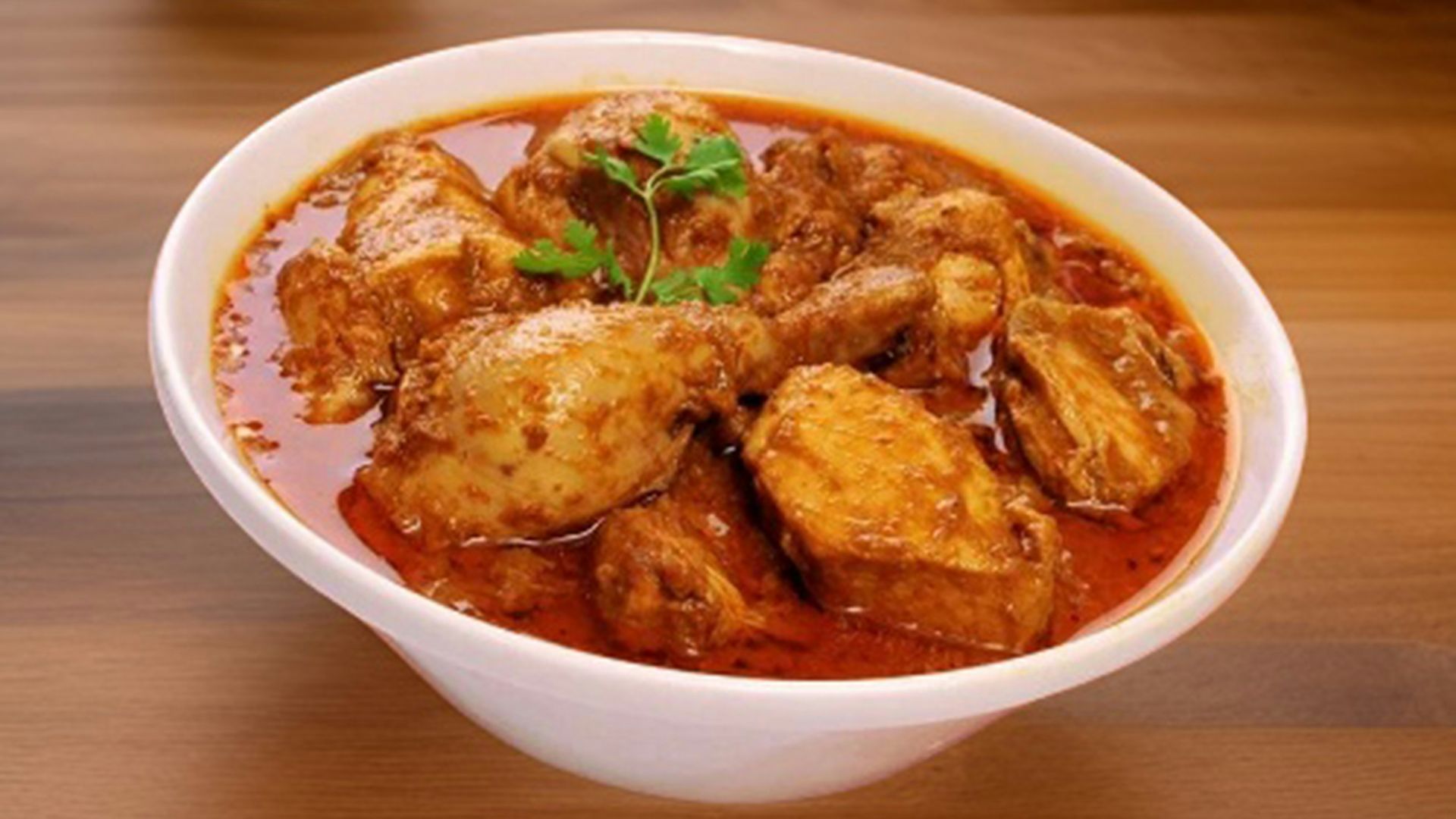
Paprika gives Hungarian cuisine much of its color, warmth, and recognizable flavor. It appears in dishes like goulash, chicken paprikash, soups, sausages, and stews, where it can be sweet, mild, or hot depending on the variety. The spice works best when treated carefully, because overheating it can make it taste bitter.
12. Beans In Brazilian Cuisine
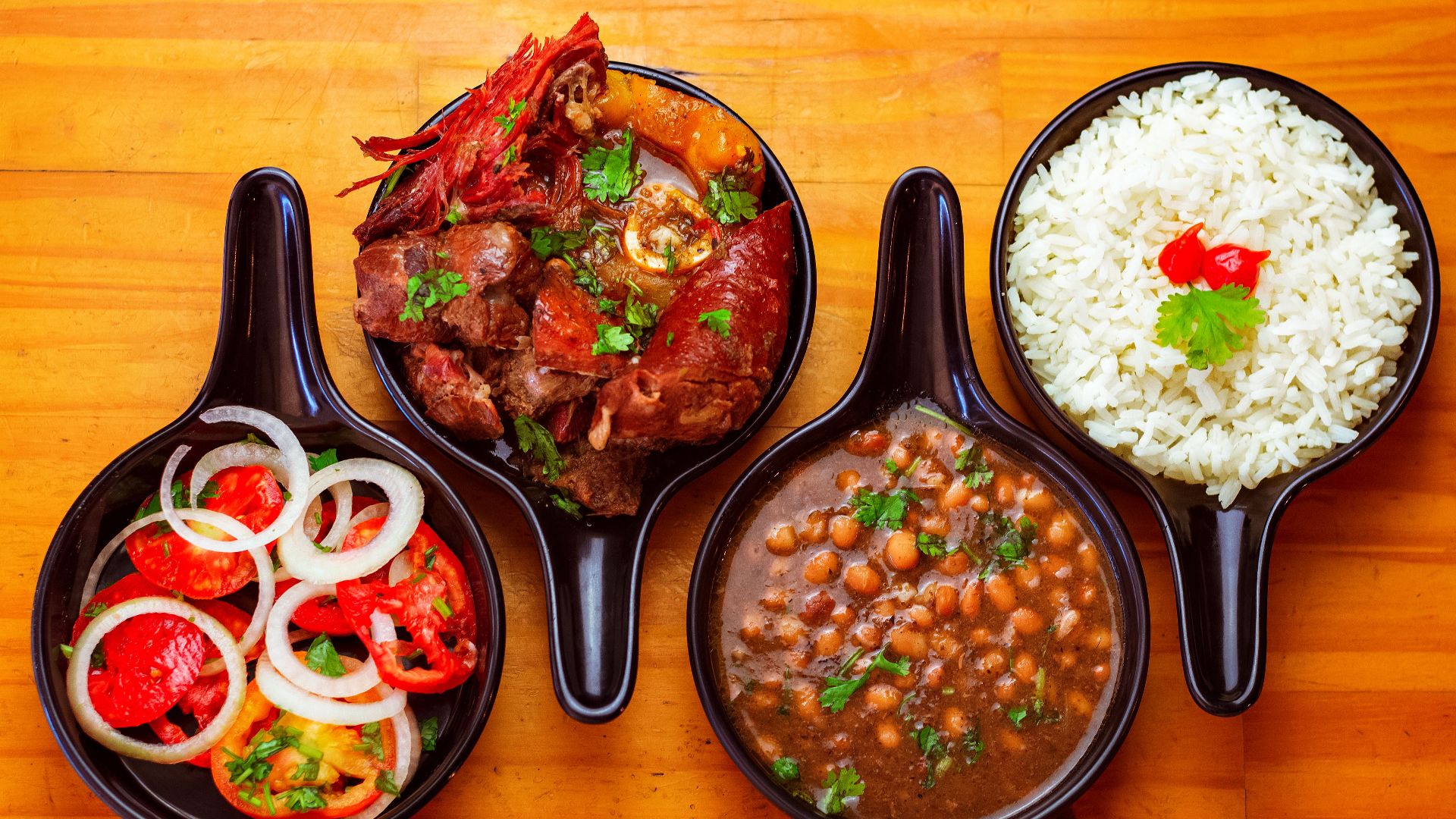
Beans are a daily staple in Brazilian cooking, where they’re often served with rice and used in hearty dishes like feijoada. Black beans, carioca beans, and regional varieties all play important roles depending on the area.
13. Harissa In Tunisian Cuisine
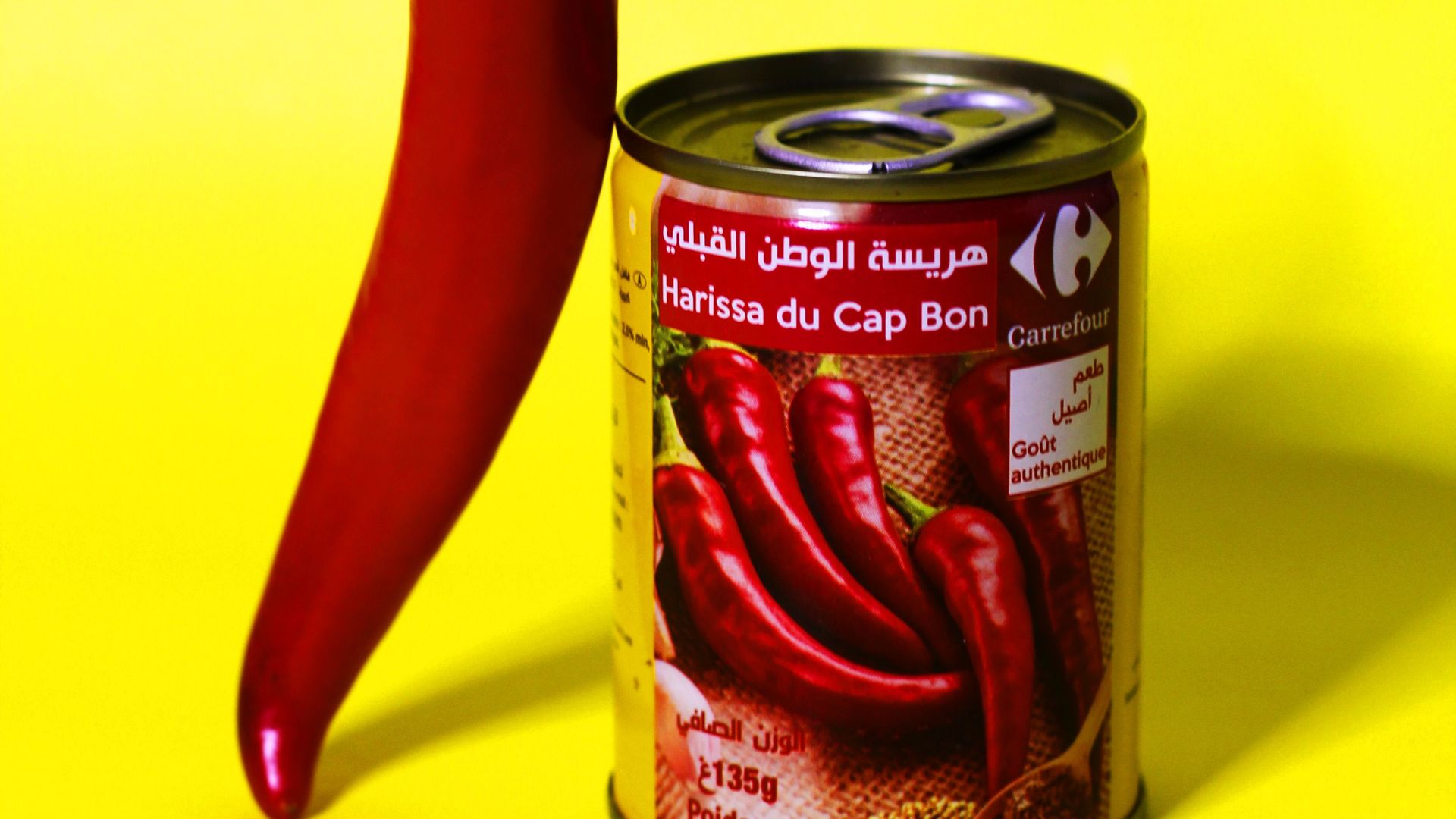
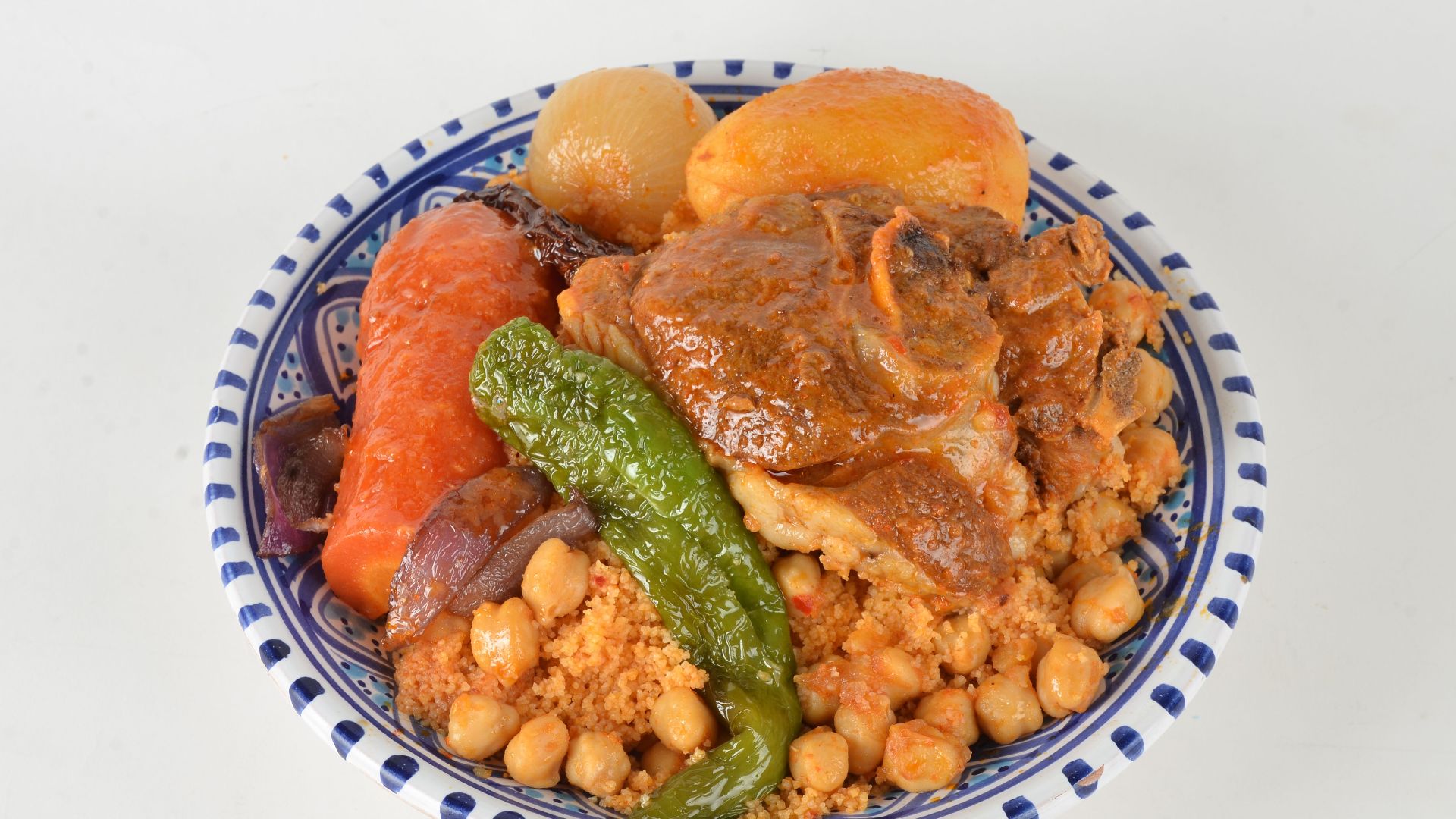
Harissa is a chili paste that helps define Tunisian cuisine with heat, garlic, spices, and deep pepper flavor. It’s stirred into stews, served with couscous, used as a condiment, and added to marinades. Because it brings both spice and complexity, harissa can make even simple vegetables, eggs, or grains taste distinctly Tunisian.
14. Dill In Scandinavian Cuisine
Dill is one of the most recognizable herbs in Scandinavian cooking, especially with fish, potatoes, cucumbers, and creamy sauces. It brings a fresh, grassy flavor that works well with pickling, curing, and simple cold dishes.

15. Plantains In Caribbean Cuisine
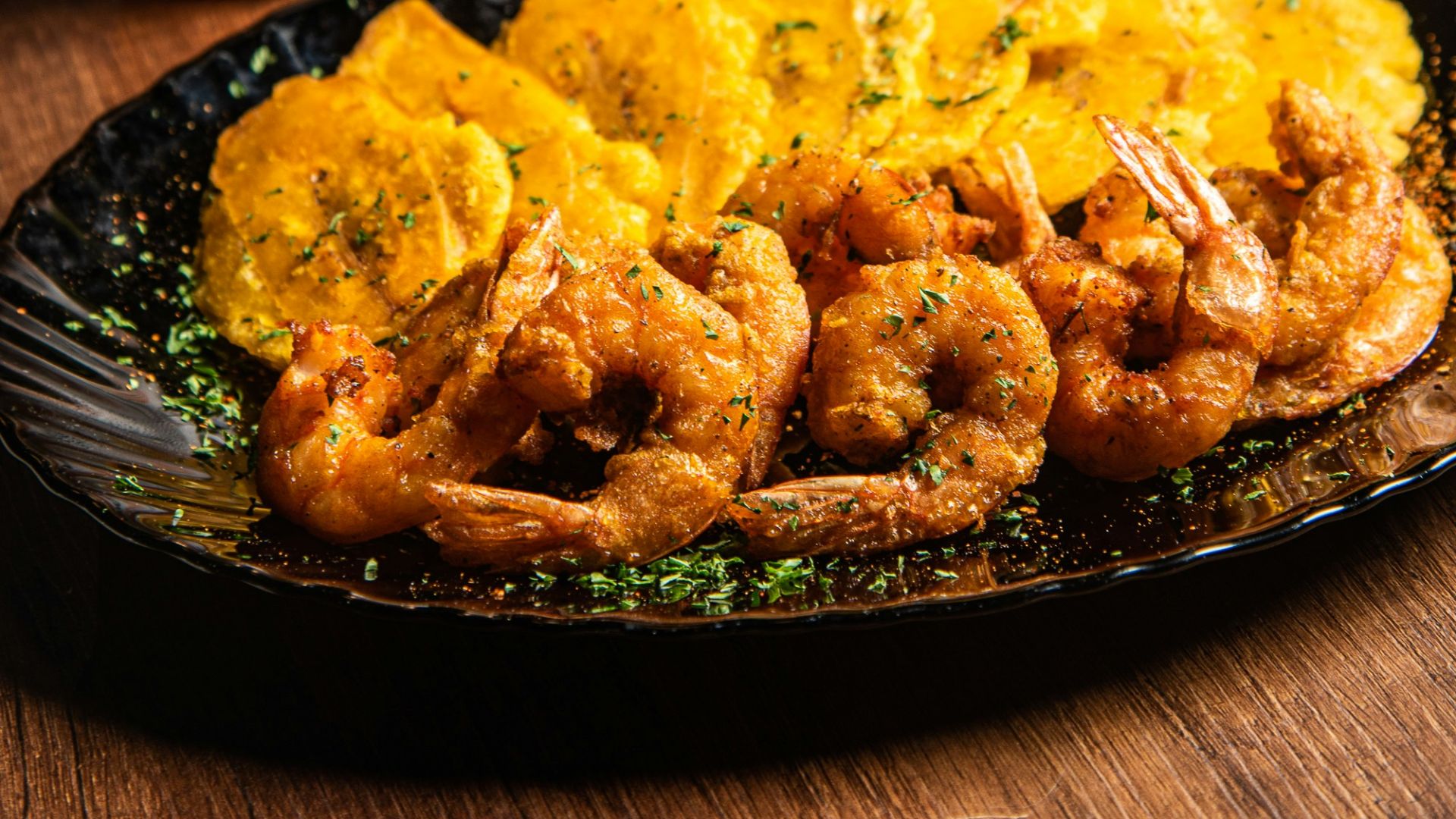
Plantains help define Caribbean cooking because they can be used at different stages of ripeness for very different results. Green plantains are starchy and ideal for frying, boiling, or mashing, while ripe plantains become sweet and caramelized when cooked.
16. Miso In Japanese Cuisine
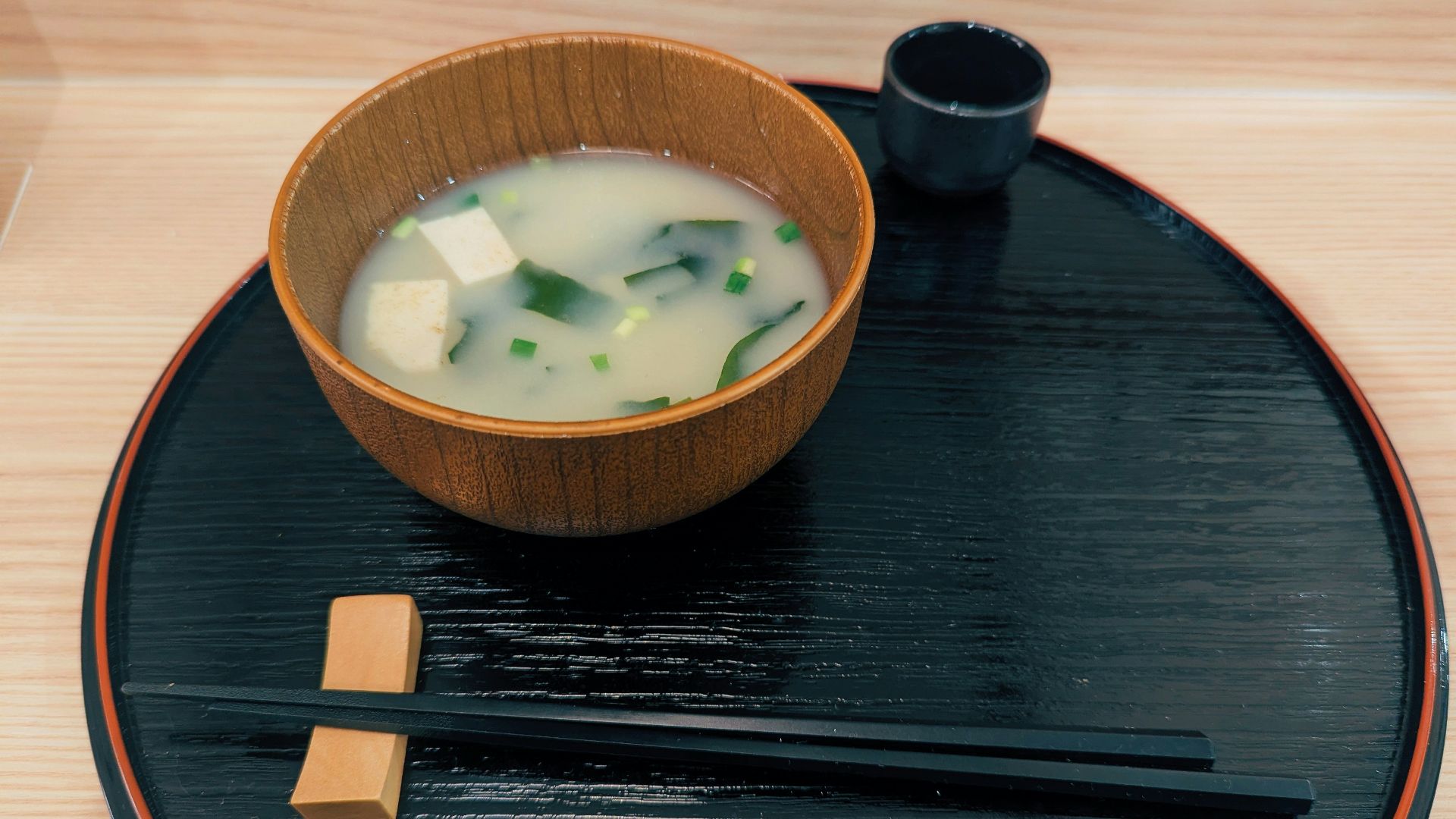
Miso is a fermented soybean paste that adds savory depth to soups, marinades, dressings, and glazes. Different varieties can be sweet, earthy, salty, or intense, depending on the ingredients and fermentation time.
17. Lentils In Ethiopian Cuisine
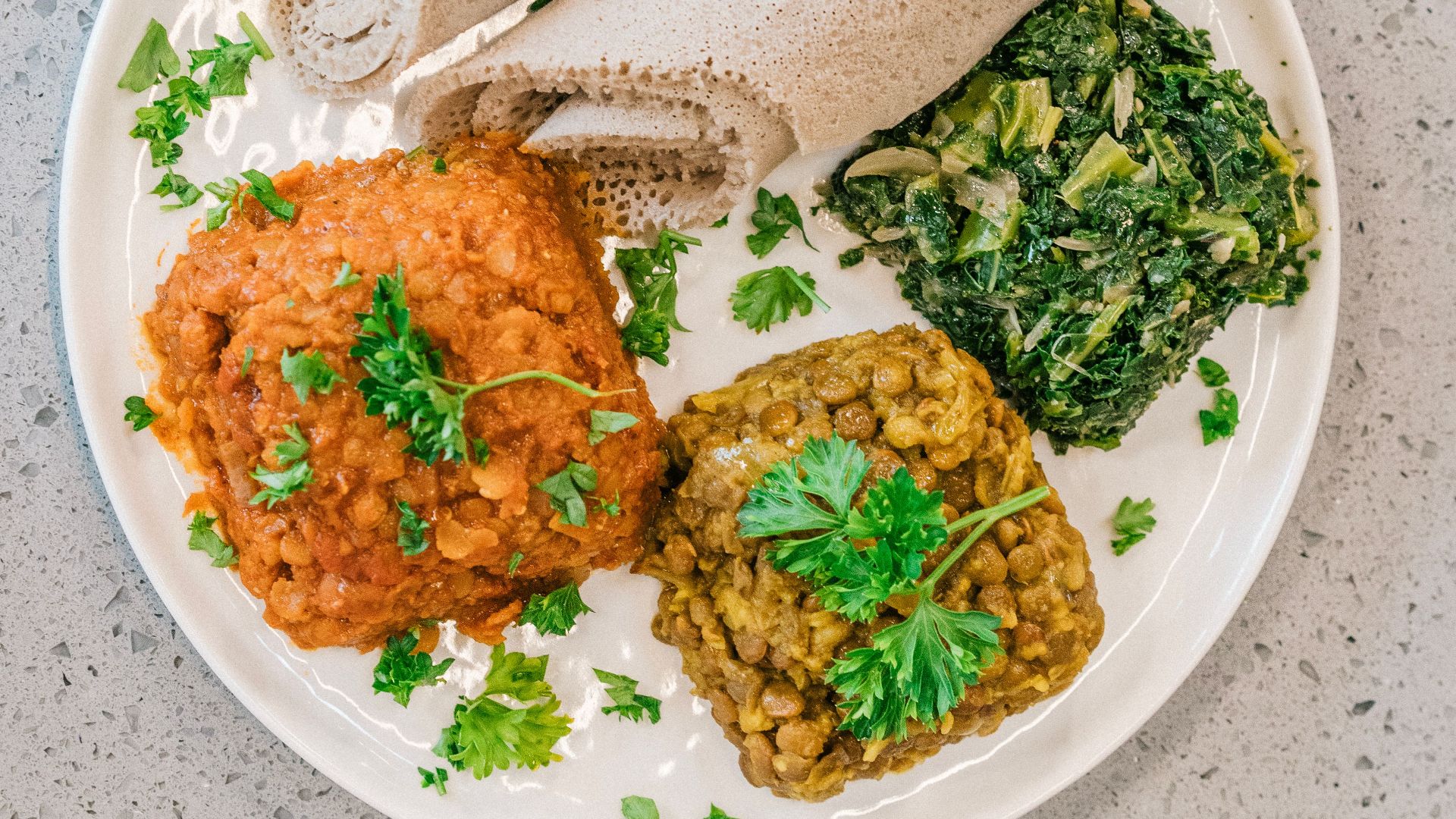
Lentils are central to many Ethiopian dishes, especially in stews served with injera. They pair well with berbere, turmeric, garlic, onions, and clarified spiced butter, creating meals that are flavorful and filling.
18. Tomatoes In Spanish Cuisine
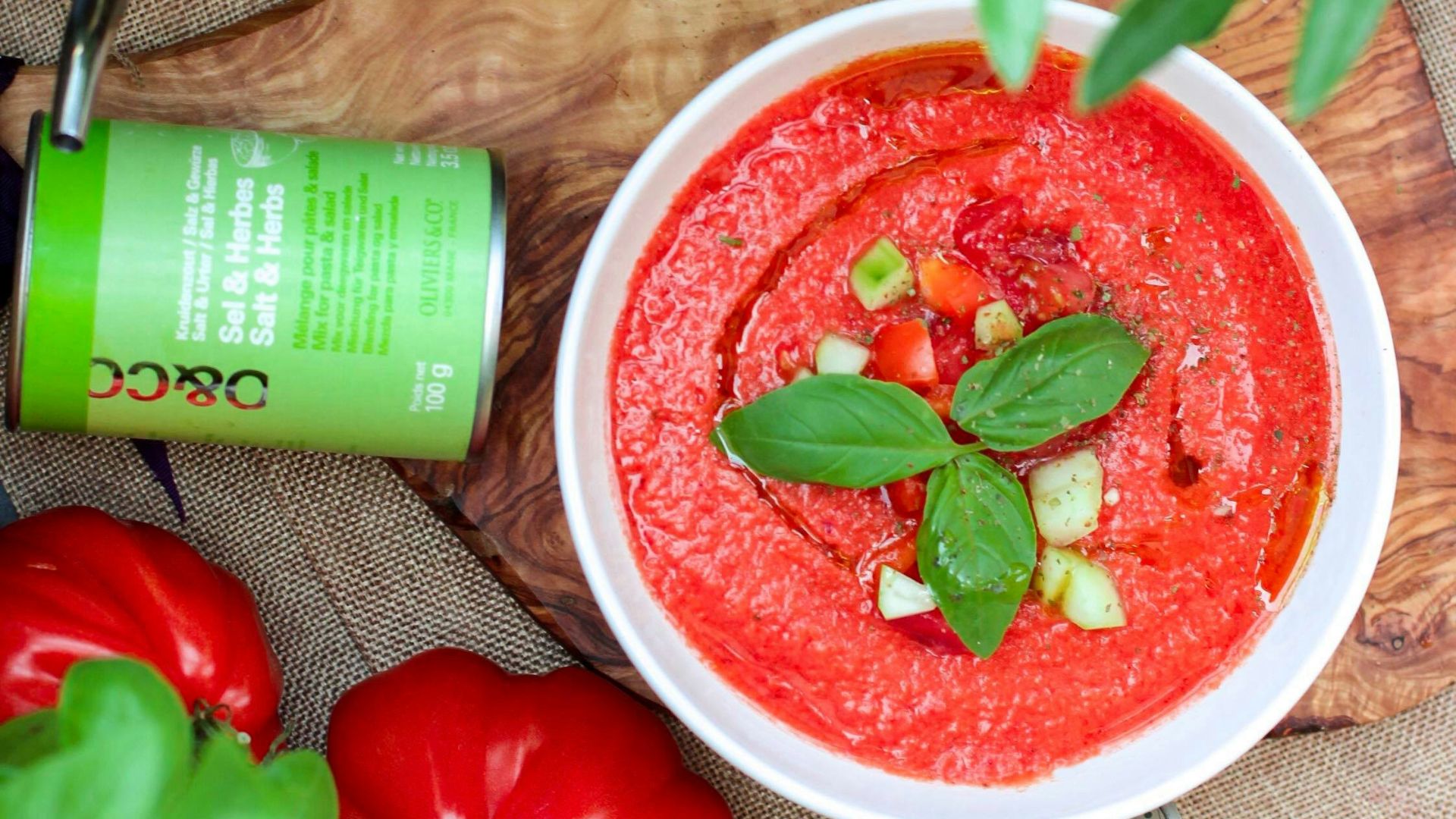
Tomatoes shape many Spanish dishes, from gazpacho and pan con tomate to sofrito-based stews and sauces. They bring acidity, sweetness, and body, which help balance olive oil, garlic, peppers, seafood, beans, and cured meats.
19. Berbere In Ethiopian Cuisine
Berbere is a spice blend that gives Ethiopian cuisine much of its bold warmth and color. It commonly includes chiles, garlic, ginger, fenugreek, and other spices, though blends vary by household and region.
20. Potatoes In Peruvian Cuisine
Potatoes are essential to Peruvian cuisine, and Peru is home to thousands of native potato varieties. They appear in dishes like causa, papa a la huancaína, soups, stews, and roasted preparations.
KEEP ON READING


20 Dishes That Built Modern American Cuisine