The Brave Bite
There is a special category of meal that people do not so much enjoy as endure with ceremony. These dishes arrive trailing folklore, regional pride, travel bragging rights, or the kind of warning usually reserved for weather events, and the second they hit the table everybody starts acting unusually serious. You can see the performance begin before the first bite, with the careful nod, the throat-clearing, and the insistence that the smell is "complex”. Plenty of these foods are genuinely beloved by the people who grew up with them, but for everyone else they can feel more like a test of manners than a good dinner. Here are 20 dishes that get a lot of public respect and a suspicious amount of private avoidance.
1. Surstromming
Surstromming has become so famous for its smell that it barely qualifies as food discourse anymore and feels more like a social experiment involving fish and emotional resilience. The first challenge is opening the can without losing courage, and the second is pretending that what follows is an invitation to dinner rather than a dare set by someone who enjoys watching guests panic politely.
 commons.wikimedia.org on Google
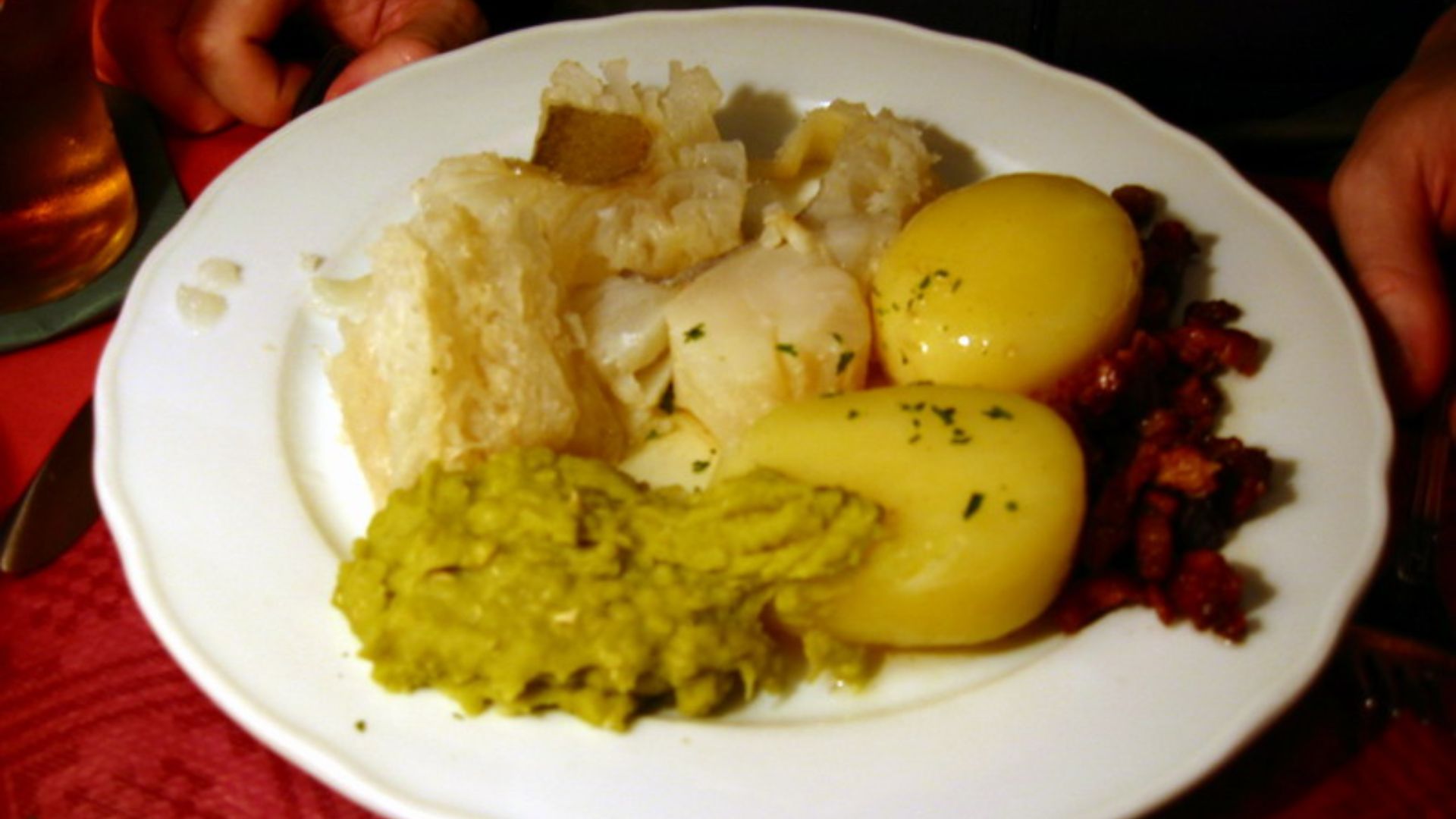
2. Lutefisk
Lutefisk always sounds manageable when someone describes it in calm, heritage-rich terms, right up until it lands on the plate with that unmistakable wobble.
People talk themselves into appreciating its delicacy, but it takes real effort to ignore the fact that the texture suggests fish took a long, confusing detour through glue.
 Ennorehling (talk · contribs) on Wikimedia
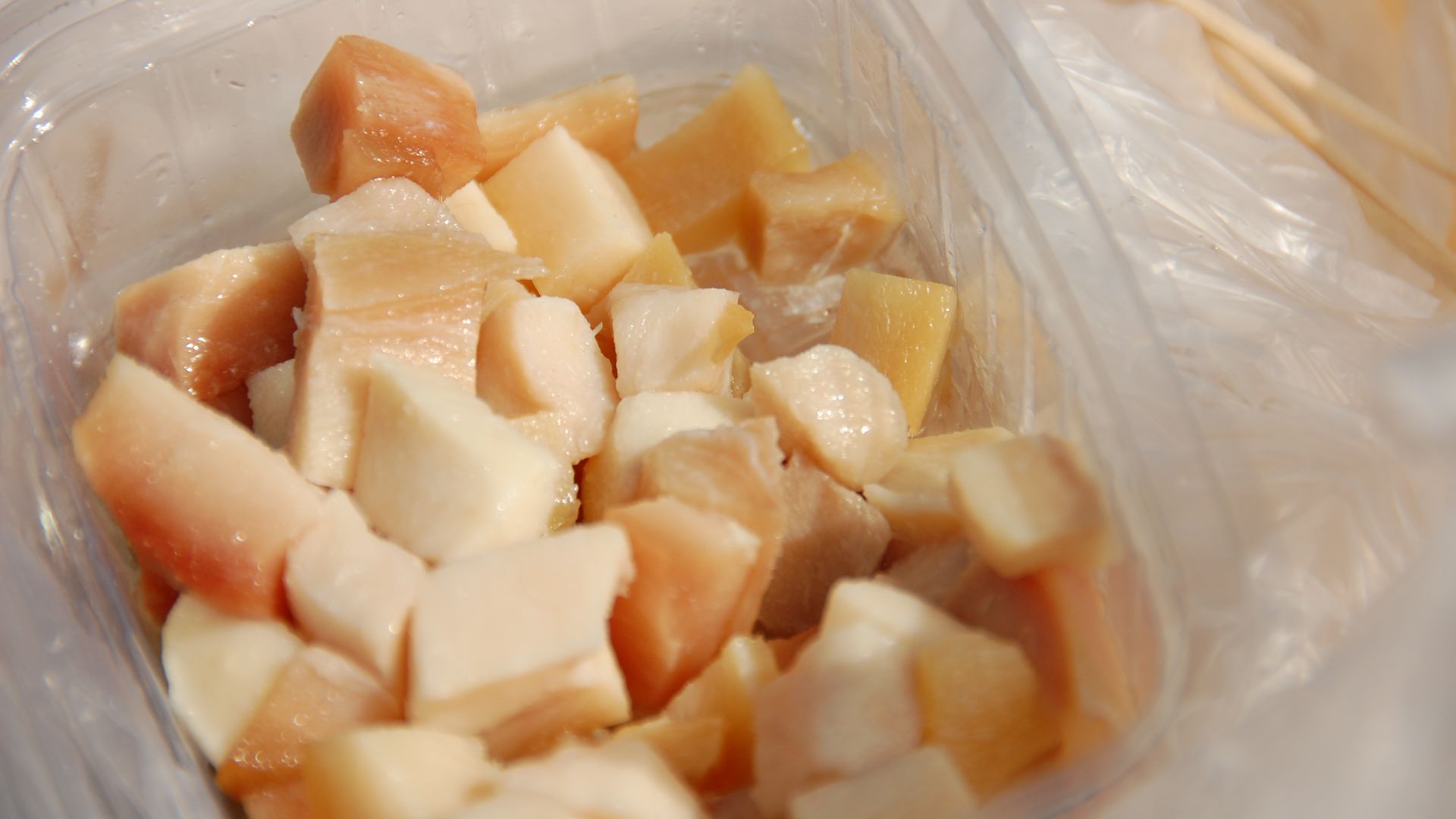
3. Hakarl
Hakarl gets introduced with the kind of grin that should put everyone on alert. You are told it is traditional, important, maybe even character-building, and then a cube of fermented shark appears and the room fills with the quiet understanding that culture can ask a lot from a person.
 Audrey from Seattle, USA on Wikimedia
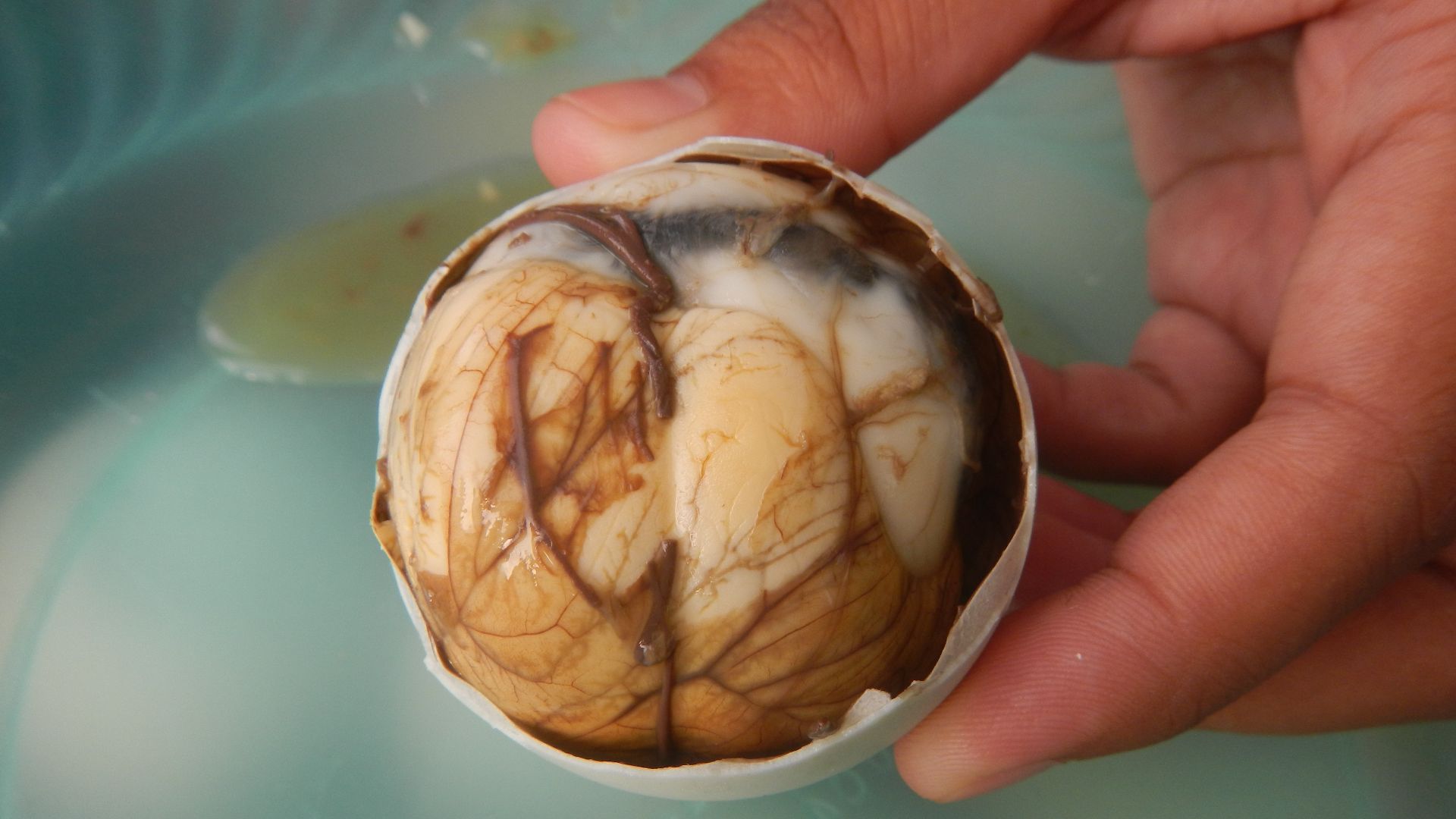
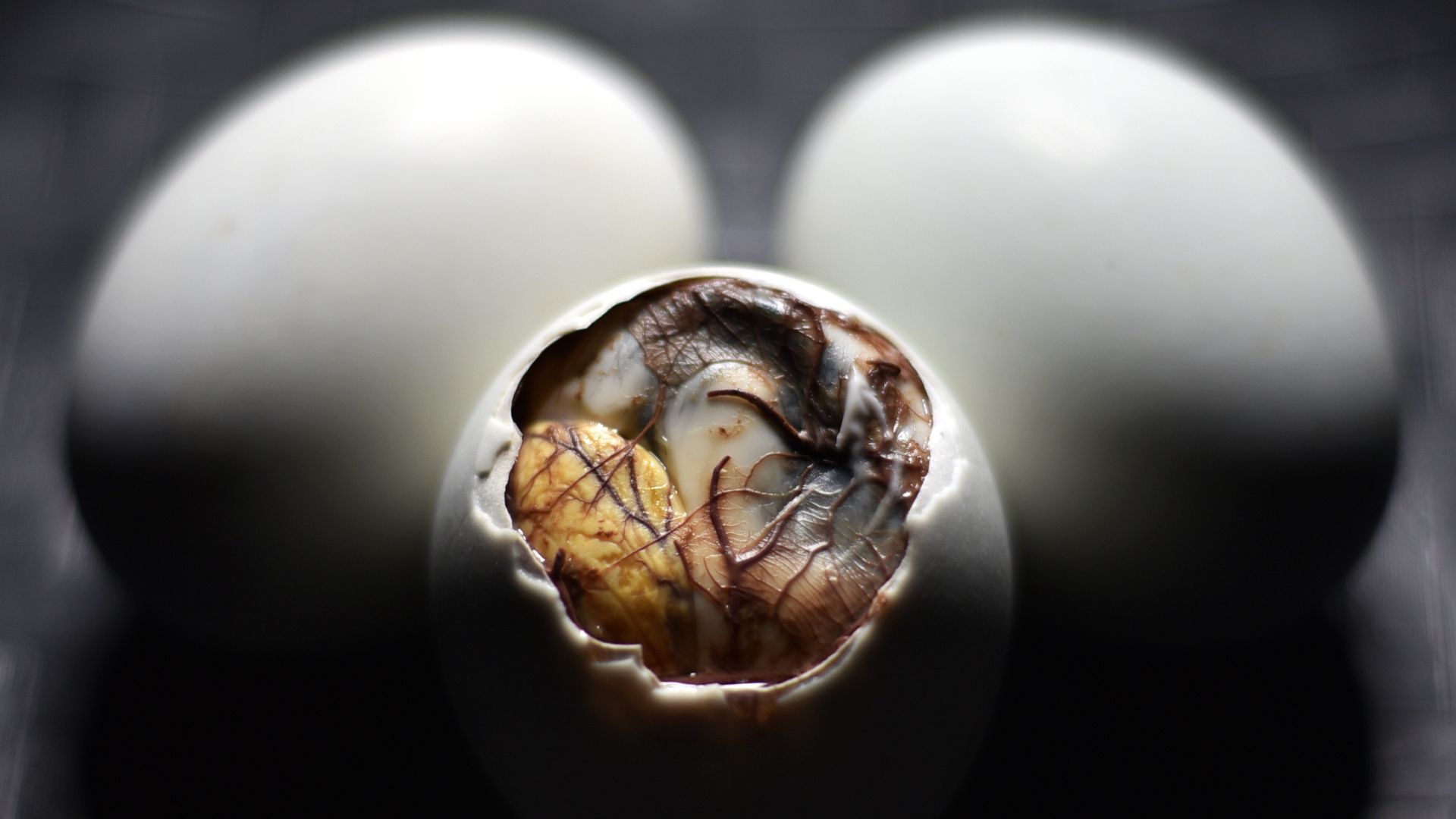
4. Balut
Balut is the kind of street food that gets framed as a badge of adventurous eating, which is exactly why so many people pretend to be more relaxed about it than they are. It is not just the flavor, which is strong enough, but the full emotional negotiation of eating something that keeps reminding you what it used to be.
 commons.wikimedia.org on Google
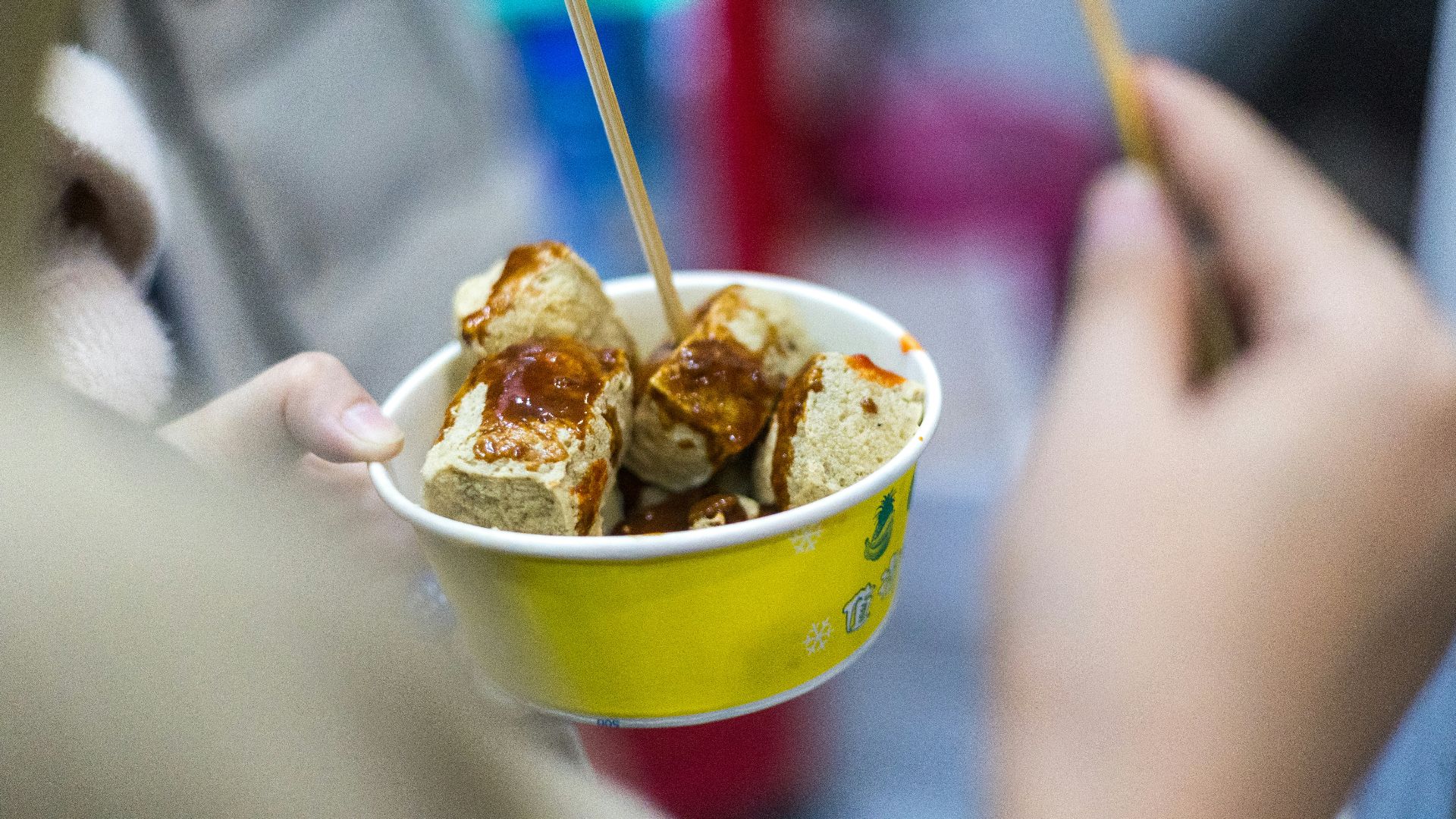
5. Stinky Tofu
Stinky tofu announces itself from a distance, which at least feels honest. The problem is that once a food arrives with a smell that aggressive, everyone who takes a bite suddenly becomes desperate to prove they are the sort of person who can see beyond first impressions, even while their face is doing something very different.
6. Century Eggs
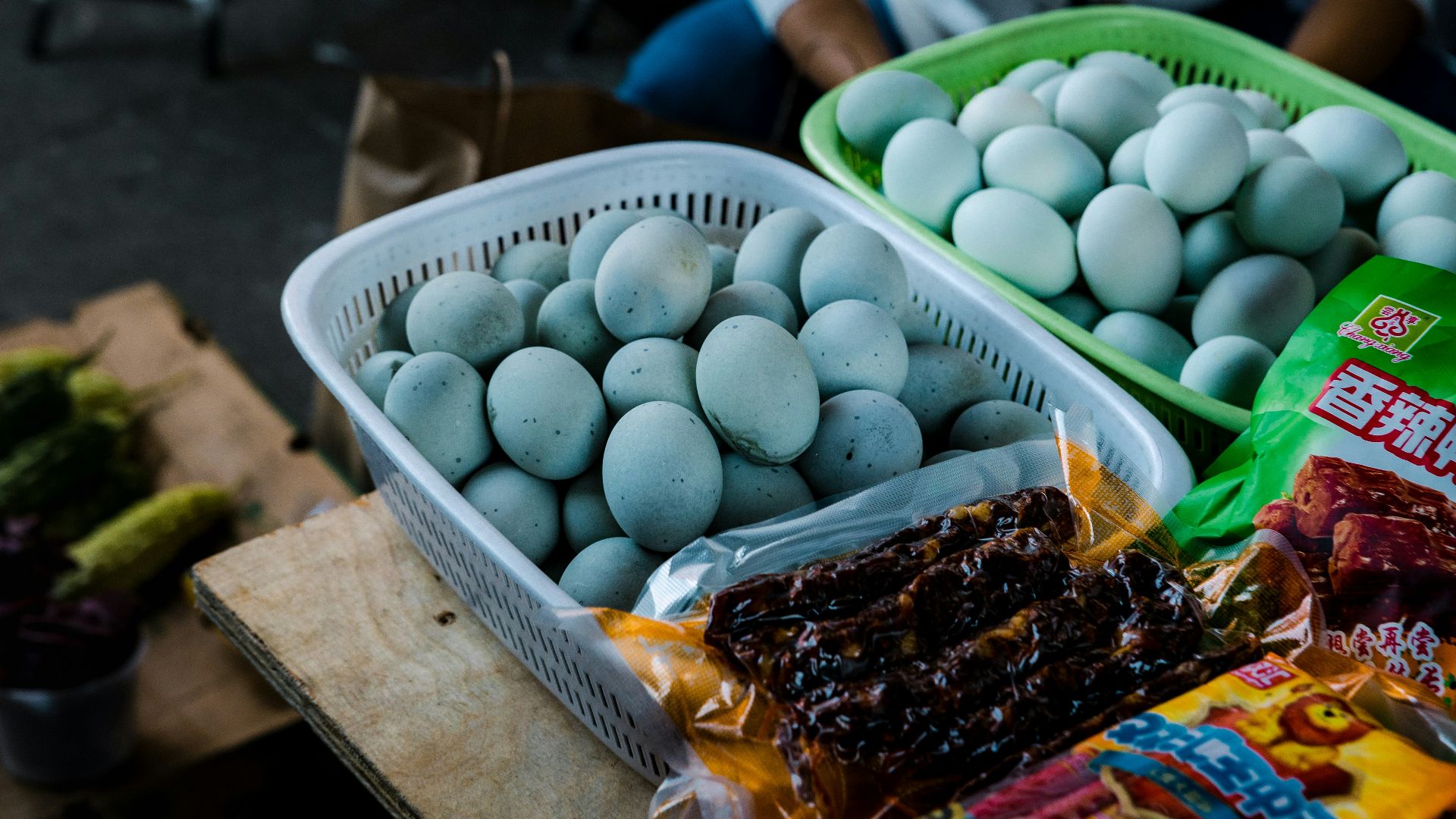
Century eggs have one of those names that sound like a prank until the plate appears and confirms that maybe it is not entirely a prank.
Their dark, translucent whites and creamy centers make some diners wax poetic about richness and depth, while others are mostly occupied with the fact that their breakfast now looks faintly archaeological.
7. Casu Marzu
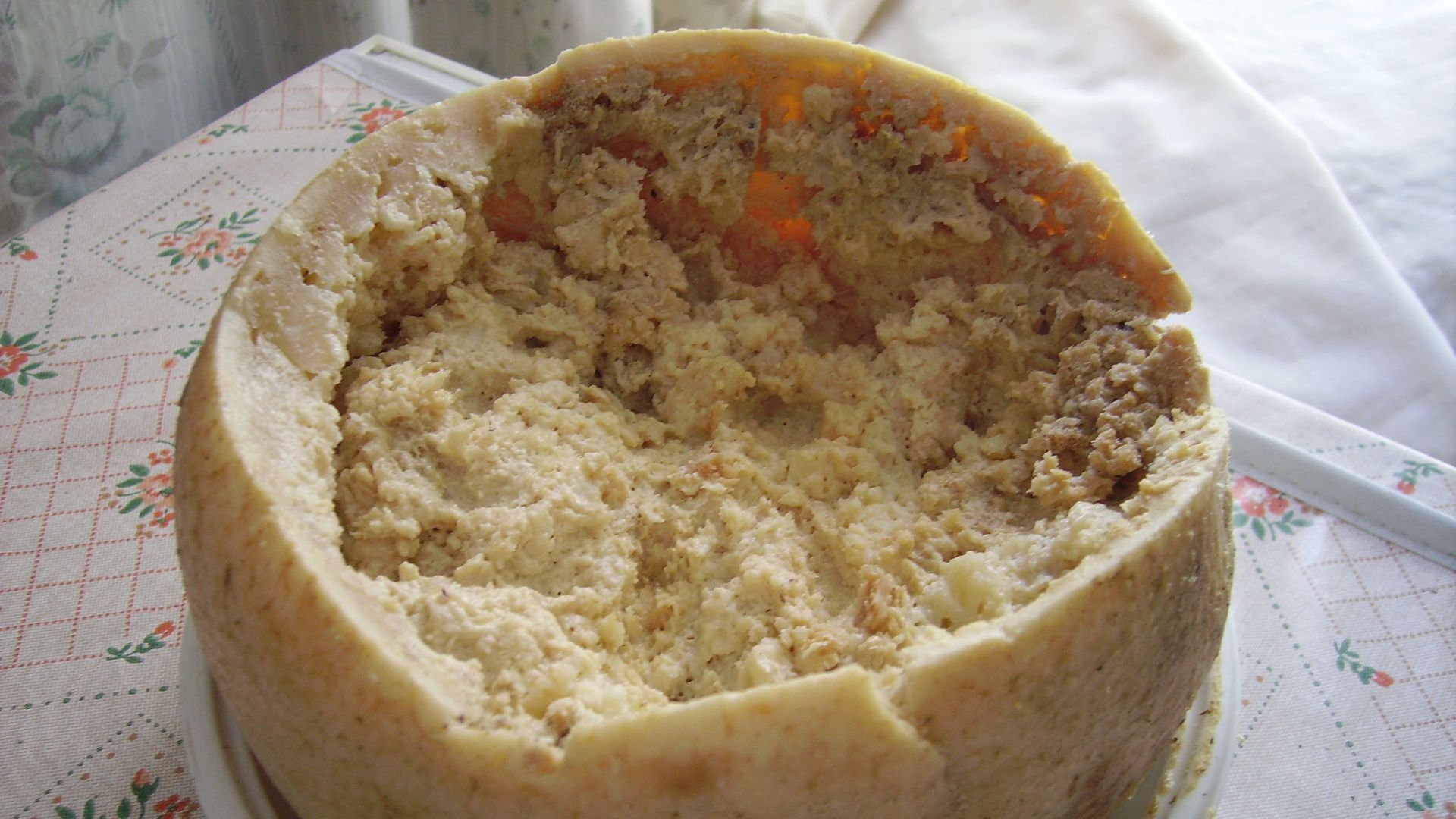
Casu marzu has a reputation that arrives before the cheese does, and it is not a comforting one. Once a dish becomes famous for crossing the line between pungent and actively unsettling, a lot of the enjoyment turns into people trying to prove they are above being rattled by what is, deep down, a very rattling lunch.
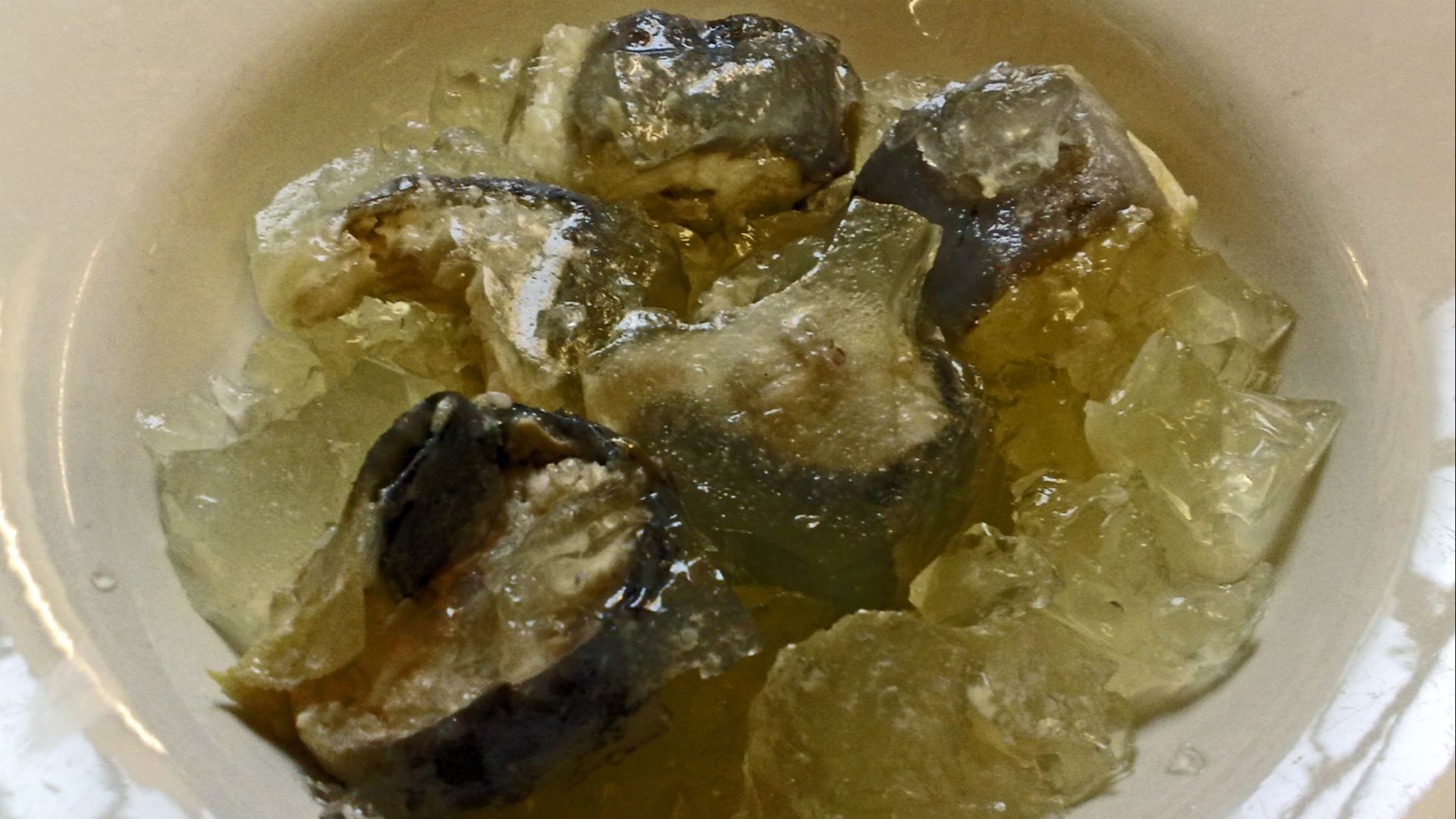
8. Jellied Eels
Jellied eels are one of those old-school dishes people defend with tremendous historical affection and not nearly enough sensory honesty. There may well be charm in the tradition, but watching cold eel suspended in its own savory jelly tremble on a plate has converted very few skeptics into true believers.
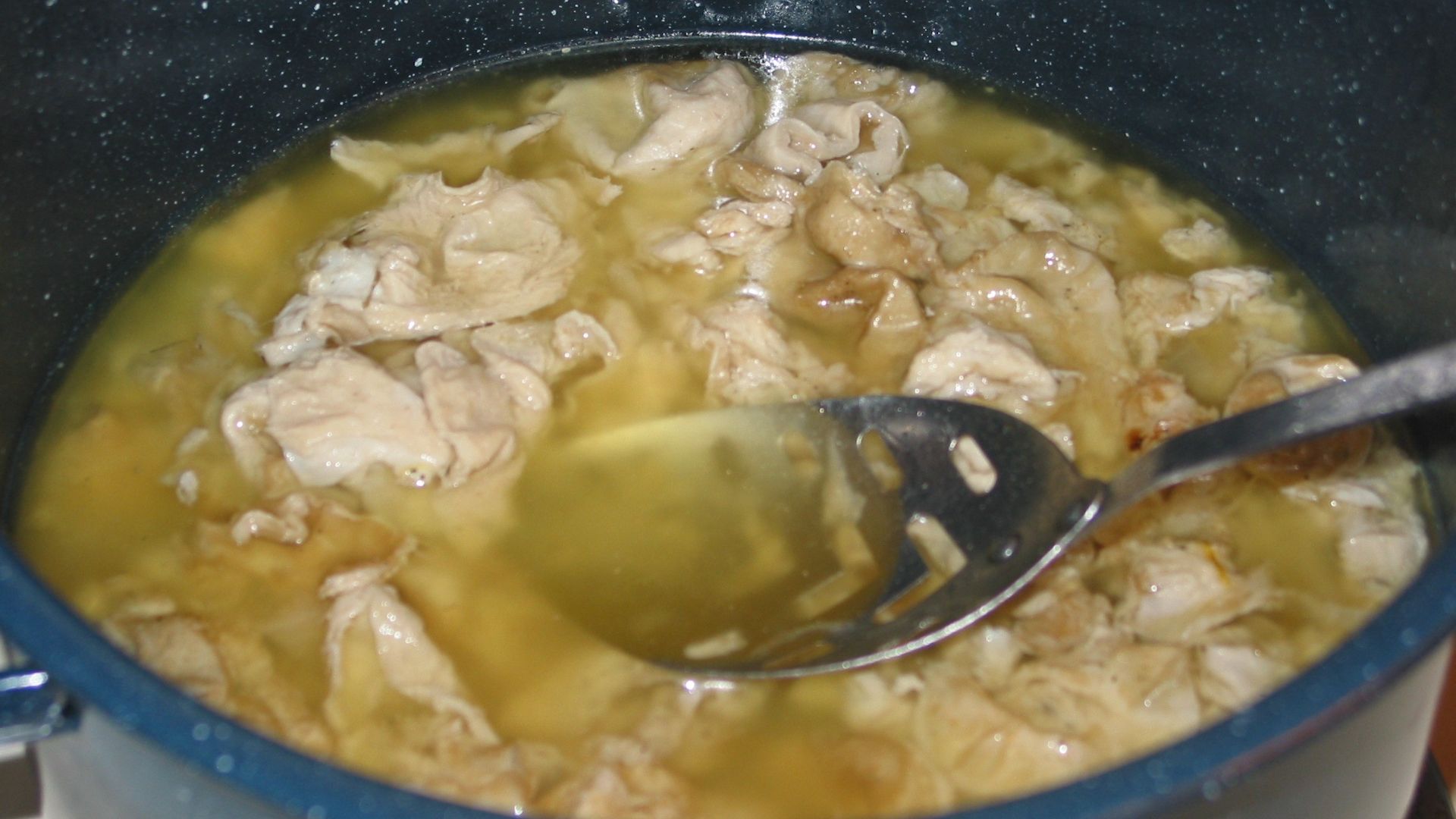
9. Chitterlings
Chitterlings carry so much culinary and cultural history that people often feel guilty admitting they do not enjoy them. But history can coexist with the plain fact that a dish made from intestines asks a lot of texture-wise, aroma-wise, and mentally, especially from anyone trying not to think too carefully while chewing.
 commons.wikimedia.org on Google
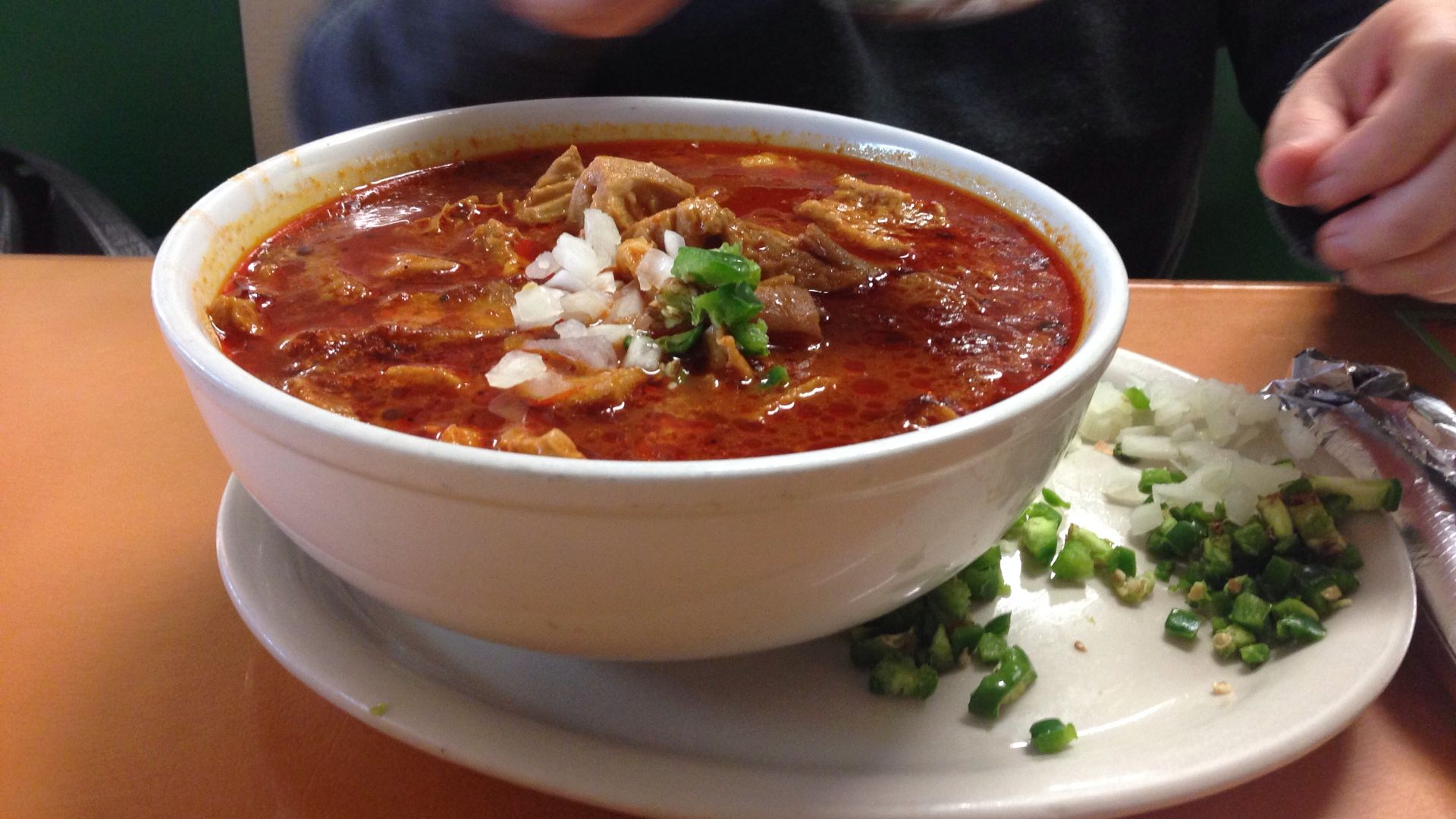
10. Menudo
Menudo is beloved, restorative, and loudly defended by people who swear by it after long nights and bad mornings.
It is also tripe soup, which means every bowl contains that familiar split between the people savoring the depth and the people smiling bravely through one spoonful before deciding maybe the broth is enough.
 David Martin Davies on Wikimedia
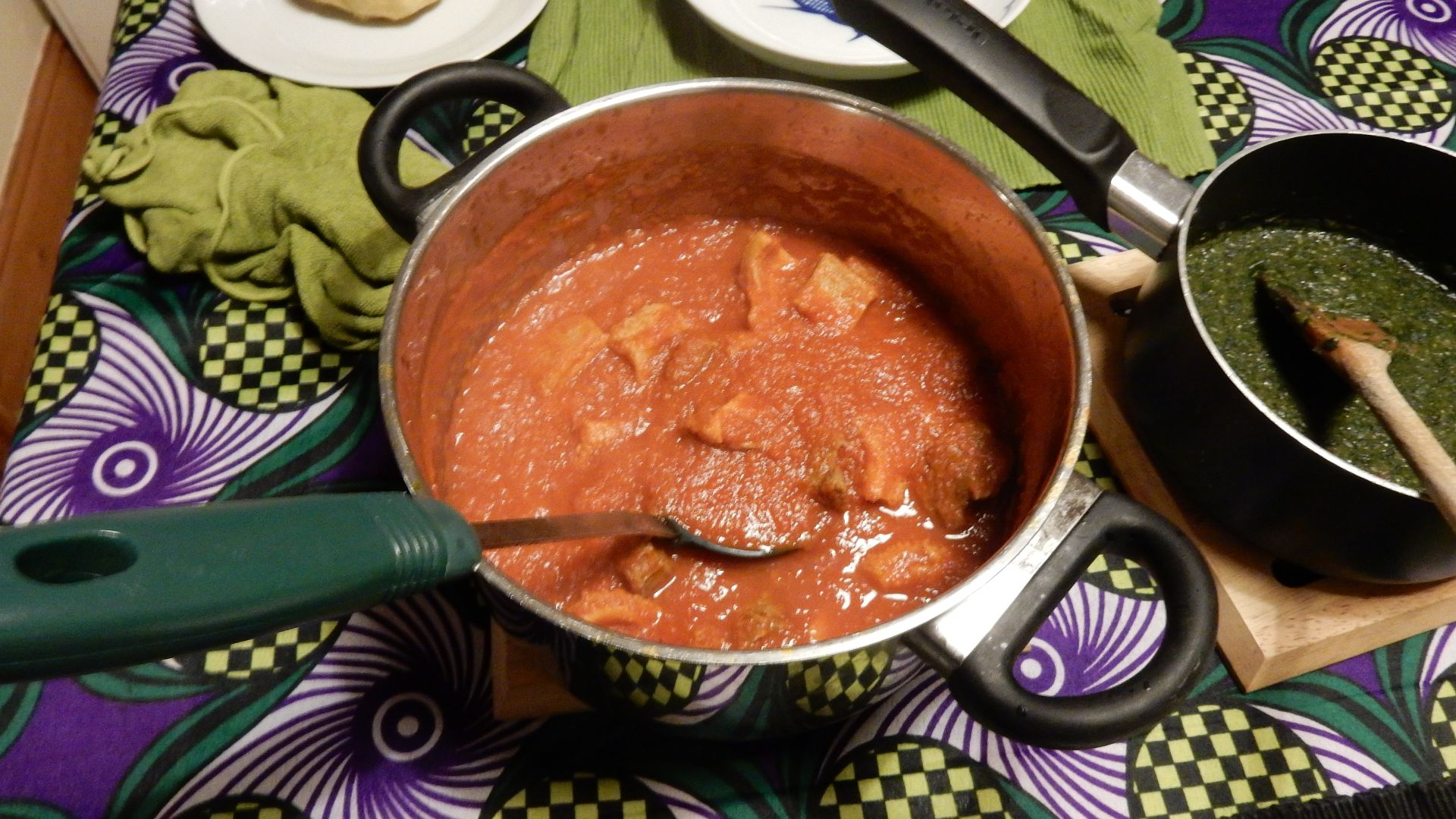
11. Tripe Stew
Tripe stew often gets sold on the strength of the sauce, the spices, the slow cooking, and the grandmotherly authority behind it. All of that can be real, and still the texture remains exactly what turns the meal into an act of diplomacy, because not everybody wants dinner to bounce back.
 bob walker from London, UK on Wikimedia
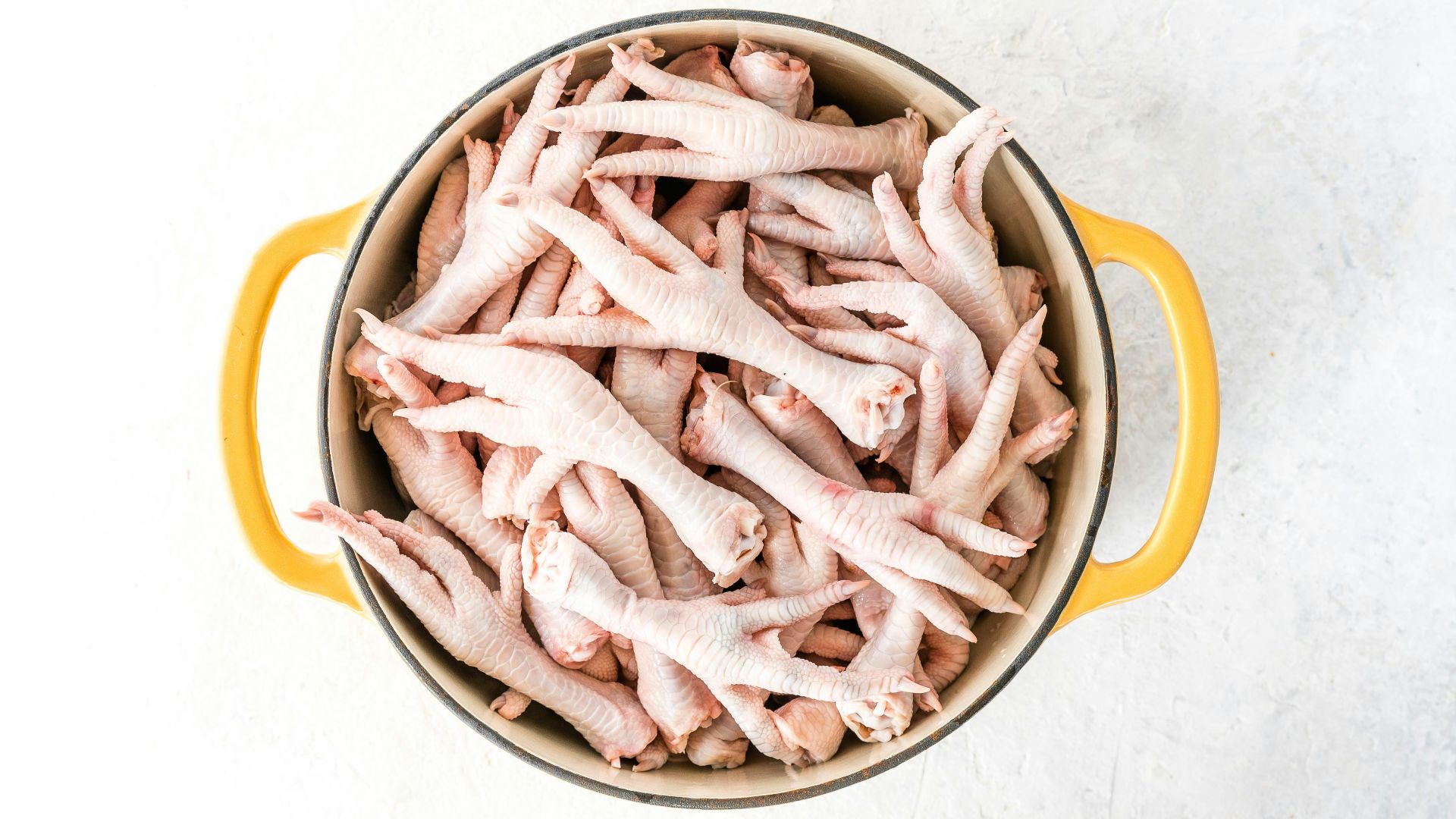
12. Chicken Feet
Chicken feet make perfect sense in the abstract, especially in cuisines that know how to get every bit of flavor and collagen out of an ingredient. But the actual eating involves nibbling, maneuvering around tiny bones, and pretending this is all much more intuitive than it feels when you are holding what still looks unmistakably like a foot.
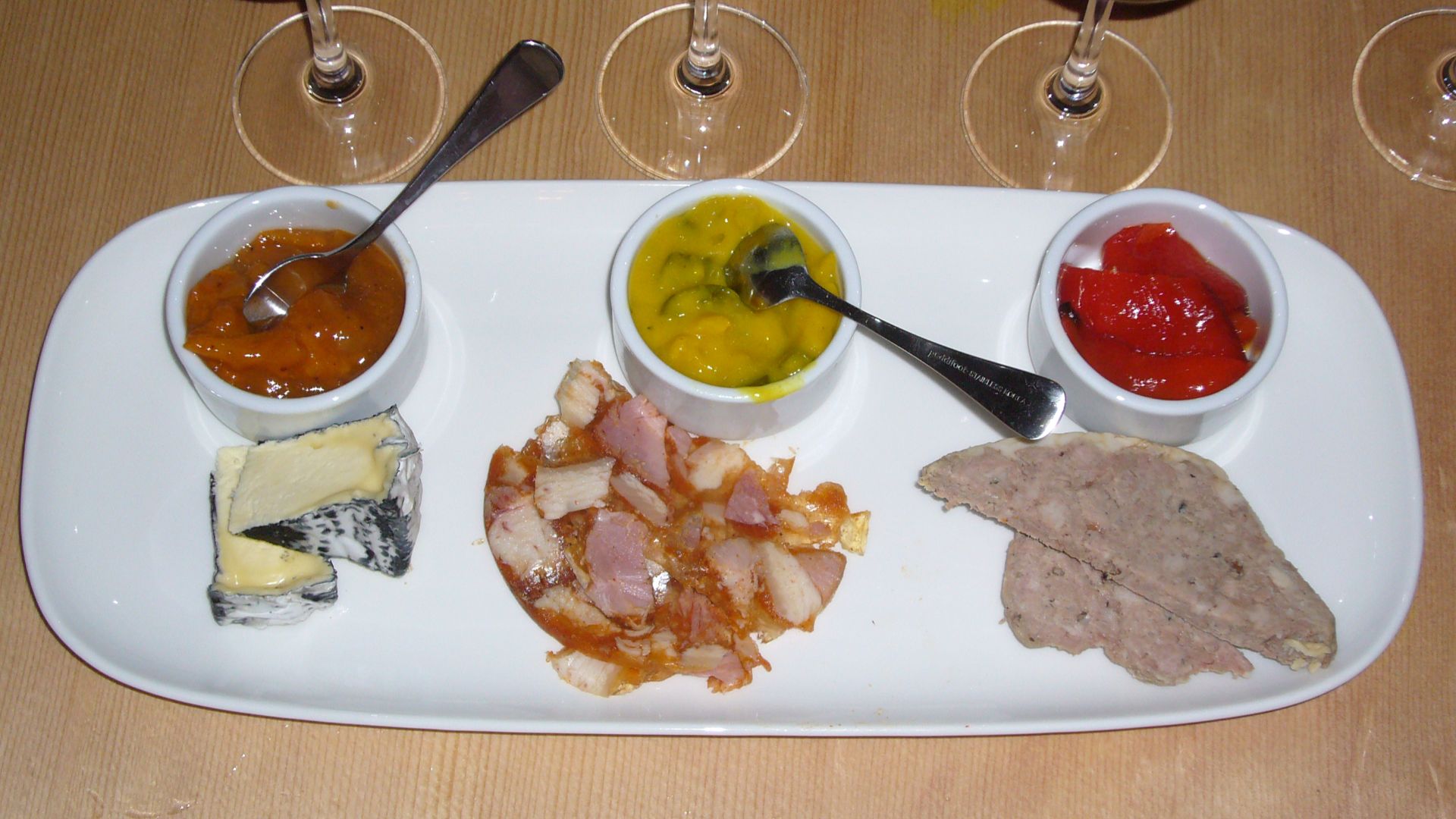
13. Head Cheese
Head cheese suffers from the double burden of a misleading name and an alarmingly accurate concept. People try to speak about it with old-world respect, but the sliced, gelatin-set mixture of meat from the head rarely inspires uncomplicated enthusiasm in anyone who did not already arrive ready to defend it.
 Kent Wang from Austin, TX, USA on Wikimedia
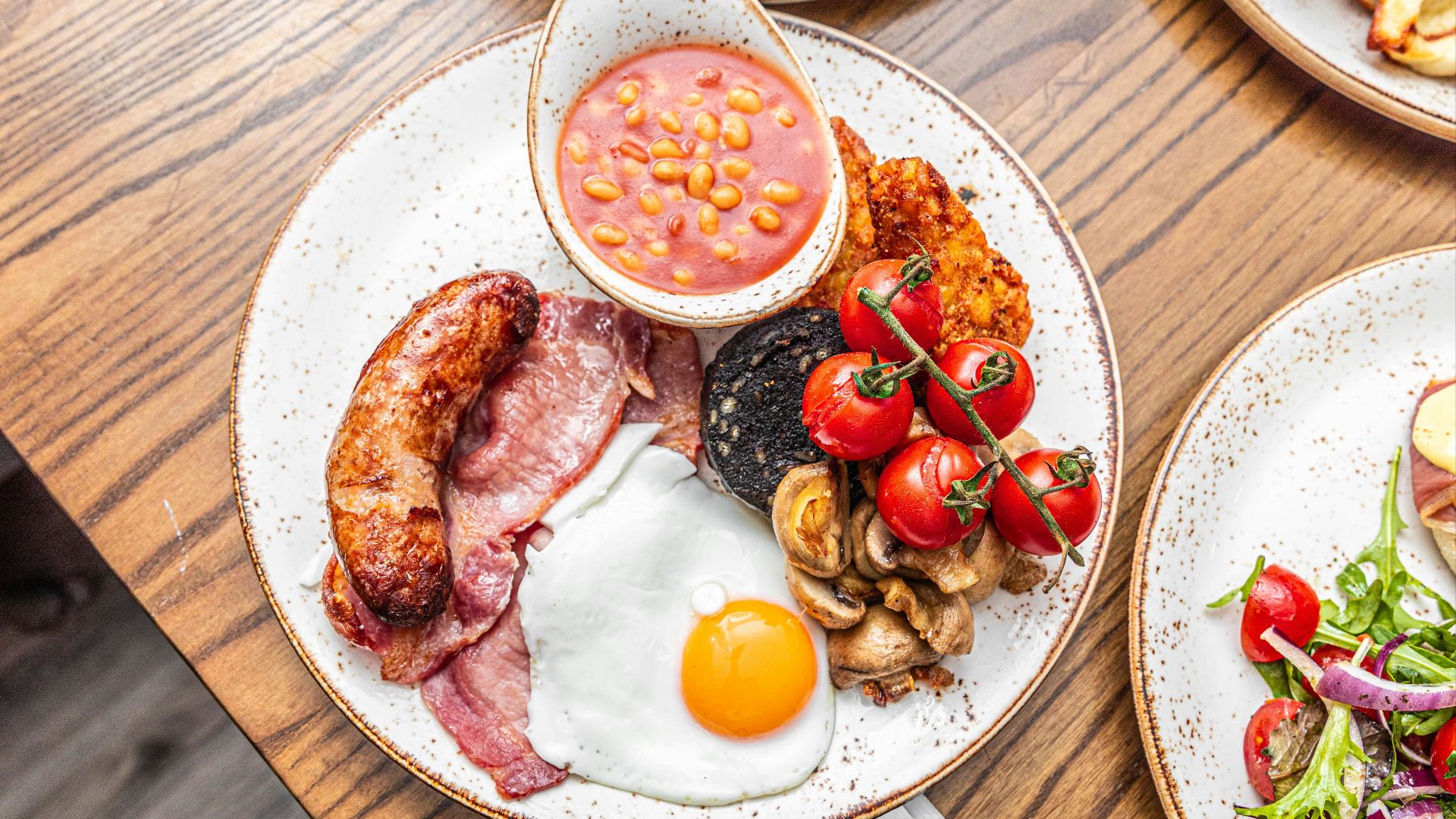
14. Blood Sausage
Blood sausage is hearty, historic, and one of those foods people insist tastes much milder than it sounds, which is rarely a promising sales pitch.
The flavor can be rich and spiced and perfectly good, but once you know what the main ingredient is, it becomes very easy to admire someone else’s portion from a safe distance.
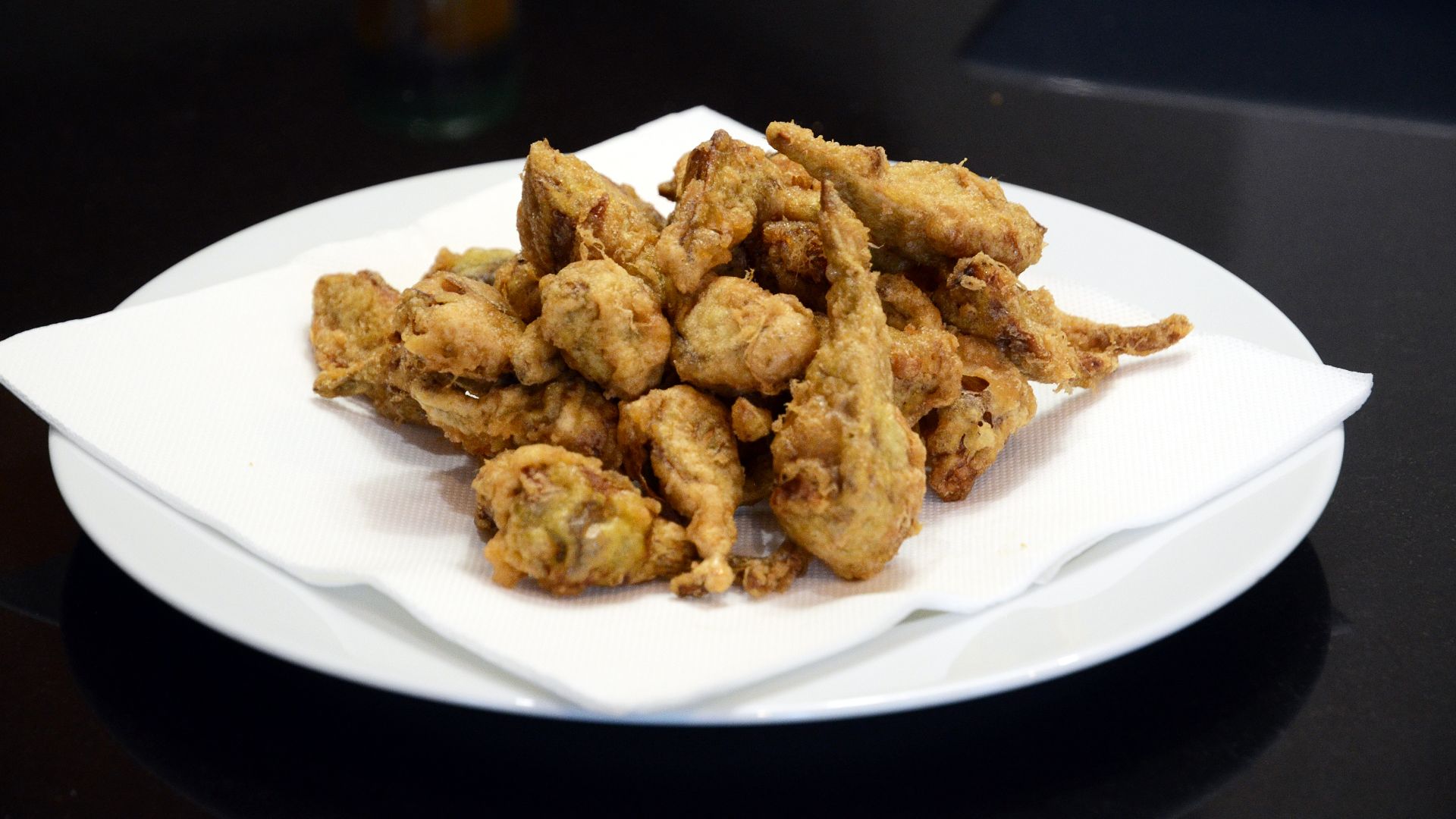
15. Rocky Mountain Oysters
Rocky Mountain oysters have survived for so long partly because the name buys them a few useful seconds. Then the reveal lands, and what follows is usually a burst of ranch-hand mythology mixed with very theatrical chewing from people determined to act as though this is just another appetizer.
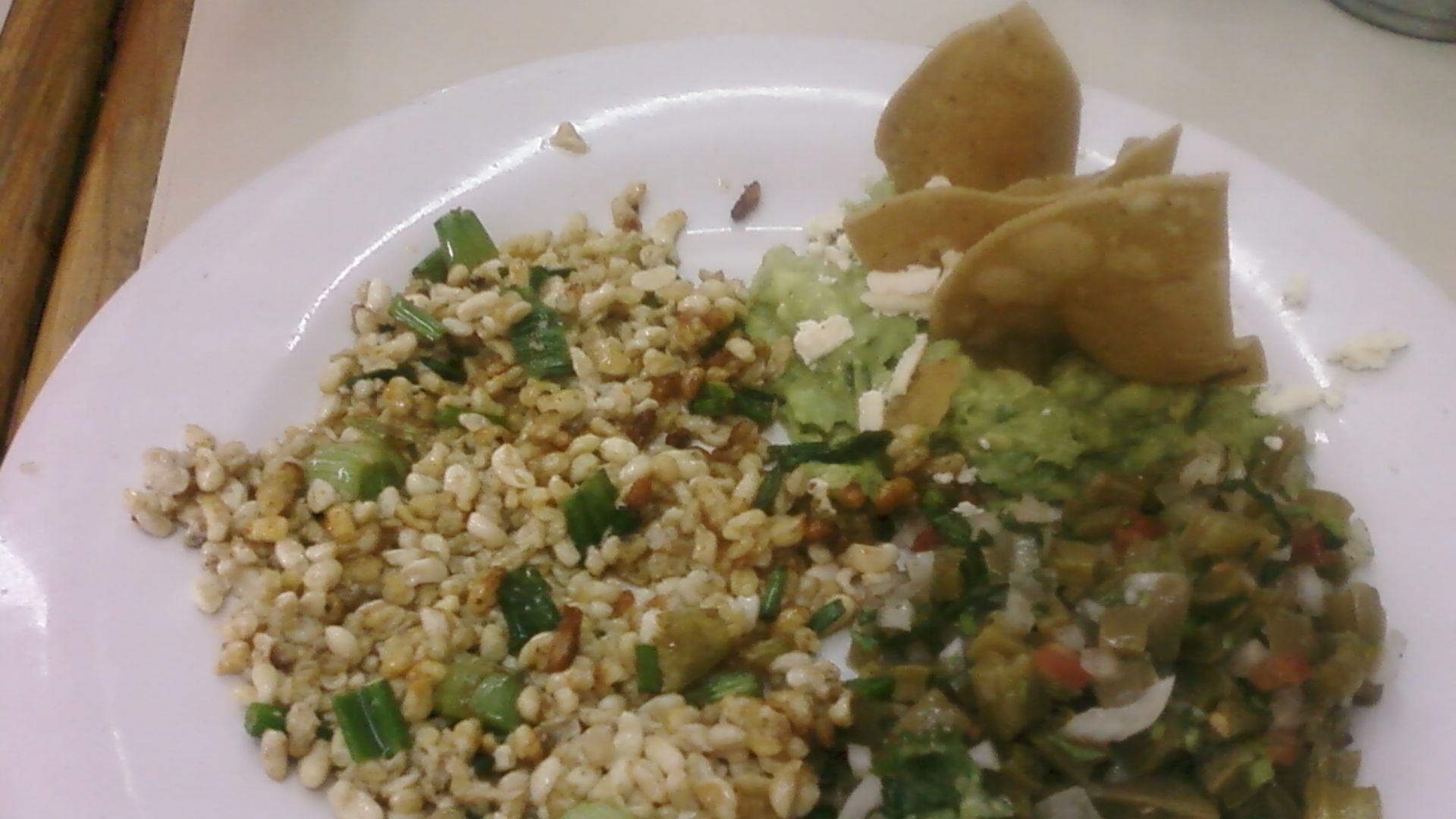
16. Escamoles
Escamoles are often called insect caviar, which is clever branding and also a lot of pressure for a taco filling. People want to come off worldly and open-minded, especially when a dish has this much culinary cachet behind it, but you can still feel the extra concentration at the table when everybody remembers exactly what, in material terms, they are eating.
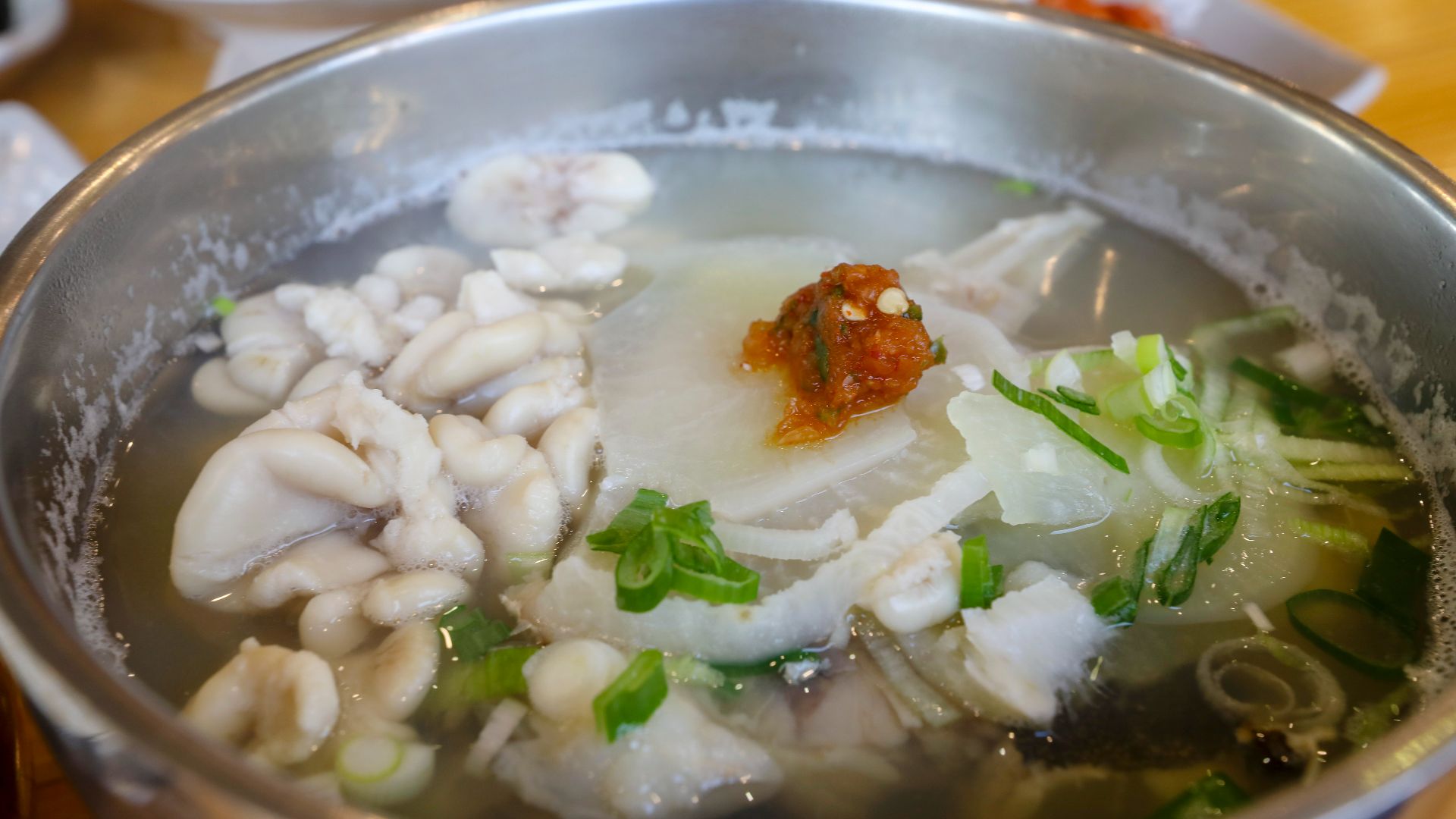
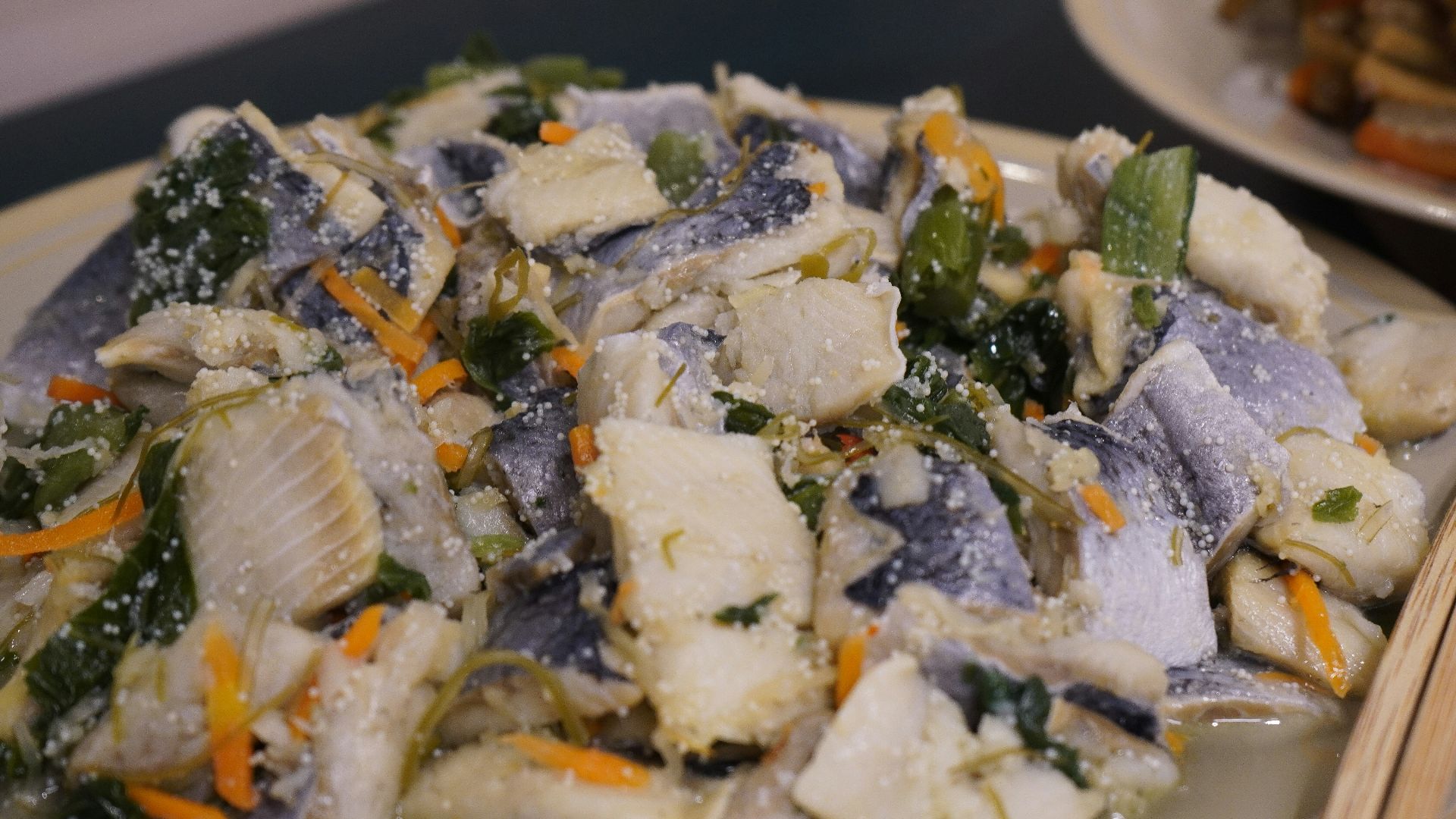
17. Cod Milt
Cod milt tends to get described delicately, because the blunt version tends to slow appetites. Even people who pride themselves on loving seafood can go noticeably formal around a dish like this, praising its subtlety while doing the quiet internal math of whether subtlety was really the issue.
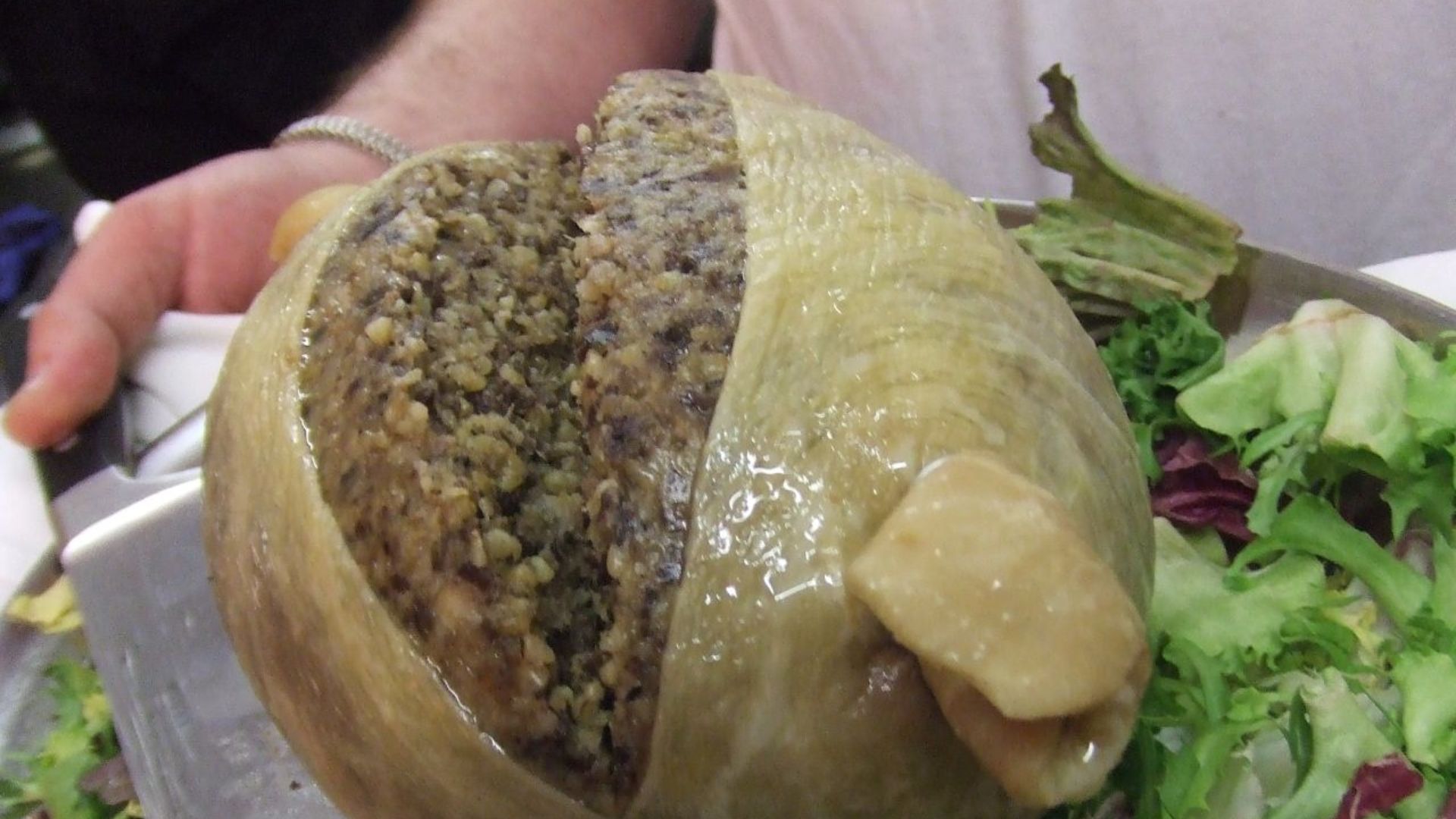
18. Haggis
Haggis inspires a lot of preemptive speechmaking, which is usually the first sign that a dish knows it will need defending.
Once the oats, spices, and savory richness are all duly praised, what remains is the small but persistent fact that many diners are still working through the idea as much as the flavor.
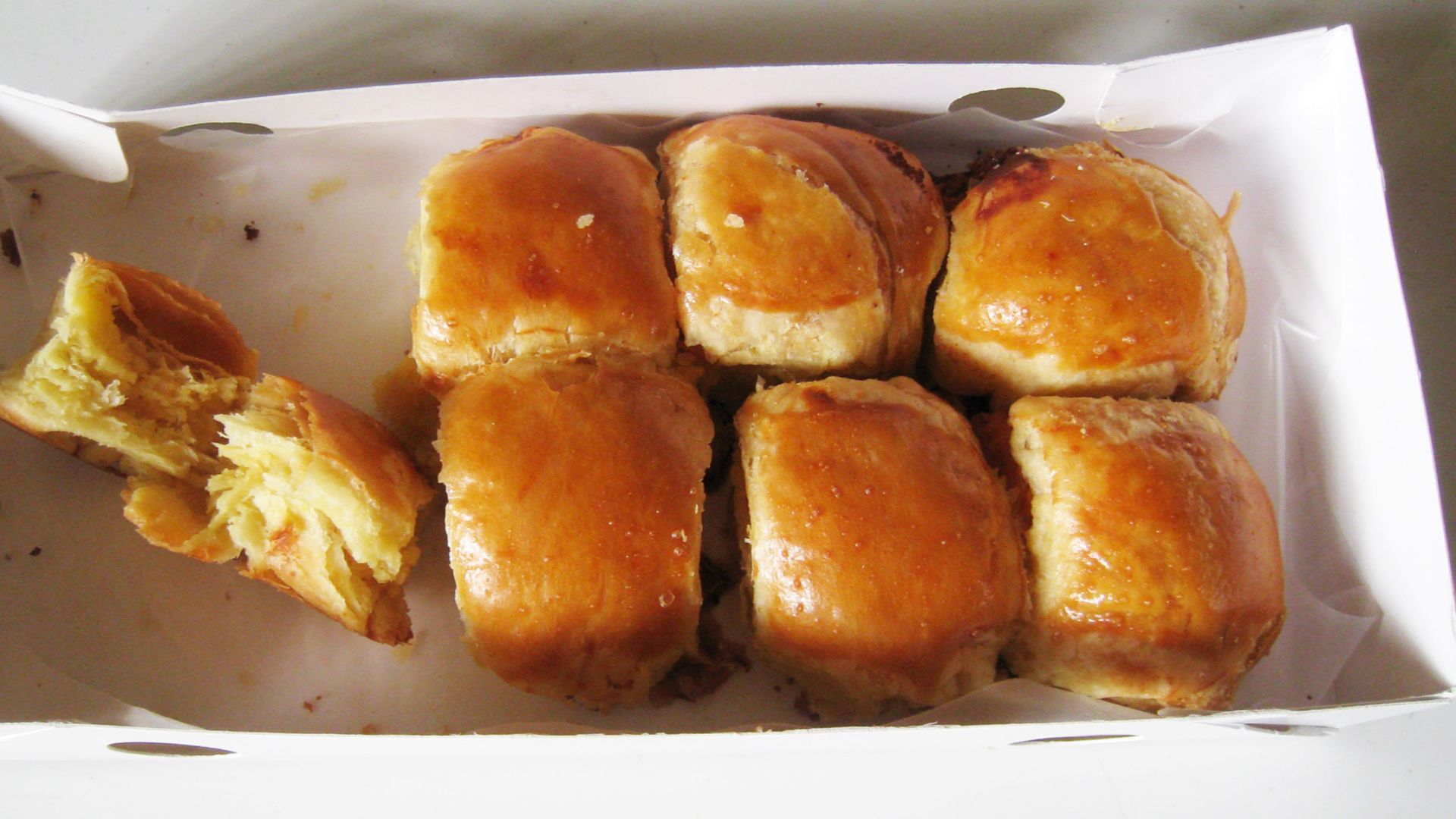
19. Durian Pastries
Durian pastries always seem like they should be the gateway version, the softened, sweetened, bakery-friendly form that wins people over. And yet that unmistakable durian funk still comes through the custard and cream, leaving many first-timers nodding thoughtfully while their eyes say they had expected dessert to be less confrontational.
 Gunawan Kartapranata on Wikimedia
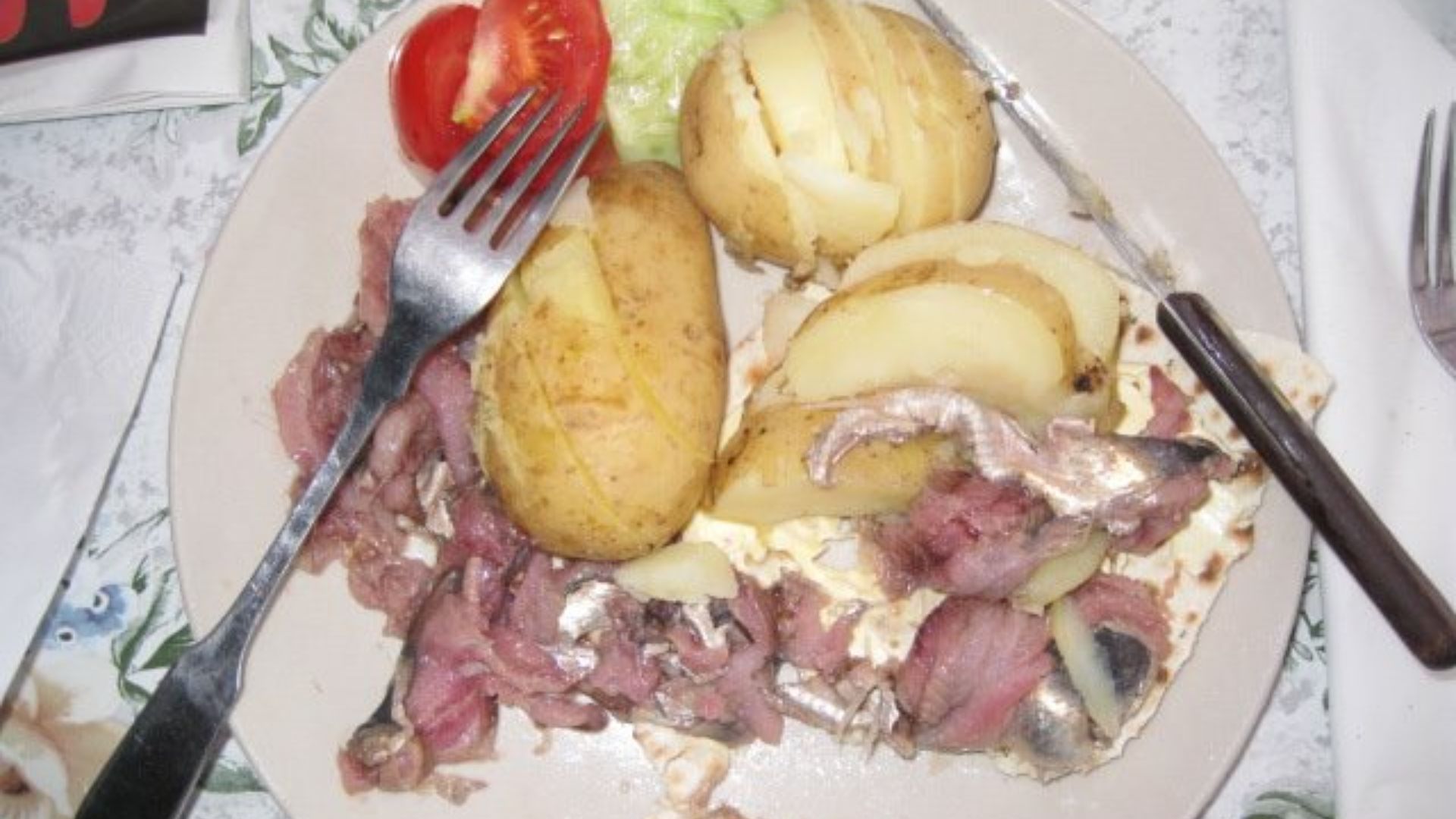
20. Pickled Herring
Pickled herring is one of those dishes that looks modest enough until the flavor arrives and keeps arriving. You get the vinegar, the sweetness, the fish, the cold slick texture, and then a chorus of people insisting it is wonderful with potatoes, bread, aquavit, or time, which may all be true and still not amount to actual enjoyment for most of the table.
KEEP ON READING

The Most Popular Signature Dishes Around the World