Food culture has a way of turning certain dishes into icons, whether they truly deserve it or not. Some foods become so widely praised that people feel almost obligated to like them, even when their experience doesn’t match the hype. It’s not always about flavor, as presentation, reputation, and social influence often play a bigger role than people admit.
You’ve likely experienced this yourself, where you try something highly recommended and feel underwhelmed but hesitate to say it out loud. That hesitation often comes from how strongly certain foods are tied to trends or status. Being honest about taste doesn’t make you difficult; it simply means you’re paying attention to what you actually enjoy. Looking closely at a few of the most talked-about foods reveals how often hype outweighs reality. Once you start noticing it, it becomes easier to trust your own preferences.
Avocado Toast Isn’t as Special as It Seems
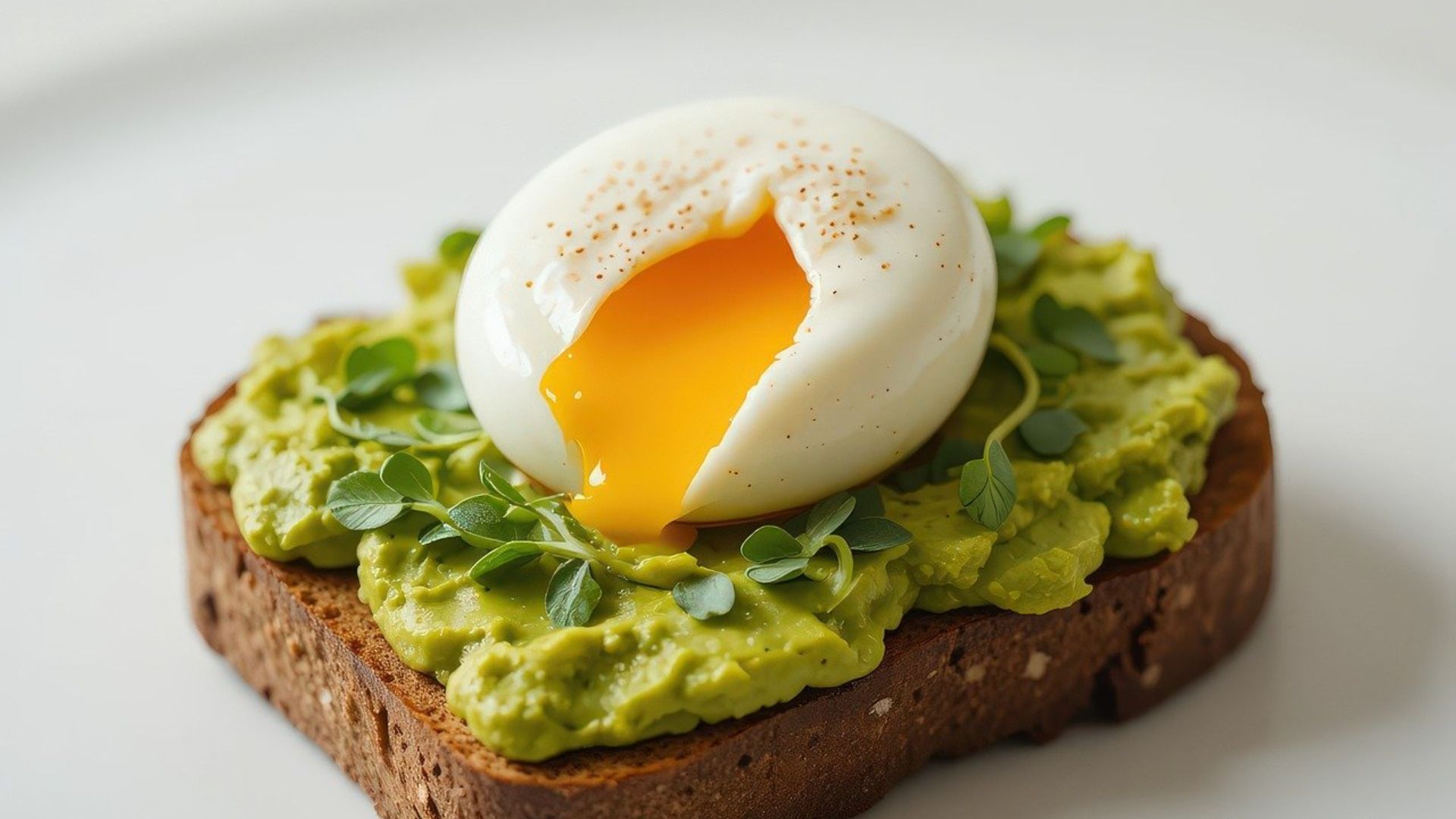
Avocado toast has become a staple in modern brunch culture, showing up on menus almost everywhere. While it can taste good, it’s often just mashed avocado spread over bread with minor additions. The simplicity is part of its appeal, but it also makes the hype feel disproportionate. In many cases, it doesn’t deliver anything particularly memorable. This is especially noticeable when you’ve tried it multiple times in different places.
The pricing adds another layer to why people quietly question it. What’s sold as a premium dish is usually made from inexpensive ingredients that are easy to prepare at home. When you’re paying a high price for something so basic, the value starts to feel questionable. This disconnect is often overlooked because the trend has become so normalized. Many people continue ordering it out of habit rather than genuine excitement.
Social media has also played a huge role in boosting its popularity. The bright green color and clean presentation make it highly photogenic and easy to share. However, visual appeal doesn’t always translate to a standout eating experience. Once the novelty wears off, many people realize it’s not as impressive as it initially seemed. The presentation can sometimes matter more than the actual flavor.
Truffle Oil Is More Overpowering Than Luxurious
Truffle oil is often marketed as a way to elevate simple dishes into something refined. In reality, many versions are synthetic and designed to imitate the aroma of real truffles. This often results in a strong, artificial flavor that can overwhelm everything else on the plate. Instead of enhancing a dish, it tends to dominate it completely. This makes it harder to appreciate the other ingredients in the meal.
Its association with luxury plays a big role in why people continue to praise it. When something is labeled as high-end, there’s an expectation that it must taste exceptional. However, that expectation doesn’t always match the experience. Many people enjoy the idea of truffle oil more than the flavor itself. This disconnect is rarely acknowledged in everyday conversations about food.
Another issue is how frequently it’s overused. A small amount can add subtle depth, but it’s rarely applied with restraint. Dishes like fries or pasta are often covered in it, creating an overpowering and lingering taste. This heavy-handed approach makes the food feel less balanced and harder to enjoy. It can quickly turn what should be a simple dish into something overwhelming.
Lobster Doesn’t Always Live Up to Its Reputation
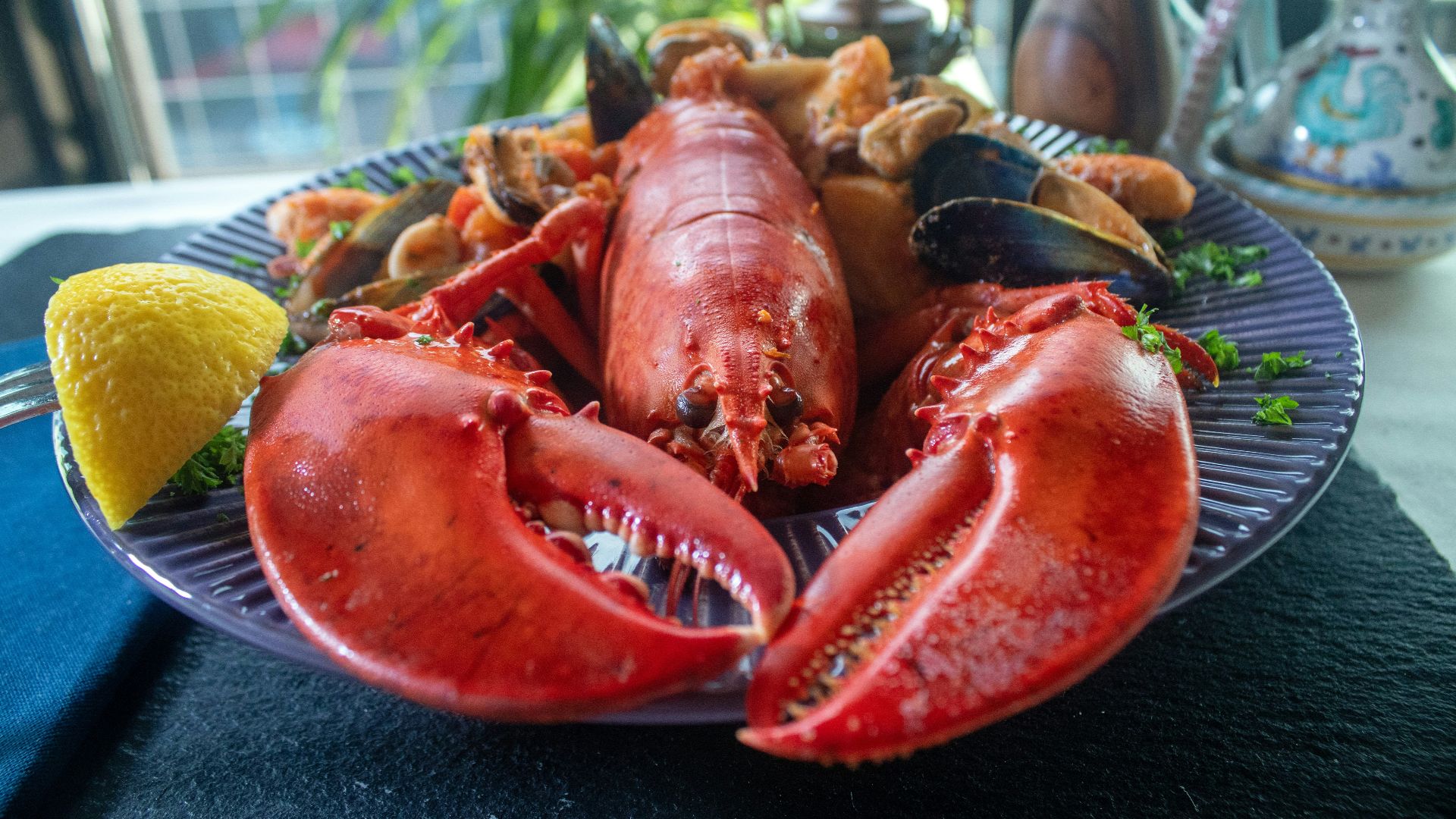
Lobster has long been seen as a luxury food, often associated with special occasions and expensive dining. While it can be enjoyable, its natural flavor is surprisingly mild on its own. Without butter or seasoning, it doesn’t stand out as much as people expect.
Texture is another factor that can make lobster inconsistent. When cooked properly, it’s tender and pleasant, but it can easily become tough or rubbery. This variability makes it less reliable than other proteins. Even at high-end restaurants, the outcome isn’t always perfect. That inconsistency can make the experience feel less worth the cost.
Price also plays a psychological role in how people perceive lobster. Because it’s expensive, there’s an assumption that it must be exceptional. This can lead people to convince themselves they enjoy it more than they actually do. In many cases, the experience feels more about status than genuine preference. It becomes more about the occasion than the actual taste.
Food trends can strongly influence what people claim to enjoy, sometimes more than actual taste does. When certain dishes become symbols of lifestyle or status, it becomes harder to separate real enjoyment from expectation. Taking a step back and evaluating food honestly can lead to more satisfying choices. In the end, what matters most is whether you actually enjoy what you’re eating, not whether it’s popular. Being honest with yourself can make your overall food experiences far more enjoyable.
KEEP ON READING