Some Crops Won't Relocate
Farmers have spent centuries moving crops around the world, often with remarkable success. Potatoes traveled from the Andes to Europe, and coffee made its way from Ethiopia to Brazil. But some foods have proved much harder to transplant. The obstacle can be surprisingly specific, from an insect found in only one region to growing conditions farmers have never managed to recreate elsewhere. Here are 20 foods that have largely stayed where they originated.
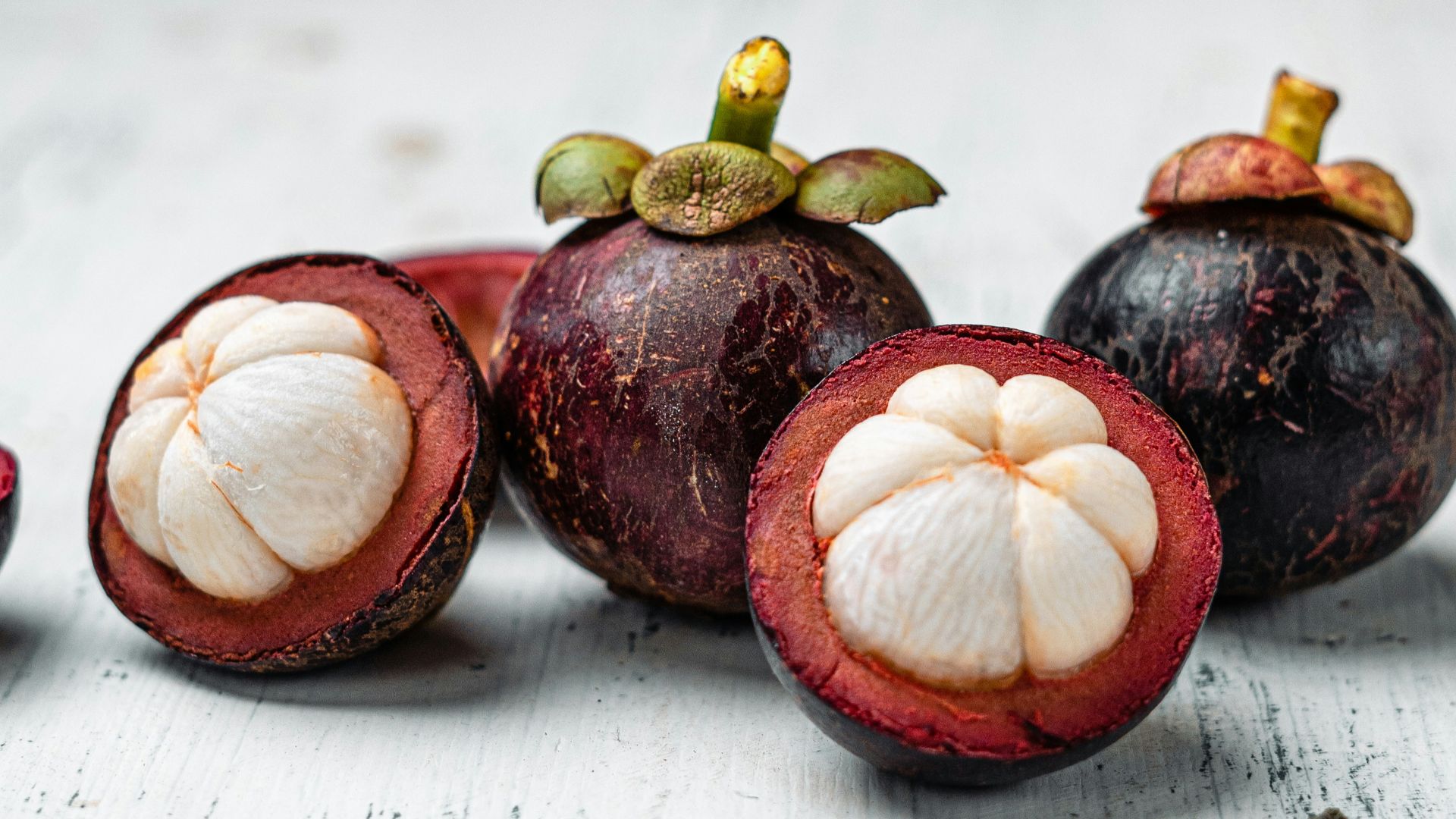
1. Brazil Nuts
Every Brazil nut in every grocery store was picked up off the floor of the Amazon. Plantations barely produce, because the trees need large orchid bees that depend on rainforest orchids. The seeds get spread by agoutis, the only rodent with teeth strong enough to open the pod. Take the tree out of the forest and you lose both.
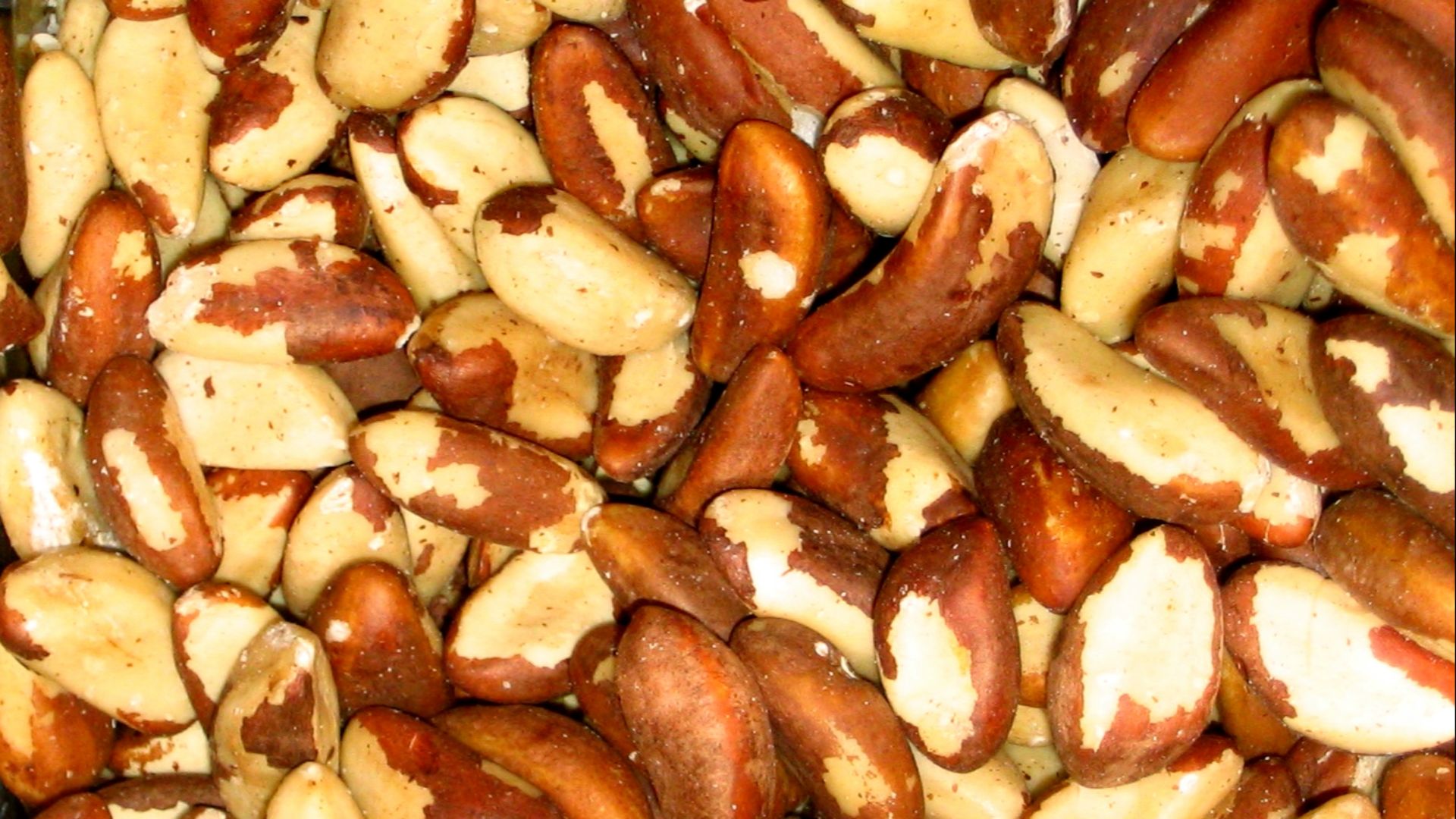
2. Smyrna Figs
California growers planted thousands of Smyrna fig cuttings in the 1880s and harvested nothing. The variety can only be pollinated by one tiny wasp, which lives inside inedible caprifigs. Wasps shipped from Algiers reached California orchards in 1899, and the first real crop came the year after.
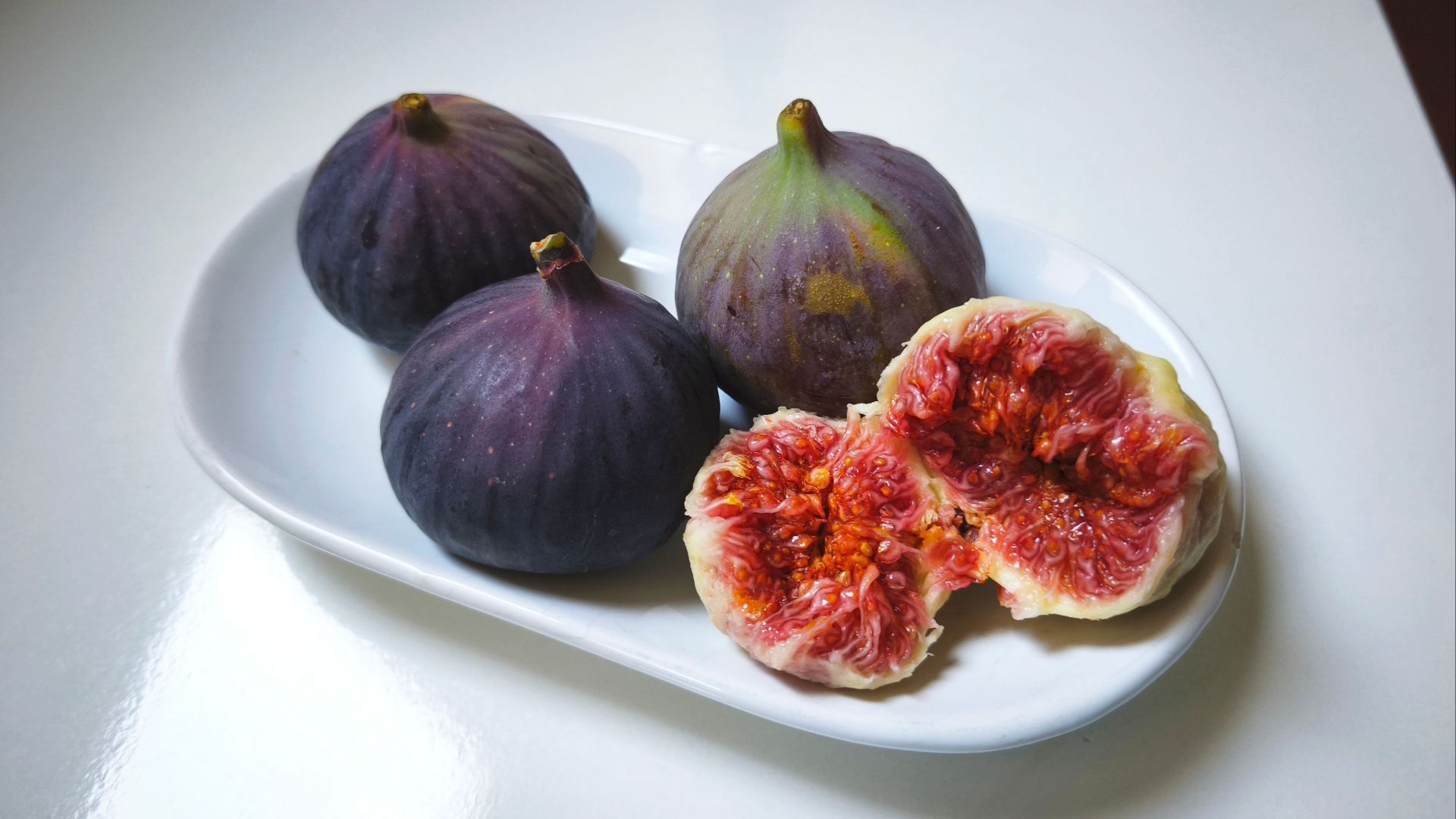
3. Vanilla
Vanilla orchids grow fine in Madagascar and Indonesia. The bee doesn't. The orchid's natural pollinator stayed behind in Mexico, so everywhere else a worker opens each flower by hand with a sliver of bamboo and presses the parts together, on the one morning that flower is open.
4. White Truffles
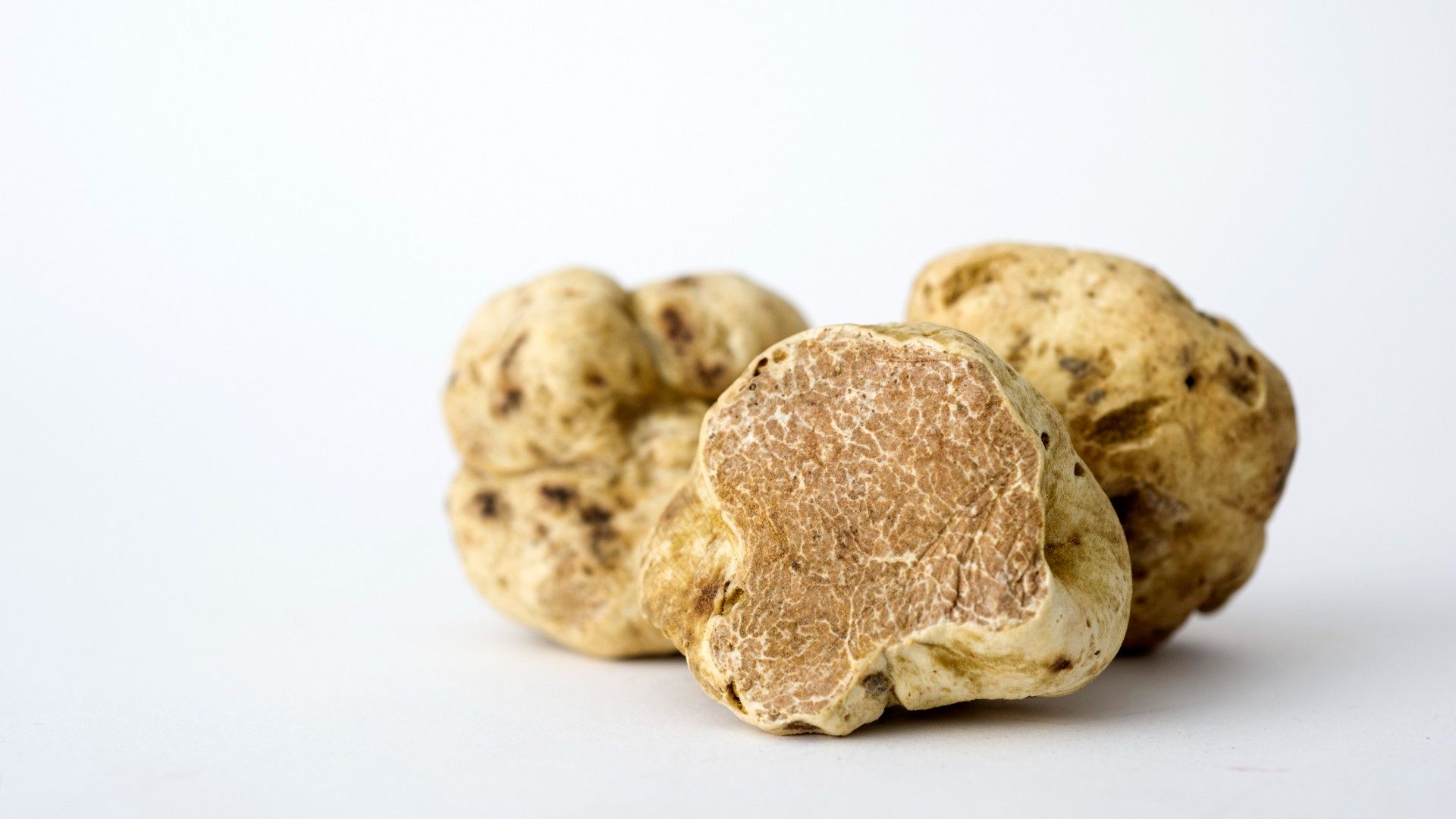
Alba's white truffle held out against farming longer than almost any luxury food. Researchers at France's INRAE finally got some, harvesting from orchards planted with inoculated trees well outside the species' natural range and publishing the result in Mycorrhiza. The count across 2019 and 2020 was seven truffles.
5. Matsutake
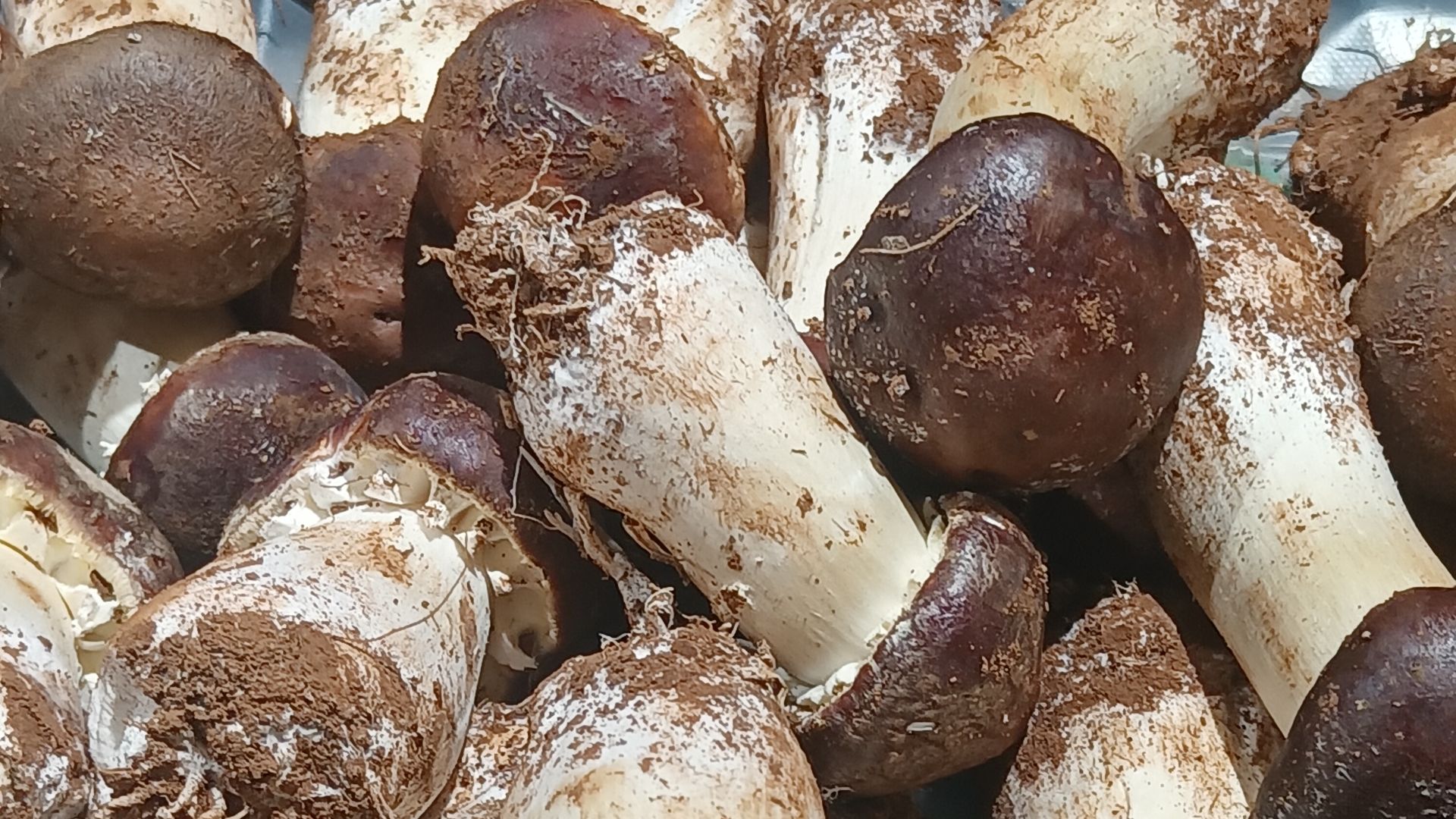
Button mushrooms grow in sheds. Matsutake won't, because it feeds through the roots of living pines, and that relationship has resisted every attempt to reproduce it on command. Japan's harvest comes out of forests that have to be tended for decades before the first one appears.
 Fumikas Sagisavas on Wikimedia
6. Wasabi
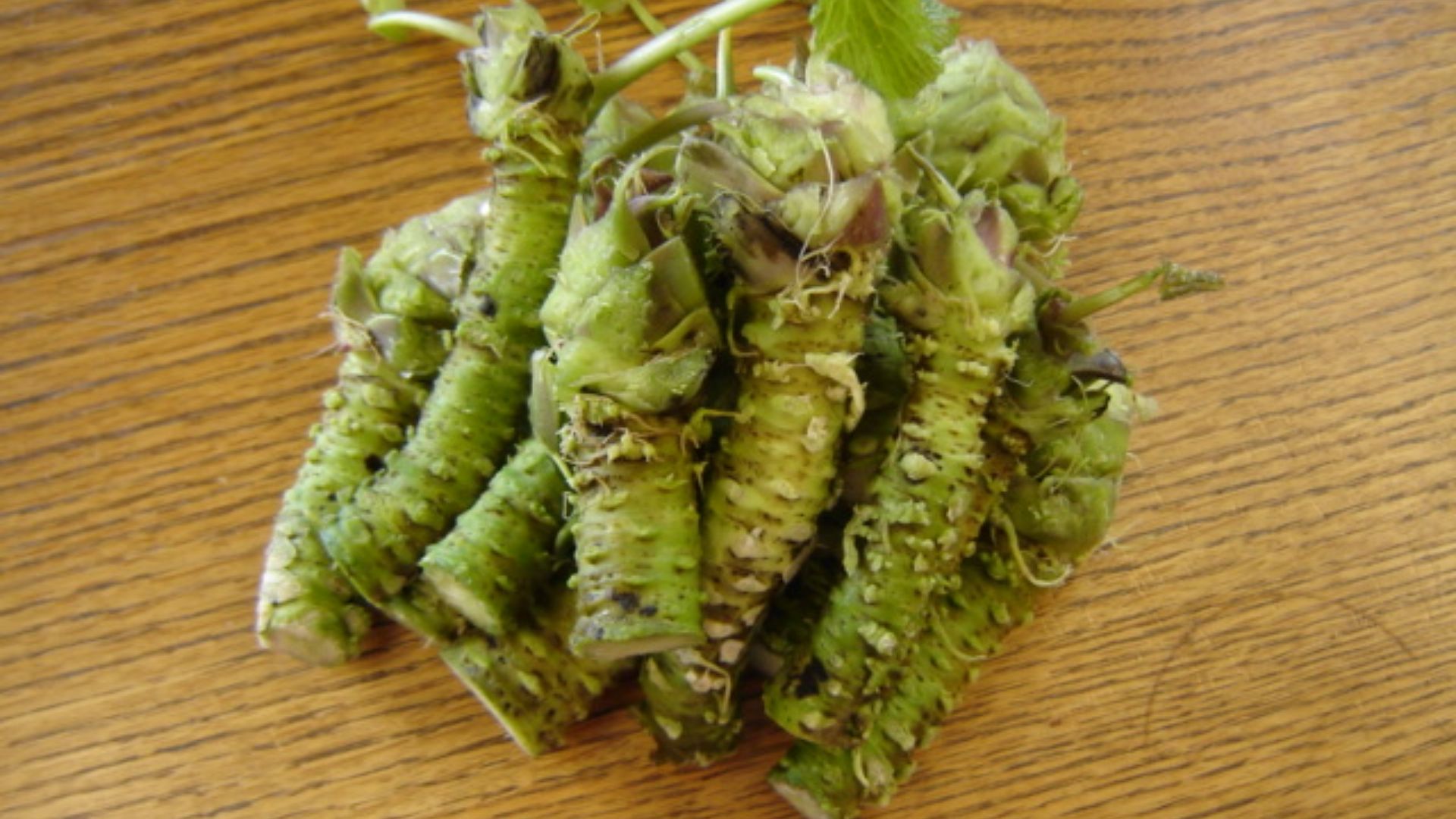
Real wasabi grows in cold running water rather than soil, which rules out most farmland on earth. Growers in Shizuoka build terraced beds into stream channels and wait years per plant. Almost everything served as wasabi outside Japan is dyed horseradish.
 Sabigirl at English Wikipedia on Wikimedia
7. Vidalia Onions
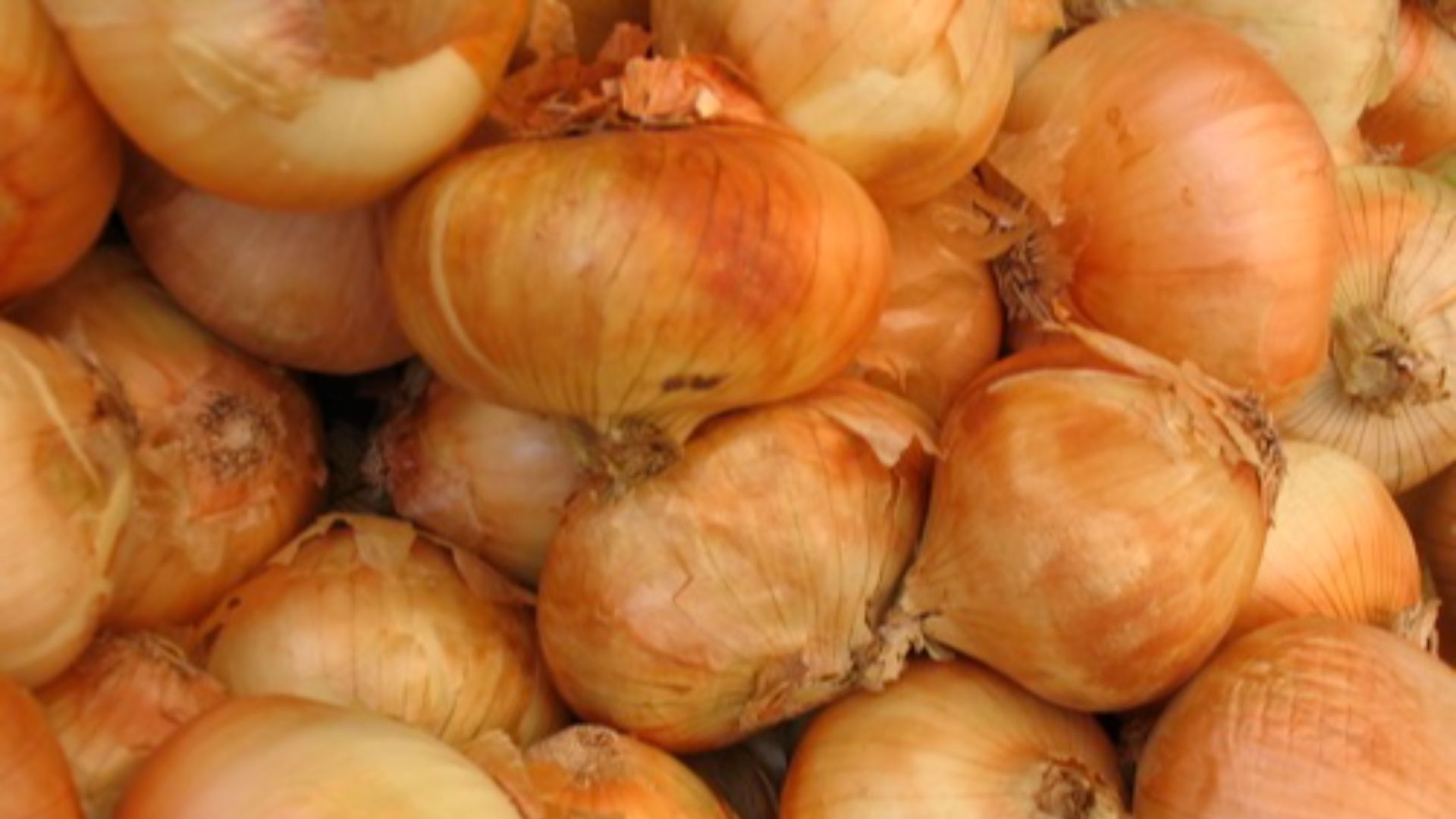
Georgia wrote the boundary into law in 1986, and a Vidalia can legally come from 20 counties and nowhere else. The sweetness comes from the dirt. Soils around Toombs County run unusually low in sulfur, the element that gives an onion its bite.
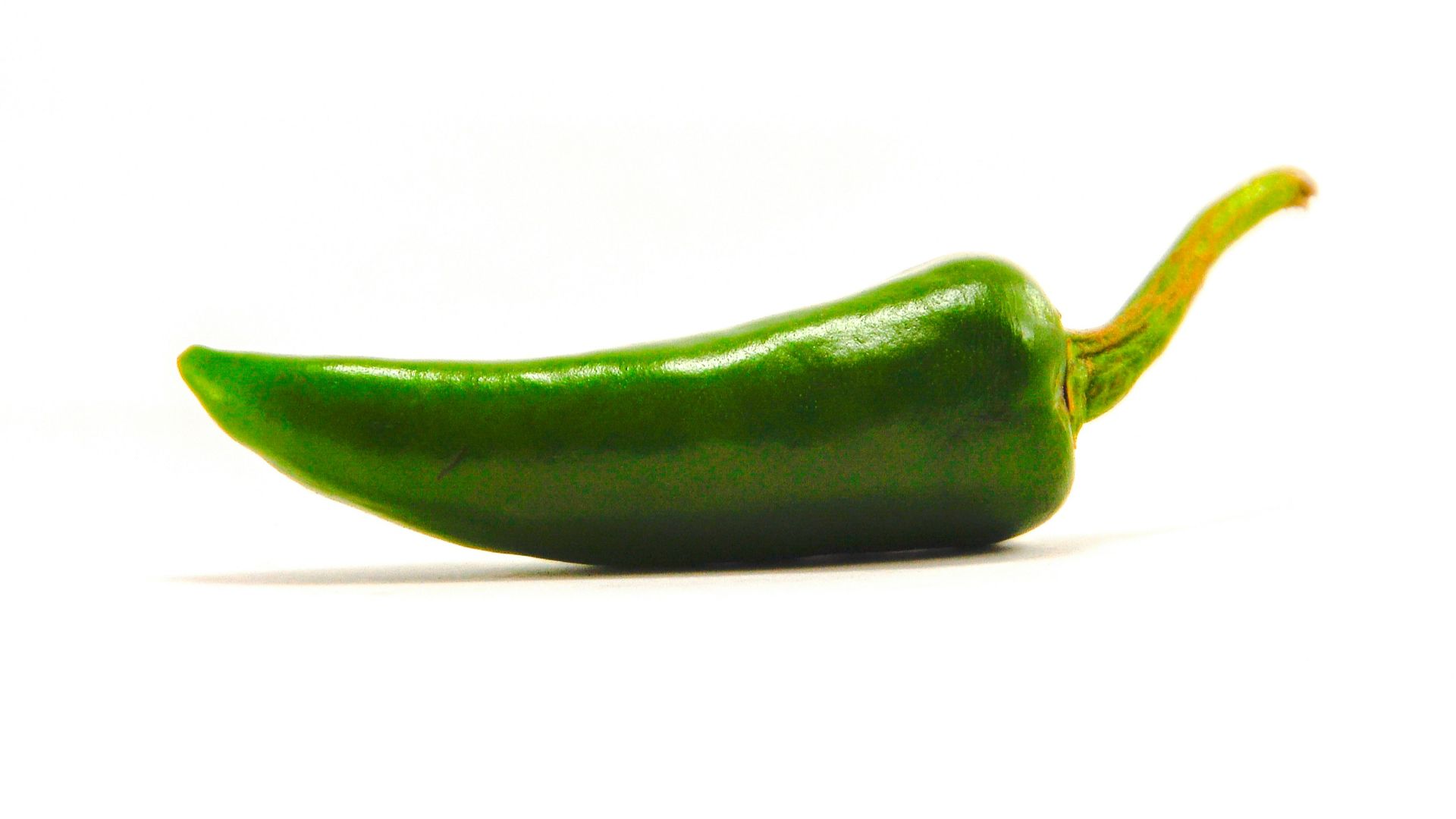
8. Hatch Chiles
Grow the same seed at sea level and you get something milder with thinner walls. High desert sun and cold nights change the fruit in the Hatch Valley, and New Mexico decided the name was worth enough to pass a law in 2011 restricting who can advertise chile as New Mexican.
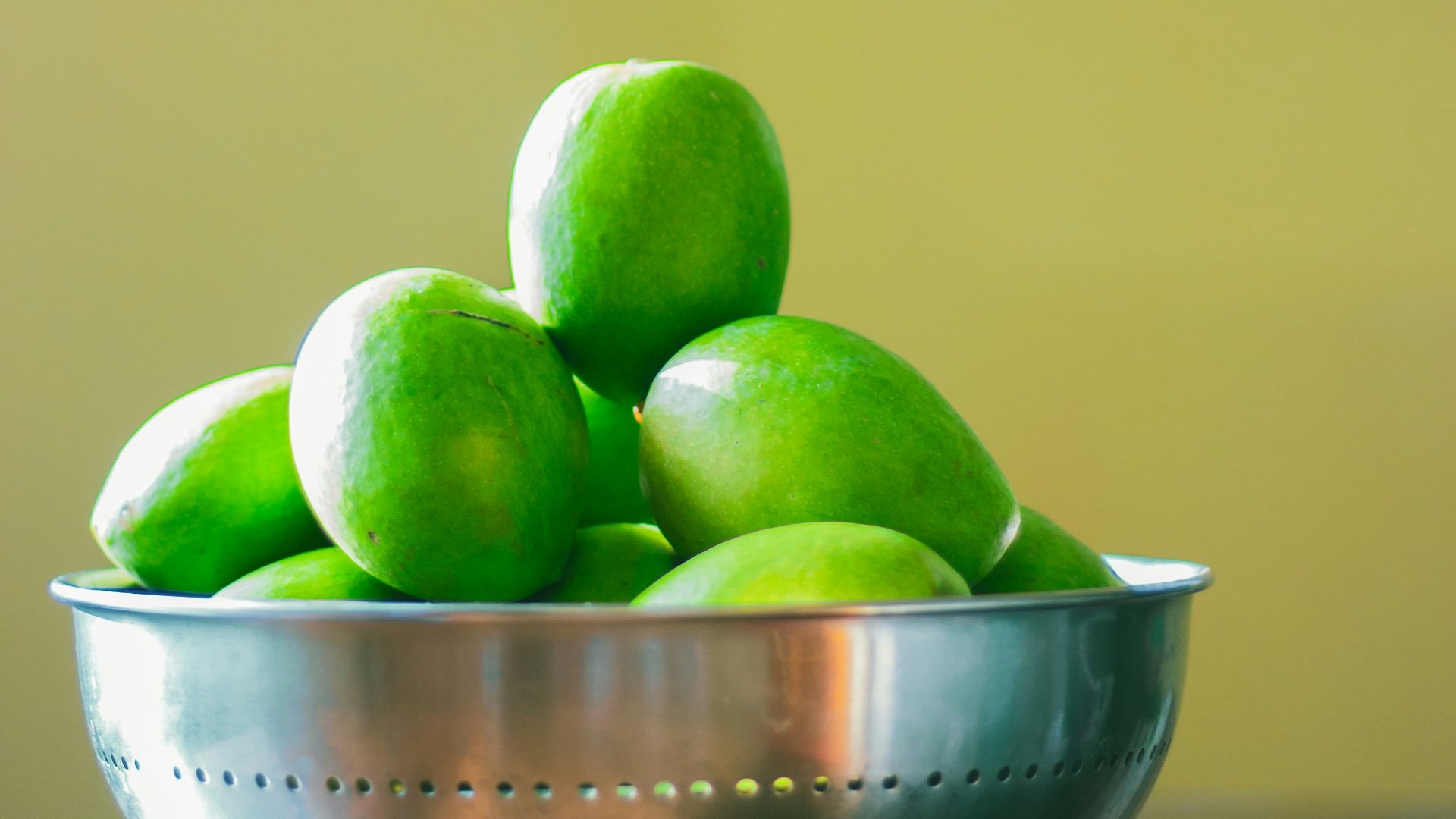
9. Alphonso Mangoes
Ratnagiri and Devgad sit on a narrow band of lateritic soil along the Maharashtra coast. Alphonso trees planted outside it fruit perfectly well, and the fruit isn't the same, which is why India's 2018 geographical indication tag names those districts. Growers elsewhere can plant the variety. They can't sell it under the name.
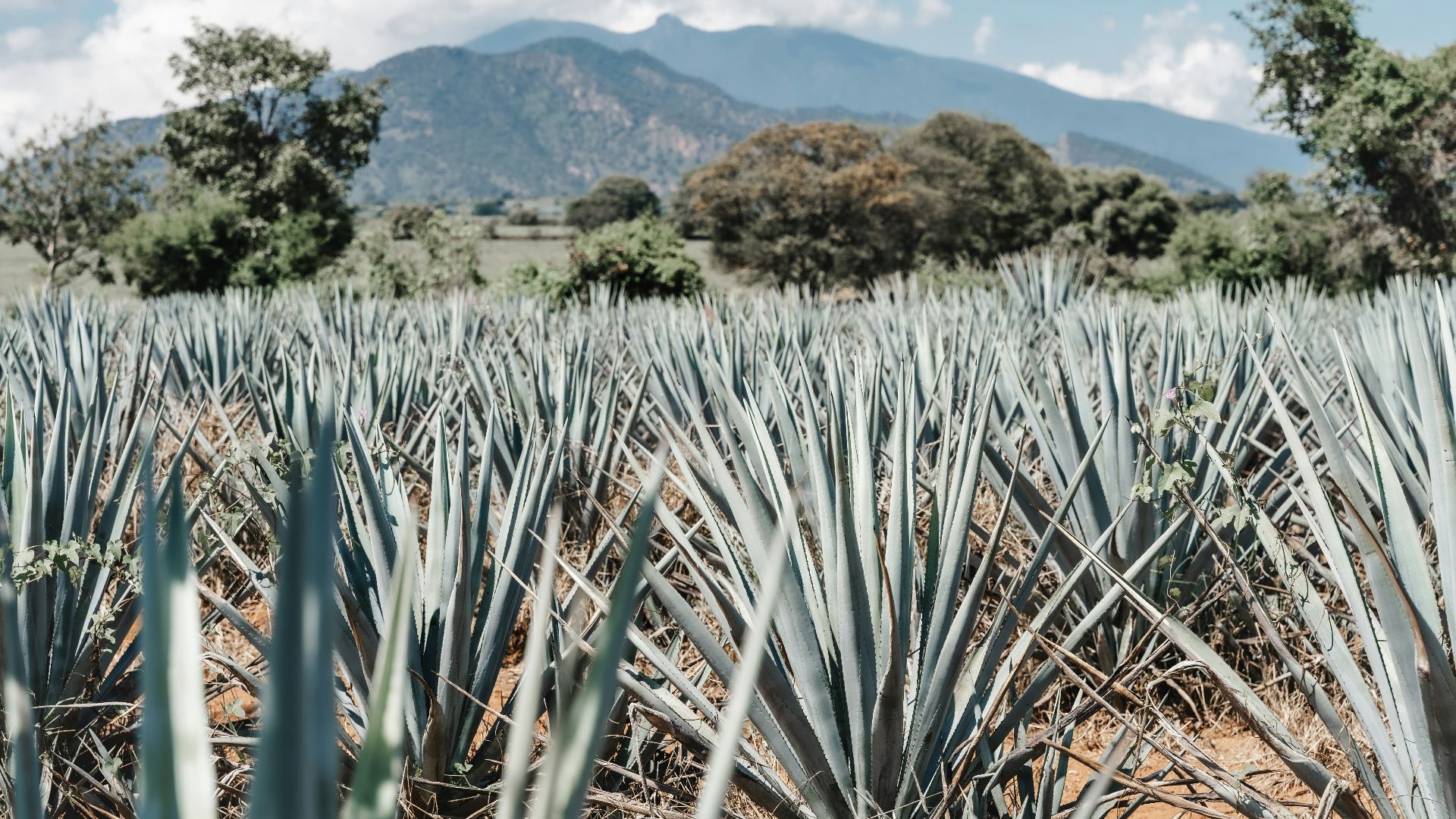
10. Tequila
Mexico's denomination of origin, declared in 1974, limits tequila to 181 municipalities across five states. Blue Weber agave does fine in South African and Indian soil. Everything harvested outside the line is agave and stays agave.
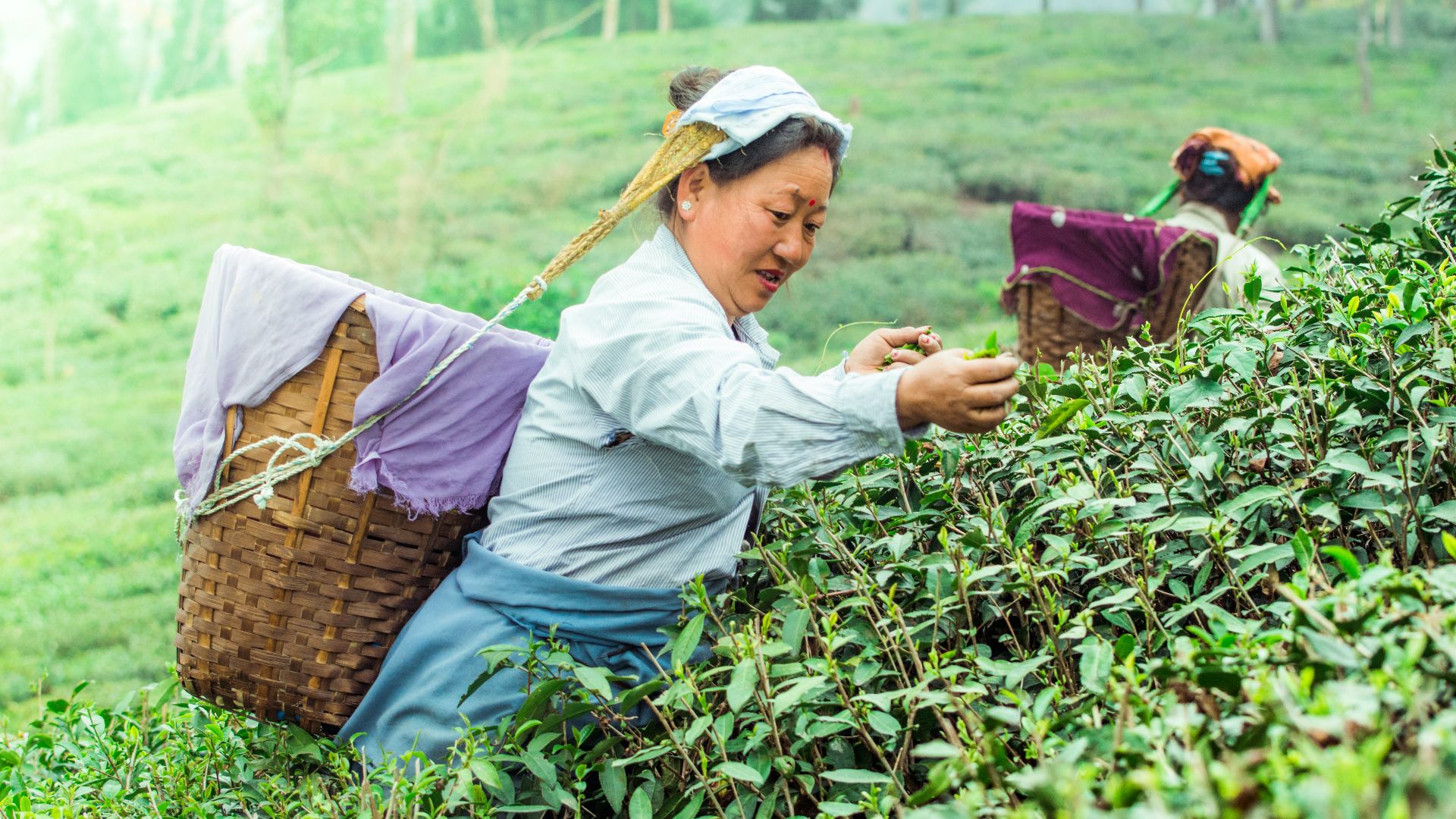
11. Darjeeling Tea
Chinese tea bushes grown on the plains below Darjeeling make decent tea that nobody confuses with the real thing. Thin soil and near-constant mist on steep Himalayan slopes do something to the leaf that growers at the bottom can't copy. India registered the name in 2004.
12. Cloudberries
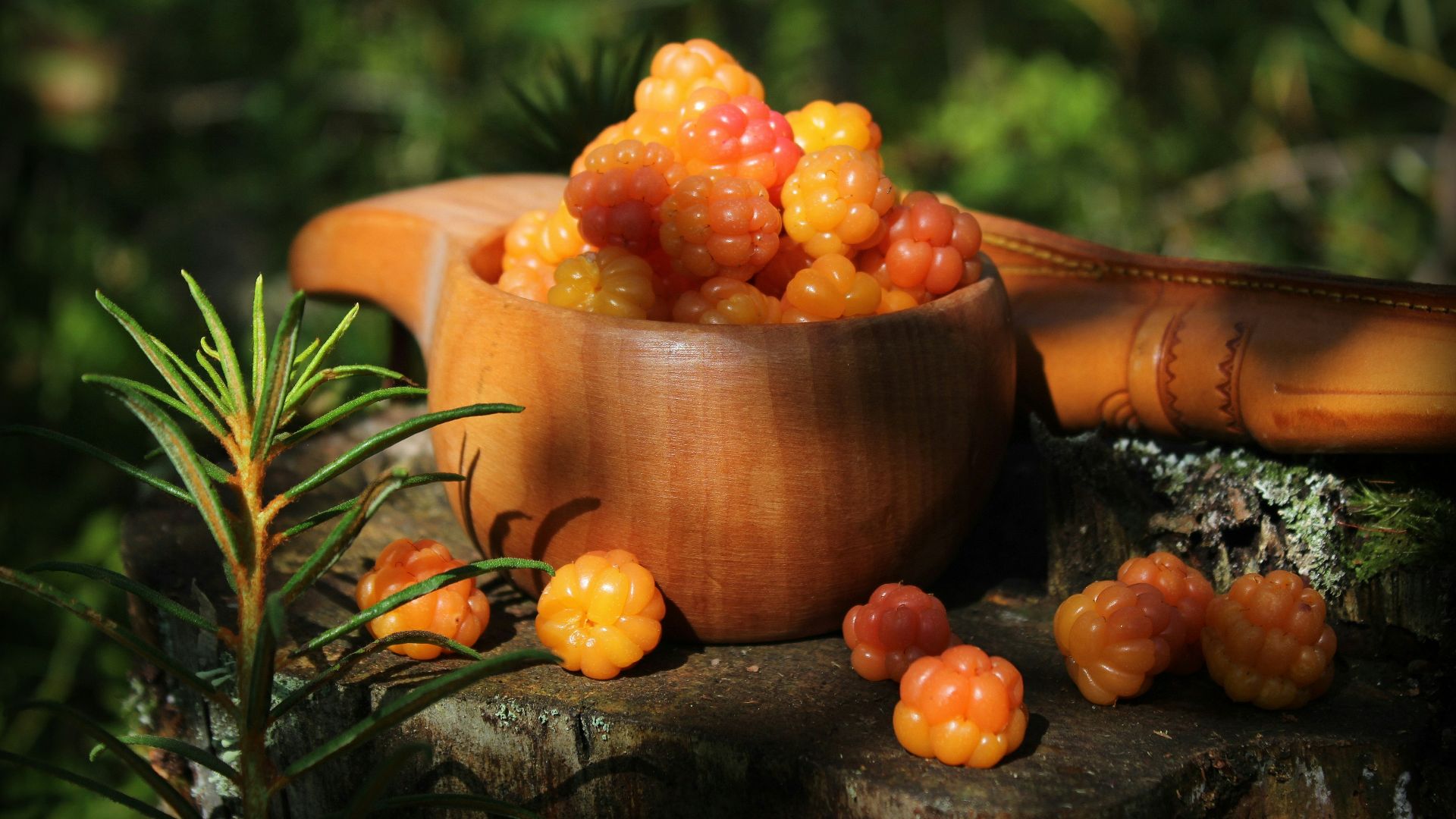
Pickers in northern Norway don't tell anyone where their spots are. Norwegian and Finnish institutes have run cultivation trials for decades, and a few cultivars exist, but nearly all of what reaches a table still comes out of a wild peat bog. Male and female flowers sit on separate plants, so a planted plot can bloom heavily and set almost nothing.
13. Chiltepin
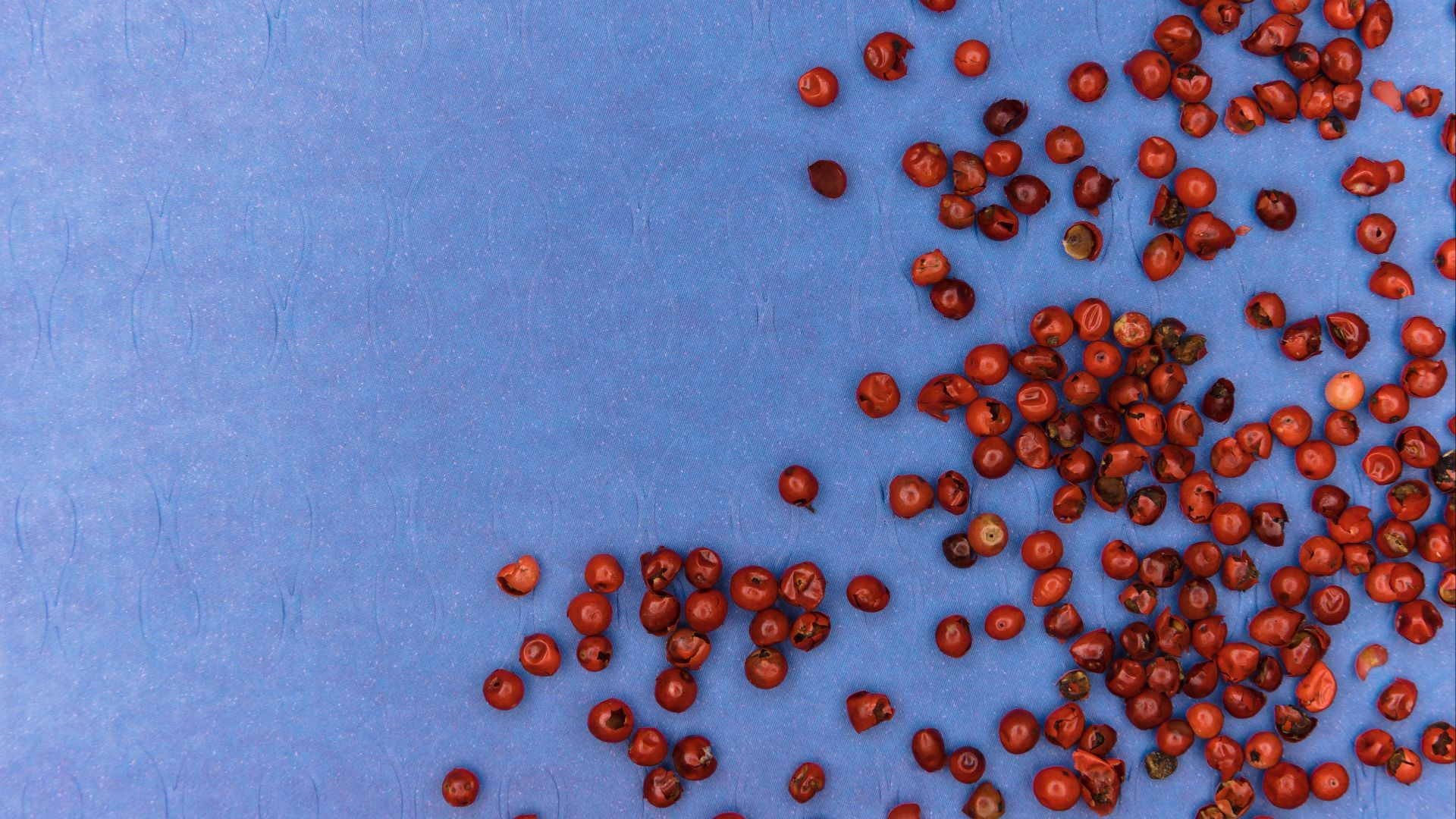
Birds do the planting. This pea-sized wild chile of the Sonoran Desert germinates best after passing through one, and the seedlings come up under mesquite and hackberry instead of in rows.
Harvesters still walk the desert washes in fall and pick by hand.
14. Maple Syrup
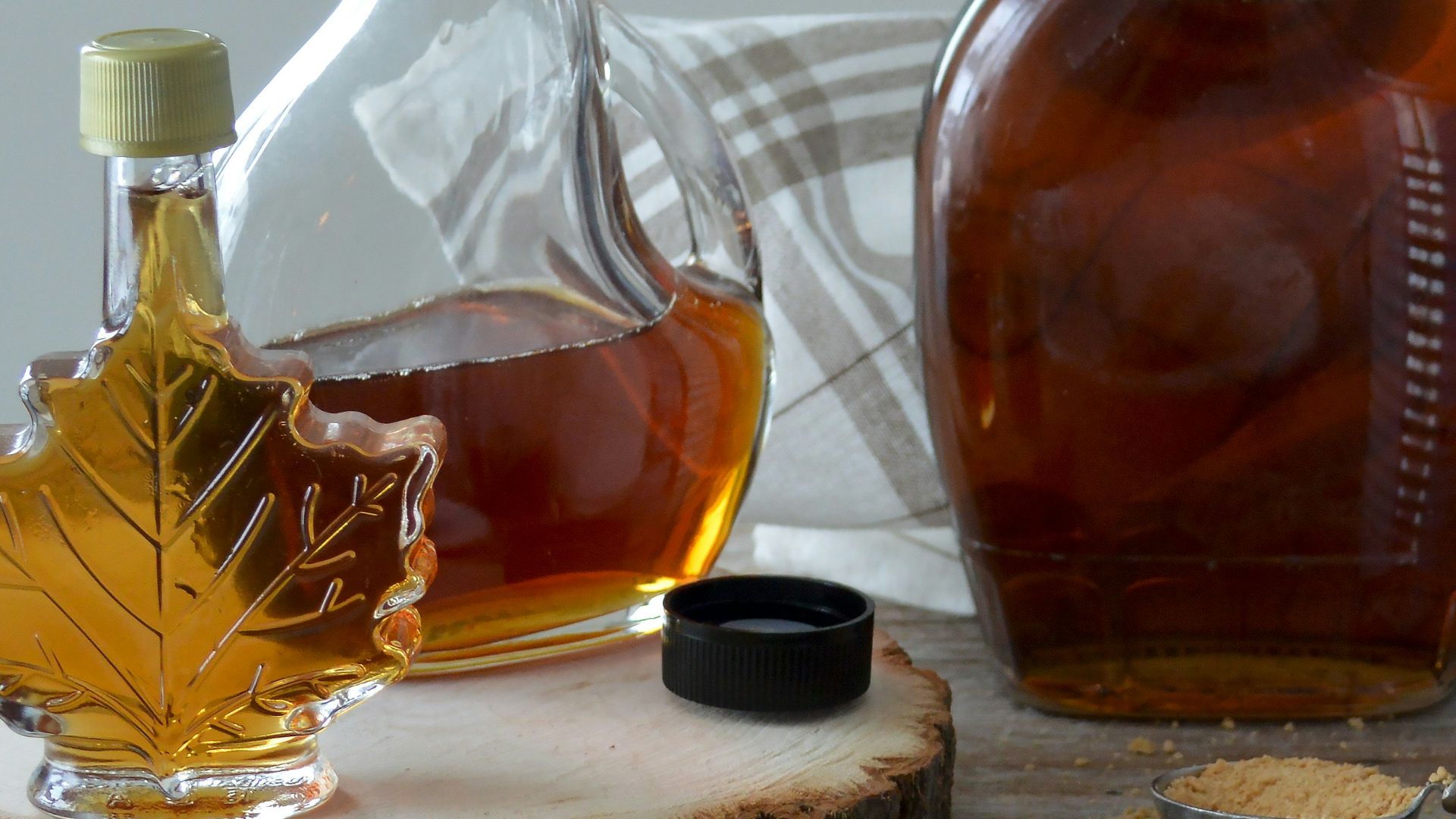
Sap only runs when nights drop below freezing and days climb back above it, which describes a thin band of the planet. Quebec produces around three-quarters of the world's supply. No warm country gets a version of this, and warmer springs are already cutting the season short.
15. Asafoetida
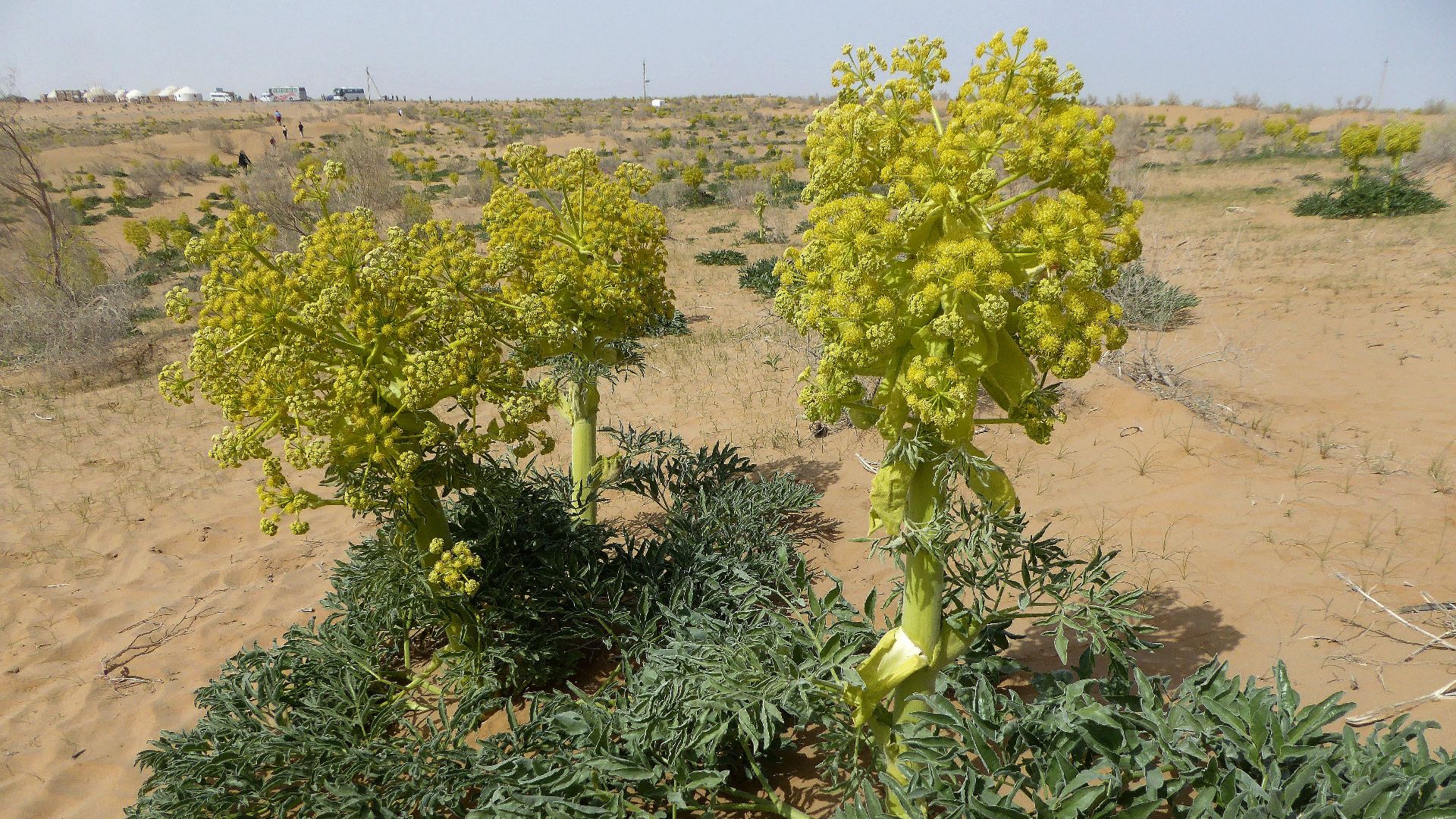
India buys roughly 1,200 tonnes of raw asafoetida a year from Afghanistan and Iran, despite using more of it than anyone. The plant had never been grown there at all. Scientists from CSIR-IHBT put the first seedlings into the cold desert of Lahaul valley in October 2020, and the resin takes about five years to arrive.
 Patrick Verhaeghe on Wikimedia
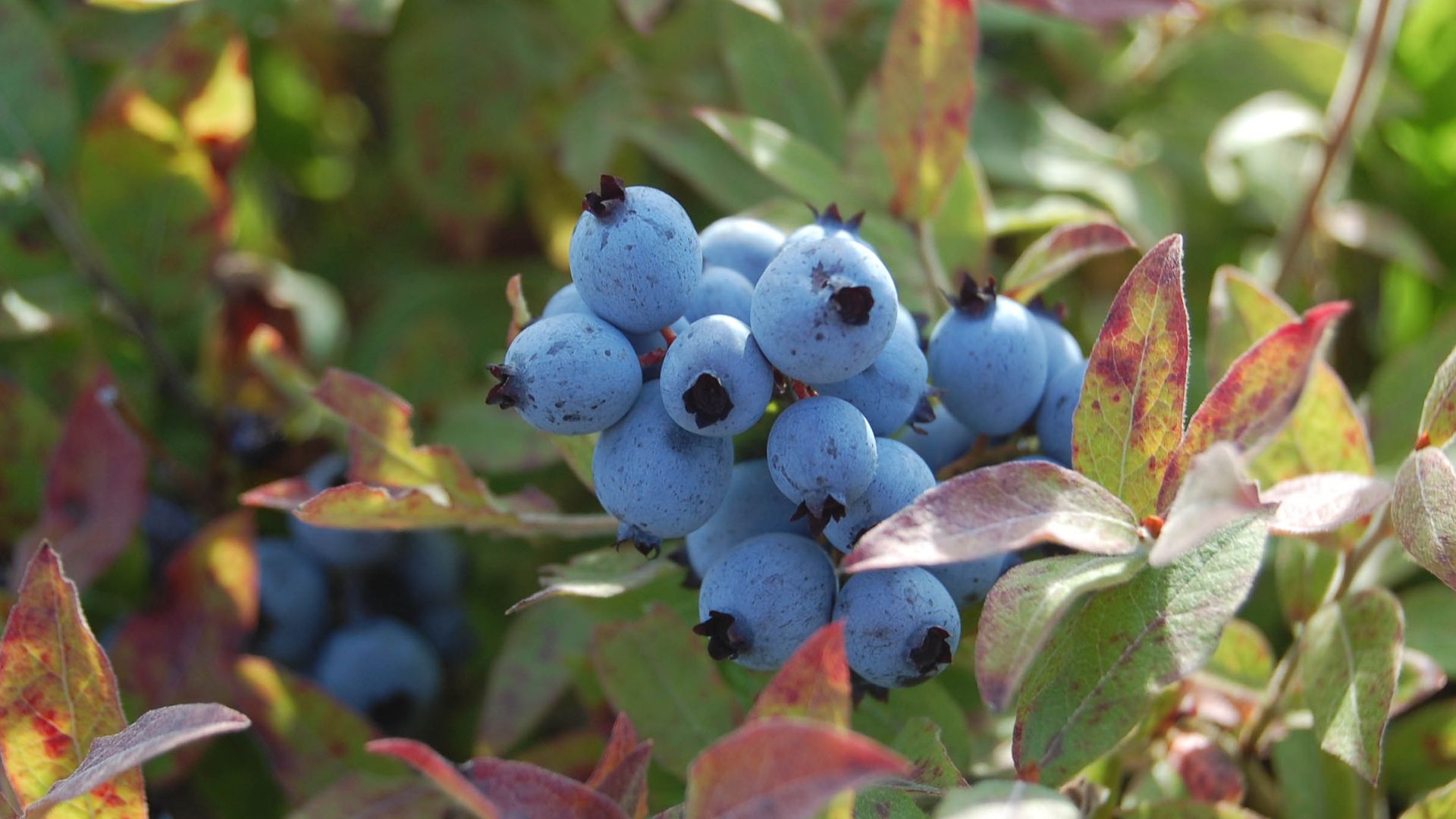
16. Maine Wild Blueberries
Nobody plants a Maine barren. The University of Maine's extension service puts it plainly, that the crop isn't planted but occupies fields left behind on glacial outwash plains. Growers clear ground and let the rhizomes spread, and one field can hold more than a thousand genetically distinct plants.
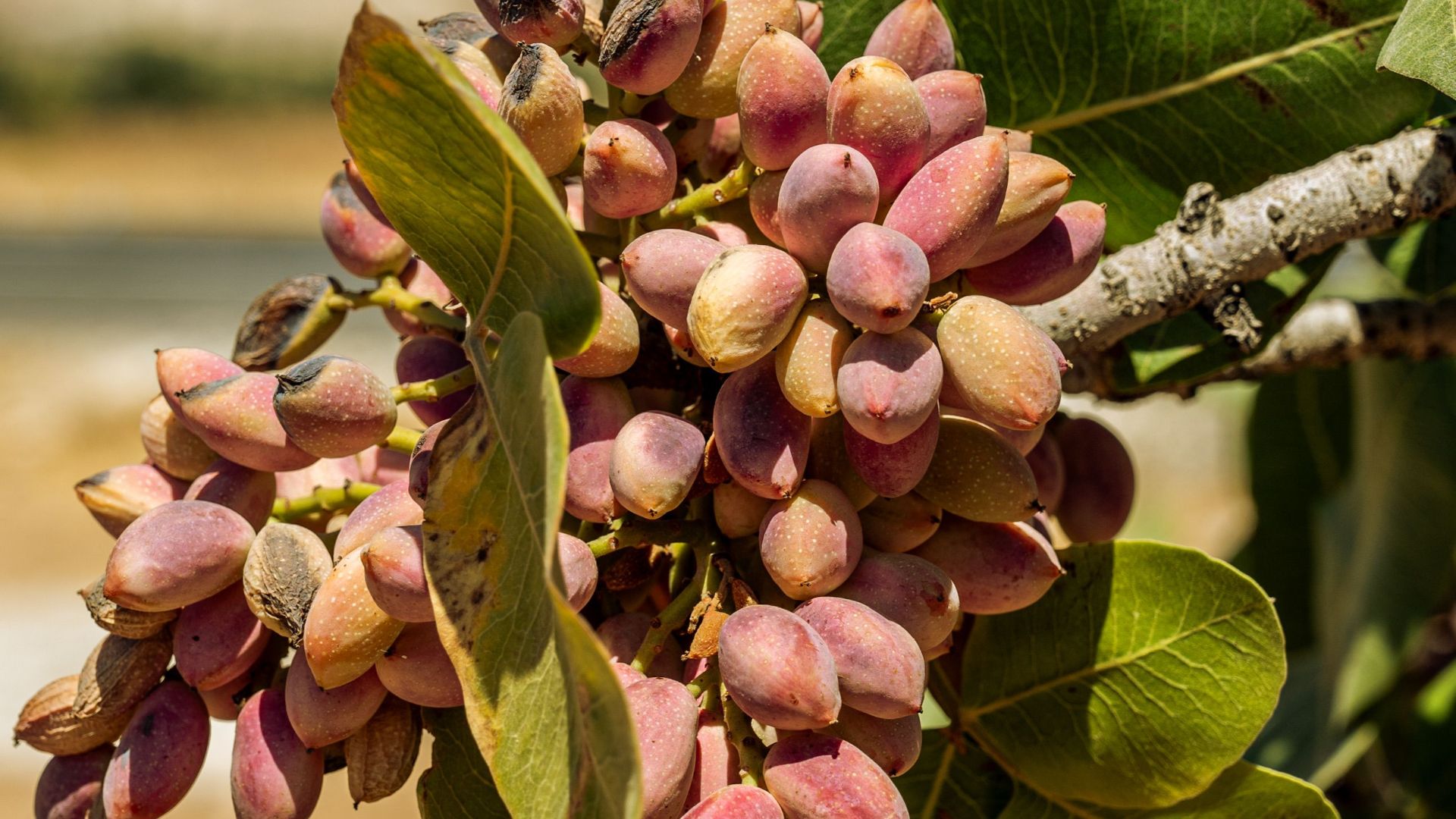
17. Bronte Pistachios
Harvest comes once every two years, picked by hand on lava terraces too steep for machinery. The trees sit on Etna's western slope, where volcanic ash keeps the soil fed and the DOP rules hold the name to three towns. In the off year the buds get stripped so the trees can rest.
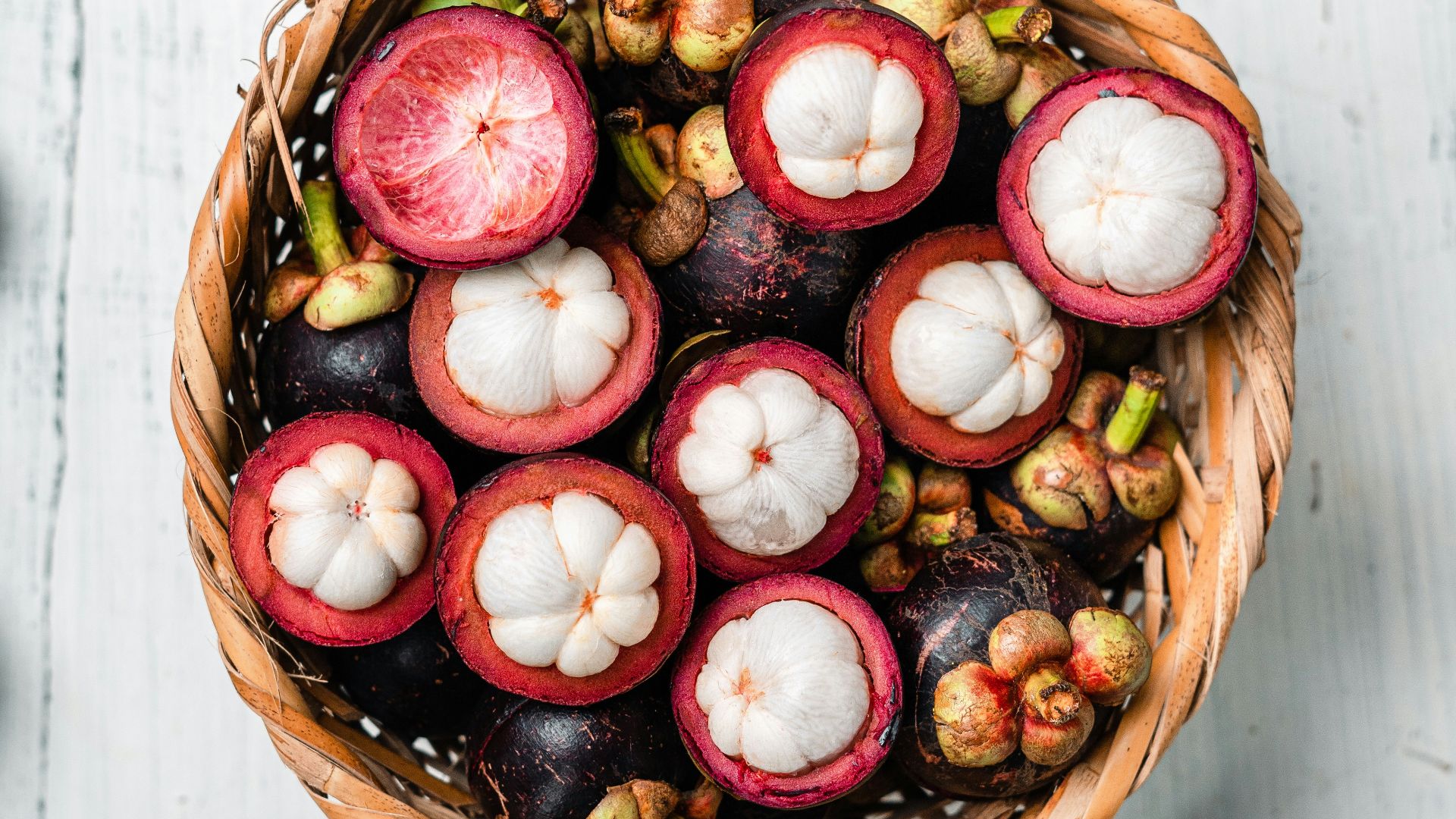
18. Mangosteen
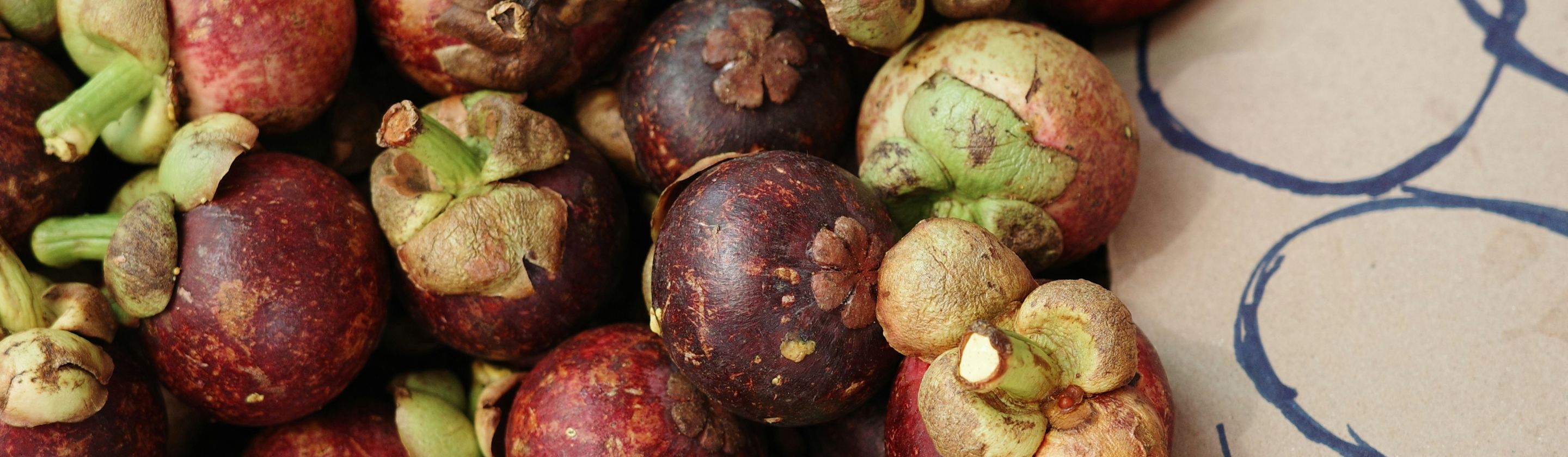
Mangosteen sulks below about 40 degrees Fahrenheit, which covers most places people have tried to put it. Florida and Hawaii both made attempts. The tree wants steady equatorial humidity, and a seedling takes the better part of a decade to fruit anyway, so commercial supply still comes out of Southeast Asia.
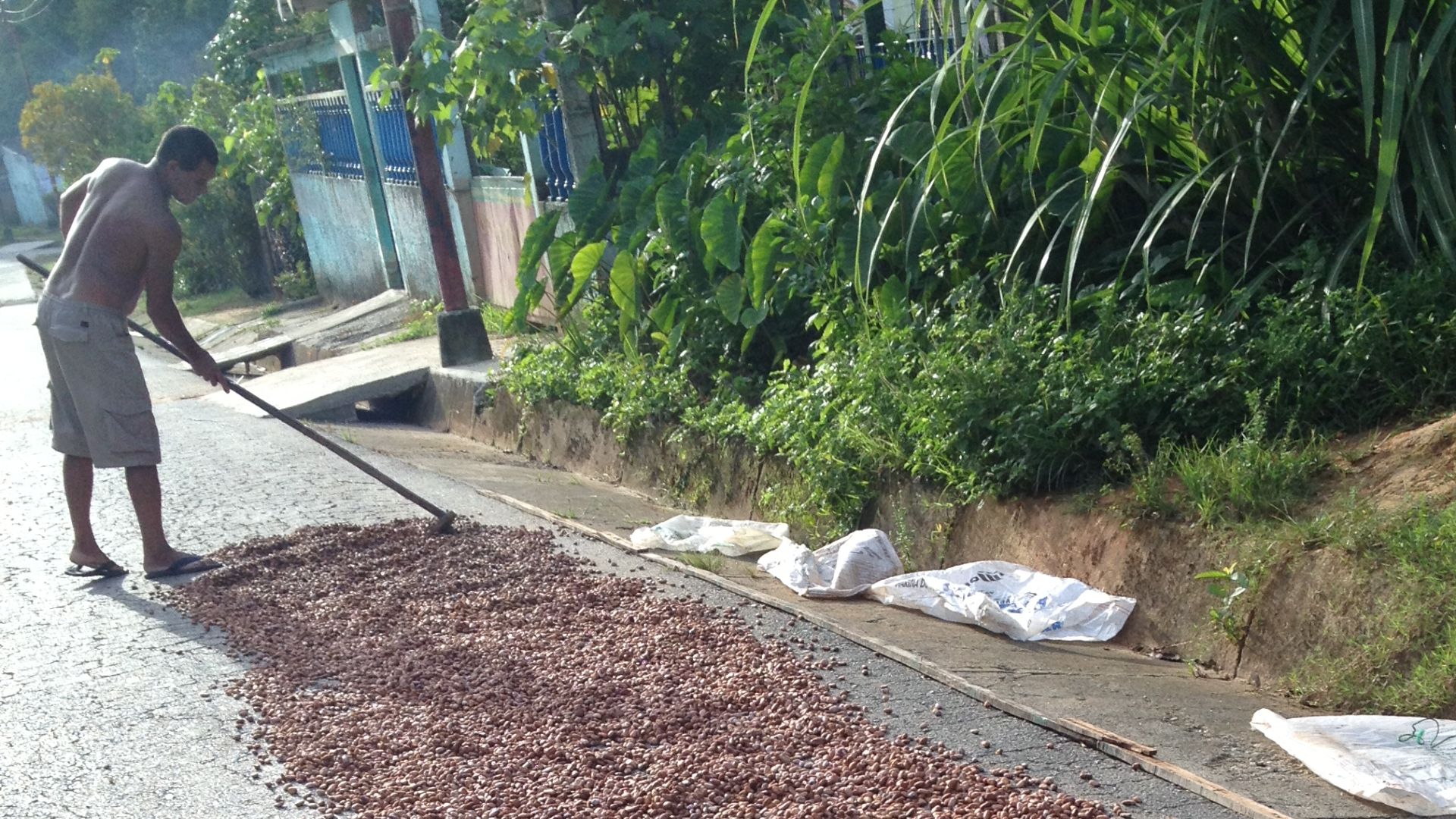
19. Chuao Cacao
Chuao sits on the Venezuelan coast with no road in, so the cacao leaves by boat. The beans are dried on the stone plaza in front of the village church. Output is tiny and spoken for years ahead, and planting those trees elsewhere has never reproduced the flavor.
20. Kampot Pepper
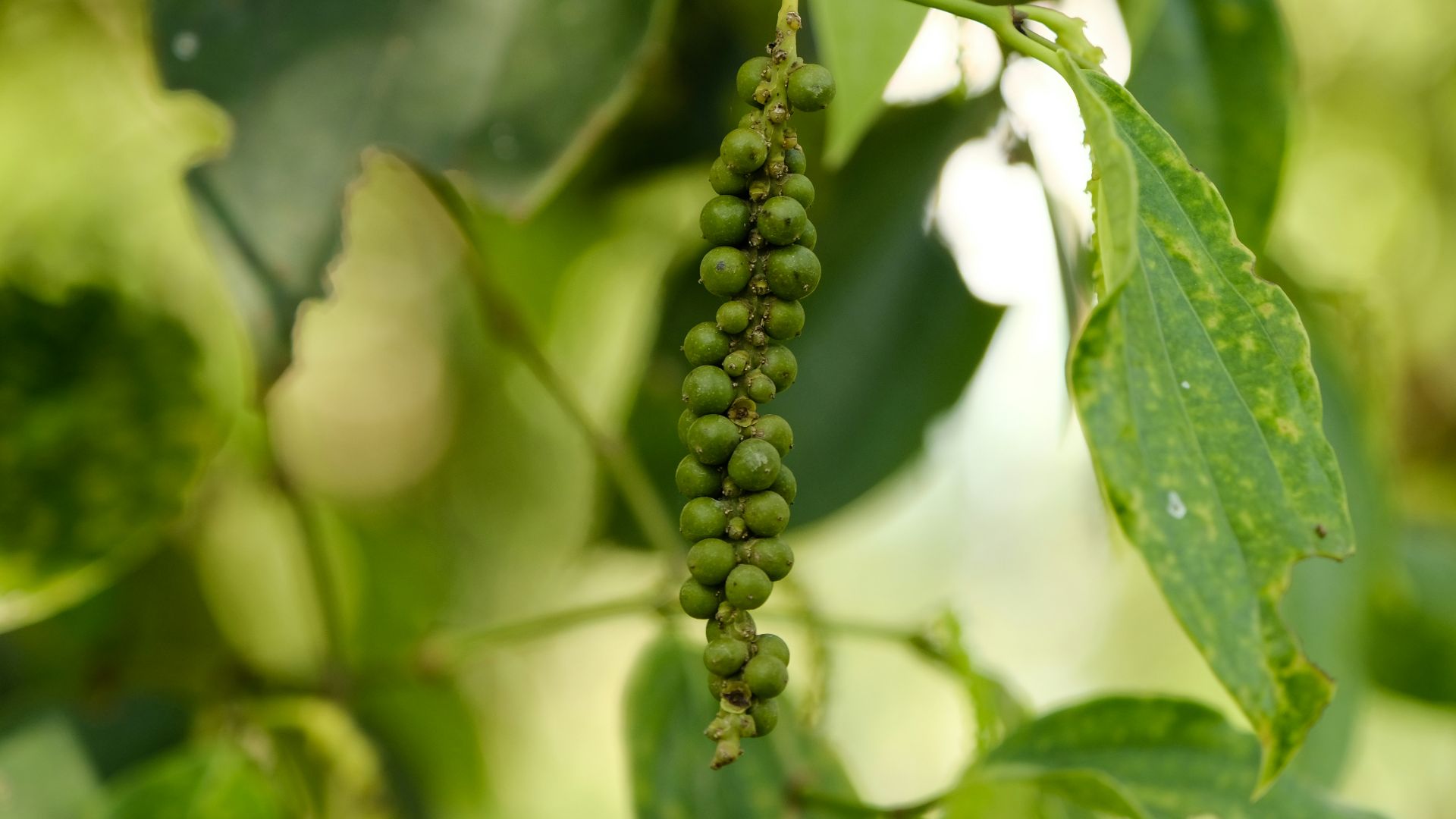
Quartz in the soil at the foot of Cambodia's Damrei Mountains is the usual explanation for why this pepper tastes the way it does. Cambodia granted it the country's first geographical indication in 2010, and the EU followed in 2016. Pepper from the next province over is just pepper.