
There's a moment near the end of a meal where you aren't hungry and there's still food in front of you. What happens next has almost nothing to do with appetite. You think about the person who cooked it, or what it cost, or the bin it's headed for, and you pick the fork back up for another few minutes of work.
Feeling guilty about leaving food on your plate can seem like a habit you picked up as a child. But the expectation has deeper roots, shaped by government campaigns against food waste and social rules about accepting hospitality. Even knowing that doesn't necessarily make the guilt go away. It does help explain why leaving a little food uneaten can feel like you've done something wrong, even when you're simply full.
The Rule Started as Government Policy
The Clean Plate Club was a wartime program before it was a saying. After Congress passed the Lever Act in 1917, Woodrow Wilson created the U.S. Food Administration and put Herbert Hoover in charge of keeping scarce food from being wasted. Hoover took the idea to schoolchildren through a pledge that opened with a promise not to leave a scrap of food on the plate.
Then it came back. Truman encouraged elementary schools nationwide to form Clean Plates Club chapters in 1947, with Europe still being fed through the Marshall Plan and food scarce again after two decades of depression and war. Two generations of American kids learned the habit in a classroom, from adults presenting a finished lunch as a contribution to something larger.
The shortages ended and the lesson stayed put. That's the usual fate of a campaign like this, since a habit outlives the emergency that justified it by decades. Your grandmother wasn't inventing a rule about waste at her own table. She was passing along one she got from a teacher who got it from a poster on a wall. The campaigns were specific about why at the time, and when the why expired, nobody sent a notice.
The Table Enforces It Without Saying Anything
Eating at someone's house turns a plate into a message board. Food left behind reads as a verdict on the cooking, and most hosts will ask about it in the kind of light voice that makes clear it isn't a light question. Clearing the plate is the polite move whether or not you wanted what was on it, which means the amount was set by someone who wasn't going to eat it. The leftovers get wrapped and sent home with you instead, which is the same transaction shifted to a later hour and a smaller audience.
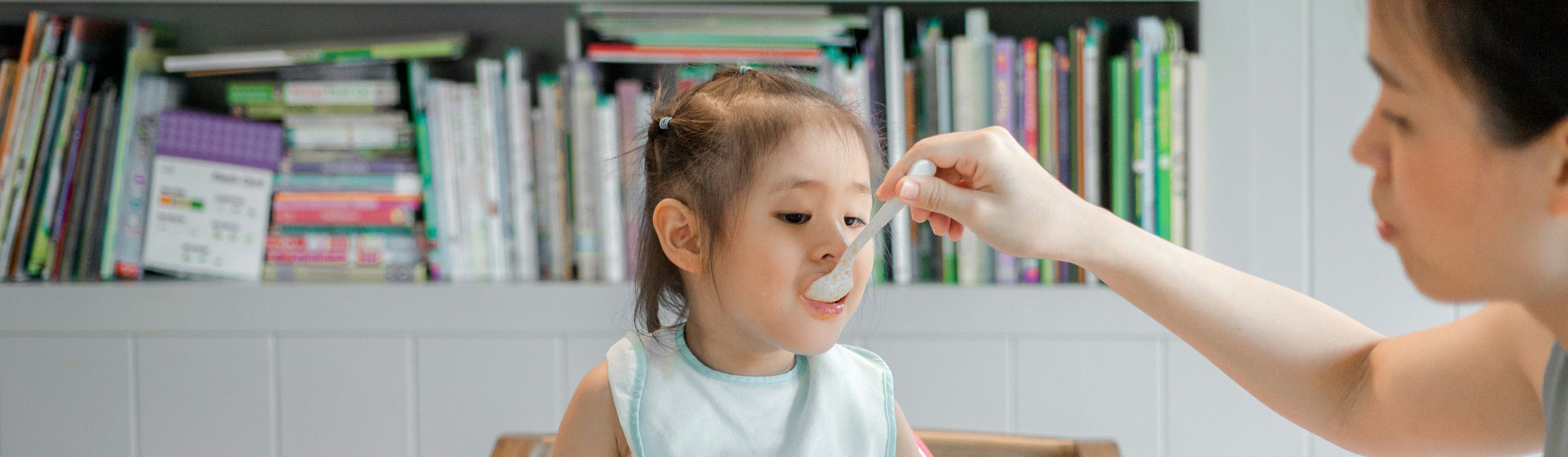
Parents pull the same lever with kids, usually with good intentions. A child told to finish everything is being asked to override the signal telling them they've had enough, and the override does not come with an expiration date. It's still running years later at a work lunch where nobody at the table has any opinion about what you do.
Restaurants make it harder by taking the decision away even earlier. You didn't serve yourself, you picked a name off a menu, and what shows up was sized by a kitchen thinking about whether the plate looks worth the price. Leaving half of it feels wasteful in a way that never ordering it wouldn't have. The takeout box is the compromise everyone has agreed to, and it holds up right until the container goes into the fridge unopened.
A Plate Stopped Being a Fixed Amount
The rule assumes a plate is a stable unit of measurement. Portions across the American marketplace grew for decades, and by 2002 nearly everything researchers sampled came in above federal standard servings, frequently at twice the size or more. A chocolate chip cookie from a chain store ran about eight times the USDA's medium serving.
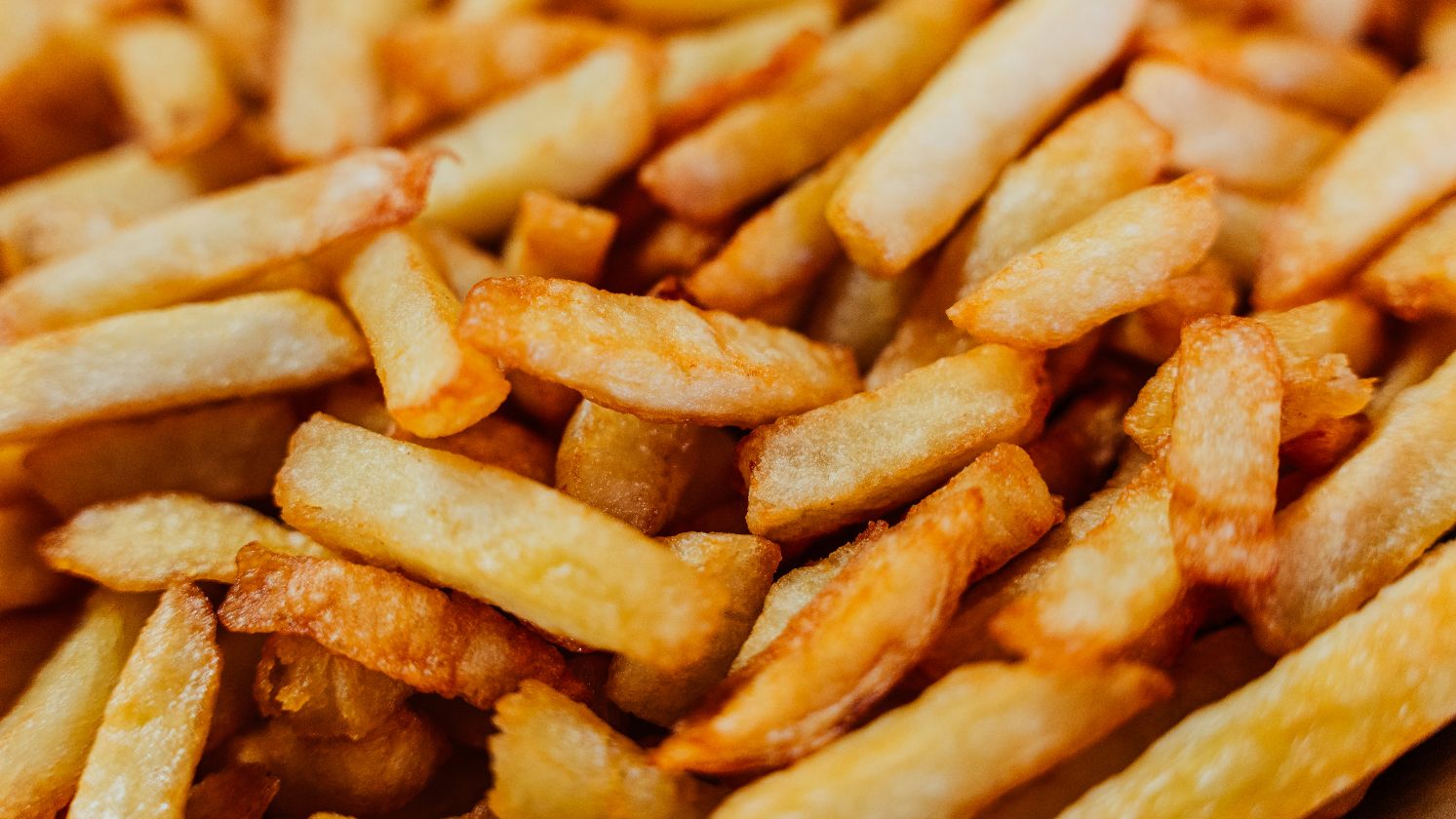
The drift shows up clearly across a long enough stretch. McDonald's fries were 2.4 ounces in 1955 and reached 7.1 ounces at the top of the range by 2002. The instruction to finish what's in front of you was written for the smaller version, and nobody went back to revise it when the container changed.
Other countries have aimed the same rule in the opposite direction. China's clean plate campaign launched in 2013 and returned in 2020, pointed at banquet etiquette that pushes hosts to order far more than the table can eat. An anti-food-waste law followed in 2021, carrying fines for restaurants that steer customers into over-ordering, and some cities pushed groups to order one dish fewer than the number of people seated. In both versions the diner is the one being managed.
KEEP ON READING