Miss The Window And The Crop Loses A Grade
Most crops give growers some room for error at harvest. Others have a window so narrow that an entire season's work can depend on getting a few hours right. The deciding factor might be the temperature that morning, the condition of a flower, or a change in ripeness that's easy to miss. Harvest too early or too late, and the crop can lose much of its value or become unsellable. Here are 20 foods where getting the timing right makes all the difference.
 EMANUELE Ricciardi on Unsplash
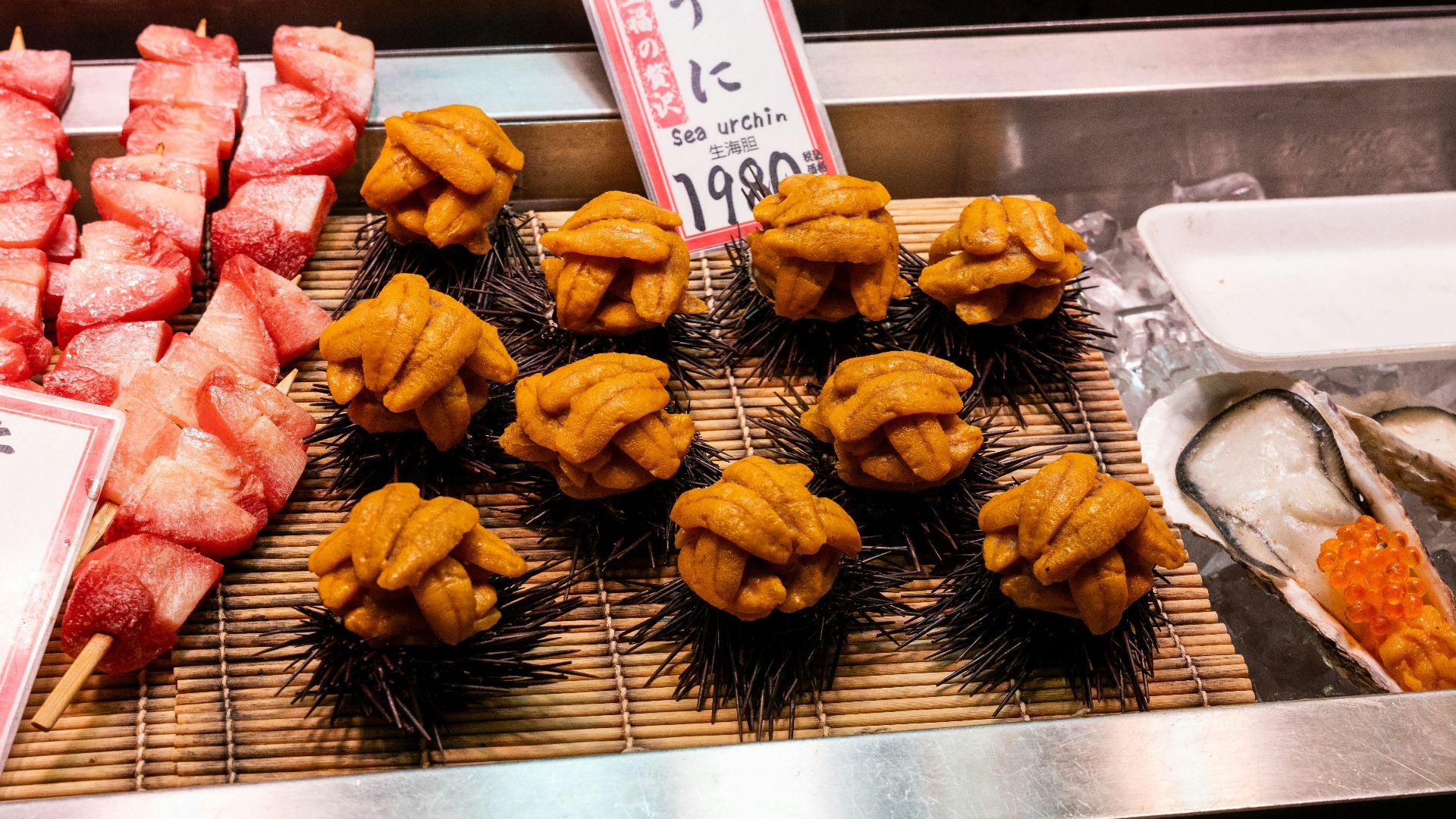
1. Saffron Flowers Have To Be Taken Before They Open
Crocus sativus blooms open once the sun is up, and an open flower makes weak saffron. Pickers in Iran and Morocco work in the dark, filling baskets with closed buds, then pull the three red stigmas out by hand the same day. Around 150,000 flowers make a kilogram of dried spice.
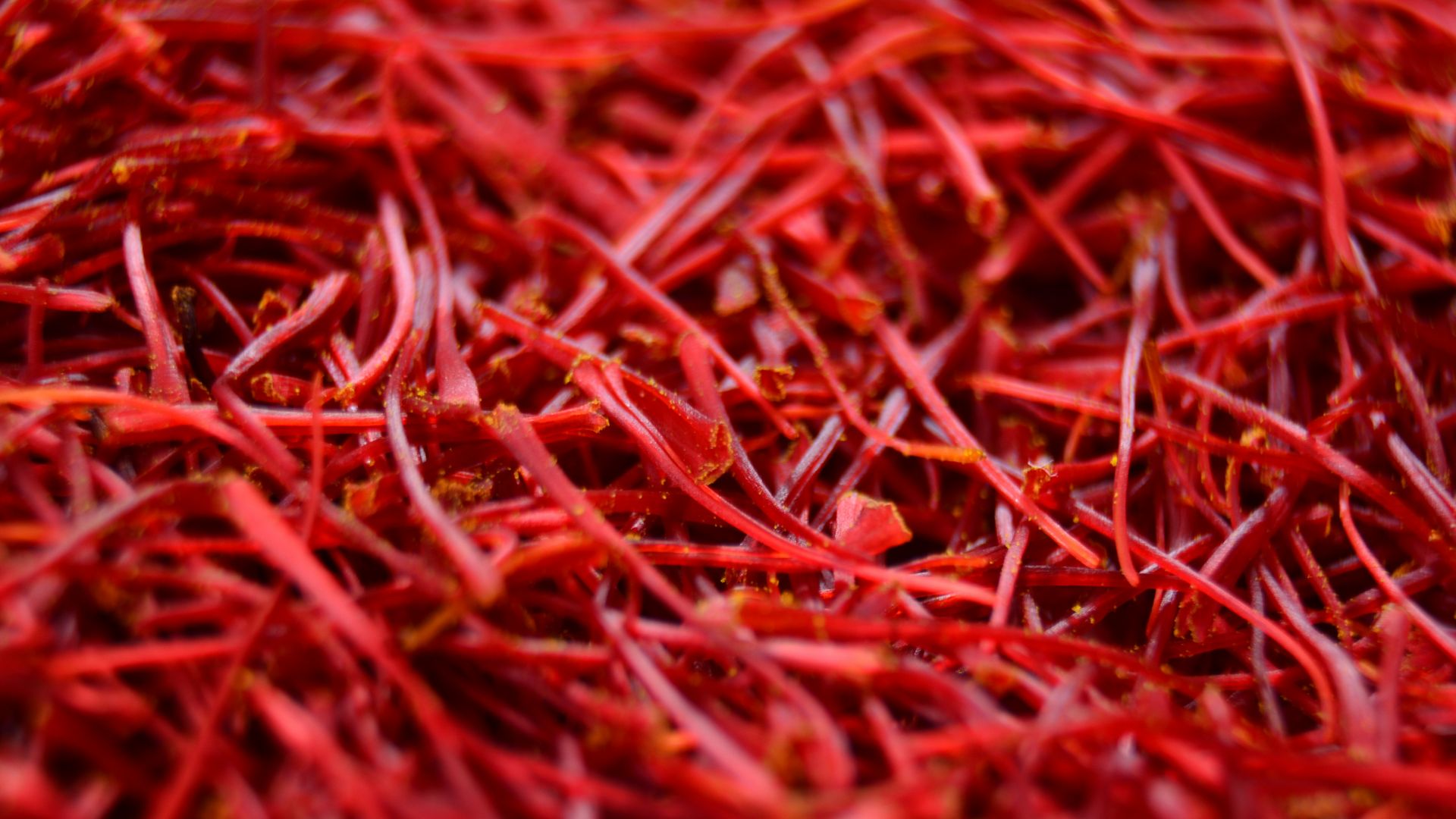
2. White Asparagus Is Cut Before The Tip Reaches Daylight
Growers mound soil over the rows and watch for the crust to lift. Light on the tip turns it purple and sharpens the taste, so the spear has to come out with a long knife before it surfaces. Crews in Germany and the Netherlands walk the beds by hand daily through the short season.
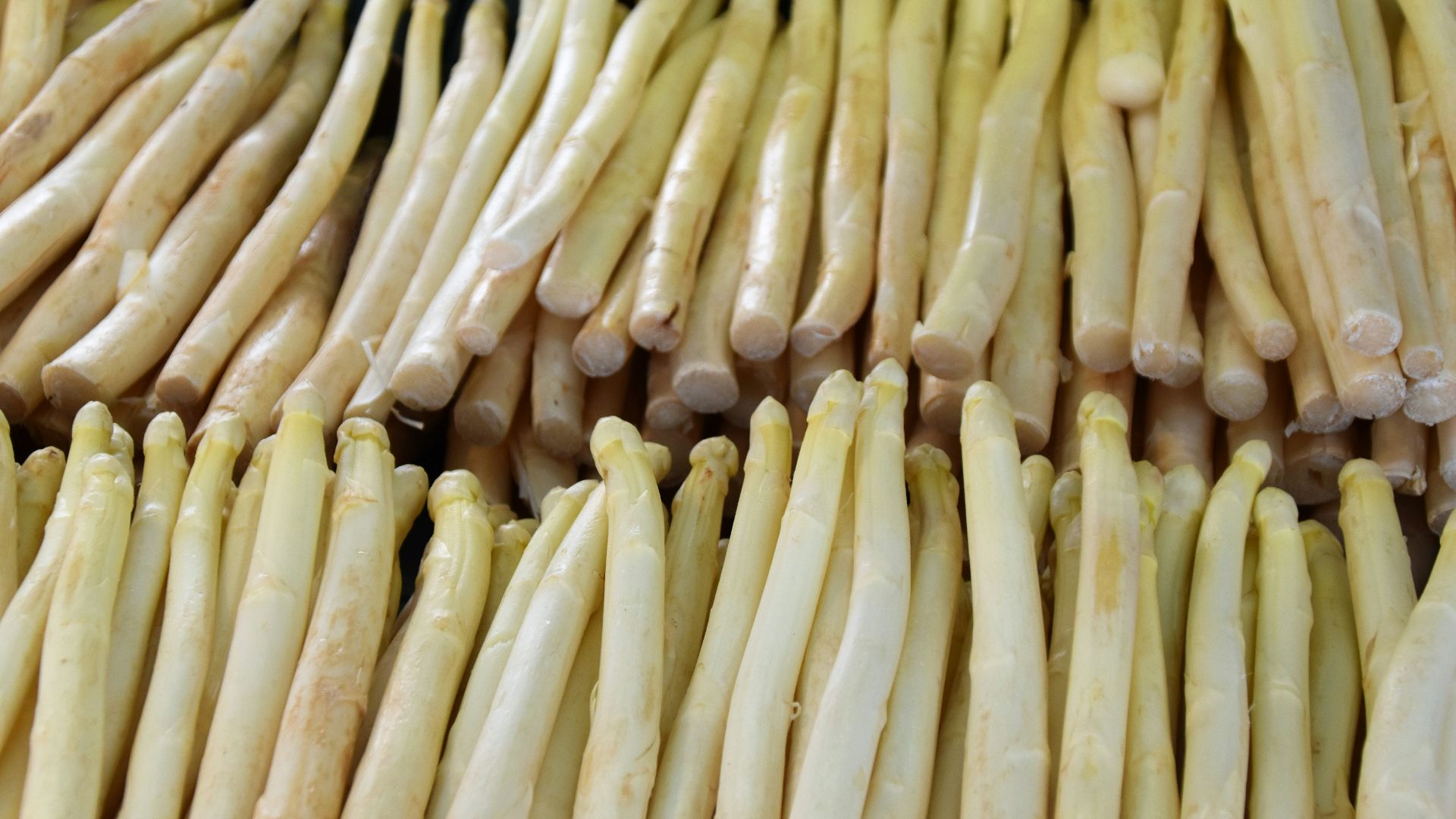
3. Soft-Shell Crabs Have A Few Hours
A blue crab is soft only right after it backs out of its old shell, and the replacement starts hardening immediately. Shedding operations check their tanks every three or four hours through the night, because anything left in the water firms up into an ordinary hard crab.
 Chandler Cruttenden on Unsplash
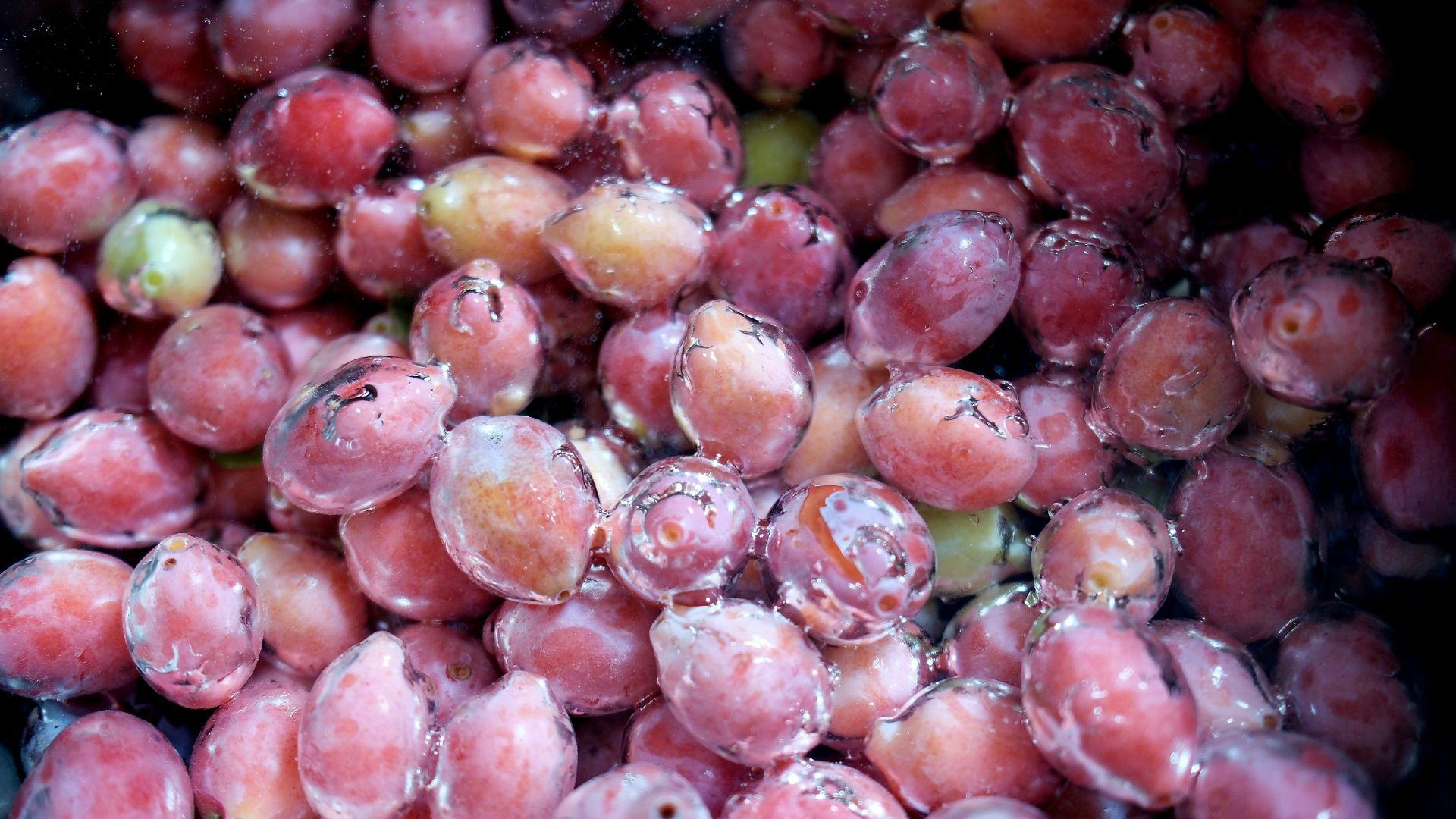
4. Icewine Grapes Need Minus 8 Degrees
Ontario's VQA rules bar picking until the air holds at minus 8 degrees Celsius, and the fruit has to be pressed while it stays that cold. An inspector halts the harvest if the thermometer climbs, which is why crews start after midnight. German law sets the bar a degree warmer.
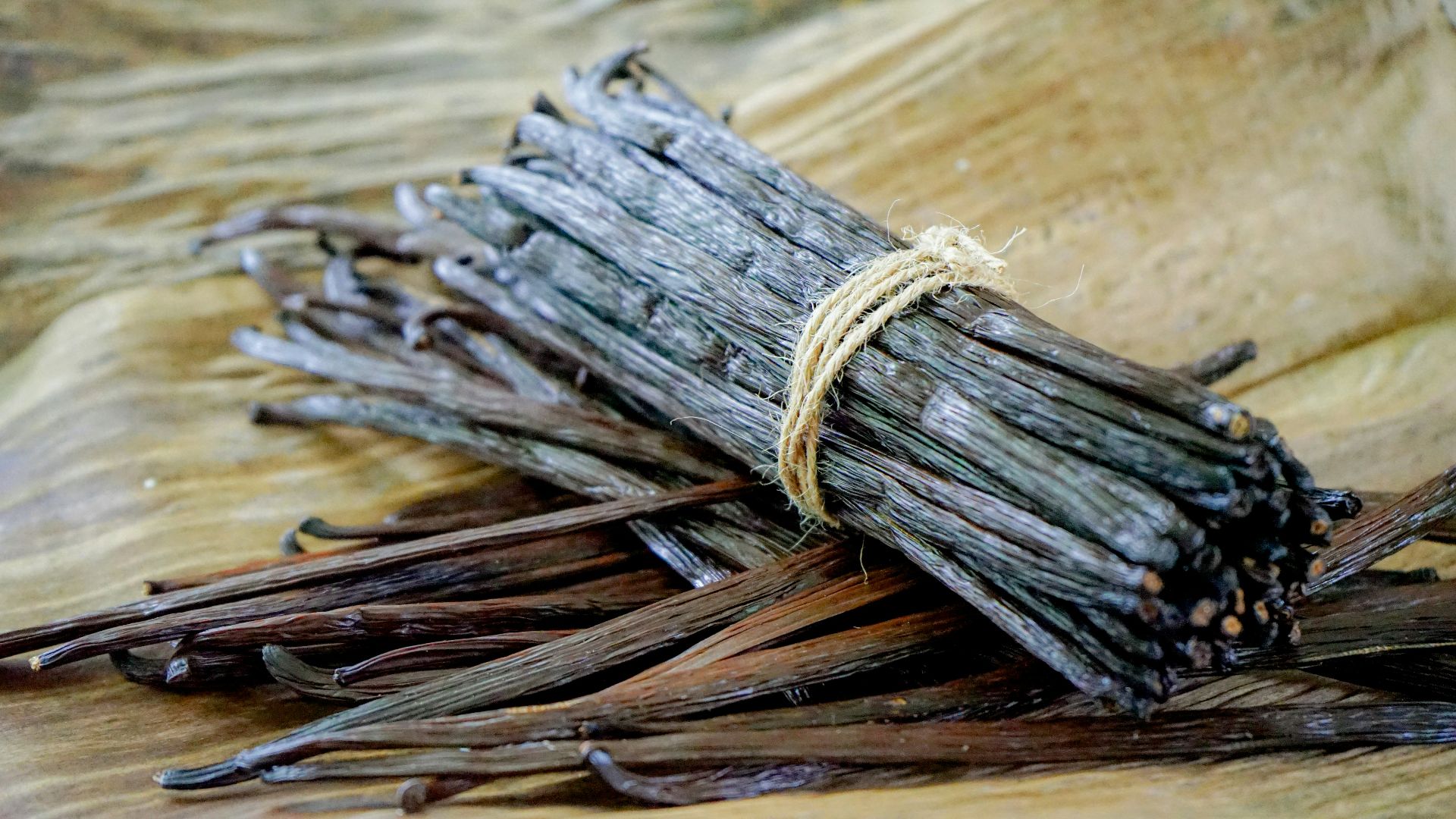
5. Vanilla Pods Come Off At Eight To Nine Months
University of Florida extension guidance puts optimum harvest at eight to nine months after a flower is hand pollinated. A pod taken before eight months never builds enough vanillin. One left past nine splits on the vine and loses most of its market value. Growers walk the rows twice a week watching for a yellow tip.
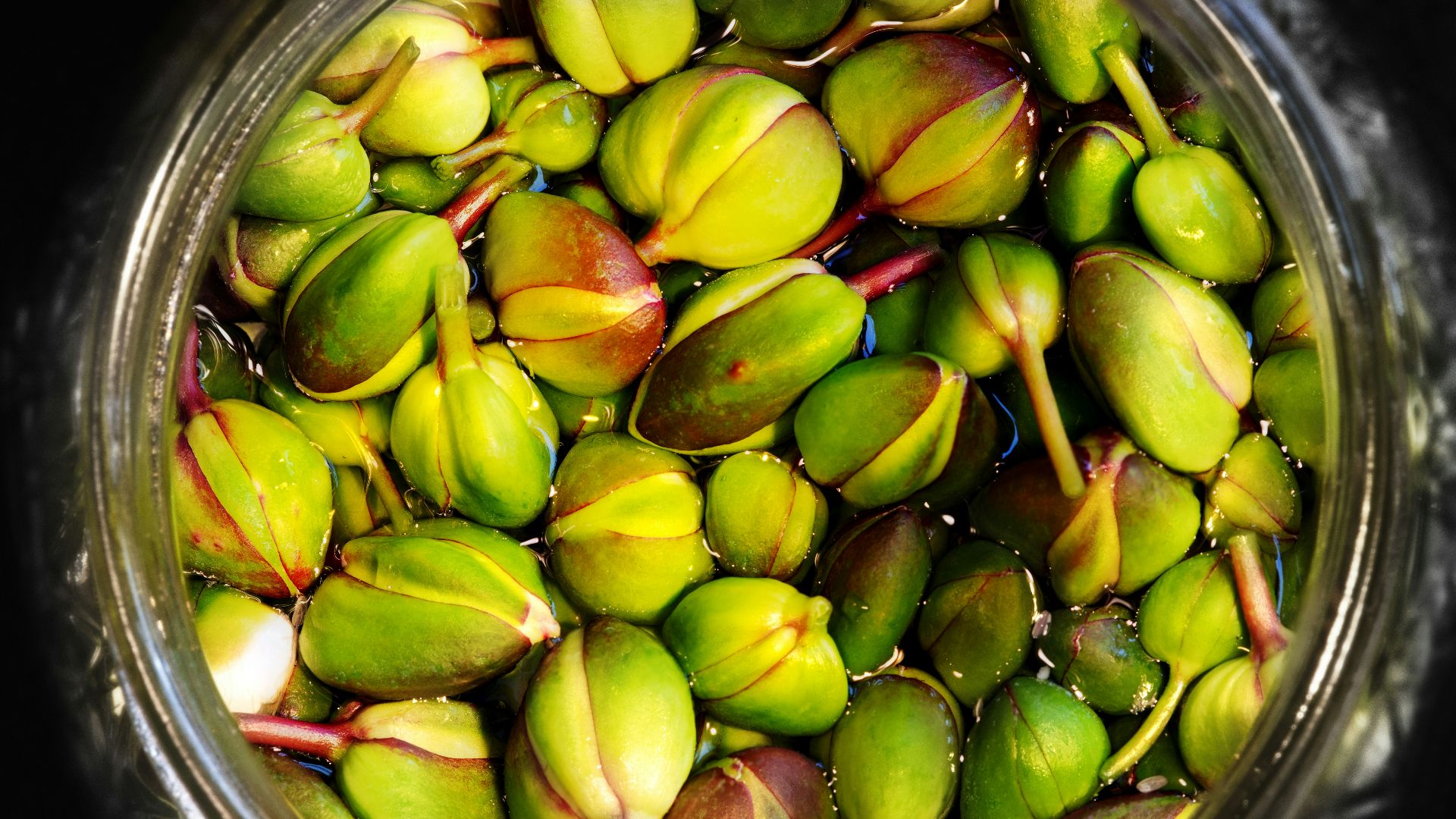
6. Capers Are Flower Buds Caught Before Blooming
What goes in the jar is an unopened bud. On Pantelleria, whose capers hold an IGP designation, pickers return to each plant every eight to twelve days and work it nine to twelve times over a summer. Locals read a bush in bloom as a sign the farmer stopped paying attention.
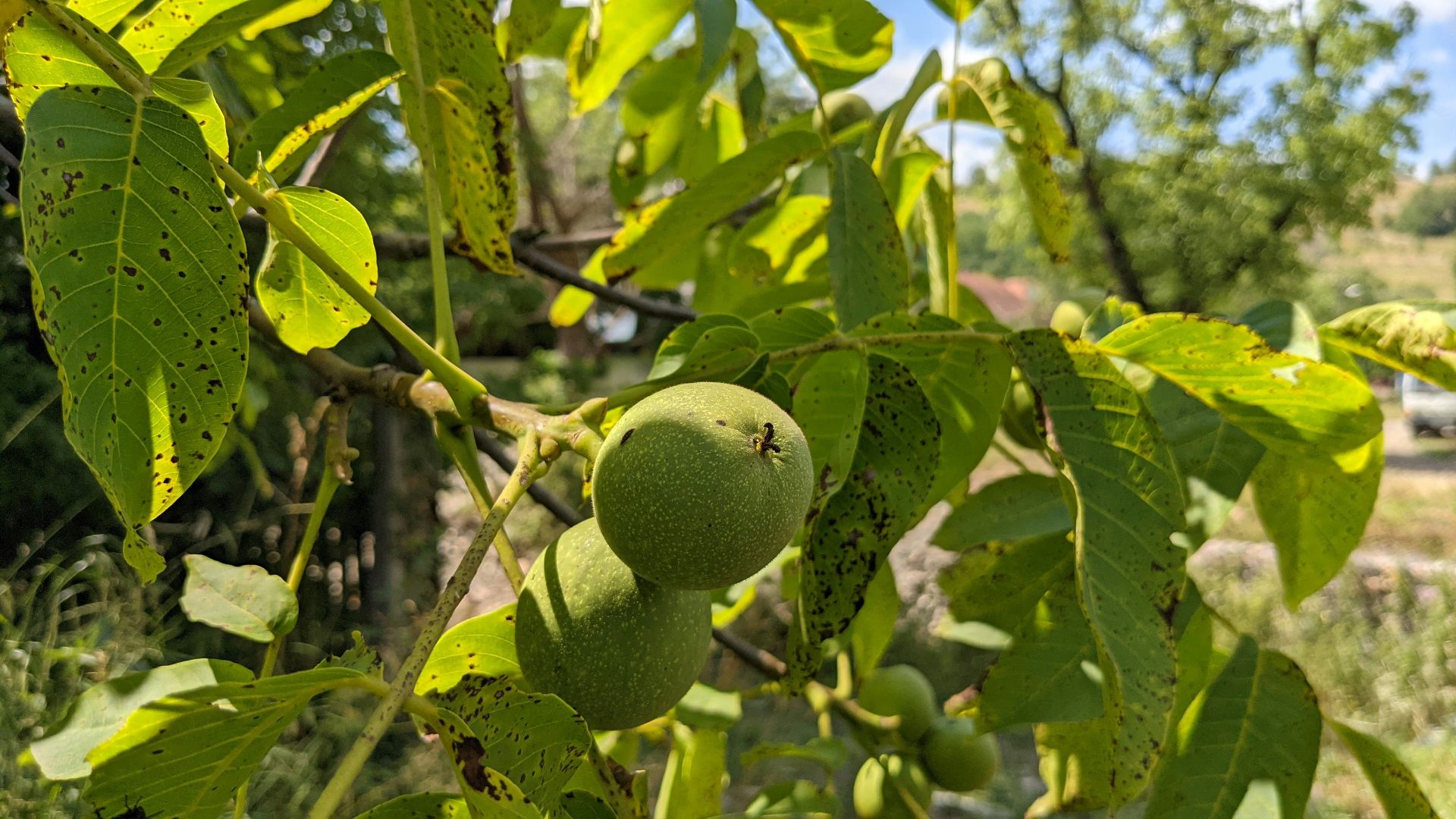
7. Green Walnuts Go Into Alcohol Before The Shell Forms
The Nocino di Modena geographical indication calls for walnuts gathered in June, while the husk is green and the shell inside hasn't hardened. Makers test with a pin, which should pass through the whole nut without catching. Tradition puts the picking on the night of San Giovanni.
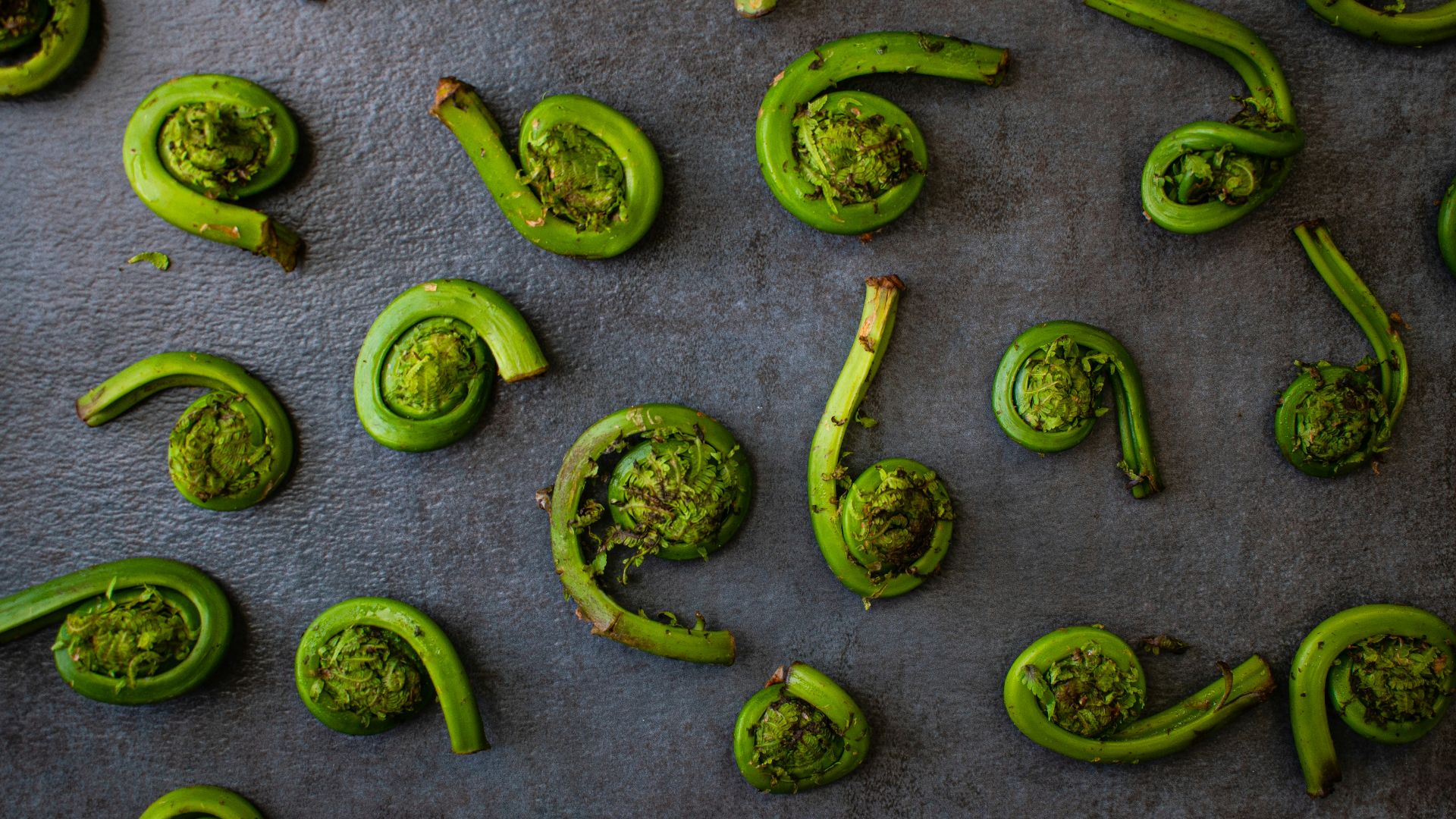
8. Fiddleheads Only Count While They're Coiled
Ostrich fern fronds are worth eating only when they're wound tight. Once the coil starts to open the stem goes fibrous and bitter, leaving foragers a short run before a patch is finished. Raw ones have caused outbreaks of illness, so they get cooked through.
 The Matter of Food on Unsplash
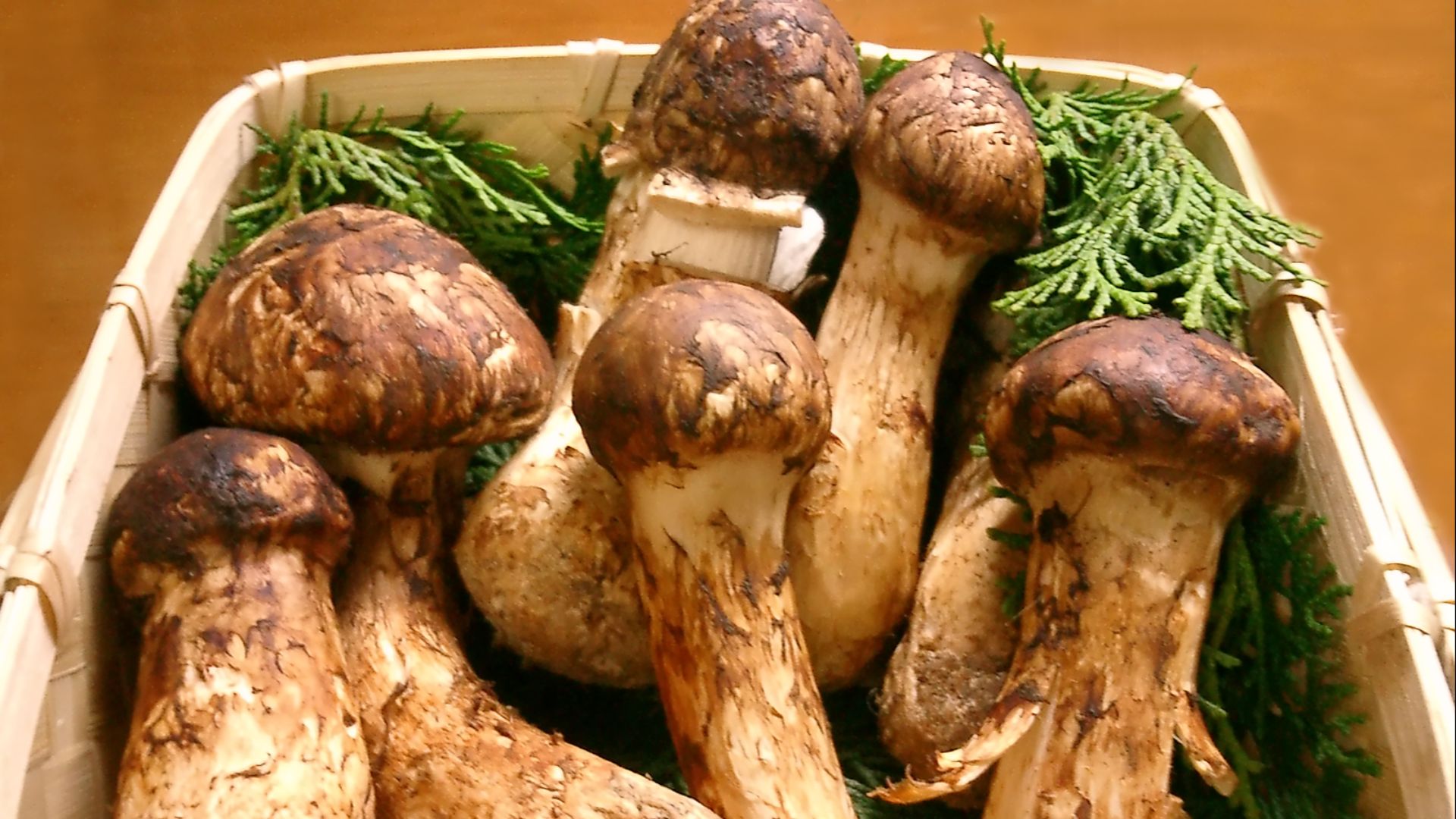
9. Matsutake Are Graded On Whether The Veil Has Broken
Buyers in the Pacific Northwest sort matsutake from one to six, and the top grade requires an unbroken membrane between cap and stem. After the veil tears and the gills show, the aroma weakens and a mushroom can lose a third of its value. Pickers dig for buttons still under the needles.
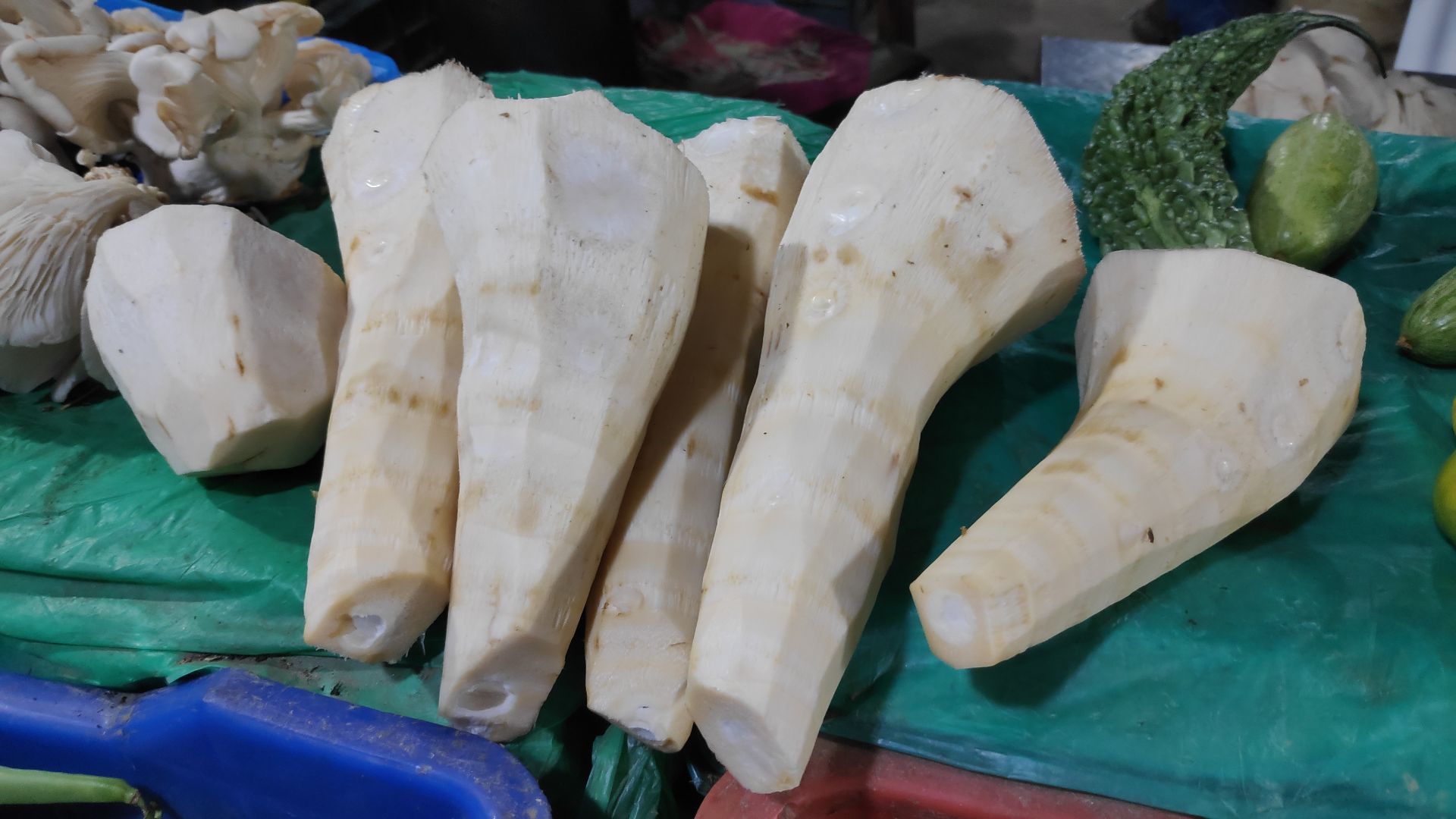
10. Bamboo Shoots Are Dug Before They Clear The Soil
Japanese diggers hunt for shoots that haven't broken the surface yet, working in the morning after a shoot has pulled water from the parent plant overnight. One left standing in daylight for a few days turns woody, and the bitterness that comes with it takes long boiling to pull back out.
 Gaurav Dhwaj Khadka on Wikimedia
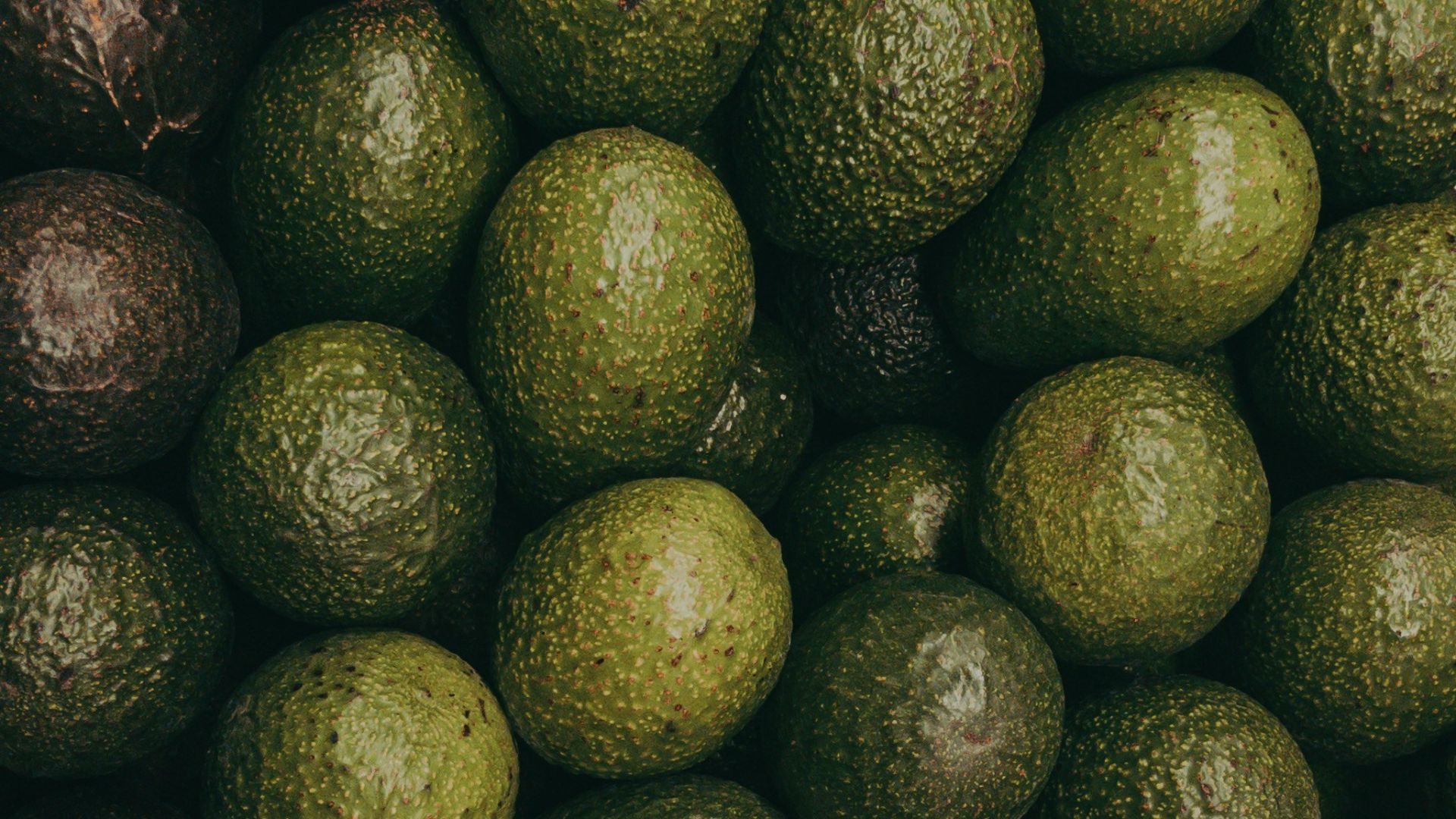
11. Avocados Must Hit A Legal Dry Matter Number
California regulation sets minimum maturity by dry matter, and Hass has to test at 20.8 percent before anyone may pick it. Nothing softens on the branch, so fruit can hang for weeks while oil content builds. Below that number the avocado never ripens properly and goes rubbery instead.
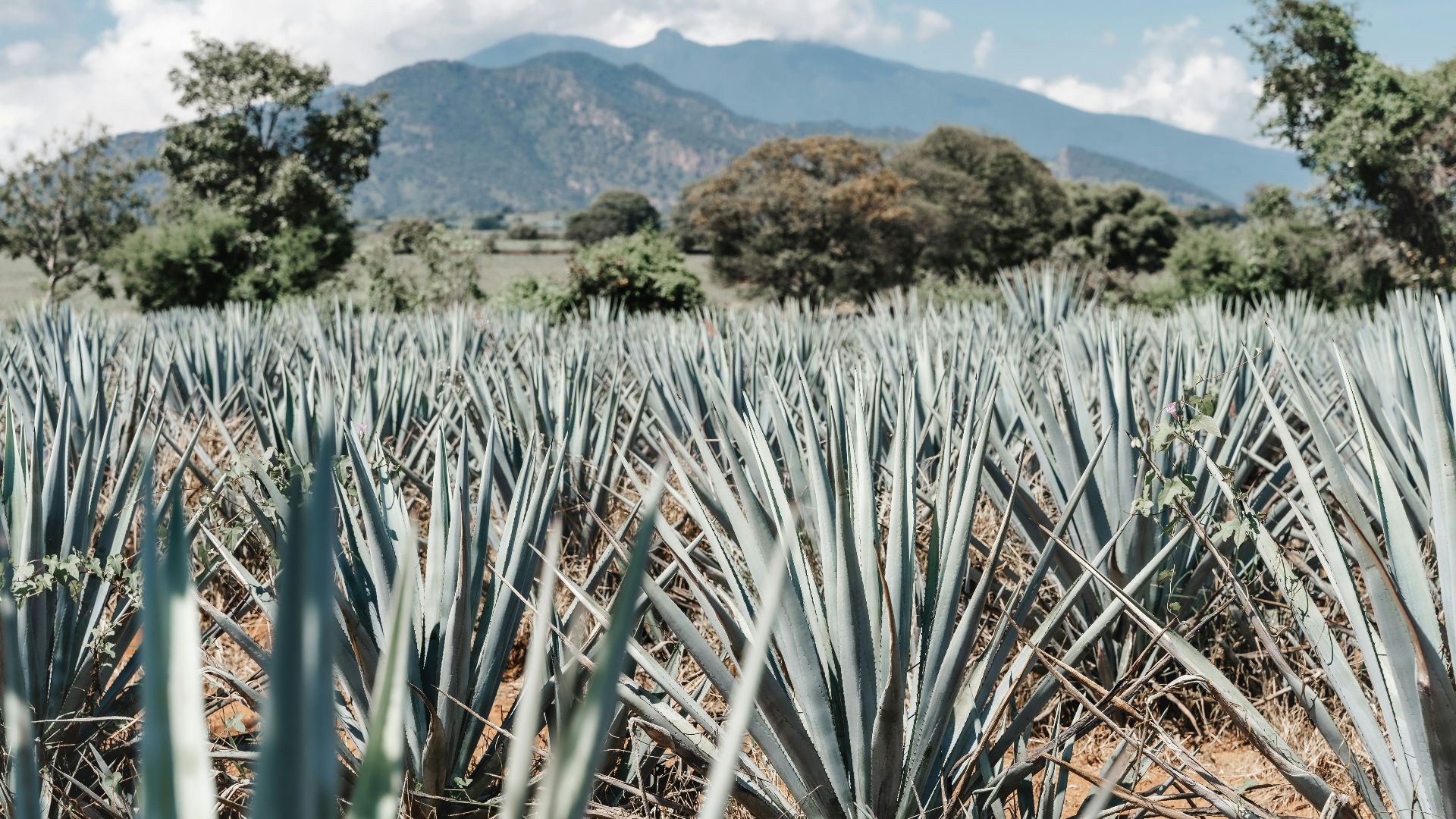
12. Agave Is Harvested Months After The Stalk Is Removed
As blue agave nears maturity it throws up a flowering stalk called a quiote, and growing it burns through the sugar stored in the plant's heart. Jimadores cut the stalk off and let the agave sit months longer as those sugars concentrate in the piña.
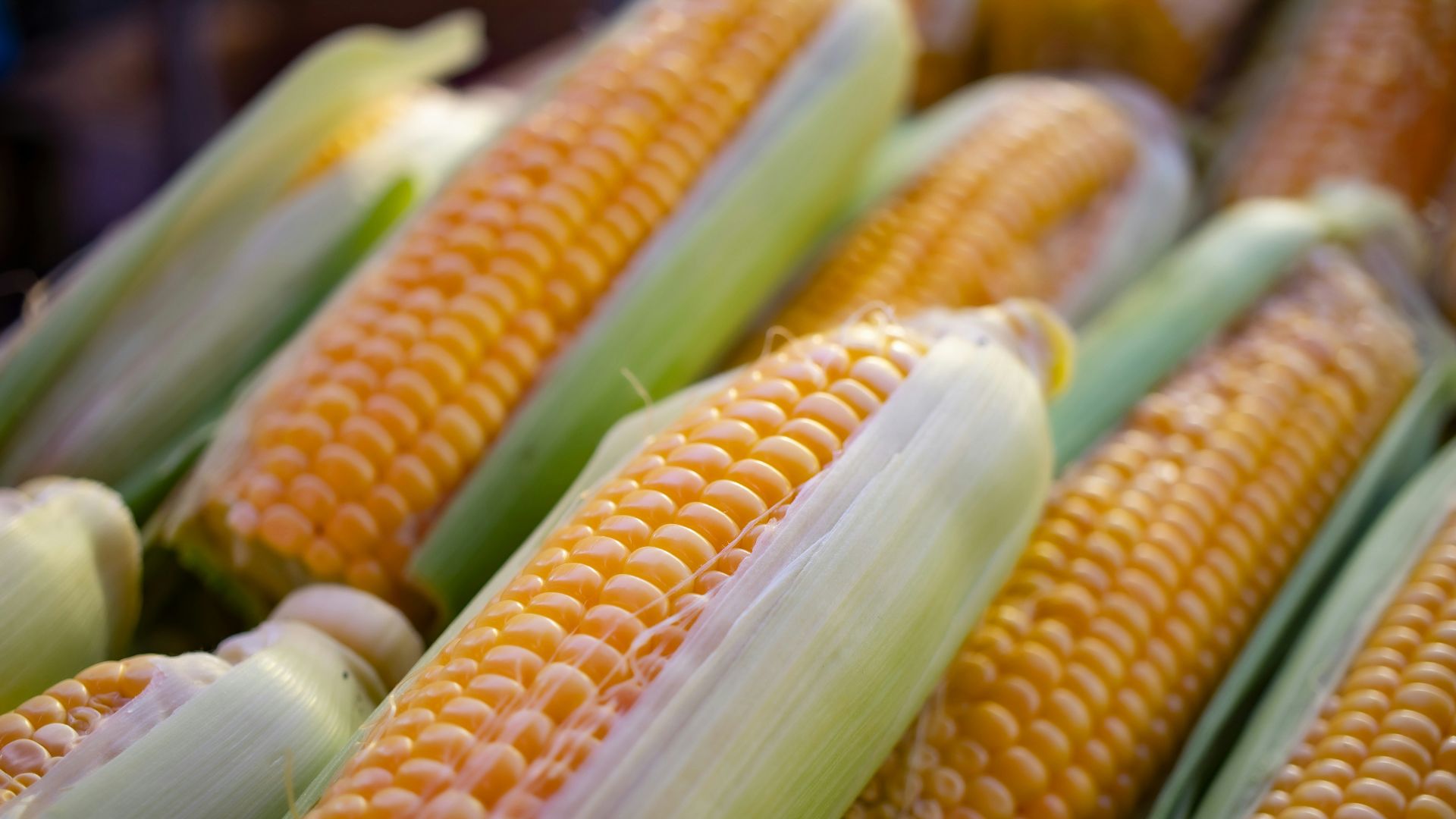
13. Sweet Corn Gets Cut At The Milk Stage
An ear is ready when a punctured kernel squirts rather than pastes, a stage that holds for days. Traditional sugary varieties start turning sugar into starch the moment they come off the stalk, and refrigeration buys them a day or two. Shrunken-2 hybrids slow that conversion enough to hold a week.
 Wouter Supardi Salari on Unsplash
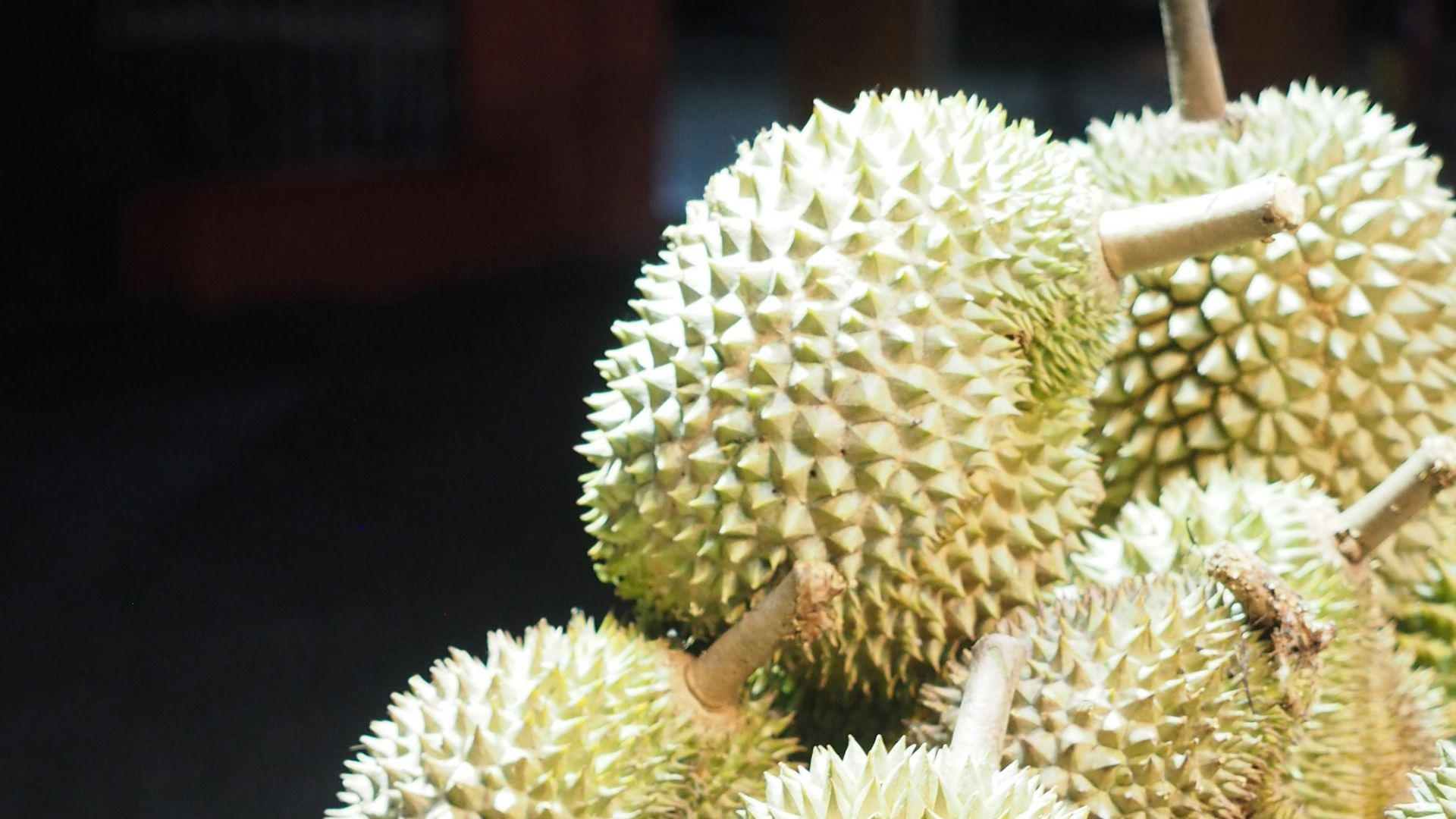
14. Durian Is Either Caught Falling Or Cut Early
Malaysian orchards wait for the durian to detach on its own and hit the ground fully ripe. Some owners net the branches and others sleep under the trees. Thai exporters cut at roughly 75 to 85 percent maturity so the fruit survives shipping to China, where Thailand holds most of the import market.
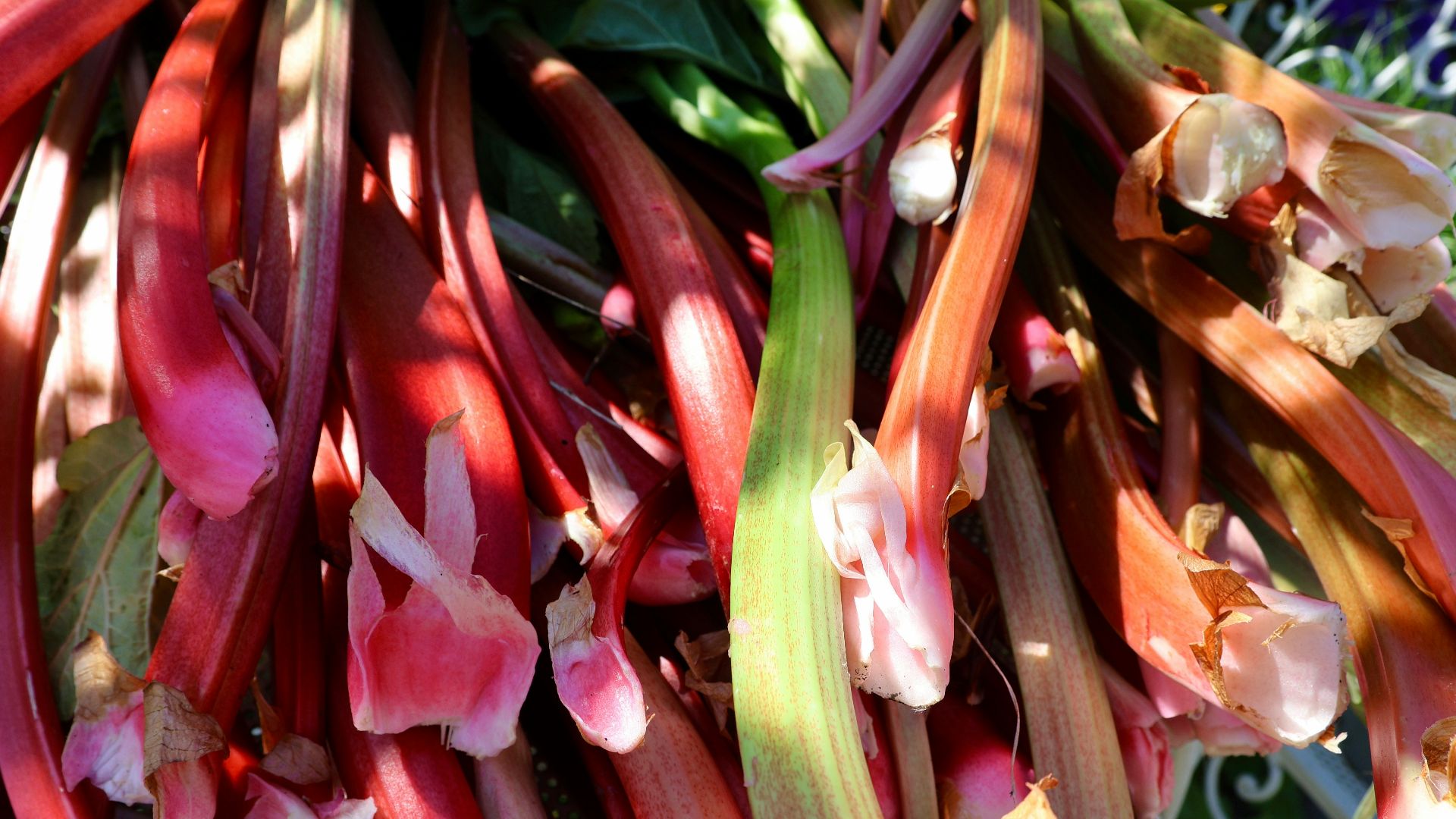
15. Yorkshire Rhubarb Is Picked By Candlelight
Crowns spend two years outdoors, get lifted after the first frosts, and then push pink stems in dark heated sheds on stored energy alone. Any real light would start photosynthesis and leave the stalks green and tough. The crop has held protected designation of origin status since 2010.
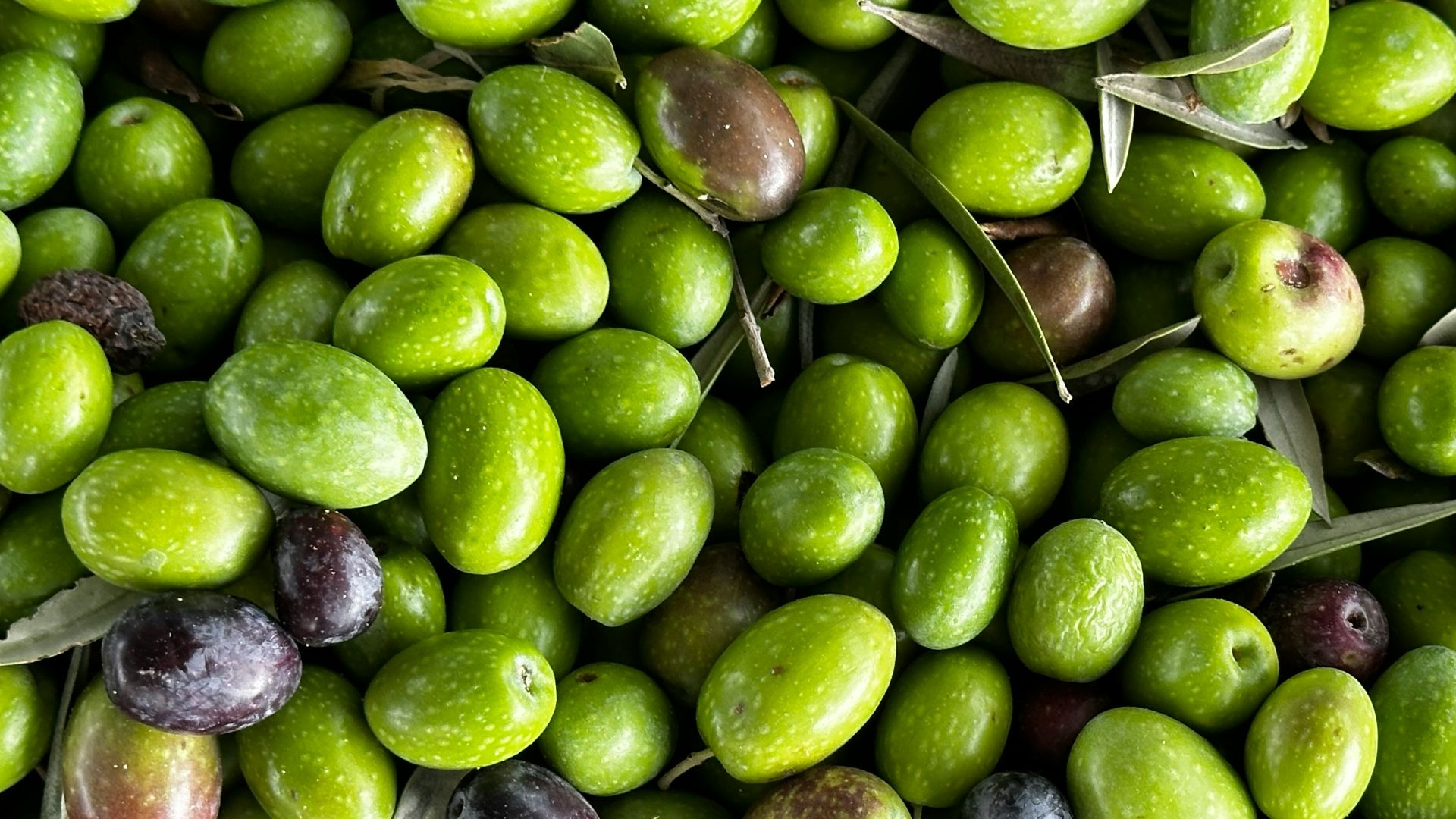
16. Olives For Oil Are Harvested Half Ripe
Oil yield climbs as olives darken while the polyphenols that give the oil its pepper fall away. Mills chasing quality pick at veraison, as fruit turns from green toward purple, and settle for around 12 to 14 percent oil by weight instead of the 20 to 25 percent a late harvest gives.
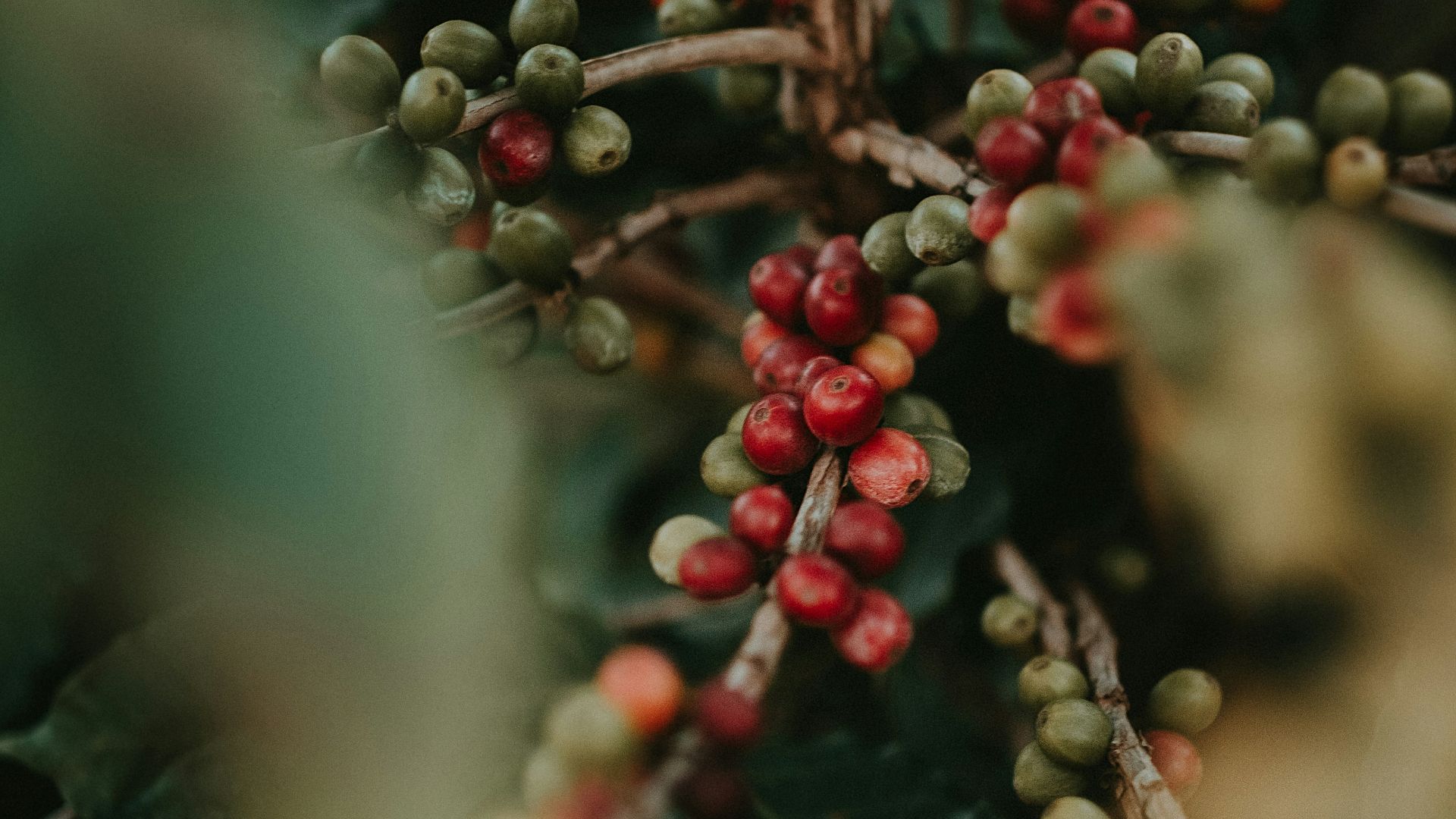
17. Coffee Is Picked One Red Cherry At A Time
Cherries on a single branch don't ripen together. Specialty farms send workers through the same trees several times a season to take only the deep red fruit, which is slow and costly. Stripping a branch in one go is cheaper and drops underripe cherries straight into the lot.
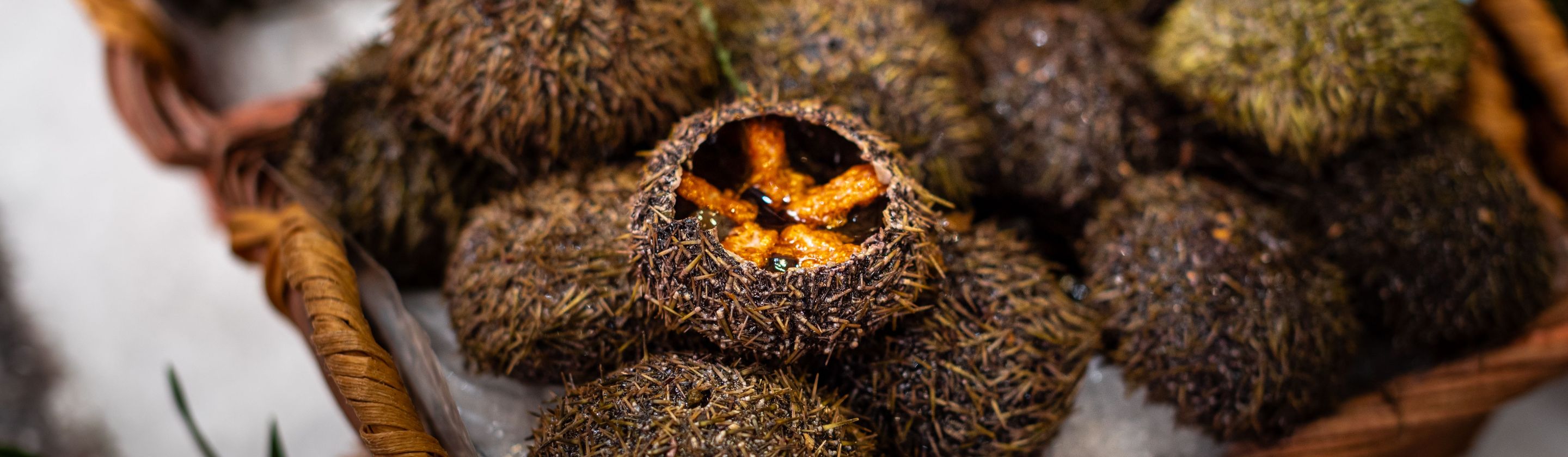
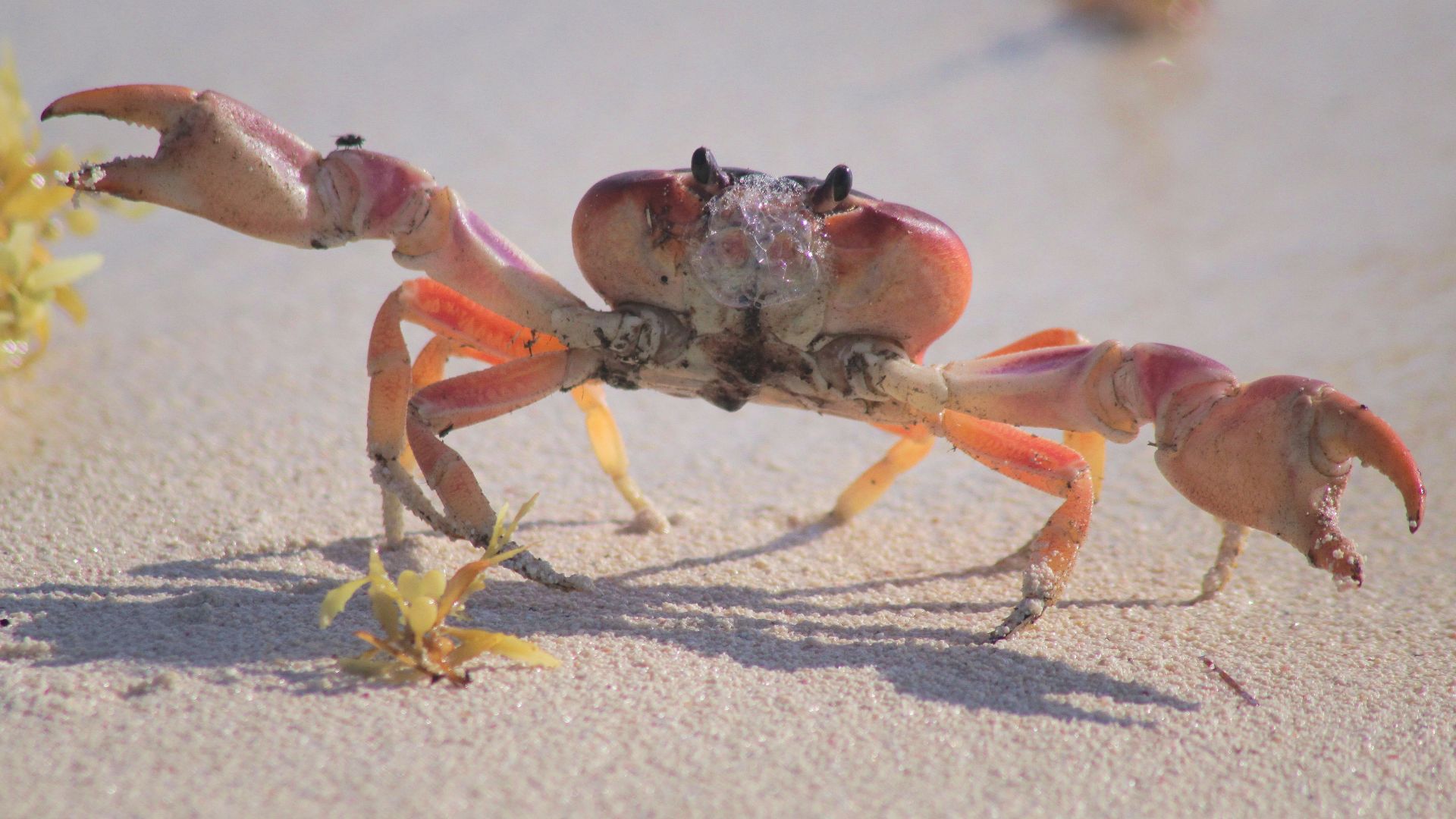
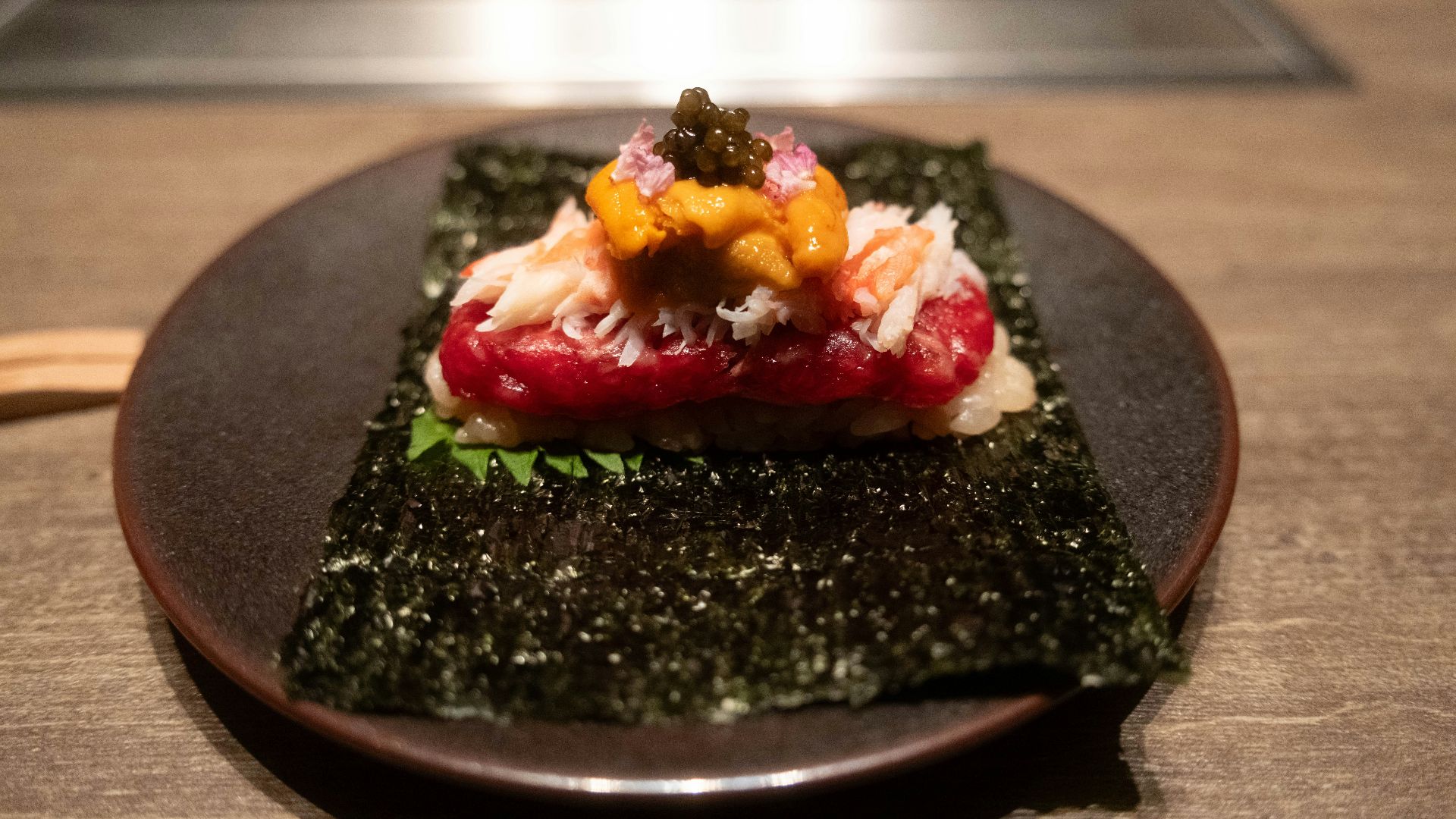
18. Sea Urchin Roe Peaks Right Before Spawning
Gonads fatten ahead of spawning and then collapse, turning watery and bitter. A 2018 paper in PLOS ONE tracked that cycle in California's red urchin fishery using a gonad index, and found quality highest just before the spawn. Japan and Chile close their fisheries during the spawn.
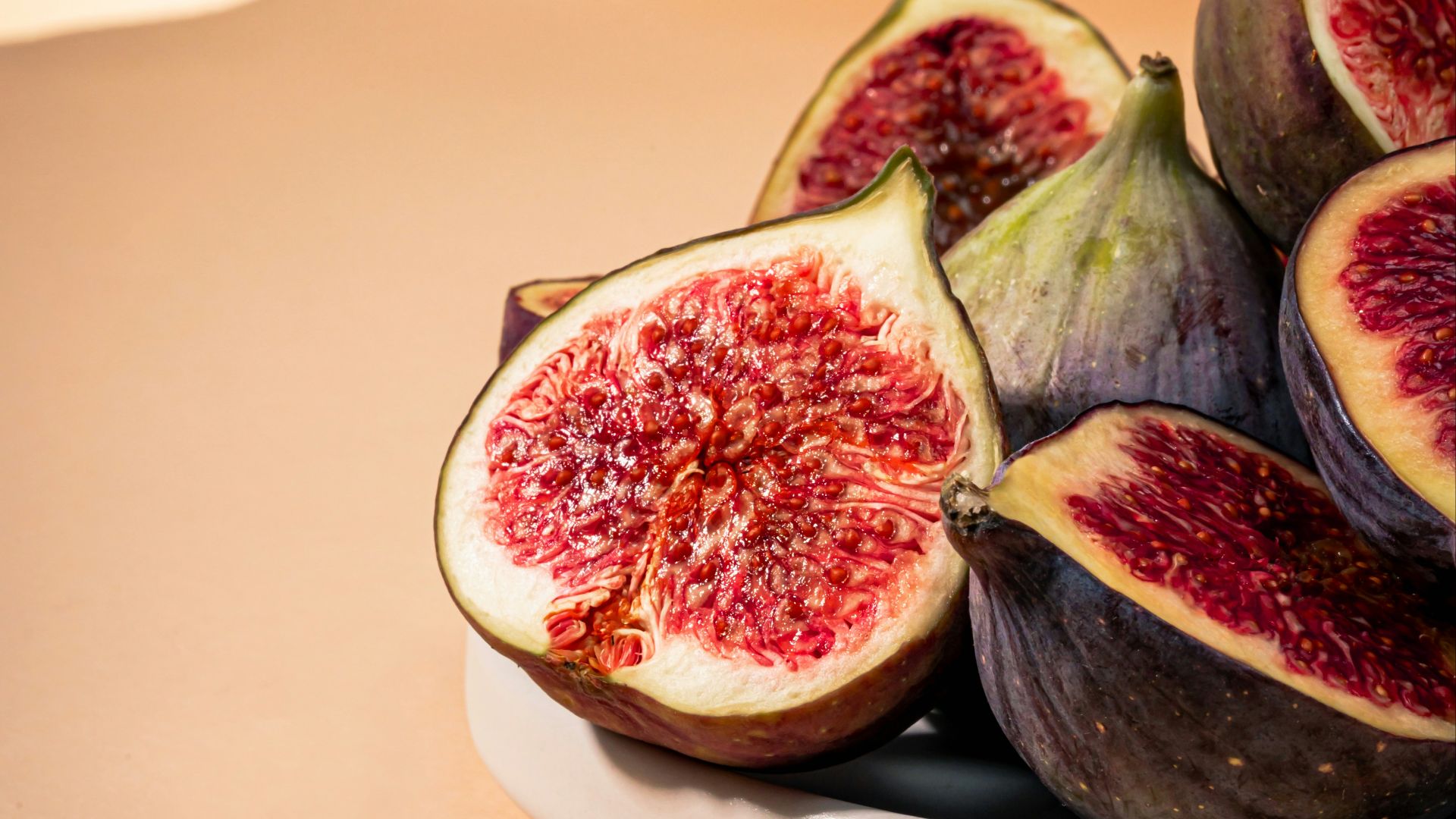
19. Figs Stop Sweetening The Moment They Leave The Tree
Sugar comes from the branch. A fig pulled firm stays exactly as sweet as it was that second, and the tree is the only place it gets sweeter. The one left hanging until the neck droops bruises under almost any handling.
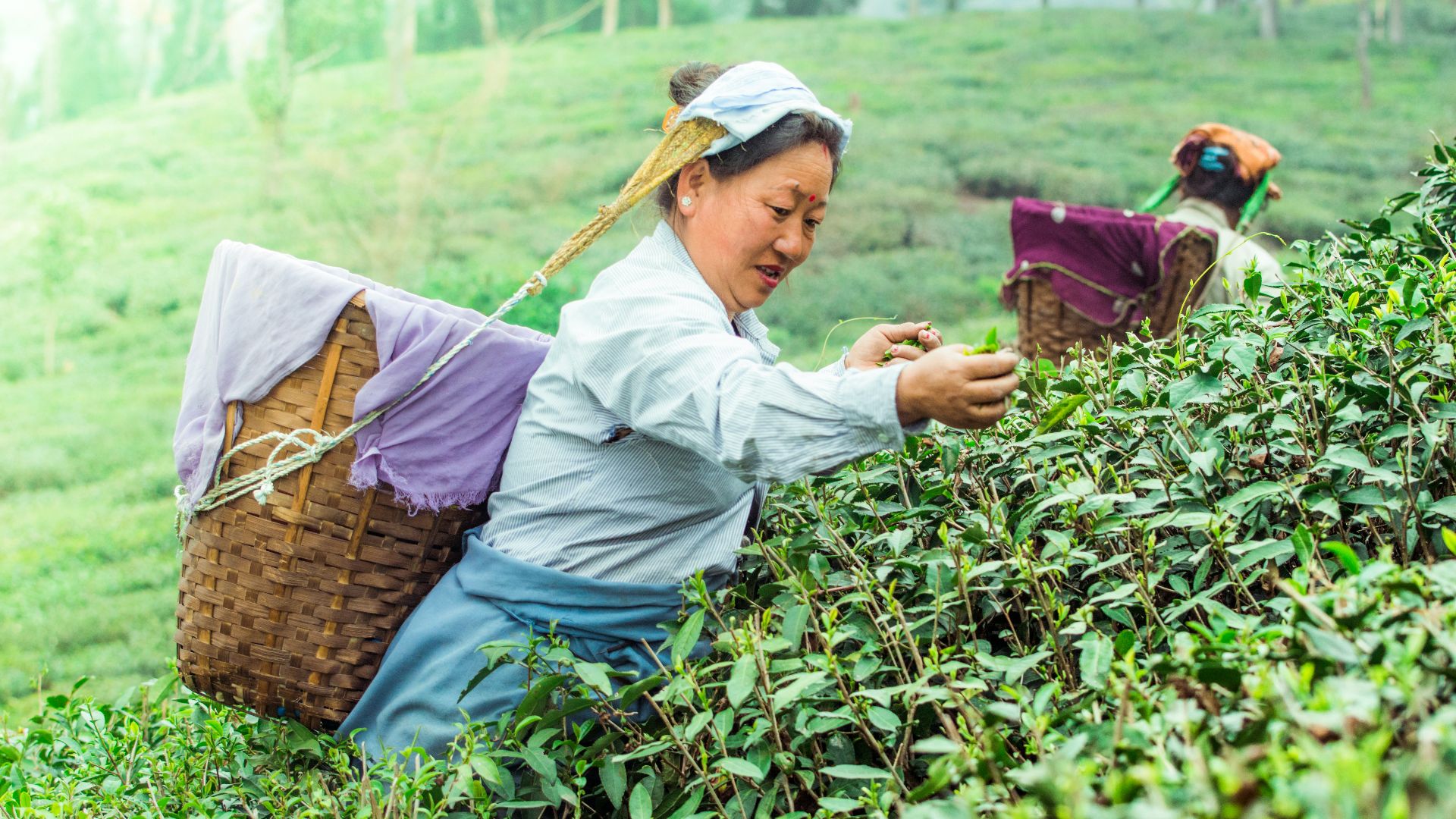
20. Darjeeling First Flush Lasts A Few Weeks
Tea bushes sit dormant through the Himalayan winter and push new growth once the weather turns. Estates take the bud and top two leaves during that first spring growth, and those lots fetch prices the later flushes never see. A warm spell or heavy rain can squeeze the picking into days.
KEEP ON READING