20 Foods That Show How Immigration Changed American Kitchens
Every Dinner Table Has a Travel History
American food has never been one single thing, and that’s exactly what makes it interesting. Generations of immigrants brought recipes, techniques, ingredients, business ideas, celebrations, and comfort foods with them, then adapted those traditions to new neighborhoods, grocery stores, and tastes. Some dishes stayed close to their roots, while others became so Americanized that people forget they began as immigrant foodways in the first place. Here are 20 foods that show how immigration impacted American kitchens.
1. Pizza
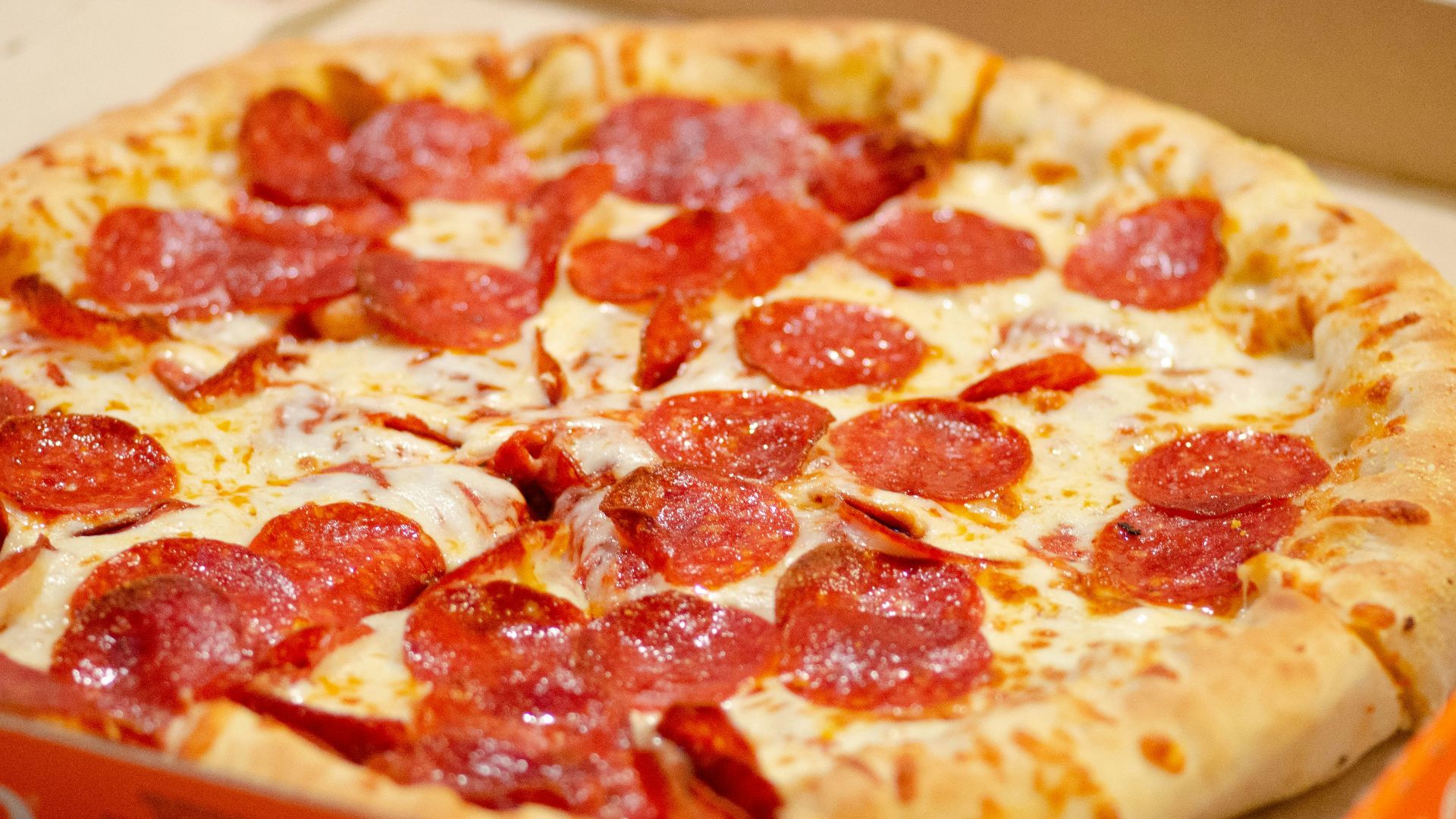
Pizza came to the U.S. with Italian immigrants and eventually became one of the country’s most familiar foods. Early versions were tied to Italian neighborhoods, but American pizza soon developed its own regional personalities. New York slices, Chicago deep-dish, Detroit-style squares, and delivery-chain pies all show how one immigrant food became a national obsession.
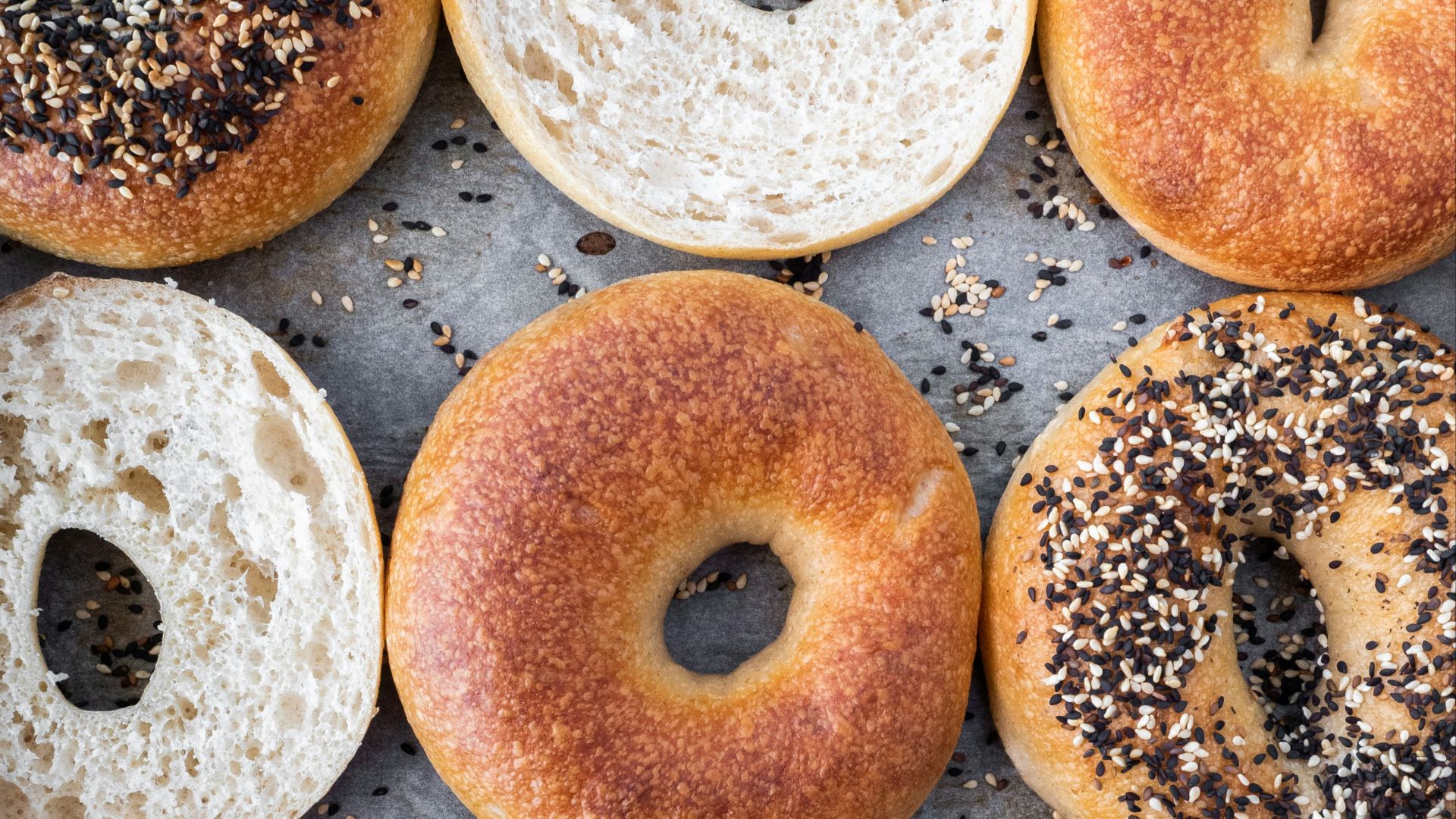
2. Bagels
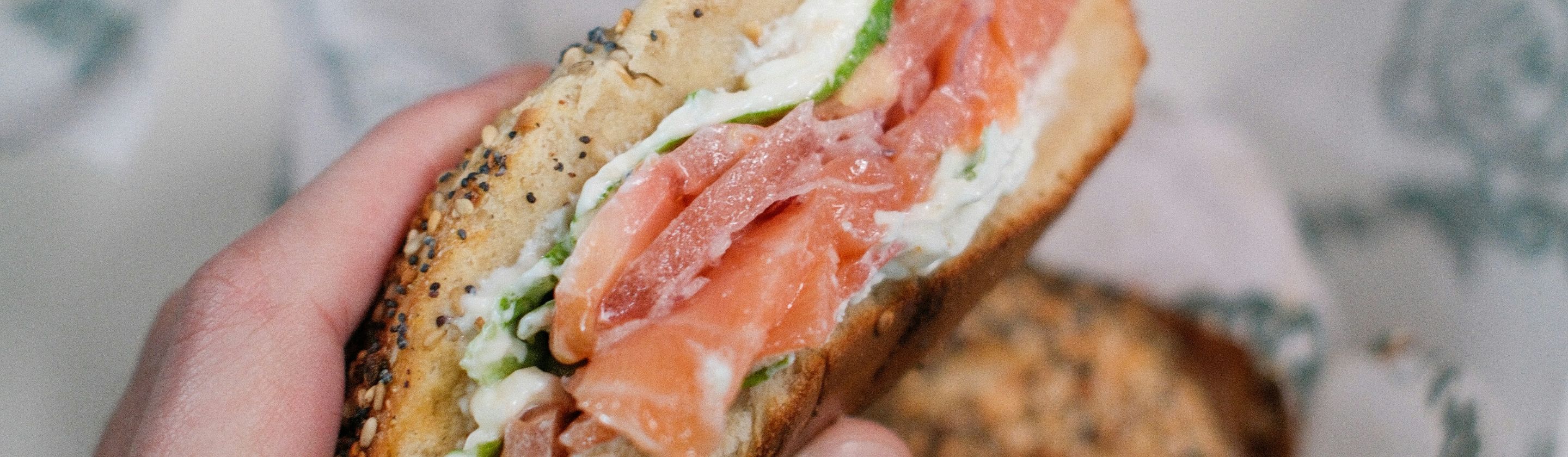
Bagels arrived with Jewish immigrants from Eastern Europe and became a major part of American breakfast culture. What began as a dense, chewy bread with deep community roots eventually moved from neighborhood bakeries into supermarkets, diners, and office meetings. Add cream cheese, lox, or a very confident amount of everything seasoning, and you’ve got a food that feels both traditional and completely mainstream.
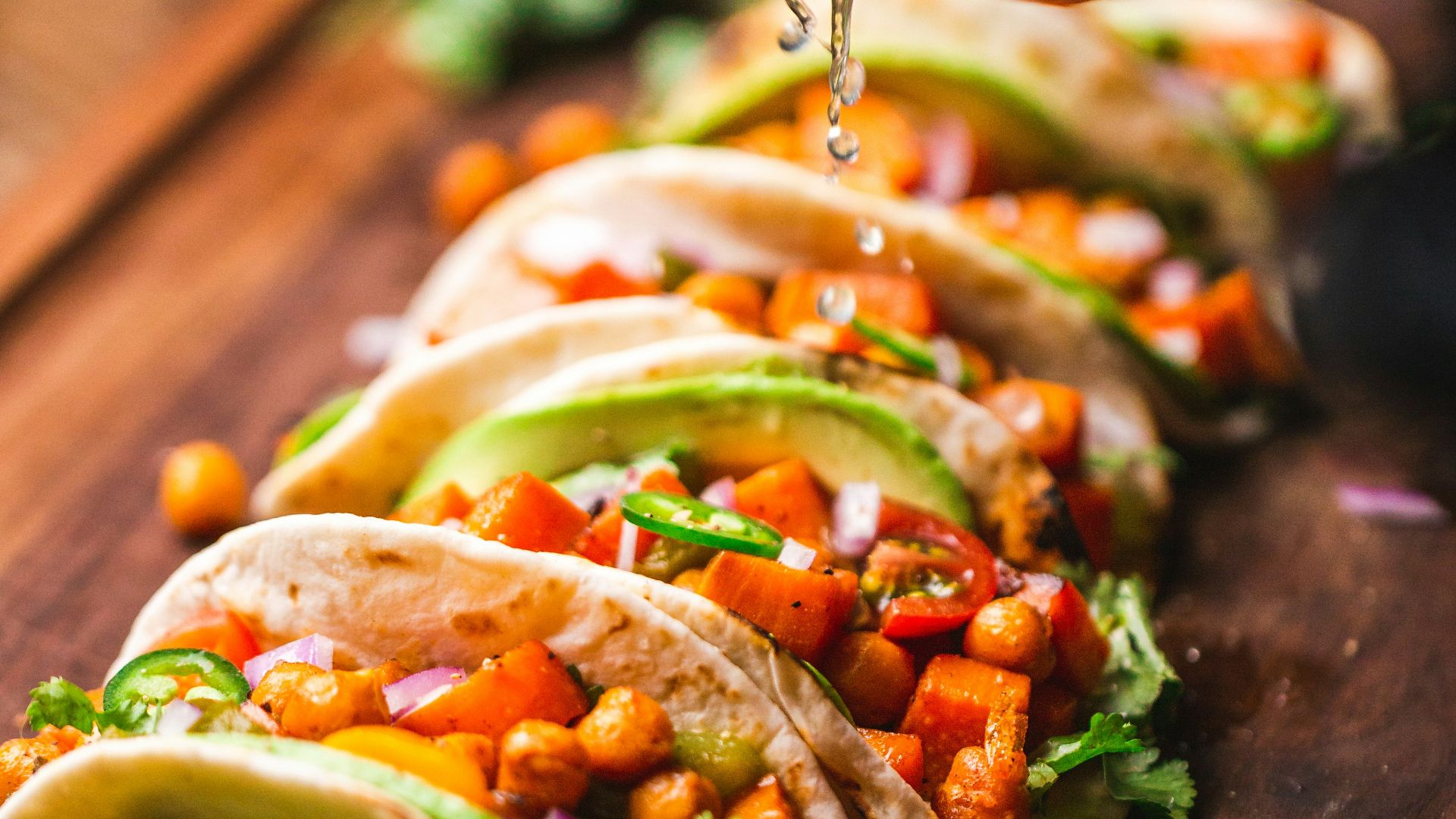
3. Tacos
Tacos reflect Mexican and Mexican-American food traditions that reshaped everyday eating across the U.
S. They’re now everywhere from street stands and family kitchens to fast-food chains and high-end restaurants. The American taco scene includes countless variations, which shows how migration, border culture, regional cooking, and adaptation can all come together.
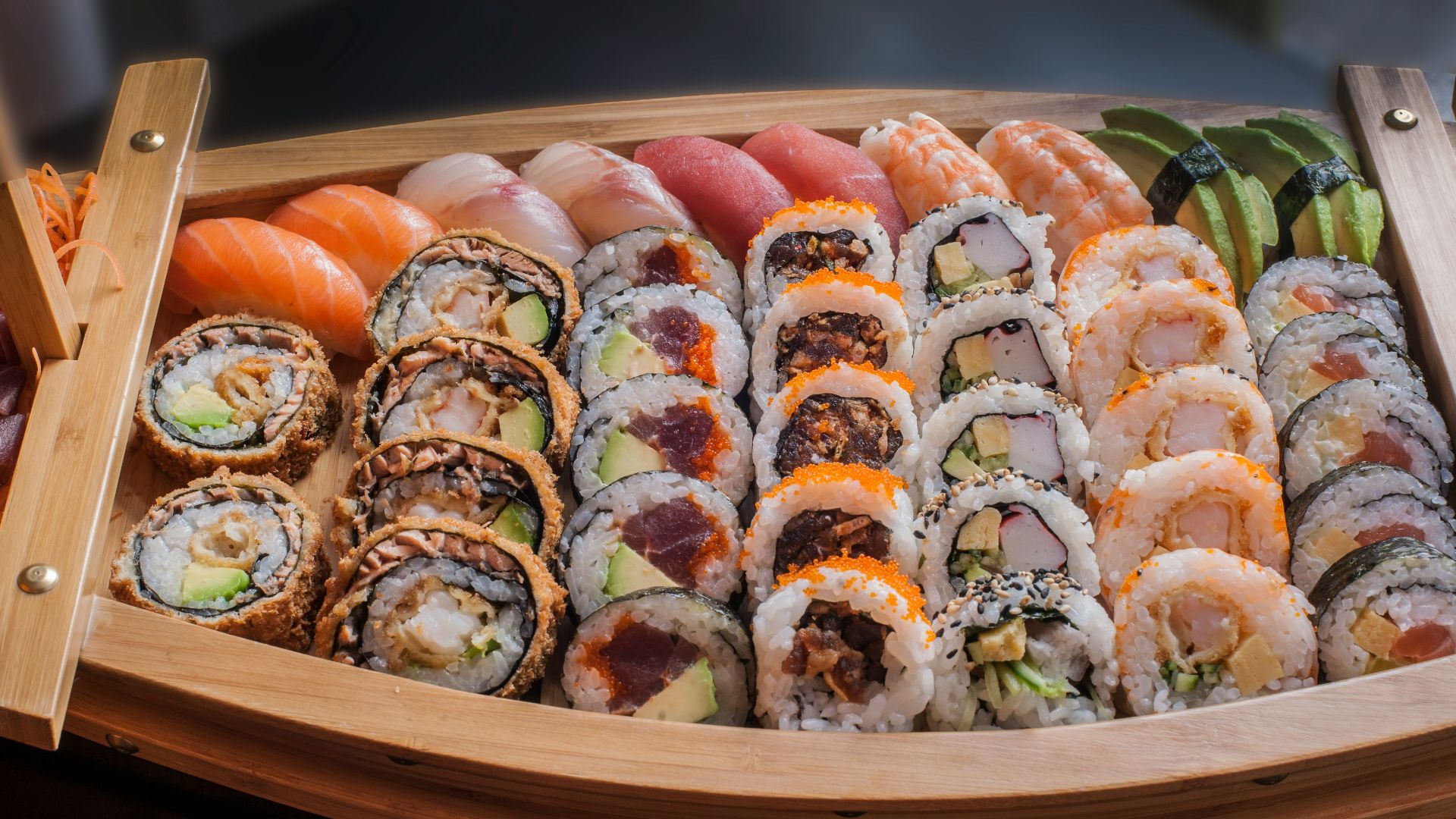
4. Sushi
Japanese immigrants and later Japanese American restaurants helped introduce sushi to a wider American audience. Over time, American sushi developed its own style, especially with rolls using avocado, cream cheese, spicy mayo, and cooked seafood. Some purists may raise an eyebrow, but the popularity of sushi shows how quickly a once-unfamiliar food can steal hearts.
 Riccardo Bergamini on Unsplash
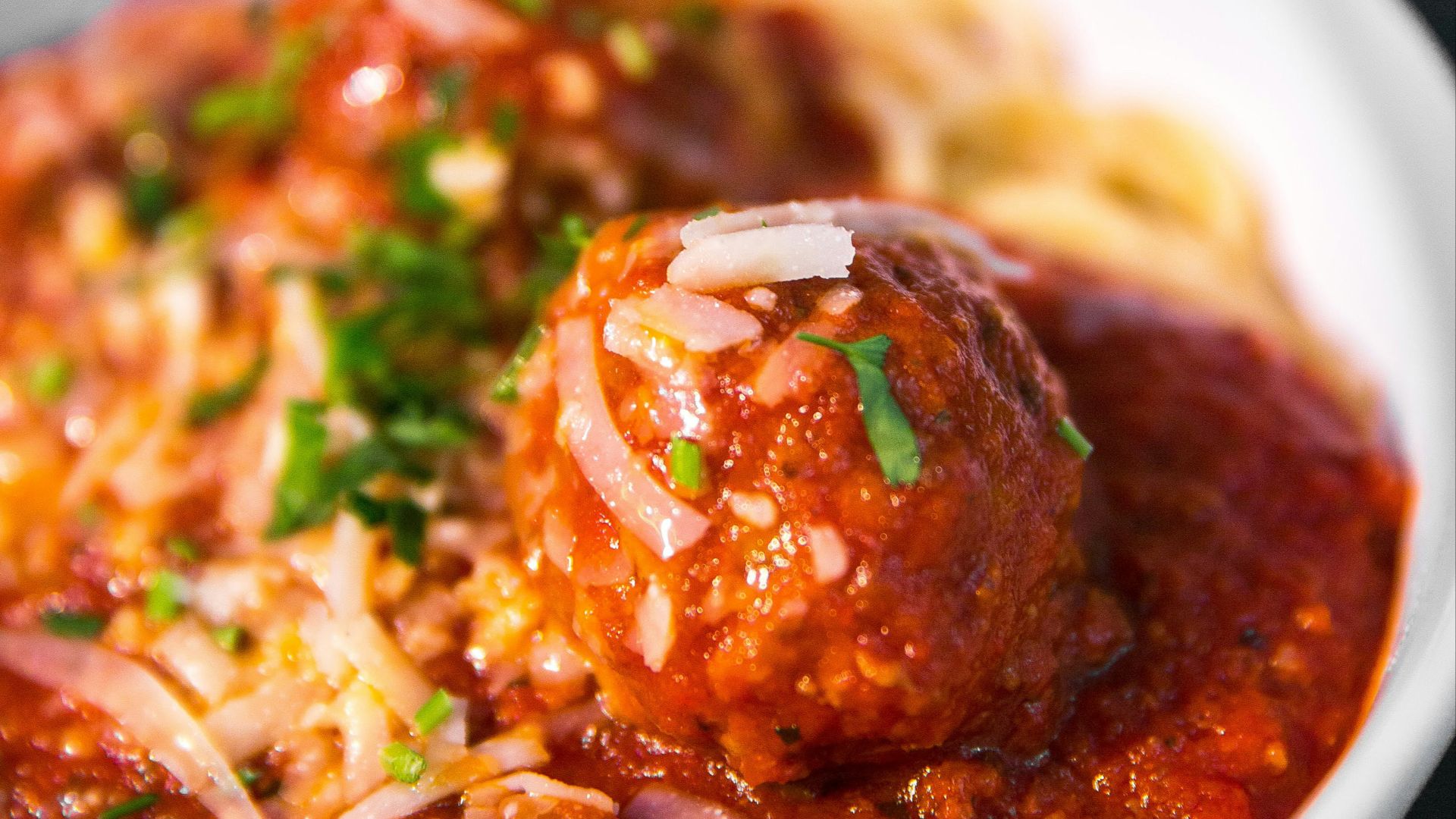
5. Spaghetti & Meatballs
Spaghetti and meatballs is deeply associated with Italian-American cooking, even though it doesn’t look exactly like most traditional meals in Italy. In the U.S., meat became more available, and portions often grew larger, so pasta and meatballs came together in a new way. It’s a perfect example of how immigrant families adapted beloved flavors to American abundance.
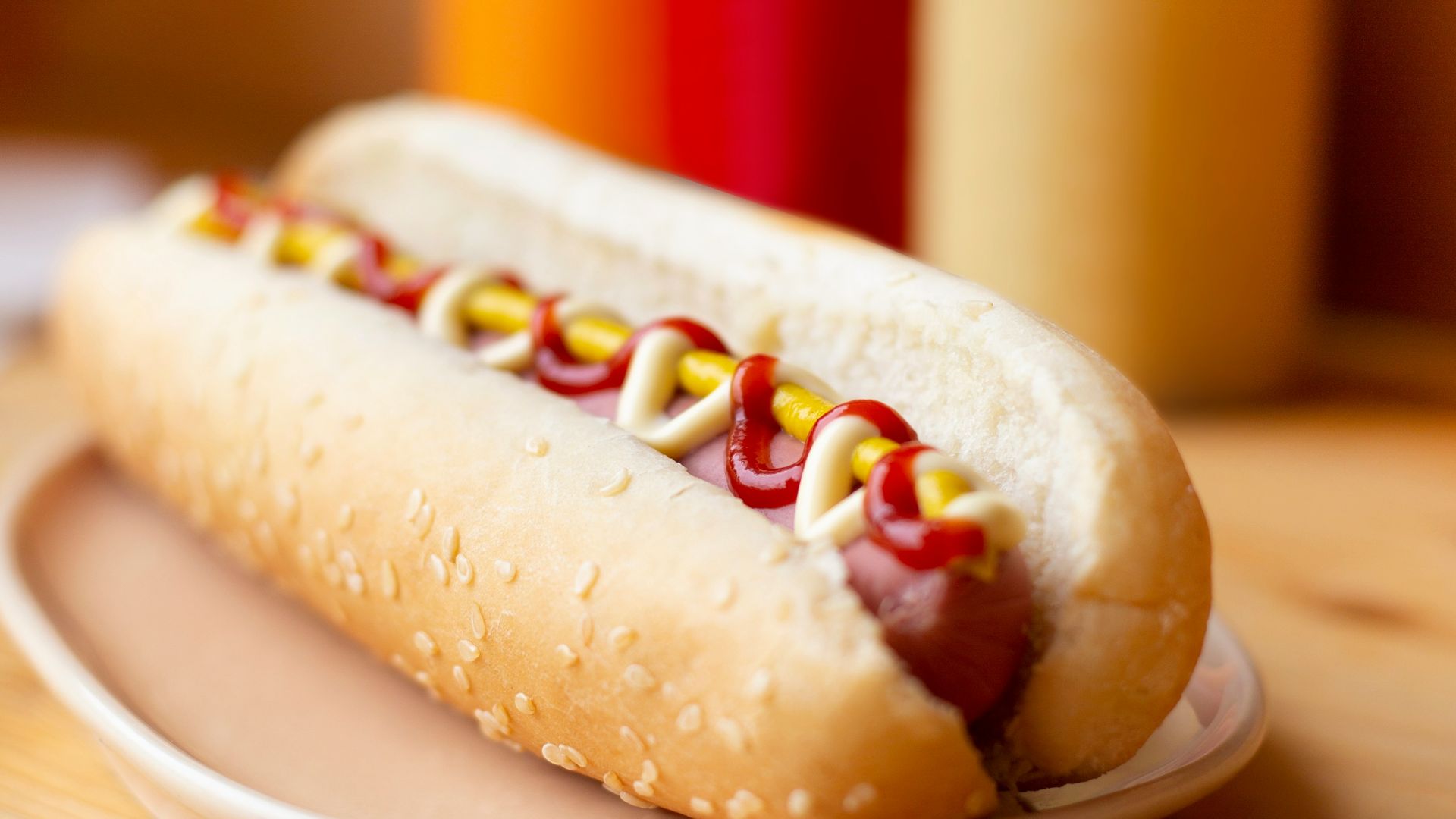
6. Hot Dogs
Hot dogs grew out of Central European sausage traditions brought by German and other European immigrants. Once they hit American streets, ballparks, carts, and cookouts, they turned into a national classic. The toppings changed by region, from Chicago-style piles of color to New York onions and mustard, proving that even a simple sausage can pick up a lot of local personality.
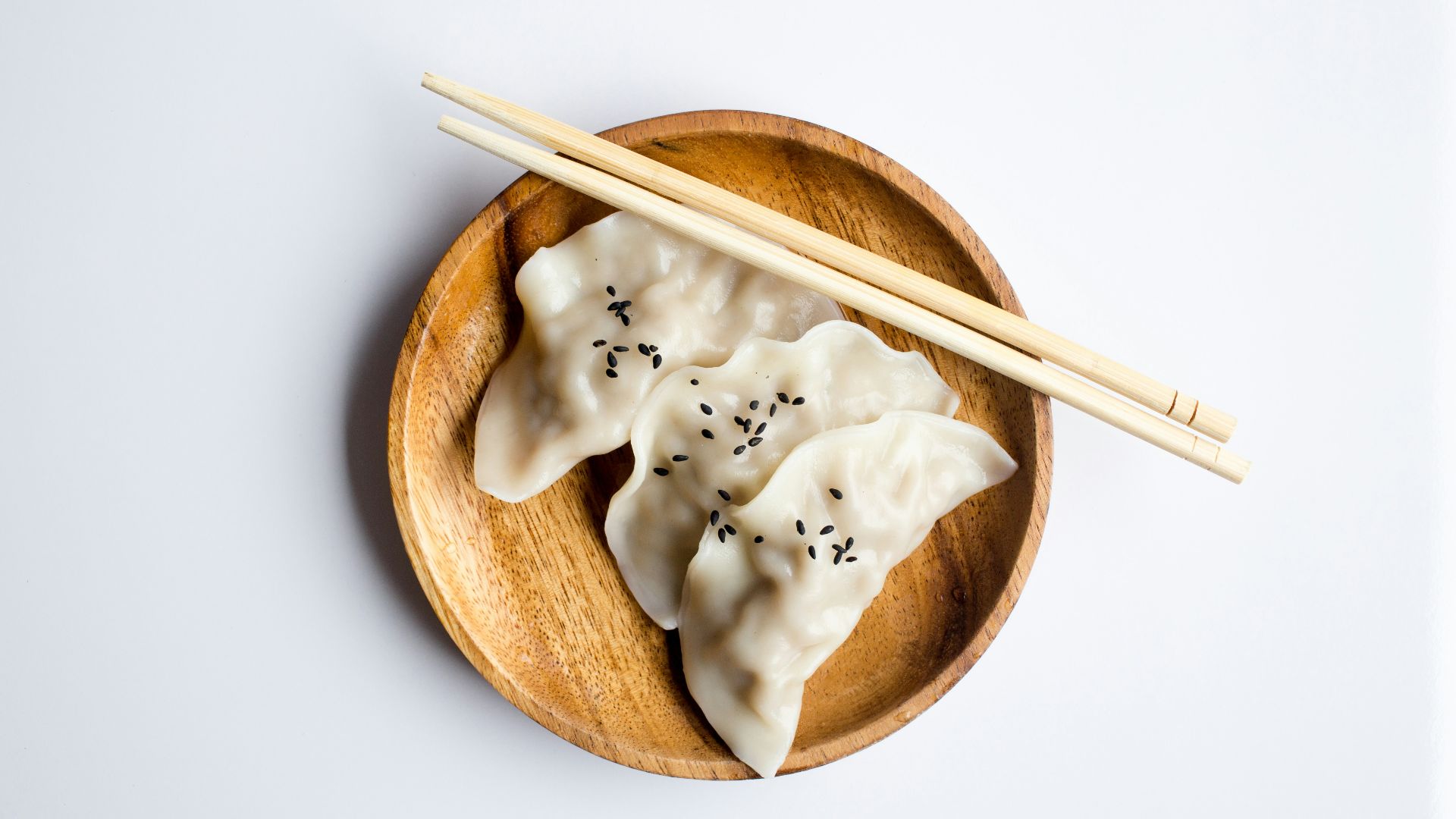
7. Dumplings
Dumplings have reached American kitchens through many immigrant traditions, including Chinese, Polish, Italian, Korean, and Eastern European cooking. Potstickers, pierogi, ravioli, mandu, and kreplach may not be identical, but they all show the appeal of dough wrapped around something delicious.
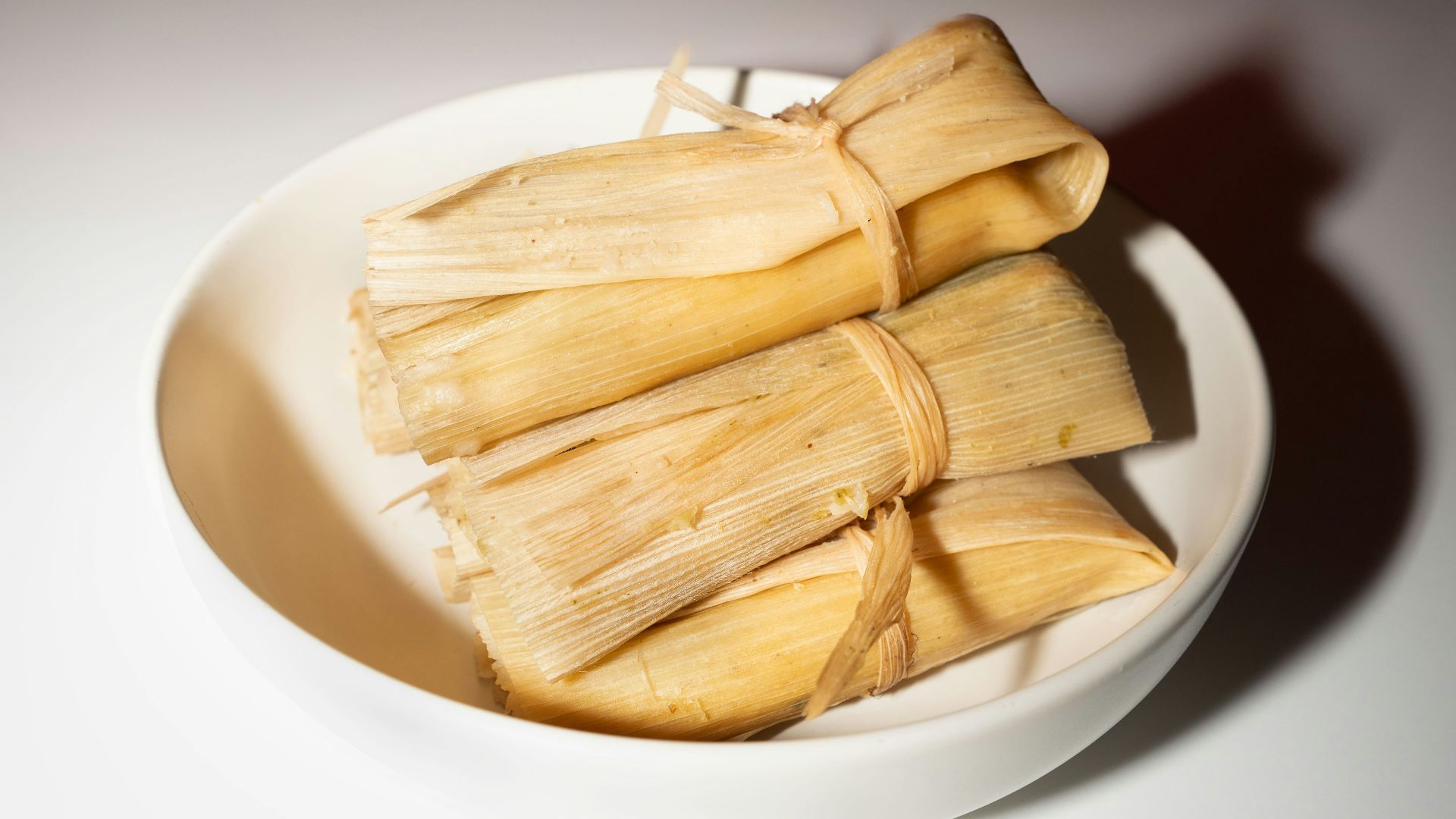
8. Tamales
Tamales connect American kitchens to Mexican and Central American traditions that long predate many modern borders. They’re labor-intensive, often tied to family gatherings, holidays, and community cooking. In the U.S., tamales became especially important in Mexican-American communities, where they carry flavor, memory, and a fair amount of steam.
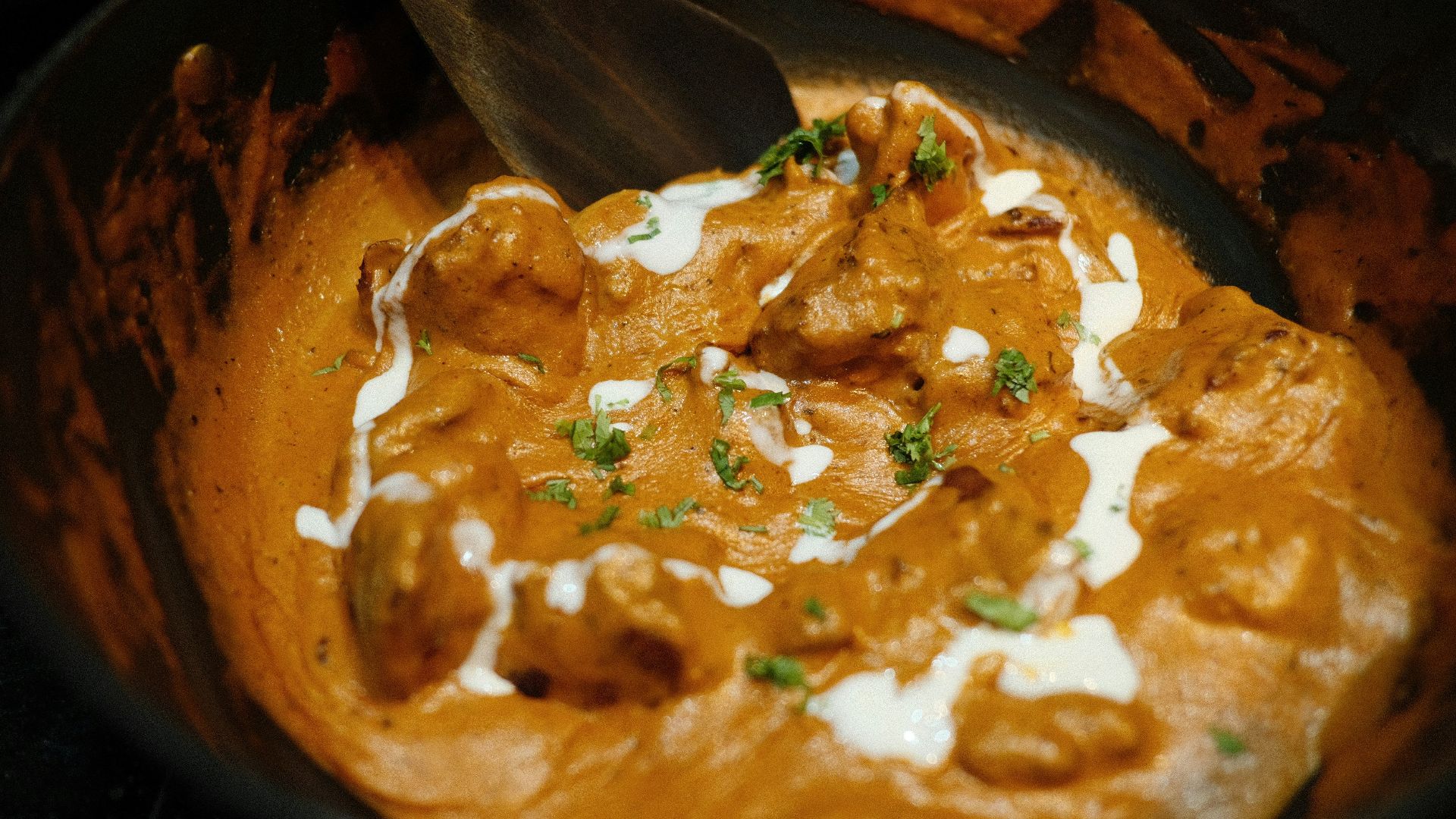
9. Curry
Curry entered American kitchens through many routes, including South Asian, Caribbean, British, Thai, and Japanese influences. That’s why the word “curry” can mean very different dishes depending on who’s cooking. Its popularity shows how immigration expanded American spice cabinets far beyond salt and pepper.
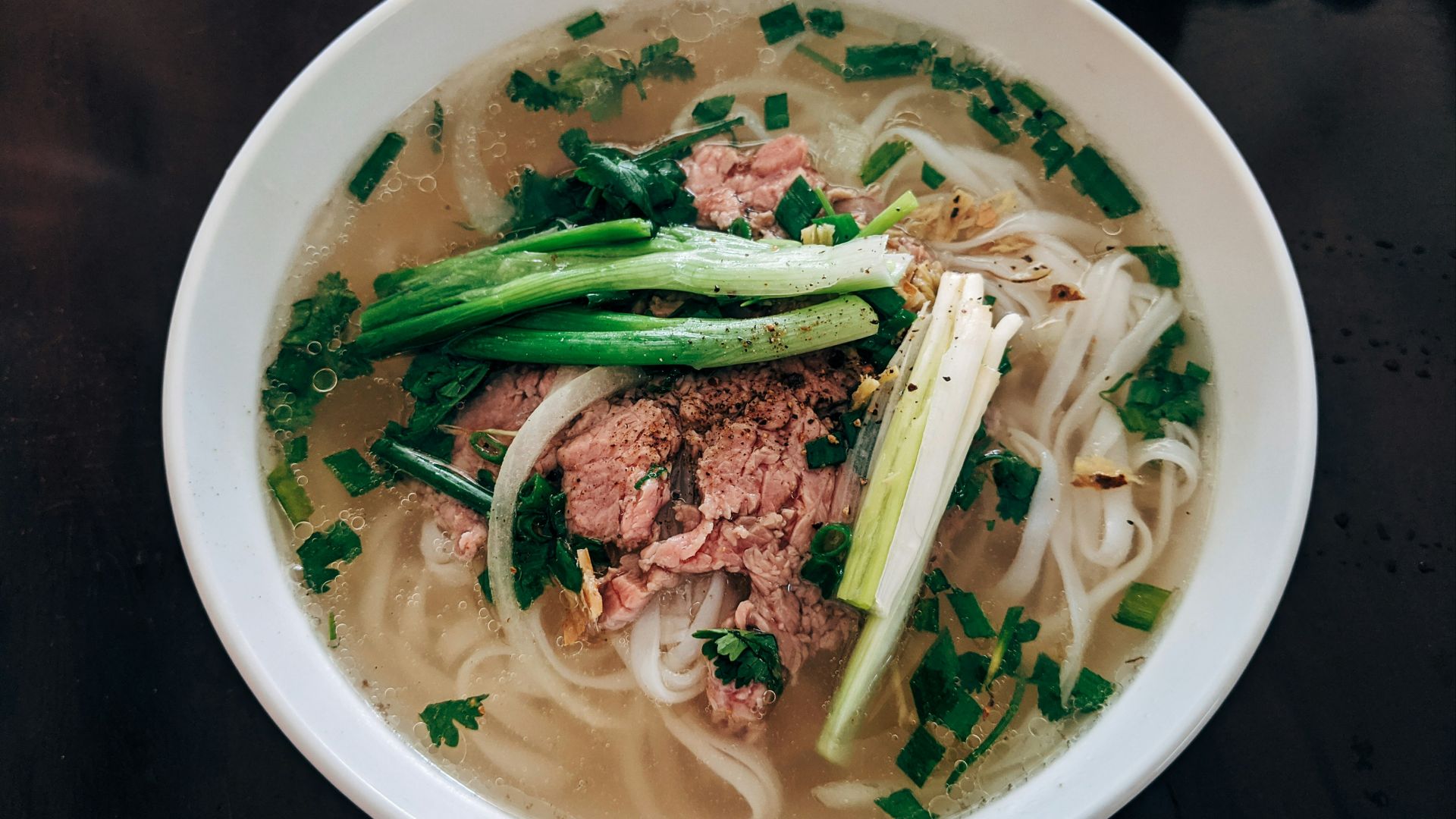
10. Pho
Pho came to wider American attention through Vietnamese refugee and immigrant communities, especially after the Vietnam War. The noodle soup brought together broth, herbs, rice noodles, and meat in a way that felt both comforting and fresh to many American diners. Today, pho restaurants are very much a part of the food landscape.
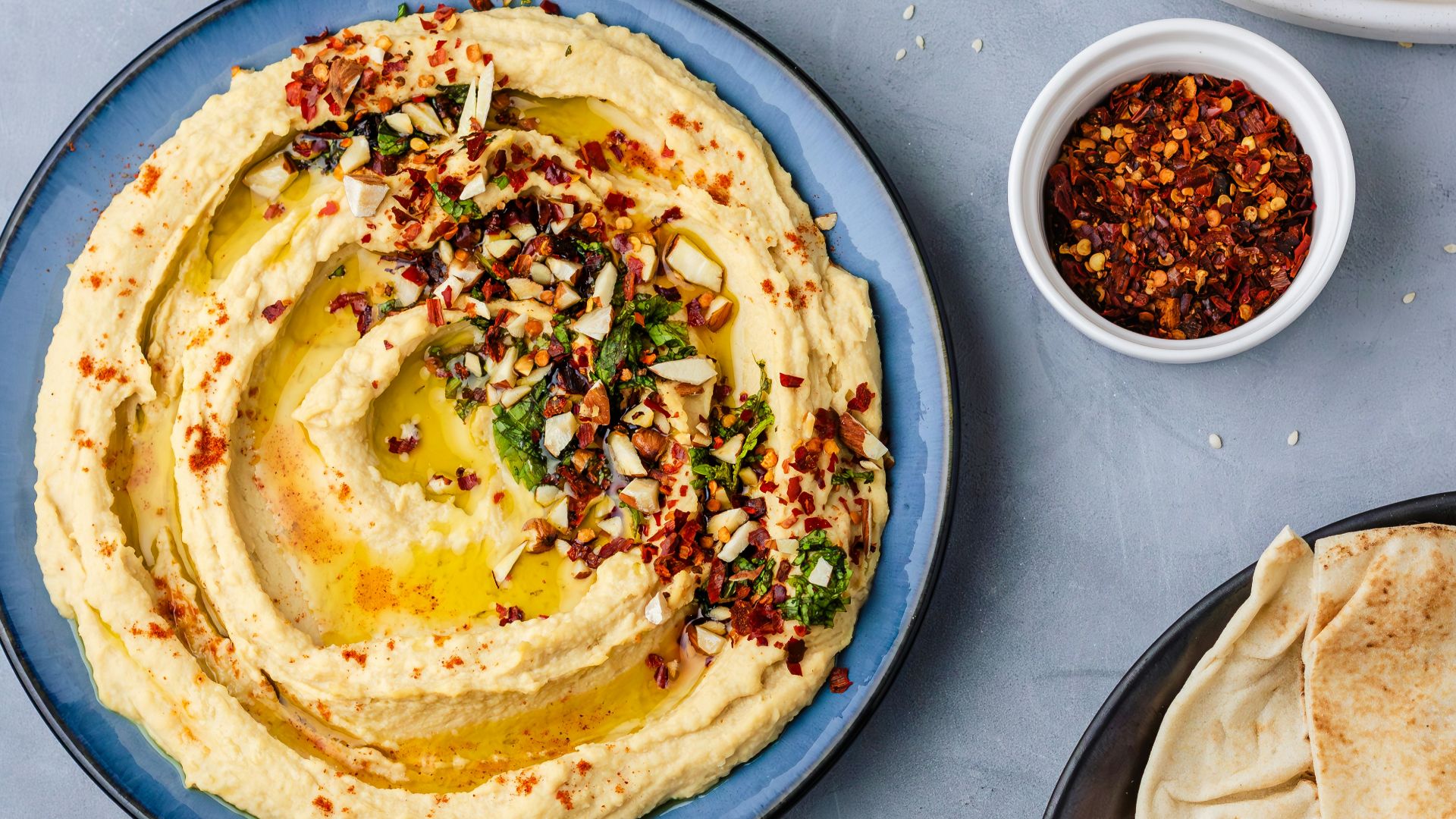
11. Hummus
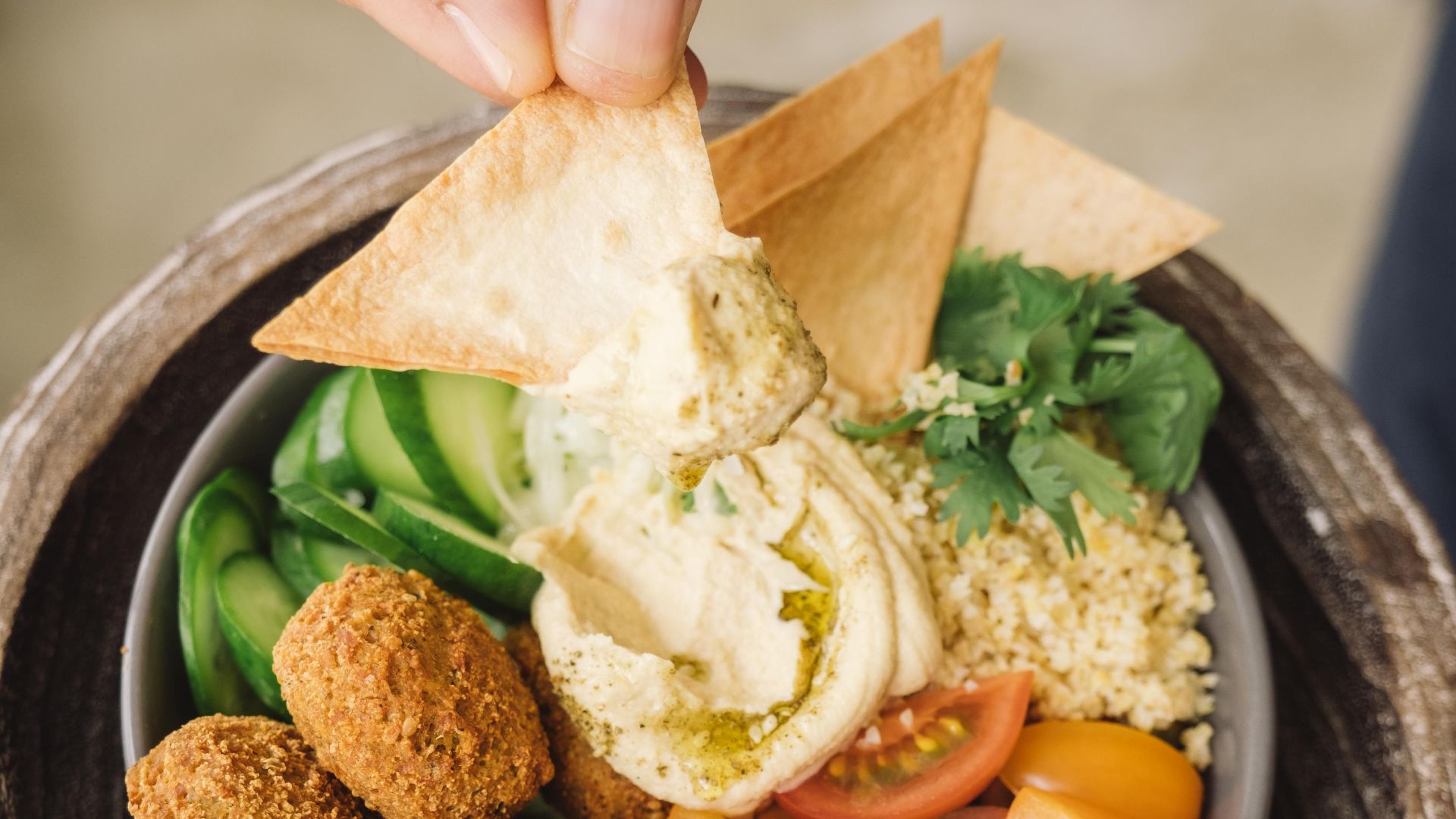
Hummus reflects Middle Eastern food traditions that became much more visible in American grocery stores and restaurants over time.
Chickpeas, tahini, lemon, and garlic turned into a dip that moved from immigrant tables to supermarket shelves and party spreads. Its rise also shows how “ethnic food” often becomes “regular food” once enough people realize they want it.
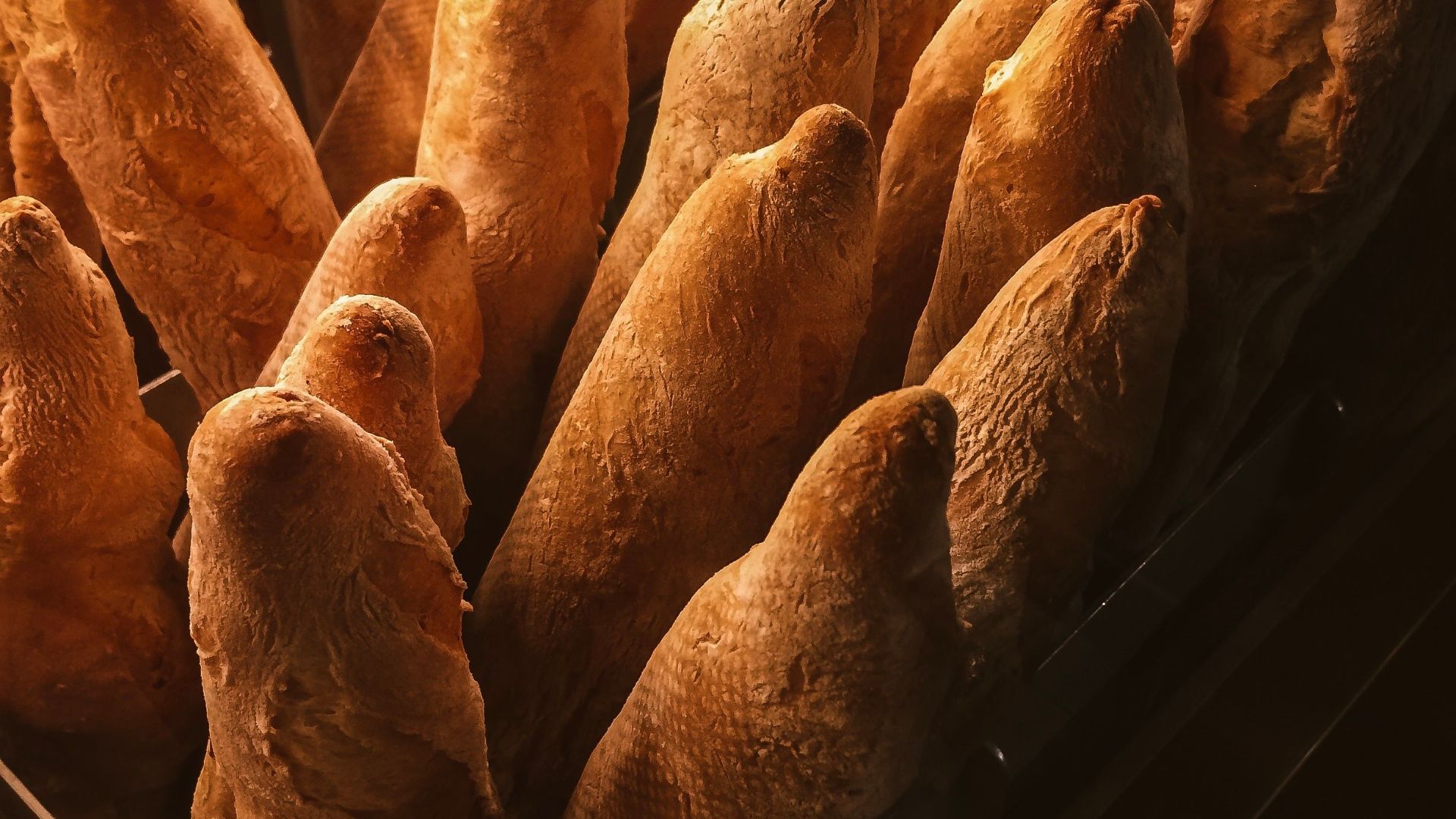
12. Baguettes
Baguettes brought French baking traditions into American kitchens, bakeries, and restaurant tables. Their crisp crust and soft interior made them useful for sandwiches, cheese boards, soups, and the kind of bread basket people pretend they’re not going to finish. It took a while for Americans to understand the beauty of good bread, but over time, baguettes became less of a specialty item and more of a familiar grocery-store staple.
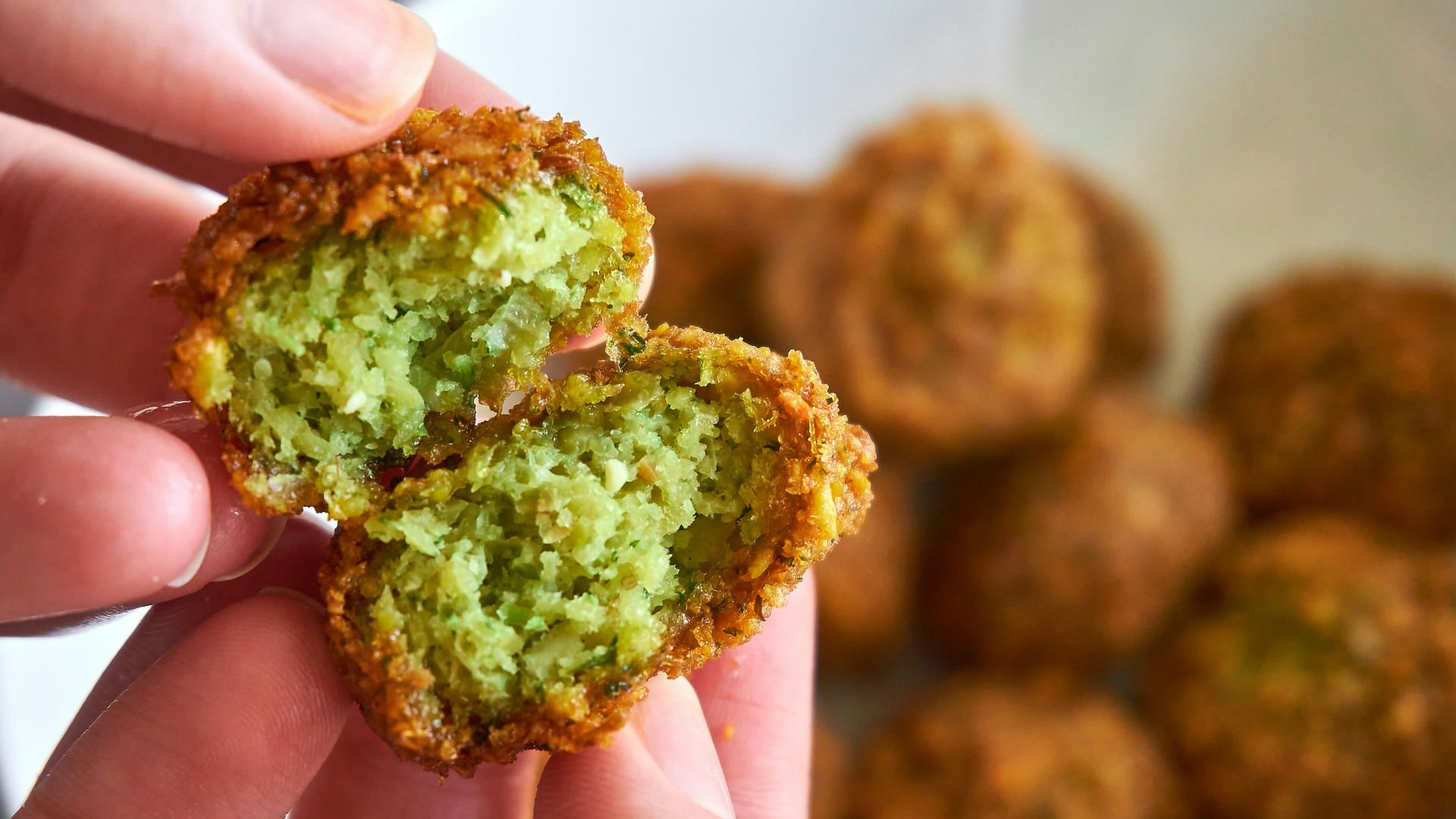
13. Falafel
Falafel gained a foothold in the United States through Middle Eastern immigrant communities and later became a favorite among vegetarians, students, and lunch crowds. The crispy chickpea or fava bean fritters brought new textures and flavors to American fast-casual eating. Once wrapped in pita with vegetables and tahini, falafel made meatless meals feel anything but boring.
14. Enchiladas
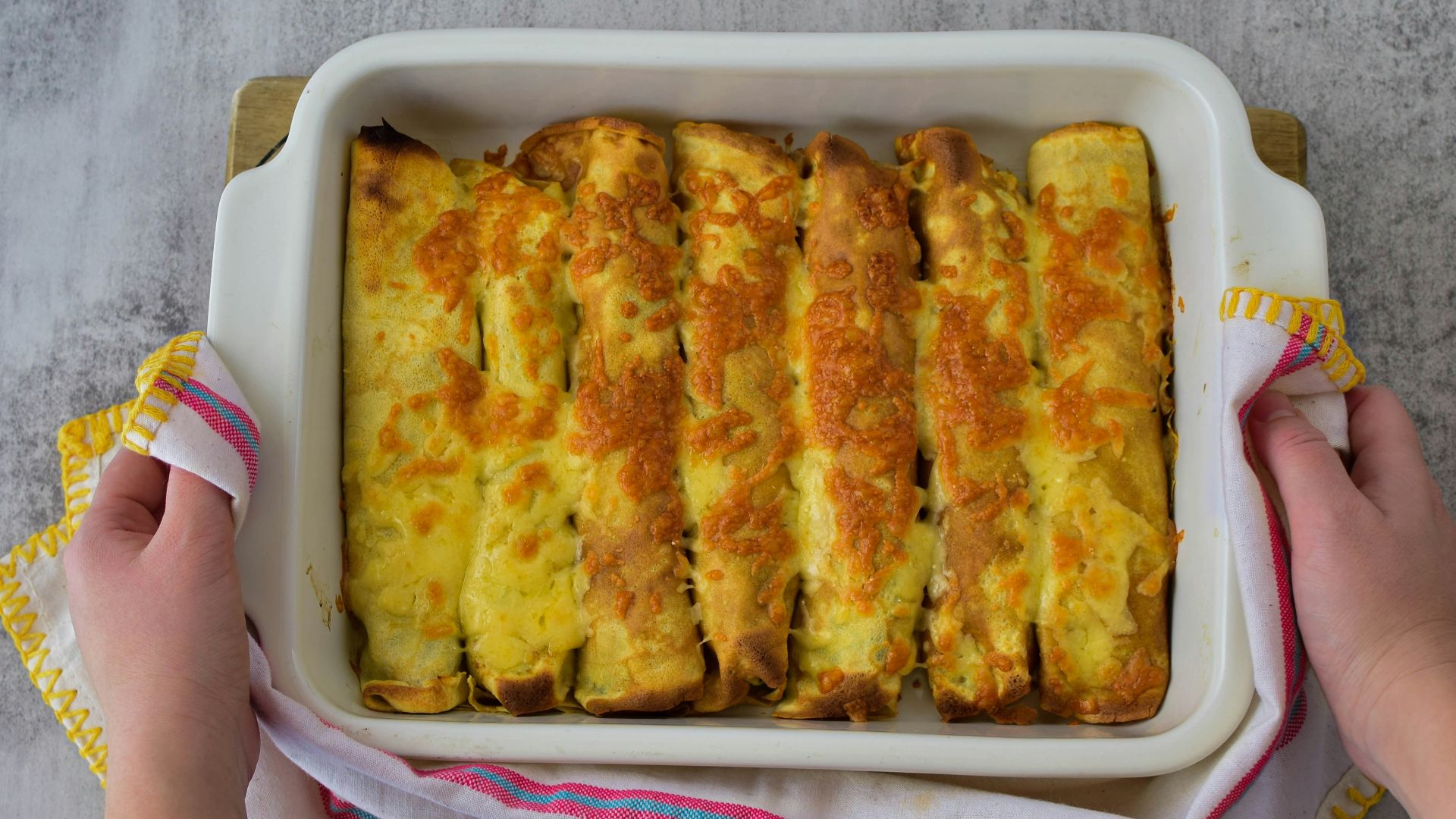
Enchiladas show how Mexican cooking became woven into American home kitchens and restaurant menus. Rolled tortillas, sauce, cheese, and fillings made the dish easy to adapt while still keeping a strong connection to its roots. In the United States, enchiladas have appeared in family recipes, Tex-Mex restaurants, frozen dinners, and potluck casseroles, which is quite a range for one dish.
 Aleksandra Gencheva on Unsplash
15. Ramen
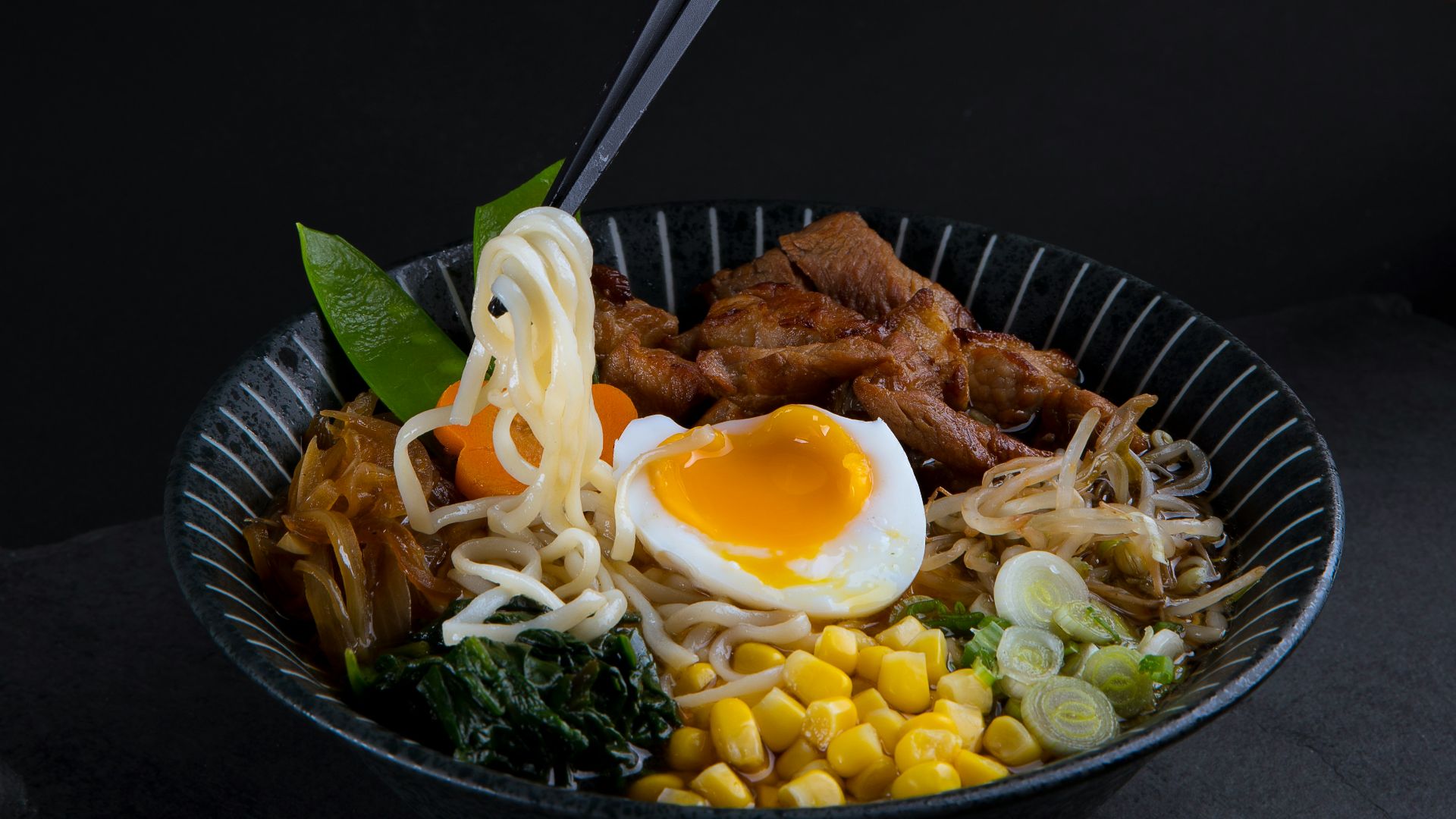
Ramen has Japanese roots, but its American story took several turns. Instant ramen became a dorm-room staple because it was cheap, fast, and nearly impossible to mess up. Later, ramen shops helped introduce more Americans to rich broths, fresh noodles, soft eggs, and regional styles that made the dish feel much more crave-worthy.
16. Gyros
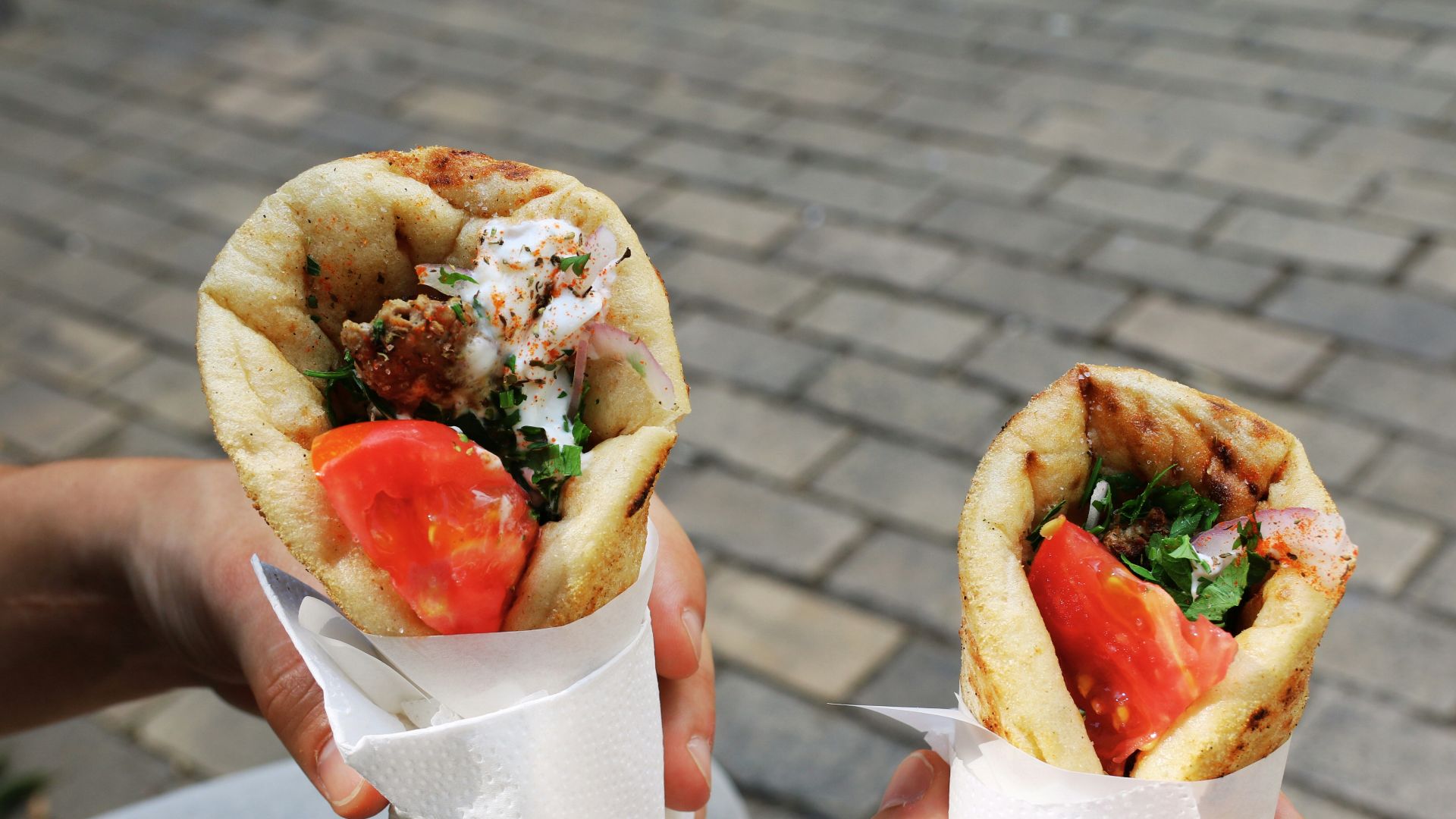
Greek immigrants helped bring gyros into American street-food and diner culture. The combination of seasoned meat, pita, tomatoes, onions, and creamy sauce made it easy to eat on the go without feeling like an afterthought. It also helped introduce more Americans to Mediterranean flavors in a format that required no formal dining behavior whatsoever.
17. Challah
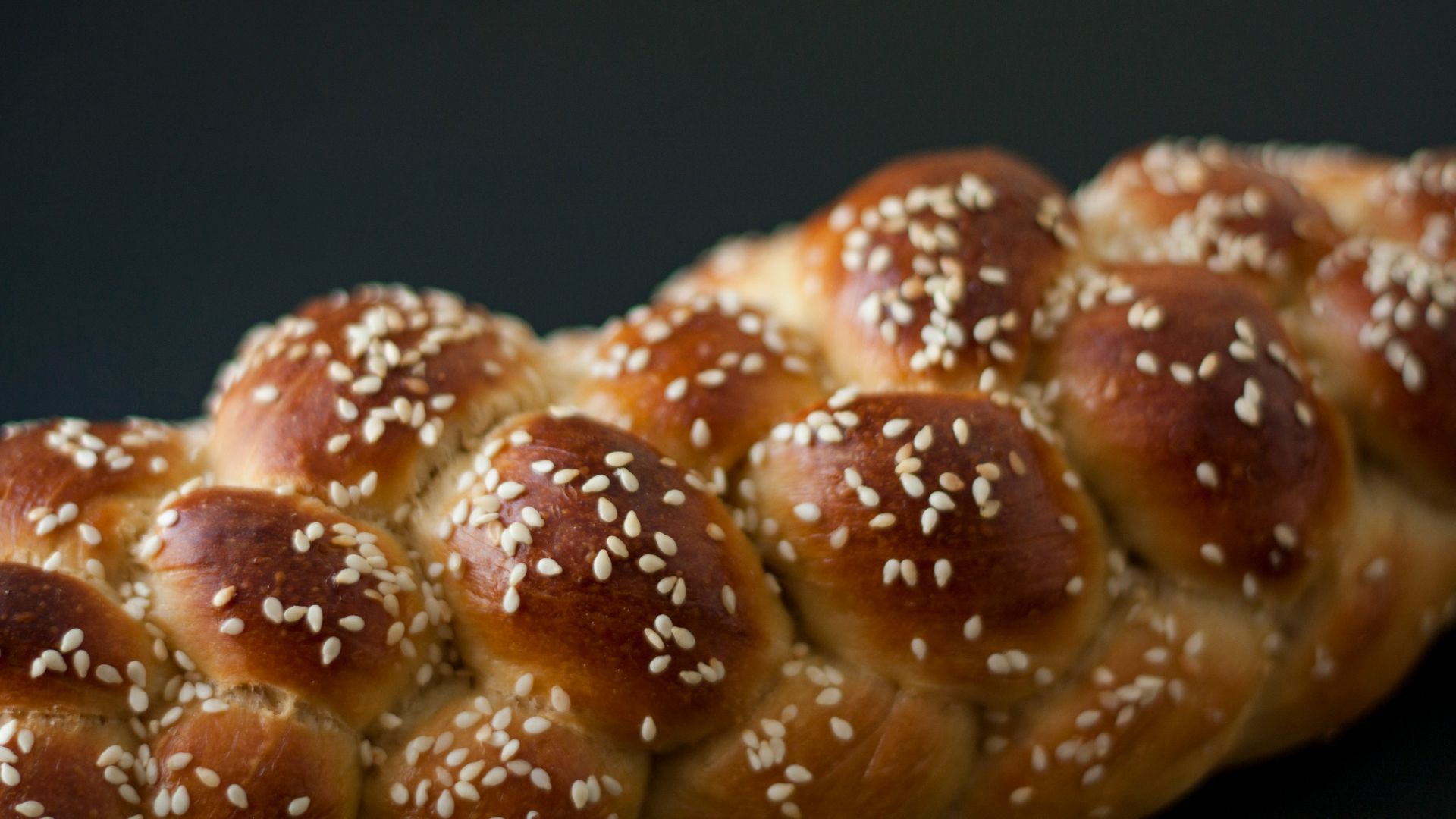
Challah came with Jewish food traditions and became familiar far beyond religious settings. The braided bread is often tied to Shabbat and holidays, but it also found a place in bakeries, brunch menus, and very enthusiastic French toast. Its American journey shows how a ceremonial food can keep its meaning while also becoming beloved by people outside the tradition.
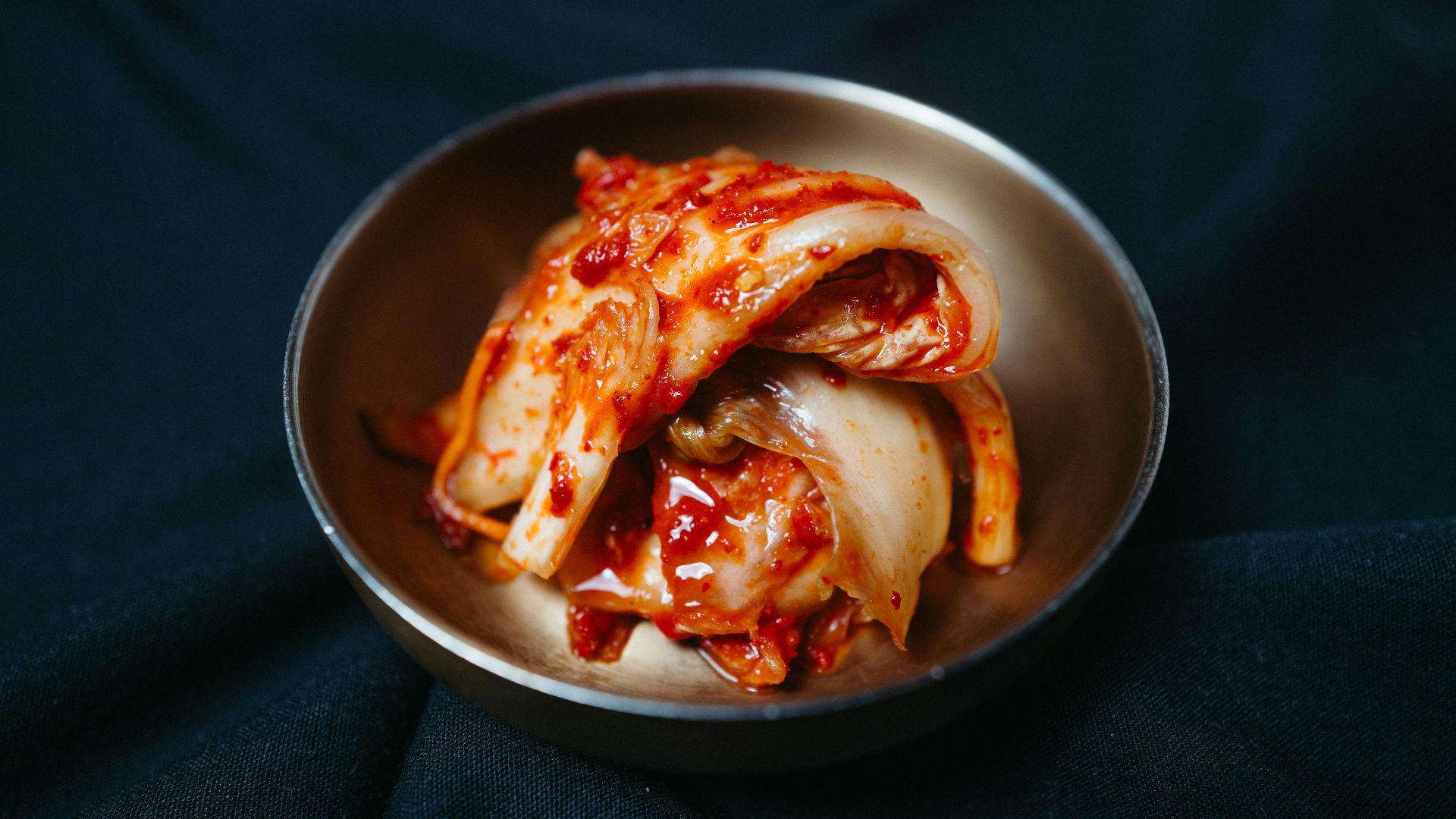
18. Kimchi
Korean immigrants helped bring kimchi into wider American awareness, and it has since moved from Korean restaurants into grocery stores, fusion menus, and home refrigerators. The fermented vegetables are bold, tangy, spicy, and not shy about announcing themselves.
Its popularity also shows how American diners became more open to fermentation, heat, and bold, funky flavors.
19. Jerk Chicken
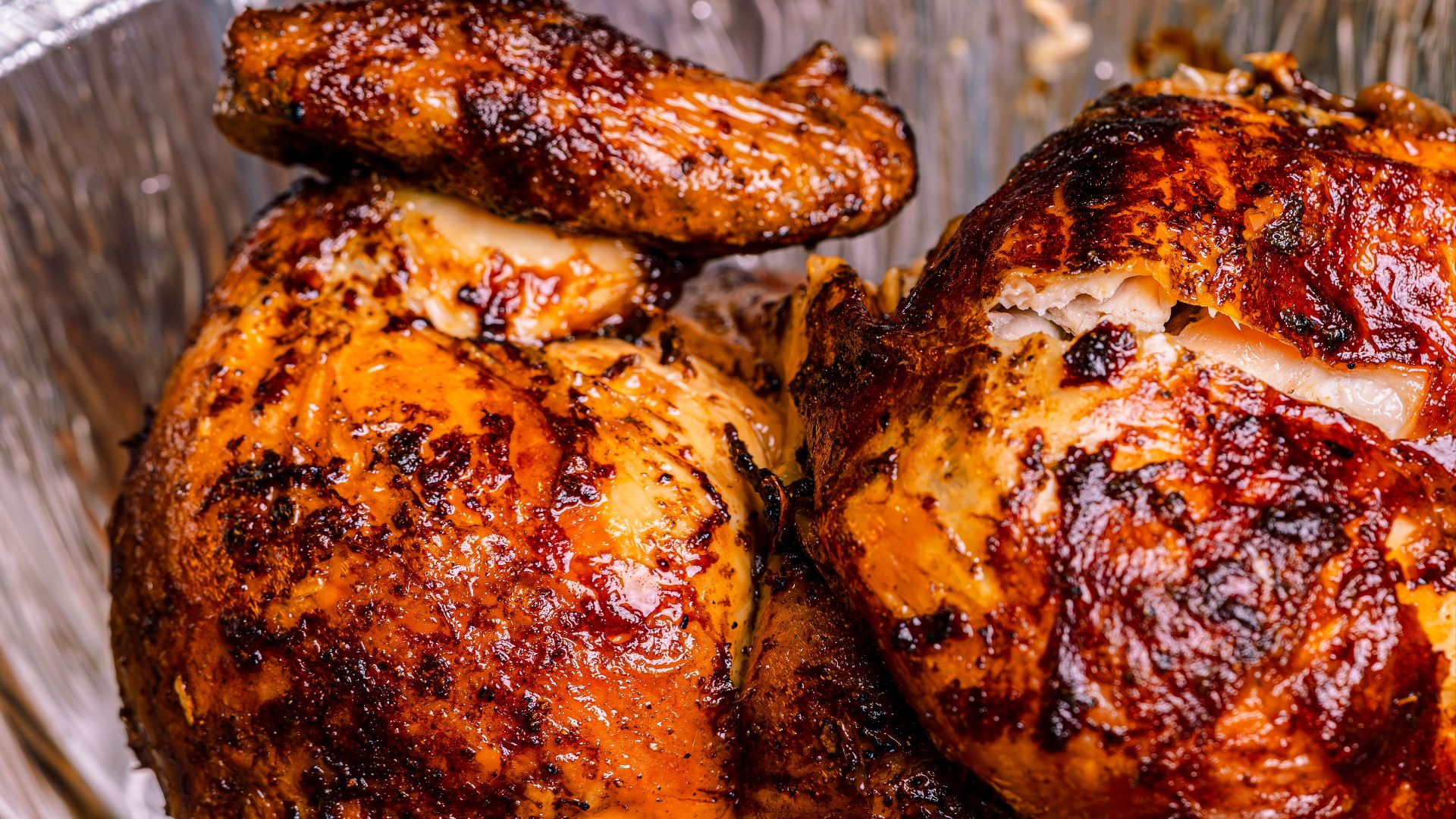
Jerk chicken reflects Jamaican and Caribbean immigration’s influence on American food culture. Its seasoning brings together heat, spice, smoke, and deep flavor in a way that stands out immediately. As Caribbean communities grew, jerk moved into restaurants, festivals, food trucks, and home kitchens, giving American barbecue culture some lively competition.
20. Bánh Mì
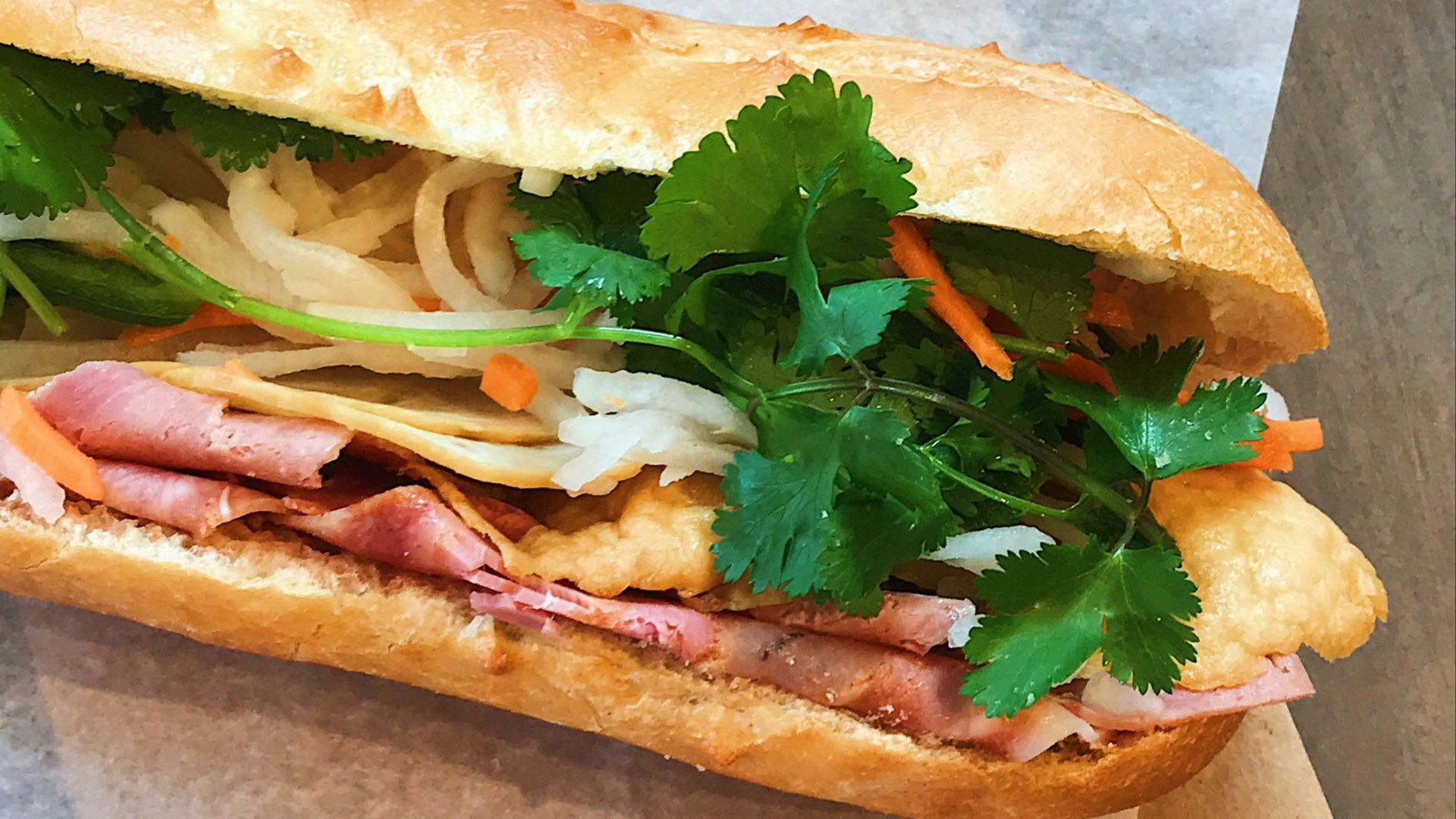
Bánh mì shows how migration can create a food with multiple histories inside it. Vietnamese cooks combined French-influenced bread with Vietnamese fillings, herbs, pickled vegetables, and sauces, then Vietnamese immigrants helped make the sandwich better known in the U.S. It’s crisp, fresh, savory, and practical, which explains why it didn’t stay a neighborhood secret for long.