Something happens the moment you step up to a self-checkout kiosk that never quite happens at a regular register. Your shoulders tighten a little, your movements get slower and more deliberate, and you start double-checking that every single item actually beeped before it lands in the bag. Nobody told you to act this way. There is no sign that says behave like a suspect, and yet almost everyone does it anyway, scanning a bag of rice like it might set off an alarm.
The strange part is how universal this feeling is, even among people who have never shoplifted a single thing in their life. Self-checkout was supposed to be the fast, private, no-small-talk option, the lane where nobody judges your seventeen cans of cat food. Instead it has quietly become one of the more anxiety-inducing rituals of an ordinary errand, and the reasons behind that turn out to be less about guilt and more about design.
The Machine Is Designed To Suspect You
Self-checkout kiosks are not neutral pieces of furniture standing between you and your car. Most of them run on a weight sensor system that constantly compares what your scanner says you bought against what your bag actually weighs, and any mismatch trips an alert loud enough for half the store to hear. That bright red message about an unexpected item in the bagging area is not a glitch, it is the machine doing exactly what it was built to do, which is treat every shopper as a potential problem until proven otherwise.
Retailers lose a genuinely large amount of money to self-checkout errors and theft every year, enough that the National Retail Federation and most major chains treat shrinkage as one of their biggest ongoing headaches. That pressure trickles straight down into the hardware. Newer kiosks increasingly pair the weight sensors with overhead cameras and basic computer vision, watching for barcode swapping or items that quietly skip the scanner altogether.
None of that technology cares whether you are an honest person having a normal Tuesday. It is calibrated for the small percentage of people who are not, and everyone else just gets swept into the same suspicious glow of red lights and paused transactions. The system was never built around trust, it was built around loss prevention, and you can feel that difference the second the scanner beeps wrong.
The Eyes Effect Is Real
Long before self-checkout existed, researchers noticed something odd about human behavior around the simple feeling of being watched. A well known study out of Newcastle University found that people paid noticeably more into an honesty box for office coffee when a poster nearby showed a pair of eyes instead of flowers, even though nobody was actually monitoring the room. Just the suggestion of being seen was enough to change behavior.
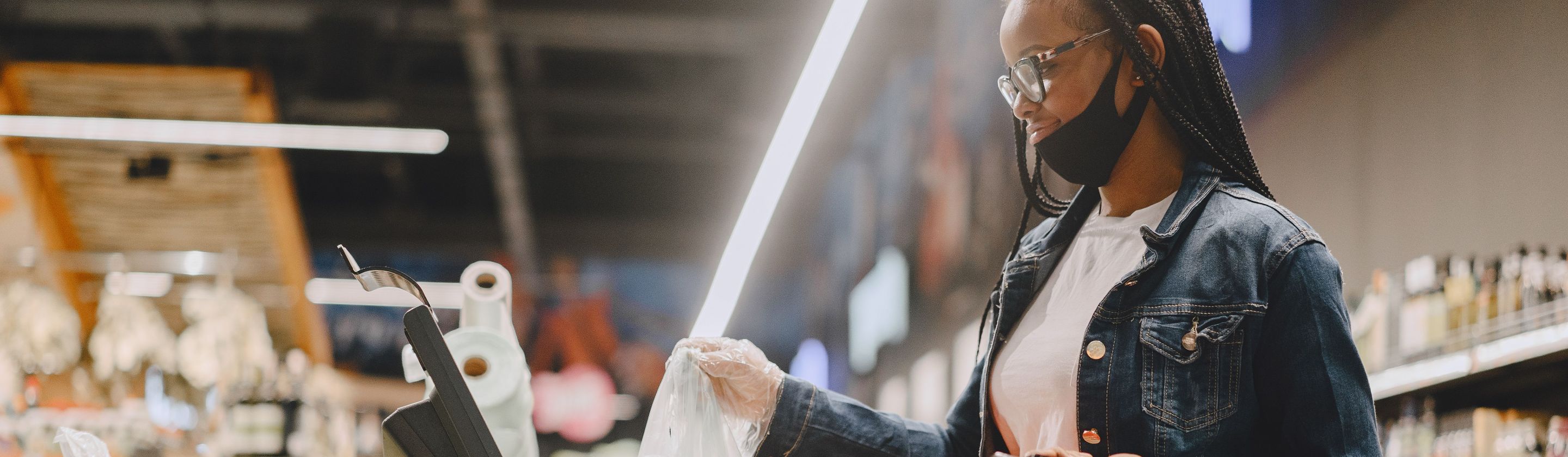
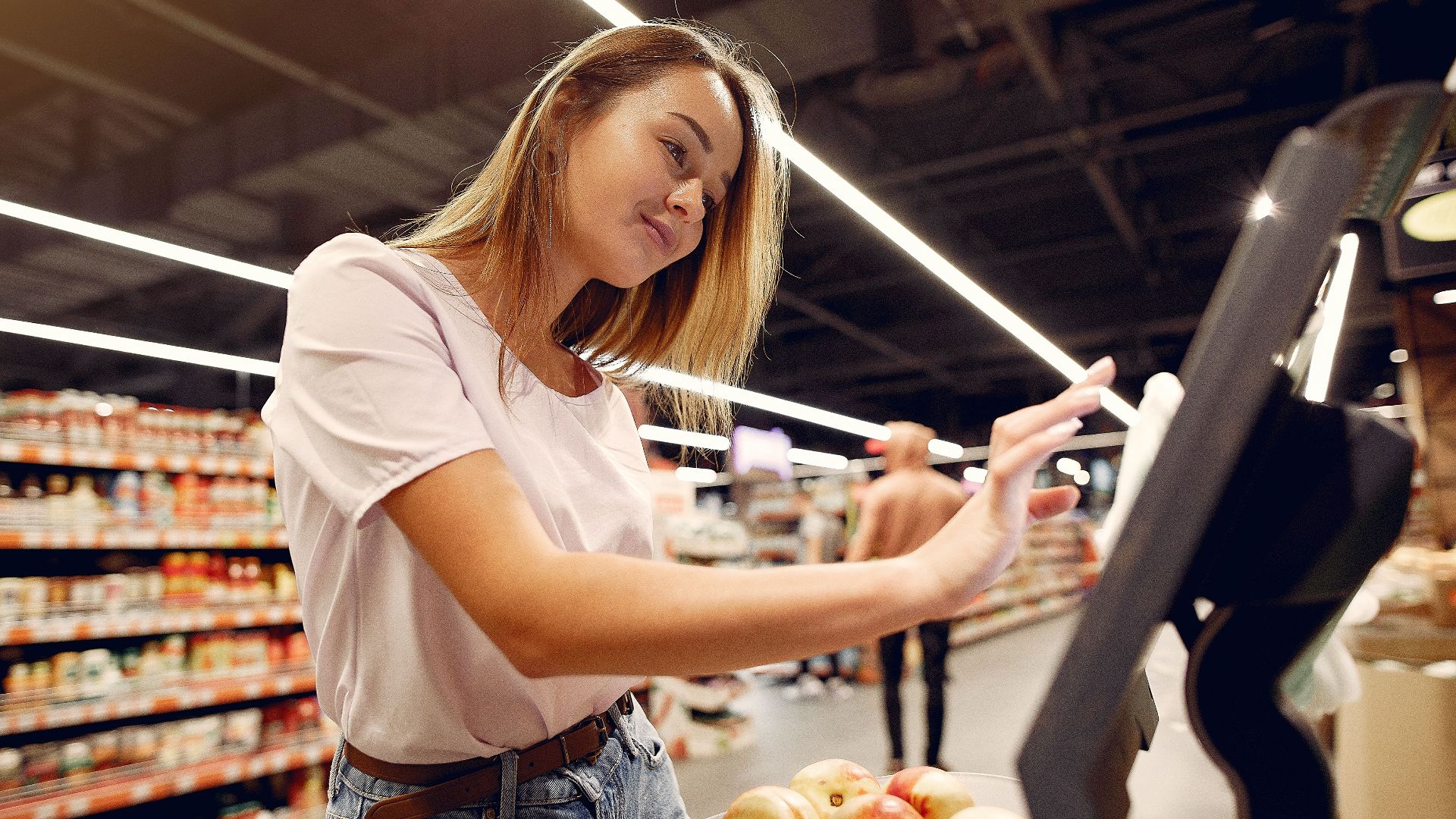
Self-checkout recreates that exact setup, minus the poster. There is often an employee stationed a few feet away, technically there to help with produce codes but functionally positioned like a lifeguard scanning the lanes. Add a ceiling camera pointed straight down at your hands and a screen narrating every scan back to you in real time, and the whole setup becomes a small, low-stakes stage where you are both the performer and the audience.
Once your brain registers all of that as surveillance, it stops treating the checkout process as a simple errand and starts treating it as a test. Every beep becomes a tiny verdict, every pause before the next item feels like it is being logged somewhere. Nothing about the process actually changed, only your awareness of being observed did, and that awareness alone is enough to make grown adults sweat over scanning a rotisserie chicken.
Guilt By Groceries
Self-checkout also strips away the one thing a cashier used to provide without anyone asking for it, a witness who was clearly on your side. A cashier scanning your items is working with you, chatting, bagging, moving things along, and that shared task quietly signals that nobody in this transaction thinks you are a criminal. Self-checkout removes that partner and leaves you alone with a machine that has no social warmth to offer, only instructions.
That absence gets filled with self-consciousness instead. People start narrating their own purchases in their head, half expecting a stranger in line to judge the wine and the frozen pizza sitting together in the cart. The less human interaction the process has, the more your brain fills the silence with imagined scrutiny, even though the person behind you is almost certainly just thinking about their own list.
None of this means self-checkout is secretly sinister or that the paranoia is fully rational. It means the design quietly borrows a few real psychological triggers, the sense of being monitored, the loss of a friendly witness, the constant low hum of an alert waiting to happen, and stacks them into a five-minute errand. The rice was never actually going to set off anything. It just felt that way, and apparently it feels that way for almost everyone.
KEEP ON READING


You’re Storing Tomatoes Wrong in This Heat

You’re Storing Potatoes Wrong in This Heat

You’re Storing Peppers Wrong in This Heat

You’re Storing Carrots Wrong in This Heat