Foods Everyone Hated
What people consider appetizing has changed dramatically throughout history, and foods that seem perfectly normal today have sometimes been met with disgust, suspicion, or outright rejection. Ingredients such as tomatoes, lobsters, and oysters have all had periods when diners questioned whether they were safe, respectable, or even worth eating. These examples show that food preferences aren't nearly as permanent as they might seem, and today's favorite dish could easily have looked unappetizing to an earlier generation.
1. Lobster
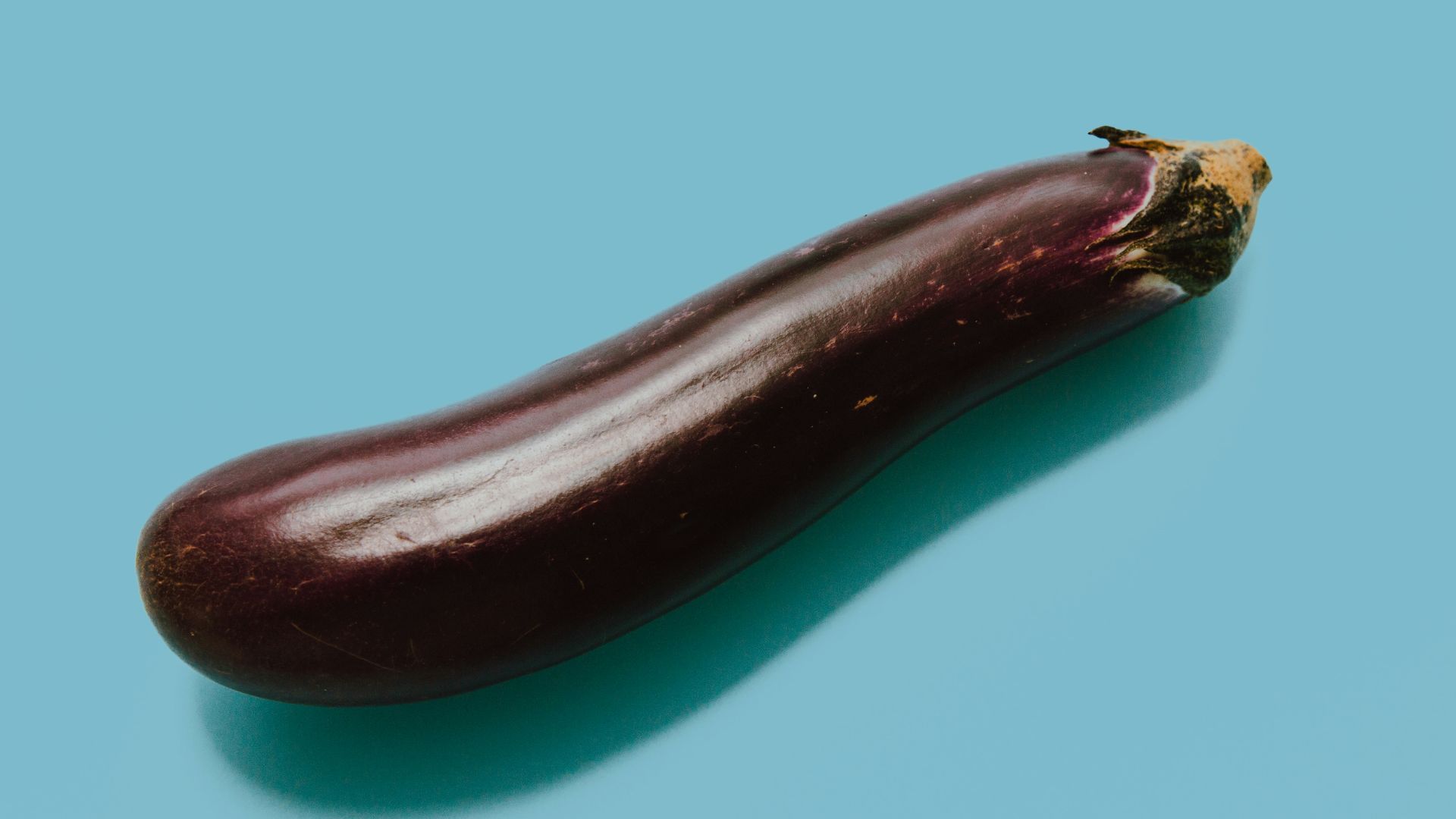
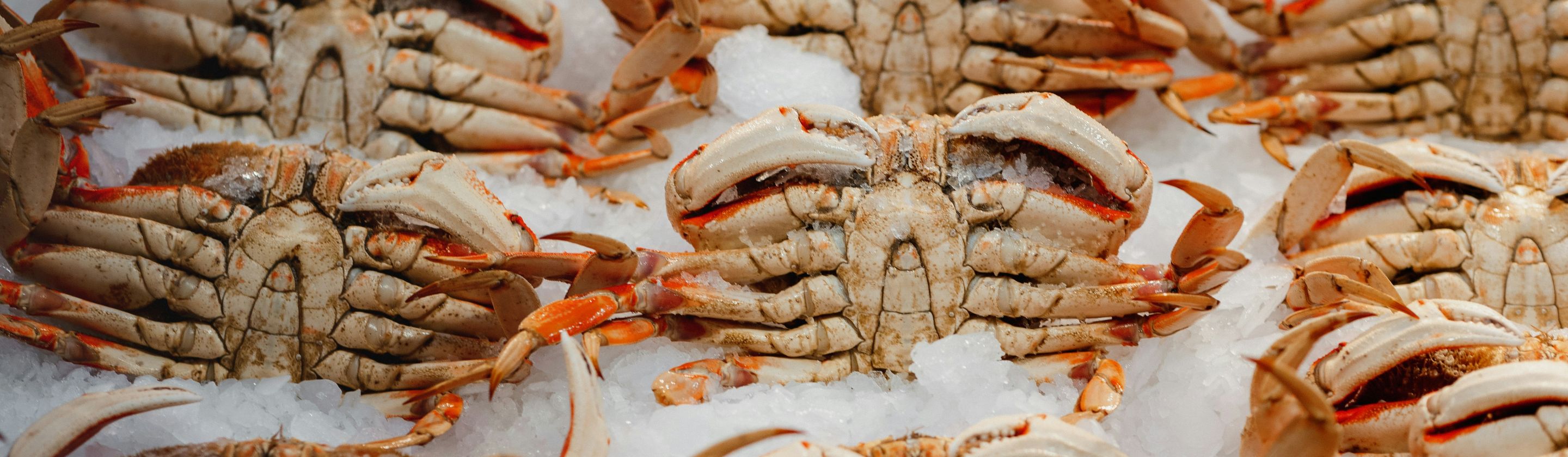
Though lobster now comes to mind with thoughts of pricey restaurant meals, colonial Europeans didn’t always view it the same way. Lobsters were once so plentiful that they could wash up on the shores of parts of the Atlantic coast by the barrel. Some servants and prisoners even complained of being fed lobster too often.
2. Tomatoes
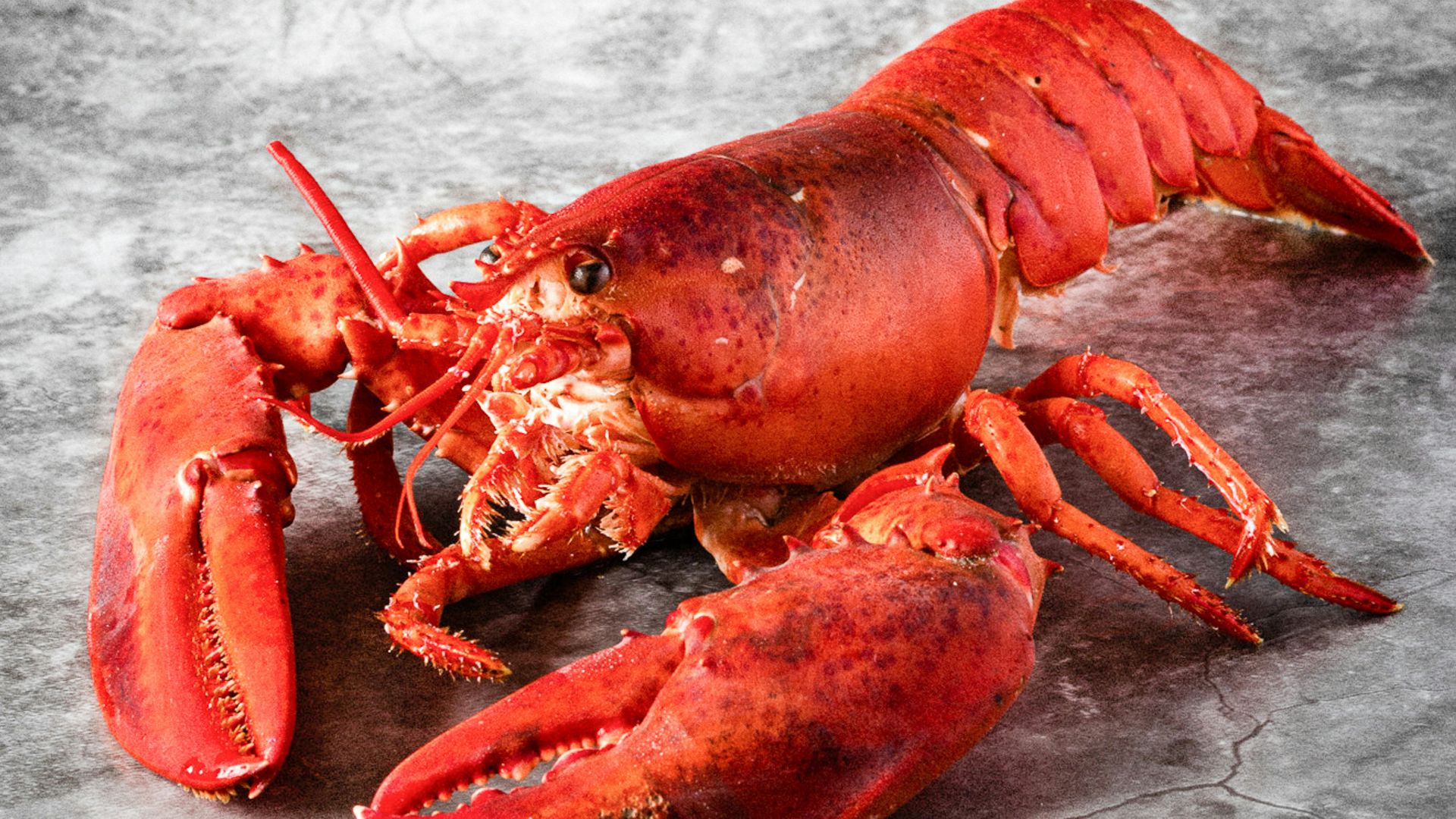
European settlers embraced tomatoes from the Americas, but they faced skepticism in parts of Europe. Some wondered if they were poisonous, particularly because tomatoes resemble toxic members of the nightshade family. Over time, they became integral to both European and American cuisine, though it took a while for people to fully trust them as table fare.
3. Oysters
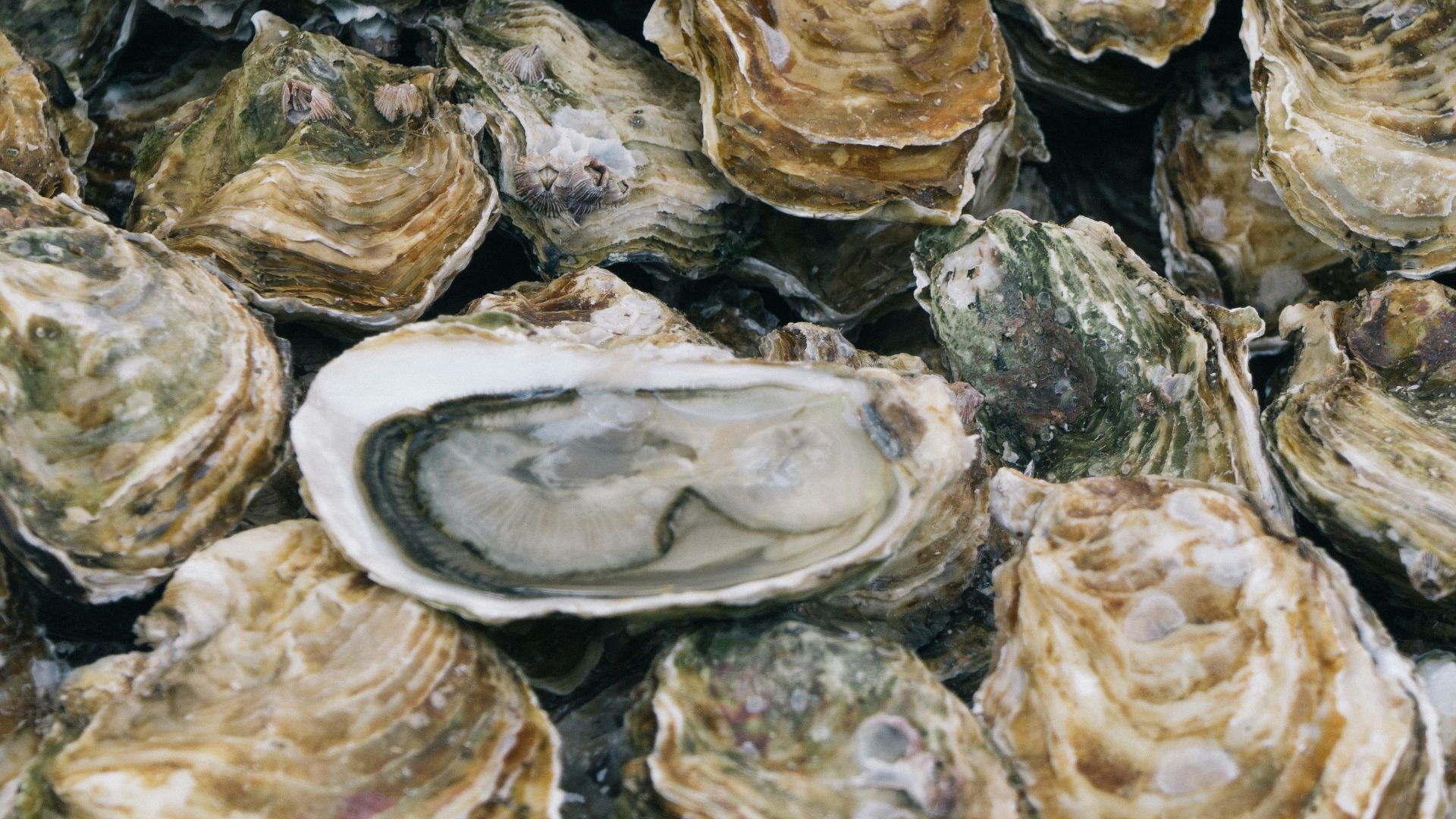
Like lobster, oysters were extremely plentiful in certain areas during the 19th century. They could be so inexpensive that they were everyday food for people living near the American coast rather than an upscale appetizer. They have faced periods of distrust due to concerns about how they look, whether they’re raw, and how safe they are.
4. Blue Cheese
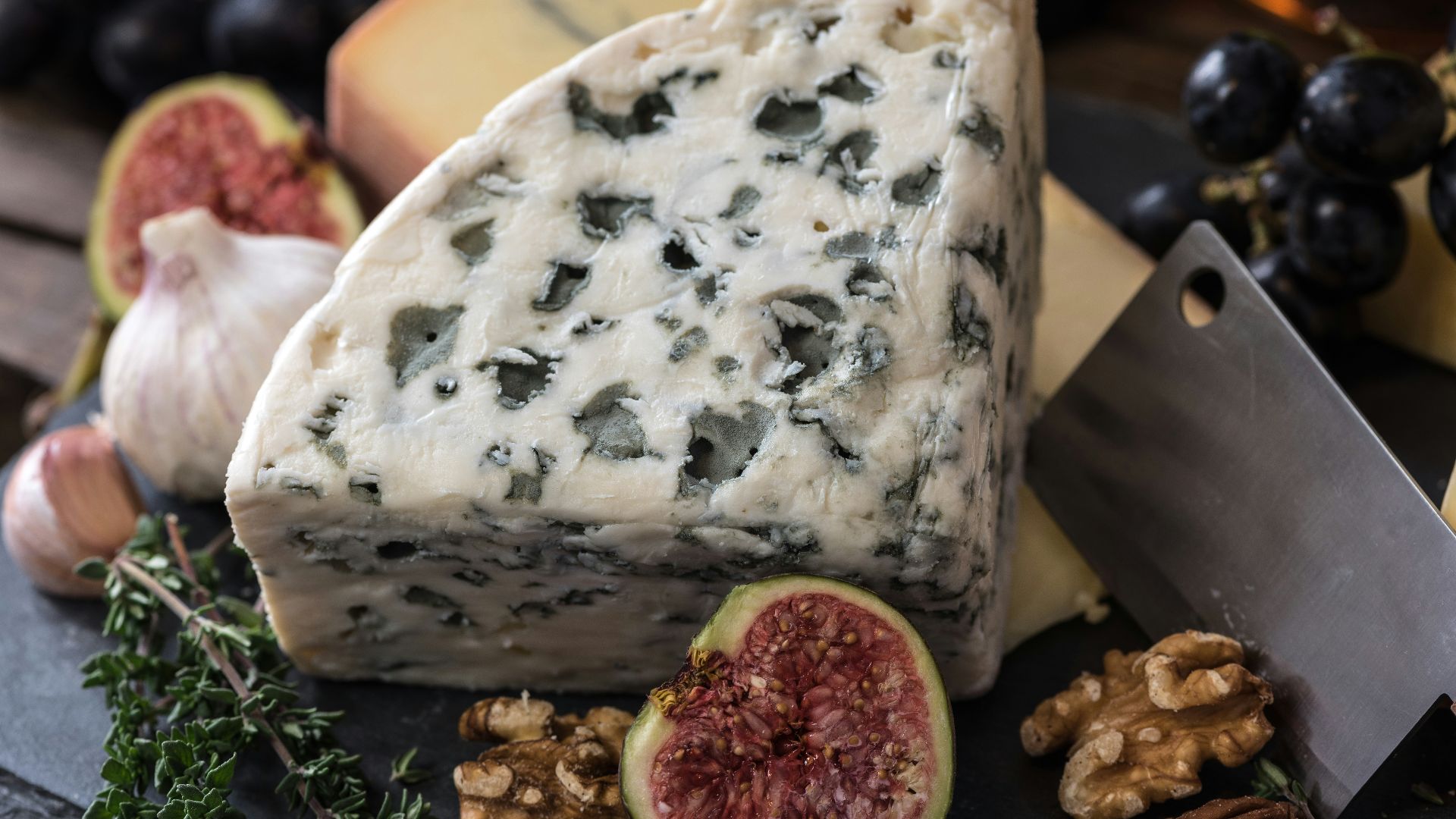
Blue cheese is given its appearance by cultures that have grown throughout the cheese, giving it blue or green veins. To anyone who hasn’t heard about how blue cheese is made, it can look unappetizingly moldy. After its production process was understood, people began to see blue cheese as a delicacy instead of trash.
5. Foie Gras
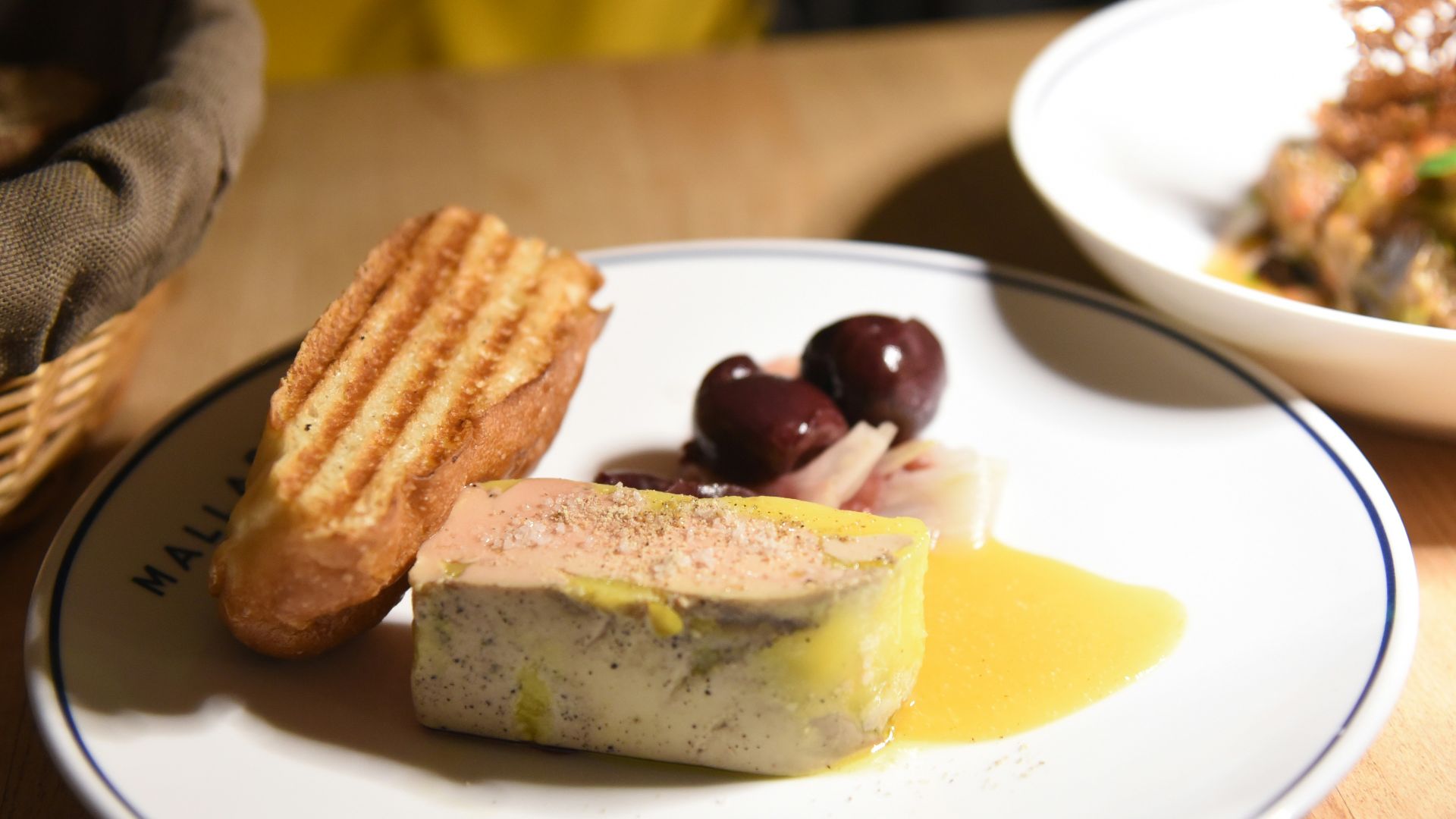
Foie gras has been around for hundreds of years, but forcing a duck or goose to produce extremely fatty liver doesn’t sound appealing to everyone. Many people are turned off by foie gras because of its texture and rich flavor. It can be overwhelming to diners who prefer lighter foods, and some modern protesters also object to its production methods.
6. Sauerkraut
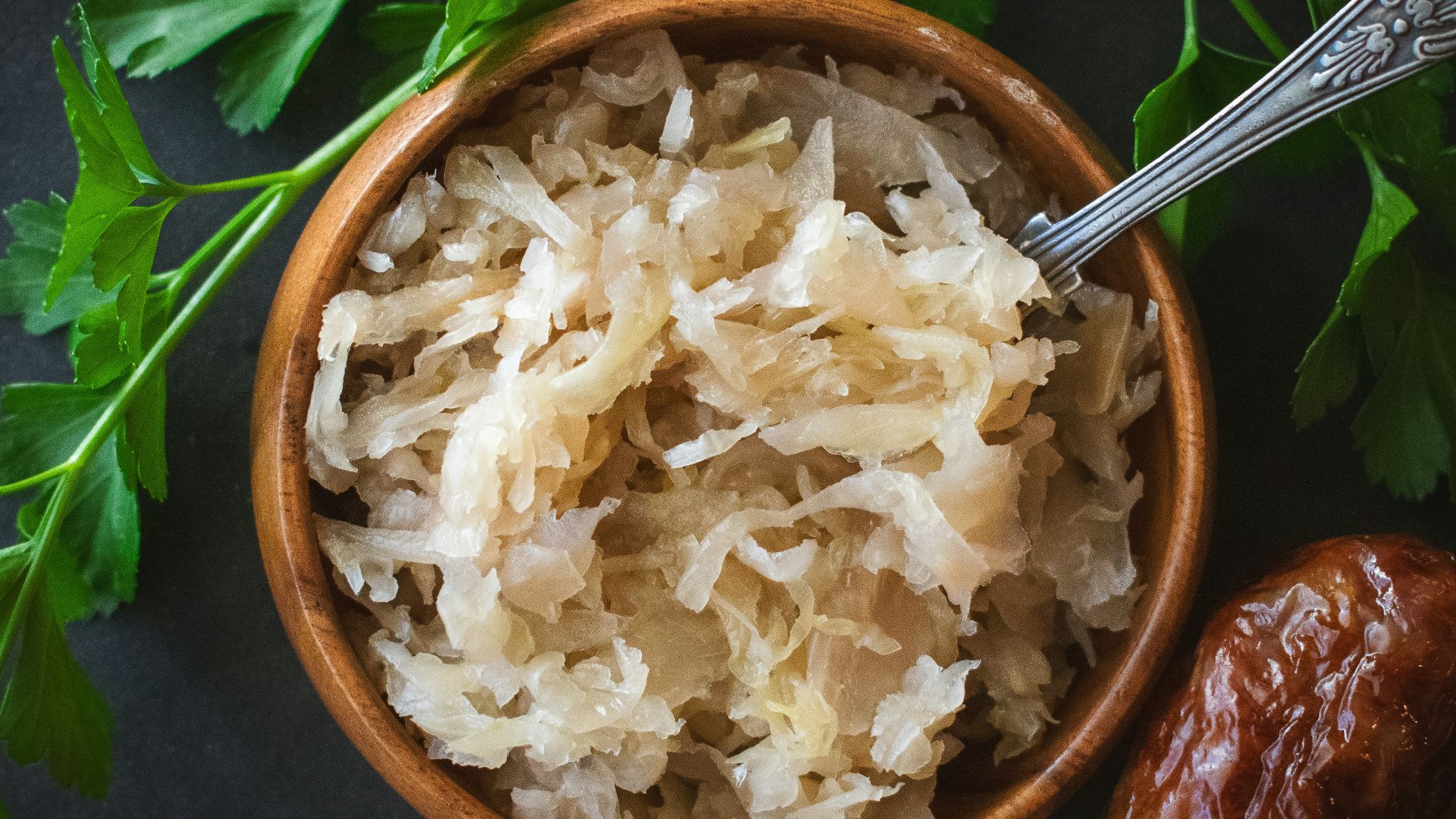
Put simply, sauerkraut is fermented cabbage. Describing it this way makes it sound far less appetizing than most people are used to. Fermented foods became somewhat suspect due to their odor and the unfamiliar way that they were prepared. Today, sauerkraut is a familiar accompaniment to sausages, sandwiches, and other dishes, proving that fermentation can win over plenty of skeptics.
7. Haggis
Haggis is a mixture of sheep’s offal, oatmeal, onions, and seasonings that is then cooked and served as a meal. The use of organ meats has made it challenging for some diners to accept, particularly if they're accustomed to seeing those parts of an animal as waste. Despite its reputation, haggis remains an important Scottish food with plenty of enthusiastic fans.

8. Black Pudding
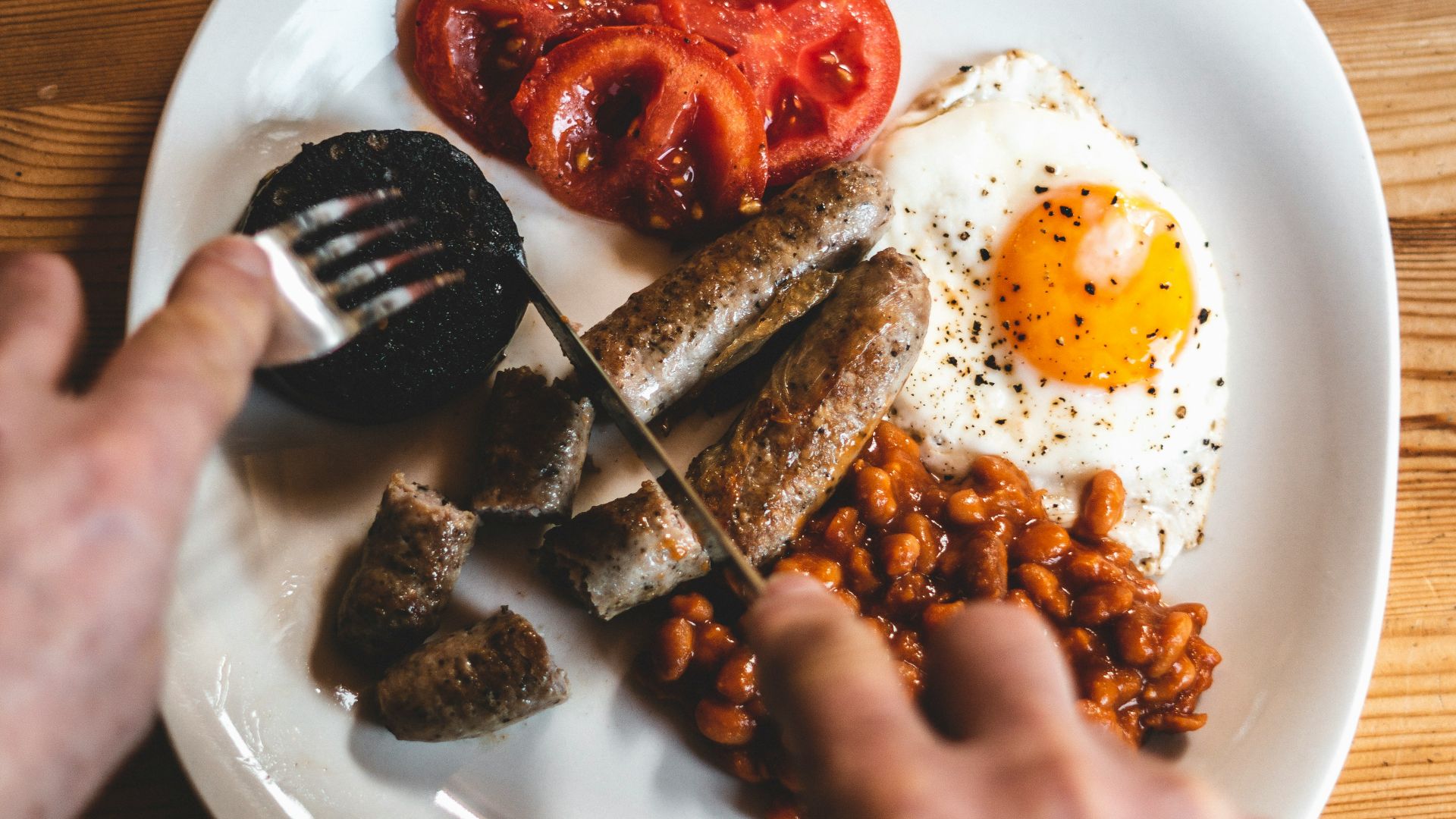
Black pudding is blood sausage traditionally made from pork blood, fat, oatmeal, and seasoning. To someone who has never seen it before, black pudding can look intimidating. British and Irish families have served it to friends and family for generations, typically as part of a traditional breakfast.
9. Marmite
Few foods are quite as love-it-or-hate-it as the British spread known as Marmite. This paste is made from yeast extract and has a powerful savory flavor that may catch unsuspecting consumers by surprise. While some extol its savory virtues, others can’t understand why someone would want to spread the substance on toast.
10. Anchovies
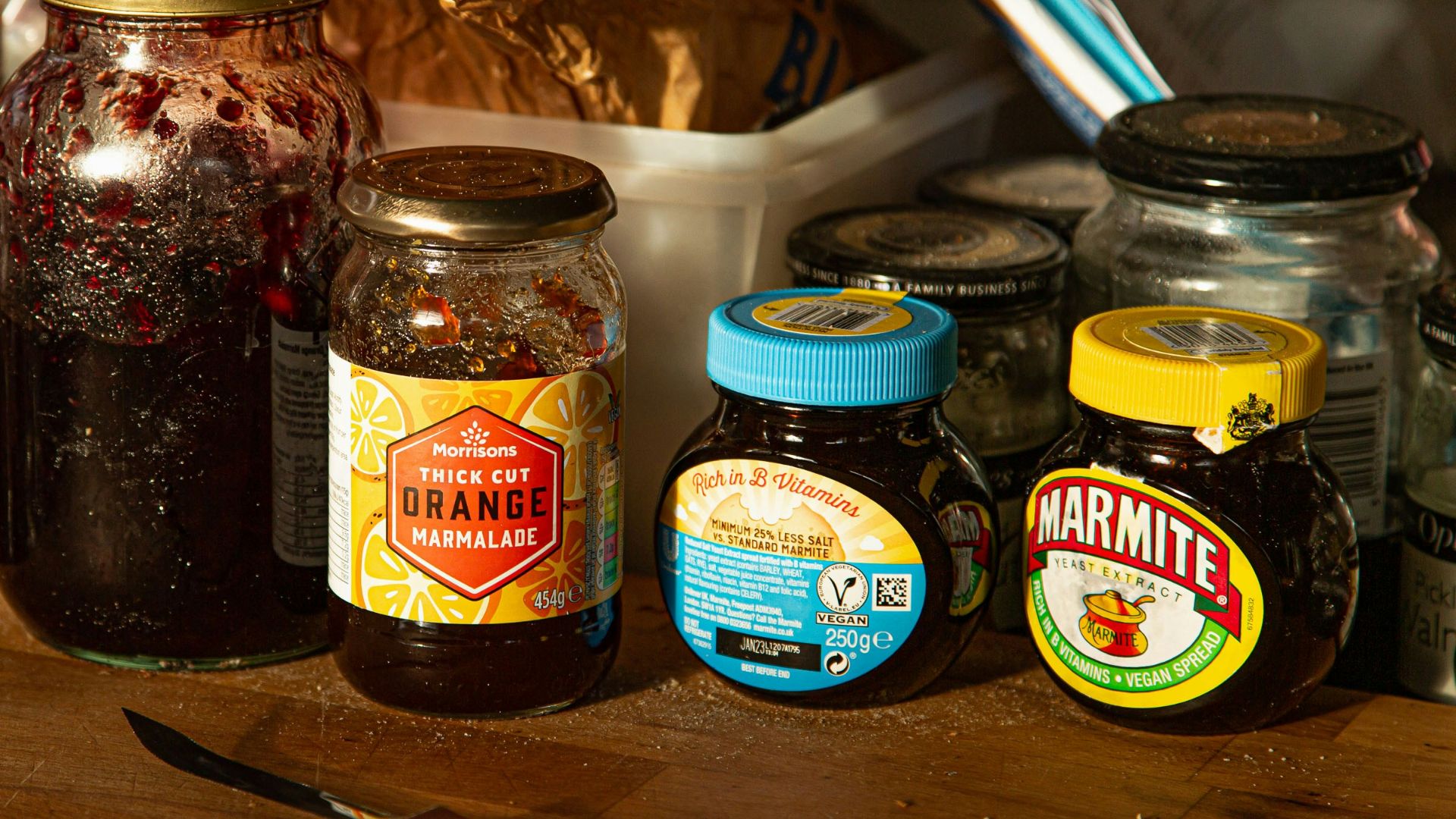
Fish have been knocked for their smell before, and anchovies are no exception. They can smell very strong and salty, and eating them straight from the pack is likely to turn many people off. When used sparingly as an ingredient in sauces, salads, pizzas, and other dishes, however, anchovies can add a depth of flavor without overwhelming.
11. Kimchi
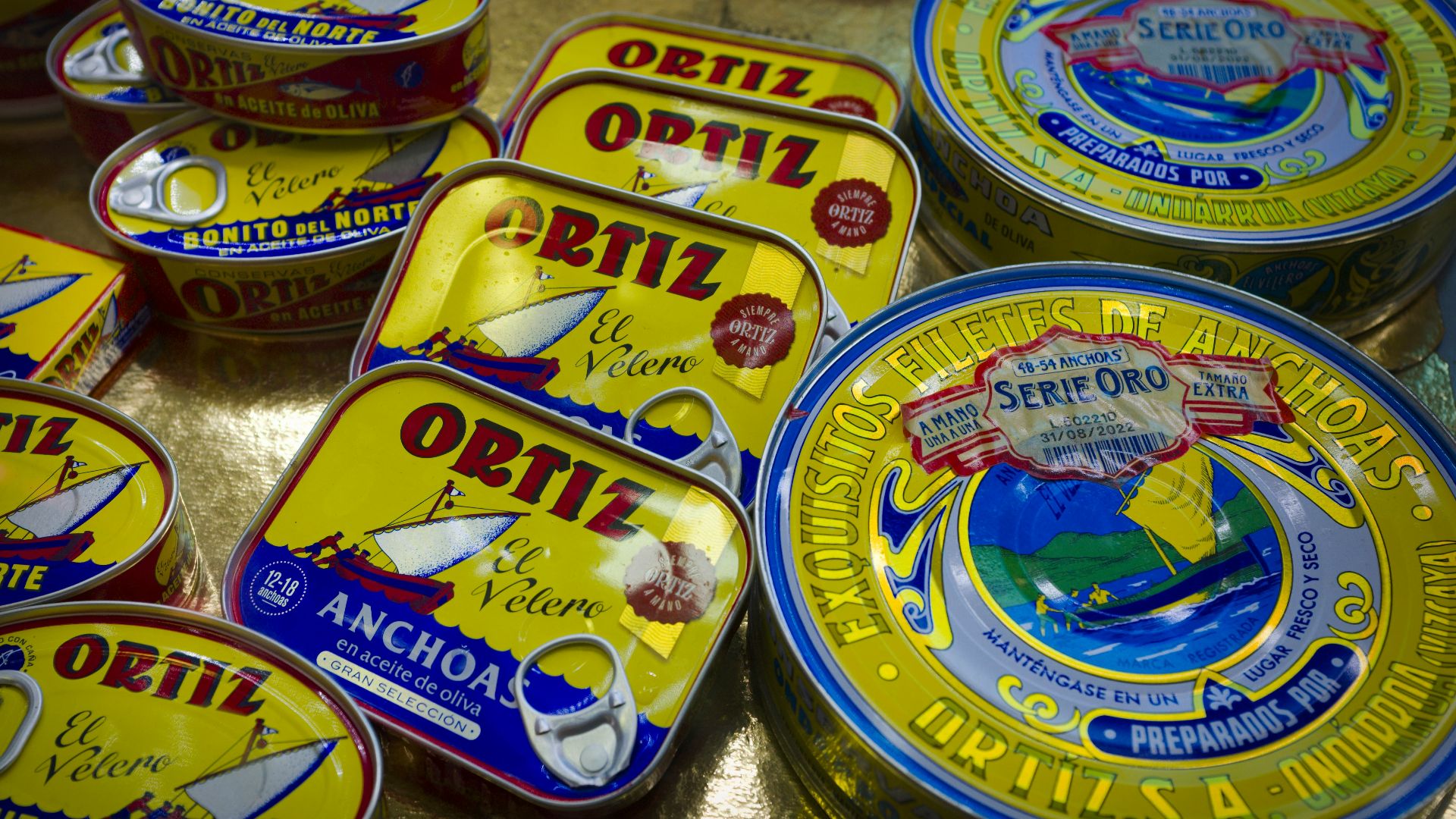
Kimchi didn’t sound very appetizing to those unfamiliar with it due to its smell, spice, and fermentation. This mixture of cabbage, seasonings, and sometimes fish sauce is markedly different from fresh salads. Now, kimchi is becoming popular worldwide and is available in restaurants and grocery stores everywhere.
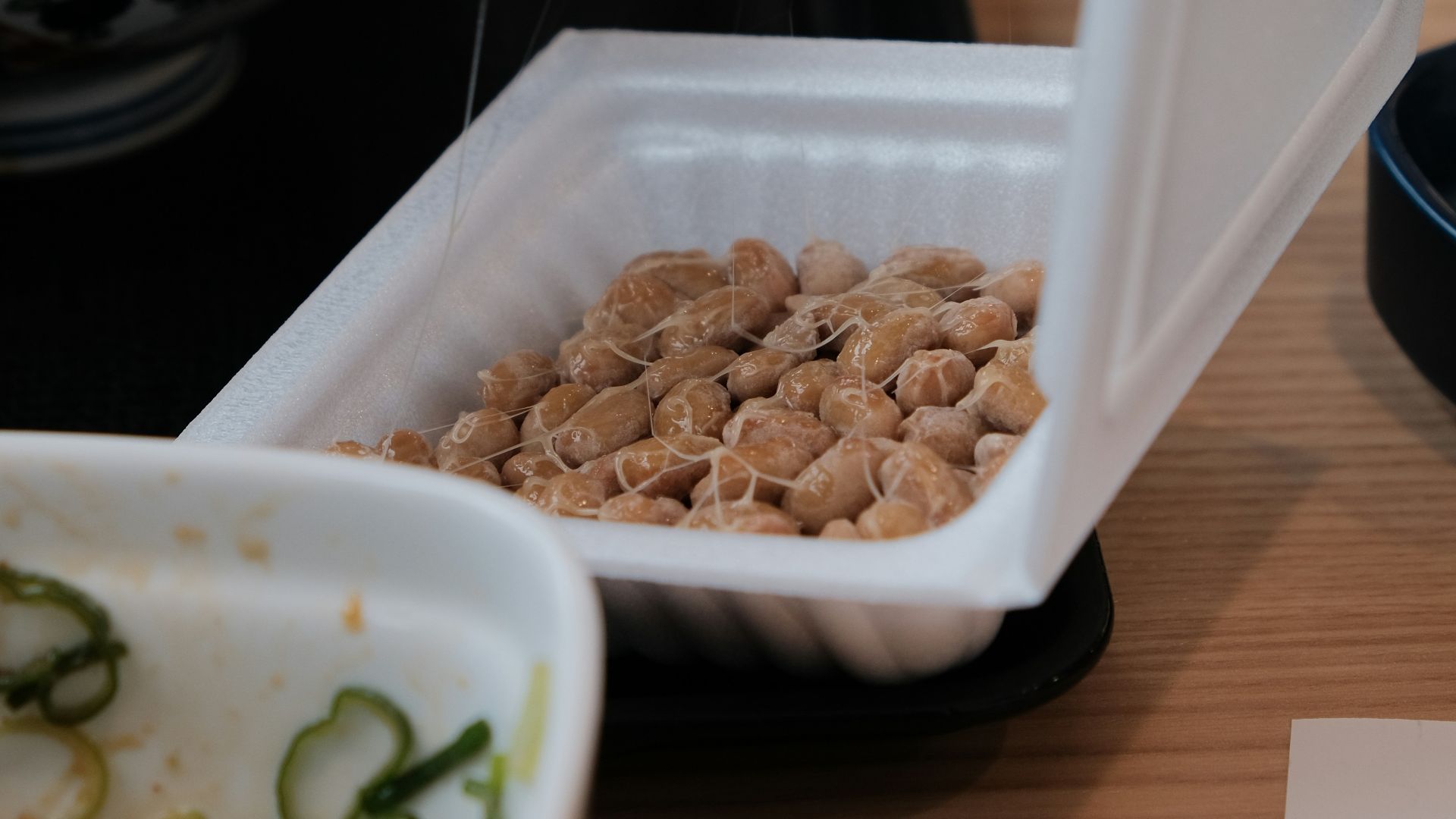
12. Natto
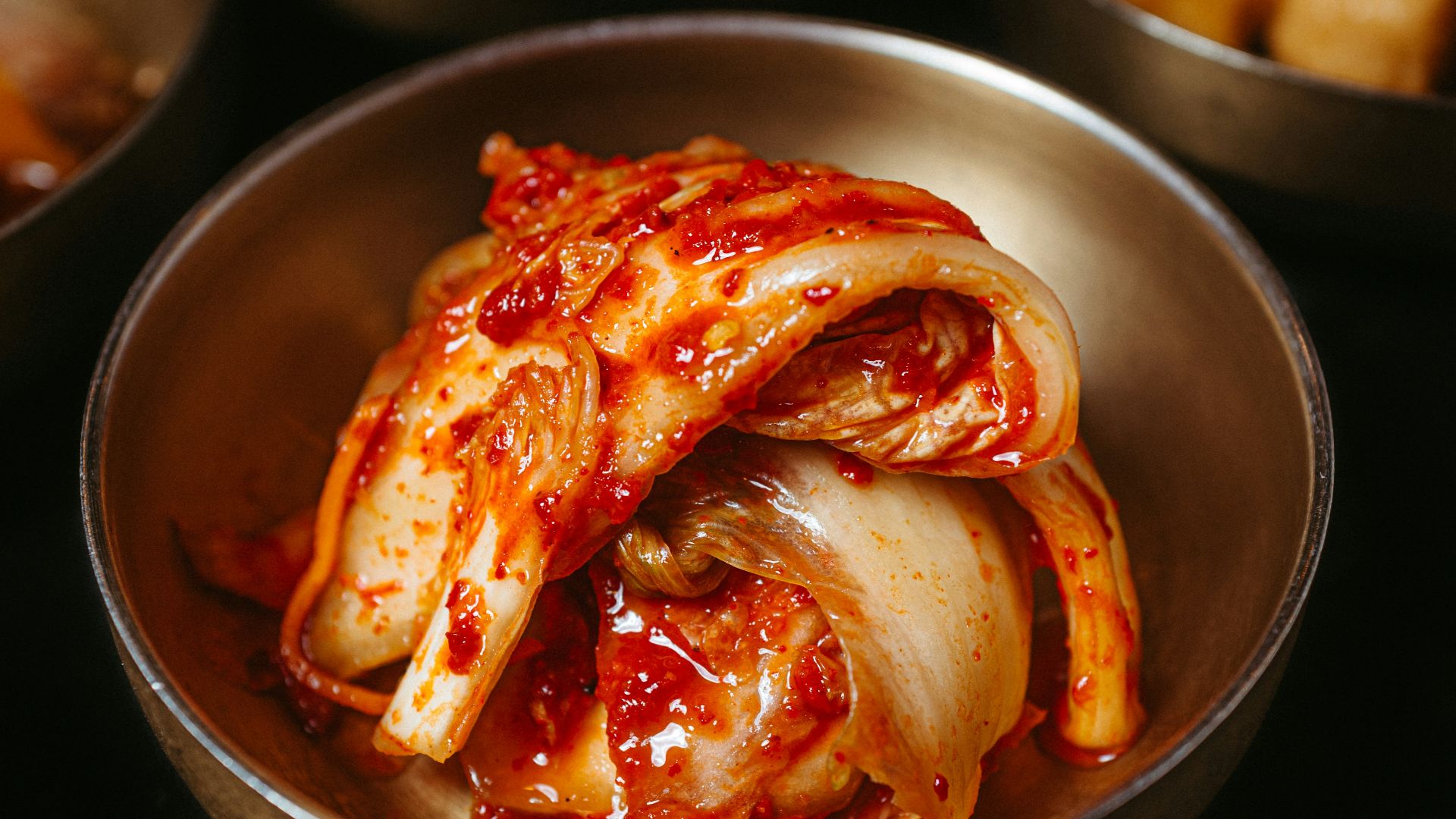
Natto is made from fermented soybeans and has a very strong smell to it. If you’ve never tried natto before, then consuming it for the first time may be a rather memorable experience. Natto is traditionally served in Japan and has been part of the Japanese diet for centuries.
13. Tofu
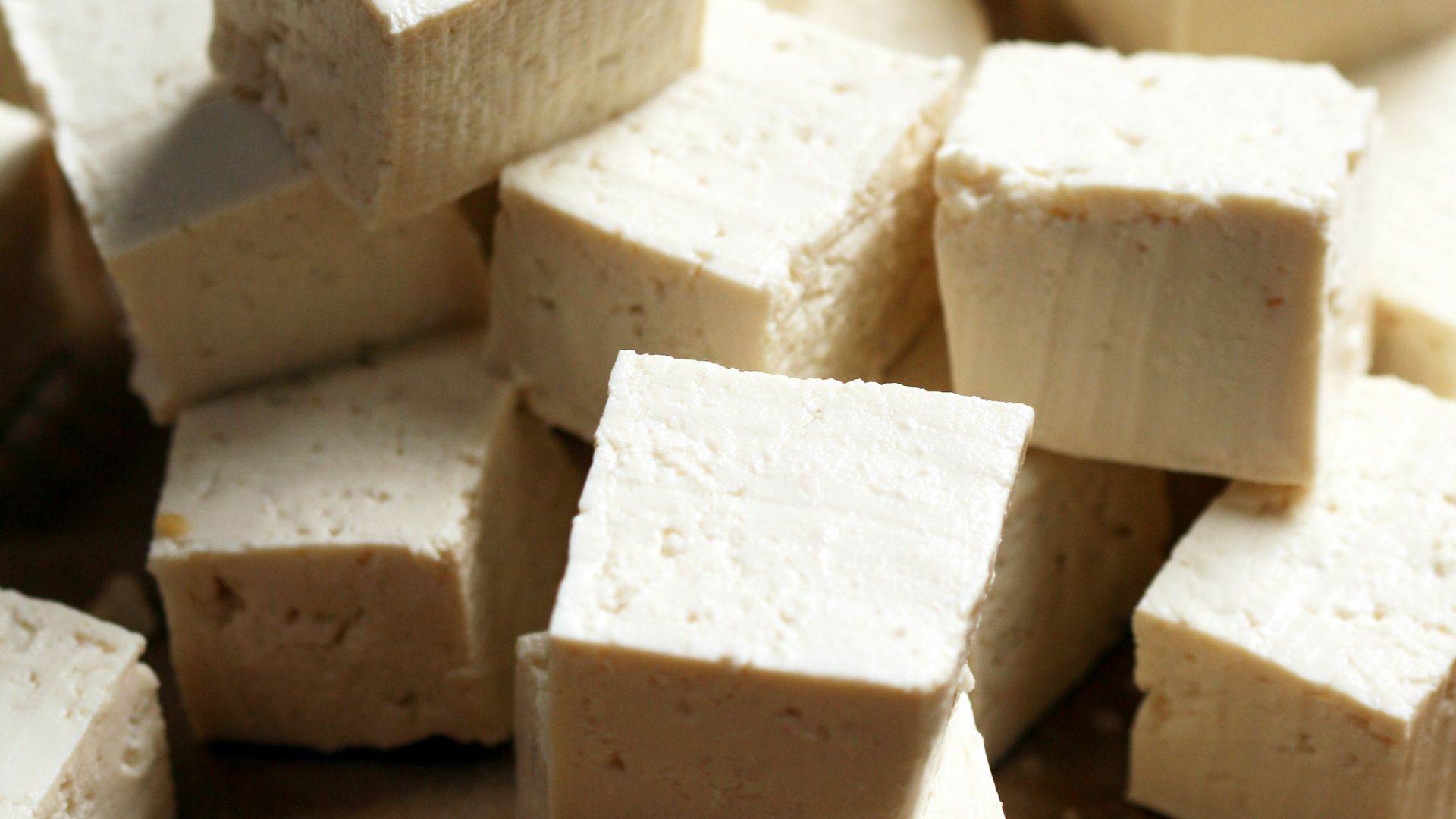
Since tofu is prized for its ability to take on the flavors of what it’s cooked with, some people have written it off as bland. Expecting a hearty source of protein to have a strong taste can lead to disappointment upon the first sight of tofu. Once cooks began using tofu in everything from stir-fries to desserts, more diners discovered that its ability to absorb flavors is one of its biggest strengths.
14. Cottage Cheese
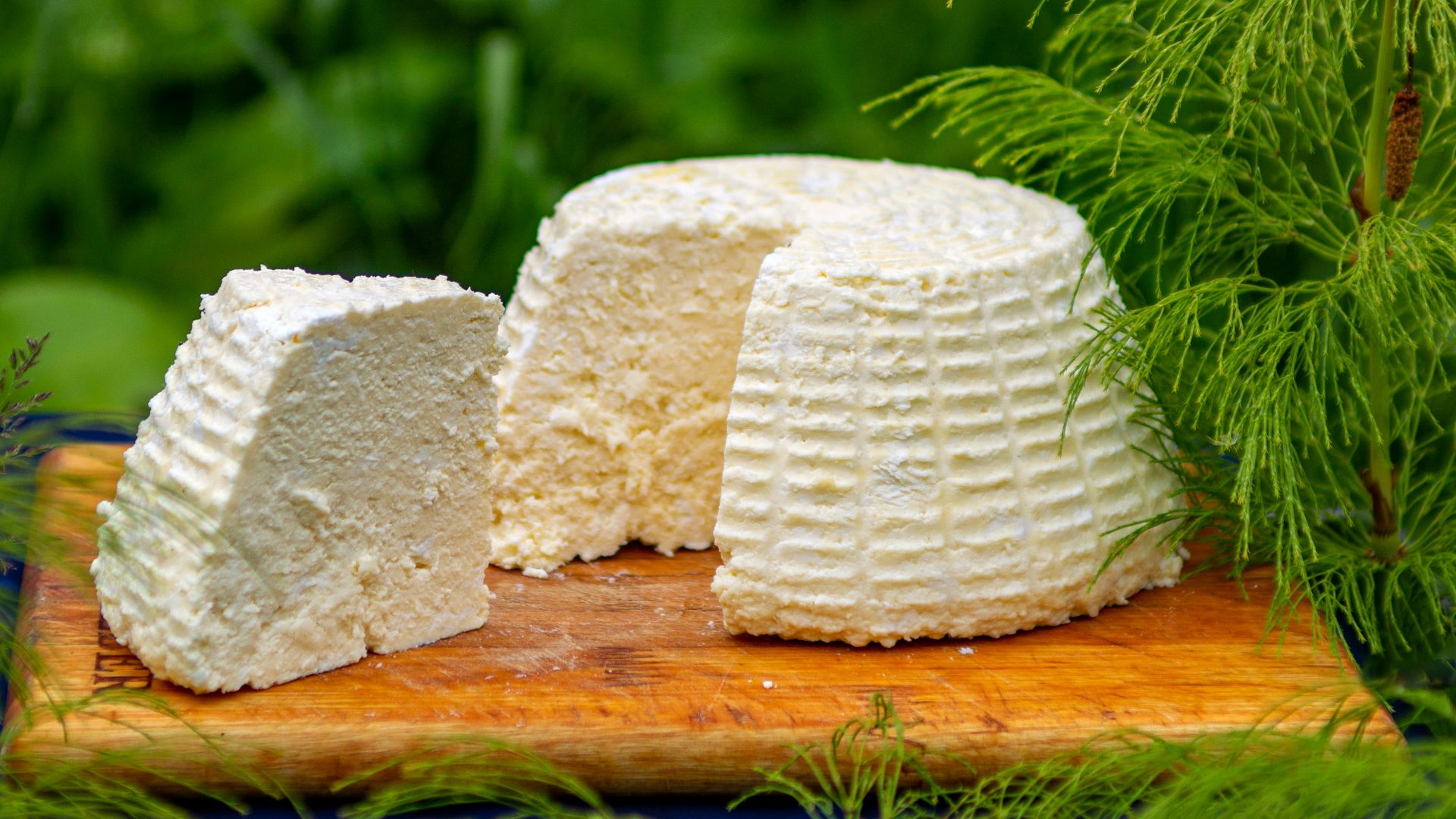
As if cottage cheese’s flavor wasn’t unpleasant enough for some, its appearance has also hindered its reputation. The combination of curds and liquid can look strange if you're expecting cheese to be smooth and firm. Still, it has remained popular as a versatile ingredient for breakfasts, salads, baked dishes, and snacks.
 Aleksey Melkomukov on Unsplash
15. Eggplant
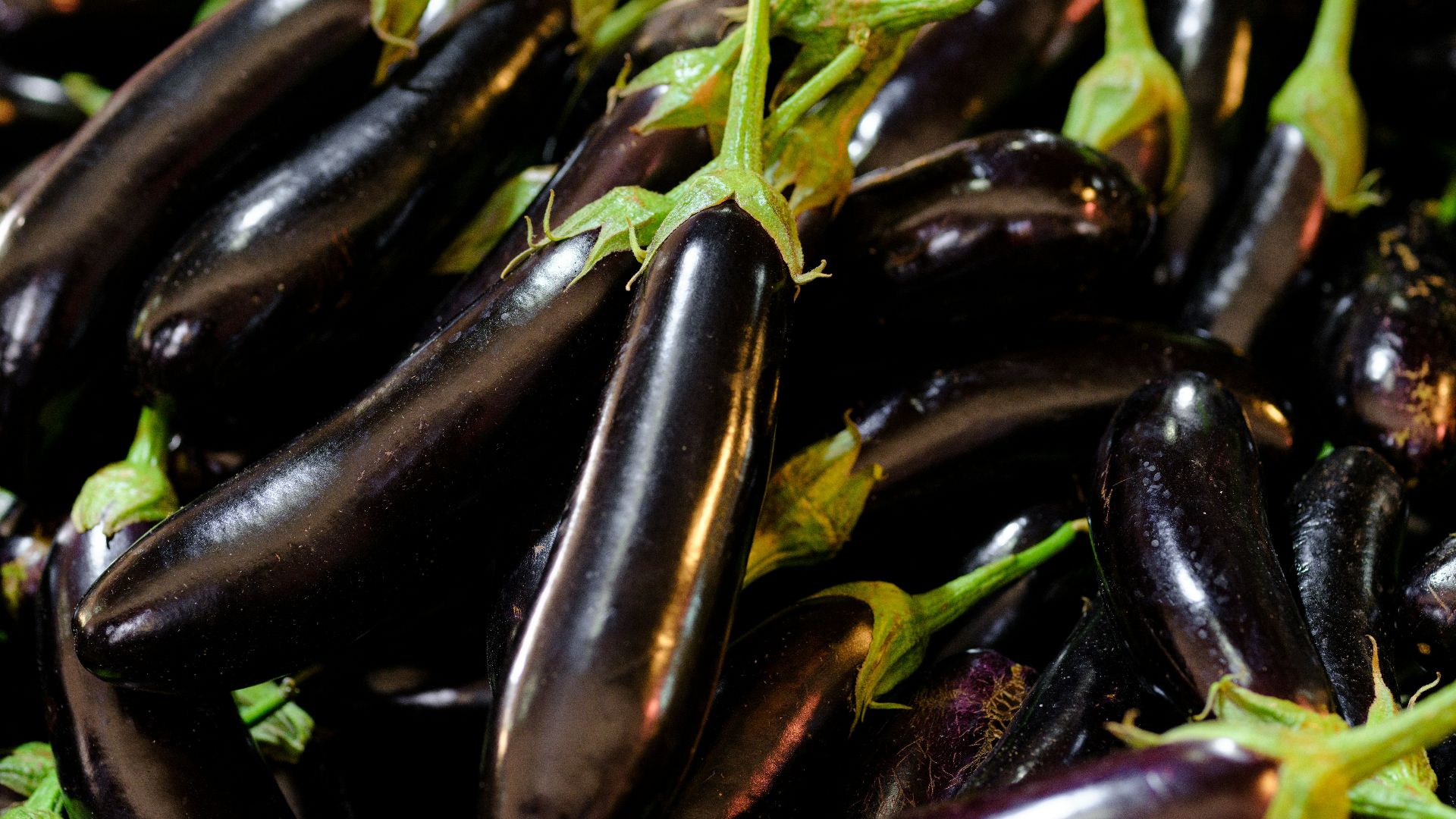
Like tomatoes, eggplant was once thought to be poisonous by Europeans since they are both members of the nightshade family. Eggplant was also very bitter before modern farming techniques changed the way it tastes. With proper seasoning and cooking techniques, eggplant is used in cuisines around the world.
16. Snails
Snails aren’t gourmet until you rename them escargot. Aside from their palate-pleasing name, snails suffer from resembling the shell-covered pests that invade people’s gardens. While snails may not be appetizing to the American public, they are considered a delicacy in French cuisine.

17. Truffles
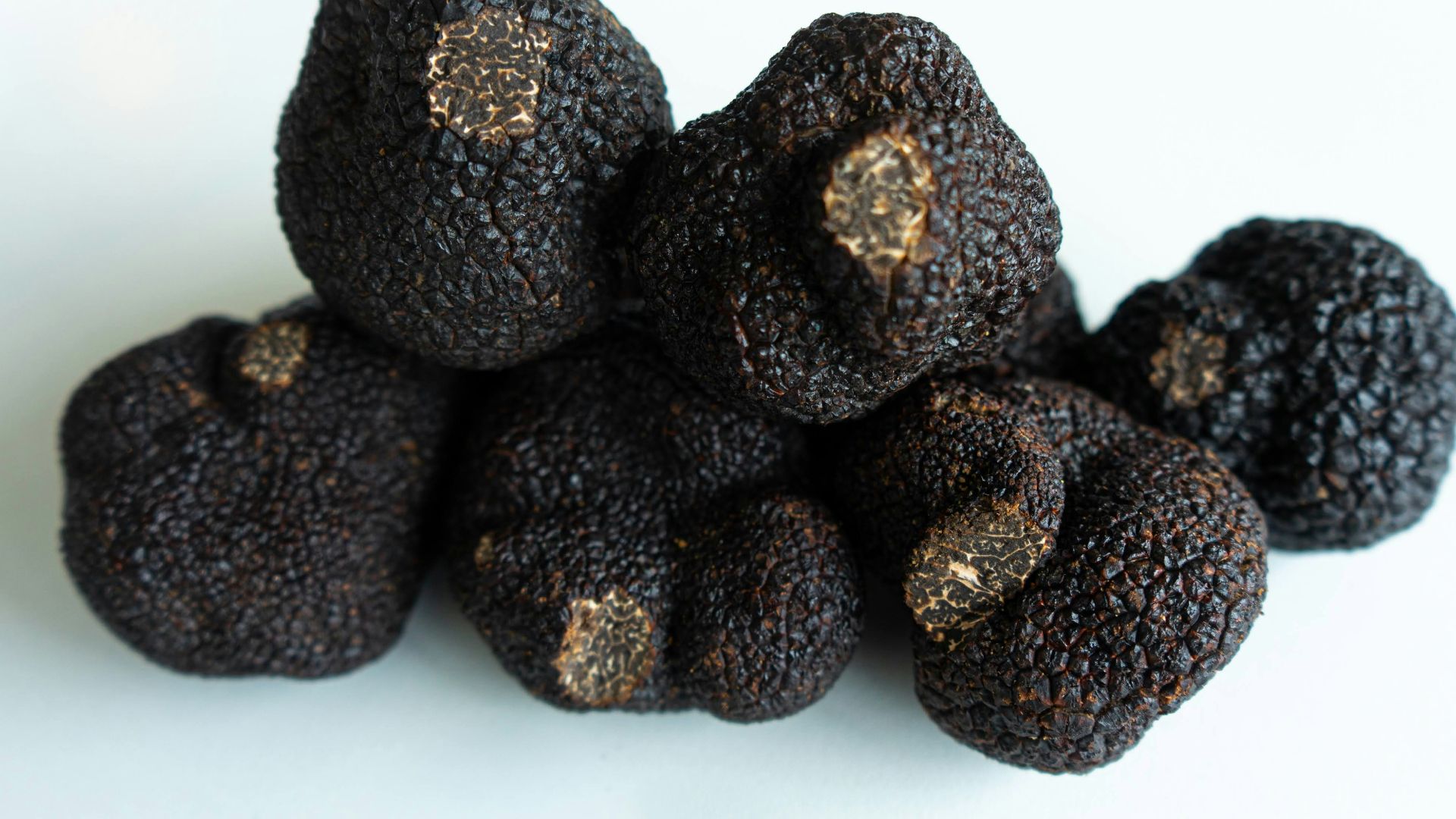
One of the most valuable ingredients in the culinary world doesn’t come on a stem or even grow out of the ground. Truffles are harvested from underneath the soil and don’t appear all that interesting when dug up. Their rarity and distinctive taste eventually turned them into highly valued ingredients, particularly in European cooking.
18. Liver
Liver used to be a cheap way to use all of the animal, but today’s diners are often turned off by its smell. Depending on the cook, liver can have a metallic smell and taste, and it doesn’t appeal to everyone. While its reputation is not great, cooks around the world continue to serve traditional liver dishes.

19. Blood Sausage
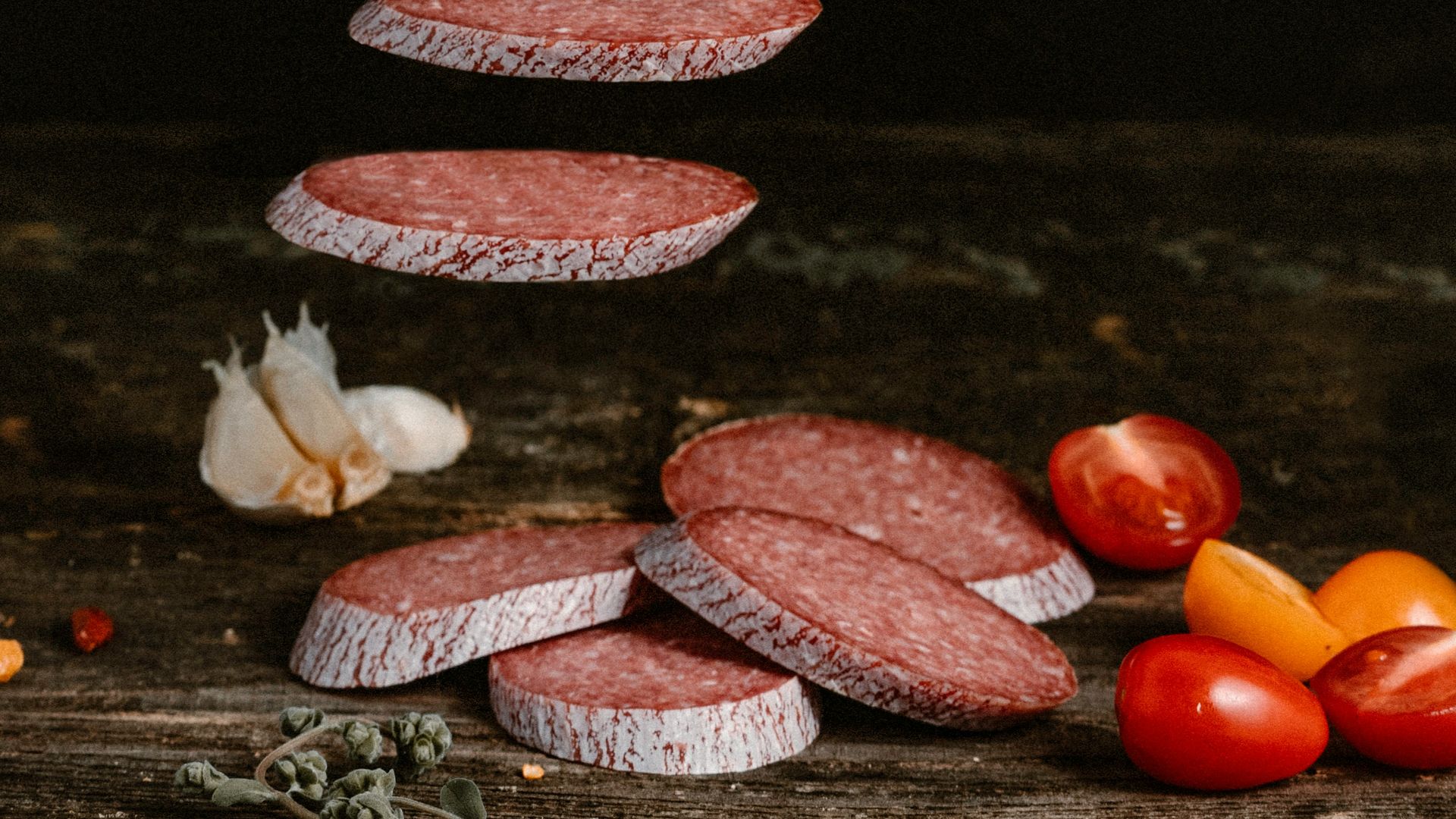
Blood sausage appears in many culinary traditions under different names and with different ingredients. The dark color and use of animal blood can make it difficult for unfamiliar diners to get past the first impression. For cultures that have prepared it for generations, however, it's simply another traditional sausage with a savory flavor.
20. Fermented Fish
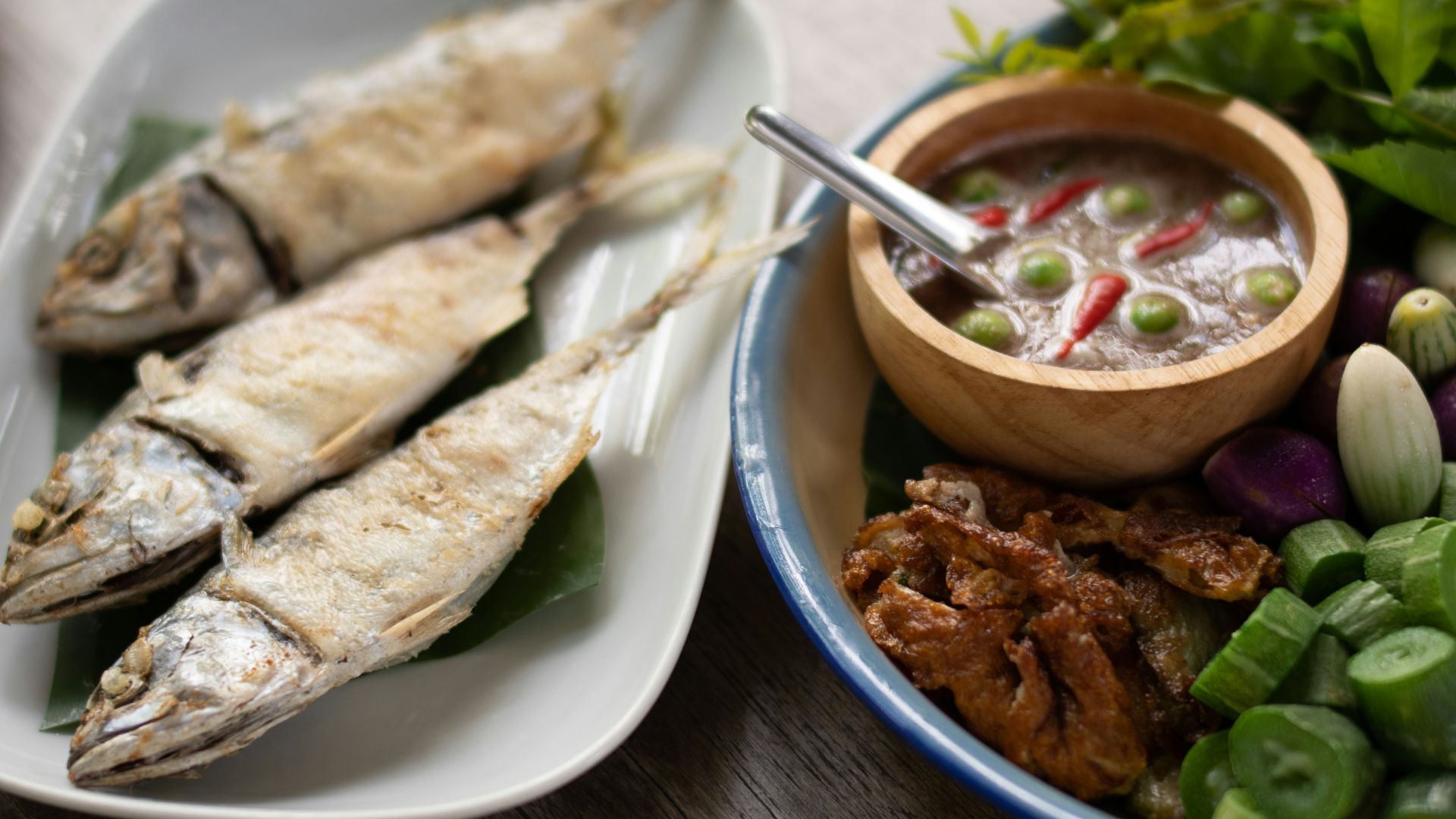
Fish has been fermented to create useful and tasty dishes for thousands of years. Fermented fish can smell very strong, leading many outsiders to think that it’s rotten. People who are used to eating fermented fish dishes know that they’re strong, which is what makes their flavor so delicious.
KEEP ON READING

20 Food Requests Only Spoiled People Ask For

20 Hardest Foods on Earth To Eat

Do Vitamin Supplements Actually Make You Healthier?