It’s Mostly Aura, Not Ingredients
There’s a certain moment in life when a food crosses an invisible line—from everyday to fancy—and it rarely has anything to do with what’s actually on the plate. It’s the lighting, the plating, the menu font, the way someone pronounces it just a little too carefully. You’ve probably eaten plenty of so-called luxury foods without noticing, until someone reframed them with a drizzle, a garnish, or a story about where they were sourced. Suddenly, it feels like you should sit up straighter and chew slower. But strip away the performance, and a lot of these foods are just familiar ingredients wearing a nicer jacket. Here are 20 foods that only feel fancy because someone told you they are.
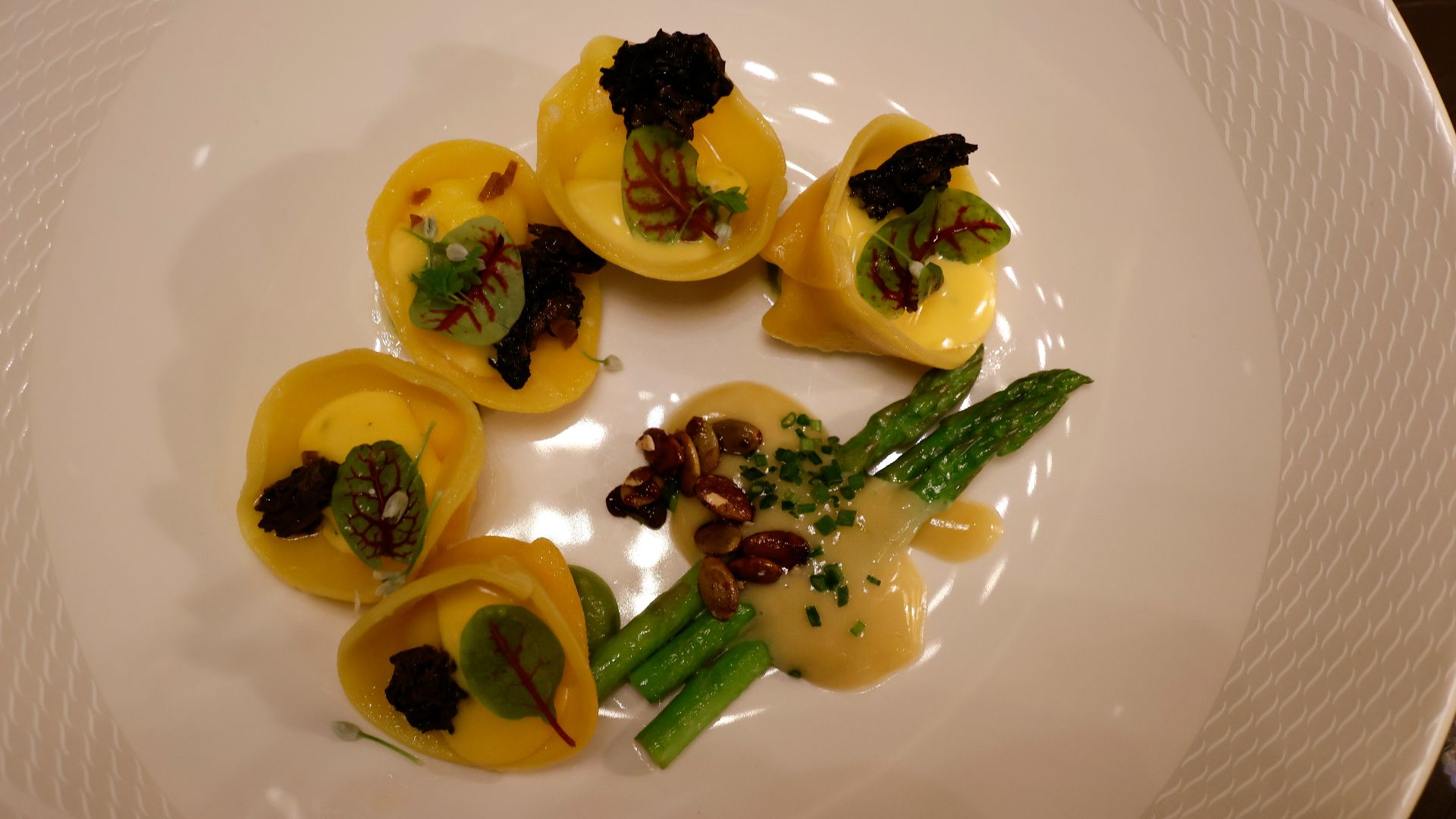
1. Truffle Oil
It sounds like something for royalty, but most truffle oil isn’t even made from real truffles. It’s usually olive oil with synthetic flavoring that leans aggressively earthy. You’ve likely had it on fries at a casual spot and paid triple for the privilege.
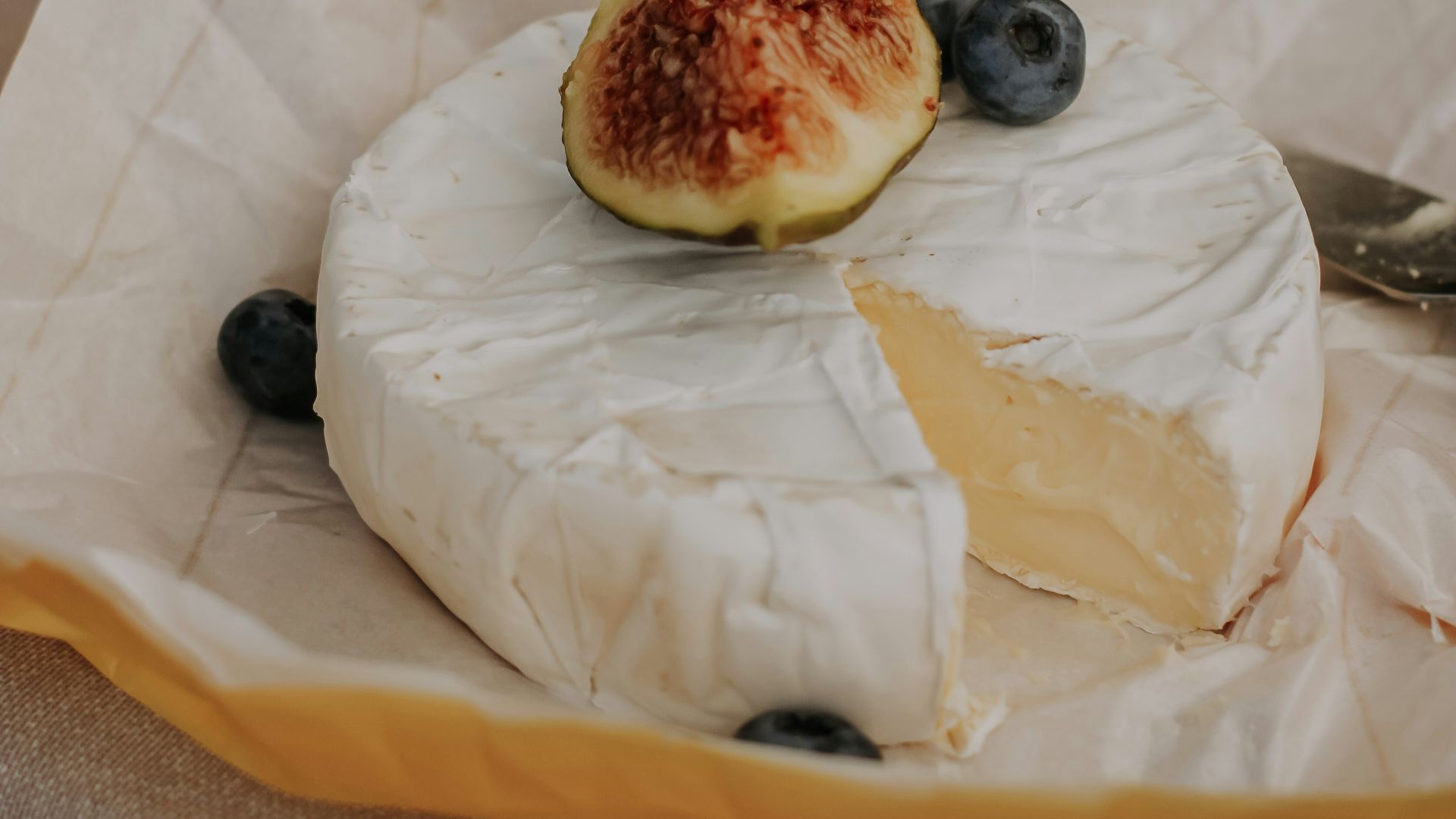
2. Brie
Brie gets a lot of mileage out of its soft rind and French name, but at its core, it’s just a mild, creamy cheese. Leave it out too long, and it behaves exactly like any other dairy product—soft, slightly funky, and ready to spread on whatever’s nearby. There’s nothing mystical happening.
 Nataliya Melnychuk on Unsplash
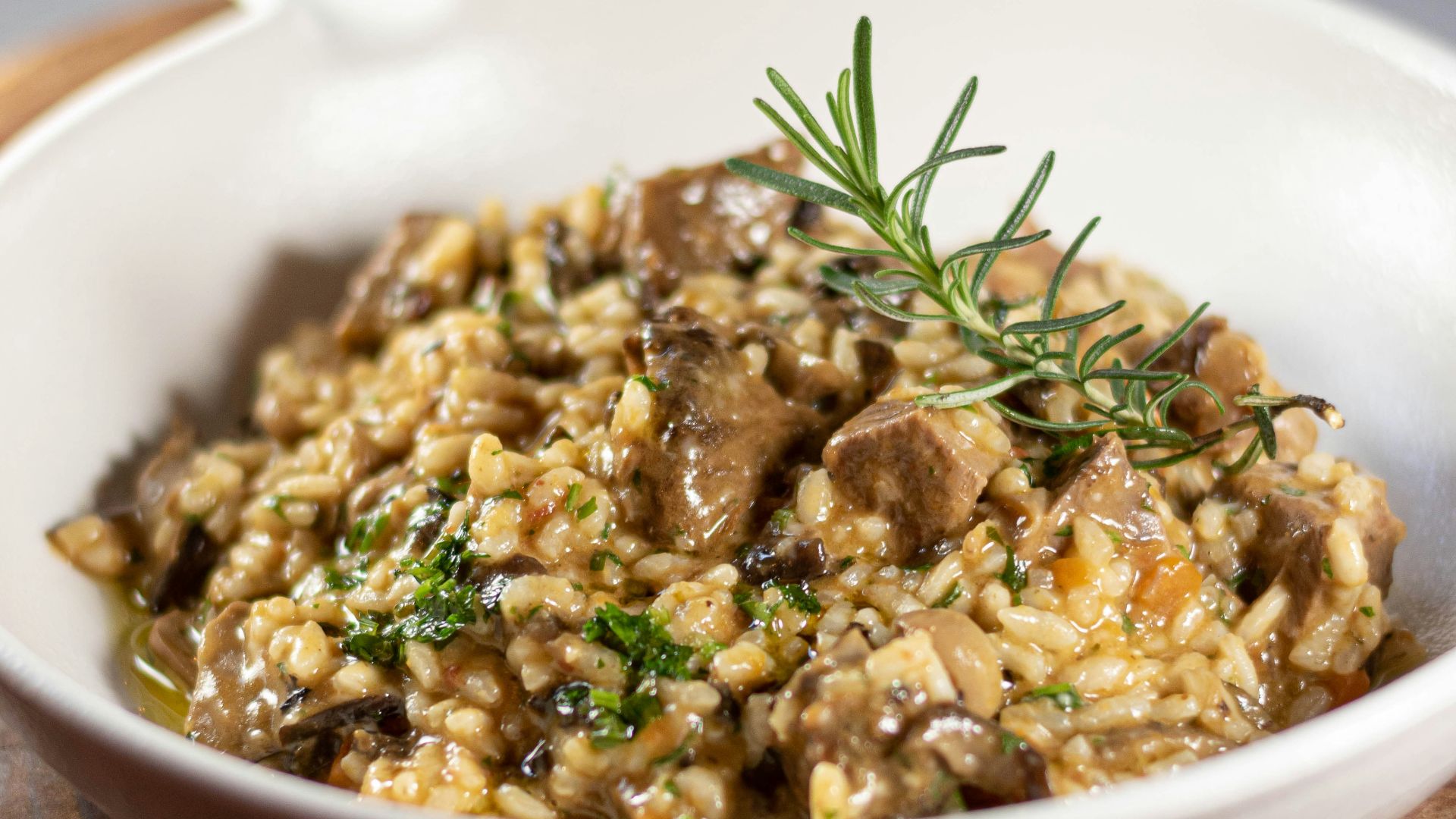
3. Risotto
Risotto feels like a culinary achievement, but it’s essentially rice cooked slowly with broth. The creaminess comes from starch and patience, not some secret technique reserved for chefs in tall hats. You could make it at home on a Tuesday and still watch TV while stirring.
4. Aioli
The word alone does a lot of heavy lifting. Most of what gets labeled as aioli is just mayonnaise with garlic or lemon mixed in. Put it in a squeeze bottle, and suddenly it’s house-made.
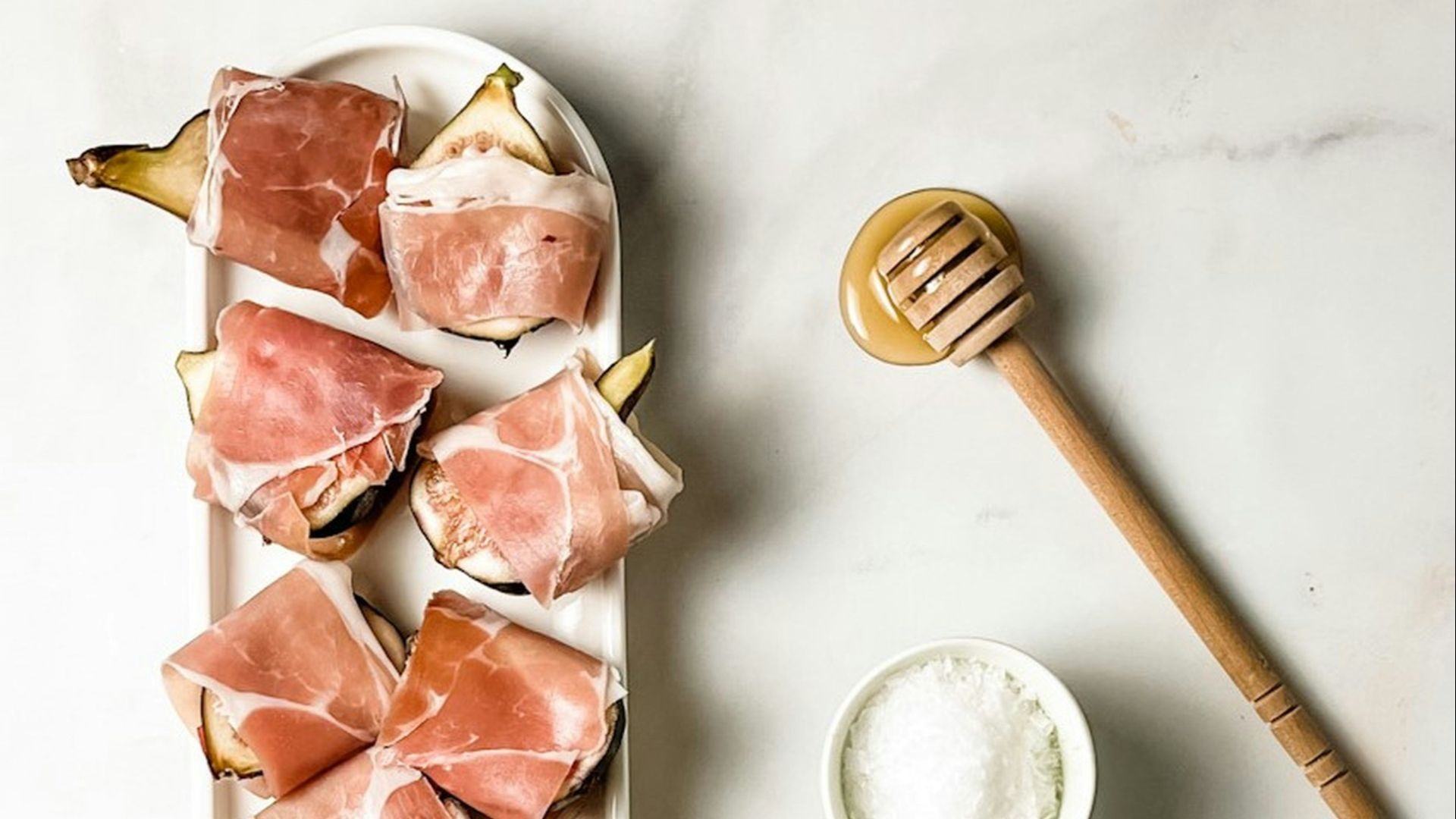
5. Prosciutto
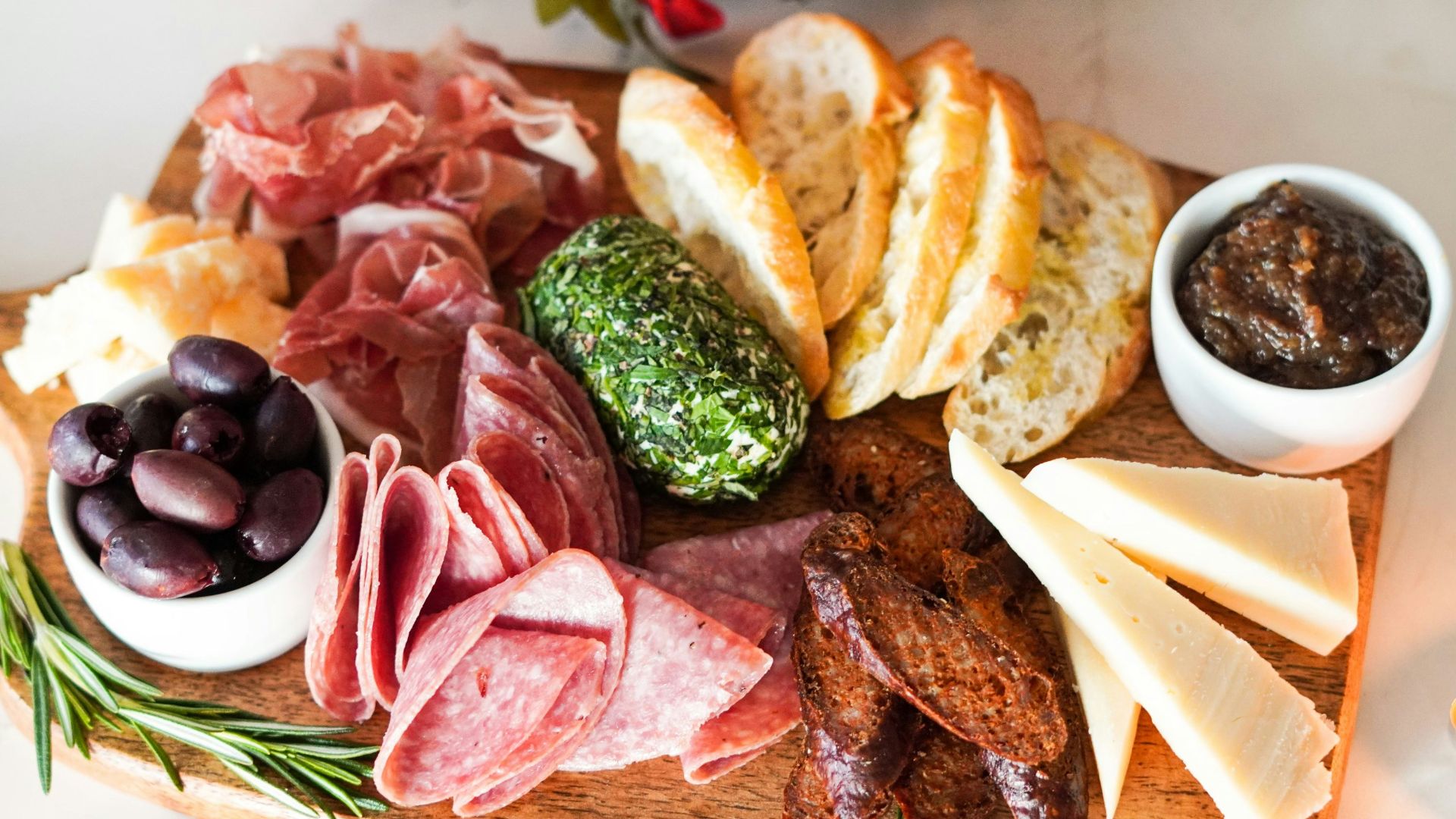
Thinly sliced cured ham sounds elegant when it’s draped over melon, but it’s still just ham. Salty, fatty, and satisfying, sure—but not fundamentally different from what’s in a sandwich. The difference is mostly in presentation and slicing technique.
6. Macarons
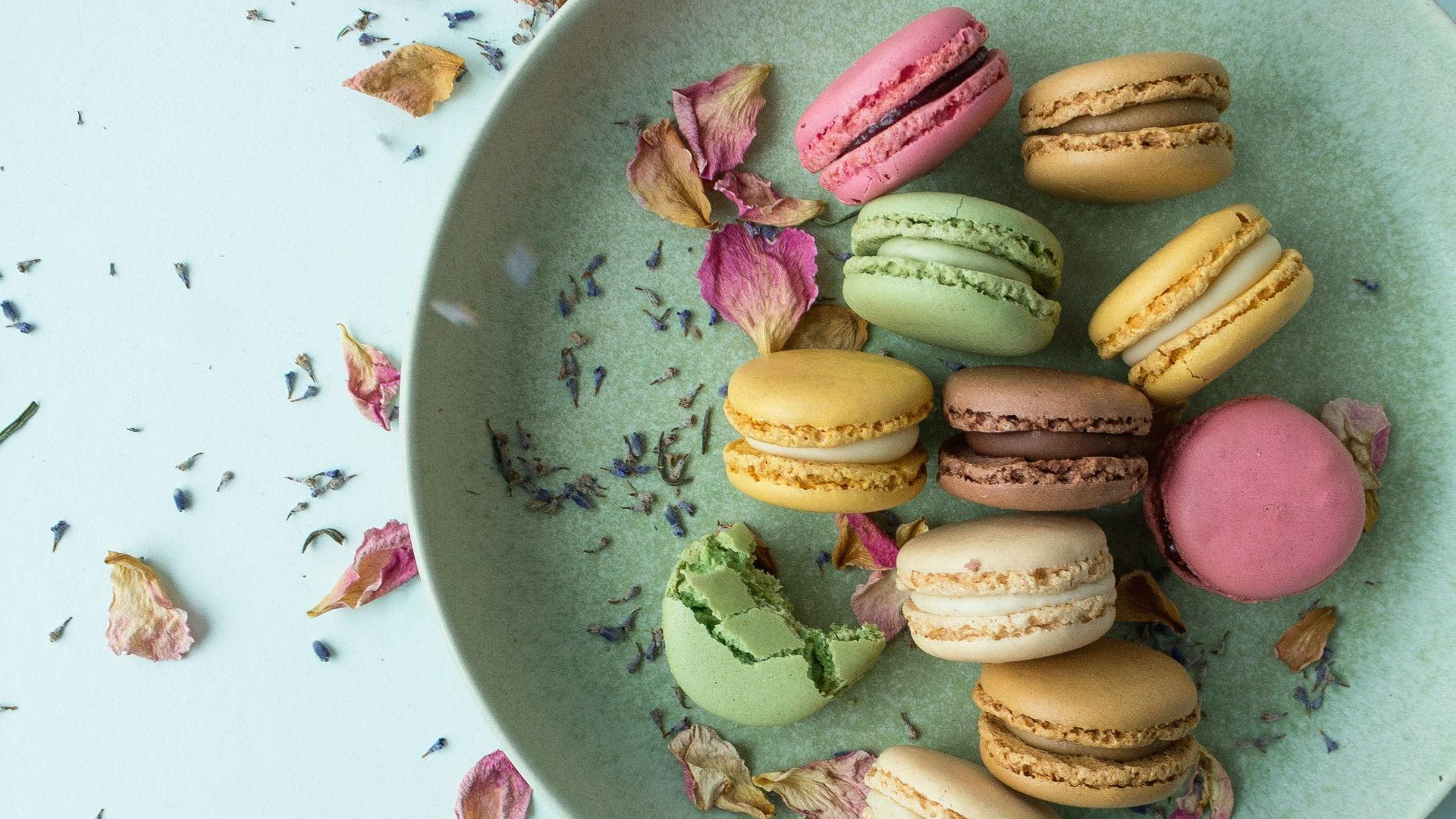
Not to be confused with macaroons, macarons look like delicate little jewels. But they’re essentially meringue cookies with filling—sugar, egg whites, and food coloring doing most of the work. The price tag comes from precision, not rare ingredients.
7. Quinoa
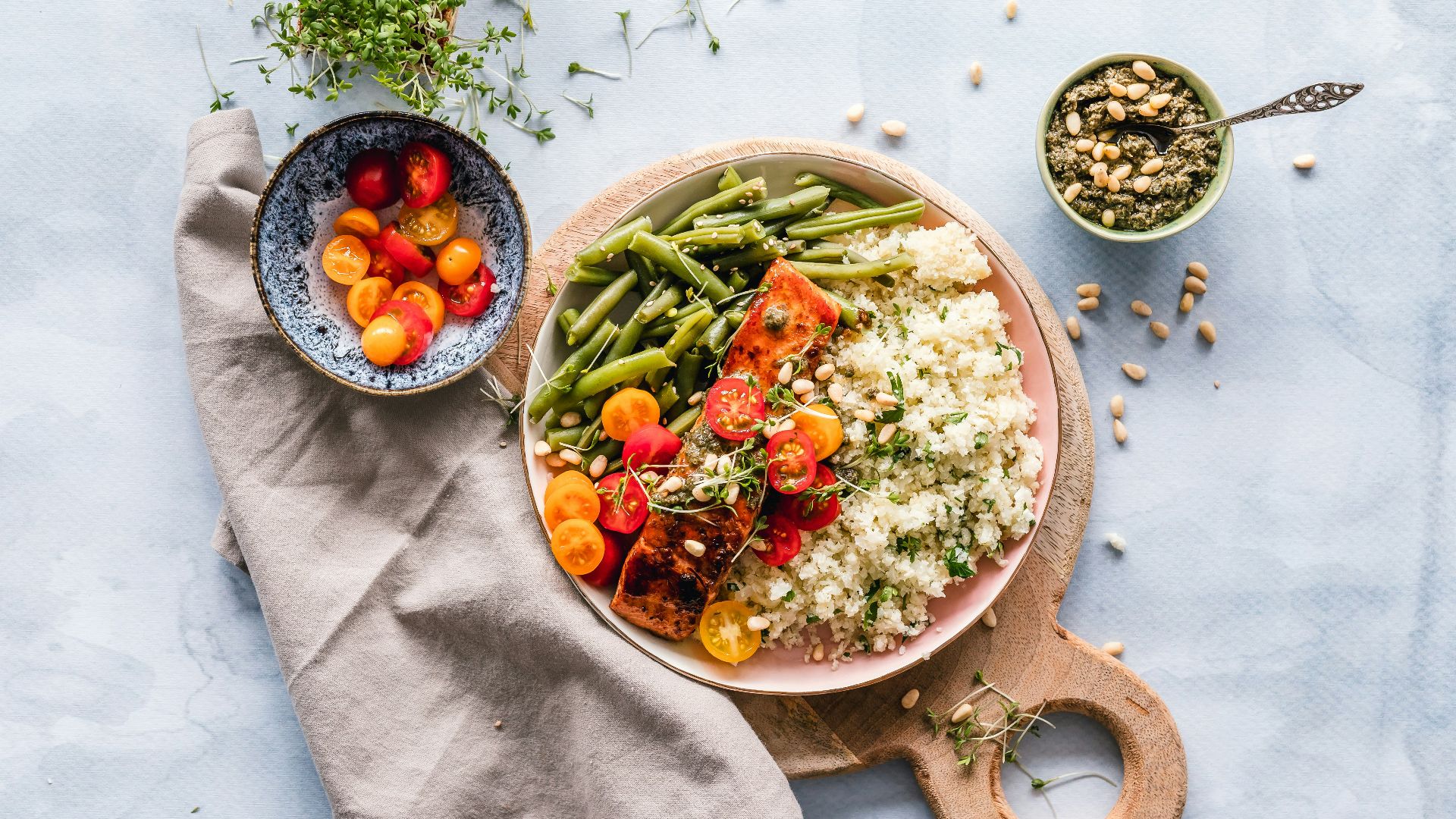
Quinoa arrived with a reputation for being ancient and nutritious, which somehow translated into fancy. But it cooks like rice and tastes like a slightly nuttier version of it. It’s a grain substitute that got a better publicist.
8. Charcuterie
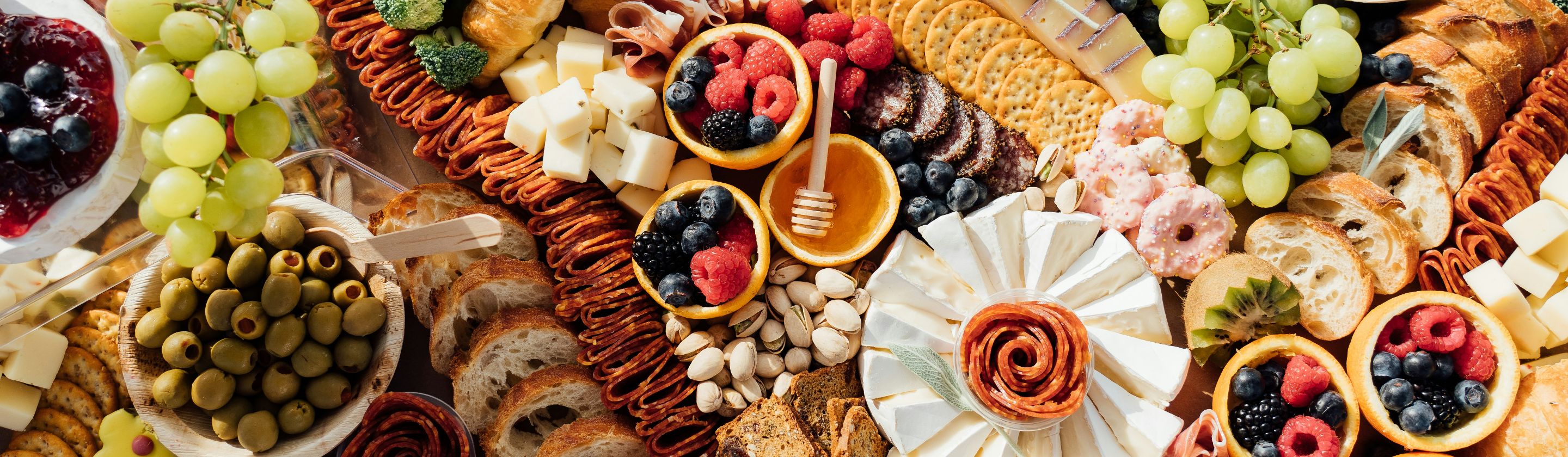
A charcuterie board is often just a collection of snacks arranged thoughtfully. Cheese, crackers, sliced meats, maybe some olives—it’s what you might’ve assembled anyway, just with more spacing and a wooden board. The fancy part is the layout, not the contents.
9. Balsamic Glaze
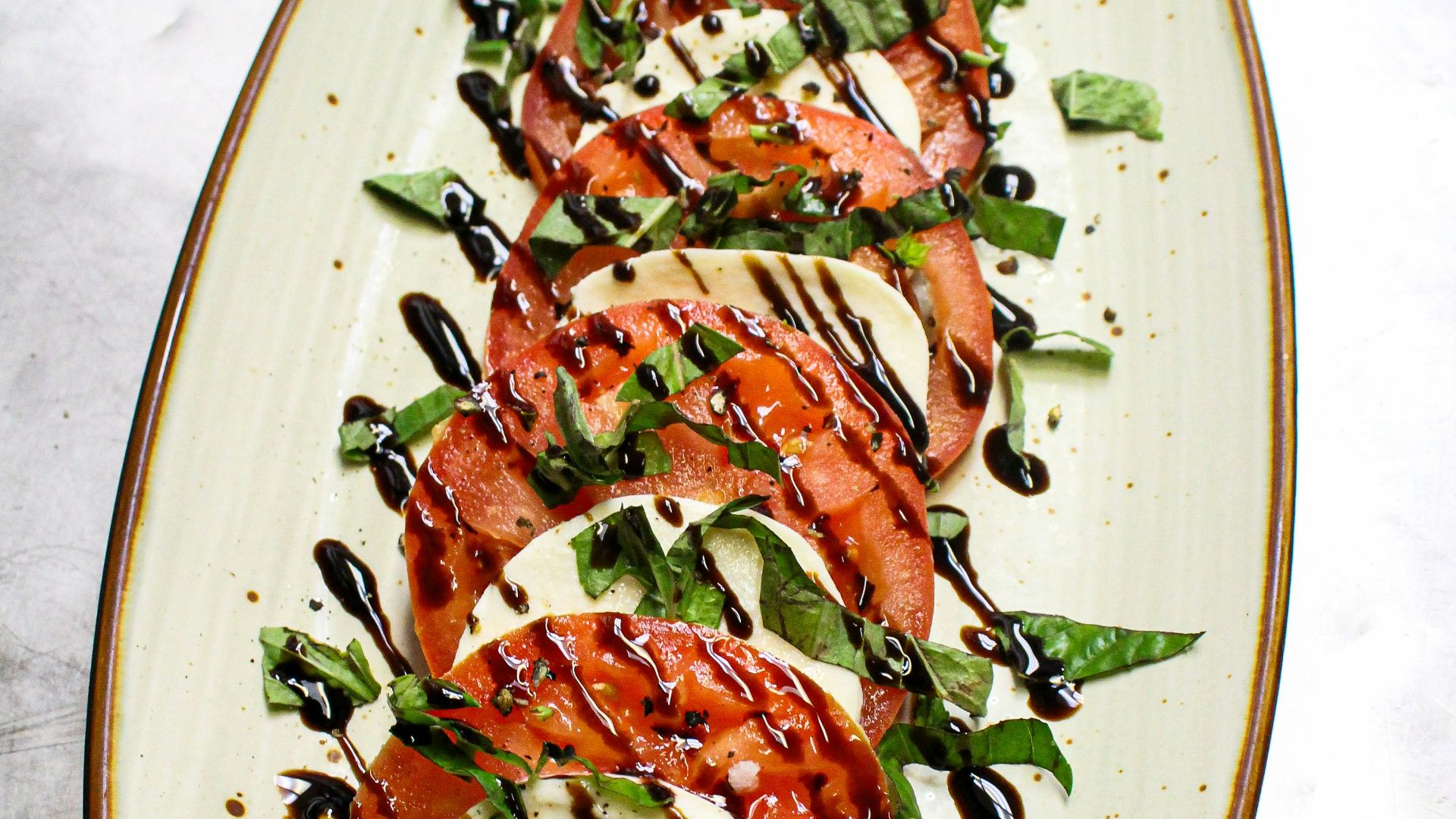
Regular balsamic vinegar simmered down until it thickens becomes a glaze, and suddenly it feels upscale. But it’s still vinegar, just sweeter and more concentrated. Drizzle it over anything, and it instantly looks like you tried harder.
10. Creme Brulee
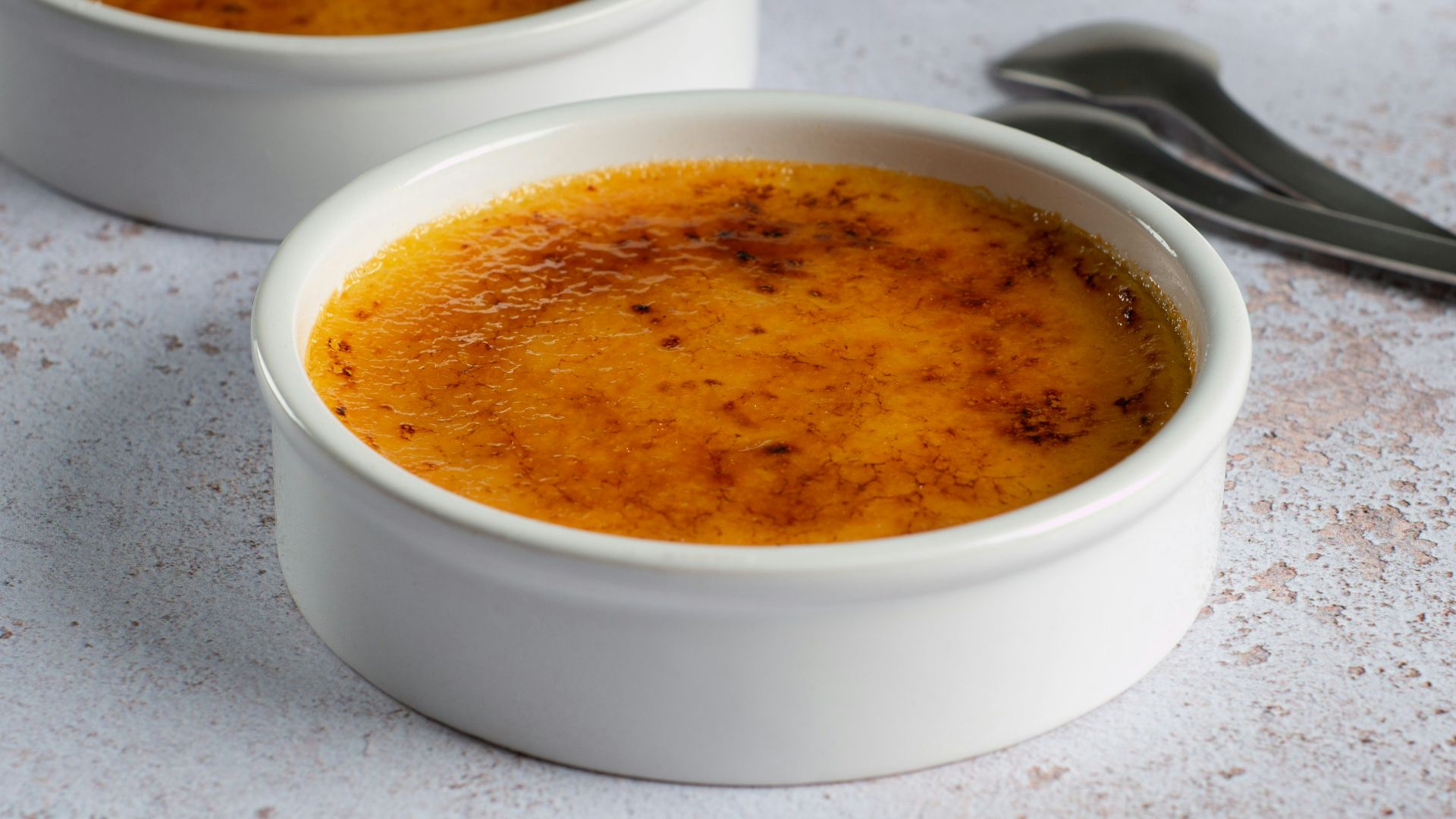
Crack through the caramelized sugar top, and underneath is just custard. Delicious, yes, but not exactly exotic. The drama of tapping the surface does most of the heavy lifting here.
11. Escargot
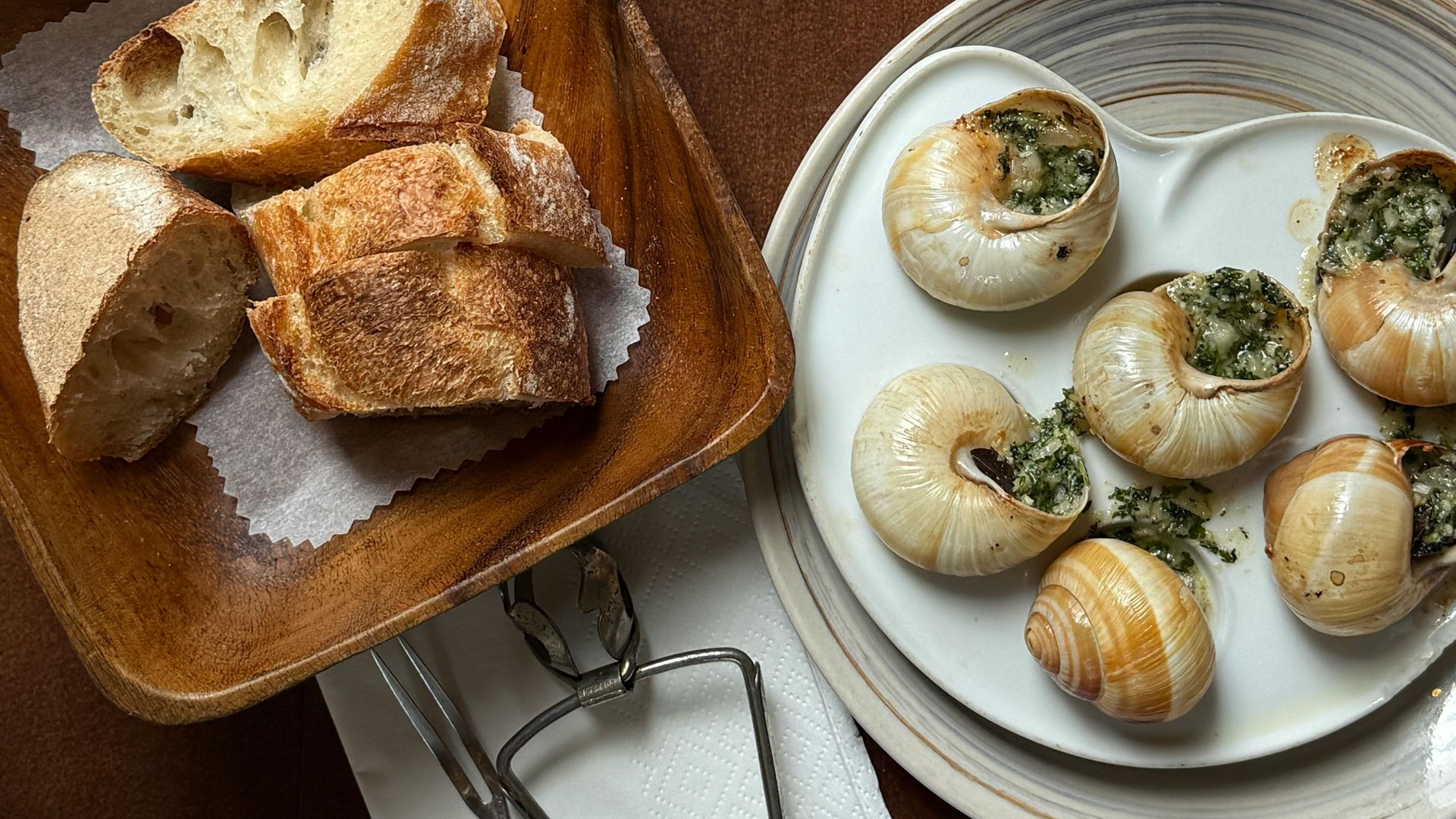
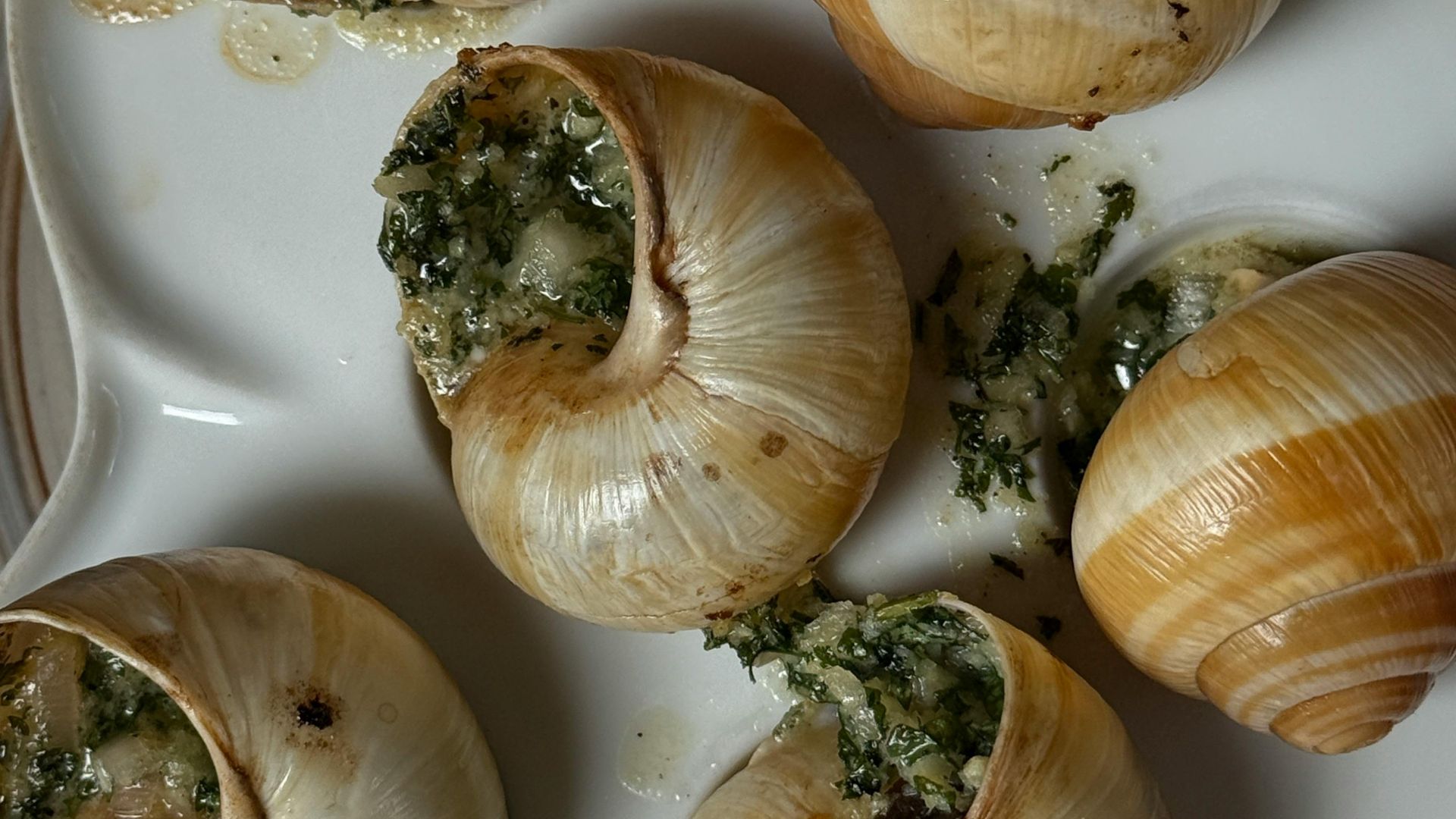
Snails sound intimidating until you realize they’re usually just vehicles for garlic butter. If anything, the flavor you’re enjoying is the butter, herbs, and salt. The snail itself is more about texture than taste.
12. Poke
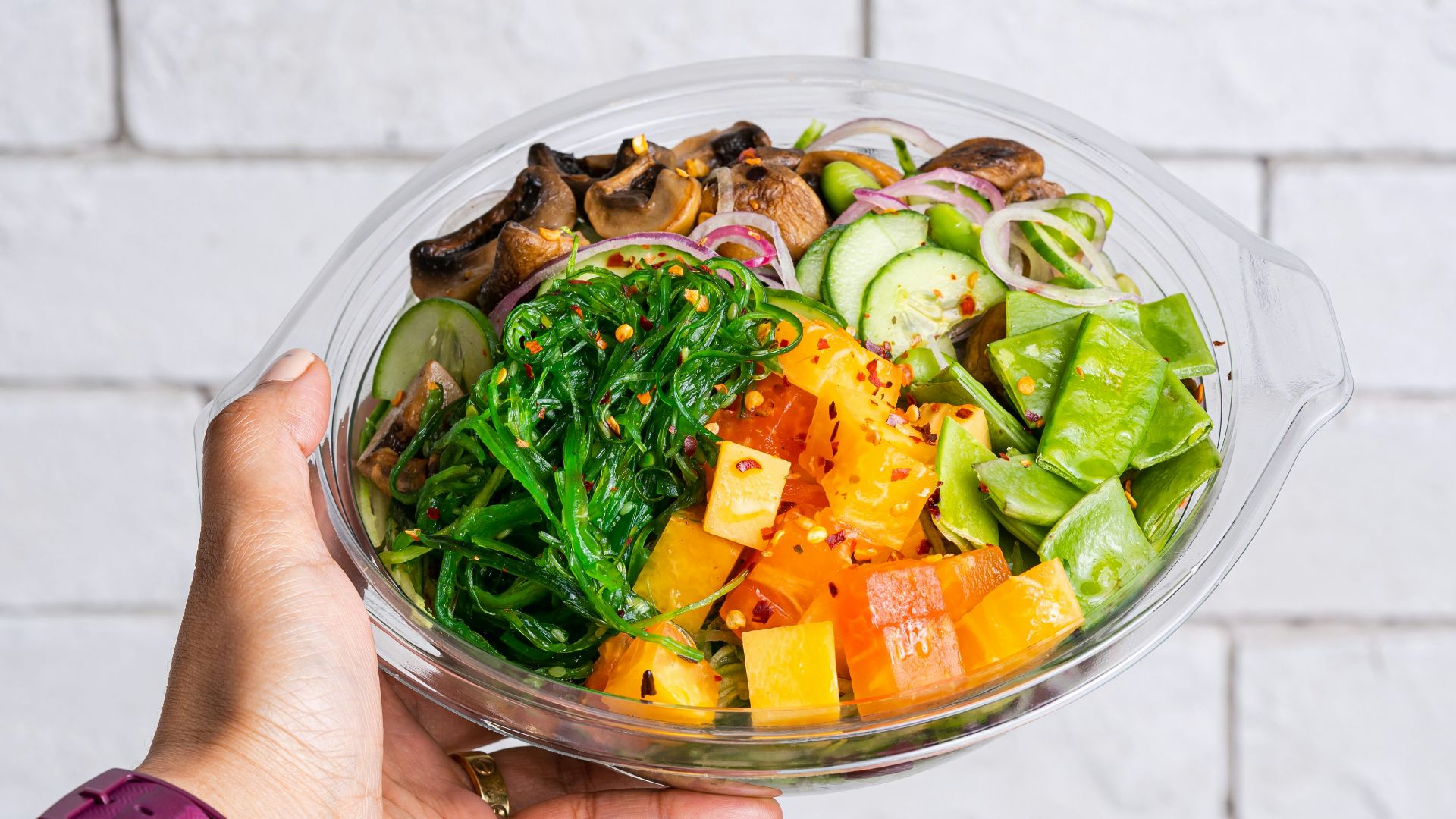
Poke bowls feel trendy and elevated, but they’re essentially deconstructed sushi in a bowl. Rice, fish, toppings, and sauce—just rearranged. It’s the same components, presented more casually but priced like an upgrade.
13. Caprese Salad
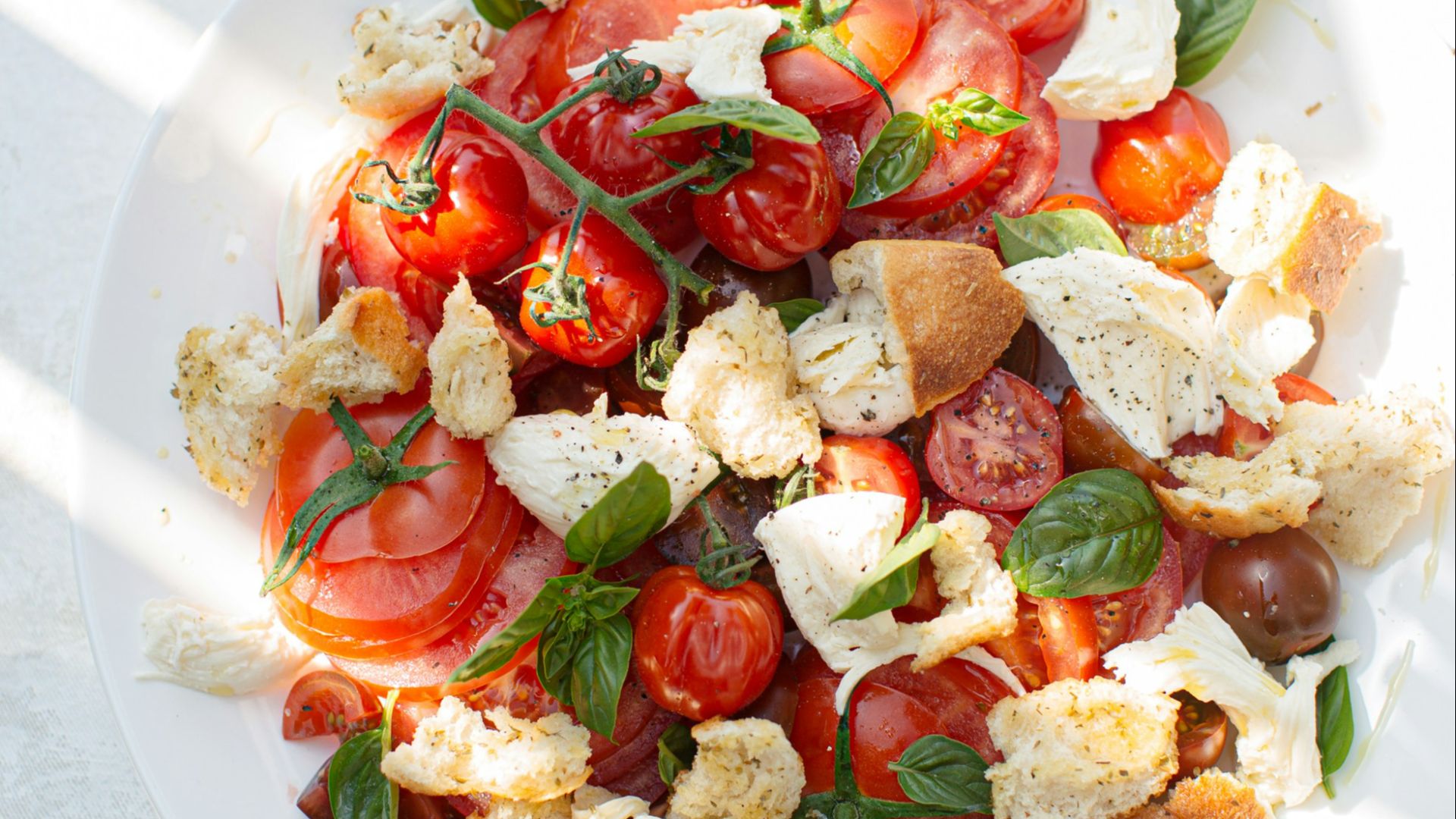
Tomatoes, mozzarella, and basil don’t scream luxury on their own. But call it Caprese, drizzle some olive oil, and suddenly it’s a starter worth lingering over. It’s a simple combination that benefits from a good name.
14. Focaccia
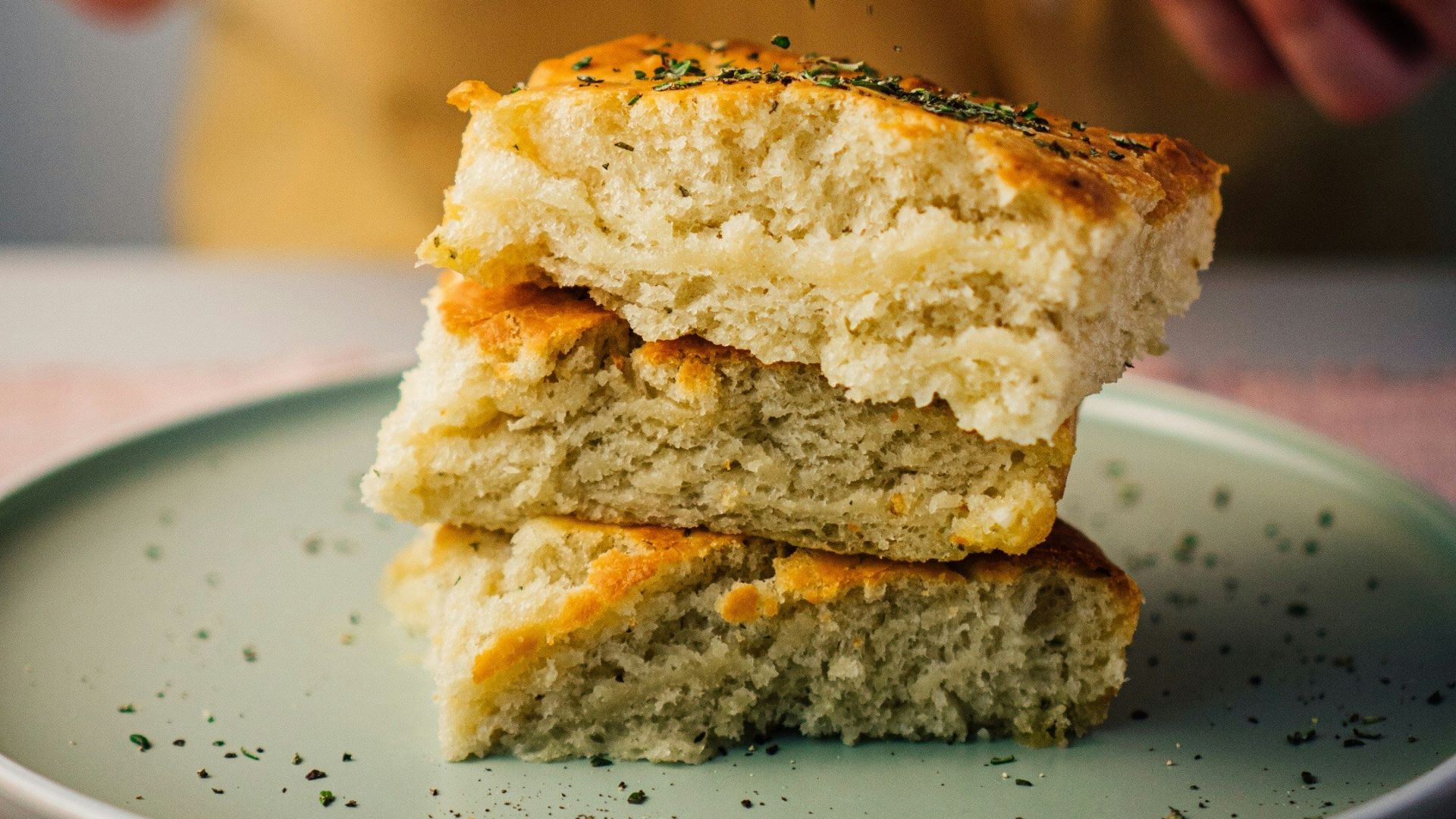
Focaccia is bread—soft, olive oil–rich bread with maybe some herbs pressed into it. It feels artisanal because of its texture and dimples, but it’s not fundamentally different from other flatbreads. You’ve probably eaten something similar without thinking twice.
15. Oysters
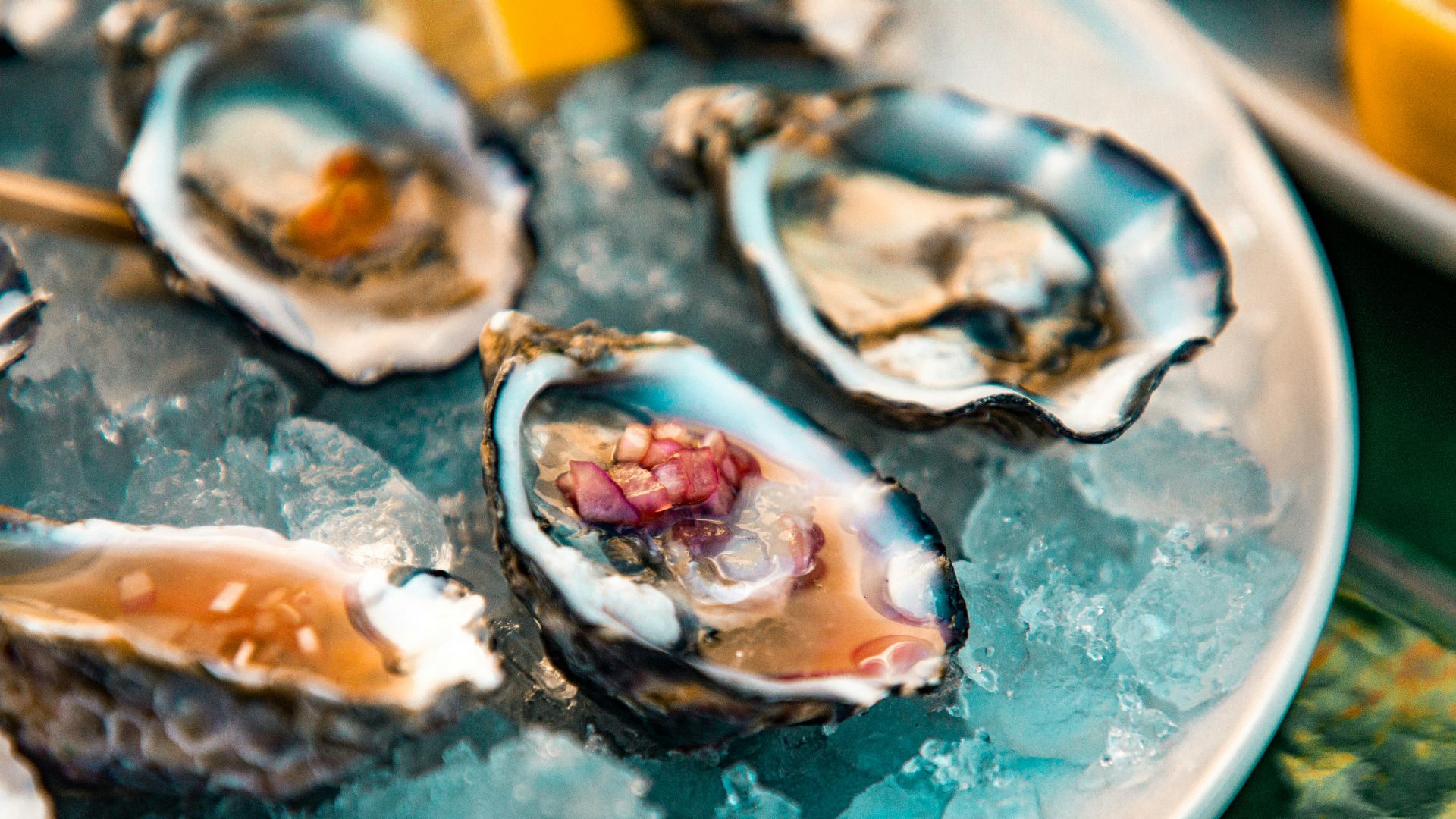
Oysters carry a certain reputation, but they’re essentially raw shellfish served with lemon and maybe hot sauce. The experience—slurping, the ocean brine, the ritual—does more than the ingredient itself. It’s about the moment as much as the taste.
16. Tartare
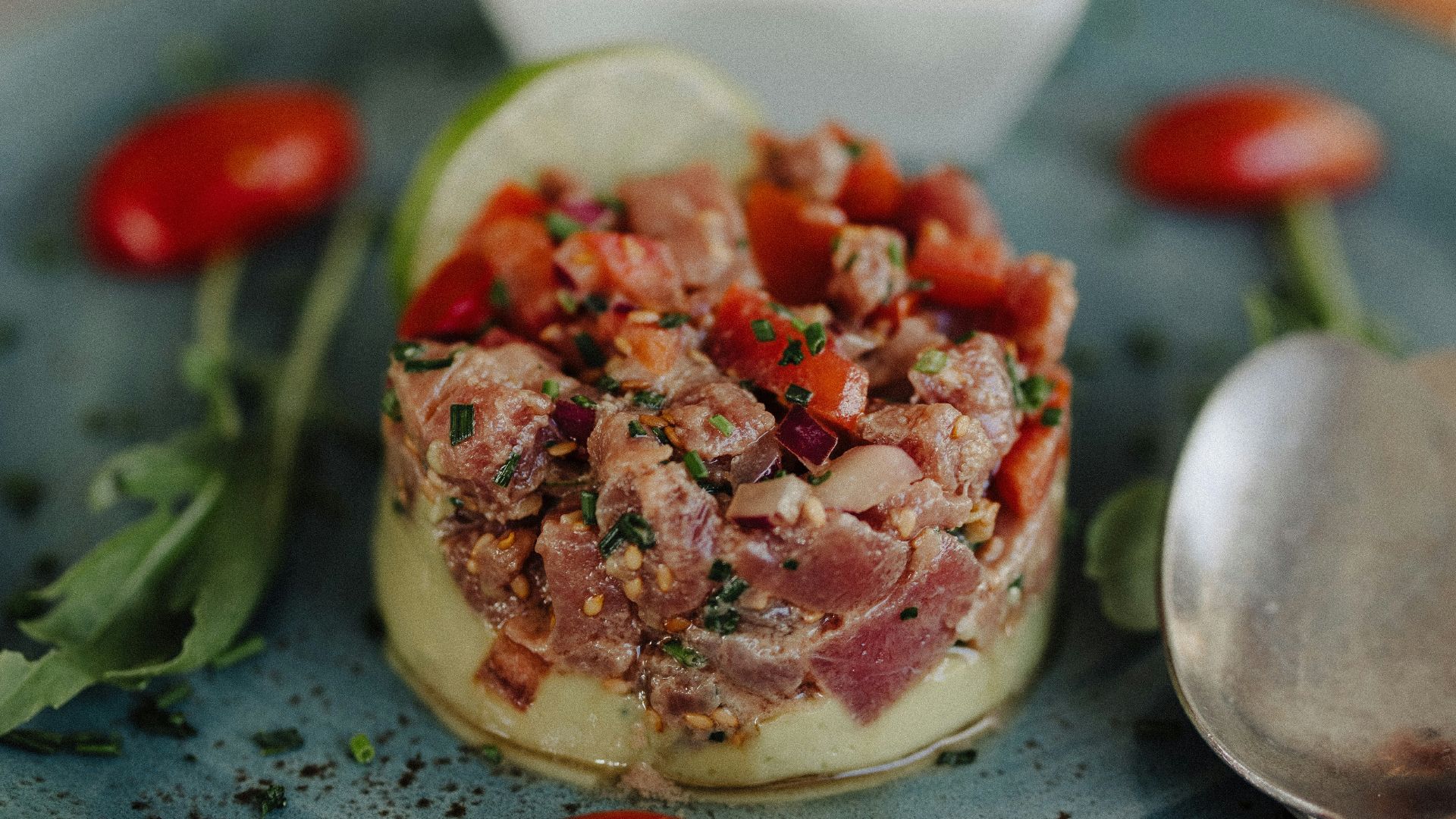
Raw meat or fish chopped finely sounds daring, but the flavor usually comes from the mix-ins—mustard, capers, oil, seasoning. Without those, it would be pretty plain. The fancy label comes from the idea of it, not the components.
 Patrick Langwallner on Unsplash
17. Polenta
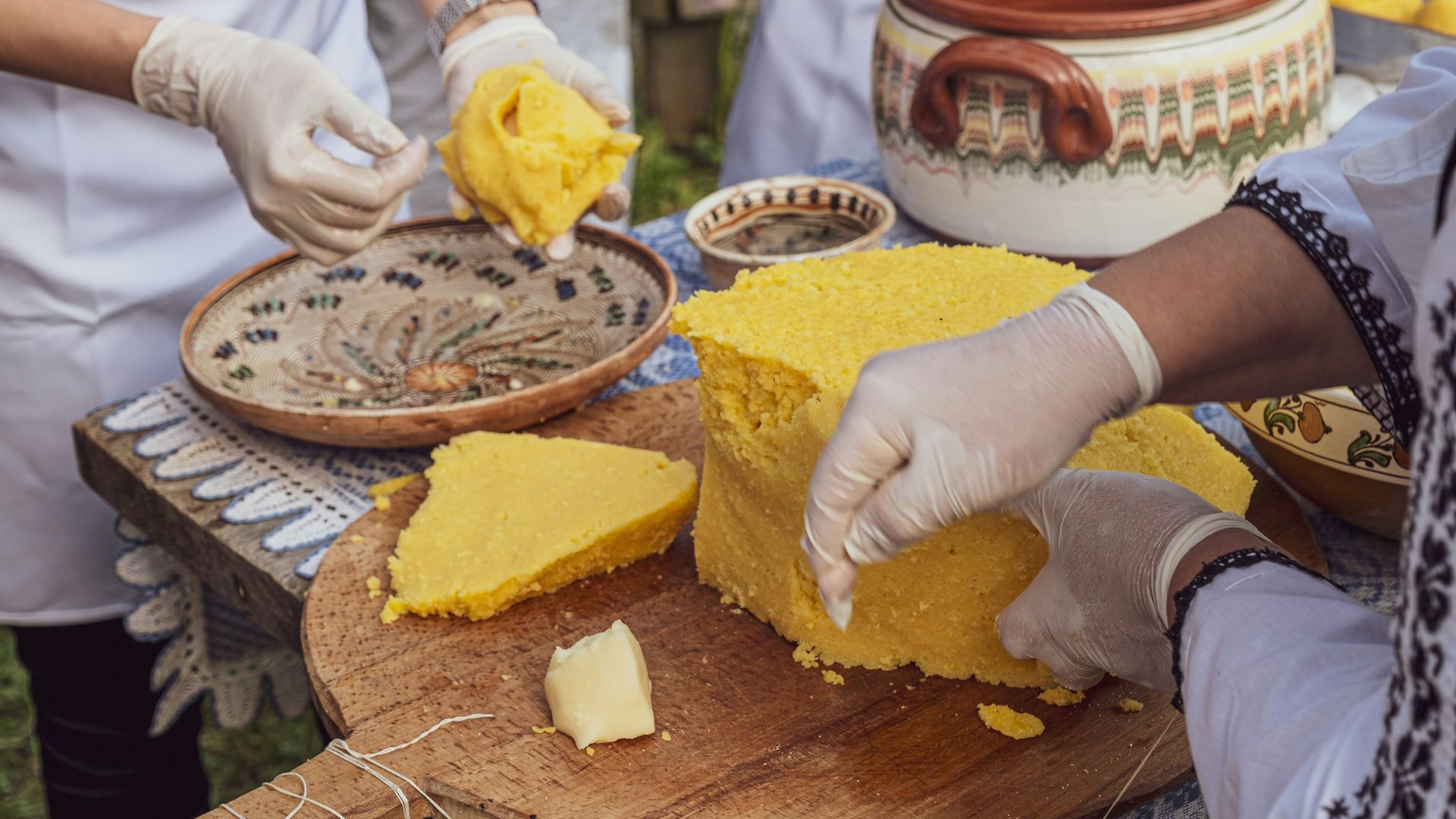
Polenta is cornmeal cooked with liquid until it’s soft and creamy. That’s it. It’s comfort food dressed up with a European name and maybe some cheese stirred in at the end.
18. Artisanal Ice Cream
Ice cream with unusual flavors and a matte-black cup suddenly feels elevated. But at the end of the day, it’s still cream, sugar, and flavoring, just churned with care. The branding does a lot of the talking.

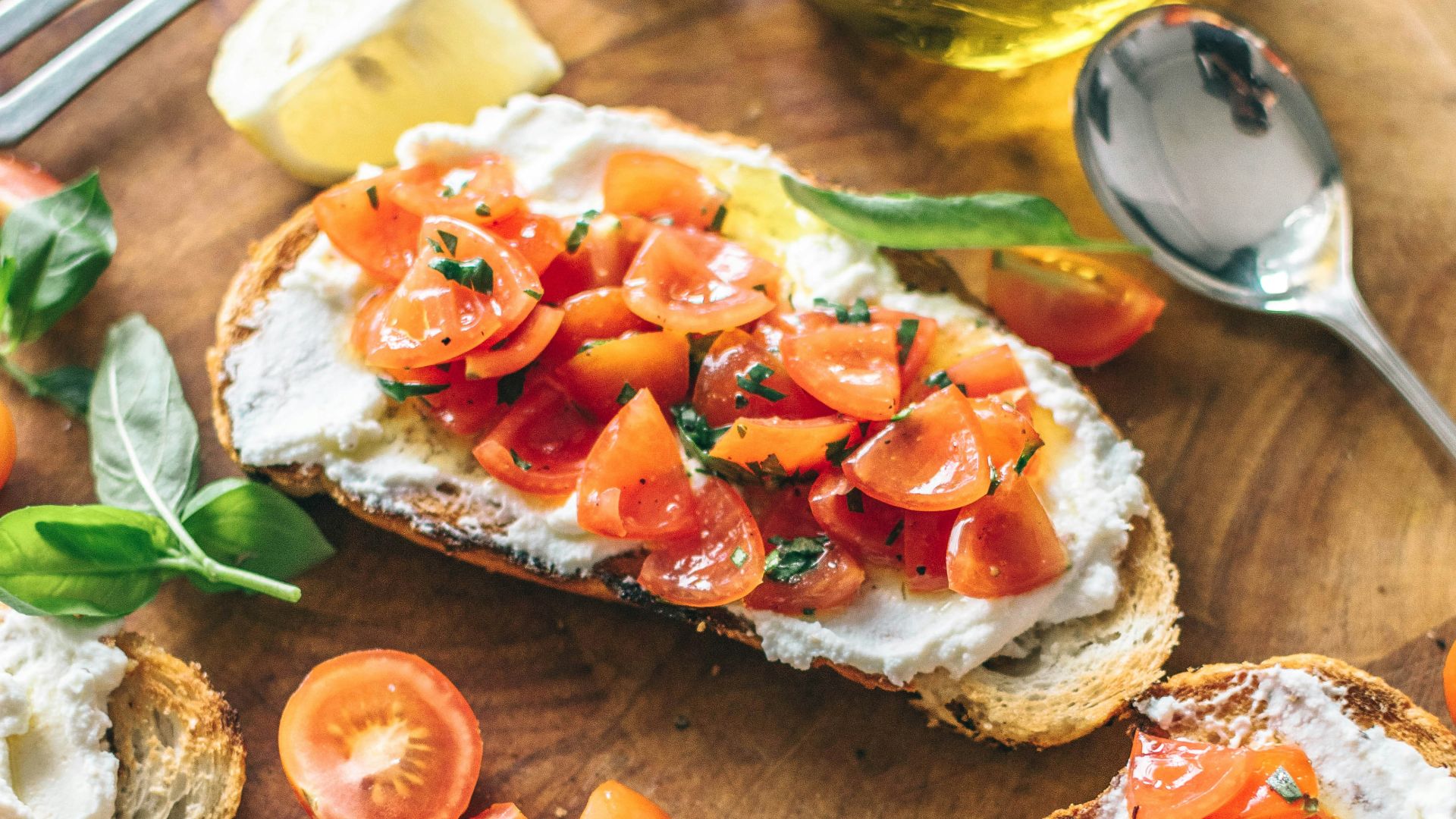
19. Bruschetta
Toast with toppings has existed forever. Call it bruschetta, rub it with garlic, add tomatoes, and it becomes something you’d order at a restaurant. It’s familiar food with a passport stamp.
20. Lobster
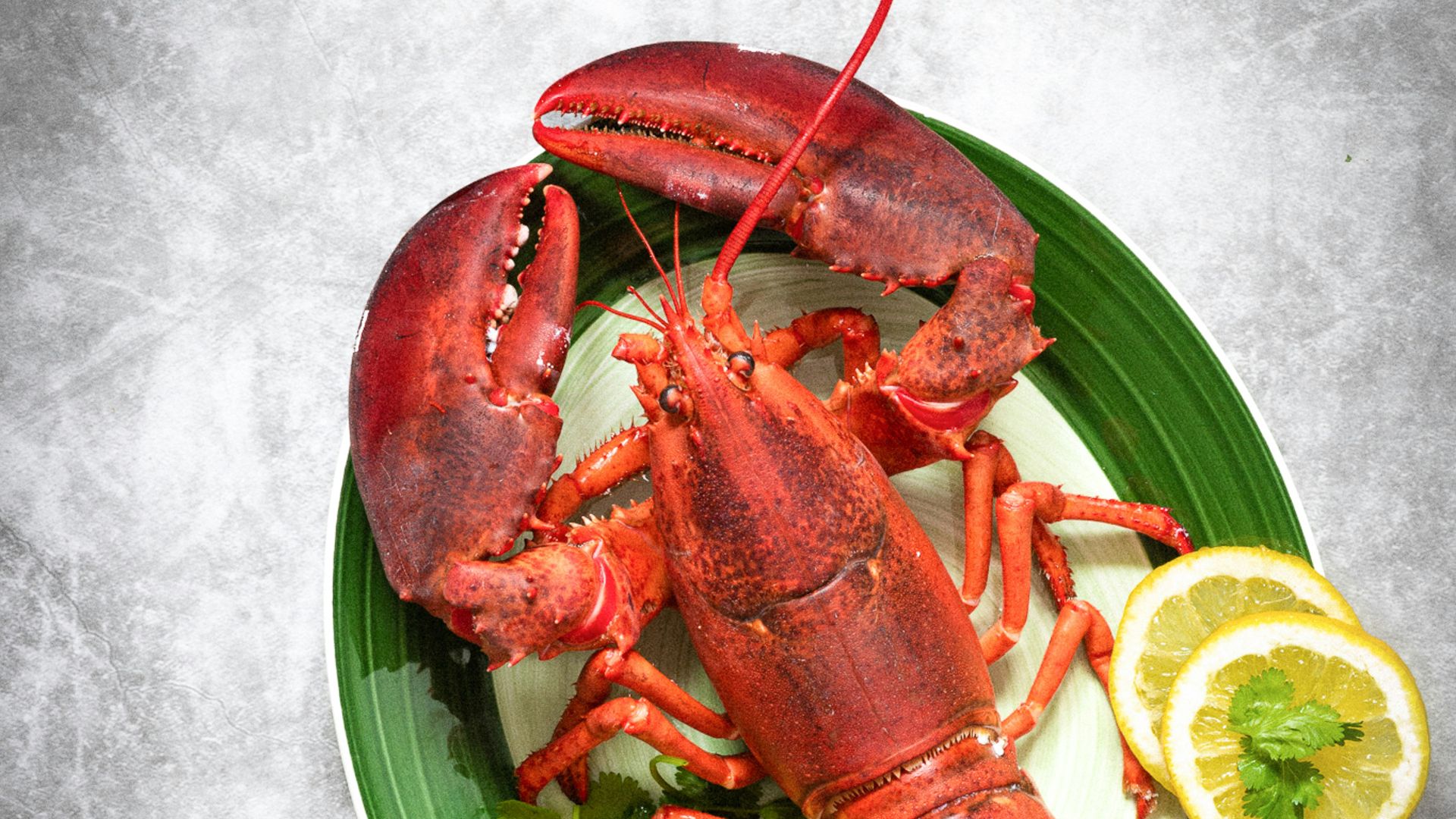
Lobster wasn’t always considered fancy—it used to be cheap and common. It’s essentially a large sea creature that tastes best with melted butter. The luxury status came later, along with the price tag and expectations.
KEEP ON READING