Order Up!
Working as a server is one of those jobs that truly can't be explained until you've lived it. The role demands physical stamina, emotional resilience (lots of emotional resilience), and the ability to juggle a dozen tasks at once while maintaining a smile, all for a paycheck that's heavily dependent on how generous your tables decide to be that particular day. That said, there's a reason so many people stick with serving for years, and it has everything to do with a unique set of perks that are genuinely hard to find anywhere else.

1. Customers Who Snap Their Fingers at You
There's no faster way to make a server's blood pressure rise than being flagged down with a finger snap or a dismissive wave. Most servers are highly aware of every table in their section and are almost certainly already on their way over. Being treated as though you're not a person but rather a button to be pushed is something that never quite stops stinging, no matter how long you've been in the industry.

2. Rude Customers Who Complain About Everything
No matter how attentive and accommodating you are, some guests arrive with a complaint already loaded and ready to fire. Whether it's the temperature of the room, the wait time, or a dish they ordered despite the description clearly stating what was in it, there's a type of customer who simply can't be satisfied. Learning to stay composed and professional in those moments is a necessary skill, but that doesn't make dealing with it any less draining.

3. Bad Tips
After bonding with the customers, refilling drinks constantly, and going out of your way to accommodate a complicated order, nothing is more deflating and frustrating than seeing a tip that's closer to 10% than at least 15. The base wage for servers in many states is well below minimum wage, so tips aren't a bonus so much as a core part of the income. When guests don't show their appreciation after all the effort you put in, it makes a long shift feel significantly less worthwhile.

4. Complaints About Things You Didn't Cook
When a guest decides their steak isn't cooked correctly or their pasta is bland, the first person to hear about it is the server, even though you had absolutely nothing to do with preparing the food. Relaying that complaint to the kitchen and managing the guest's frustration, all with a cheery smile on your face, is something that takes a lot of patience and skill.
5. The Sunday Lunch Rush
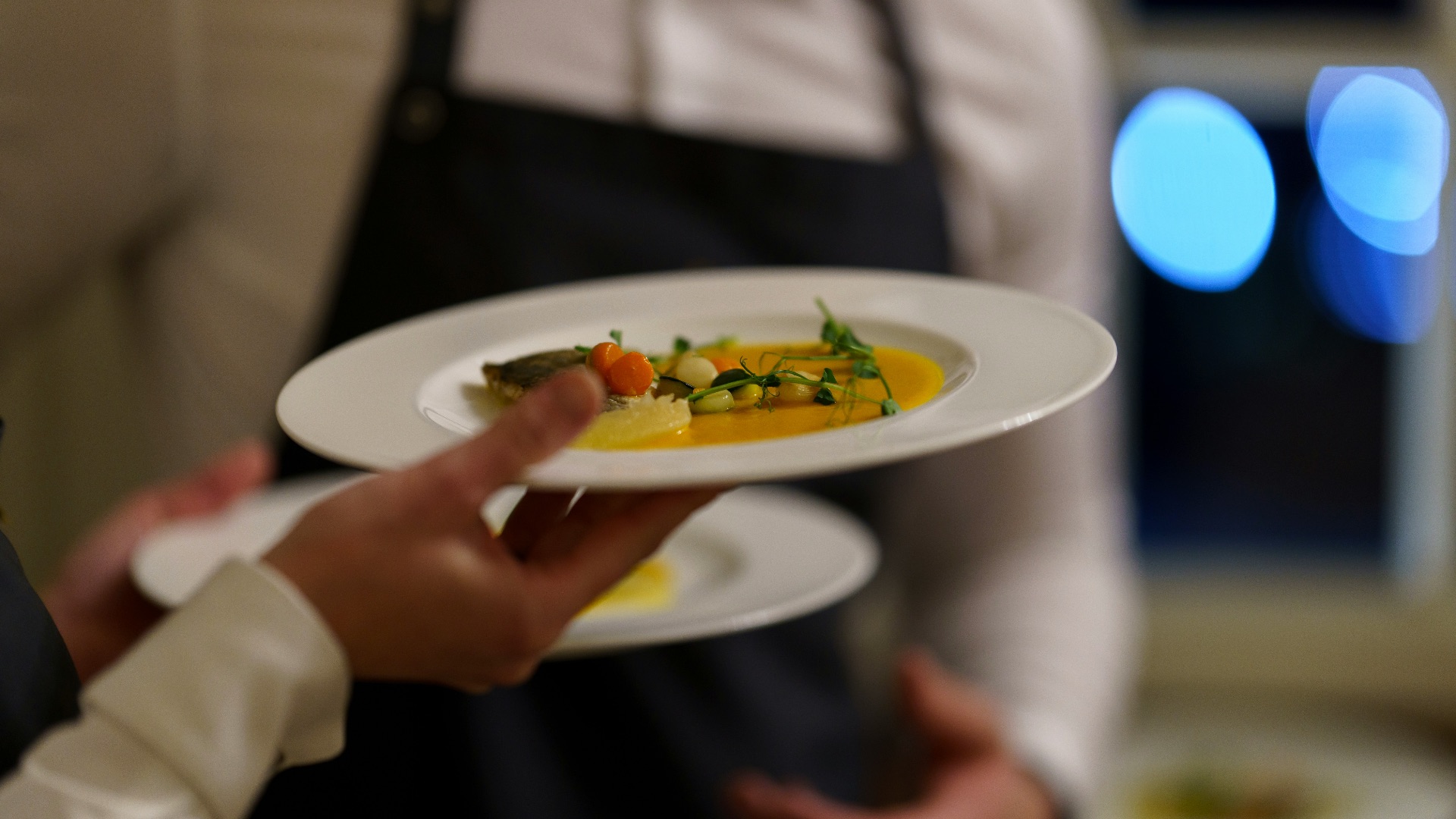
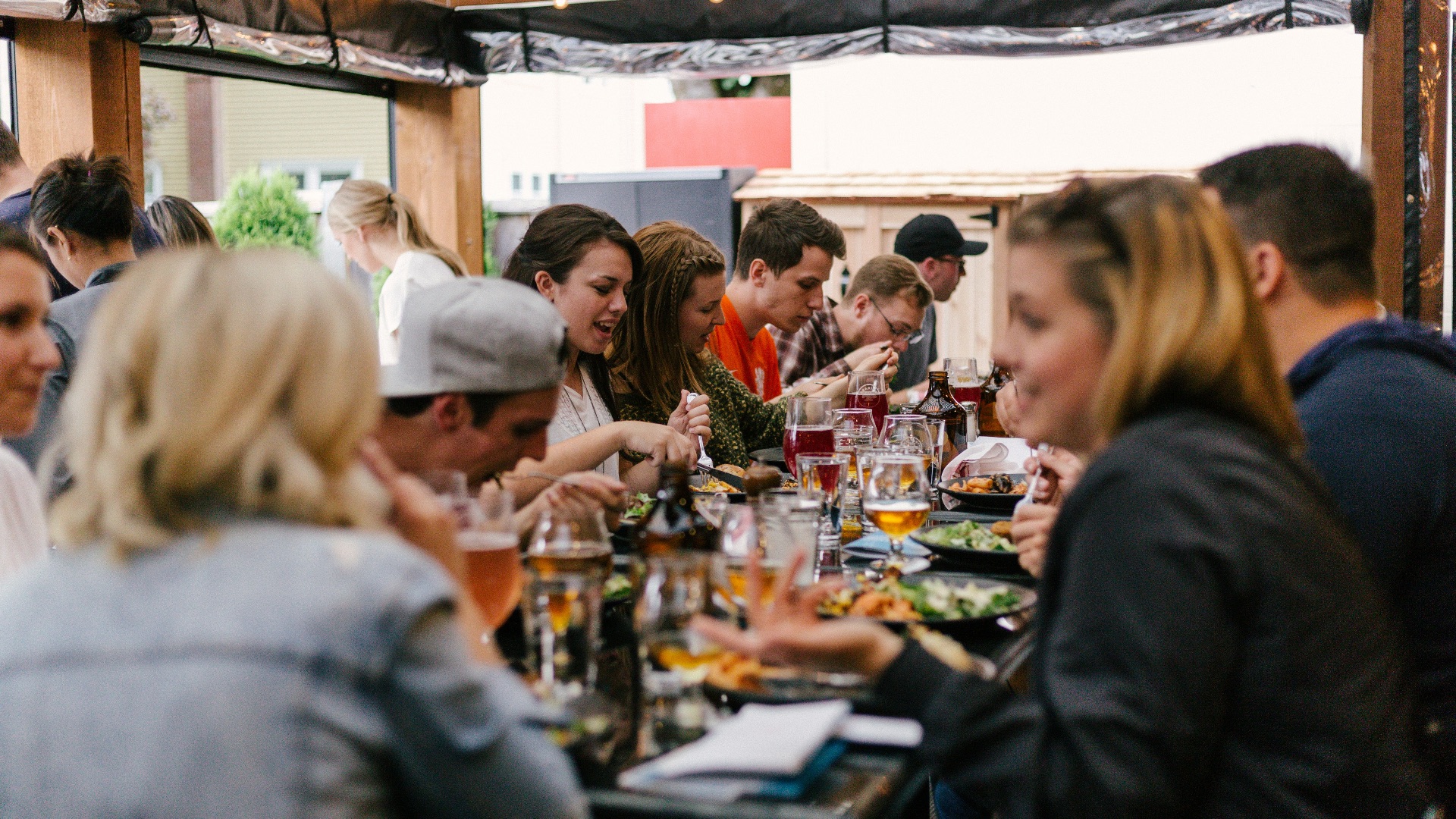
There are few things more chaotic in the restaurant world than a packed Sunday service, especially when the post-church crowd comes in all at once expecting prompt, attentive service. Every table gets sat within minutes of each other, drink orders pile up before you've had a chance to put in the first one, and the kitchen is working at full speed just trying to keep up. Surviving it feels like a small victory, even though your thinning patience and sore feet don't make it seem like one.
 Priscilla Du Preez 🇨🇦 on Unsplash
6. Customers Who Make a Dozen Modifications
There's nothing wrong with a dietary restriction or a simple preference, but things start to get complicated when a guest wants their dish prepared in a way that essentially restructures the entire recipe. Servers have to relay those requests accurately, advocate for them with the kitchen, and then manage expectations if the result isn't exactly what the guest envisioned. It's a lot of coordination for one table's entrée.

7. Being Sat Right Before Close
The kitchen is cleaning up, your sidework is half done, and you're mentally calculating how long before you can finally head home—and then a table of six people walks in. Professionalism means treating that group the same as the first one of the night, even if your energy is completely depleted by that point, and even if there are literally only two minutes to last call. The shift that was almost over suddenly has another half-hour attached to it, which is a tough pill to swallow at the end of a long day.

8. The Physical Toll of Being on Your Feet All Day
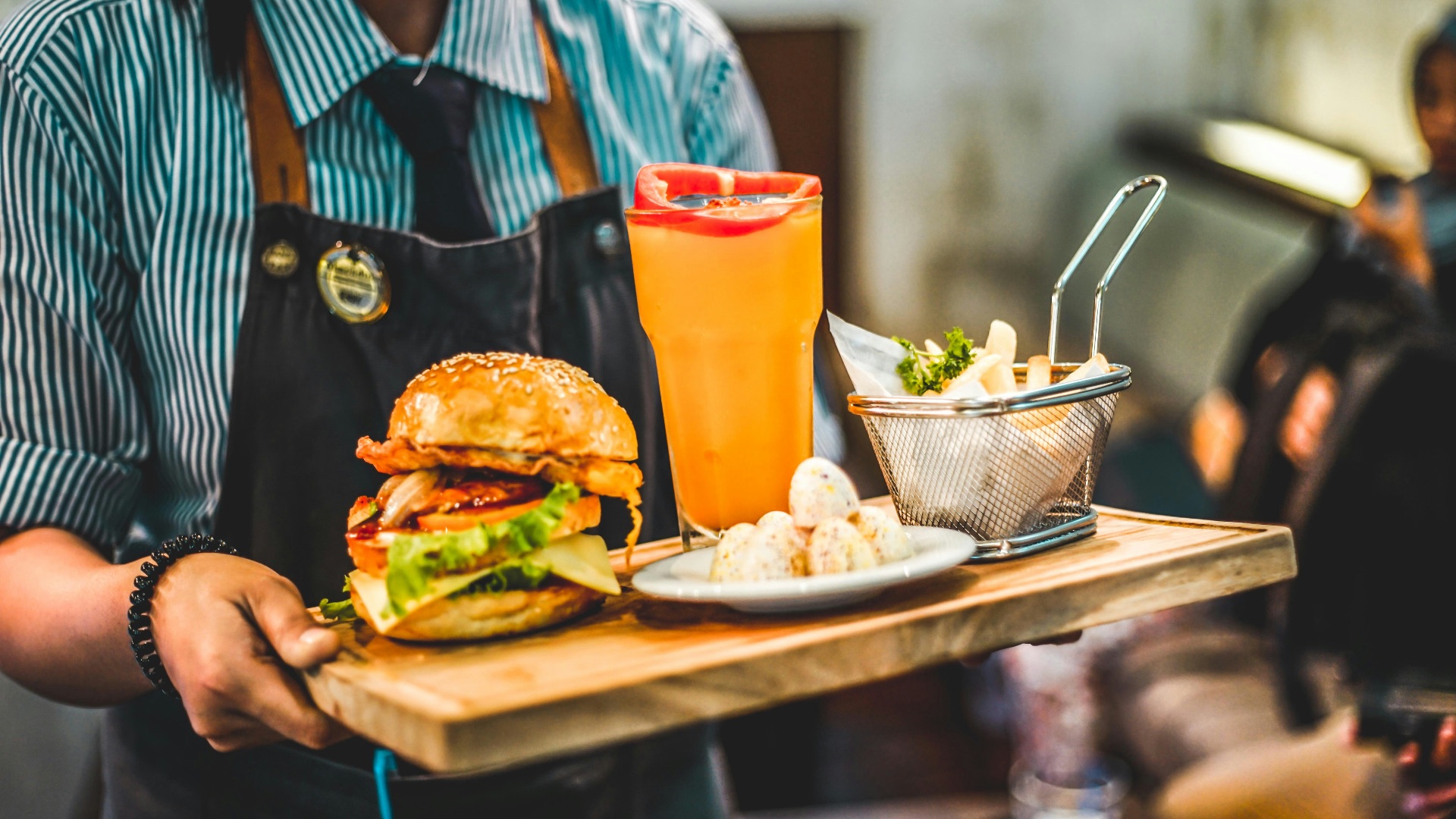
Servers cover an enormous amount of ground during a single shift, often carrying heavy trays, navigating tight spaces, and standing for hours without a real break. Sore feet, aching backs, and tired legs are occupational staples, and the cumulative effect over hours and months and years can add up. Investing in good shoes helps, but there's no perfect solution to the physical demands that come with the job.
9. Mastering the Art of Carrying and Balancing Heavy Trays
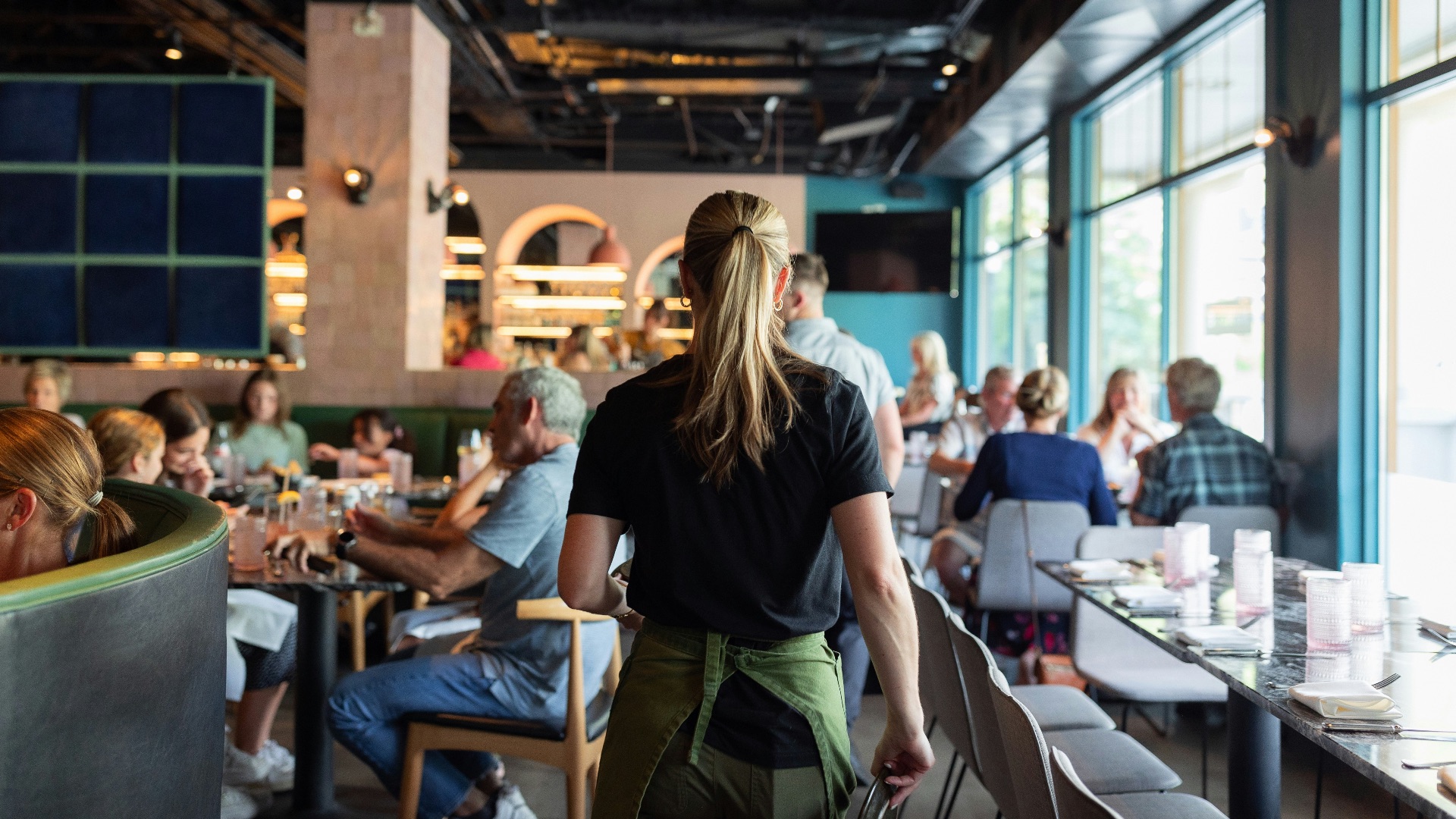
Servers are expected to carry large, fully loaded trays with efficiency and confidence, often navigating crowded dining rooms without so much as a wobble. Getting the balance right takes real practice, and a misstep can mean a ruined meal, a mess to clean up, and an extremely awkward interaction with the table you just doused in soup. Even once you've got it down, the physical strain of doing it repeatedly throughout a shift adds up by the end of the night.

10. Memorizing Daily Specials You'll Repeat 30 Times
Pre-shift meetings often involve committing a list of specials to memory, including ingredients, preparation methods, and any allergy information that might come up. You'll then recite that list at every single table you approach, often with varying levels of enthusiasm as the night goes on. By the end of service, the words start to feel mechanical, and the thought of describing the catch of the day one more time is enough to make anyone a little weary.
Yet, even with all the grating downsides that come with being a server, there are perks, too. Sometimes, it's these benefits that make you stay longer than you thought you would, despite your withering patience.
1. The Cash in Your Pocket Every Single Night
One of the most immediate and satisfying aspects of serving is walking out of a shift with actual cash in hand. You don't have to just wait for your bi-weekly paycheck or direct deposit to come; the money you earned that day is yours before you've even made it to your car. For anyone managing a tight budget or saving toward a specific goal, that daily payout can make a real difference.

2. A Schedule That Actually Bends to Your Life
Restaurant schedules tend to be far more accommodating than the standard nine-to-five, which makes serving an excellent fit for students, parents, artists, and anyone else with competing priorities. Most managers are used to working around availability, and picking up or dropping shifts is often a straightforward process. That kind of flexibility is a rare commodity in the working world, and servers benefit from it constantly.

3. Free or Discounted Meals During Your Shift
Staff meals and dining discounts are among the most appreciated perks in the restaurant industry, especially at places with genuinely good food. Eating well on a break or taking advantage of a meal discount after your shift means you're spending less on groceries and more on things you actually want. After a demanding night of service, sitting down to a hot meal courtesy of the kitchen feels like a well-earned reward.

4. You Build Social Skills That Last a Lifetime
Waiting tables puts you in contact with an enormous range of personalities on a daily basis, and navigating those interactions effectively sharpens your communication skills in ways that transfer to almost every other area of life. You learn how to read people quickly, how to de-escalate tension, and how to make someone feel welcomed and attended to. Those abilities are valued in virtually any career, which makes the experience you gain while serving surprisingly transferable.

5. The Camaraderie with Your Coworkers Is Hard to Beat
There's a specific kind of bond that forms between people who have survived a chaotic dinner rush together, and it's one of the most enjoyable parts of working in a restaurant. The back-of-house and front-of-house dynamic, when it's working well, creates a team atmosphere that's energetic and fun. Many servers stay in touch with former colleagues for years, precisely because those shared experiences build strong connections fast.
6. Every Shift Is Different, So Boredom Is Rare
No two nights in a restaurant play out the same way, and that unpredictability keeps the job from feeling repetitive in the way that many desk-based roles can. One night might be a steady flow of easy tables with great conversations, while the next brings a private party with a completely different energy. For people who thrive on variety and find routine draining, serving offers an almost endless supply of new situations to work through.
7. Your Food and Beverage Knowledge Expands Quickly
Working in a restaurant gives you access to a surprisingly thorough education in food, wine, cocktails, and culinary techniques, usually at no cost to you. Servers are regularly trained on new menu items, seasonal ingredients, and pairing suggestions, which means your knowledge base grows with every passing season. That expertise has real value outside of work, too, whether you're hosting a dinner party or simply navigating a restaurant menu with more confidence.

8. You Learn to Work Efficiently Under Pressure
Few environments test your ability to prioritize and multitask quite like a busy restaurant floor during a full dinner service. Servers develop a sharp sense of time management out of necessity, learning to anticipate needs, stay one step ahead, and make quick decisions without second-guessing themselves. That capacity to perform well under pressure is a skill that serves people well throughout their entire careers, regardless of where they end up.

9. Strong Performers Are Recognized and Rewarded Quickly
In most industries, it takes months or even years before strong performance translates into tangible recognition. In serving, that feedback loop is much shorter: a great night of service can mean significantly higher tips, and a reputation as a reliable, skilled server often leads to better shifts and more desirable sections. The job rewards hustle and competence in ways that feel immediate and motivating.

10. The Sense of Accomplishment After a Packed Service
There's a particular satisfaction that comes from closing out a fully booked, high-energy service and knowing that you handled it well. When everything clicks, including the kitchen, the floor, and your own performance, the result feels like a coordinated effort that everyone on the team can take pride in. That kind of shared accomplishment is one of the more underrated aspects of restaurant work, and it's a big part of why so many people find the job more rewarding than they expected.

KEEP ON READING
The Most Popular Chocolate Bars in the USA

The Most Popular Candies in the USA

20 Annoying Foods That Get Stuck In Your Teeth