Iconic Dishes That Rewired Our Culinary Culture
We tend to think of food as something that just happens three times a day. Yet certain meals have jolted our senses awake, shifted entire food cultures, and permanently altered what we consider normal to put on a plate. Sometimes a single dish at the right moment rewires everything. What follows are twenty meals that genuinely changed how we eat, cook, and think about food.
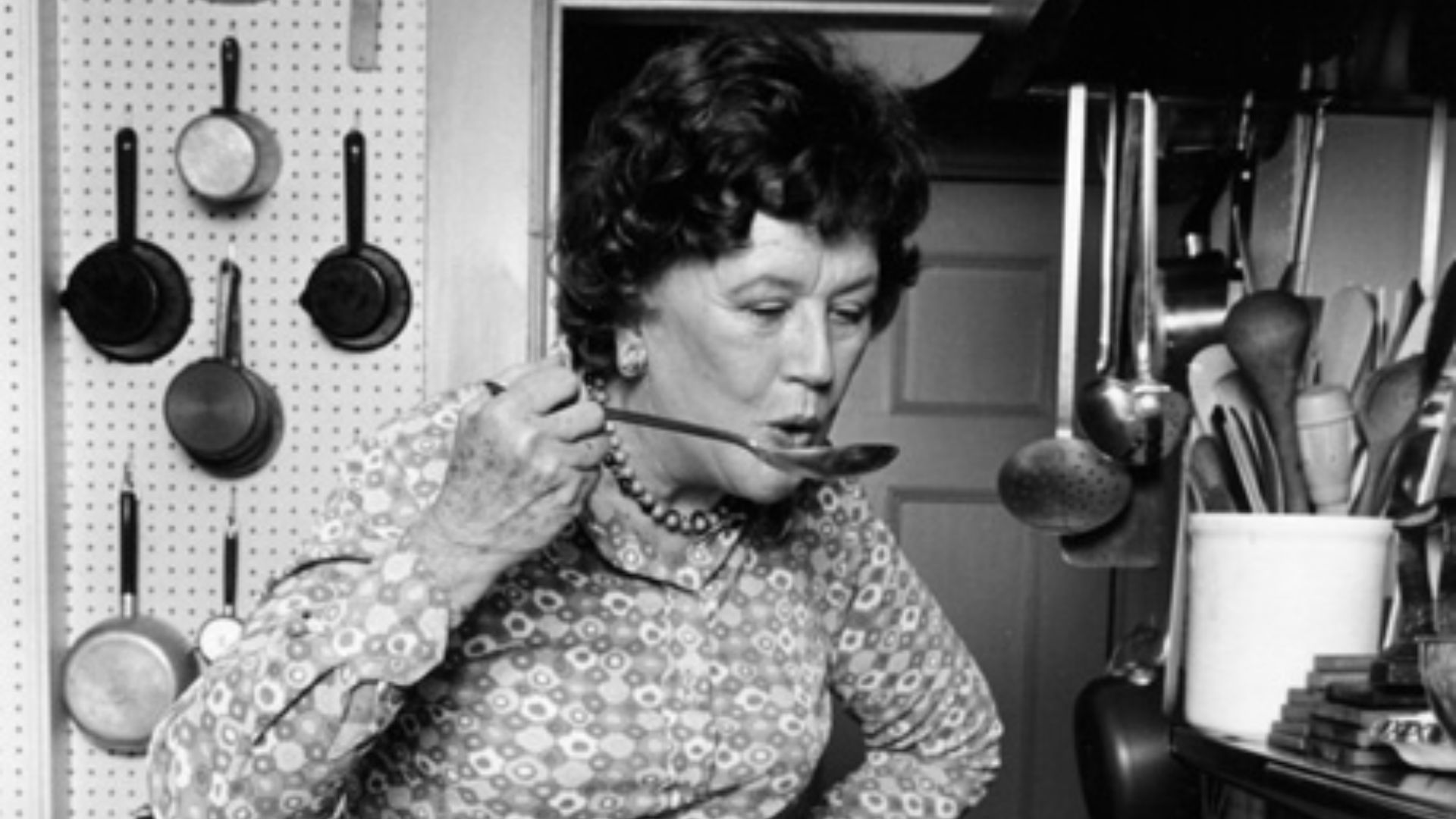
1. Julia Child's Boeuf Bourguignon (1963)
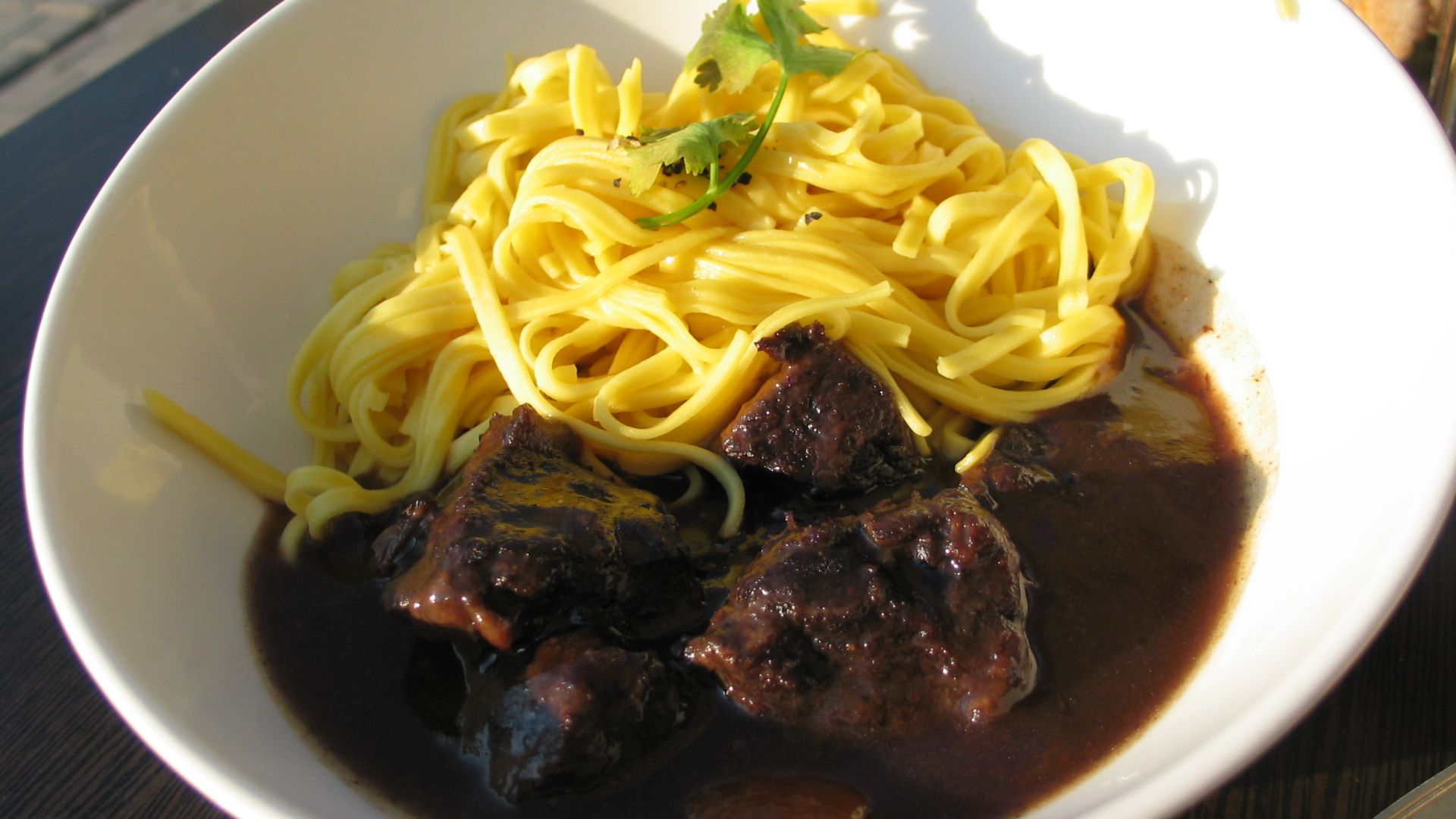
When Julia Child demystified French cooking on black-and-white television, she wasn't just teaching technique. She was telling American home cooks they deserved better than canned cream of mushroom soup. That beef stew, with its wine-dark sauce and pearl onions, made French cuisine accessible.
2. The First McDonald's Big Mac (1967)
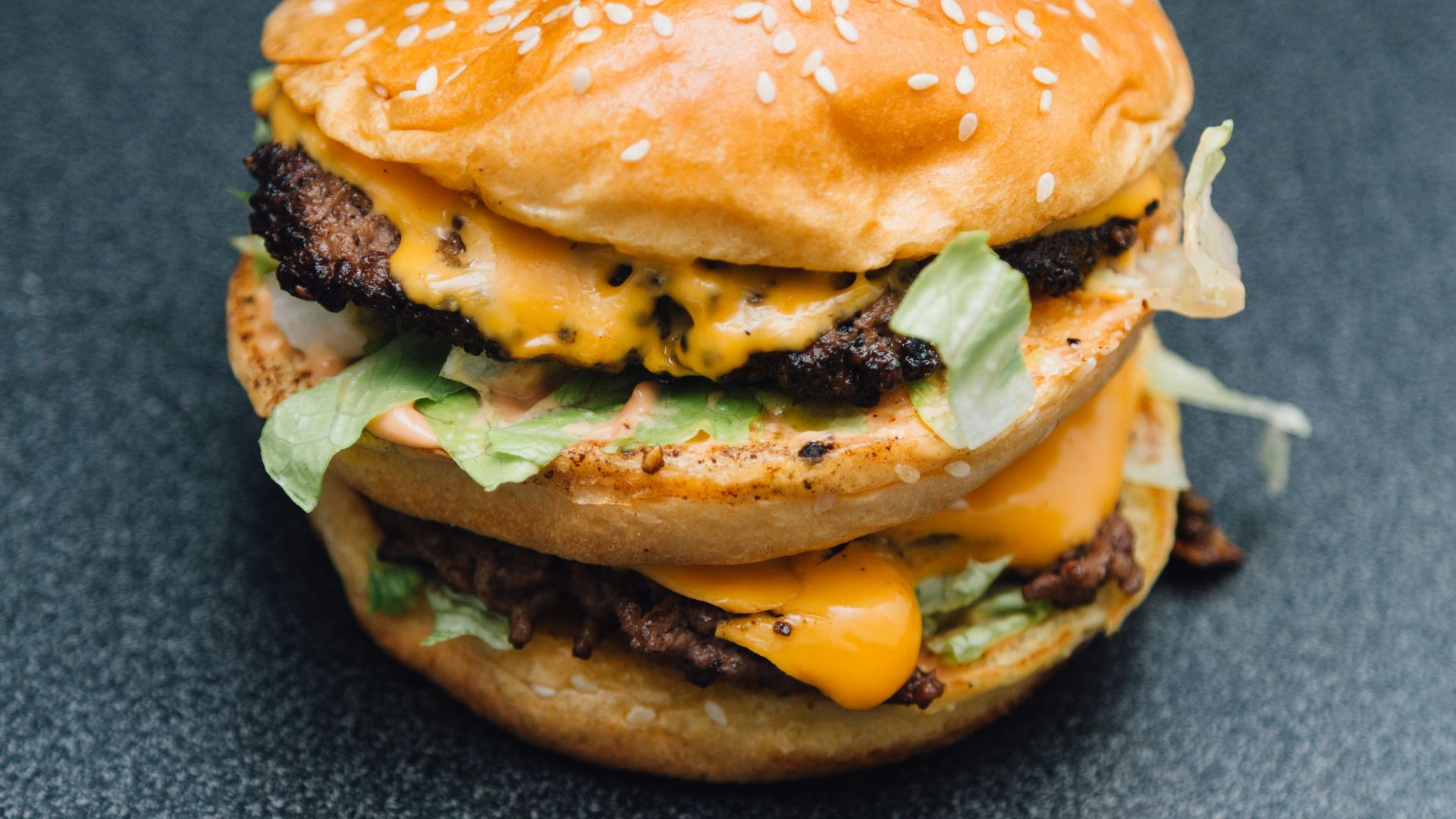
Jim Delligatti invented it in Pennsylvania. With its two all-beef patties, special sauce, lettuce, cheese, pickles, and onions on a sesame seed bun, the Big Mac standardized fast-food architecture and proved that Americans wanted bigger, more complex burgers than the original McDonald's menu offered.
3. Chez Panisse's First Menu (1971)
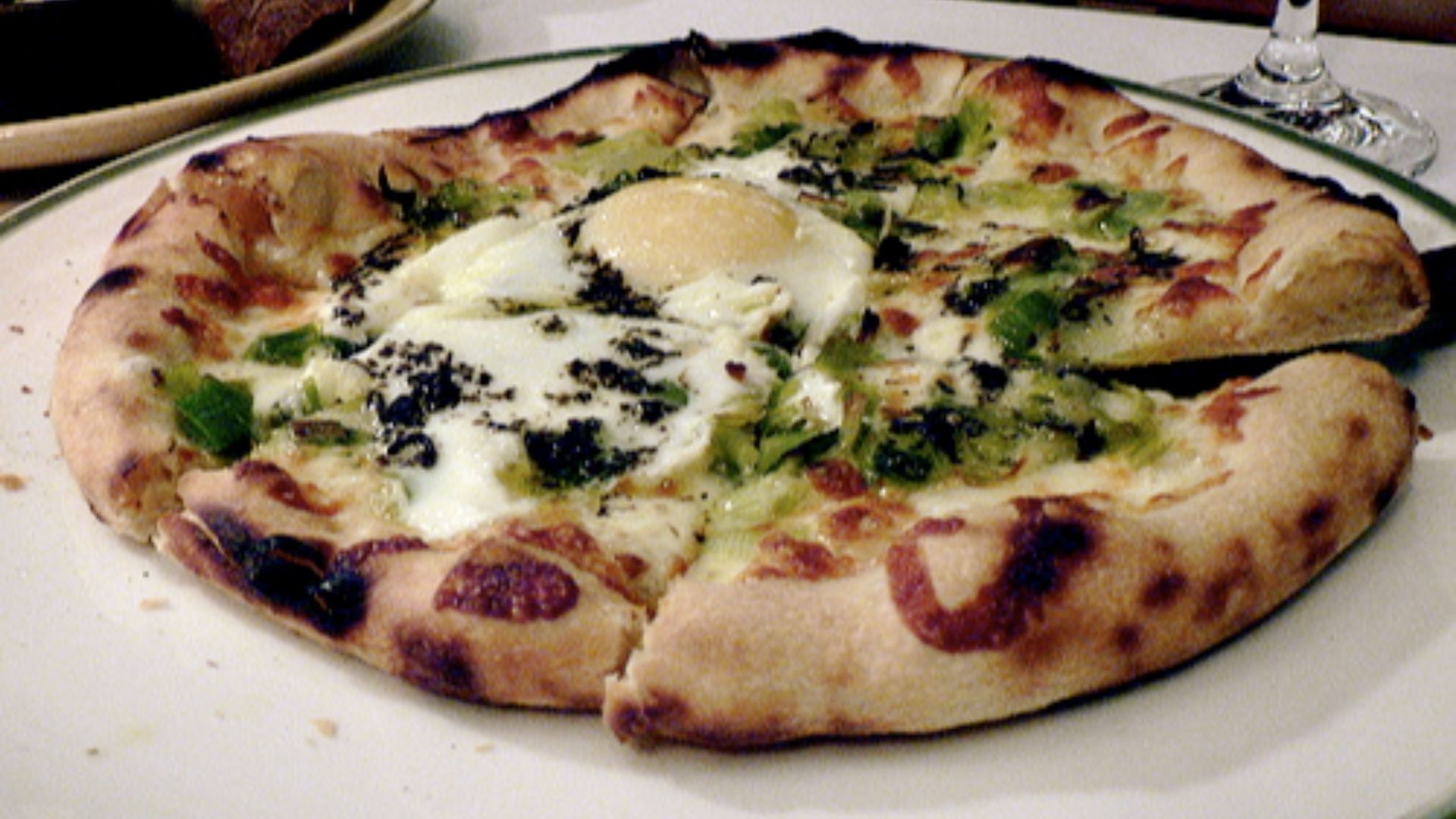
Alice Waters opened her Berkeley restaurant with a prix fixe menu that changed nightly based on what was fresh. What seems obvious now wasn’t back then. This single approach spawned the farm-to-table movement and made the seasonal menu standard restaurant vocabulary.
4. The Szechuan Banquet at Henry Kissinger's 1971 China Visit
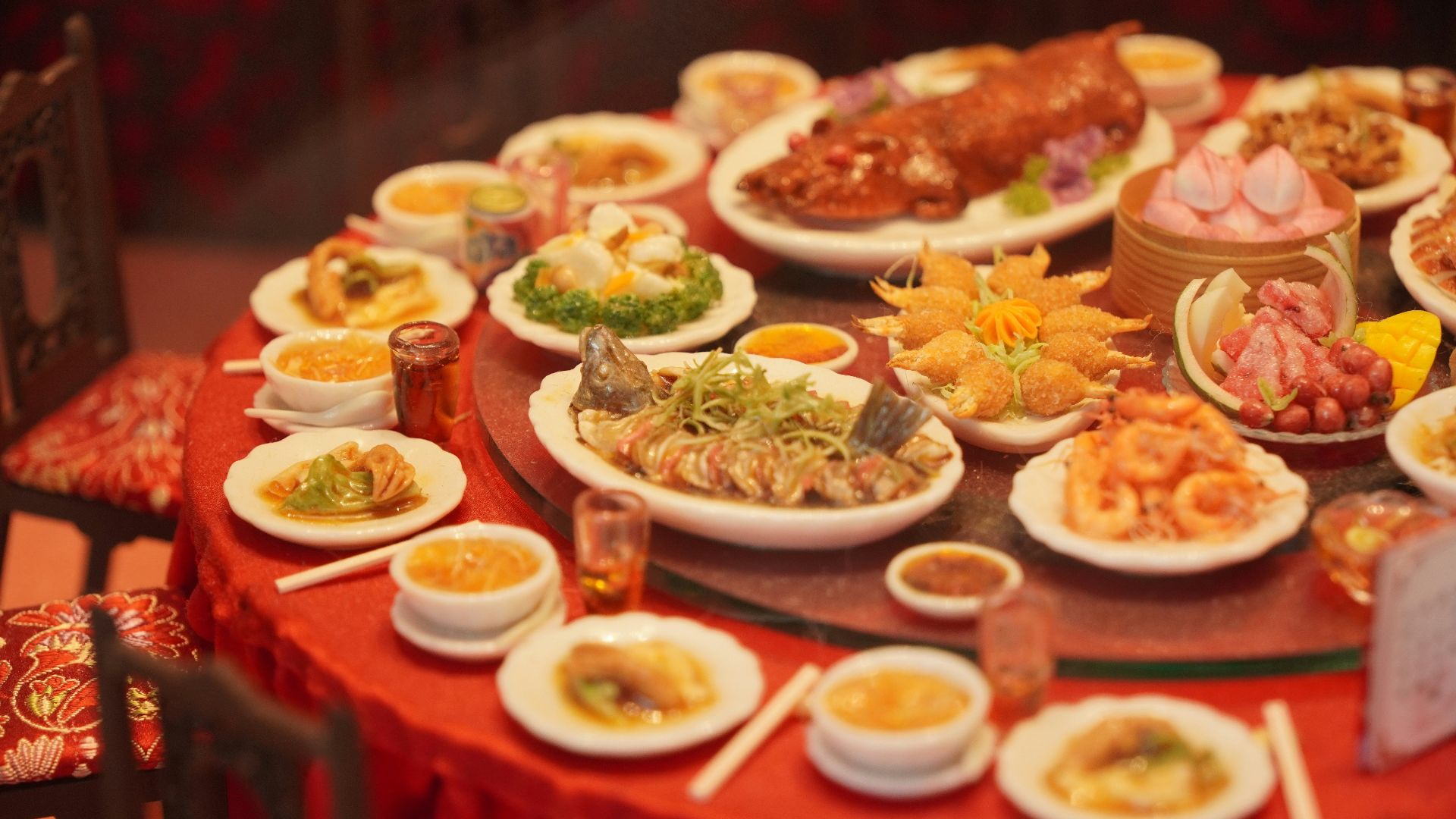
When Nixon's advance team sat down to spicy Szechuan food in Beijing, American understanding of Chinese cuisine was still stuck on sweet-and-sour pork and chop suey. The subsequent diplomatic opening brought regional Chinese cooking to American consciousness. Suddenly, we learned that China had cuisines, plural.
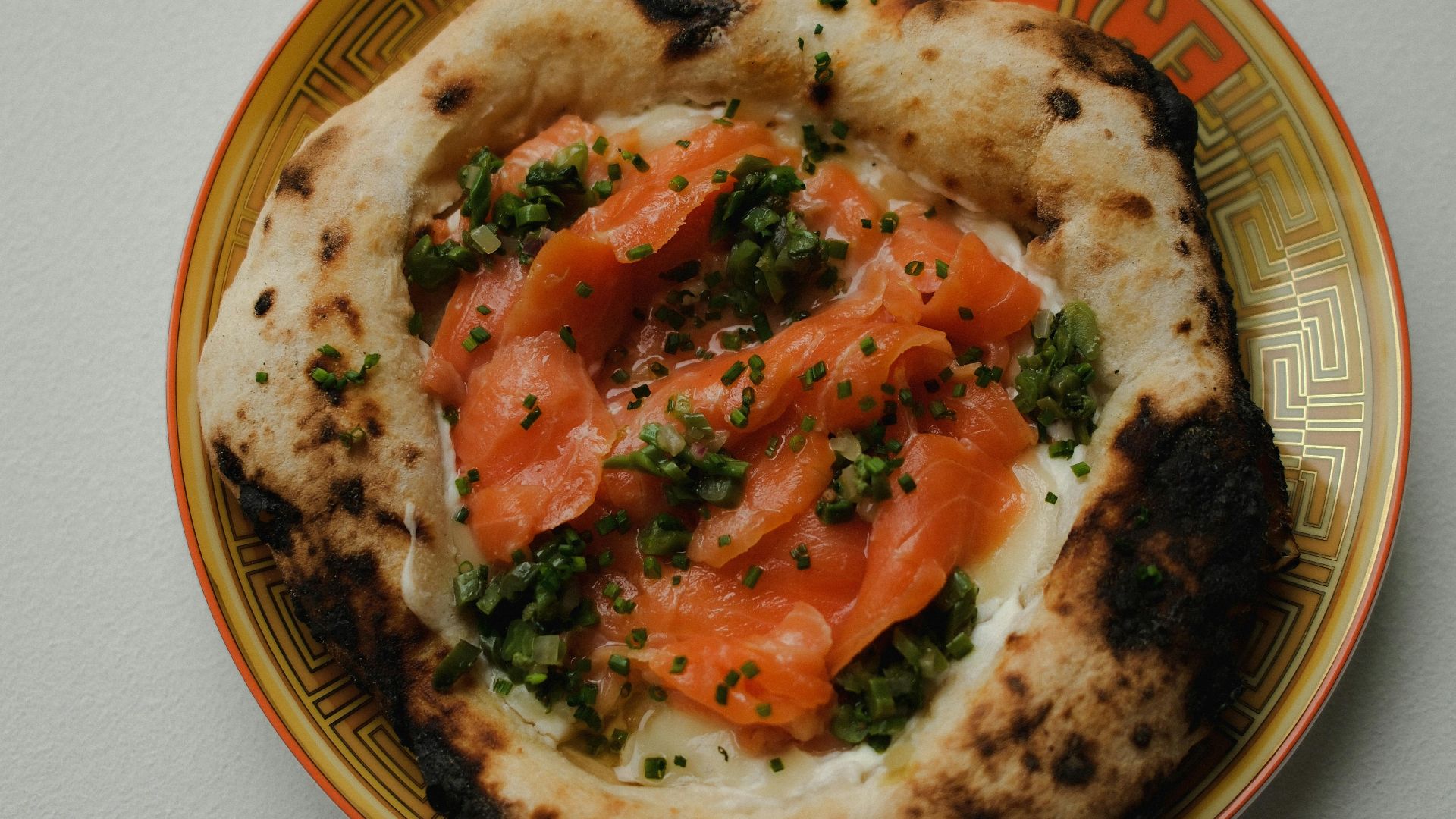
5. Wolfgang Puck's Smoked Salmon Pizza at Spago (1982)
Puck took pizza and topped it with crème fraîche, smoked salmon, and caviar. He proved that casual formats could carry luxury ingredients and that pizza didn't have to mean cheap. The California cuisine movement found its poster child in this single dish.
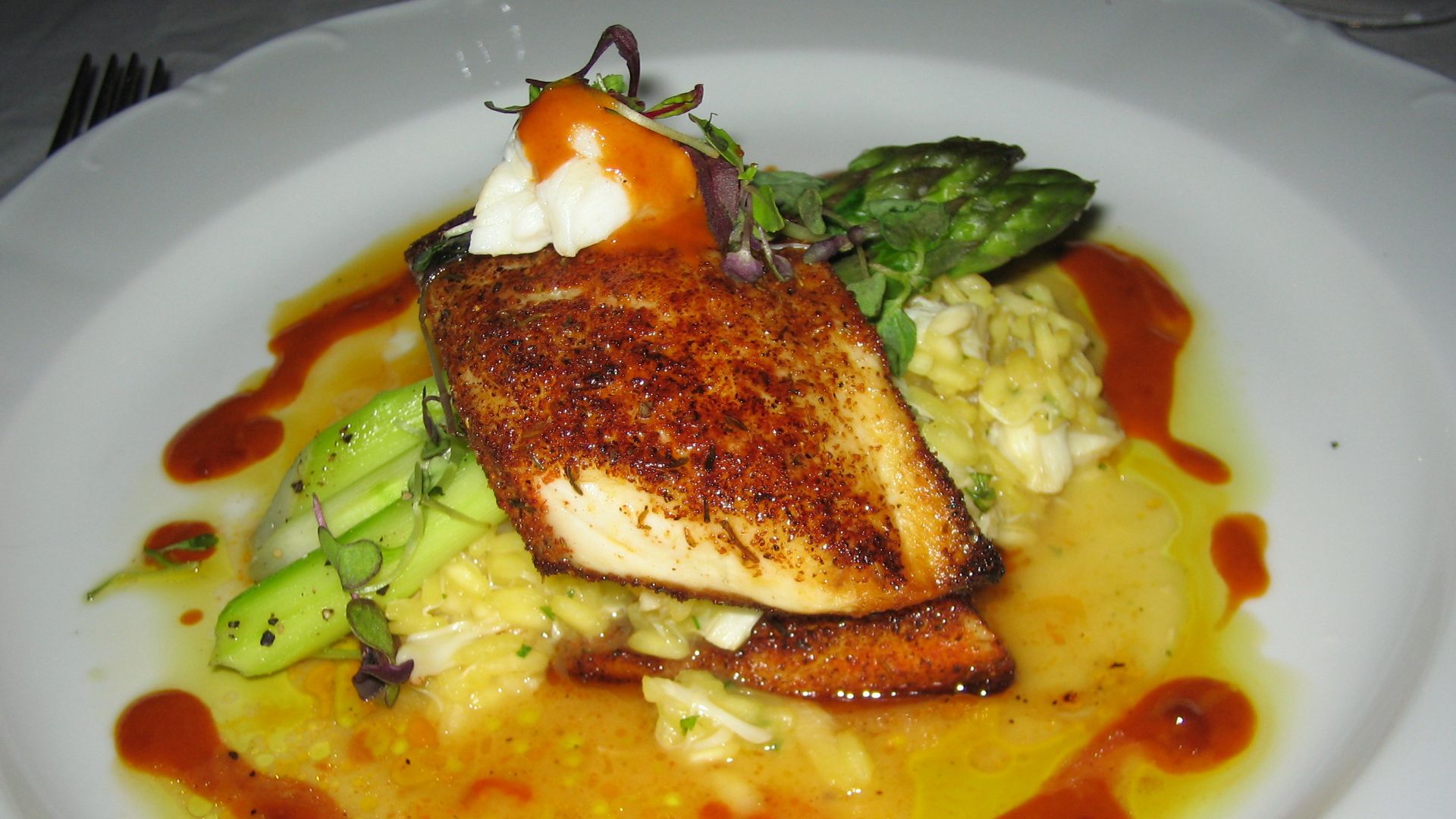
6. Paul Prudhomme's Blackened Redfish (mid-1980s)
The New Orleans chef made this Cajun dish so popular that redfish nearly went extinct. The Louisiana Department of Wildlife and Fisheries had to implement harvest restrictions to prevent this from happening. Prudhomme also brought Cajun cooking into the national spotlight, proving that regional American food could be haute cuisine.
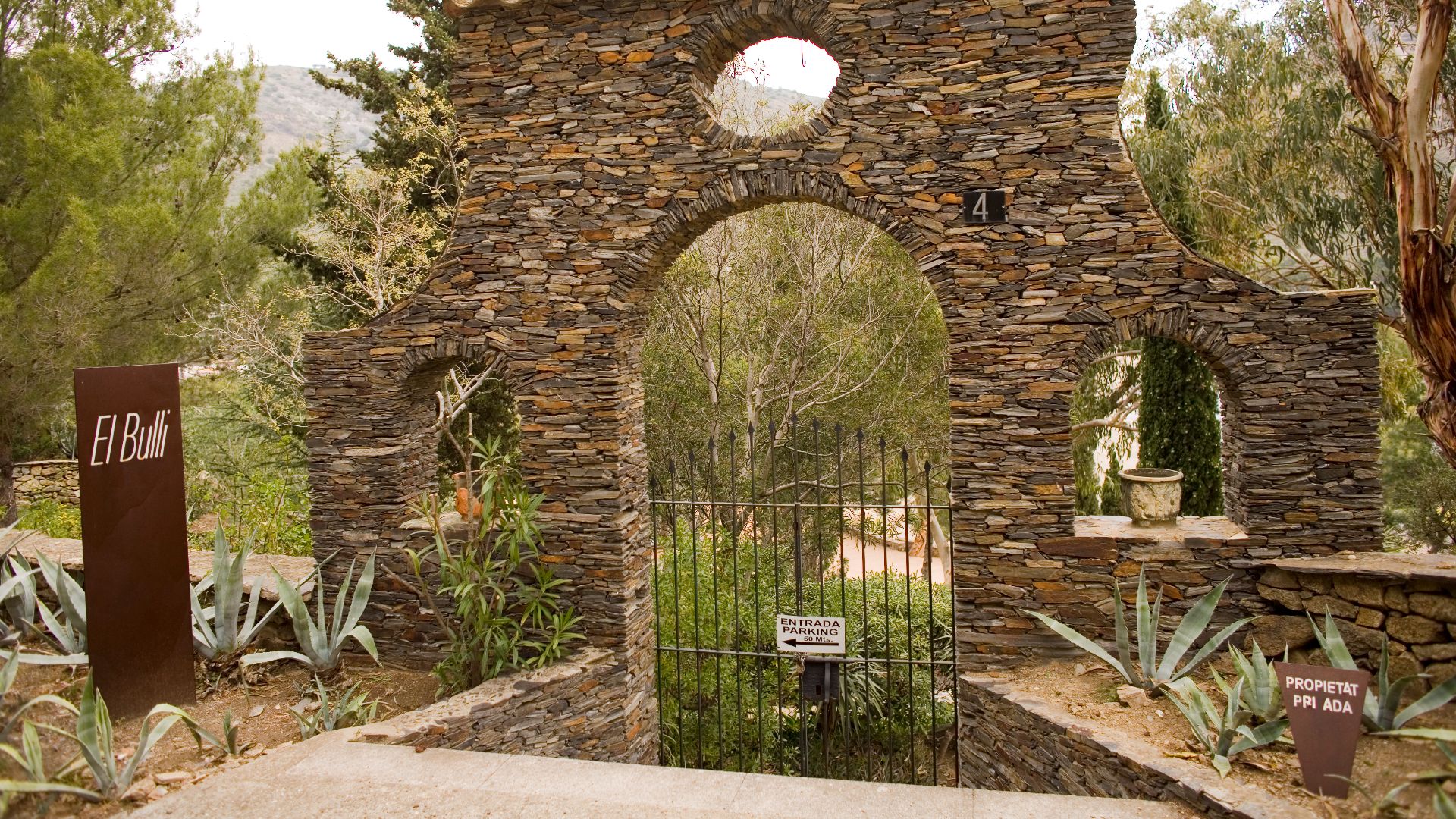
7. The Tasting Menu at El Bulli (1990s–2000s)
Ferran Adrià didn't invent molecular gastronomy, but his 30-course tasting menus in Catalonia redefined what restaurants could be. They included such things as edible paper, spherified olives, and foam everything. Whether you loved it or found it pretentious, El Bulli changed fine dining from sustenance to theater.
 Charles Haynes from Sydney, Australia on Wikimedia
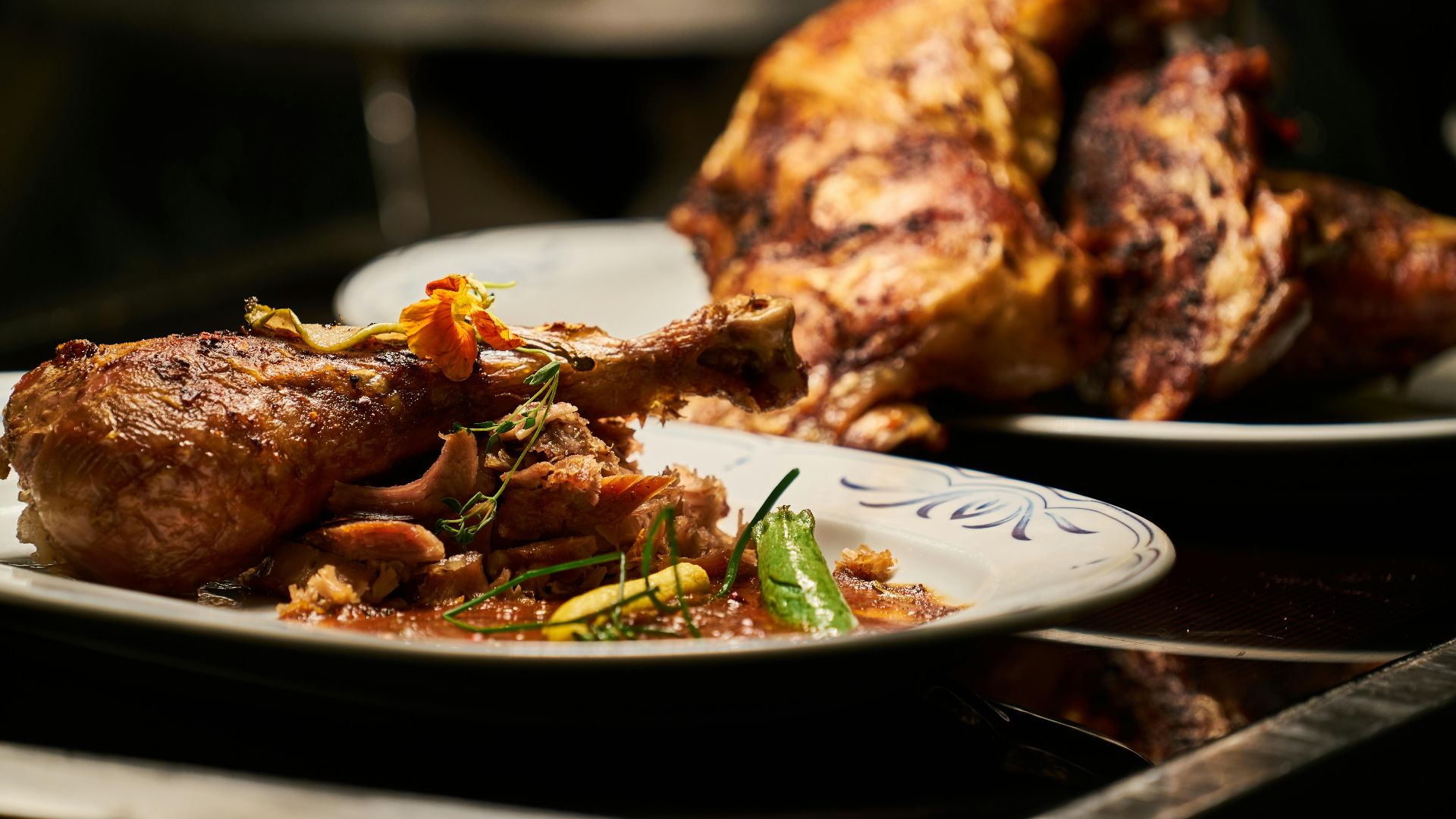
8. Thanksgiving Dinner at Rao's
Getting a table at this East Harlem red sauce joint is famously impossible. The tables are owned, essentially, by regulars who've been coming for decades. The food, particularly the holiday meals, showed that Italian-American cuisine was its own legitimate tradition.
9. Ruth Reichl's Le Cirque Review Dinner (1993)
The New York Times restaurant critic went to Le Cirque twice, once as herself and once in disguise. The difference in treatment and food quality was stark. Her scathing review exposed how fine dining treated celebrity diners versus ordinary customers, forcing the industry to reckon with its own elitism.
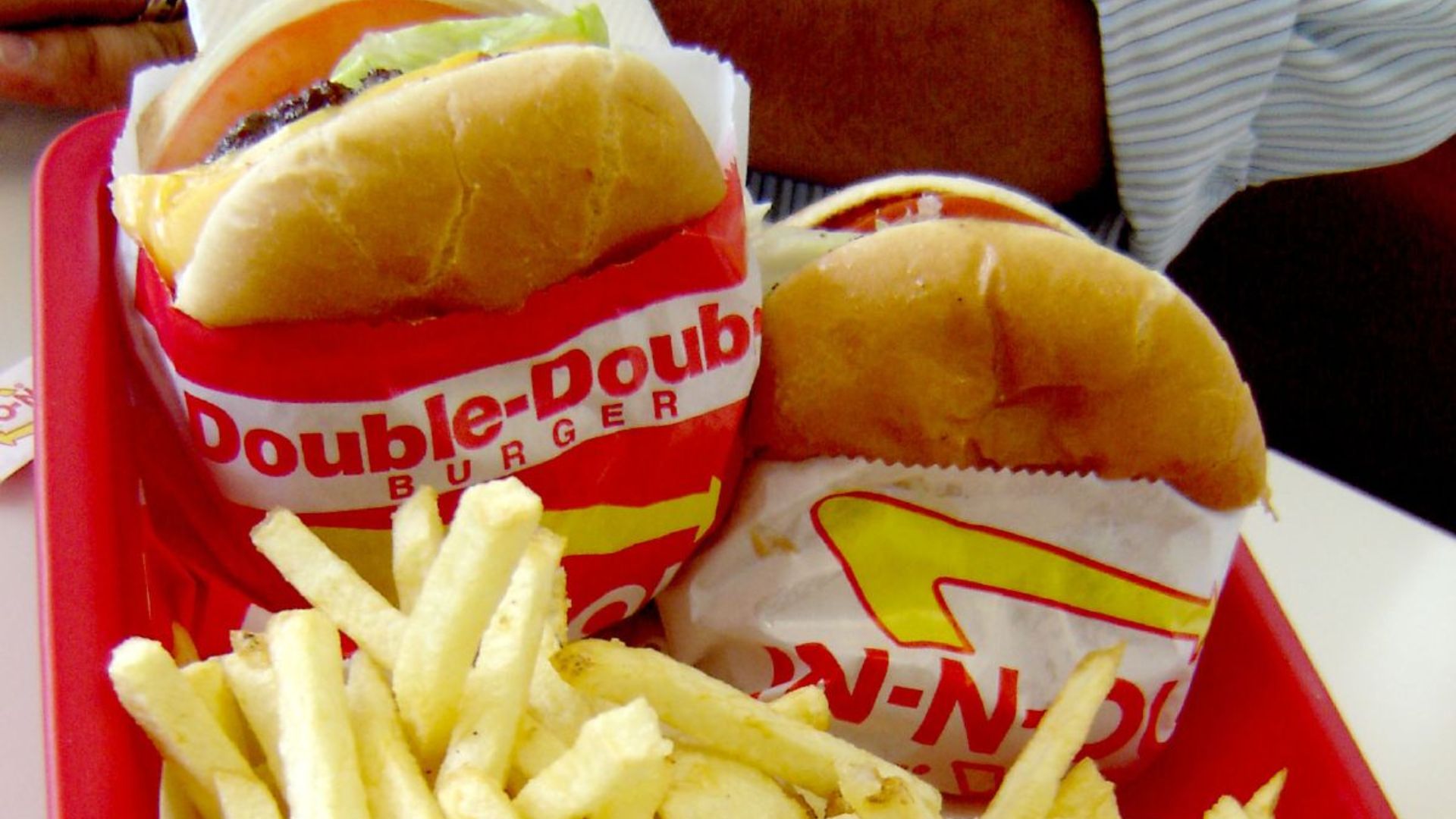
10. In-N-Out's First Double-Double Animal Style
Nobody knows exactly when a customer first ordered this off-menu item, but it became the template for secret menus everywhere. It featured mustard-cooked patties, extra spread, grilled onions, and pickles. This created insider culture around fast food, transforming chains into clubs with their own secret codes.
11. Nobu's Black Cod with Miso
Nobu Matsuhisa's signature dish, marinated for 72 hours in sweet miso, became one of the most copied restaurant dishes in history. The technique influenced how Western chefs thought about miso as more than a soup base. Every upscale restaurant with miso-glazed something on the menu traces back here.
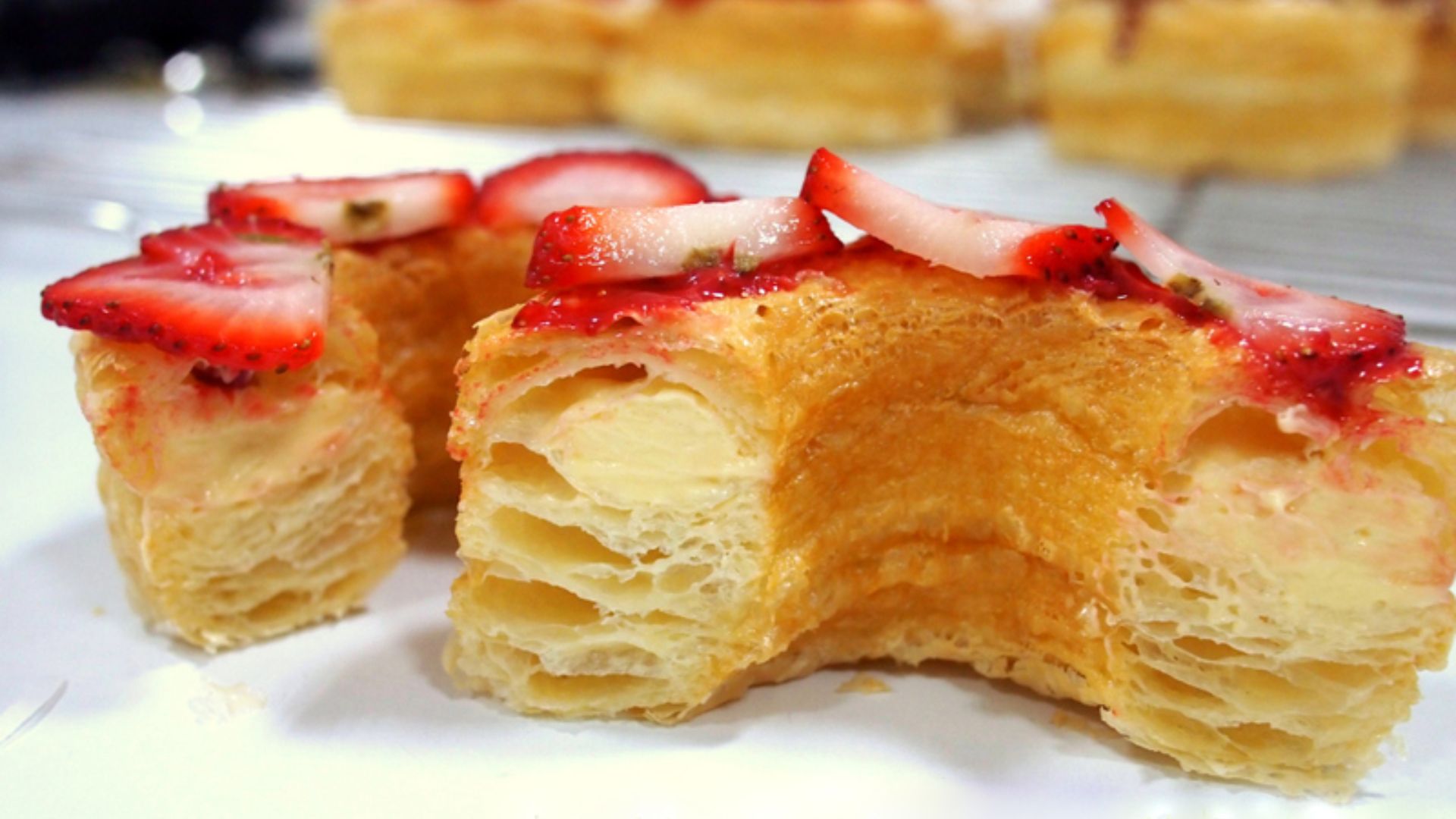
12. The Original Cronut at Dominique Ansel Bakery (2013)
Lines wrapped around the SoHo block to sample this viral pastry. The croissant-doughnut hybrid lasted only a few years as a cultural phenomenon, but it inaugurated the era of Instagram food, where visual appeal and hype matter as much as taste.
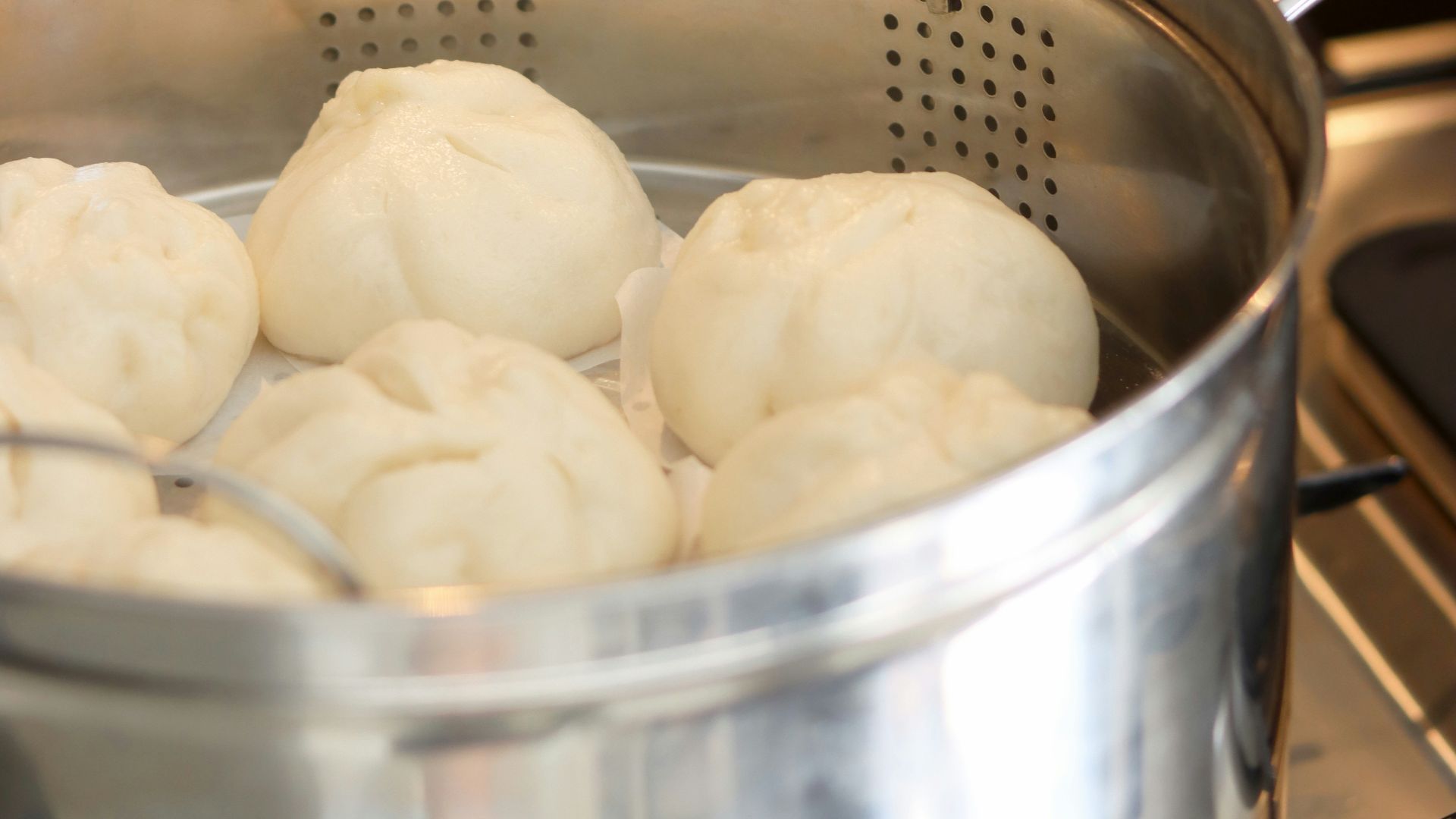
13. David Chang's Pork Buns at Momofuku Noodle Bar (2004)
Chang took the Taiwanese gua bao and stuffed it with pork belly, hoisin, scallions, and pickles. These steamed buns became the first dish that made people wait hours for counter service. They proved that Asian-American fusion could be serious cuisine and a new kind of fine-casual dining.
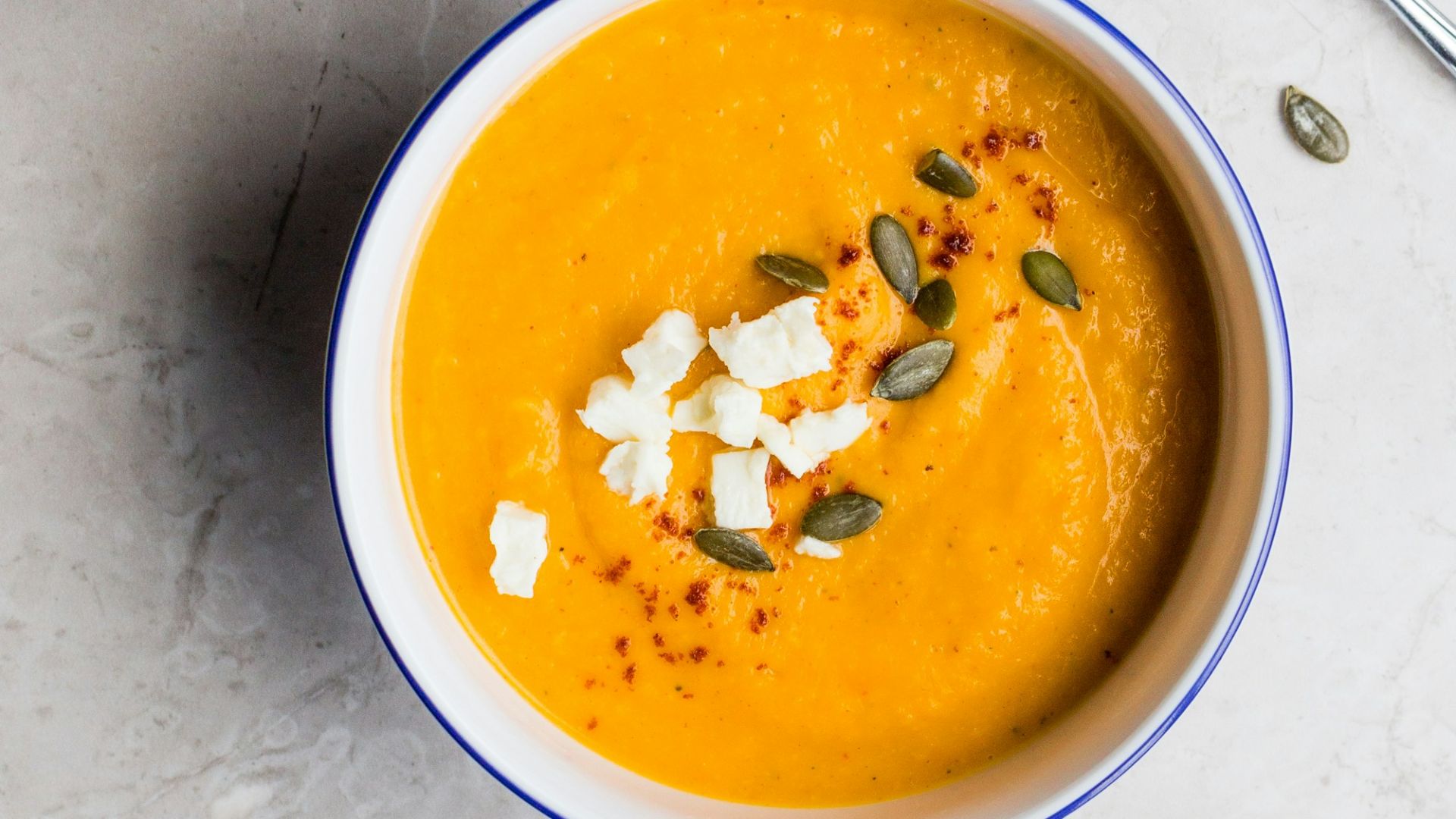
14. The Modernist Cuisine Team's Pressure-Cooked Caramelized Carrot Soup
When Nathan Myhrvold's team published their six-volume cookbook in 2011, their signature soup demonstrated that home cooks could use science to create intensely flavored dishes impossible with traditional methods. The book cost $625, but people bought it anyway.
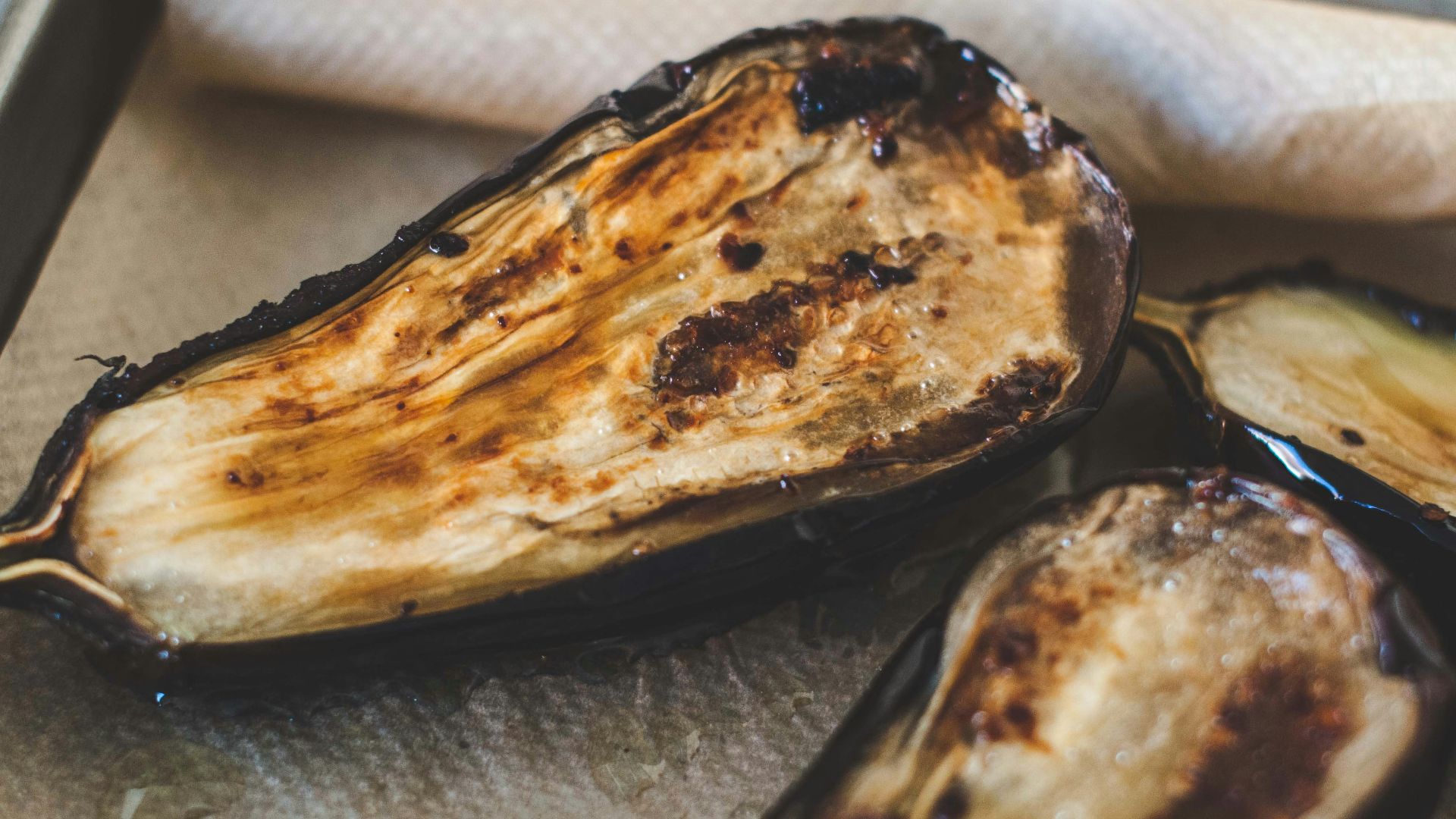
15. Yotam Ottolenghi's Roasted Eggplant with Tahini
Ottolenghi's London restaurants and cookbooks made vegetables the star, not the side dish. His roasted eggplant, swimming in tahini and pomegranate seeds, showed that vegetarian food could be deeply satisfying without trying to imitate meat. Middle Eastern flavors entered the mainstream European and American palate largely through his work.
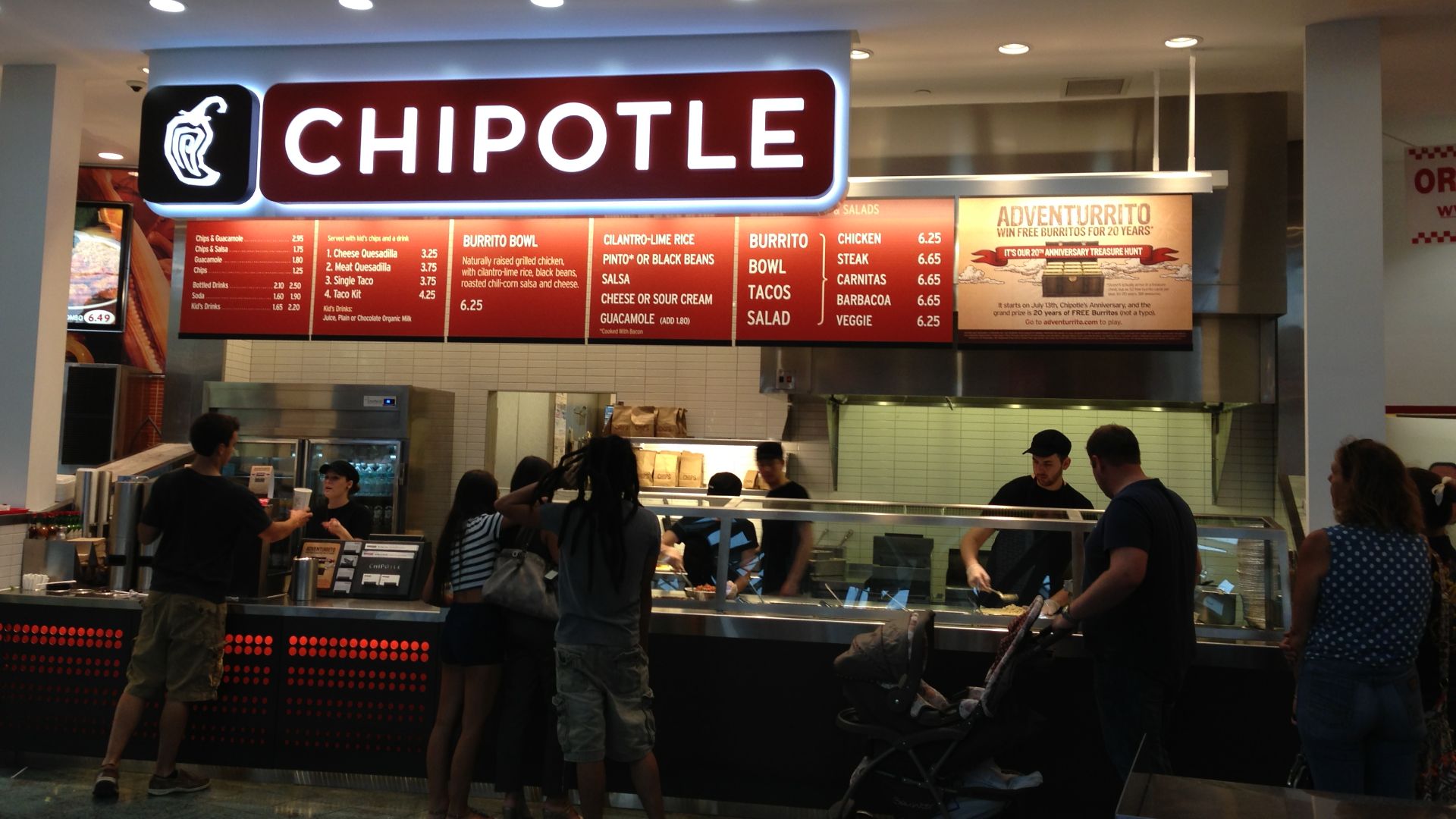
16. The Original Chipotle Burrito (1993)
Steve Ells opened the first Chipotle in Denver with a simple concept: fast food with better ingredients. Chipotle proved fast-casual could work, spawning countless imitators and changing how we think about quick meals.
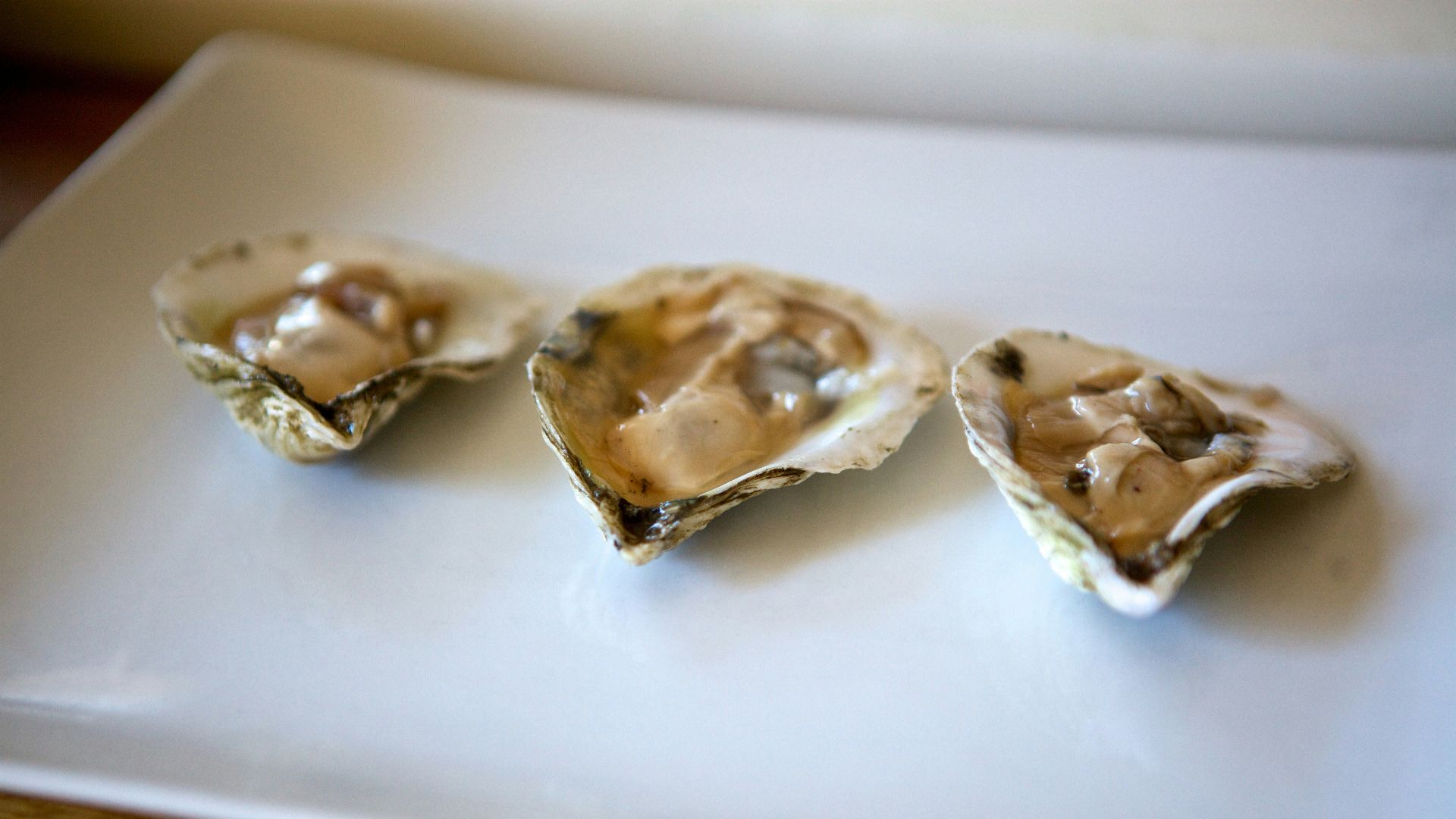
17. Thomas Keller's Oysters and Pearls at The French Laundry
This signature dish—oysters with tapioca and caviar—represented American fine dining coming into its own. Keller wasn't copying French techniques. He was using them to create something distinctly American, luxurious yet playful.
 David Todd McCarty on Unsplash
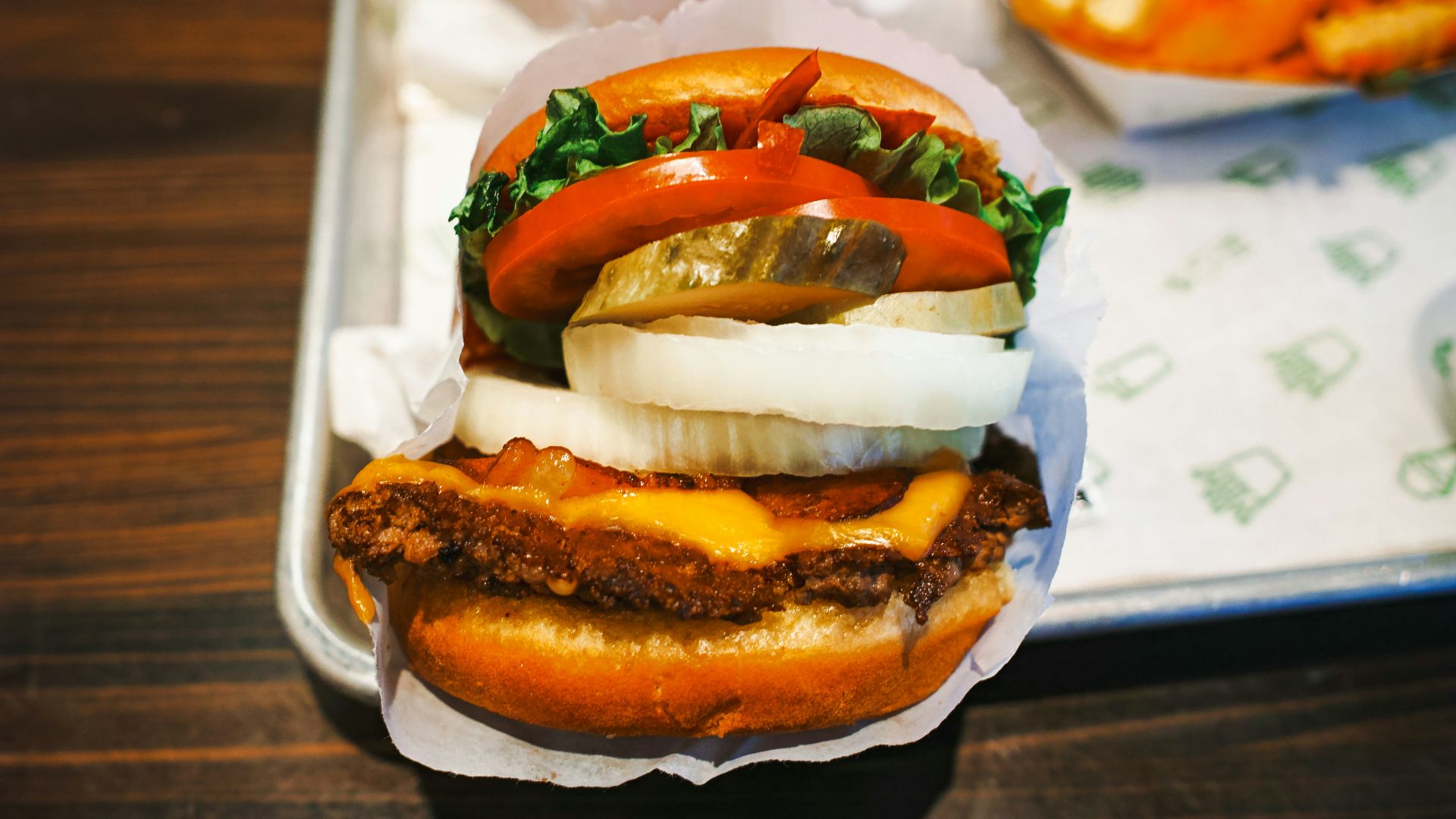
18. Shake Shack's First Burger in Madison Square Park (2004)
Danny Meyer's burger stand started as a hot dog cart fundraiser. The burgers were simple, consisting of Angus beef, potato buns, and ShackSauce. Their success proved that Americans wanted better fast food and would pay a premium for it.
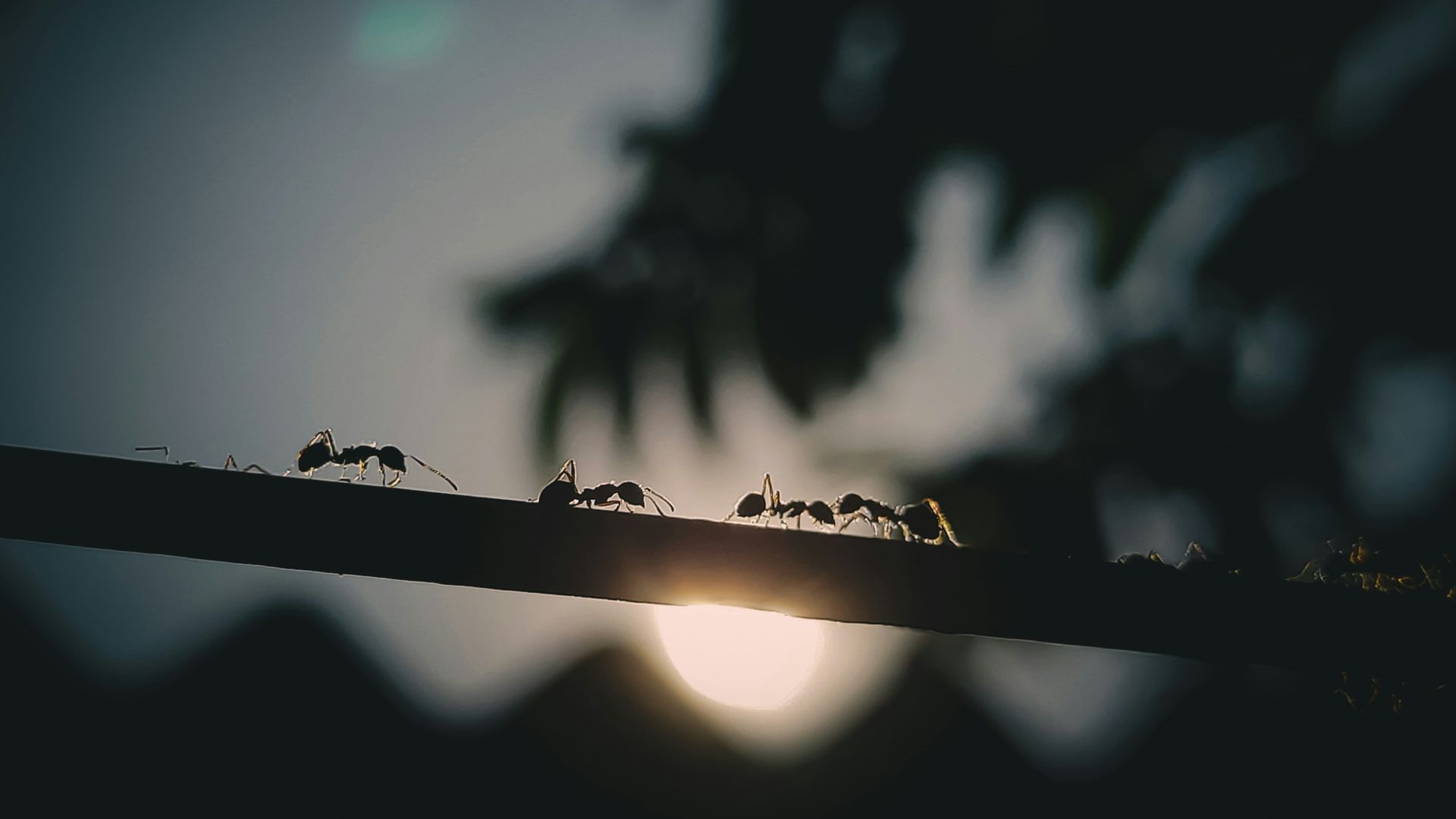
19. René Redzepi's Ants at Noma (2012)
Serving live ants at a Copenhagen restaurant could have been a gimmick. Instead, it pushed foraging and hyperlocal ingredients to their logical extreme. Redzepi made diners reconsider the definition of edible.
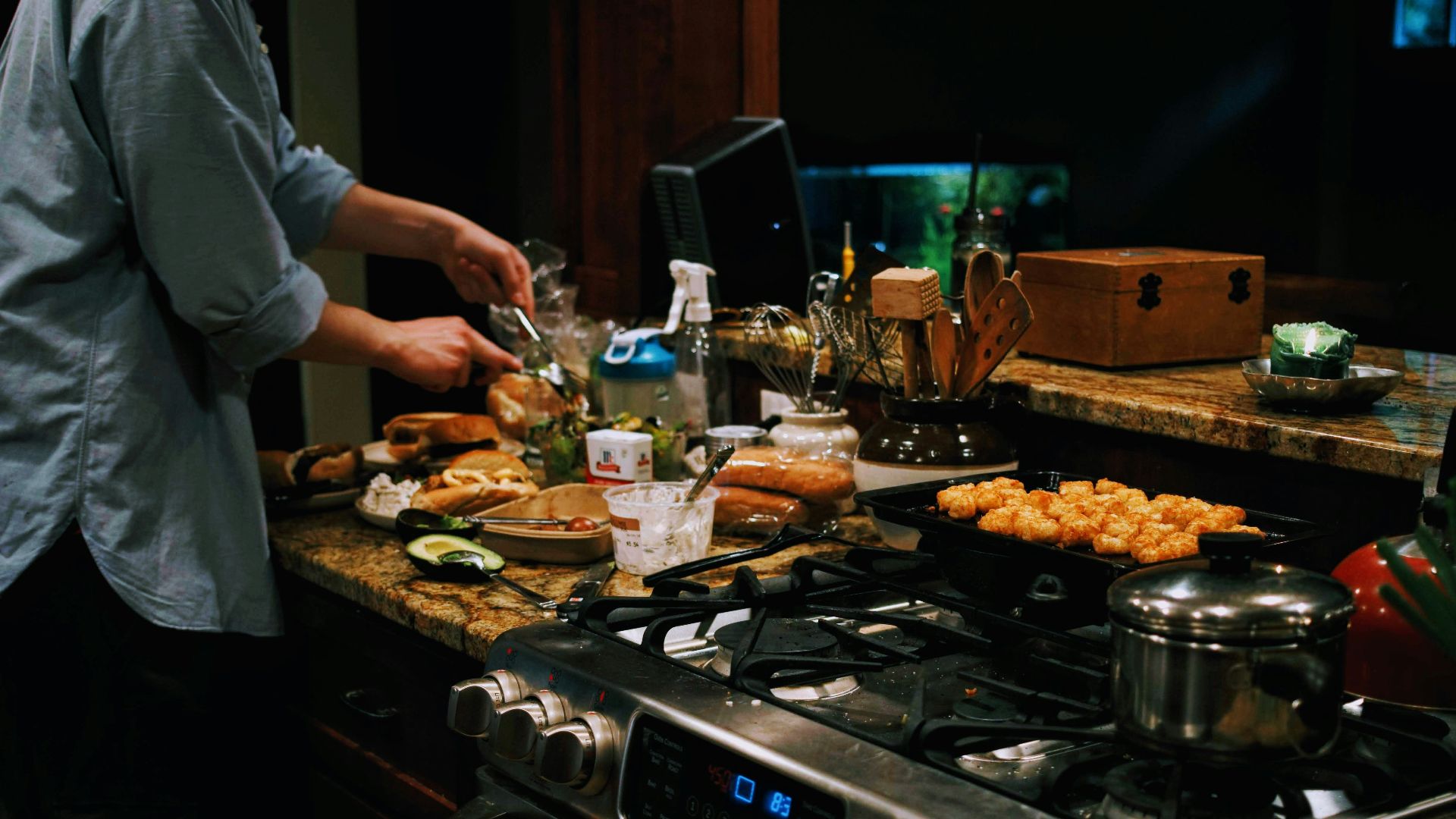
20. Bon Appétit Test Kitchen's Basically Anything (2016–2019)
This YouTube channel made cooking feel collaborative, attainable, and fun. Despite the channel imploding in 2020, it still left a mark and proved that cooking content could be personality-driven, and audiences craved authenticity over perfection.
KEEP ON READING