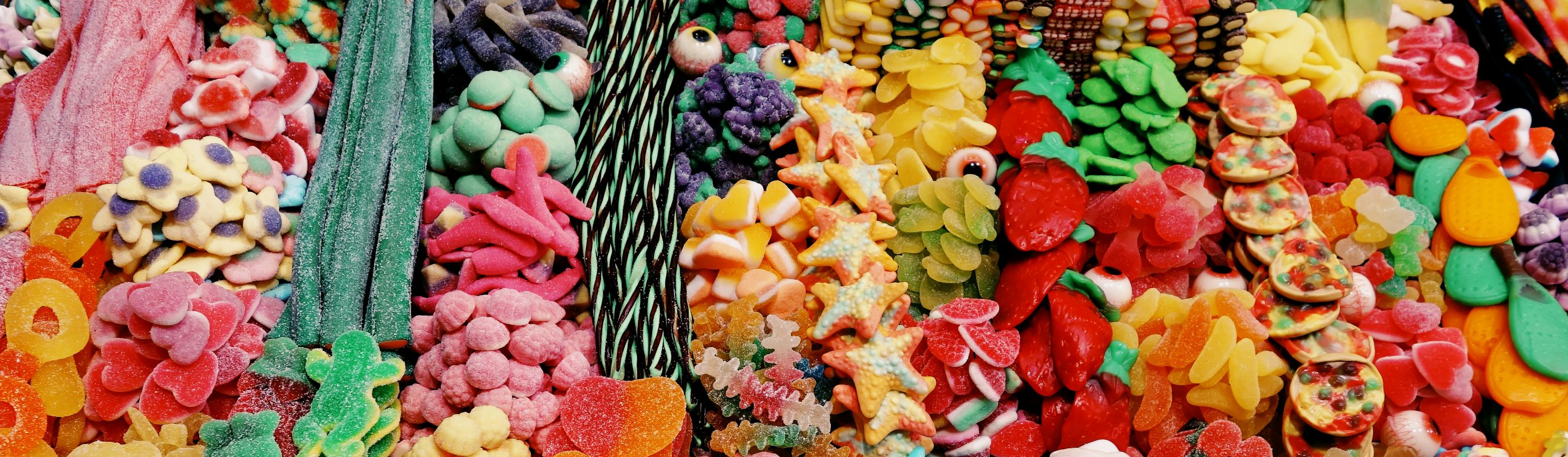
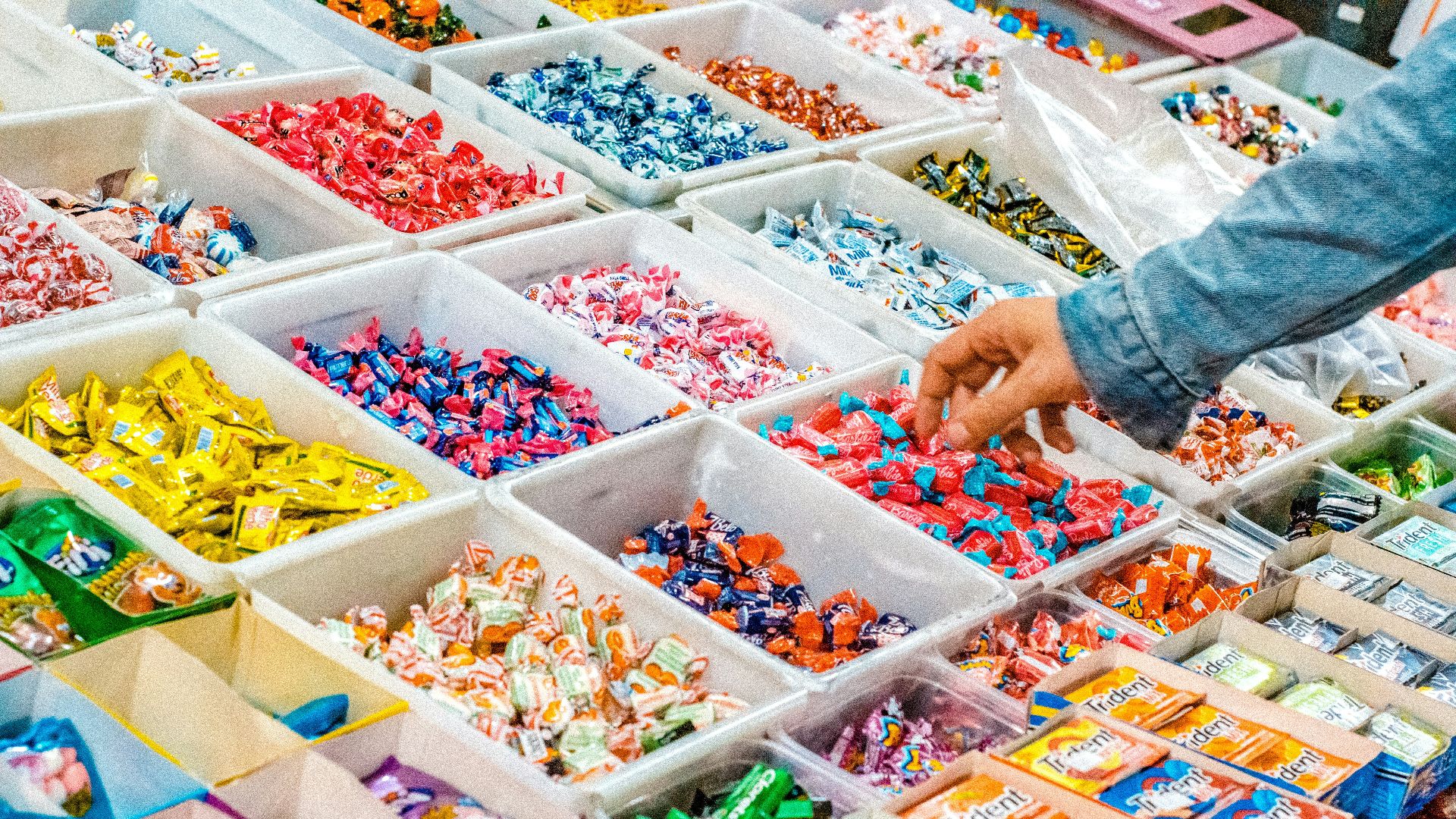
Walk through any mall in America right now, and you’ll find at least one kiosk with bins of puffy, chalky-looking candy in neon colors. It’s usually staffed by someone who will enthusiastically hand you a sample of what looks like a Skittle that went through some kind of transformation. You take the sample, bite into it, and hear a crunch that has absolutely no business coming from a Skittle. Then you buy a bag.
Freeze-dried candy has gone from a niche novelty to a legitimate snack category in the span of a few years, and the trajectory looks less like a fad and more like a permanent shift. The reasons are more layered than they appear. Some of it is texture, some of it is TikTok, and some of it is the fact that the snack food industry was overdue for a genuine disruption that didn't involve another flavor of potato chip.
The Texture Is Doing Something New
Food scientists have a concept called sensory-specific satiety, which refers to the way enjoyment of a food decreases as you eat more of it. Texture plays a significant role in keeping that satiety at bay, and novelty in texture is one of the most reliable ways to sustain interest in a snack. Freeze-dried candy delivers a texture that doesn't exist anywhere else in the snack aisle: simultaneously crunchy and instantly dissolving, airy but intensely flavored, nothing like the chewy original and nothing like anything else.
The process itself is what creates that effect. Freeze-drying removes moisture through sublimation, bypassing the liquid phase entirely by applying heat in a vacuum. When applied to candy, it causes the sugars and starches to expand and set in a porous structure, which is why a freeze-dried marshmallow can be three times the size of the original. The flavor compounds, stripped of water, concentrate dramatically. You're getting the same sugar content as the original candy, but the flavor hits faster and harder because there's almost no moisture to dilute it.
Popcorn dominated as a snack for decades partly because of what food researchers call the "crunch effect," the way auditory feedback from eating amplifies the perception of freshness and enjoyment. A 2015 review by Charles Spence in the journal Flavour found that the sound of eating crunchy foods like popcorn enhances perceived freshness and enjoyment. Freeze-dried candy delivers that same crunch signal, but with a completely different flavor profile and an almost theatrical lightness that popcorn can't replicate.
TikTok Built the Market Before the Market Knew It Existed
The rise of freeze-dried candy is inseparable from short-form video. Starting around 2021, home freeze-drying became a visible trend on TikTok, with creators buying Harvest Right home freeze-dryers, which retail for roughly $2,000 to $5,000, and documenting what happened when they put Skittles, Jolly Ranchers, gummy bears, and Nerds clusters through the machine. The videos had an inherently satisfying visual: something recognizable going in, and something alien and magnificent coming out.
Those videos accumulated hundreds of millions of views collectively, and they did something unusual for a food trend. They didn't just make people want to eat the product; they made people want to understand and recreate it. The DIY angle gave the trend credibility and accessibility at the same time. Viewers felt like they were in on something, which is exactly the kind of cultural positioning that turns a novelty into a category. By the time commercial vendors started appearing at farmers markets and in mall kiosks, there was already an audience primed and curious.
The economics followed the attention. According to reports from industry analysts, the freeze-dried snack market was valued at over $60 billion globally in 2023 and is projected to grow substantially through the decade. Small-batch vendors who started on TikTok have scaled into regional distribution, and larger snack brands have begun developing their own freeze-dried lines. The pipeline from viral video to retail shelf has never moved faster, and freeze-dried candy moved through it at speed.
It Fills a Gap Snack Culture Didn't Know Was There
For decades, the movie-and-couch snack category was essentially binary: something salty or something sweet. Popcorn ruled the salty side because it was light, shareable, easy to eat in volume, and satisfying without being heavy. On the sweet side, nothing ever quite achieved the same status. Candy was too sticky, too dense, or too intense to eat casually in large quantities. Freeze-dried candy solves most of those problems at once.
It's light in the way popcorn is light, meaning you can eat a meaningful volume of it without feeling weighed down. It doesn't stick to your fingers or your teeth the way traditional candy does, which matters more than it sounds when you're watching something and don't want to pause. And because the flavor is so concentrated and the texture so distinctive, a smaller amount goes further in terms of satisfaction than the same quantity of gummy candy would.
Snack trends tend to stick when they occupy a functional niche, not just a flavor niche. Popcorn didn't win because people suddenly fell in love with corn; it won because it was the right object for the right moment. Freeze-dried candy is landing the same way, arriving with the right properties for how people are actually eating now: at home, in front of screens, looking for something that keeps the hand moving without demanding too much attention. The kiosk in the mall is just the beginning.
KEEP ON READING
10 Most Hated Foods in the Entire World