
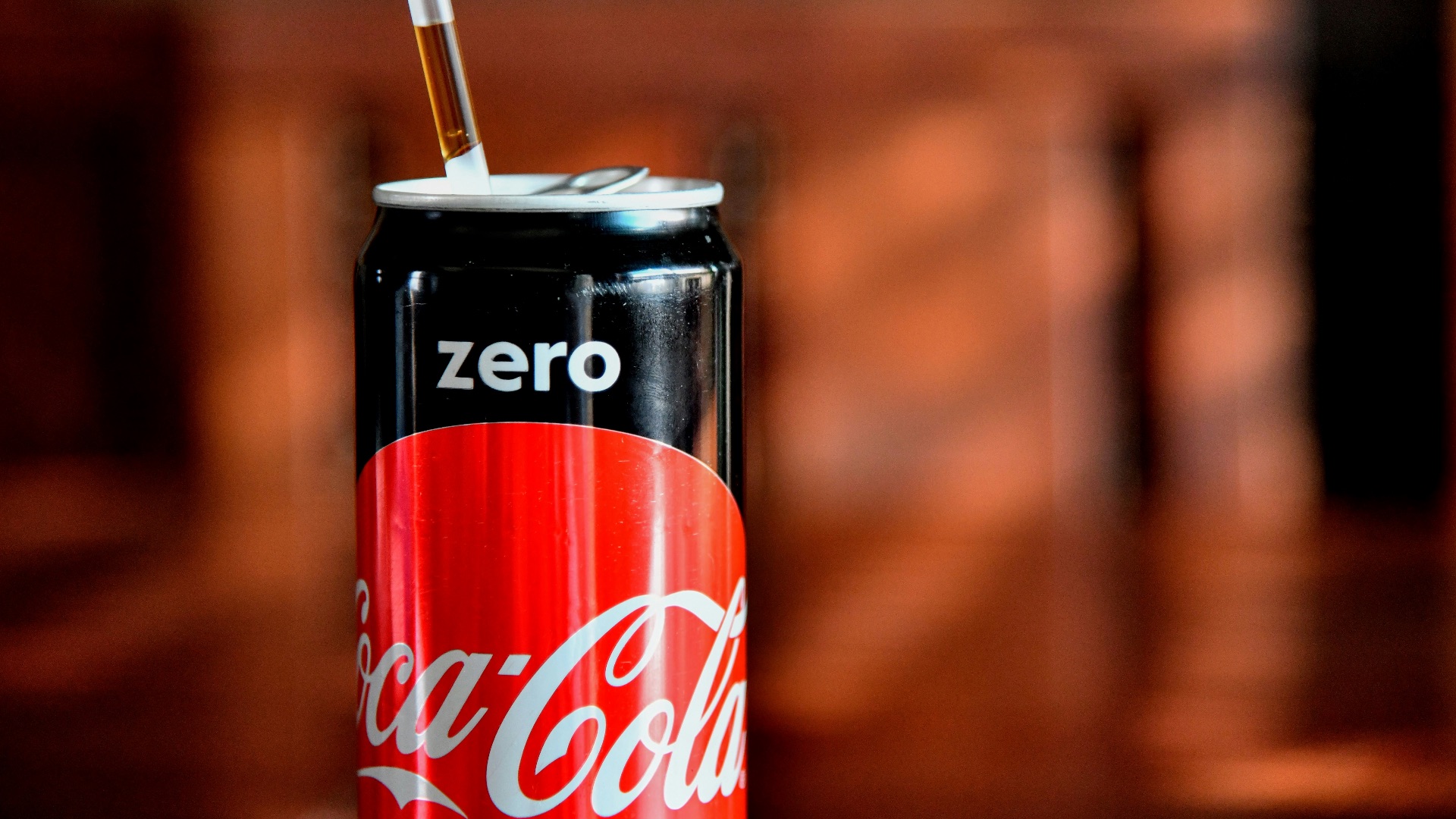
If you've ever swapped your regular soda for a diet version, thinking you'd made the smarter choice, you're not alone. Millions of Americans make that same switch every day, convinced that cutting sugar automatically means cutting harm. But the reality of what's actually inside that can is a lot more complicated than the label might suggest.
Diet sodas are typically sweetened with artificial substitutes like aspartame, sucralose, or acesulfame potassium, none of which contain calories in the traditional sense. What they do contain, however, has been the subject of increasing scientific scrutiny. And the more researchers examine these beverages, the more questions start to surface about their long-term effects on the body. Are you ready to learn the ugly truth?
Artificial Sweeteners Aren't as Healthy as You Think
Aspartame is one of the most widely used artificial sweeteners in diet beverages, and it's also one of the most studied. You may think that's a good thing, being such a popular ingredient, but while regulatory agencies like the U.S. Food and Drug Administration have maintained that aspartame is safe at typical consumption levels, the World Health Organization and International Agency for Research on Cancer classified it as a possible human carcinogen. That classification stirred considerable debate and prompted many consumers to reconsider their daily diet soda habit.
Aspartame isn't the only potential villain. Sucralose, sold under the brand name Splenda, is another common substitute under close scrutiny. A 2023 study published in the Journal of Toxicology and Environmental Health found that sucralose-6-acetate, a compound produced when sucralose is metabolized, may be genotoxic, meaning it could potentially damage DNA. While more research is still needed to draw firm conclusions, the findings are difficult to dismiss outright.
What makes these ingredients particularly tricky is that people tend to consume them in far greater quantities than researchers typically study. A person who drinks two or three diet sodas a day, every day, over the course of decades is operating well outside the parameters of most short-term lab studies. The long-term cumulative effects of that kind of exposure simply aren't well understood yet, and that uncertainty itself is worth taking seriously.
The Impact on Your Gut and Metabolic Health
Your gut is home to trillions of bacteria that play a critical role in digestion, immunity, and even mental health. Research suggests that artificial sweeteners can disrupt this microbiome in ways that may do real damage over time. In fact, recent studies have found that both saccharin and sucralose altered gut bacteria composition in human participants, which raises valid concerns about their broader physiological effects.
Beyond the gut, there's a growing body of evidence linking diet soda consumption to metabolic complications — including the very conditions it's often used to avoid. Several large observational studies have found associations between regular diet soda intake and a higher risk of type 2 diabetes; while association doesn't prove causation, the pattern has appeared consistently enough to warrant attention. Some researchers hypothesize that sweet taste without corresponding caloric intake may confuse the body's insulin signaling process.
Weight gain is another counterintuitive concern that keeps coming up in the research. You might expect that removing sugar from your diet would support weight management, and yet some studies suggest the opposite outcome for frequent diet soda drinkers. One proposed explanation is that artificial sweeteners may increase cravings for sweet or high-calorie foods by priming the brain to expect an energy reward that never arrives, ultimately leading people to compensate elsewhere in their diet.
What Long-Term Research Is Starting to Reveal
Some of the most concerning findings have come from large-scale, long-term studies that track populations over many years rather than controlled experiments that run for a few weeks. One study, which spanned from 2009 to 2021 and followed over 100,000 French adults, found that higher consumption of both sugary and artificially sweetened beverages was associated with an increased risk of cardiovascular disease. That's a frightening result for a drink that's largely marketed as a healthier alternative to full-sugar sodas.
Stroke and dementia risk have also entered the conversation in recent years. A study from Boston University School of Medicine found that people who consumed diet soda daily were nearly three times more likely to have a stroke or develop dementia compared to those who drank it less than once a week. The researchers were careful to note that the study couldn't prove cause and effect, but the size of the association was notable enough to make headlines in the scientific community.
None of this means you need to panic if you occasionally enjoy a diet soda; context and moderation matter in any conversation about food and health. What it does mean is that treating diet sodas as a free pass—something with zero downsides simply because it has zero calories and sugar—is an oversimplification that the evidence doesn't support. The smarter approach is to be informed, stay current with emerging research, and make dietary choices with a clear picture of what you're actually consuming. The next time you're craving a sweet beverage, your best bet is to swap it for a nice, cold glass of water instead.
KEEP ON READING