

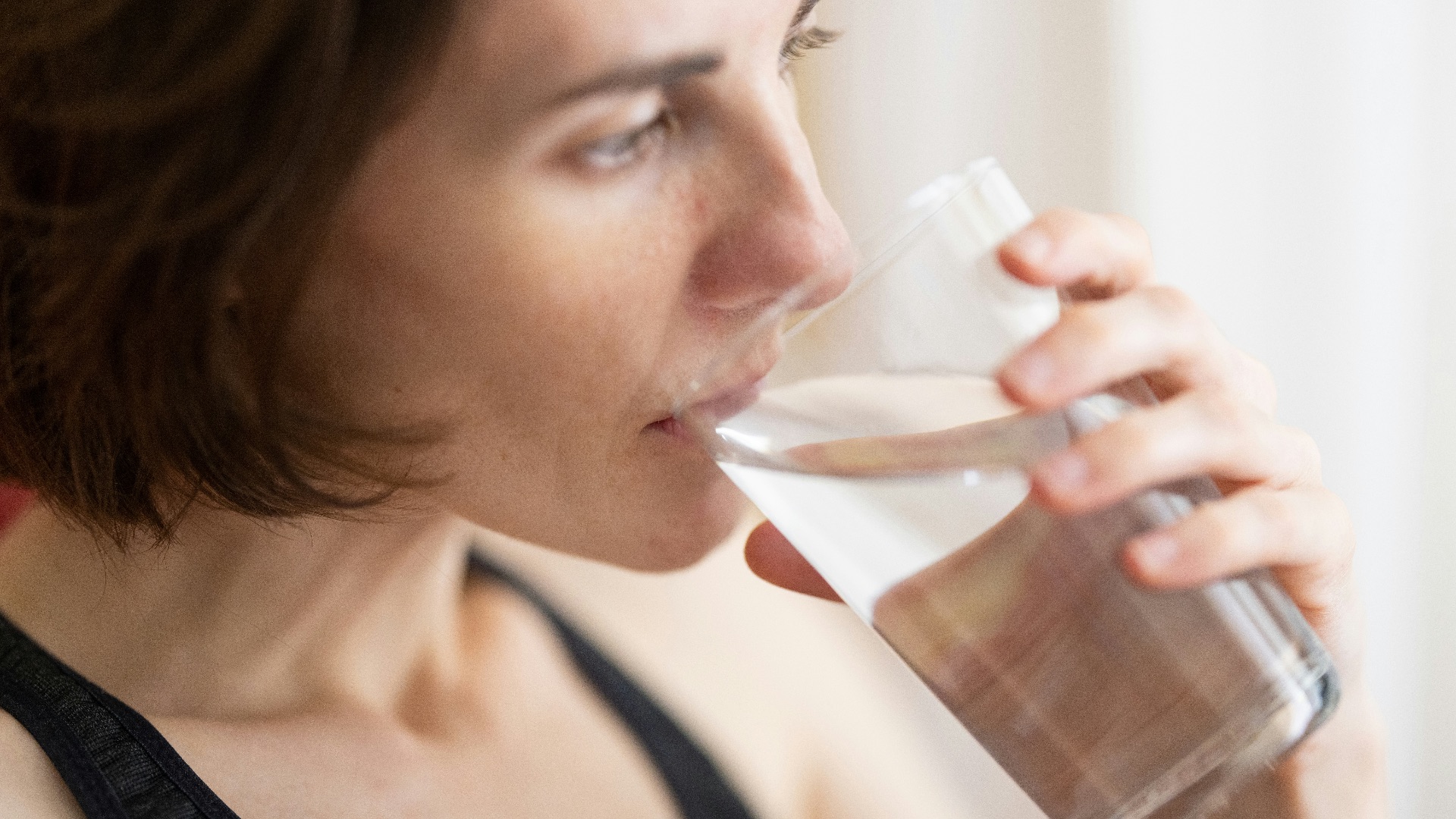
You probably don't drink enough water as it is, but that begs the question: How long could you go without it? After all, water is essential for keeping nearly every part of your body functioning, so if you went without it, you'd probably face some pretty bad consequences. Unlike food, which your body can survive without for weeks under certain circumstances, water is something you need much more frequently.
So, how long could you actually survive without drinking water? Well, the answer depends on several factors, including your health, environment, and physical activity. Understanding what happens when your body loses too much fluid can also help you recognize when dehydration tips into the danger zone, so let's dive in!
How Long Can You Actually Survive Without Water?
Here's the short answer: you'd probably kick the bucket within three to seven days if you don't get enough water. This is just a general estimate, of course, and as we've mentioned, some individuals may experience life-threatening complications much earlier, while others might survive longer under favorable conditions.
One major factor that could influence your survival, though, is the temperature of your surroundings: the hotter it is, the faster your body loses fluid through sweating. In extreme temperatures, dehydration and heat-related complications can become life-threatening within hours. Heat aside, your age and general health also play a huge role. Young children and older adults are especially vulnerable.
Interestingly, though, even if you go without drinking water, that doesn't necessarily mean you're getting no water whatsoever. If you're still eating foods that are naturally hydrating, such as watermelon, cucumbers, and soups, you'll still, of course, replenish your fluid stores. In fact, roughly 20% of your total water intake comes from food!
What Happens to Your Body When You Stop Drinking Water?
Okay, so there are different factors that affect how long you'd last, but what actually happens to your body when it stops receiving adequate hydration? Well, during the early stages of dehydration, your body begins conserving whatever water remains available—you might, for one, stop urinating as frequently. Then you might experience thirst, headaches, and a dry mouth, which are all among the initial warning signs that your fluid intake isn't keeping up with your body's needs.
As dehydration progresses, everyday activities can become increasingly difficult since there's not enough fluid to maintain normal circulation and temperature regulation. You might experience dizziness, fatigue, muscle weakness, or difficulty concentrating, especially when standing or moving around. Your kidneys will become particularly vulnerable: when dehydration becomes severe, that can interfere with kidney function. Your brain, heart, and other vital organs may then face serious complications as fluid loss worsens. You can probably see where this leads.
How Much Water Do You Really Need to Stay Healthy?
Morbid curiosity aside, how much water do you really need each day? Sure, you've probably heard that everyone should drink eight glasses of water daily, but hydration requirements from person to person aren't quite that straightforward. After all, your weight and height may cause these figures to shift, and if you're already getting enough fluid from the foods you eat, you might be better off treating these amounts as general guidelines.
Other than food, you should also consider your physical activity. Someone who spends most of the day sitting indoors will generally need less water than a person performing demanding physical work outdoors. If you're constantly hitting the gym, that will also increase your hydration requirements substantially. Pregnant or breastfeeding? Well, then you'll definitely need to adjust how much fluid your body needs! More than just getting enough water, you'll want to stay on top of your nutrients as well.
If you are experiencing mild dehydration, drinking water (or an appropriate rehydration solution, like Gatorade) can help replenish lost fluids. That said, severe dizziness, tiredness, or even fainting can indicate a medical emergency, so never push your body past its limits! If you suspect dehydration of any level, you should get yourself checked by a medical professional immediately, as delaying treatment can allow dangerous complications to develop.
At the end of the day, surviving without water for several days is doable, in some sense. But it doesn't mean your body can function normally throughout that period! Dehydration, as we've covered, can affect your physical and mental abilities long before it becomes life-threatening, and the exact progression can fluctuate wildly depending on several factors, chief among them your physical activity. Of course, you should never, ever test how long you could manage without water, even if you're curious—you never know what could happen. The safest approach is to maintain regular fluid intake and respond promptly whenever your body shows any abnormal symptoms or signs, so drink up!
KEEP ON READING

The 20 Most Popular Ice Cream Flavors In the World


