So you've scrolled past another cooking class advertisement, and you're seriously considering giving it a go. Maybe it's that pasta-making workshop downtown or the knife skills course your friend keeps recommending. The price tag makes you wince a little, and you wonder: couldn't you just watch YouTube videos instead? It's a fair question, especially when culinary education has never been more accessible online. Still, there's something about the idea of learning in person that tugs at you and seems more authentic, particularly since cooking is such a tactile skill.
You'll Actually Learn Proper Technique
Here's what nobody tells you about teaching yourself to cook from videos: you can't see your own mistakes. A 2021 Cinch Home Services survey of 2,000 Americans found 56.8% often add too much salt or seasoning, marking it as the top kitchen mishap, with 81% reusing the same cutting board for raw meat and vegetables without washing .
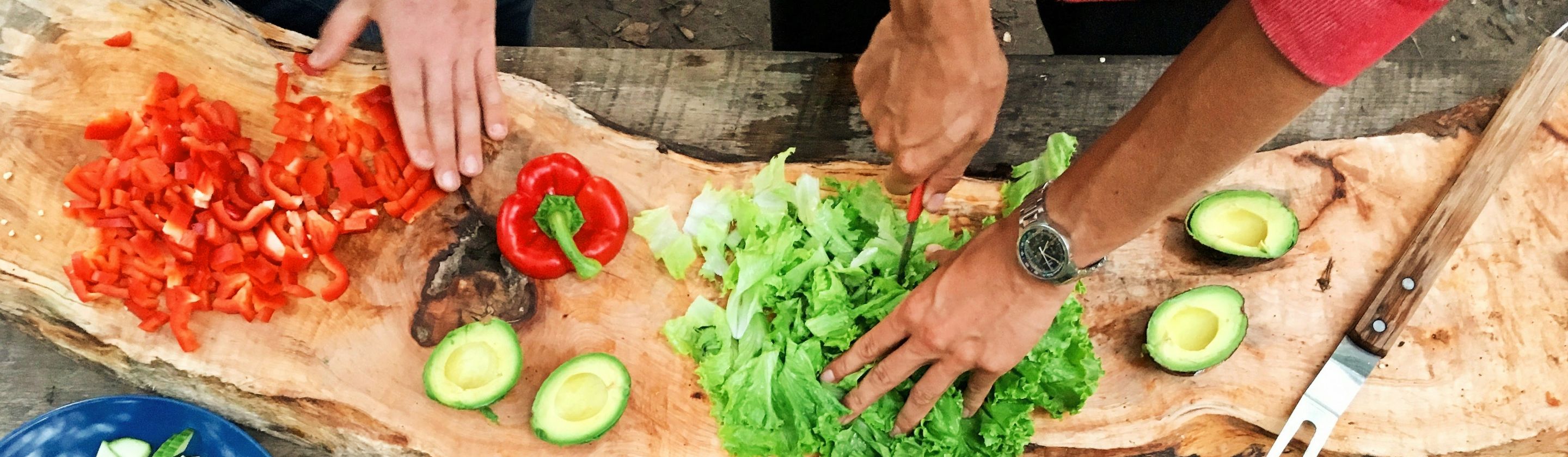
Instructors catch these things immediately. They watch your hand position, your posture, and the way you're gripping that chef's knife like it might somehow turn on you. The feedback is instant and specific: "Tuck your knuckles back," they'll say, gently adjusting your fingers on the cutting board.
Quite honestly, technique matters more than recipes do. Once you understand how to properly sauté, deglaze a pan, or build layers of flavor, you can improvise with whatever's in your fridge.
The Accountability Factor Changes Everything
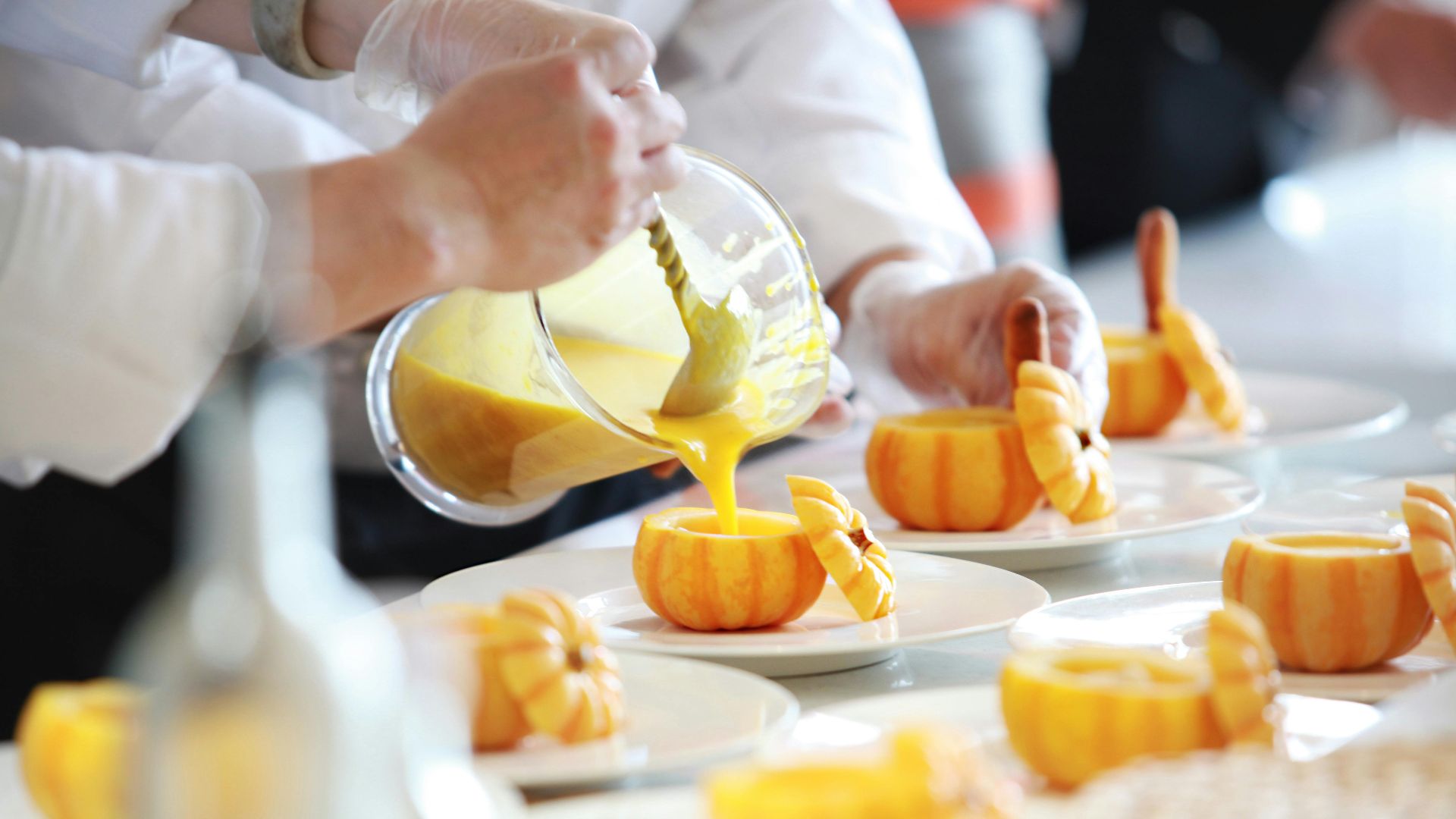
Signing up means you'll show up. You've paid money, blocked off time, and maybe even arranged childcare. Compare that to the cooking video you bookmarked six months ago and still haven't watched.
Chef Marcus Samuelsson mentioned in a 2022 interview that cooking classes force participants into a "committed learning mode" that's nearly impossible to replicate at home. You can't pause and check your phone every three minutes or decide to do a round of laundry. The environment demands your undivided attention.
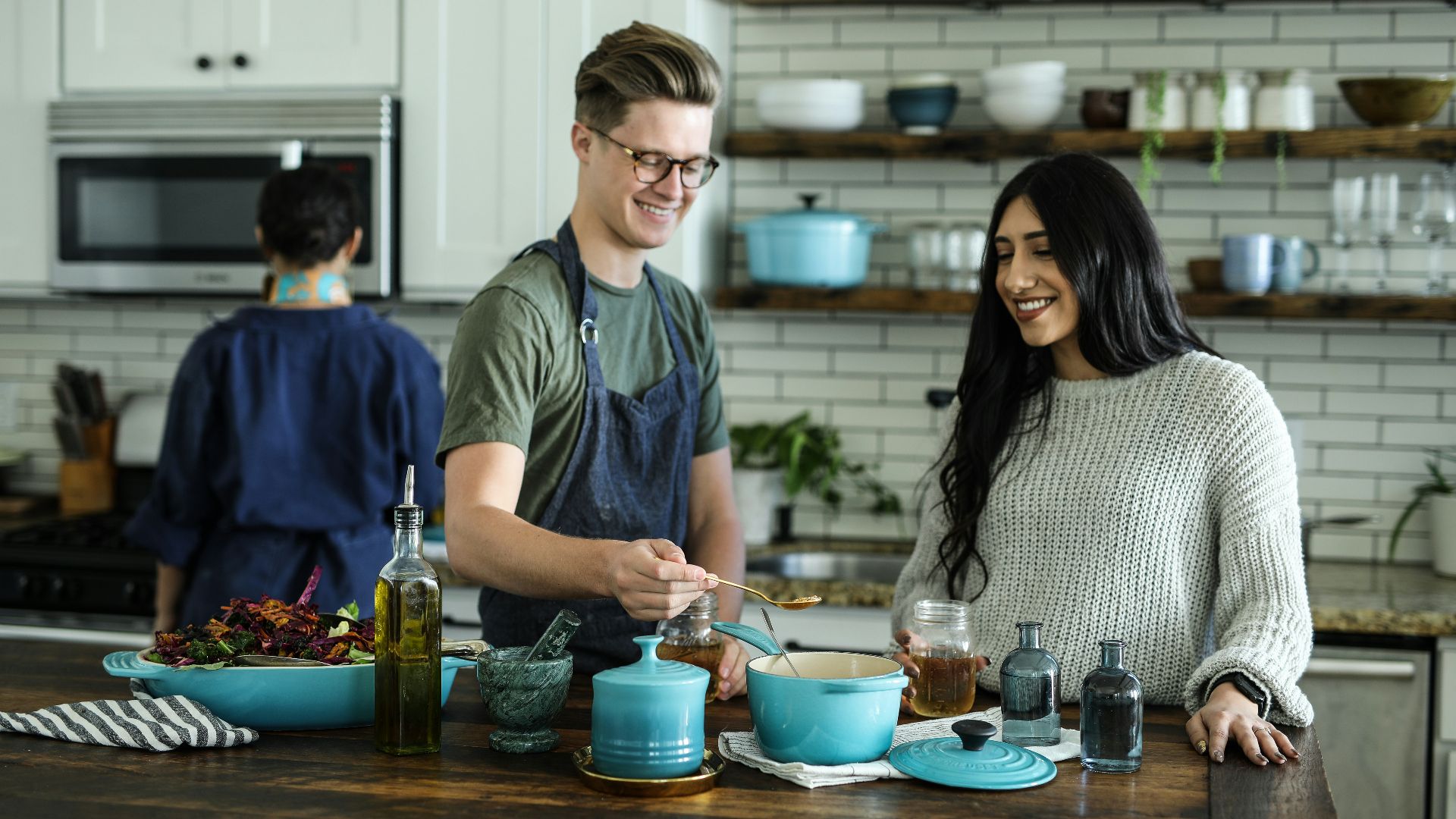
There's something invigorating about learning alongside other people. You feed off their energy, their questions, and their small victories when they finally nail that hollandaise. Cooking is fundamentally social, and for this reason, community kitchens have existed for centuries across cultures.
You'll Stop Wasting Money on Ingredients
This might sound counterintuitive given the class fees, but consider how much you've spent on specialty ingredients for recipes you tried once and made a mess of. We're talking that jar of sumac collecting dust and the fish sauce you bought for a single pad thai attempt.
Classes typically provide ingredients, which means you're experimenting without financial risk. You'll discover whether you actually enjoy making fresh pasta before investing in a $150 pasta maker and semolina flour. It's like test-driving techniques and cuisines before committing.
ReFED's 2024 report notes consumers waste food costing $261 billion annually (about $1,900 per household) . Learning to cook more confidently directly reduces that waste. You become better at using what you have, understanding substitutions, and recognizing when something's salvageable versus truly ruined.
The Mistakes Happen in a Safe Space
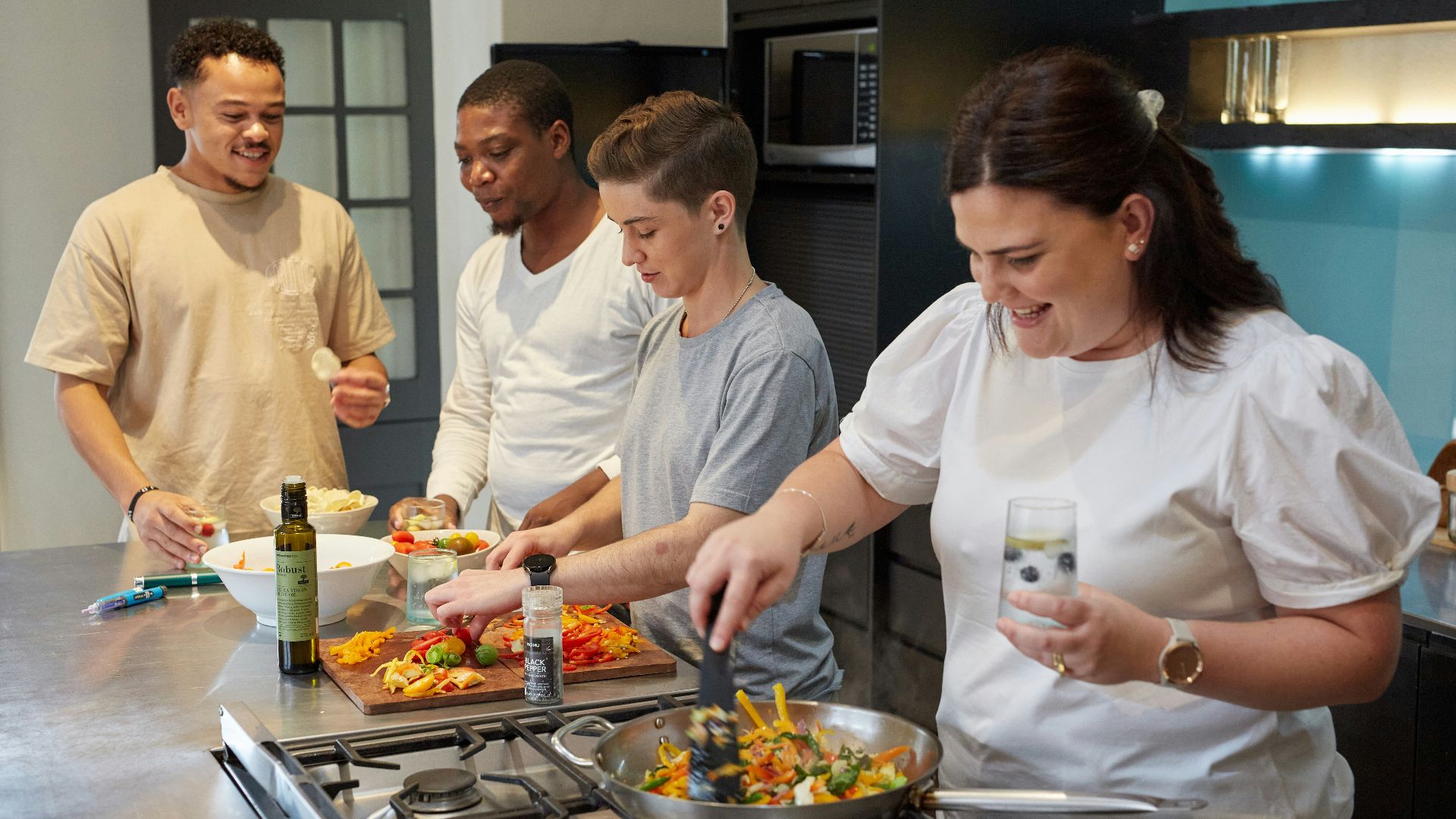
Burning dinner at home when you're hungry and tired hits different than burning it in a class. At home, it's a crisis: the kids are hungry, and now you're ordering expensive takeout again. In class, the instructor laughs it off, explains what went wrong, and you start over.
Making mistakes around experienced cooks normalizes failure as part of learning. You'll oversalt things, curdle sauces, and undercook chicken. The difference is having someone there who's made that exact mistake a hundred times and knows precisely how to fix it.
Your Kitchen Confidence Compounds
Something shifts after you've successfully made something you previously thought was too advanced. Maybe it's croissants, risotto, or perfectly seared scallops. Suddenly, weeknight cooking feels less daunting.
Nail one complicated French technique, and somehow you're more willing to experiment with Indian spices or attempt a soufflé. What psychologists call "mastery experience" is the process whereby success in one area breeds courage in others. The International Association of Culinary Professionals notes that class participants report feeling 68% more confident in their overall cooking abilities three months after completing even a single course .
And confident cooks actually cook more, which means eating out less, saving money, and probably eating healthier. The compound effects sneak up on you.
KEEP ON READING
Happy Hour: The 20 Best Foods For Social Snacking