Eating can look like one of the most ordinary parts of the day, especially when breakfast is rushed or dinner is squeezed between other responsibilities. Yet many familiar actions at the table carry cultural meaning, from the order in which people are served to the way bread is broken, tea is poured, or leftovers are shared.
These rituals aren’t always announced as traditions because they’re often learned quietly through repetition. A child watches where adults sit, which utensils they use, and whether guests are expected to accept another helping, gradually absorbing rules that may have been passed down for generations.
The Table Establishes Relationships
Seating arrangements can communicate age, authority, hospitality, and family roles before anyone begins eating. In some households, an elder or honored guest receives a particular seat, while other families follow informal patterns that everyone recognizes without discussing them. What appears to be a simple choice of chair may actually reflect long-standing ideas about respect and belonging. Children often learn these arrangements simply by watching where everyone sits at repeated family meals. Over time, the pattern can become so familiar that changing seats feels surprisingly noticeable.
Offering additional food is another ritual that can mean much more than checking whether someone is still hungry. In many cultures, repeatedly encouraging a guest to eat demonstrates warmth and abundance, while accepting at least a small portion can show appreciation for the host’s effort. Elsewhere, guests are expected to decline politely before eventually accepting, creating a familiar exchange understood by everyone at the table. Someone unfamiliar with the custom may mistake the repeated offer for pressure rather than generosity. Learning the expected response can make these moments feel more comfortable and respectful.
Shared dishes also influence how people relate to one another during a meal. Reaching toward the same platters, passing bowls, or placing food onto another person’s plate encourages attention and cooperation rather than purely individual eating. The meal becomes a group activity in which people continually respond to who needs more food, who hasn’t tried a dish, and who should receive the final portion. These small decisions require diners to remain aware of the people around them instead of focusing only on their own plates. That shared attention can strengthen the sense that eating together is a social responsibility as well as a practical activity.
Everyday Foods Preserve Cultural Memory
Bread frequently carries meanings connected with hospitality, survival, faith, and community because it has been a daily staple in many societies. Breaking or sharing it can mark friendship and trust, while wasting it may be strongly discouraged by families shaped by religious teachings or memories of scarcity. Even the habit of using bread to gather the final sauce from a plate can reflect an expectation that valuable food shouldn’t be discarded.
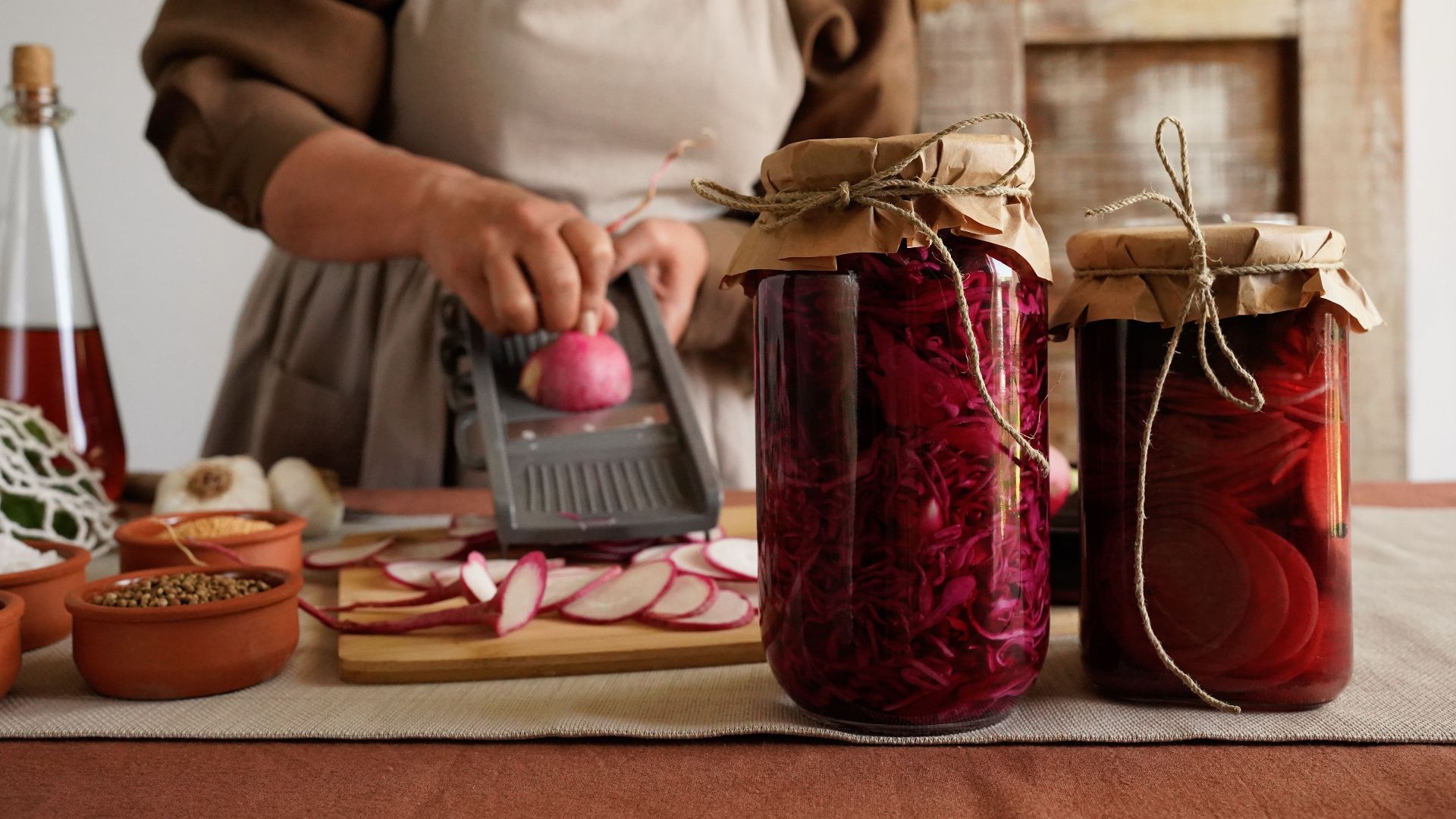
Fermented foods often preserve both ingredients and relationships. Korea’s kimjang tradition, for example, involves preparing and sharing large amounts of kimchi, with methods and flavor preferences passed among family and community members.
Recipes also preserve family history through small details that may never appear in a cookbook. One household may cut vegetables in a specific shape, add spices in a particular sequence, or prepare a dish only in a pot inherited from an older relative. Following those steps keeps a connection with previous generations, even when younger cooks adapt the recipe to new ingredients, kitchens, or schedules.
Manners Reveal Broader Cultural Values

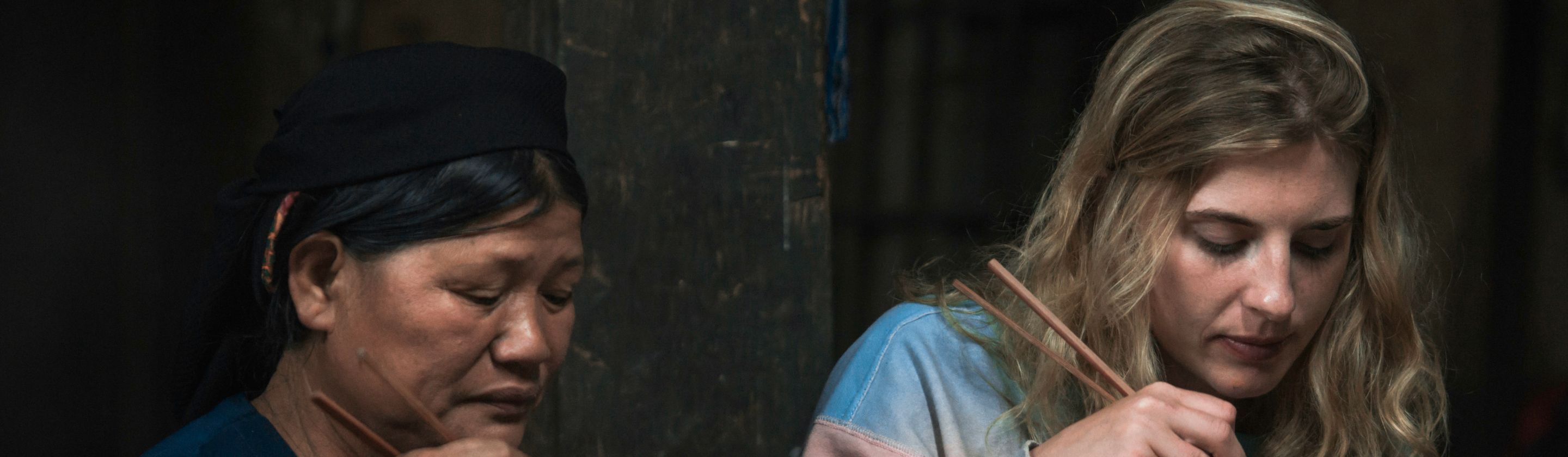
Using chopsticks, forks, spoons, flatbread, or fingers isn’t simply a practical decision because each method comes with its own rules. Chopsticks may carry restrictions about where they’re placed, while hand-eating traditions commonly include expectations about which hand should touch shared food. These practices aren’t signs that one dining system is more refined than another, since every system requires learned coordination and awareness.
Tea and coffee routines often turn an ordinary drink into an expression of hospitality. The host may warm the pot, pour for others before serving themselves, use particular cups, or keep refilling them throughout a visit. These repeated gestures give the gathering structure and allow care to be communicated without a formal conversation about gratitude or friendship.
The treatment of leftovers also reveals attitudes toward generosity, scarcity, and household responsibility. Some hosts send guests home with food as an extension of hospitality, while families may transform yesterday’s meal into a new dish rather than serving it unchanged. Saving even small portions can reflect respect for labor and ingredients, especially in communities where food insecurity remains part of living memory.
Cultural rituals survive because they’re built into actions people repeat without needing a special occasion. The way you serve a grandparent, accept a second helping, prepare rice, or pour someone else’s tea may seem too ordinary to count as heritage, yet these habits carry lessons about respect, identity, generosity, and community.