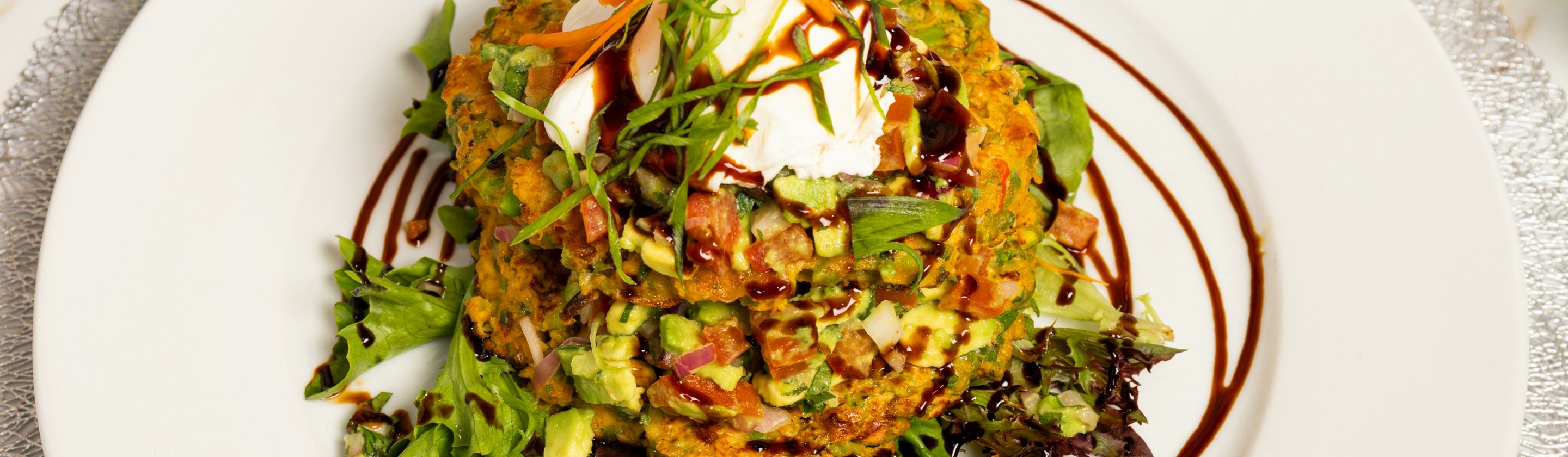
From Practical Leftovers To Palace Showpieces
Some famous dishes were shaped by scarcity, using stale bread, inexpensive vegetables, or whatever working families could gather locally. Others were developed or refined for monarchs, imperial households, and ceremonial banquets, where professional cooks had access to costly ingredients, large staffs, and demanding guests. Here are 10 dishes that originated as "poor food" and 10 that started in royal kitchens.
1. Ribollita
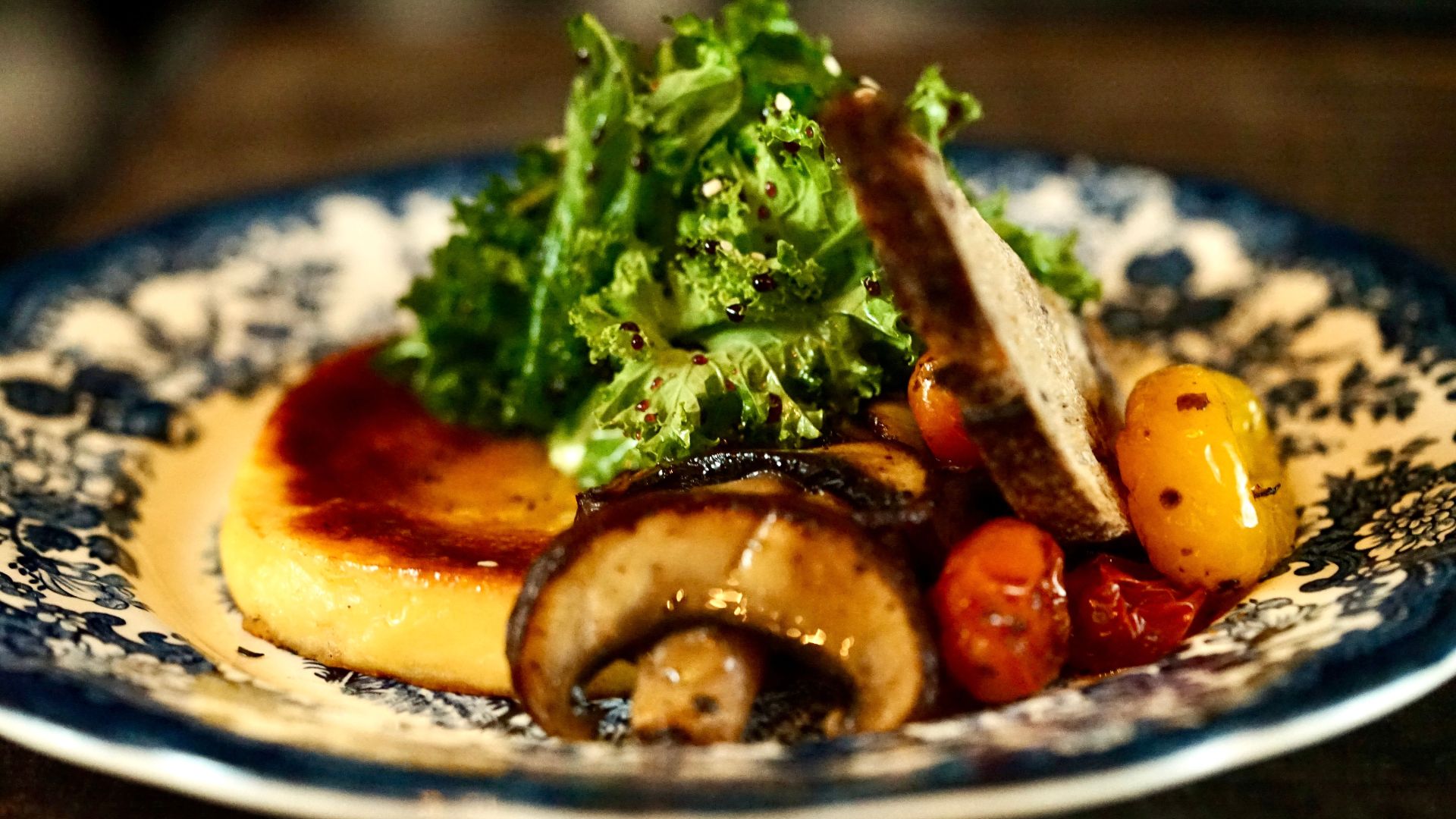
Ribollita grew from Tuscany’s tradition of stretching vegetable soup across several meals. Rural households reheated beans, greens, and leftover bread, with the name literally referring to the dish being boiled again.
2. Panzanella
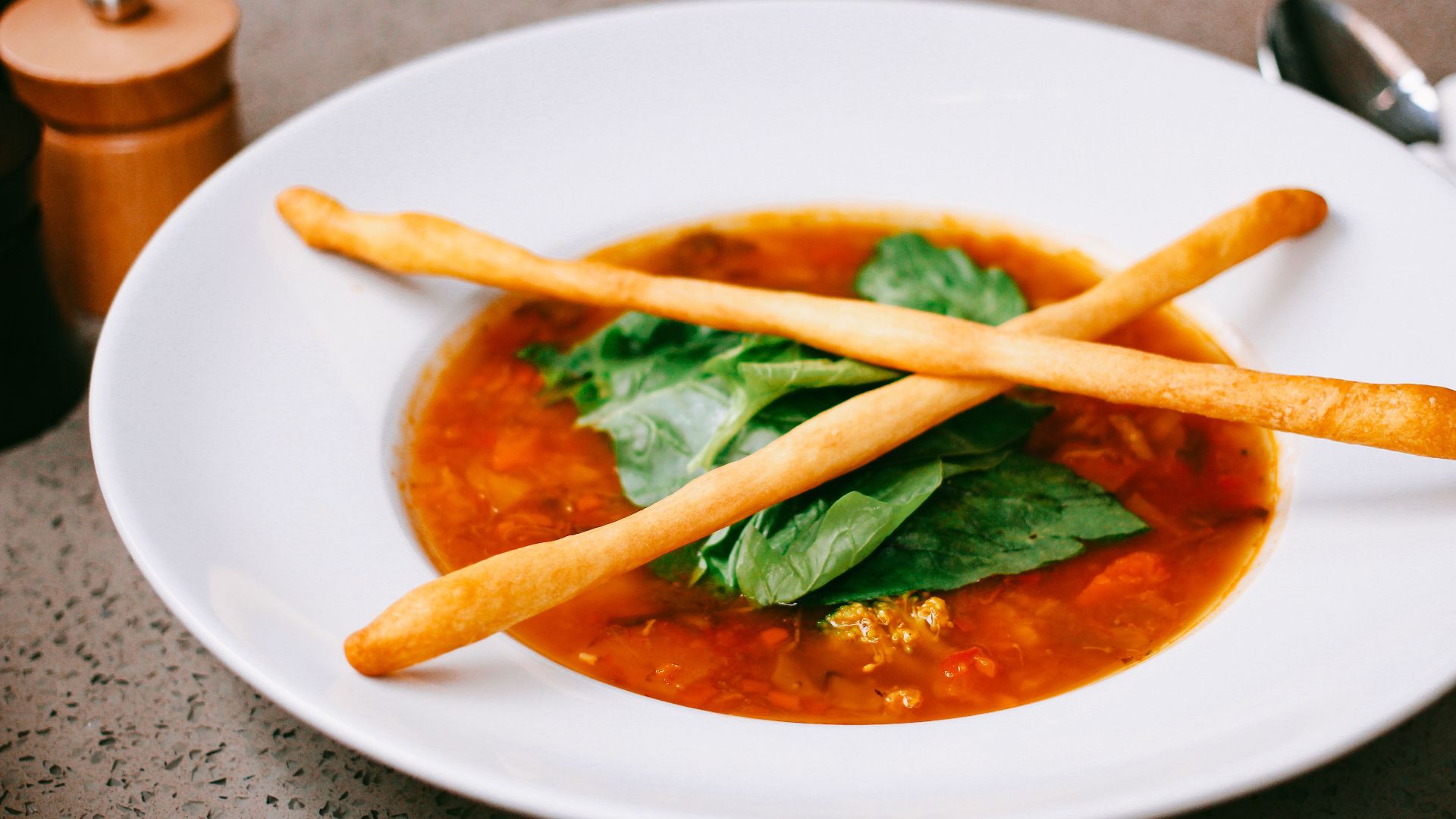
Tuscan workers couldn’t afford to discard bread simply because it had become dry. They softened stale pieces with water and combined them with onions, oil, vinegar, and, in later versions, tomatoes. The result turned aging bread into a refreshing meal that required no expensive meat or elaborate preparation.
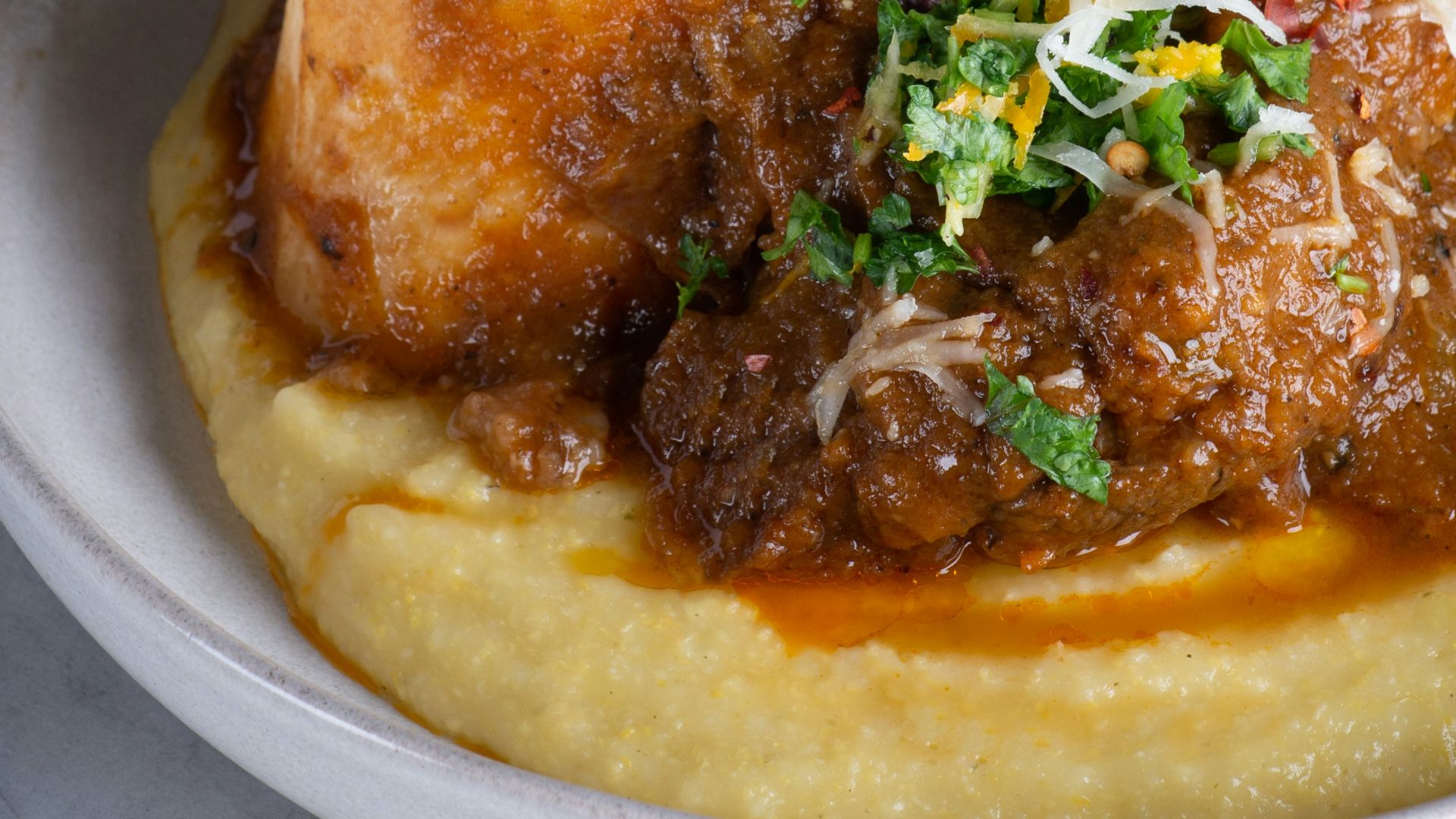
3. Polenta
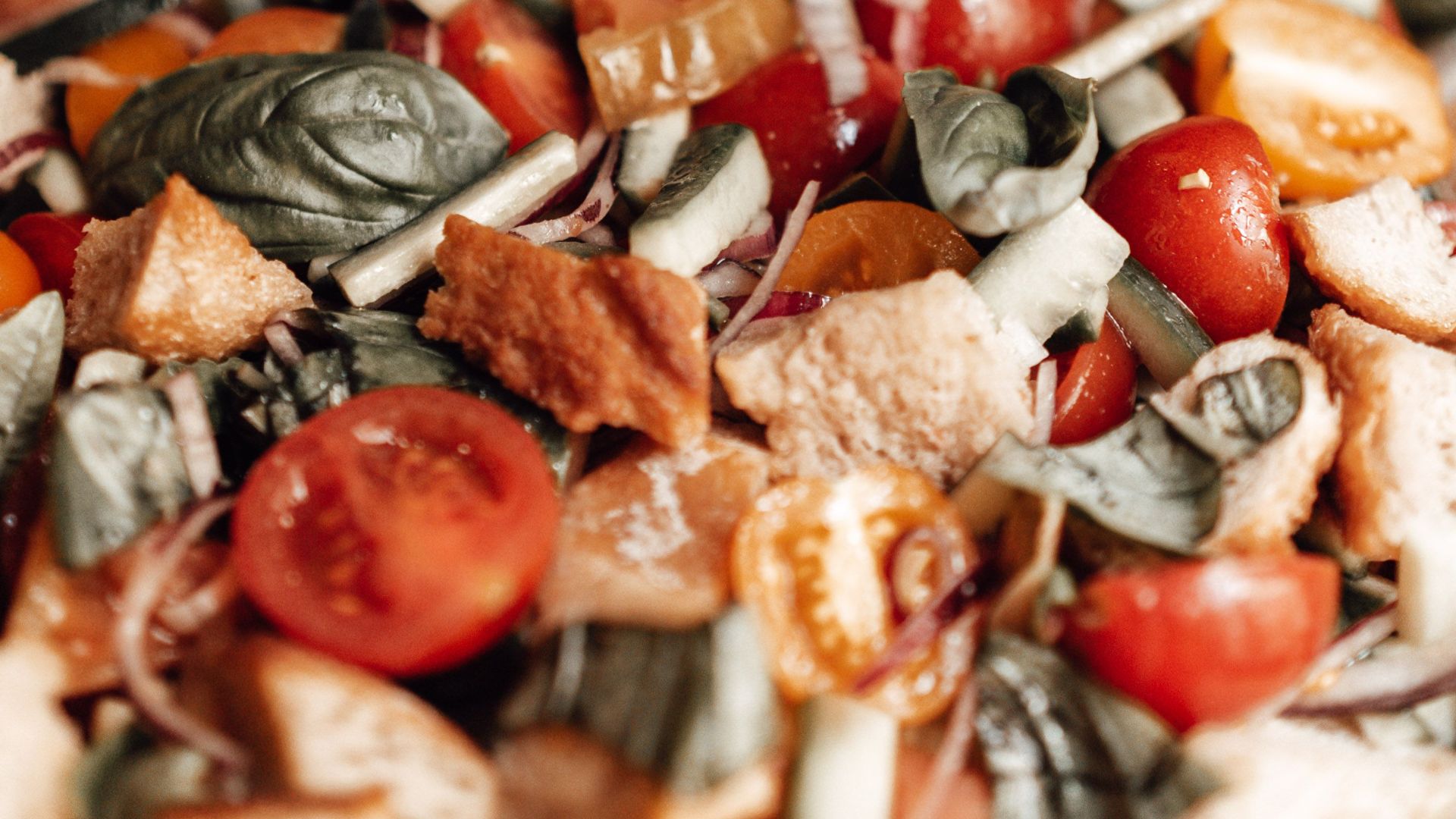
For generations, polenta provided an affordable and filling staple for poorer communities in northern Italy. Earlier versions used grains such as millet or buckwheat, while corn became dominant after reaching Europe from the Americas.
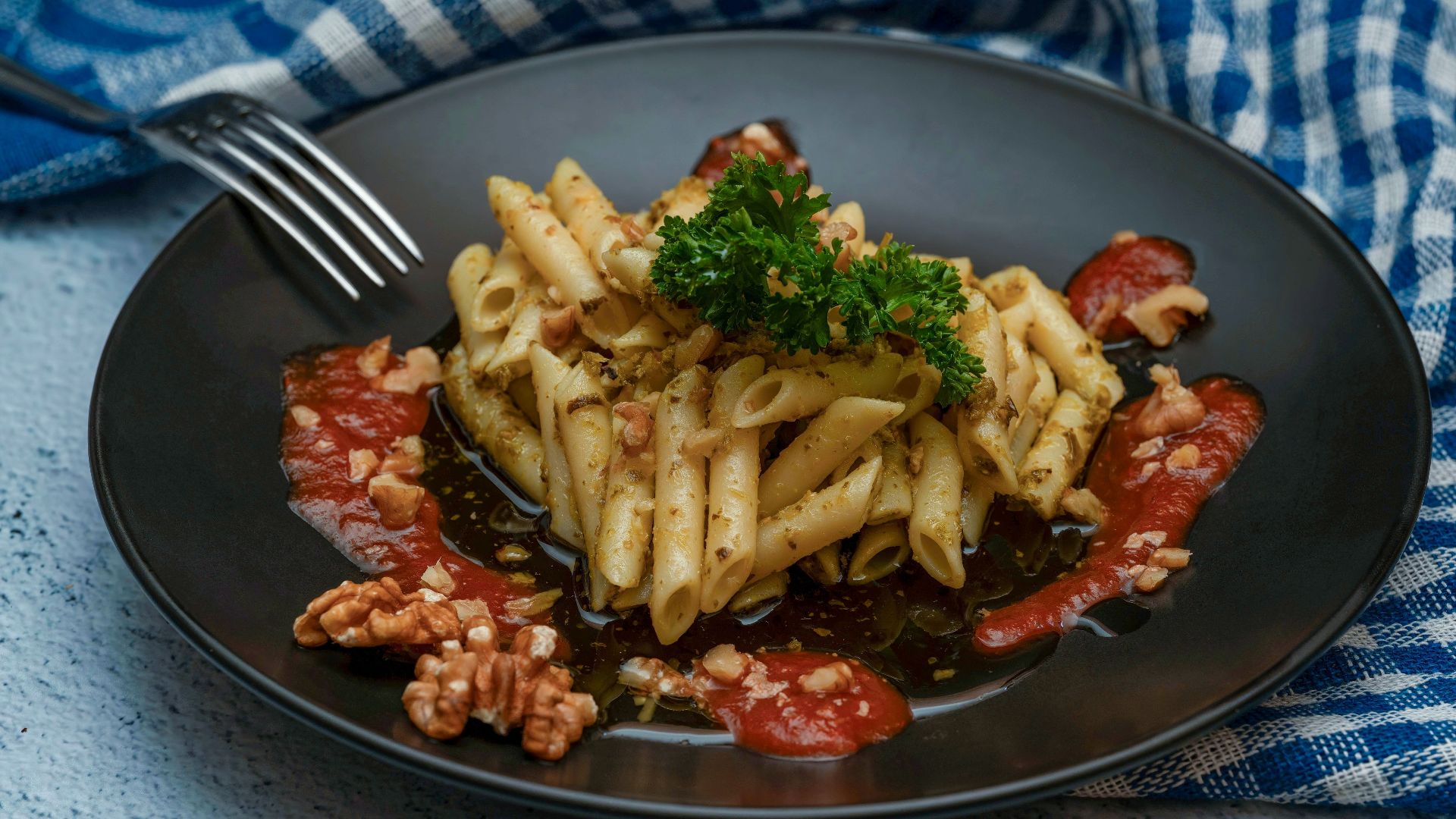
4. Pasta E Fagioli
Pasta e fagioli belongs to Italy’s broad tradition of cucina povera, or cooking associated with limited household resources. Beans supplied affordable protein, while small pasta shapes added carbohydrates and made the meal more substantial.
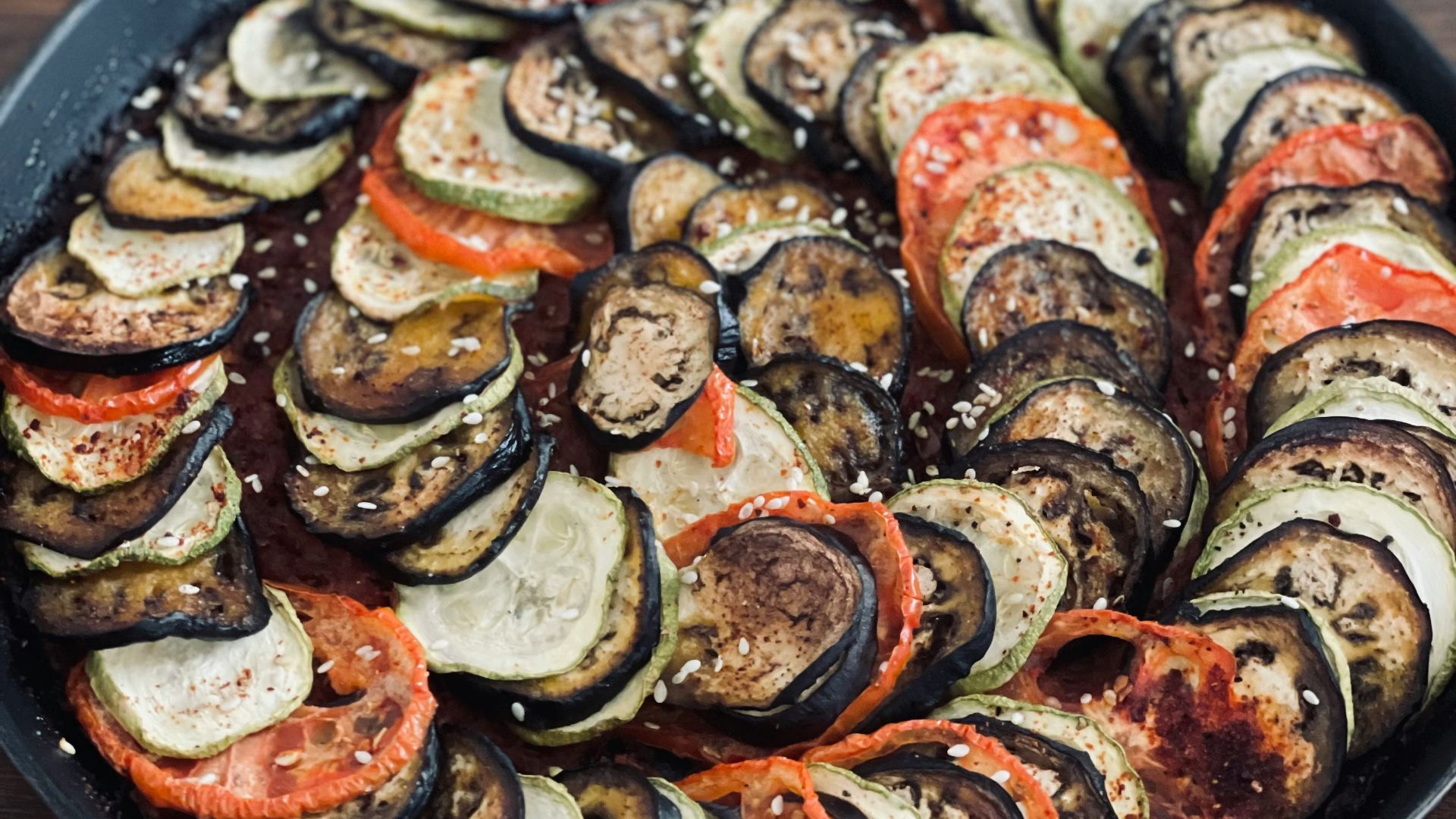
5. Ratatouille
Ratatouille developed in Provence as a straightforward vegetable dish rather than an elegant presentation of perfectly arranged slices. Farmers and working households cooked summer produce such as zucchini, eggplant, peppers, onions, and tomatoes together.
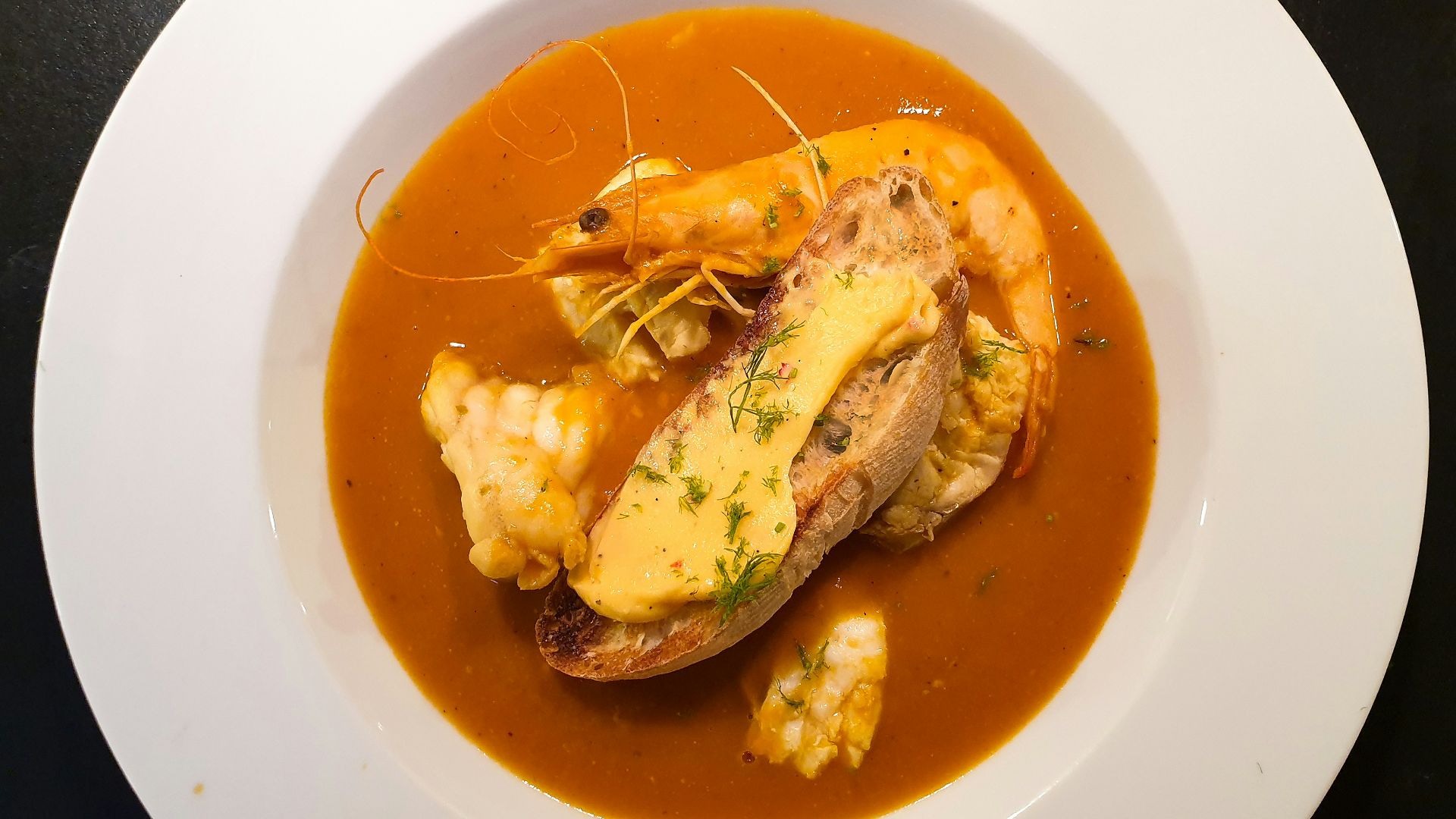
6. Bouillabaisse
The earliest forms of bouillabaisse were prepared by fishermen around Marseille using portions of the catch that were difficult to sell. Various small or bony Mediterranean fish could be simmered with aromatics to create a flavorful communal meal. Modern restaurant versions often include costly seafood, making them considerably more luxurious than the working dish that inspired them.
7. Acquacotta
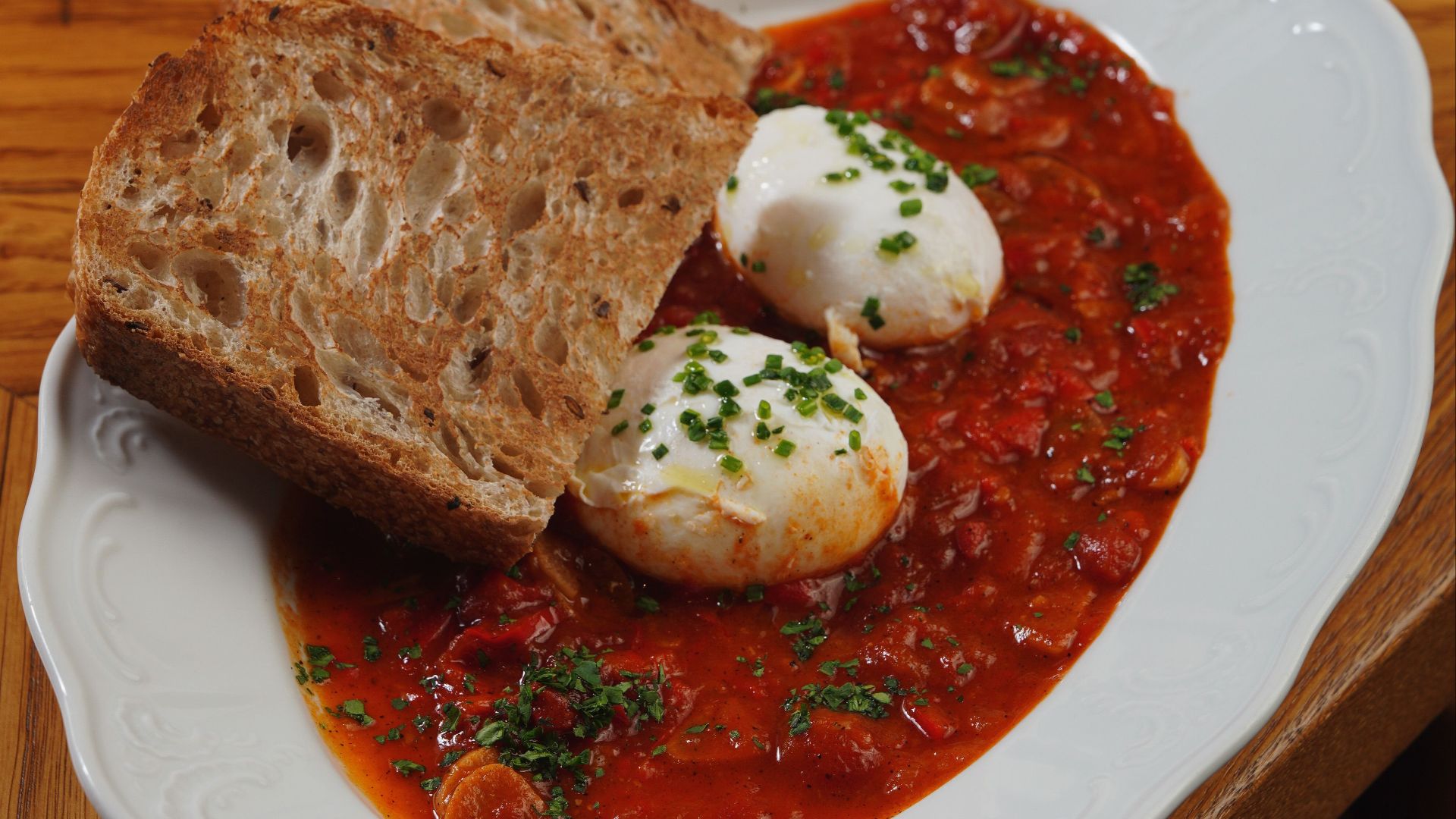
Acquacotta, meaning “cooked water,” came from rural areas of Tuscany and was especially associated with shepherds and agricultural workers. The flexible soup could contain onions, tomatoes, wild greens, bread, and occasionally an egg when one was available. Its ingredients changed with the season because it was designed around necessity rather than a fixed recipe.
8. Gazpacho
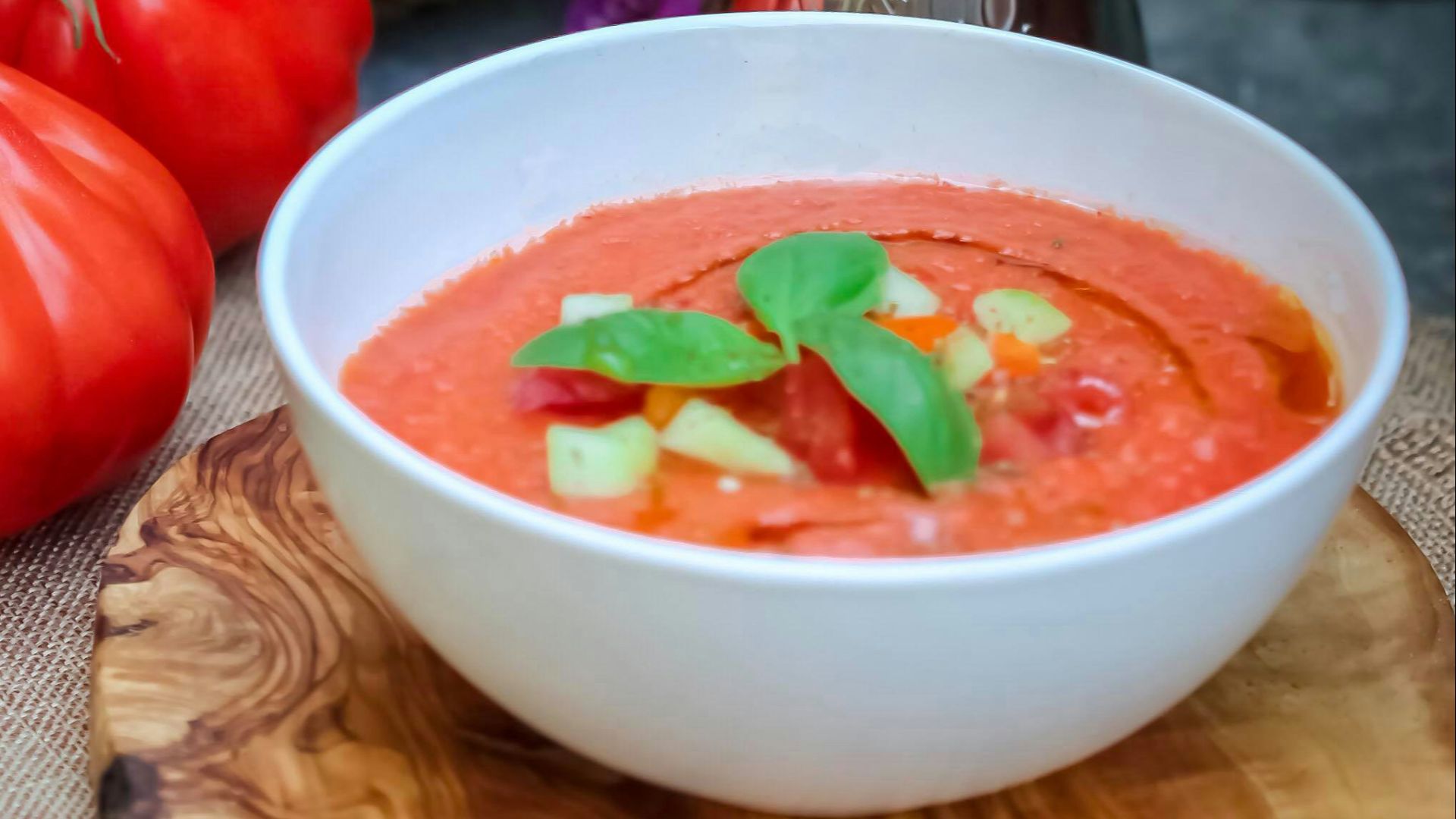
Early forms of gazpacho were practical foods for laborers in southern Spain, combining bread, water, vinegar, olive oil, and garlic. Tomatoes and peppers arrived in Europe after contact with the Americas and entered later versions of the dish.
9. Shepherd’s Pie
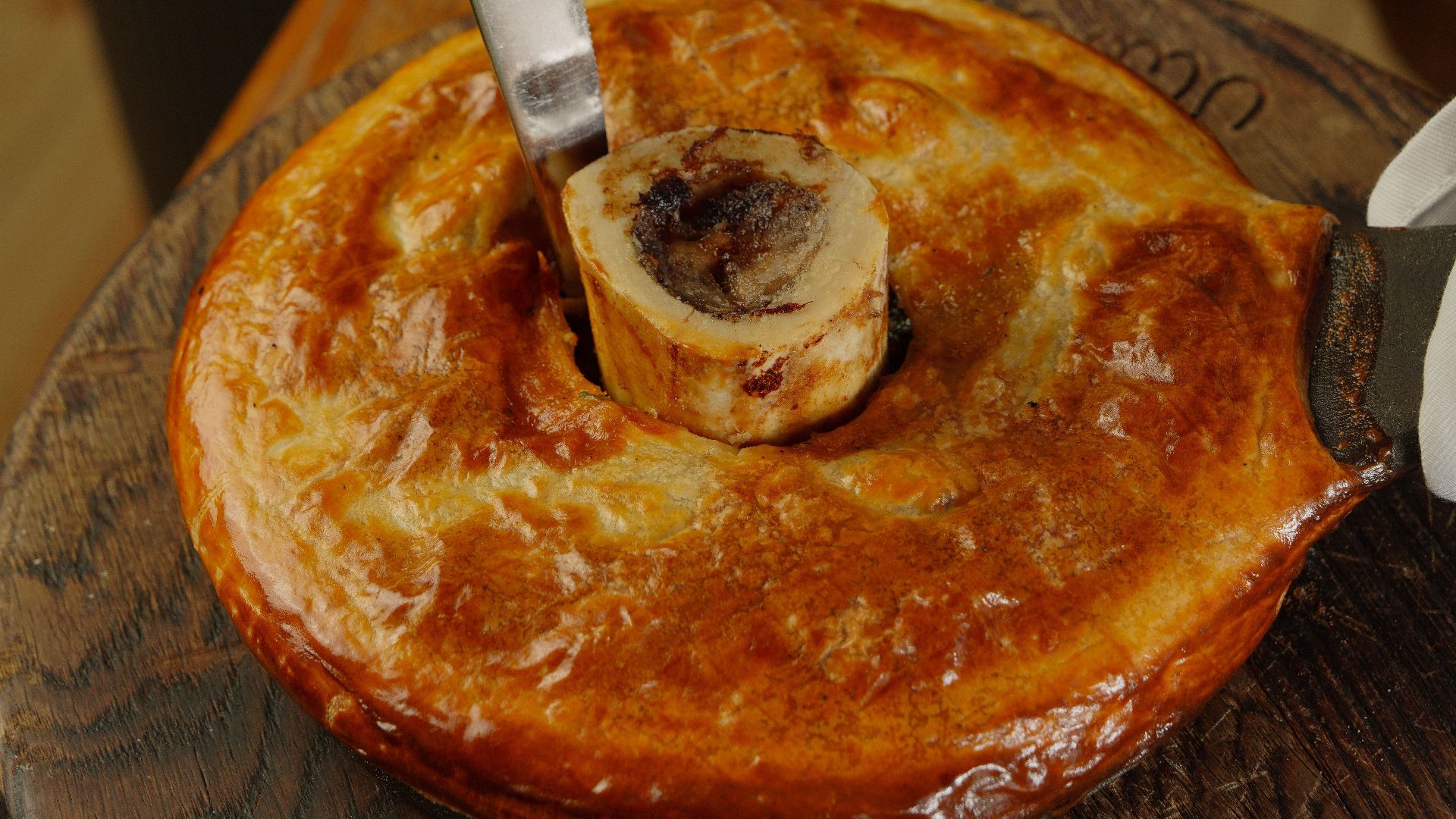
Shepherd’s pie helped households reuse cooked meat instead of allowing valuable leftovers to go to waste. Chopped or minced meat was covered with mashed potatoes and baked into a filling for a second meal. The term became established in Britain during the 19th century, with “cottage pie” often used more broadly and “shepherd’s pie” increasingly linked with lamb.
10. Bubble And Squeak
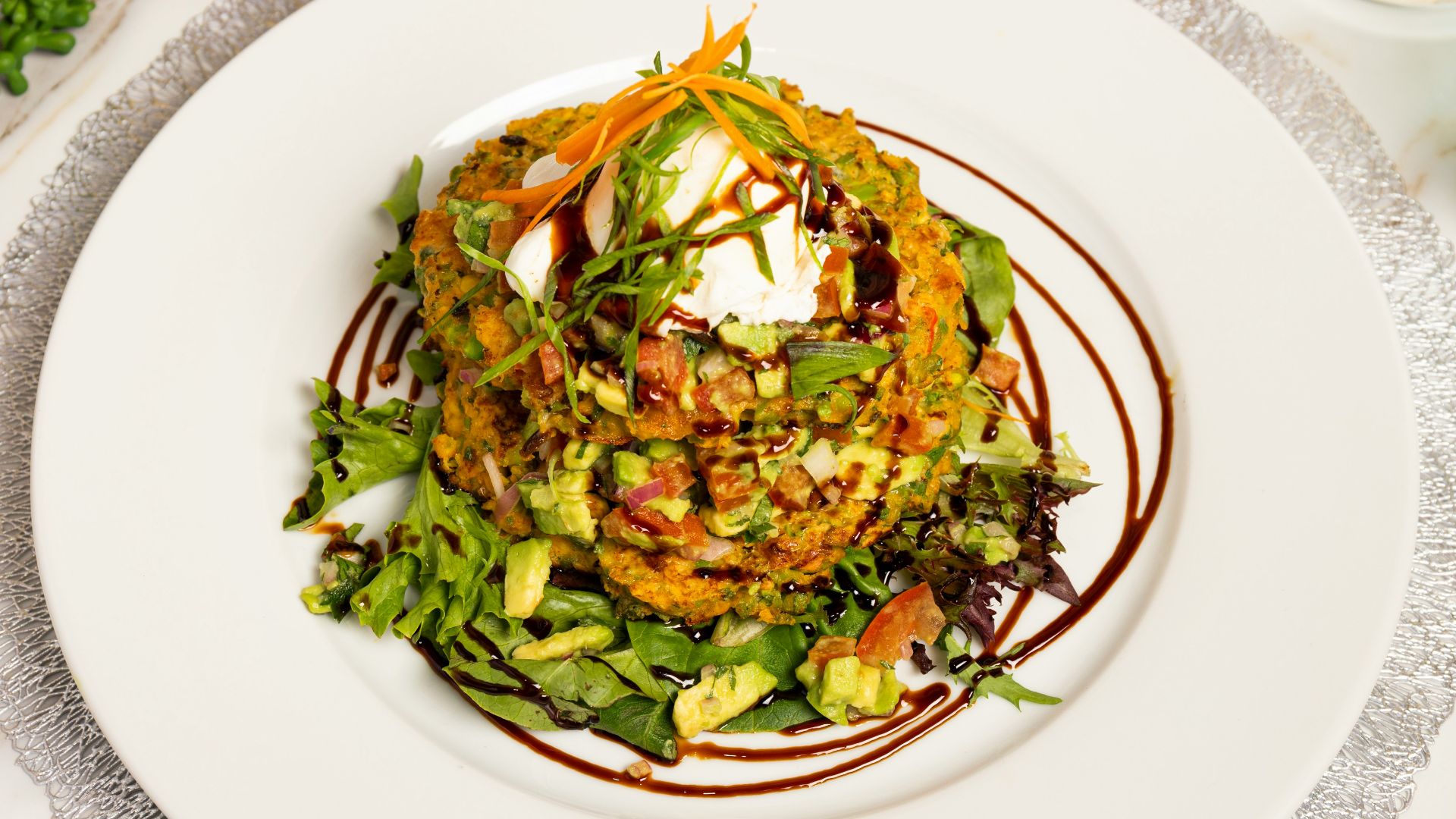
British households made bubble and squeak by frying leftover potatoes and cooked vegetables, particularly cabbage. It offered an easy way to turn the remains of a previous dinner into another hot meal.
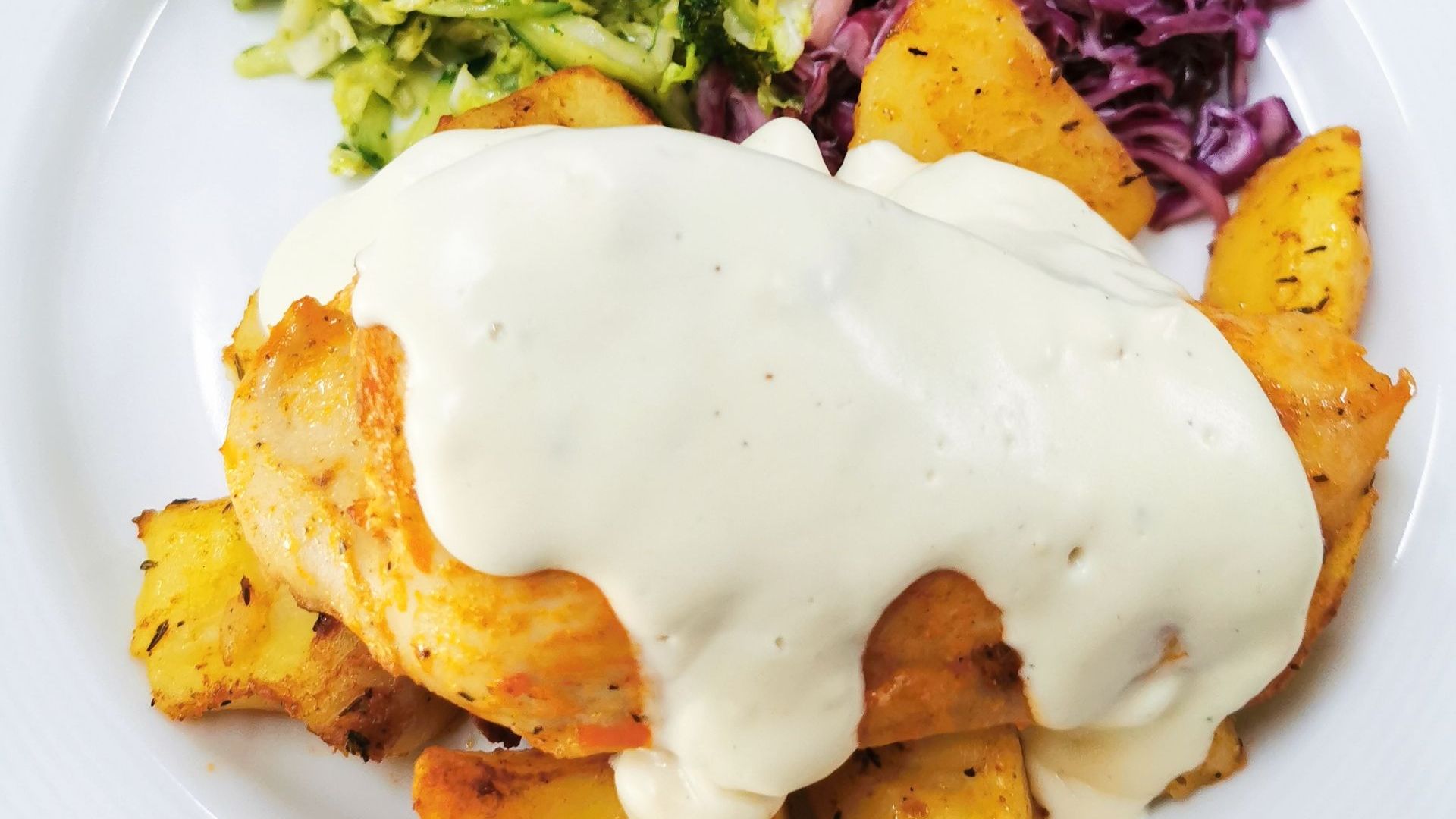
1. Coronation Chicken
Coronation chicken was created for the banquet held after Queen Elizabeth II’s coronation in 1953. Rosemary Hume and Constance Spry developed the dish, formally called poulet reine Elizabeth, as a practical option for hundreds of guests. Its seasoned sauce reflected postwar British interest in international flavors while remaining suitable for large-scale service.
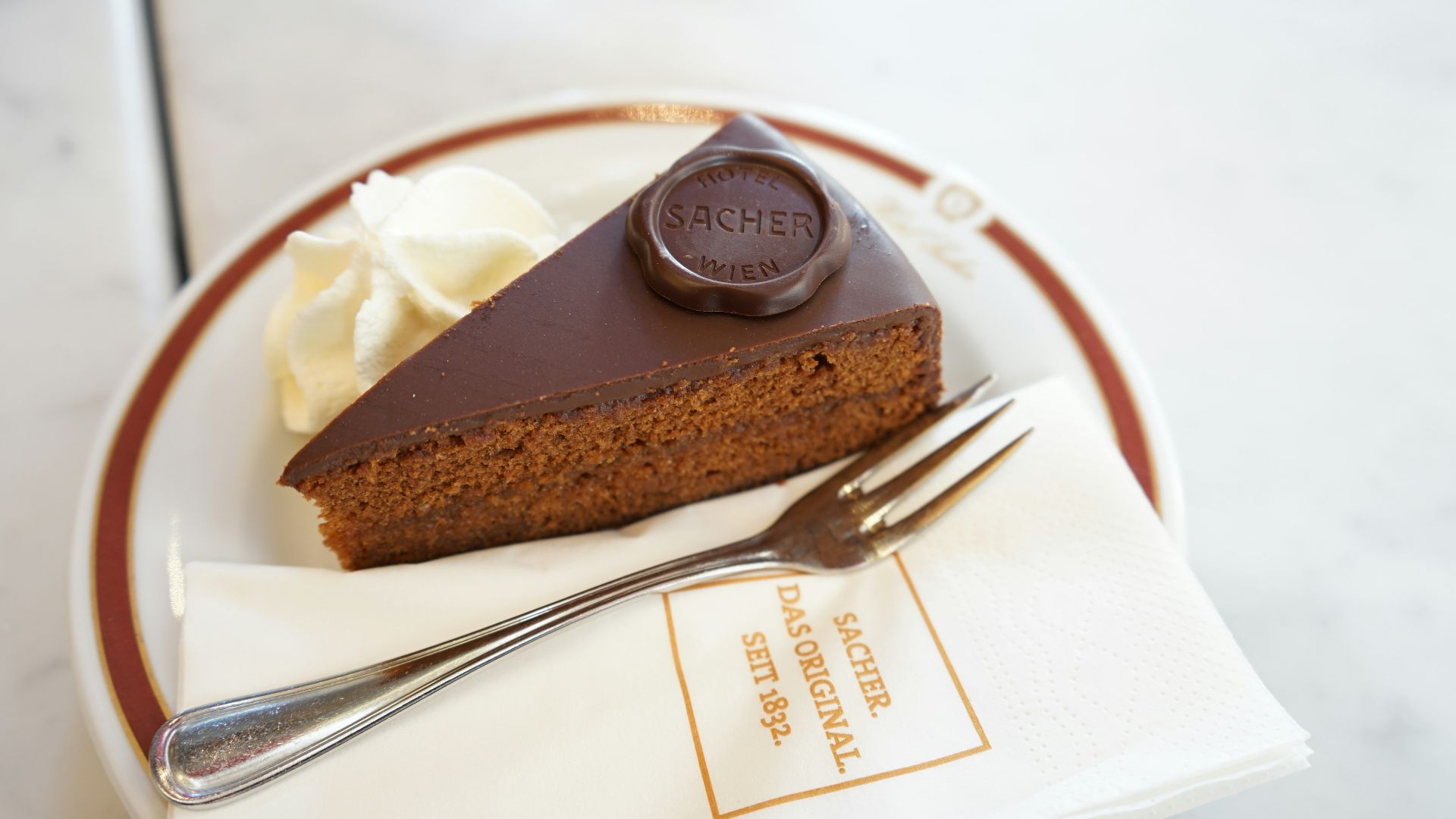
2. Sachertorte
Franz Sacher created the original Sachertorte in 1832 while working in the household of Austrian statesman Prince Klemens von Metternich. According to the traditional account, the young apprentice prepared the chocolate cake when the senior kitchen staff couldn’t complete an important dessert.
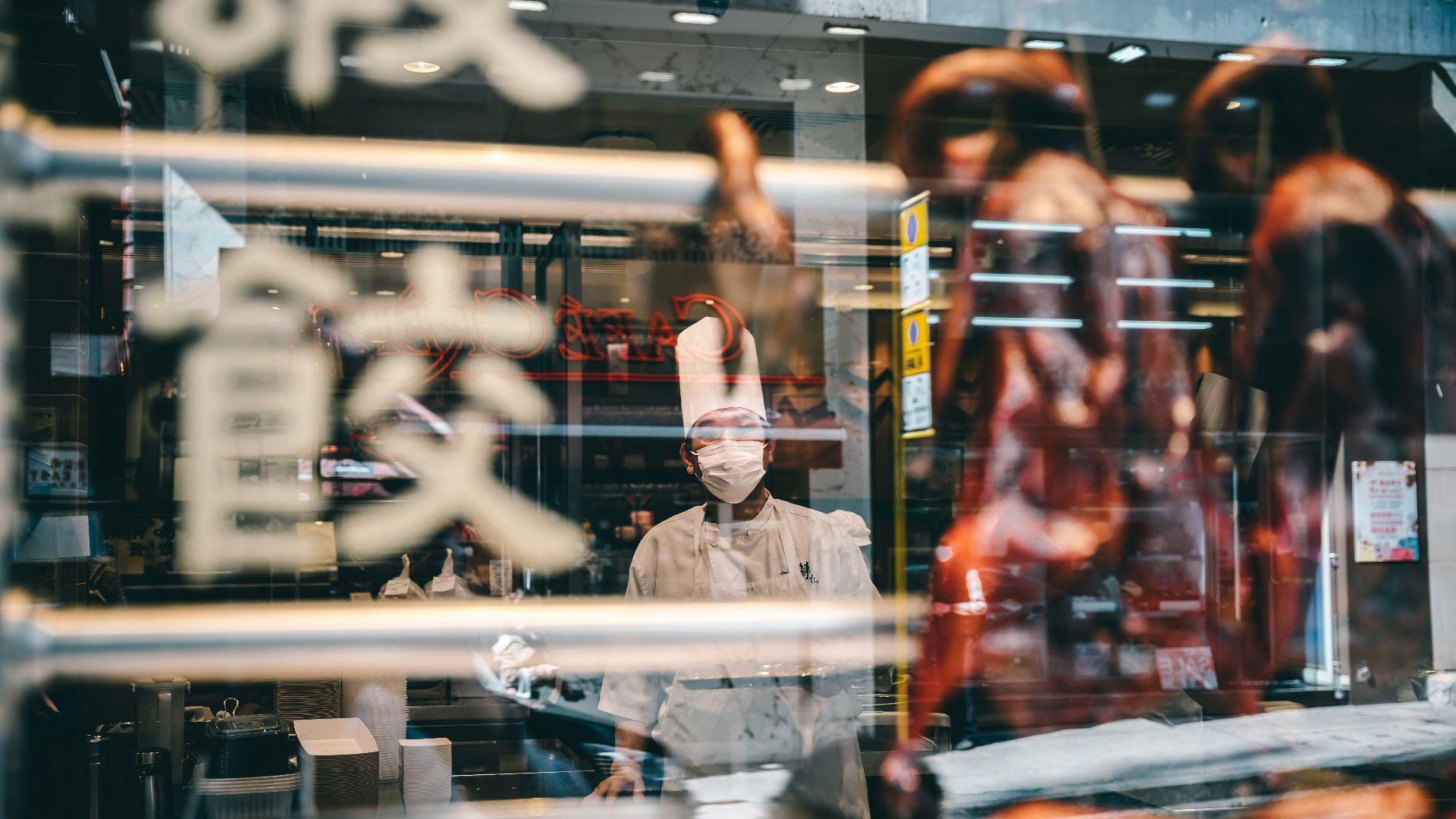
3. Peking Duck
Roast duck dishes appeared in Chinese records long before the modern restaurant version became standardized. The preparation became strongly connected with imperial kitchens, particularly during the Ming and Qing dynasties, where cooks refined techniques for creating crisp skin.
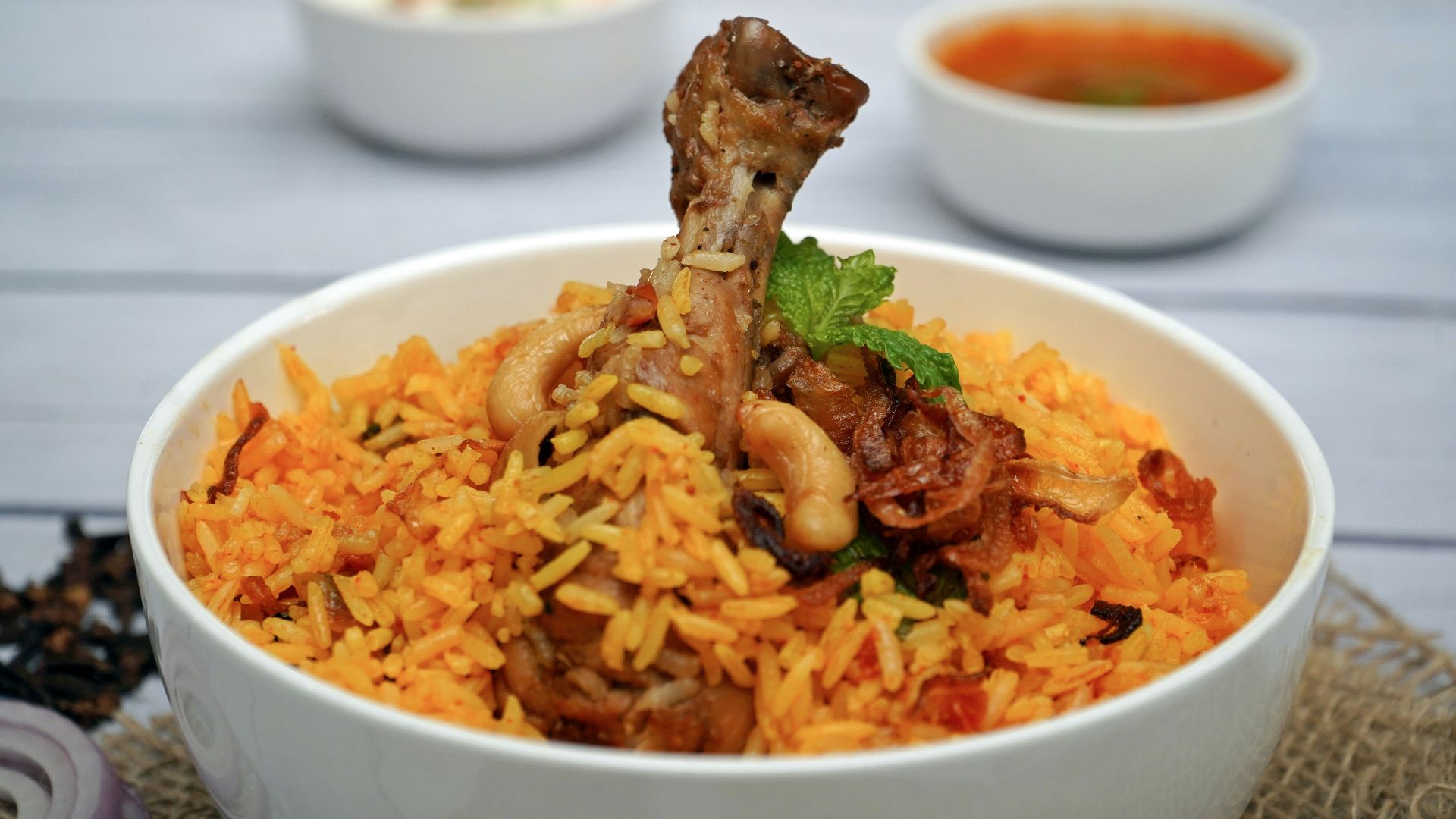
4. Biryani
Biryani has diverse roots, and food historians continue debating exactly where its earliest recognizable forms emerged. In South Asia, however, Mughal imperial kitchens played an important role in refining elaborate combinations of seasoned rice, meat, aromatics, and saffron. Regional cooks later created numerous versions that reflected local ingredients and culinary traditions.
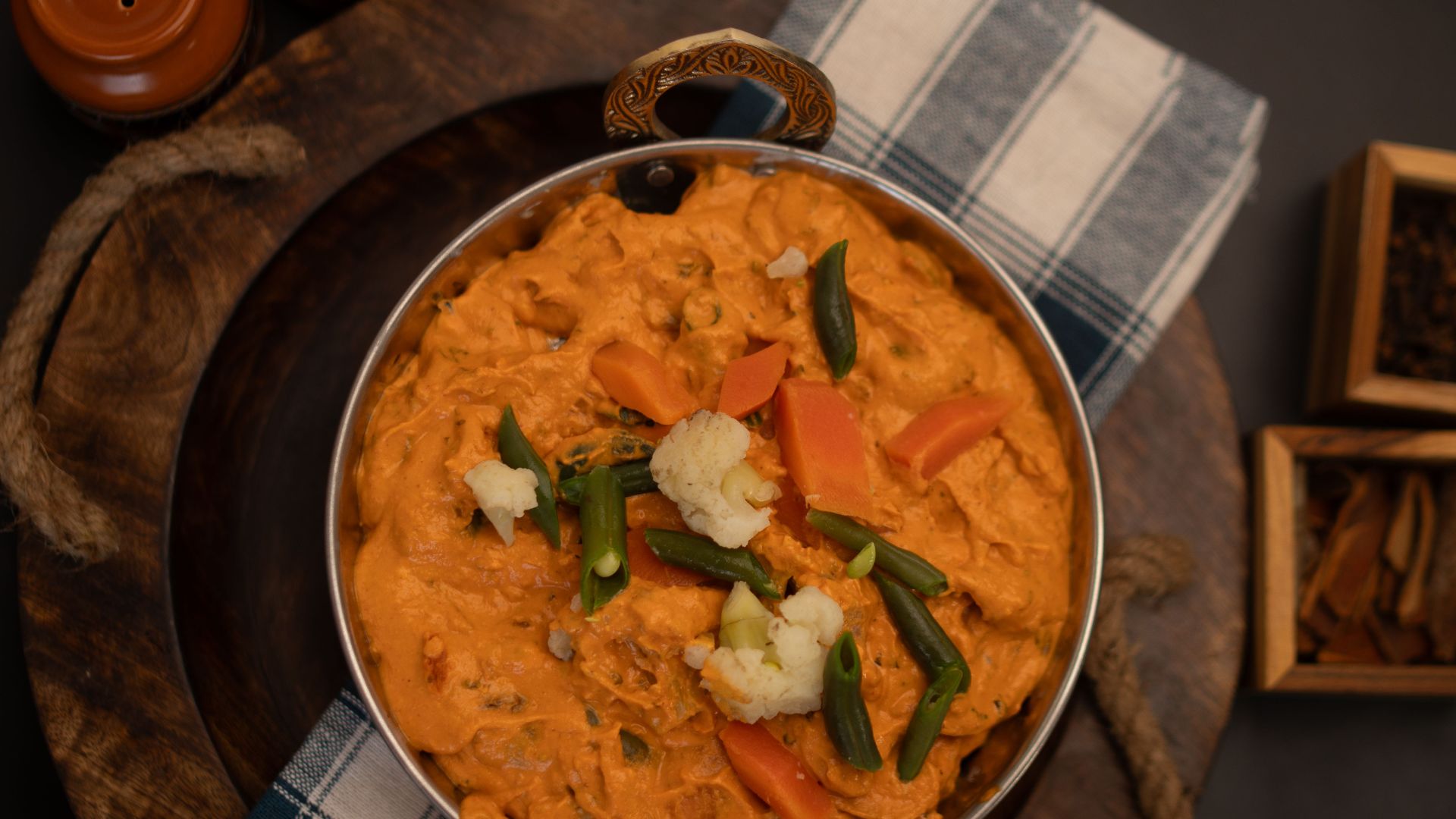
5. Navratan Korma
Navratan korma is associated with the luxurious cooking of the Mughal courts. Its name refers to “nine gems,” a phrase also connected with celebrated groups of advisers and artists at imperial courts, although recipes don’t always use exactly nine ingredients.
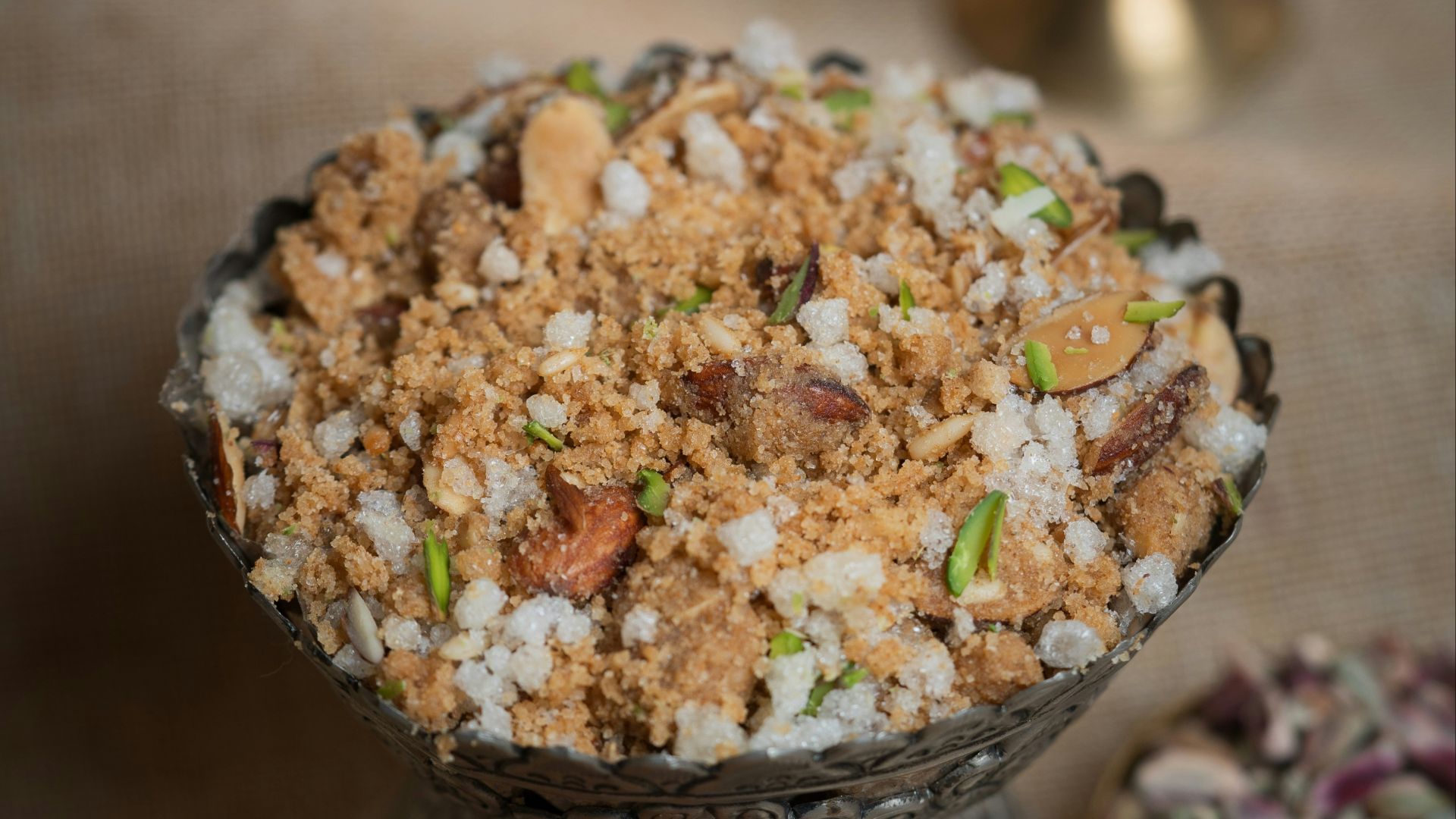
6. Shahi Tukda
Shahi tukda is commonly connected with Mughal-era royal cuisine in the Indian subcontinent, though precise claims about its inventor are difficult to verify. Fried bread is soaked or topped with sweetened milk, nuts, saffron, and other rich ingredients. Even its name signals courtly status, since “shahi” refers to something royal or fit for a ruler.
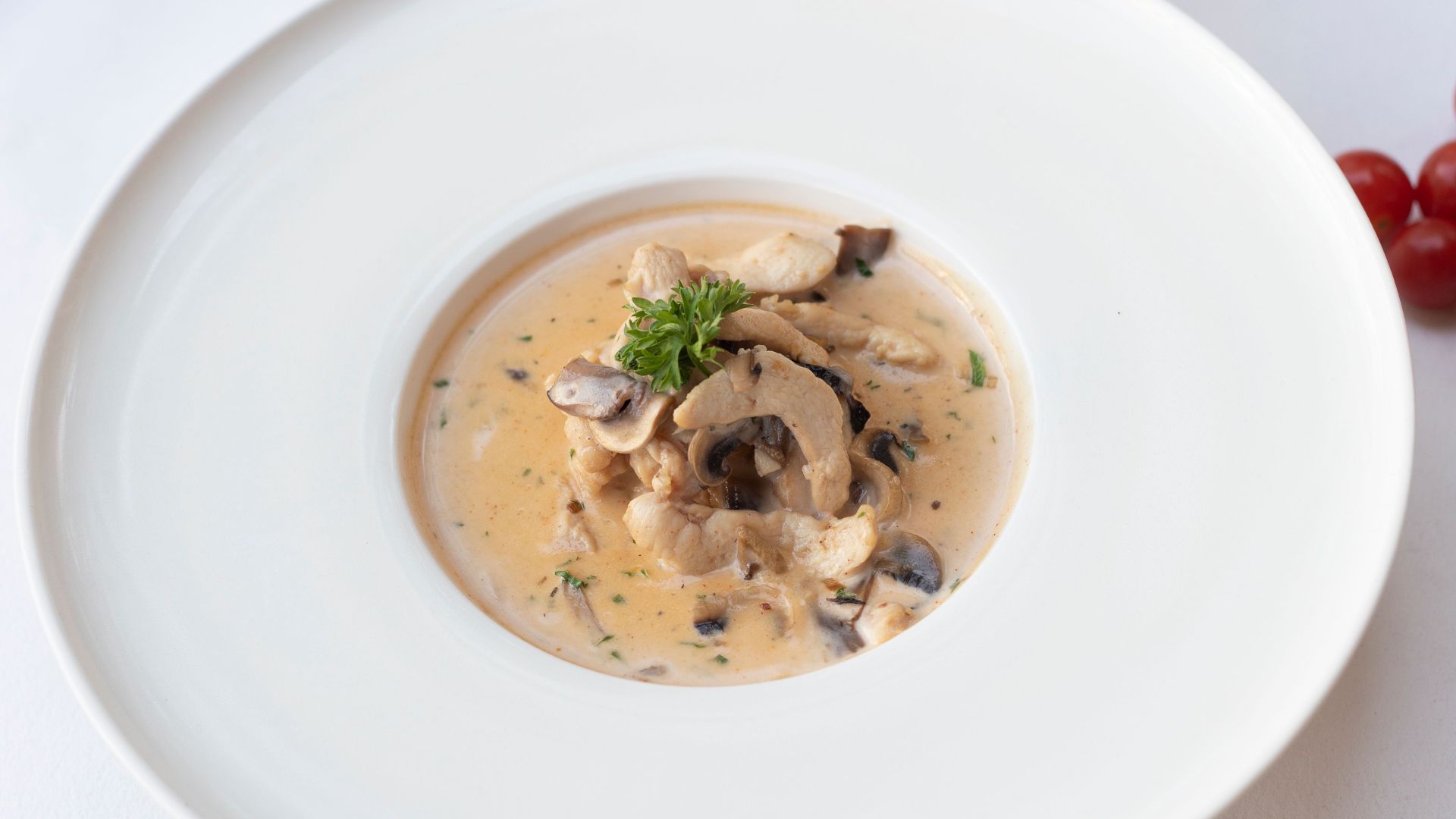
7. Potage À La Reine
Potage à la reine, or “the queen’s soup,” appeared in French elite cooking by the early modern period. Historical versions typically combined poultry, broth, almonds, bread, cream, or egg yolks to produce a smooth and unusually rich texture.
8. Dillegrout
Dillegrout was a spiced meat stew traditionally served at English coronation banquets for centuries. The manor of Addington was held under the obligation that its lord present the dish during a monarch’s coronation.
9. Kåldolmar
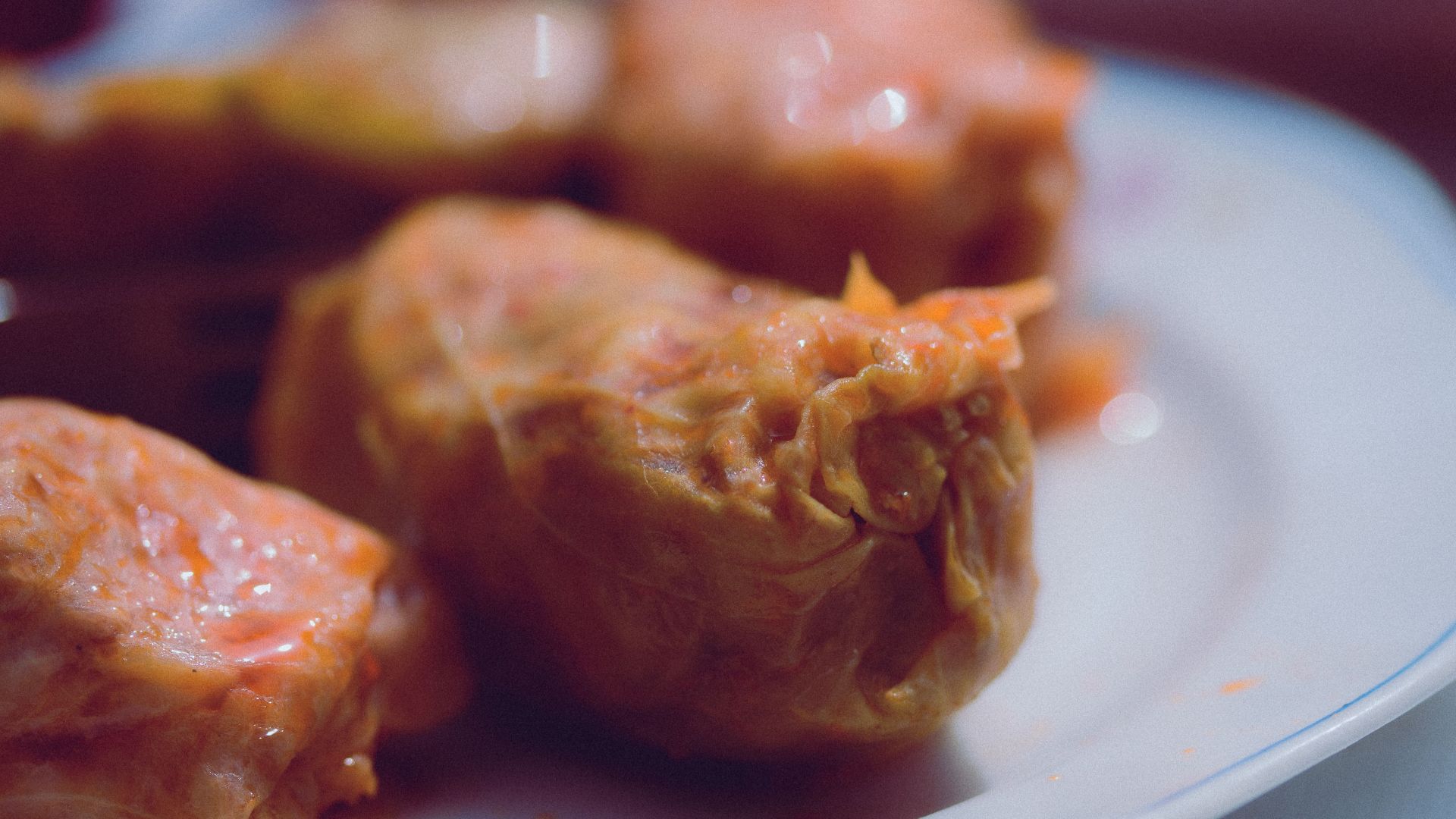
Swedish stuffed cabbage became linked with the royal court after King Charles XII spent several years in Ottoman territory during the early 18th century. Ottoman-style stuffed leaves influenced the version recorded in Sweden, where cabbage replaced grape leaves more commonly.
10. Kaiserschmarrn
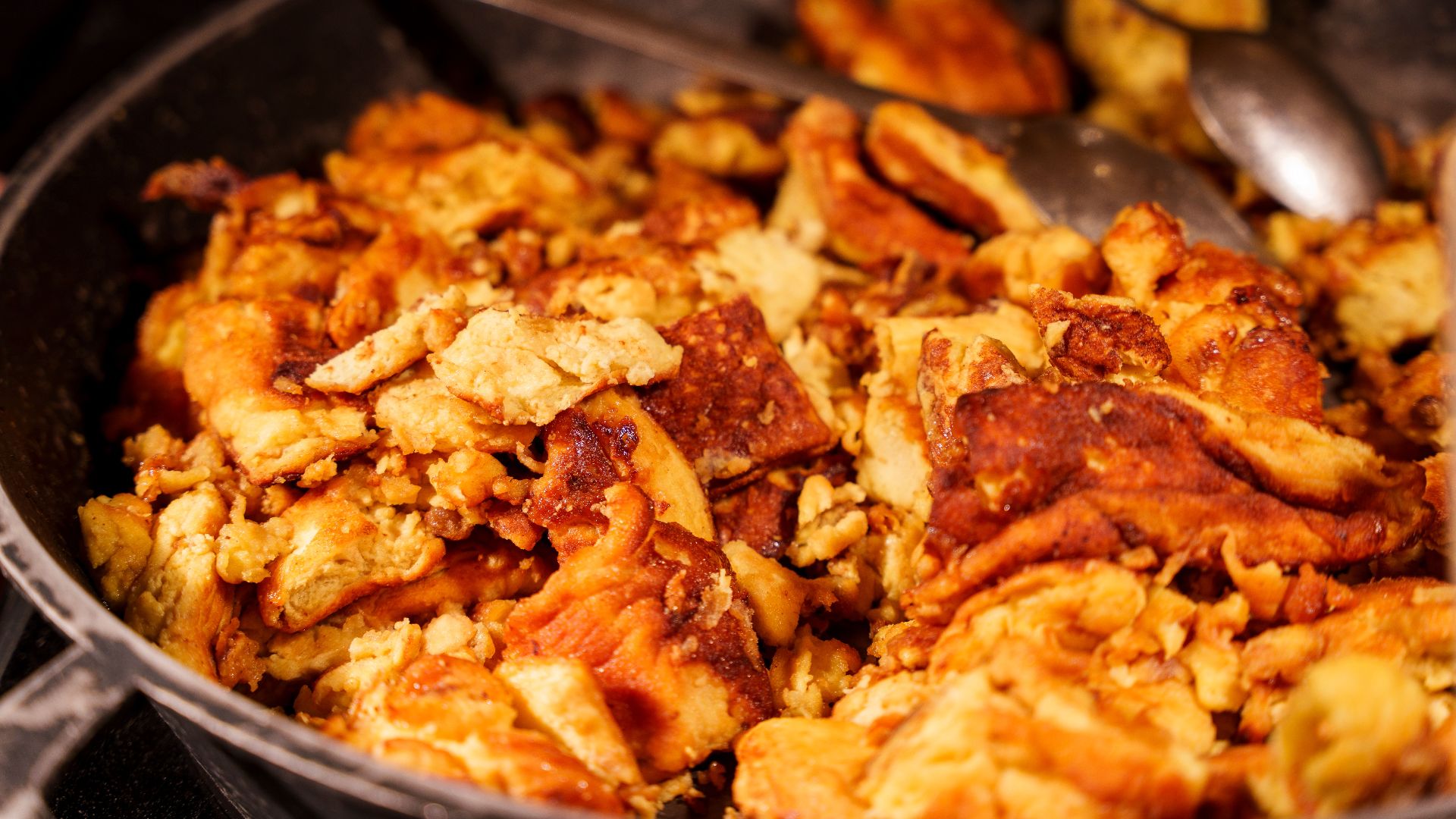
Kaiserschmarrn is an Austrian shredded pancake whose name means roughly “the emperor’s mess.” It’s closely associated with Emperor Franz Joseph I, although several competing stories explain how the dish entered the imperial household.
KEEP ON READING