From Whitehorse To St. John's: 20 Meals To Try From Across The Great White North
From Whitehorse To St. John's: 20 Meals To Try From Across The Great White North
The Ultimate Canadian Food Tour
With 10 provinces, 3 territories, 3.8 million square miles, and a total population of over 40 million people, it’s only fair that Canadians, new and old, have created a distinct food culture. Some of Canada’s finest meals stem from thousands of years ago, thanks to the vast Indigenous groups that populated the land before colonization, while others are the child of international influence and domestic tradition. Regardless of who and where it came from, Canadians have developed a unique and tasty palette.
1. Lobster Roll
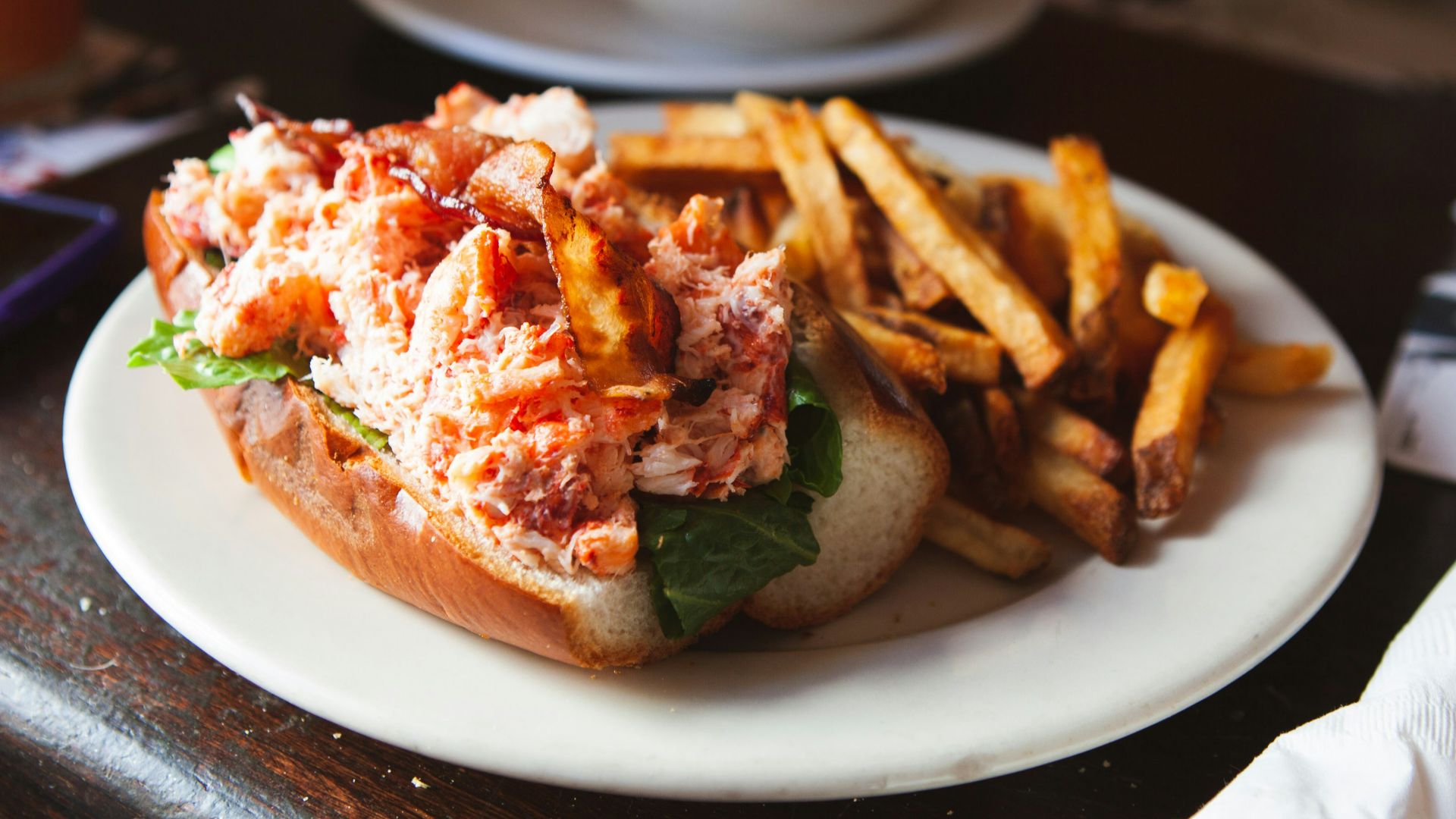
While lobster rolls are common across provinces, states, and countries that border the ocean, Canada’s coastline is around 151,019 miles, the longest in the world. This closeness to the world's water supply has led to the creation of this East Coast specialty. The Nova Scotia Lobster Roll is commonly served with mayo, celery, and herbs, atop a hot dog bun.
 Steve Wrzeszczynski on Unsplash
2. Jiggs Dinner
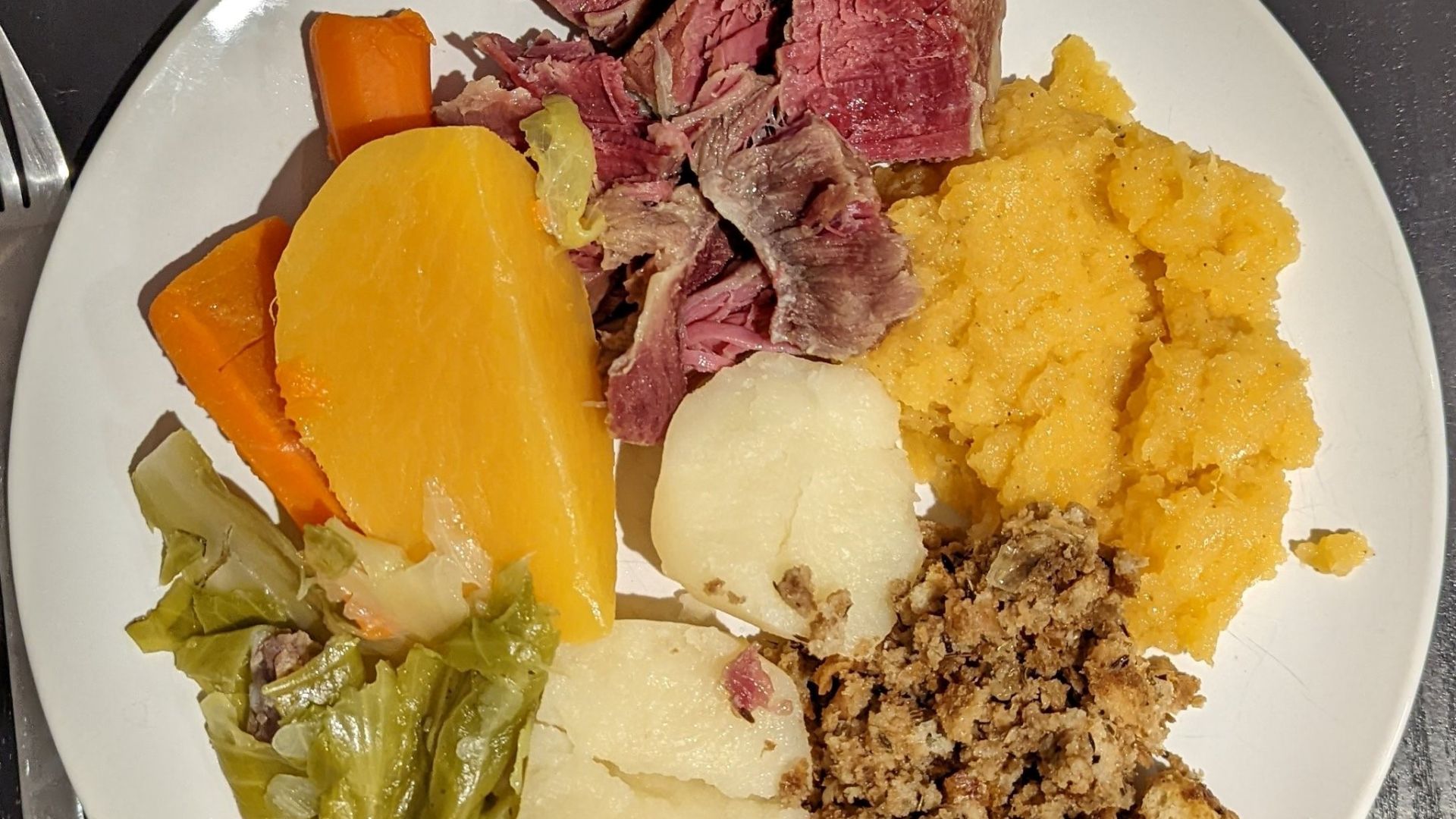
Also known as “boiled dinner” or “Sunday dinner,” Jiggs dinner is a traditional meal most commonly found in Newfoundland. This hearty meal usually includes corned beef, cabbage, turnip, carrots, potatoes, and a dressing.
3. Saskatoon Berry Pie
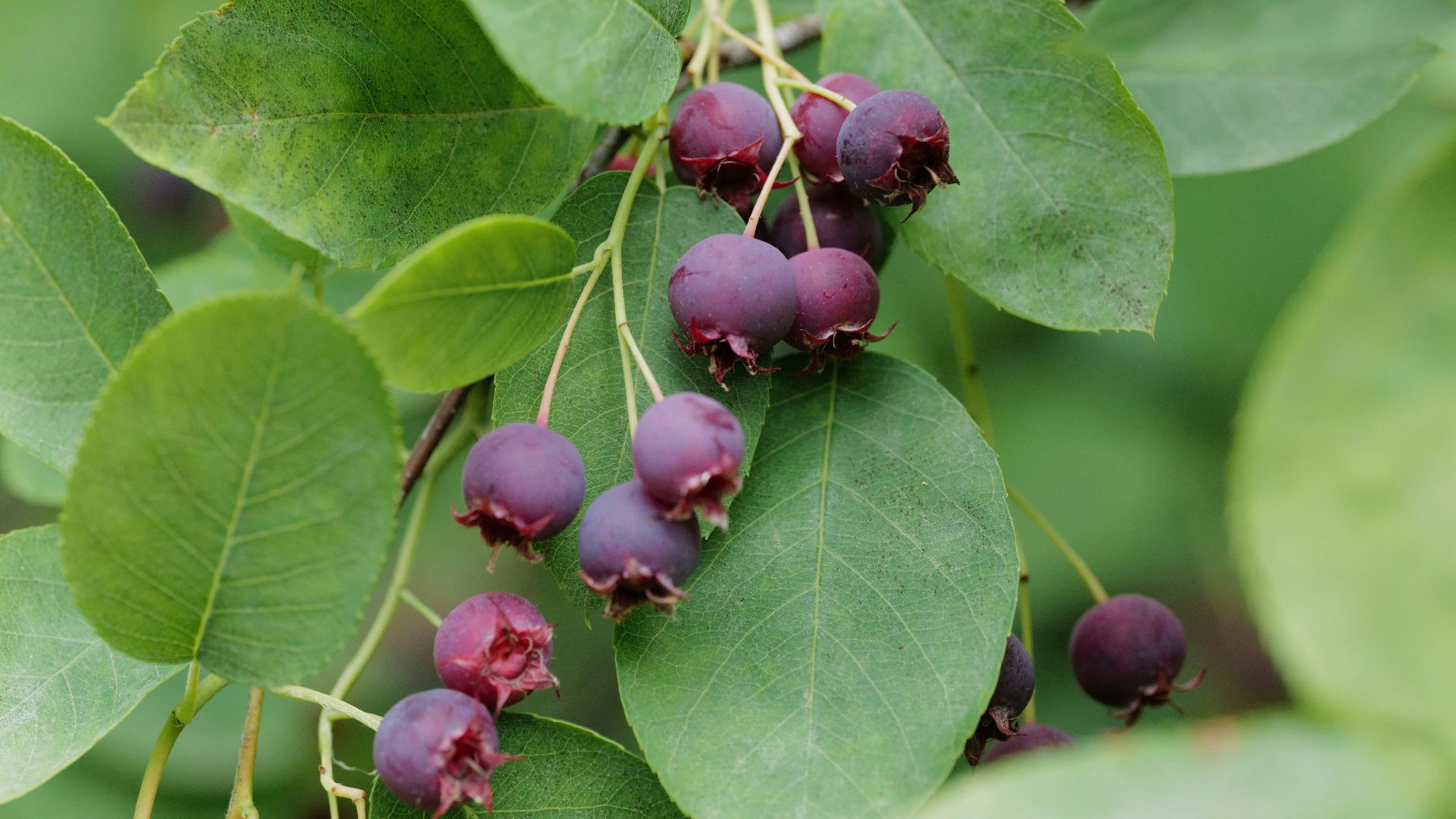
The Saskatoon berry, also known as the juneberry, is a small, sweet fruit that is most commonly found in the Canadian prairies. It has a similar taste and nutritional makeup to blueberries and is often used to make jams or baked goods.
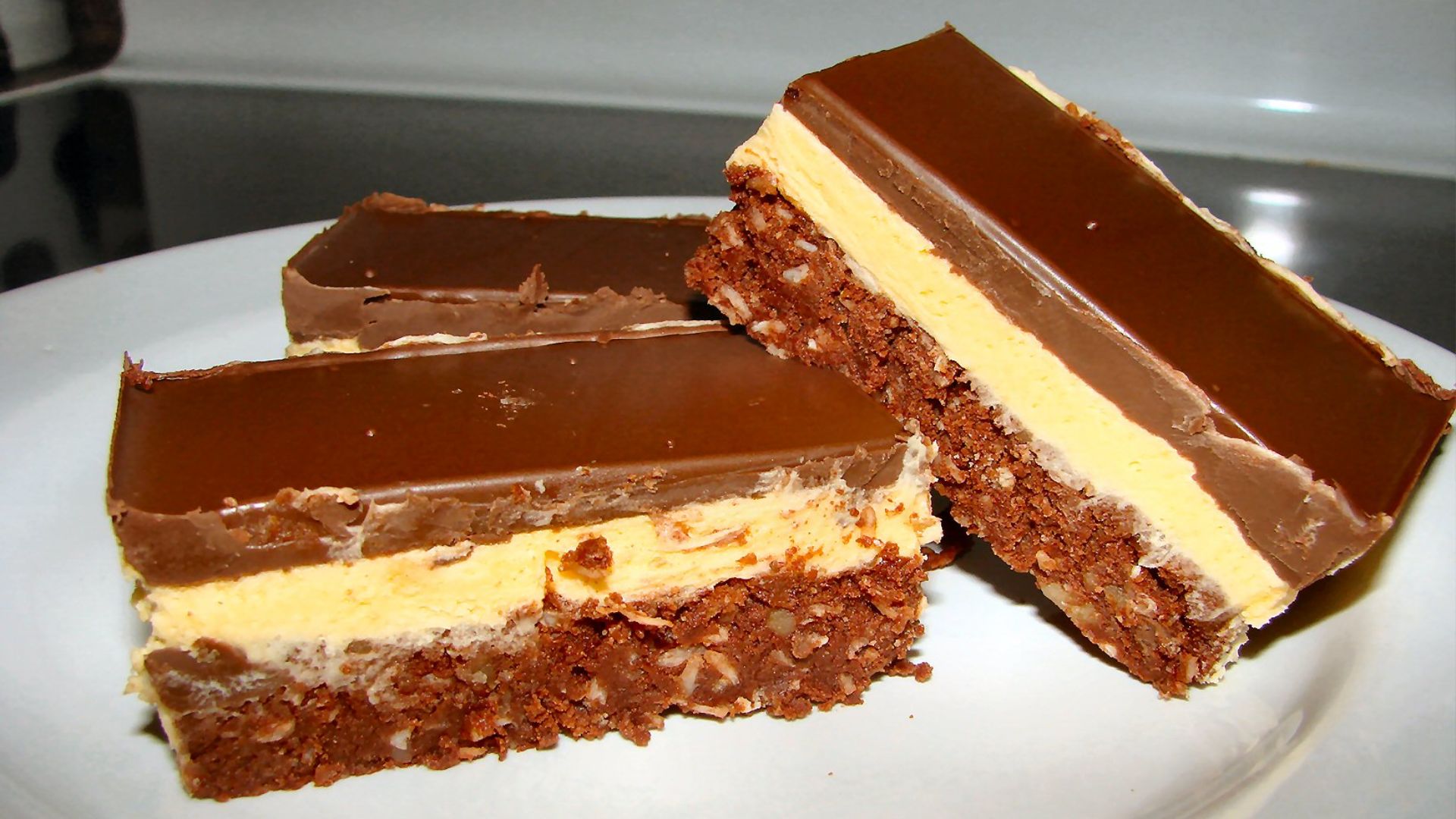
4. Nanaimo Bars
This no-bake dessert is named after the British Columbian city, and first appeared around 1953. They consist of three layers, including a nut-based and coconut crumb base, custard icing, and chocolate.
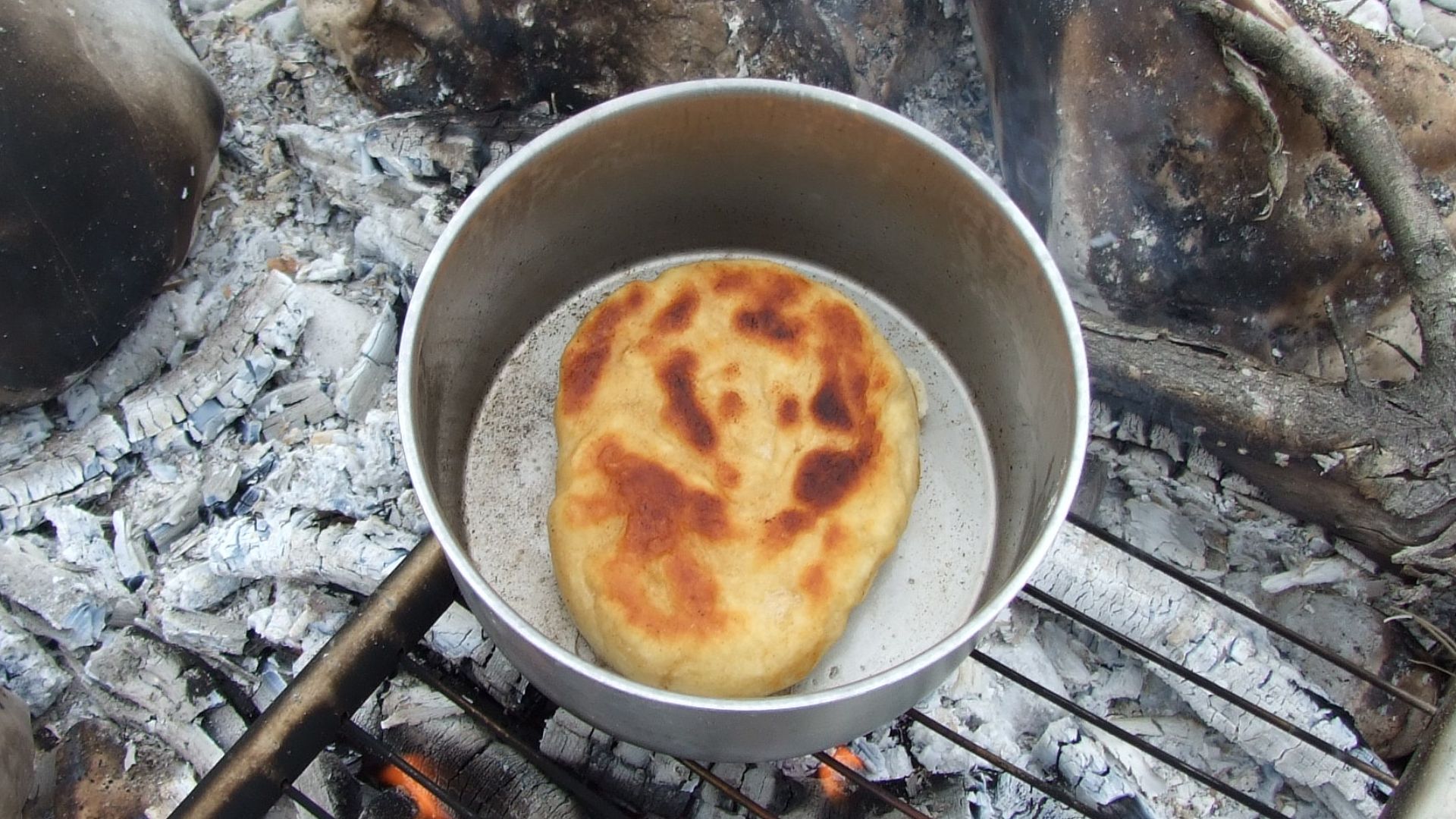
5. Bannock
Bannock has appeared throughout history, including Scotland, Ireland, and England. However, it's more commonly associated with Indigenous peoples of Canada. This biscuit-like bread tends to have a crunchier outside with a fluffy interior, and can be fried or baked.
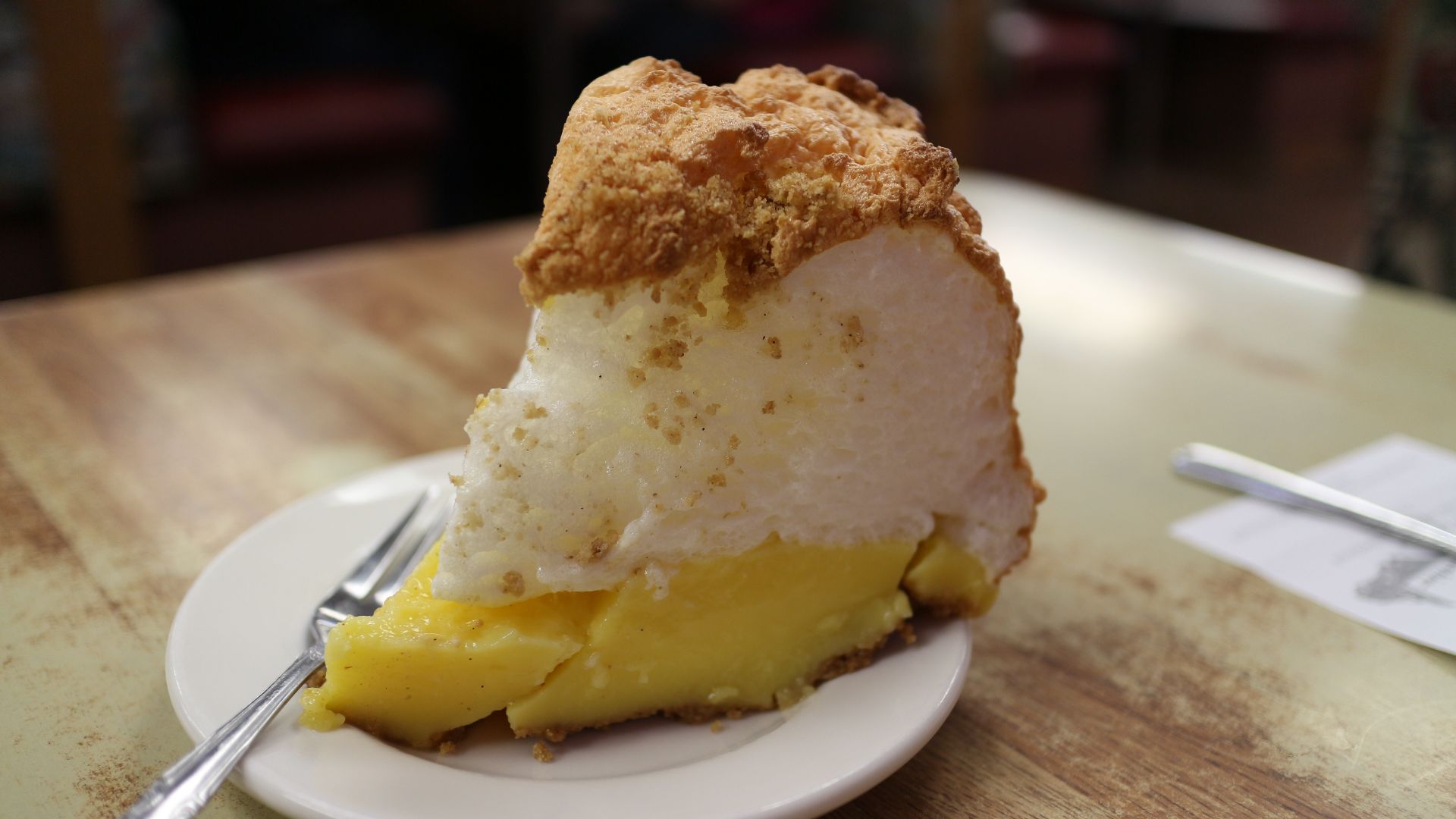
6. Flapper Pie
Flapper pie is a lesser-known staple of the Canadian prairies, often passed around between Alberta and Manitoba. While seemingly no longer a staple in households today, flapper pie is a tasty graham-based dessert with a vanilla-flavored filling. It’s said to be quite delicious!
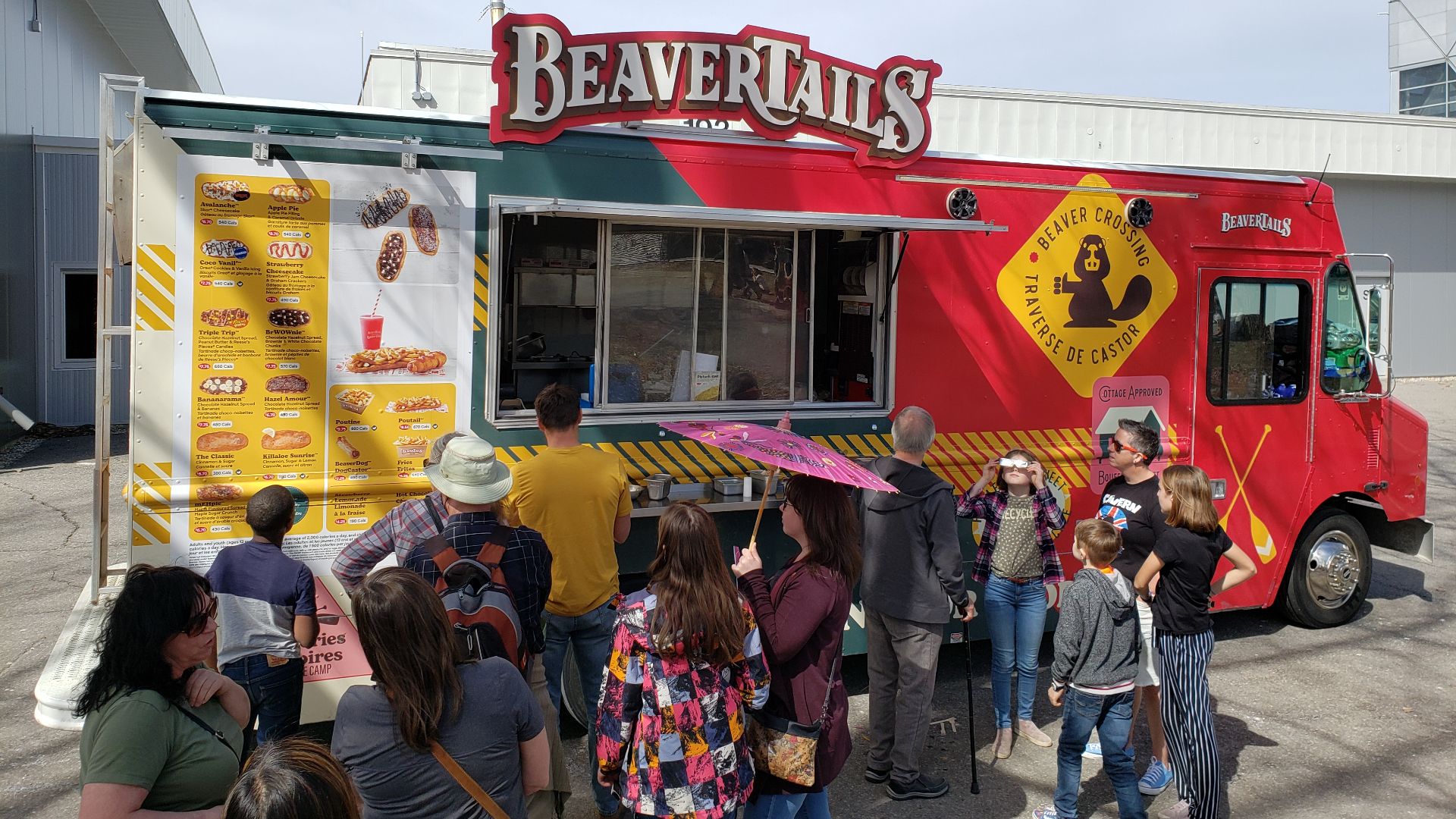
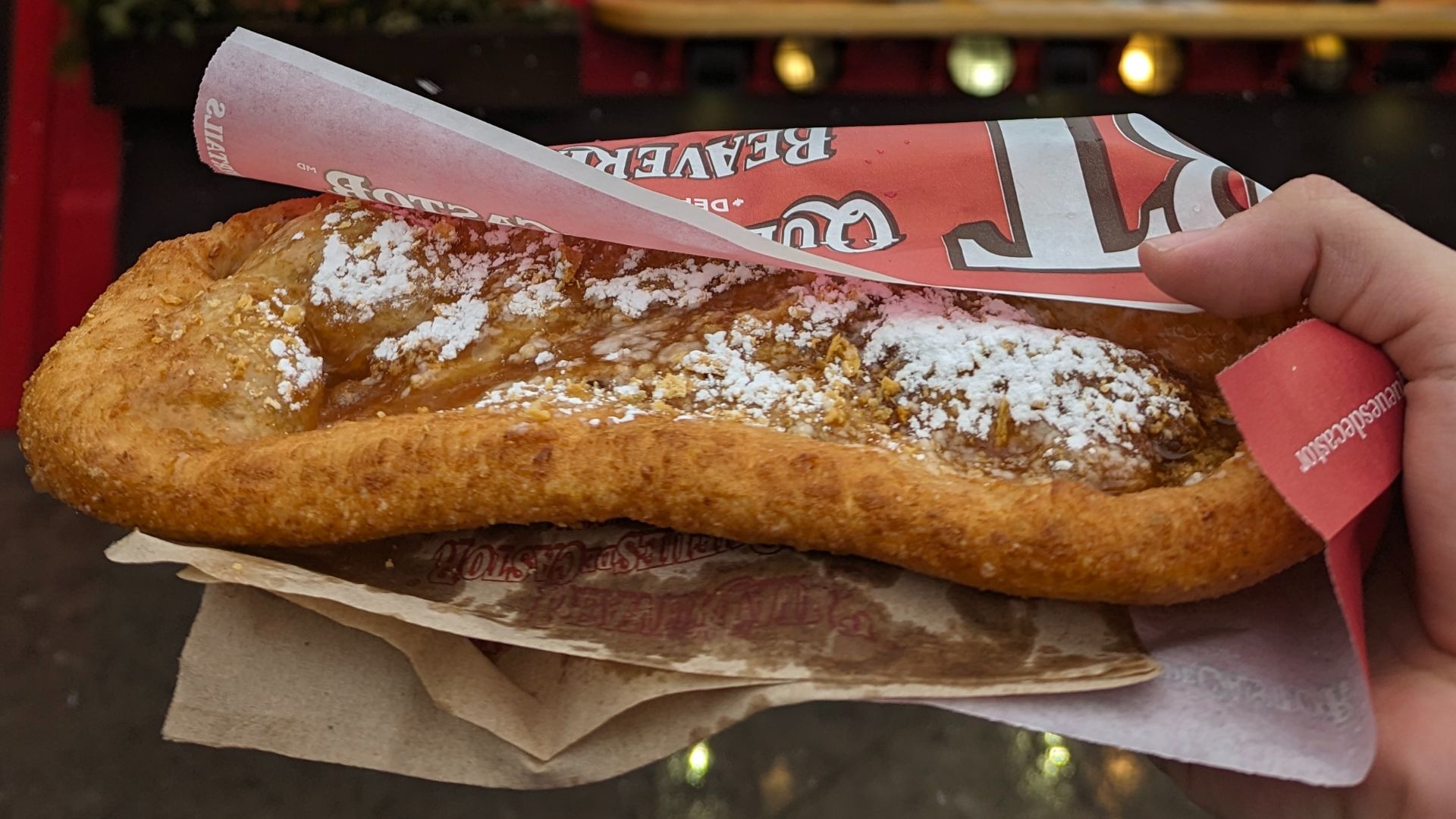
7. Beavertails
While the official BeaverTails brand only started around 1978, beaver tail meat has been a major food source for Indigenous communities for years. While most of us aren’t eating the tail of Canada’s national animal, this fried dough delicacy has become a beloved pastry worldwide.
8. JapaDog
This unique take on the classic hot dog originated in Vancouver, where a street food chain began topping hot dogs with things like teriyaki sauce, mayo, and seaweed. This cultural blend began with a large influx of Japanese immigrants to BC, which started back in 1877. As of the 2021 Canadian Census, British Columbia is still home to the largest Japanese community in the country.
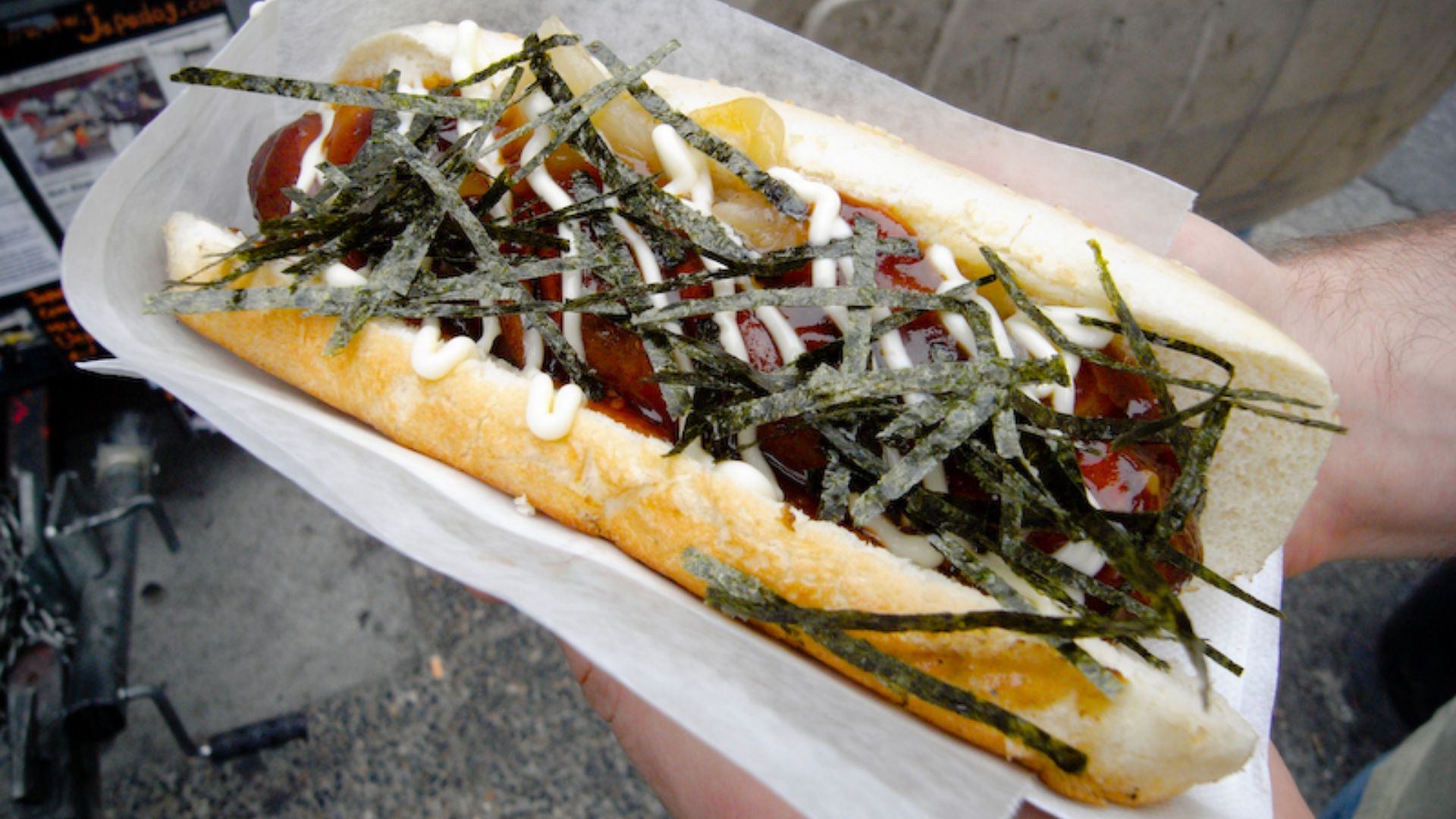 Dan from Vancouver, Canada on Wikimedia
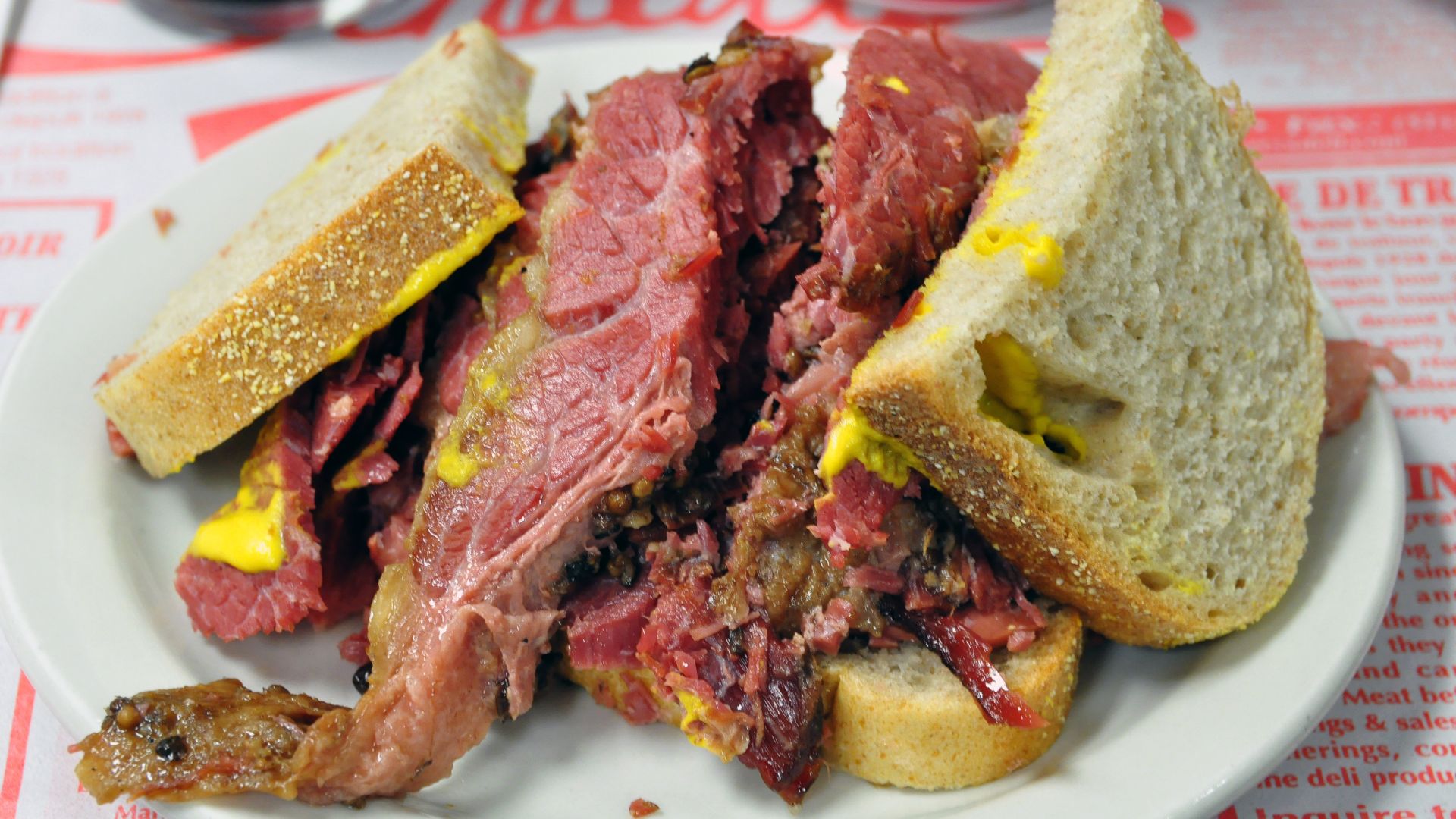
9. Montreal Smoked Meat
A variation of the British corned beef dish, Montreal-style smoked meat has a distinctive flavor thanks to prolonged marination and the use of peppercorns, coriander, garlic, and mustard seed. This particular style likely stemmed from Jewish, Romanian, or Eastern European communities that populated the province of Quebec.
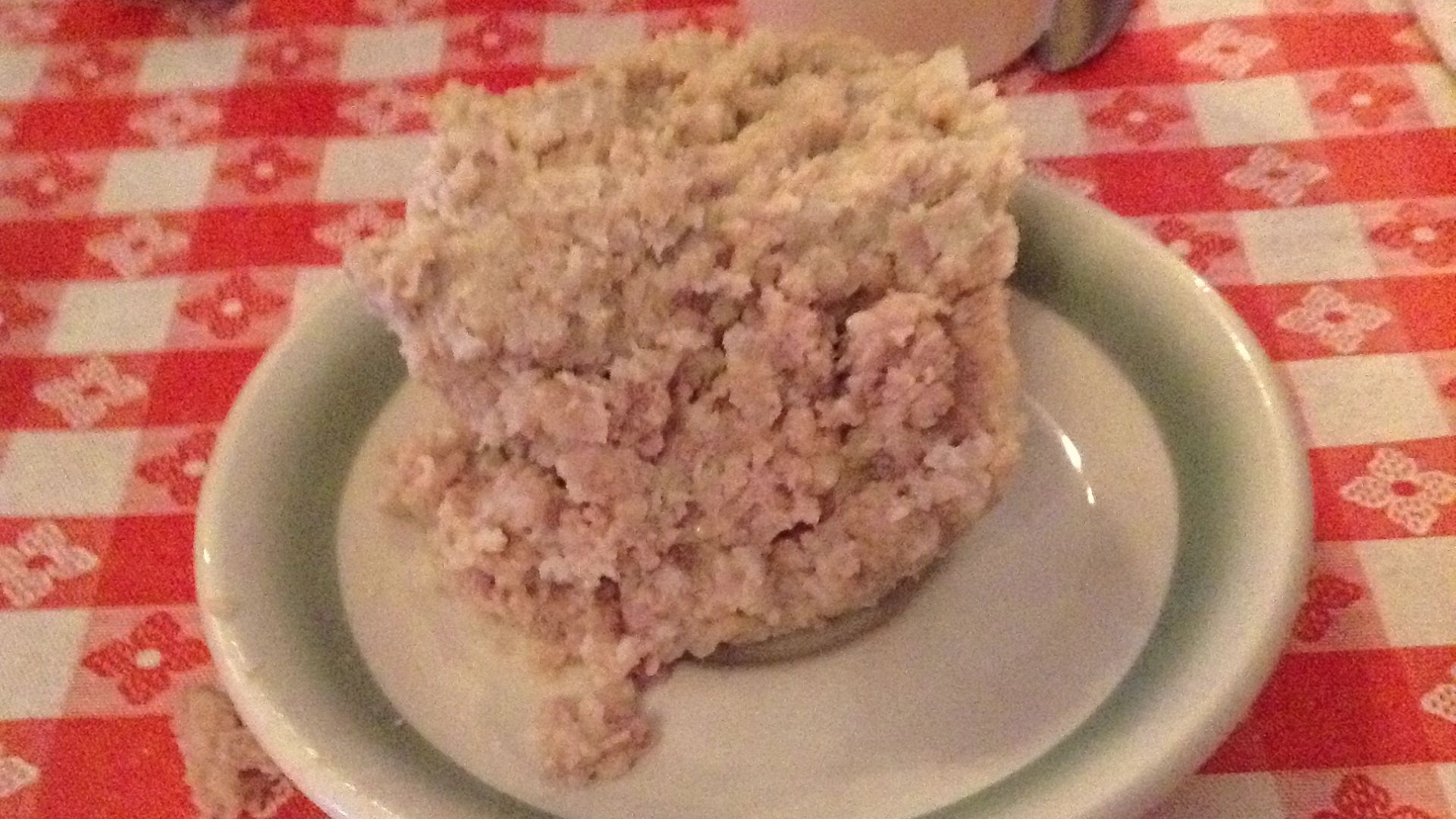
10. Creton
Another French-Canadian delicacy, cretons are a style of pork spread that is similar to the French dish rillettes, or head cheese, to the English. It often includes mixing pork shoulder with milk or water, onions, and spices in a pot to cook, before allowing the mixture to firm up in the fridge.
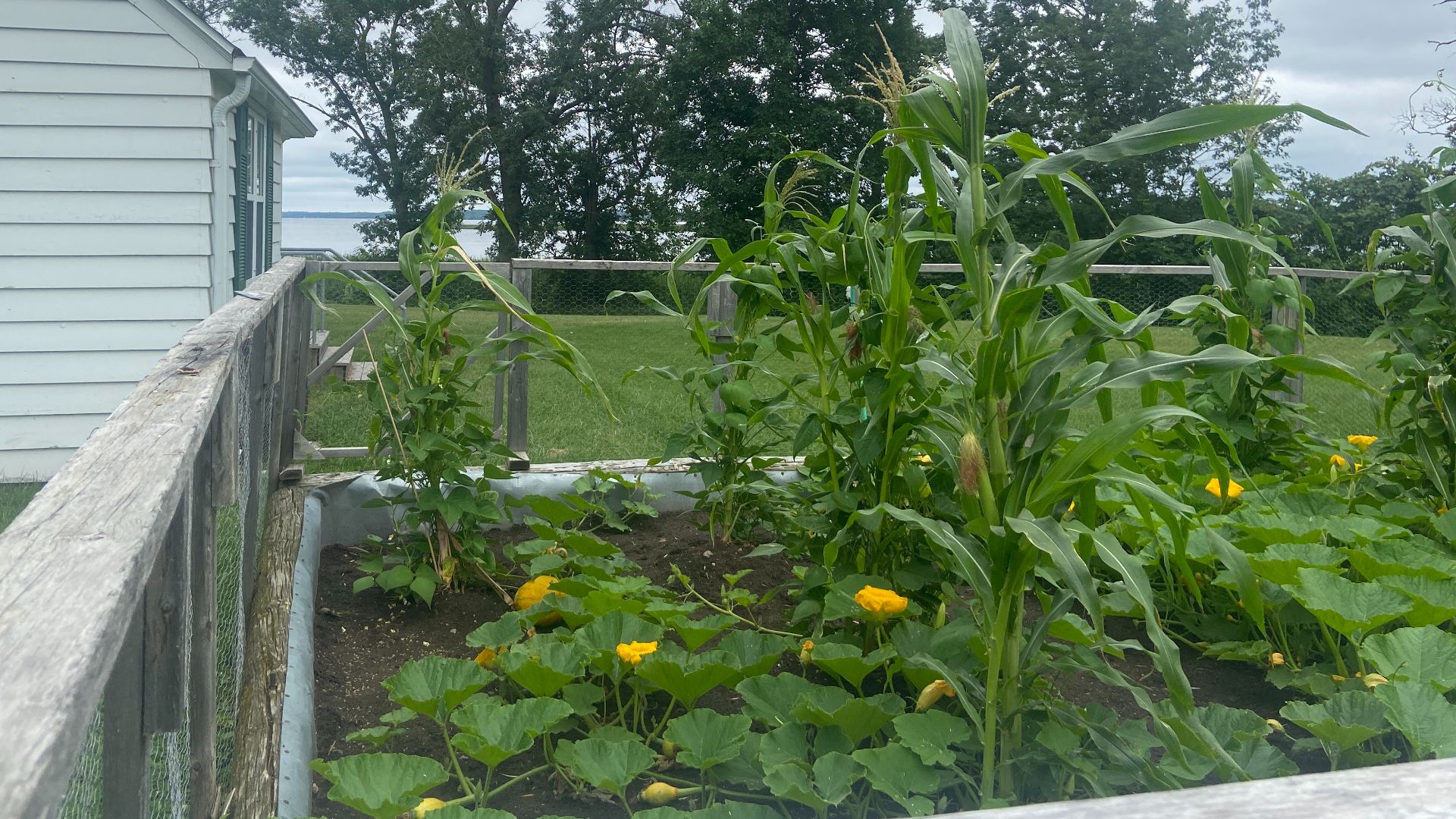
11. Three Sisters Soup
This harvest soup comes from North American Indigenous groups, and gets its name from the three main vegetables. The “three sisters” refers to corn, squash, and beans, which were planted side by side thanks to their mutually beneficial relationship.
12. Wild Game
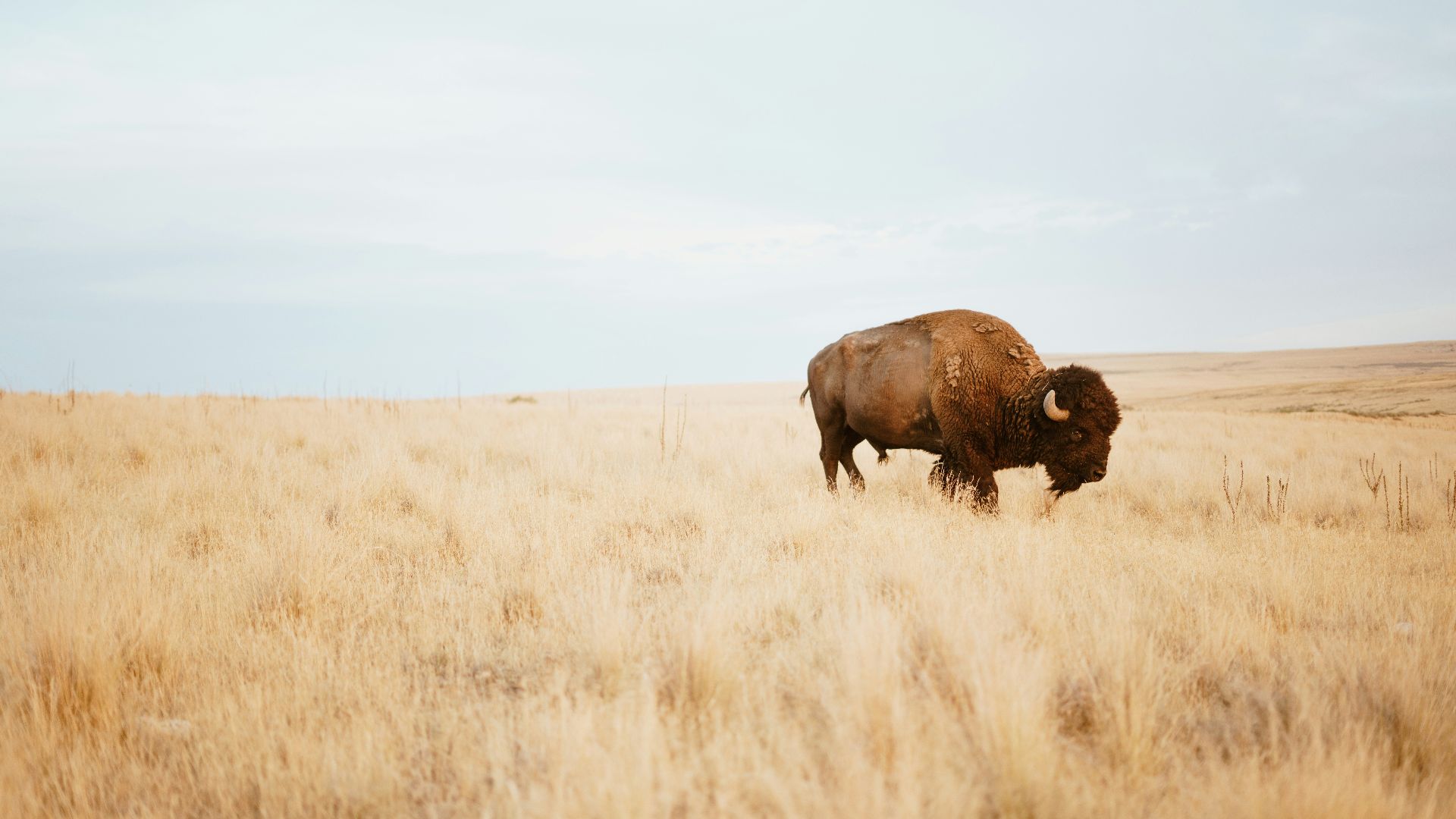
Sure, it’s common to hunt for deer or moose in forested areas of North America, but how many of you can say you’ve tried caribou? Or bison? Travelling to the actual great white north, the Yukon, Northwest Territories, or Nunavut, will allow you to try some types of meat you’ve never had before.
13. Boudin Noir
Also known as black pudding, this cherished French-Canadian dish has its roots in countries such as Italy, Greece, Switzerland, Belgium, France, England, Russia, and Romania—just to name a few. Despite its longevity, it's not often eaten outside of specific regions of Canada.
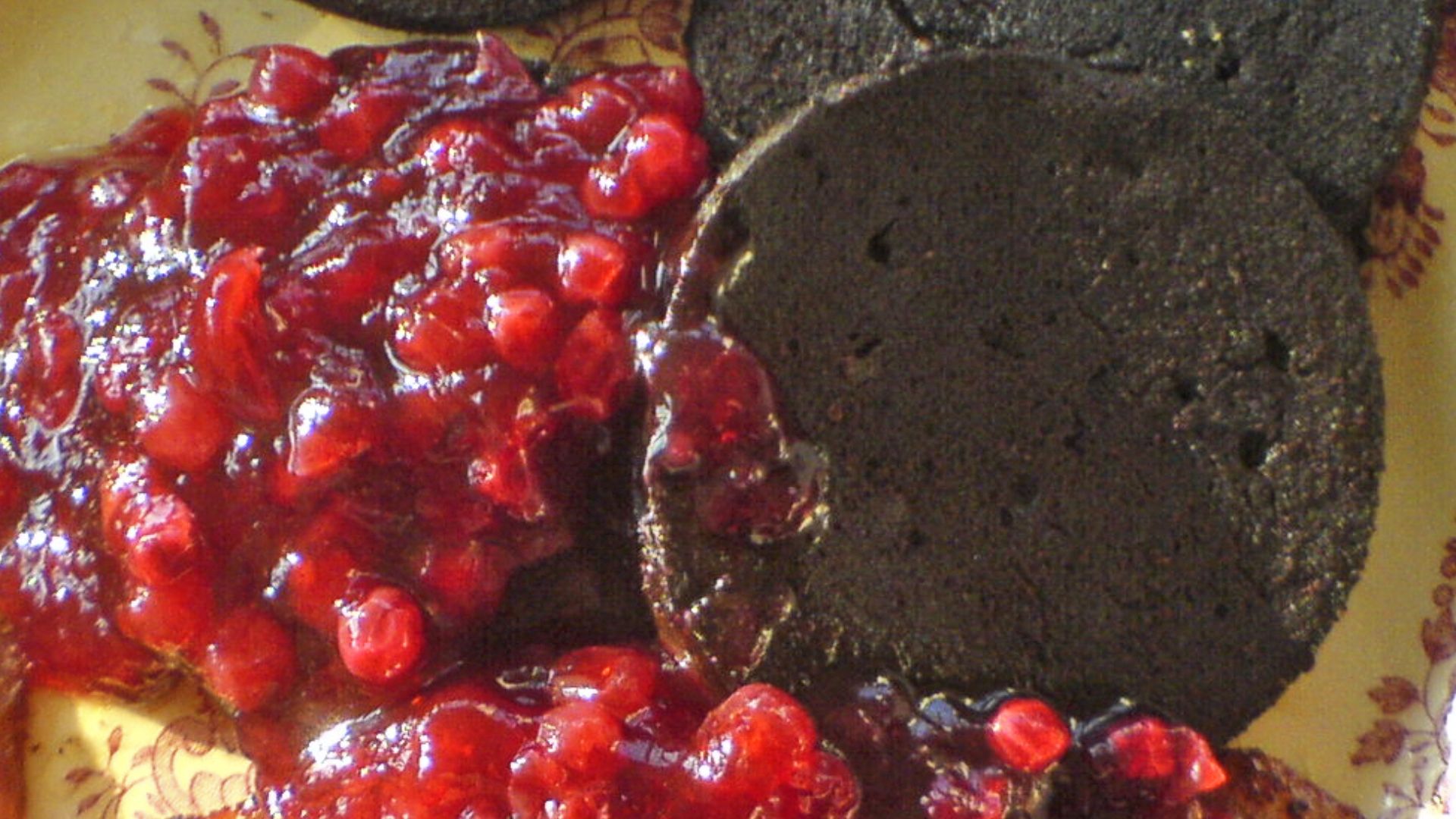 erik forsberg from Helsingborg, Sweden on Wikimedia
14. Split Pea Soup
This common dinner meal showed up around 400 years ago in the province of Quebec. It was created by French settlers in the 17th century, incorporating yellow split peas, ham hock, and other veggies.
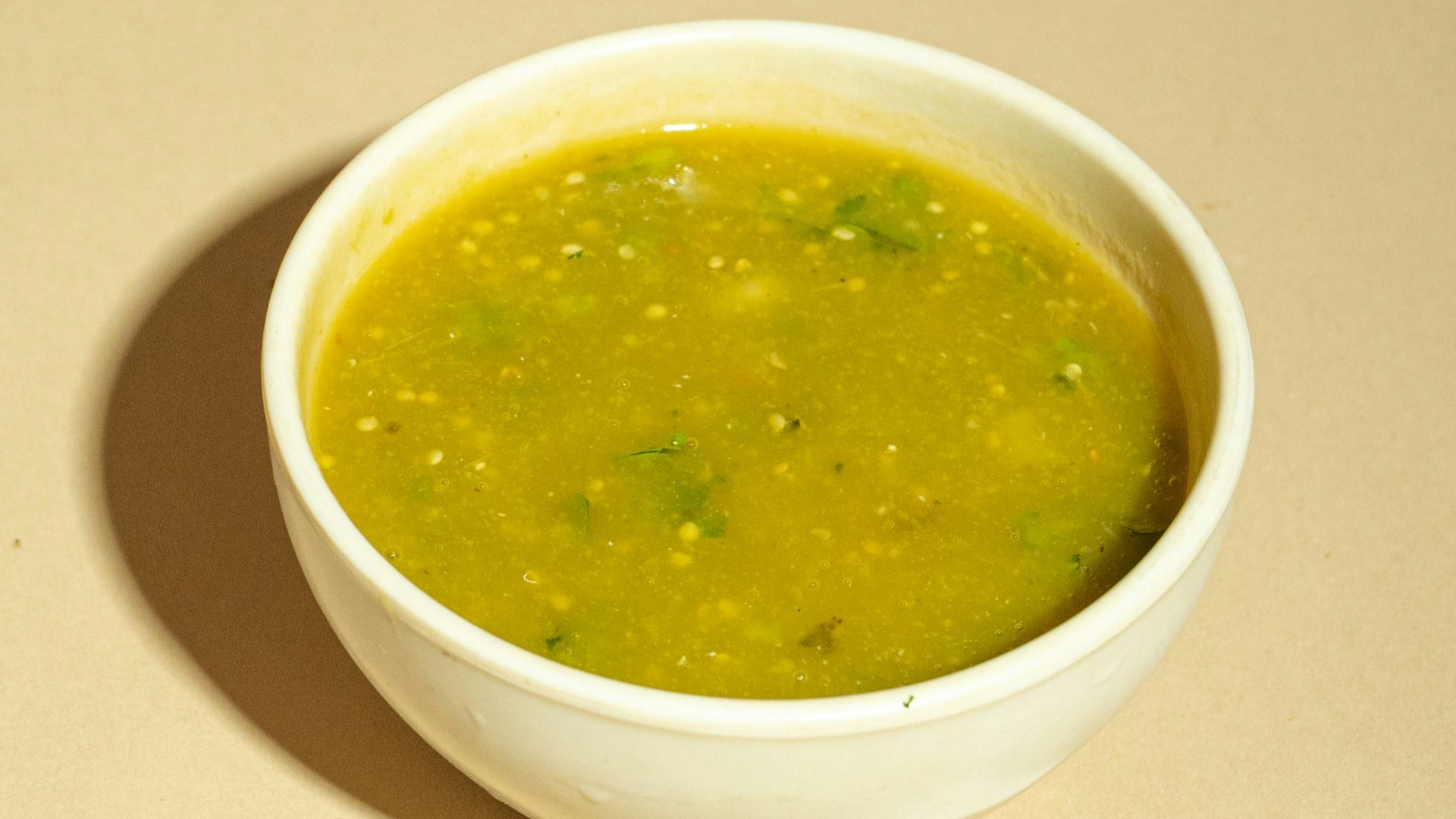 Fotografía de Alimentos on Unsplash
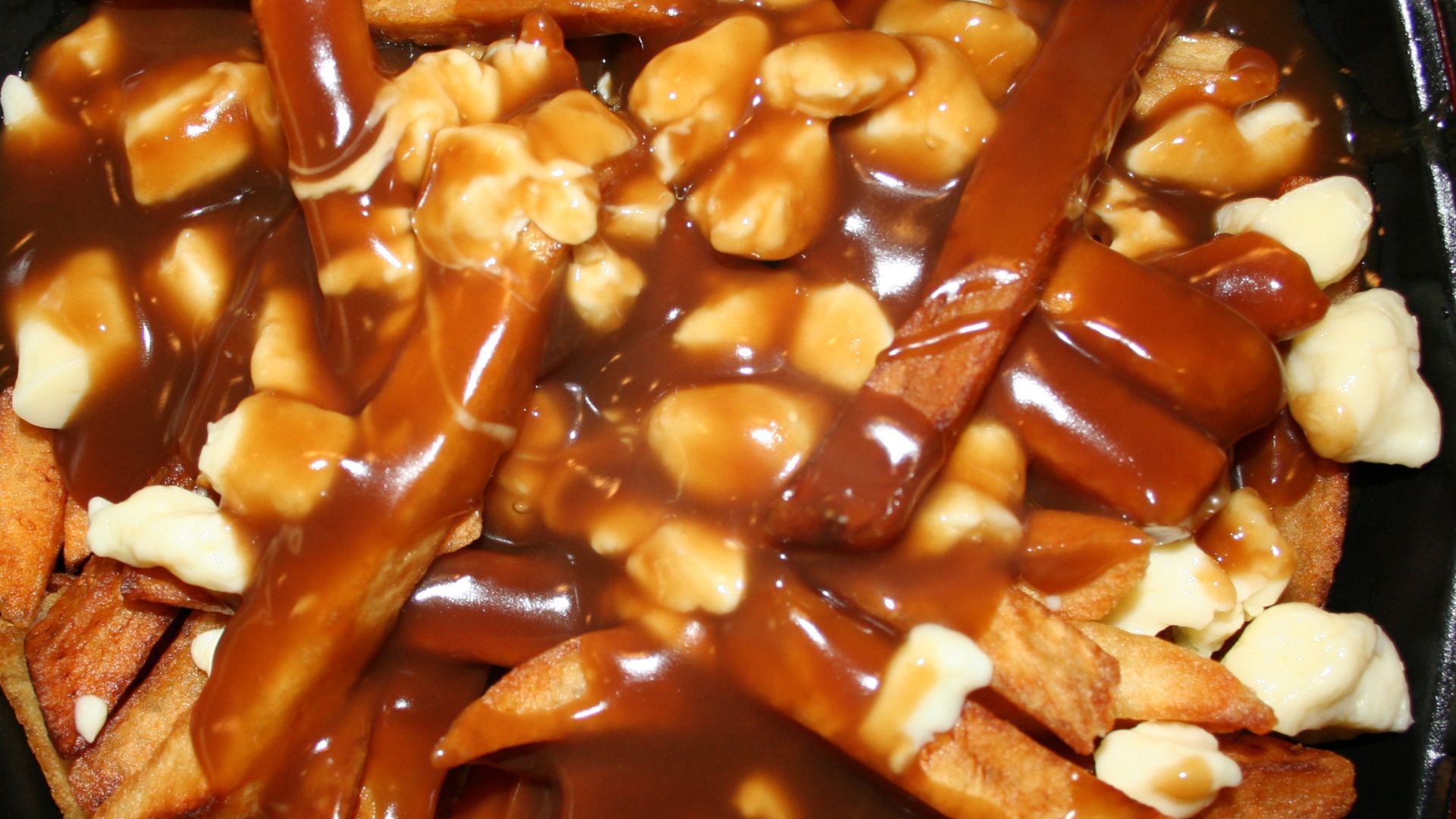
15. Poutine
You can’t talk about Canadian food without talking about poutine. This iconic Canadian dish originated in Quebec, first appearing in the 1950s. The word “poutine” is actually a Quebec slang word for “mess,” which is exactly what this dish looks like.
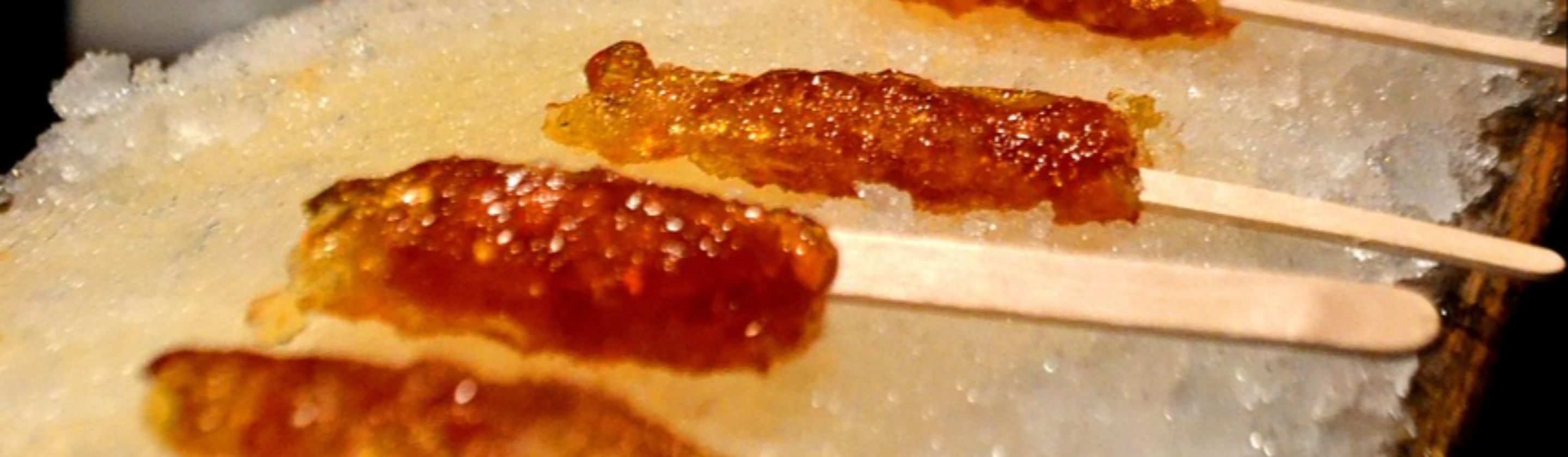
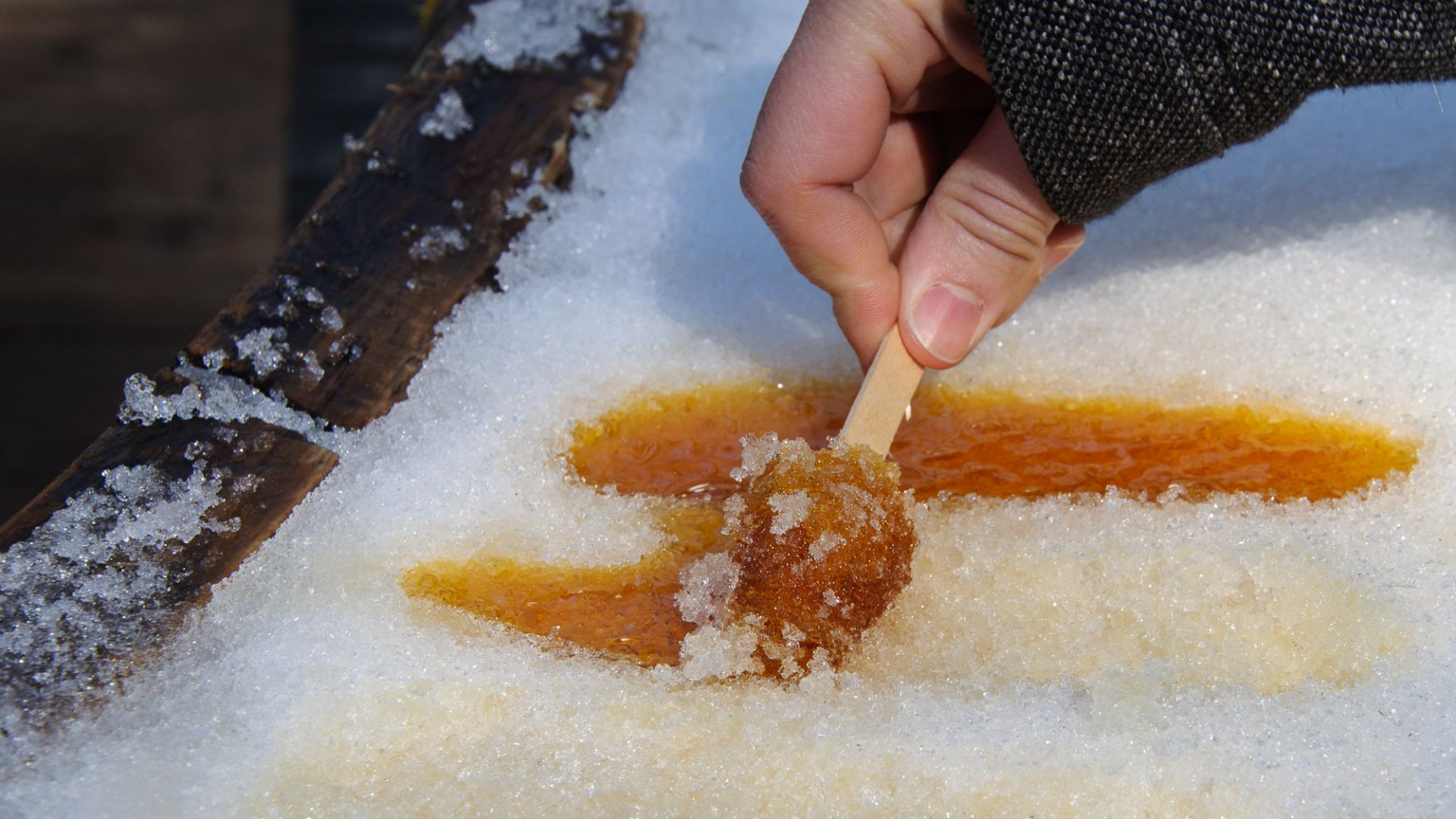
16. Mapple Taffy
While this sweet was popularized by French settlers, eastern Canadian Indigenous groups were the first to discover how to manipulate maple sap into a delicious treat. Today, you can visit restaurants or sugar shacks to enjoy this late-winter, early-spring treat.
 Jaime Walker from Ottawa, Canada on Wikimedia
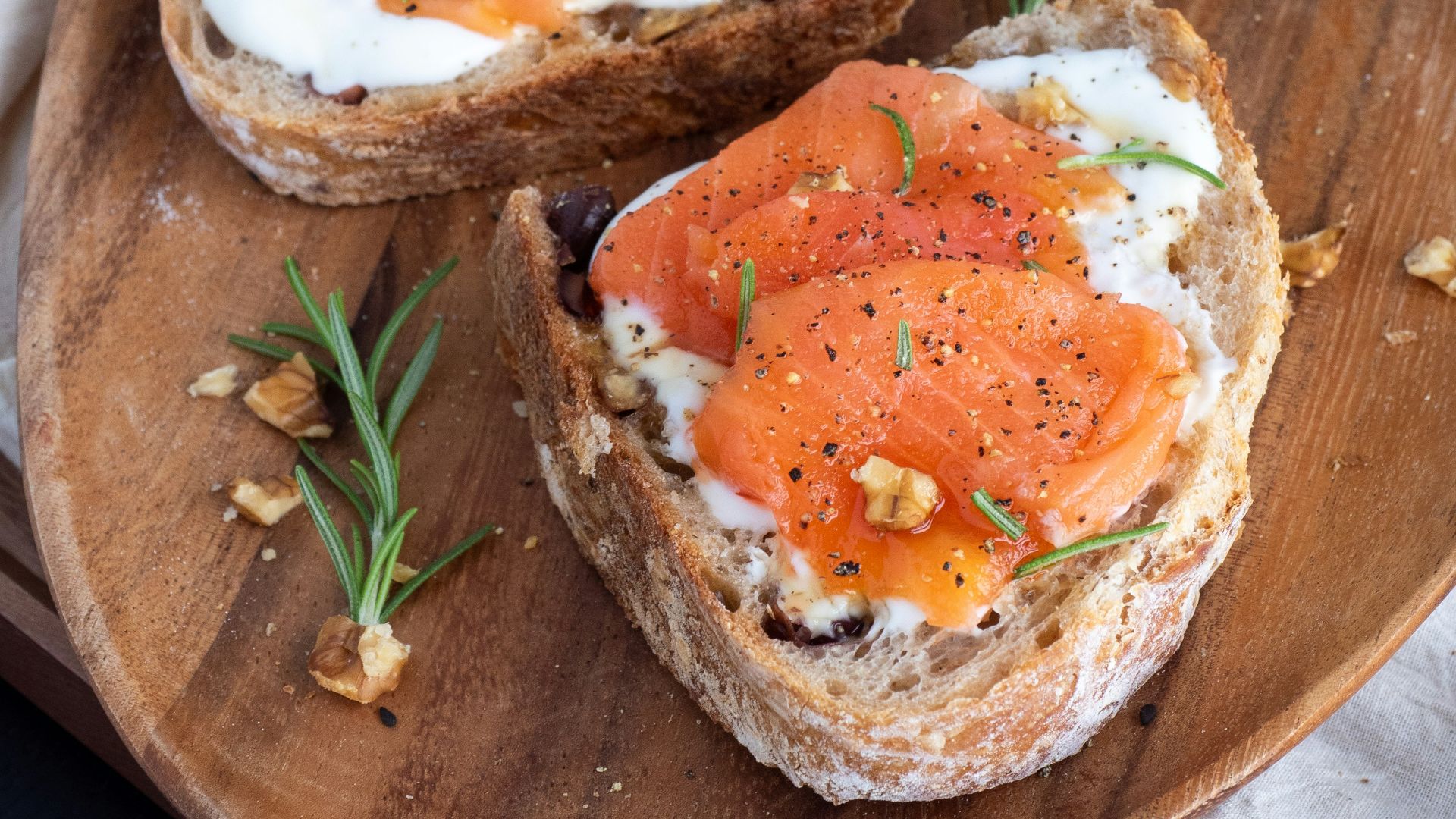
17. Salmon Sandwiches
Lots of water access means lots of fish dishes, and salmon is abundant in Canada. Salmon sandwiches appeared in the early 20th century, but were popularized during WWII. Today, smoked salmon is as much a sandwich staple as any other type of meat.
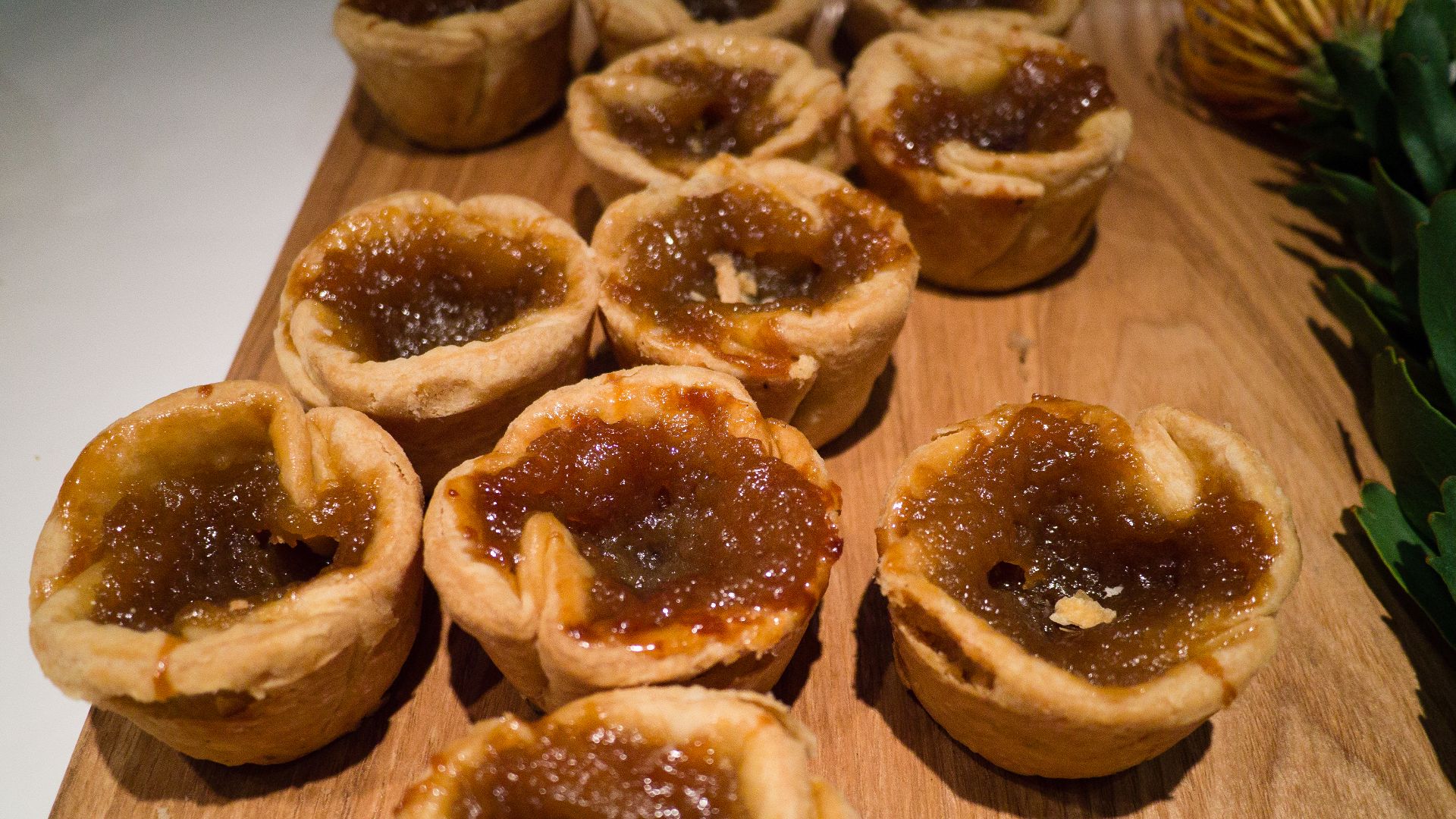
18. Butter Tarts
The butter tart has been a Canadian-specific dessert since the 17th century, when French women were sent to Quebec to help populate the colony. The first documented recipe for butter tarts appeared in 1900, surprisingly in Ontario, but it has been passed around for much longer.
 Rob Campbell from Toronto, ON, Canada on Wikimedia
19. Nillii Gaii
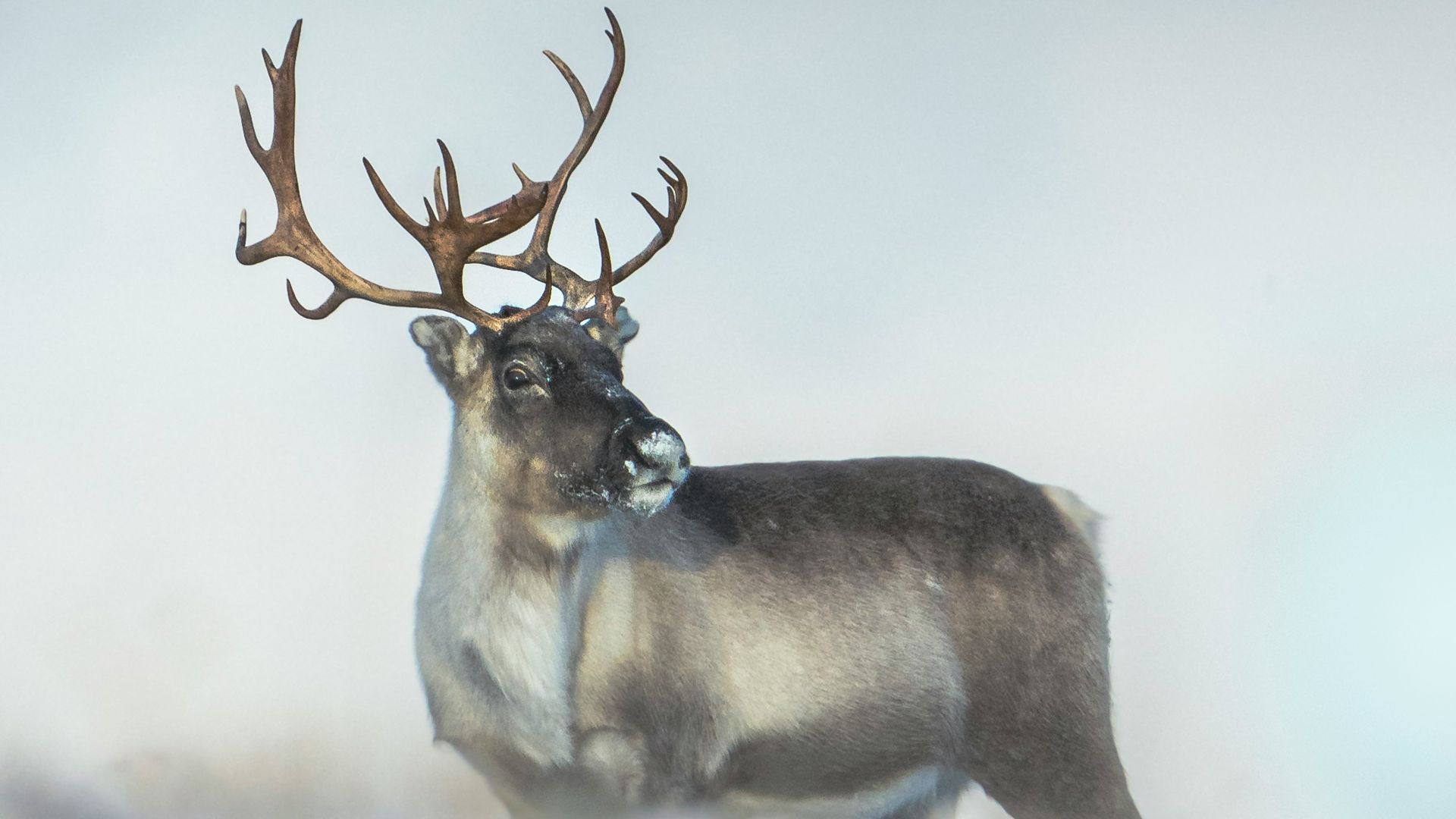
This Indigenous food was created to preserve wild game, typically caribou, by drying it through heat or smoke. Nillii Gaii can be eaten on its own, with butter or avocado, or incorporated into other dishes.
20. Persians
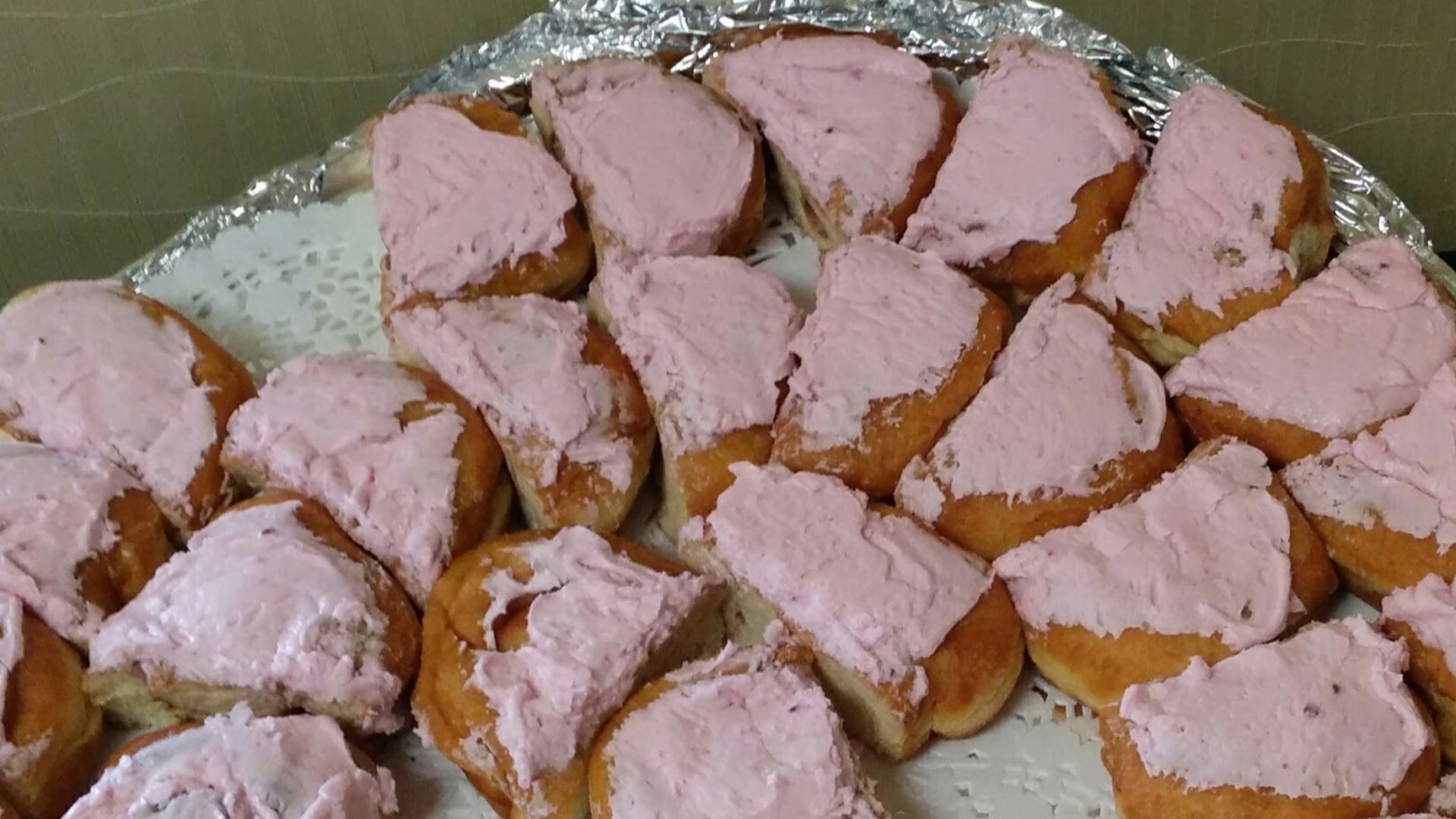
This delicious pastry stems from the community of Thunder Bay, Ontario. It’s a unique dessert, almost a hybrid of a doughnut and a cinnamon bun, topped with berry icing. Persians were created in the 1940s, and are supposedly named after the World War I General, John J. Pershing.
KEEP ON READING
20 Foreign Foods We Hope Become Trendy In America
20 Foods From the '90s That Deserve a Comeback