Google Thinks Buffalo Wings Were Invented in 1964 – Google Is Wrong
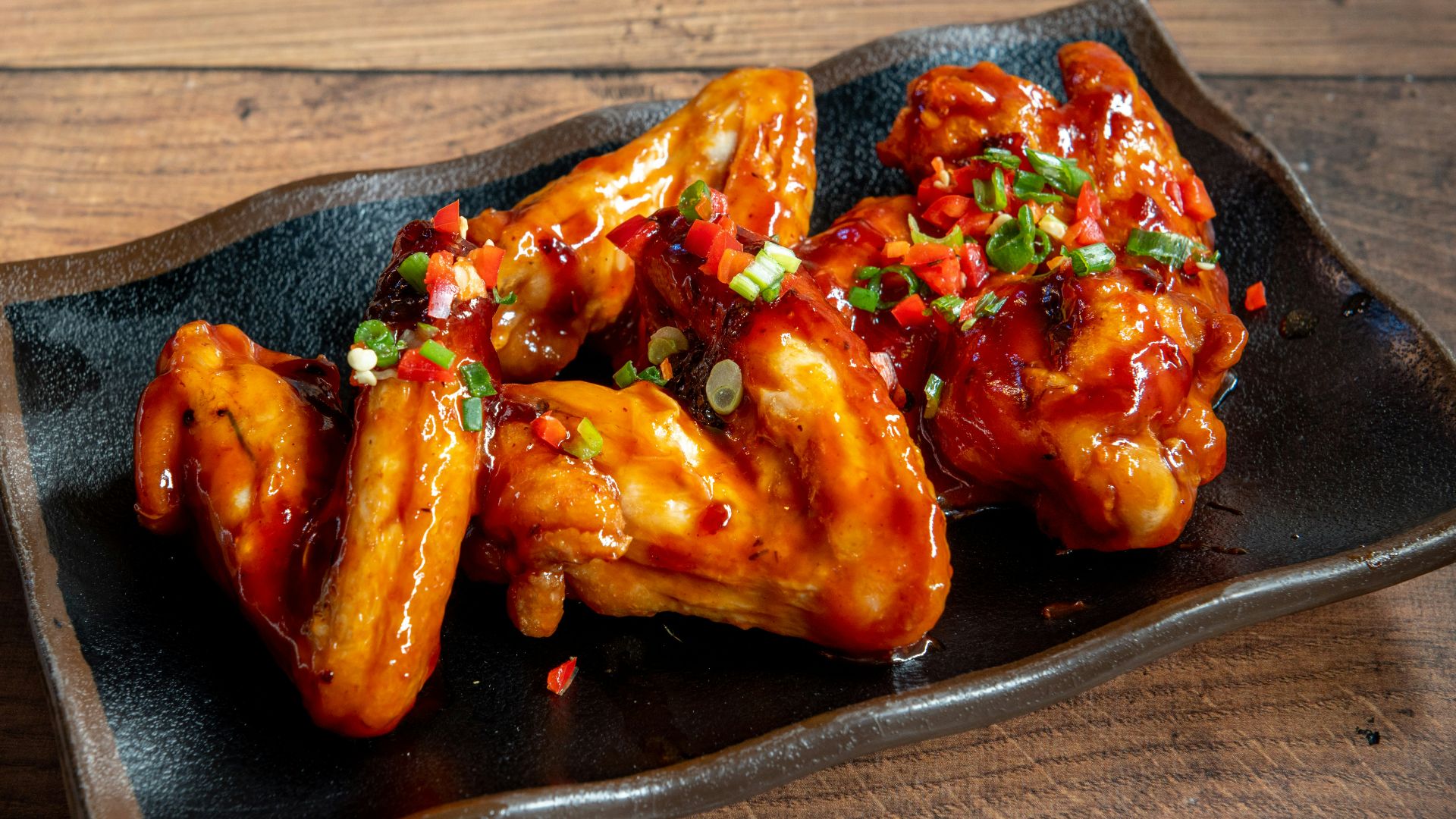
Do a cursory Google search for the history of pizza’s glorious winged cousin, and your browser window will become inundated with links to the year 1964. According to Google’s algorithm, everything leads back to the Anchor Bar in Buffalo, New York. There, legend has it that one lucky Tuesday night, Teresa Bellissimo improvised a savory supper of hot-sauce-coated wings to please the appetites of her son and his friends. There’s something quaintly American about giving birthrights like this; the spicy chicken wing’s mythology has long been settled as that shining “Eureka!” moment. But scratch beneath that greasy surface, and you’ll discover Buffalo’s hasty mid-century backstory doesn’t quite hold up to scrutiny.
While the Anchor Bar undoubtedly deserves credit for the commercial explosion and modern branding of the dish, the concept of spicy, fried chicken wings isn’t a modern phenomenon. Long before the 1960s, cooks were experimenting with high-heat seasoning and various parts of the bird that were often dismissed by the wealthy. You might be surprised to learn that the DNA of the Buffalo wing can be traced back through centuries of African American culinary ingenuity and even further to European tavern snacks. To truly understand where our cravings began, we need to look past the neon signs of New York and toward the "deviled" delicacies of the 19th century.
The Spicy Secrets of Deviled Bones
 Praveen Kumar Nandagiri on Unsplash
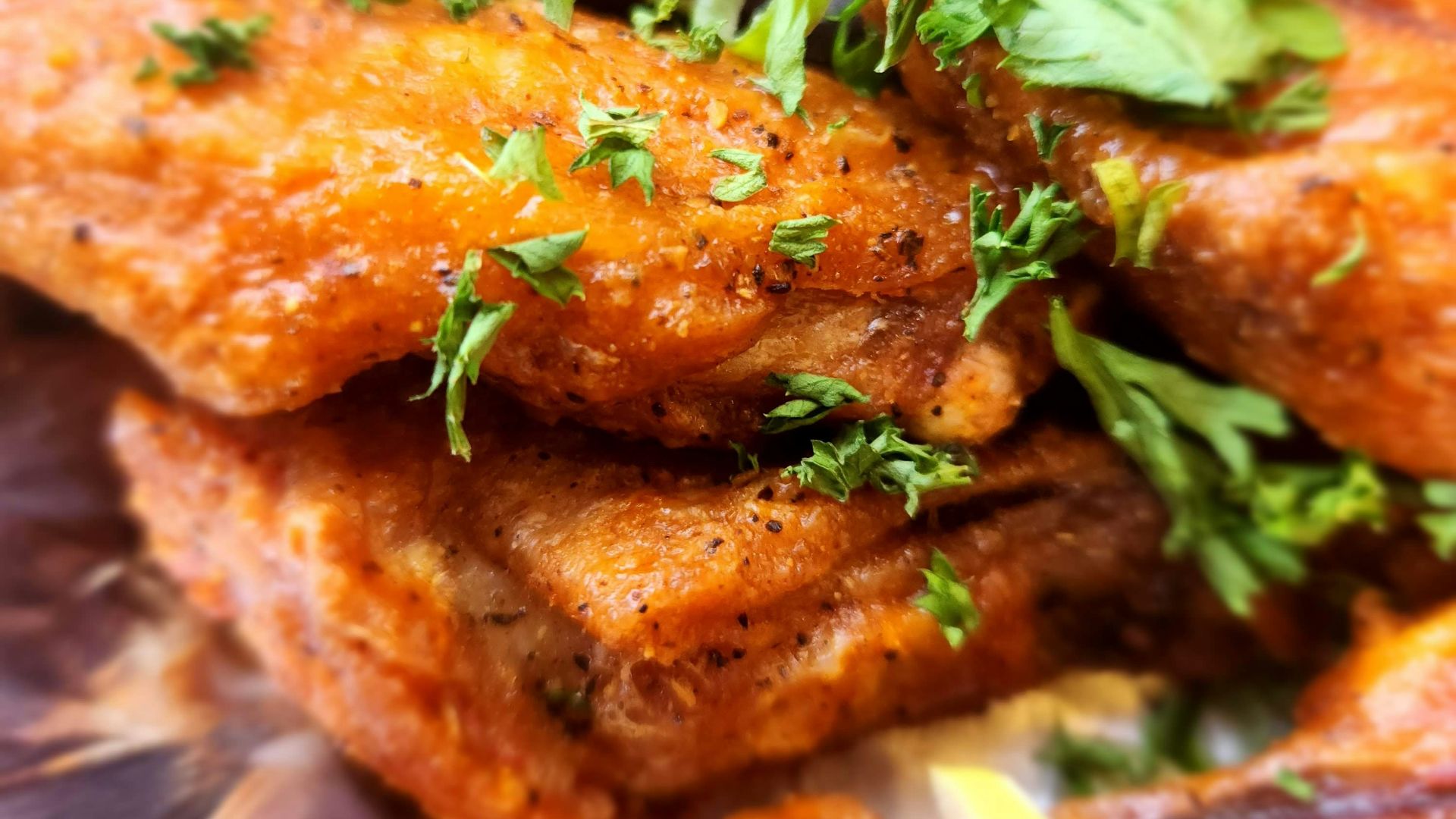
Historians say the word “deviled” began appearing in English cookbooks around the late 18th century, usually to describe foods loaded with fiery-hot spices, mustard, or pepper. By the mid-19th century, a “dish of deviled bones” was common pub grub in Britain and America. Usually served late at night alongside hard liquor, deviled bones referred to any leftover roast carcass that had been “scored, covered with a fiery paste,” and then broiled to a crisp. Sink your teeth into one of these in a dank tavern in 1850, and it’s likely you’d have a dining experience eerily similar to your local bar and grill.
Luckily for culinary detectives, plenty of cookbooks from the mid-1800s feature recipes eerily similar to what has become Western New York’s signature contribution to civilization. From rubbing a soothing blend of cayenne pepper and dry mustard butter onto fowl joints before returning them to the oven, to blasting your throat with booze after consumption, these gems were said to help diners beat back rich meats at dinner parties by tickling their thirst. Draw a line straight from these vittles-loving Victorians to the vinegar-drenched buttery sauce we drown our wings in every February, and the connection is easy to make.
The Forgotten Influence of Black Culinary Artistry
We can't talk about the history of fried chicken in America without acknowledging the profound impact of African American cooks, who were the true architects of the dish’s flavor. During the 19th century, enslaved people and later free Black entrepreneurs refined the techniques of deep-frying and seasoning that made southern poultry world-famous. While the "deviled bones" of the elite were often broiled, the Black culinary tradition leaned into the deep fry, creating the crunchy texture that defines the modern Buffalo wing experience. Many of these cooks were using spices like cayenne and hot peppers as a primary flavor base decades before a commercial hot sauce ever touched a New York kitchen.
In cities like Washington, D.C., and Chicago, Black-owned restaurants were serving versions of fried chicken wings with spicy "mumbo" or "soul" sauces long before the mid-60s. These establishments catered to local communities that valued high-flavor, high-heat profiles, often utilizing the wing because it was an affordable and accessible cut of meat. You’ll find that the oral histories of these neighborhoods often predate the official Buffalo narrative, suggesting a widespread culture of spicy wing consumption that simply wasn't documented by mainstream white media. It’s a classic case of a regional specialty being "discovered" by the public only after it was already a neighborhood staple for years.
Deconstructing the 1964 Myth
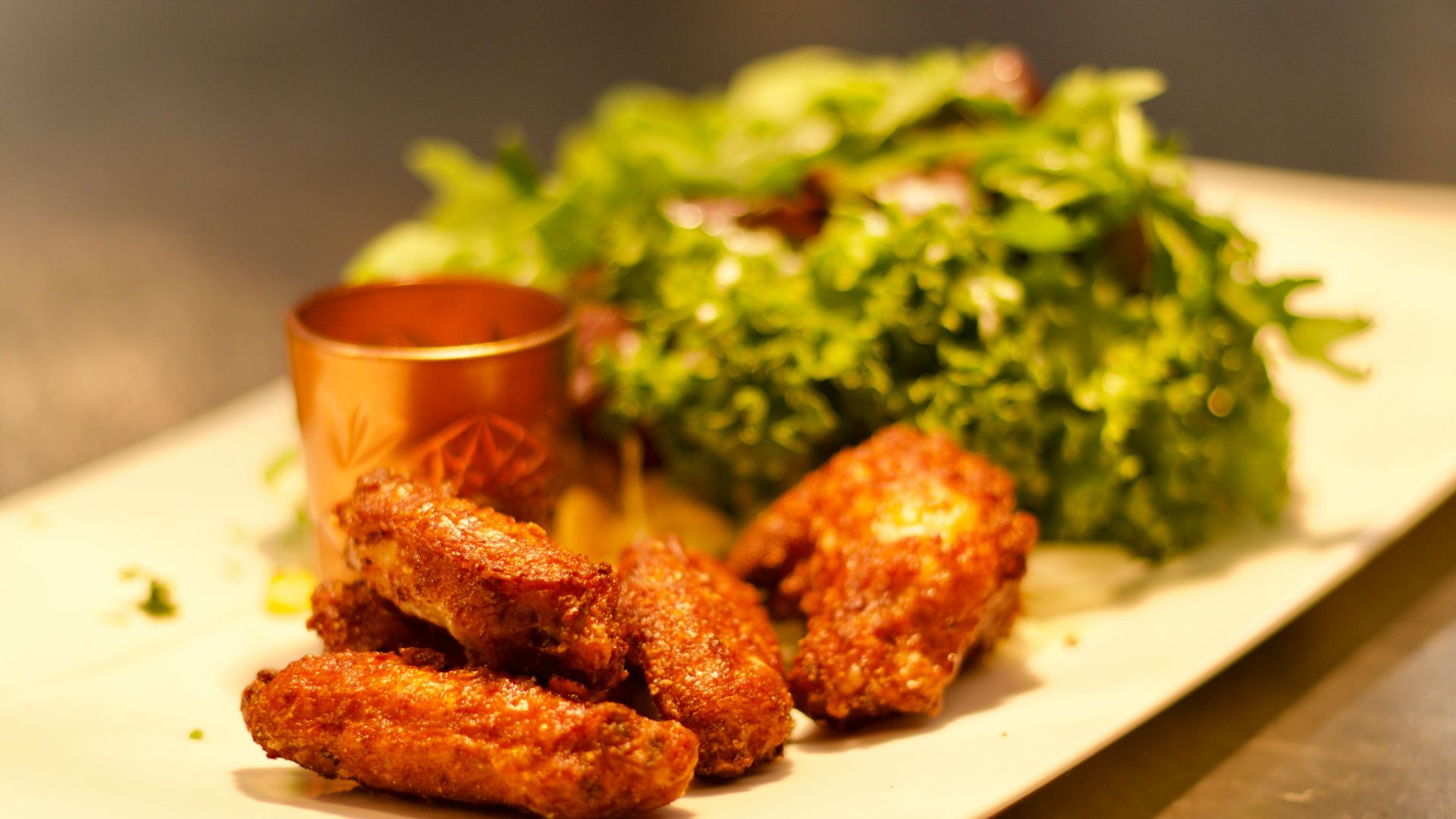
If the Buffalo wing was truly a "new" invention in 1964, we would expect to see a total absence of similar recipes in the preceding hundred years of American cooking. However, the 19th-century obsession with hot sauces and fried poultry proves that the components were already widespread and well-loved. What happened in 1964 was less about the invention of a flavor and more about the birth of a specific "bar food" category that fit the burgeoning television culture. The Bellissimos didn't invent the spicy wing; they simply standardized the presentation of celery, blue cheese, and hot sauce that became the industry standard.
Try to remember next time someone tries to tell you that Buffalo wings first existed in 1964, that what they’re actually getting at is that the “Buffalo” portion of it didn’t exist before then. If you walked into any bar before the 1960s and ordered spicy wings, you would not have been served Buffalo wings, but you would have been served “devil wings” or “spicy fried wings.” What the Anchor Bar created was a regional name for something that had been previously sold under many different names. Marketing. It’s so powerful that we can take a Victorian-era recipe and convince everybody, including Google, that it was newly created mid-century cuisine.
KEEP ON READING
The Most Popular Chocolate Bars in the USA

The Most Popular Candies in the USA