Burnt Doesn’t Always Mean Ruined
Uh-oh, you've left the heat on too high and now your food has turned into a dark, ashy crisp. Now what? Whether it's a blackened piece of toast or meat that's slightly too charred, you might think it's always the right call to just toss it out. Oftentimes, that instinct is correct: consuming burnt food isn't good for your body, after all. But thankfully, not every scorched dish has to go straight into the trash; sometimes it just takes a quick adjustment or the right finishing touch to save your meal. Here are 10 tricks to help salvage burnt food, and 10 times when it's probably best to admit defeat.
1. Move the Food to a Clean Pan Right Away
The first thing you should do with burnt food is get it away from the burnt surface. Don’t scrape the bottom of the pot or pan, because that’s where the harshest flavor usually lives. Carefully spoon or pour the unburnt portion into a clean pan, leaving the scorched layer behind. This works especially well for soups, sauces, stews, rice, and beans.
2. Trim the Burnt Edges from Baked Goods
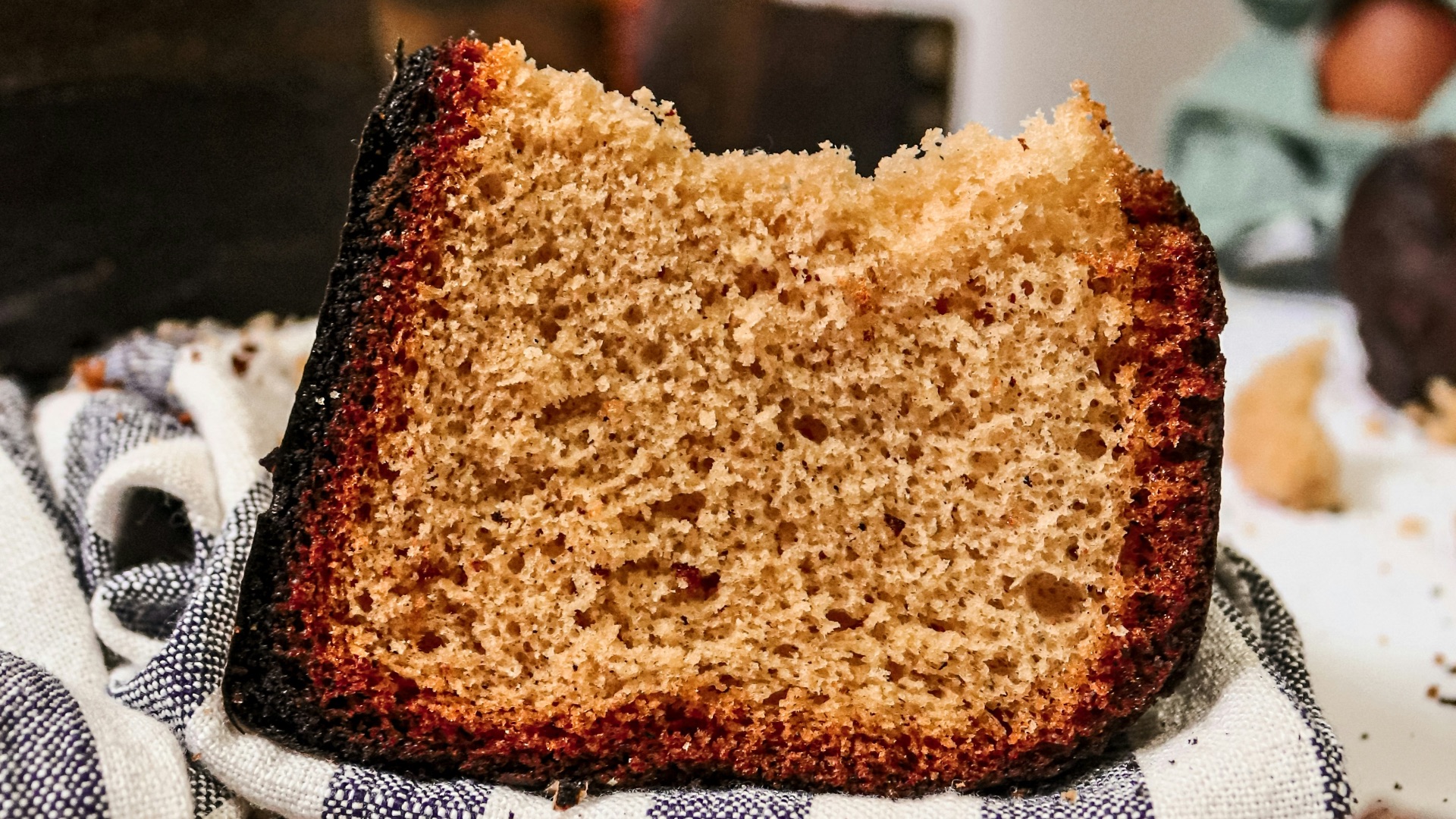
If cookies, cakes, biscuits, or bread have burnt edges but the inside is still fine, a little trimming can make a big difference. Use a serrated knife or grater to gently remove the darkened areas without tearing apart the rest. Once the burnt parts are gone, you can dust the surface with powdered sugar, add frosting, or serve it with fruit. Just make sure the burnt taste hasn’t spread through the whole item before trying to dress it up.
 Giuliana Catachura on Unsplash
3. Dilute a Scorched Soup or Sauce
A sauce or soup that tastes slightly burnt may still be usable if the flavor is mild. Transfer it to a fresh pot first, then add more liquid, broth, tomato sauce, cream, or unsalted stock depending on the dish. Let it simmer briefly so the flavors can settle back into balance. Taste as you go, because too much extra liquid can make the dish thin or bland.

4. Add Acid to Brighten the Flavor
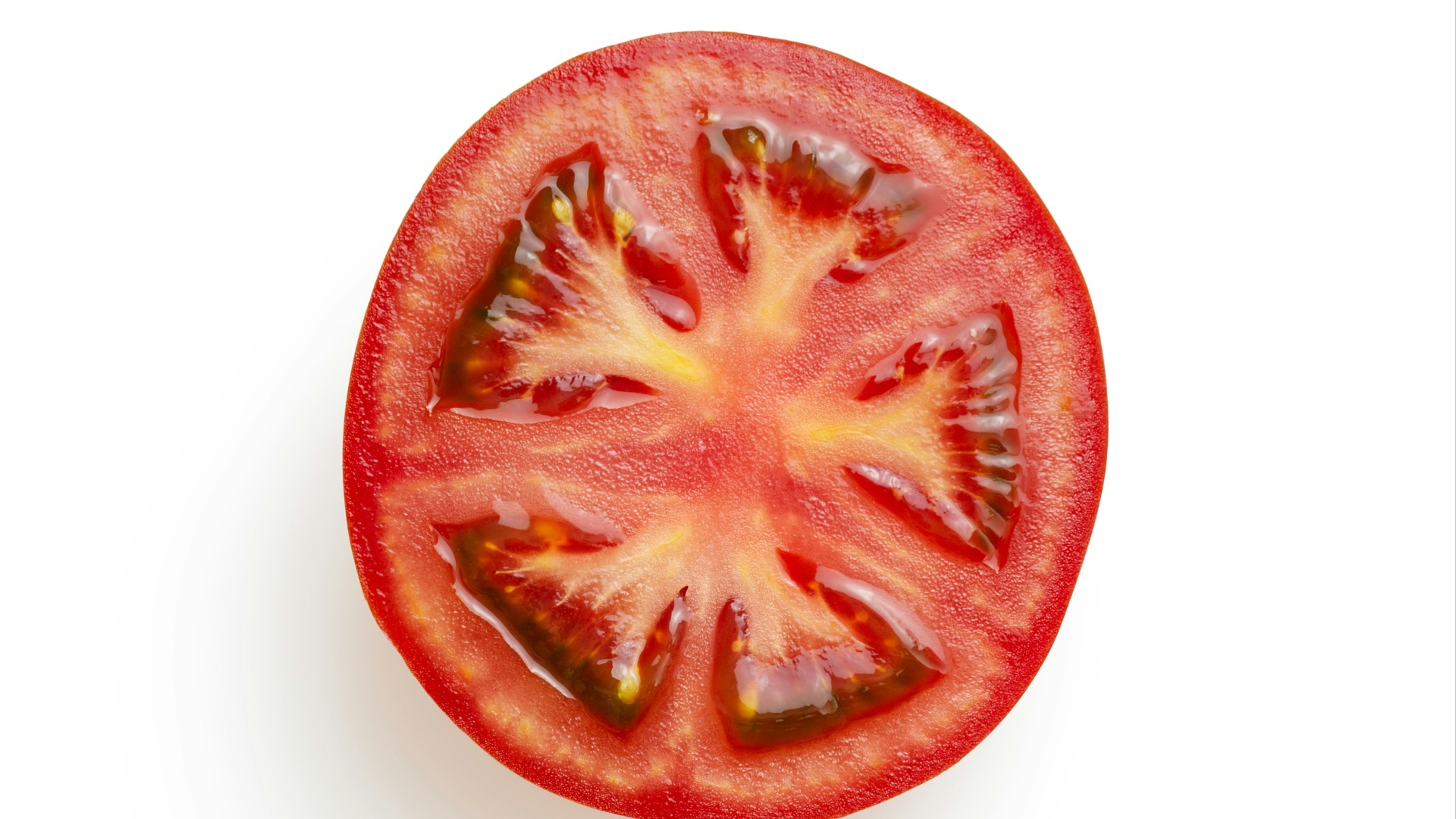
A small amount of acid can help lift a dish that tastes a little flat or smoky after being overcooked. Lemon juice, vinegar, wine, or tomatoes can cut through bitterness and make the food taste fresher. Add it gradually, because acid can quickly take over if you pour in too much at once. This trick works best for sauces, braised meats, vegetables, and soups that are only lightly scorched.
5. Use Sweetness to Soften Bitterness
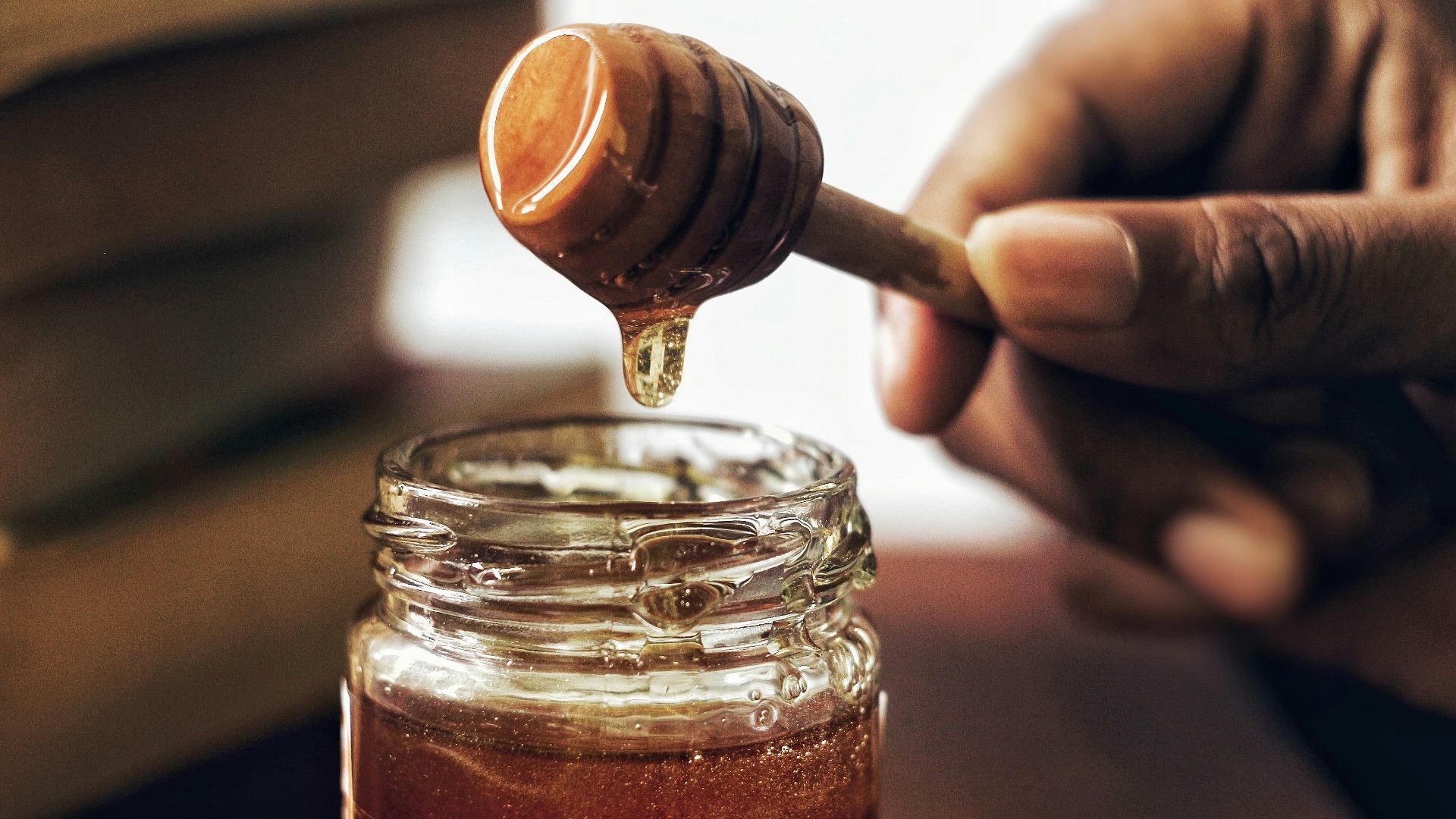
Burnt flavors often come across as bitter, so a small touch of sweetness can help round things out. Try a pinch of sugar, a drizzle of honey, maple syrup, or a spoonful of caramelized onions, depending on what you’re cooking. You’re not trying to make the dish sweet, just smoothing the rough edges. This can be helpful in tomato sauces, chili, barbecue-style dishes, and some roasted vegetables.
 Arwin Neil Baichoo on Unsplash
6. Balance Smoke with Fat or Dairy
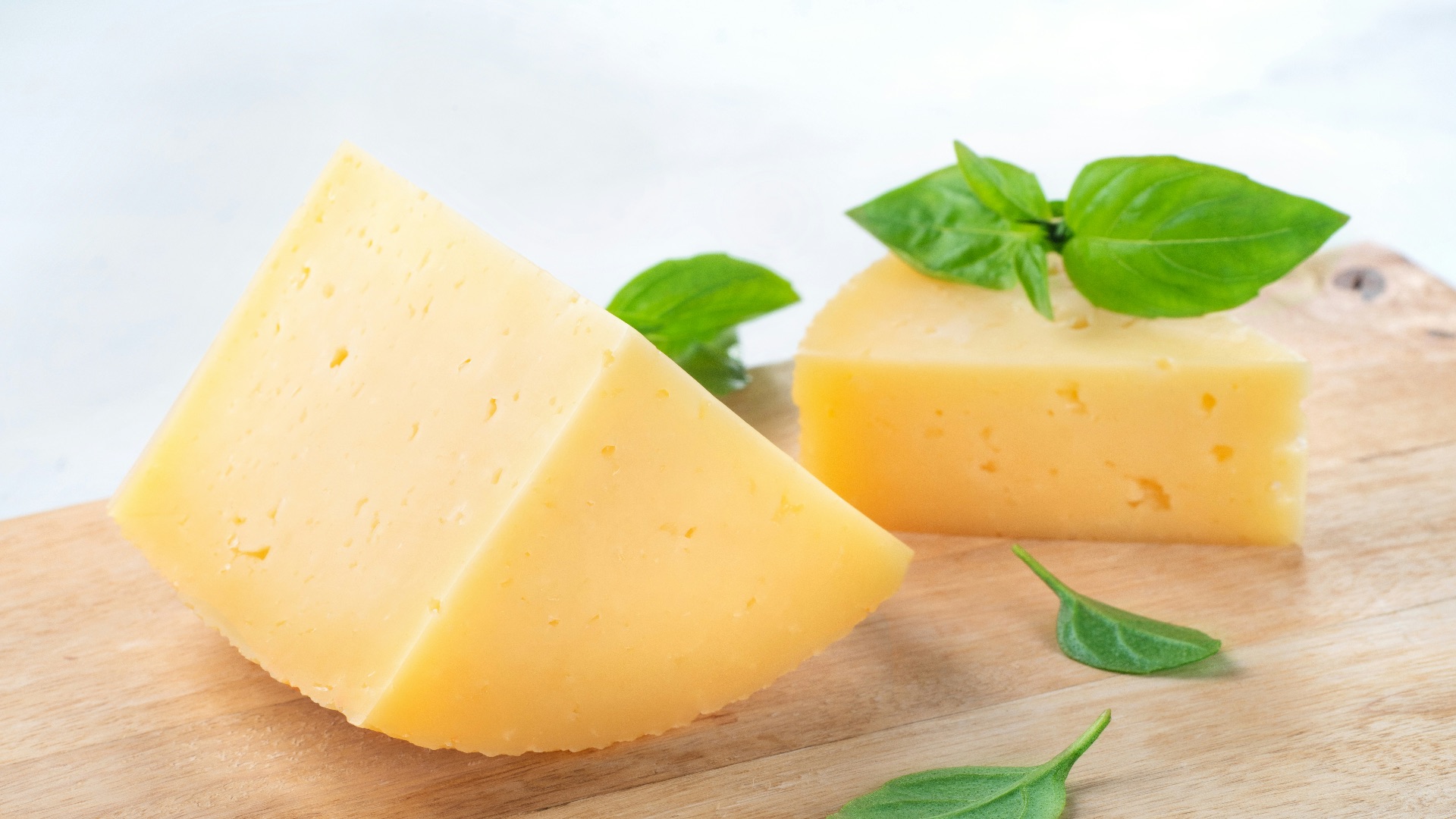
Cream, butter, sour cream, yogurt, cheese, or coconut milk can mellow a lightly burnt flavor by adding richness. This doesn’t erase the scorch, but it can make the dish taste less sharp and more rounded. Stir in a small amount at the end and taste before adding more. It’s a useful approach for mashed potatoes, creamy soups, curries, casseroles, and pan sauces.
 David Foodphototasty on Unsplash
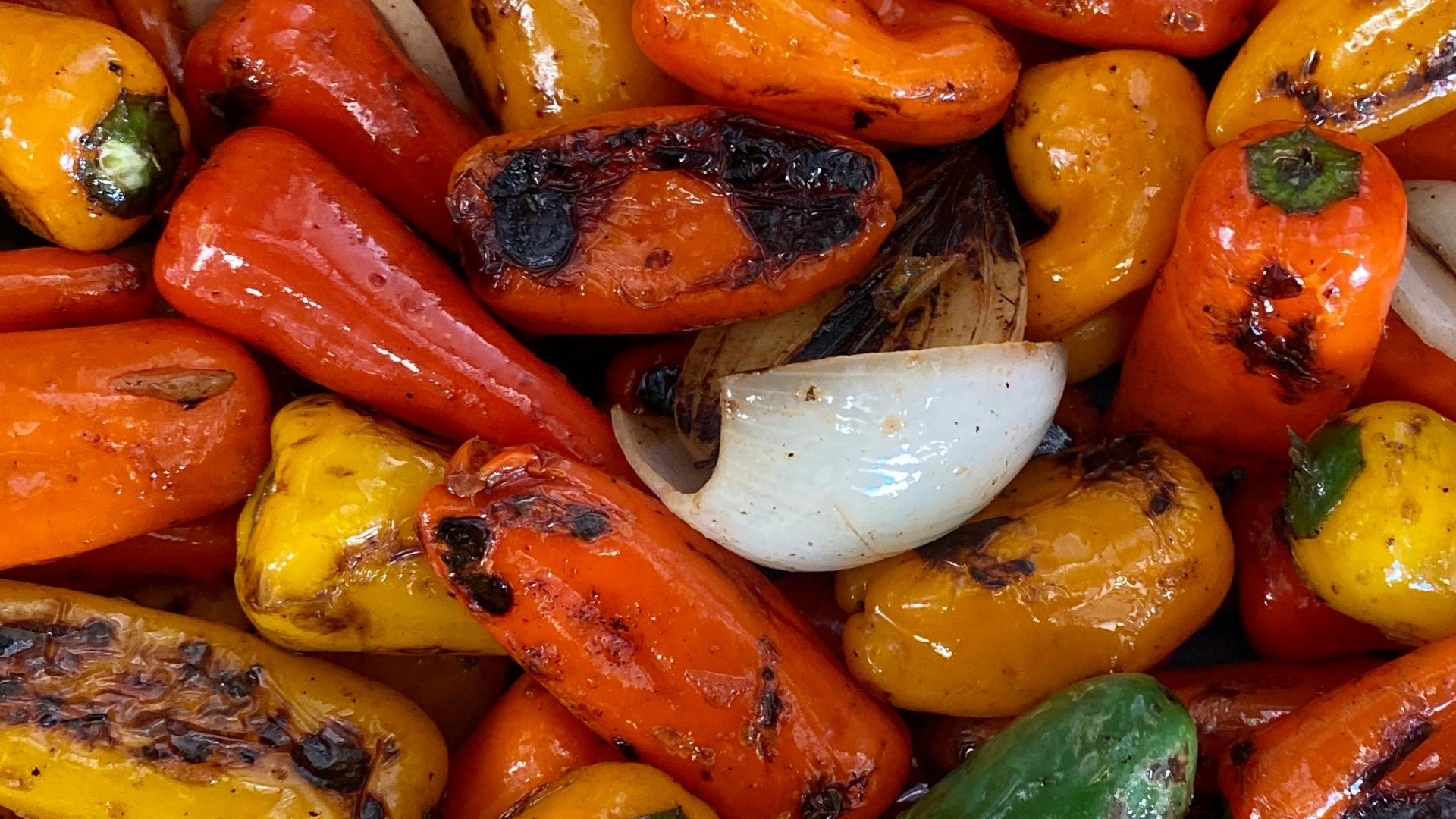
7. Repurpose Overbrowned Vegetables
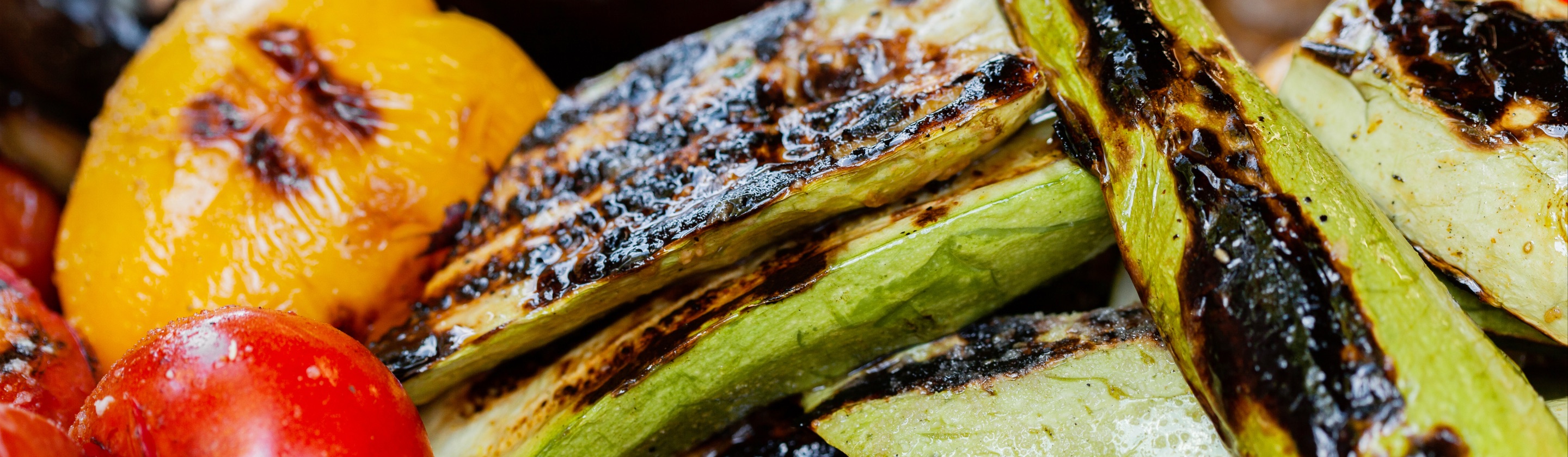
Vegetables that are deeply browned but not blackened can often be turned into something new. Chop them into a frittata, blend them into a soup, fold them into pasta, or mix them with grains and herbs. Removing the darkest pieces first helps keep the final dish from tasting too bitter. Roasted carrots, onions, peppers, squash, and cauliflower are especially forgiving when they’re a little overdone.
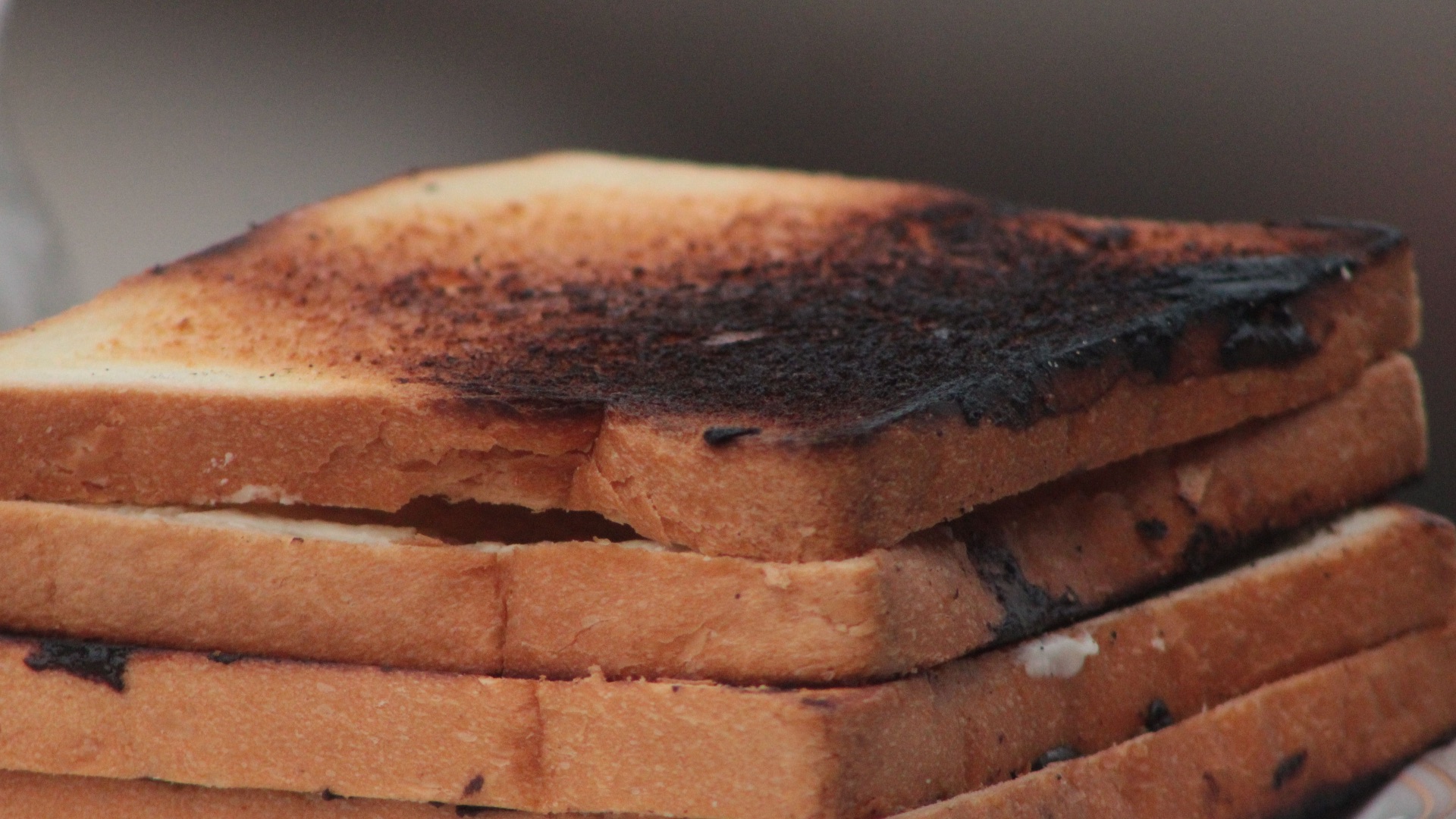
8. Scrape Toast or Bread Gently
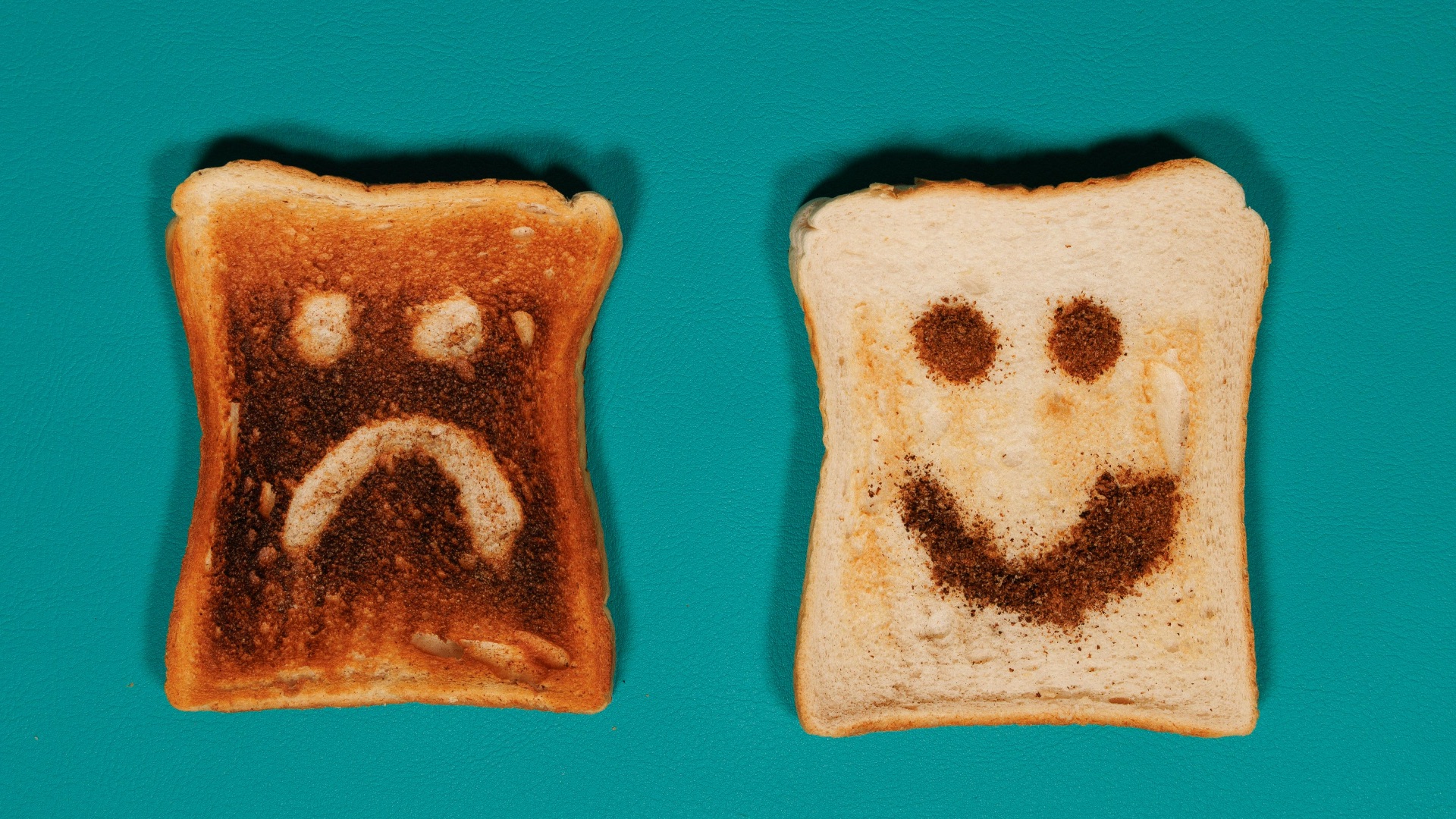
Burnt toast doesn’t always need to be thrown away, especially if only the surface is affected. Use the back of a knife to scrape off the blackened layer over the sink or trash can. Once the dark coating is gone, add butter, jam, avocado, eggs, or another topping with enough flavor to carry it. However, if the bread tastes burnt all the way through, it’s better to let it go.
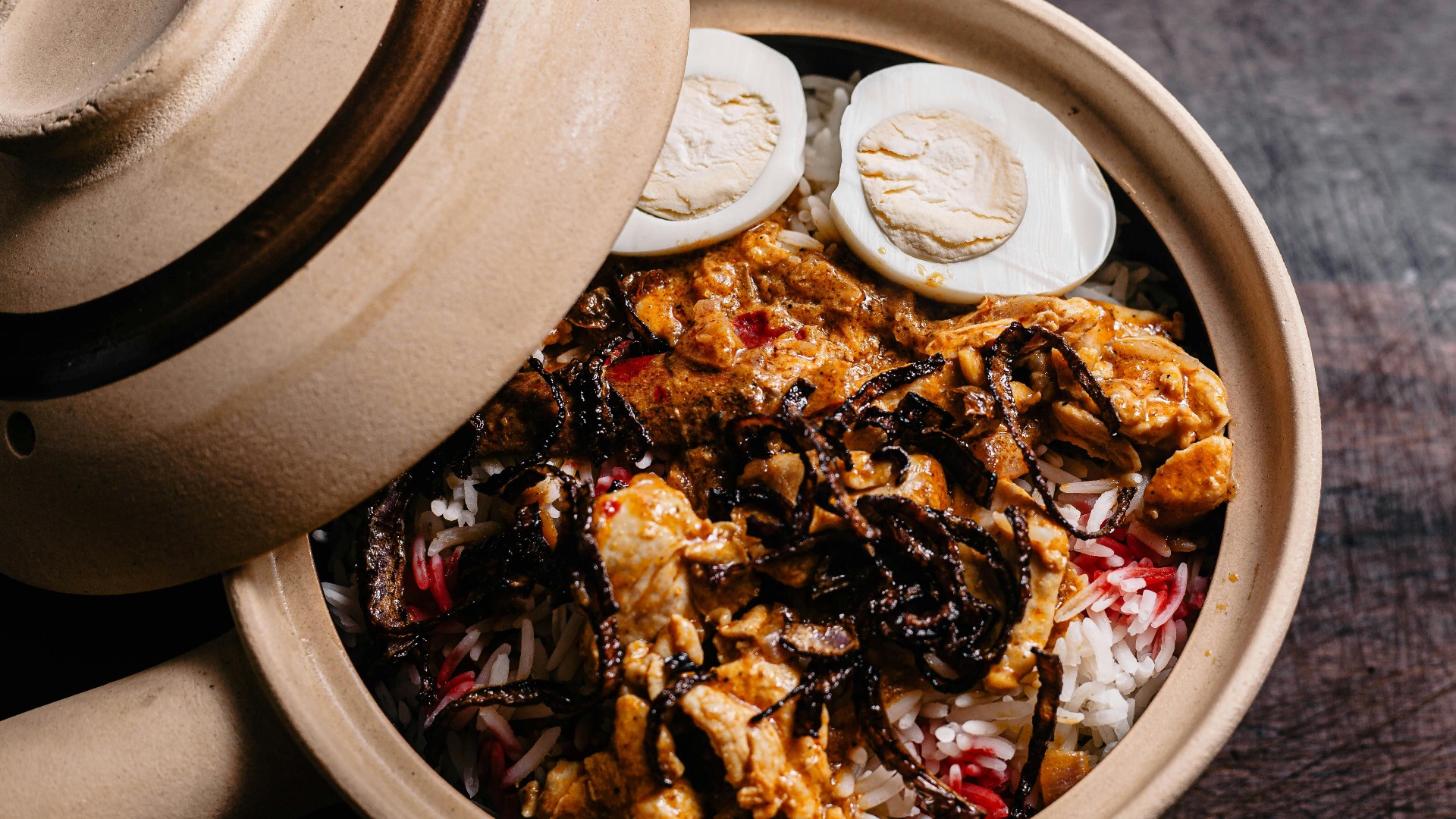
9. Save Rice by Avoiding the Bottom Layer
Burnt rice can sometimes be rescued if you act carefully and don’t stir the pot. Scoop the fluffy rice from the top and middle into a separate bowl, leaving the browned or blackened bottom untouched. If the saved rice has a faint smoky smell, let it sit uncovered for a few minutes before serving. You can also use it in fried rice or a heavily seasoned dish where the flavor won’t stand out as much.
10. Turn Overbaked Desserts Into Crumbs or Toppings
A cake, cookie batch, or pie crust that’s too dry or too brown may still have a second life. Remove any burnt sections, then crumble the rest over ice cream, pudding, yogurt, or fruit. You can also layer the salvaged pieces into a trifle with cream and berries to add moisture back. This works only when the remaining parts taste toasted rather than harshly burnt.
But even with a few good rescue tricks, sometimes burnt food just isn’t worth saving. Once the flavor is too bitter, the texture is ruined, or the food may no longer be safe to eat, tossing it is the better call. Here's when it's best to just call it a loss.

1. Toss Food That’s Blackened All the Way Through
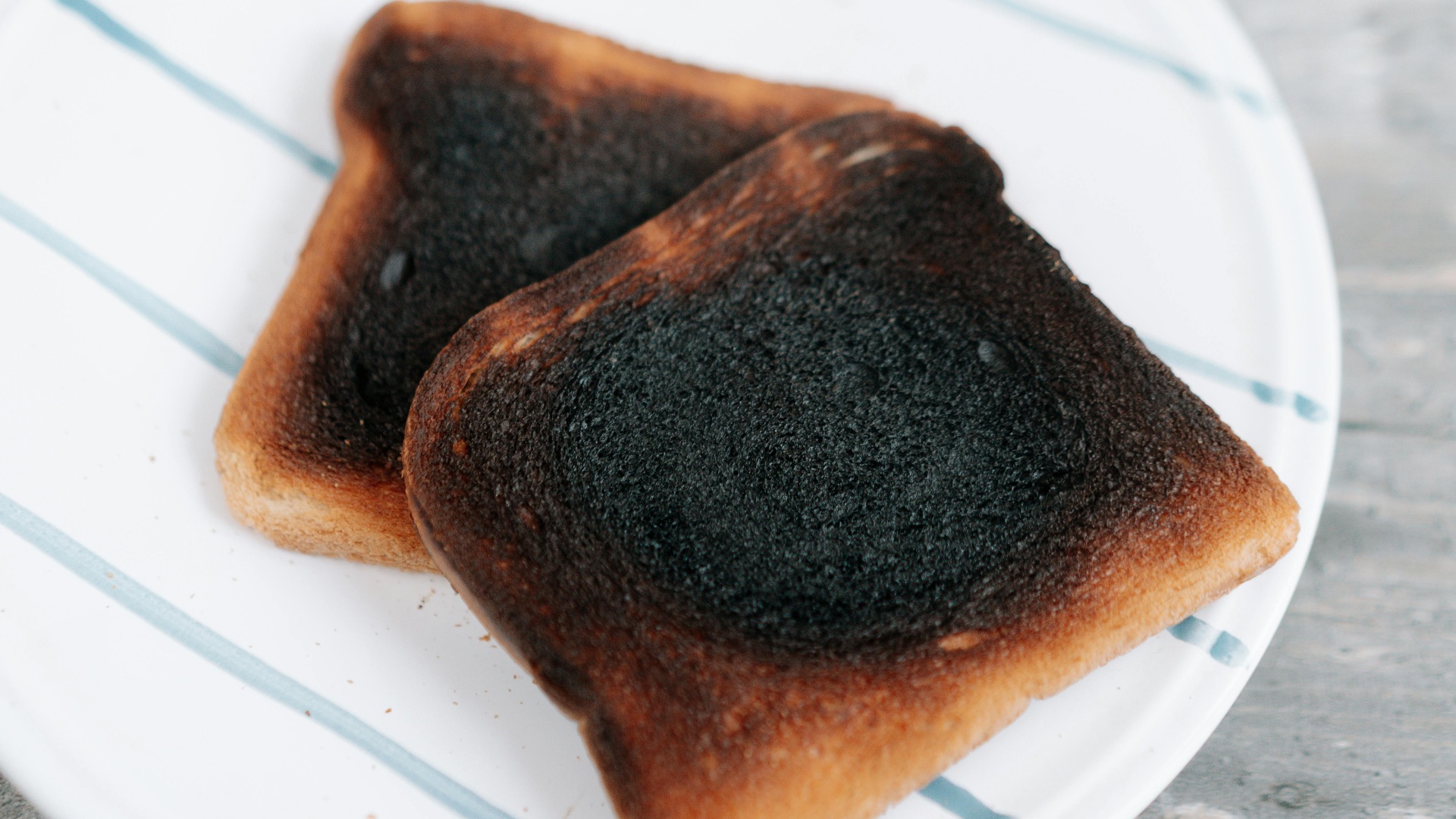
If food is burnt from the surface to the center, there usually isn’t enough left to salvage. This is common with thin foods like bacon, toast, tortillas, pancakes, and delicate pastries. Scraping won’t help much when the bitterness has spread through the entire piece. At that point, saving it will probably take more effort than starting over.
2. Toss Anything with a Strong Chemical or Acrid Smell
A burnt smell can be unpleasant, but an acrid, chemical-like odor is a stronger warning sign. If the food smells harsh enough to sting your nose or linger heavily in the kitchen, it likely won’t taste good even after adjustments. That kind of smell can also mean fats, sugars, or proteins have been pushed too far. Don’t try to mask it with seasoning, because the result usually gets worse.
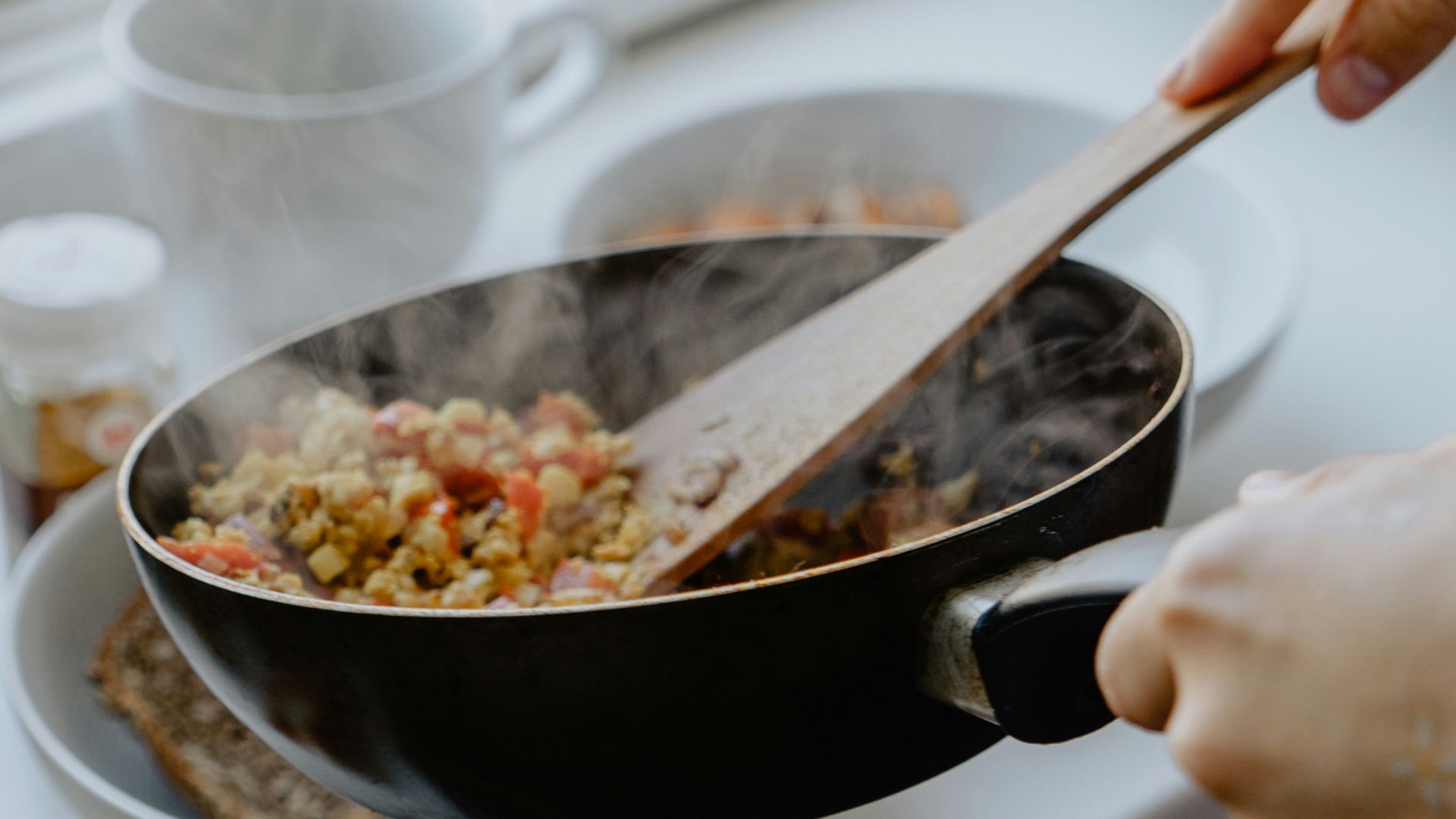
3. Toss Burnt Oil or Grease
Oil that has overheated, smoked heavily, or turned dark should be discarded. Once cooking oil breaks down, it can give food a bitter flavor and an unpleasant smell. Let it cool completely, then dispose of it properly instead of pouring it down the sink. Starting with fresh oil is always better than trying to cook through the damage.
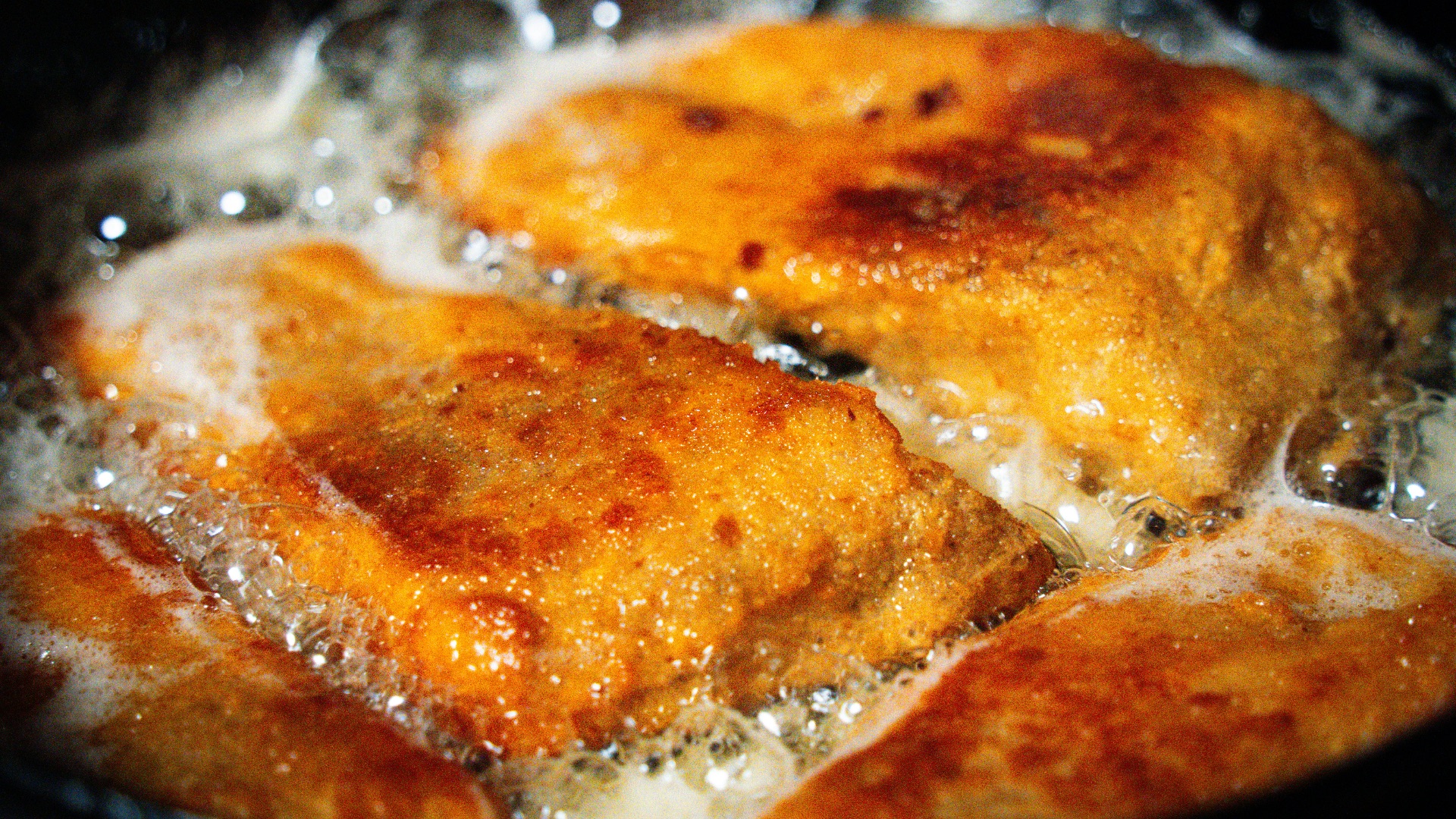
4. Toss Food Burnt Onto Melted Plastic
If plastic wrap, a plastic utensil, packaging, or a container has melted into the food, don’t try to pick around it. Melted plastic can leave residue and odors that aren’t easy to remove safely. Even if only part of the dish looks affected, the smell and contact can spread farther than you think. In this case, throwing it out is the sensible choice.
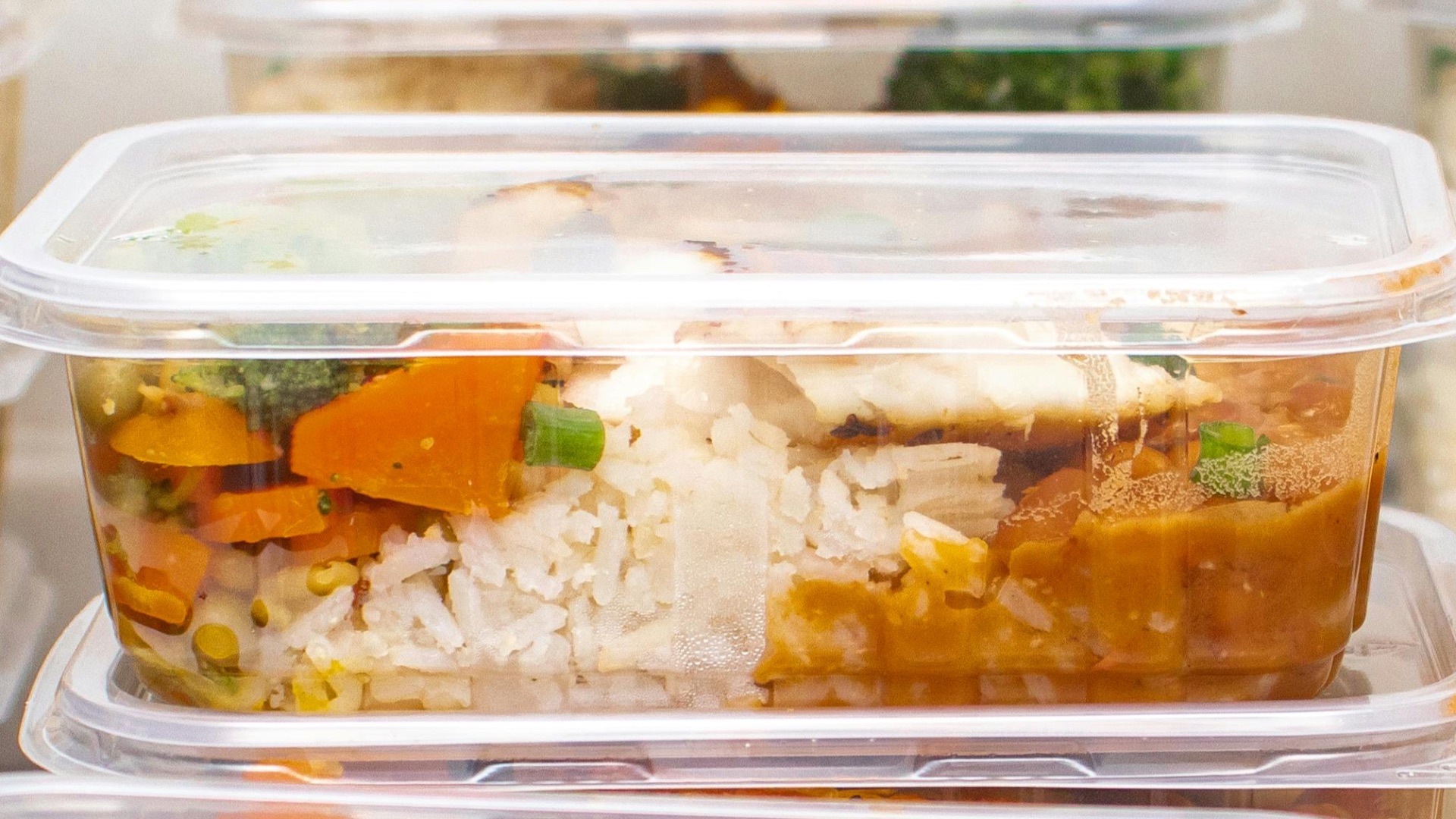
5. Toss Sauces That Taste Bitter Even After Fixing
Sometimes a sauce smells slightly burnt but seems worth rescuing at first. If you’ve transferred it, diluted it, seasoned it, and it still tastes bitter, it’s done. Continuing to add ingredients usually wastes more food without solving the problem. A fresh sauce will taste cleaner and take less time than fighting one that’s already too far gone.
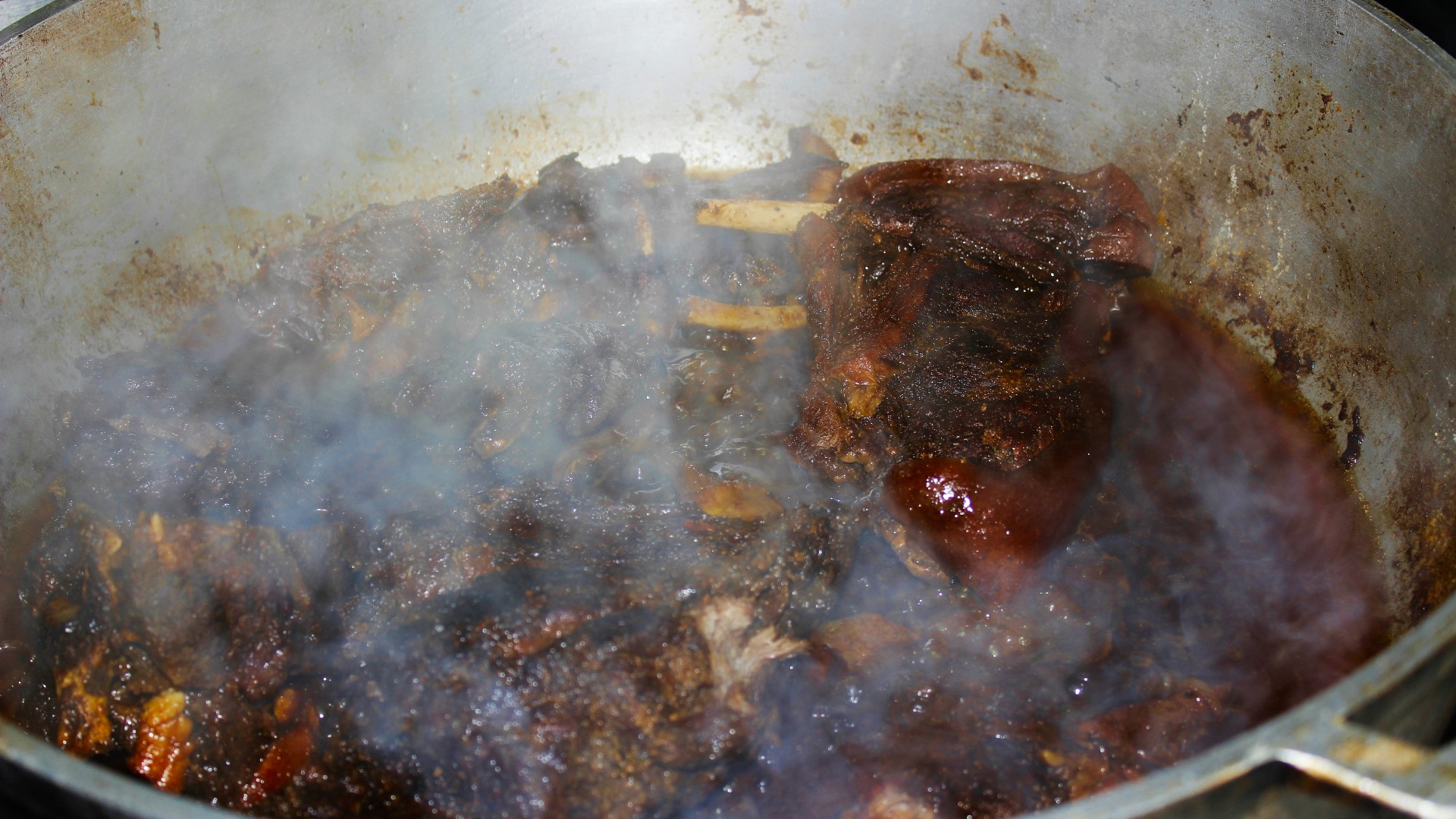
6. Toss Burnt Food with a Ruined Texture
Flavor isn’t the only thing that matters when deciding whether food can be saved. If meat is dry and tough, vegetables are shriveled and papery, or pasta has turned hard and chewy, there may not be a practical fix. Sauces and toppings can hide some issues, but they can’t fully repair food that has lost its structure. When the texture makes every bite unpleasant, it’s time to move on.
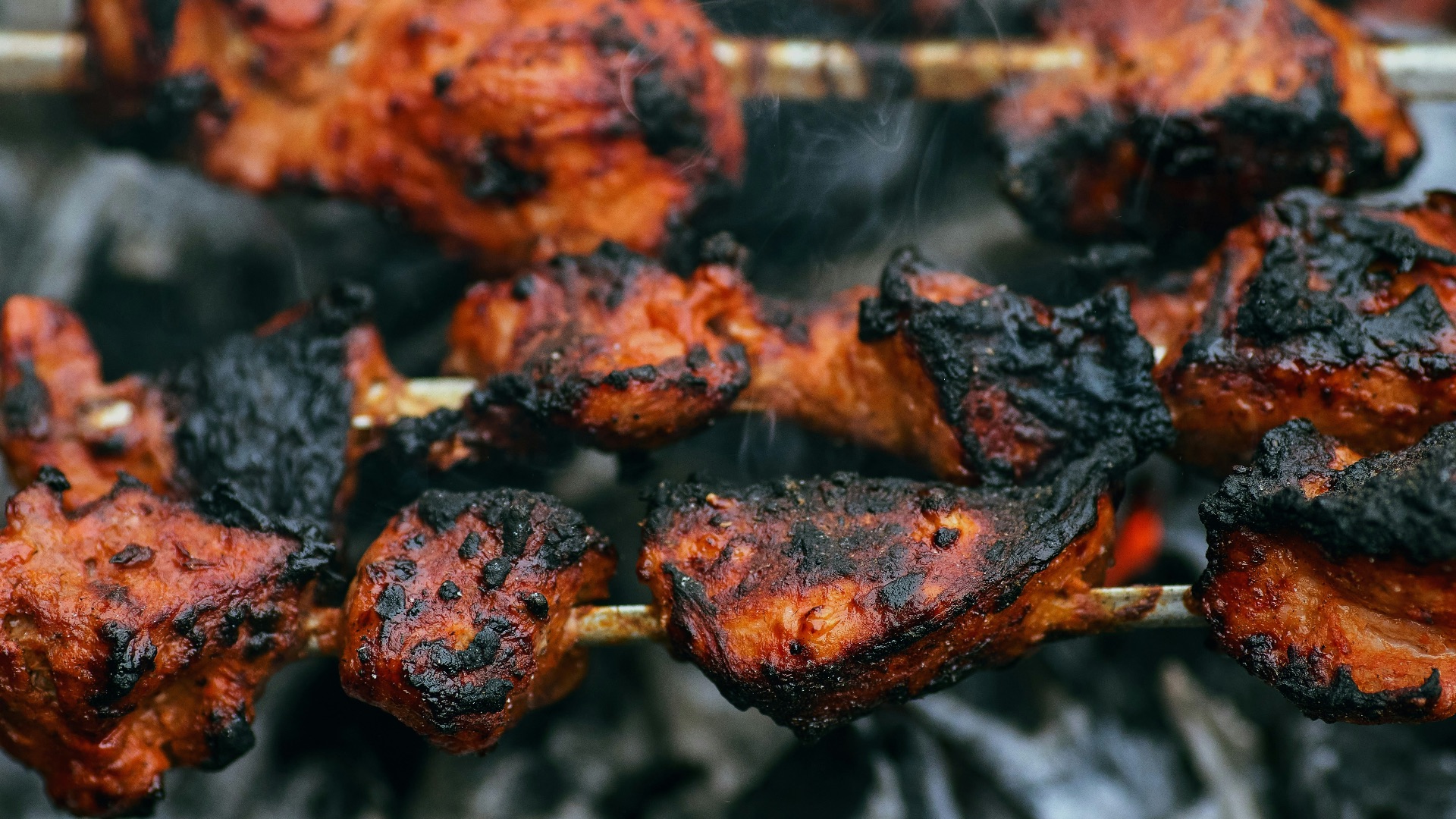
7. Toss Charred Meat That’s Bitter on the Outside and Dry Inside
A little char on grilled meat can be enjoyable, but heavy blackening is different. If the outside is bitter and the inside has dried out, trimming may leave you with very little worth eating. This is especially true for thin cuts, burgers, kebabs, and chicken pieces that overcook quickly. When both the surface and center are compromised, replacing it is the better option.
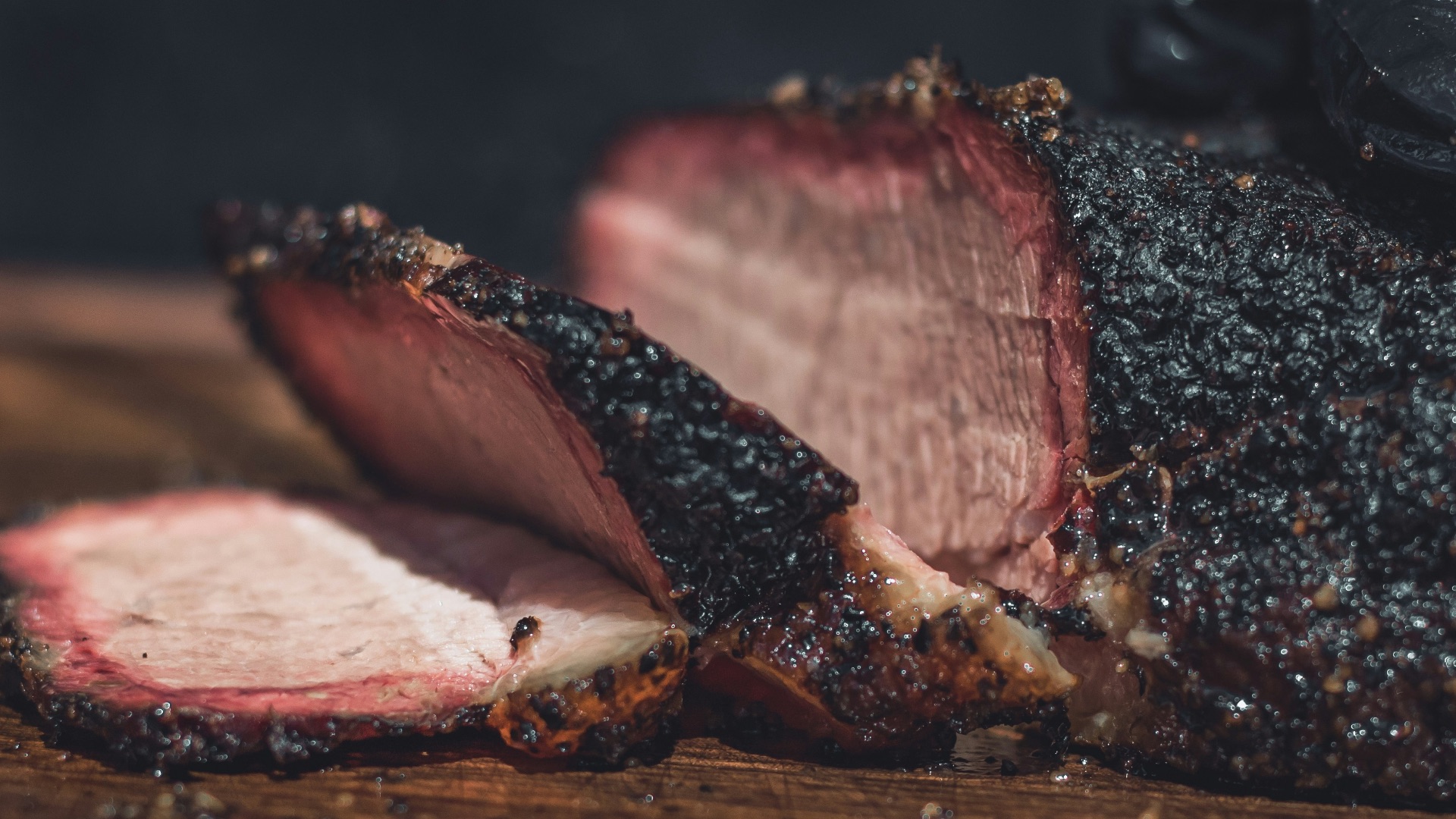
8. Toss Burnt Food That Sat Out Too Long
Trying to save a dish can take time, and that delay matters with foods that need temperature control. If meat, seafood, dairy-based dishes, cooked grains, or leftovers have been sitting out for too long, don’t focus only on the burnt flavor. Food safety still applies even when the original problem was scorching. When you’re unsure how long it has been at room temperature, it’s safer to discard it.
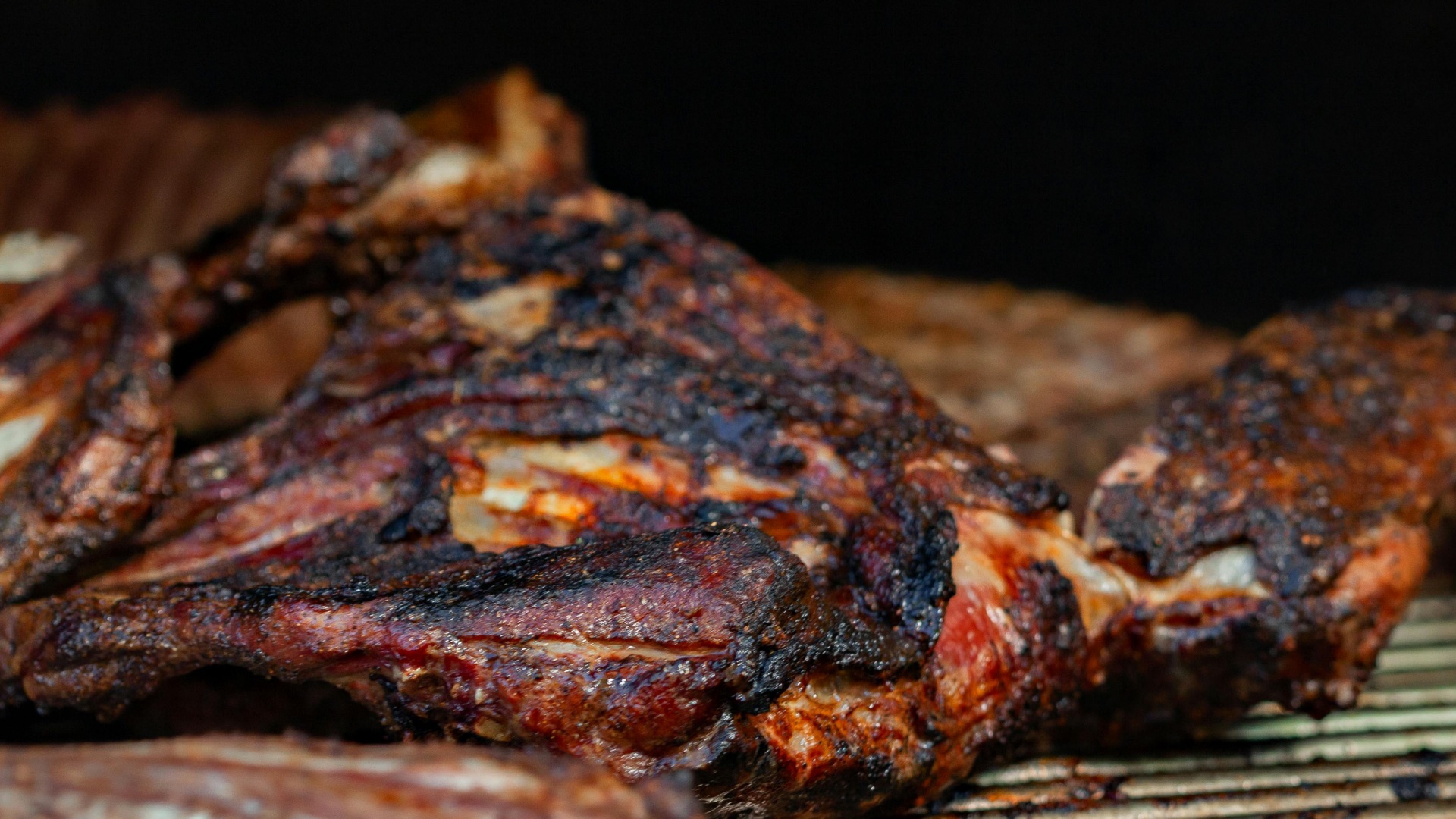
9. Toss Anything with Ashy Flakes Mixed In
If black, ashy bits have broken off and spread throughout the food, it’s not worth picking through. Those flakes can make the whole dish taste gritty and burnt, even if some portions look fine. This happens often when the bottom of a pot gets scraped by mistake. Once the scorched layer has been stirred in, there’s rarely a clean way to separate it.
10. Toss It When You Wouldn’t Feel Comfortable Serving It
A final judgment call often matters more than any kitchen trick. If you taste the food and immediately start thinking about how to hide the flavor, that’s a sign it probably shouldn’t be served. After all, you don’t need to rescue every mistake, especially when the result still feels disappointing. Sometimes the smartest kitchen move is accepting the loss and making something simple instead.
KEEP ON READING

The Most Popular Signature Dishes Around the World