Walk into any American grocery store and you'll likely find entire aisles dedicated to snacks. Potato chips, popcorn, cookies, crackers, pretzels, and other munchies have become staples of life because they taste good, but their ubiquity has also been influenced by changing technology, packaging, advertising, entertainment, and the increased availability of convenient foods.
Many of today's favorite snacks have unexpectedly lengthy pasts. Some started out as regional specialties or relatively plain foods until manufacturers figured out better ways to produce, package, transport, and advertise them. After all of those pieces fell into place, snacks that were once only sold locally could become national mainstays.
Potato chips are a particularly good example of a snack becoming popular because it became easier to buy. Although recipes for thinly sliced fried potatoes existed before the famous George Crum story, chips became increasingly commercialized during the late 19th and early 20th centuries. In 1895, Ohio entrepreneur William Tappenden was already producing chips and delivering them to local markets, moving them beyond the restaurant setting.
Packaging eventually made the product even more practical. In 1926, California businesswoman Laura Scudder began packaging potato chips in wax-paper bags that helped preserve freshness. That innovation made it easier for consumers to purchase chips and take them home without relying on a restaurant or local vendor.
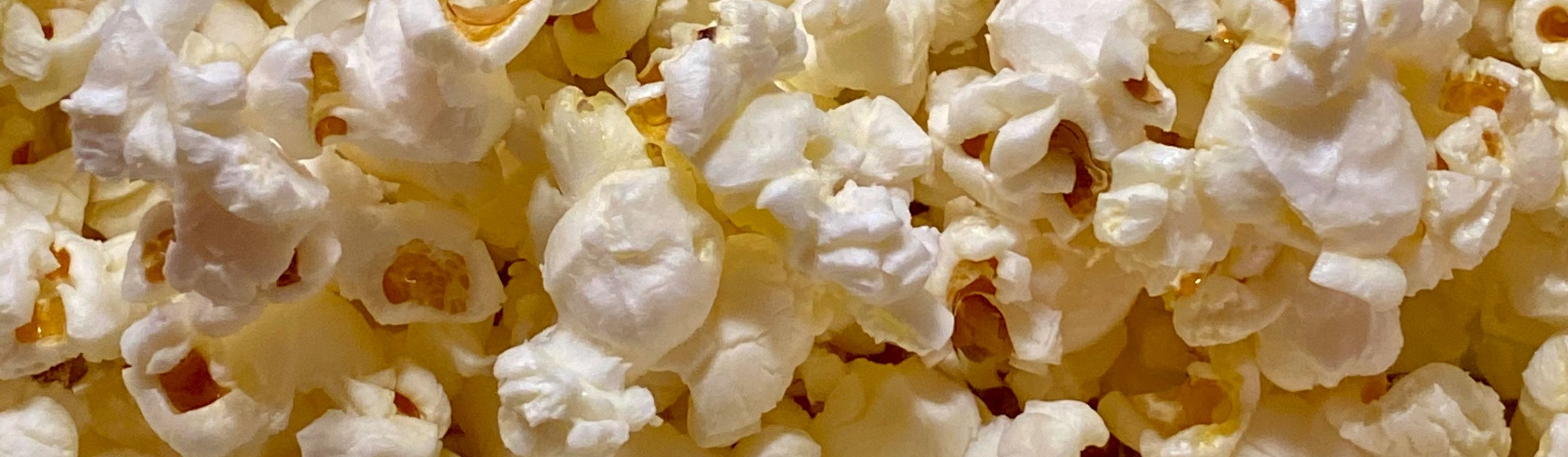
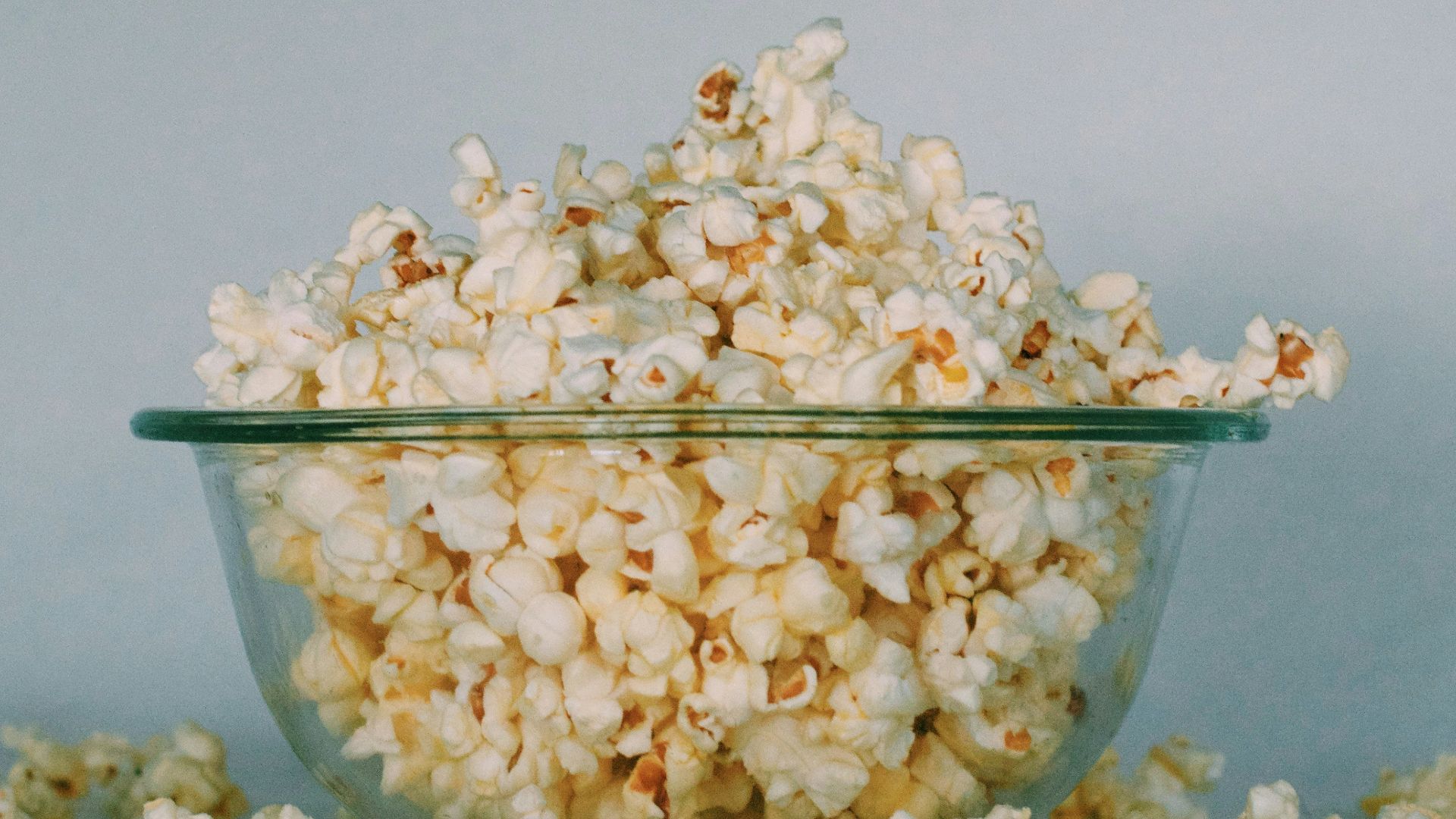
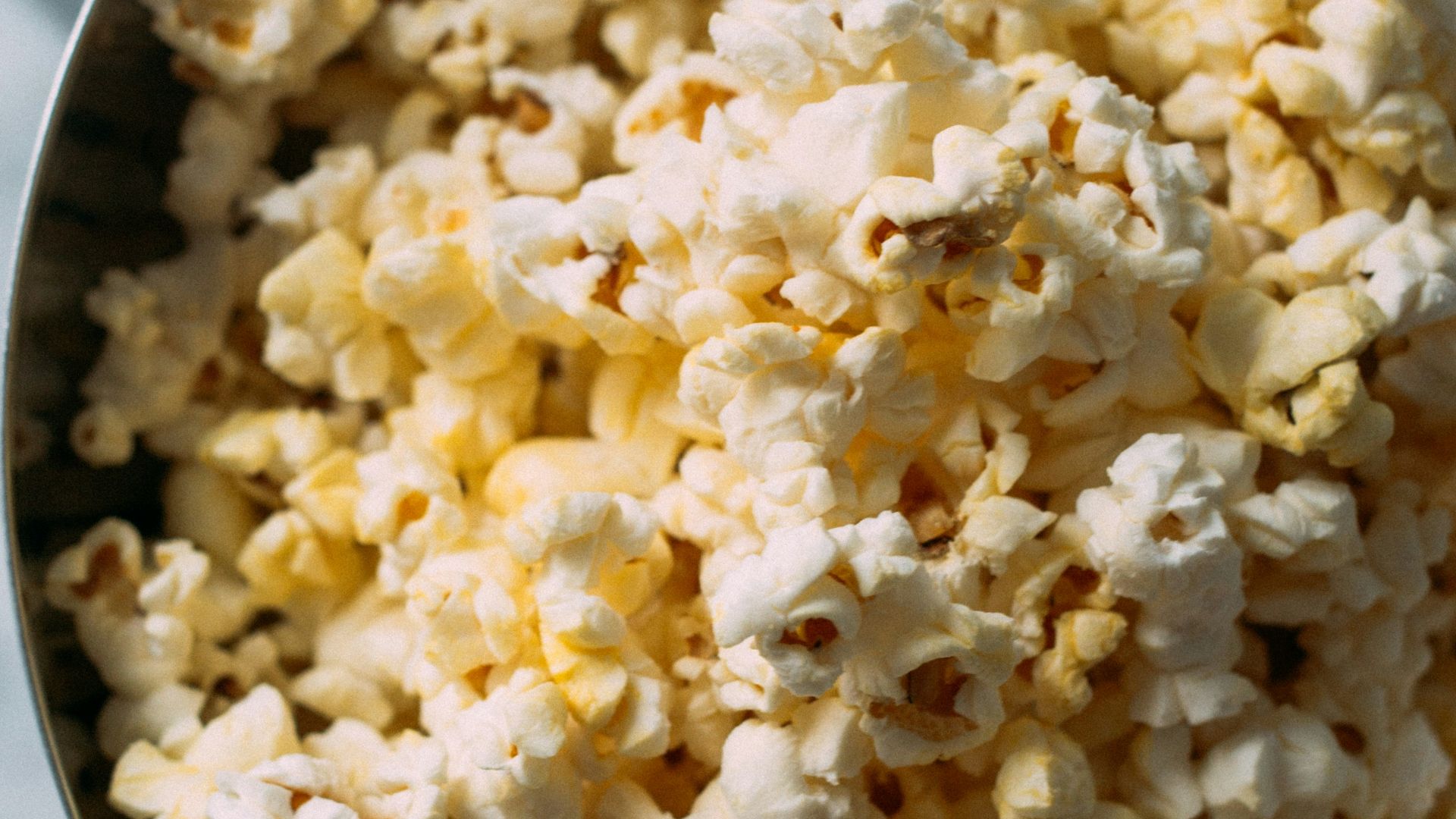
Popcorn had one other thing going for it: people could make it without a kitchen. Charles Cretors designed a steam-powered popcorn machine in 1885. With these machines, vendors could sell popcorn at fairs, sporting events, and anywhere else there was a crowd of people. It also helped that popcorn vendors could bring the machines with them: popcorn was suddenly mobile.
The smell helped as well. People could smell popcorn popping before the vendor even reached them. Movie theaters were actually initially opposed to allowing popcorn inside theaters because they worried about sticky snacks and spilled butter ruining their carpets. By the time of the Great Depression, however, popcorn became common at theaters due to its low cost and familiar taste.
Packaging Changed What People Bought
Modern snack foods benefited enormously from packaging that protected food while making it easier to transport and store. Cheez-It offers an early example: the product was introduced in 1921, and its creators emphasized its ability to remain crisp and keep well when properly stored. That made it suitable for households looking for an affordable food that could sit in the pantry.
The same basic principle helped many other snacks expand beyond their original markets. Once products could be packaged consistently and shipped farther, a regional favorite had a much better chance of becoming a national one. You no longer had to live near the factory or bakery that made your favorite treat.
First produced in 1912, Oreos are over 100 years old. But their ubiquity wasn't just about jamming chocolate wafers with sweet creme. The product also rode a wave of innovation in commercial food preparation and marketing. Nabisco's factories in New York helped establish the brand's food empire by developing the infrastructure required to distribute packaged foods on a massive scale. As the years passed, Oreo became familiar to people far outside the bakery where it originated. Branding allowed customers to have something concrete to remember and look for at the market. That level of recognition can be invaluable when you want a boxed snack to become part of the weekly shopping list.
Mascots Made Snacks Memorable
Cracker Jack is one early example of how powerful branding could be when food started being linked with entertainment. The caramel-coated popcorn and peanuts were being sold in Chicago by the late 19th century, and the product eventually gained a distinctive identity through packaging, slogans, mascots, and prizes.
But it was the tie-in with baseball that made the snack instantly familiar. Thanks to the popularity of the 1908 song, "Take Me Out to the Ball Game," Americans began connecting Cracker Jack with the nation's pastime. While prizes placed inside boxes gave children another reason to look forward to buying it, the result was a snack that became associated with an experience rather than simply something to eat.
Advertising also helped consumers develop loyalty to particular snack brands rather than simply buying whatever food happened to be available. Companies could promote a recognizable name, distinctive package, slogan, or mascot across different stores and cities. This made the shopping decision easier because consumers knew what they were getting before opening the package.
That familiarity remains important today. When you reach for a snack you've eaten for years, you're not making a completely new choice every time. The combination of taste, recognition, and previous experience can make an established product feel like the obvious option.
Sports have also influenced the way we incorporate certain foods into our social routines. Baseball helped cement Cracker Jack's identity, while popcorn became closely associated with entertainment and public events. Later, chips, dips, pretzels, and other snack foods became regular features at parties and televised sporting events.
These environments are significant because snack foods are perfectly designed to accompany activities like conversation, watching television or a movie, and even physical activity. You don't need a formal meal or a dining table to enjoy them. A bowl placed on a coffee table can serve an entire group without interrupting whatever everyone is doing.
You can see this effect clearly with popcorn's history in movie theaters. Once popcorn started being sold in theaters, its aroma and consumption became part of the movie-going experience. What had once been a street and fairground food developed a strong association with sitting down to watch a film.