How Fruitcake Became A Christmas Classic (Even If It’s Unpopular)
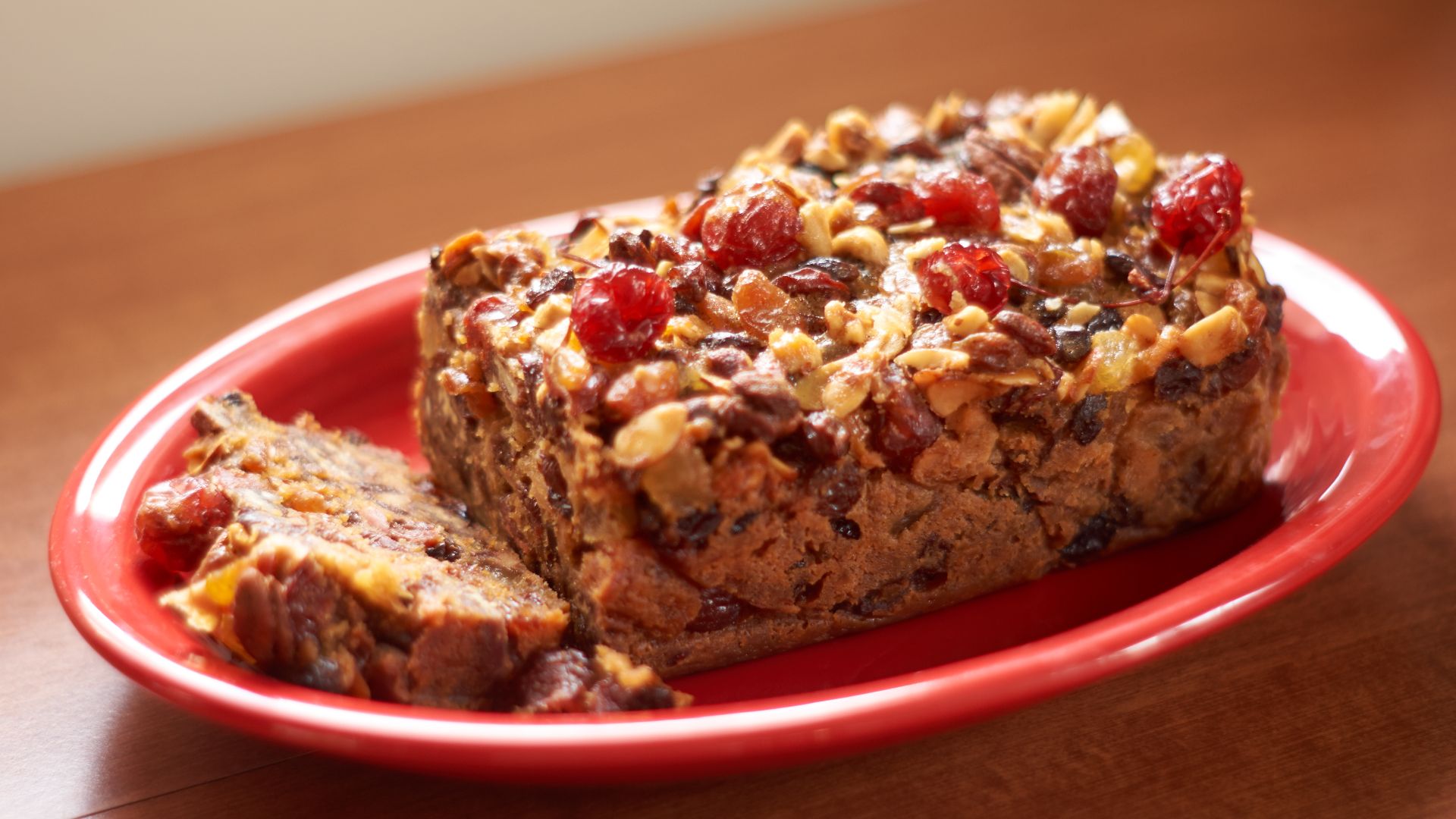
Fruitcake has a reputation that travels faster than the dessert itself. Some people love it, others joke about it, and plenty of folks simply avoid it altogether. Yet every December, it appears again, wrapped tightly in plastic or inside shiny gift tins, as if it has been waiting all year to make its seasonal entrance.
The funny thing is that its mixed reputation does not stop it from returning, which makes the story behind its endurance even more interesting. If you have ever wondered why this dense, fruit-filled creation became a holiday staple despite its tricky reputation, settle in and explore the sweet history.
A Recipe Built For Long Journeys And Holiday Generosity
The story of fruitcake stretches far beyond modern Christmas celebrations. Long before grocery stores offered ready-made versions, people made fruitcakes because they lasted. Preserved fruit, sugar, nuts, and alcohol created a dessert that stayed edible for months. It became a practical choice for long voyages and winter seasons when fresh food was hard to find.
As European traditions developed, fruitcake evolved into a symbol of abundance. Families saved ingredients throughout the year, mixing everything into a single celebratory dessert during the holidays. When immigrants brought their recipes to America, the cake traveled along.
Even though tastes changed over time, the symbolism remained. The idea of giving someone a treat filled with precious ingredients felt festive, and it fit neatly into gift-giving customs that shaped early Christmas culture.
From Celebration Treat To Commercial Icon
Fruitcake’s rise in the United States grew even stronger once commercial bakeries realized the holiday potential. Companies began producing mail-order fruitcakes that traveled well and stayed fresh through the entire season. Some bakeries even became famous for their recipes and turned fruitcake into a predictable holiday presence.
It showed up at parties and in care packages sent across great distances. The cake became linked with winter traditions simply because it was always available when people needed a seasonal treat. Over time, humor about its density and sweetness became part of the folklore surrounding it.
Why Fruitcake Still Returns Every December
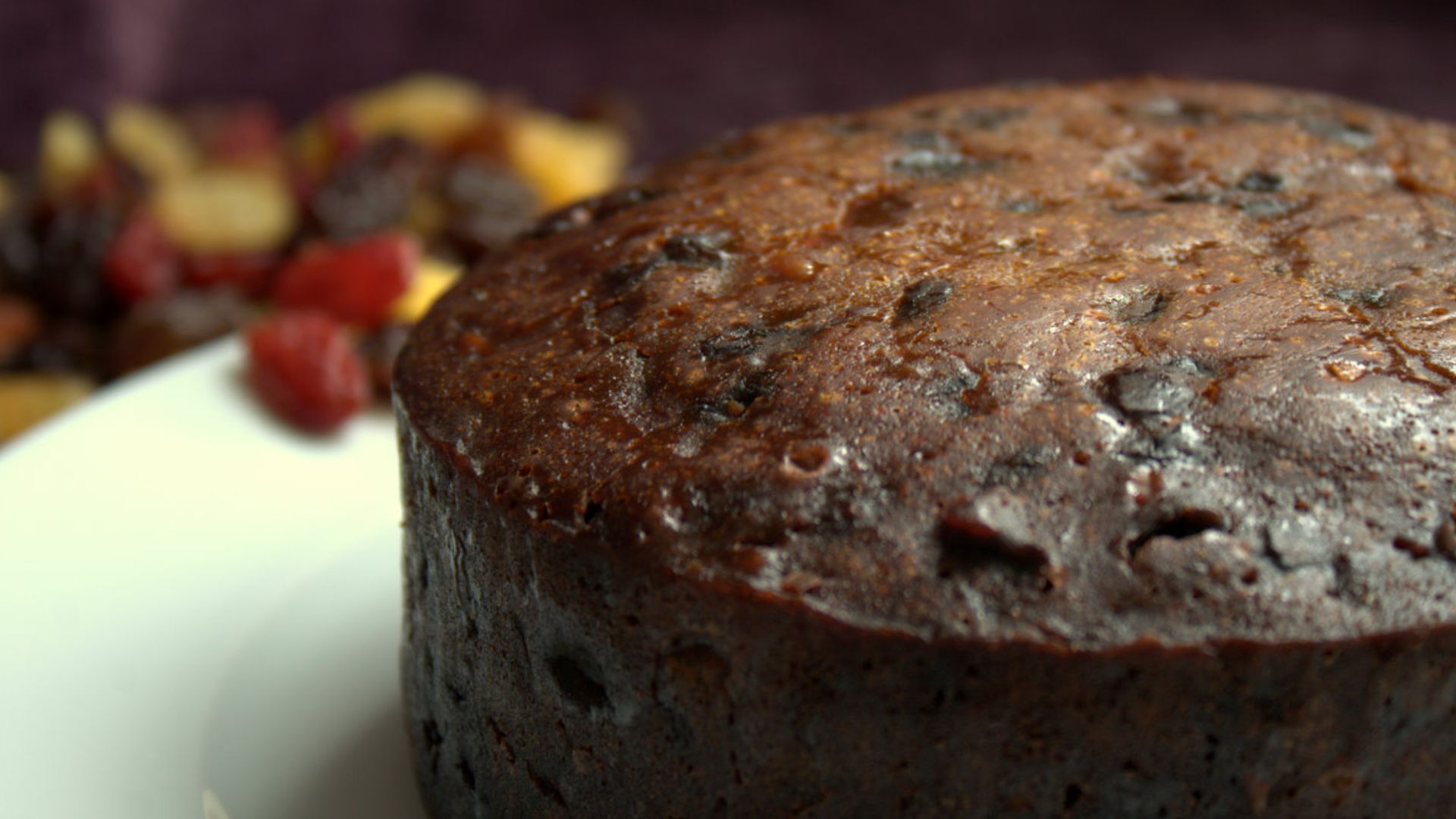
Despite its divided fan base, fruitcake continues to hold a place in Christmas celebrations for reasons that go beyond taste. Tradition plays a major part. Holidays often revolve around rituals, and fruitcake quietly anchors itself to the season simply by showing up again and again. Its ingredients represent celebration, and its presence signals the arrival of holiday gatherings.
Many people keep buying it because it feels connected to memory. Others enjoy baking their own versions, adjusting ingredients and flavors to suit modern preferences. In many homes, the annual fruitcake becomes a conversation starter, whether people enjoy it or laugh about it. That odd mix of loyalty and humor keeps the dessert alive in a way that few other foods manage.
KEEP ON READING
20 Food Requests Only Spoiled People Ask For
20 Hardest Foods on Earth To Eat

Do Vitamin Supplements Actually Make You Healthier?