The Real Difference Between ‘Southern Food’ And ‘Comfort Food’

People toss around the terms "Southern food" and "comfort food" as if they mean the same thing, especially when the plate in front of them involves fried chicken, gravy, or a biscuit so good that it seems to fix all your problems. And honestly, the mix-up makes sense. Many classic Southern dishes are rich, familiar, and deeply soothing, but those two labels are doing very different jobs, and lumping them together misses a much bigger story about culture, place, and memory.
Here's the short version: Southern food is a regional cuisine with a real, specific American history. Comfort food is a feeling. One tells you where a dish came from and how it got there, the other just tells you it made someone feel better after a rough Tuesday.
Where Southern Food Comes From
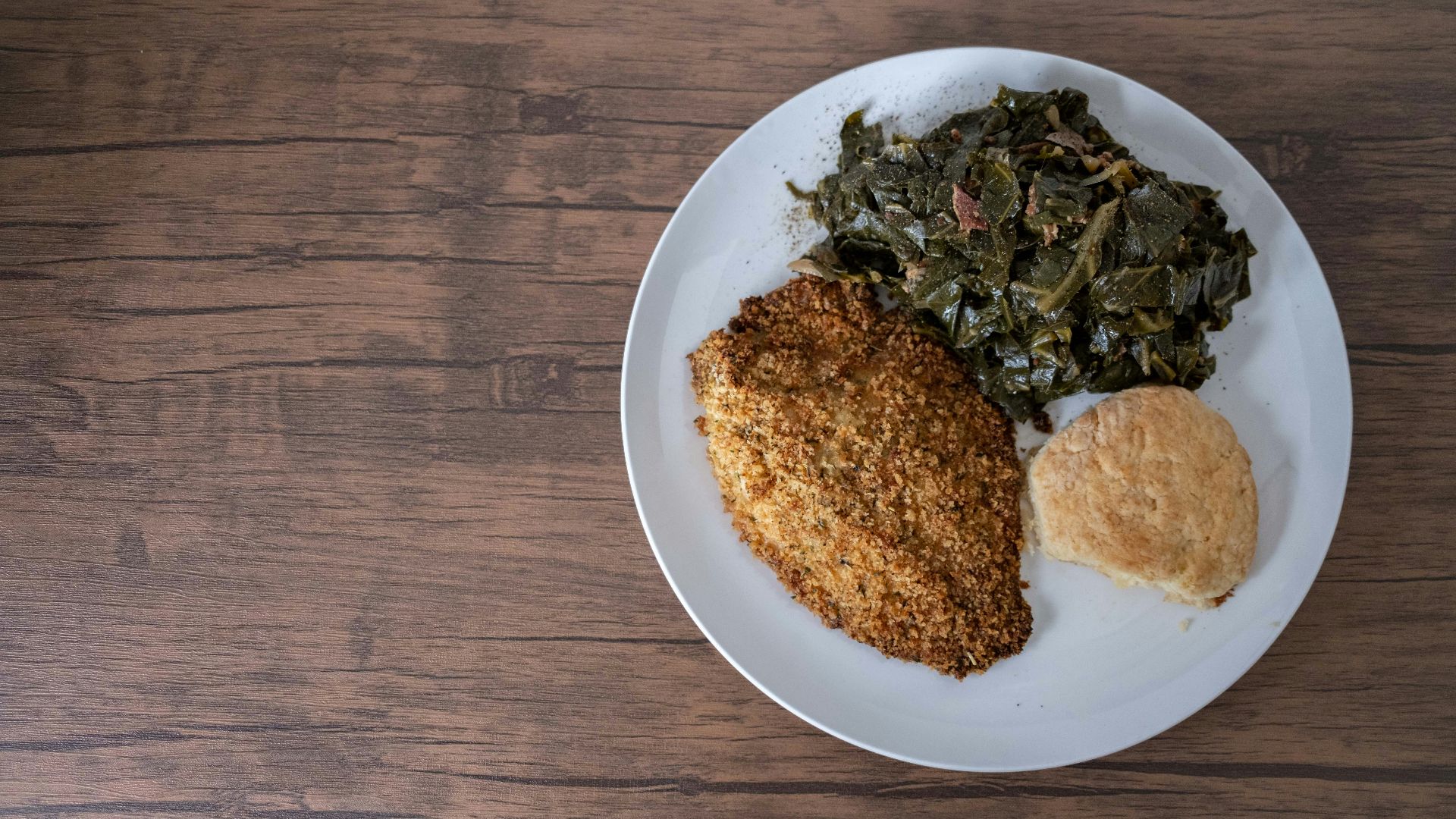
Southern food starts with geography, long before it ever lands on a plate. The cuisine grew out of the American South, shaped by climate, agriculture, waterways, and local economies. Corn, pork, greens, beans, rice, seafood, sweet potatoes, and okra became staples because they were what the land offered and what people knew how to work with.
The history behind it is layered, too, and that's what makes Southern food something more than just a vibe or a style. As the Southern Foodways Alliance documents, the cooking reflects Native American knowledge of corn and local crops, African foodways and techniques brought by enslaved people, European traditions carried by settlers, and Caribbean influences that came through trade and migration. Smithsonian has written about just how much of what we think of as Southern food was shaped by Black and enslaved cooks, and that history is a big part of why the food feels so distinctive.
The cooking methods are as important as the ingredients— slow braising, smoking, frying, simmering, cast-iron baking, gravies, and seasoned meats. When someone talks about shrimp and grits, gumbo, hoppin' John, cornbread, or barbecue, they're talking about dishes with deep roots in a specific place and tradition, not just a loose collection of hearty recipes.
What Makes Comfort Food Comforting
Comfort food is personal, not regional. A dish earns that label because it feels reassuring, familiar, or just emotionally right. This could mean mac and cheese, tomato soup with grilled cheese, chicken noodle soup, or a casserole that only your aunt knows how to make. Nostalgia doesn't need a zip code, which is why comfort food can come from anywhere.
That's also why it looks so different from one household to the next. One person's comfort meal is pot roast and mashed potatoes. Someone else reaches for congee, buttered noodles, arroz con pollo, or a peanut butter sandwich eaten standing over the sink at 10 p.m. People are remarkably creative when it comes to attaching emotions to carbohydrates.
Richness tends to show up a lot, though it's not a hard rule. Butter, cream, cheese, starch, sugar, and slow-cooked textures. Those things feel soft and filling and familiar. But the real thread running through all of it is emotional association, which means the same dish can feel like pure comfort to one person and completely unremarkable to someone else.
Why The Two Get Mixed Up So Easily
Southern food gets slapped with the comfort food label so often because, well, a lot of it genuinely delivers that feeling. It's hearty, generous, built around deep flavor and satisfying textures, whether that's a bowl of gumbo, a plate of chicken and dumplings, or biscuits drowning in sausage gravy. A good biscuit carries both cultural history and emotional weight at the same time.
Restaurants and food media haven't helped, leaning heavily on the phrase "Southern comfort food" as a catchall. It's not exactly wrong, but it is incomplete. When Southern food gets flattened into just a mood or an aesthetic, its actual roots start getting lost. Smithsonian and Mashed have both covered this, and the point is worth sitting with: the ties to Black foodways, regional ingredients, local traditions, and Southern labor don't disappear just because a menu decides to call something “cozy.”
The simplest way to tell the difference is just to ask what you're actually describing. Is it where the food comes from, the history behind it, or the people who developed it? That's Southern food. Is it how the food makes you feel, the memory it brings up, the way it makes the room feel a little softer for a few minutes? That's comfort food. Sometimes a dish is both. But they're still not the same thing.
KEEP ON READING


20 Food-Related Art Projects