Why Modern Tomatoes Taste Completely Lifeless Compared to Your Grandparents' Garden
Why Modern Tomatoes Taste Completely Lifeless Compared to Your Grandparents' Garden
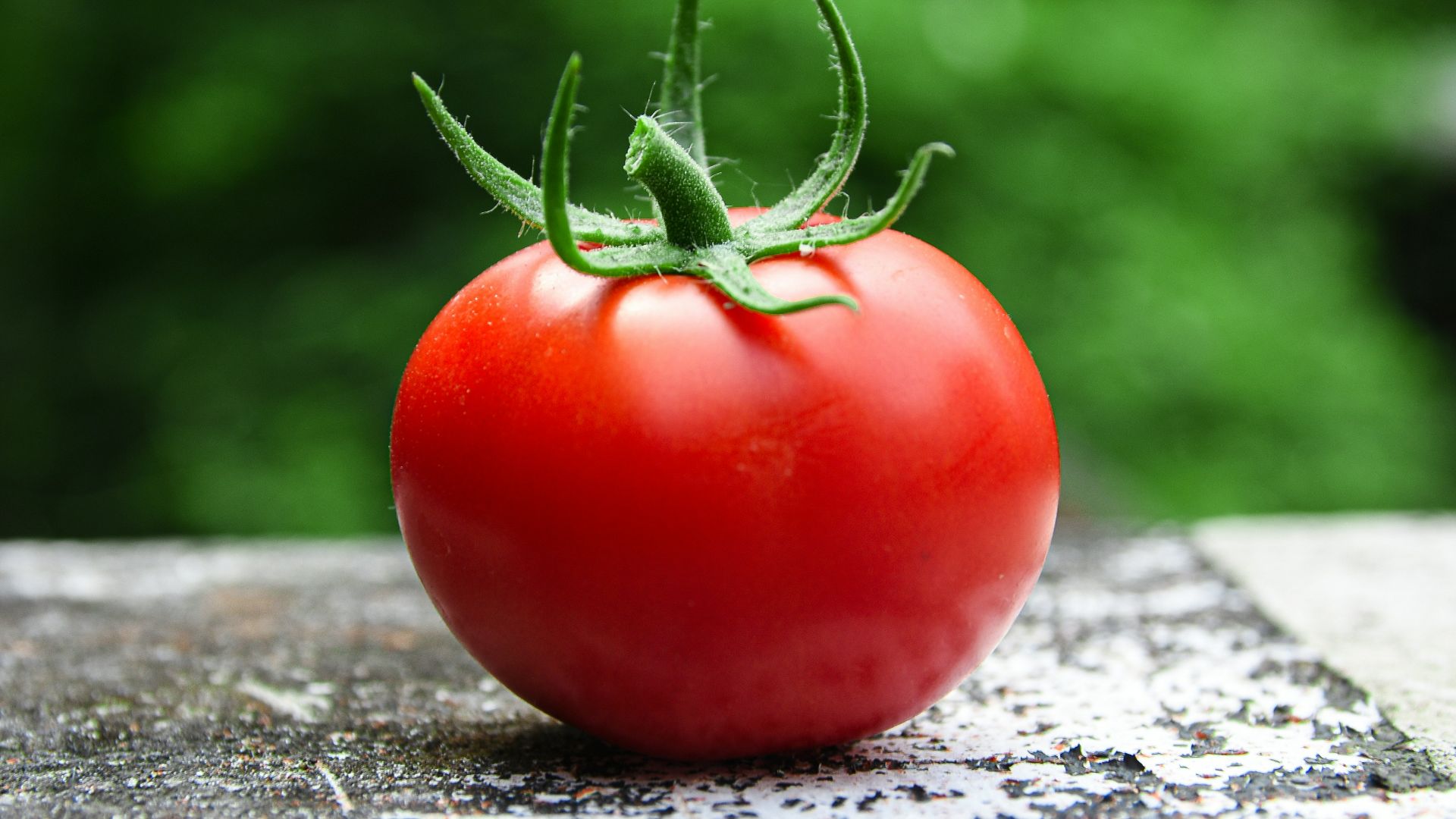
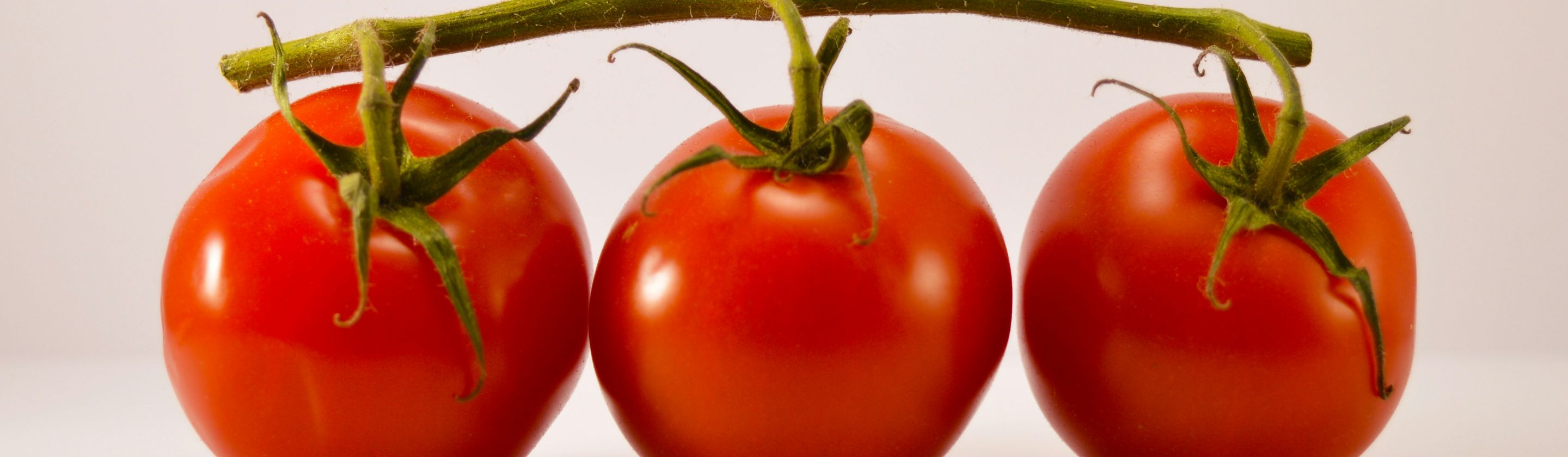
You bite into a beautiful, ruby-red supermarket tomato expecting a burst of summery sweetness, but instead, you get something that tastes remarkably like water wrapped in cardboard. It is a frustratingly common culinary disappointment that leaves many grocery shoppers feeling deeply nostalgic for the past. If you ever had the pleasure of eating a warm tomato straight from your grandparents' backyard garden, you know that the difference is absolutely night and day. Those older varieties possessed a complex, rich aroma and a bold balance of sugars and acids that seems completely absent from modern produce aisles.
This sensory decline is not just a trick of your memory or a byproduct of growing older. Scientists have actually spent years studying the genetics of agriculture to understand exactly why our fresh produce has lost its culinary soul. The truth is that the modern grocery store tomato is a marvel of industrial engineering, intentionally bred to prioritize logistics over deliciousness. As commercial farming shifted toward global supply chains, the intricate chemistry that creates rich flavor was accidentally left behind in the pursuit of the perfect yield.
The Price of Perfect Uniformity
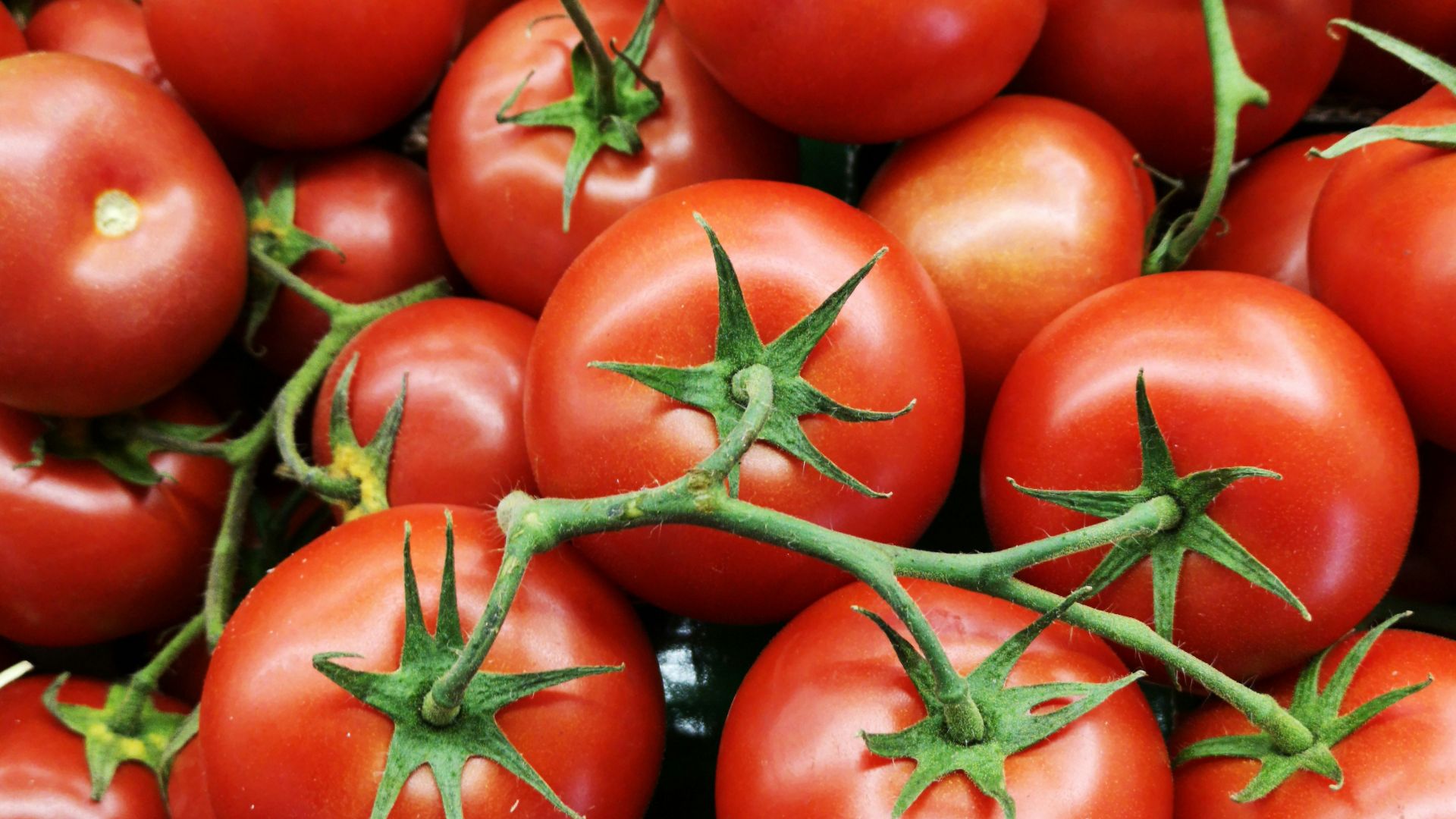
Decades ago, commercial plant breeders noticed a natural genetic mutation that caused tomatoes to ripen to a perfectly uniform green before turning a flawless, bright red. This trait, known as the uniform ripening gene, quickly became the gold standard for large-scale agricultural operations because it made harvesting incredibly predictable. Grocers loved these flawless fruits because they looked beautiful and consistent on store shelves, completely free of the green tops or yellow patches found on older heirloom varieties. Unfortunately, a team of researchers eventually discovered that this exact genetic mutation unintentionally disabled a crucial protein responsible for producing natural sugars.
By turning off this specific biological switch to achieve a uniform look, breeders severely crippled the fruit's ability to manufacture its own energy through photosynthesis. The chloroplasts inside the developing plant could no longer produce the high levels of fructose and glucose that give traditional garden tomatoes their classic sweetness. Consequently, the commercial agricultural industry successfully created a product that looked absolutely beautiful on the outside but lacked the chemical machinery to develop any real flavor on the inside. You are left buying a flawless visual illusion that completely compromises your taste buds for the sake of aesthetic consistency.
Furthermore, industrial breeding heavily favors thick cell walls and a dense, sturdy structure so that the produce can survive mechanical harvesting equipment. Traditional home-garden tomatoes are delicate, thin-skinned fruits that would easily bruise or burst if they were piled into massive commercial trucks. Modern varieties are engineered to be rugged travelers, built to withstand hundreds of miles of bumpy transit without showing a single blemish. This structural reinforcement means you get a remarkably durable piece of produce that can sit on your kitchen counter for weeks, but it comes at the direct expense of a tender texture and juicy interior.
Artificial Ripening and Long-Distance Travel
In the world of industrial farming, tomatoes are almost never allowed to ripen naturally on the vine, where they can soak up the sun's energy. Instead, large-scale growers harvest the fruit while it is still hard, green, and completely immature so that it remains durable during long-distance shipping. If growers allowed them to ripen naturally in the field, the crop would become far too soft to transport across the country by the time it reached your local store. This premature harvesting completely disconnects the fruit from its primary source of nutrients before it can develop its signature organic compounds.
Once these green boxes arrive at their final distribution warehouses, workers expose the firm produce to artificial ethylene gas to trigger a rapid cosmetic transformation. Ethylene is a natural plant hormone that forces the green skin to quickly turn a bright, marketable red over the course of just a few days. While this chemical trick successfully changes the external appearance of the produce, it cannot magically recreate the complex sugars that only develop through vine-ripening. The resulting fruit looks perfectly ripe to the naked eye, but chemically speaking, it is still a hard, immature green tomato on the inside.
Additionally, the logistics of global shipping require commercial produce to be stored in cold refrigeration units to prevent premature spoilage along the way. Chilling a tomato below fifty-five degrees Fahrenheit permanently damages its temperature-sensitive flavor enzymes, effectively putting its aromatic development into a permanent deep freeze. Even if you wisely leave your grocery purchases on the counter at home, the damage has already been done during transit. This cold exposure permanently alters the genetic expression of the volatile compounds, ensuring that the fruit will always taste bland and completely lifeless.
When you chew a piece of food, your brain relies on a delicate combination of taste receptor signals and aromatic compounds traveling through the back of your throat to perceive flavor. Scientists have identified over twenty vital chemicals, known as volatile organic compounds, that evaporate in your mouth to create that distinct, nostalgic tomato aroma. Traditional heirloom plants naturally produce an abundance of these invisible chemical compounds, which work in perfect harmony with natural sugars to delight your senses. Modern industrial varieties, however, have seen a massive decline in these essential aromatic chemicals due to decades of selective breeding focused solely on crop yield.
KEEP ON READING

The Most Popular Signature Dishes Around the World