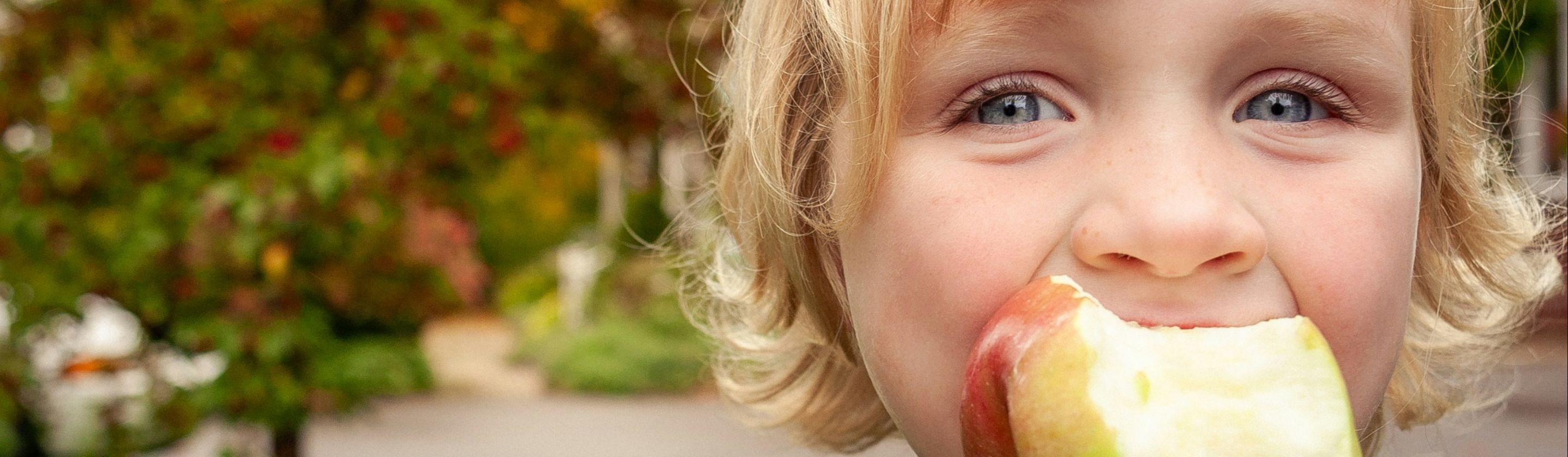
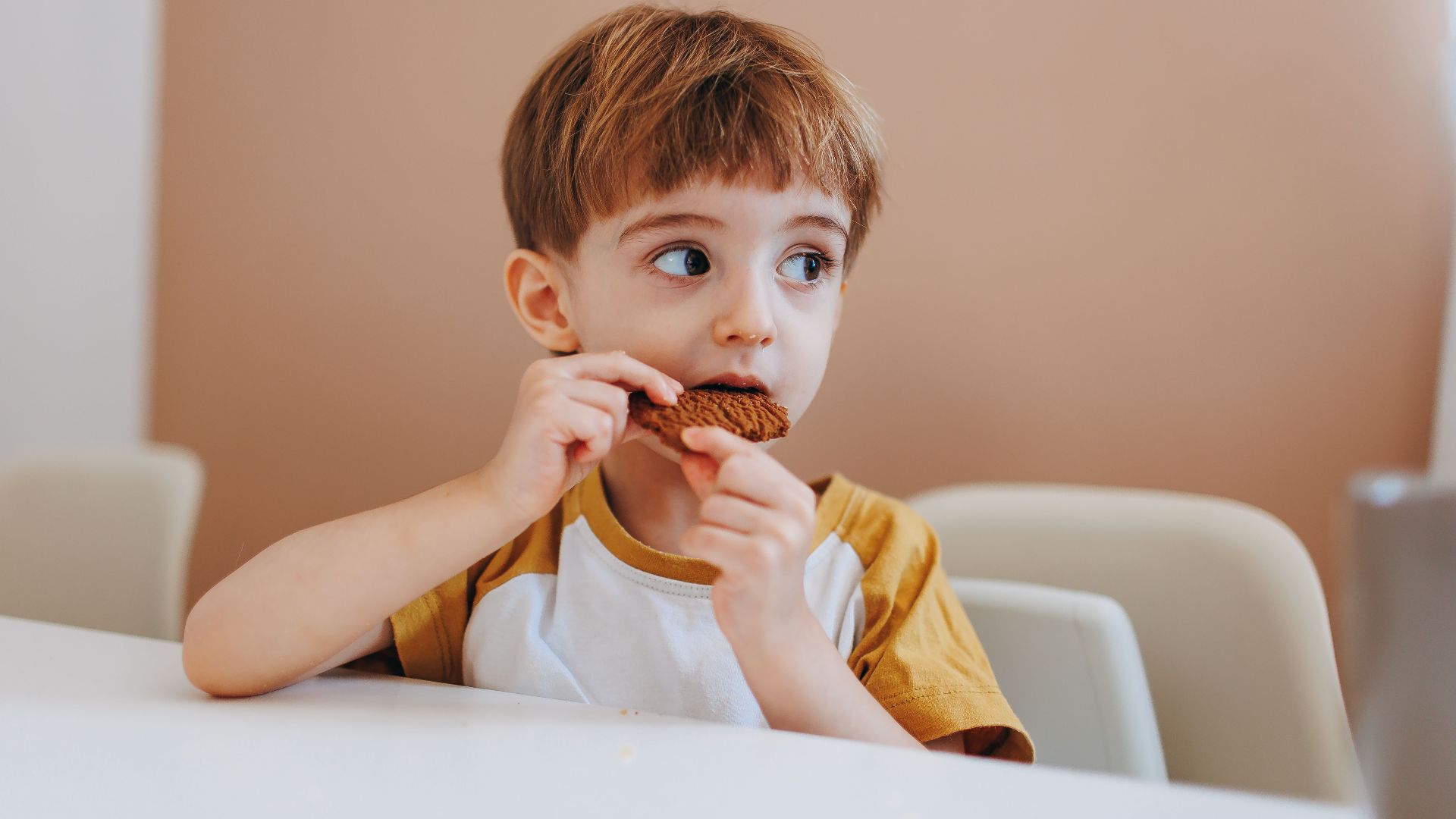
A single bite of a childhood snack can sometimes bring back an entire scene that you haven’t consciously thought about in years. The flavor may remind you of a school lunch, a grandparent’s kitchen, a family road trip, or an afternoon spent watching television after class. This reaction isn’t unusual because food can become closely connected to the people, places, routines, and emotions surrounding it.
The memory might feel surprisingly vivid, even when the snack itself is ordinary or no longer tastes exactly as you remembered. Your brain isn’t simply recognizing sugar, salt, or seasoning because it’s also retrieving a network of personal associations created through repeated experiences. That’s why one person may feel deeply nostalgic about a packaged cookie while someone else sees the same product as completely unremarkable.
Flavor, Scent, And Texture Act As Memory Cues
Taste contributes to these flashbacks, but aroma often plays an even larger role than people realize. Much of what you experience as flavor comes from odor molecules traveling from the mouth into the nasal passages while you chew. Because smell is closely connected to emotional and autobiographical memory, a familiar aroma can bring back an old experience before you’ve deliberately tried to remember it.
Childhood snacks often have distinctive combinations of sweetness, saltiness, artificial fruit flavoring, toasted grain, cheese powder, or chocolate. Those recognizable profiles can remain easy to identify even after many years without the product. When the same sensory pattern appears again, your brain may treat it as a cue that helps reopen memories connected to earlier encounters.
Texture gives the brain another useful source of information, especially when a snack has an unusual crunch, chewiness, softness, or coating. The snap of a cracker, the stretch of a fruit chew, or the powder left on your fingers can be just as recognizable as the flavor itself. Since eating involves several senses at once, these combined details can create a stronger retrieval cue than a photograph of the package alone. Your hands, mouth, nose, and eyes may all contribute to the same returning memory.
Snacks Become Attached To Routines And Relationships
Many childhood foods were served within dependable routines, which gave the brain repeated opportunities to connect the snack with a particular setting. Perhaps you always ate fruit snacks during recess, crackers after swimming lessons, or popcorn during Friday movie nights. Repetition strengthens associations, so encountering that food later can bring the surrounding routine back with it.
People are another important part of the connection because food is rarely experienced in total isolation during childhood. A particular candy might remind you of a sibling who shared it, while homemade cookies may call up memories of the relative who prepared them. Eating it again may briefly make that person or period of life feel closer.
Some foods also become linked to special occasions because they weren’t available every day. A certain soda may have appeared only at birthday parties, while packaged treats might have been reserved for vacations, school events, or visits with relatives. Scarcity made those snacks feel distinctive, and their return can revive the anticipation that once surrounded them rather than merely reminding you of their ingredients.
Nostalgia Reshapes How The Snack Is Remembered

Childhood flashbacks don’t necessarily provide a perfectly accurate recording of the past. Memory is reconstructive, which means the brain rebuilds an experience from stored details instead of replaying it exactly like a video.
As a result, the snack you remember as extraordinary may partly owe its reputation to the excitement, comfort, or freedom associated with that period of your life.
Adults sometimes discover that a beloved treat now seems smaller, sweeter, saltier, or less flavorful than expected. The recipe may have changed, but your body, preferences, and perspective have changed as well. Children generally experience food differently because they have fewer comparisons, stronger preferences for certain flavors, and less concern about ingredients, cost, or nutritional value.
Packaging and advertising can strengthen the effect because wrappers, mascots, colors, jingles, and television commercials also become part of the memory. Seeing an older logo or hearing a familiar slogan may revive the snack experience before you’ve tasted anything. Popular products can even carry a shared generational meaning when many people encountered them during the same years. Talking about those foods often leads to stories that reveal how differently each family or school experienced the same treat.
A childhood snack can trigger far more than a simple memory of eating because its flavor, aroma, texture, packaging, routine, and social setting were stored together. When one part of that pattern reappears, the rest may follow quickly, bringing forgotten rooms, people, and emotions back into focus.
In that moment, you’re often revisiting a piece of your own history rather than simply having something to eat.
KEEP ON READING
20 Dishes That Define Modern American Cuisine