
When Big Promotions Couldn’t Rescue a Fast Food Chain
Fast-food chains frequently turn to expensive advertising, celebrity partnerships, unusual products, and attention-grabbing stunts when they need to reach new customers or refresh a tired image. Some attempts attract curiosity without creating lasting demand, while others annoy customers, misunderstand the audience, or generate publicity for reasons the company never intended. Here are 20 times a fast food chain threw a marketing Hail Mary and failed.
 RightCowLeftCoast on Wikimedia
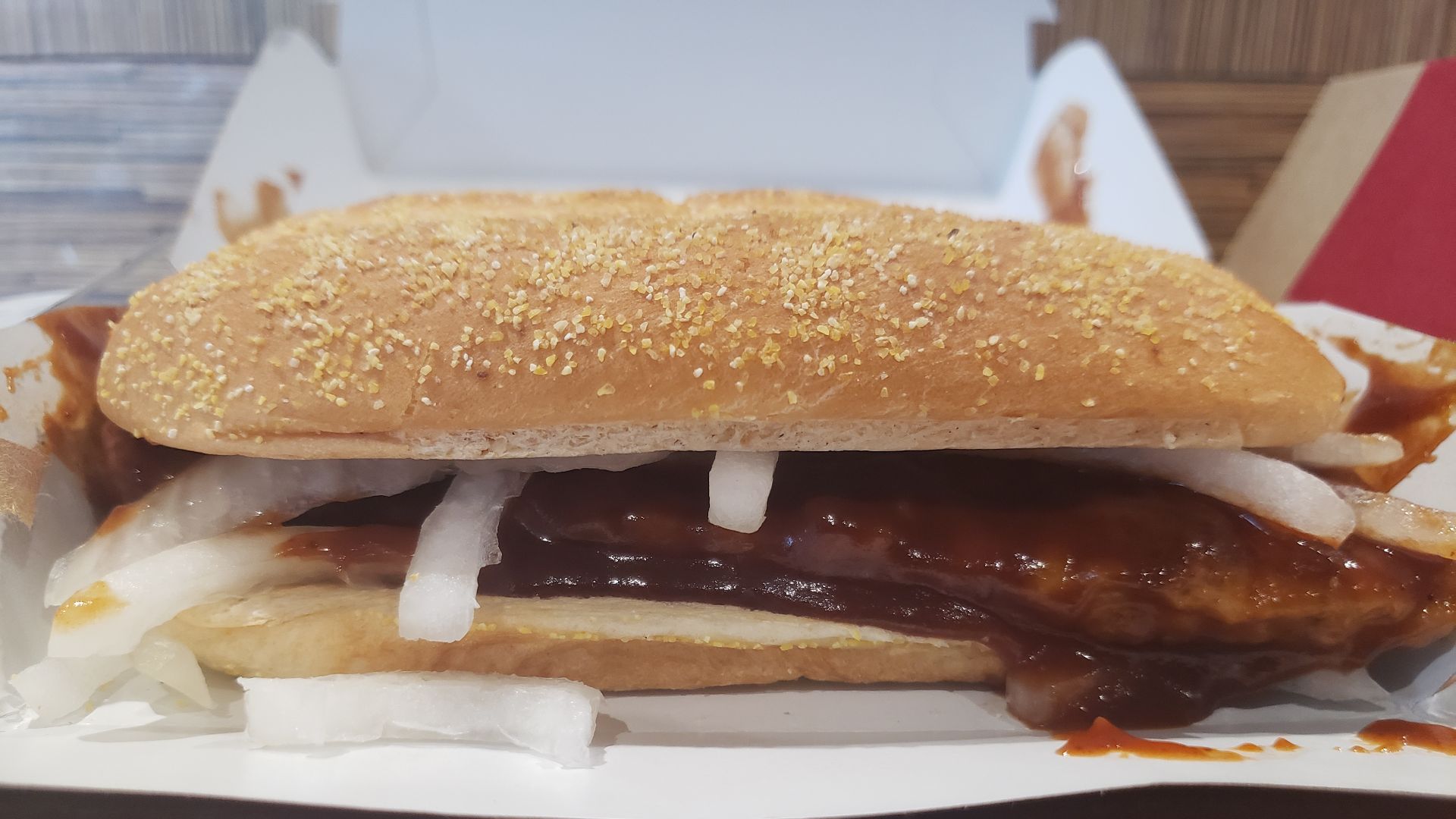
1. McDonald’s Arch Deluxe
McDonald’s introduced the Arch Deluxe in 1996 as a more sophisticated burger designed for adults. Customers weren’t persuaded that the higher-priced sandwich belonged at McDonald’s, and the heavily advertised Deluxe line was eventually discontinued.
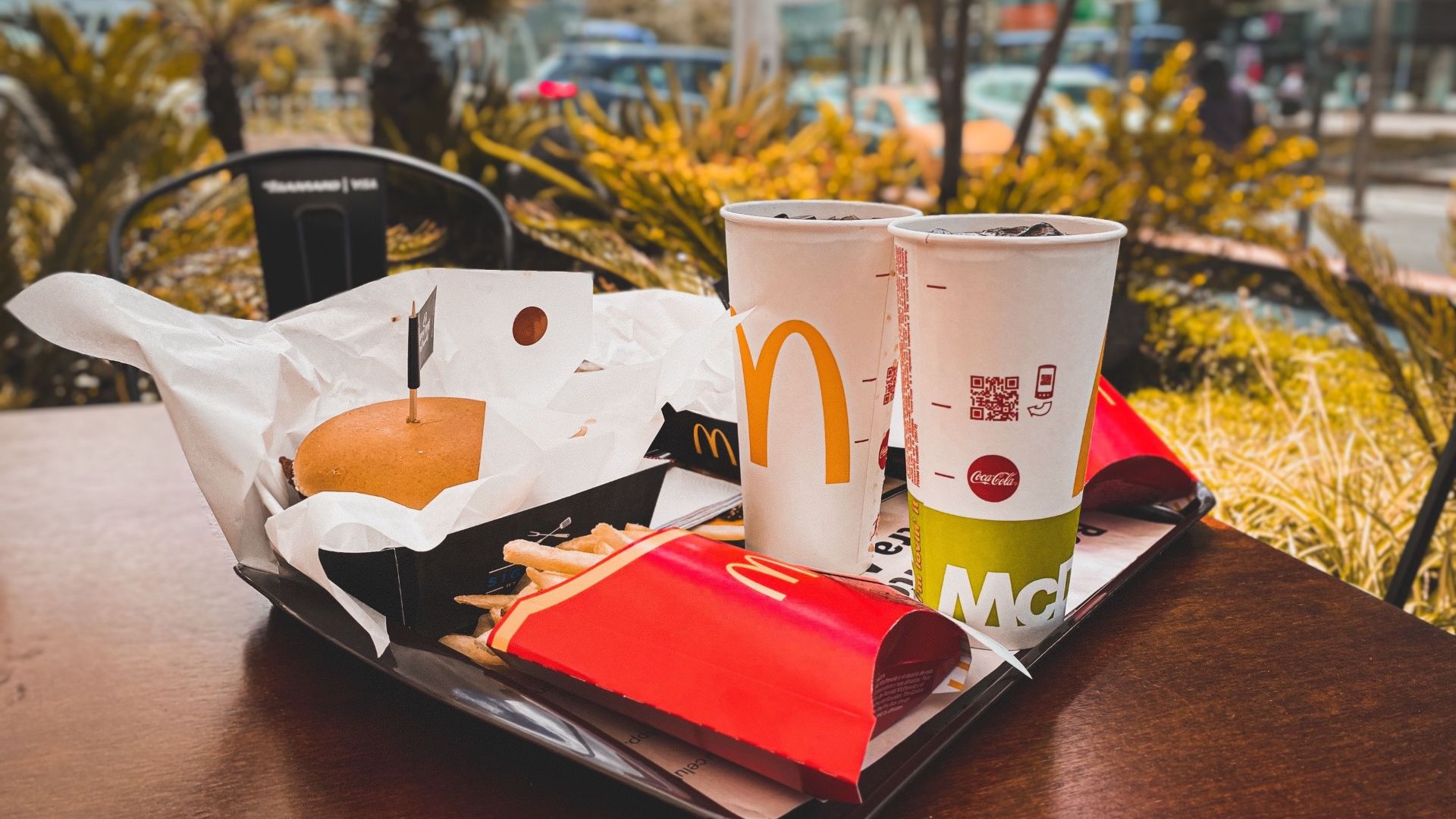
2. McDonald’s McLean Deluxe
The McLean Deluxe attempted to answer criticism that fast-food hamburgers contained too much fat. Its unusually lean patty used water and a seaweed-derived additive to help maintain moisture during cooking. Although McDonald’s promoted it as a healthier way to enjoy a burger, customers generally preferred the flavor and familiarity of the chain’s regular options.
3. McDonald’s McDLT
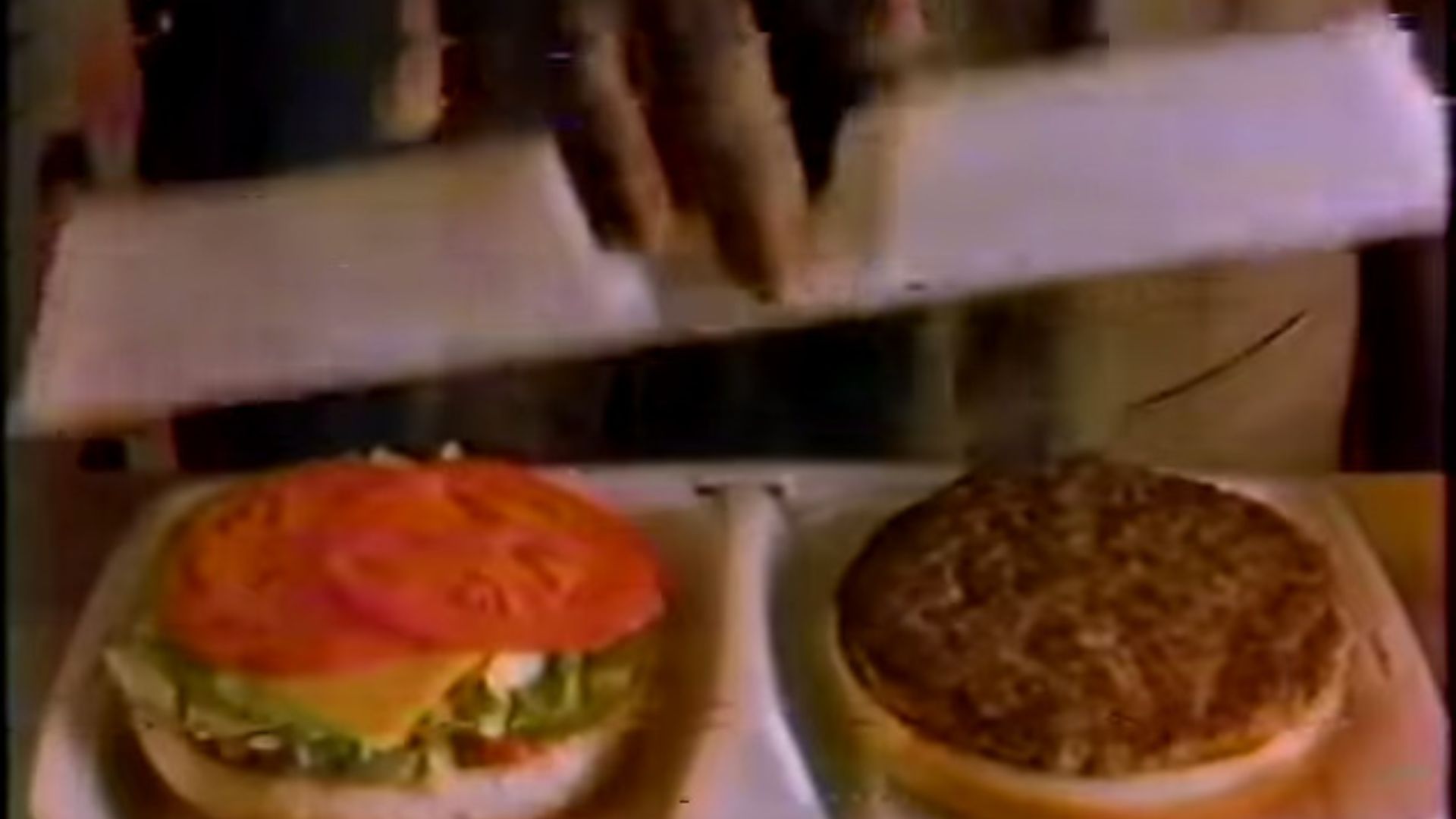
The McDLT promised to keep the hot side of a hamburger hot and the lettuce and tomato side cool until customers combined them. Advertising emphasized the unusual two-compartment container, including a commercial featuring a young Jason Alexander.
4. McDonald’s McAfrika
McDonald’s launched the McAfrika in Norway in 2002 while a severe famine was affecting parts of southern Africa. The product itself was a beef sandwich served in pita-style bread, but its name created an immediate public-relations problem. Aid organizations criticized the promotion, forcing the company to acknowledge the unfortunate timing and allow charitable information inside restaurants.
5. McDonald’s #McDStories
McDonald’s introduced the #McDStories hashtag in 2012, hoping customers would share heartwarming experiences connected to the chain. Social media users instead filled it with complaints, unpleasant memories, and jokes about the food.
6. Burger King’s Satisfries
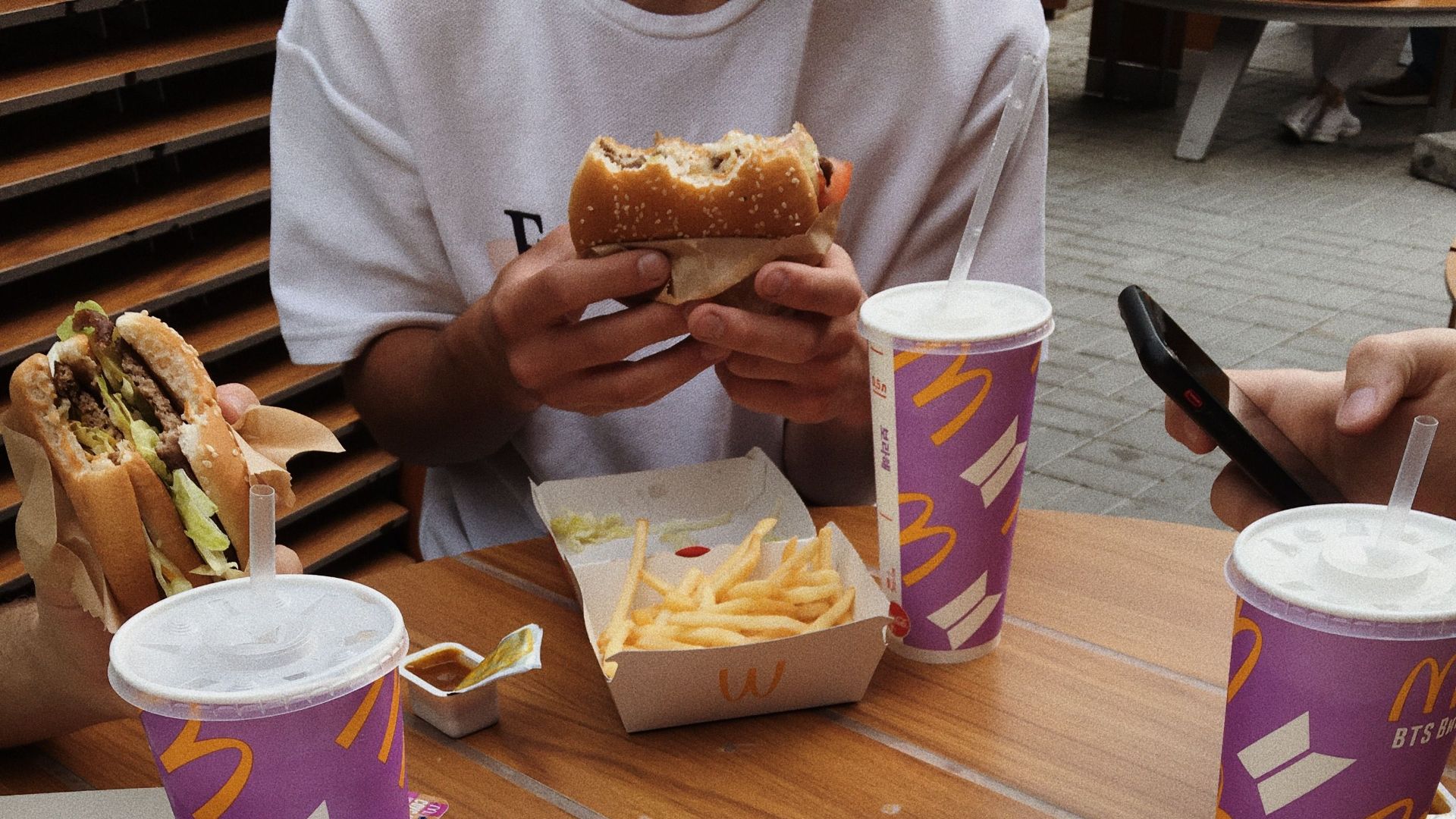
Burger King promoted Satisfries as crinkle-cut French fries with fewer calories and less fat than its regular fries. Customers didn’t embrace the higher-priced alternative in sufficient numbers, and most U.S. restaurants stopped carrying it within a year.
7. Burger King’s Table Service
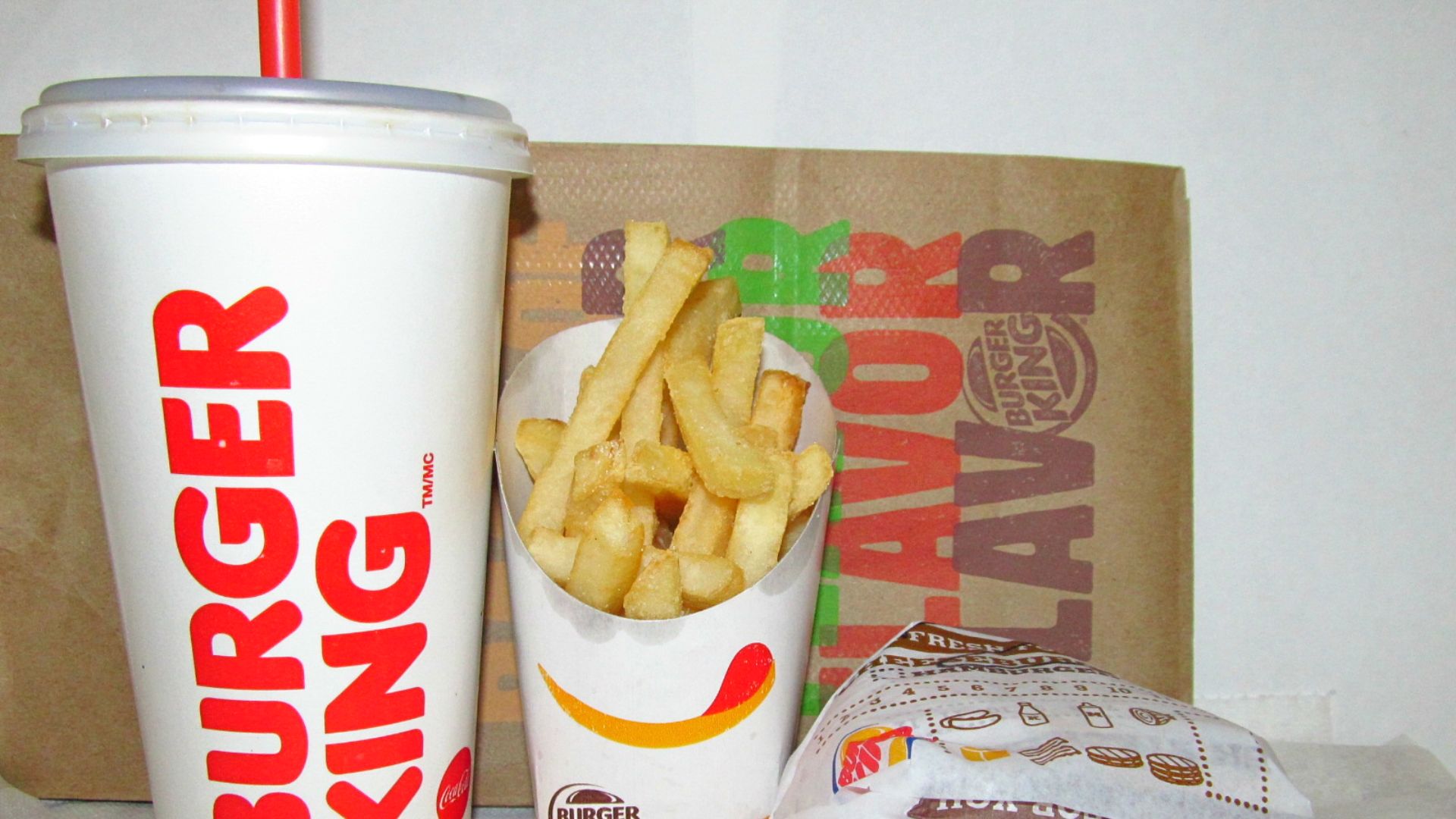
During the early 1990s, Burger King experimented with becoming more like a casual restaurant after 4 p.m. Customers ordered at the counter, received complimentary popcorn, and waited for employees to deliver dinner baskets to their tables.
8. Burger King’s Enormous Omelet Sandwich
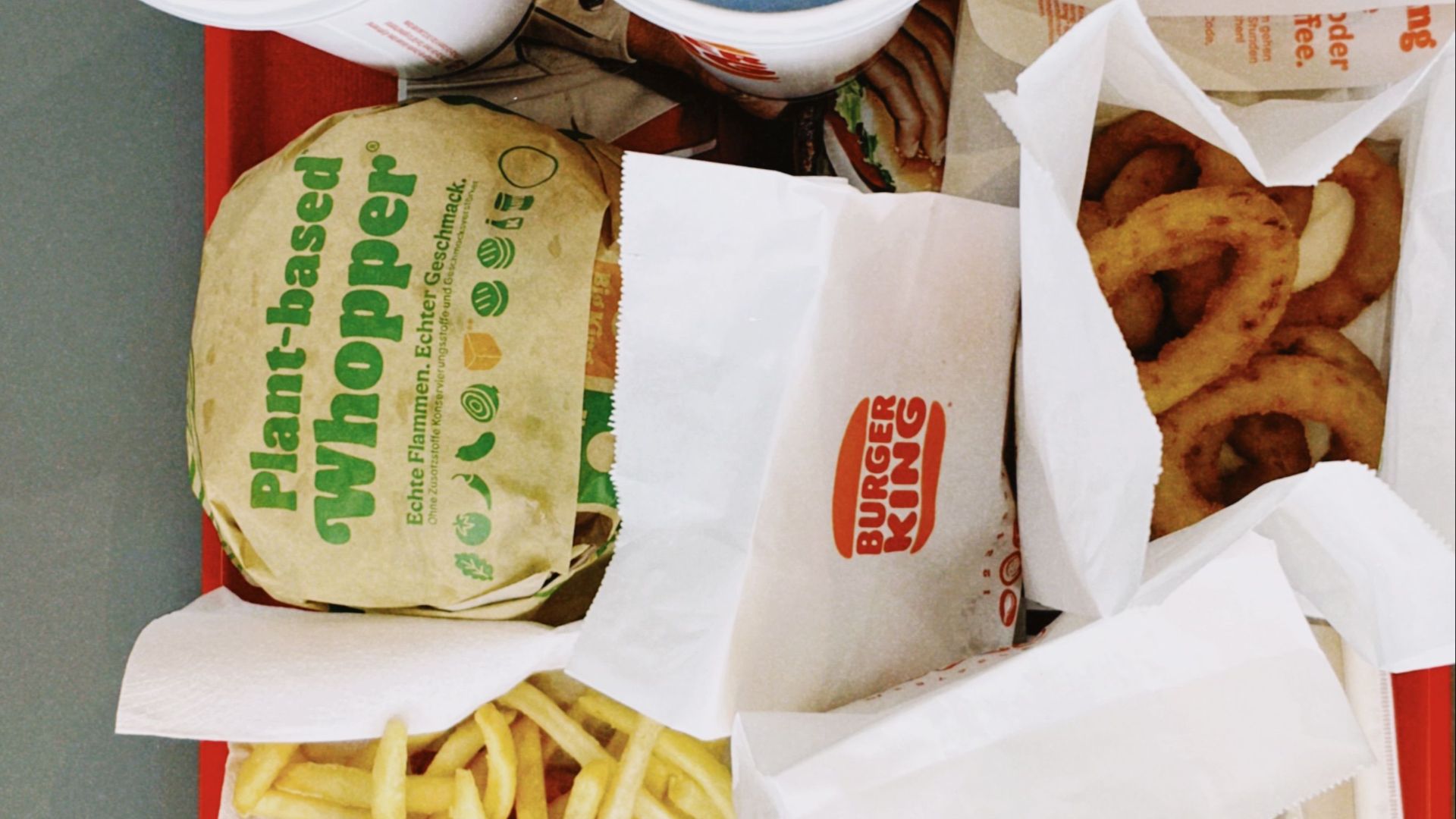
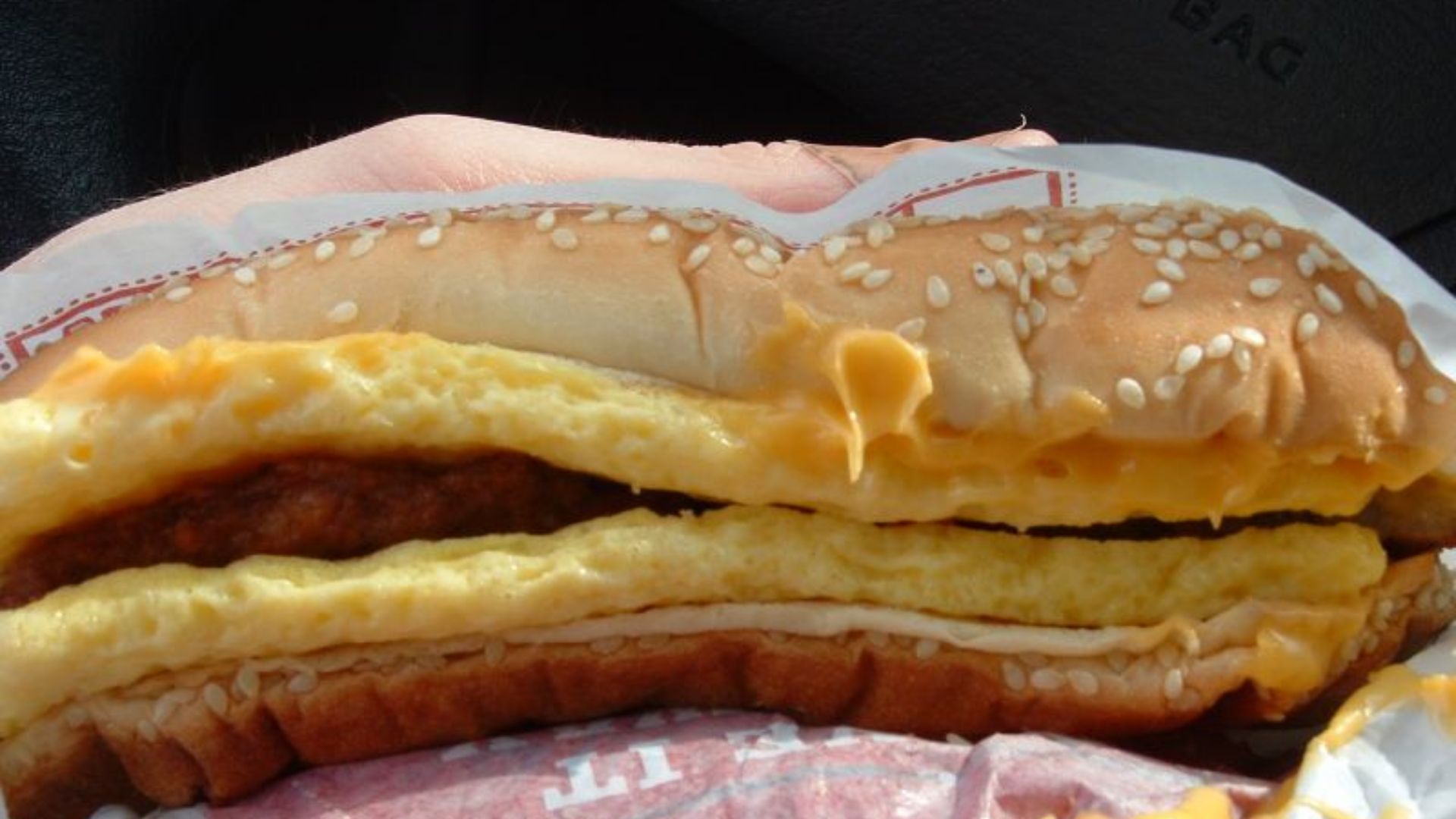
Burger King introduced the Enormous Omelet Sandwich during a period when fast-food chains were competing aggressively for breakfast customers. Its combination of eggs, cheese, sausage, and bacon created an especially large and calorie-heavy meal.
 Justin Baeder from Seattle, USA on Wikimedia
9. Burger King’s Women’s Day Tweet
Burger King’s British division began a 2021 International Women’s Day promotion with the statement, “Women belong in the kitchen.” Follow-up posts explained that the campaign supported scholarships intended to increase the number of female chefs. Many users saw the opening message without the surrounding explanation, and the chain deleted the tweet after widespread criticism.
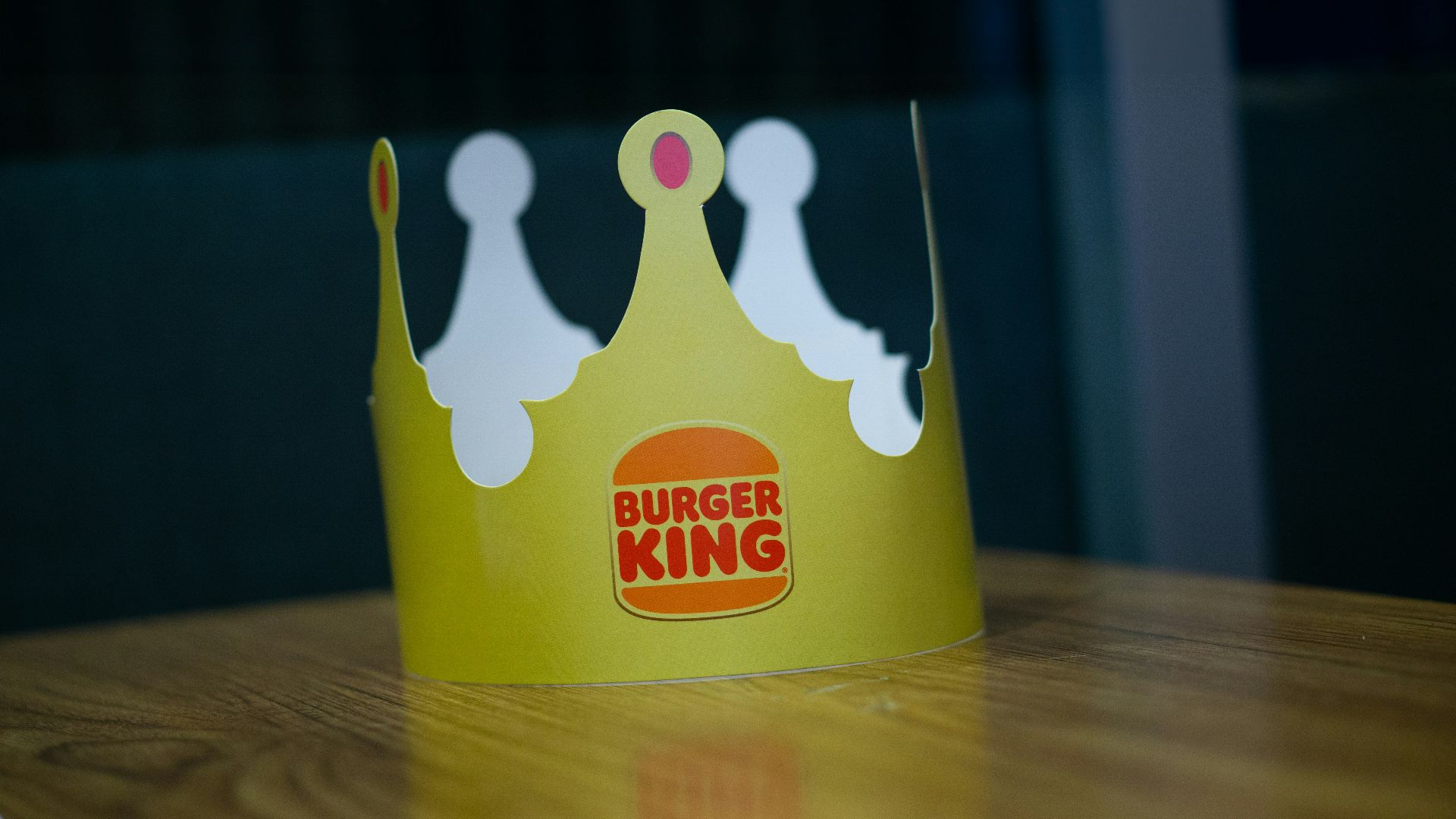
10. Burger King’s Creepy King Campaign
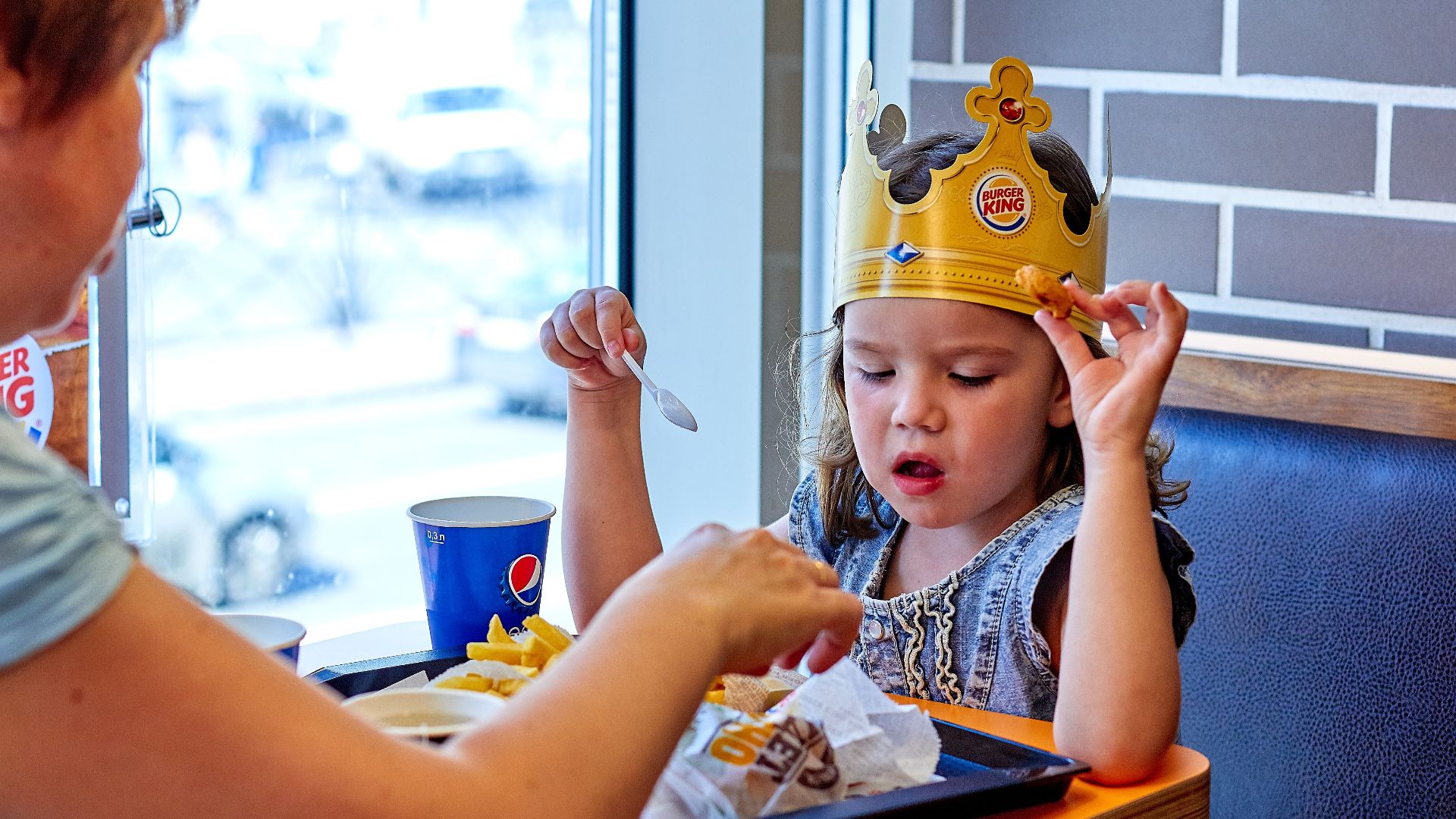
Burger King revived its royal mascot in the 2000s as a silent, oversized character who unexpectedly appeared beside people in commercials. The deliberately strange campaign generated considerable attention and online discussion. However, many viewers found the character unsettling rather than appetizing, and the company eventually retired him while trying to rebuild a more food-focused image.
11. KFC’s Grilled Chicken Giveaway
KFC worked with Oprah Winfrey in 2009 to distribute downloadable coupons for free grilled chicken meals. Demand overwhelmed participating restaurants, causing long lines, shortages, and locations that couldn’t honor the offer.
12. KFC’s Edible Nail Polish
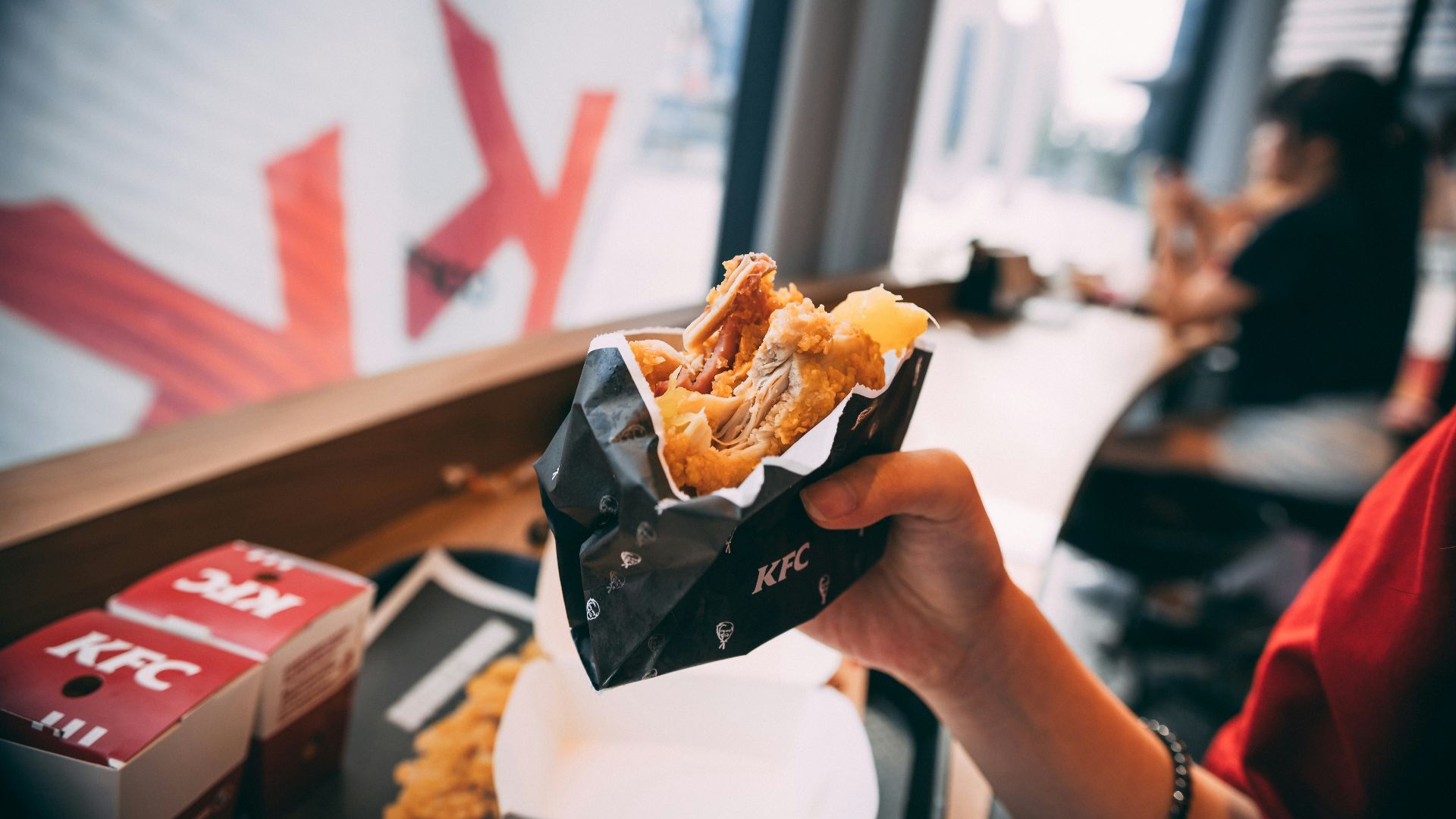
KFC introduced fried-chicken-flavored edible nail polish in Hong Kong as part of a campaign built around its famous slogan. The unusual product gained worldwide headlines, but much of the coverage treated it as a bizarre novelty rather than a reason to visit the restaurant.
13. Taco Bell’s Seafood Salad
Taco Bell introduced a seafood salad in the 1980s while competitors were advertising their own supposedly lighter menu choices. The bowl combined shrimp, whitefish, snow crab, vegetables, and black olives, moving surprisingly far from the chain’s established identity.
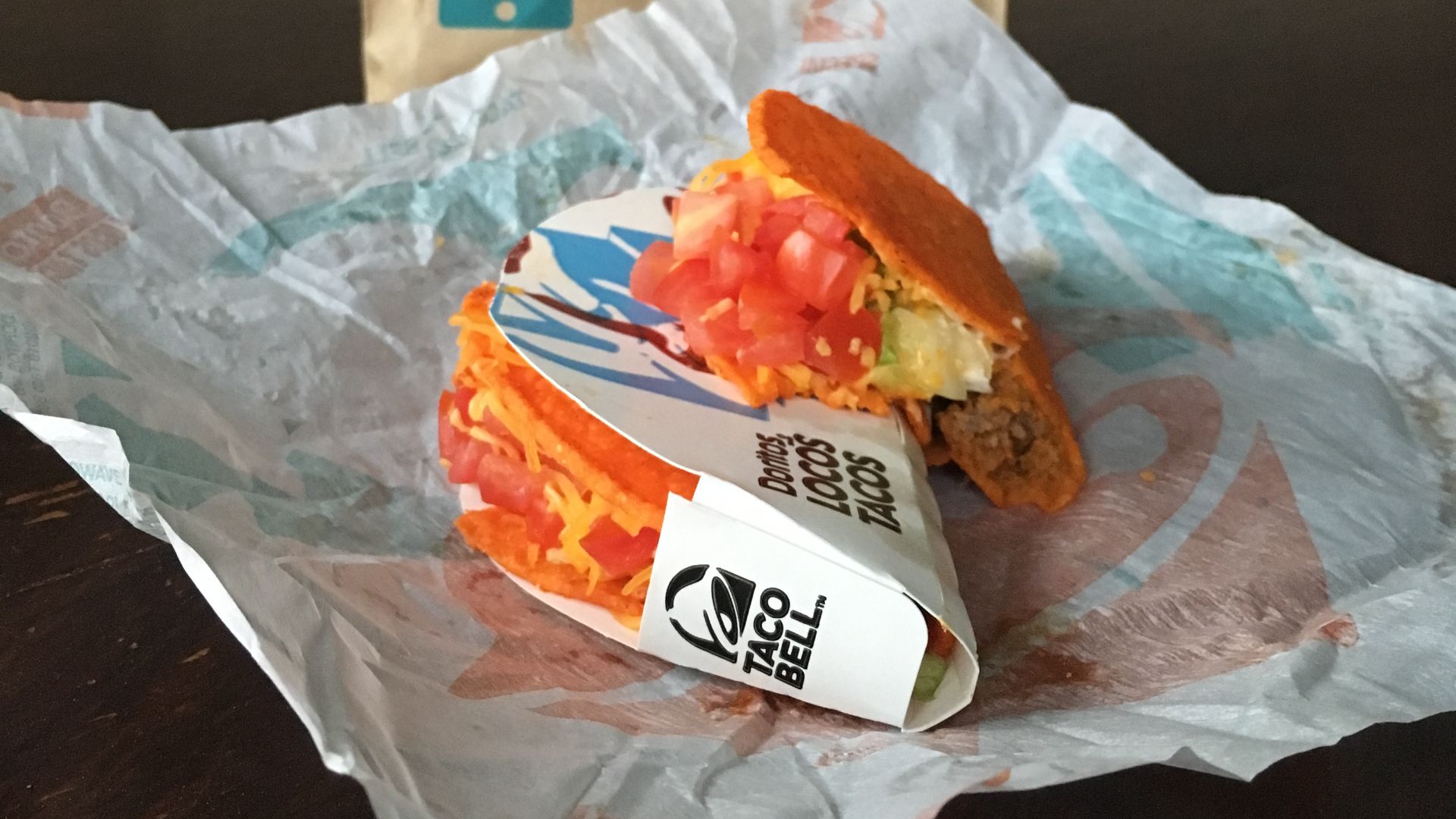
14. Taco Bell’s Waffle Taco
The Waffle Taco led Taco Bell’s major entry into the national breakfast market in 2014. Advertisements directly challenged McDonald’s, while the product wrapped a waffle around sausage or bacon and eggs. Initial curiosity didn’t make it a permanent success, and the chain later replaced much of its original breakfast lineup with simpler, more familiar portable items.
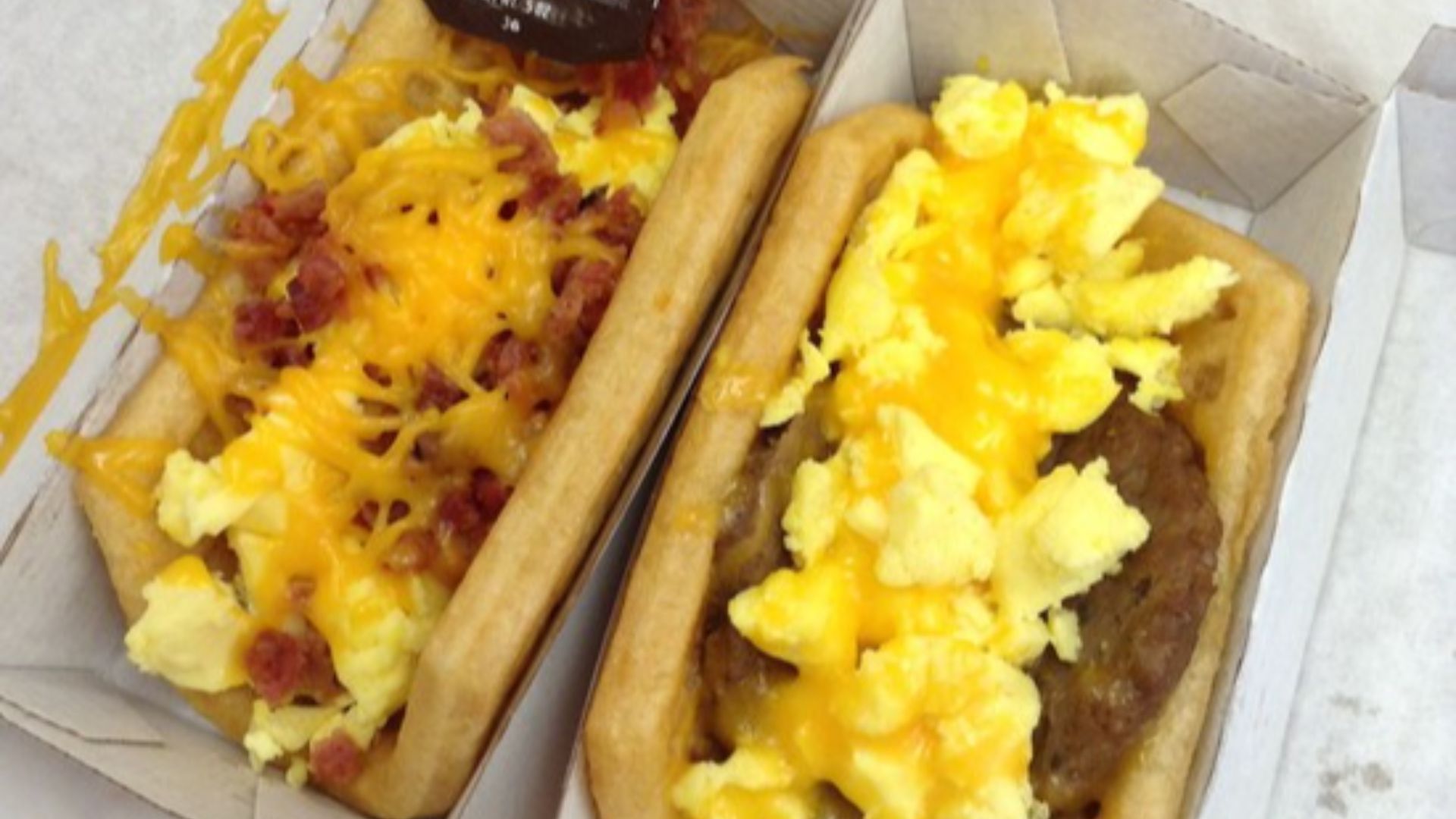
15. Pizza Hut’s Priazzo
Pizza Hut promoted the Priazzo during the 1980s as an Italian-style pie filled with meat, cheese, vegetables, and sauce beneath a second crust. Its long preparation time complicated restaurant operations, while customers apparently didn’t want to wait for such a heavy product.
16. Pizza Hut’s Bigfoot Pizza
The Bigfoot Pizza arrived in 1993 as an enormous rectangular pizza supported by a memorable advertising campaign. The product generated attention but reportedly created weak profit margins, making its impressive size less beneficial to franchise operators than its commercials suggested.
17. Domino’s Noid Mascot
Domino’s introduced the Noid as a mischievous character who tried to ruin pizza deliveries, encouraging customers to “avoid the Noid.” The campaign was popular until a man named Kenneth Lamar Noid took employees hostage at an Atlanta restaurant, believing the advertisements targeted him personally.
18. Subway’s Jared Campaign
Subway built years of advertising around Jared Fogle, whose significant weight loss was associated with eating lower-calorie sandwiches from the chain. After Fogle was arrested and later convicted of serious crimes, the company ended the relationship and had to distance its identity from its former representative.
19. Wendy’s Frescata Sandwiches
Wendy’s launched Frescata deli sandwiches in 2006 to compete with Subway and appeal to customers looking beyond hamburgers. Strong promotion couldn’t overcome slow preparation and limited demand, so the entire line was removed after roughly a year.
20. Quiznos’ Spongmonkeys Commercials
Quiznos used singing creatures known as Spongmonkeys in a 2004 campaign promoting its toasted subs. Some viewers found them amusing, but many found them irritating or disturbing, leaving the campaign better remembered for its strange mascots than the sandwiches it advertised.
KEEP ON READING

The Most Popular Signature Dishes Around the World