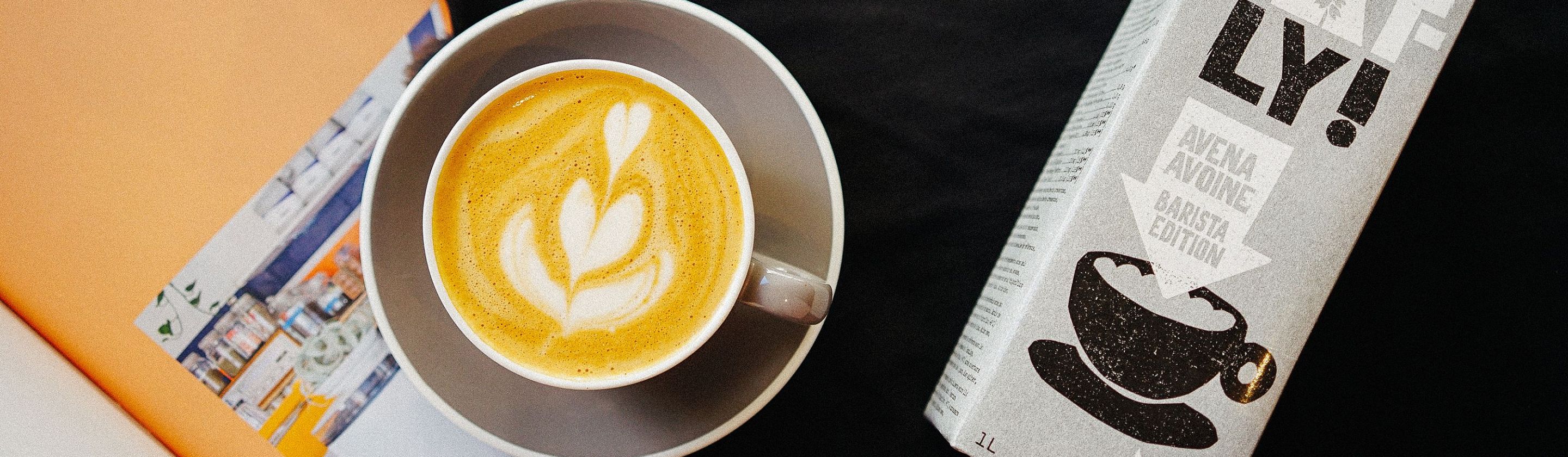
Somewhere in the last several years, a simple substitution turned into a whole identity. Asking for oat milk in a latte used to be a dietary detail, the kind of thing you mentioned once to a barista and moved on from. Now it comes loaded with assumptions about who is asking, what they read, and what kind of tote bag they probably own.
None of that happened by accident. Oat milk went from a niche allergy-friendly option to a genuine cultural marker in a remarkably short window, and the timeline actually explains a lot of why the joke sticks. It is worth looking at how a grain-based drink ended up saying so much about a person before they have finished ordering.
From Health Food Aisle To Coffee Shop Shorthand
Oat milk existed quietly for years before anyone treated it as a personality signal. It sat next to soy and almond milk, chosen mostly by people with dairy sensitivities who wanted something that steamed and foamed a bit better than the alternatives. Nobody was making assumptions about a person's Spotify Wrapped based on that choice.
The shift picked up real momentum around 2021, when oat milk moved from niche to mainstream almost overnight. According to market research from GII Research, US restaurants and cafes that offered oat milk on their menus grew by 50 percent that year compared to 2020, a jump big enough to change how often people even encountered the option in the first place. Starbucks added it nationwide that same year, rolling out drinks built specifically around it rather than treating it as an afterthought substitution.
That rollout mattered more than it might sound like on paper. Once a chain that size puts something on a permanent menu, it stops being a specialty request and becomes a default choice sitting right next to regular milk. The visibility alone did a lot of the cultural work before anyone had opinions about the people ordering it. Smaller coffee shops followed quickly after, partly to keep up with customer expectations and partly because oat milk had already proven itself as a reliable seller rather than a passing trend.
What Ordering It Actually Signals
Once oat milk became easy to order everywhere, it also became easy to notice who was ordering it. The drink picked up a reputation fast, tied loosely to a certain kind of consumer who cares about sustainability, reads about gut health, and probably has an opinion on natural wine. None of that description needs to be accurate to stick.
Oatly's own branding leaned into this reputation rather than running from it, with packaging and ad copy that read almost like inside jokes for people who already understood the reference. The company went public in 2021 at a multibillion dollar valuation, a sign of just how quickly the drink had turned into more than a grocery item. A product does not reach that kind of financial milestone by staying a quiet dietary choice.
By the time oat milk shows up in a sitcom joke or a meme about a certain kind of coworker, the signaling has fully replaced the original function. Fewer people are choosing it purely for lactose reasons at this point, and more are choosing it because it matches an aesthetic they already lean toward. The oat itself barely factors into the decision anymore.
Why The Joke Has Some Truth To It
Stereotypes usually exaggerate something real, and this one is no exception. Oat milk costs more than dairy in most cafes, often by a dollar or more per drink, which means choosing it repeatedly does say something about either budget flexibility or genuine priority. People notice that kind of small, recurring spending choice more than they notice almost anything else about a stranger's order.
There is also something to the timing itself. Oat milk's rise tracked closely with a broader wave of interest in sustainability and gut health messaging, both of which became major talking points in food culture around the same years the drink went mainstream. Ordering it plugged a person into that conversation whether or not they meant to make a statement.
None of this makes the stereotype fair to any individual person standing in line. Plenty of people order oat milk purely because they like how it tastes, or because it happens to sit well with their stomach, with no larger statement intended at all. The reputation formed around a pattern in aggregate, not around any one person's actual reasoning, and it stuck anyway because reputations rarely wait for nuance before they settle in.
KEEP ON READING
The 5 Most Consumed Foods in the Entire World