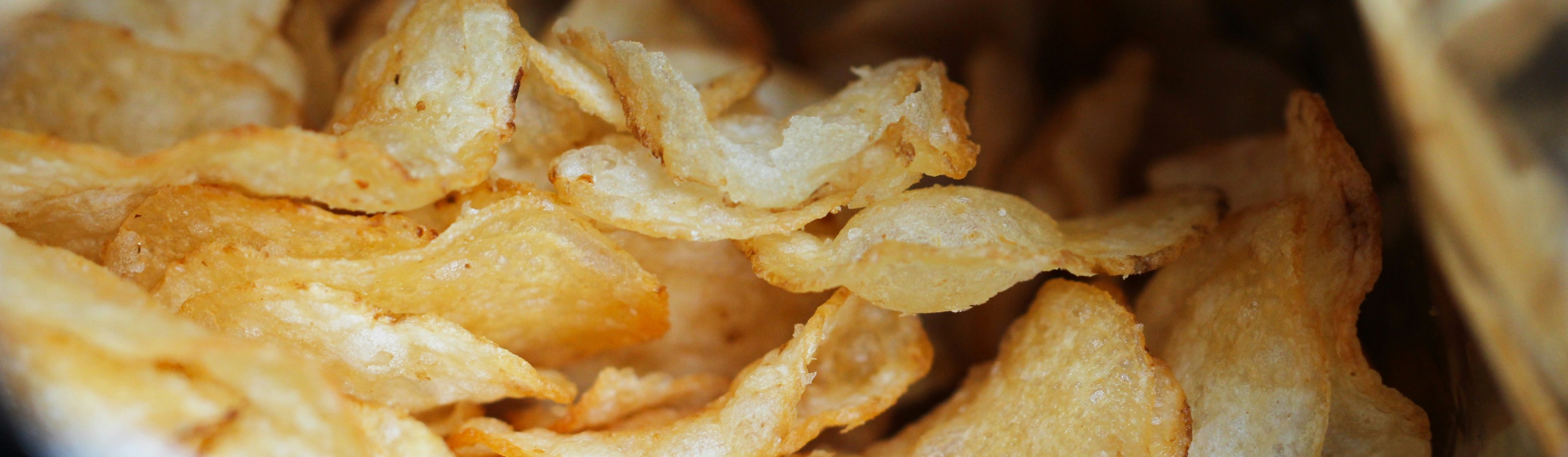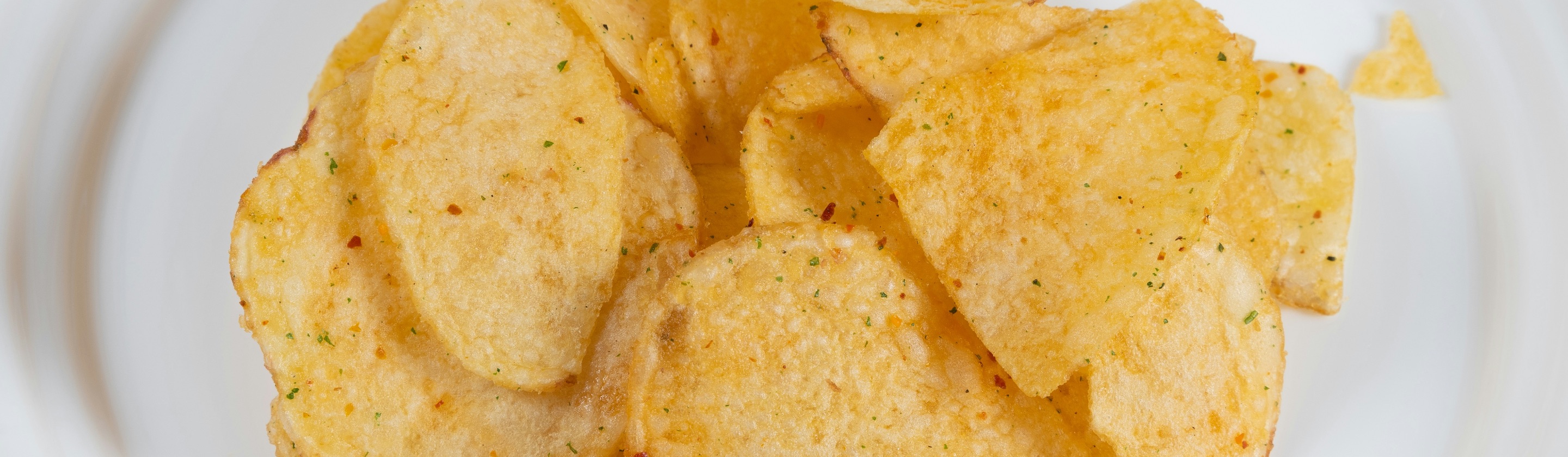

Your stomach is rumbling. Okay—maybe that's just your imagination, but you're definitely craving for something right now, and that something is potato chips. Good thing you have a bag lying around at home, so you can open it up and just grab one. Just one. Or, fine, maybe two. Or five.
Except, 20 minutes later, you've polished off the entire bag, and your fingers are crusted with seasoning dust. As the realization sinks in, you're left feeling frustrated and a little guilty. Why the heck is it so hard to stop at just one chip? Well, as it turns out, there's science behind it.
The Brain's Reward System
Your brain is hardwired to crave high-calorie, ultra-processed food. This is, in part, mostly due to your survival instincts: your brain's reward system lights up whenever you do something that supports and encourages survival, such as eating. A neurotransmitter called dopamine—also known as the "feel good" hormone—gets released as a result, and that makes you want to repeat the action so your reward system activates again.
The problem with this, however, is that junk food triggers a much more powerful hit of dopamine than healthier food choices. That means you're more likely to become addicted to the feeling you get after eating junk food, like ice cream and potato chips, than you would with fruits and vegetables.
The "Bliss Point"
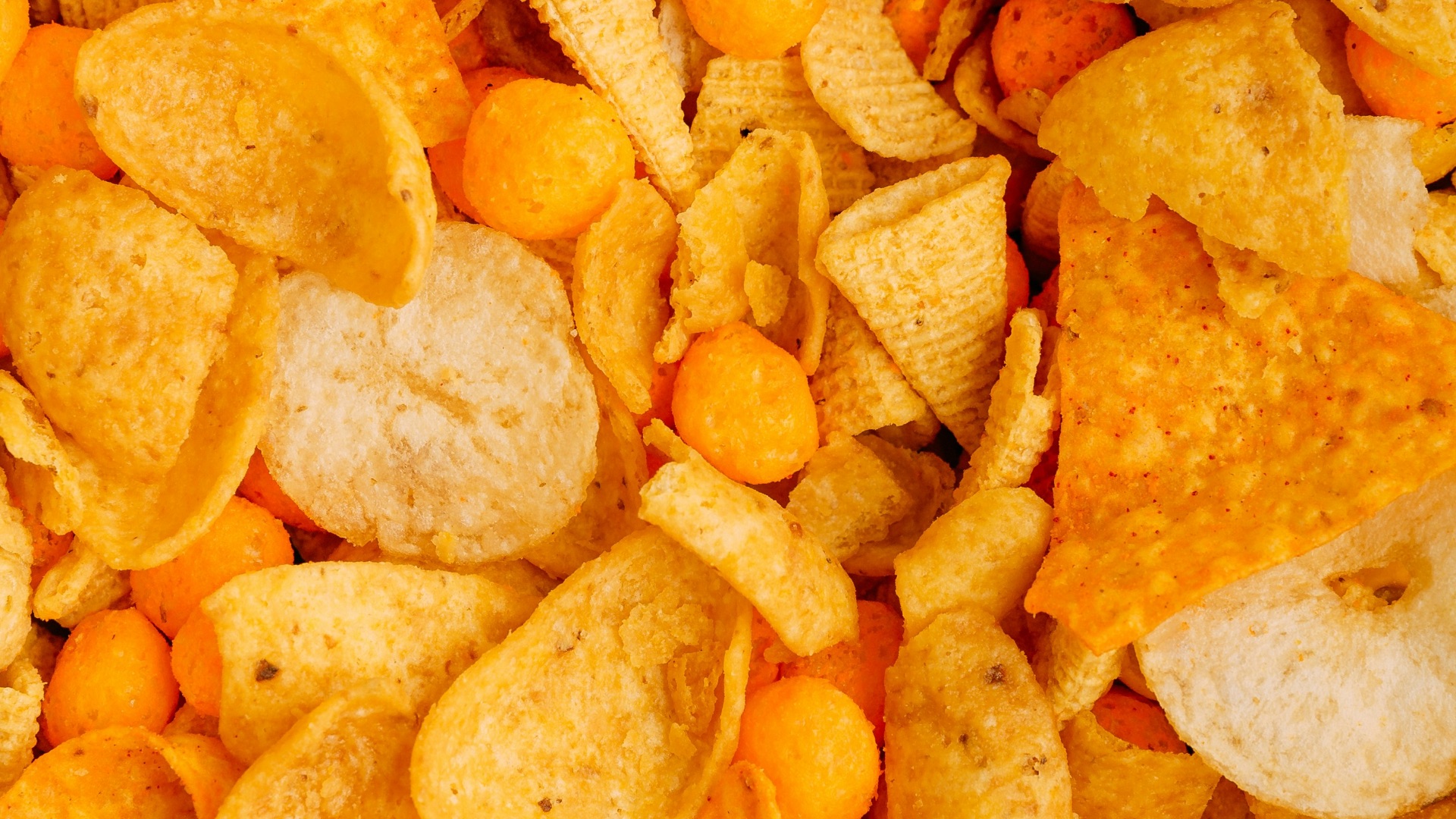
It's not just the brain's reward system at fault. Companies purposely design junk food so that they hit the "bliss point"—the exact ratio of sugar, salt, and fat that keeps you coming back for more. And the amount of each ingredient needs to be precise: too much salt, sugar, or fat means it'll be too high to be enjoyable, and not enough of each means it's too little to get your brain hooked.
The bliss point was coined in the mid-1900s by American market researcher and psychophysicist Howard Moskowitz. It was then that companies didn't just rush to make sure their snacks met this exact ratio of saltiness, sweetness, and richness, but they also added some crunch to the formula to make their products even more addictive. Potato chips were just one of many that soared to popularity.
Are Genetics to Blame?
If you can't stop at just one potato chip, Japanese researchers say that your genetics may be to blame. In particular, a gene called CREB-Regulated Transcription Coactivator 1, or CRTC1, has been linked to obesity. When this gene was deleted from test mice, they became prone to overeating, meaning that CRTC1 helps suppress the urge.
The Melanocortin-4 receptor (MC4R) in the brain is critical for regulating appetite, hunger, metabolism, and energy balance. In the study, the researchers found that the group of test mice that lacked CRTC1 in MC4R cells was more likely to overindulge when fed a high-fat diet, concluding that the CRTC1 gene plays a crucial role in preventing us from overeating and becoming addicted to junk food.
Long story short: the next time you finish a whole bag of chips, blame it on your brain and science.
KEEP ON READING

20 Fast Food Items With Surprisingly Weird Origins