Why You Shouldn’t Store Tomatoes in the Refrigerator
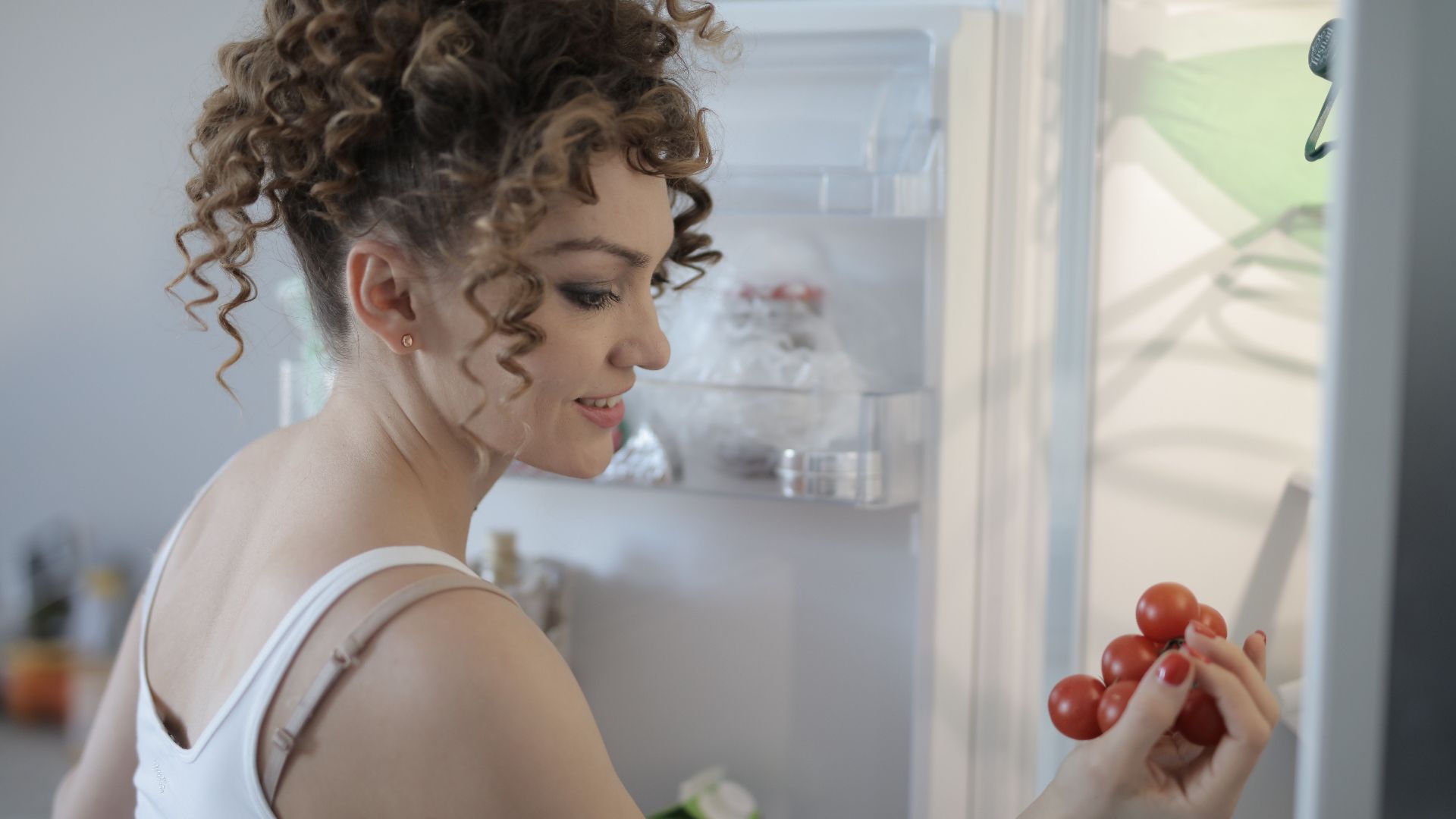
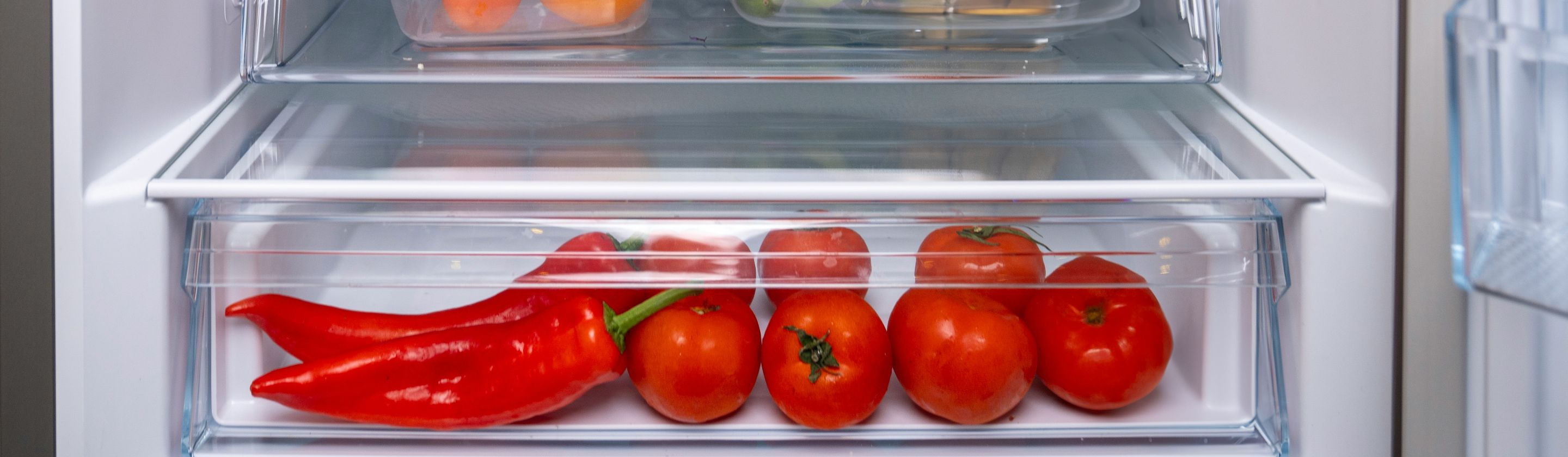
Are you tired of your tomatoes being tasteless? Your storage habits may be to blame. Tomatoes may seem like obvious refrigerator candidates. After all, keeping fresh produce cold usually extends its life, so sliding a carton of tomatoes onto a refrigerator shelf feels like a sensible way to prevent them from going bad. Unfortunately, tomatoes don't always react well to chilly temperatures, especially when they're still ripening.
Cold storage can affect both the flavor and texture that make a good tomato worth eating in the first place. Your refrigerator isn't going to ruin every tomato instantly, but storing them there too early can leave you with fruit that's bland, firm in the wrong way, or disappointingly mealy. In most cases, your kitchen counter is a much better place to keep them.
Cold Temperatures Can Take Away Their Flavor
A ripe summer tomato has a surprisingly complex flavor, combining sweetness, acidity, and dozens of aromatic compounds. Many of those aromas are responsible for what we actually recognize as that fresh tomato taste. When tomatoes spend too much time at refrigerator temperatures, the processes that create some of those flavorful compounds can slow dramatically.
The problem becomes particularly noticeable with tomatoes that haven't finished ripening. Tomatoes continue developing their flavor after they're picked, provided they're kept under suitable conditions. Put an underripe tomato in the refrigerator, and you're essentially interrupting that process before it has reached its best.
Temperature also affects how food tastes when you eat it. Very cold foods release fewer aromatic compounds into the air, which means your nose picks up less of their flavor while you're chewing. Even a perfectly decent tomato can therefore taste less impressive when it's served straight from the fridge.
If you've ever wondered why a grocery-store tomato sometimes seems almost flavorless, refrigeration may be only part of the explanation, but it certainly doesn't help. Tomato variety, growing conditions, harvesting time, and transportation also make a difference. Giving tomatoes a chance to ripen at room temperature at least allows them to develop as much flavor as possible once they're in your kitchen.
The Texture Can Suffer Too
Flavor isn't the only reason to keep tomatoes on the counter. Prolonged exposure to cold temperatures can alter their internal structure, leaving the flesh softer, grainier, or mealier than you'd expect. That's particularly disappointing when you're planning to slice one for a sandwich or salad.
A good tomato should have tender but pleasantly substantial flesh. Refrigeration can interfere with the enzymes involved in ripening and affect the cell membranes inside the fruit. Once those changes occur, returning the tomato to room temperature doesn't necessarily restore its original texture completely.
Underripe tomatoes are especially poor candidates for cold storage because they still have plenty of developing to do. Leave them at room temperature, preferably away from intense direct sunlight, and they'll gradually soften while their color and flavor improve. Depending on their ripeness when you buy them, this can take anywhere from a day or two to several days.
Where you place them on the counter can also help. Keeping tomatoes in a single layer reduces the chances of bruising, while delicate, fully ripe tomatoes can be stored stem-side down to help protect the area around the stem. You don't need an elaborate setup; a plate, shallow bowl, or open container will usually work perfectly well.
There Are Times When the Refrigerator Makes Sense
Despite the usual advice, refrigerating tomatoes isn't completely forbidden. If a tomato is already fully ripe and you're not going to eat it before it begins to spoil, the refrigerator can buy you some additional time. A slightly reduced flavor is usually preferable to throwing an overripe tomato into the garbage.
This is particularly useful during hot weather, when room temperatures can make tomatoes deteriorate much faster. Once they've reached the perfect ripeness, moving them into the refrigerator can slow further softening. In that situation, refrigeration becomes a practical way of preserving a tomato that's already developed most of its flavor.
For better results, take refrigerated tomatoes out before you plan to eat them. Allowing them to warm back toward room temperature can make their aroma and flavor more noticeable. It won't necessarily reverse every change caused by cold storage, but it can make refrigerated tomatoes much more enjoyable.
Cut tomatoes are a different story altogether. Once you've sliced into one, it should be covered and refrigerated rather than left sitting on the counter for an extended period. Food safety takes priority over maintaining the perfect texture, so save the room-temperature rule for whole, uncut tomatoes.
Keeping tomatoes out of the refrigerator isn't about following a rigid kitchen rule.
It's about giving them the conditions they need to finish ripening and develop the flavor and texture you bought them for in the first place. Leave whole tomatoes on the counter until they're ripe, refrigerate them when spoilage becomes the bigger concern, and you'll have a much better chance of enjoying them at their best.
KEEP ON READING
20 Food-Related Art Projects