Beware of These Common Kitchen Tools
You likely don't think twice when you're prepping your meals in your kitchen, but the tools you use and the items you touch could be potentially dangerous. And no, we're not just talking about knives and other sharp objects. From cutting boards to glassware and even your kitchen sink, there's surprisingly a lot more you should be worried about. Here are 20 of the most dangerous items that could be lurking in your kitchen.
1. Cutting Boards
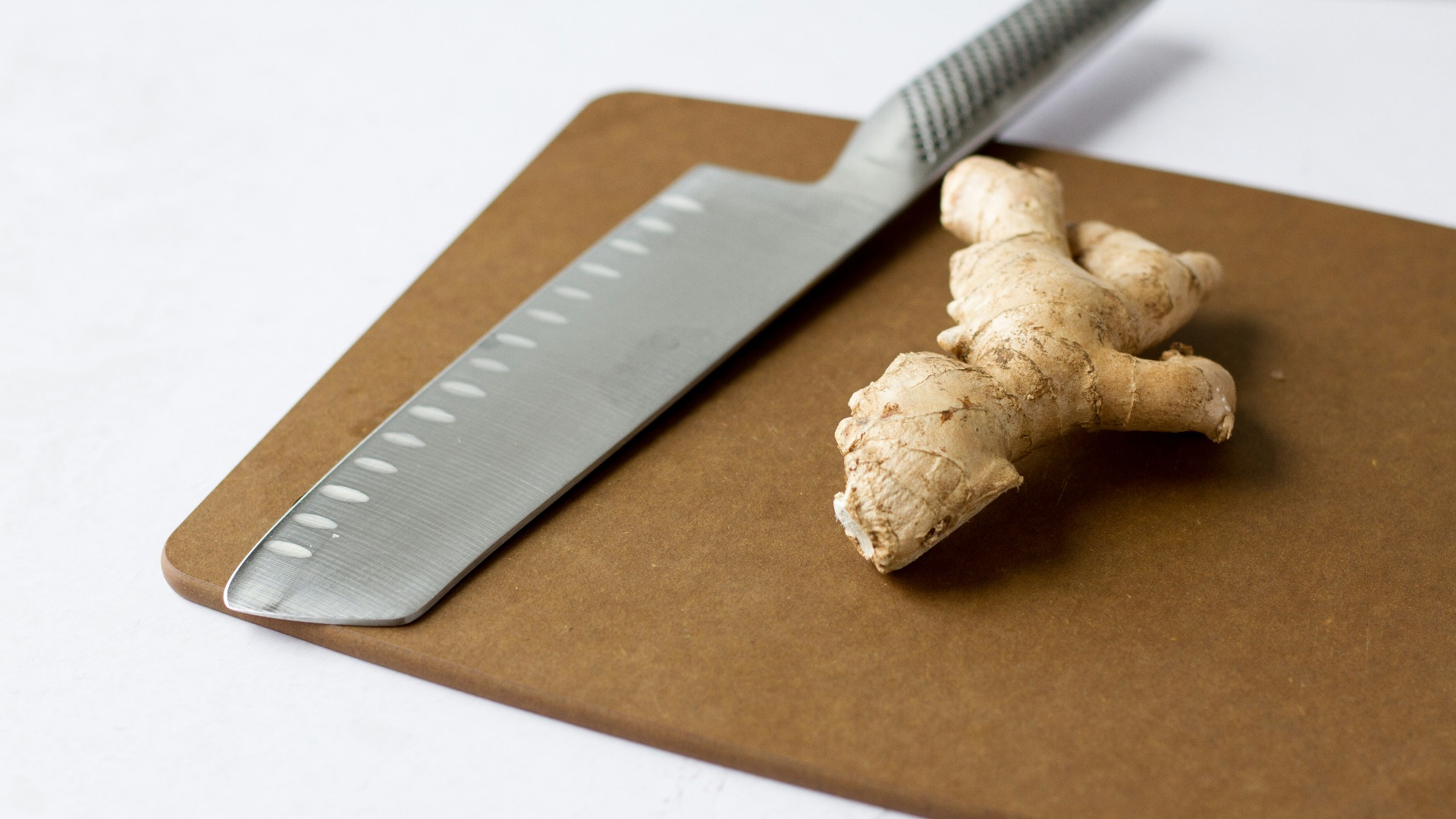
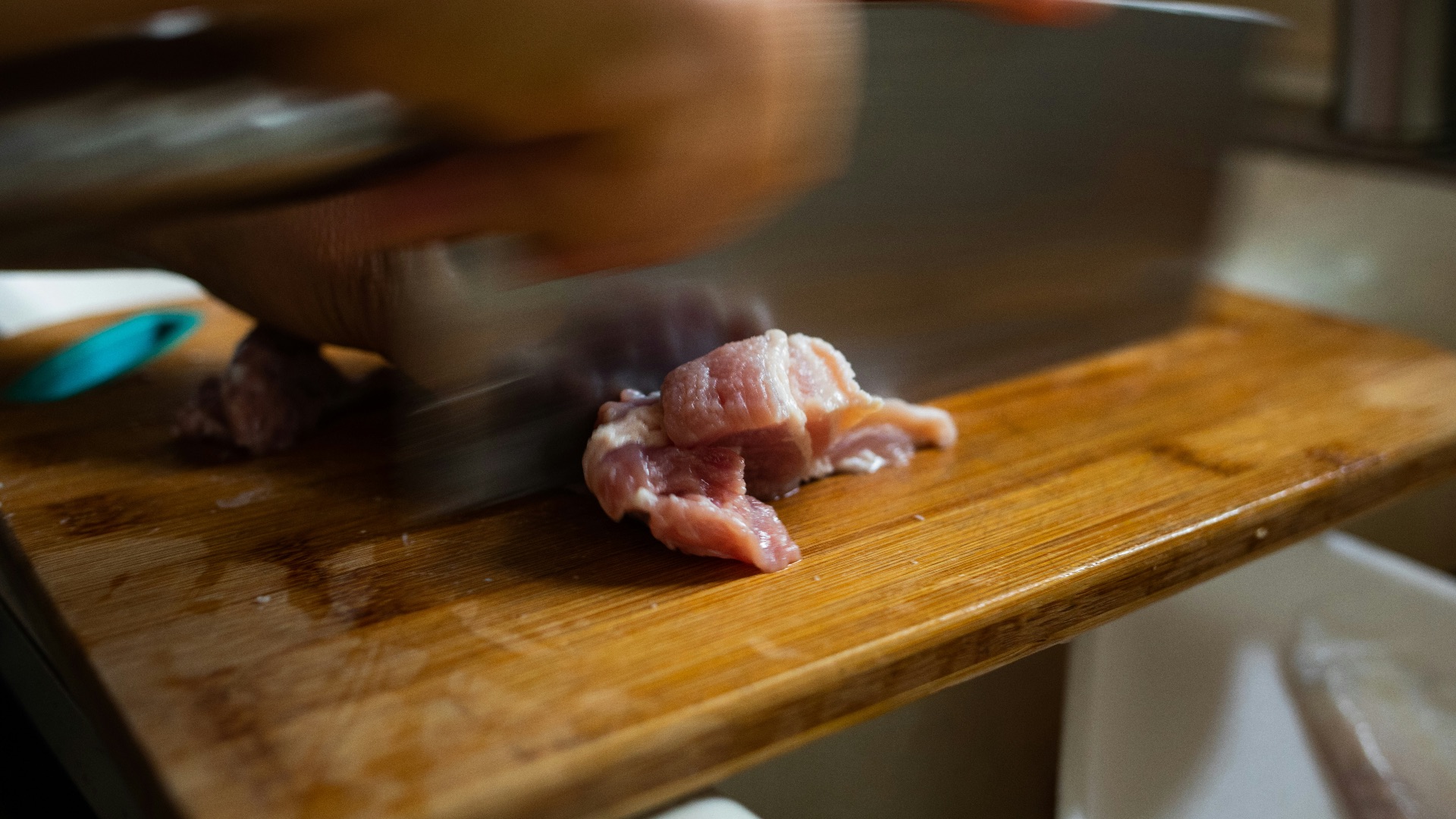
You probably don't think much of it, considering you likely clean your cutting board fairly well after each use, but these boards are one of the top cross-contaminated items in the kitchen. Some may prepare vegetables, fruit, and raw meat on the same surface, without thoroughly washing before each use. It's always better to keep things separate by having a designated cutting board for different foods.
2. Non-Stick Pans
Non-stick pans are beloved in the kitchen since they make it easy to cook and clean up, but you should be wary. The chemicals used in the non-stick coating can release various gases at high temperatures that could be toxic to health, and have been linked to serious medical issues like liver damage, thyroid disease, and cancer.
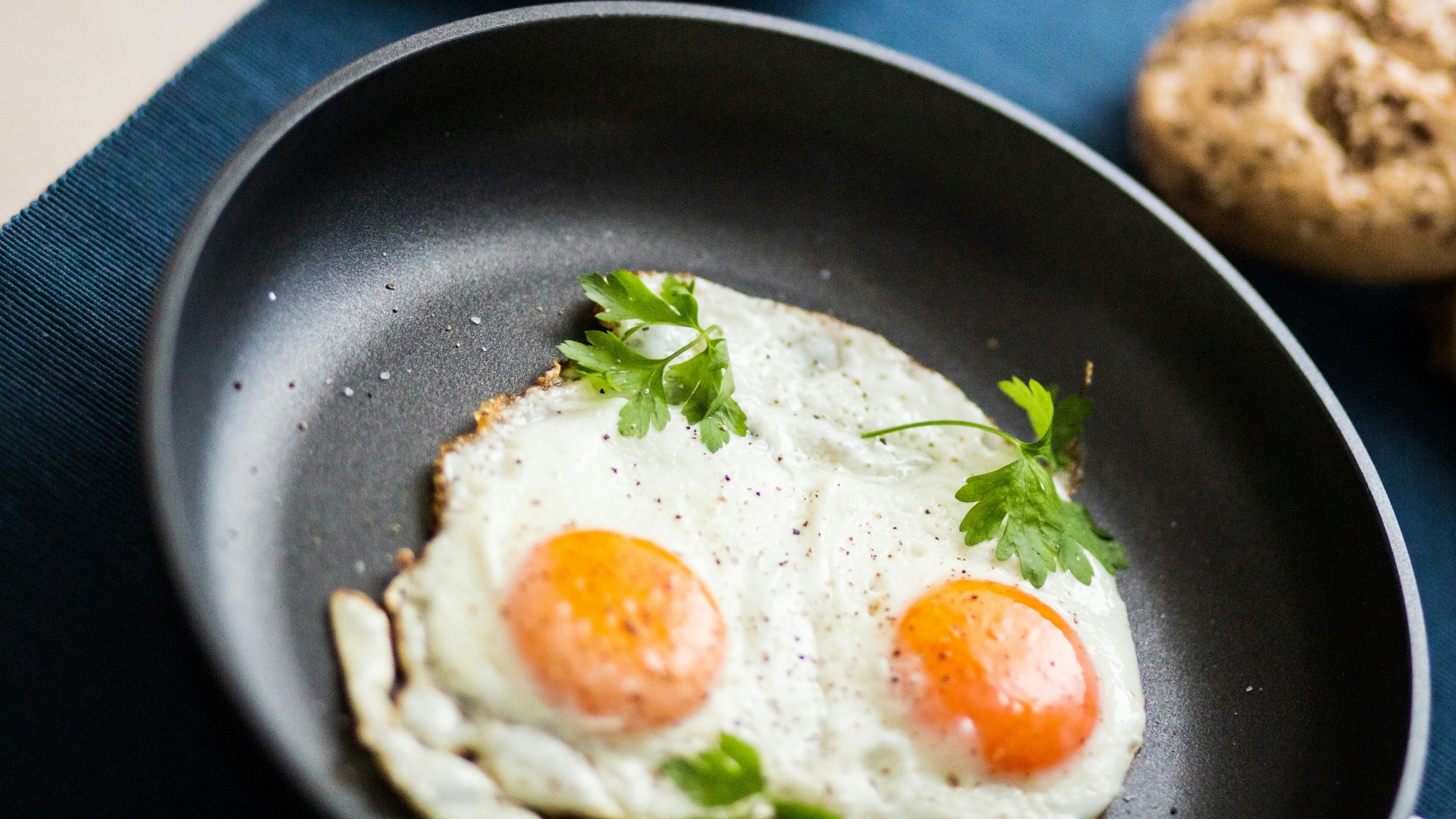 Sternsteiger Germany on Unsplash
3. Glass Plates & Dishes
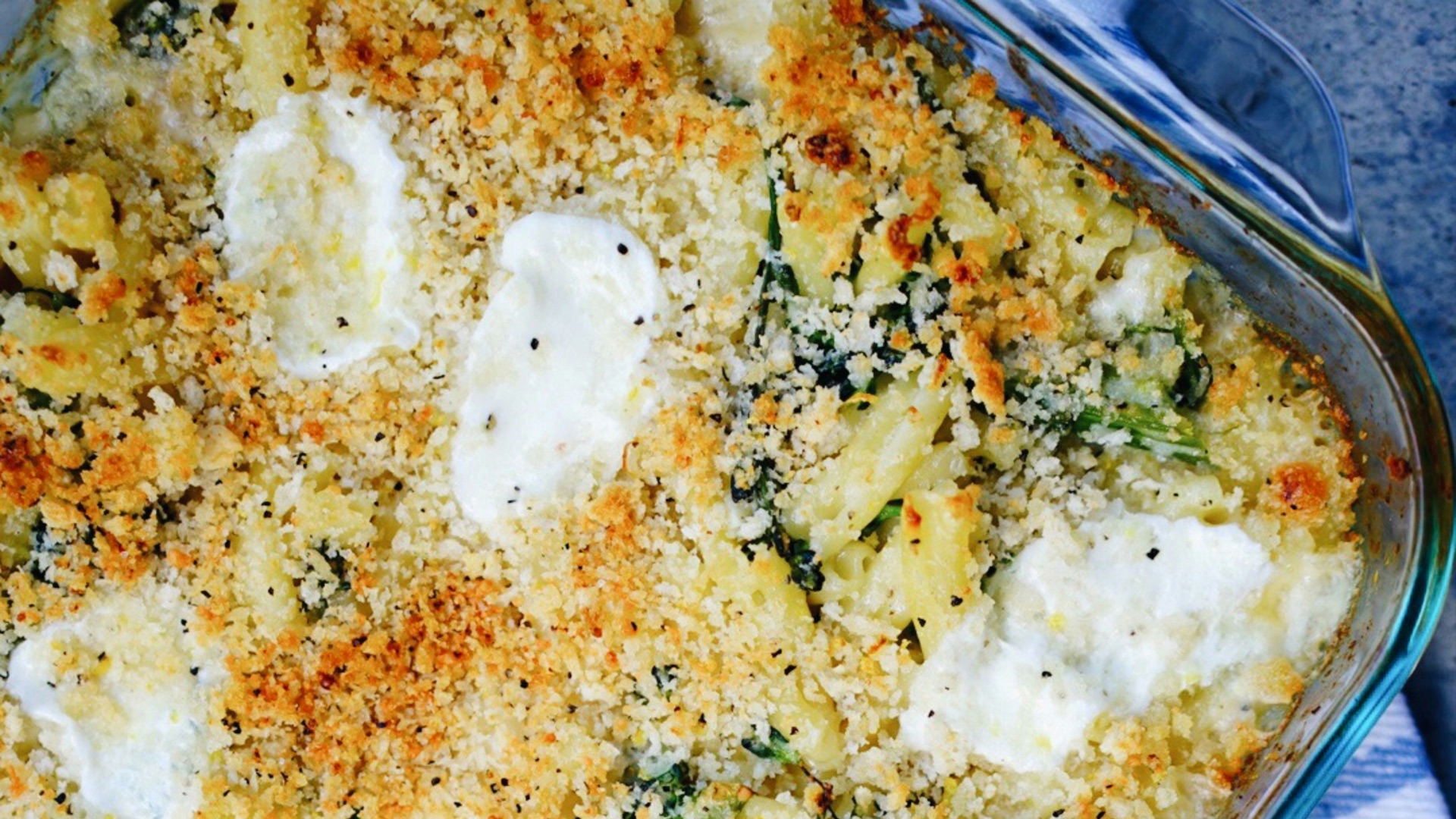
It just takes one wrong usage to turn a casserole plate into a shattered dish, dropping shards of glass into your baked goods. If you're not careful with how you handle glassware (such as exposing it to extreme cold, then hot), you're bound to create danger in the kitchen.
4. Kitchen Towels
When was the last time you dropped your kitchen towel on the floor? When was the last time you used it to wipe down your cutting board or the countertop? Believe it or not, but even if you wash it regularly in the sink, it could still harbor bacteria collected from just about every surface it has touched—including foodborne pathogens such as salmonella.
5. Manual Food Chopper
Manual food choppers are convenient when you want your ingredients cut up into chunks, but be careful: the blades are extremely sharp, so you'll need to take caution when cleaning. Plus, if the mechanism suddenly fails or gets jammed, you might accidentally hurt yourself prying it apart.
6. Cleaners & Detergents
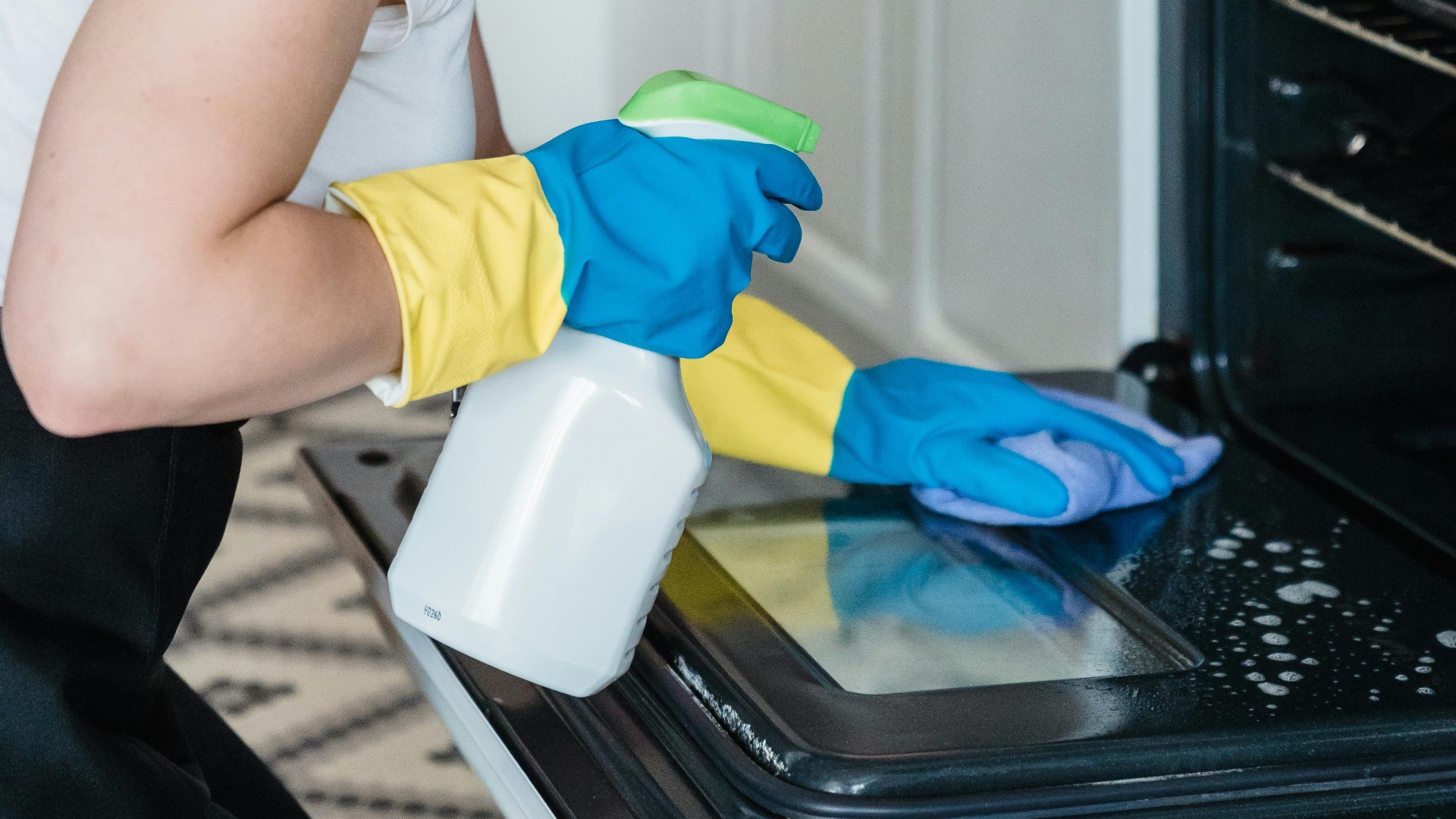
Dish detergents and kitchen cleaners are meant to keep your space spotless, but you'll still want to be wary of the harsh chemicals that are used to make them. To remove stubborn stains, some cleaners may include toxic chemicals that negatively affect health, especially if used in a non-ventilated area. Whenever possible, stick to natural cleaners.
7. Mandoline
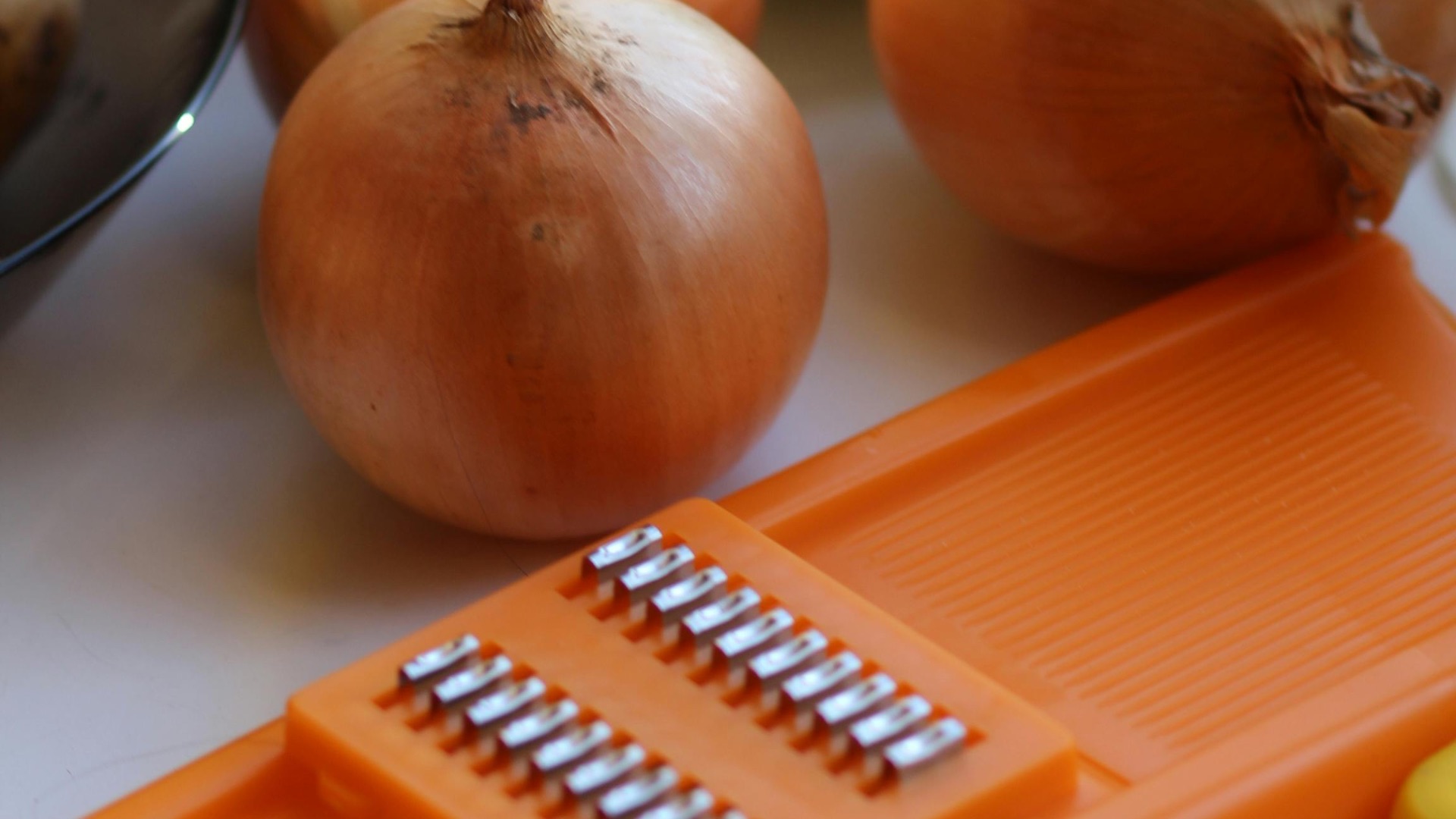
Mandolines make food prep easy, but like other blades and knives, they're extremely sharp and could easily slice you if you aren't careful. Many chefs—home cooks and professionals alike—agree that mandolines are one of the most dangerous tools in the kitchen.
8. Knives
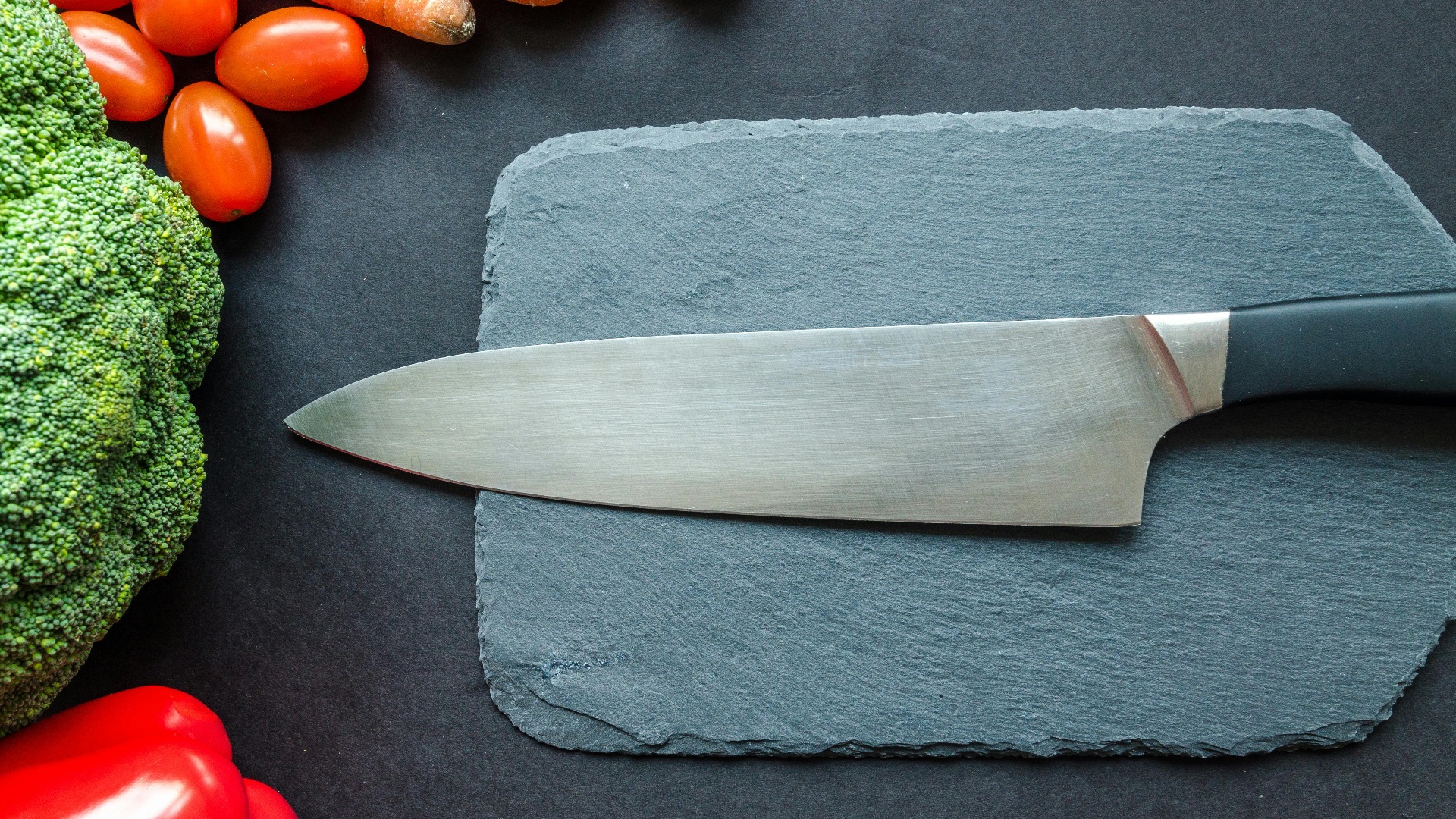
It goes without saying that knives are one of the most dangerous items in your kitchen. If a blade is sharp enough to pierce through raw vegetables, you don't want to imagine what else it could easily cut. A dull knife isn't any better; because you'll need to add more pressure for it to be effective, it could slip from your grip and hurt you.
9. Countertops
Don't overlook your countertops; if you're not regularly wiping them down and cleaning with hot, soapy water, these surfaces are harboring much more bacteria than you think. After all, you likely place different items on the counter throughout the day, such as your grocery bags, mail, or your car keys.
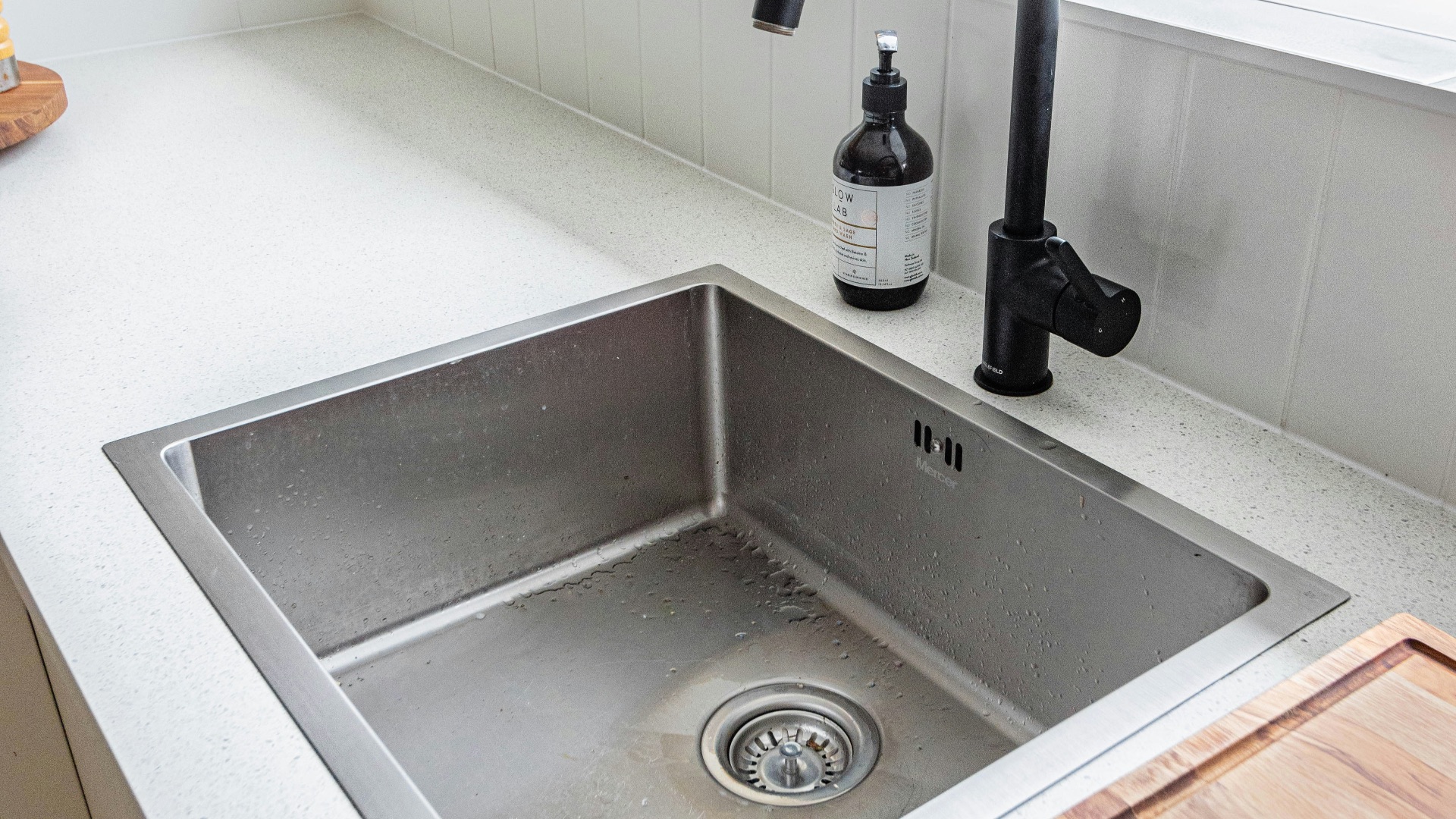
10. Sinks
When was the last time you deep-cleaned your sink? If you're not cleaning up all your dirty dishes at the end of the night, they could become breeding grounds for bacteria. Plus, if you wash raw meat in the sink, you could easily risk cross-contamination.
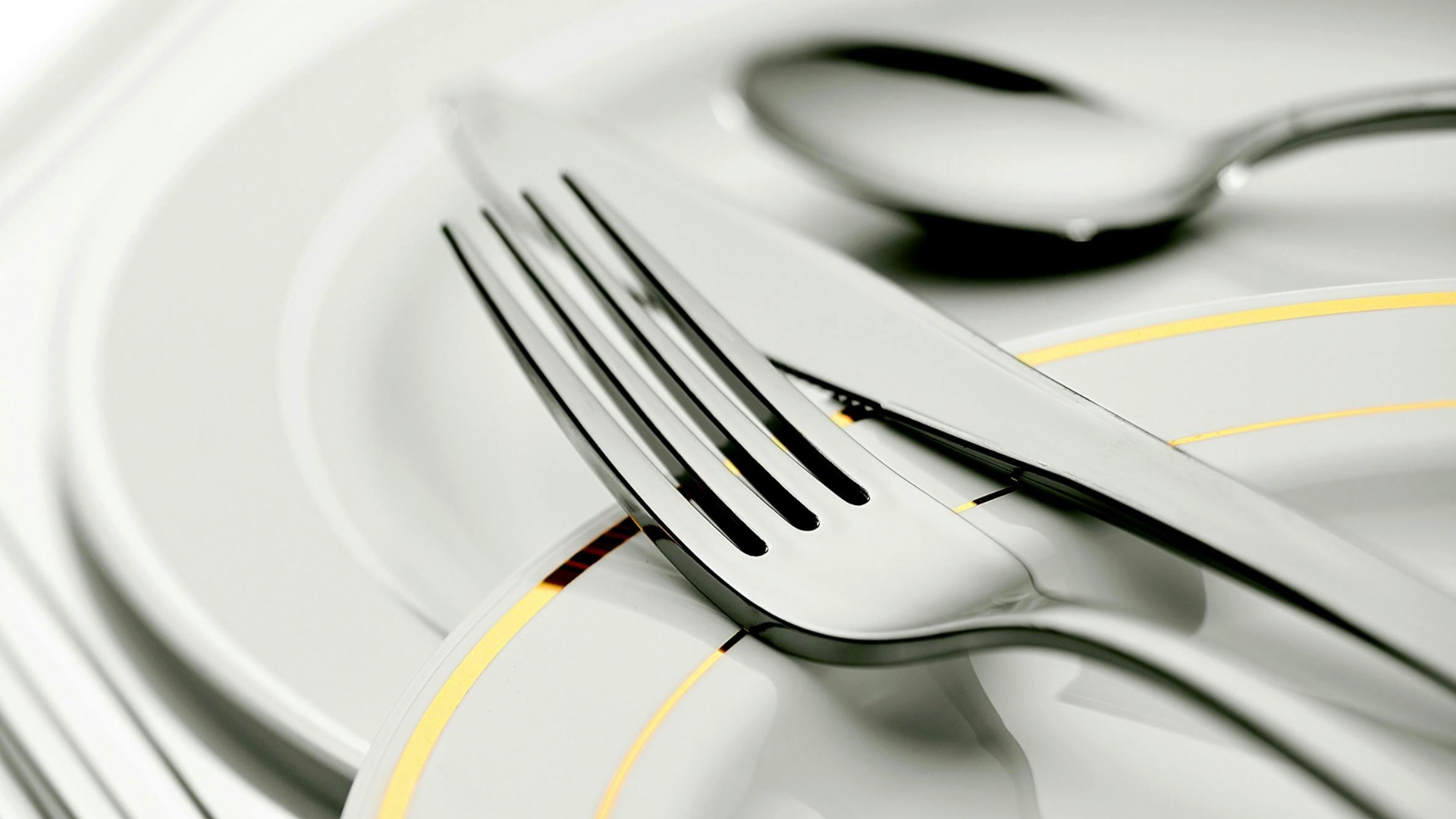
11. Utensils
Considering these are the tools you use to scoop food into your mouth, you probably want them to be squeaky clean. But utensils are another item that's regularly cross-contaminated in the kitchen, depending on how they're used and how thoroughly they're cleaned. Always make sure to use separate utensils if you're handling raw meat, and wash them well.
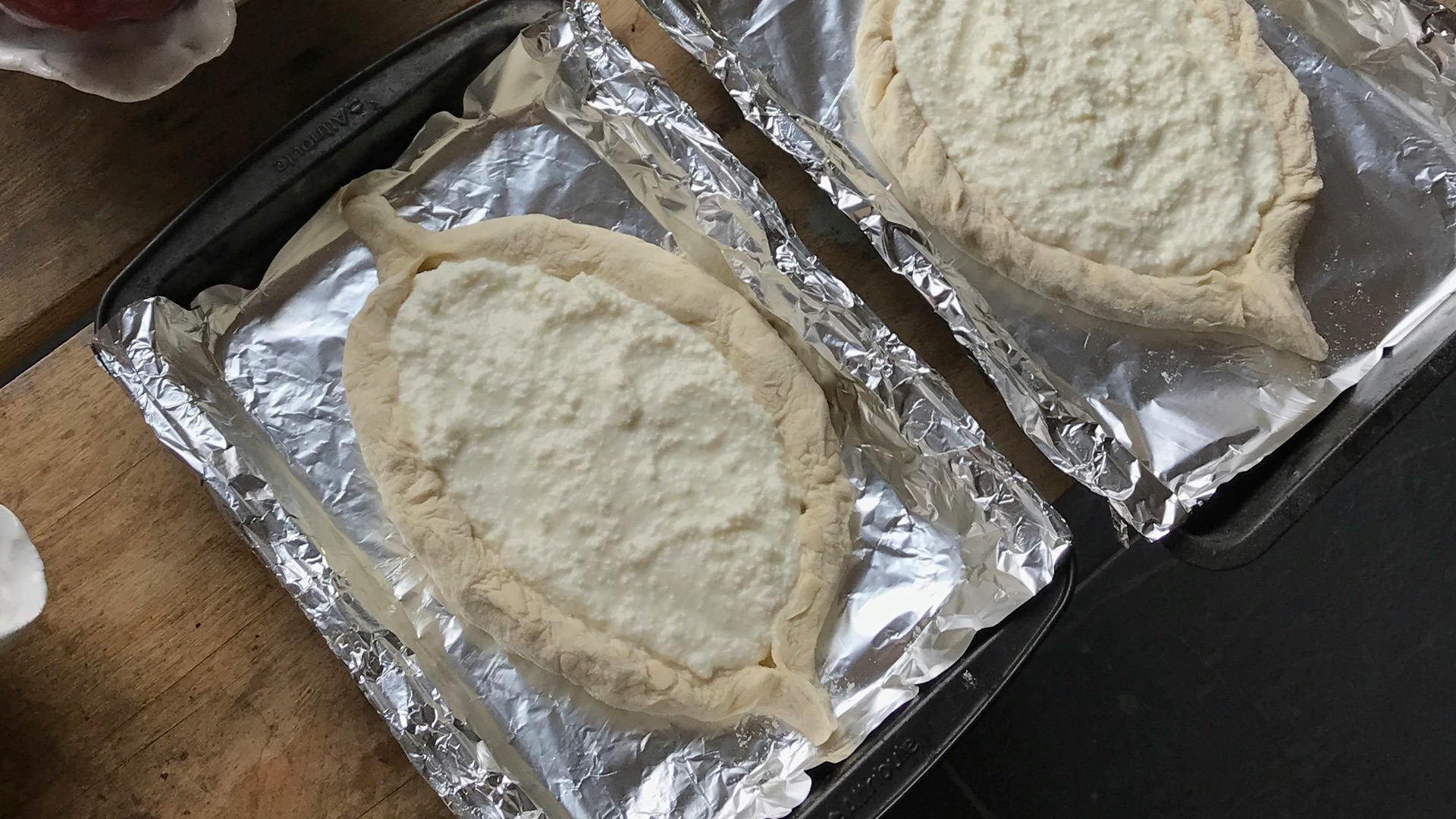
12. Aluminum Foil
Aluminum foil is probably one of the most commonly used items in your kitchen, whether you're using it to bake or wrap food. But be careful: if you're cooking acidic foods, like tomato dishes or citrus, aluminum could leach into your meal and lead to potential health issues.
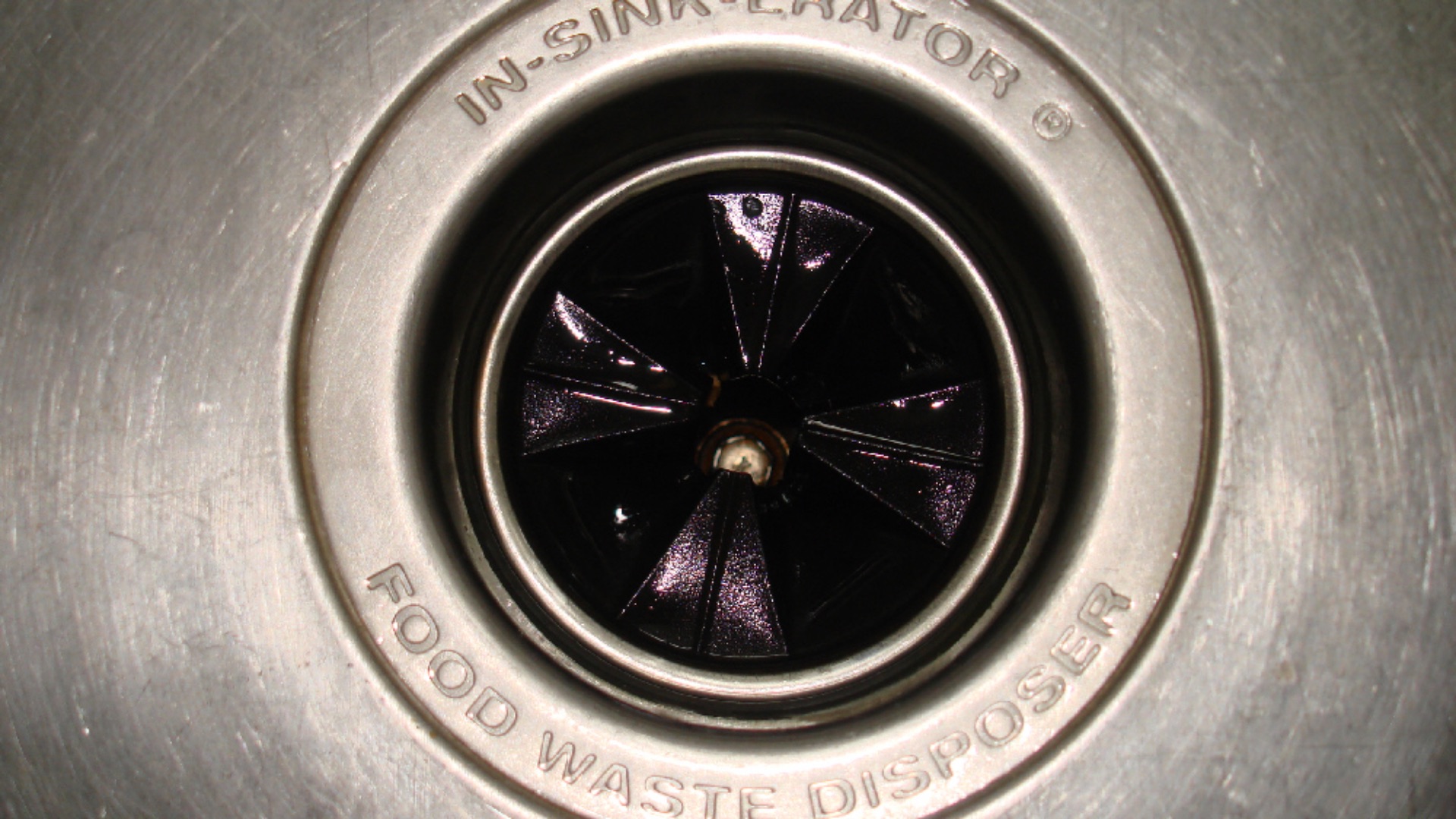
13. Garbage Disposal
Scary as a garbage disposal is, it's also incredibly useful and makes cleaning up a breeze. Just, of course, make sure not to stick your hand in there for any reason. Even if you're absolutely sure it's switched off, you should still use a pair of tongs or long chopsticks to fetch anything you've accidentally dropped.
14. Sponges
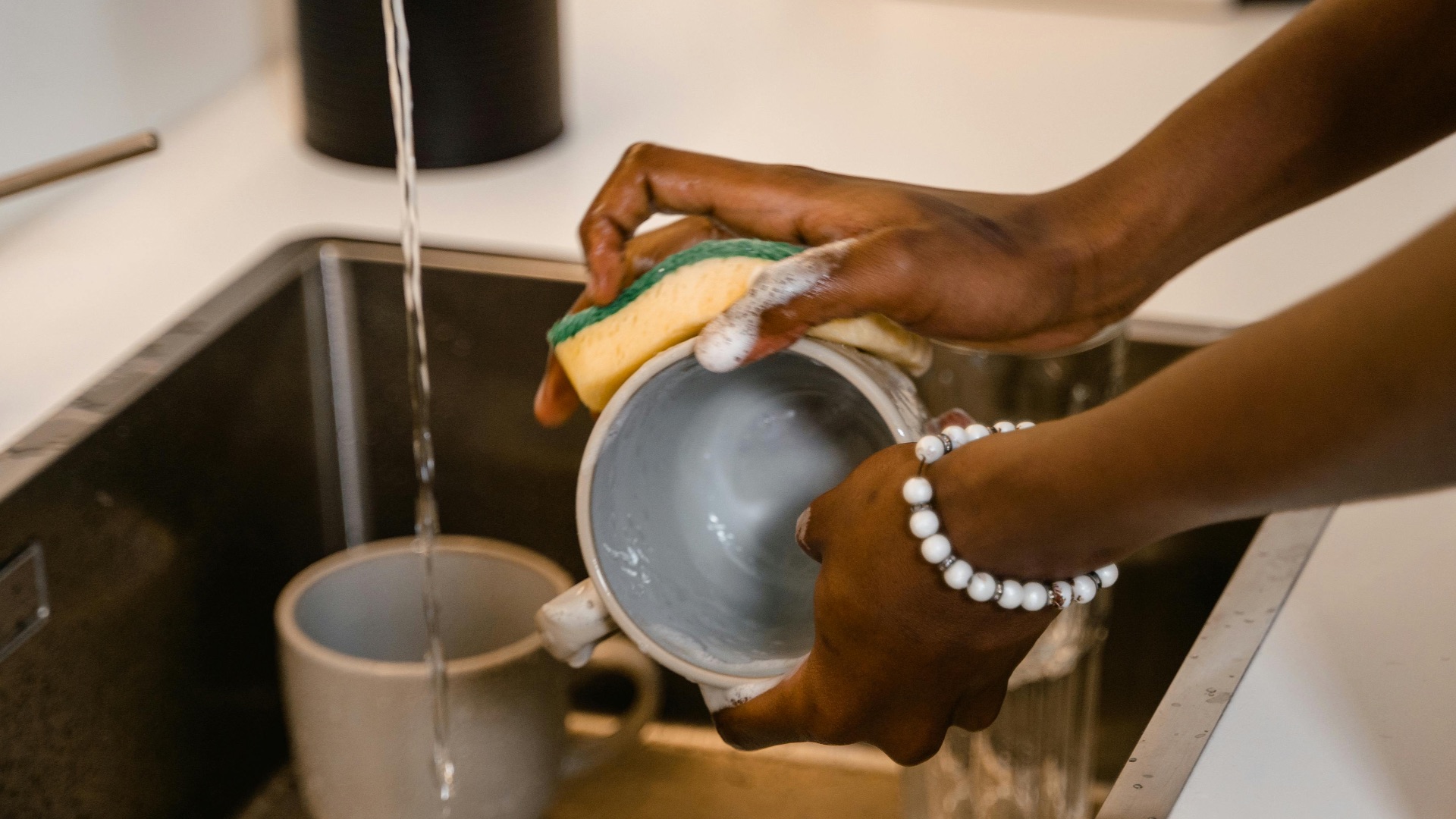
If you've been using the same sponge to clean your dishes for a few months now, you might want to swap it out. Some research has shown that these sponges harbor a lot more bacteria than you might think—in fact, they may even be dirtier than your toilet!
15. Peeler
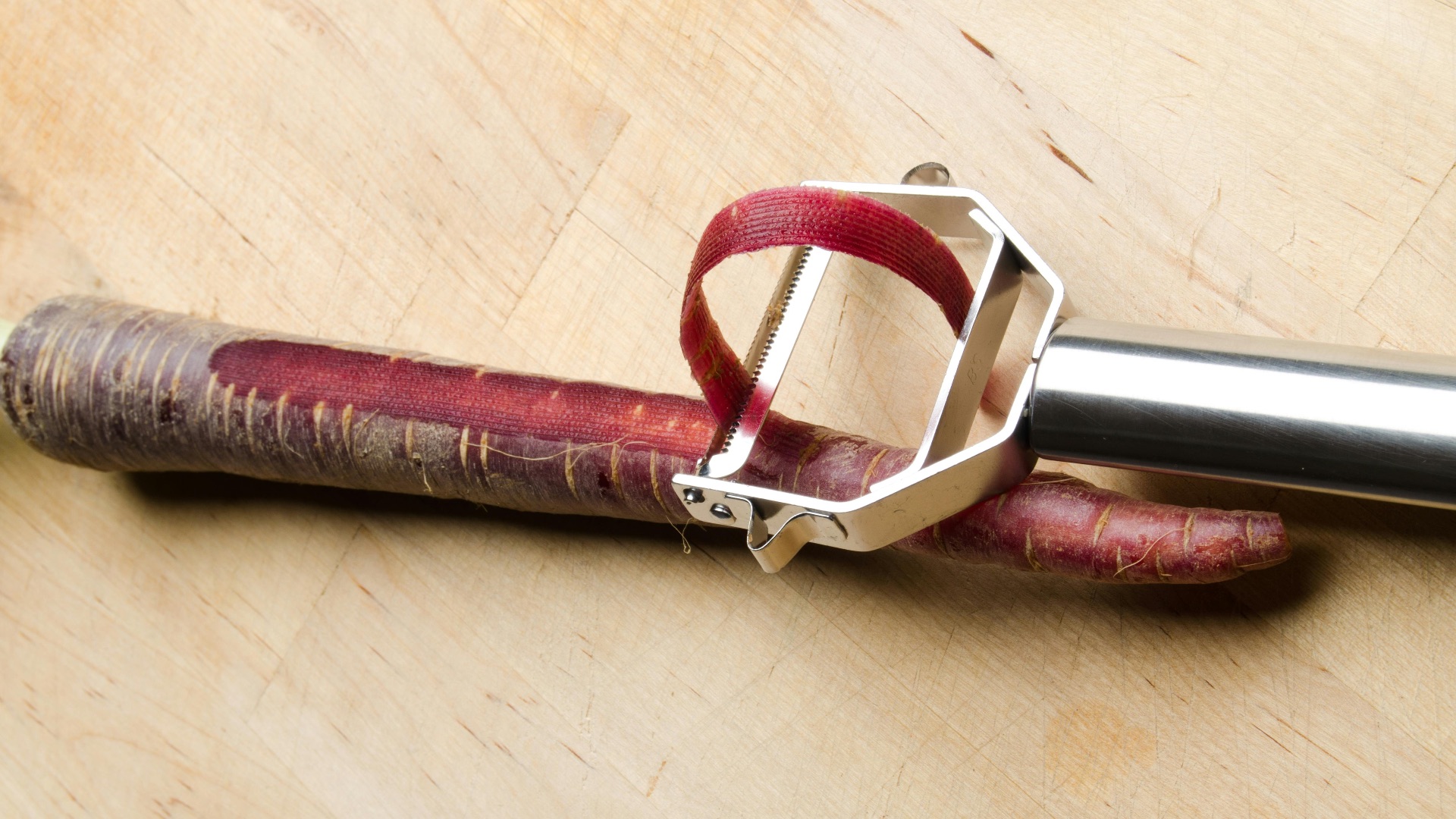
Peelers are great for skinning fruits and vegetables, but be careful with how fast you're going when you use one. Vegetables with protruding roots or deep crannies can also make your hand slip, so whenever possible, take it slow.
16. Spice Shakers & Containers
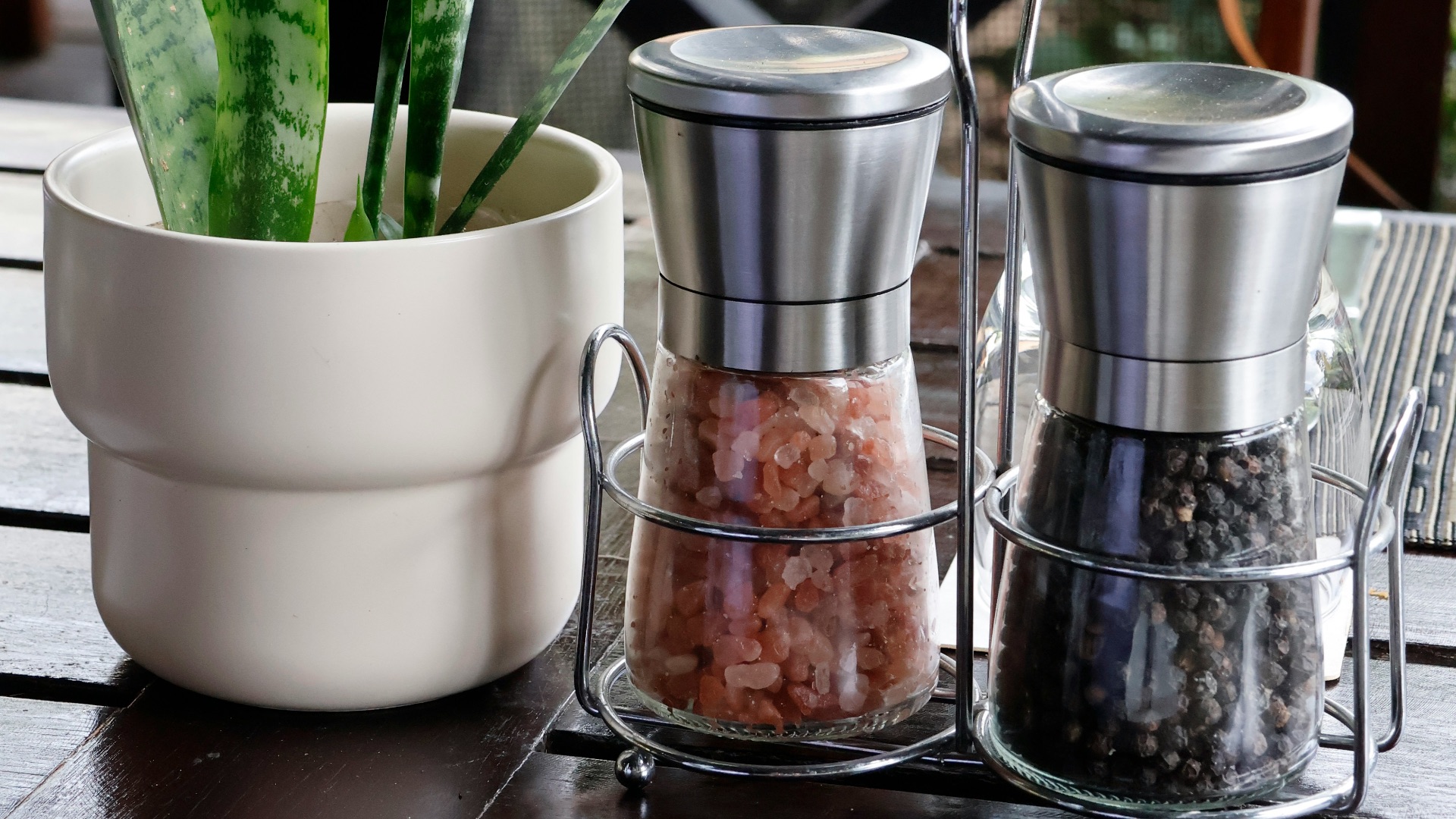
You probably didn't think spice shakers would be on the list, right? But surprisingly, they can be contaminated with bacteria, too, especially if you're handling raw meat while seasoning at the same time. Always make sure to wash your hands before reaching for your spices.
17. Gas Stovetops
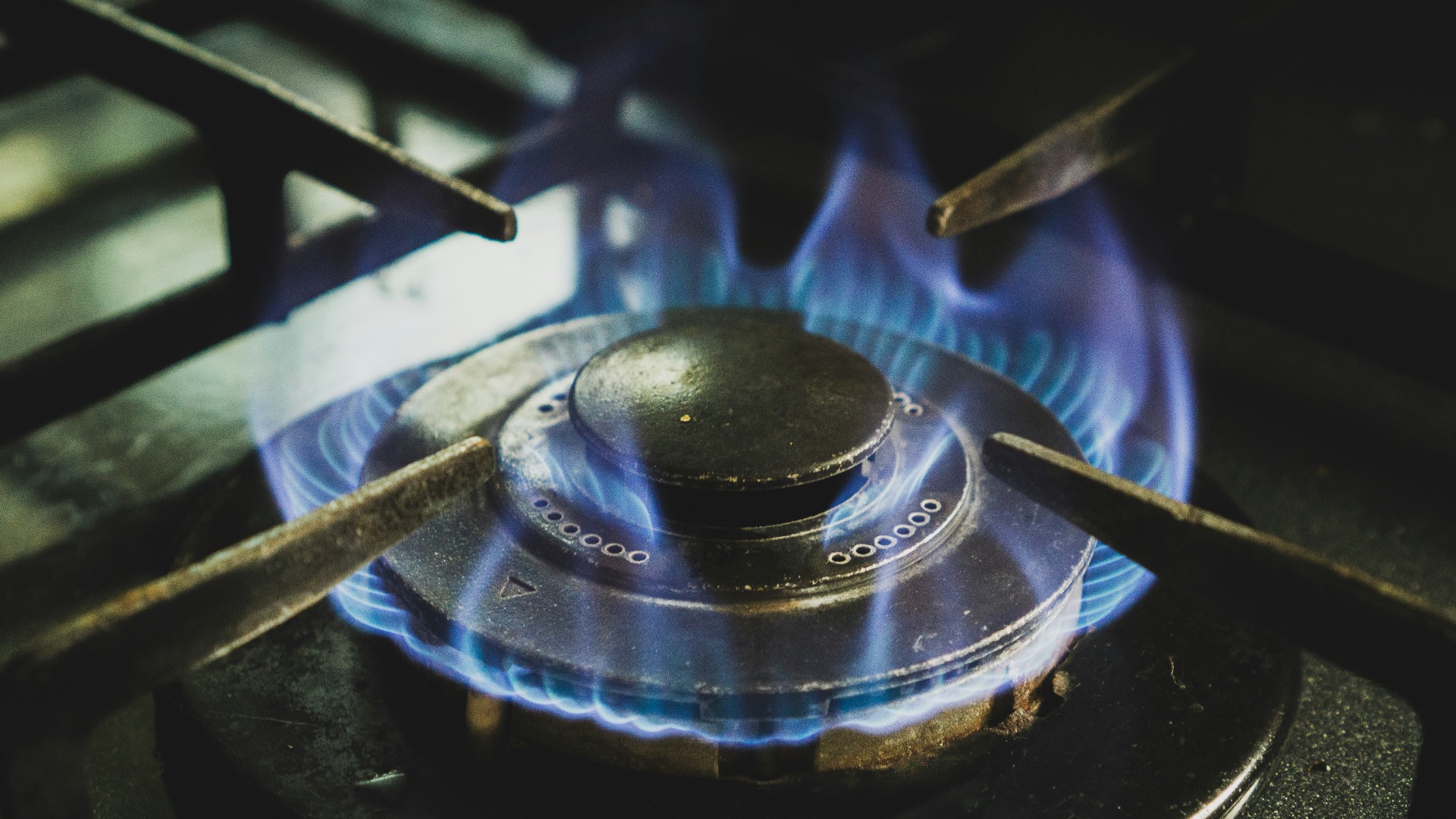
Gas stoves can be ideal for some home cooks, but you'll definitely want to be careful whenever you're using high heat. Move towels and other possibly flammable material out of the way, or you could accidentally start a fire. You should also monitor regularly to ensure there are no gas leaks or carbon monoxide.
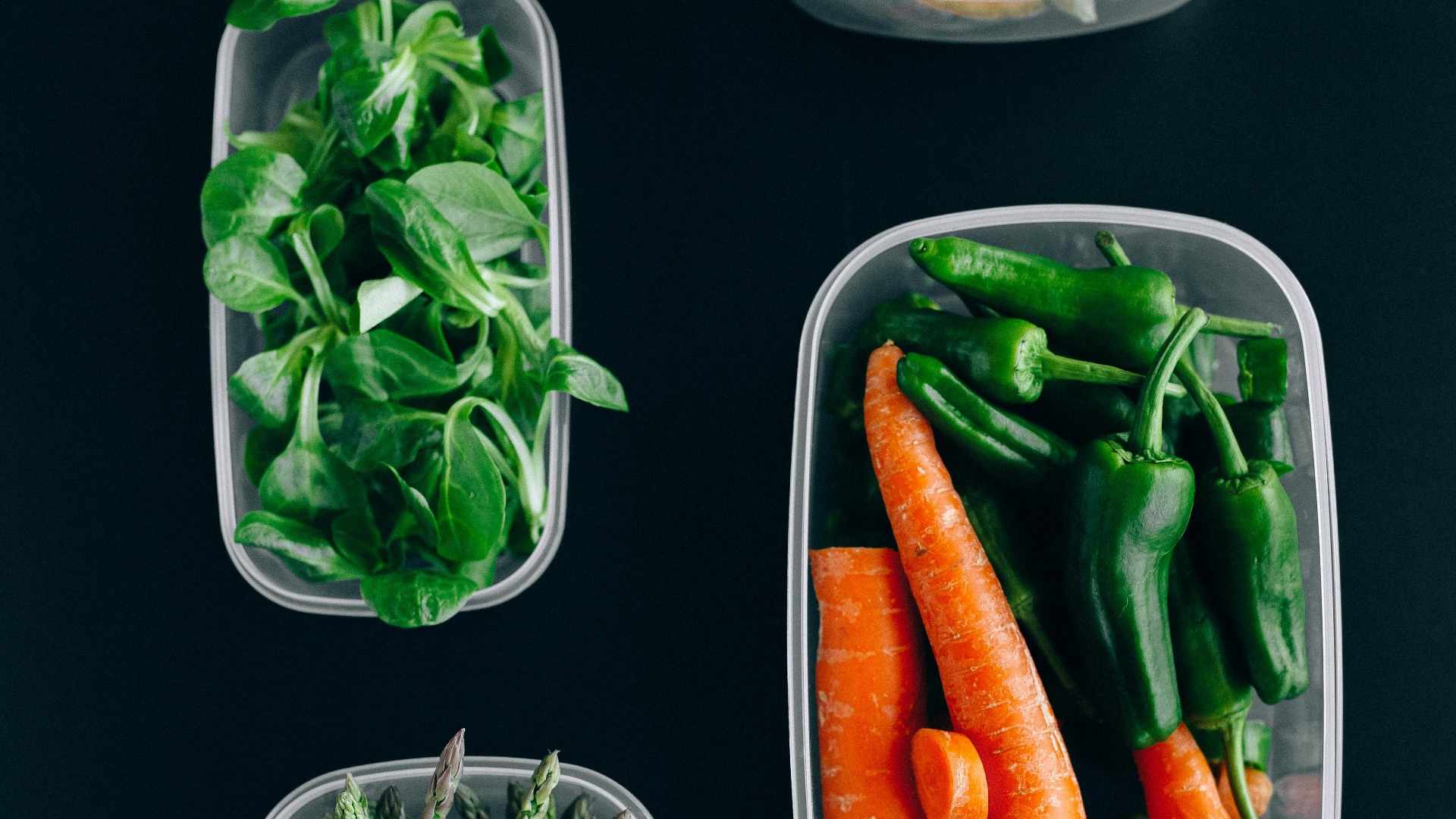
18. Plastic Containers
Always make sure your plastic containers don't contain phthalates or bisphenol-A (BPA), which could leach into your food and cause serious health issues. Cool down your food before storing it in these containers; if you need to reheat leftovers, transfer them into a bowl instead of sticking the plastic container directly into the microwave.
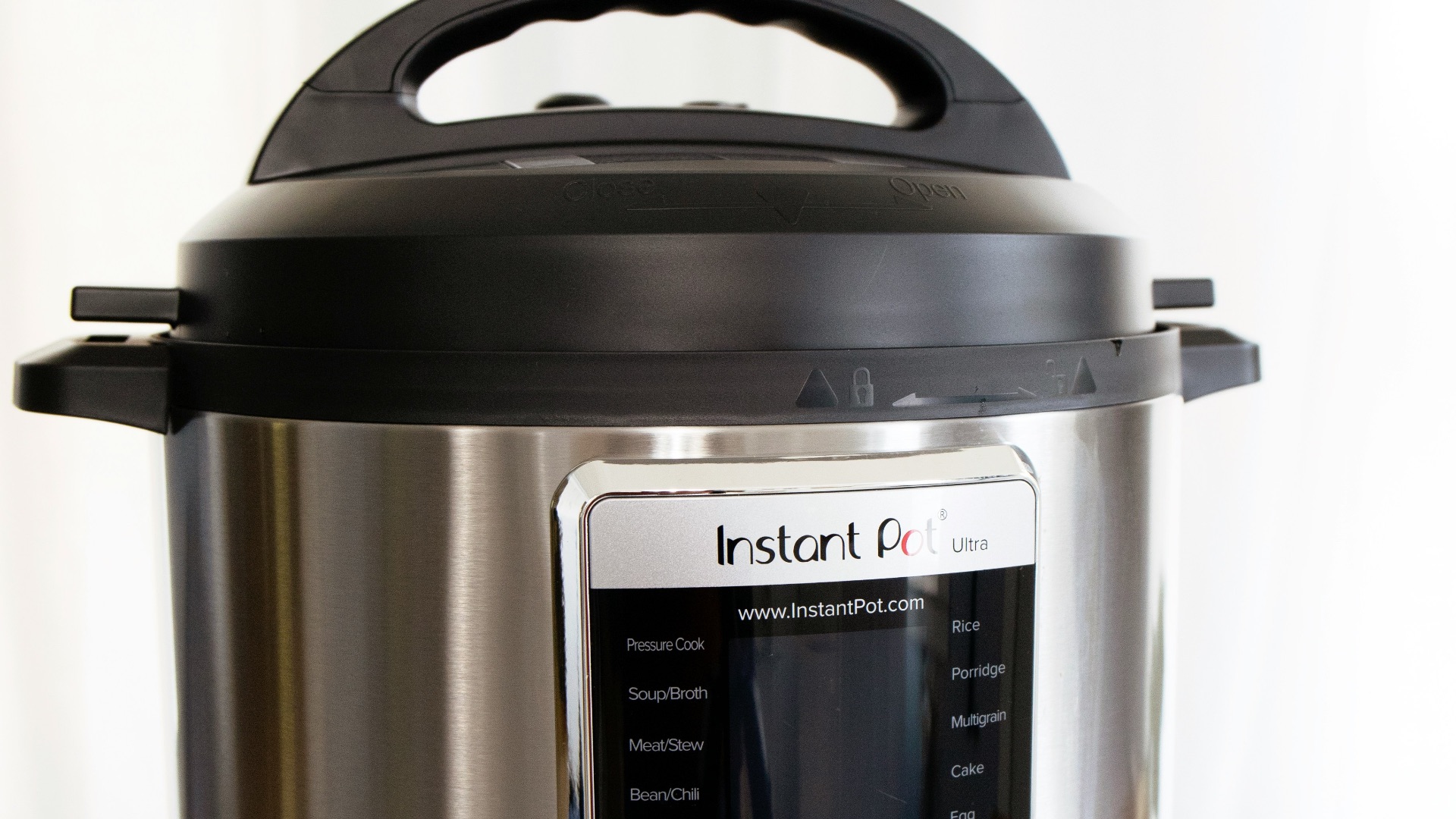
19. Pressure Cooker
Pressure cookers make preparing meals quick and easy, but if you don't use one correctly, you could accidentally burn yourself or even cause a fire. Make sure to read the manual and understand what the buttons and functions do instead of carelessly poking around.
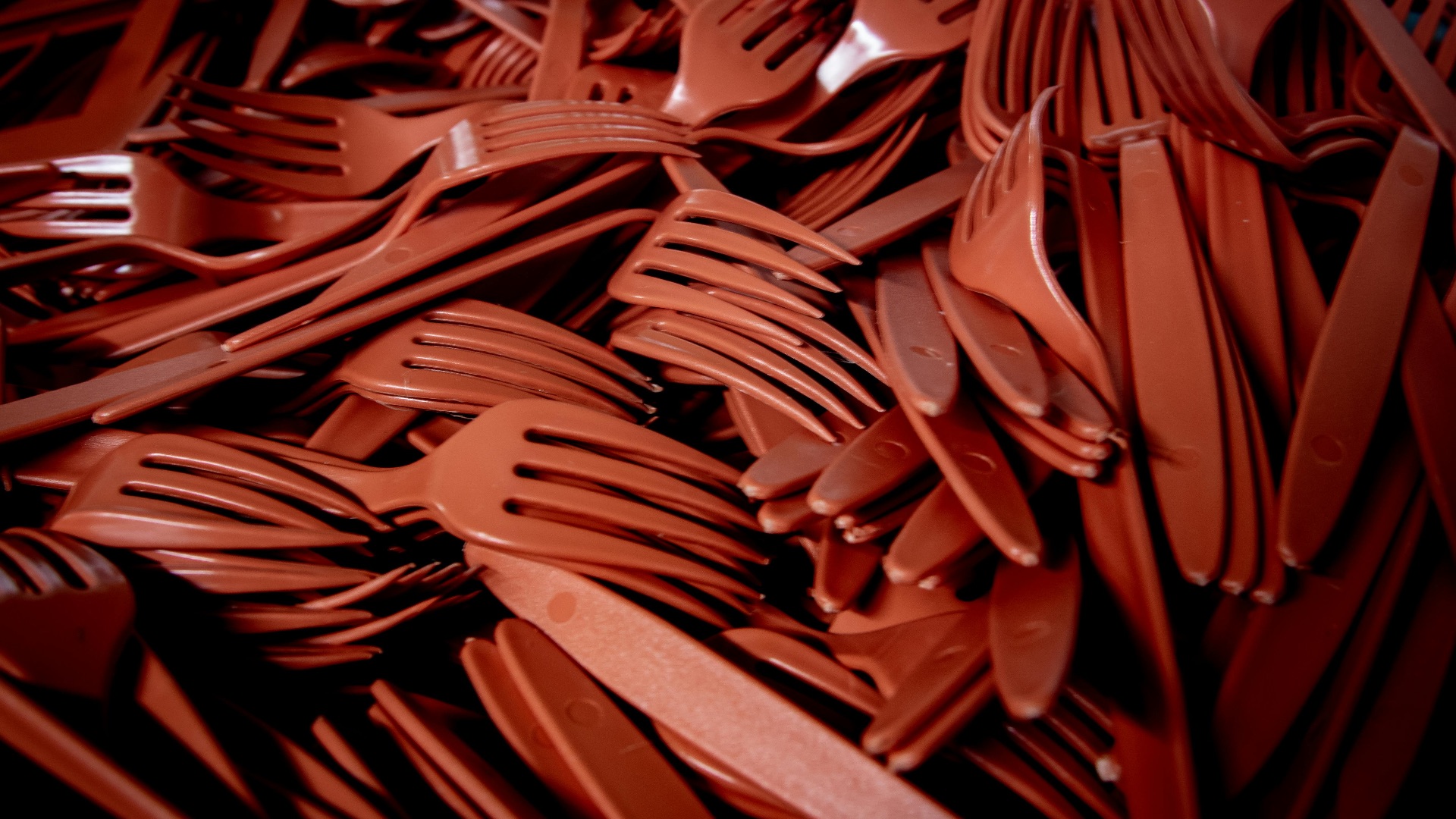
20. Plastic Utensils
It's not just your regular utensils you should be worried about—plastic utensils should be a cause of concern, too. Why? Research has found that some may contain toxic flame retardants, like decabromodiphenyl ether, which can leach into your food. It should go without saying, but never use plastic utensils to cook or expose them to heat.
KEEP ON READING