The Heavy Hitters
Biotin, or B7, plays a huge role in how our bodies process fats, carbohydrates, and amino acids. It tends to show up in “hair and nails” conversations, yet its day-to-day job is more basic and more useful: it supports key enzyme reactions your body relies on all the time. Most people get enough from regular eating, but these foods can help to up your intake.

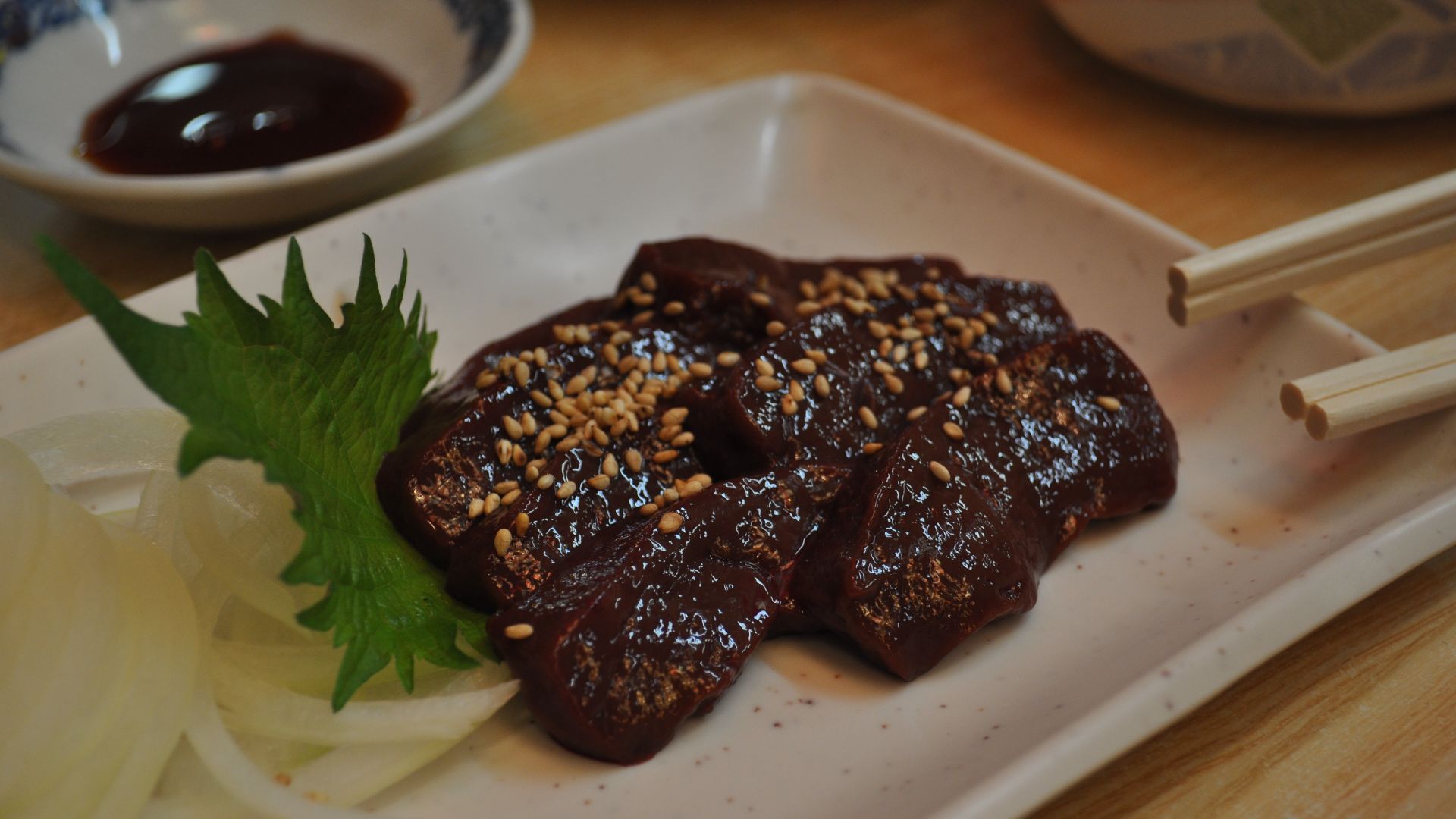
1. Beef liver
Beef liver is one of the biggest hitters for B7, and it does not require a complicated recipe to count. A cooked serving of around three ounces can deliver about 30 micrograms, which is roughly the Daily Value for adults.
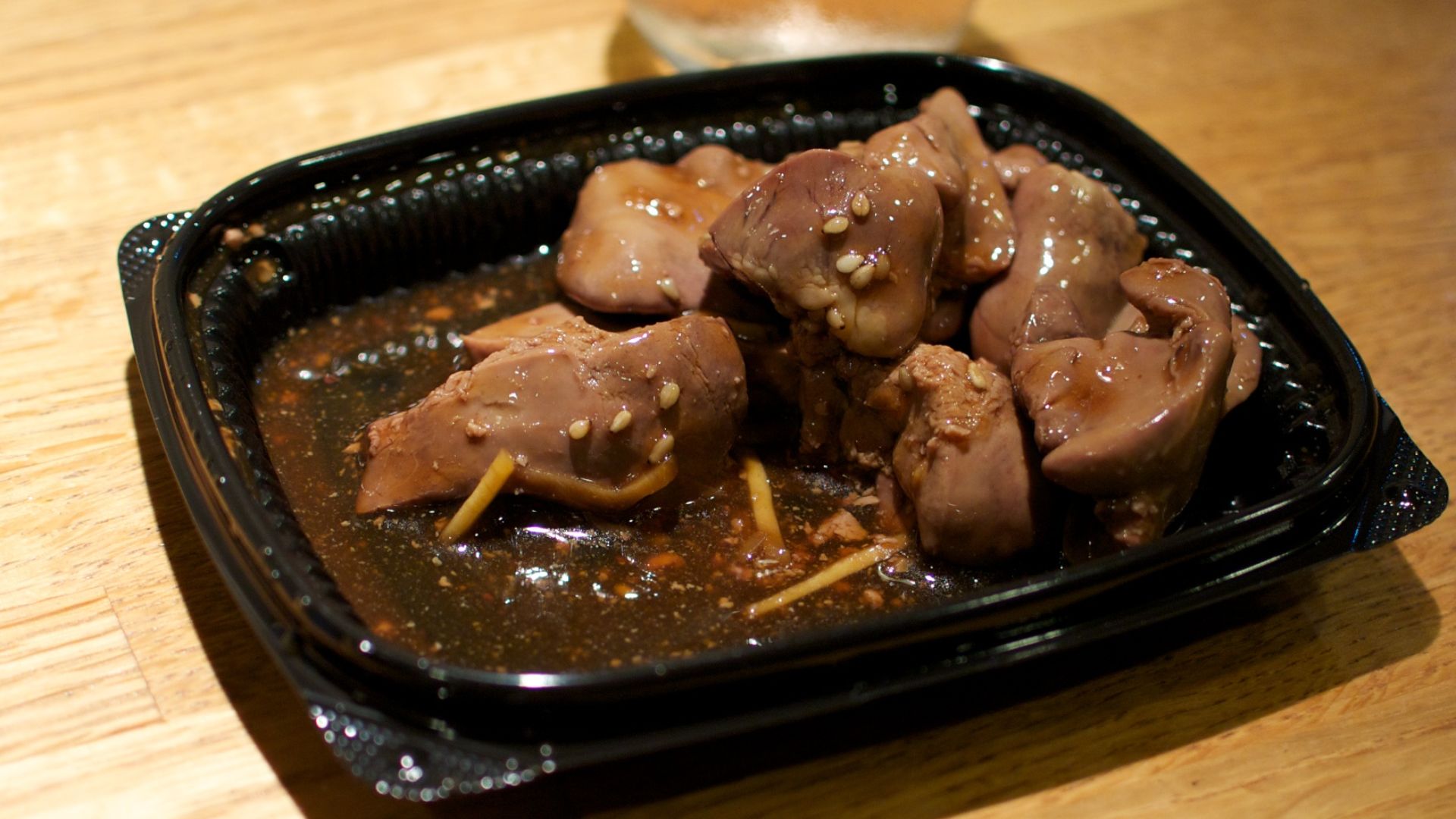
2. Chicken liver
Chicken liver is a particularly strong source of this necessary vitamin when eaten cooked. If the texture is what stops you, serving it as a smooth spread on toast tends to make it easier to enjoy.
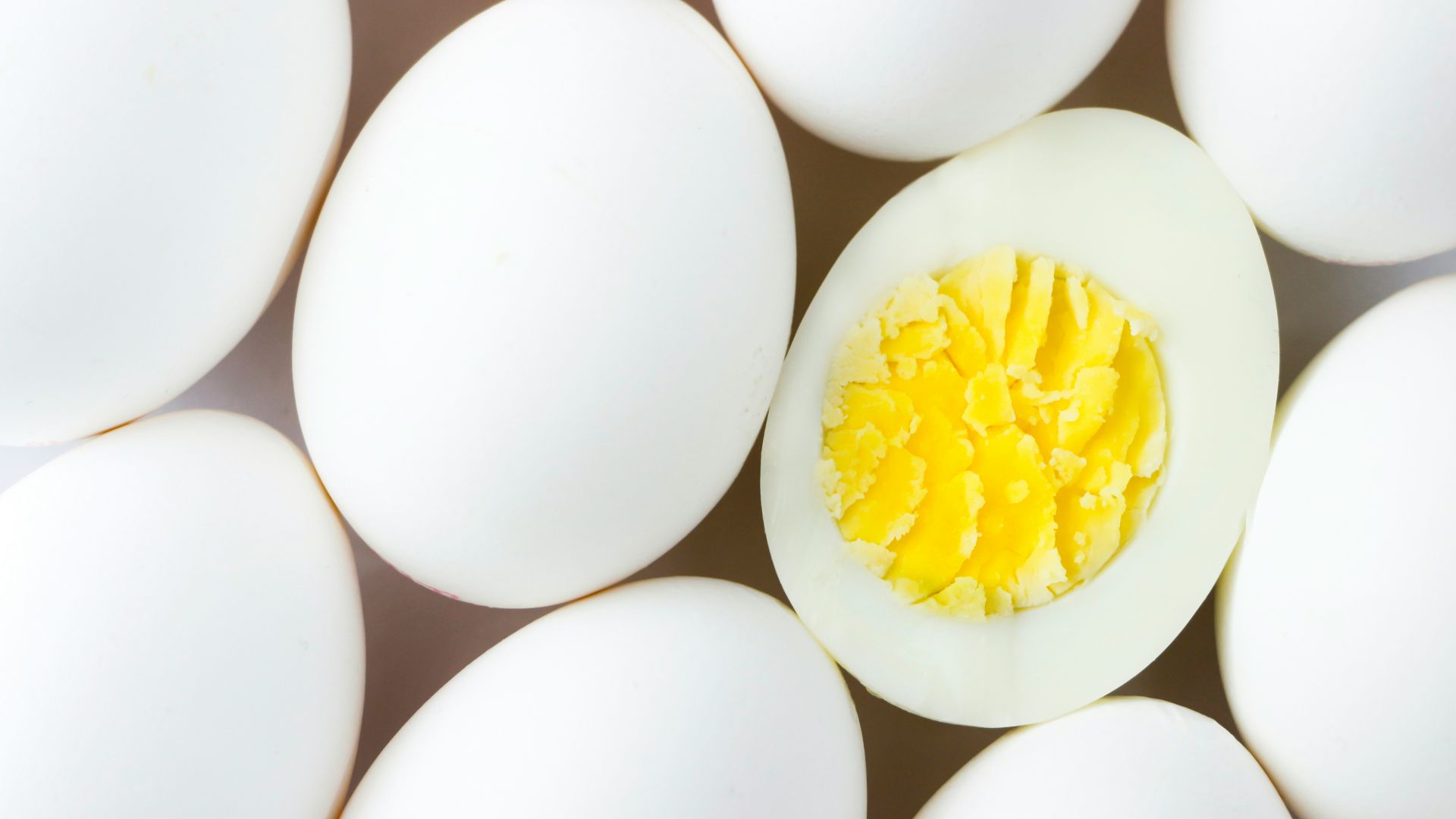
3. Cooked Eggs
A whole cooked egg is one of the most convenient ways to add B7 without too much preparation, about 10 micrograms per egg. While egg whites get villainized from time to time due to a higher concentration of carbohydrates, we promise an egg or two a day won’t put you out.
4. Salmon
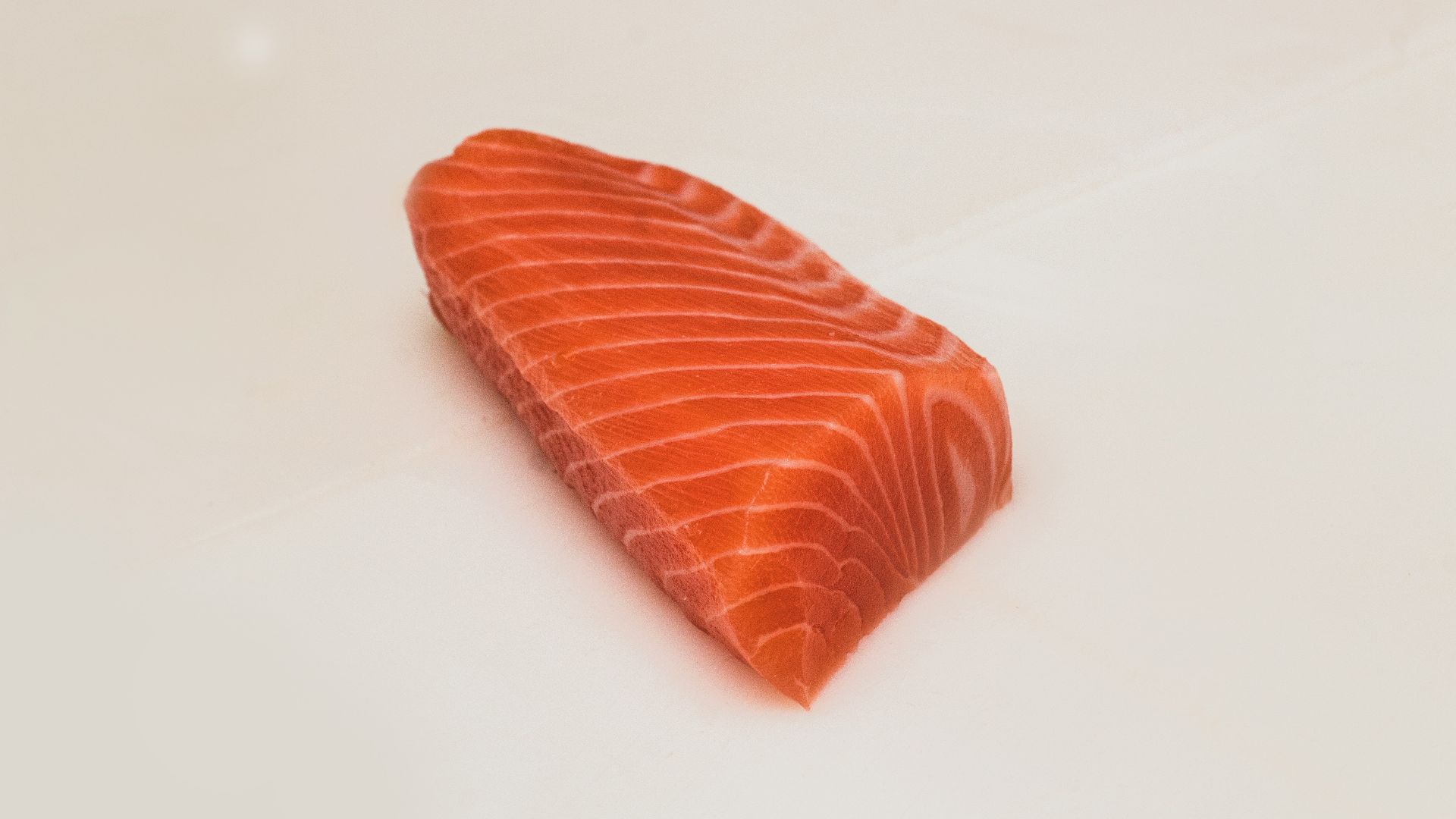
Salmon earns its spot because it brings B7 along with protein, and it fits easily into weeknight dinners.
Canned pink salmon contains about five micrograms of B7 per three-ounce serving, while the fresher stuff usually contains a little bit more.
5. Pork chop
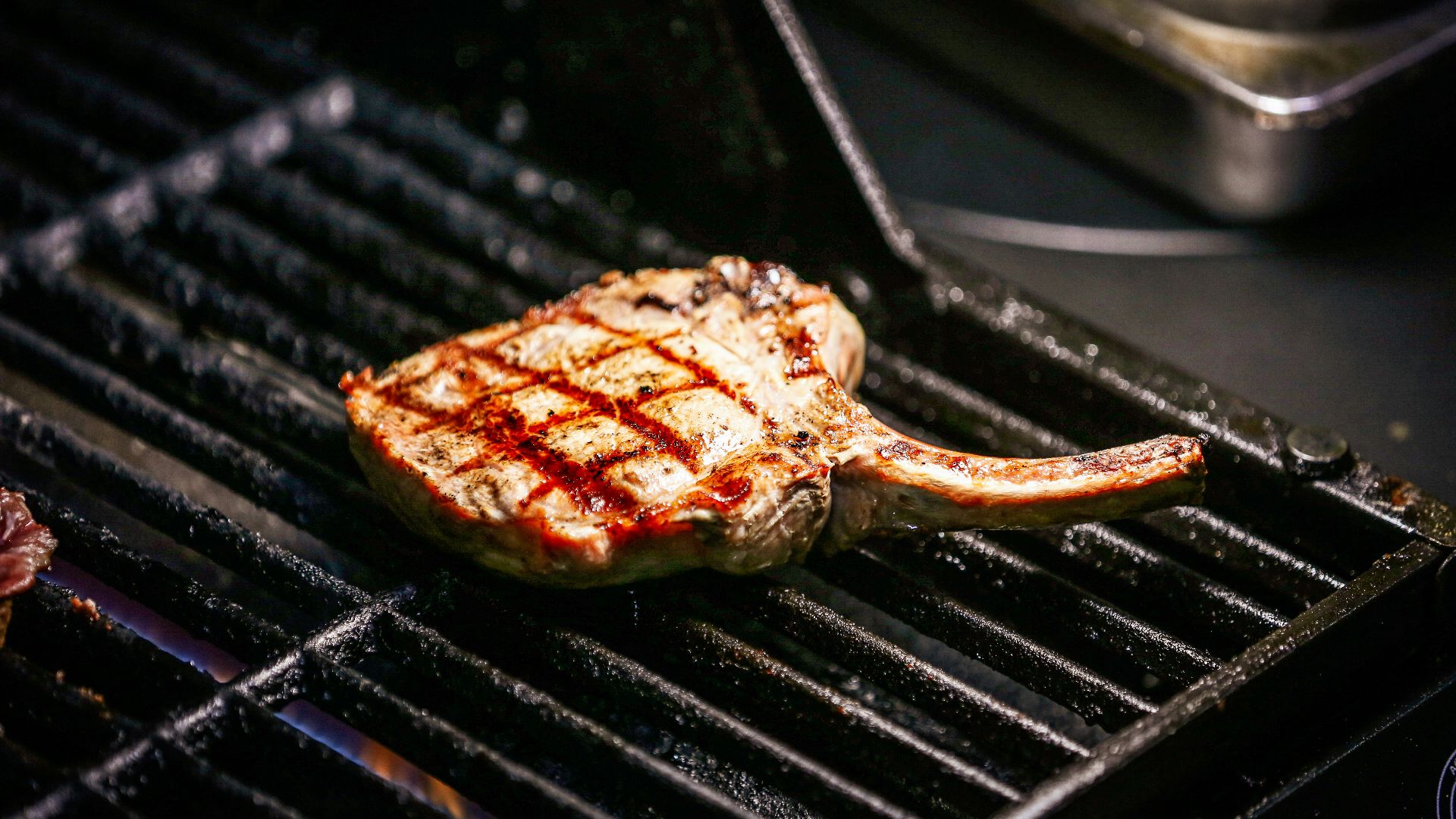
Pork chops are a straightforward, familiar dinner that can contribute meaningful B7. The NIH lists a cooked pork chop at about 3.8 micrograms per three-ounce serving, which adds up when it’s part of a normal rotation. A quick sear and a short oven finish usually keep the meat juicy.
6. Hamburger patty
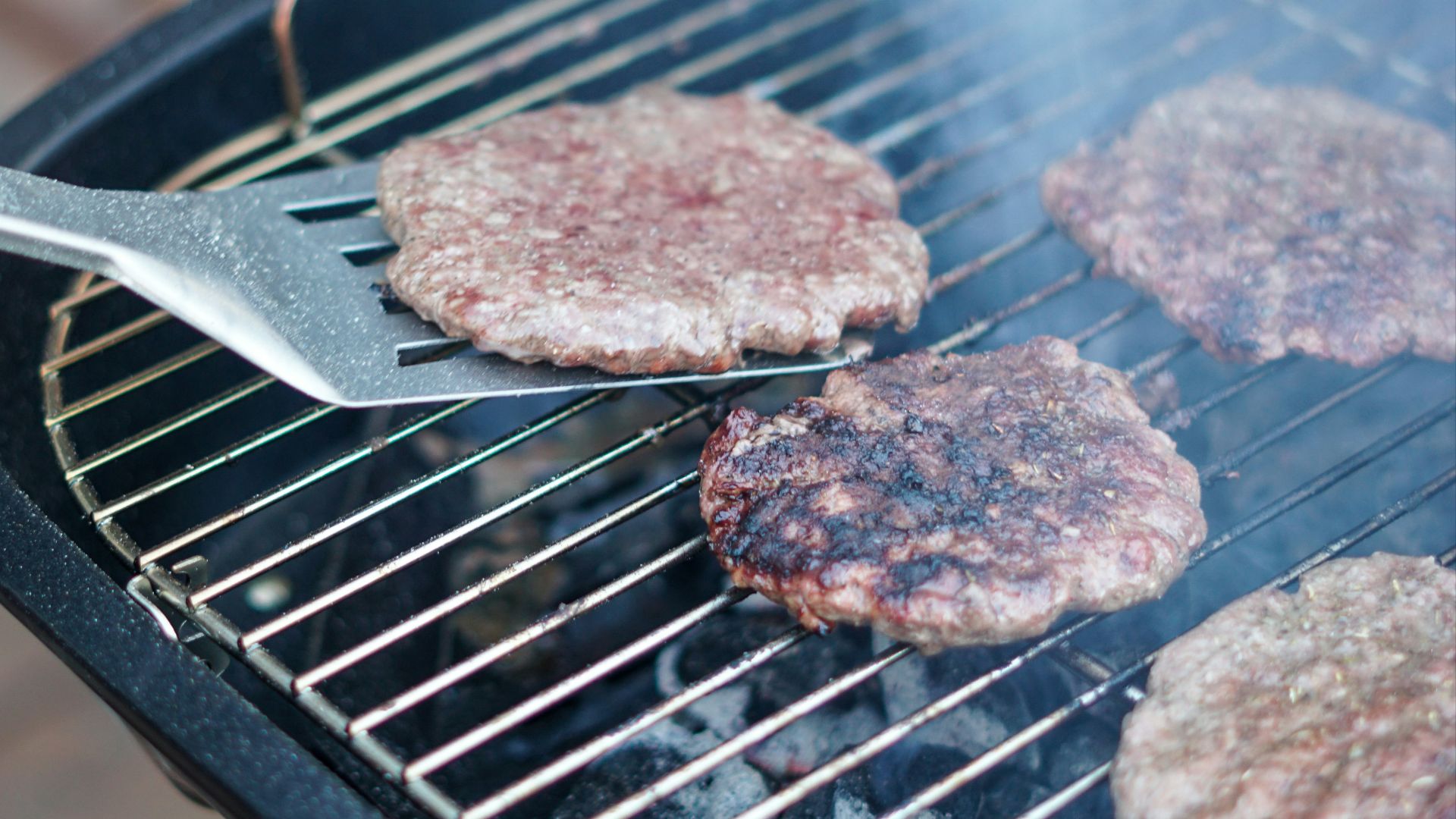
Ground beef is another practical option when you want a B7-friendly protein without too much preparation. Containing about 3.8 micrograms per three ounces, you get a vitamin-friendly meal and a tasty dinner to boot.
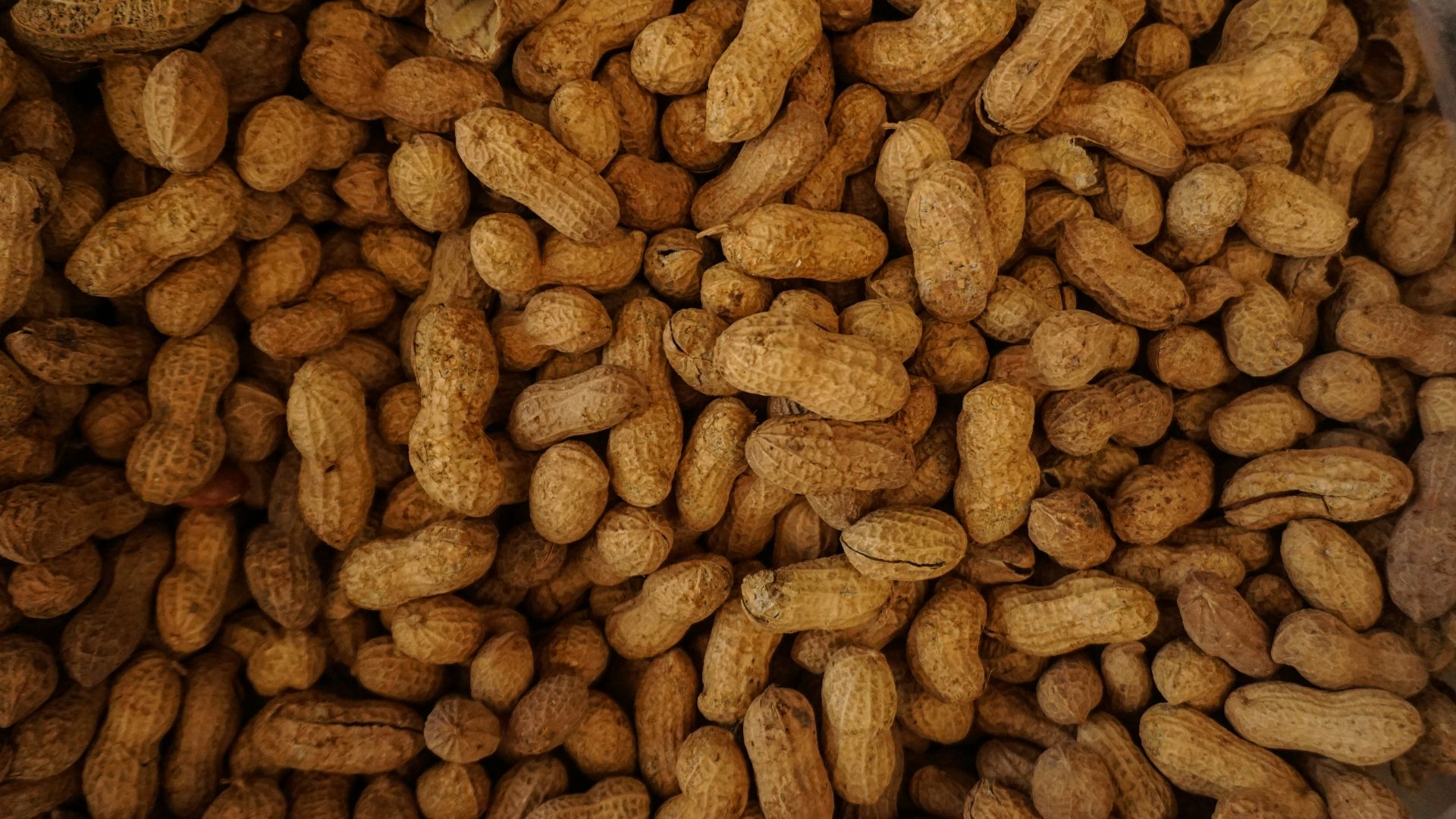
7. Peanuts
Peanuts are one of the snack foods that actually pack a nutritional punch, and they show up on credible “good sources” lists for biotin. Peanut butter counts too, but store-bought also usually contains higher amounts of sugars and fats.
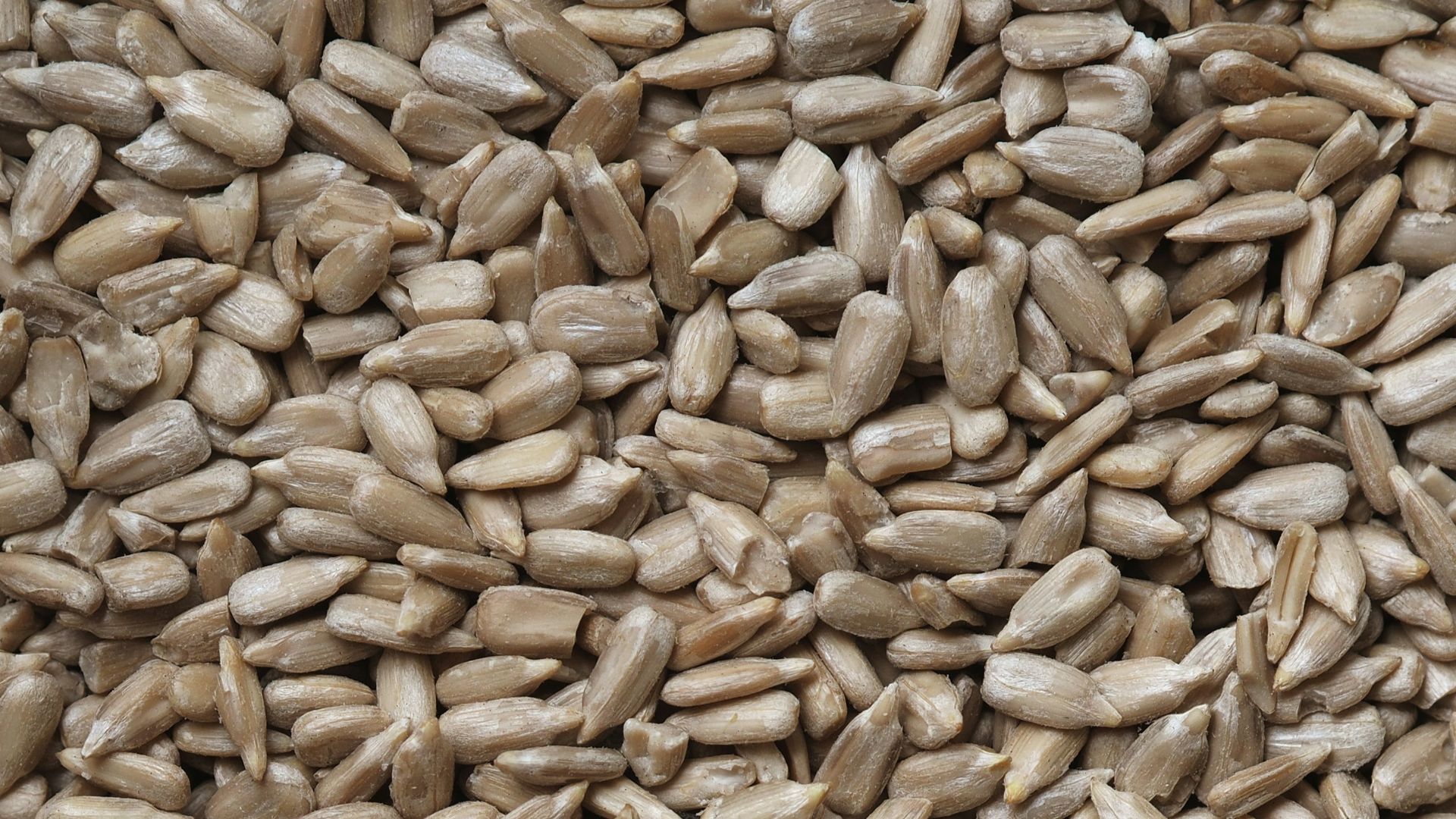
8. Sunflower seeds
Sunflower seeds are a low-effort add-on that bumps up your B7 intake easily, adding about 2.6 micrograms per quarter cup. They work best when used as a topping, but are also easy to snack on throughout the day.
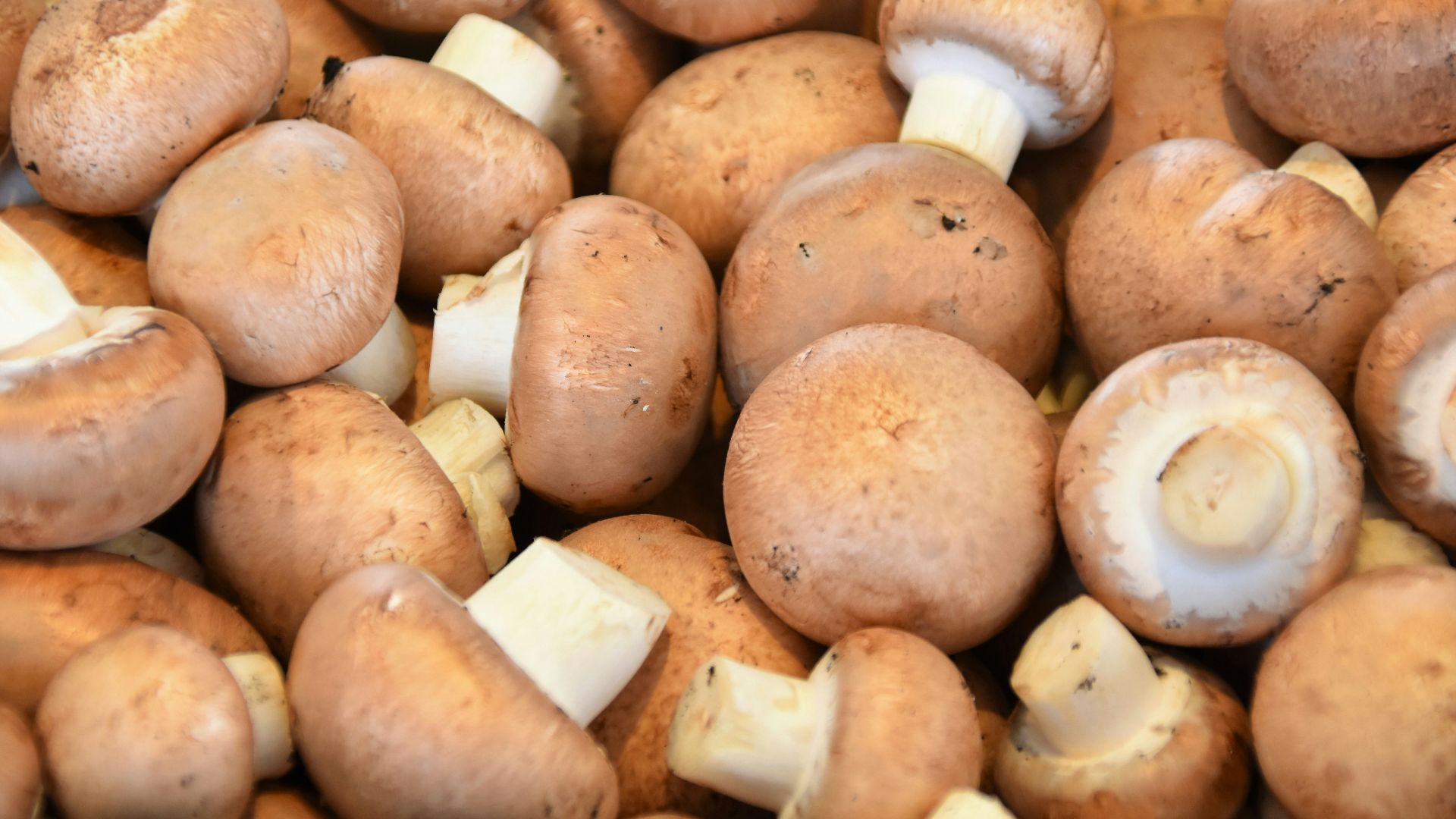
9. Canned mushrooms
Mushrooms add texture, flavor, and a whole whack of biotin! They’re also easy to add to meals, especially if you buy them canned. Whether you add them to a pasta or to an omelet, you’ll feel better knowing that you’re eating something not only tasty but also good for you.
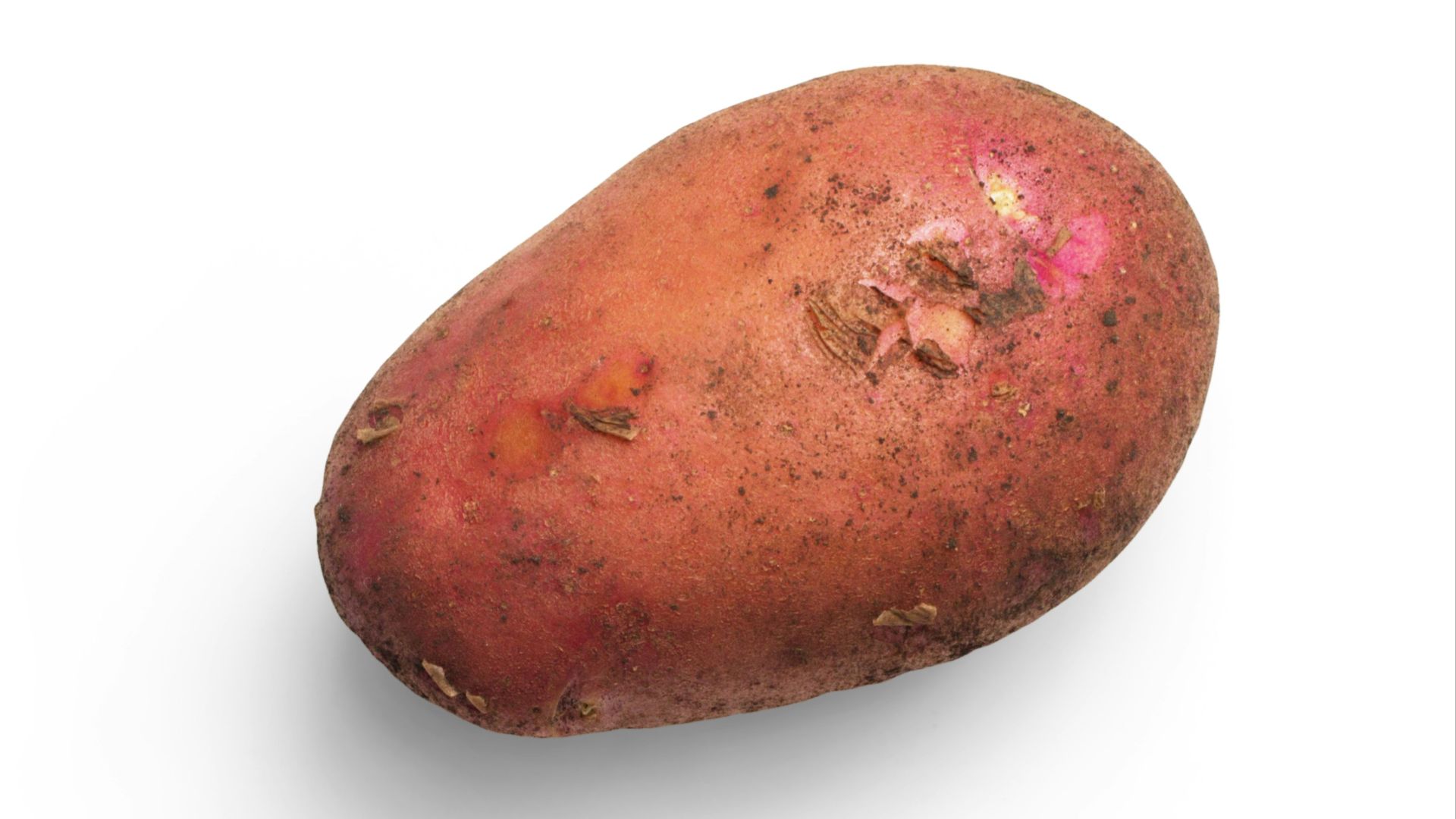
10. Sweet potato
Sweet potatoes land in that sweet spot of being comforting, versatile, and full of B7.
The NIH lists cooked sweet potatoes at about 2.4 micrograms per half cup. Roasting a few at the start of the week makes it easier to toss chunks into salads or bowls when you want something filling.
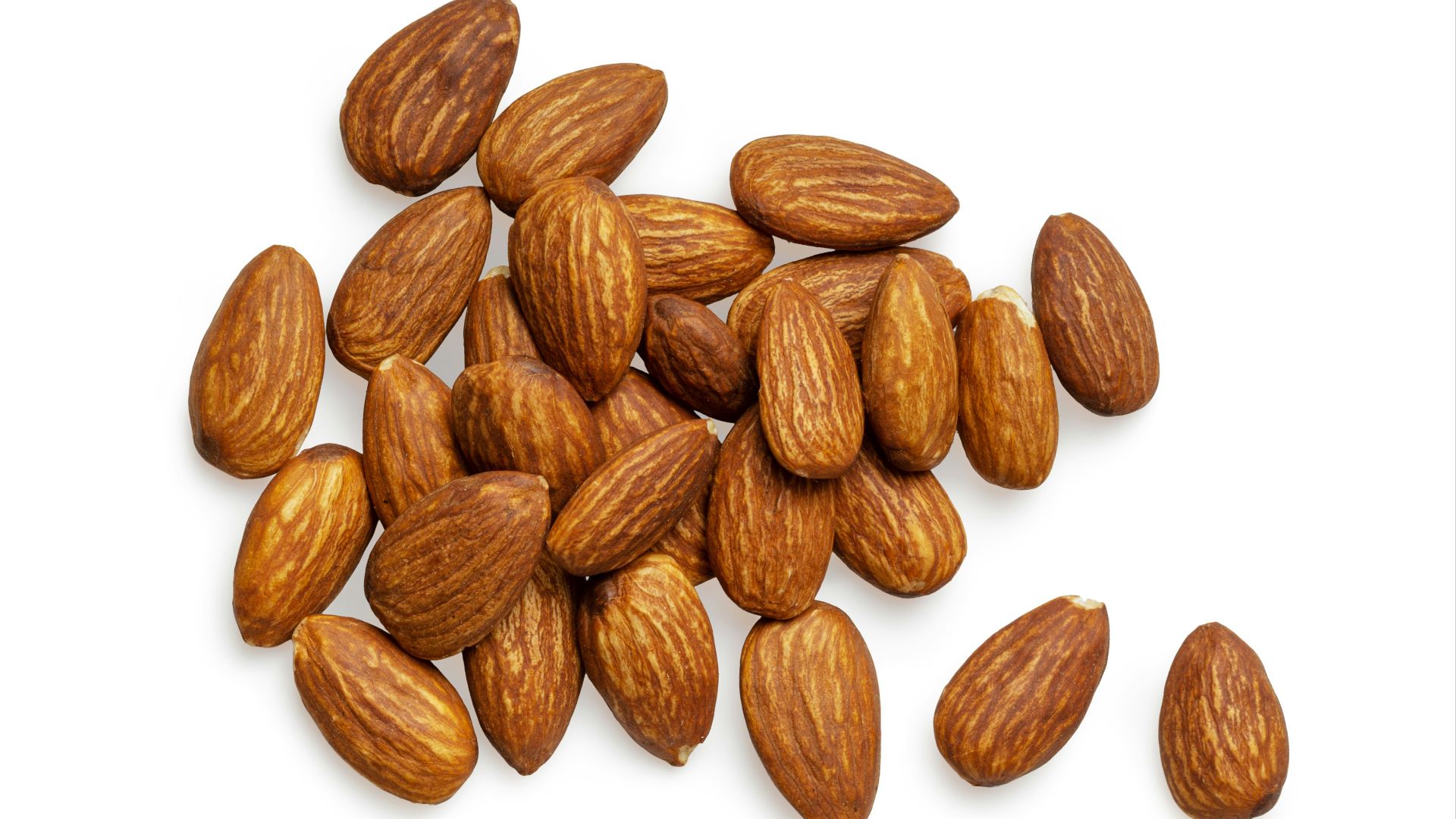
11. Almonds
At about 1.5 micrograms of B7 per cup, almonds are an easy and convenient snack that you can eat alone or add to salads or bowls. Sure, they’re not the highest in B7, but they will leave you feeling full.
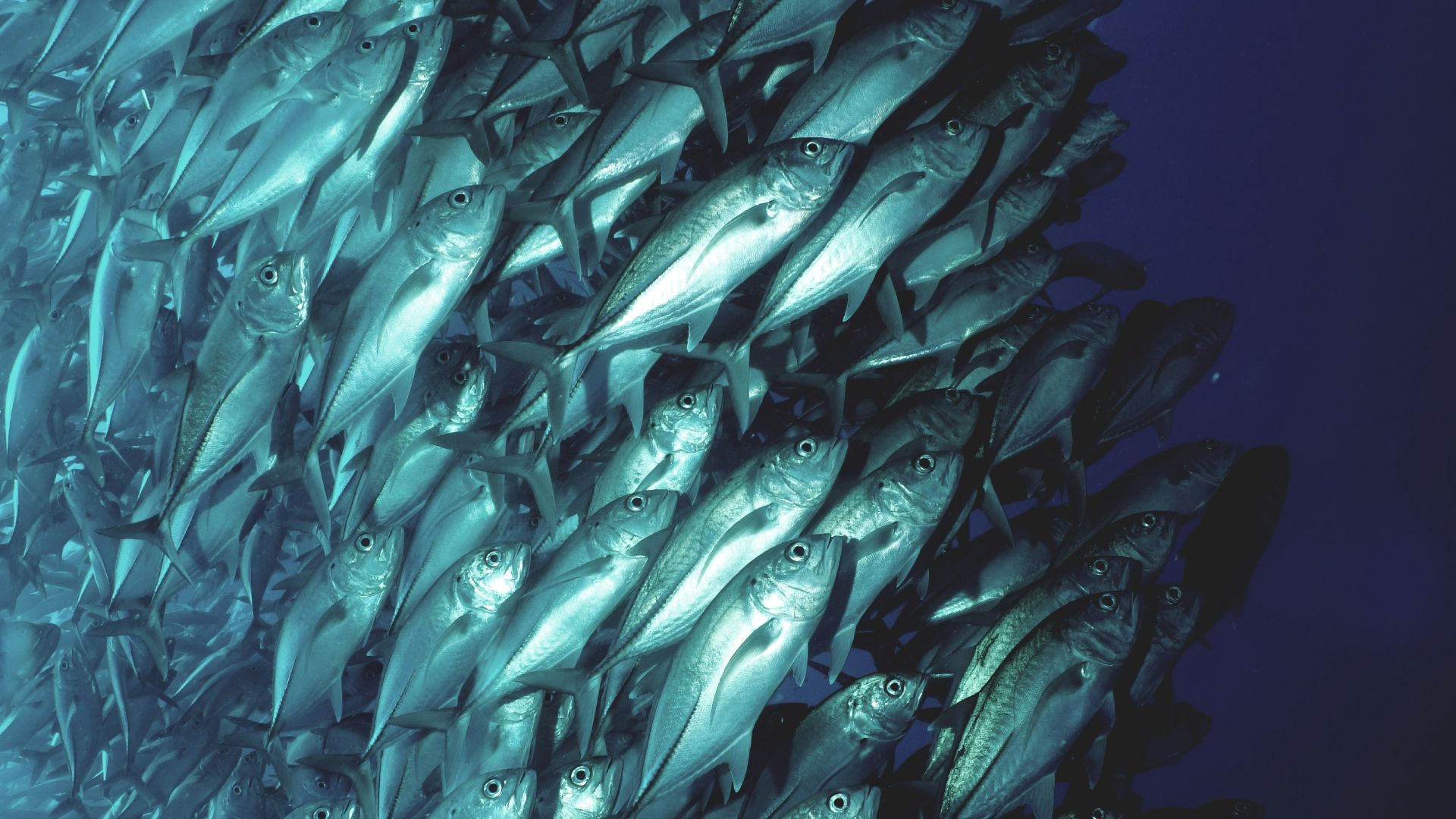
12. Tuna
Tuna is one of those practical proteins that works when you’re low on time and still want something decent. While it doesn’t have a high amount of B7, about 0.6 micrograms per cup, it’s still a tasty lunch option packed with other health benefits.
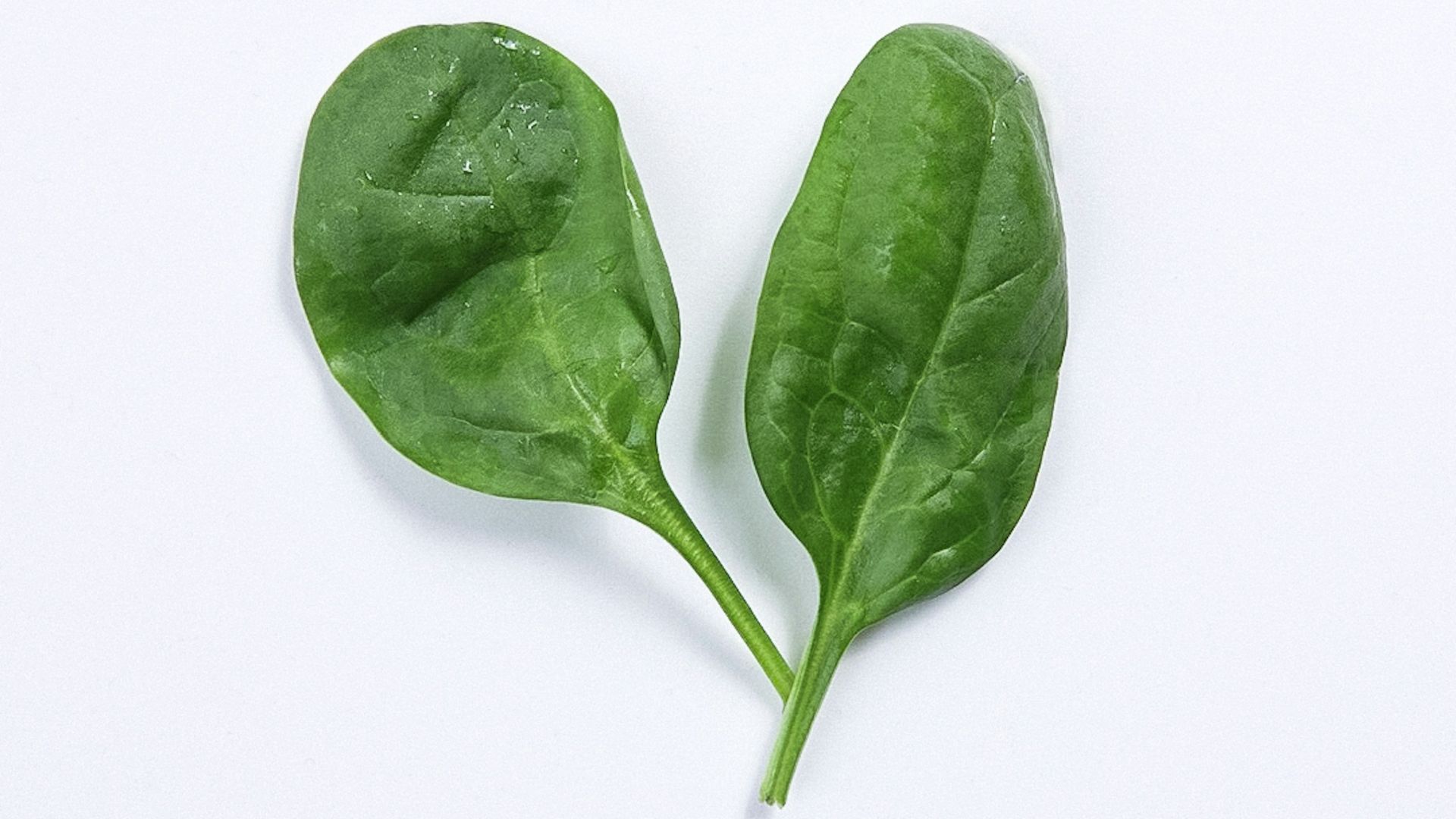
13. Spinach
Spinach is not going to carry your B7 intake on its own, but it can contribute while also making meals feel fresher. The NIH lists boiled spinach at about 0.5 micrograms per half cup. Tossing a handful into soups, pasta, or eggs is an easy way to keep those numbers up.
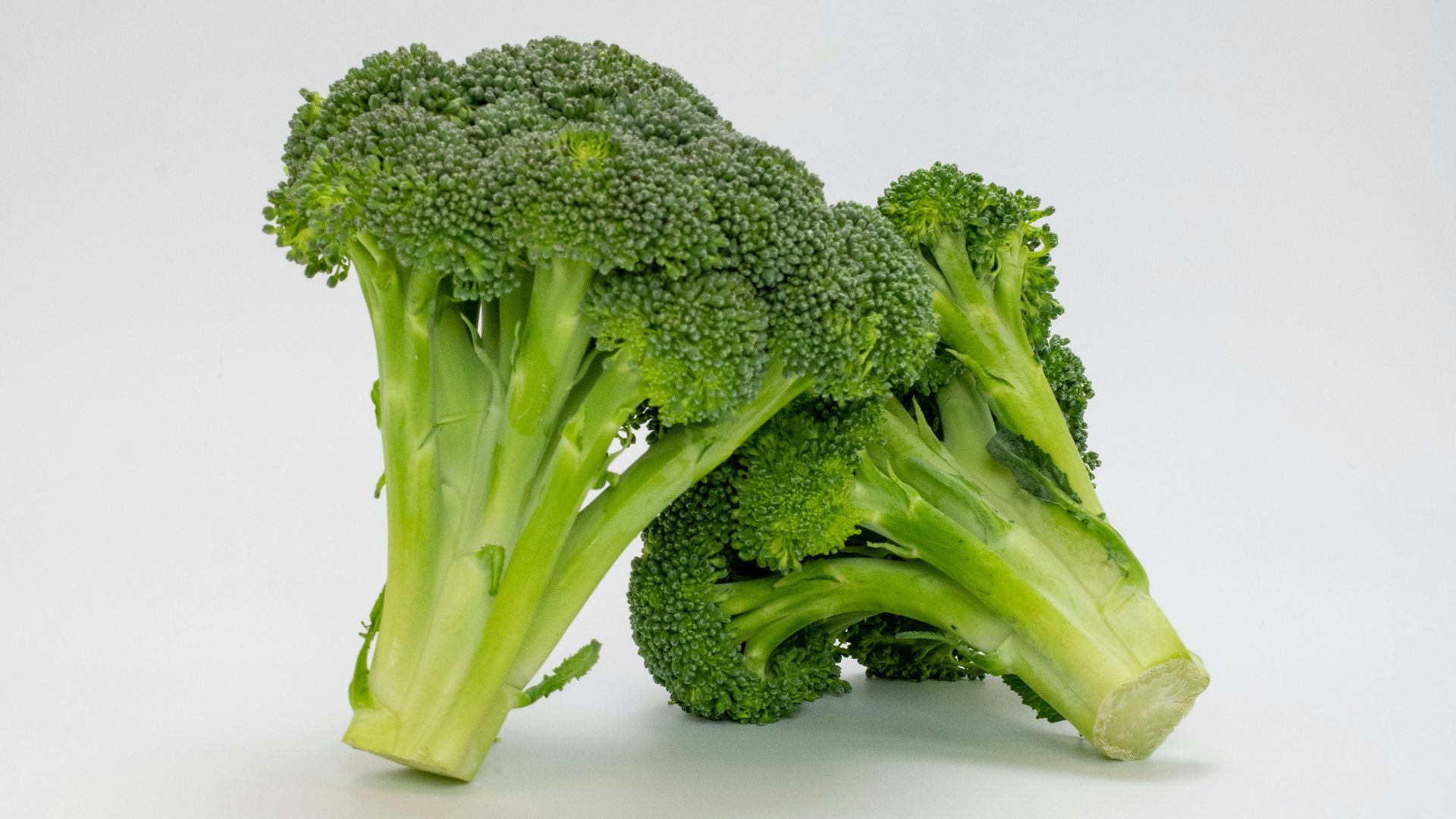
14. Broccoli
Broccoli is another low-key contributor that fits into lots of meals. Fresh broccoli contains about 0.4 micrograms per cup, but also has a lot of other feel-good vitamins and minerals, such as Vitamin C, Vitamin K, Vitamin A, B9, and B6.
 Katherine Jenswold on Unsplash
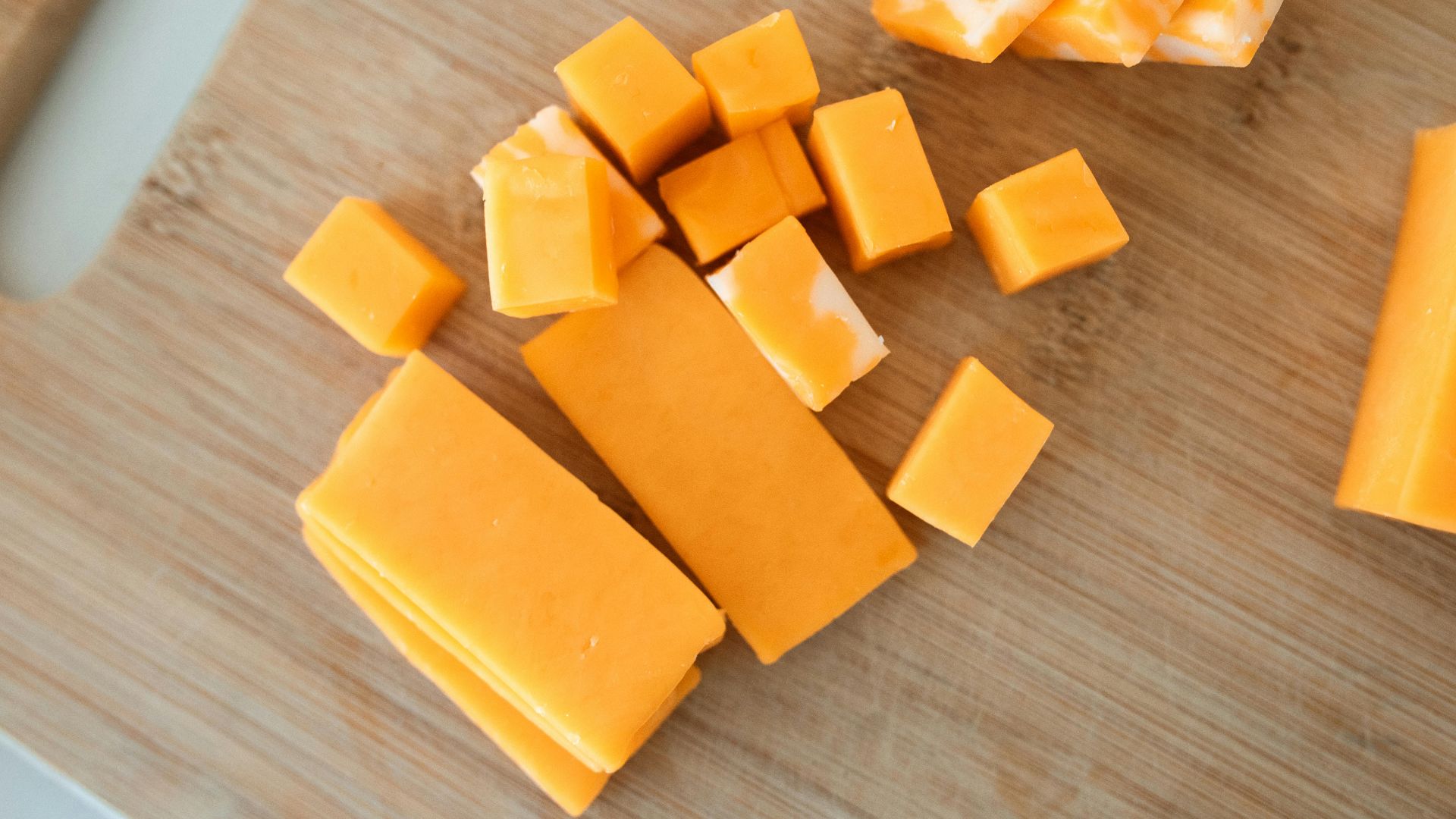
15. Cheddar Cheese
Cheddar is not the food people expect to see on a B7 list, which is part of why it is worth mentioning. The NIH lists mild cheddar at about 0.4 micrograms per one-ounce serving.
16. Two Percent Milk
Milk contributes a little B7, around 0.3 micrograms per cup. It’s not a lot, but if you’re typically eating oatmeal or drinking coffee with milk every day, it can add up over time.

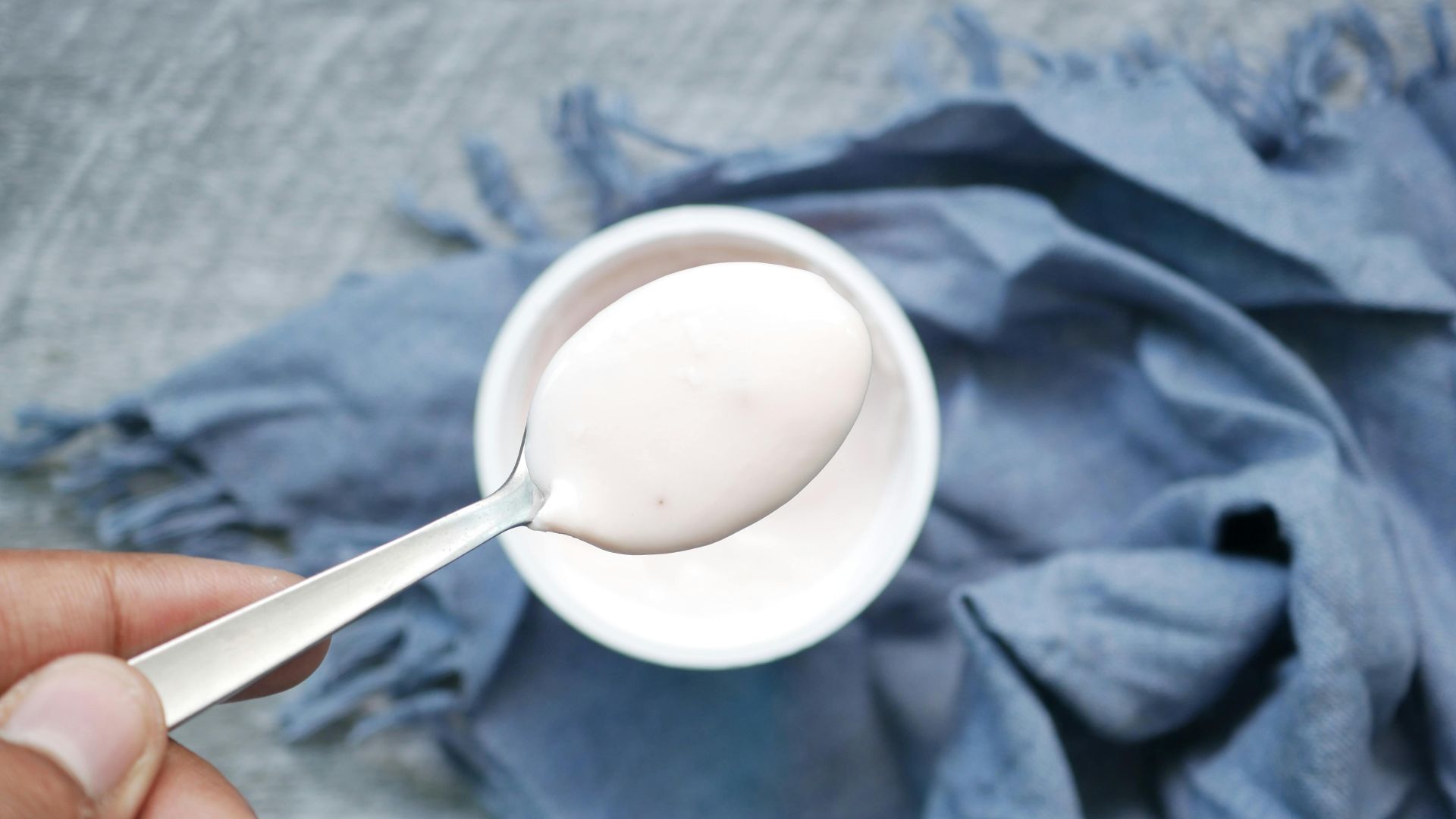
17. Plain Yogurt
Plain yogurt is another everyday food that contributes a bit of B7 while also bringing protein, depending on the type you buy. The NIH lists plain yogurt at about 0.2 micrograms per cup. It’s easy to dress up with fruit or nuts.
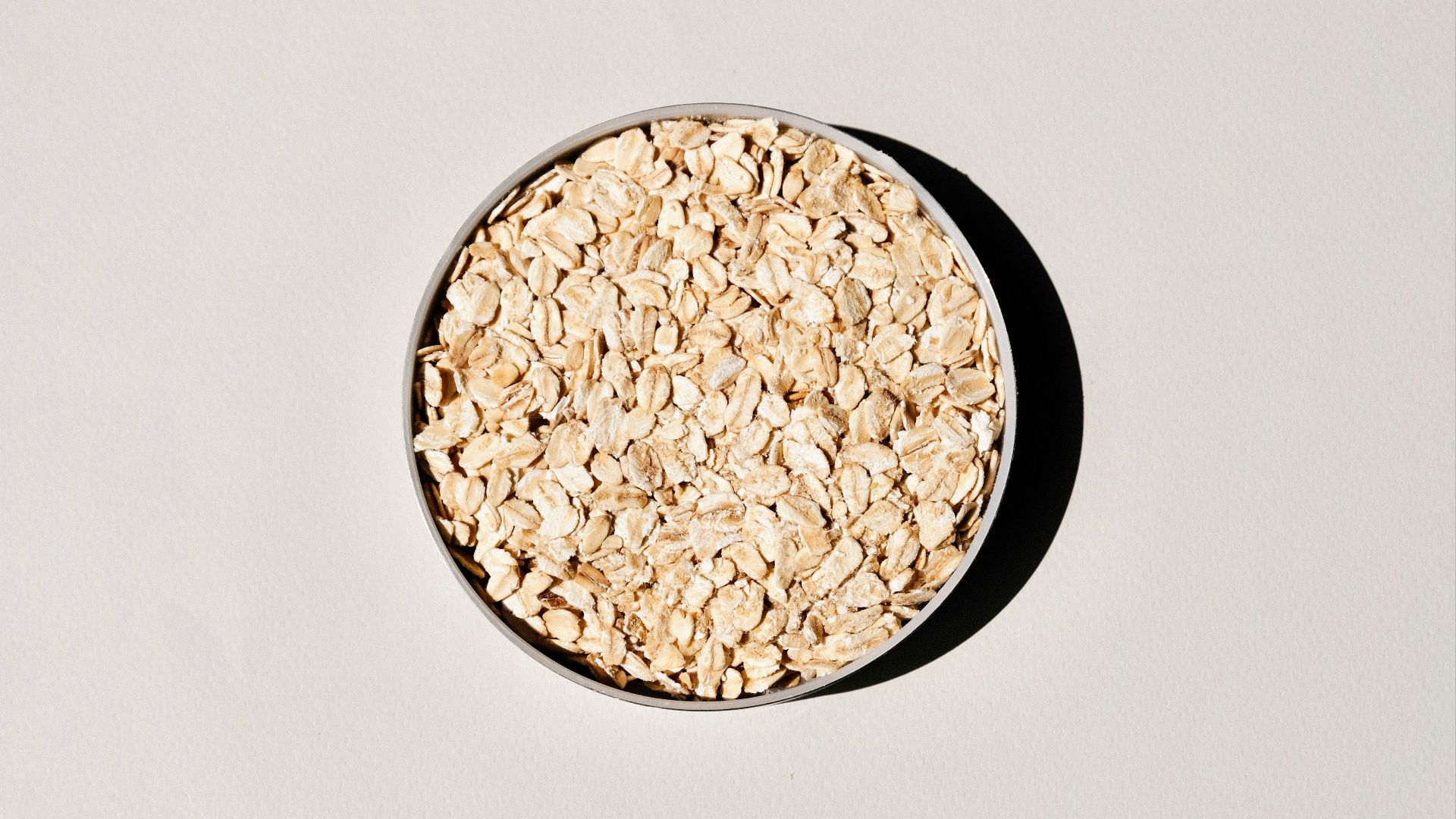
18. Oatmeal
Oatmeal is not a high-biotin superstar, yet it belongs on the list because it is such a repeat breakfast for a lot of people. If you top it with a B7-stronger ingredient like sunflower seeds, you get a more nutrient-dense bowl without having to add unnecessary extra steps.
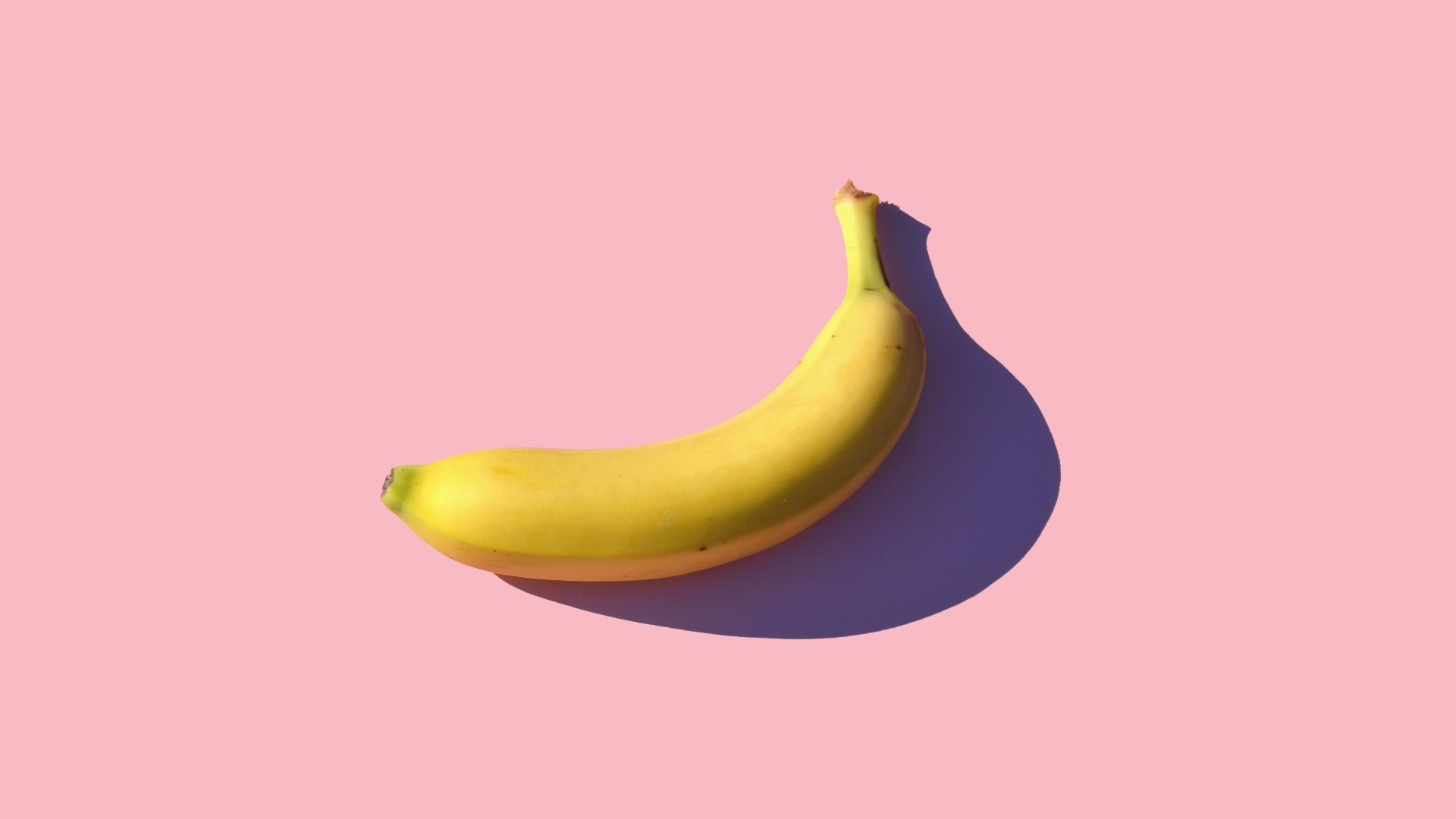
19. Banana
Bananas are easy, reliable, and they contribute a small amount of B7, around 0.2 micrograms per cup. Whether you enjoy it alone, on top of toast, or in a smoothie, this friendly fruit can do wonders for your health.
20. Avocado
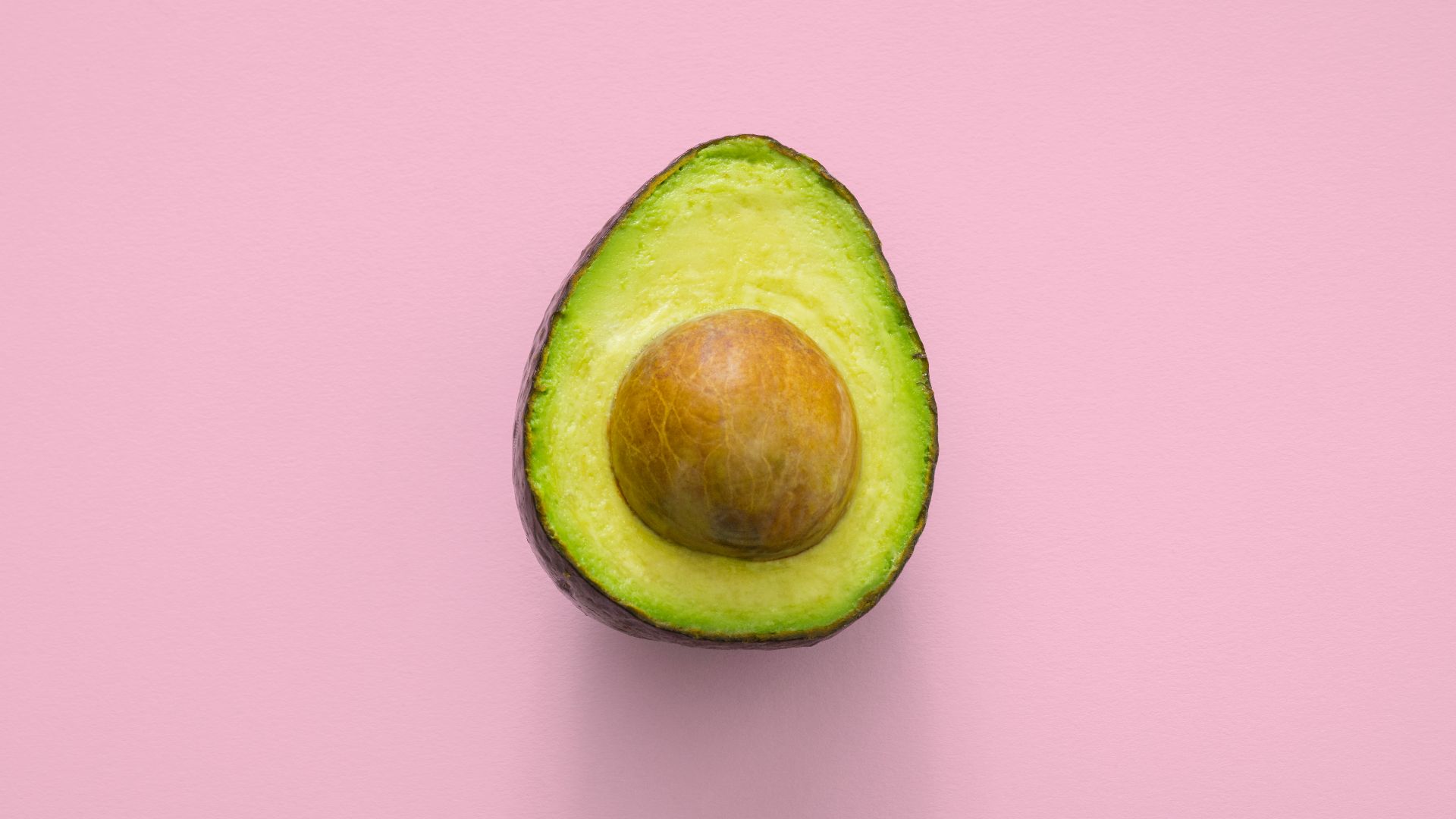
Avocado is regularly mentioned as a source of B7 by established nutrition references, and it fits into meals without much planning.
It works well smashed on toast, sliced onto a grain bowl, or in a simple salad. You can also enjoy guacamole and know that you’re getting some decent vitamin intake!
KEEP ON READING