Familiar Menus Shape What We Crave
Chain restaurants thrive on consistency, which is comforting when you want something predictable and fast. Over time, certain dishes earn loyal followings because they taste the same everywhere and deliver exactly what people expect. Others stick around mostly because of habit, nostalgia, or clever marketing, even when execution doesn’t quite justify the price. Knowing which items chains truly do well, and which ones tend to disappoint, can quietly improve your next order. Here are 10 chain restaurant dishes people always order and 10 they shouldn't.
1. Cheeseburgers
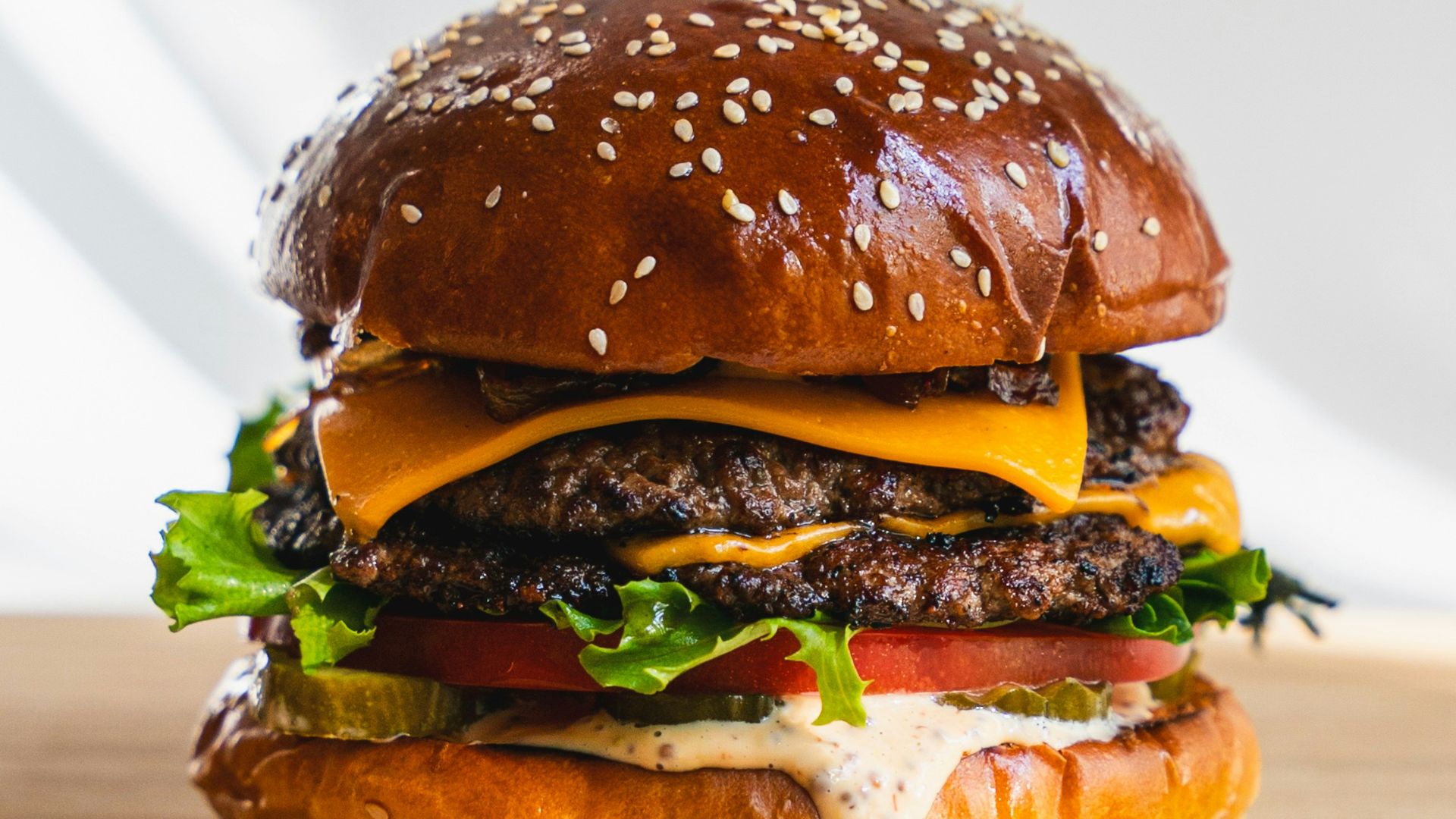
Cheeseburgers are one of the most optimized items on any chain menu because they’ve been refined through years of repetition. The patties are portioned consistently, and the cooking process is designed to minimize variation from location to location. As long as the toppings stay simple, the flavors remain balanced and familiar. You’re ordering something the kitchen has made thousands of times.
 amirali mirhashemian on Unsplash
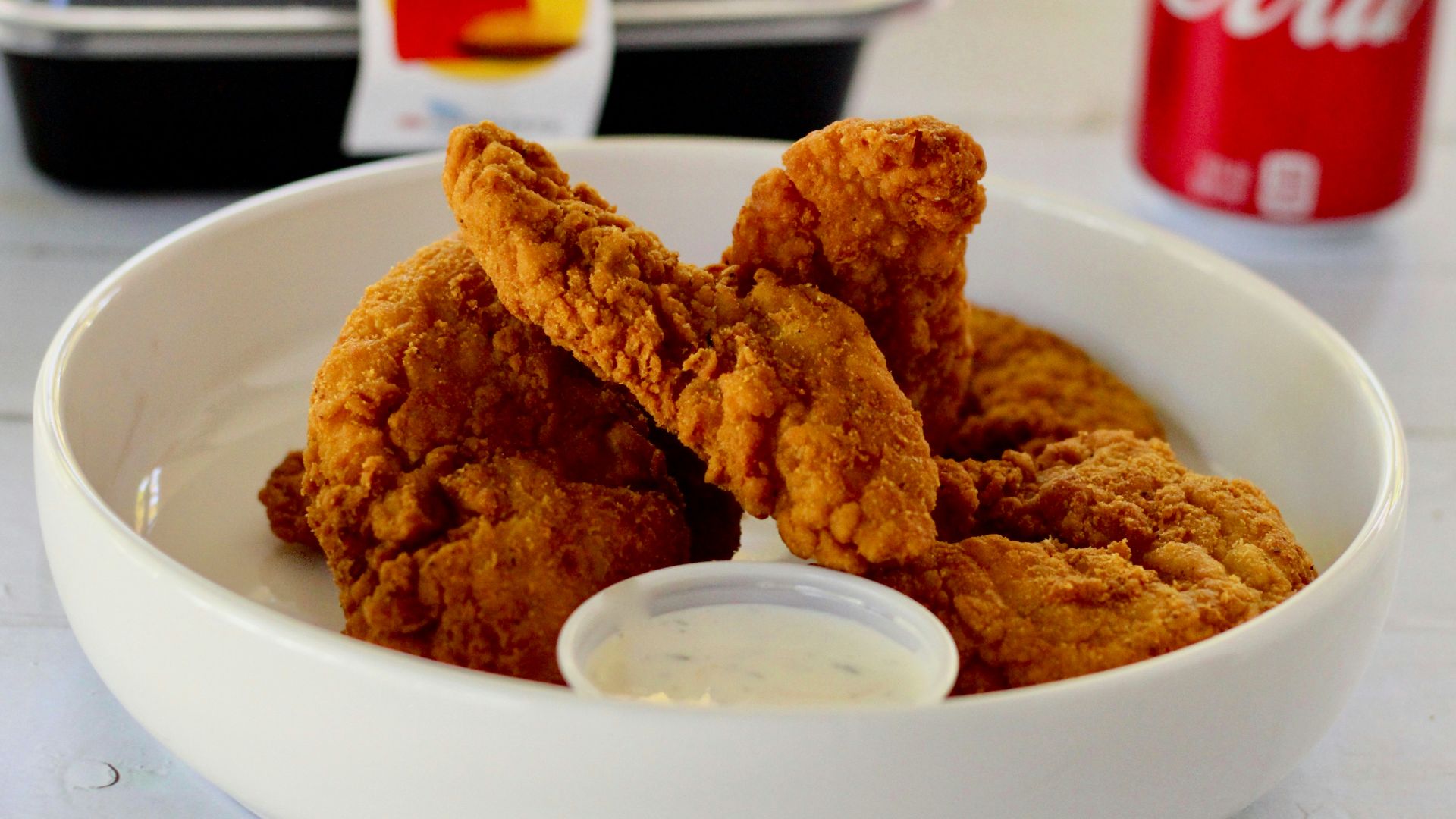
2. Chicken Tenders
Chicken tenders benefit from strict frying standards and predictable prep. The breading is uniform, and the cooking time is carefully controlled to prevent dryness. Because they’re often cooked to order, they arrive hot and crisp. Sauces add flexibility without requiring extra skill in the kitchen.
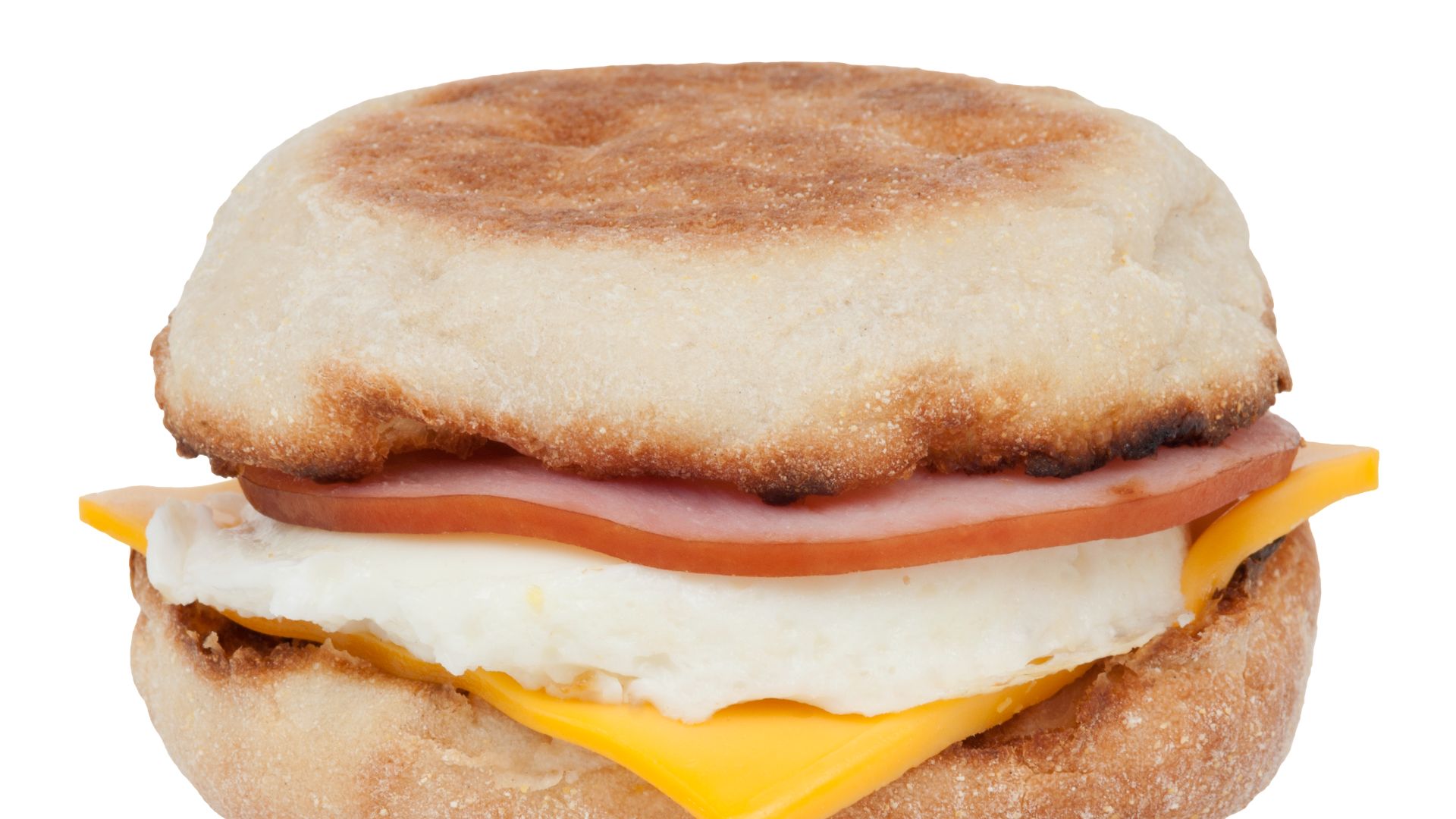
3. Breakfast Sandwiches
Breakfast sandwiches have been perfected by chains that serve them daily at high volume. Eggs, cheese, and bread are forgiving ingredients that hold up well under standardized preparation. As long as expectations are realistic, they deliver comfort and convenience. They’re especially dependable during busy mornings.
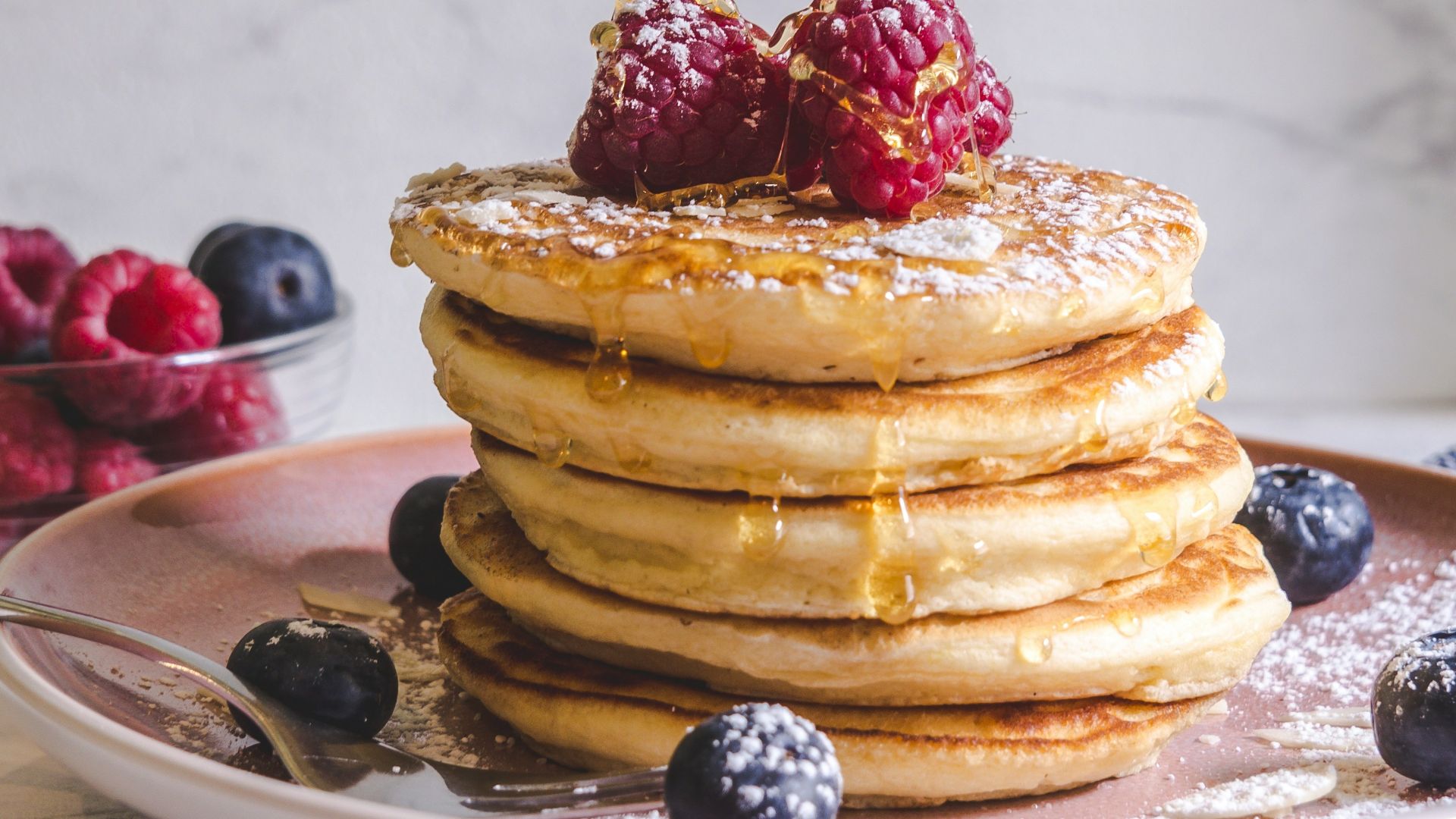
4. Pancakes
Pancakes are a low-risk option because the process is highly repeatable. Batter is pre-measured, and griddle temperatures are closely monitored. Syrup and butter smooth over minor inconsistencies. Even average pancakes tend to feel satisfying in a diner-style setting.
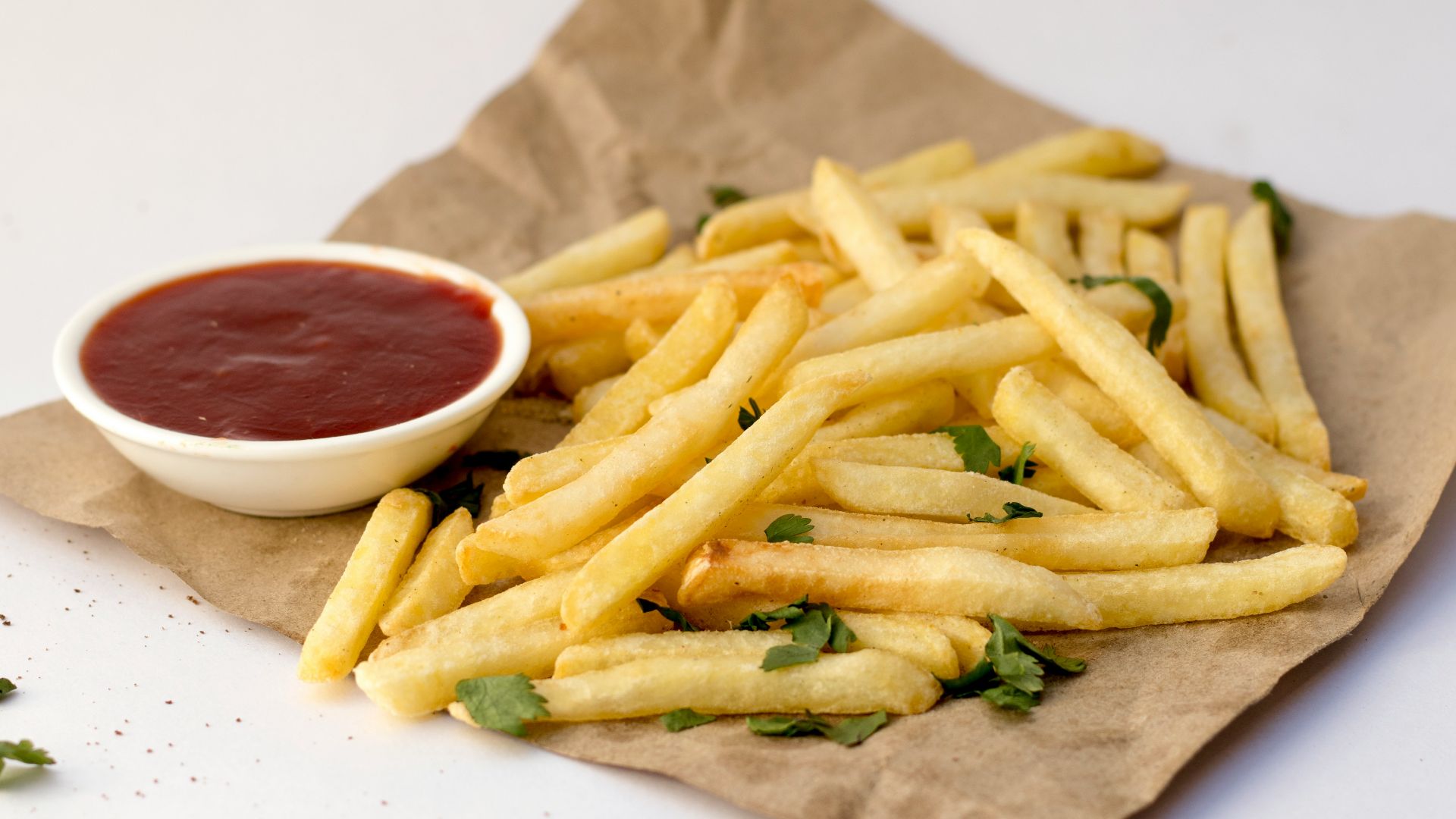
5. French Fries
French fries are engineered for consistency from factory to fryer. The potatoes are cut, blanched, and partially cooked before reaching the restaurant. As long as they’re served fresh, they deliver the expected crunch and saltiness. The system behind them does most of the work.
 Pixzolo Photography on Unsplash
6. Chicken Wings
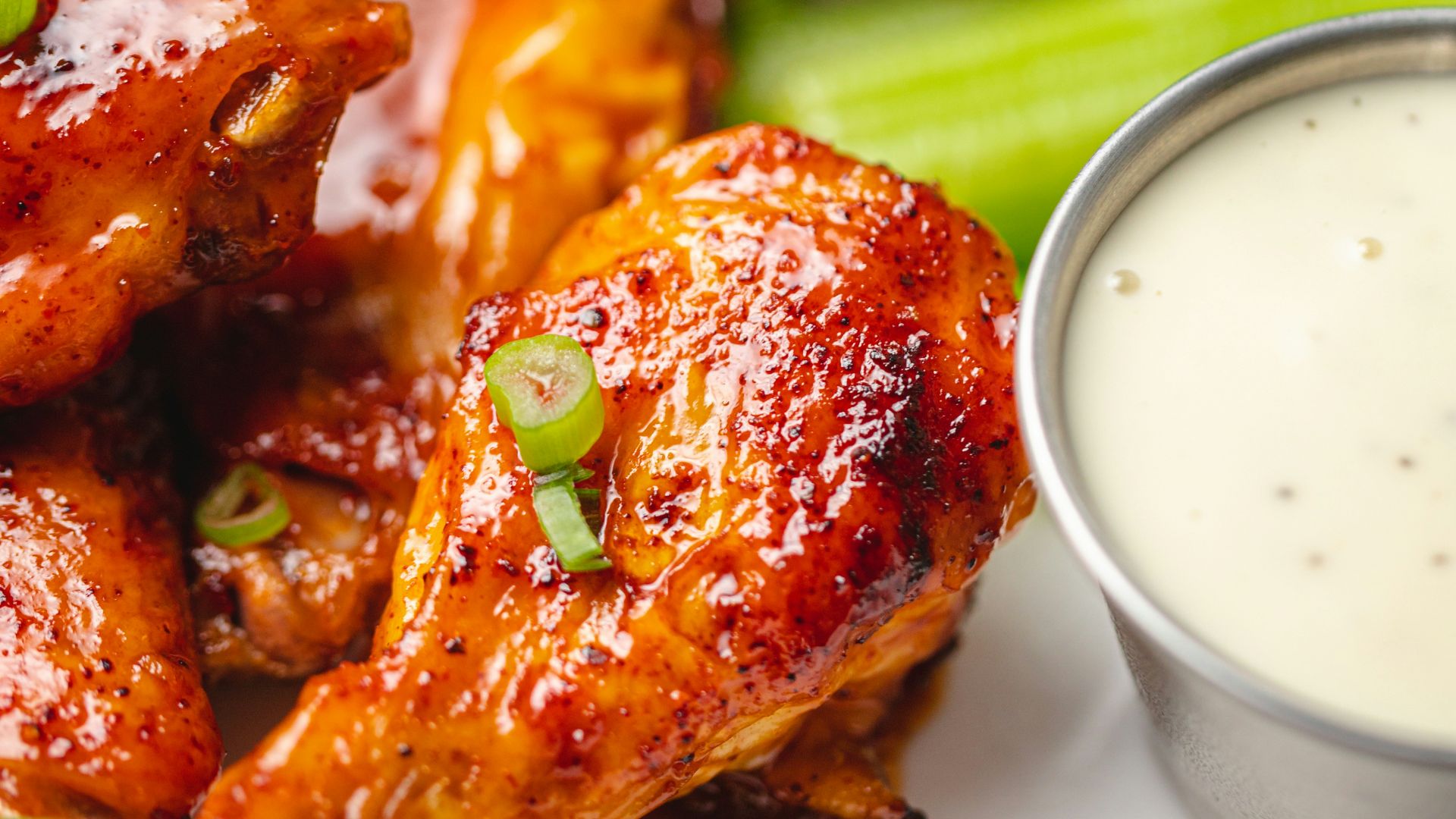
Chicken wings perform well at chains because sauces carry much of the flavor. Even an average chicken improves dramatically when fried and coated properly. As long as the wings are cooked thoroughly, texture issues are rare. Sauce variety keeps the experience interesting.
7. Milkshakes
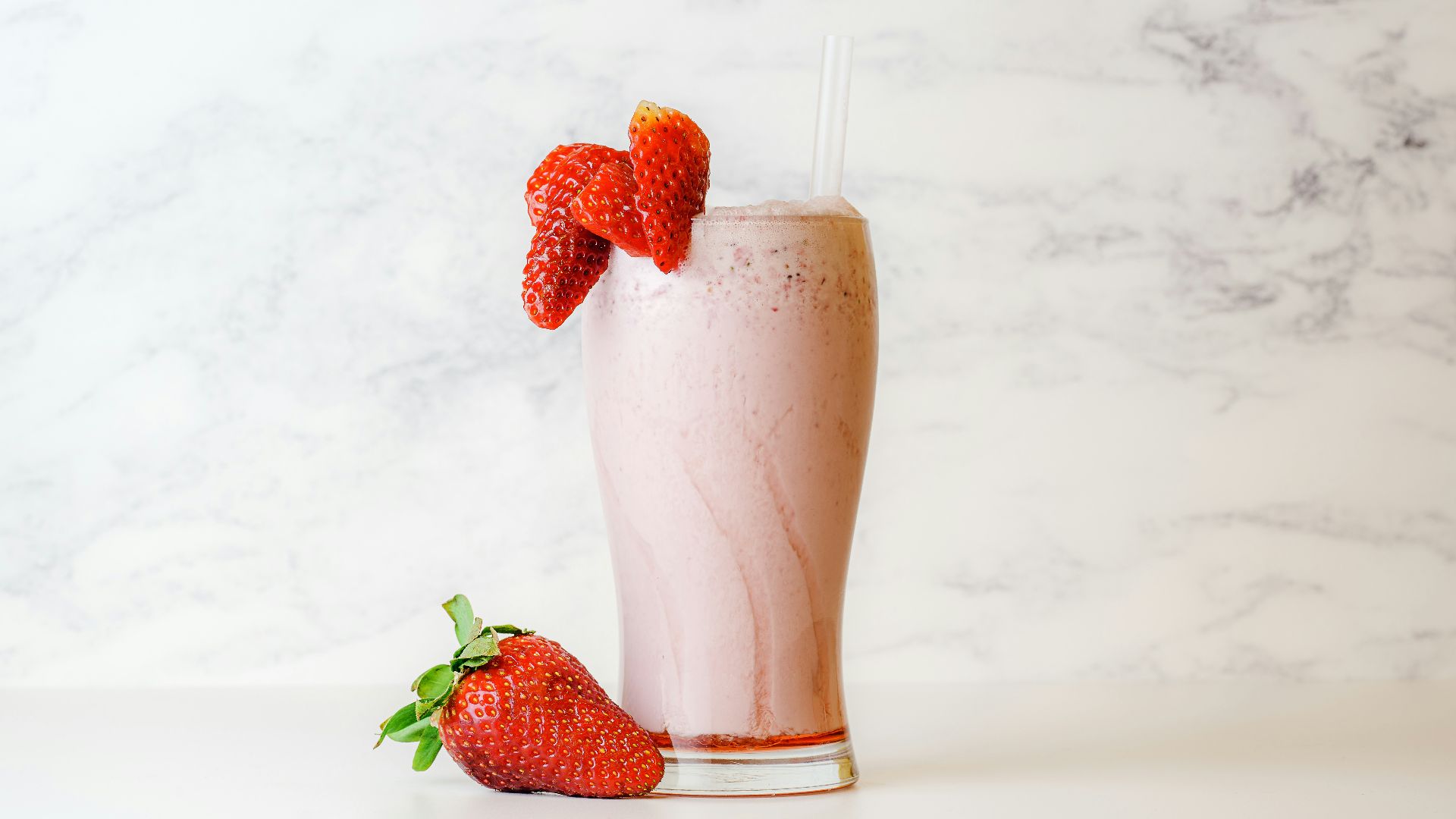
Milkshakes rely on simple ingredients and machine-based preparation, which chains control effectively. Fixed ratios of ice cream, milk, and syrup reduce variability. Temperature consistency matters more than creativity here. The result is usually indulgent and dependable.
 Sebastian Coman Photography on Unsplash
8. Grilled Cheese
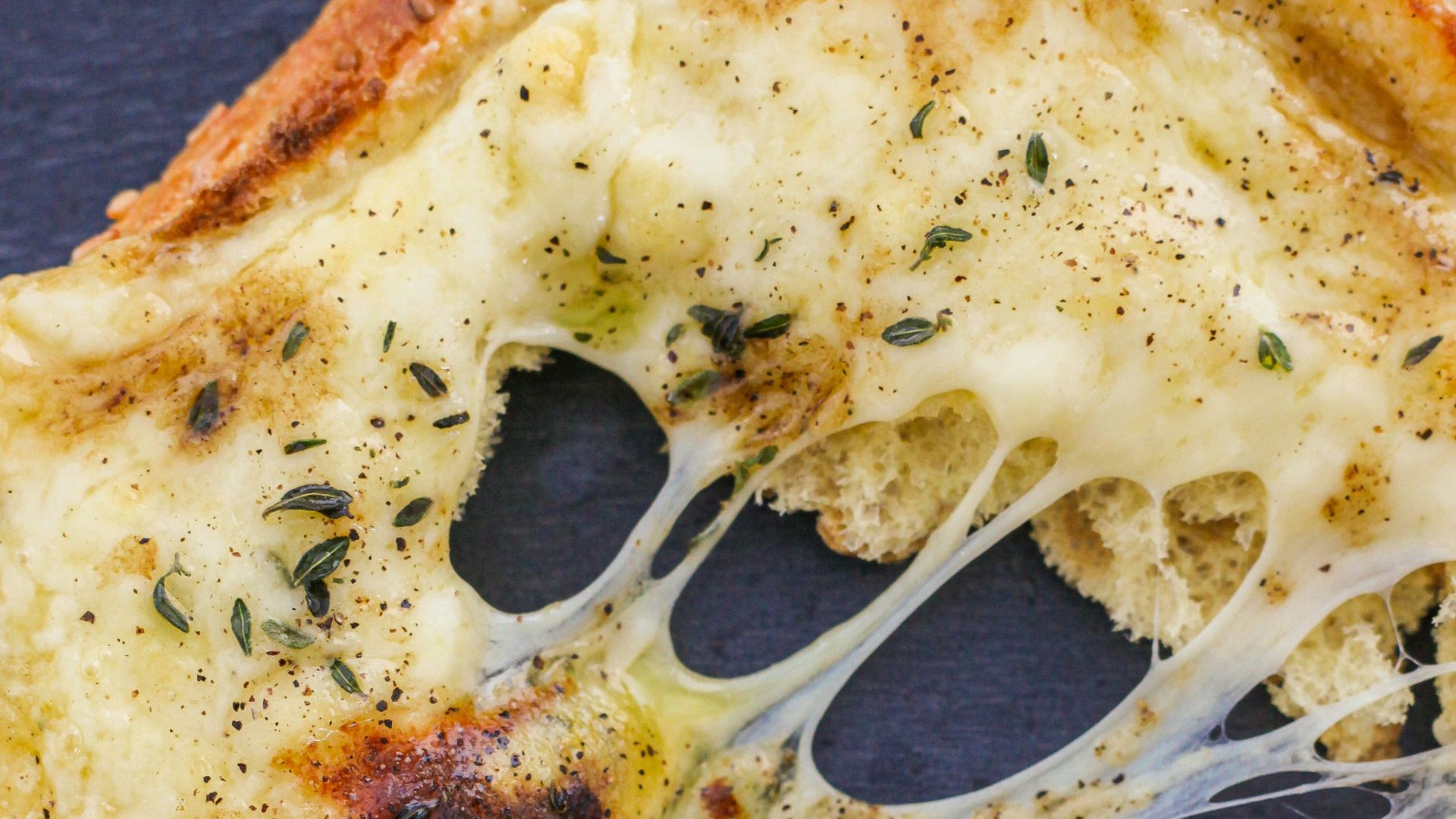
Grilled cheese works because of its simplicity and forgiving nature. Buttered bread and melted cheese don’t require complex timing. As long as the heat is even, the result feels comforting. It’s a straightforward item that chains handle well.
9. Onion Rings
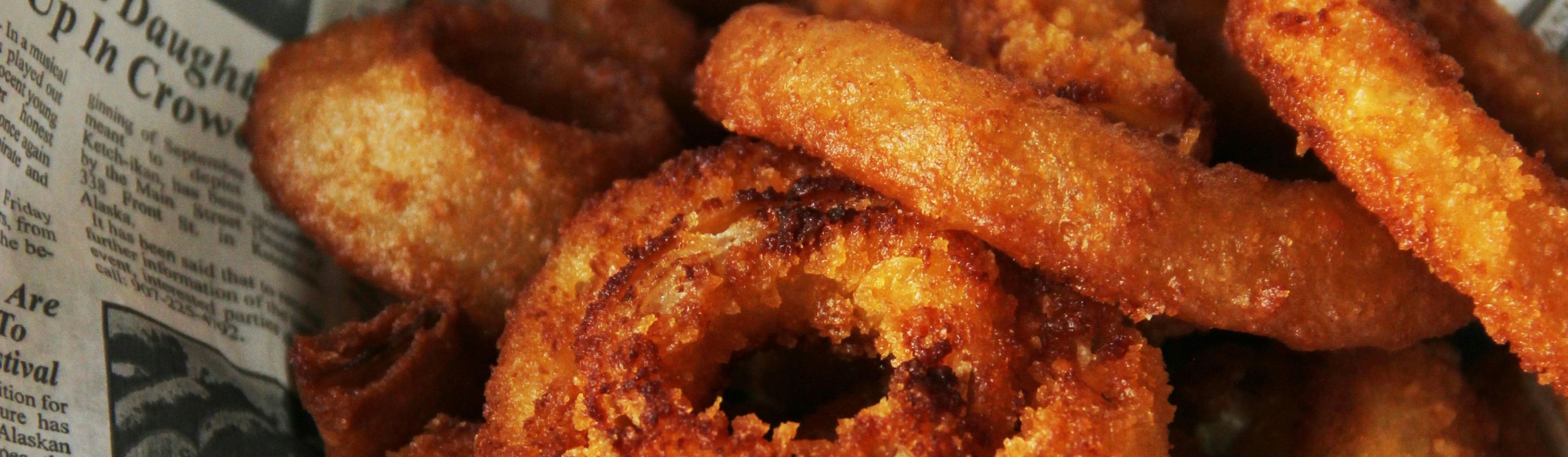
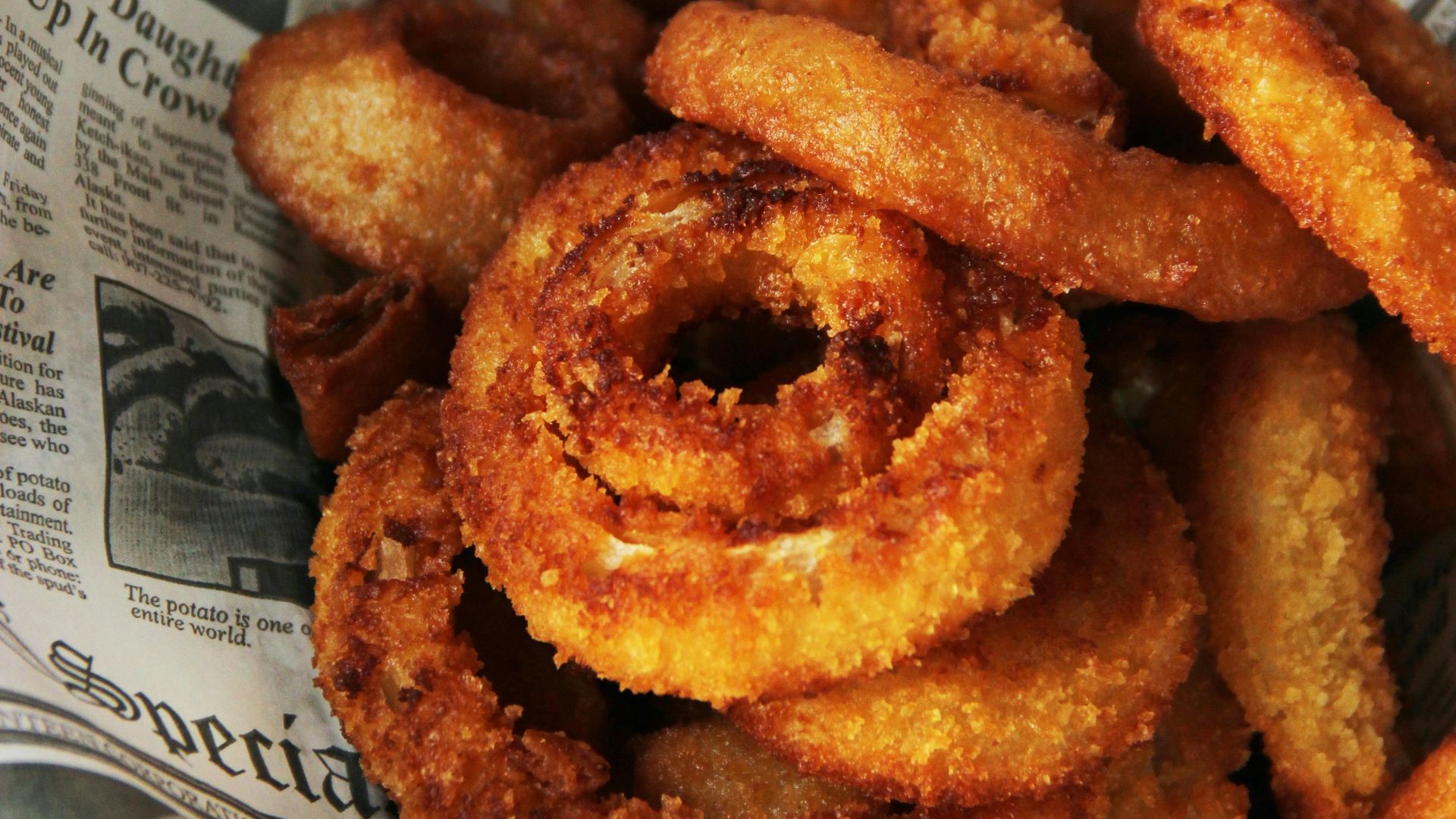
Onion rings are often frozen and pre-breaded, which helps maintain consistency. Frying enhances sweetness while locking in crunch. When done properly, they deliver a familiar texture people enjoy. Dipping sauces add extra appeal.
 Esperanza Doronila on Unsplash
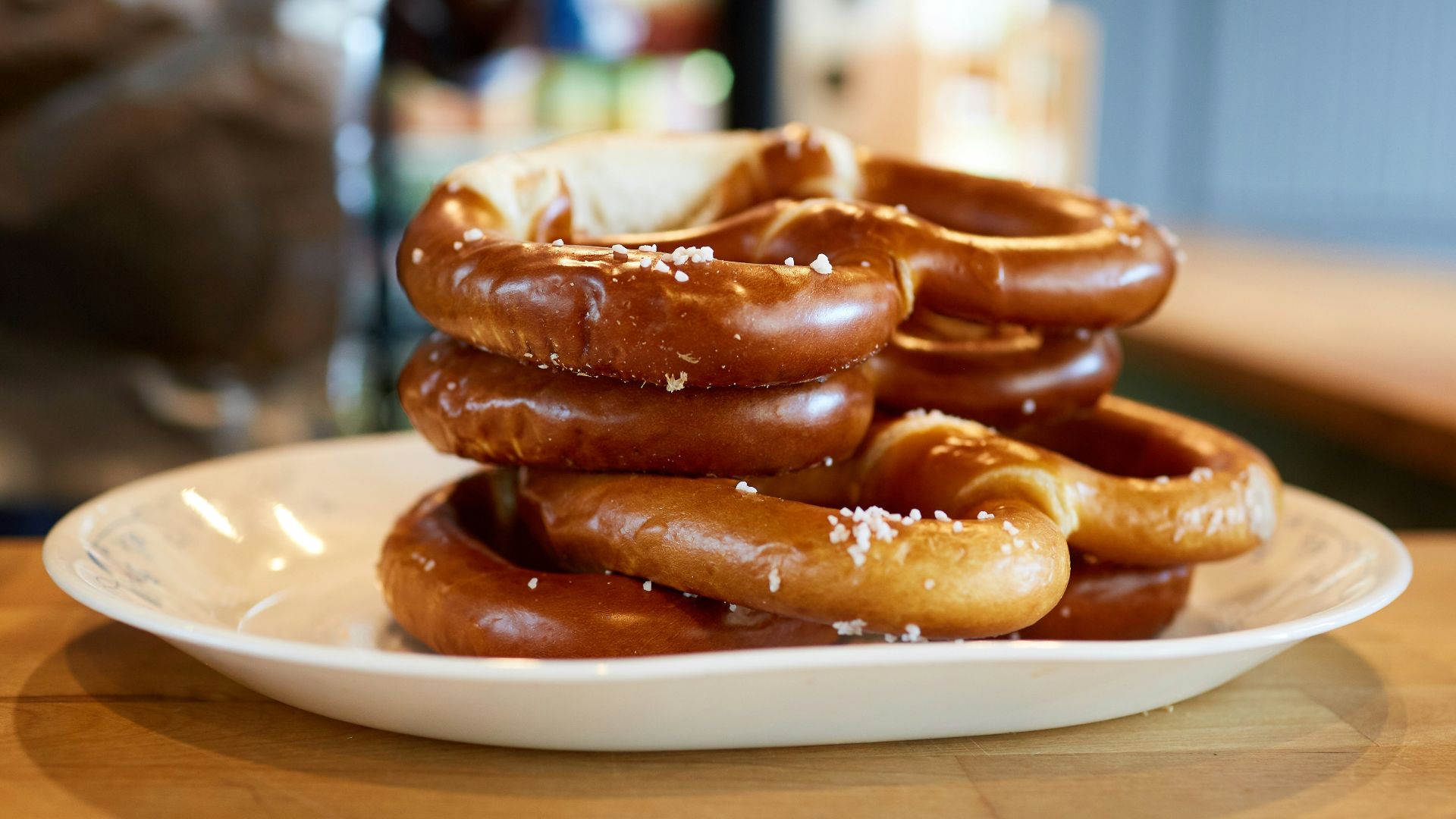
10. Soft Pretzels
Soft pretzels are built for chain kitchens where consistency matters most. They’re baked or reheated using standardized methods and finished with salt or butter. Dips elevate them quickly without complicating prep. They hold up well as shareable items.
 David Todd McCarty on Unsplash
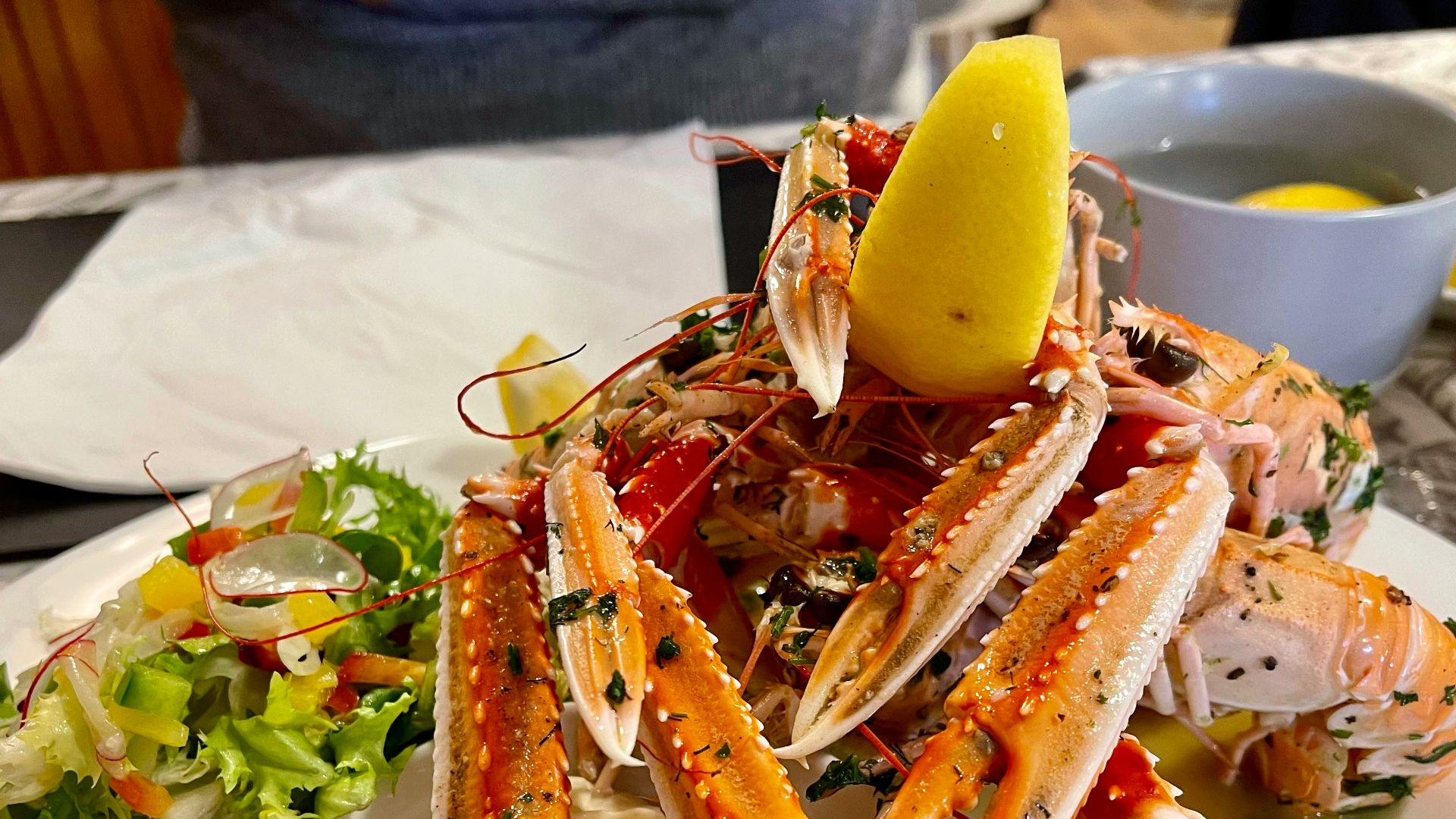
1. Seafood Platters
Seafood is difficult to execute well outside of specialized restaurants. Chains rely heavily on frozen products, which affects texture and flavor. As freshness matters more with seafood than most foods, quality drops quickly. Frying can hide flaws, but it can’t fix them.
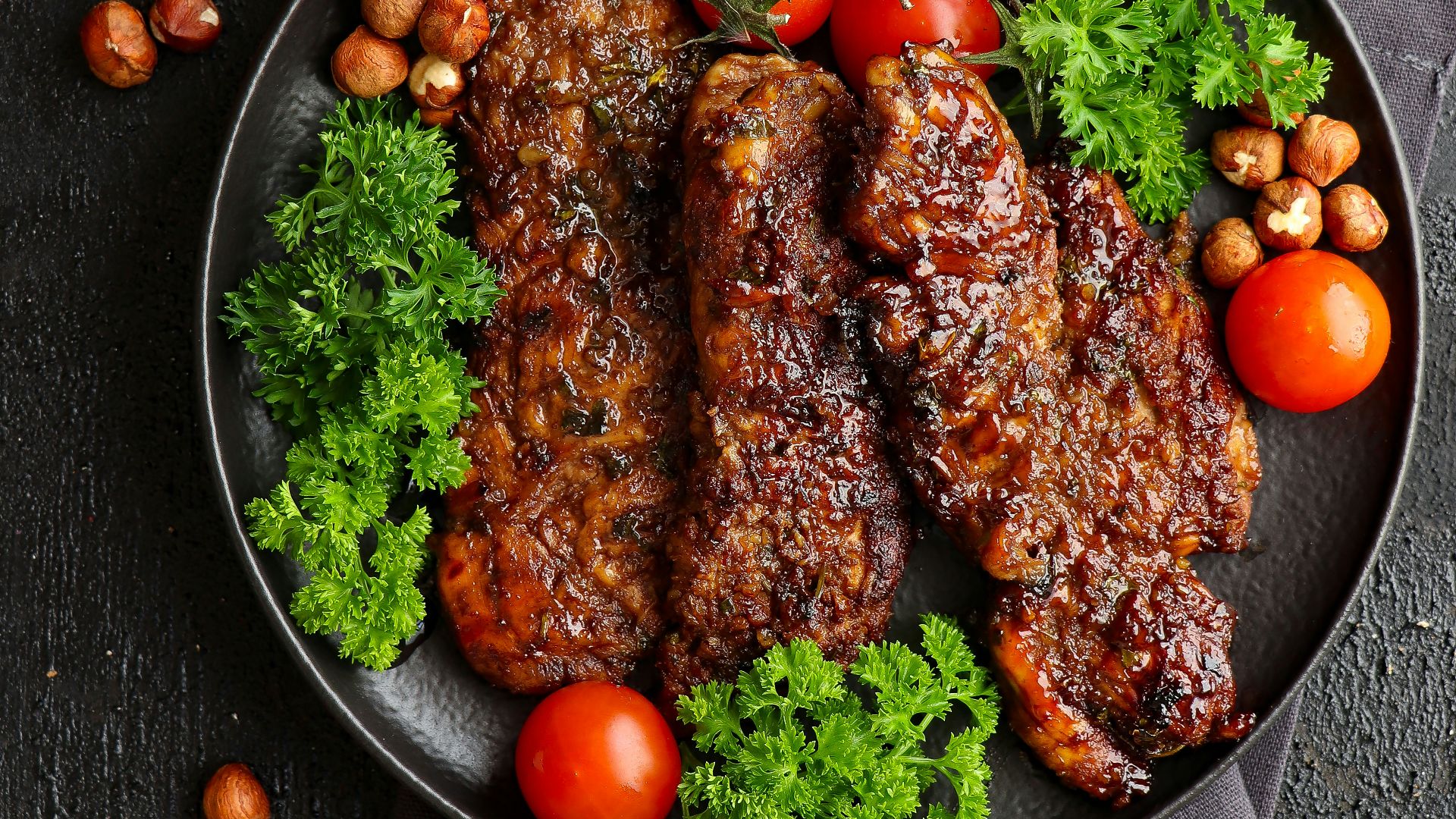
2. Steak
Steak demands precise cooking and quality cuts, which are hard to guarantee at scale. High-volume kitchens struggle to deliver consistent doneness. As a result, steaks are often overcooked or unevenly seasoned. You’re usually paying for expectation rather than execution.
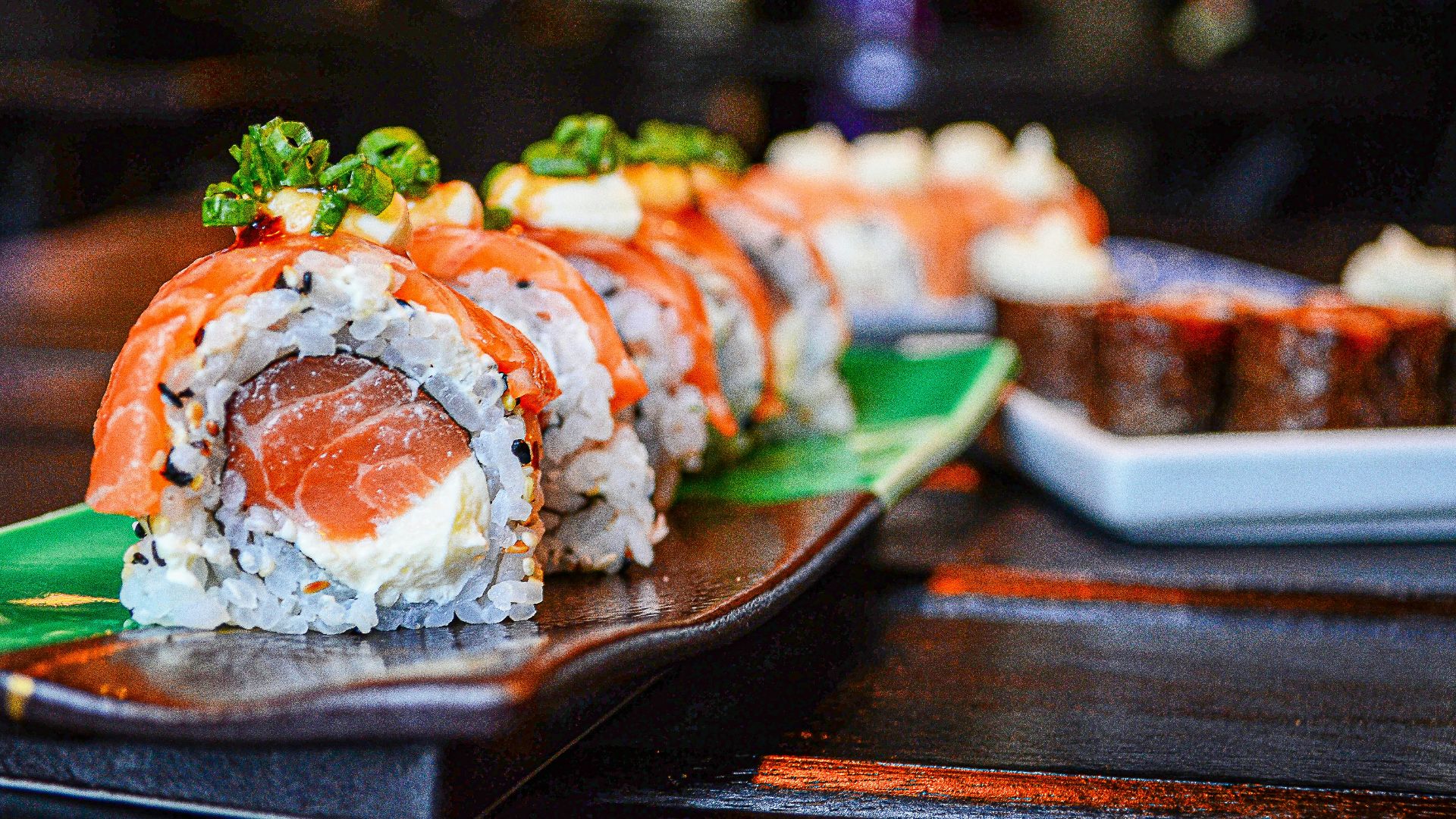
3. Sushi
Sushi depends on freshness, knife skills, and properly prepared rice. Chain kitchens aren’t designed for that level of detail. Even when the presentation looks decent, flavor often falls short. Specialists do it better for a reason.
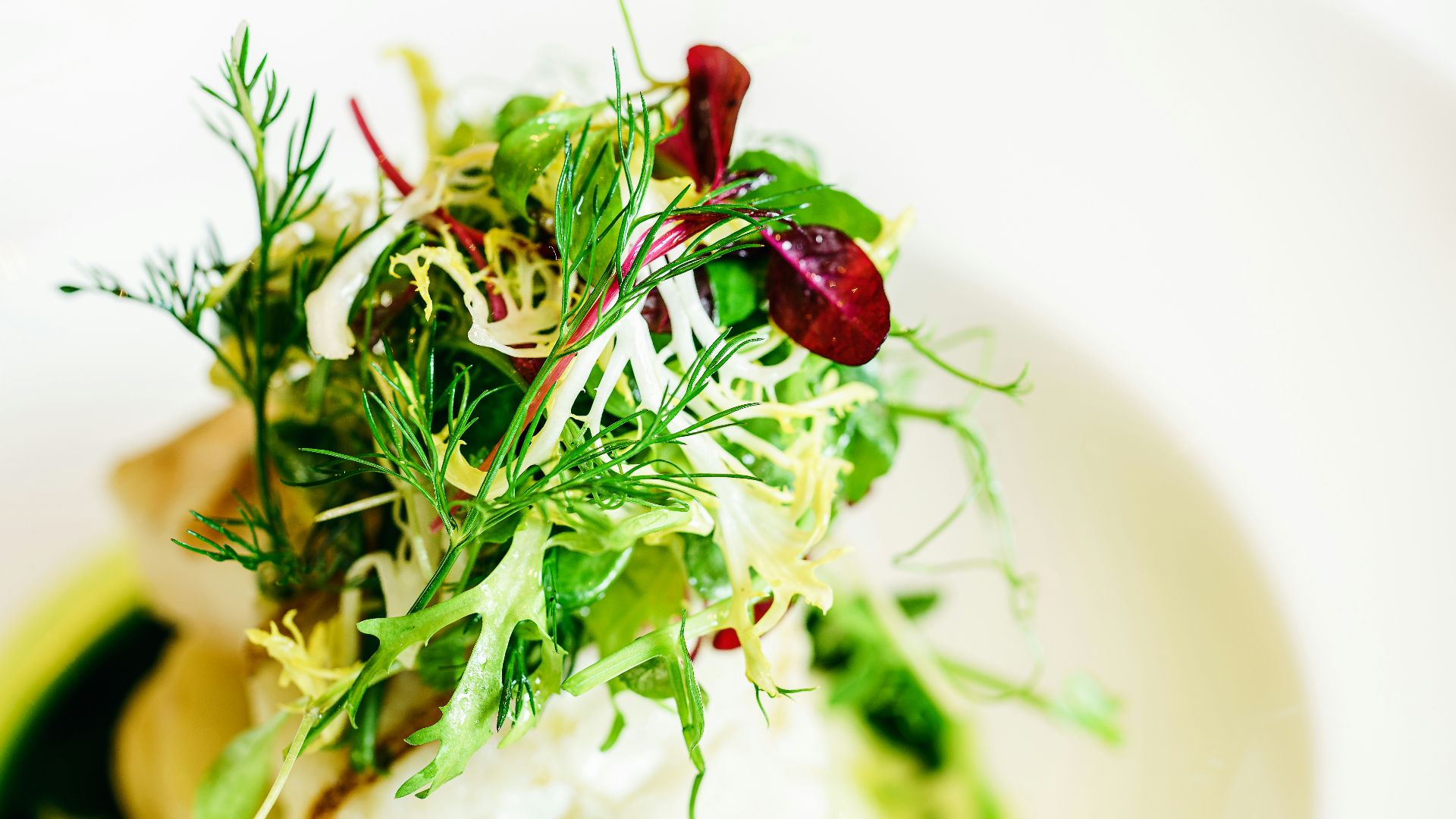
4. Fancy Salads
Elaborate salads often sound healthier or more exciting than they taste. Chains rely on prepped ingredients that sit for long periods. As greens wilt and toppings soften, texture suffers noticeably. The result rarely matches the description.
 Sebastian Coman Photography on Unsplash
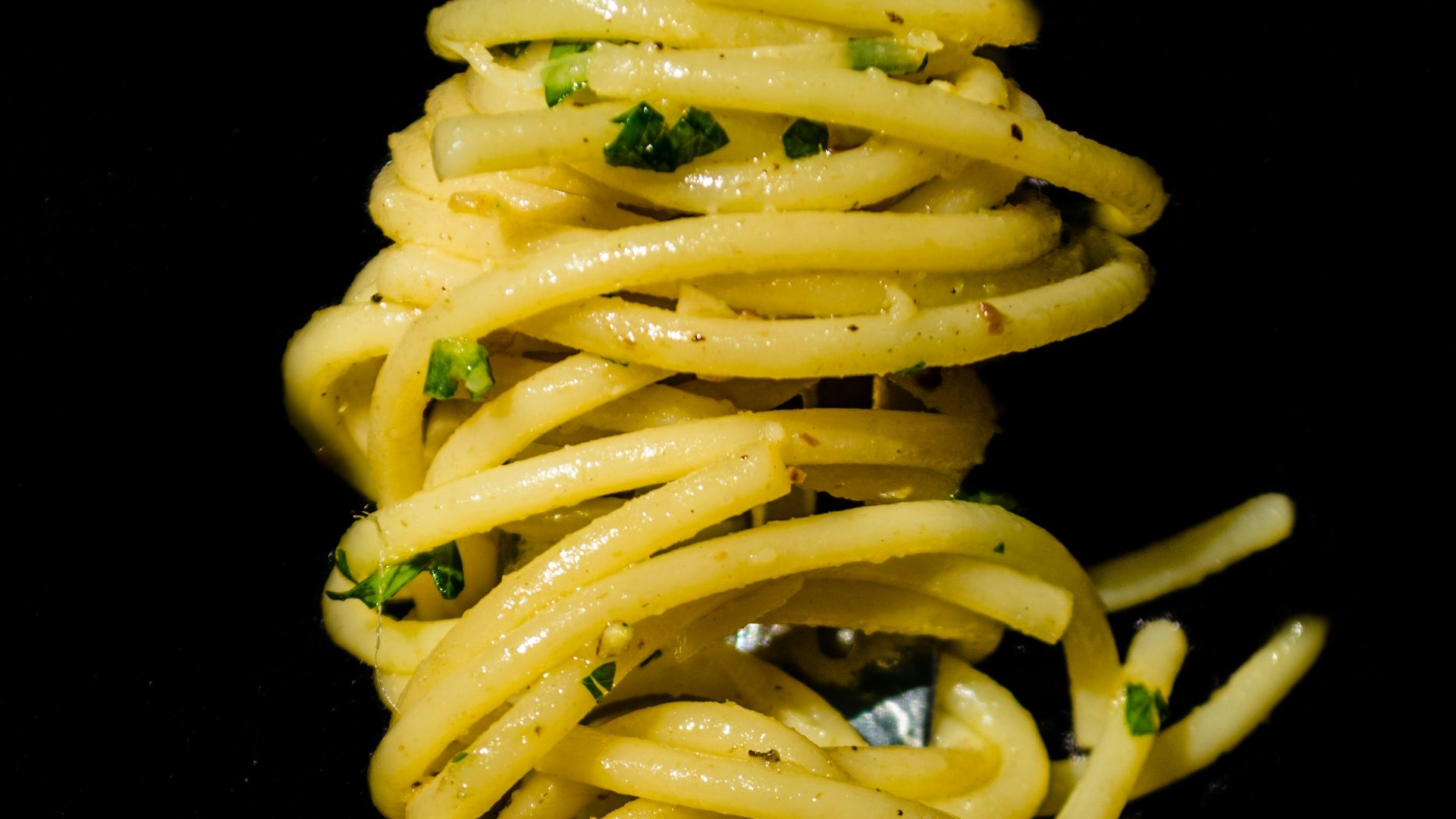
5. Pasta With Cream Sauce
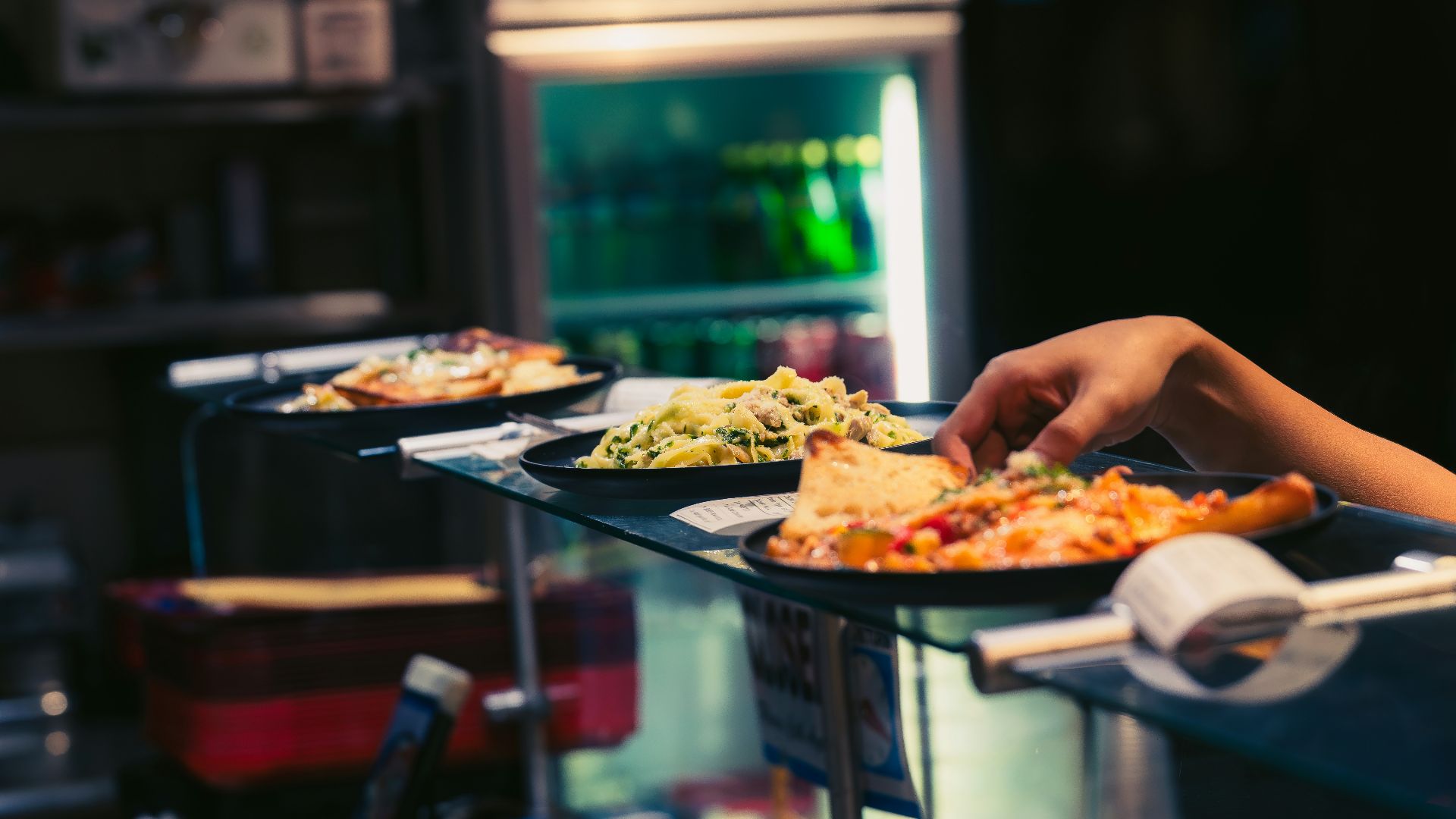
Cream sauces are difficult to keep stable in busy kitchens. They thicken, split, or lose freshness while sitting. As pasta continues cooking after plating, the texture declines further. Simpler sauces tend to hold up better.
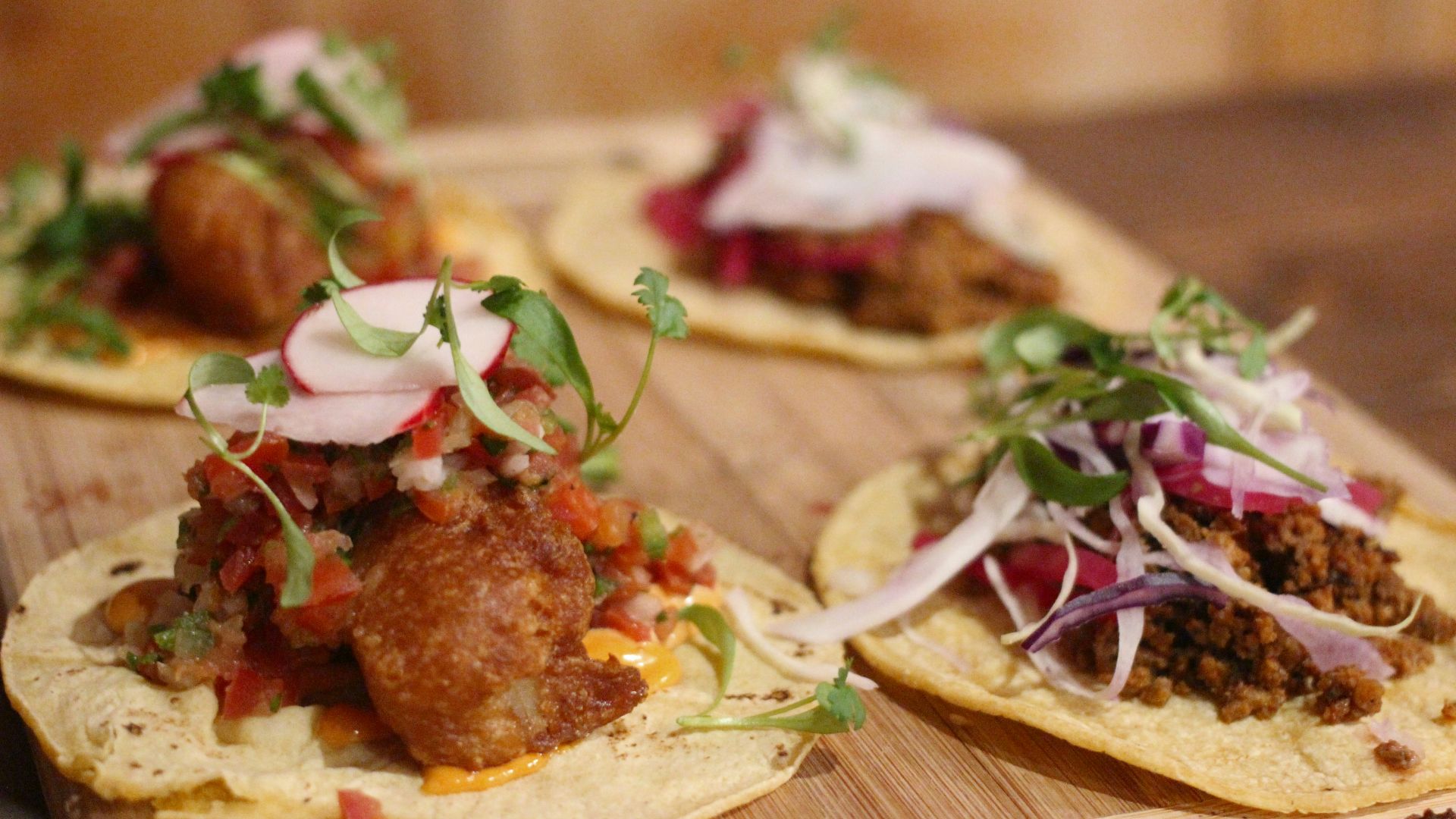
6. Fish Tacos
Fish tacos require careful timing and fresh ingredients. Chains often struggle to maintain crispness and balance. As moisture builds, tortillas and batter lose structure. Flavor usually doesn’t compensate for the texture issues.
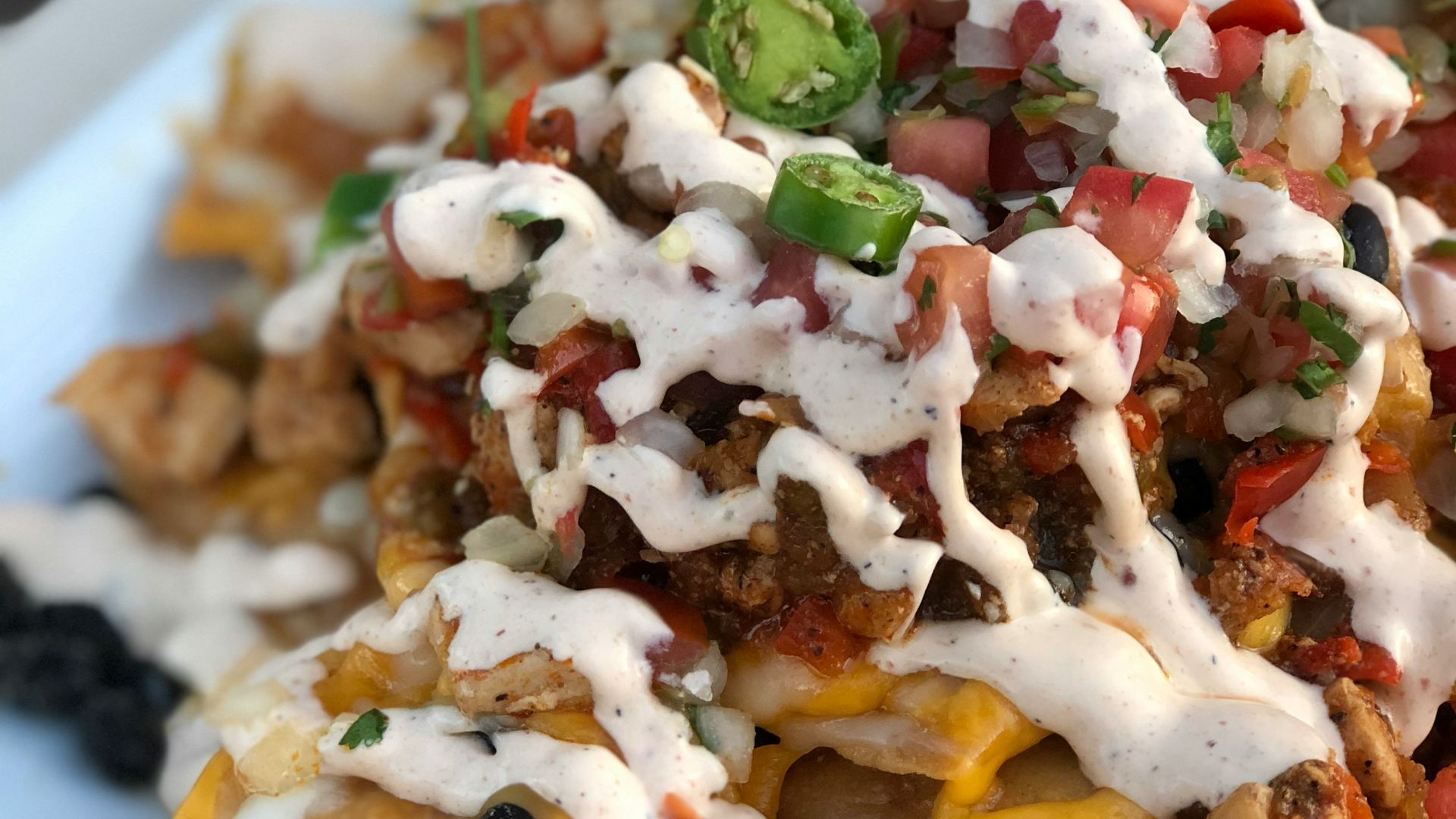
7. Overloaded Nachos
Nachos are highly sensitive to timing and assembly. Chips absorb moisture quickly once toppings are added. Chains prioritize speed, which hurts structure. By the time they arrive, crunch is usually gone.
8. Gourmet Mac and Cheese
Mac and cheese sounds safe, but complex versions introduce problems. Multiple cheeses don’t always melt evenly at scale. As it sits under heat lamps, the texture deteriorates. Simpler versions perform more reliably.
9. Desserts With Ice Cream
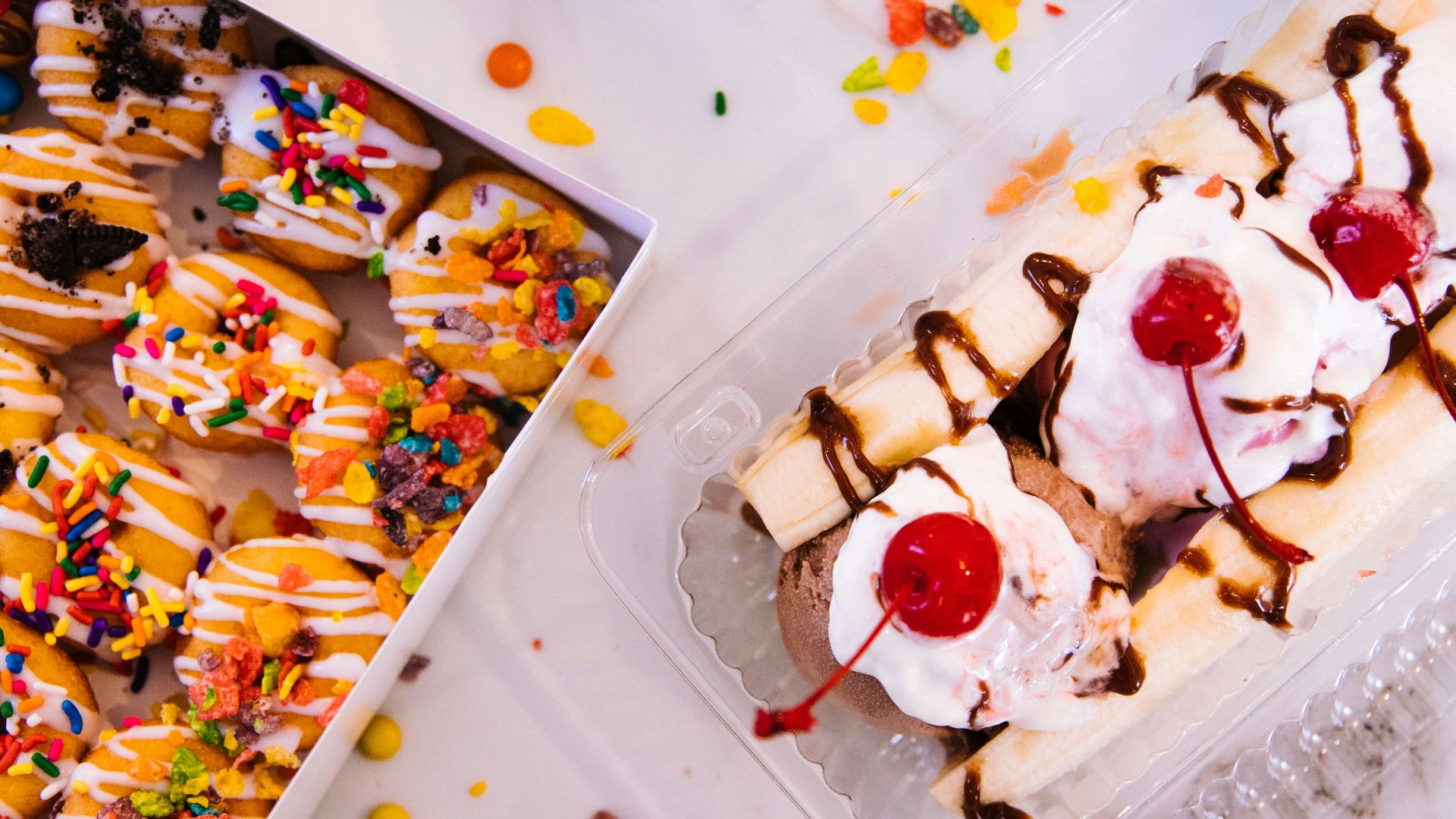
Ice cream melts quickly in busy kitchens, caused by chains often plating desserts early. This practice affects texture, blurring warm and cold elements together. What sounds indulgent often arrives disappointing. Timing issues are hard to avoid at scale.
10. Seasonal Gimmick Items
Limited-time items are designed to attract attention rather than ensure consistency. Staff may not be fully trained on preparation. As ingredients rotate in and out, execution varies widely. Curiosity doesn’t always pay off.
KEEP ON READING