How Should You Eat?
You've probably heard a lot about what you should and shouldn't do when it comes to food. Cut carbs, count your calories, limit your sugar intake even if it's natural; whatever the advice is, you've likely found yourself following it without further thought. But what if we told you that while some of these rules are worth adhering to, some are absolute baloney? Wondering what's wrong or right? Here are 10 food rules everyone should know—and 10 you should stop following now.

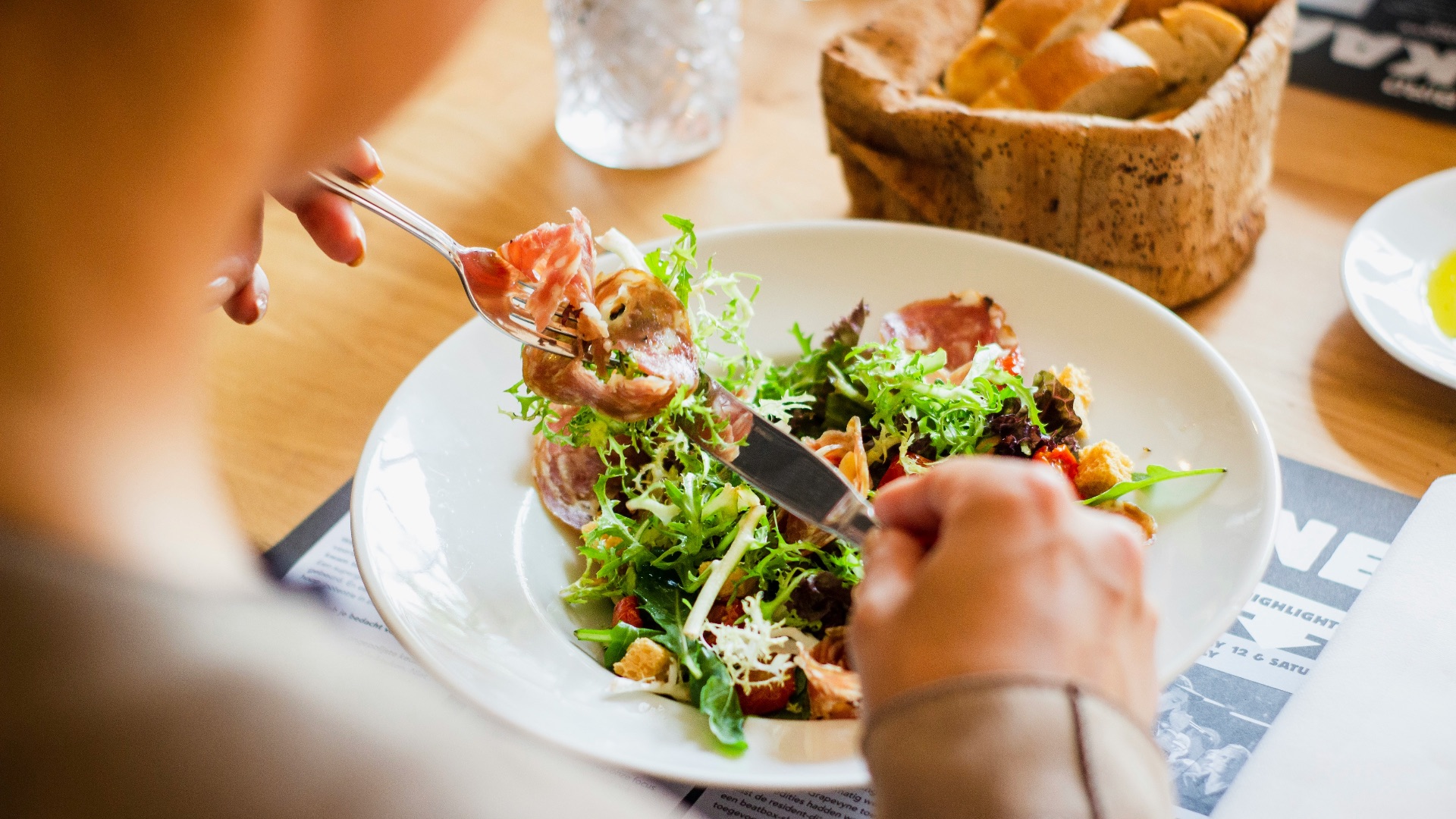
1. Build Meals Around Fiber and Protein
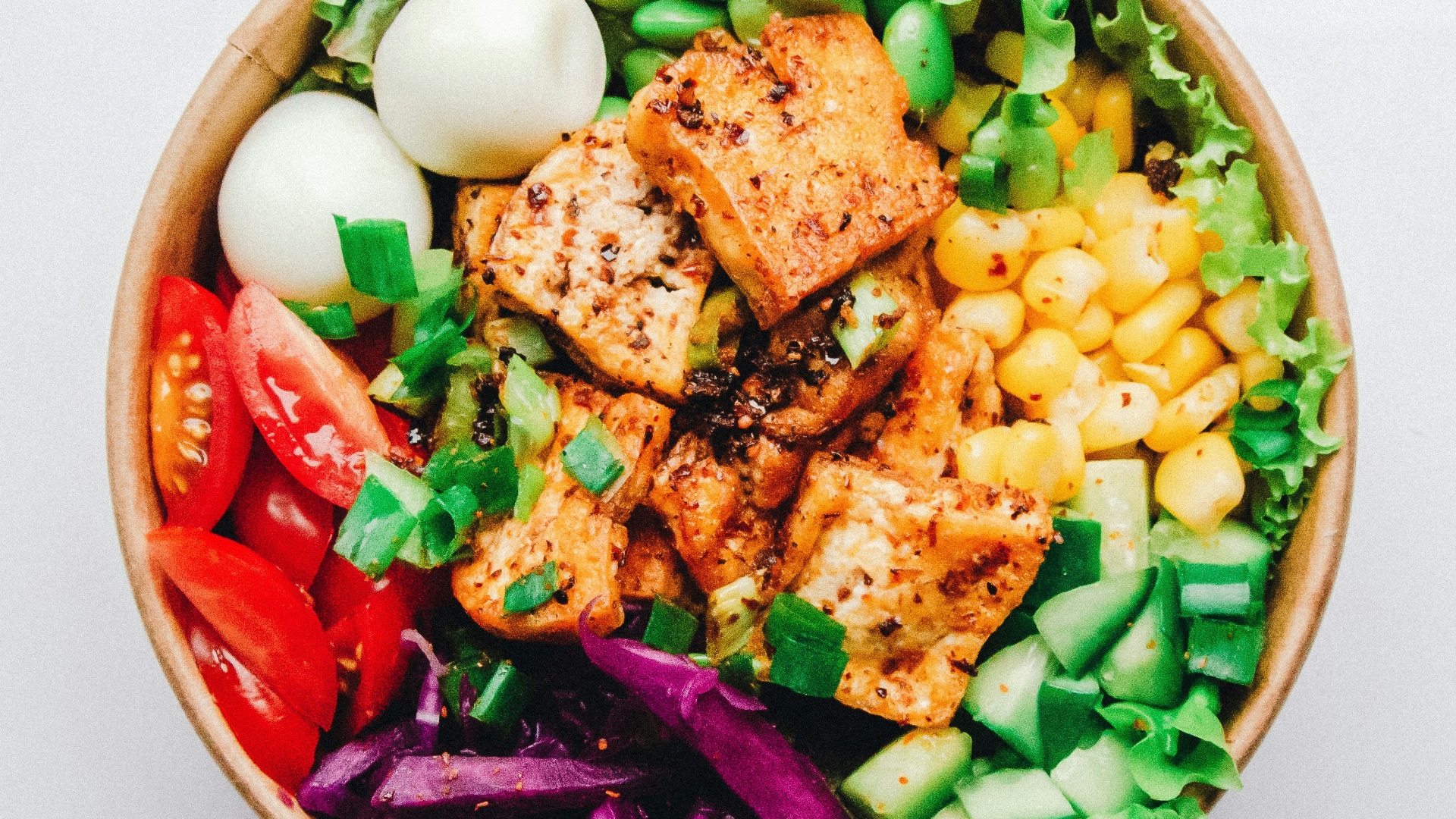
The number one food rule you should be following? Making sure that each meal has a meaningful source of protein and a fiber-rich food, because that combination supports steadier energy and longer-lasting fullness. When you do this consistently, cravings often feel less urgent and snacking becomes more intentional. If you’re not sure where to begin, add beans, eggs, yogurt, chicken, tofu, lentils, whole grains, vegetables, or fruit.
2. Eat Enough
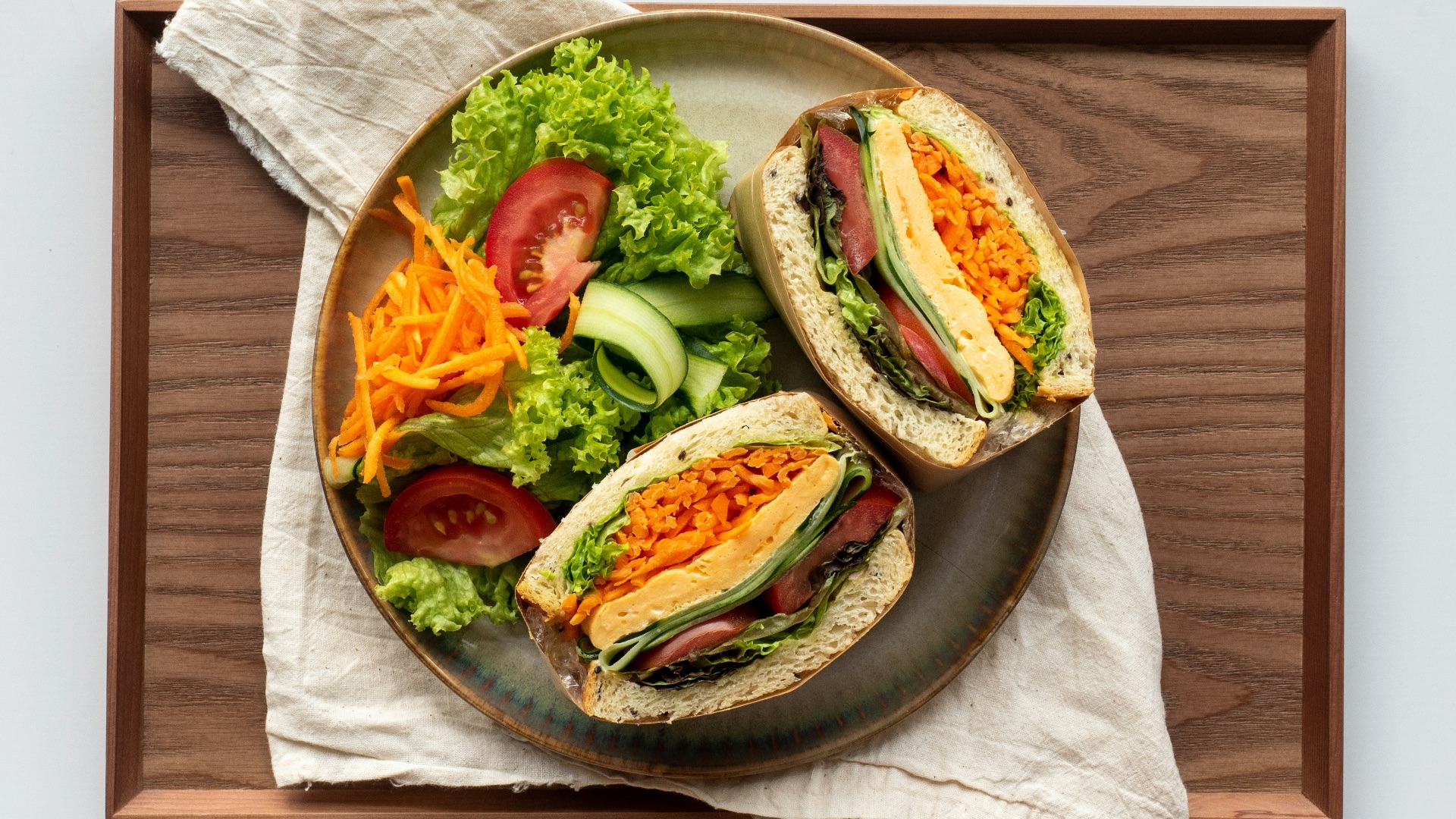
Even if you're on a diet, it's important to avoid starving yourself. Under-eating, especially in the morning, can easily turn into feeling out of control later when evening hits. A steady pattern of meals and snacks helps your appetite cues stay clearer and your mood more stable. If you’re frequently “fine” all day and ravenous at night, that’s usually a timing issue, not a willpower issue.
3. Eat Enough Veggies
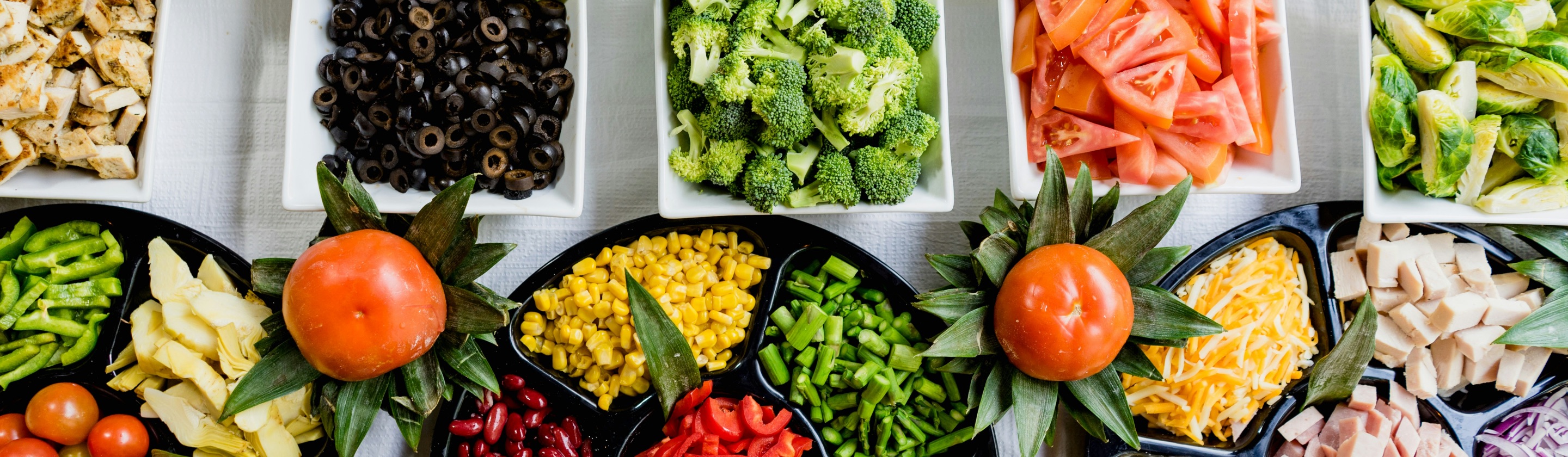
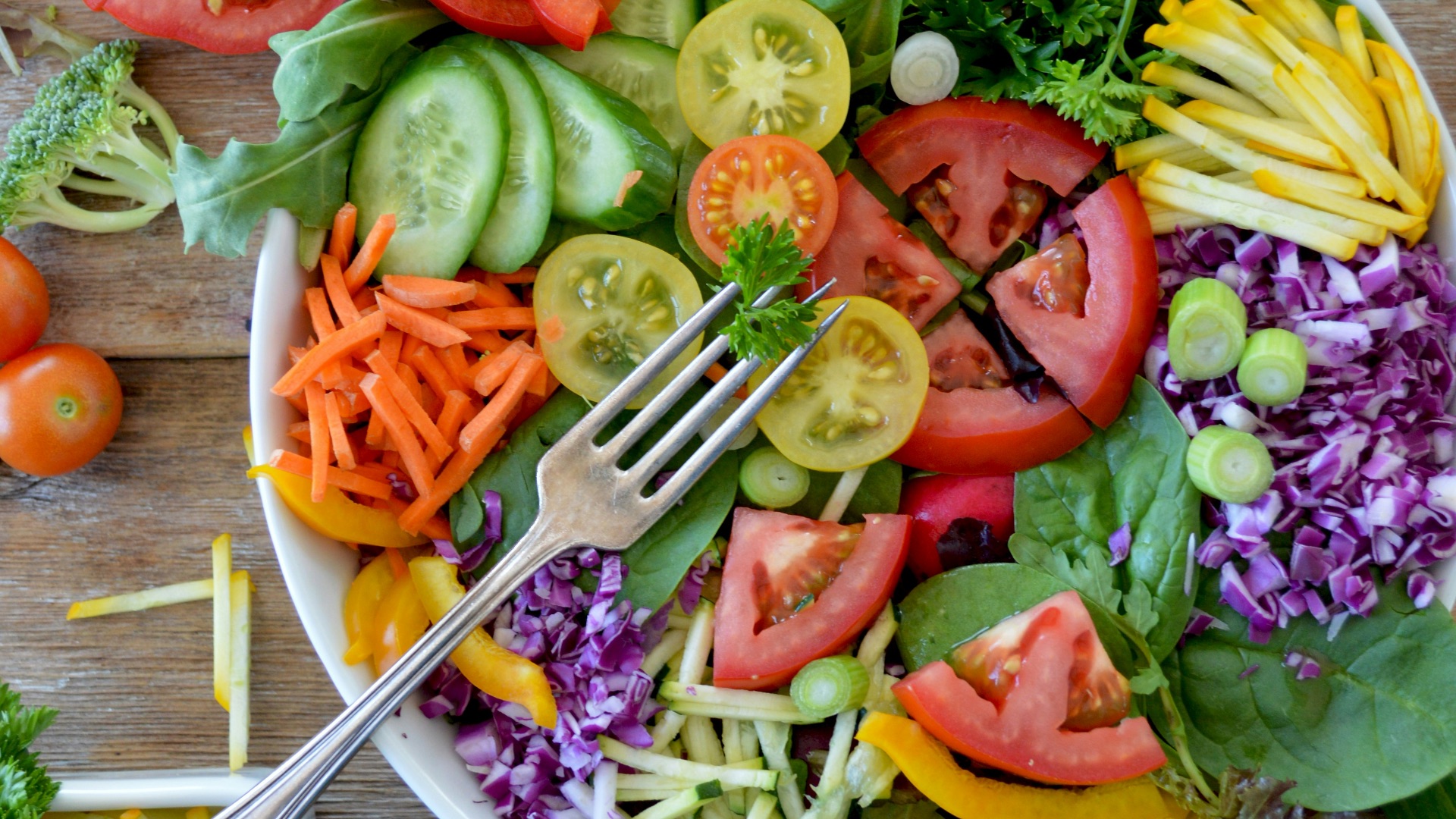
You shouldn't just make sure you eat enough; you should make sure you're getting enough veggies every day. As mentioned, you want to build your meals around protein and fiber, so load your plate up and be generous! (Oh, and fried potatoes like French fries don't count!)
4. Choose Fats on Purpose
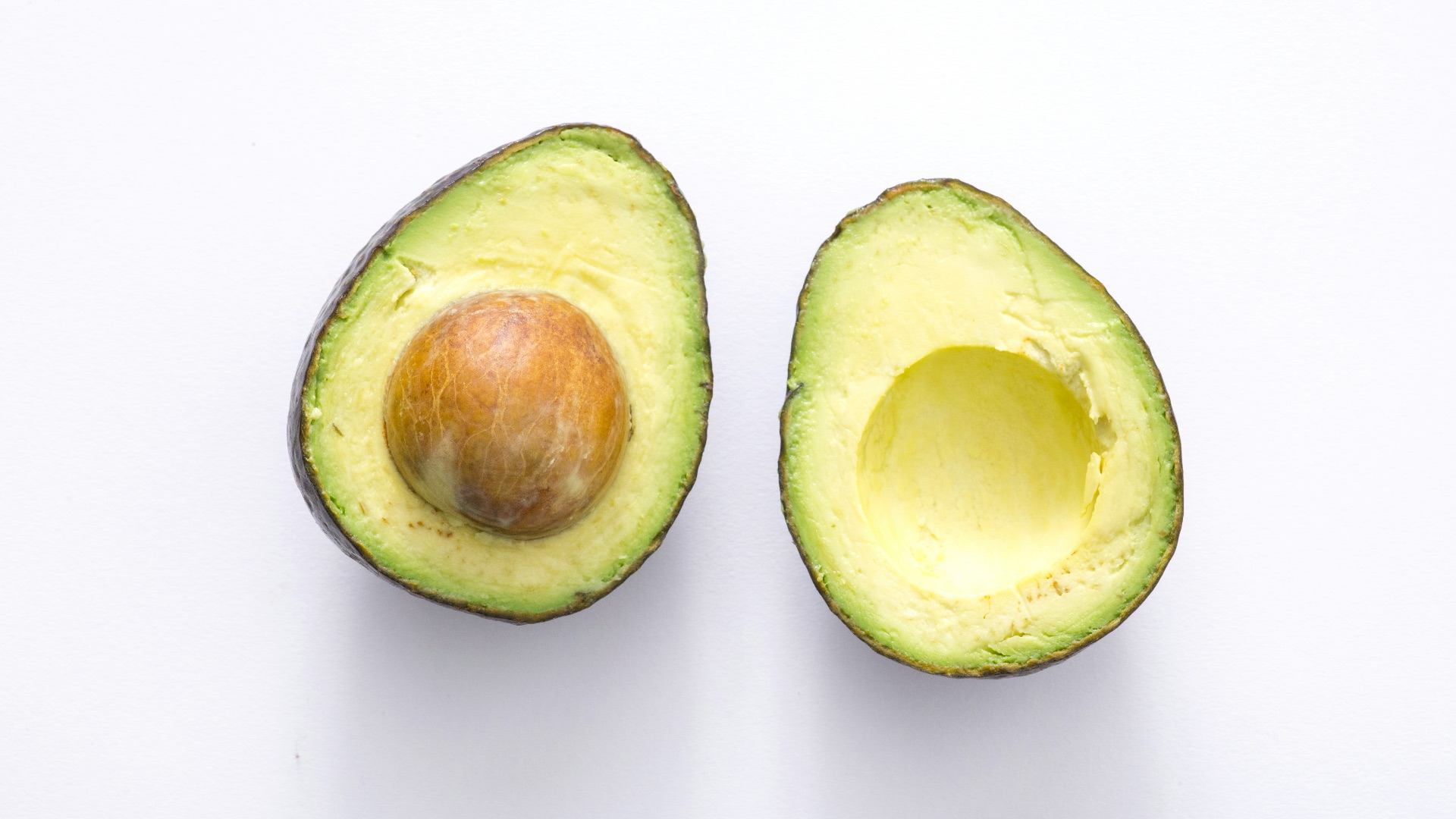
No matter what you might think, fat isn’t a villain, and you need it for satisfaction and absorption of certain nutrients. What matters more is the overall pattern, so rotate options like olive oil, nuts, seeds, avocado, dairy, or fatty fish in ways you enjoy. If a meal feels “not quite done,” adding a modest fat source can often fix it.
5. Keep an Eye on Added Sugar
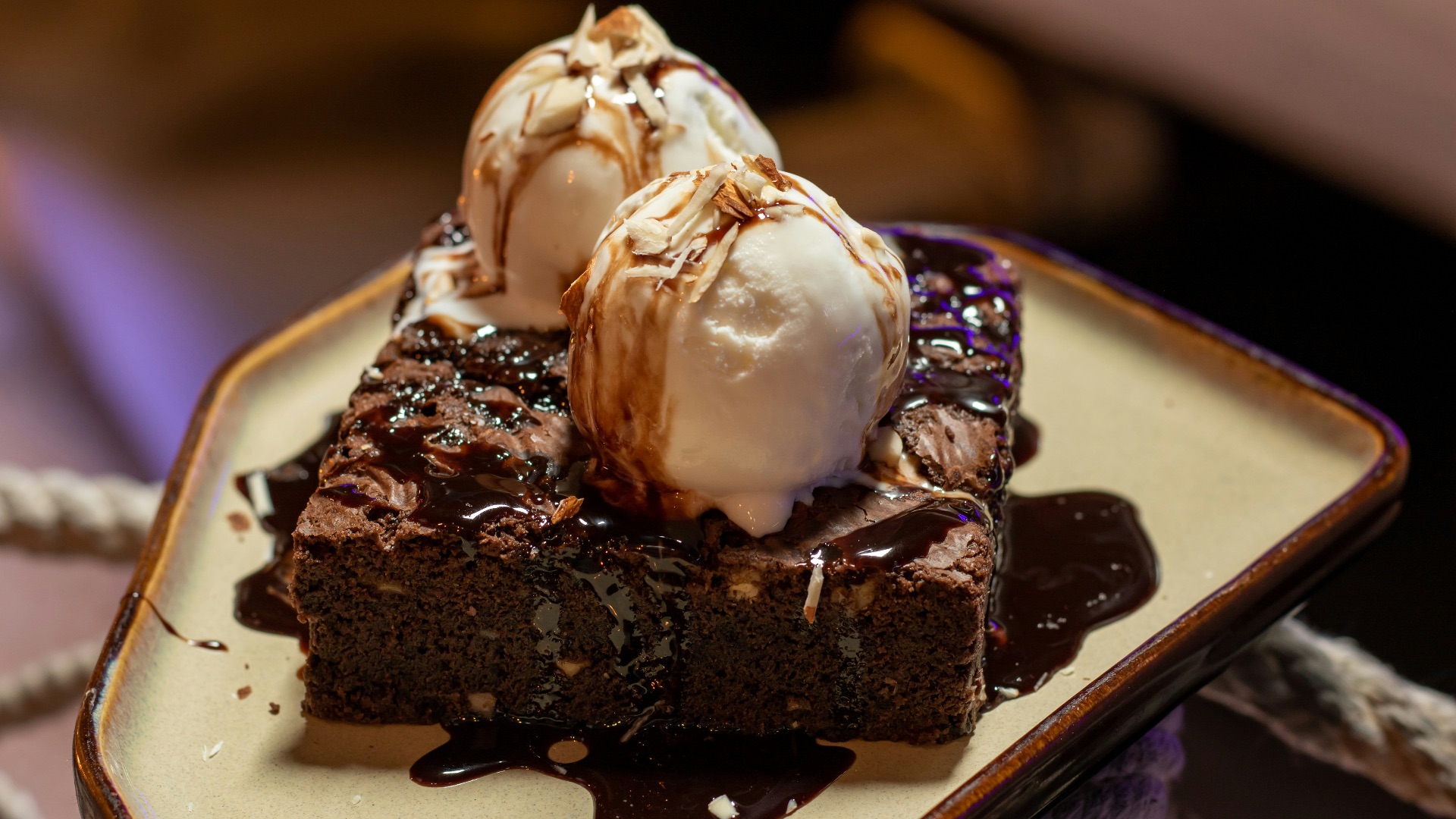
It’s reasonable to notice added sugars because they can pile up quickly in drinks, sauces, and packaged snacks. At the same time, you don’t need to fear fruit, plain dairy, or other foods with naturally occurring sugars. The practical move is reading labels when something tastes surprisingly sweet, not banning entire categories.
6. Plan for Convenient Nutrition
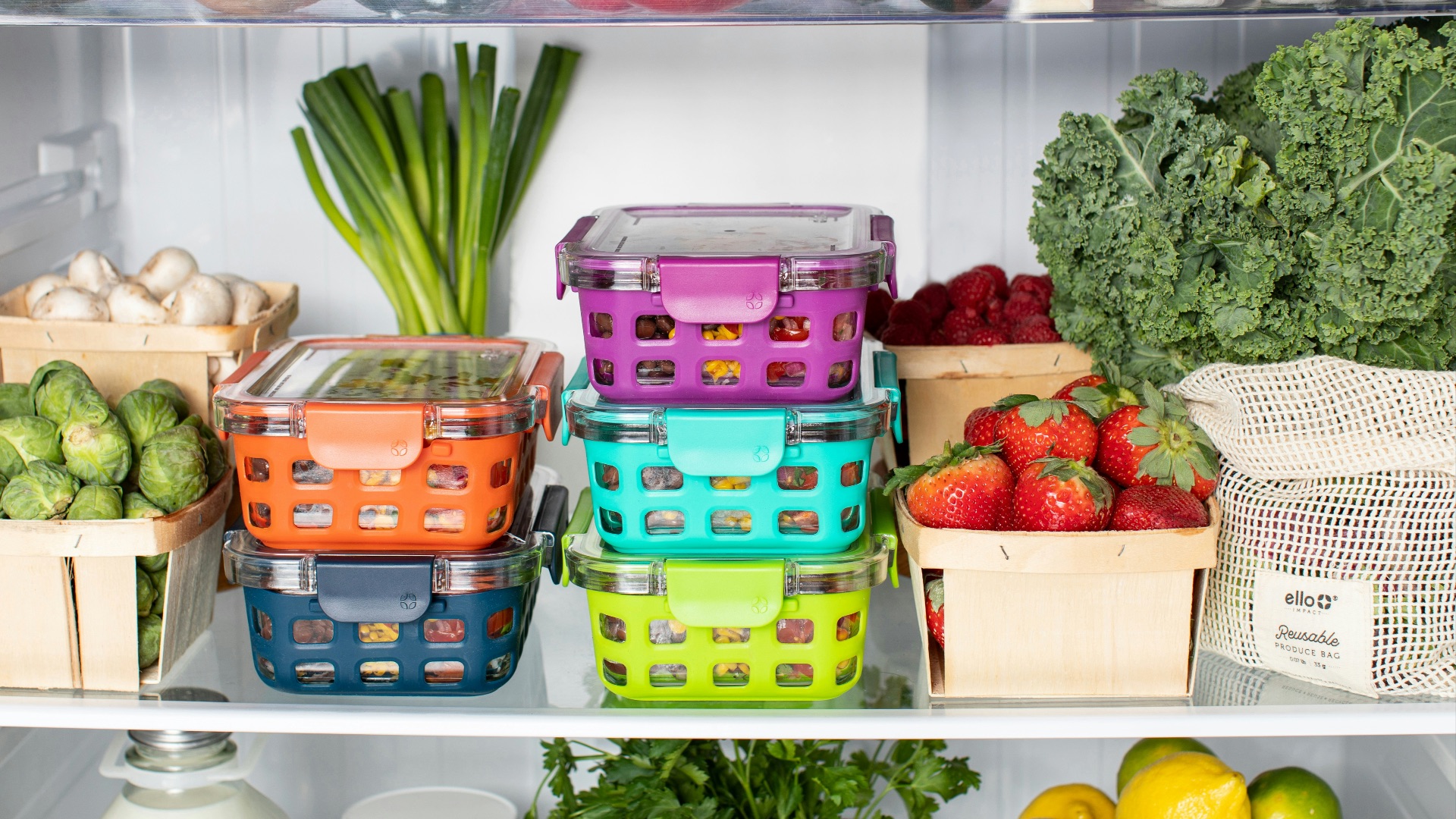
You’re more likely to eat well when good options are easy to grab, especially on busy days. So make it easy for yourself! Stock a few reliable staples you’ll actually use, like rotisserie chicken, microwaveable grains, hummus, canned fish, frozen veggies, or yogurt.
7. Don’t Just Count Calories
Calories matter, but they don’t tell you how filling a food is or how it affects your energy and cravings. Instead of focusing only on numbers, pay attention to protein, fiber, and how satisfied you feel after eating. If tracking helps you, use it as a guide while still choosing foods that keep you steady and genuinely fed.
8. Practice Food Safety
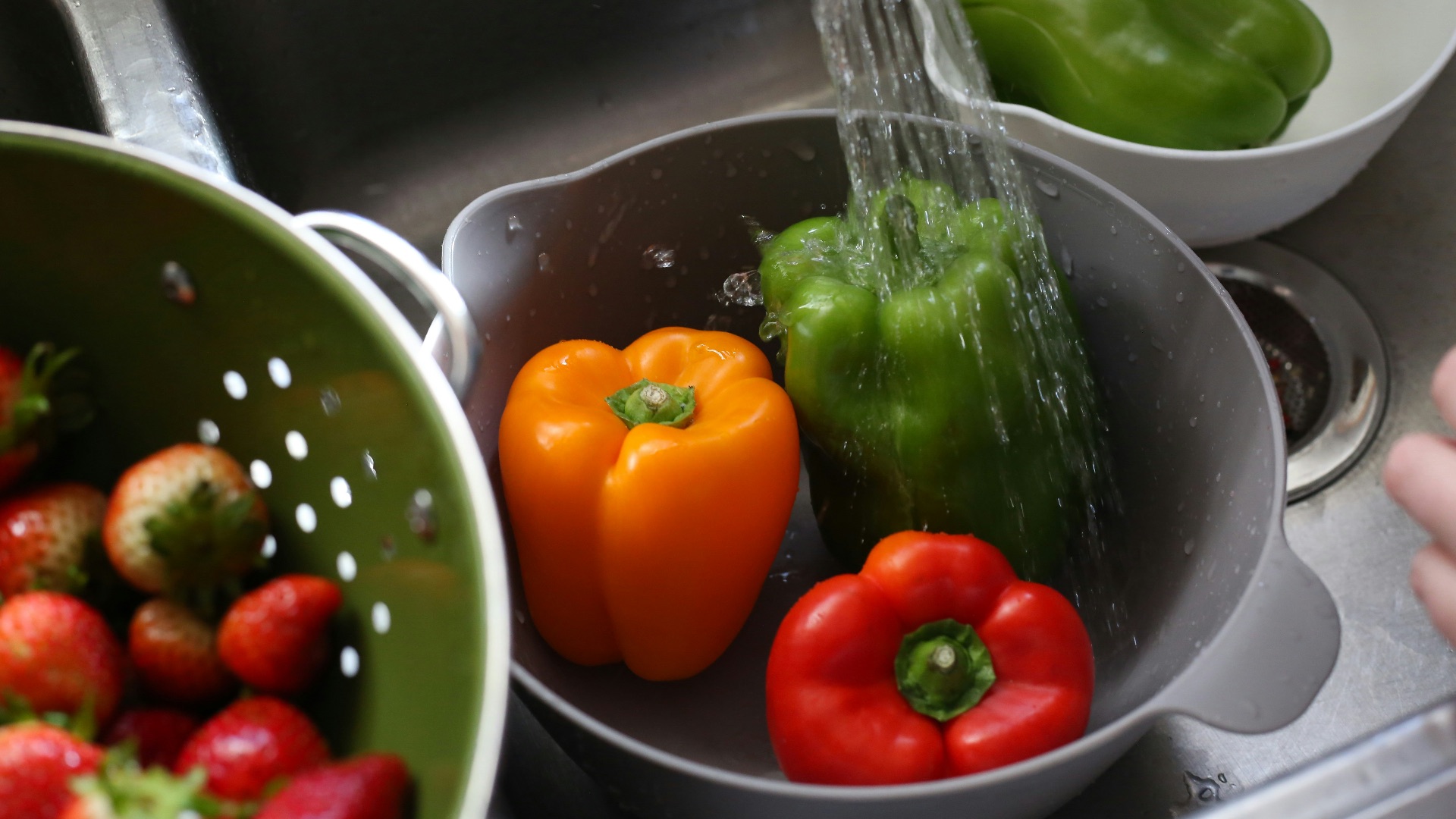
You should already know this, but we'll state it clearly just in case. Remember to always wash produce, cook proteins to safe temperatures, and store leftovers promptly so your kitchen stays fresh and tidy. Trust us: basic safety habits protect you far more than any trendy “clean eating” rule ever will.
9. Notice How Foods Affect You, Not How They’re Labeled
A food can be “healthy” on paper and still leave you sluggish, bloated, or unsatisfied. Pay attention to patterns like energy, digestion, sleep, and hunger, because your real-life response matters. Then use that feedback to tweak portions and combinations instead of chasing perfect choices.

10. Make Room for Enjoyment
If you never let yourself eat foods you genuinely like, the plan usually backfires, and you form an unhealthy relationship with food. A sustainable approach includes pleasure, cultural favorites, and social meals, because that’s what life looks like. When enjoyment is allowed, guilt tends to shrink, and balance gets easier.
Ready for the food rules you should stop following? Read on.

1. No Eating After a Certain Time
Your body doesn’t suddenly stop processing food because the clock hits an arbitrary hour, especially if you tend to stay up longer. Instead of banning food altogether once it hits a certain time, pay closer attention to your total intake, hunger, and how late-night snacking affects your sleep and digestion. If you’re peckish in the evening, a balanced snack can be the most reasonable choice.

2. Treating Carbs Like They’re the Problem
Carbohydrates are a macronutrient, and that means your body still uses them for energy. You might have been taught to cut carbs from your diet whenever you can, but doing so too often or too much may lead to negative outcomes, such as fatigue, irritability, and rebound cravings.

3. Drinking Water When Hungry
It’s a good thing to keep well-hydrated, but using it as a strategy to silence hunger is a no-no and usually backfires. If you’re hungry, your body is asking for energy, and water won’t replace a snack with protein, fiber, or fat. When you’re unsure, have some water and check in again in 10–15 minutes, then eat something if the hunger is still there.

4. Cooking Every Meal from Scratch
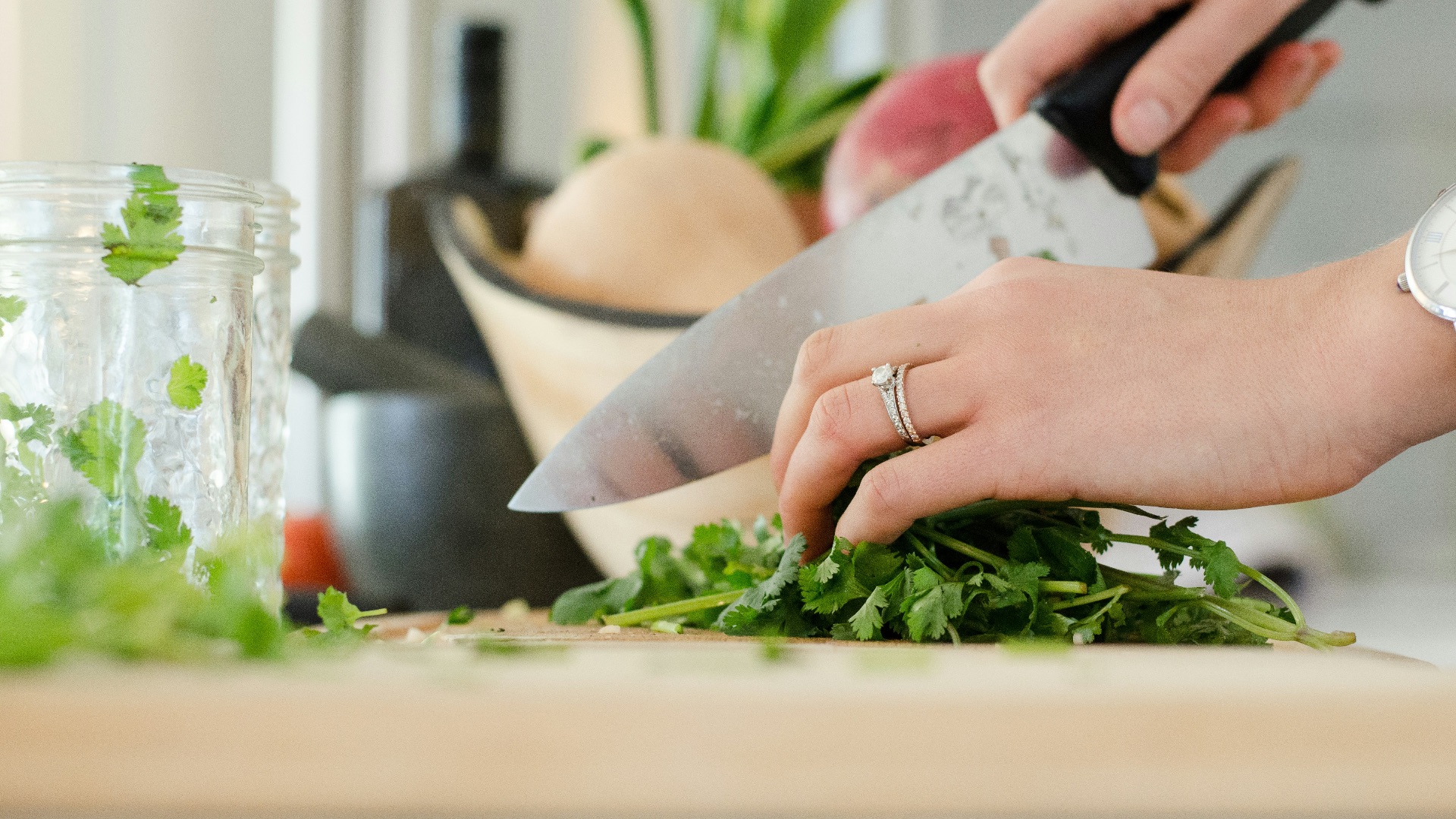
Cooking is great, but demanding it for every meal turns food into another daily test. Contrary to what you might think, grocery-prepared meals, delivery, and simple assembled plates can still be just as balanced and nourishing. If you're tired from work and don't have the energy to whip something up from scratch, there's no harm in getting help from the grocery store.
5. Labeling Processed Foods as Off-Limits
Lots of foods are processed, and that's because "processed" just means it's been changed in some way from its original form or has been combined with another ingredient. Instead of labeling which foods are "good" and which are "bad," it's best to form a healthier relationship without strict restrictions.
6. Avoiding Fruit Because of Sugar
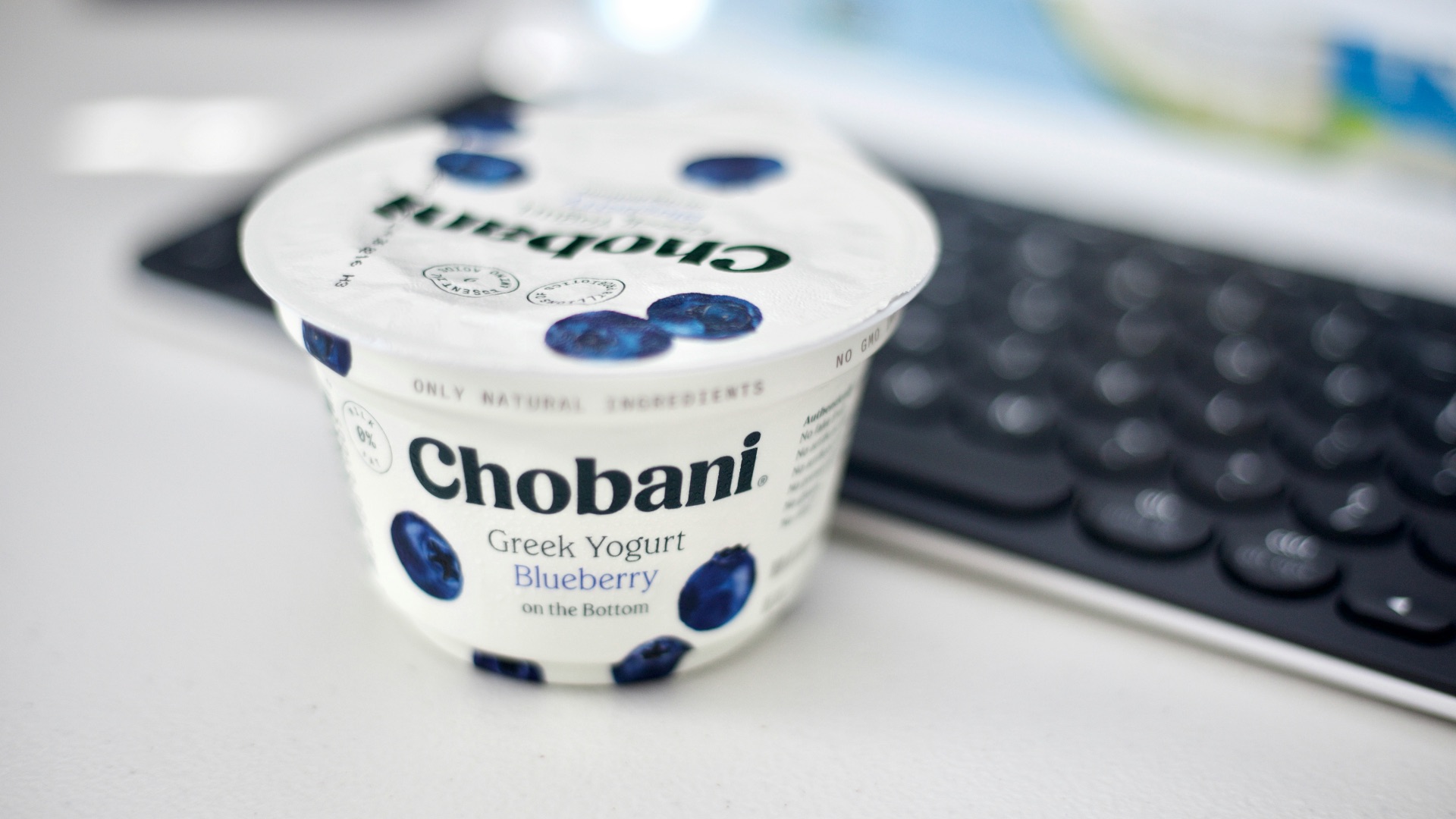
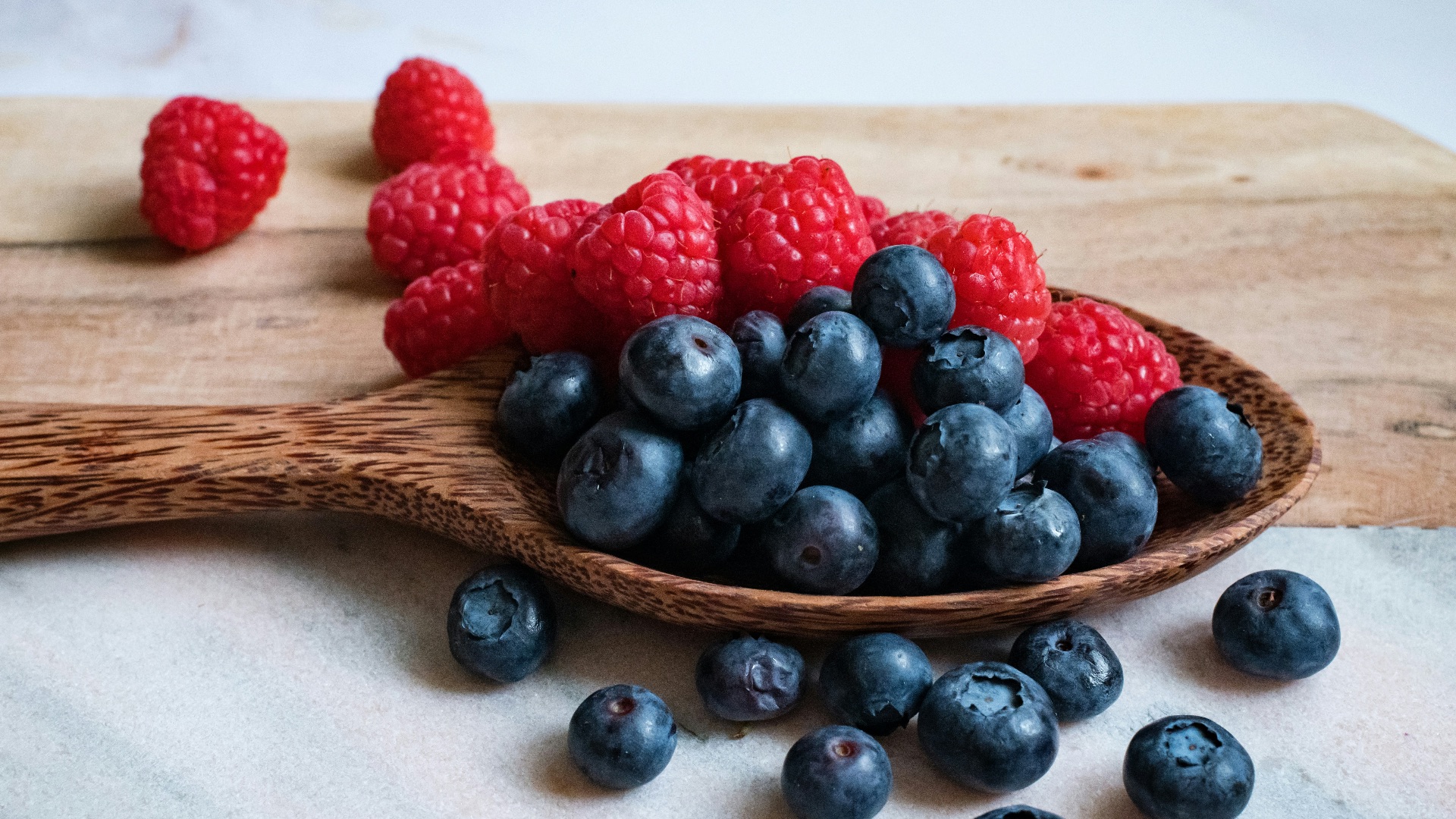
Fruit comes with fiber, water, vitamins, and a touch of natural sweetness, but that latter bit doesn't mean you should avoid it if you're cutting sugar. If you like fruit, it can be an easy way to add nutrients without overthinking it. Sure, you might not want to overdo it (too much of a good thing can still be a bad thing), but fruit is healthy, so eat it!
7. Only Shopping the Grocery Store Perimeter
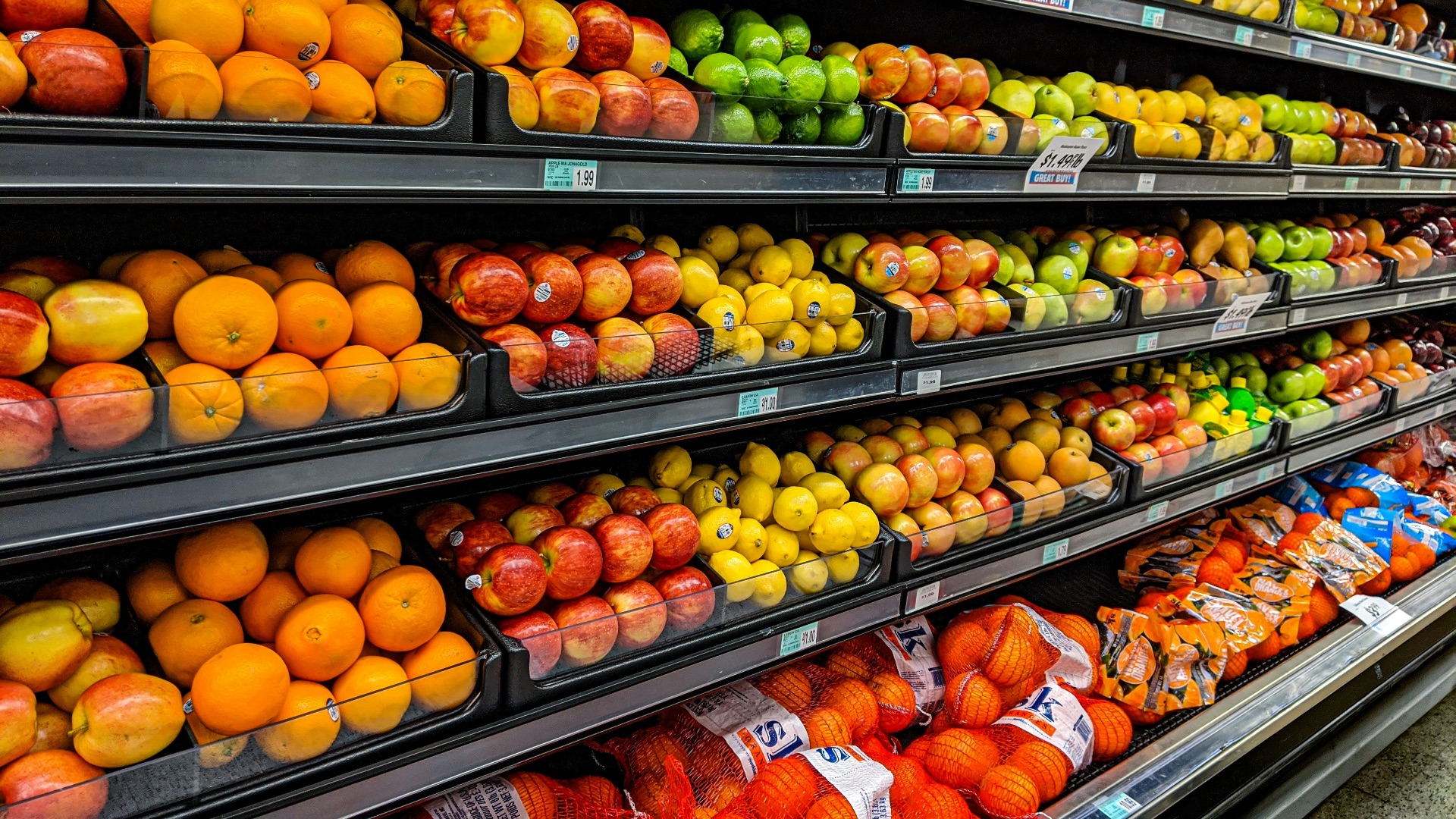
You might have heard that the nutritious foods are stocked along the rim of the grocery store, but that's not always true. Even if there are more processed snacks clustered in the middle aisles, some nutritious staples live near the center, too, and avoiding them can make eating well more expensive and less realistic. When you're shopping, go explore, don't limit yourself!
8. Choosing "Fat-Free"
Fat-free products often trade fat for extra sugar, starches, or additives to improve taste and texture, so don't assume that the label means it's automatically better. Plus, removing fat can leave you less satisfied, which can lead to more grazing later.

9. Forcing Yourself to Clear Your Plate
Clearing everything on your plate all the time might seem like the right thing to do, but it can also teach you to ignore fullness cues. If you can't finish it, pack up the leftovers! That way, you stop when you’re satisfied, and you're not wasting what's left.

10. Don't Emotionally Eat
You've heard it before: you shouldn't let your emotions control how you eat. But eating for comfort is a normal human behavior, and pretending it never happens only increases shame. What helps is widening your coping toolkit while also allowing food to play a role sometimes without spiraling. If emotional eating feels frequent or distressing, that’s a sign to add support, not a reason to punish yourself.

KEEP ON READING