
Debunking The Myths Surrounding Fresh Vs. Frozen Vegetables
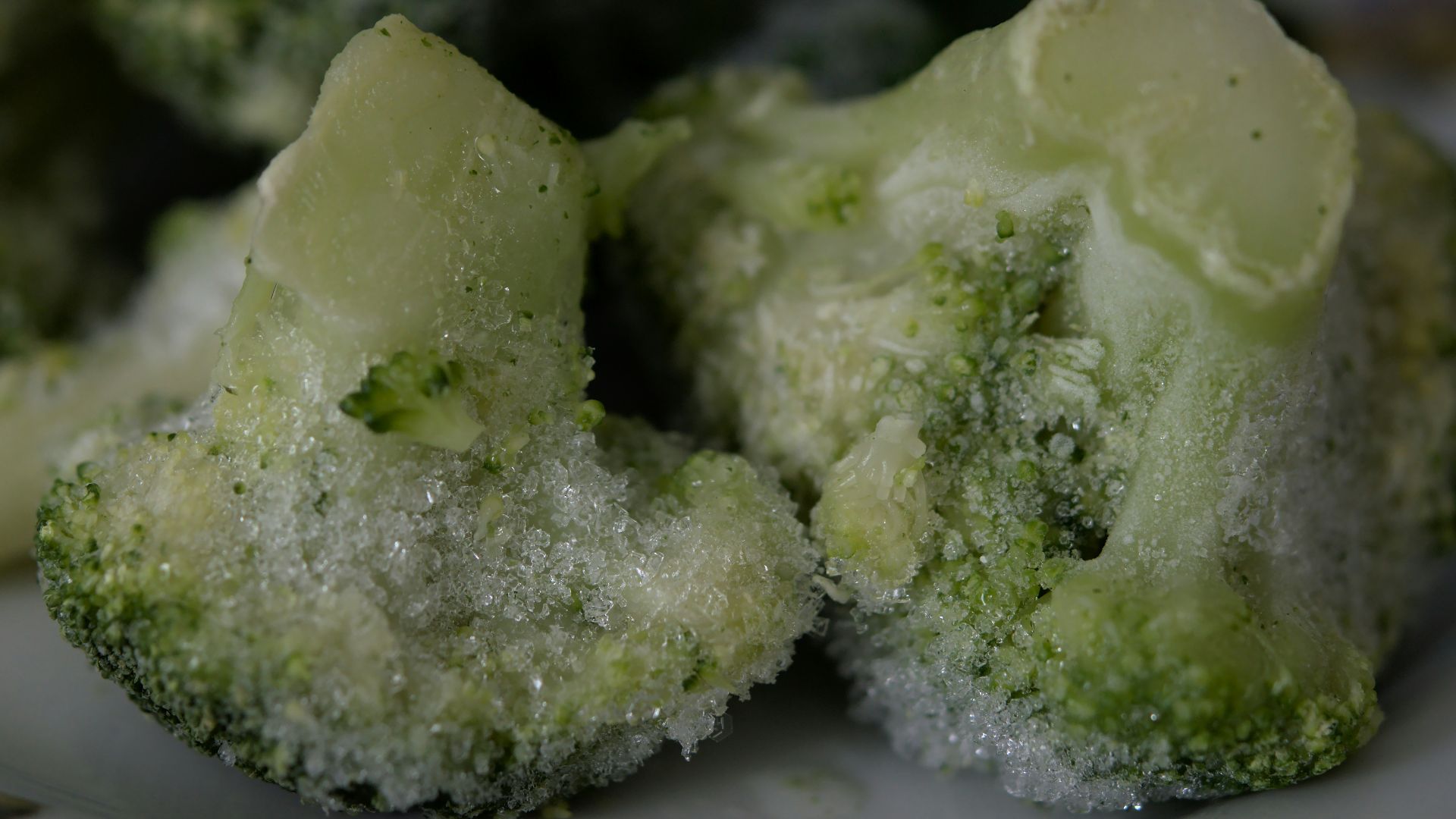
For years, the debate has simmered quietly in grocery aisles: fresh vegetables piled high in vibrant displays versus the frosty bags displayed neatly behind glass doors. Many of us grew up believing fresh was the only “real” choice, while frozen carried the reputation of being a nutritional compromise. But walk a little deeper into the story, and you’ll realize the truth is far more interesting than the myths that keep resurfacing.
As we examine both sides, it becomes clear that this isn’t a battle between good and bad. It’s a lesson in how food travels and how nutrients behave. Understanding these details opens the door to healthier, more realistic choices.
The Journey To Your Plate
The first myth unfolds the moment you understand how vegetables actually reach you. Fresh produce sounds ideal, but “fresh” rarely means freshly picked. Many vegetables are harvested before they’re fully ripe, allowing time for cross-country travel and distribution. During those days, nutrient levels begin to decline.
Frozen vegetables take a different journey. They’re typically harvested at peak ripeness, when nutrients are most concentrated, and then blanched and frozen within hours. This quick lock-in process preserves most vitamins effectively, often more than in fresh produce that has spent days in transit.
But texture and taste matter too, and that’s where the plot thickens. Some vegetables, like peas and corn, love the freezer because their sweetness stays intact in cold temperatures. Others, such as leafy greens, can wilt under freezing conditions, which creates that mushy texture people complain about.
The Real Story Behind Additives
Another common misconception is that frozen vegetables contain hidden chemicals or preservatives. But freezing itself is the preservative. No extra chemicals are typically necessary for plain frozen vegetables because cold temperatures do the job naturally.
Fresh vegetables are no less complicated. They may appear untouched, but many undergo surface treatments or waxing to maintain appearance during long transport. These processes aren’t harmful, but they challenge the idea that “fresh” always means minimally handled. In reality, both categories involve human intervention—they’re simply handled differently to stay edible across varying distances and shelf lives.
Food safety is another lens worth looking through. Blanching vegetables before freezing kills bacteria and stops enzyme activity. That means they generally carry a lower risk of contamination than some people assume, though recalls can occur in both fresh and frozen forms. Fresh produce, on the other hand, requires careful washing and handling, as it can harbor microbes from the farm.
Making Smart Choices Without The Myths
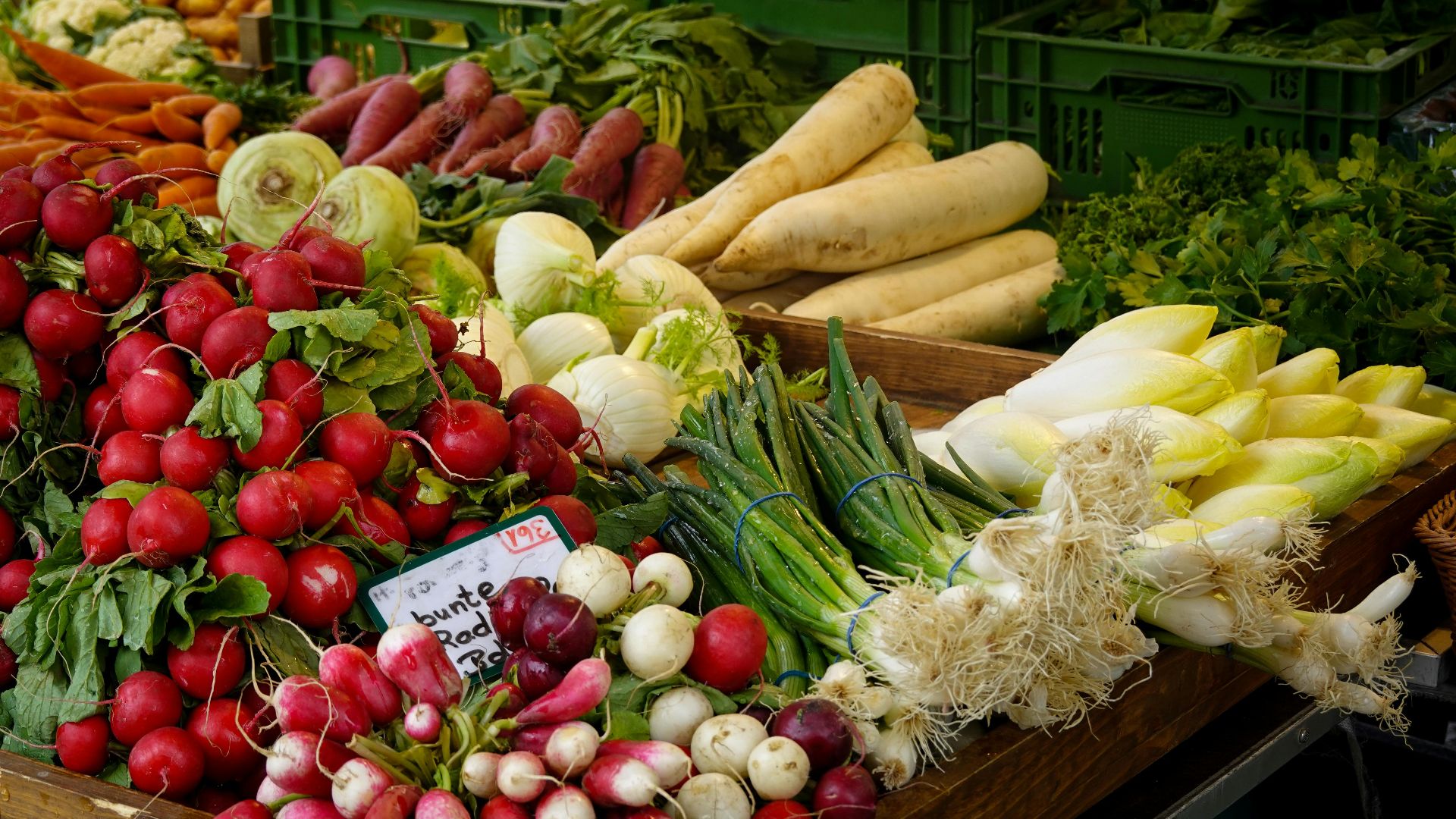
At this point, the fresh-versus-frozen debate shifts from right vs. wrong to what works for your life.
If flavor and crispness guide your cooking, fresh vegetables shine—especially when they come from local markets where travel time is short. But if budget or nutrient retention are priorities, frozen vegetables become not just acceptable but genuinely practical. They reduce waste and keep quality consistent throughout the year.
KEEP ON READING