What's Really Hurting Your Health?
Your kidneys work hard every day. They do a lot behind the scenes, and it’s easy to forget that those little guys spend their entire lives filtering waste and keeping important minerals under control. So, why make their 9-5 harder with your diet? While most people know that eating too much salt isn't great for their health, several everyday foods can also contribute to high blood pressure or create problems for people with existing kidney disease. You don't necessarily have to give up everything you like—but these 20 foods might be worth cutting back on.

1. Processed Deli Meats
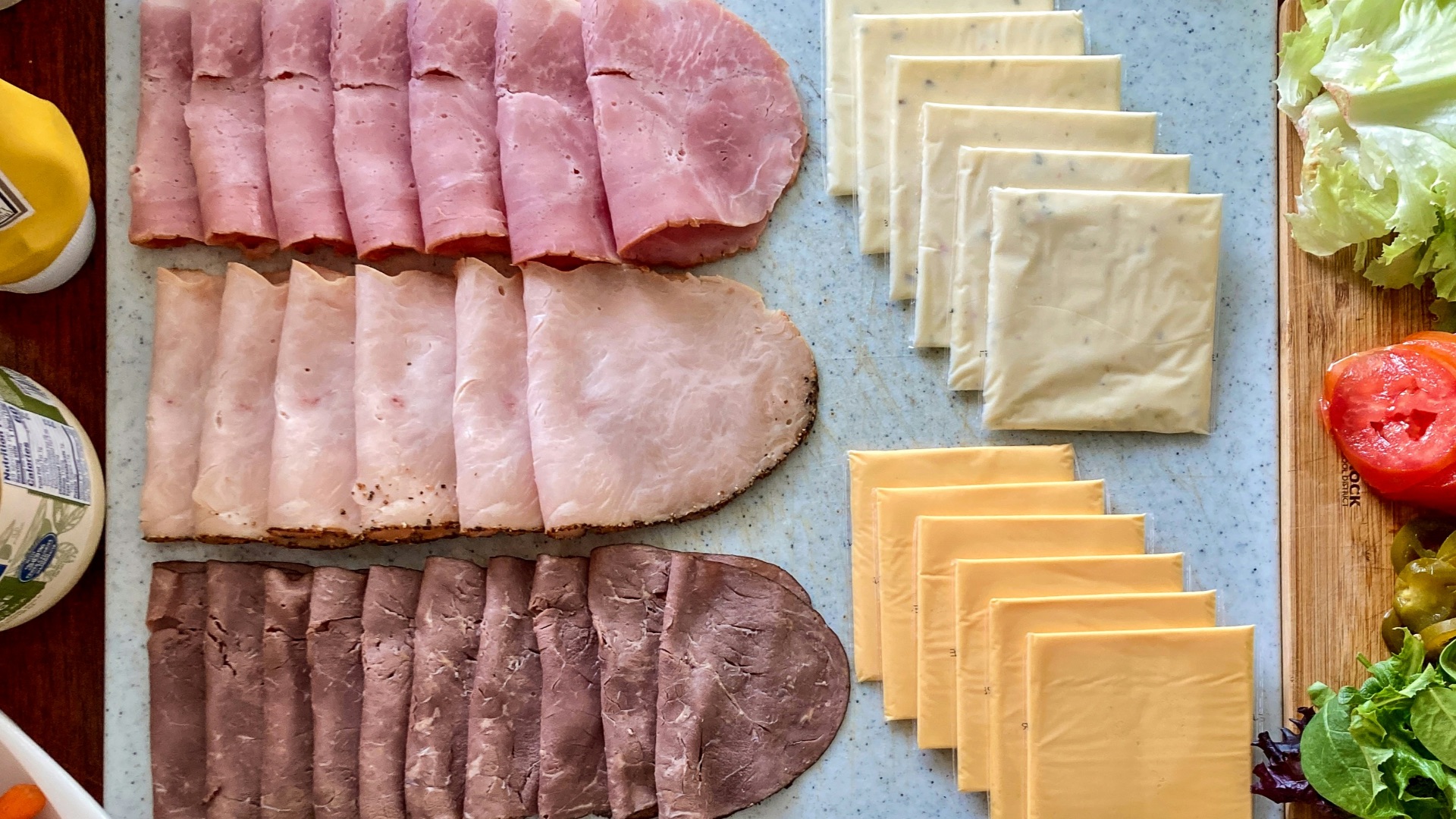
Who isn’t enticed by all those turkey slices and salami logs? Packaged ham sure makes lunchtime convenient, so how bad would they be? Well, they can contain surprisingly high amounts of sodium. Some also contain phosphate additives that people with chronic kidney disease may need to limit.
2. Canned Soups
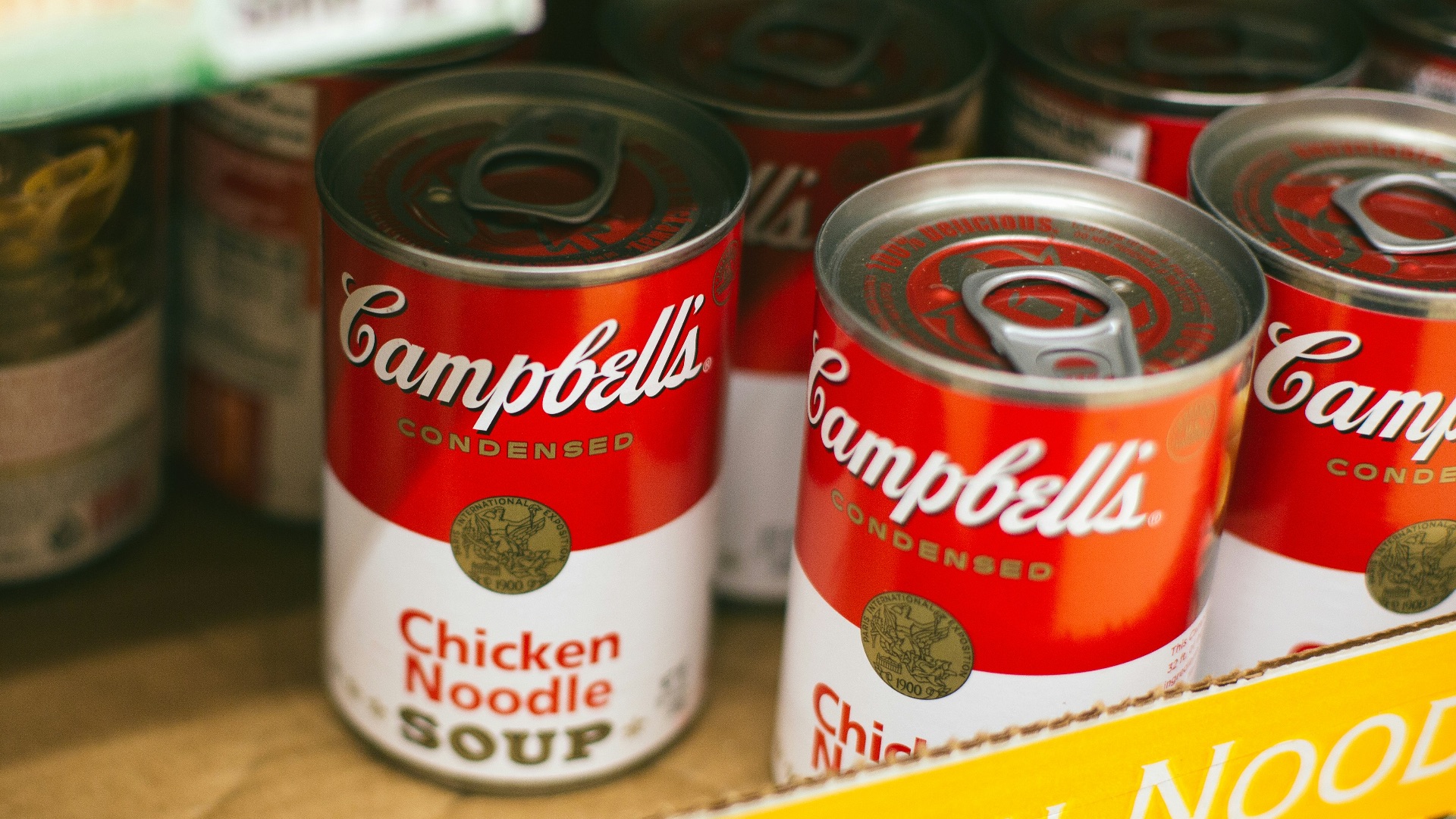
Soup hardly seems like the worst thing for your health, but never forget just how much sodium they pack into one little can. Many commercial varieties are also culprits, especially when you eat the whole can rather than the suggested serving. Choosing reduced-sodium varieties or preparing homemade soup gives you better control over what you're eating.
3. Bacon
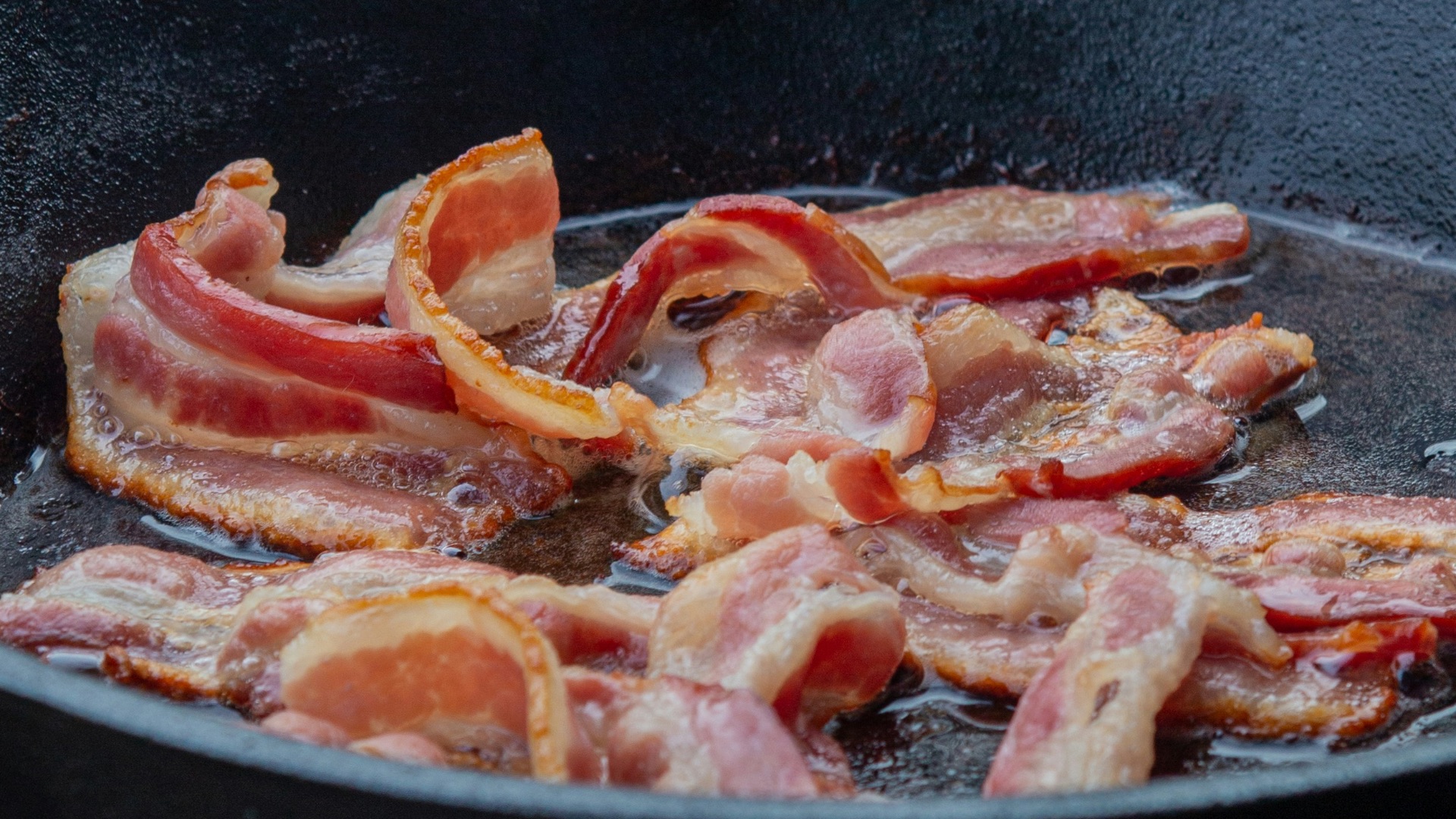
We know we’re not going to pull you off of bacon, but could we encourage you to eat a little less of it? There's a reason this stuff makes breakfast taste so good:
its generous sodium content! Unfortunately, it isn't doing your kidneys any favors, so it’s best kept as an occasional breakfast choice.
 Michelle @Shelly Captures It on Unsplash
4. Instant Ramen
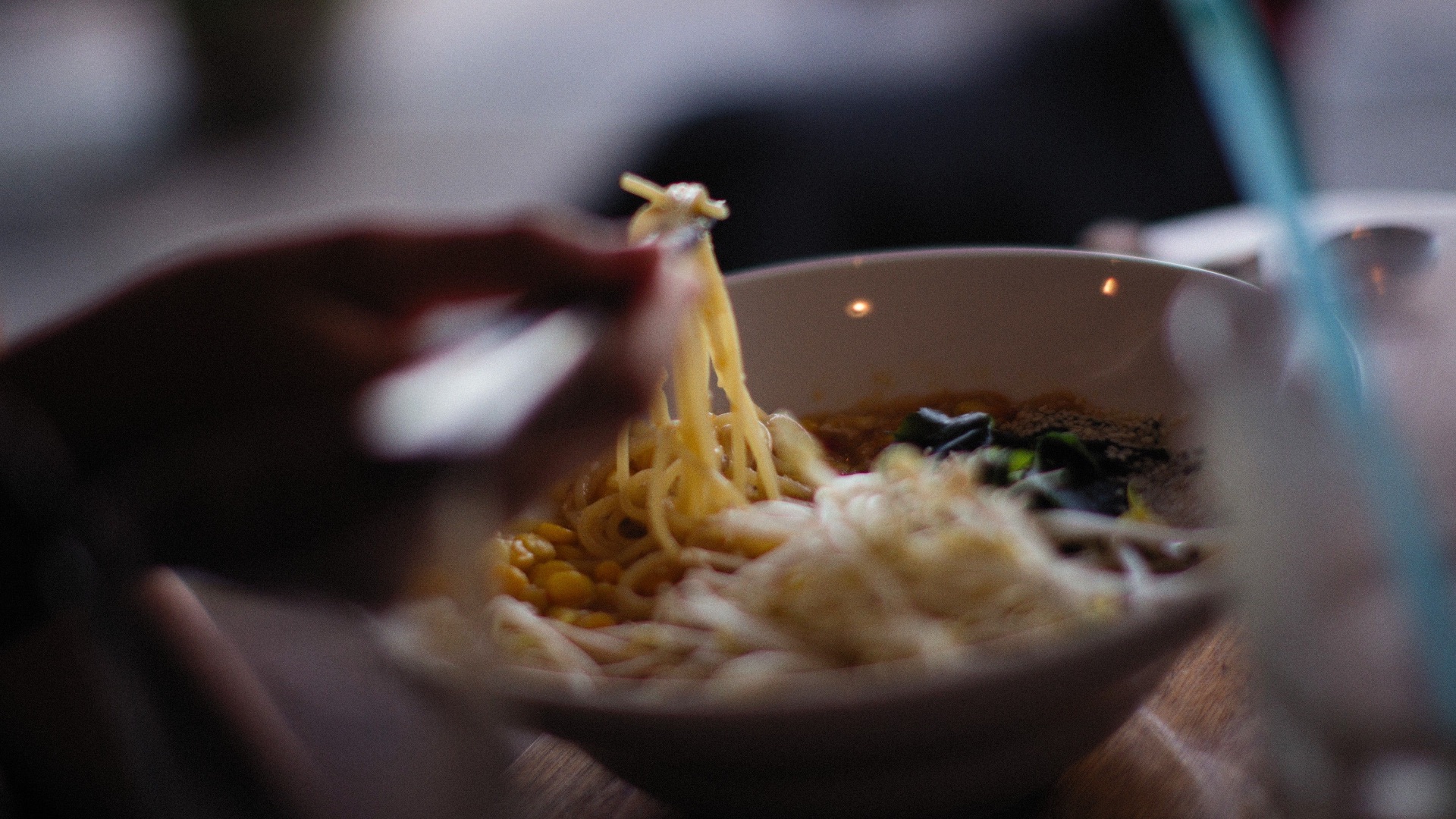
Those inexpensive packets sure are convenient when you don't feel like cooking…until you read the nutrition label. A single package can contain a significant portion of your recommended daily sodium intake, and it’s only worse if you use every drop of the flavoring. You may be better off using only part of the seasoning packet or preparing noodles with homemade broth.
5. Frozen Pizza
Between the pepperoni, cheese, tomato sauce, and seasoned crust, frozen pizza can deliver considerably more sodium than you'd expect. Certain boxes also have phosphate additives, which can create additional dietary concerns for people whose kidneys aren't functioning properly. Making pizza at home might need more work, but it also keeps your kidneys far healthier.
 amirali mirhashemian on Unsplash
6. Dark Cola
Unlike many other soft drinks, we’re more talking about certain dark colas that contain phosphoric acid, an ingredient that adds phosphorus to your diet. People with advanced kidney disease might have difficulty removing excess phosphorus, and down the line, that could easily cause bone and mineral problems.
7. Pickles
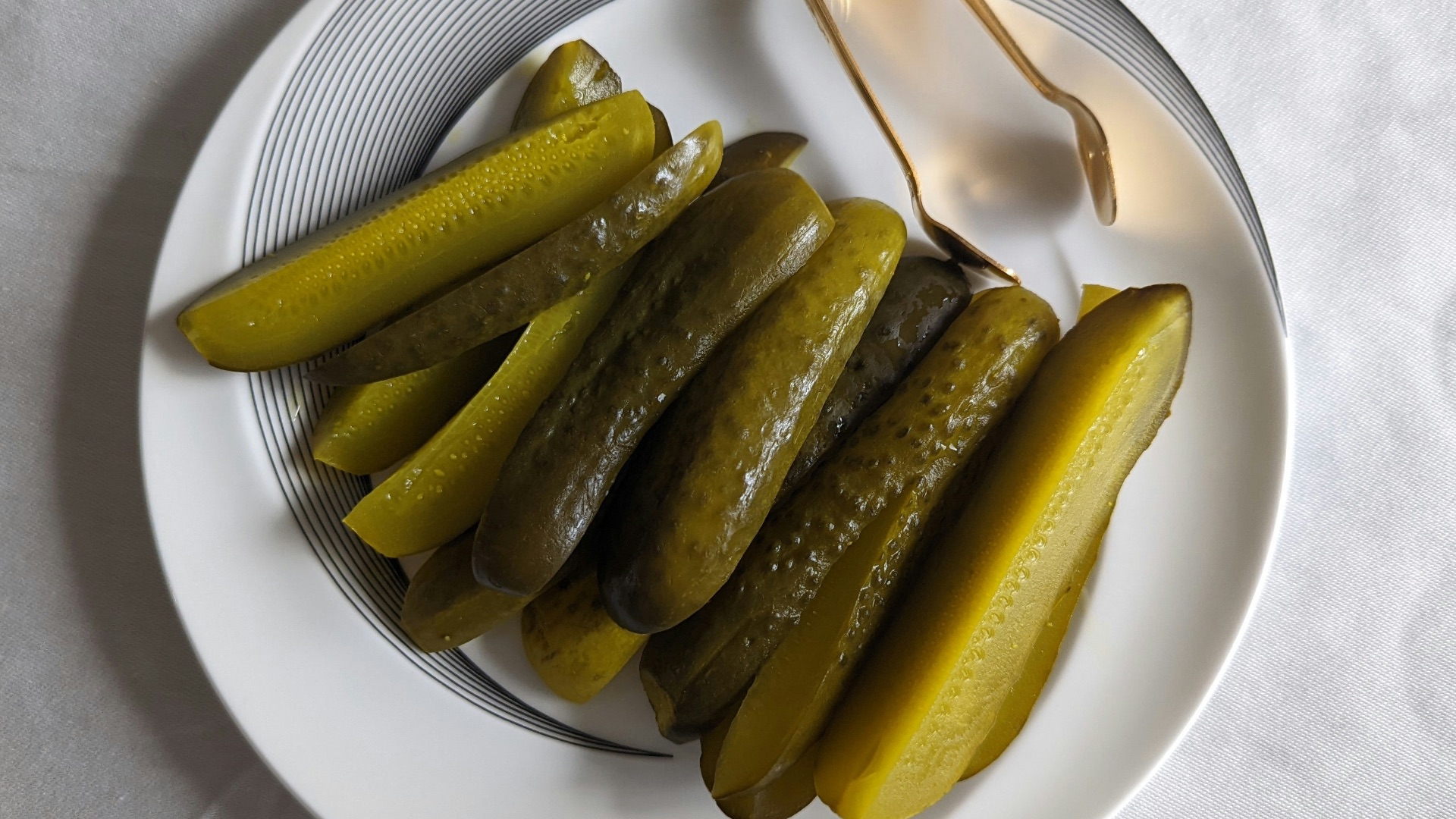
Say it ain’t so! We hate to be the bearer of bad news, but the preserving process often involves generous amounts of salt.
Don’t trick yourself into thinking that you’re chowing down on something healthy. Eating several large dill pickles can add substantially to your daily sodium intake without providing much nutritional variety.
8. Fast-Food Burgers
Well, we all knew that these were going to cause trouble. It’s one thing to have it every once in a while, but regular fast food is bad for your health all around. A double cheeseburger alone can contain plenty of sodium before you even consider ordering fries. Processed cheese, seasoned patties, special sauces, and salty buns all contribute to the final amount, too.
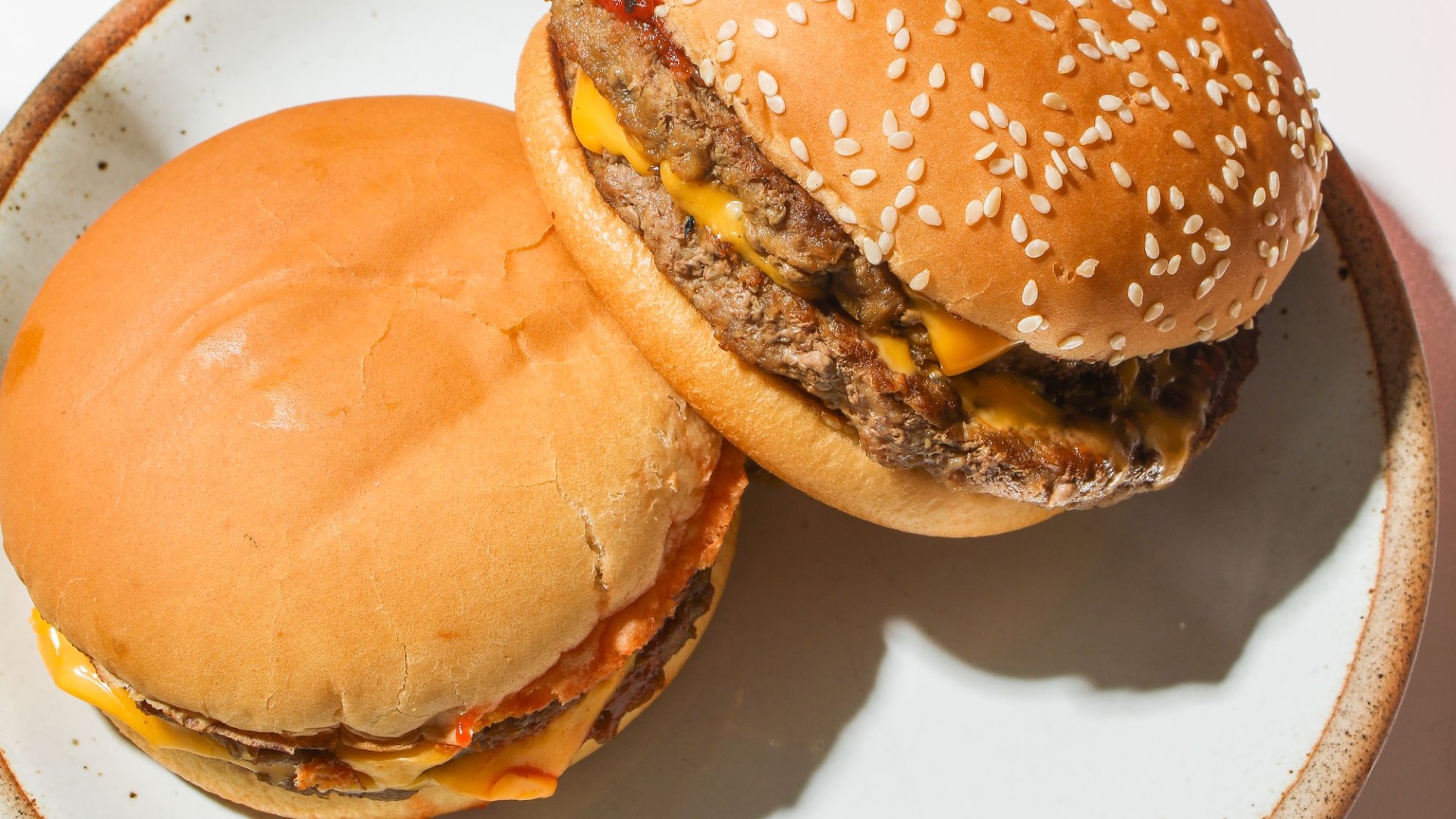
9. Processed Cheese
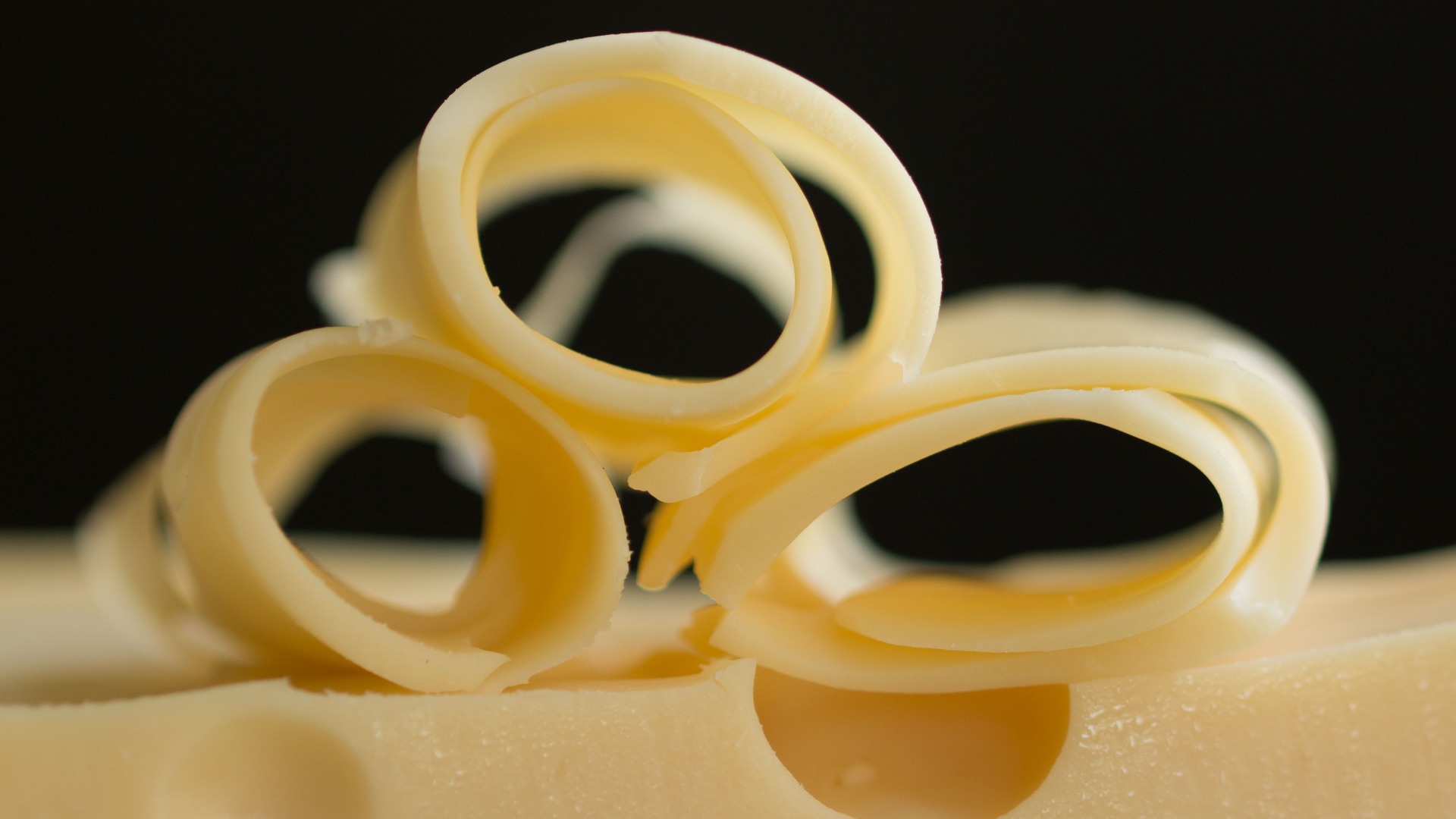
Speaking of which, we need to talk about cheese on its own for a second. Those wrapped slices make their way into plenty of homemade meals, and they contain sodium and added phosphate compounds. Luckily, you can skirt around that stuff by checking ingredient labels and choosing smaller portions of cheese without phosphate additives.
10. Canned Ravioli
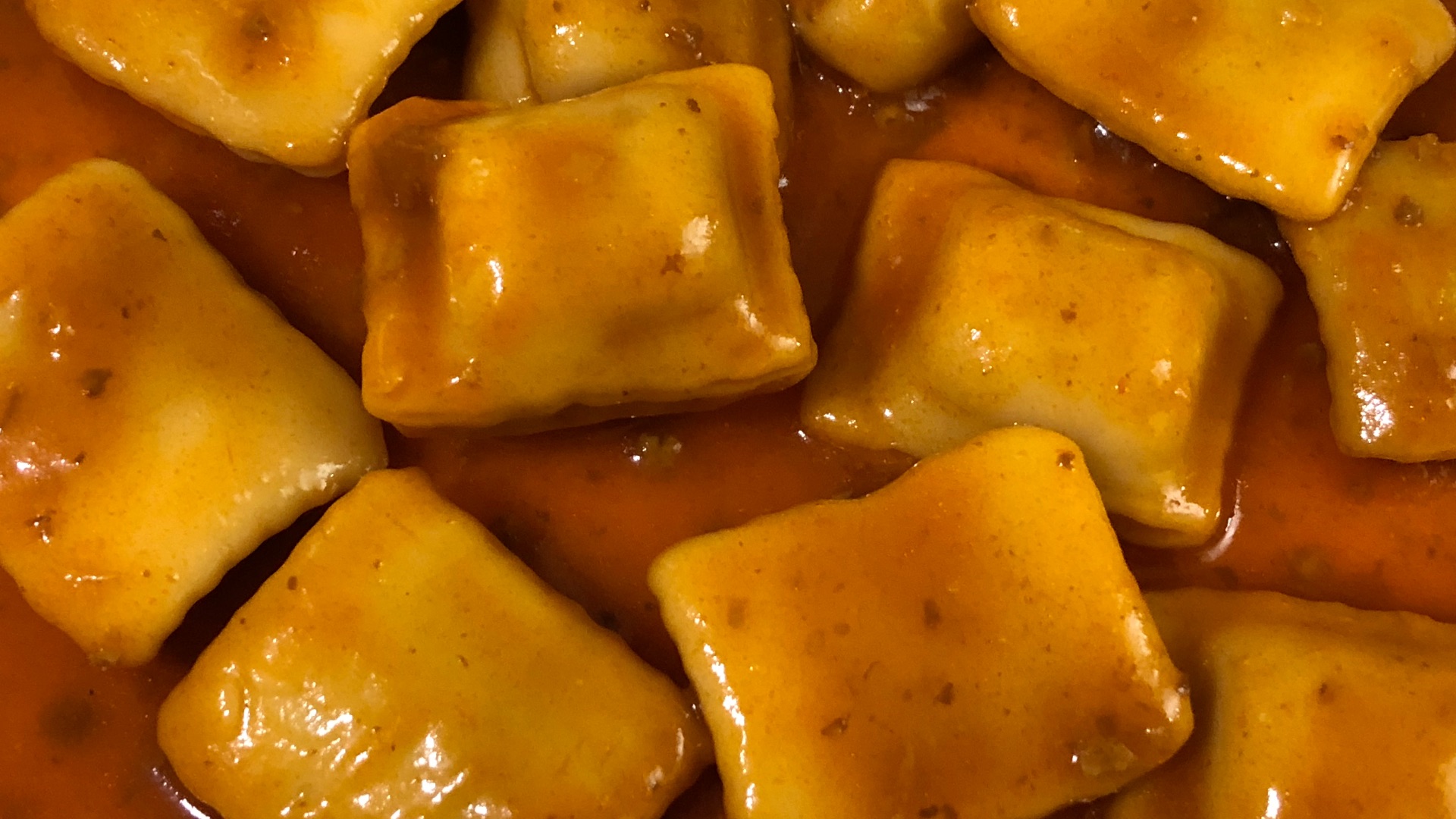
Canned ravioli has been a convenient dinner for decades, and there’s no shame in enjoying it now and then! However, its nutritional content deserves a closer look. That horrible combo of preserved pasta, meat filling, and salty tomato sauce can produce a meal that's particularly high in sodium.
11. Beef Jerky
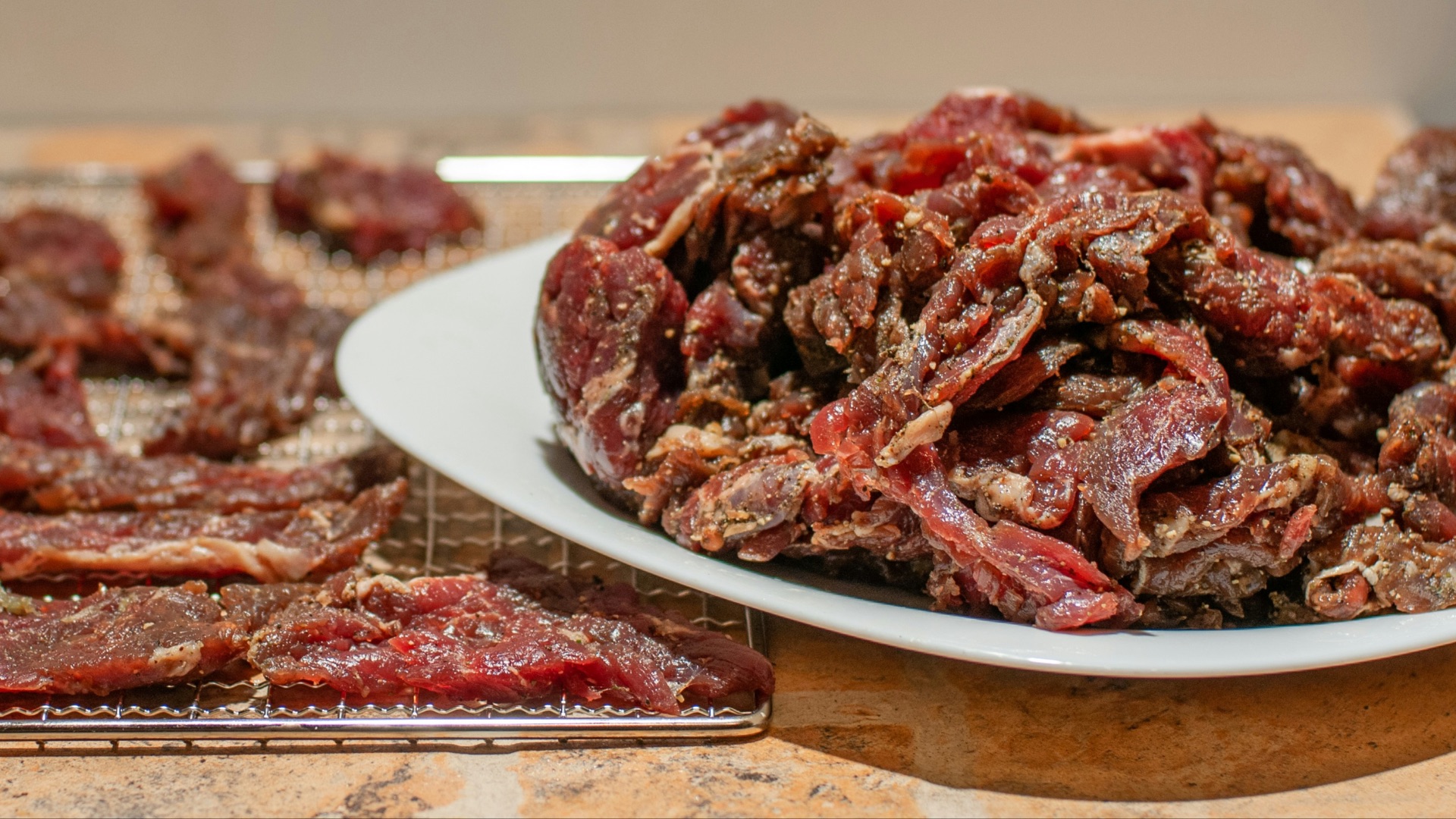
Beef jerky is popular for a reason—but it’s also just as unhealthy as everyone says. Traditional varieties come packed with large amounts of sodium, and to make matters worse, the concentrated protein content also matters; people with chronic kidney disease need to manage their protein intake carefully.
12. Restaurant Fried Chicken
Crispy fried chicken was never going to do anything for your health, but that doesn’t mean you should just write it off and indulge. Restaurant versions are often heavily seasoned or soaked in salty marinades before cooking. Once you add breading, dipping sauces, and a side of fries, you've got a meal that’s sky-high in sodium.

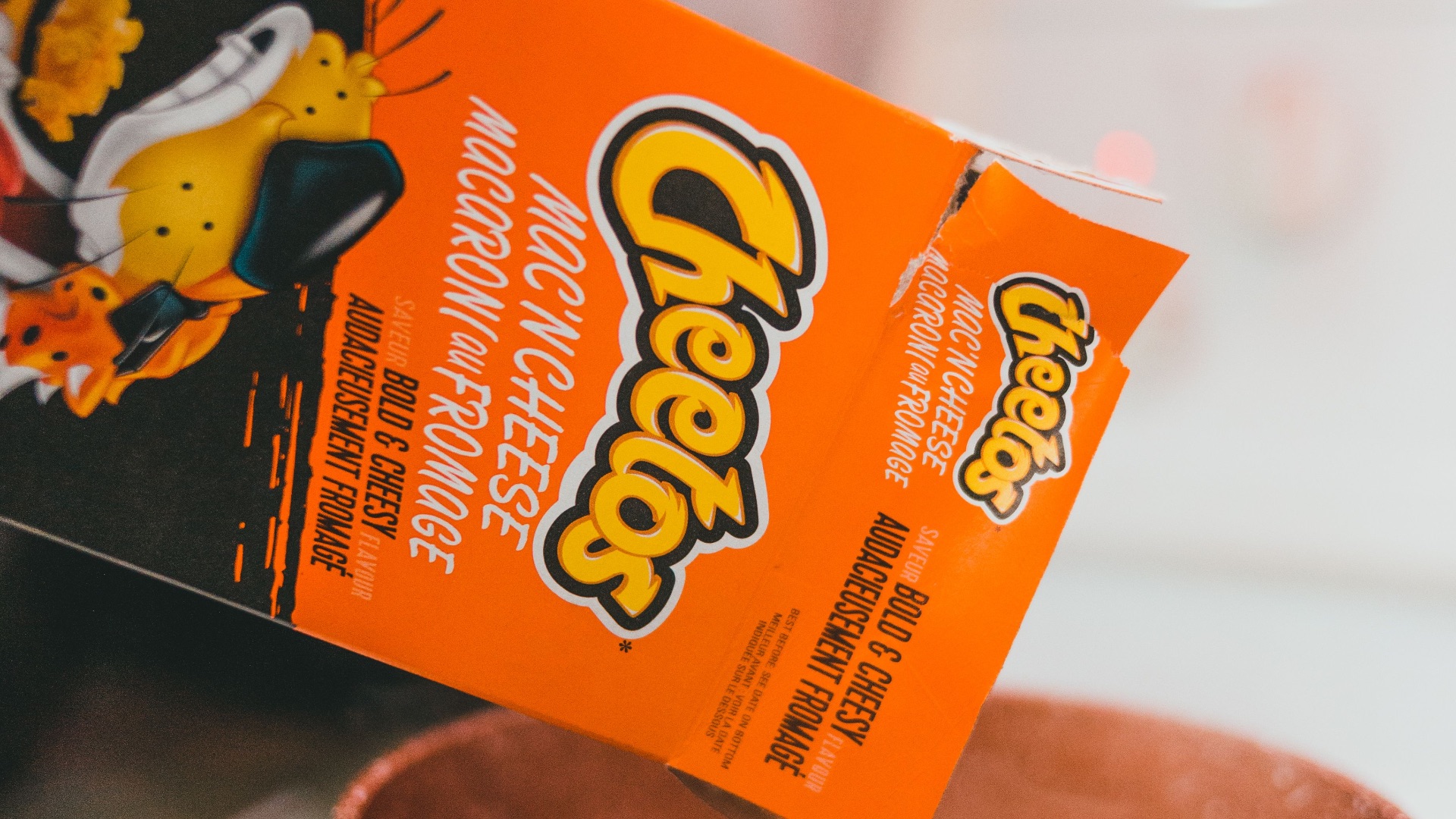
13. Packaged Macaroni and Cheese
That familiar box of mac and cheese? You might want to reconsider! The powdered cheese sauce alone can contain substantial sodium. Some varieties also include phosphate additives that deserve attention if you're managing phosphorus levels.
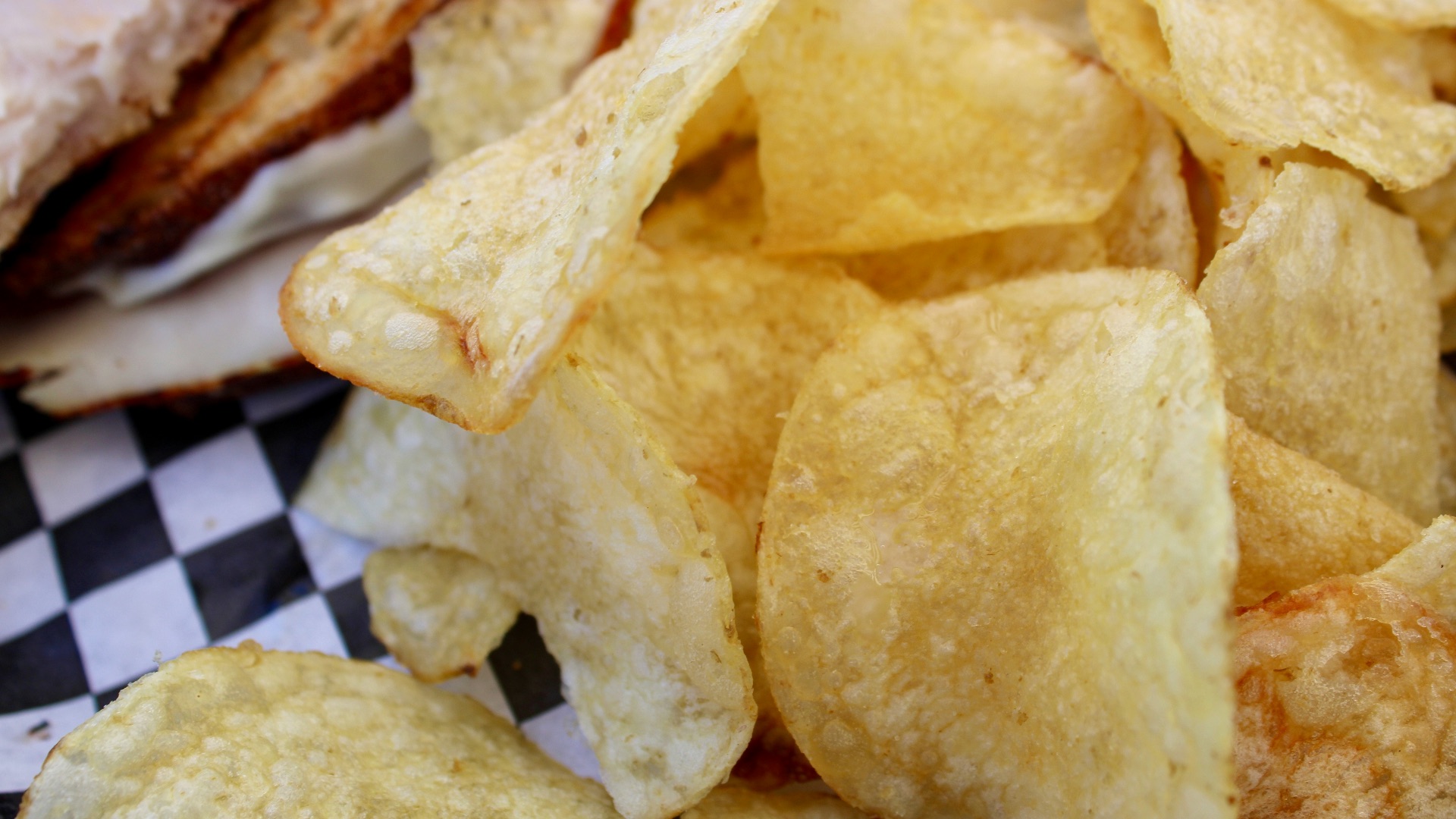
14. Salted Potato Chips
Don’t kid yourself—it's easy to finish a large bag of potato chips without realizing how much sodium (or how many calories) you've consumed. Regularly eating salty snacks can also contribute to higher blood pressure, while potatoes themselves have enough potassium that some people with advanced kidney disease must monitor.
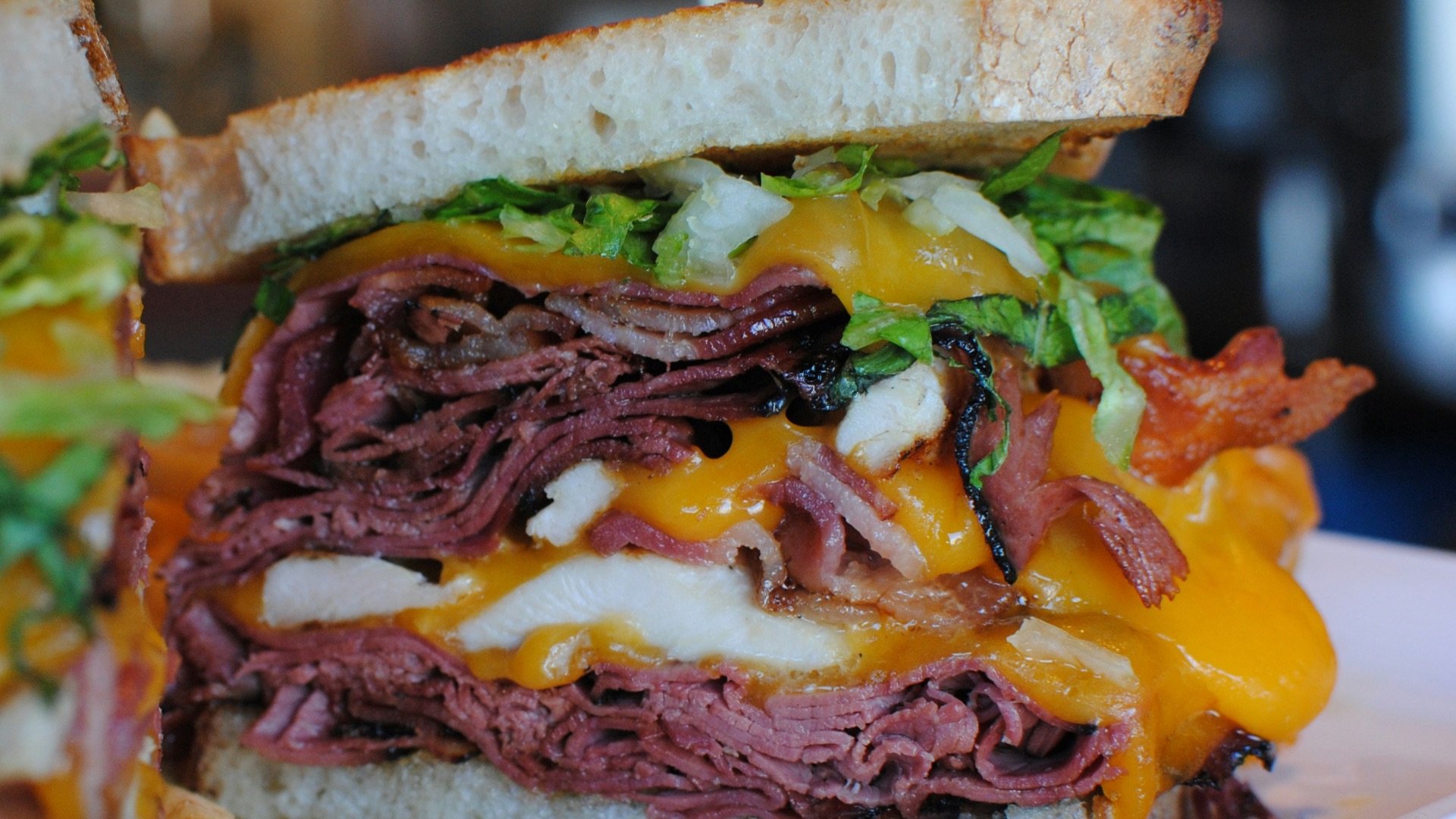
15. Canned Corned Beef
We’re sensing a pattern here with the canned stuff! We know that corned beef has been a pantry staple for generations, but the curing and preservation processes can leave canned varieties way too high in sodium. There’s really no getting around the unhealthiness of it, and if you’re worried about what it’s doing, you should speak with a doctor.
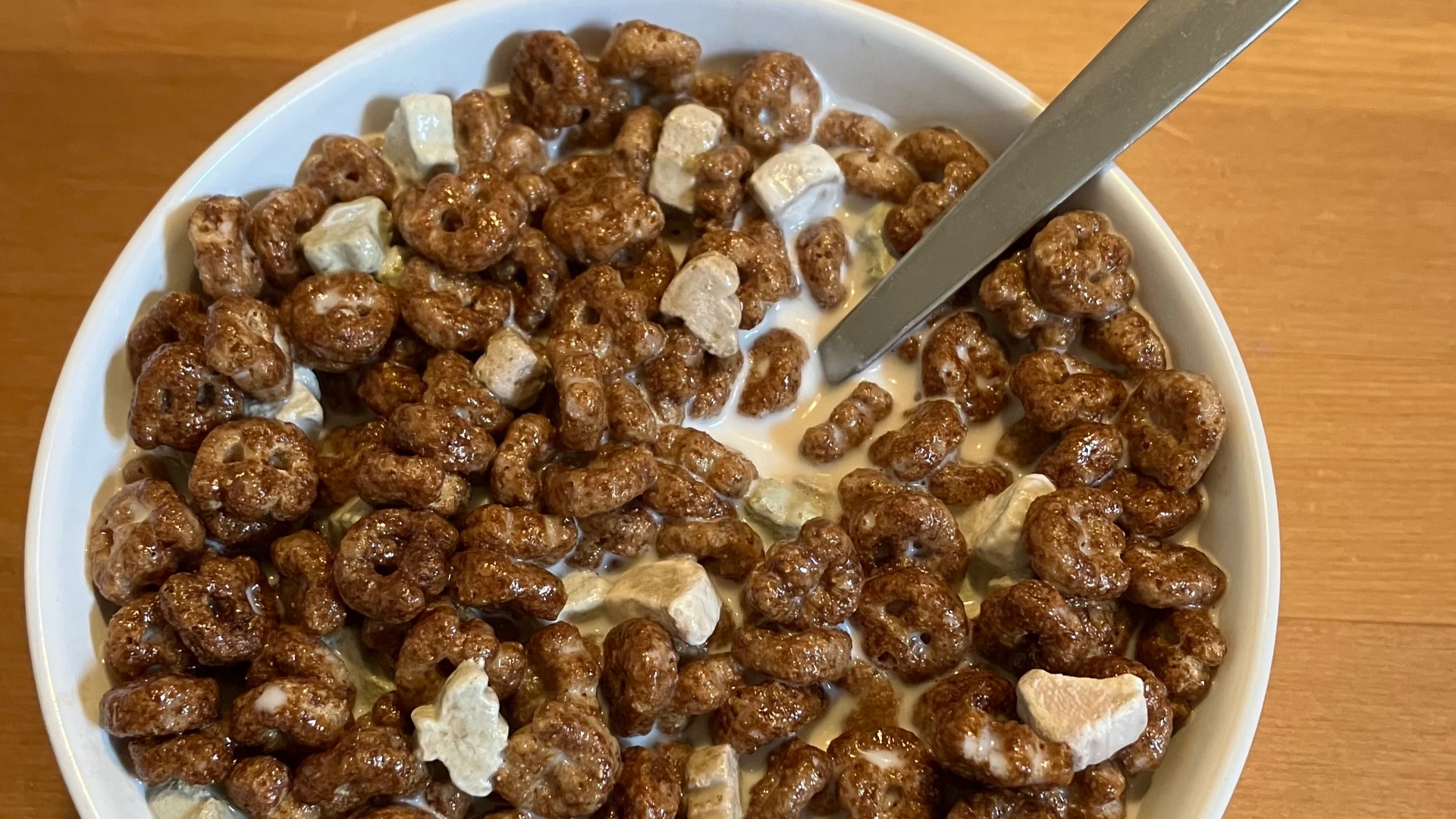
16. Sugary Breakfast Cereals
Colorful cereals and frosted flakes remind us of childhood, and that’s a good thing, right? Well, maybe for nostalgia.
In reality, regularly eating a diet high in added sugar can contribute to weight gain and poor blood sugar control, potentially increasing your risk of type 2 diabetes.
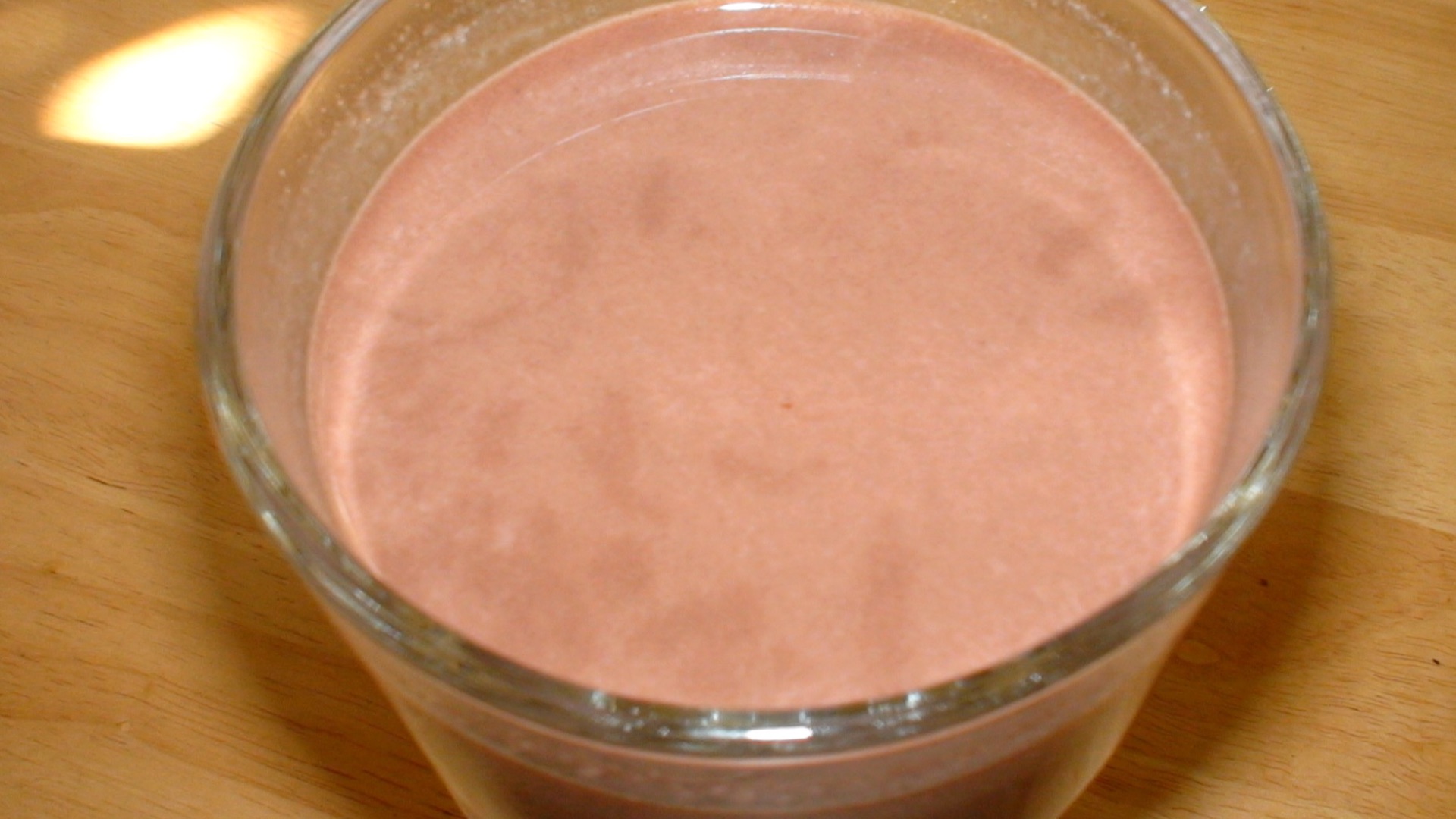
17. Chocolate Milk
Chocolate milk does some good. It provides calcium and protein, so there’s a silver lining. On the flip side, it can also deliver substantial phosphorus, potassium, and added sugar. Those minerals aren't inherently harmful, but people with advanced kidney disease sometimes need to restrict their intake based on blood test results.
18. Frozen TV Dinners
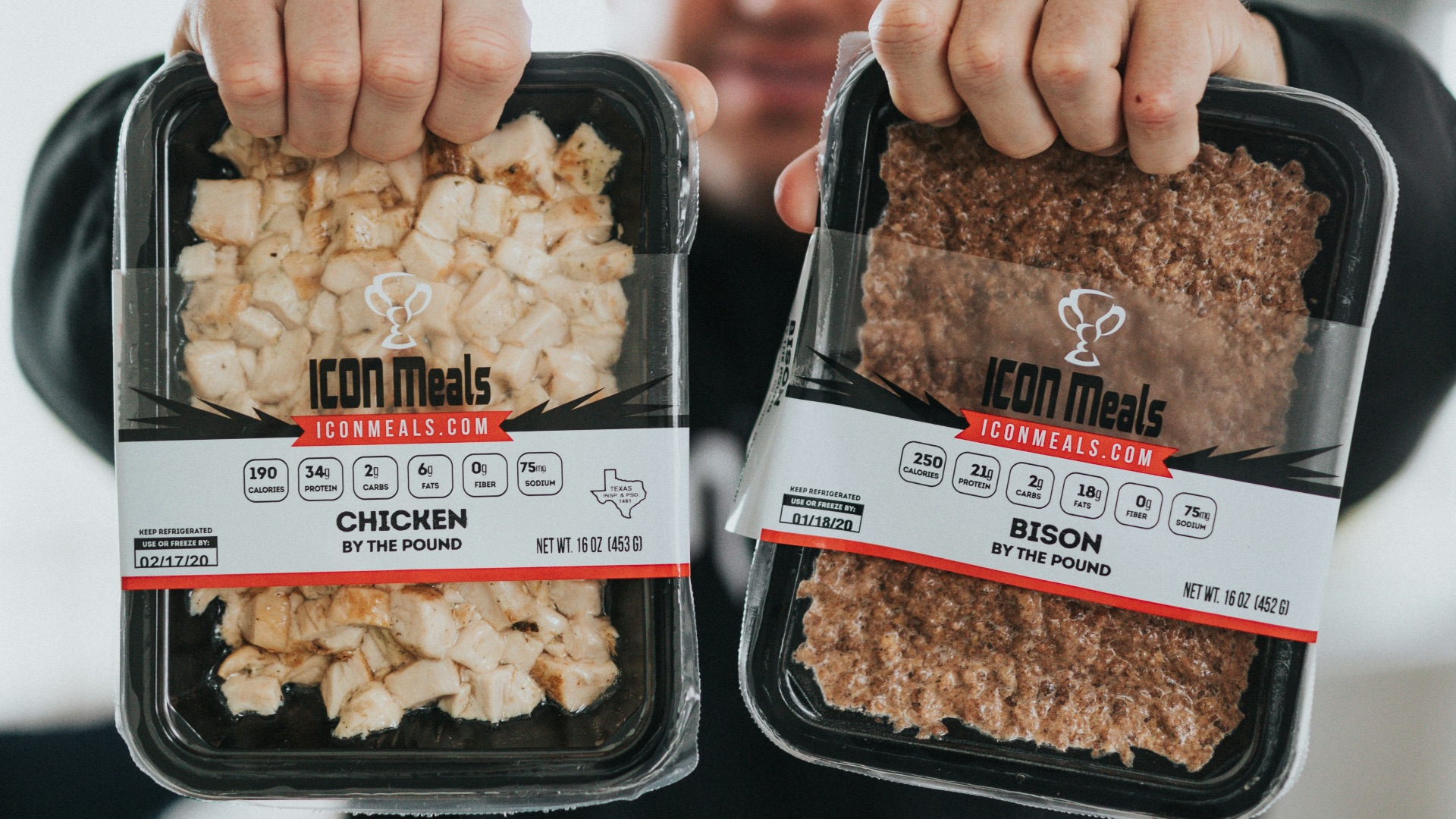
Frozen meatloaf, chicken pot pies, and microwaveable pasta dinners make sense on busy nights, don’t they? Unfortunately, many prepared meals rely on salt and preservatives to maintain their flavor and shelf life. That doesn’t mean you’re out of luck, but comparing nutrition labels can help you find options with less sodium.
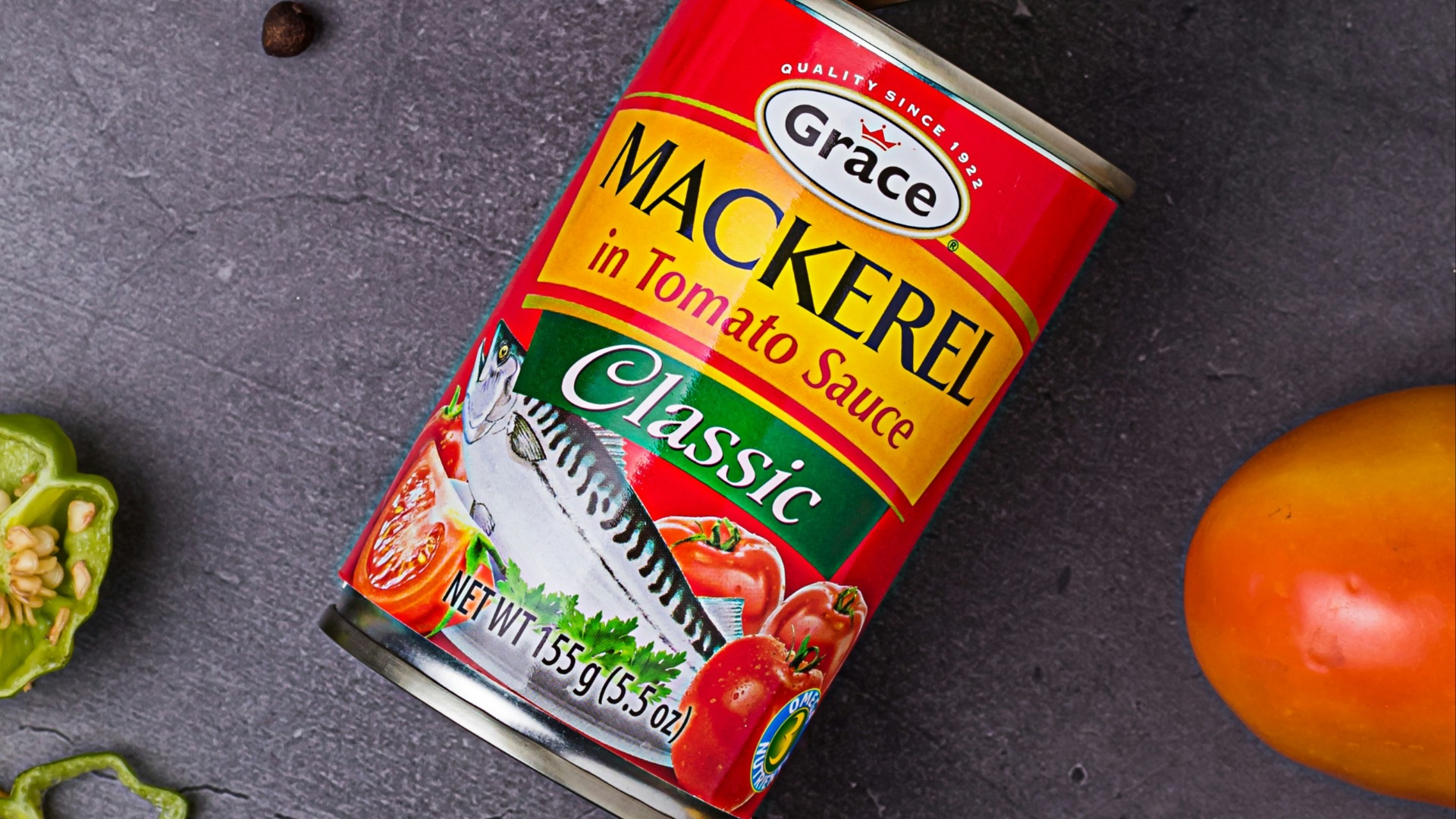
19. Canned Tomato Sauce
Sorry, we’re still on the canned goods! Tomatoes don’t have much room to offer their nutrients when they’re stuffed in a can. If anything, manufacturers add generous amounts of salt, too. They're also naturally rich in potassium, which may be an issue for people with advanced kidney disease who have elevated potassium levels.
20. Packaged Sausages
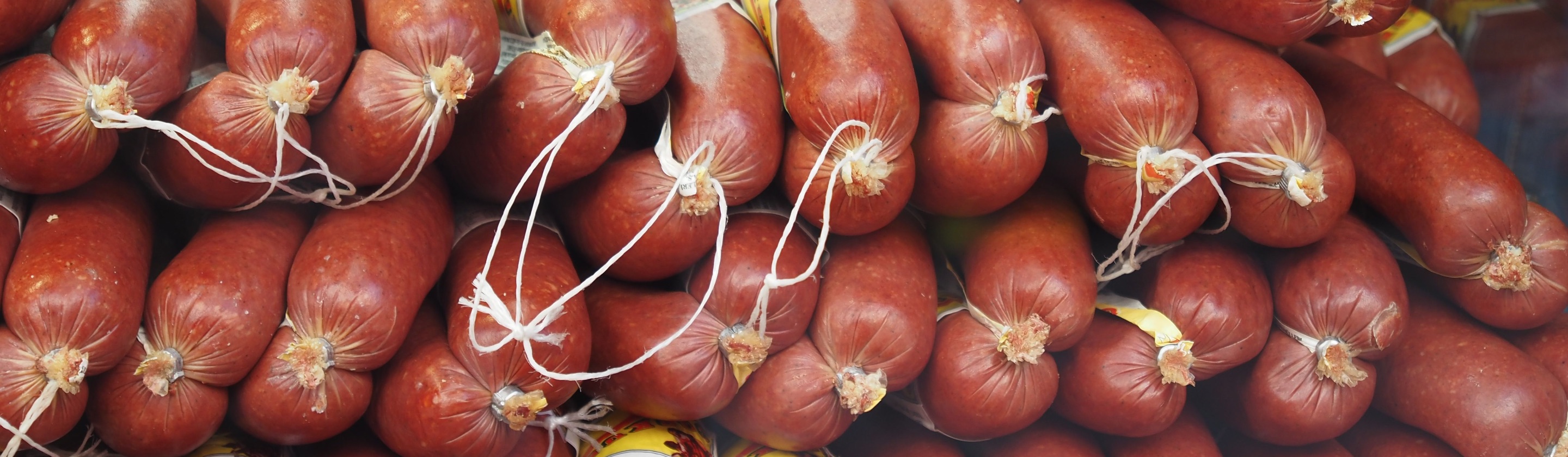
Breakfast links, smoked sausages, hot dogs—these are staples at any American table! The thing is, they’re also staples with considerable sodium alongside preservatives and, in some cases, phosphate additives. Do yourself a favor and swap out some sausage-heavy meals with freshly cooked chicken or fish.

KEEP ON READING