
20 Foods That Can Be Tougher on Your Digestion as You Get Older
Why Your Stomach Might Not Handle Certain Foods Like It Used To
Have you noticed that foods you once enjoyed without a second thought now leave you feeling bloated, uncomfortable, or dealing with heartburn? As you get older, changes in your digestive system, medications, and food tolerances can affect how your body handles certain meals. While aging doesn't automatically mean you'll develop digestive problems, some foods may become harder to tolerate than they used to be. From everyday vegetables to your favorite comfort foods, here are 20 things that might deserve a little more attention as you age.

1. Fried Chicken
Crispy fried chicken might be delicious, but its high fat content can make it harder on your stomach if you're prone to indigestion. Fatty meals can slow stomach emptying, leaving you feeling uncomfortably full long after you've finished eating. They may also worsen acid reflux, which can become a more frequent concern for some older adults. Baking or grilling your chicken instead is often a gentler option.

2. Ice Cream
A bowl of ice cream can become surprisingly troublesome if your body produces less lactase, the enzyme that helps break down lactose. Lactose intolerance can develop or become more noticeable during adulthood, causing bloating, gas, and diarrhea after eating certain dairy products. Ice cream contains lactose along with a fair amount of fat, which may make the discomfort worse.

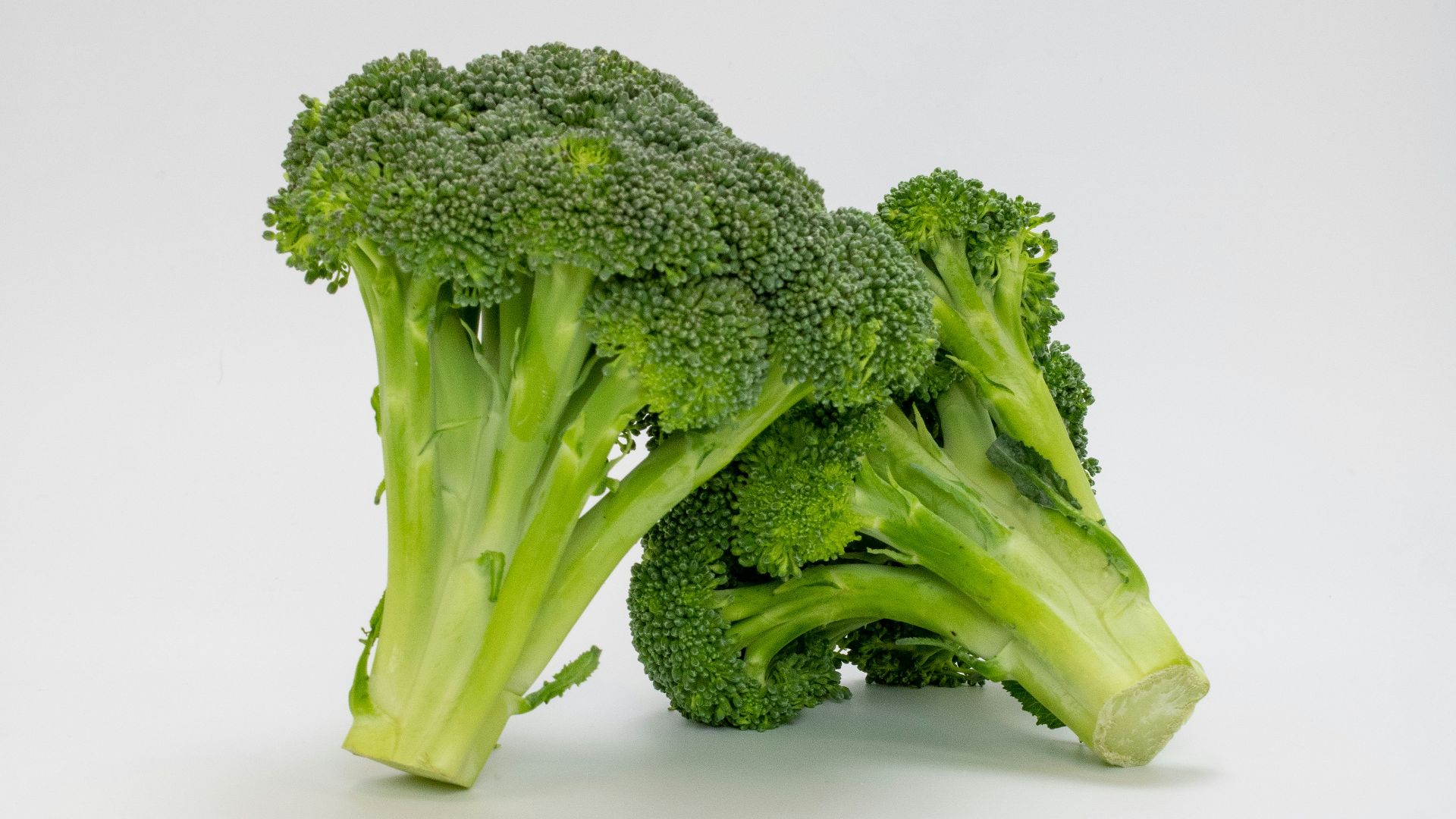
3. Raw Broccoli
Broccoli is packed with nutrients, but eating it raw can leave some people feeling particularly gassy. It contains fiber and certain carbohydrates that bacteria ferment in your large intestine, producing gas along the way. If you've been experiencing more bloating as you've gotten older, large servings of raw broccoli might be worth cutting back on. Cooking it until tender and sticking to smaller portions may help your stomach handle it better.
 Katherine Jenswold on Unsplash
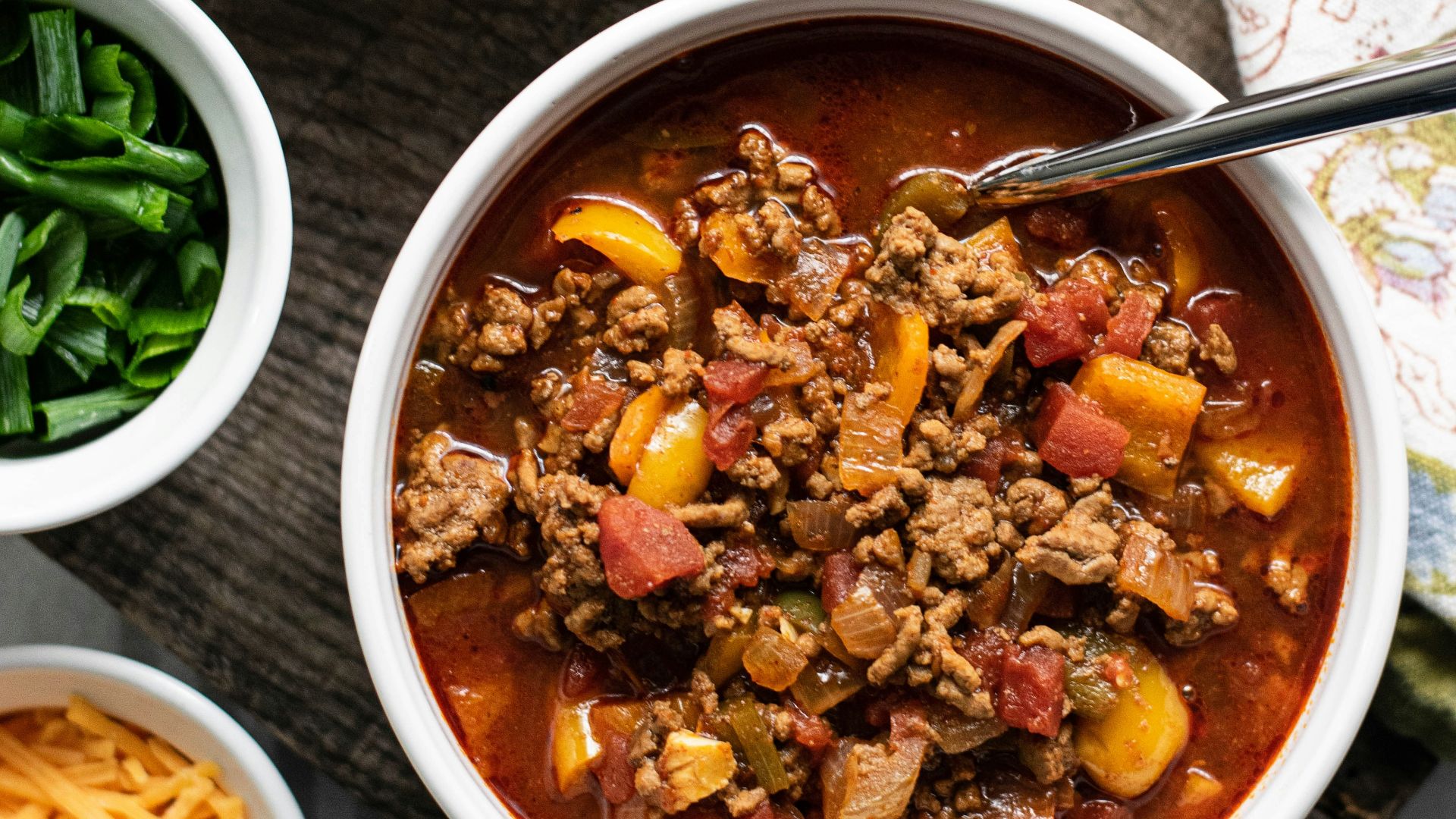
4. Spicy Chili
A steaming bowl of chili can be wonderfully satisfying, but the combination of hot peppers, beans, and sometimes fatty meat may upset your stomach. Capsaicin, the compound that gives chili peppers their heat, can aggravate symptoms in people with sensitive digestive systems. Spicy meals may also bring on heartburn for those who experience acid reflux. Opting for a milder recipe could make your next bowl much easier to enjoy.
5. White Bread
White bread is generally easy to digest, but eating too much of it can contribute to a different digestive issue. Because refined white bread contains relatively little fiber, regularly choosing it over fiber-rich foods may contribute to constipation. This can be especially relevant for older adults who are already dealing with slower bowel movements or lower activity levels. Adding more fiber-rich foods to your daily meals can help keep things regular.

6. Beans
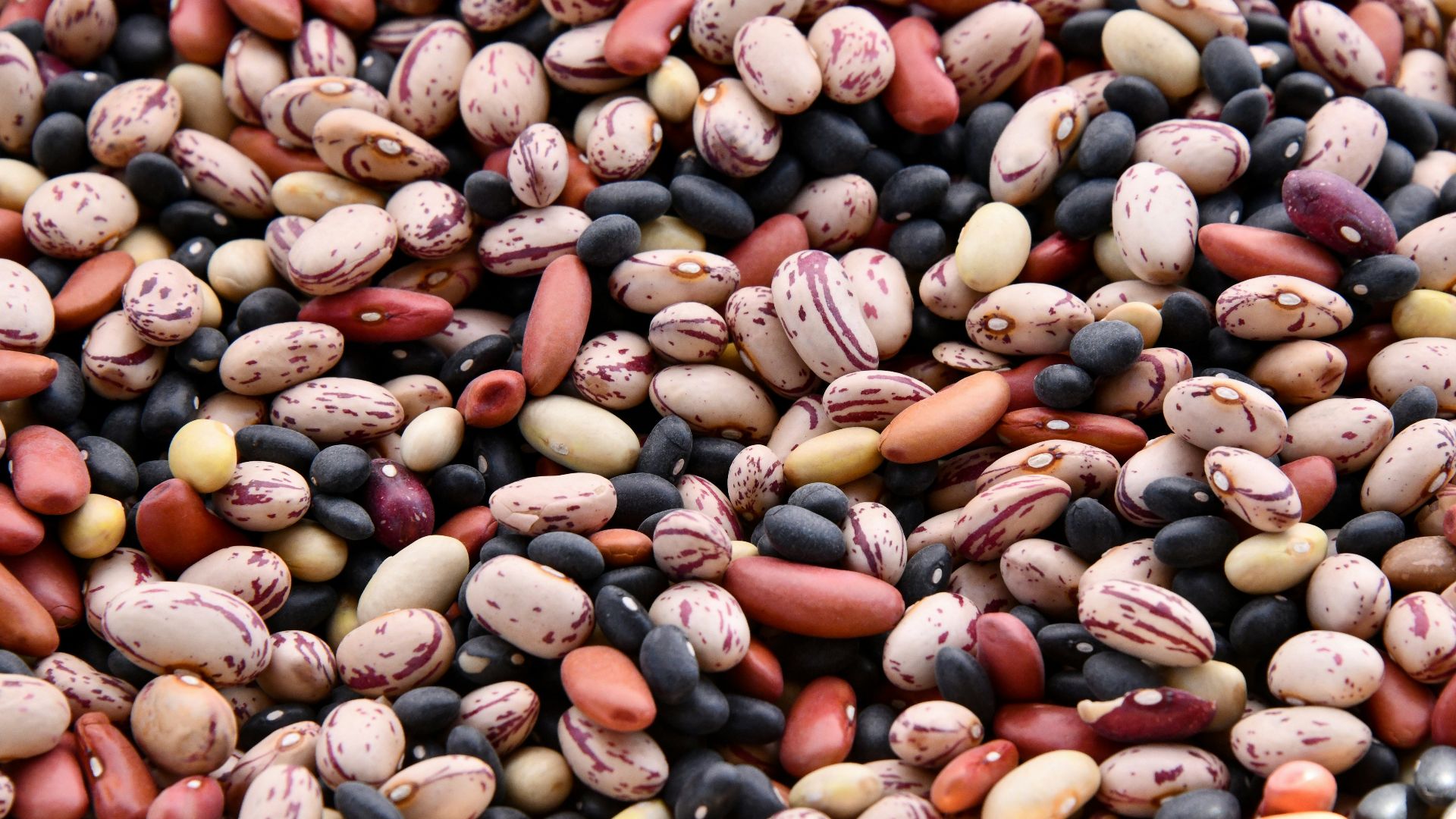
Beans are great sources of fiber and plant-based protein, making them a healthy addition to your diet at any age. However, they contain certain carbs that your small intestine can't fully break down, allowing intestinal bacteria to produce gas as they digest them. If your stomach has become more sensitive, a large serving of beans might leave you feeling bloated afterward. Soaking dried beans, cooking them thoroughly, or rinsing canned varieties may help ease some of those effects.
7. Tomato Sauce
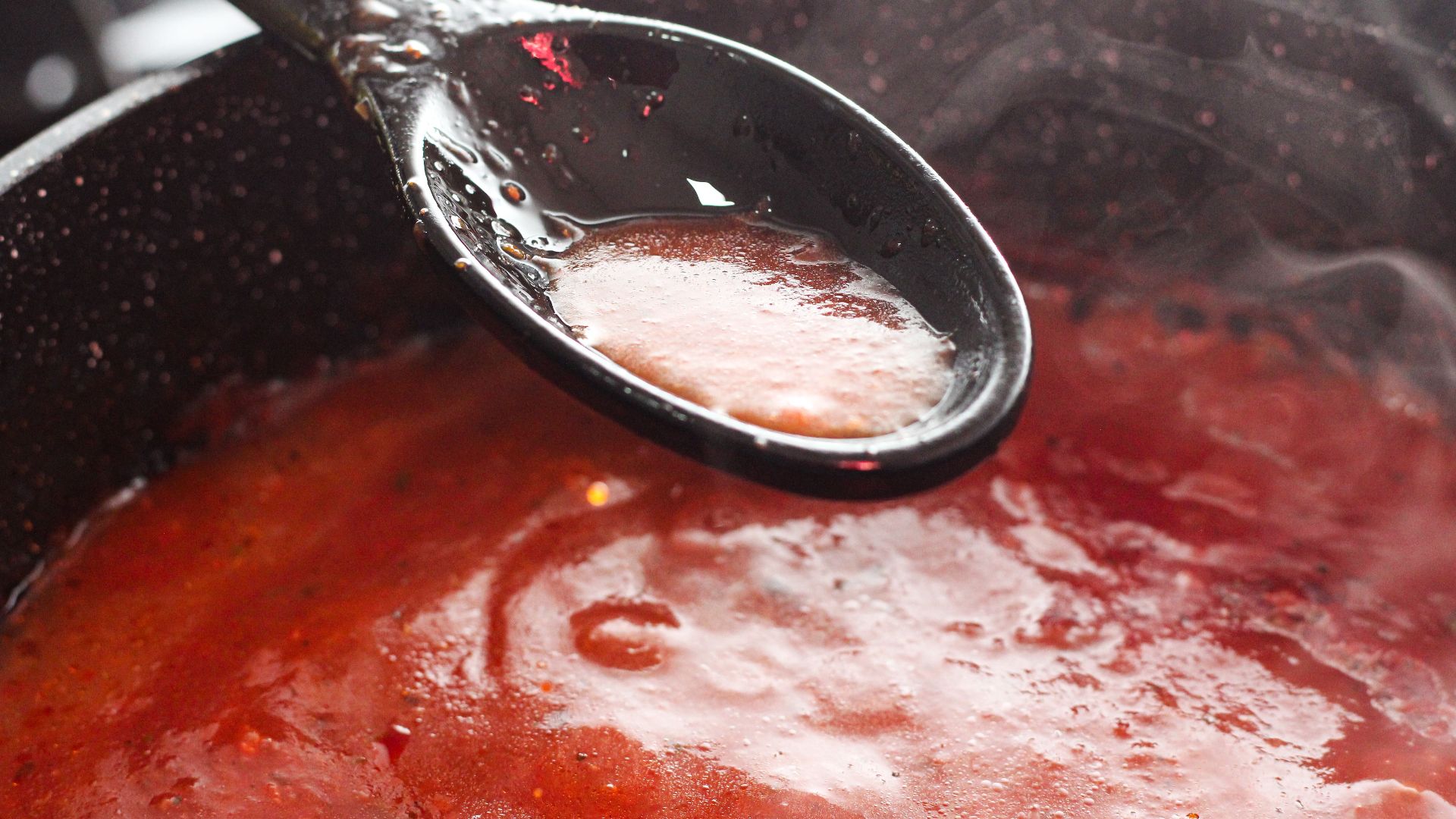
That extra helping of tomato sauce on your pasta could be behind your uncomfortable heartburn. Tomatoes are naturally acidic, which means tomato-based dishes can trigger symptoms in people who experience acid reflux. You might notice the problem more after eating a large portion or having dinner shortly before bed. Using a little less sauce or trying a less acidic alternative could make your meals easier on your stomach.
8. Bacon
Bacon remains a breakfast favorite, but its high fat content can cause trouble for people who frequently experience indigestion. Fatty foods tend to stay in the stomach longer and may contribute to feelings of fullness, nausea, or reflux. Eating several strips alongside other rich breakfast foods can make these symptoms even more noticeable. Sticking to smaller portions or choosing leaner proteins may be easier on your digestive system.

9. Apples
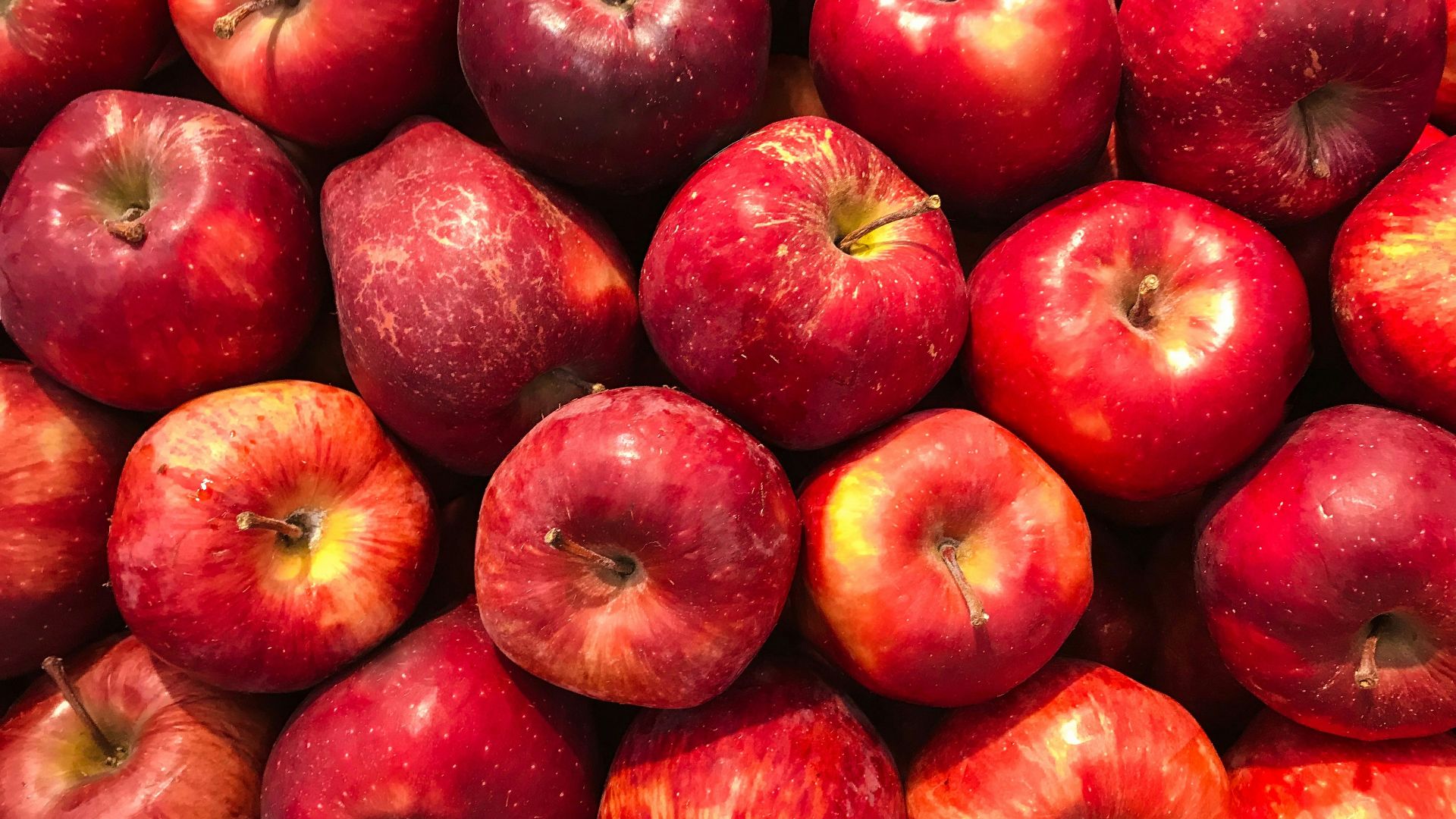
Apples have a healthy reputation for good reason, although they aren't always the best choice for sensitive stomachs. Their fructose and sorbitol content can cause gas and bloating in people who have trouble absorbing these carbohydrates. The fiber in apple skins may also be uncomfortable when eaten in large quantities, especially if you're not used to eating much fiber. Trying peeled or cooked apples might help you enjoy them without feeling uncomfortable afterward.
10. Chocolate
Your favorite chocolate treat might be doing more than satisfying an afternoon craving. Chocolate contains fat and compounds that may worsen acid reflux in some people, occasionally leading to heartburn after eating. Rich chocolate desserts can be especially troublesome when enjoyed after a heavy meal. You don't necessarily have to give up chocolate, but keeping an eye on portion sizes and how you feel afterward is a good idea.

11. Onions
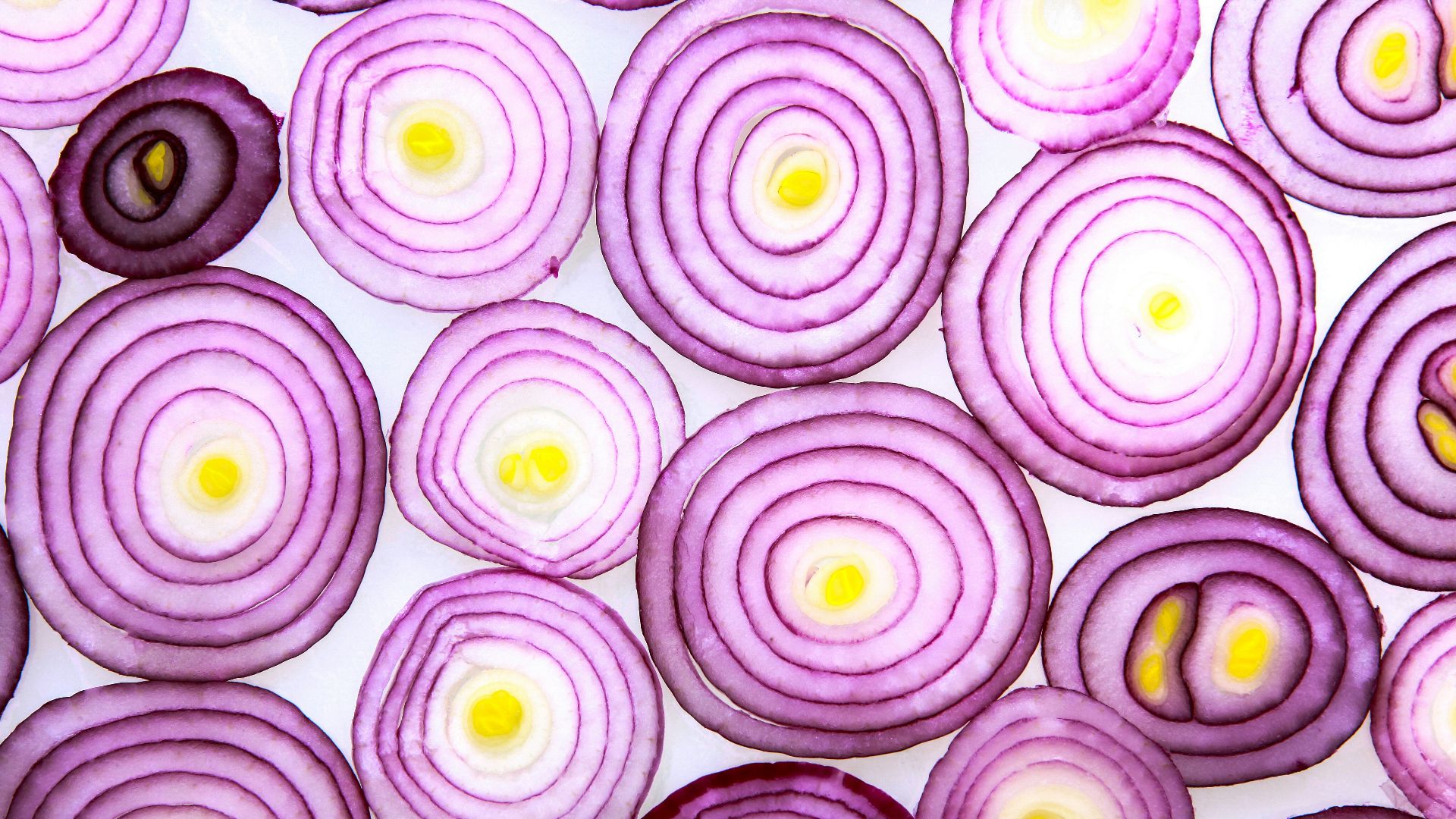
Onions add plenty of flavor to recipes, but they also contain fructans, a type of carbohydrate that can cause digestive discomfort. These substances aren't fully absorbed in the small intestine, allowing bacteria to ferment them and produce gas. People with irritable bowel syndrome or similar sensitivities may have an especially difficult time with onions. Cooking them can make their texture easier to handle, although it doesn't eliminate the fructans that cause bloating.
12. Pizza
Pizza brings together several ingredients that can trigger digestive symptoms, including fatty cheese, acidic tomato sauce, and sometimes greasy meat toppings. For anyone dealing with acid reflux, this combination can cause heartburn or leave them feeling uncomfortably full. Eating several slices may make matters worse, especially if you're having pizza late at night. Choosing lighter toppings and enjoying a smaller serving can help make pizza night much more comfortable.

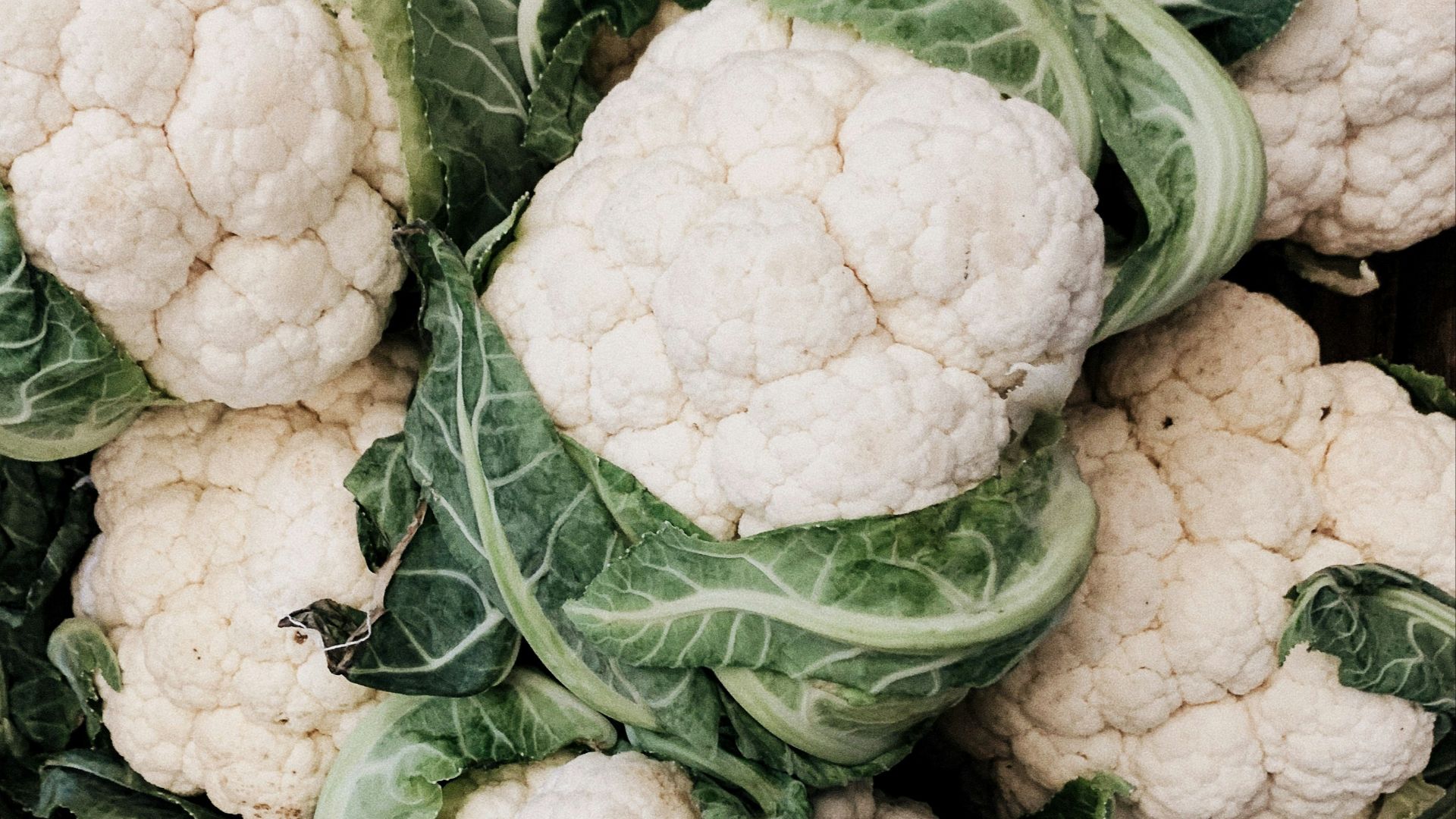
13. Cauliflower
Cauliflower has become a popular substitute for everything from rice to pizza crust, but it isn't always easy on the digestive system. Like broccoli, it contains fermentable carbohydrates that can lead to gas and bloating. People with sensitive stomachs may find that larger servings cause more discomfort than they expected. Steaming cauliflower and slowly increasing your portions could help you figure out how much you can comfortably eat.
14. Whole-Wheat Pasta
Whole-wheat pasta contains more fiber than traditional refined pasta, which can help support regular bowel movements. However, adding too much fiber to your diet too quickly can lead to bloating, cramping, and excess gas. Wheat also contains fructans, which may cause issues for people with certain digestive sensitivities. Gradually introducing whole-wheat pasta and drinking plenty of water may help you avoid some of these unpleasant effects.

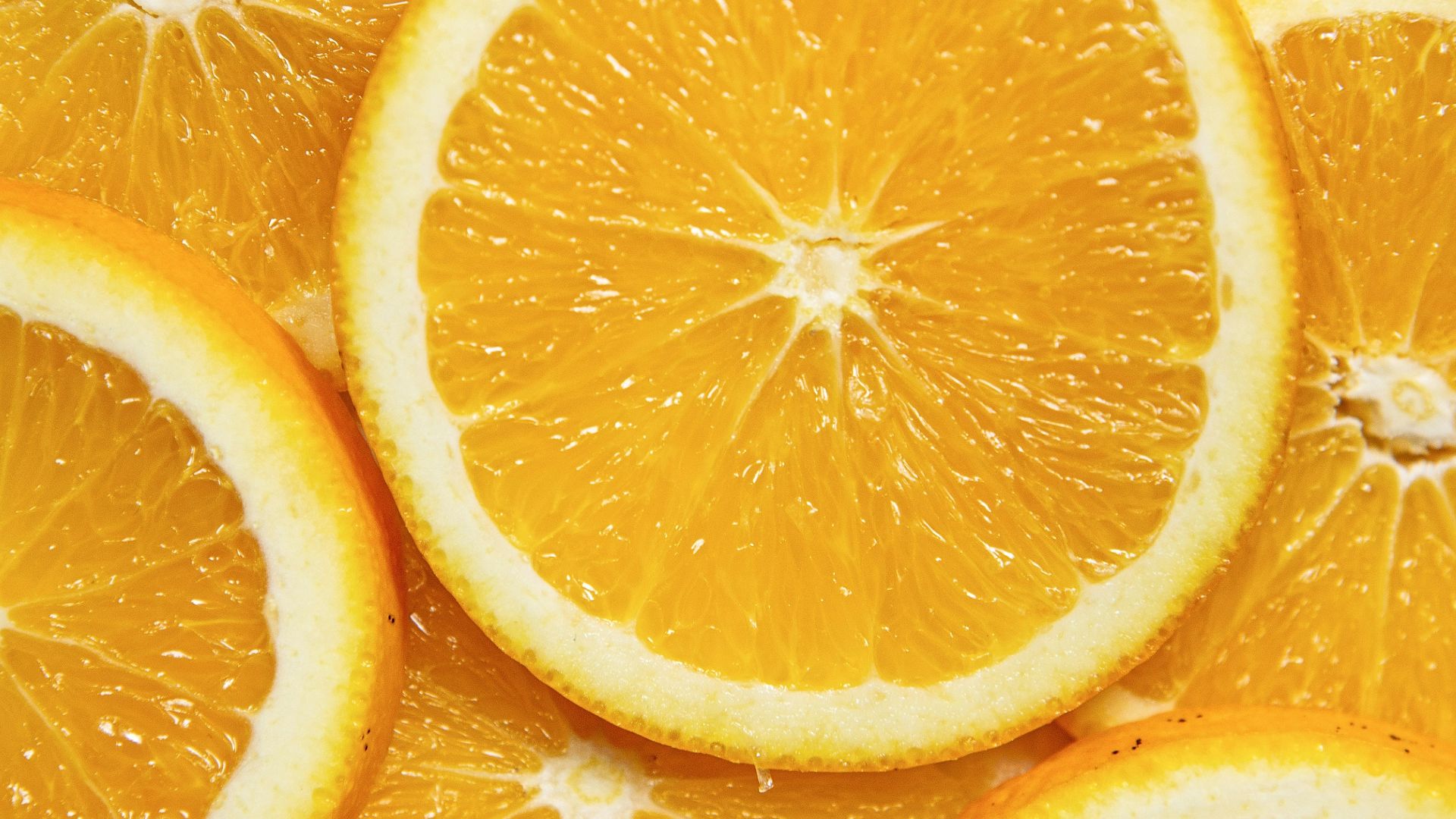
15. Oranges
Oranges provide plenty of vitamin C, but their natural acidity can make heartburn worse for some people. Citrus fruits are common reflux triggers, particularly when eaten on an empty stomach or consumed as juice in large amounts. If you've noticed that citrus tends to leave you uncomfortable, switching to less acidic fruits may be worth trying.
16. Sugar-Free Candy
Sugar-free candy might sound like a good way to satisfy your sweet tooth, but certain varieties can have some unwanted digestive side effects. Many contain sugar alcohols, such as sorbitol or maltitol, that your body doesn't completely absorb during digestion. Eating too much can cause gas, bloating, and sometimes diarrhea, especially if you already have a sensitive stomach. Taking a closer look at ingredient labels can help you figure out which sweeteners might be causing the problem.

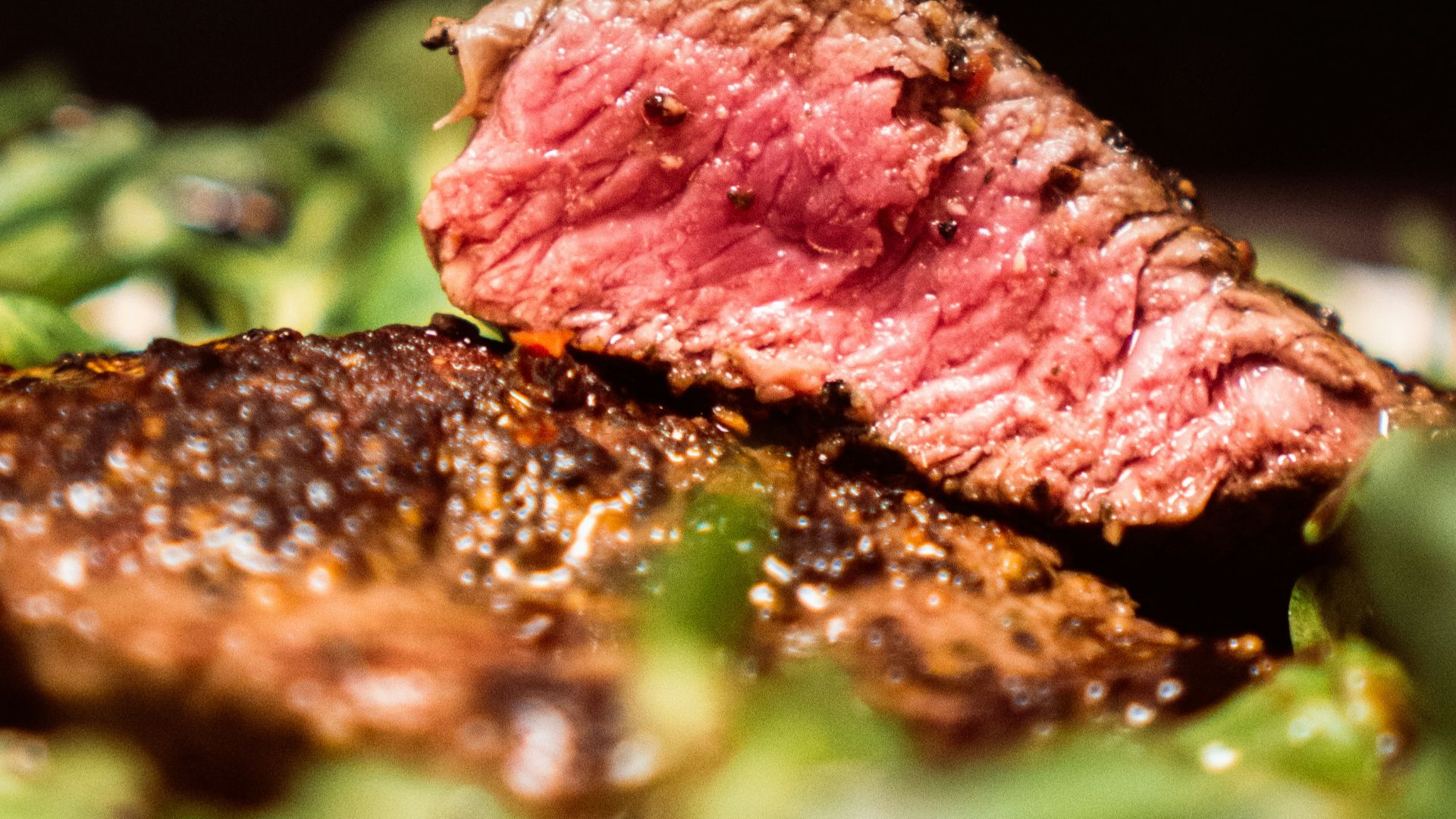
17. Steak
A thick, juicy steak is perfectly manageable for many older adults, but tougher cuts may become more challenging if you have trouble chewing. Reduced saliva production, dental problems, or poorly fitting dentures can make it difficult to break meat into smaller pieces before swallowing. Large portions and fattier cuts can also leave people prone to indigestion feeling overly full. Choosing tender cuts, preparing them properly, and taking your time to chew can make a noticeable difference.
18. Garlic
Garlic adds wonderful flavor to countless dishes, but it can also be the reason you're feeling bloated after dinner. Like onions, garlic contains fructans that may trigger gas and abdominal discomfort in people sensitive to these carbohydrates. Even cooked garlic can cause trouble because heating doesn't reliably remove these compounds. If garlic regularly upsets your stomach, garlic-infused oil can provide a similar flavor without the fructans, as long as the garlic solids are removed.

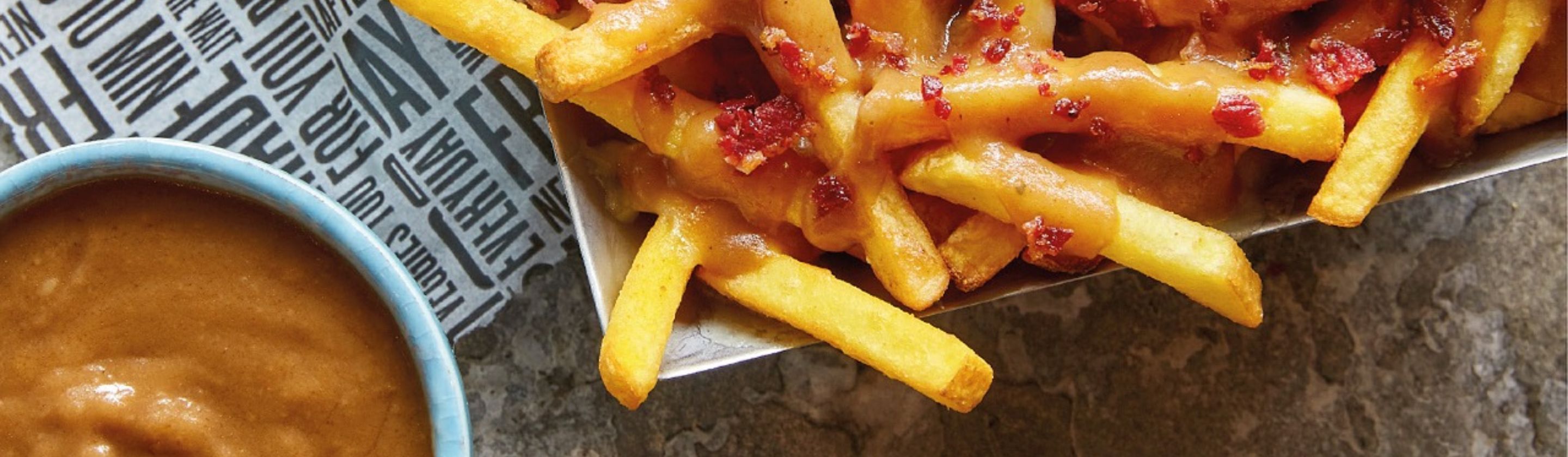
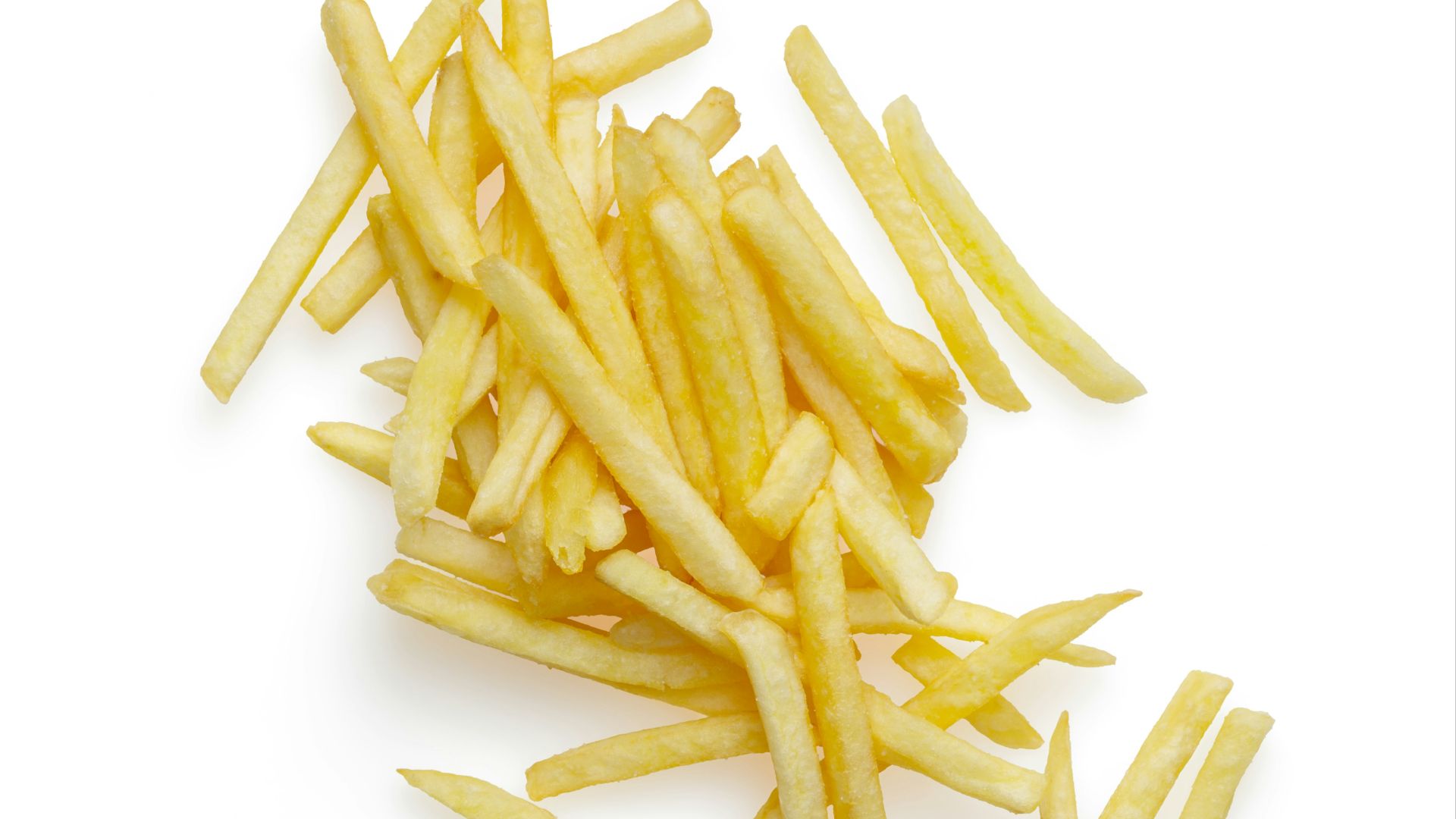
19. French Fries
French fries might be hard to resist, but their high fat content can leave some people feeling overly full and uncomfortable. Fried foods are common triggers for indigestion and acid reflux, especially when eaten in large portions. Having fries alongside a big burger and sugary soda may only increase your chances of experiencing digestive discomfort.
20. Peppermint Candy
Peppermint has a reputation for calming upset stomachs, so you might be surprised to learn that it can sometimes make certain digestive problems worse. Peppermint may relax the lower esophageal sphincter, the muscle that helps keep stomach acid from flowing back into your esophagus. For people who frequently experience acid reflux, peppermint candies and other mint-flavored treats might actually worsen heartburn. If you've noticed discomfort after eating them, trying a non-mint option might help.
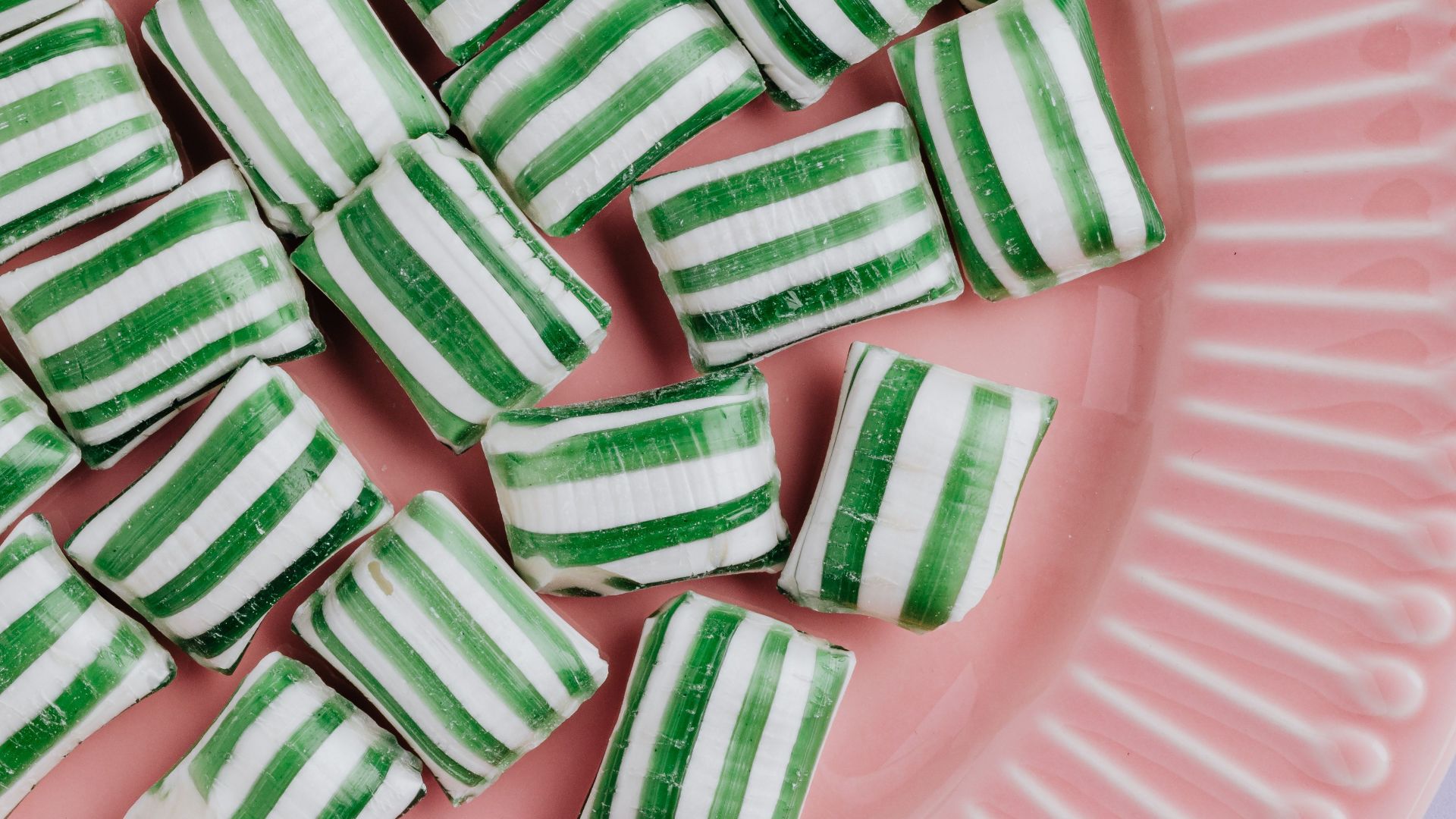 https://kaboompics.com/ on Pexels